Dual mode locomotive combines diesel and electricity in freight transport
by B. Velonavy - 2024-02-13Rail transport is under growing pressure to become more efficient, flexible and economical. In freight transport in particular, different realities collide: electrified main lines on the one hand, and non-electrified sidings, terminals and branch lines on the other.
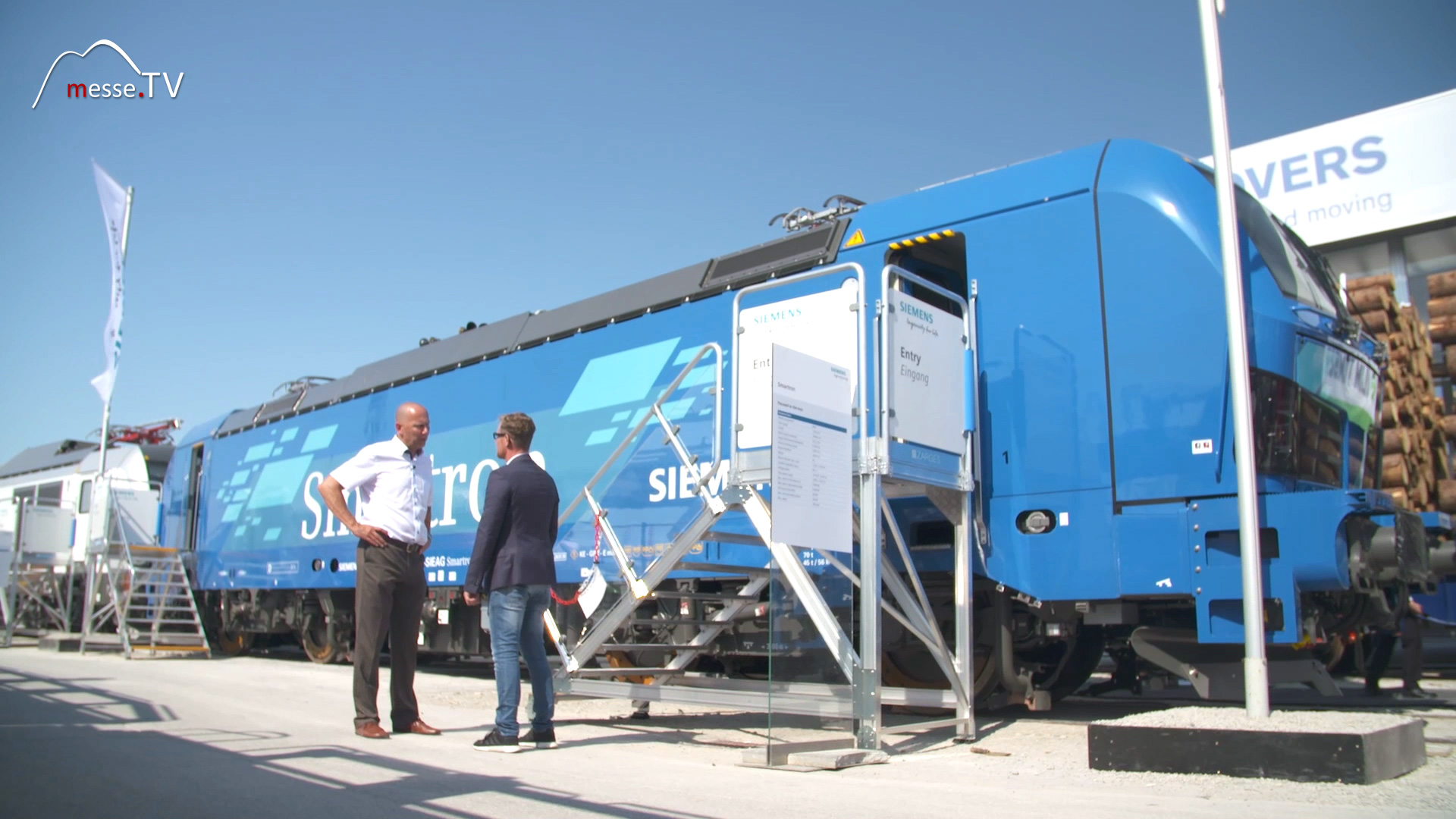
This is precisely where a new locomotive concept comes in, bringing together two previously separate worlds. The dual mode locomotive is designed to run both under overhead lines and independently of them – without requiring the operator to make any fundamental new system decisions.
Dual mode as a basic technical principle
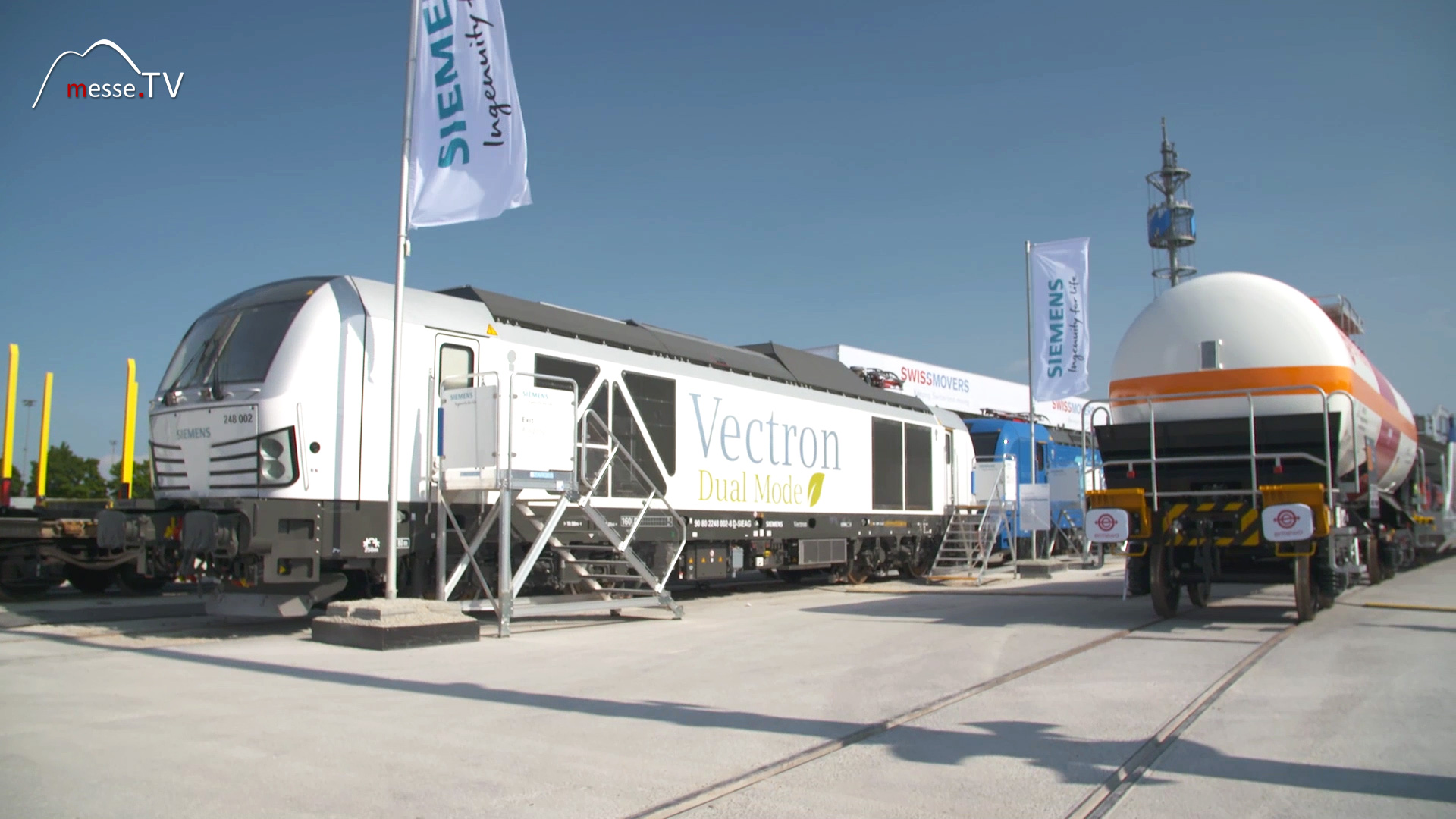
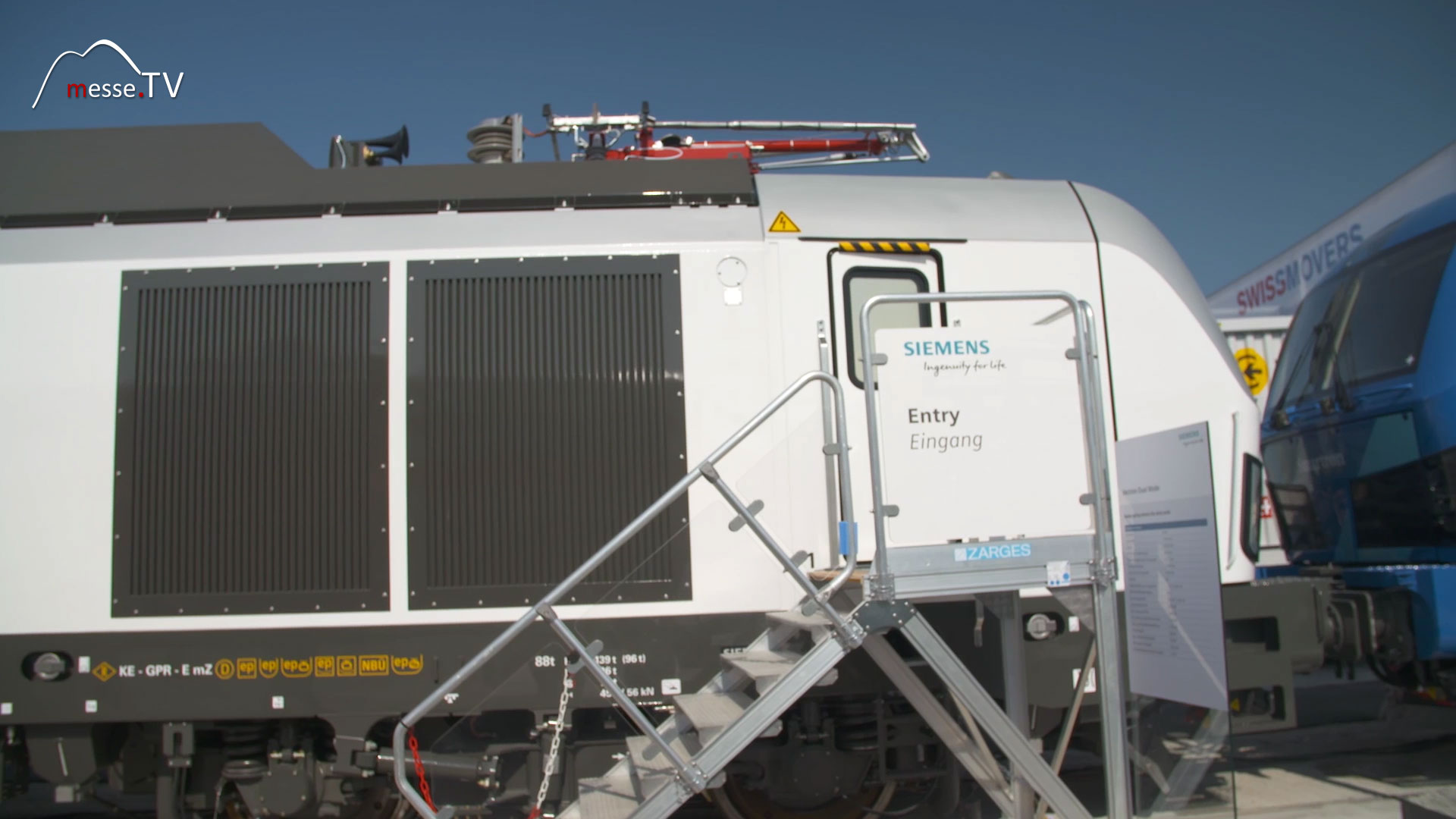
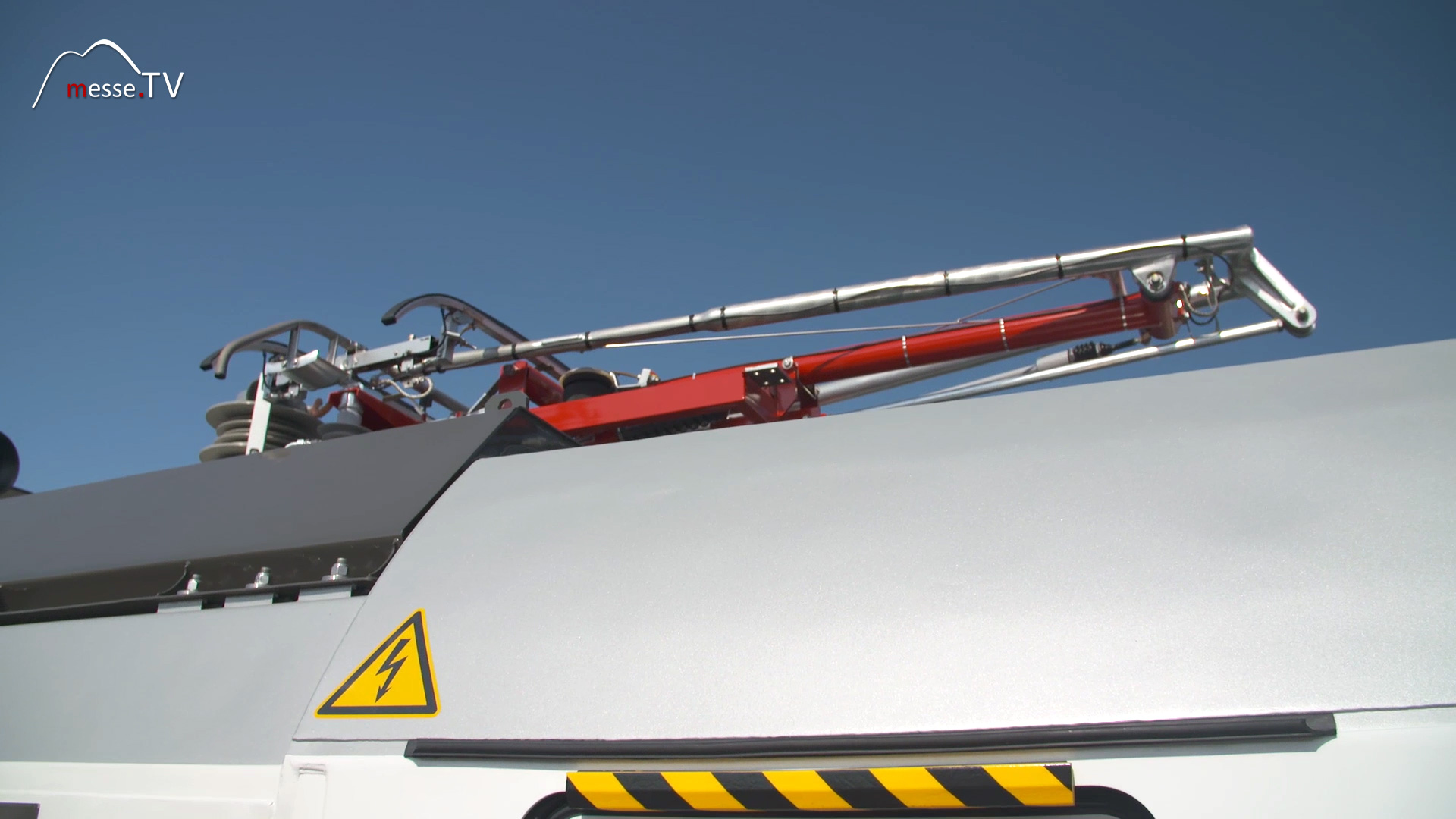
The term dual mode describes a locomotive that can be used in two operating modes. Technically, the concept is based on a classic diesel platform, which has been supplemented with a fully-fledged electric drive. The locomotive can be operated purely electrically under overhead lines, switching to diesel mode on non-electrified lines. Both operating modes are available with the same traction power, without the driver having to accept any restrictions in daily use. The design is not based on a completely new design, but uses a proven platform as its basis. The additional pantograph and the corresponding power electronics create a hybrid system that can be seamlessly integrated into existing operating procedures.
Vectron Diesel as a starting point
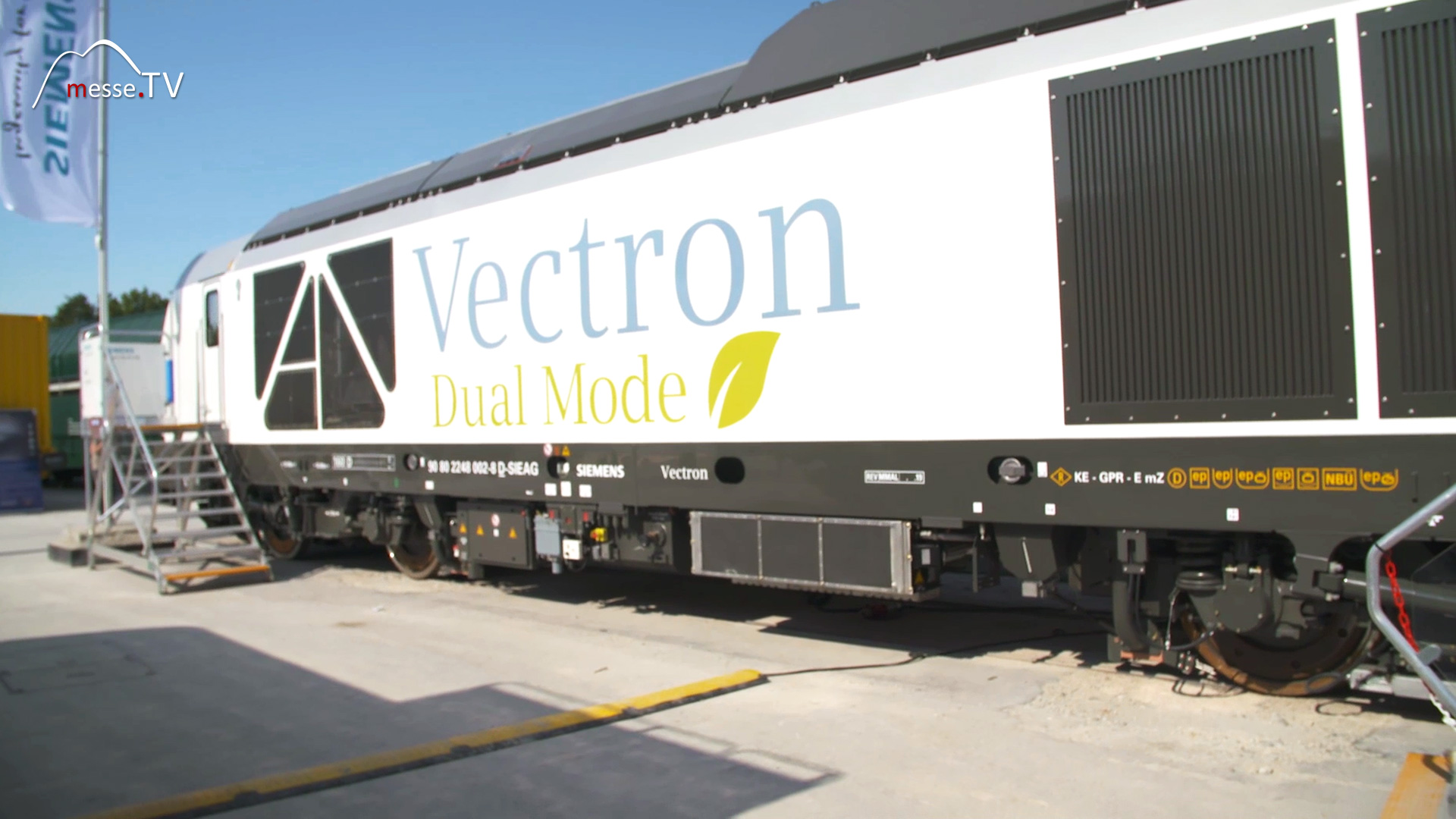
An established diesel locomotive from the Vectron family serves as the technical foundation. This basis has the advantage that maintenance, operation and spare parts supply are already familiar. The dual-mode approach complements this platform with the ability to draw energy from the overhead line. This transforms a pure diesel locomotive into a versatile vehicle for mixed networks. For operators, this means that they do not have to introduce a new vehicle philosophy. Training requirements, maintenance concepts and operating processes remain largely comparable, while the range of applications is significantly expanded.
Lifecycle cost efficiency
A key argument in favour of the dual mode concept from Siemens is the lifecycle costs. Electric operation is significantly cheaper than diesel operation, both in terms of energy costs and maintenance. Wherever an overhead line is available, the locomotive can take advantage of this. Full operational capability is maintained on routes without overhead lines. The additional cost compared to a classic diesel locomotive is moderate. However, the decisive factor is that this investment can be amortised over the years of operation. The higher the proportion of electrified routes in the operating profile, the faster the concept pays off. At the same time, the locomotive remains flexible enough to be used even where electrification is not yet available.
- Cost advantages through electric operation under overhead lines
- Reduced maintenance costs compared to pure diesel operation
- No dependence on continuous electrification
- Amortisation of the additional cost over the life cycle

More flexibility in daily operation
In everyday operations, the dual-mode locomotive offers one thing above all else: flexibility. Shunting in terminals, deliveries on industrial tracks or use on branch lines can be carried out without changing locomotives. At the same time, electric operation can be used on main lines to reduce costs and emissions. This consistency greatly simplifies planning. Rotations can be made more efficient, interfaces are eliminated and downtime is reduced. This approach is particularly attractive in combined transport, where trains frequently switch between electrified corridors and non-electrified end points.
Classification in the current market development
Rail freight transport is caught between climate targets, economic pressure and limited infrastructure. While the expansion of electrification is only progressing gradually, the need for flexible transitional solutions is growing. The dual-mode locomotive is precisely such a bridging technology. It does not replace comprehensive electrification, but it does create room for manoeuvre in the short term. Operators can gradually adapt their fleets without having to wait for future infrastructure decisions. At the same time, the proportion of electric operation is increased where it is already possible today.
Siemens' role in locomotive construction
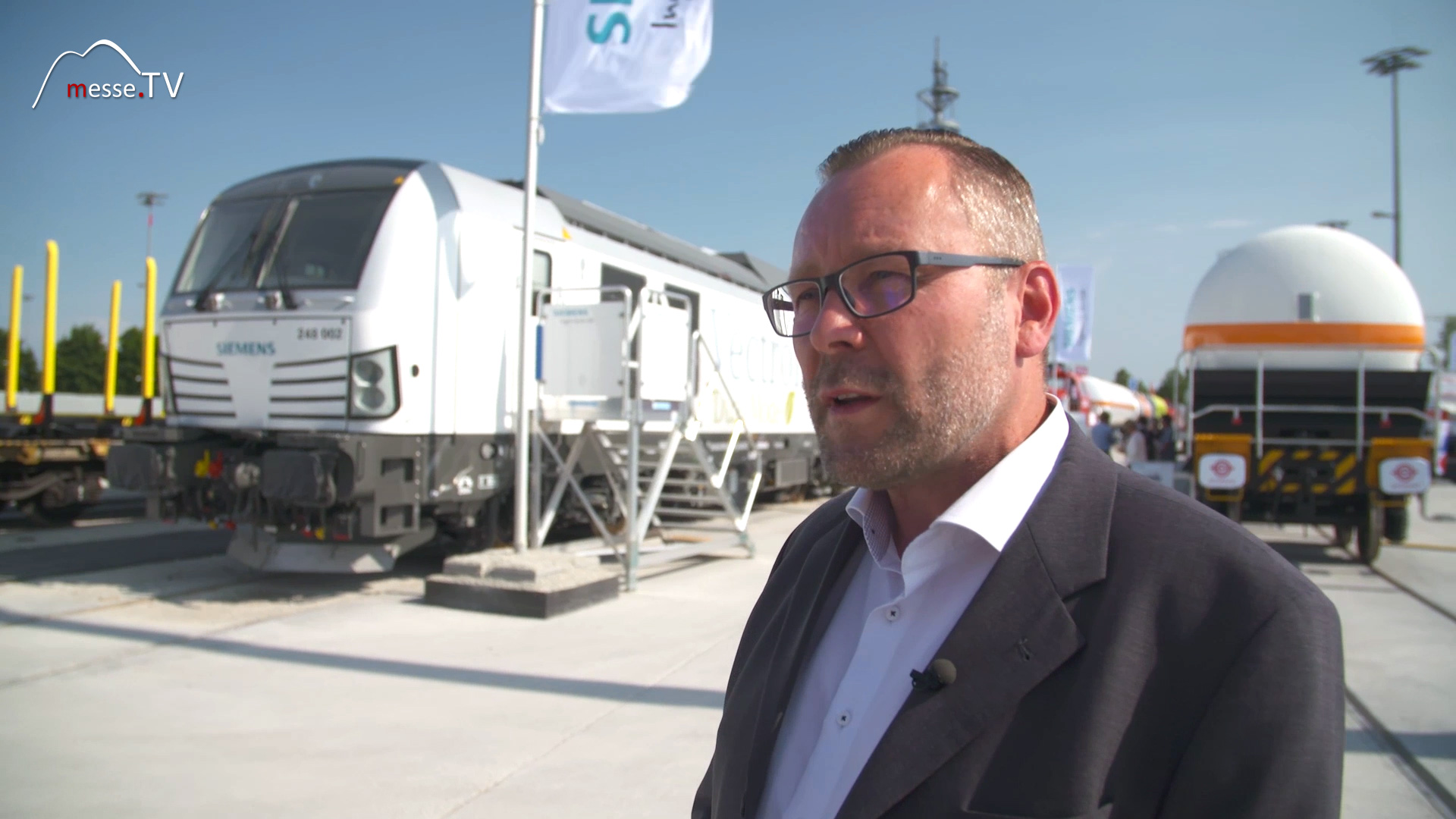
As a manufacturer with many years of experience in rail vehicle construction, Siemens has the necessary system understanding for such concepts. The dual-mode locomotive is an example of an approach that focuses not on maximum complexity, but on pragmatic integration. Existing technology is further developed instead of being completely replaced. The concept thus follows a clear logic: the market needs solutions that work today and can be further developed tomorrow. Dual mode is not an end point, but a building block in the transformation of rail freight transport.
Perspective for operators and network operators
Dual mode opens up a new option in fleet strategy for railway companies. Investments can be better secured because the locomotive remains usable regardless of the state of the infrastructure. Network operators benefit indirectly because electric operation increases where it is available without creating additional technical hurdles. Overall, the concept shows that innovation in rail transport does not necessarily require radical changes. Progress often lies in the intelligent combination of existing systems. The dual mode locomotive is an example of how technical pragmatism and economic rationality can be brought together – with measurable benefits for freight transport.
Trade fair reporting Germany - Trade fair knowledge, dates & events


