Digitale Ladungssicherung erhöht Sicherheit im Transportalltag
von Jürgen Groh - 2024-02-13Digitale Lösungen verändern den Güterverkehr an einer Stelle, die lange als rein mechanisch galt: bei der Ladungssicherung. Spanngurte, Ratschen und Zurrpunkte sind etabliert, zuverlässig und normiert. Doch ihr Zustand bleibt im laufenden Betrieb oft unsichtbar.
Was beim Beladen korrekt gespannt wurde, kann sich während der Fahrt verändern – durch Bremsmanöver, Vibrationen oder Materialermüdung. Genau hier setzt digitale Ladungssicherung an und erhöht die Sicherheit im Transportalltag, ohne bewährte Abläufe grundsätzlich zu ersetzen. Transport- und Logistiklösungen stehen unter hohem Effizienzdruck. Speditionen und Fahrzeughersteller suchen nach Wegen, Risiken zu reduzieren und gleichzeitig Prozesse zu vereinfachen. Die Kontrolle der Ladung ist dabei ein sensibler Punkt. Sie betrifft Fahrer, Disposition und letztlich die Verkehrssicherheit. Digitale Systeme schaffen Transparenz dort, wo bisher nur Sichtprüfung und Erfahrung verfügbar waren.


BPW als Anbieter digitaler Transportlösungen
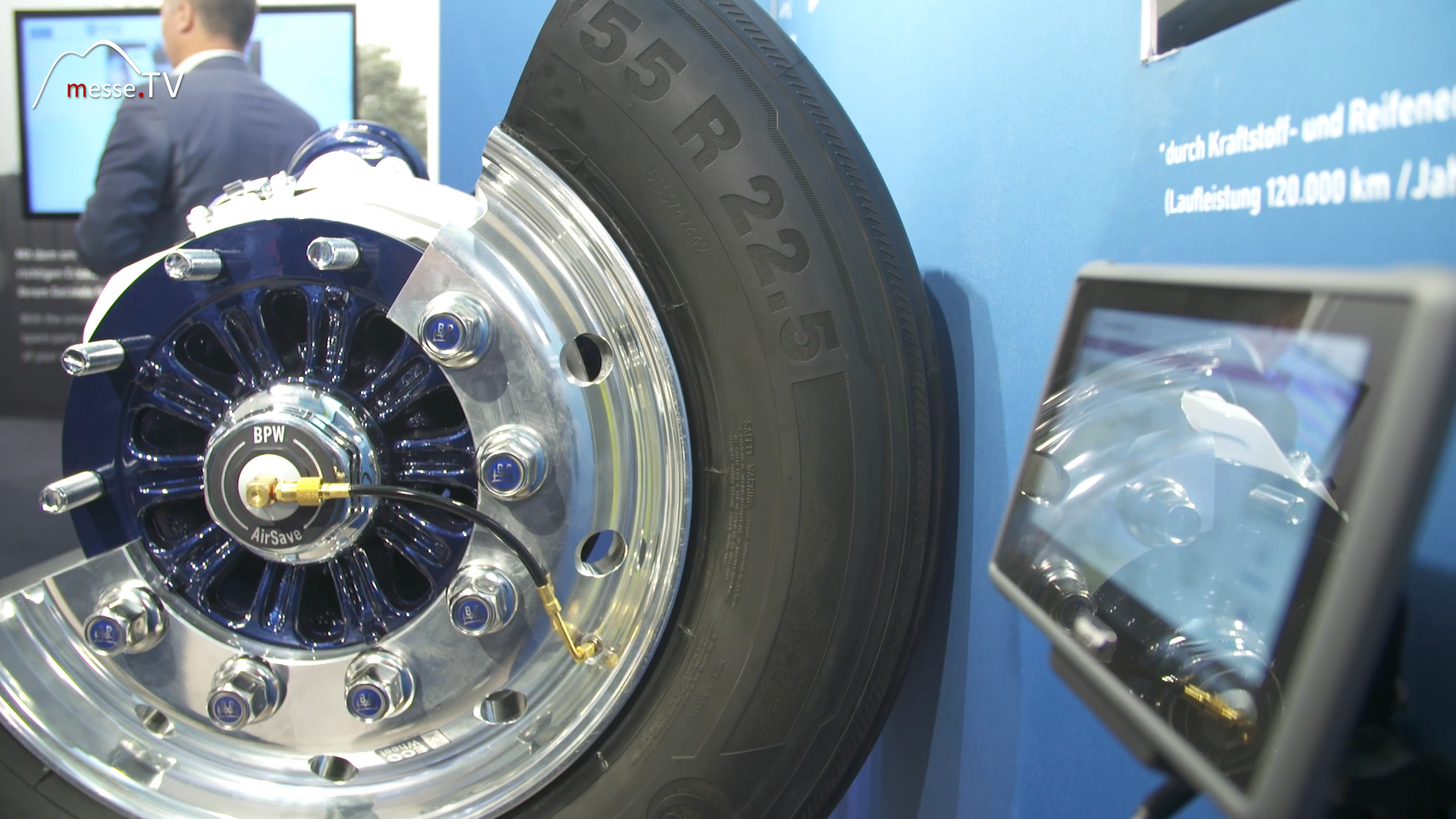
BPW ist klassisch im Fahrwerksbereich verankert. Achsen und fahrwerksnahe Komponenten prägen das Bild des Unternehmens seit Jahrzehnten. Parallel dazu hat sich das Portfolio erweitert. Neben mechanischer Kompetenz entstehen digitale Transport- und Logistiklösungen, die gezielt an operativen Schwachstellen ansetzen. Adressiert werden Speditionen ebenso wie Fahrzeughersteller, die zusätzliche Sicherheit und Kontrollmöglichkeiten integrieren wollen. Dieser Perspektivwechsel ist folgerichtig. Moderne Logistik erfordert nicht nur robuste Technik, sondern auch verlässliche Informationen. Die Verbindung aus Hardware und digitaler Auswertung eröffnet neue Möglichkeiten, ohne den Fahrer zusätzlich zu belasten.

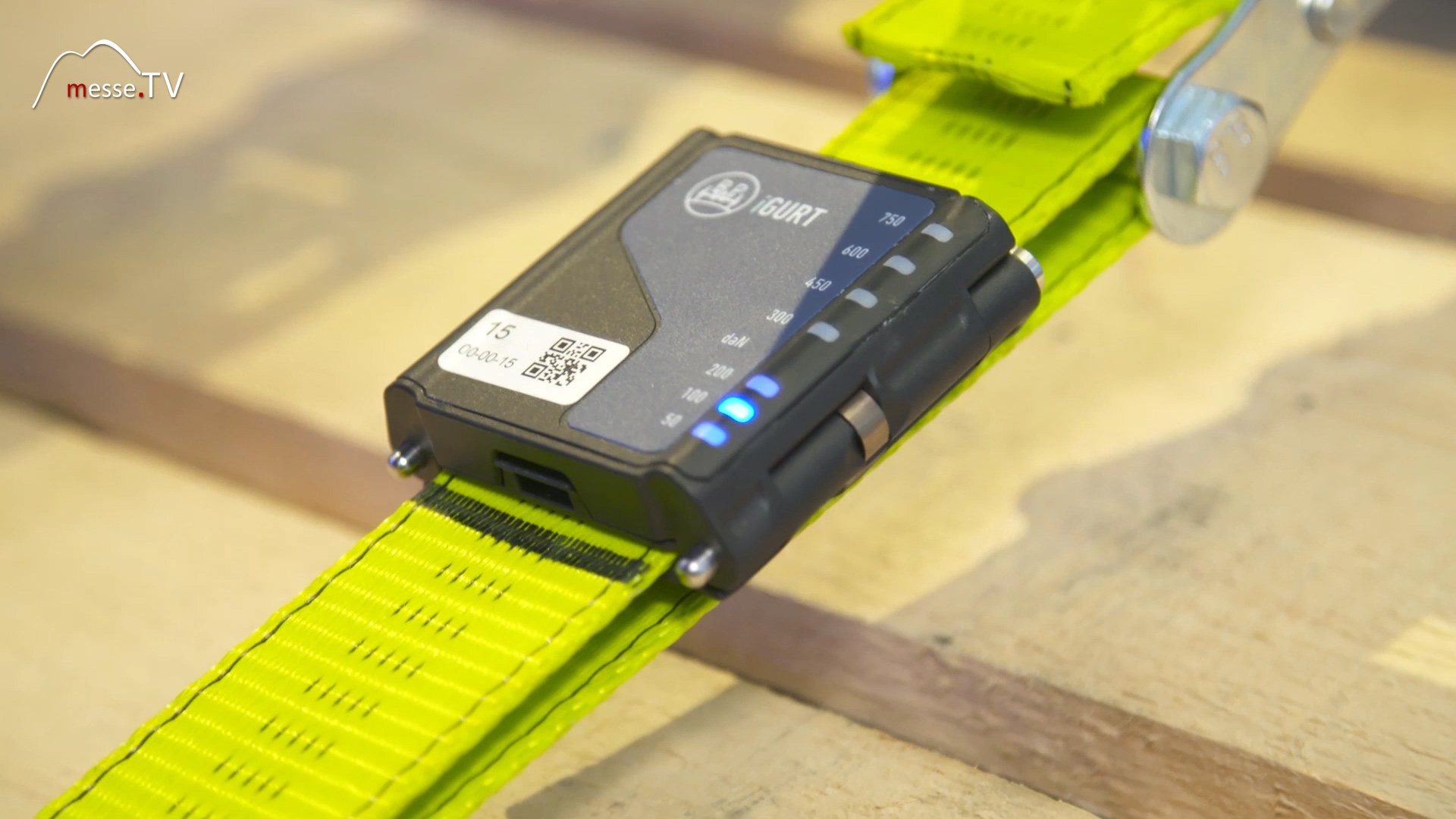
iGurt macht Ladungssicherung messbar
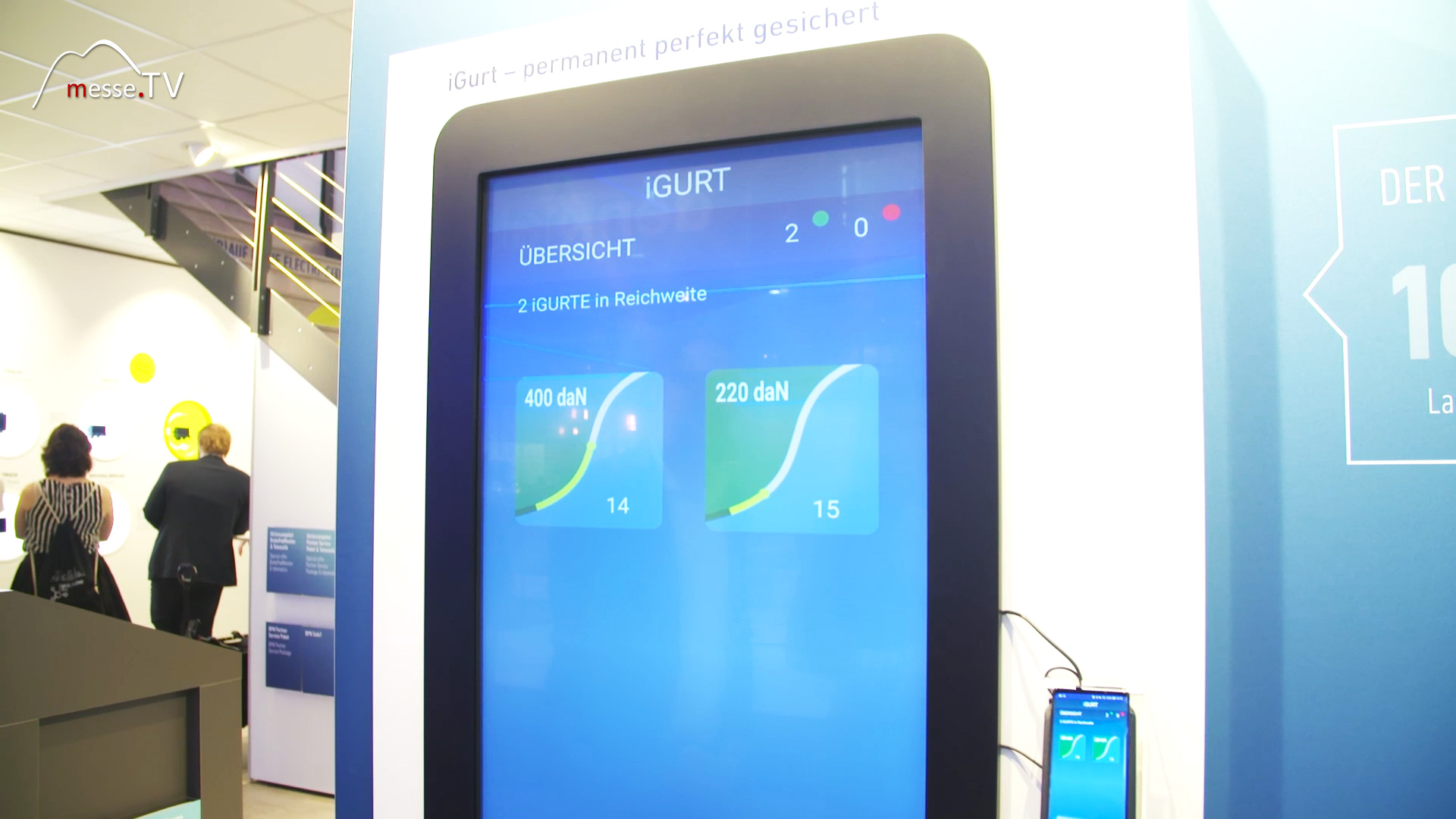
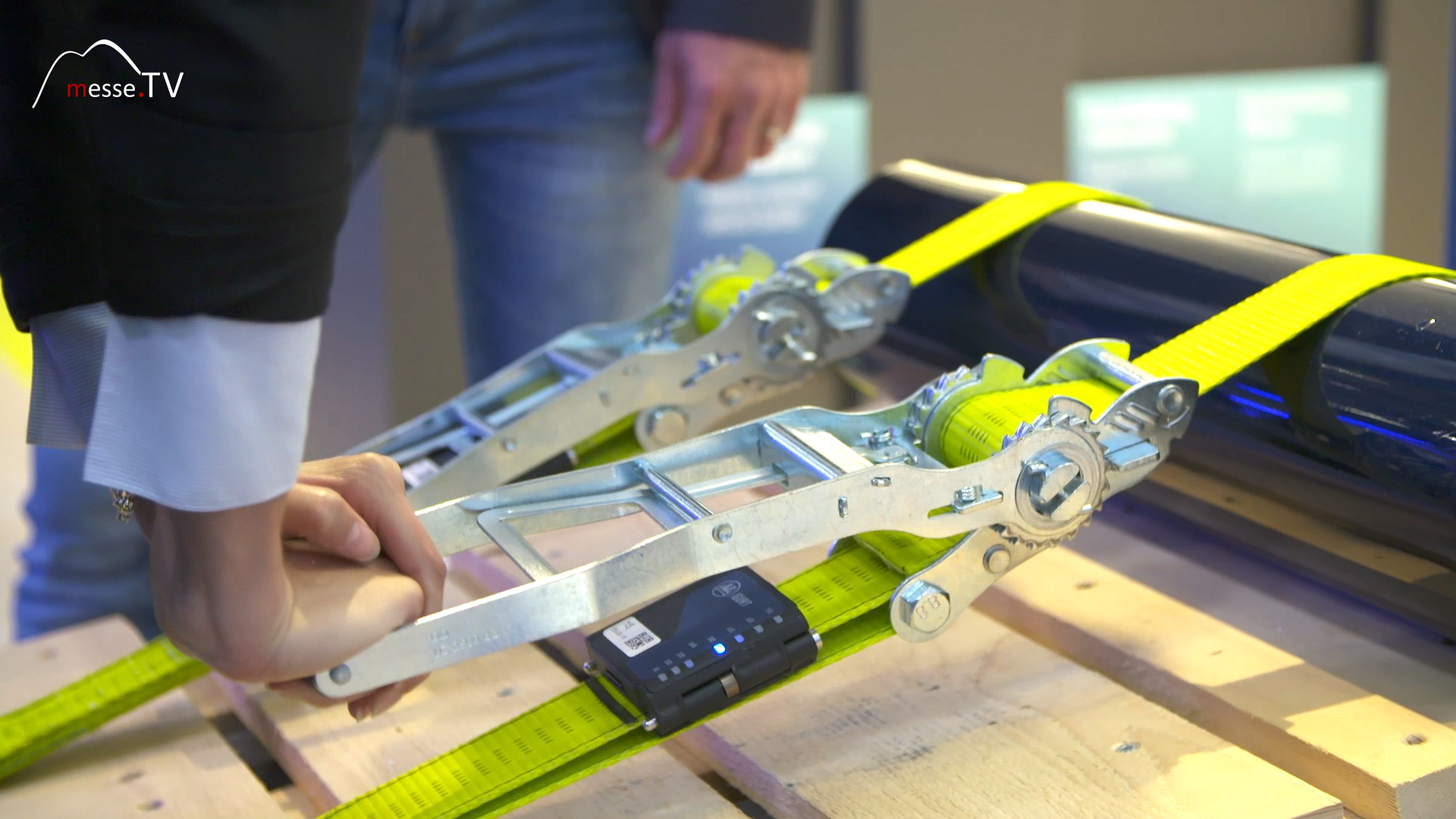
Ein Beispiel für diesen Ansatz ist der iGurt. Auf den ersten Blick unterscheidet sich der Spanngurt kaum von herkömmlichen Systemen. Der entscheidende Unterschied liegt in der integrierten Messelektronik. Ein kompaktes Modul erfasst die tatsächliche Vorspannkraft des Gurtes und macht sie digital sichtbar. Beim Anziehen signalisiert eine LED den aktuellen Zustand. Die gemessene Kraft wird präzise erfasst und einer eindeutigen Gurtkennung zugeordnet. So lässt sich beispielsweise erkennen, welcher Gurt mit welcher Spannung eingesetzt ist. Diese Information ist nicht nur lokal am Gurt verfügbar, sondern wird weitergeleitet.

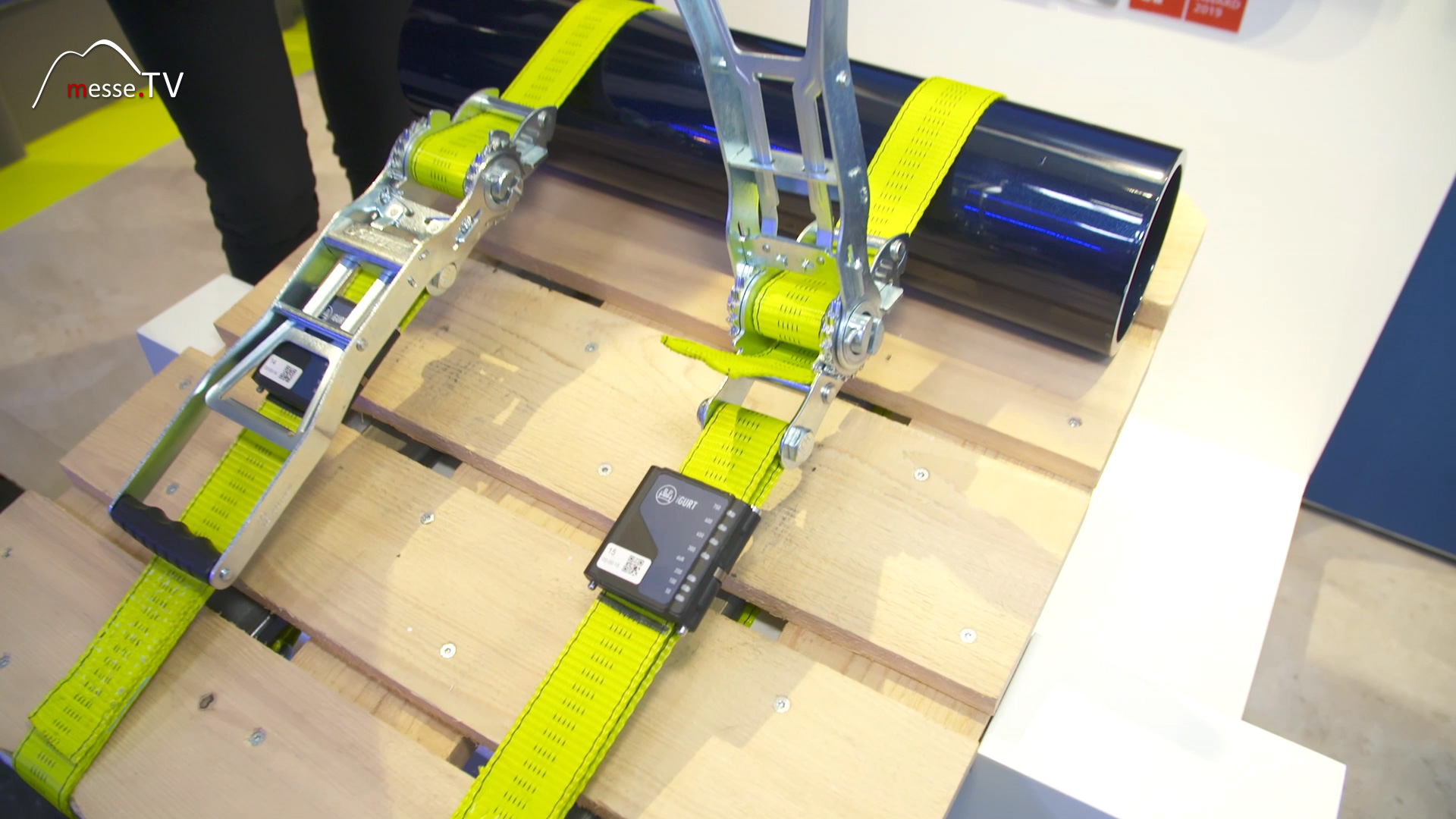
Smartphone-App als Schnittstelle ins Fahrerhaus
Die Kommunikation erfolgt über eine Smartphone-App. Im Fahrerhaus sieht der Fahrer, ob die Ladung gesichert ist und in welchem Zustand sich die Gurte befinden. Verändert sich die Spannung, etwa durch Setzbewegungen der Ladung, wird dies angezeigt. Auch ein Gurtversagen oder ein vollständiger Spannungsverlust lässt sich erkennen. Damit verschiebt sich die Kontrolle der Ladungssicherung vom Stillstand in den laufenden Betrieb. Der Fahrer bleibt permanent informiert, ohne anhalten oder manuell prüfen zu müssen. Die digitale Rückmeldung ergänzt bestehende Sicherheitsroutinen und macht sie belastbarer.
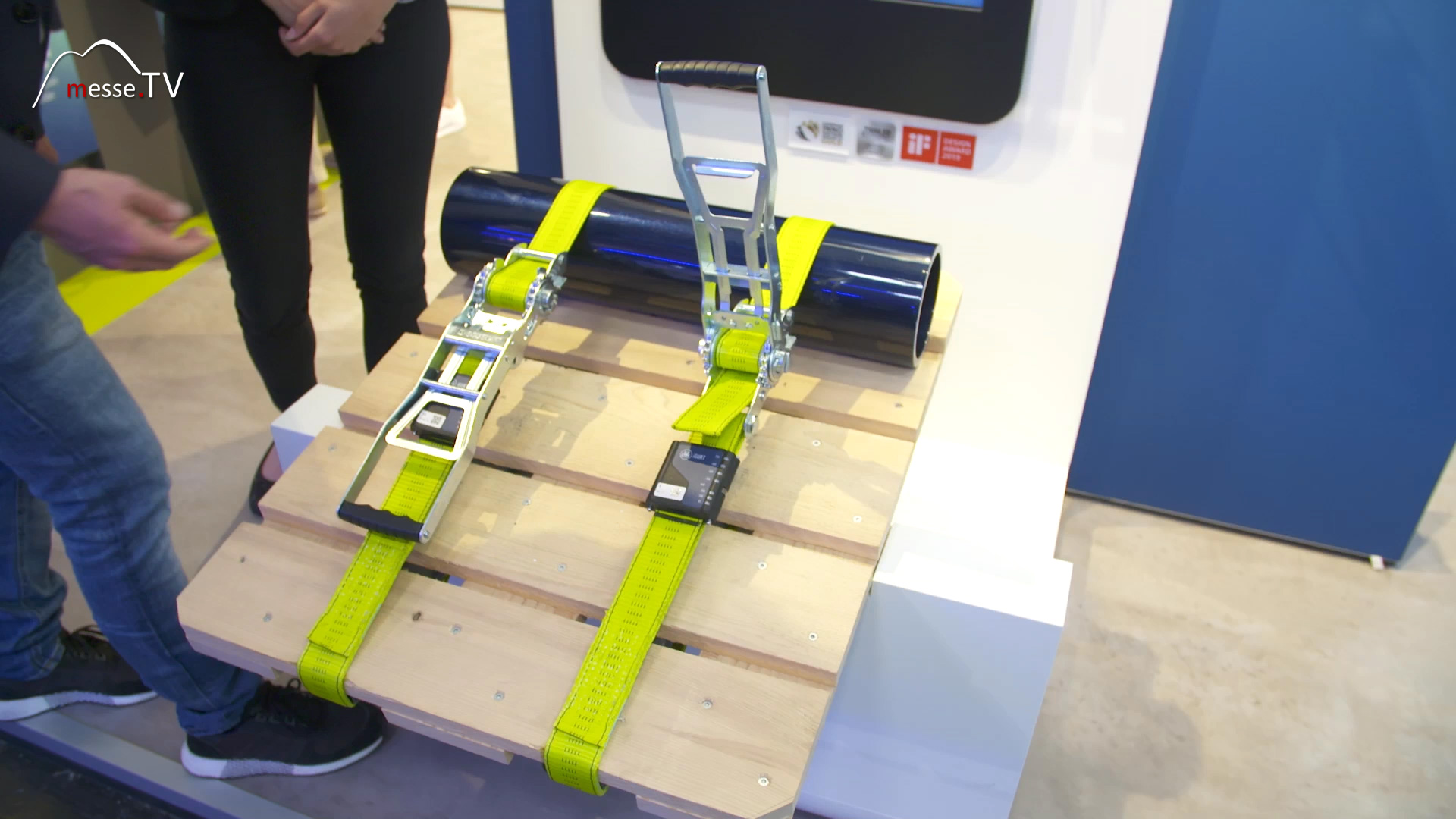
Mehr Sicherheit durch kontinuierliche Überwachung
Der Sicherheitsgewinn liegt auf der Hand. Unzureichend gesicherte Ladung zählt zu den häufigen Unfallursachen im Güterverkehr. Digitale Ladungssicherung reduziert dieses Risiko, indem sie Abweichungen frühzeitig sichtbar macht. Die Verantwortung wird nicht ersetzt, sondern unterstützt. Technik dient hier als zusätzliche Kontrollinstanz.
- Messung der tatsächlichen Gurtvorspannkraft
- Visuelle Rückmeldung direkt am Spanngurt
- Übertragung der Daten per App ins Fahrerhaus
- Frühzeitige Erkennung von Spannungsverlust oder Defekten
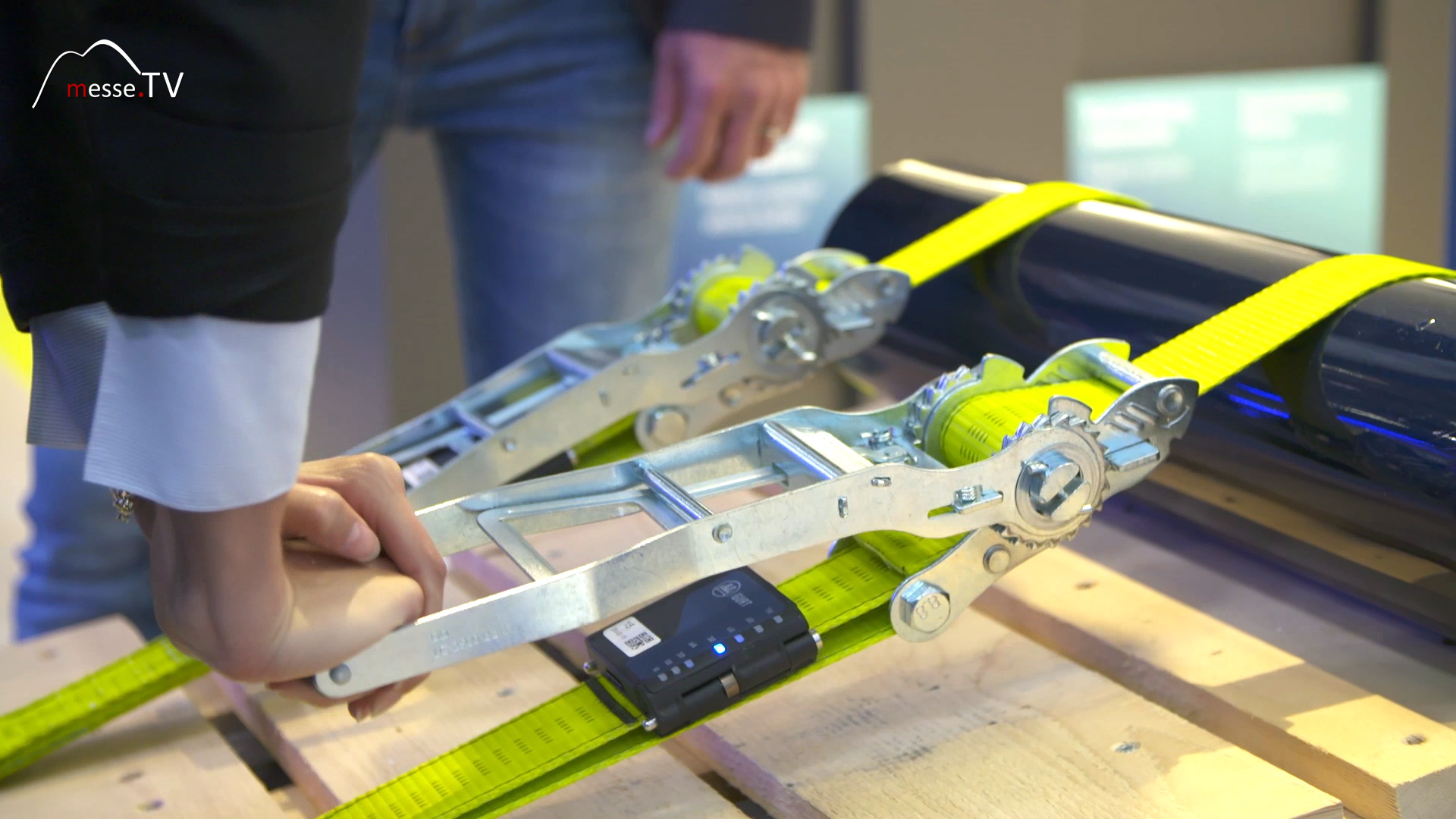

Integration in bestehende Transportprozesse
Ein wichtiger Aspekt digitaler Lösungen ist ihre Praxistauglichkeit. Der iGurt ersetzt keine etablierten Prozesse, sondern ergänzt sie. Spanngurte bleiben Spanngurte, die Handhabung ändert sich kaum. Der zusätzliche Nutzen entsteht durch Information, nicht durch Mehraufwand. Für Fuhrparkbetreiber eröffnen sich zudem neue Perspektiven. Daten zur Ladungssicherung lassen sich dokumentieren und im Schadensfall nachvollziehen. Das kann bei internen Analysen ebenso helfen wie bei der Klärung von Haftungsfragen. Gleichzeitig stärkt es das Sicherheitsbewusstsein im Fahralltag.
Digitale Ladungssicherung als Teil vernetzter Logistik
Die Entwicklung zeigt, dass Digitalisierung nicht immer großflächige Systemwechsel erfordert. Manchmal reicht es, ein zentrales Element intelligent zu erweitern. Digitale Ladungssicherung fügt sich in den Trend vernetzter Transportlösungen ein, bei denen Fahrzeuge, Fahrer und Ladung als Einheit betrachtet werden. BPW verfolgt diesen Ansatz konsequent. Ausgehend von klassischer Fahrwerkstechnik entstehen Lösungen, die mechanische Zuverlässigkeit mit digitaler Transparenz verbinden. Der iGurt steht exemplarisch für diese Entwicklung. Er erhöht Sicherheit im Transportalltag, ohne Komplexität zu erzeugen. In einer Branche, in der jede zusätzliche Kontrolle zählt, ist das ein entscheidender Schritt hin zu sichereren Straßen.





















Messe-Berichterstattung bundesweit - Messewissen, Termine & Veranstaltungen


