Digital logistics processes as the key to efficient transport chains
by B. Velonavy - 2024-02-13The logistics industry is in the midst of structural change. What was long characterised by telephone calls, paper documents and manual coordination is increasingly being digitised. The pressure is coming from several sides. Shippers expect transparency, freight forwarders need to work more efficiently, and recipients want to know where their goods are at all times. Digital logistics processes are therefore no longer an option, but a prerequisite for functioning transport chains. This is exactly where Habbl comes in.
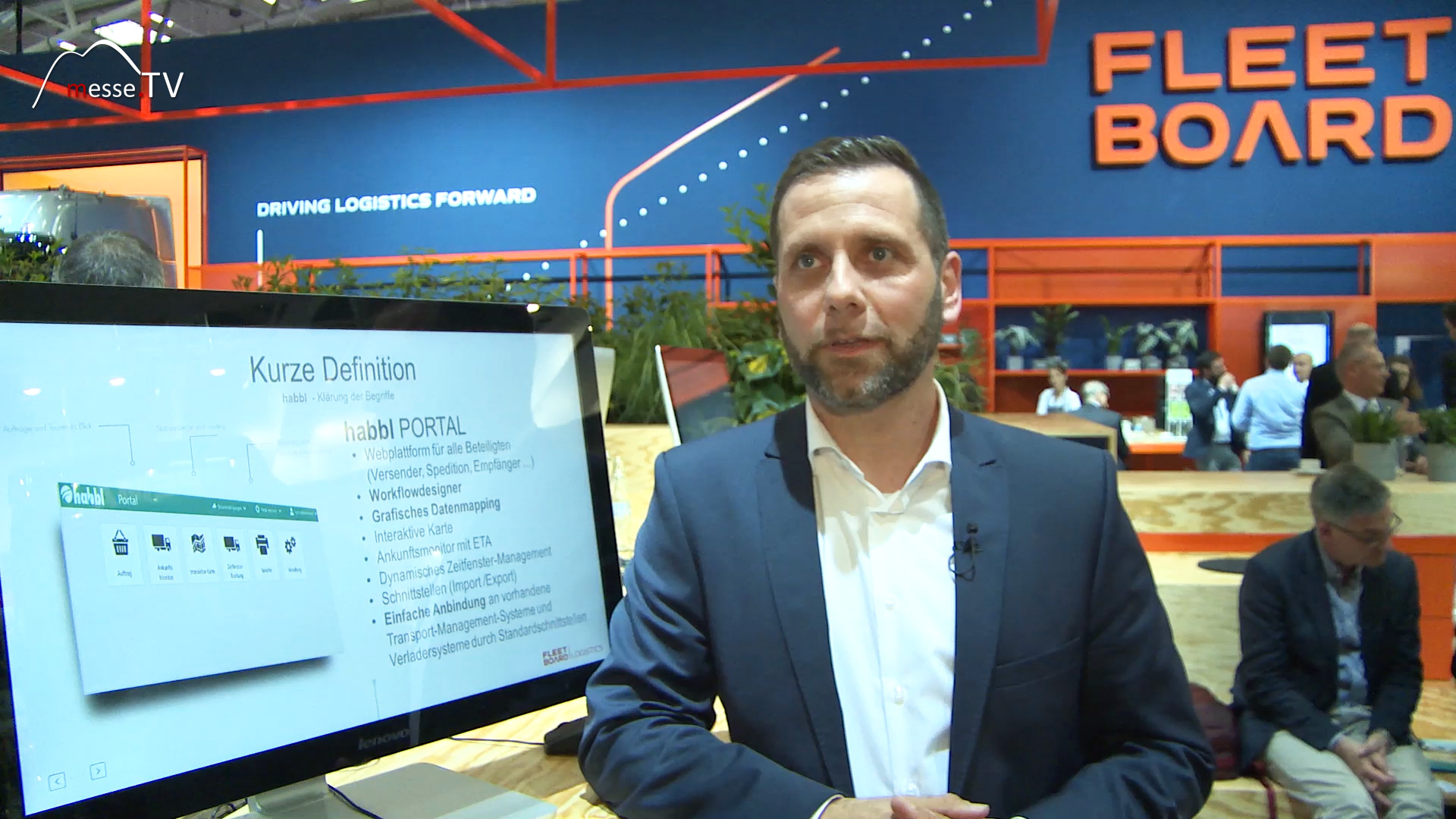
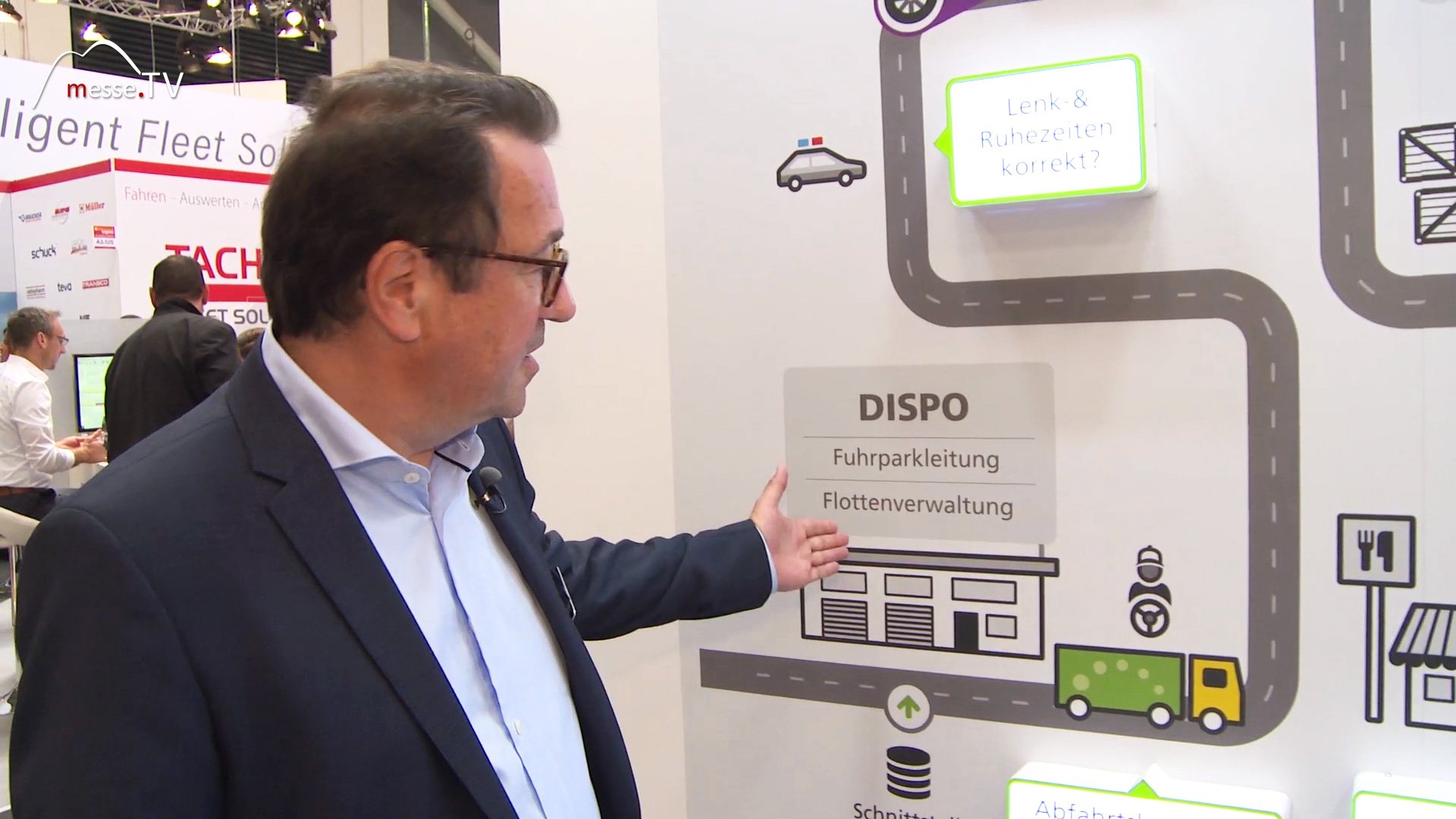
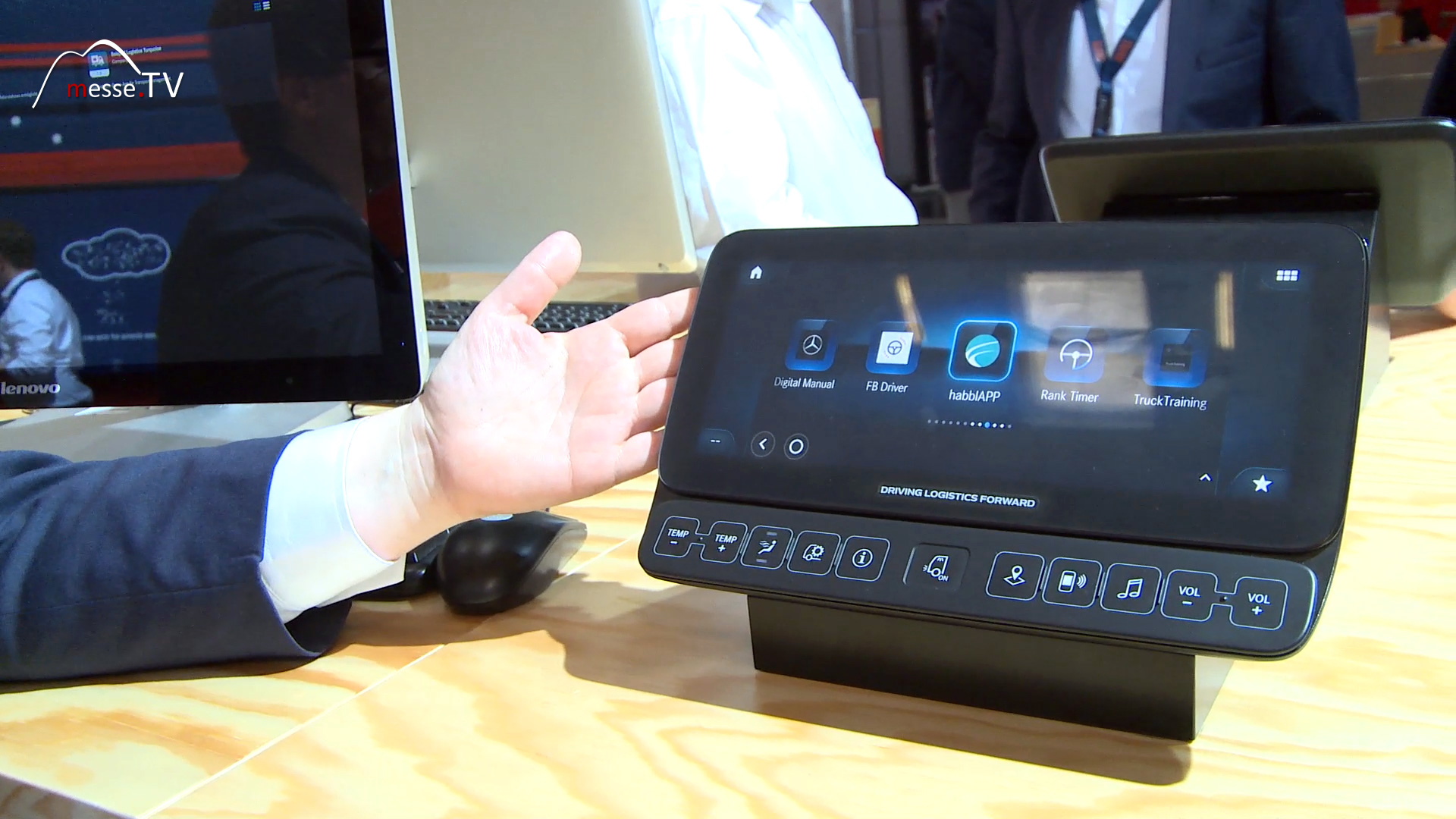
Habbl is a logistics app that aims to digitally map all relevant processes along the transport chain. The solution was developed in collaboration with Fleetboard, a provider that has been deeply rooted in the world of connected commercial vehicles for years. The focus is not on individual partial solutions, but on a comprehensive view of the entire transport process.
Habbl from Fleetboard as a central logistics app
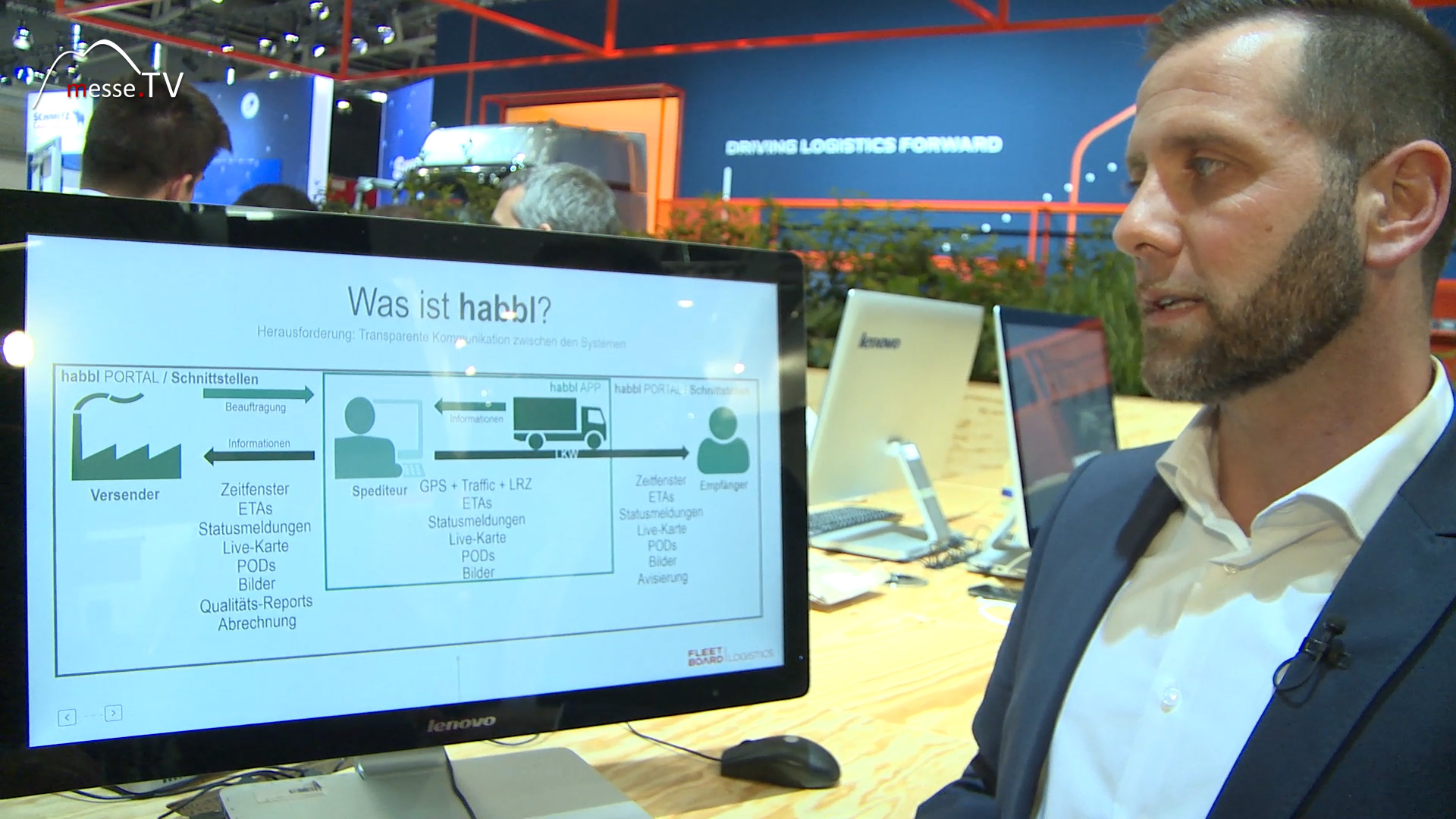
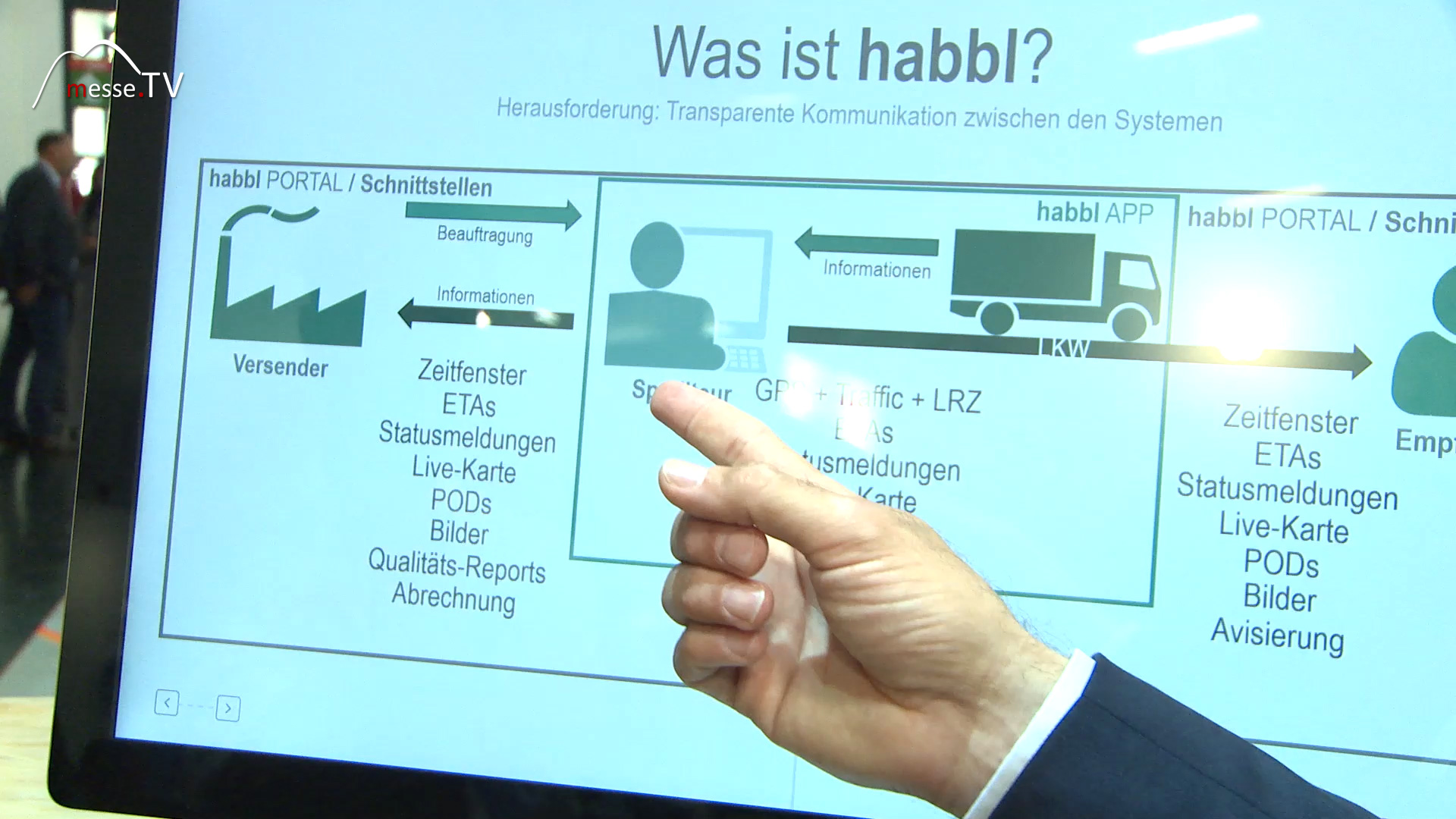
Essentially, Habbl views the classic logistics chain from three perspectives: shipper, carrier and recipient. The actual value creation takes place between these players. The shipper commissions a transport, the carrier carries it out with their lorry, and the recipient takes delivery of the goods. In practice, numerous information requirements arise along this chain, which for a long time were only available in a fragmented or delayed manner. This is exactly where Habbl comes in, by digitally merging these information flows. Orders, status reports and feedback are no longer viewed in isolation, but as part of a continuous process. The aim is to bring all parties involved to a common level of information without creating additional media breaks.

Digitisation of ordering and transport processing
A key step is digital ordering. The transport order is no longer understood as an abstract instruction, but as a data record that accompanies the entire transport. The starting point, destination, time window and other framework conditions are recorded digitally and are available to all parties involved. New information is continuously generated during the journey. This includes status reports, deviations from the schedule or changes in the process. Habbl collects this data and provides it in a structured manner. This turns a one-time order into a dynamic process that can be tracked in real time.
Transparency through live map and status reports
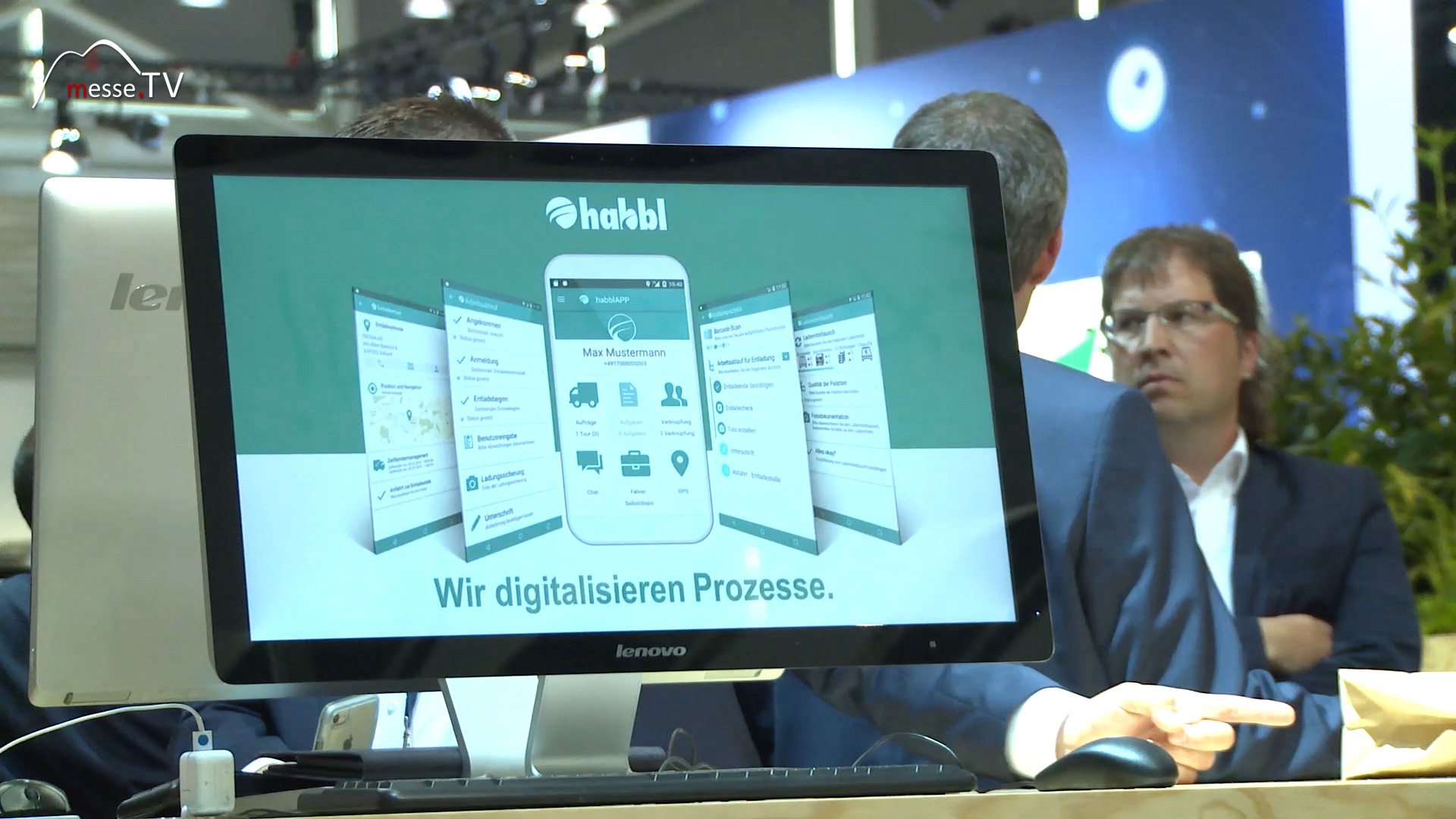
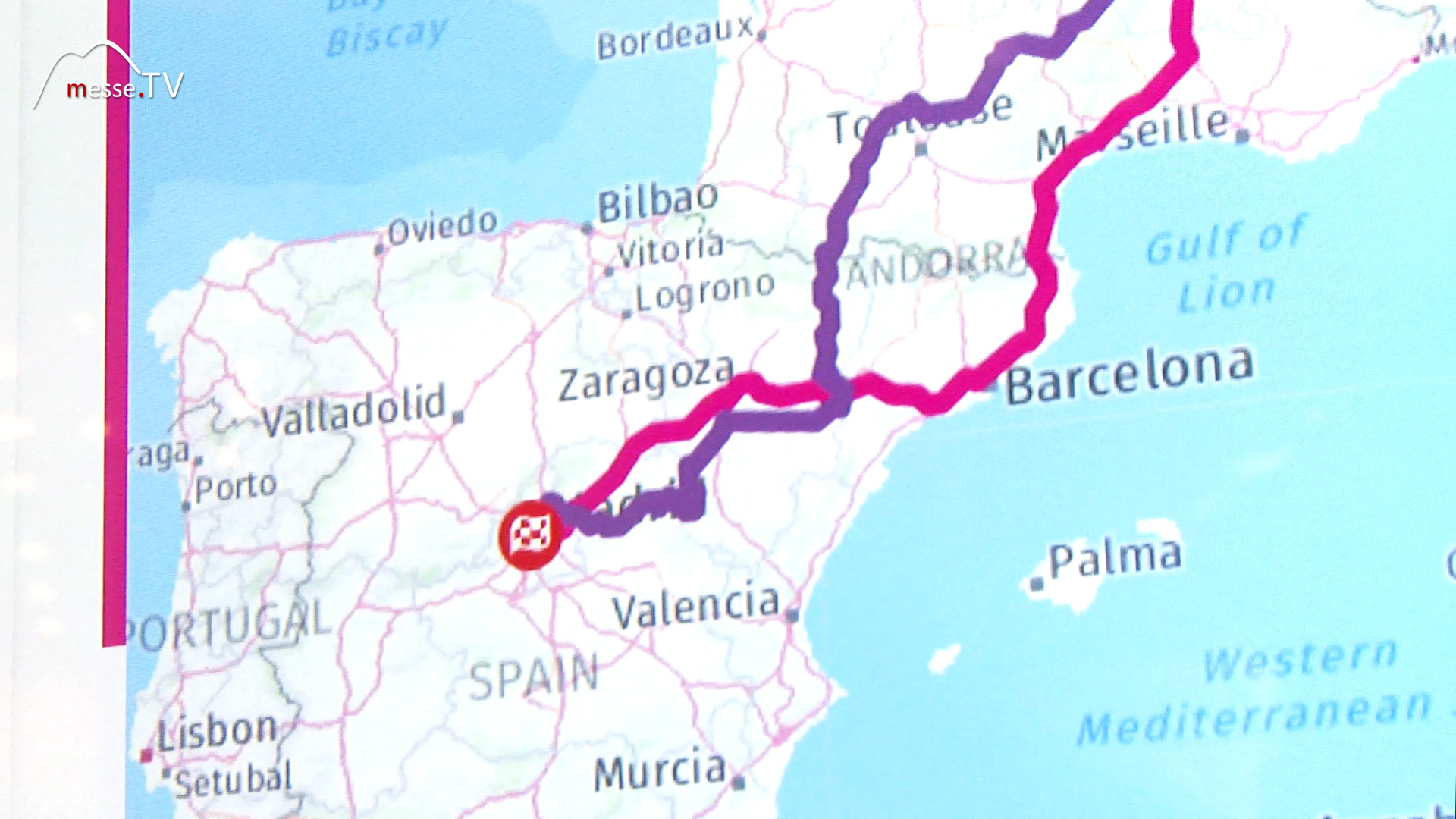
Transparency is a key added value. The location of the truck can be tracked on a live map. This is particularly relevant for shippers and recipients when arrival times need to be planned or resources prepared. Instead of vague time estimates, concrete information is available. Status messages complement this picture. They provide information on whether a transport is running on schedule, is delayed or has already been completed. This information is not only important for operational decisions, but also for communication along the supply chain. Queries can be reduced because the current status can be viewed at any time.
Digital proof of delivery and loading equipment exchange
Another component of digital logistics processes is proof of delivery. What used to be documented on paper can now be recorded digitally with Habbl. Signatures, time stamps and additional information are stored directly in the system and are immediately available. Loading equipment exchange is also digitally mapped. Pallet movements, returns or deviations can be documented and tracked. This creates clarity in an area that often leads to discrepancies in practice. Digital recording creates a reliable data basis for later billing or clarification.
- Digital commissioning along the entire transport chain
- Live map with current location information
- Real-time status messages
- Digital proof of delivery and documentation
- Transparent loading equipment exchange

Database for reports and evaluations
Digital processes inevitably generate data. Habbl does not view this data as a by-product, but as the basis for evaluations. Reports can be created to analyse processes, identify bottlenecks or check compliance with time windows. This opens up new control options for shippers and freight forwarders. Decisions are no longer based on individual observations or empirical values, but on consistent data sets. This makes logistics more measurable and easier to plan.
Billing as an integral part of the process
At the end of every transport, there is billing. This step is also part of the digital mapping process. The data collected beforehand forms the basis for transparent transport billing. Deviations can be verified and additional services documented. The advantage lies in consistency. Since all relevant information is already available digitally, there is no need for time-consuming consolidation of different sources. Billing thus becomes not a downstream problem, but a logical conclusion to the process.

Why digital logistics processes are gaining in importance
The increasing use of solutions such as Habbl is an expression of a fundamental trend. Logistics is becoming more complex, supply chains more international and transparency requirements higher. Digital logistics processes help to make this complexity manageable. With Habbl, Fleetboard is positioning itself as a provider that not only accompanies this development, but also actively shapes it. The app shows how existing processes can be digitally mapped without having to fundamentally reinvent them. The benefits come from networking, not from additional complexity. Digital logistics processes are therefore less of a technological experiment and more of a pragmatic response to real requirements. They connect information, reduce friction losses and create the basis for more efficient transport chains. In an industry where time, transparency and reliability are crucial, this is precisely what becomes the key competitive advantage.
















Trade fair reporting Germany - Trade fair knowledge, dates & events


