Systemlösungen für die Reinigung von Tanks und Silofahrzeugen
von Jürgen Groh - 2024-02-13Die Reinigung von Tanks, Containern und Silofahrzeugen gehört zu den anspruchsvollsten Aufgaben in der industriellen Logistik. In diesen Behältern werden unterschiedlichste Produkte transportiert – von Lebensmitteln über Chemikalien bis hin zu Pulvern und Flüssigkeiten mit speziellen Anforderungen.
Entsprechend hoch sind die Erwartungen an Hygiene, Sicherheit und Prozessstabilität. Reinigungsanlagen müssen dabei mehr leisten als reine Sauberkeit. Sie müssen reproduzierbare Ergebnisse liefern, sich in bestehende Abläufe integrieren lassen und gleichzeitig wirtschaftlich betrieben werden können. Genau an dieser Stelle setzen spezialisierte Systemlösungen an, die Reinigung nicht als isolierten Vorgang betrachten, sondern als technisch abgestimmten Gesamtprozess. Die Kombination aus Mechanik, Steuerung, Energieerzeugung und Applikation entscheidet darüber, ob ein Behälter zuverlässig gereinigt wird oder ob Rückstände, Stillstände und hoher Wartungsaufwand die Folge sind.
Kärcher als Anbieter individueller Reinigungsanlagen
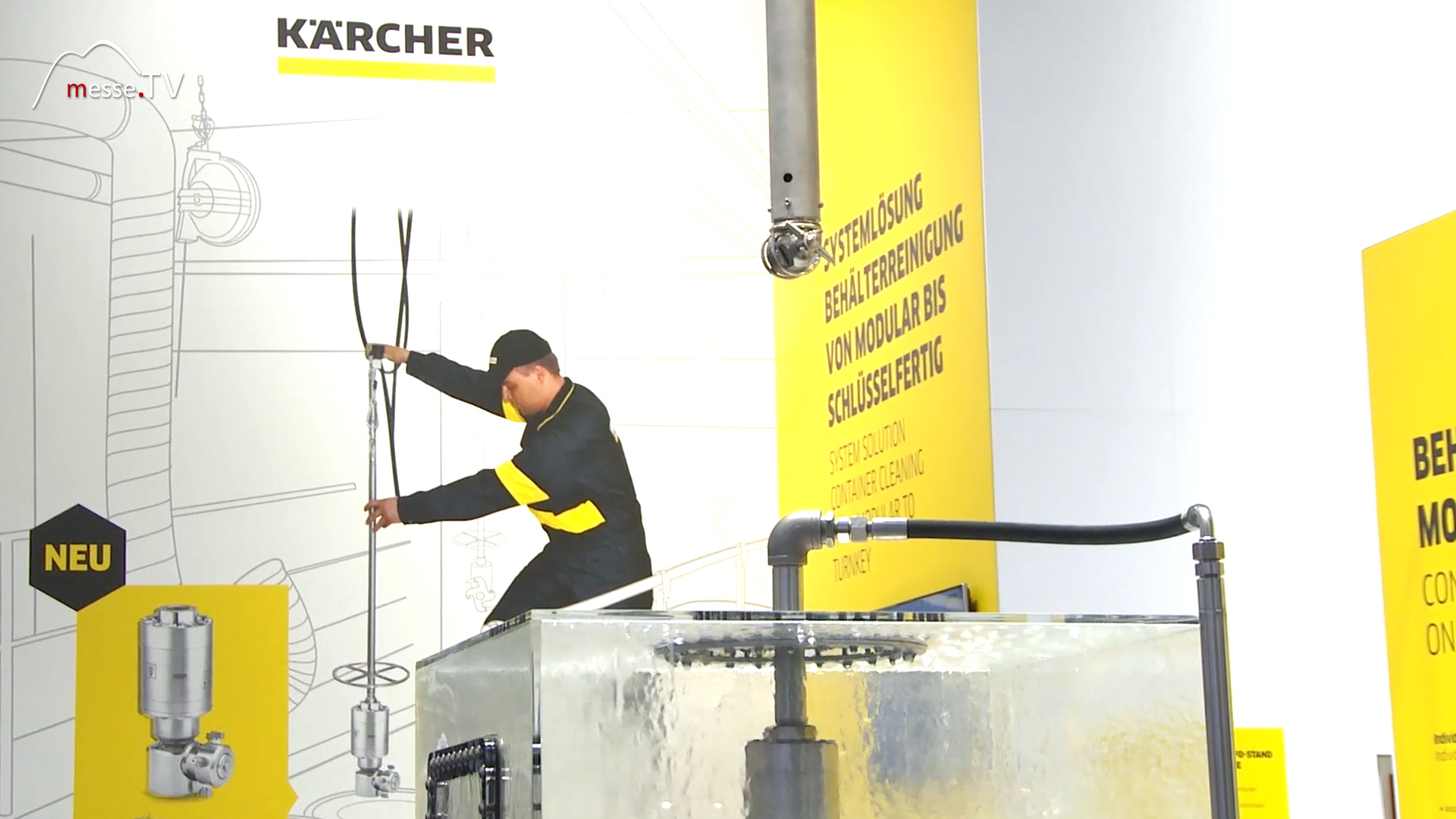
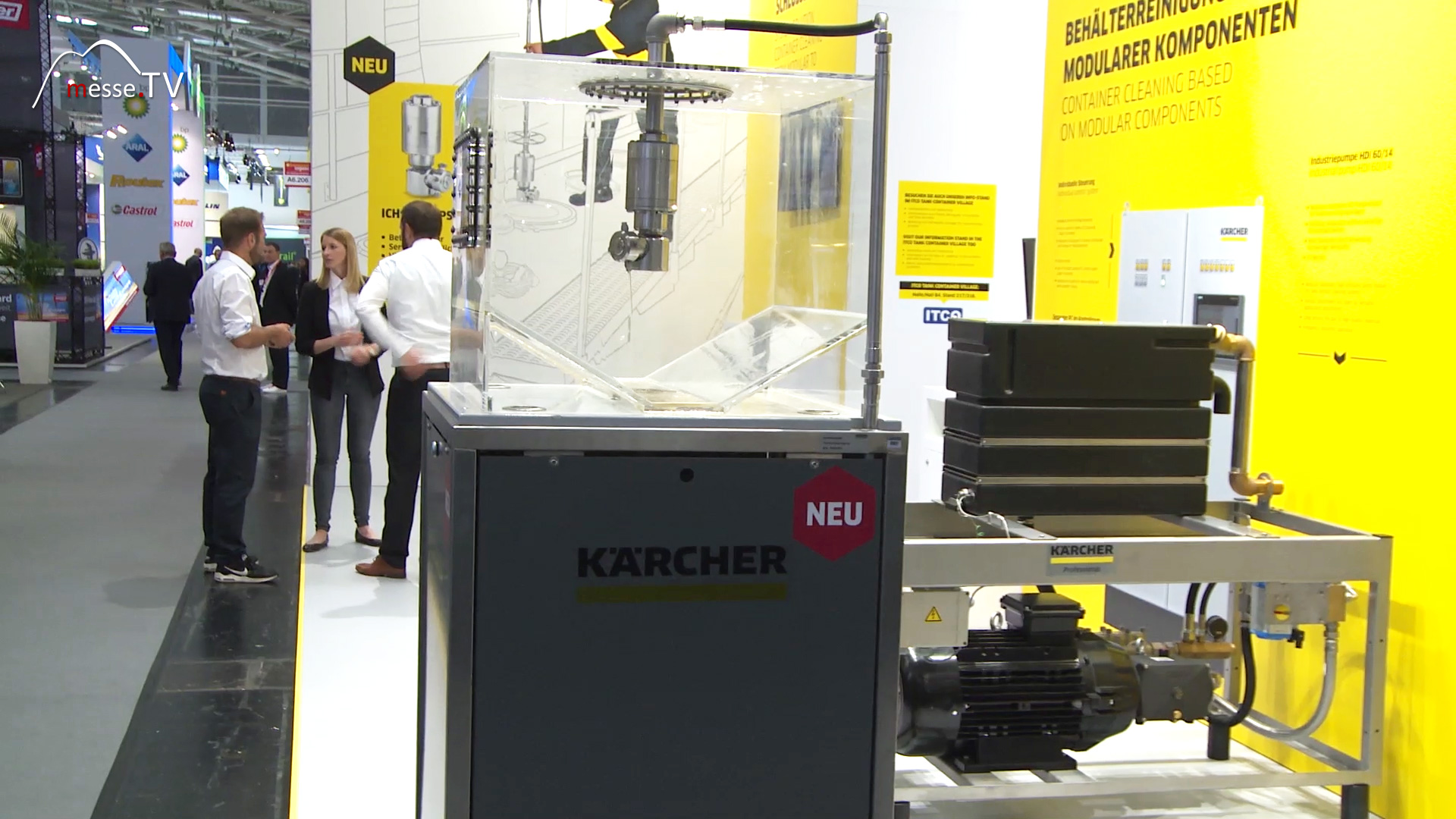
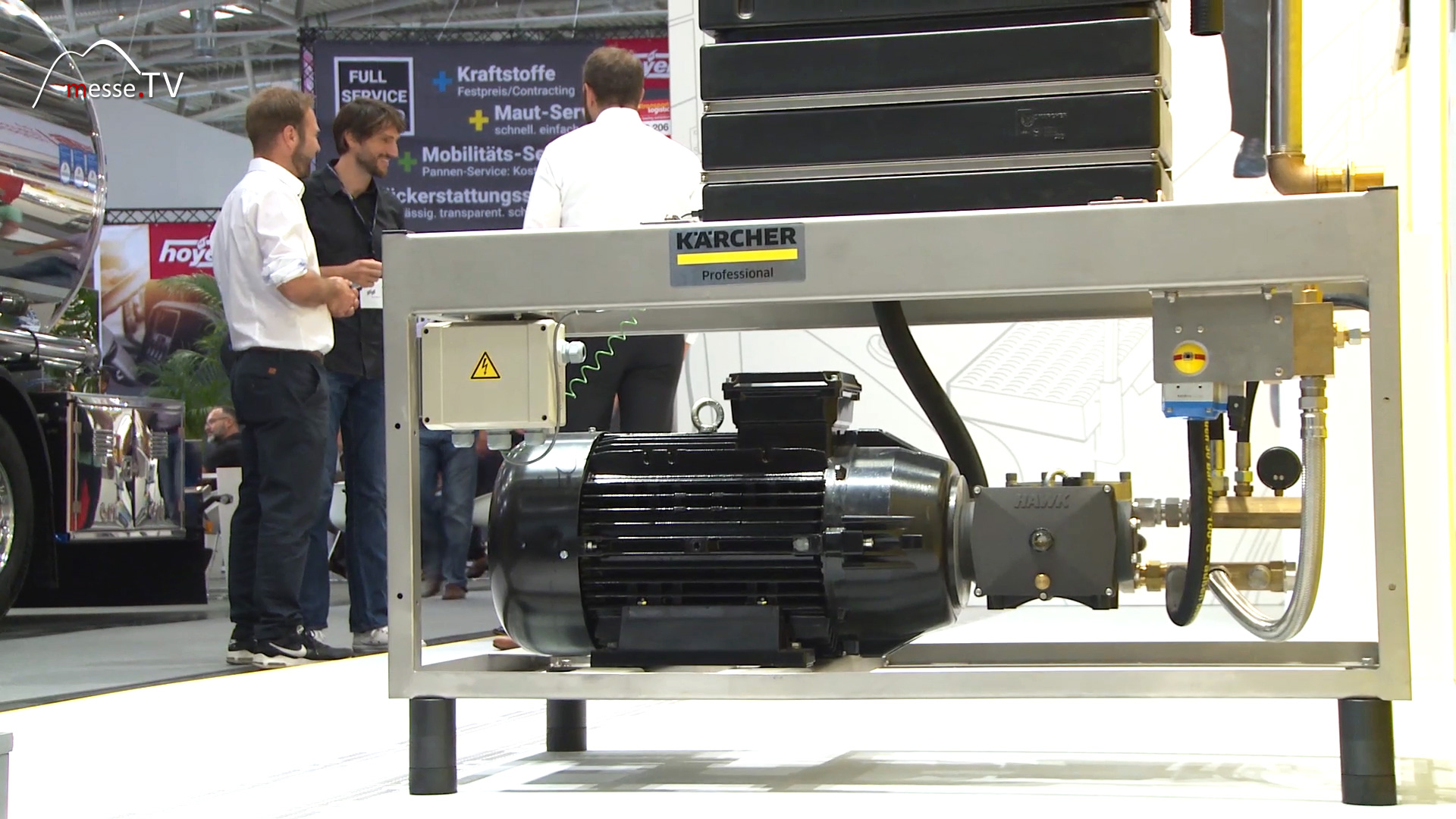
Kärcher entwickelt Lösungen für die Innenreinigung von Tanks, Containern und Silofahrzeugen, die konsequent auf den jeweiligen Einsatzfall zugeschnitten sind. Dabei geht es nicht um standardisierte Produkte von der Stange, sondern um Anlagen, die projektbezogen ausgelegt werden. Unterschiedliche transportierte Medien, wechselnde Temperaturen und variierende Verschmutzungsgrade erfordern eine genaue Analyse der Anforderungen. Die Reinigungsanlagen bestehen aus mehreren funktional aufeinander abgestimmten Komponenten. Ein zentraler Bestandteil befindet sich im Technikraum. Dort werden Pumpen und Heißwassererzeugungen installiert, die die notwendige Energie für den Reinigungsprozess bereitstellen. Diese Komponenten bilden das Rückgrat der Anlage, da sie Druck, Volumenstrom und Temperatur definieren.
Steuerung als Bindeglied im Reinigungsprozess
Neben der mechanischen Auslegung spielt die Steuerung eine entscheidende Rolle. Sie sorgt dafür, dass alle Komponenten funktional zusammenarbeiten und der Reinigungsprozess reproduzierbar abläuft. In der Praxis bedeutet das, dass Druck, Temperatur und Bewegungsabläufe exakt aufeinander abgestimmt werden. Die Steuerung ermöglicht es, Reinigungsprogramme an unterschiedliche Behältertypen anzupassen. Tanks unterscheiden sich nicht nur in ihrer Größe, sondern auch in ihrer Geometrie und Oberflächenbeschaffenheit. Eine flexible Steuerung ist deshalb Voraussetzung, um gleichbleibende Reinigungsergebnisse zu erzielen, ohne den Prozess unnötig zu verlängern oder Energie zu verschwenden.

Der Tankinnenreinigungskopf als zentrales Element
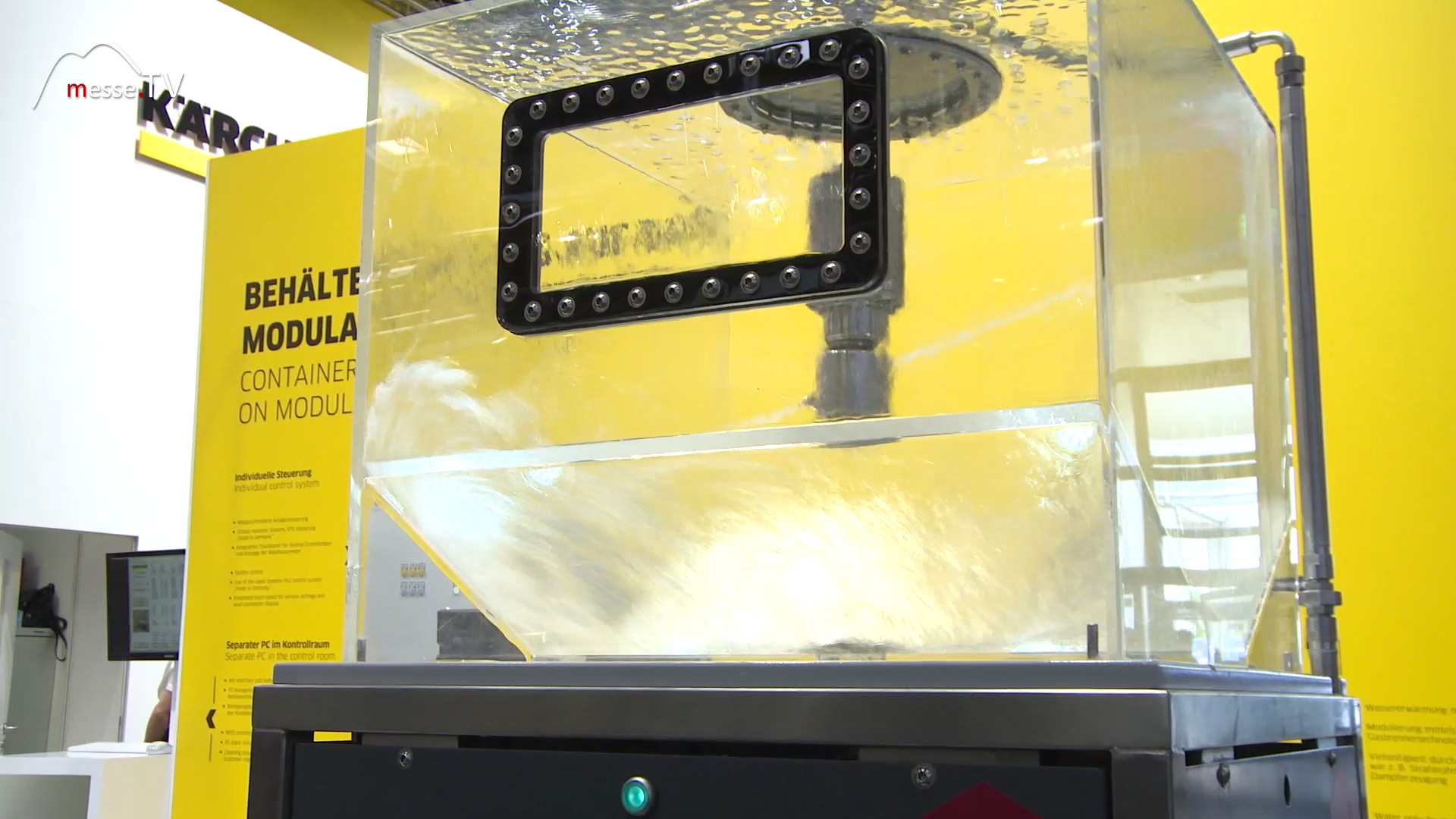
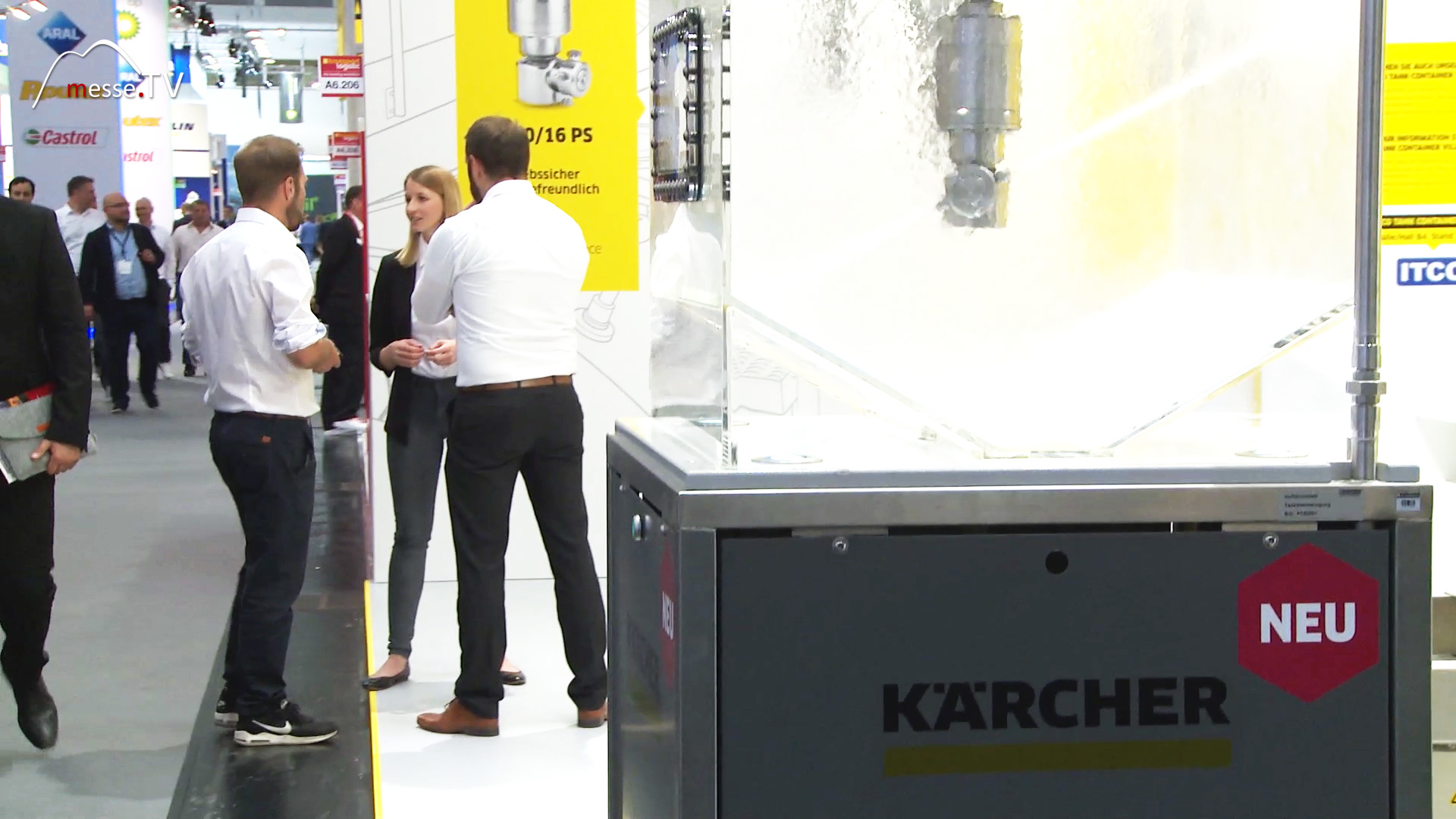
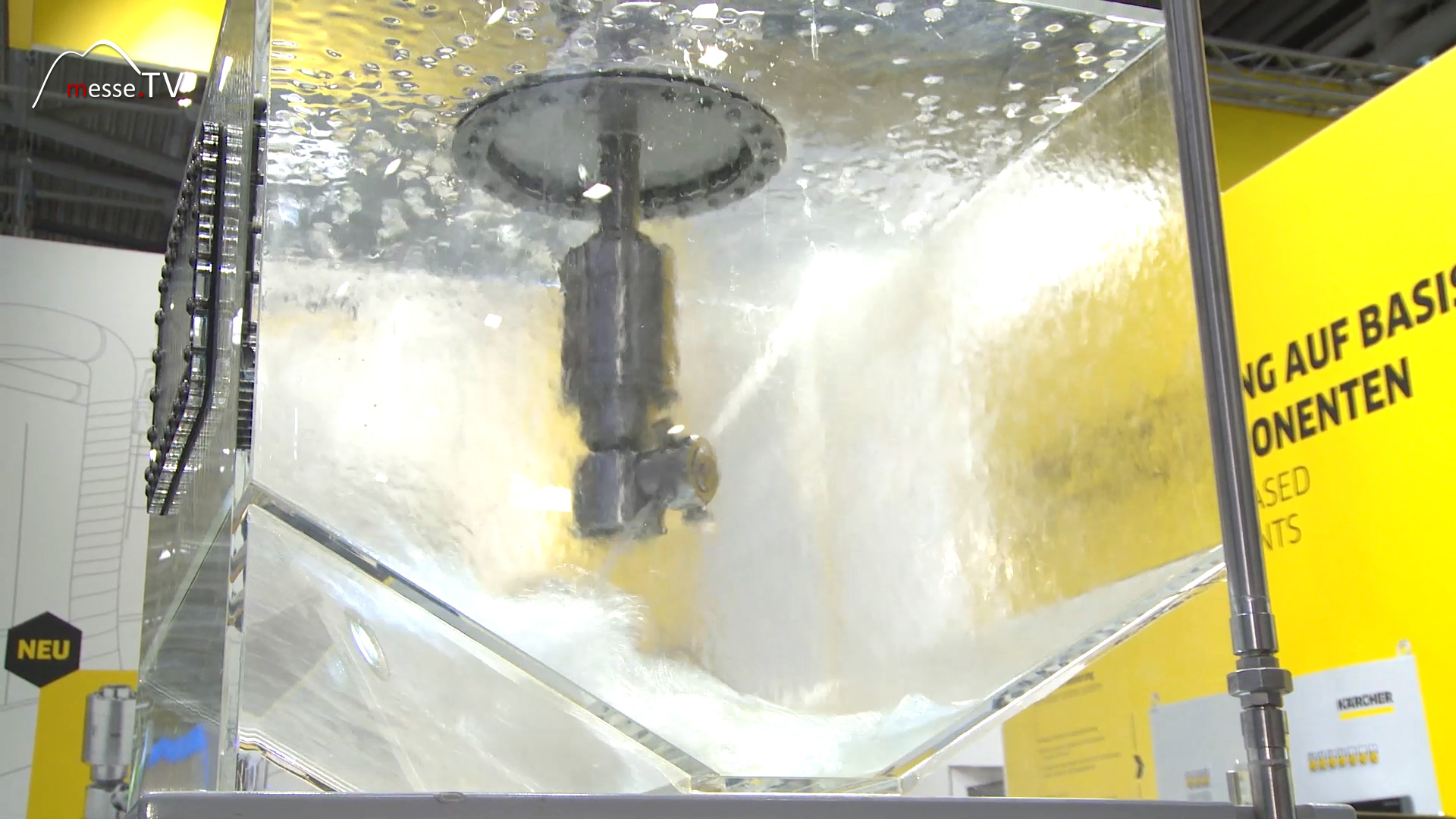
Ein wesentlicher Faktor im Gesamtsystem von Kärcher ist der Tankinnenreinigungskopf. Er ist das Bauteil, das die im Technikraum erzeugte Energie direkt in den Behälter überträgt. Druck und Temperatur werden hier so aufbereitet, dass sie an der Innenwand des Tanks ihre Wirkung entfalten. Die Auslegung dieses Reinigungskopfes entscheidet maßgeblich über die Effizienz des Systems. Er muss robust genug sein, um hohe Betriebsstunden zu bewältigen, gleichzeitig aber präzise arbeiten. Die gleichmäßige Benetzung der Innenflächen ist entscheidend, um Rückstände zuverlässig zu entfernen und Kreuzkontaminationen zu vermeiden.
Wasserturbinenantrieb als technische Weiterentwicklung
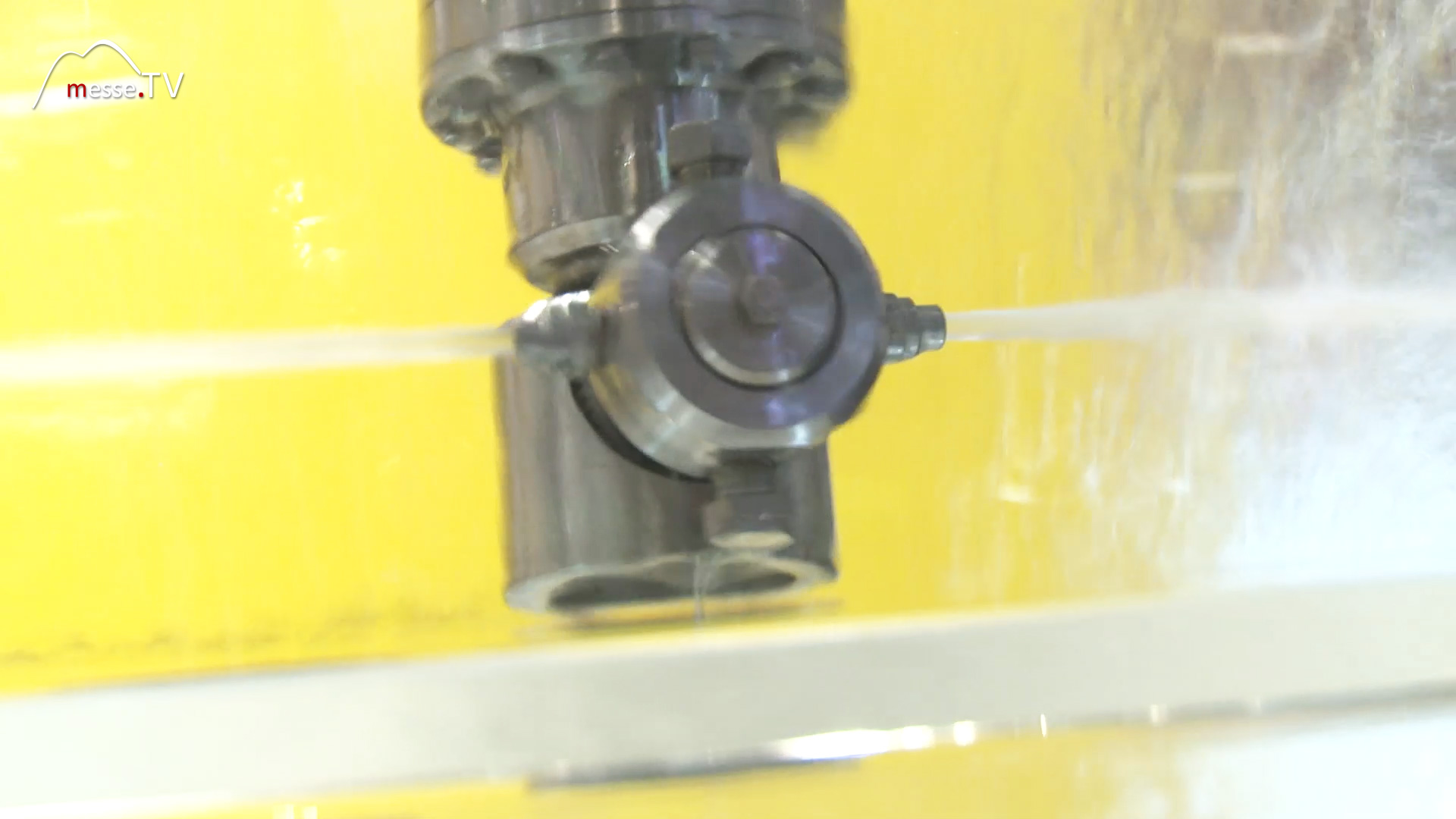
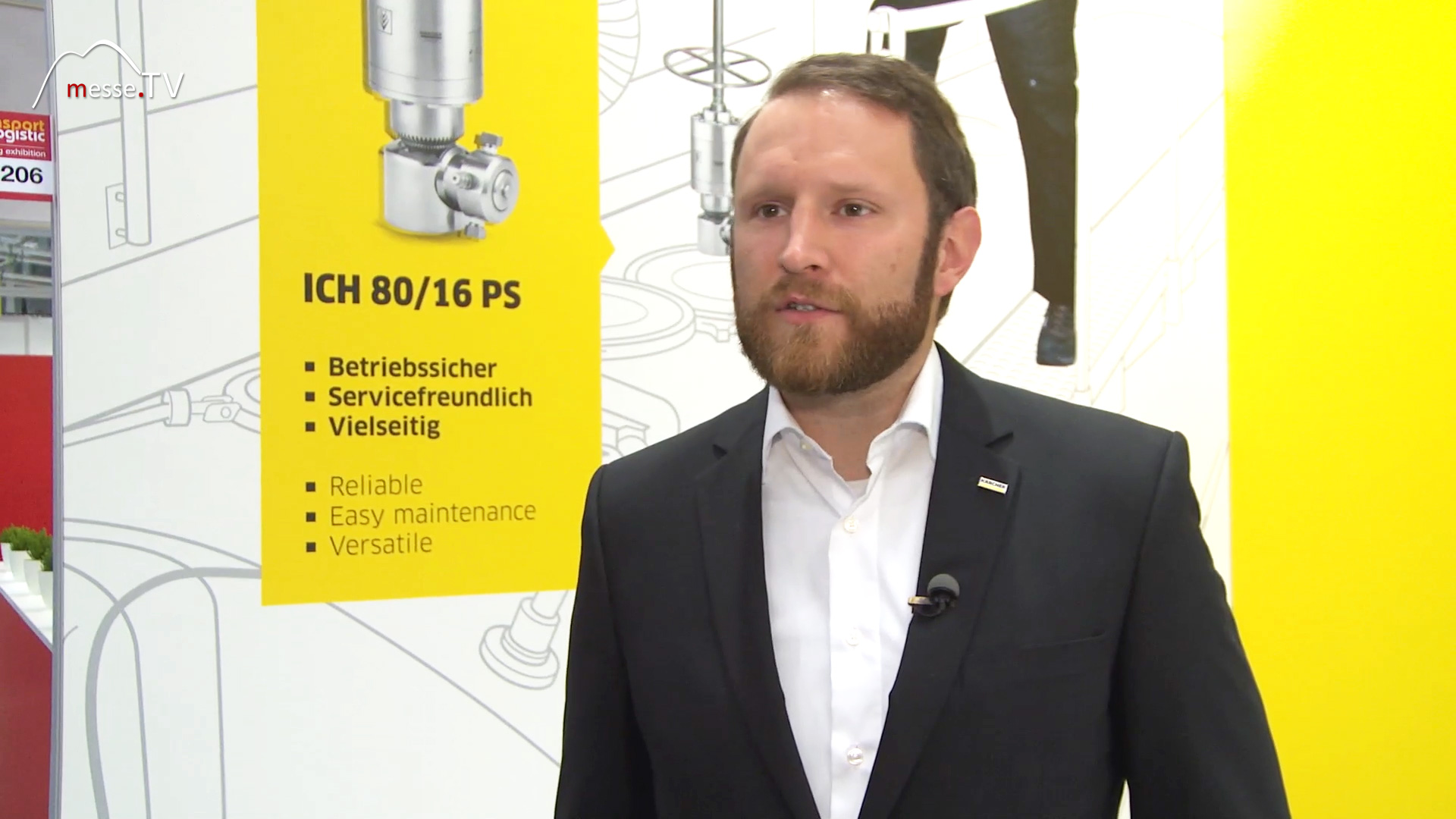
Eine wichtige Innovation gegenüber früheren Lösungen liegt im Antrieb des Reinigungskopfes. Statt komplexer mechanischer Antriebe kommt eine Wasserturbine im Inneren zum Einsatz. Diese nutzt die vorhandene Energie des Wassers, um die Bewegungen des Reinigungskopfes zu erzeugen. Dieser Ansatz reduziert die Anzahl beweglicher Einzelteile erheblich. Weniger Bauteile bedeuten geringeren Verschleiß und damit eine höhere Betriebszuverlässigkeit. Gleichzeitig vereinfacht sich die Wartung, da weniger Komponenten regelmäßig überprüft oder ersetzt werden müssen. Der Antrieb über eine Wasserturbine fügt sich nahtlos in den bestehenden Reinigungsprozess ein und nutzt vorhandene Ressourcen effizient.
Robuste Bauweise für vielseitige Anwendungen
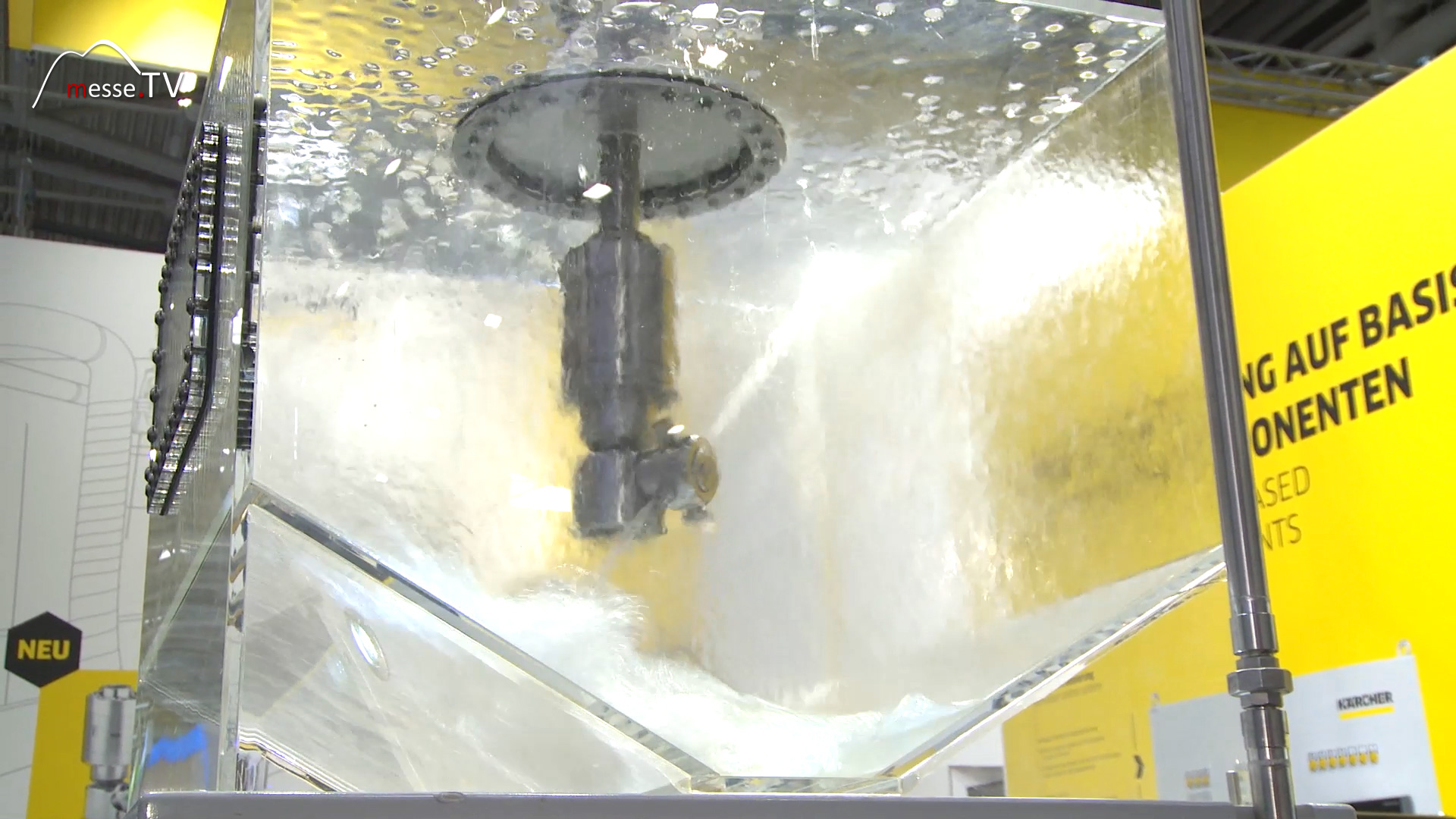
Die Reinigungsanlagen sind bewusst robust ausgelegt. In der Praxis bedeutet das, dass sie auf unterschiedliche Anwendungen reagieren können, ohne dass grundlegende Umbauten erforderlich sind. Tanks und Silofahrzeuge werden in vielen Branchen eingesetzt, oft unter anspruchsvollen Bedingungen. Hohe Laufzeiten, wechselnde Medien und enge Zeitfenster prägen den Alltag. Die Konstruktion mit möglichst wenigen Einzelteilen trägt dazu bei, die Anlagen langlebig zu machen. Gleichzeitig wird die Wartung für den Betreiber vereinfacht. Kleinere Eingriffe, etwa der Austausch von Dichtungen, können selbst durchgeführt werden. Das reduziert Stillstandszeiten und senkt die Betriebskosten über den gesamten Lebenszyklus der Anlage.
- Individuelle Auslegung für unterschiedliche Behältertypen
- Abgestimmtes Zusammenspiel von Pumpen, Heißwassererzeugung und Steuerung
- Wasserturbinenantrieb zur Reduzierung mechanischer Bauteile
- Robuste Bauweise für hohe Betriebsstunden

Betriebszuverlässigkeit als wirtschaftlicher Faktor
In der Logistik und im Transport ist Zeit ein kritischer Faktor. Stillstände wirken sich unmittelbar auf Lieferketten und Kostenstrukturen aus. Reinigungsanlagen müssen deshalb nicht nur effektiv arbeiten, sondern vor allem zuverlässig. Eine Anlage, die regelmäßig gewartet werden muss oder ungeplante Ausfälle verursacht, wird schnell zum Engpass im Betrieb. Durch die reduzierte Komplexität und die robuste Auslegung zielen die Systeme darauf ab, genau diese Risiken zu minimieren. Wartungsarbeiten werden planbar, kleinere Eingriffe können vor Ort erledigt werden. Das erhöht die Verfügbarkeit der Anlagen und sorgt für stabile Abläufe im Tagesgeschäft.
Reinigung als Teil integrierter Logistikprozesse
Die Bedeutung der Innenreinigung von Tanks und Silofahrzeugen wird häufig unterschätzt. Tatsächlich ist sie ein zentraler Bestandteil integrierter Logistikprozesse. Nur wenn Behälter zuverlässig gereinigt werden, können sie flexibel eingesetzt und schnell wieder beladen werden. Verzögerungen oder Qualitätsprobleme wirken sich direkt auf nachgelagerte Prozesse aus. Kärcher betrachtet Reinigung deshalb nicht isoliert, sondern als Teil eines größeren Systems. Die Anlagen werden so ausgelegt, dass sie sich in bestehende Infrastrukturen einfügen und den logistischen Ablauf unterstützen, statt ihn zu behindern. Energieeffizienz, Wartungsfreundlichkeit und Prozesssicherheit stehen dabei gleichrangig nebeneinander.
Systemlösungen für langfristige Anforderungen
Die Anforderungen an Reinigungssysteme werden weiter steigen. Höhere Hygienevorgaben, steigender Kostendruck und der Wunsch nach nachhaltigeren Prozessen prägen die Entwicklung. Systemlösungen, die flexibel anpassbar sind und langfristig stabil arbeiten, gewinnen deshalb an Bedeutung. Mit dem Fokus auf individuelle Projektierung, robuste Technik und vereinfachte Wartung adressiert Kärcher genau diese Herausforderungen. Reinigung wird damit zu einem planbaren, verlässlichen Prozess – und zu einem stabilen Baustein moderner Logistik- und Transportketten.








Messe-Berichterstattung bundesweit - Messewissen, Termine & Veranstaltungen


