Große Themen der Logistik zwischen China, Digitalisierung und Fachkräften
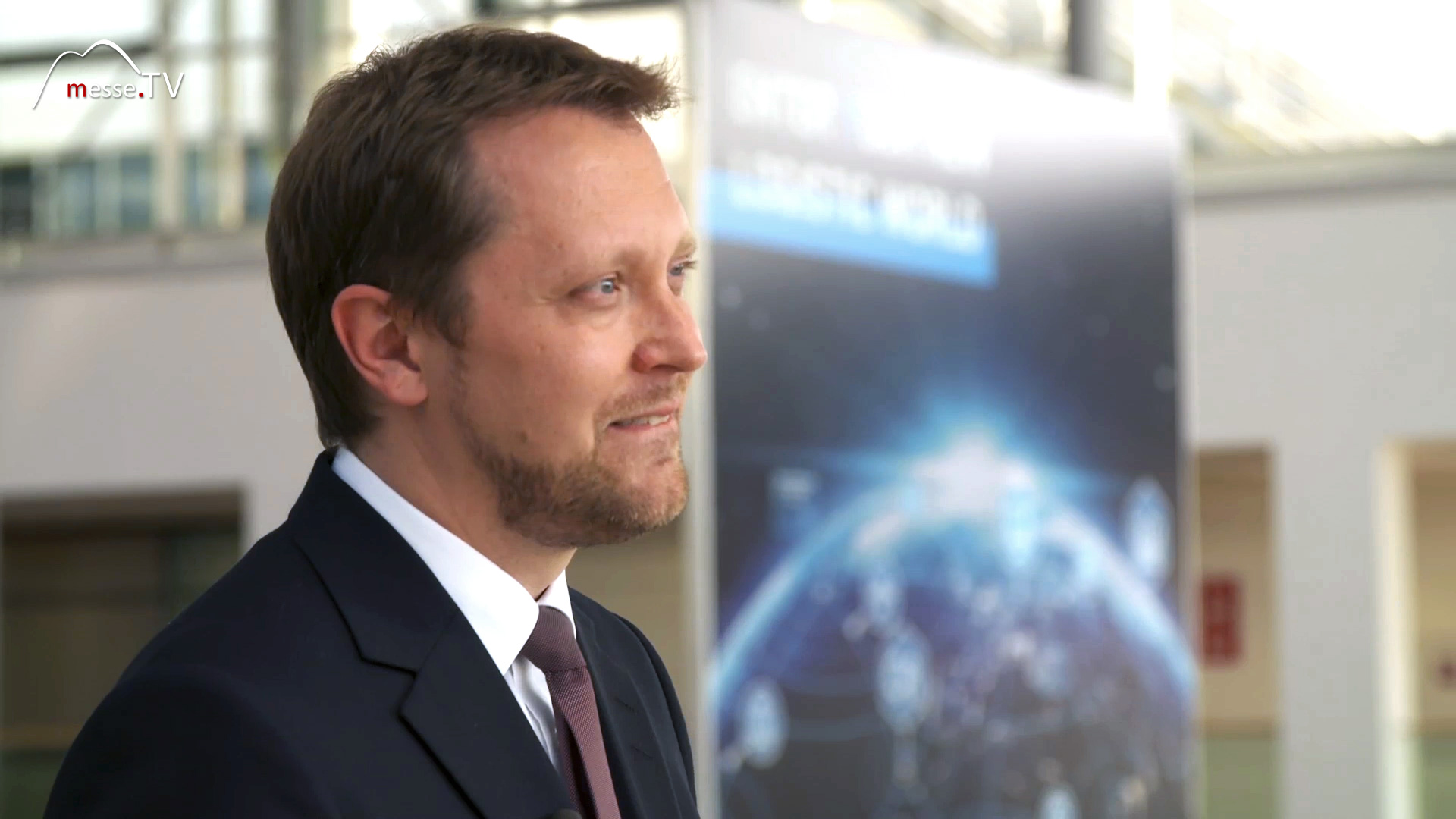
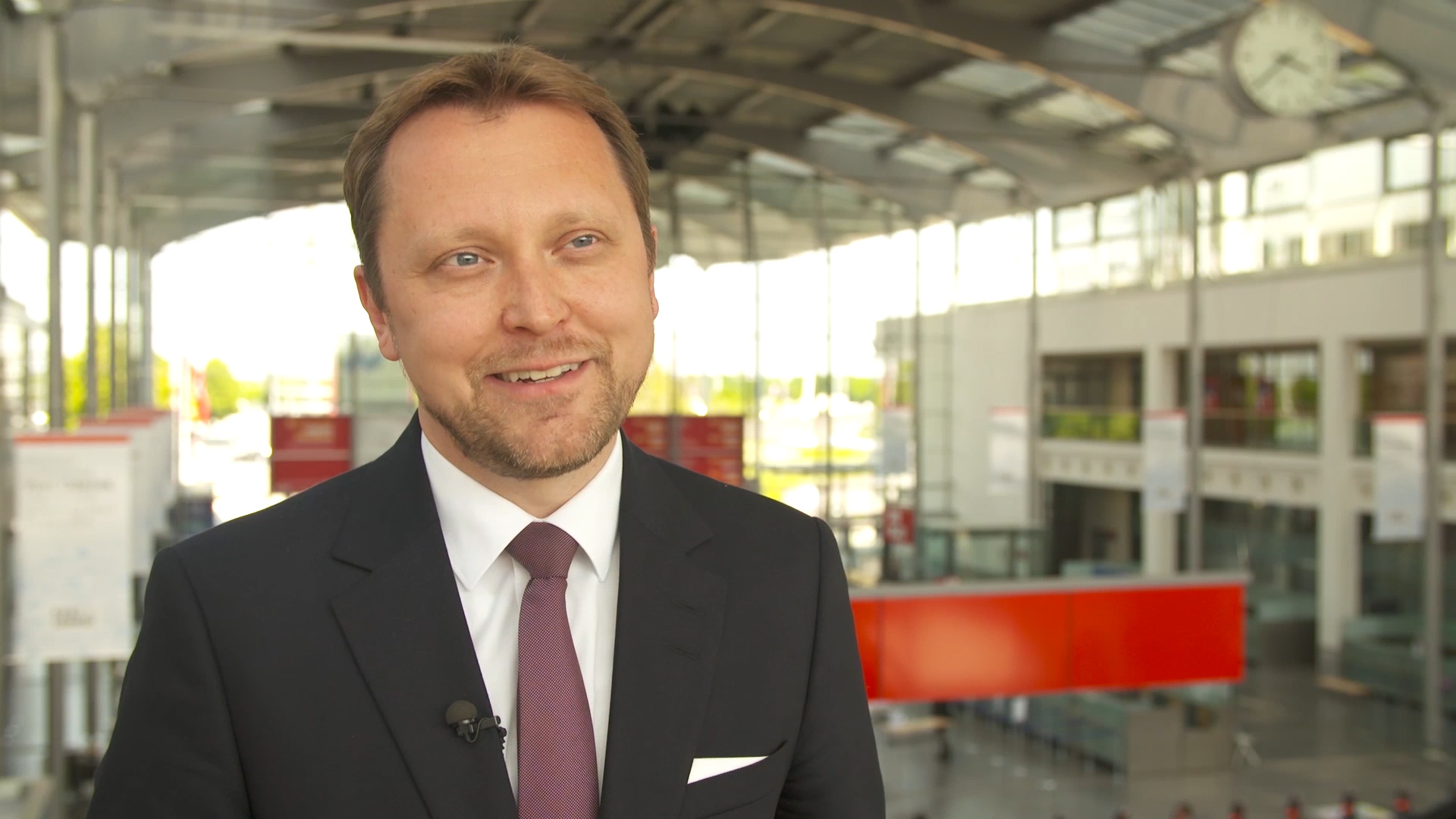
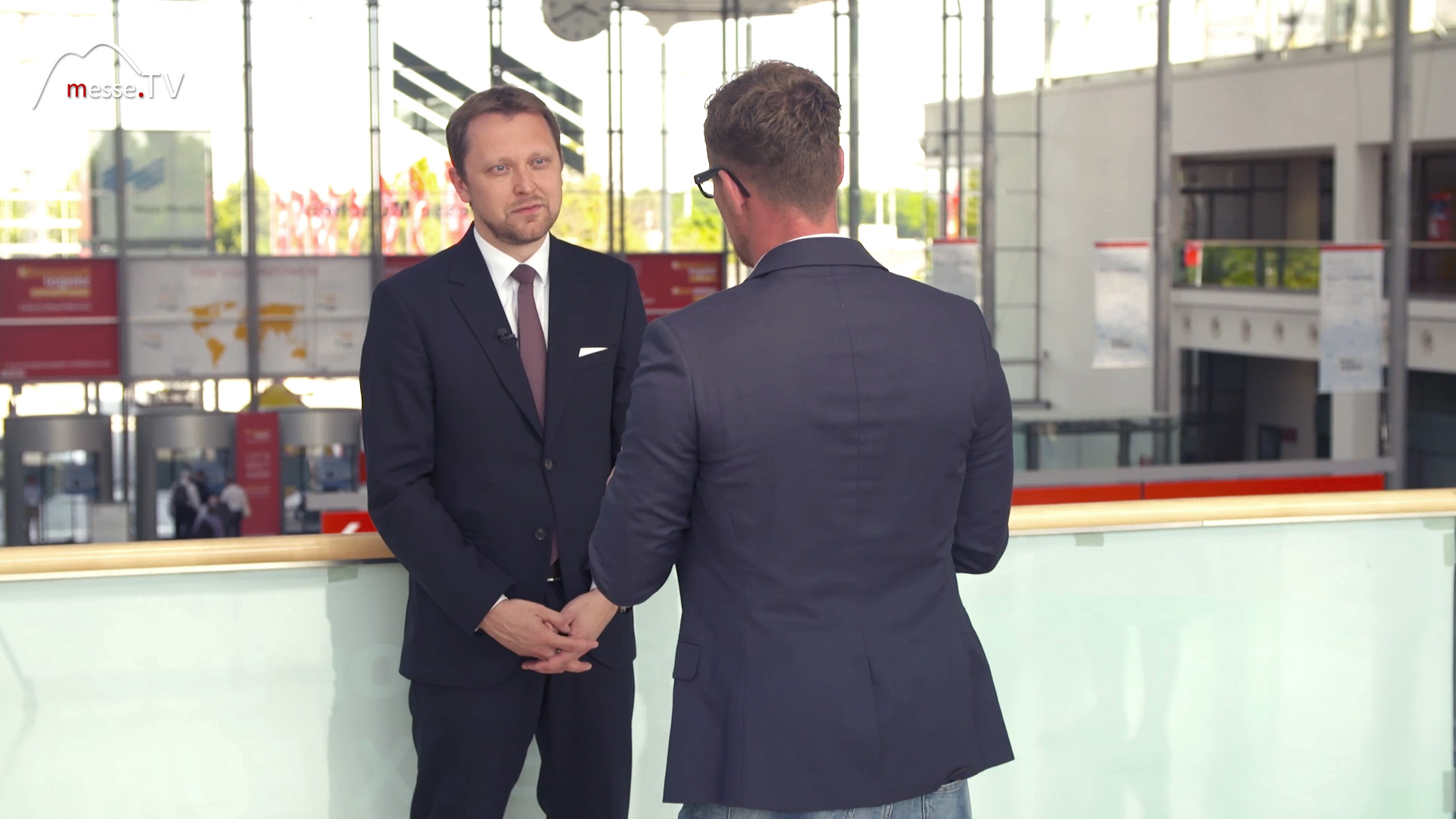
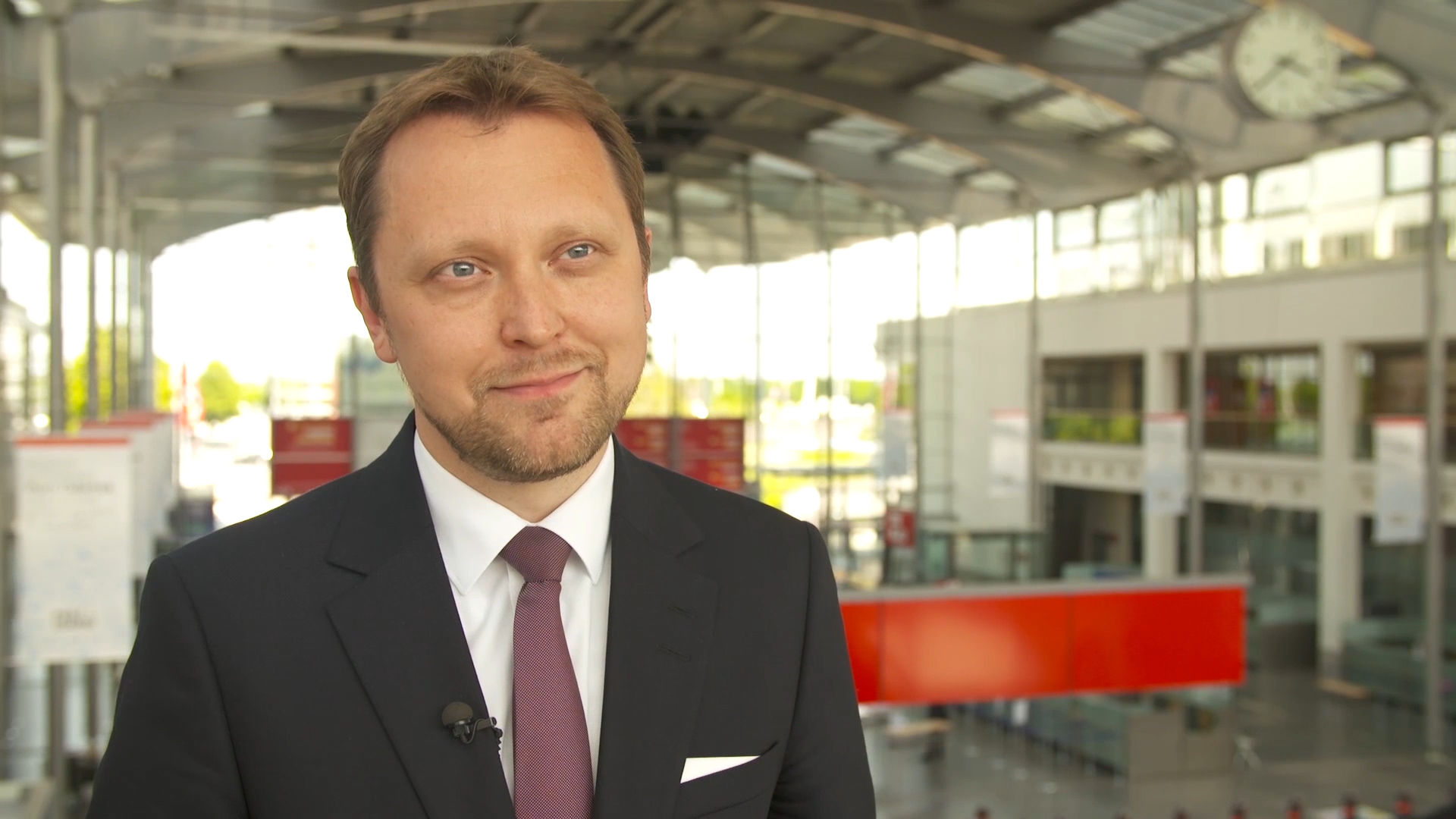
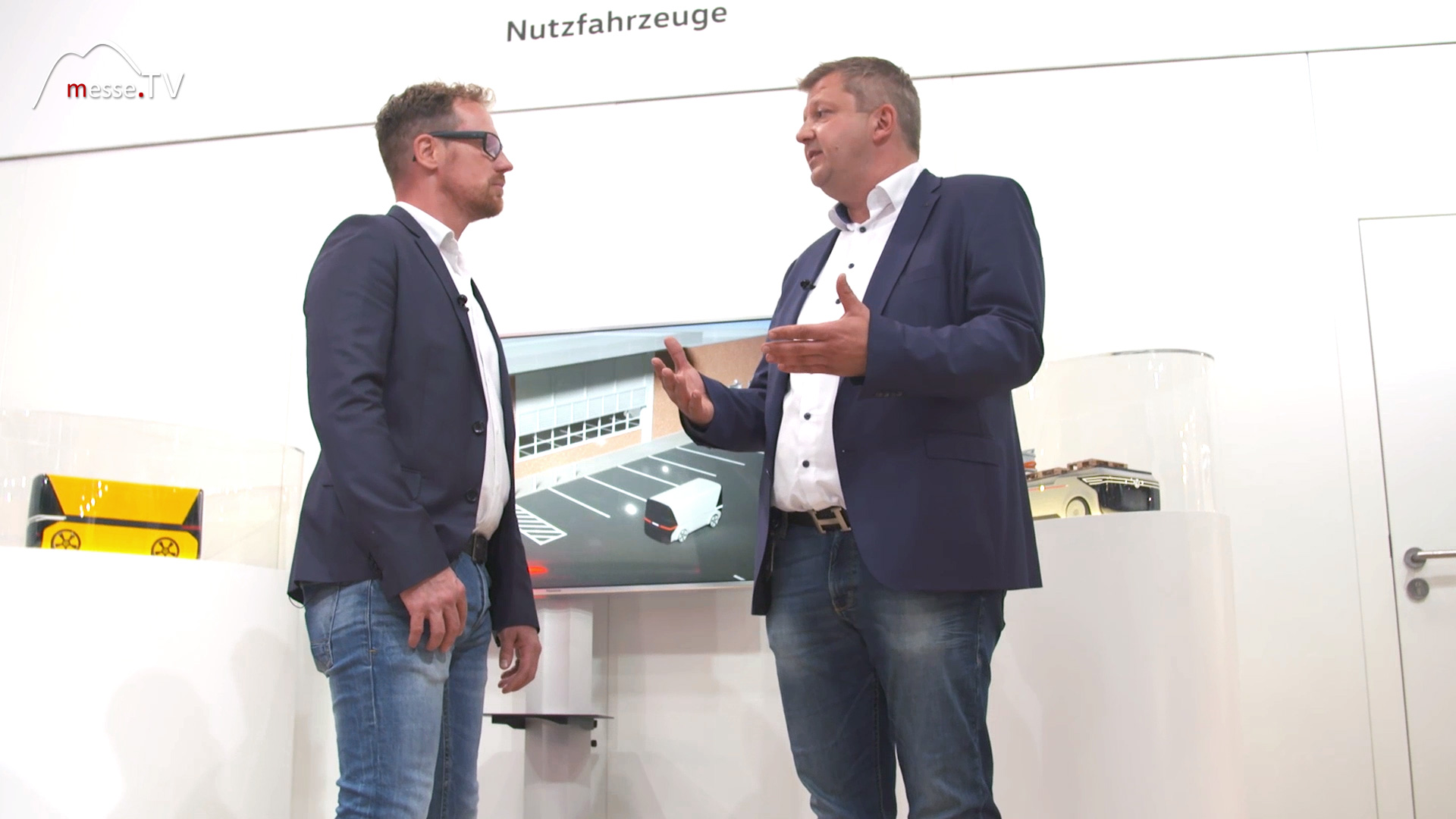
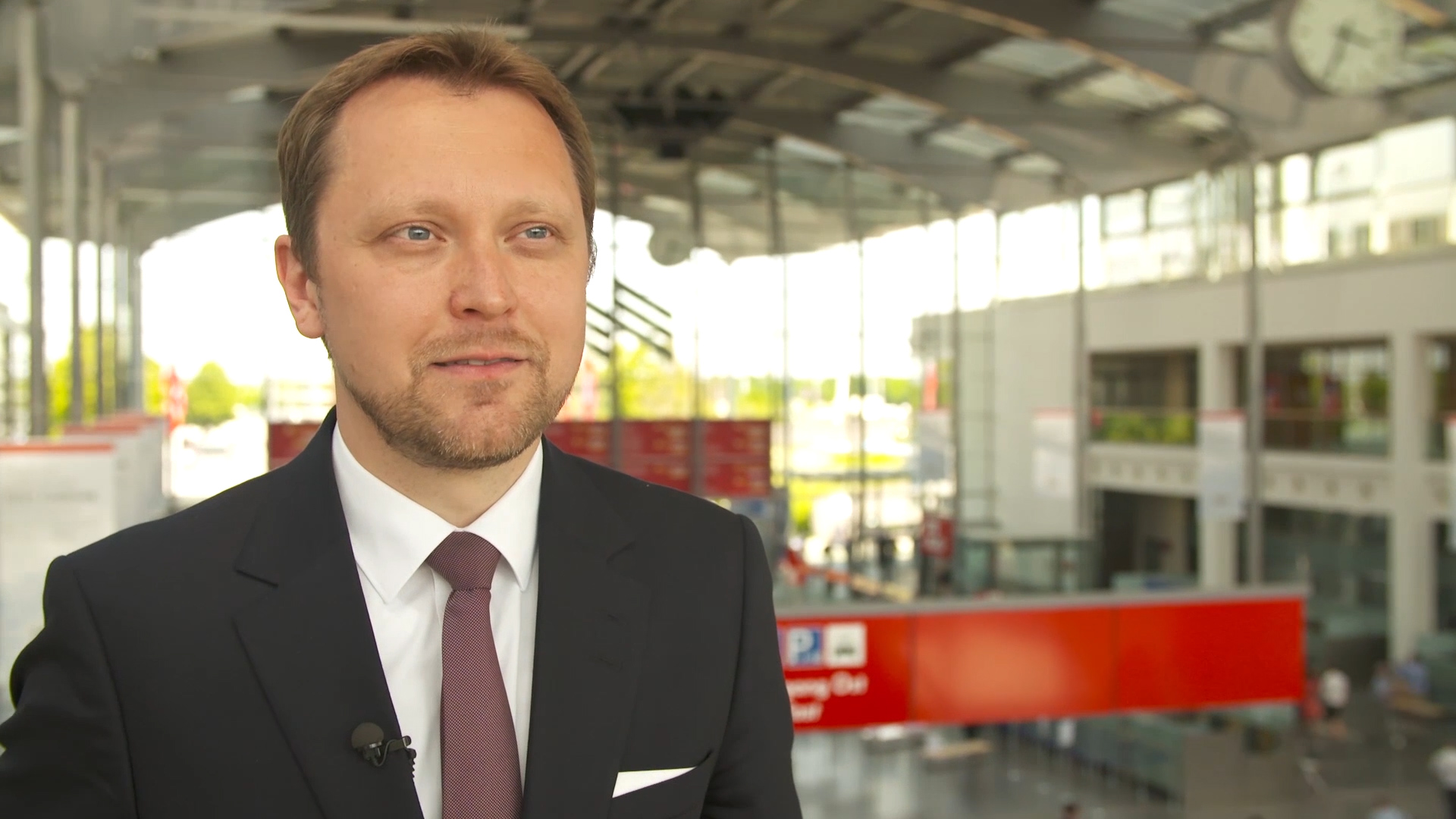
von Andreas Bergmeier - 2024-02-13Wer die Logistikbranche aus organisatorischer Perspektive betrachtet, erkennt schnell, wie stark sich globale Entwicklungen, technologische Innovationen und strukturelle Fragen überlagern. Stefan Rummel, Geschäftsführer der Messe München, beschreibt die aktuelle Lage als vielschichtig, aber zugleich von klaren Schwerpunkten geprägt. Aus seiner Sicht verdichten sich mehrere Themen zu zentralen Diskussionslinien, die die Branche in den kommenden Jahren maßgeblich beeinflussen werden.
China und internationale Handelsachsen
Eines der dominierenden Themen ist die wachsende Bedeutung Chinas und der damit verbundenen Handelsrouten. Die Belt-and-Road-Initiative, häufig auch als neue Seidenstraße bezeichnet, ist in den Forenprogrammen präsent und wird intensiv diskutiert. Auffällig ist dabei das gestiegene Interesse chinesischer Aussteller, die gezielt nach München kommen, um Kontakte zu europäischen Partnern zu knüpfen. Dieser Trend wird nicht nur als geopolitische Entwicklung wahrgenommen, sondern auch als wirtschaftliche Chance für Unternehmen aus Europa. Rummel verweist darauf, dass die chinesische Regierung zunehmend auf Import setzt. Das eröffnet neue Perspektiven für europäische Anbieter, die sich bislang stärker auf regionale Märkte konzentriert haben. Veranstaltungen unter dem Dach der Messe München dienen dabei als neutraler Treffpunkt, um diese Kontakte anzubahnen und konkrete Kooperationen auszuloten.

Digitalisierung und Artificial Intelligence in der Supply Chain
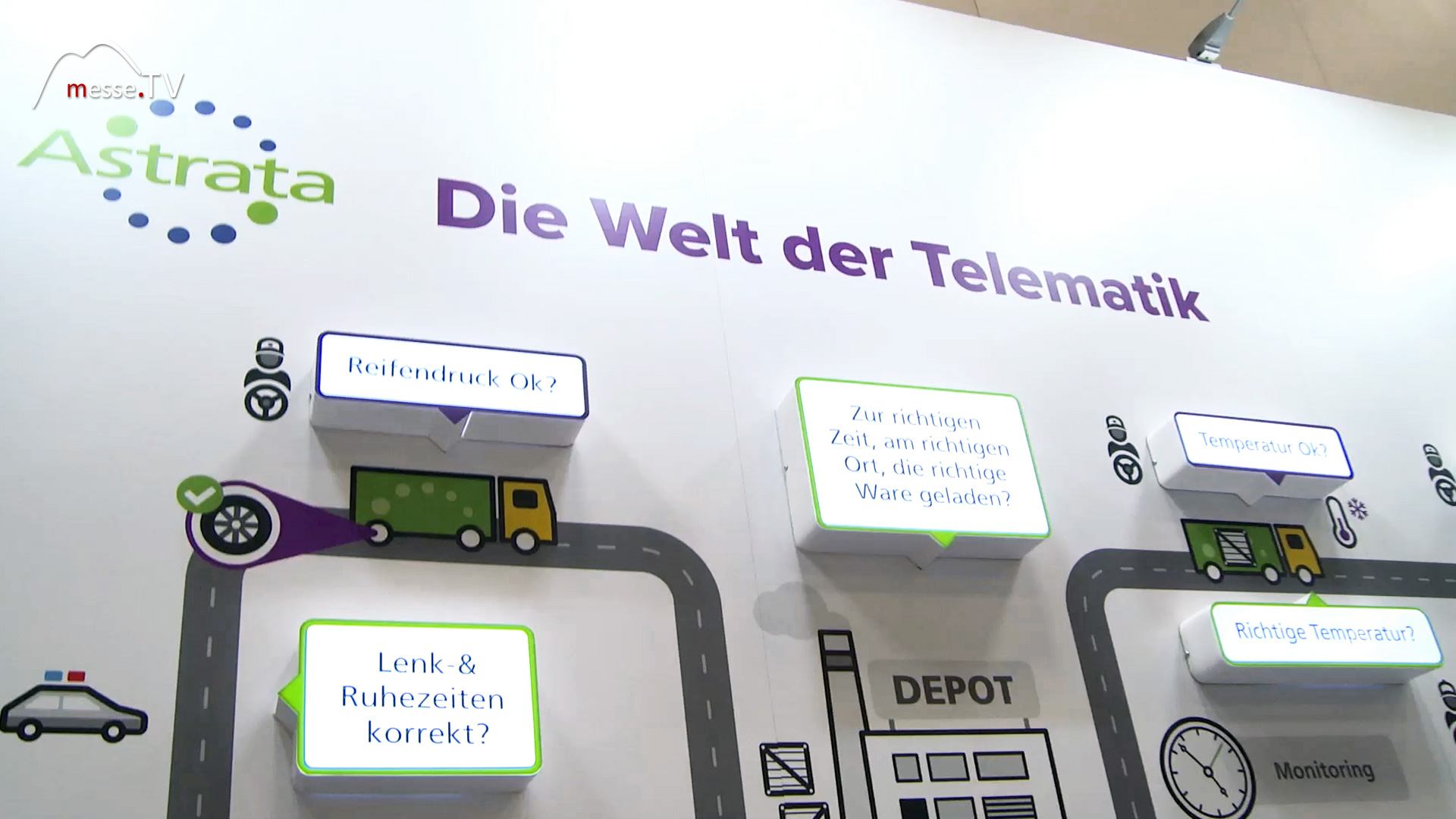
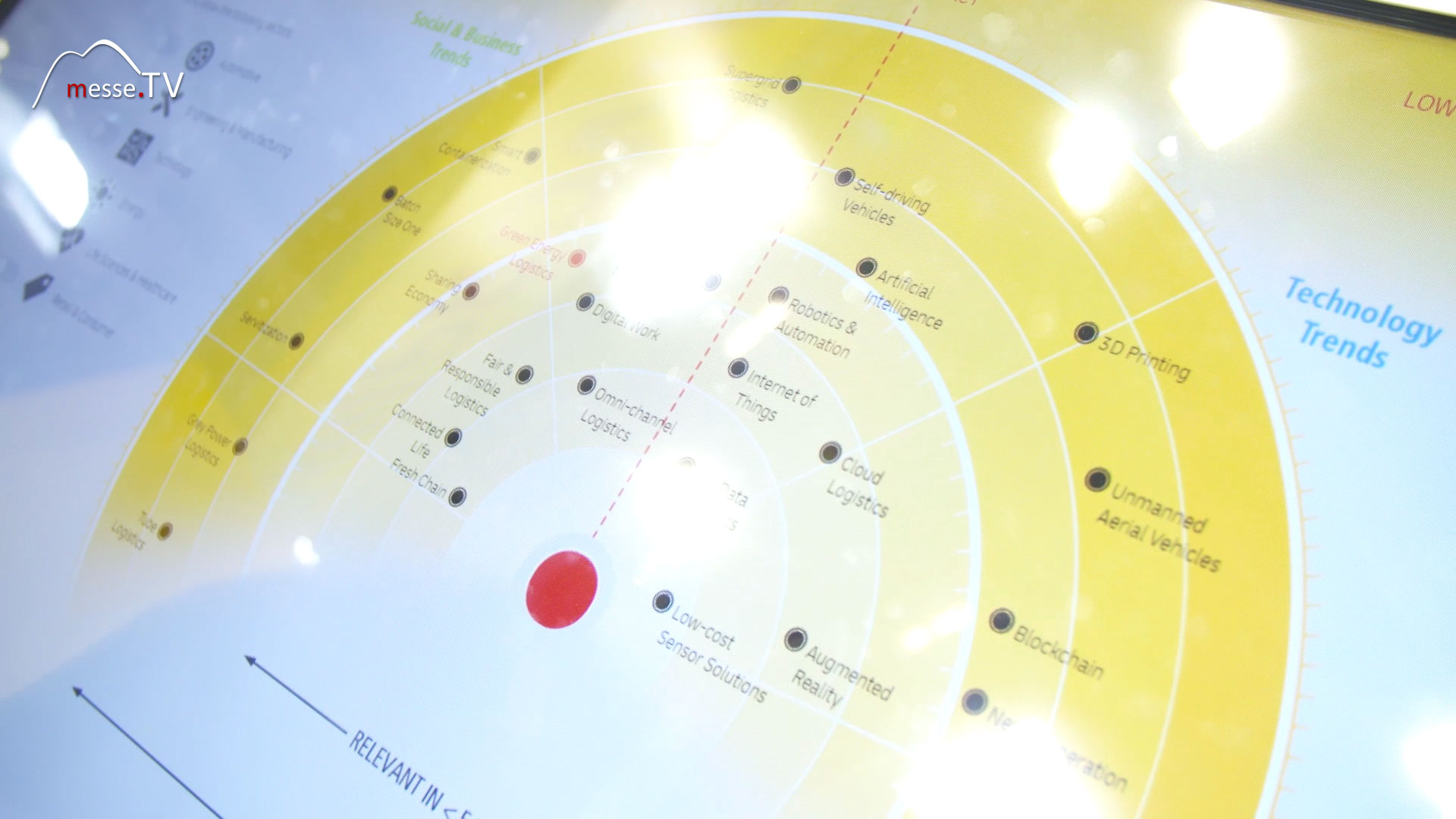
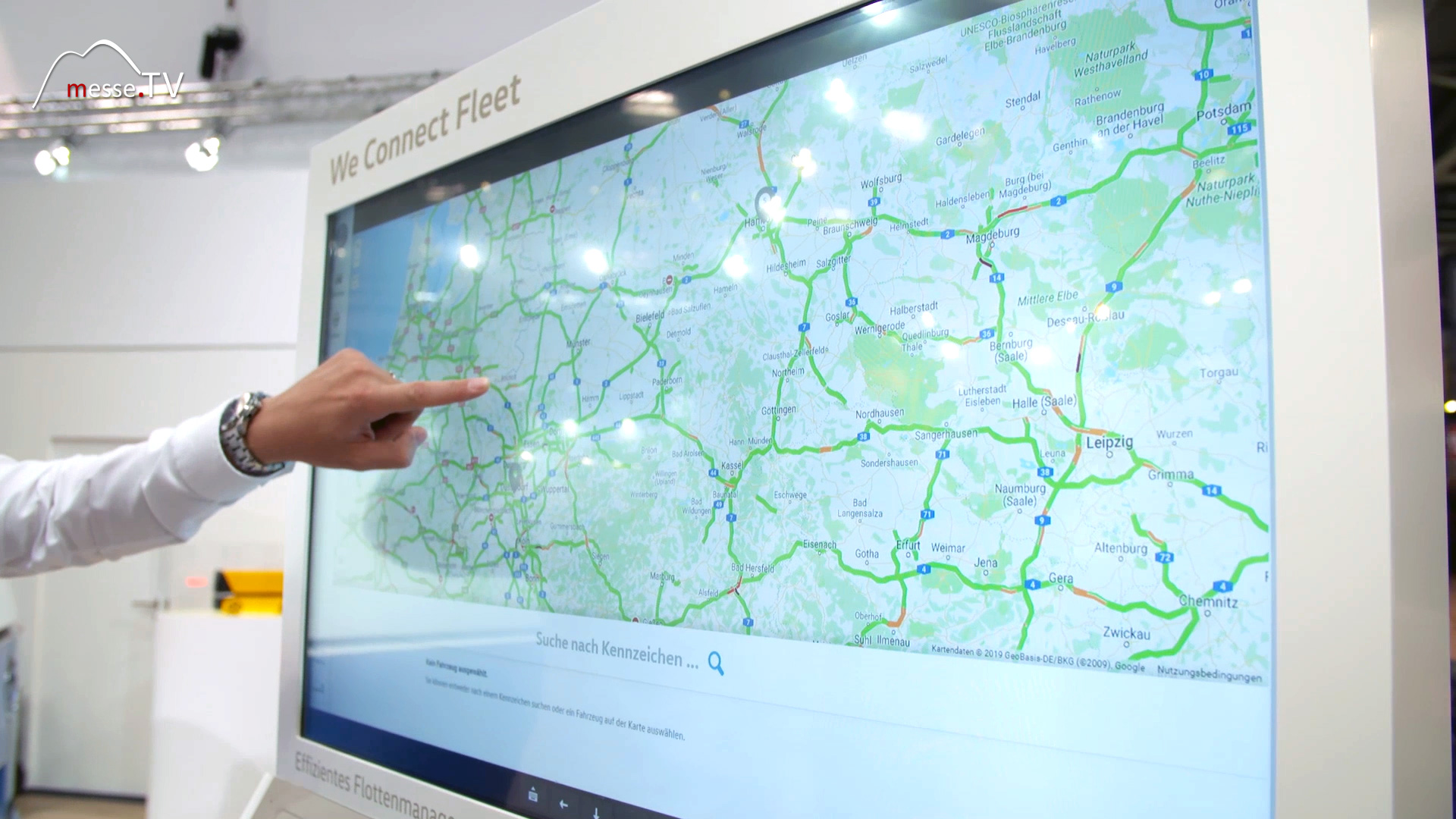
Ein zweiter Schwerpunkt ist die fortschreitende Digitalisierung, insbesondere der Einsatz von Artificial Intelligence entlang der gesamten Supply Chain. In den Fachforen geht es weniger um abstrakte Zukunftsvisionen als um konkrete Anwendungen in Logistikanwendungen. Diskutiert wird, wie datenbasierte Systeme Prozesse effizienter steuern, Prognosen verbessern und operative Abläufe automatisieren können. Dabei zeigt sich, dass viele Unternehmen zwar über technisches Know-how verfügen, die Integration in bestehende Strukturen jedoch eine zentrale Herausforderung bleibt. Die Branche befindet sich an einem Punkt, an dem nicht mehr die Verfügbarkeit von Technologie entscheidend ist, sondern deren sinnvoller Einsatz im Alltag.
Fachkräftemangel und das Berufsbild im Wandel
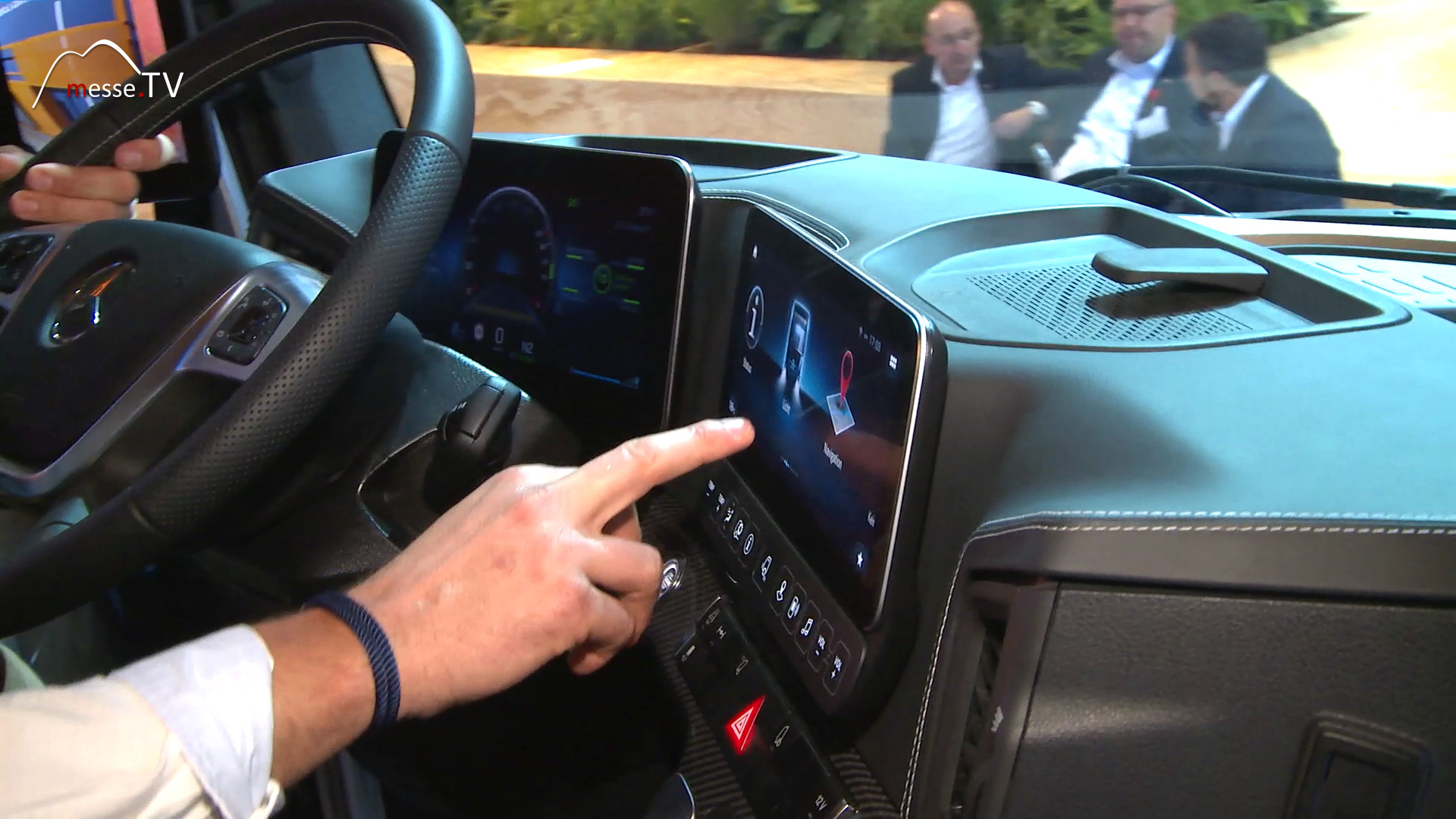
Ein weiteres zentrales Thema ist der Fachkräftemangel, insbesondere im LKW-Bereich. Der Mangel an Fahrern beschäftigt die Branche seit Jahren, gewinnt jedoch angesichts demografischer Entwicklungen weiter an Brisanz. Die Diskussion dreht sich um die Frage, ob das Berufsbild noch zeitgemäß ist und wie neue Zielgruppen erschlossen werden können. Stefan Rummel beschreibt hier einen breiten Konsens: Der Beruf des LKW-Fahrers wird nicht kurzfristig verschwinden, er muss jedoch attraktiver und flexibler gestaltet werden. Dazu gehören bessere Arbeitsbedingungen, moderne Fahrzeuge und digitale Unterstützungssysteme, die den Alltag erleichtern.

Autonomous Driving als langfristige Perspektive
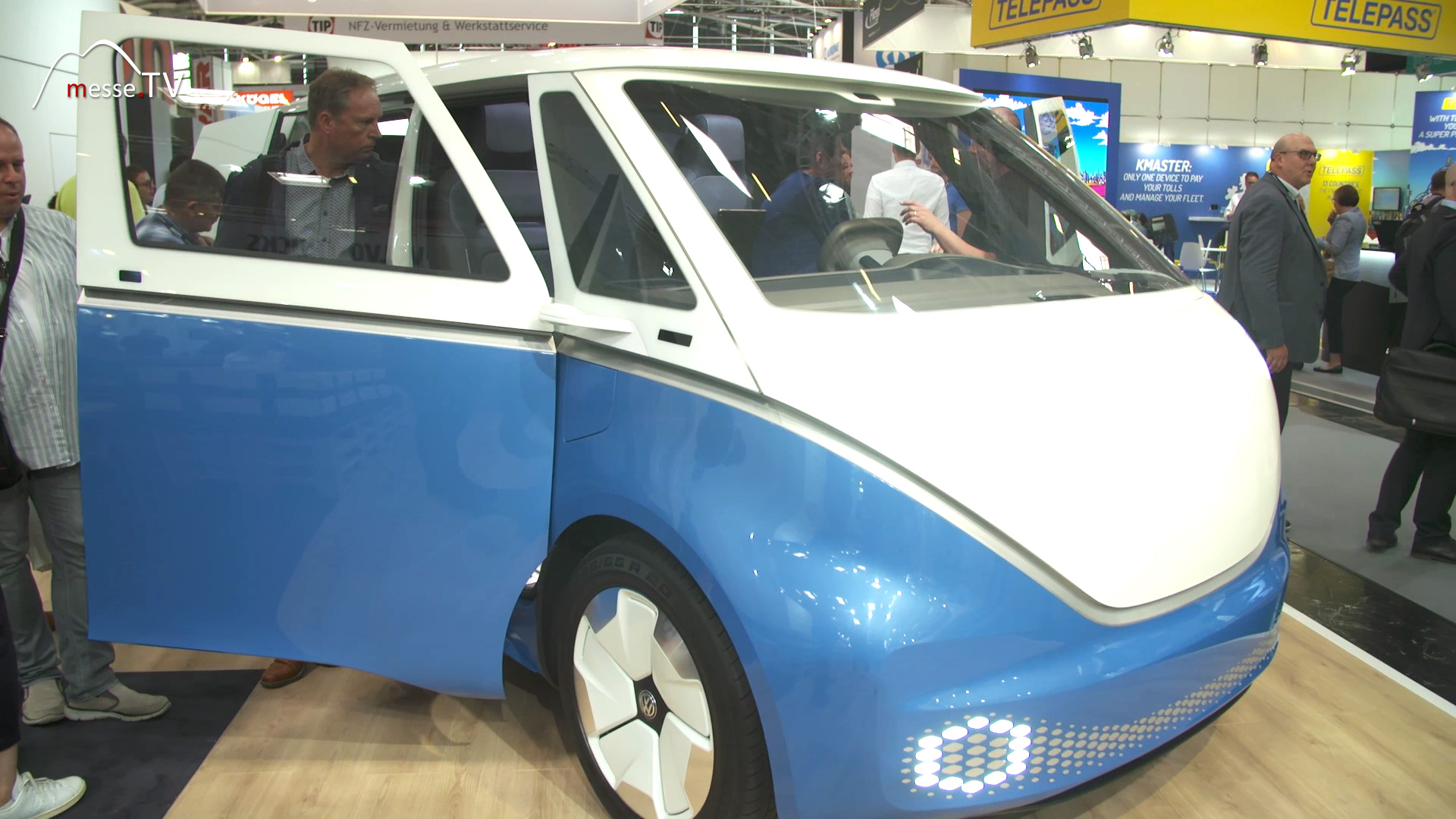
Eng verknüpft mit dem Fachkräftethema ist die Debatte um autonomes Fahren. Auch wenn autonome Systeme technisch immer weiter voranschreiten, ist sich die Branche weitgehend einig, dass der vollständige Ersatz von Fahrern noch auf absehbare Zeit unrealistisch ist. Stattdessen wird Autonomous Driving als ergänzende Technologie gesehen, die bestimmte Teilprozesse übernimmt und Fahrer entlastet. Die Diskussion ist dabei bewusst nüchtern geführt. Es geht nicht um spektakuläre Visionen, sondern um realistische Einsatzszenarien und rechtliche Rahmenbedingungen. Veranstaltungen der Messe München bieten hierfür einen wichtigen Raum, um technologische Möglichkeiten mit praktischer Erfahrung abzugleichen.
Zusammenführung der Themen auf neutraler Plattform
Aus organisatorischer Sicht zeigt sich, dass die Stärke großer Branchenveranstaltungen in der Zusammenführung dieser Themen liegt. China, Digitalisierung, Fachkräftemangel und autonome Systeme werden nicht isoliert betrachtet, sondern im Zusammenhang diskutiert. Daraus ergeben sich Querschnittsfragen, die für viele Unternehmen relevant sind:
- Wie lassen sich internationale Partnerschaften strategisch nutzen?
- Welche digitalen Anwendungen bringen messbaren Mehrwert?
- Wie kann das Berufsbild in der Logistik langfristig gesichert werden?
- Welche Rolle spielt Automatisierung in der Praxis?
Ausblick auf die weitere Branchenentwicklung
Die Logistikbranche steht vor tiefgreifenden Veränderungen, ohne dabei ihre Grundfunktion zu verlieren. Globale Handelsbeziehungen, technologische Innovationen und personelle Herausforderungen werden auch künftig eng miteinander verflochten sein. Aus Sicht der Messe München ist die Branche gut aufgestellt, diese Themen aktiv zu gestalten. Entscheidend wird sein, den Dialog fortzuführen und aus Diskussionen konkrete, tragfähige Lösungen zu entwickeln.




Messe-Berichterstattung bundesweit - Messewissen, Termine & Veranstaltungen


