Michelin MyBestRoute als digitale Routenplanung für den LKW
von Andreas Bergmeier - 2024-02-13Wer heute Transporte plant, bewegt sich in einem Spannungsfeld aus Zeitdruck, Kostenkontrolle und zunehmender regulatorischer Komplexität. Disponenten stehen täglich vor der Aufgabe, Touren so zu planen, dass Fahrzeuge pünktlich ankommen, wirtschaftlich unterwegs sind und gleichzeitig die spezifischen Anforderungen des Schwerverkehrs erfüllen. Genau an dieser Stelle setzt MyBestRoute an – ein webbasiertes Tool, das konsequent aus der Perspektive des LKW-Verkehrs gedacht ist.
Routenplanung jenseits klassischer Navigationslogik
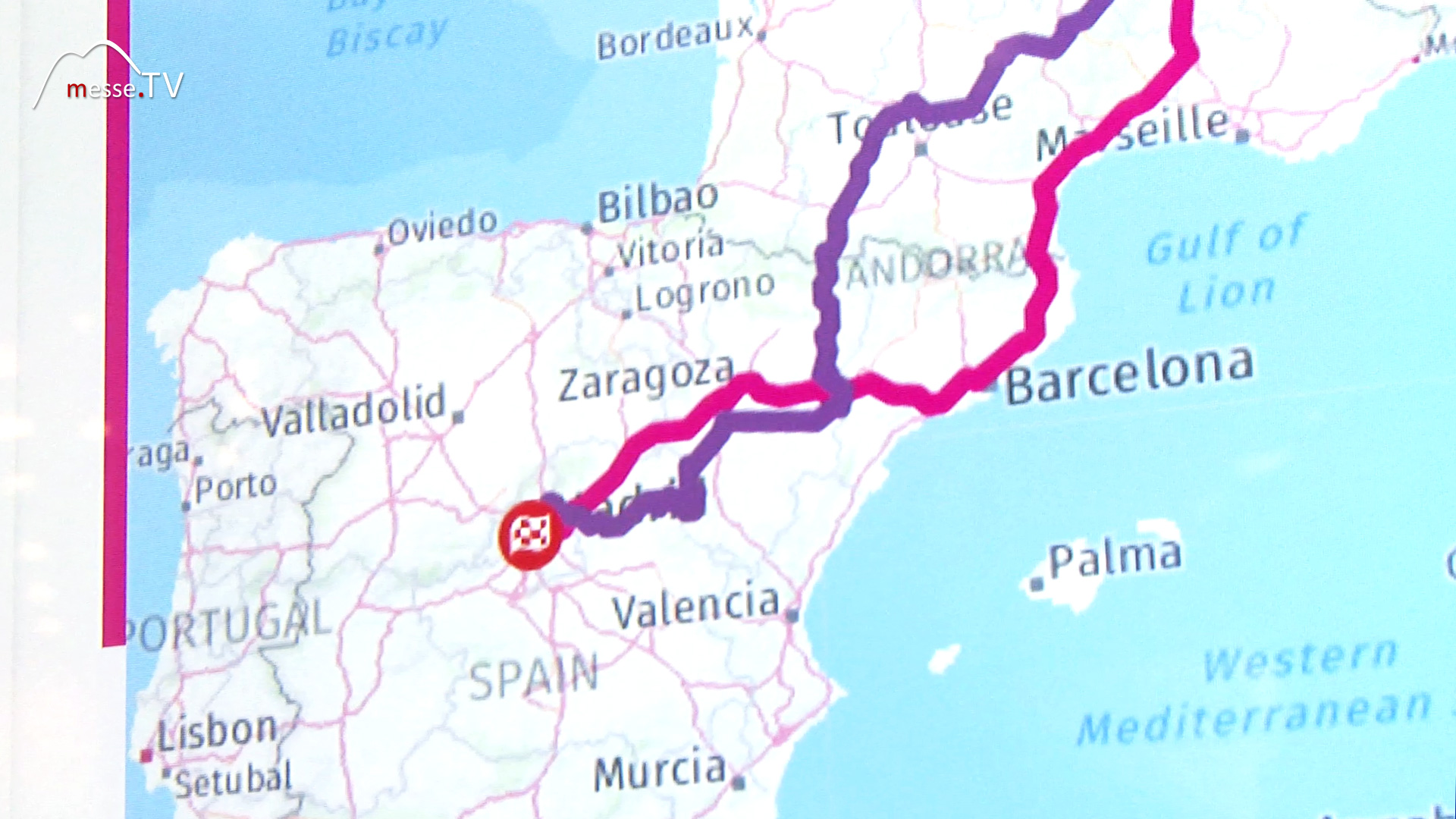
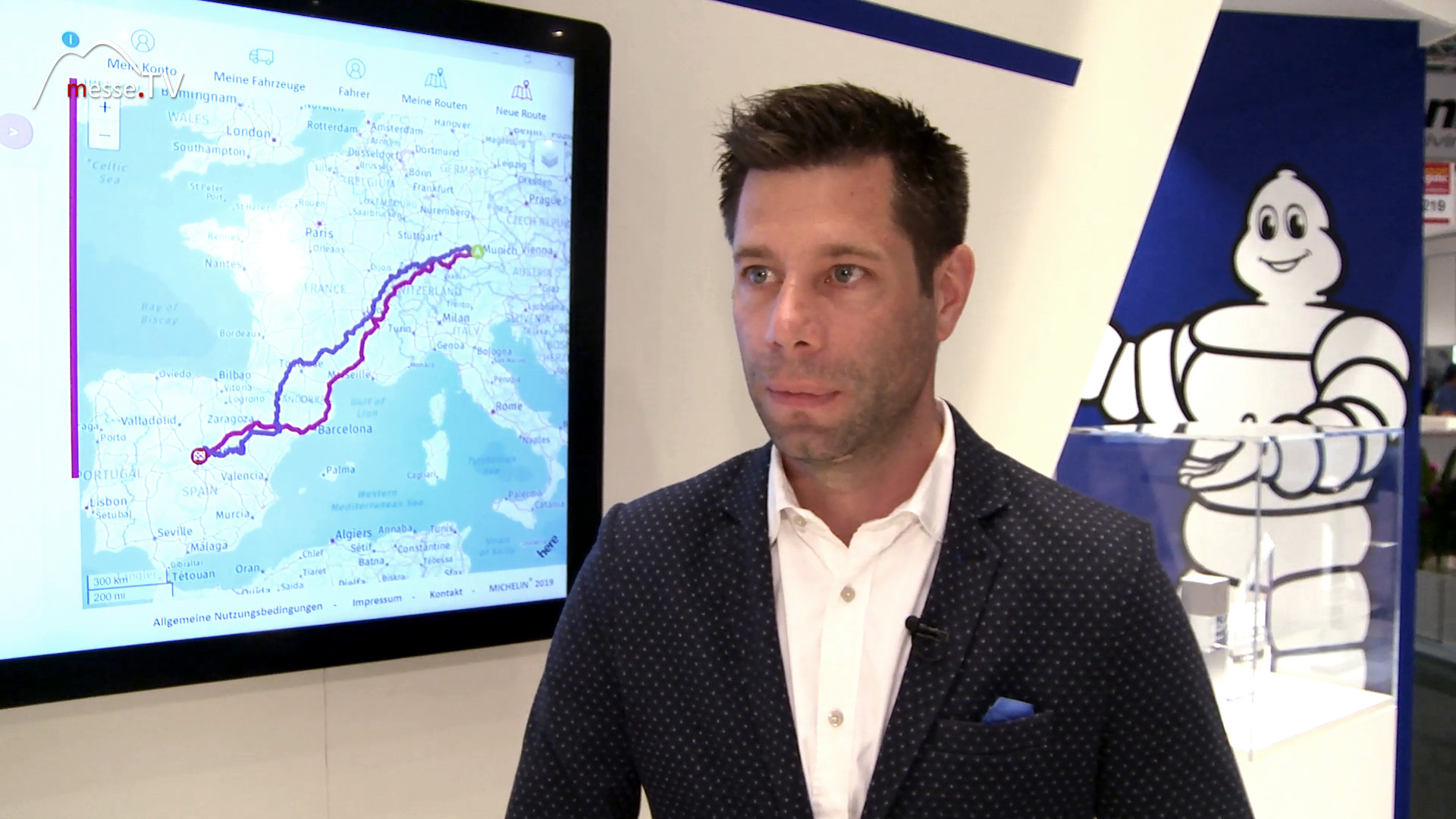
Viele Navigationslösungen orientieren sich bis heute am Pkw-Verkehr. Sie berücksichtigen allgemeine Verkehrsdaten, stoßen jedoch schnell an Grenzen, sobald es um LKW-spezifische Einschränkungen geht. Gewichtsbeschränkungen, Höhenbegrenzungen, Durchfahrtsverbote oder mautpflichtige Strecken lassen sich nur unzureichend abbilden. Für den Disponenten bedeutet das zusätzlichen Prüfaufwand und ein erhöhtes Risiko von Fehlentscheidungen. MyBestRoute verfolgt einen anderen Ansatz. Das System ist von Grund auf auf den Güterverkehr ausgelegt. Routen werden nicht pauschal berechnet, sondern anhand definierter Kriterien, die sich an realen logistischen Anforderungen orientieren. Ob schnellste Verbindung, kostengünstigste Strecke oder eine optimierte Balance aus beiden Faktoren – die Entscheidung liegt beim Disponenten.

Echtzeitdaten als Grundlage belastbarer Entscheidungen
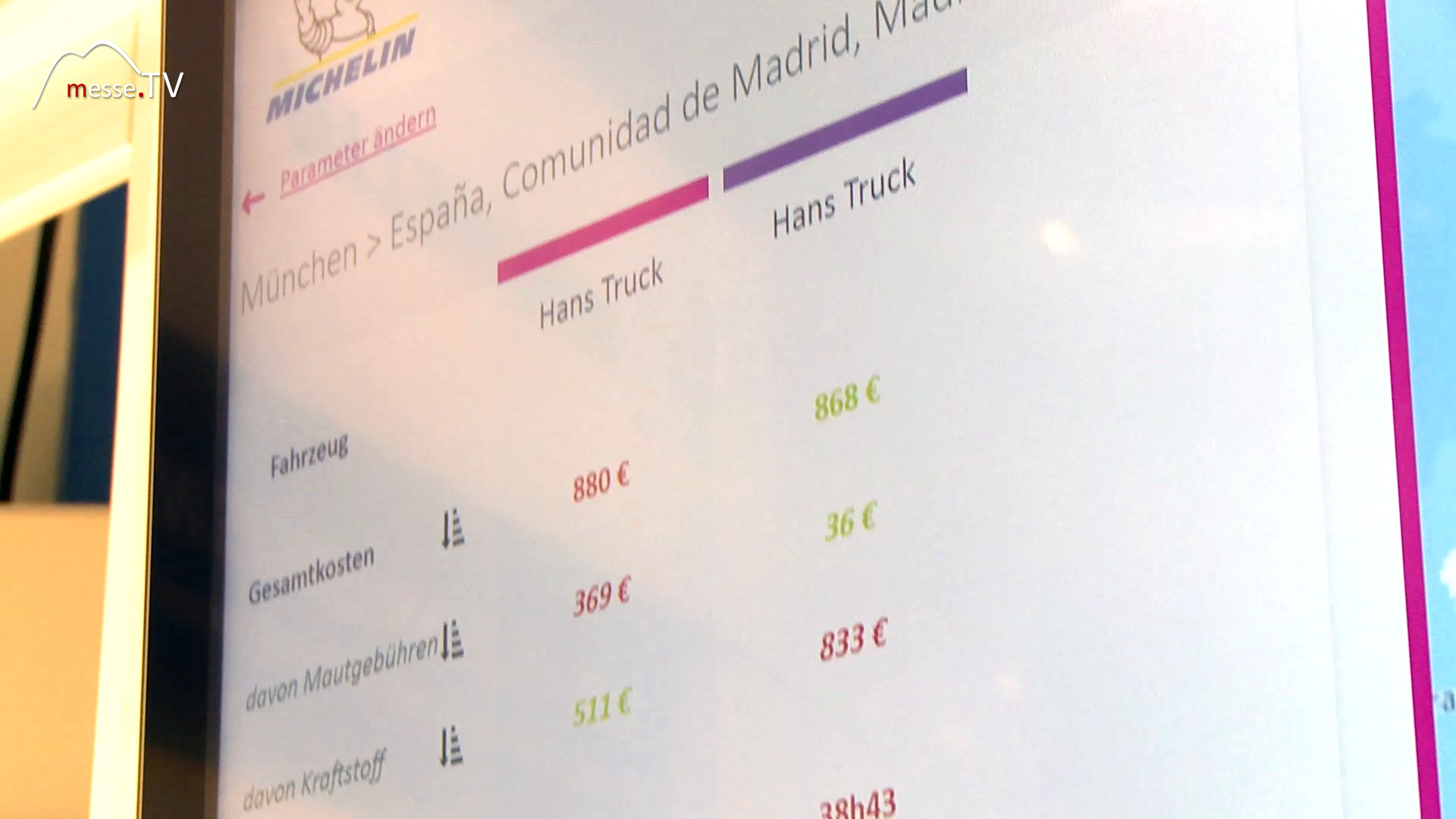
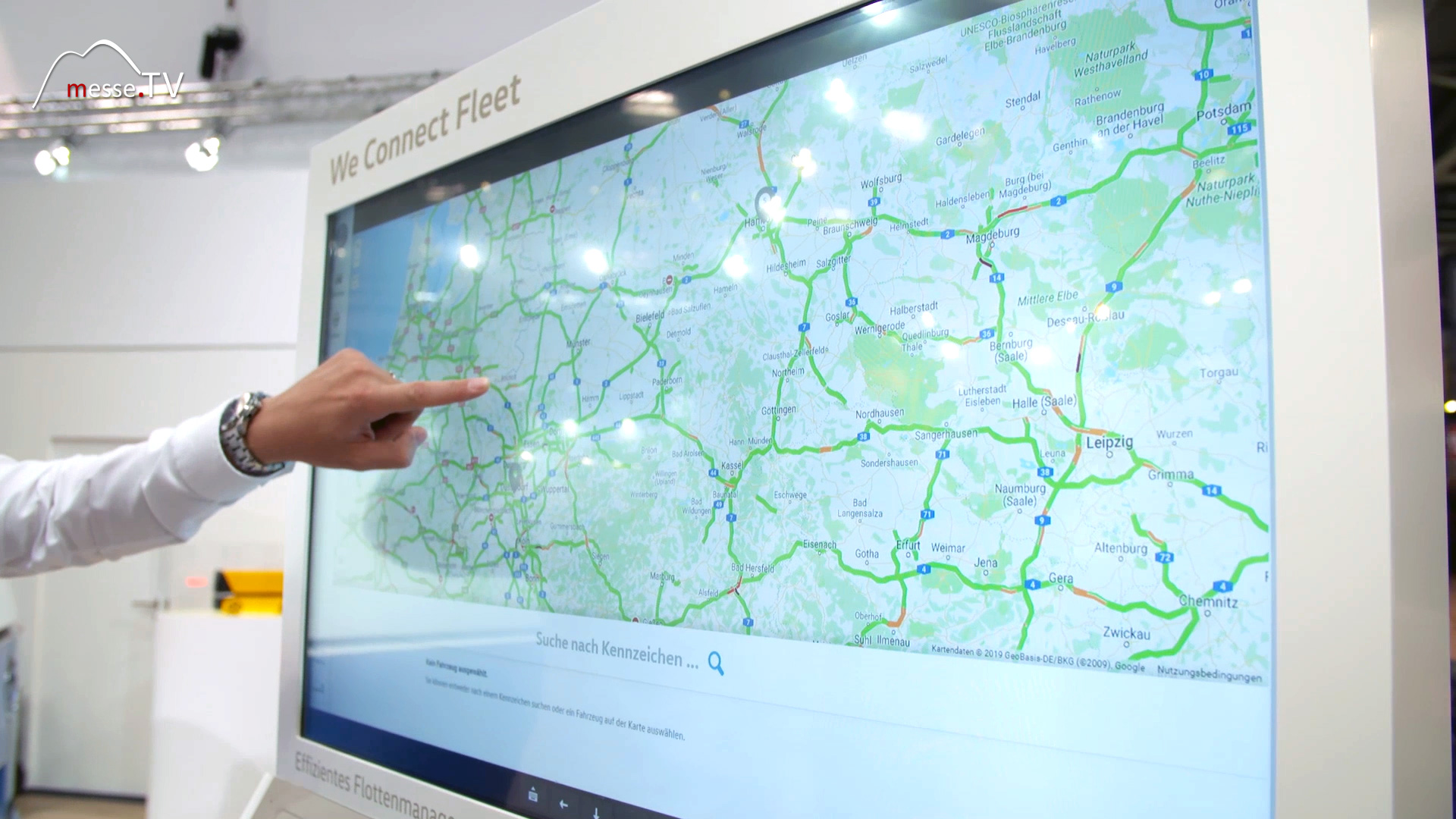
Ein zentrales Merkmal des Tools ist die Nutzung von Echtzeitdaten. Aktuelle Verkehrslagen fließen unmittelbar in die Routenberechnung ein. Staus, Baustellen oder temporäre Sperrungen werden berücksichtigt, bevor sie zum Problem werden. Auf dieser Basis lassen sich präzisere Ankunftszeiten kalkulieren, was insbesondere bei eng getakteten Lieferketten von Bedeutung ist. Darüber hinaus ermöglicht die Integration von Mautinformationen eine transparente Kostenabschätzung. Disponenten können bereits in der Planungsphase erkennen, welche Strecken wirtschaftlich sinnvoll sind und wo unnötige Zusatzkosten entstehen würden. Die Routenplanung wird damit zu einem strategischen Instrument, nicht nur zu einer operativen Aufgabe.
LKW-spezifische Einschränkungen im Fokus
Ein entscheidender Unterschied zu vielen marktüblichen Lösungen liegt in der konsequenten Berücksichtigung LKW-spezifischer Rahmenbedingungen. MyBestRoute arbeitet nicht mit pauschalen Annahmen, sondern bezieht fahrzeugbezogene Parameter in die Planung ein. Dazu zählen unter anderem Achslasten, Fahrzeugabmessungen oder bekannte Durchfahrtsbeschränkungen. Diese Differenzierung ist in der Praxis von hoher Relevanz. Fehlgeleitete Fahrzeuge verursachen Zeitverluste, erhöhen den Stress für Fahrer und können im schlimmsten Fall zu gefährlichen Situationen führen. Eine Routenplanung, die solche Risiken minimiert, wirkt sich unmittelbar auf Sicherheit und Effizienz aus.
MyBestRoute als Werkzeug für den Disponenten
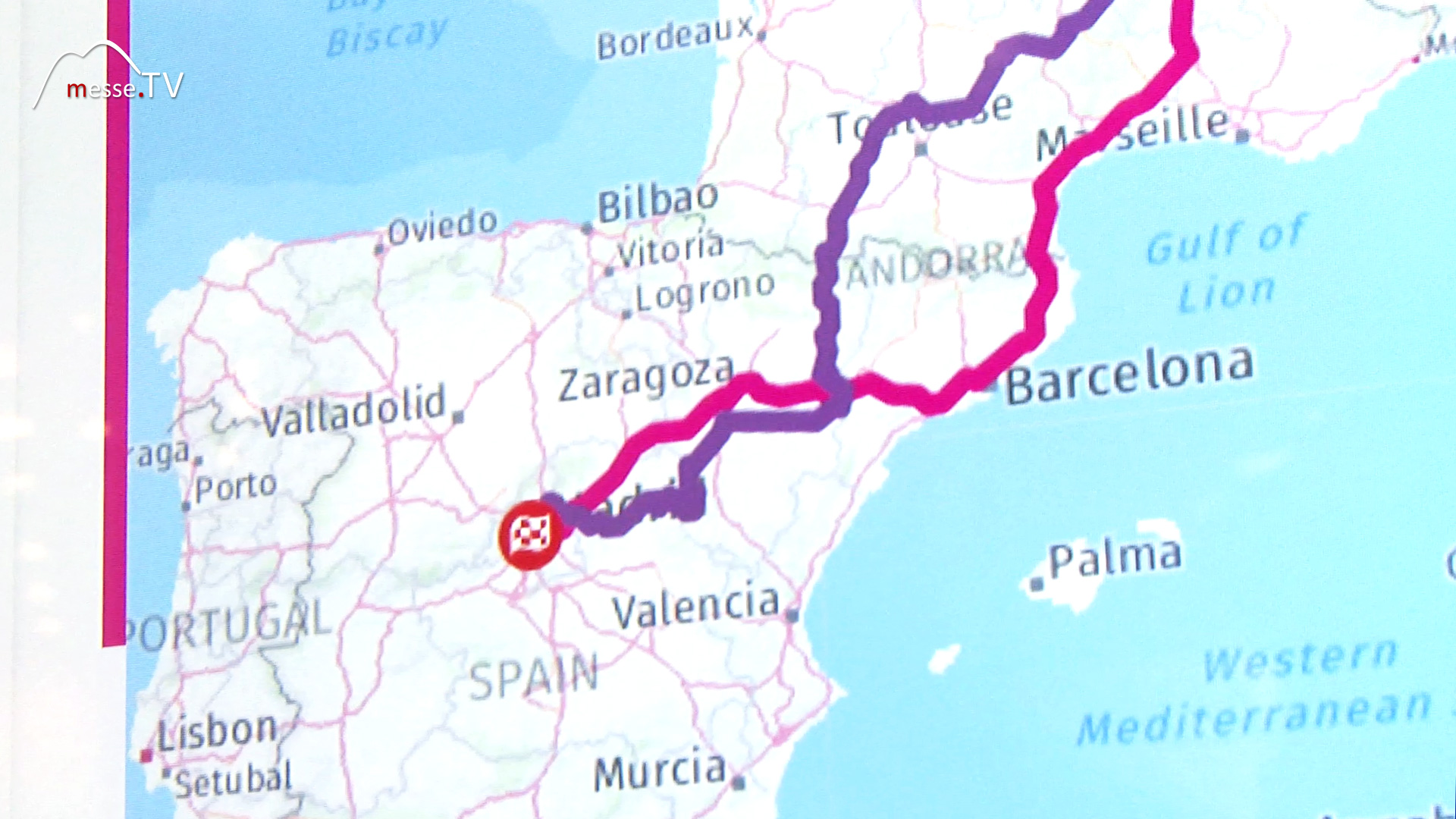
Im Mittelpunkt der Anwendung steht der Disponent. MyBestRoute ist webbasiert konzipiert und lässt sich ohne aufwendige Installation nutzen. Die Oberfläche ist darauf ausgelegt, komplexe Informationen übersichtlich darzustellen und Entscheidungen zu erleichtern. Routen lassen sich vergleichen, alternative Szenarien durchspielen und bei Bedarf kurzfristig anpassen. Damit wird die Rolle des Disponenten gestärkt. Statt auf Erfahrungswerte oder externe Tools angewiesen zu sein, steht ein System zur Verfügung, das datenbasierte Entscheidungen unterstützt. Die Planung gewinnt an Qualität, ohne dass der Zeitaufwand steigt.
- Berücksichtigung von Echtzeit-Verkehrsdaten
- Transparente Kalkulation von Ankunftszeiten und Kosten
- LKW-spezifische Routenführung statt Pkw-Logik
- Webbasierter Zugriff ohne lokale Installation
- Flexible Anpassung an unterschiedliche Planungsziele
Einordnung in den digitalen Wandel der Logistik
Die Einführung von MyBestRoute ist Teil eines größeren Wandels. Logistikprozesse werden zunehmend digitalisiert, um Komplexität beherrschbar zu machen. Routenplanung ist dabei ein zentrales Element, weil sie unmittelbar auf Kosten, Servicequalität und Nachhaltigkeit wirkt. Effizient geplante Strecken reduzieren nicht nur Zeitverluste, sondern auch unnötige Kilometer und damit Emissionen. In diesem Kontext positioniert sich Michelin nicht mehr ausschließlich als Reifenhersteller, sondern als Anbieter integrierter Mobilitätslösungen. Die Entwicklung digitaler Werkzeuge ergänzt das klassische Produktportfolio und erweitert den Nutzen für Flottenbetreiber und Logistikdienstleister.

Praxisrelevanz statt theoretischer Optimierung
Auffällig ist, dass MyBestRoute nicht als abstraktes Optimierungstool konzipiert ist, sondern aus der Praxis heraus entwickelt wurde. Die Anforderungen des Disponenten stehen im Mittelpunkt, nicht mathematische Ideallösungen. Das zeigt sich in der Möglichkeit, unterschiedliche Kriterien gegeneinander abzuwägen und situativ zu priorisieren. Gerade im Alltag der Transportlogistik ist diese Flexibilität entscheidend. Eine Route, die rechnerisch optimal erscheint, kann unter realen Bedingungen ungeeignet sein. MyBestRoute schafft hier Transparenz, ohne die Entscheidungsfreiheit einzuschränken.
Perspektiven für den LKW-Verkehr
Mit der zunehmenden Digitalisierung des Verkehrs wachsen auch die Erwartungen an Planungswerkzeuge. Routenplanung wird künftig stärker mit weiteren Systemen verknüpft sein, etwa mit Telematik, Flottenmanagement oder Fahrerassistenzlösungen. MyBestRoute lässt sich in diese Entwicklung einordnen, weil es auf aktuellen Daten basiert und den spezifischen Anforderungen des Schwerverkehrs Rechnung trägt. Für Disponenten bedeutet das eine spürbare Entlastung. Für Unternehmen eröffnet sich die Möglichkeit, Transporte verlässlicher, wirtschaftlicher und planbarer zu gestalten. In einer Branche, die von knappen Ressourcen und hohem Wettbewerbsdruck geprägt ist, wird genau diese Fähigkeit zum entscheidenden Faktor.














Messe-Berichterstattung bundesweit - Messewissen, Termine & Veranstaltungen


