Digitale Telematik-Systeme für Steuerung moderner Logistikprozesse
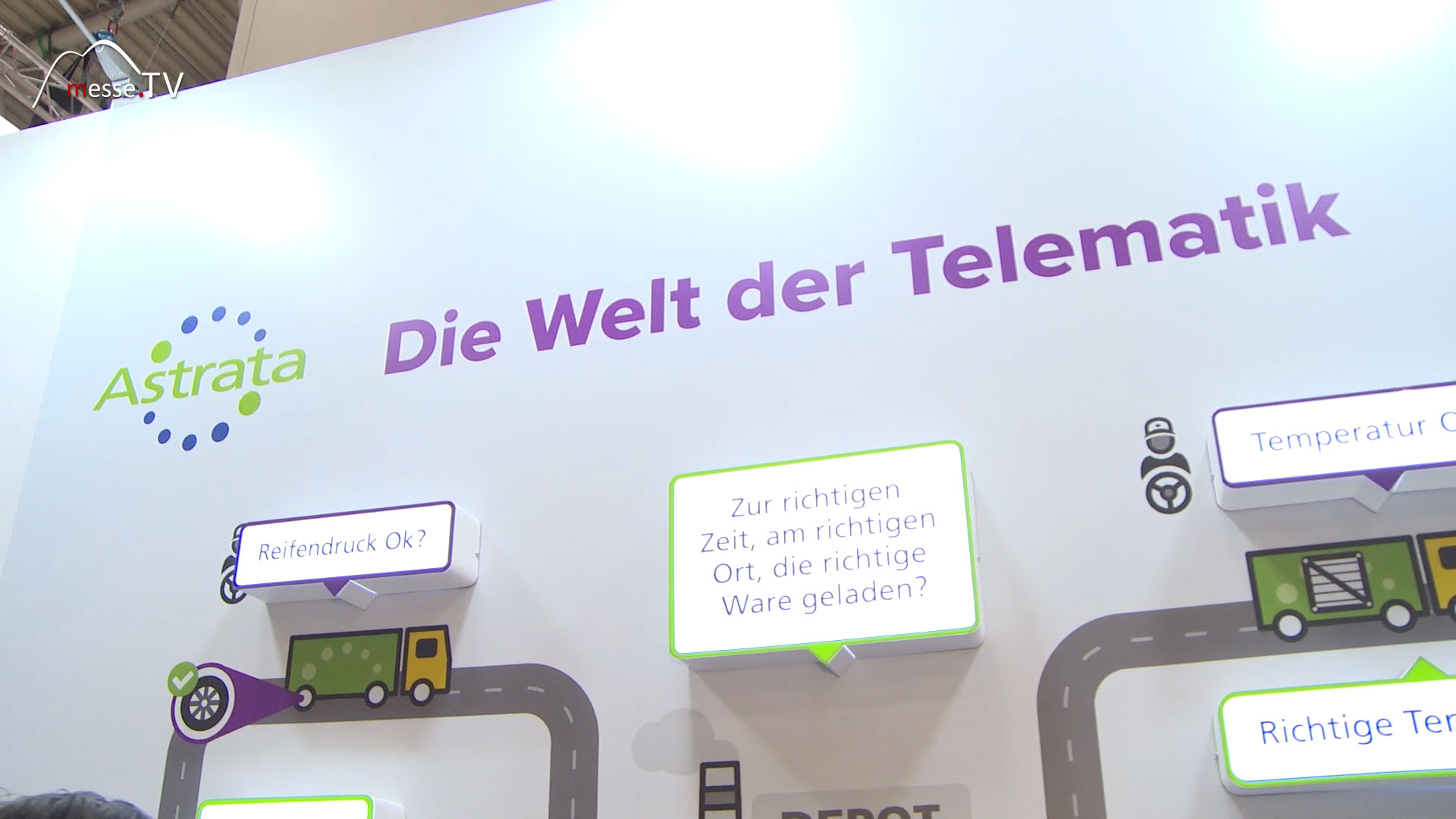
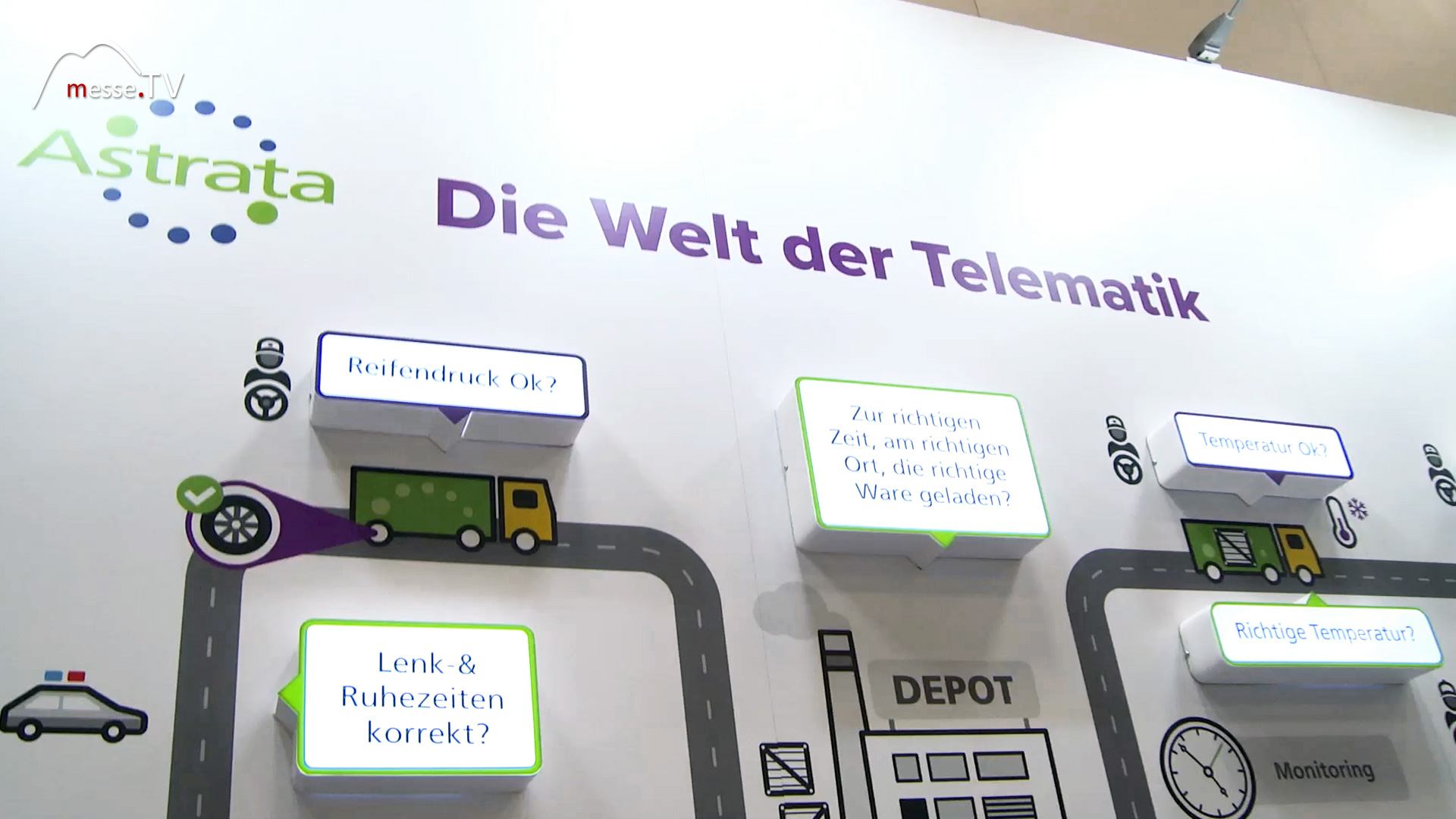
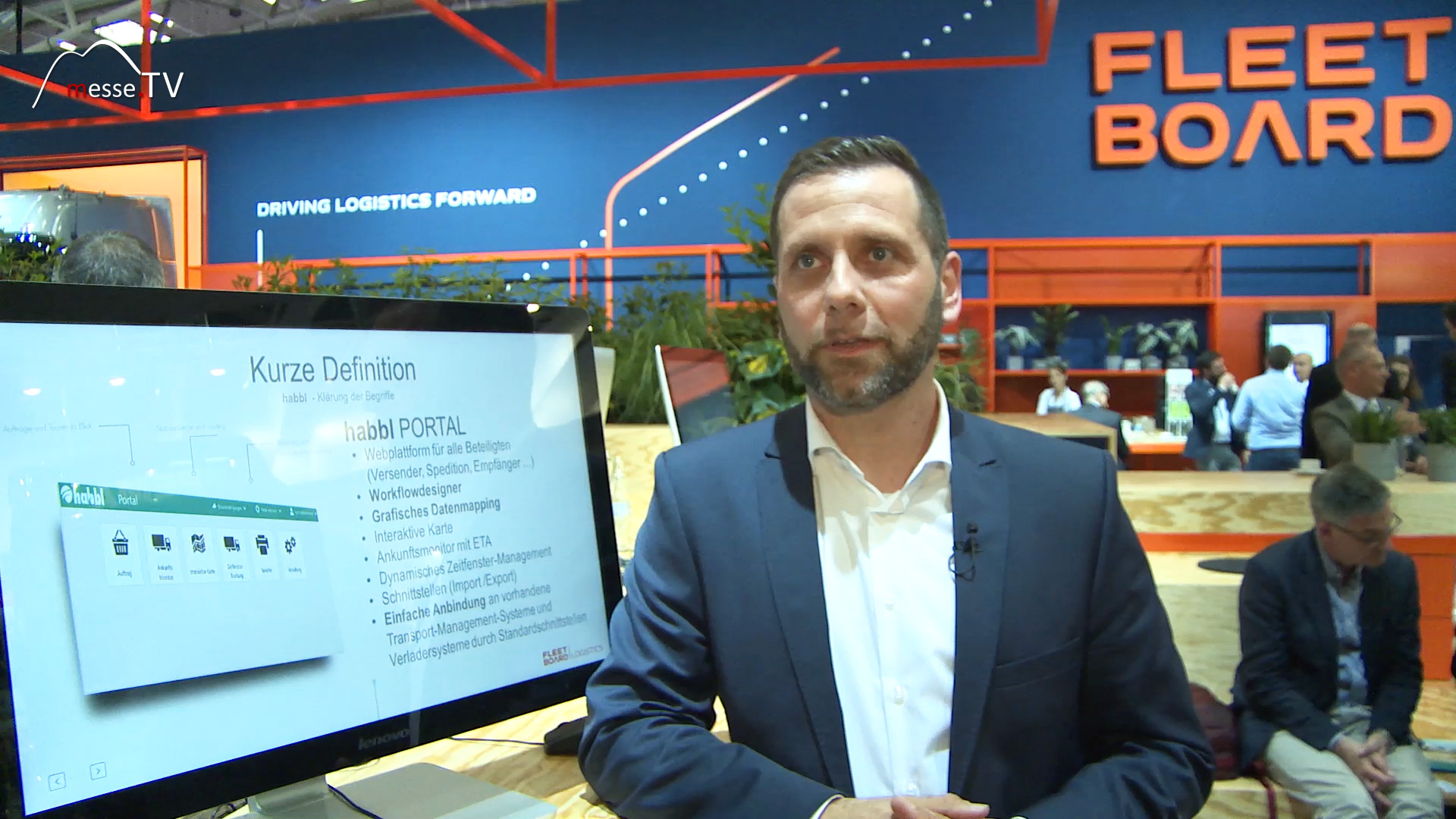
von Andreas Bergmeier - 2024-02-13Die Welt der Telematik steht exemplarisch für den tiefgreifenden Wandel, den Transport- und Logistikunternehmen derzeit durchlaufen. Logistik ist heute kein linearer Ablauf mehr, sondern ein komplexes Zusammenspiel aus Daten, Fahrzeugen, Fahrern und digitalen Systemen. Um diese Prozesse beherrschbar zu machen, braucht es Lösungen, die nicht nur einzelne Schritte abbilden, sondern den gesamten Transportverlauf in den Blick nehmen – von der Auftragserfassung bis zur finalen Zustellung.
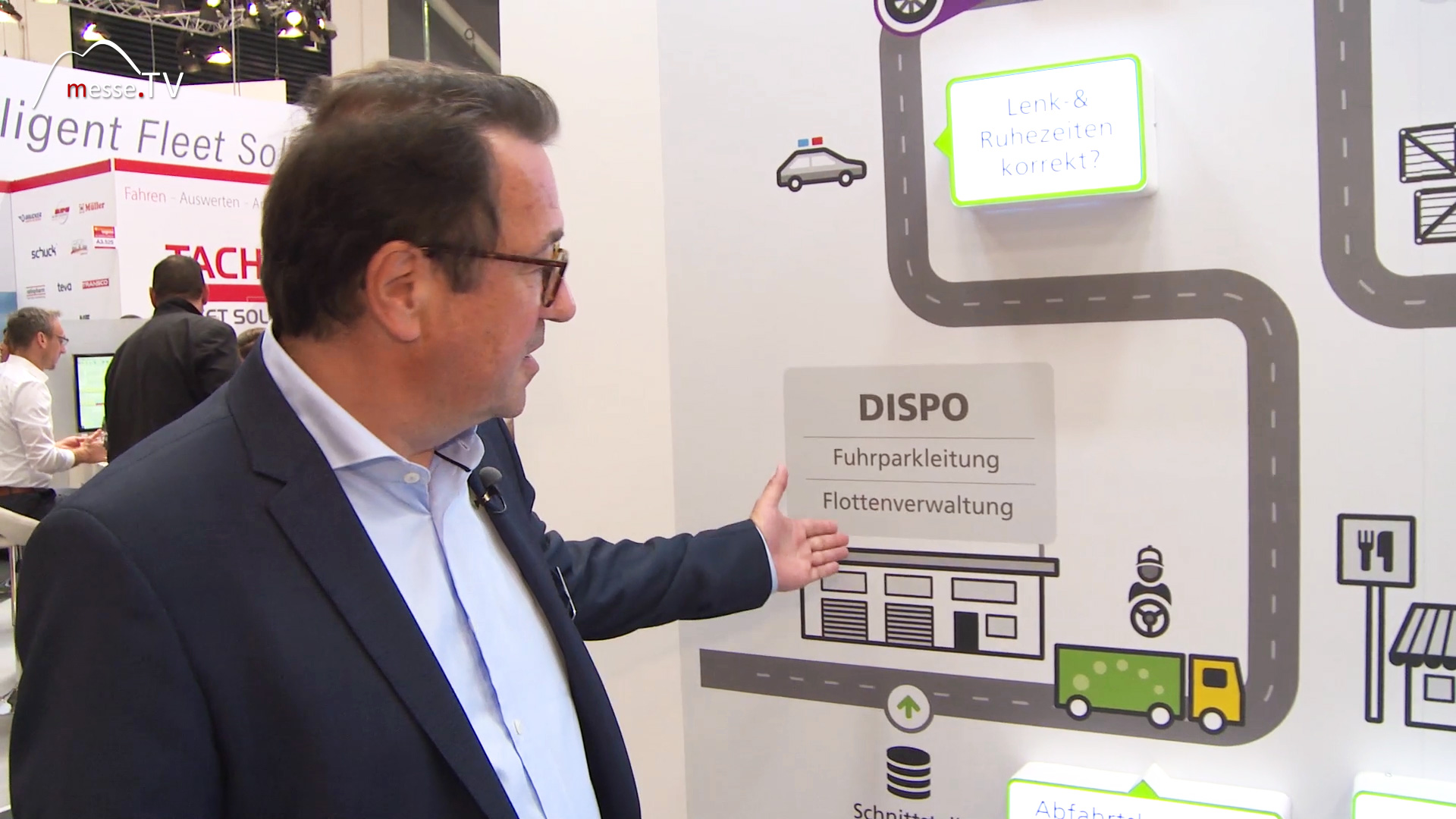
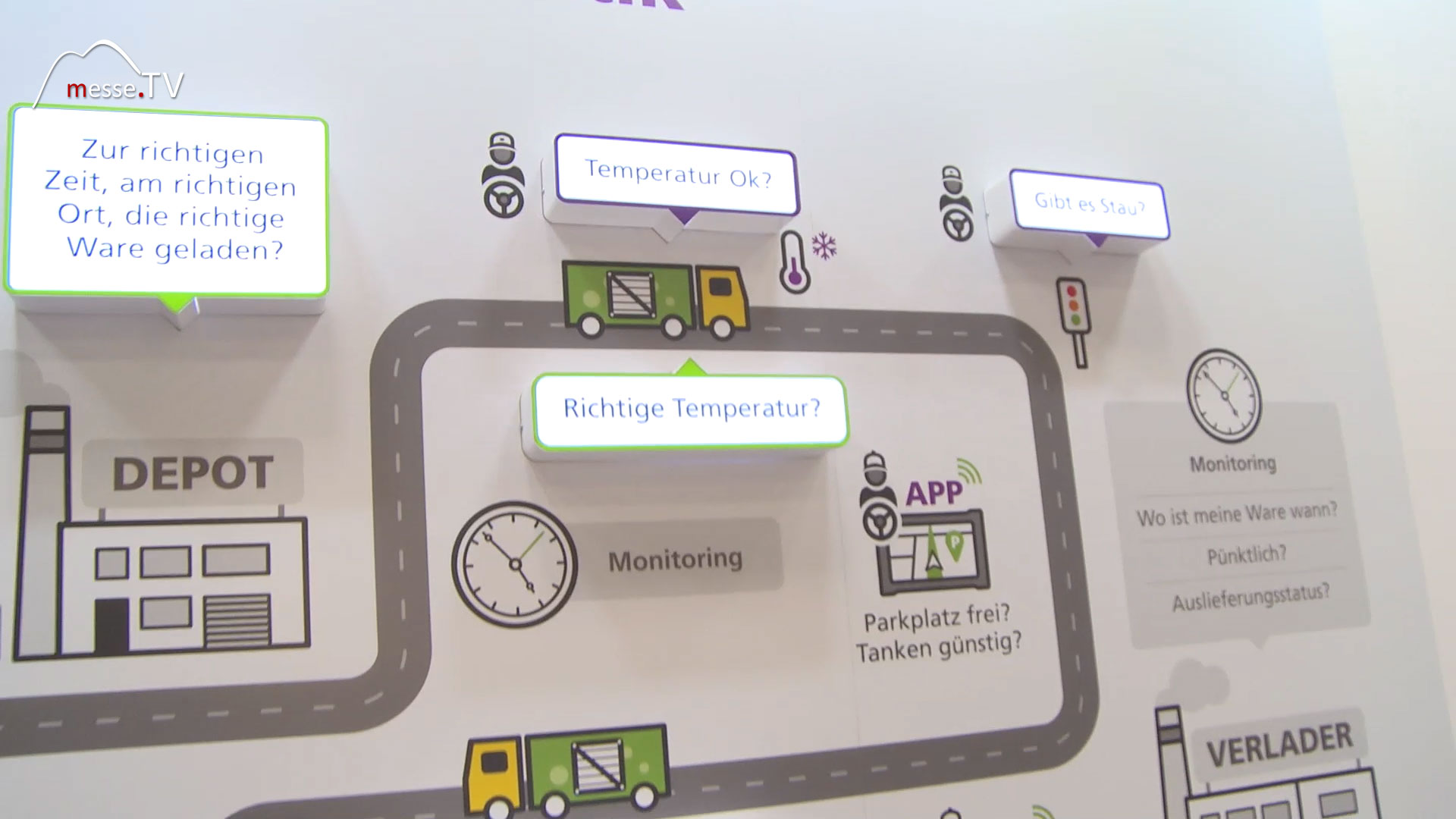
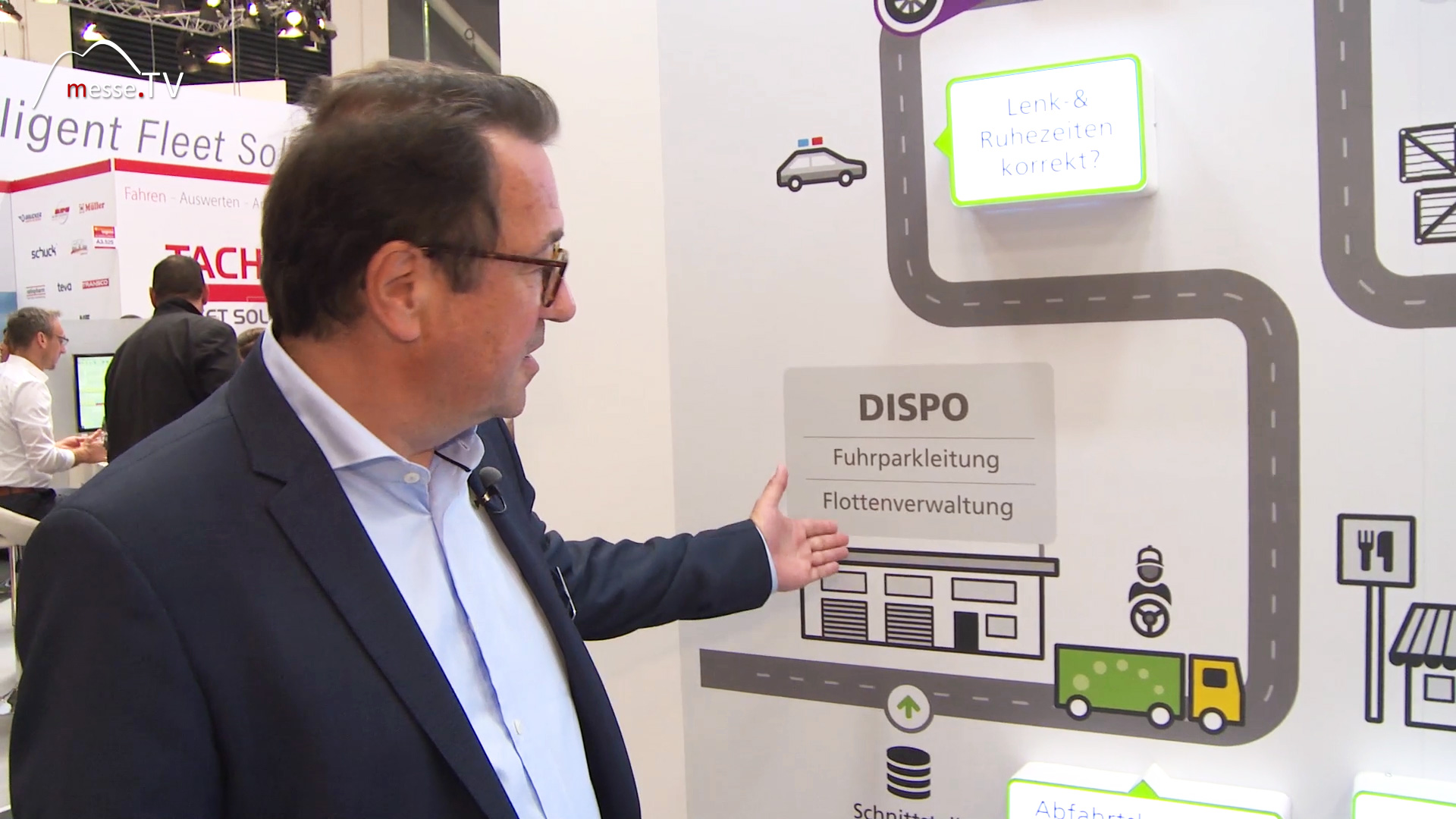
Genau hier setzen moderne Telematik-Systeme an. Sie bilden die unterschiedlichen Prozesse innerhalb von Transport- und Logistikunternehmen digital ab und verbinden Disposition, Fahrzeugdaten und Fahrerinformationen zu einem durchgängigen Gesamtbild. Ziel ist es, Transparenz zu schaffen, Abläufe zu automatisieren und Abweichungen frühzeitig zu erkennen, bevor sie operative oder wirtschaftliche Folgen haben.

Telematik als Plattform für durchgängige Transportprozesse
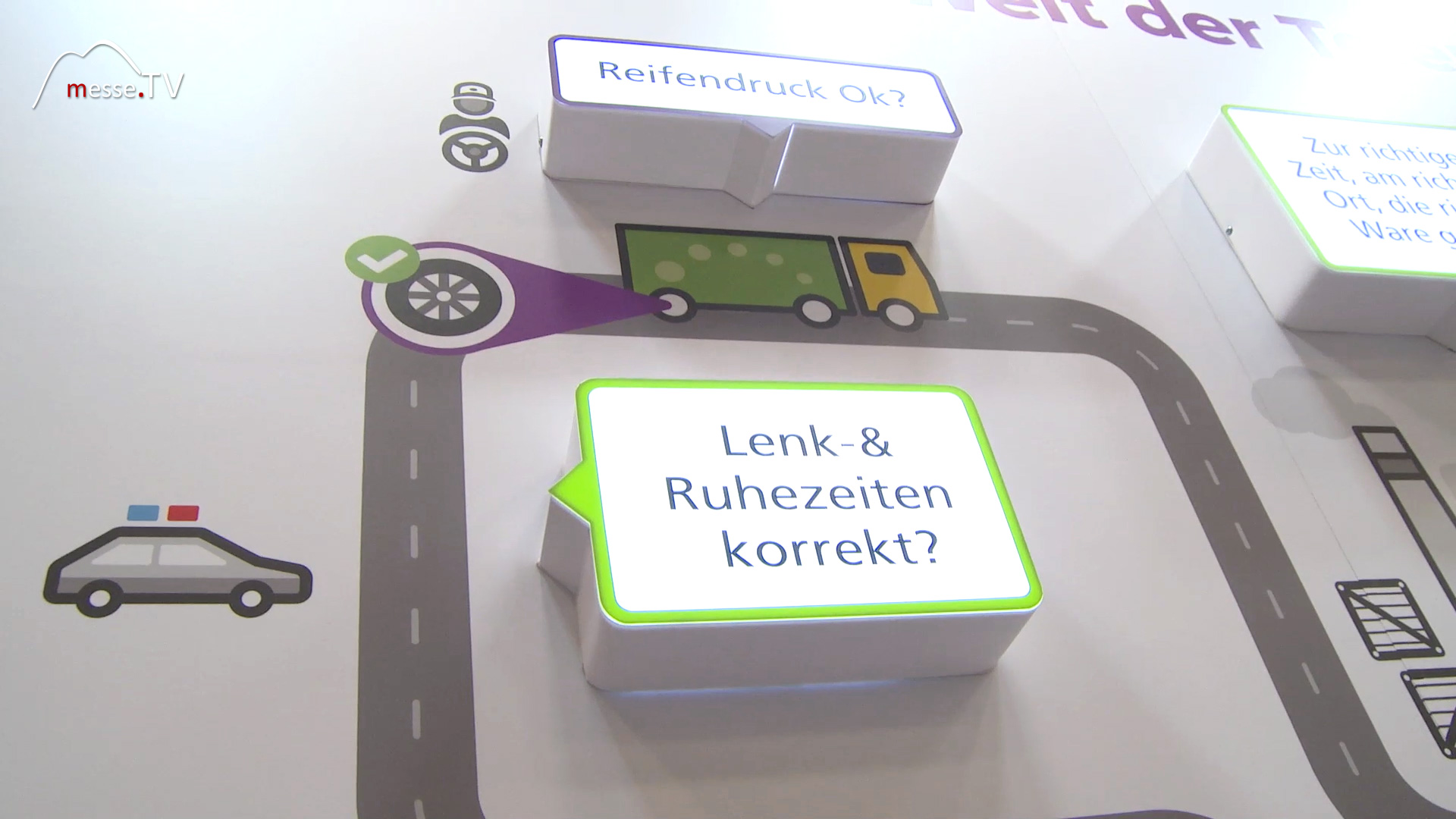
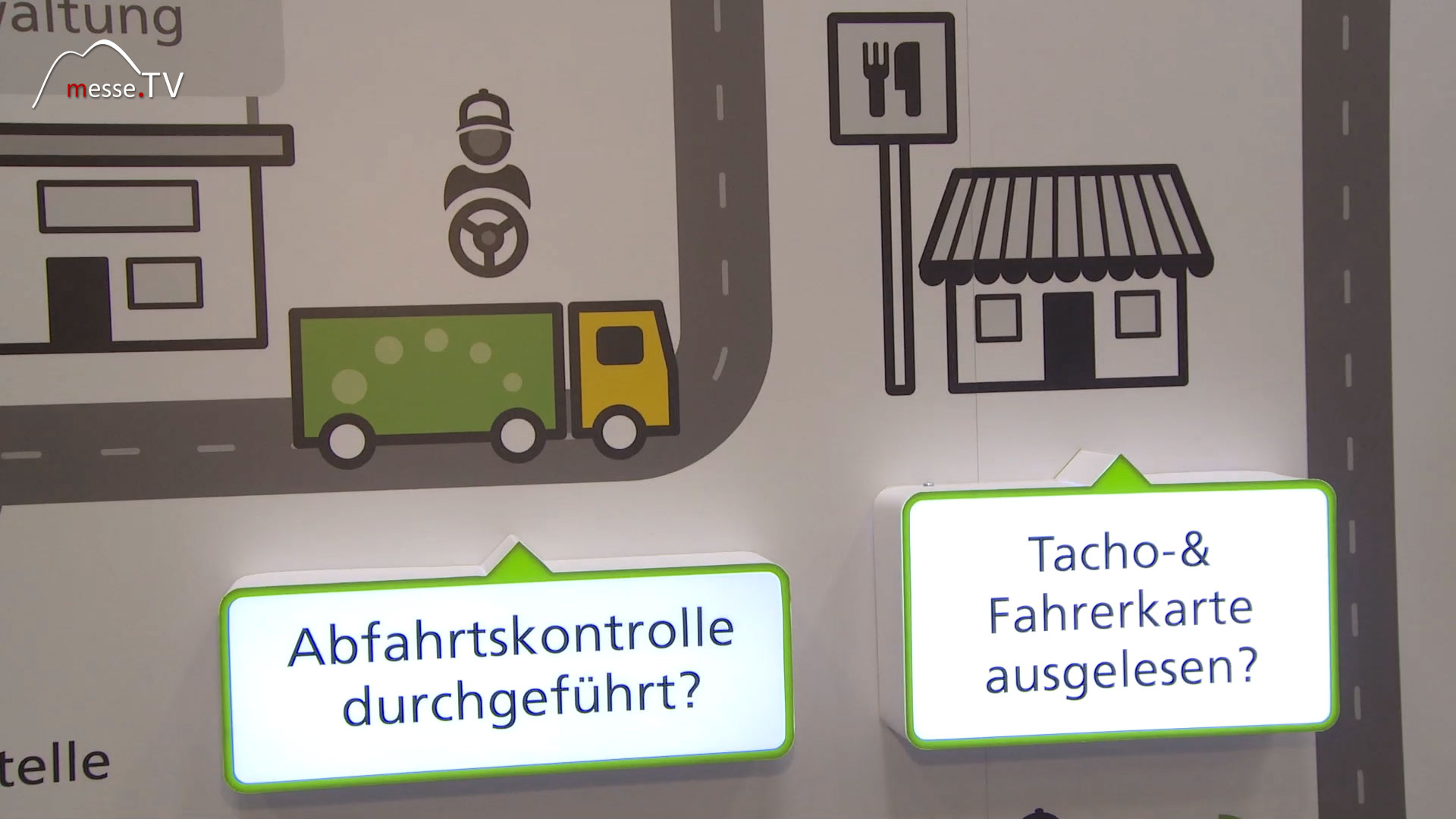
Telematik versteht Logistik als zusammenhängenden Prozess. Der Einstieg erfolgt bereits in der Disposition mit der Auftragserfassung. Von dort aus wird der gesamte Transport begleitet und digital dokumentiert. Dabei geht es nicht nur um die reine Bewegung von Fahrzeugen, sondern um eine Vielzahl von Parametern, die für einen reibungslosen Ablauf entscheidend sind. Ein zentraler Bestandteil ist die Erfassung fahrerrelevanter Daten. Lenk- und Ruhezeiten werden ebenso berücksichtigt wie Informationen aus den Fahrerkarten. Diese Daten fließen automatisiert in die Systeme ein und ermöglichen eine kontinuierliche Überwachung der Einhaltung gesetzlicher Vorgaben. Gleichzeitig liefern sie eine wichtige Grundlage für die Einsatzplanung und die Bewertung von Abläufen im Tagesgeschäft.
Fahrzeugüberwachung und Positionierung in Echtzeit
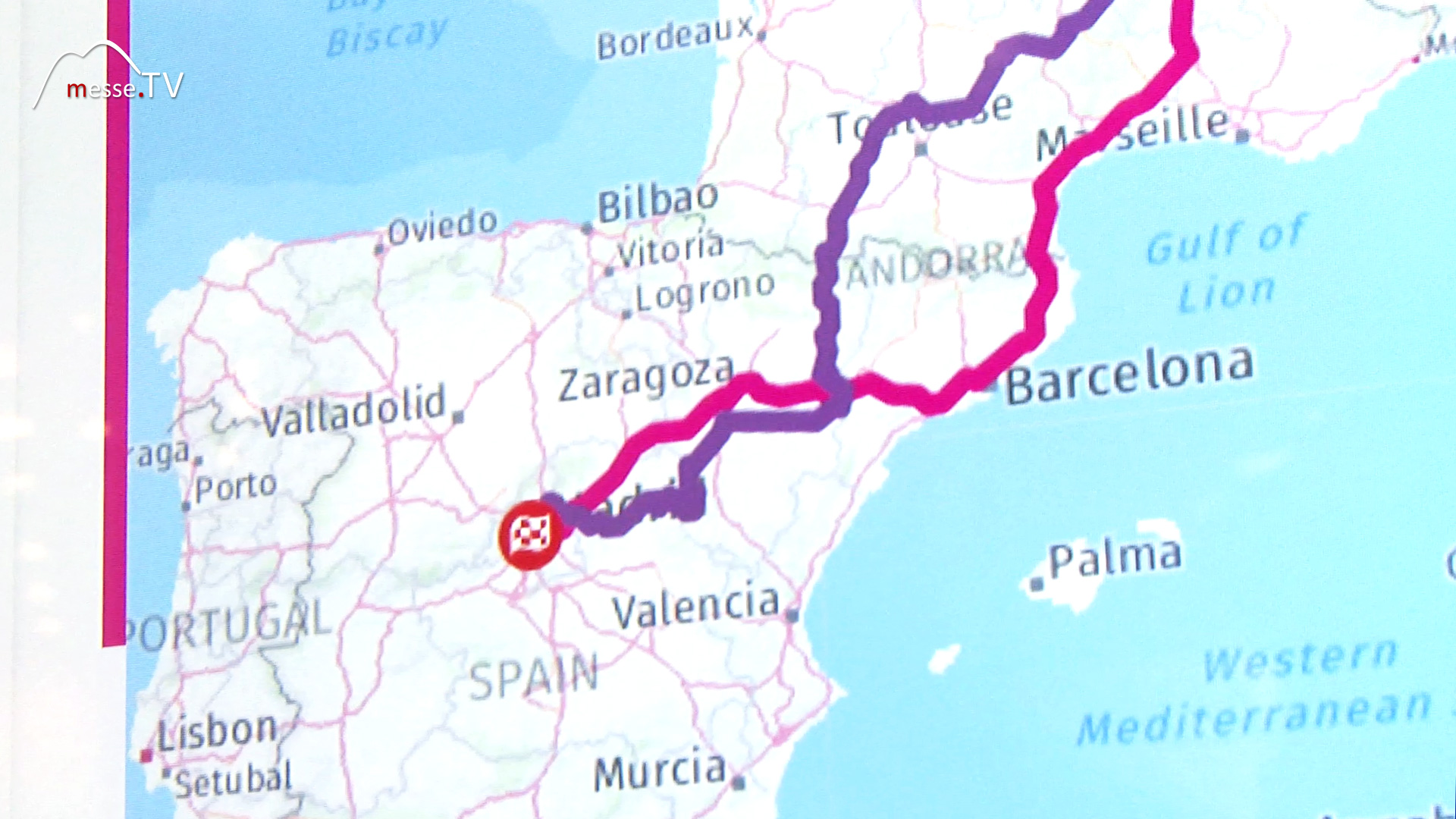
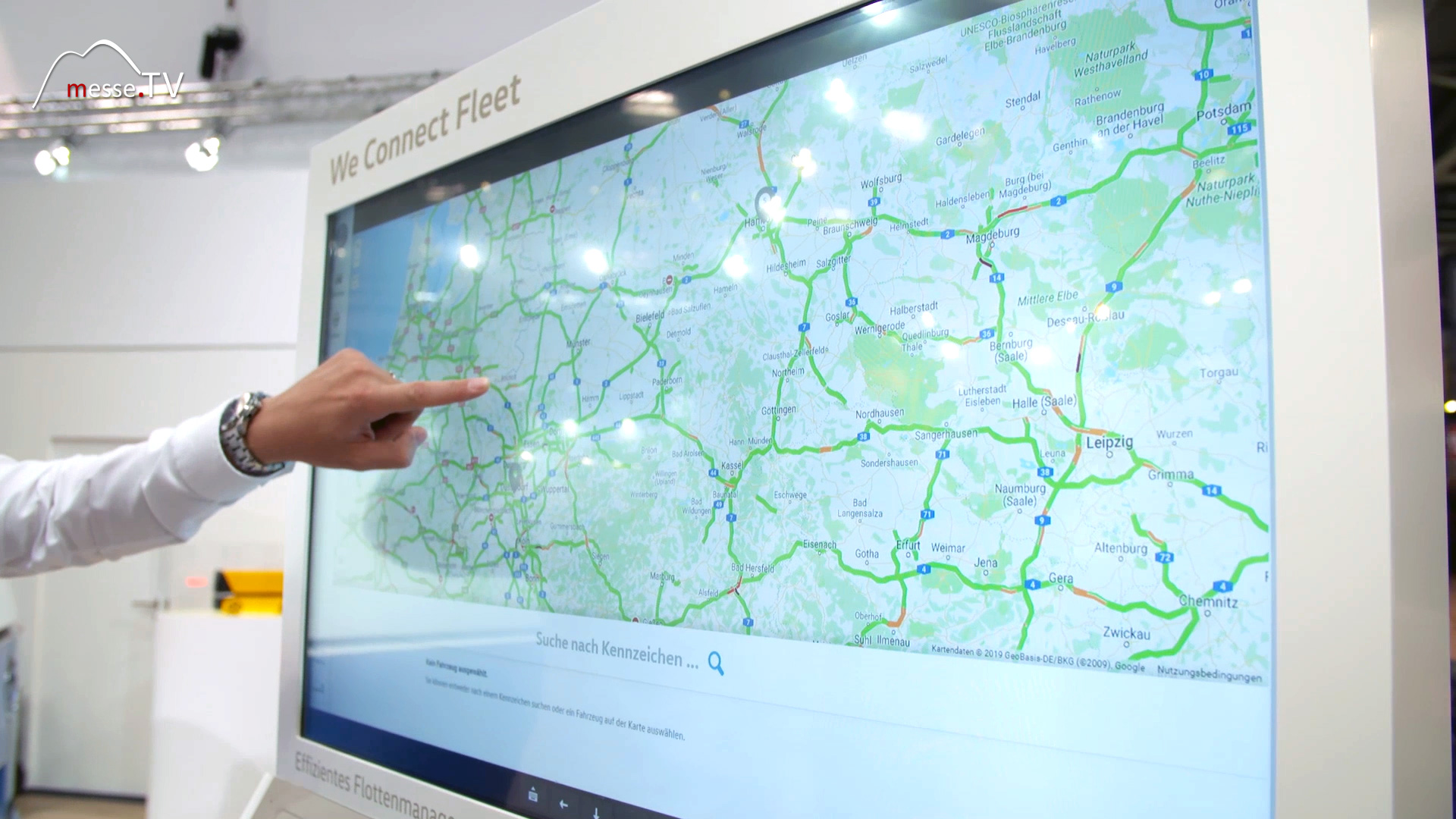
Neben den Fahrerdaten spielt das Fahrzeug selbst eine entscheidende Rolle. Moderne Logistiklösungen müssen jederzeit beantworten können, ob sich ein Fahrzeug zum richtigen Zeitpunkt am richtigen Ort befindet. Telematik-Systeme erfassen daher fortlaufend Positions- und Statusinformationen und stellen diese in den operativen Prozessen zur Verfügung. Besonderer Wert wird dabei auf eine möglichst geringe Intervention des Fahrers gelegt. Die Datenerfassung erfolgt weitgehend automatisiert im Hintergrund. Das reduziert Fehlerquellen und entlastet das Fahrpersonal. Gleichzeitig steigt die Datenqualität, da Informationen nicht manuell nachgetragen oder interpretiert werden müssen. Die so gewonnenen Daten lassen sich direkt in die Prozesse der Kunden integrieren. Abweichungen von geplanten Routen oder Zeitfenstern werden frühzeitig erkannt, sodass Disponenten reagieren können, bevor Lieferketten ins Stocken geraten.

Hardware, Apps und softwarebasierte Lösungen im Zusammenspiel
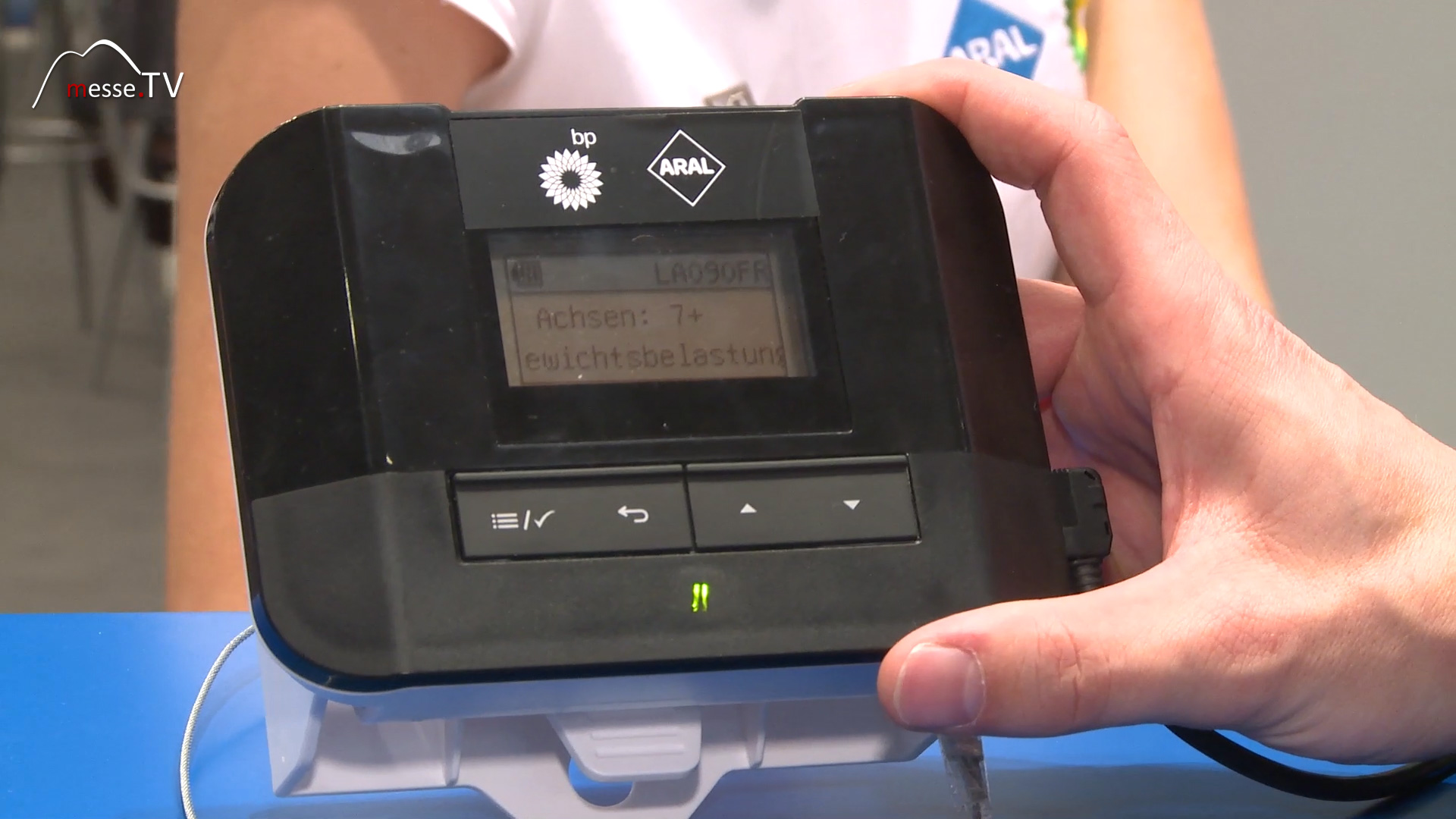
In der praktischen Umsetzung setzt Telematik auf unterschiedliche technologische Ansätze. Je nach Anforderung kommen fest verbaute Hardware-Komponenten im Fahrzeug zum Einsatz, die relevante Daten erfassen und übertragen. Ergänzend dazu werden Apps genutzt, um Informationen mobil zu erfassen oder weiterzuleiten. Darüber hinaus spielen rein softwarebasierte Lösungen eine wichtige Rolle. Sie ermöglichen die Integration externer Datenquellen und schaffen Schnittstellen zu bestehenden Systemlandschaften. So lassen sich beispielsweise Informationen anderer Anbieter oder Daten aus ERP-Systemen von Verladern einbinden. Auf dieser Basis können Aufträge übernommen und mit den aktuellen Fahrzeug- und Positionsdaten abgeglichen werden.
- Digitale Auftragserfassung in der Disposition
- Automatisierte Erfassung von Lenk- und Ruhezeiten
- Integration von Fahrzeug- und Fahrerdaten
- Anbindung externer Systeme und ERP-Daten
Frühwarnsysteme für Abweichungen im Transportverlauf
Ein wesentlicher Mehrwert digitaler Logistiklösungen liegt in ihrer Fähigkeit, Abweichungen frühzeitig zu erkennen. Kommt ein Fahrzeug nicht rechtzeitig an, verlässt es die geplante Strecke oder treten unvorhergesehene Ereignisse auf, können Systeme Warnungen generieren und an die verantwortlichen Stellen weitergeben. Diese Funktion ist besonders in komplexen Transportketten von Bedeutung, in denen Verzögerungen schnell Folgewirkungen entfalten. Durch automatisierte Warnhinweise erhalten Kunden die Möglichkeit, aktiv gegenzusteuern, statt erst im Nachhinein auf Probleme zu reagieren. Logistik wird dadurch planbarer und resilienter gegenüber Störungen.
Datenintegration als Grundlage für bessere Entscheidungen
Die Stärke von Telematik-Lösungen liegt nicht nur in der Erfassung von Daten, sondern vor allem in deren Integration. Einzelinformationen entfalten ihren Nutzen erst dann, wenn sie in einen größeren Zusammenhang gestellt werden. Durch die Verknüpfung von Dispositionsdaten, Fahrzeugstatus, Fahrerdaten und externen Systemen entsteht ein ganzheitliches Bild des Transportprozesses. Dieses Bild bildet die Grundlage für fundierte Entscheidungen im operativen Alltag ebenso wie für strategische Auswertungen. Unternehmen können erkennen, wo Prozesse effizient laufen und wo Optimierungspotenzial besteht. Gleichzeitig lassen sich gesetzliche Anforderungen besser erfüllen und dokumentieren.
Automatisierung als Schlüssel moderner Logistik
Der Trend geht klar in Richtung Automatisierung. Systeme sollen Daten selbstständig generieren, verarbeiten und weitergeben, ohne dass menschliches Eingreifen erforderlich ist. Telematik-Lösungen tragen diesem Anspruch Rechnung, indem sie Prozesse weitgehend automatisiert abbilden und nur dort Eingriffe erfordern, wo Entscheidungen notwendig sind. In einer Branche, die von Zeitdruck und hoher Komplexität geprägt ist, wird diese Automatisierung zunehmend zum Wettbewerbsfaktor. Transport- und Logistikunternehmen, die auf integrierte digitale Systeme setzen, schaffen sich die Voraussetzung, auch in einem anspruchsvollen Marktumfeld handlungsfähig zu bleiben. Die Abbildung der gesamten Logistikwelt in einem System ist dabei kein Selbstzweck, sondern ein entscheidender Schritt hin zu stabileren und transparenteren Transportprozessen.






Messe-Berichterstattung bundesweit - Messewissen, Termine & Veranstaltungen


