Vakuumzug aus München zeigt neue Perspektiven für Hochgeschwindigkeitsverkehr
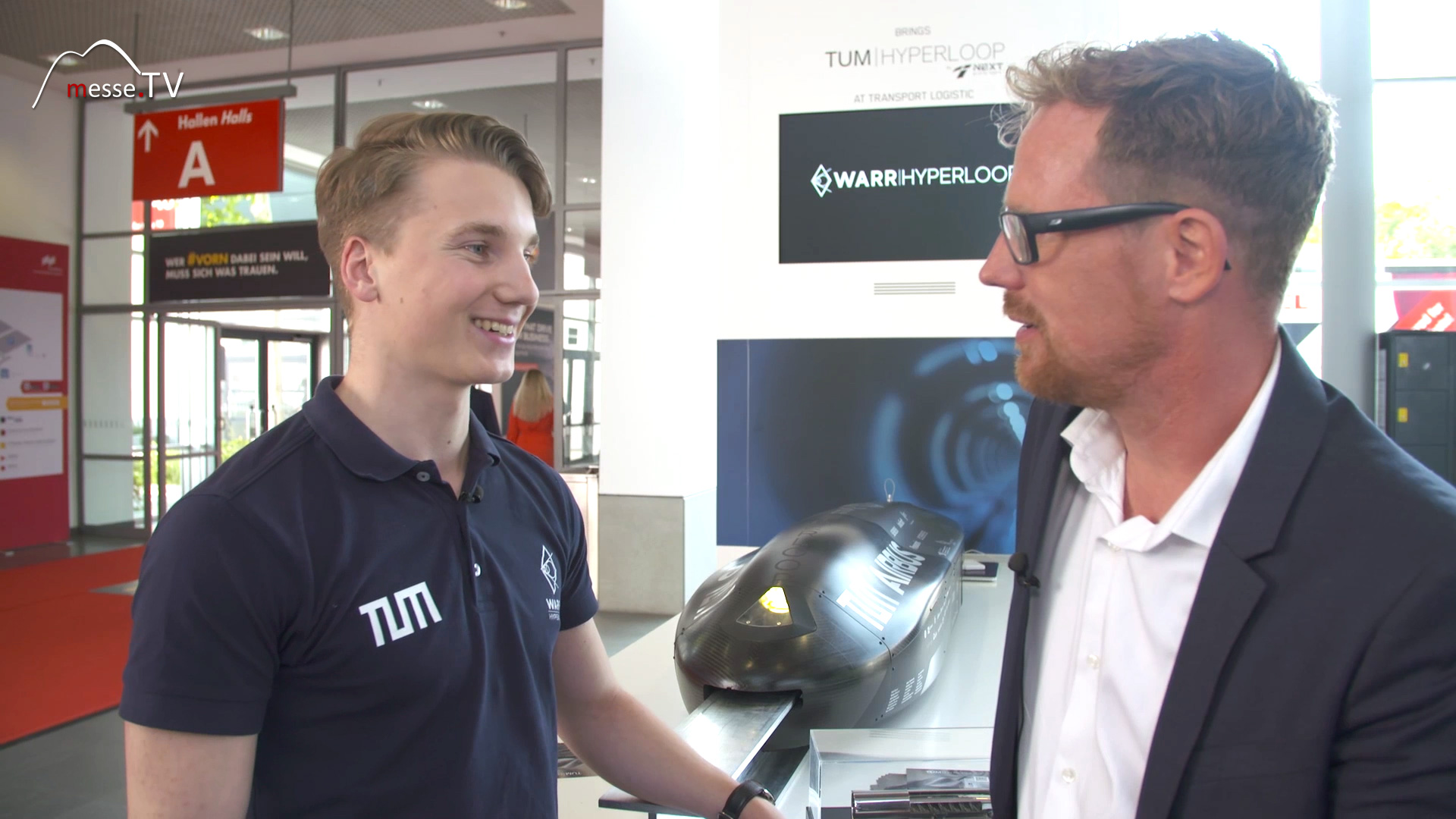
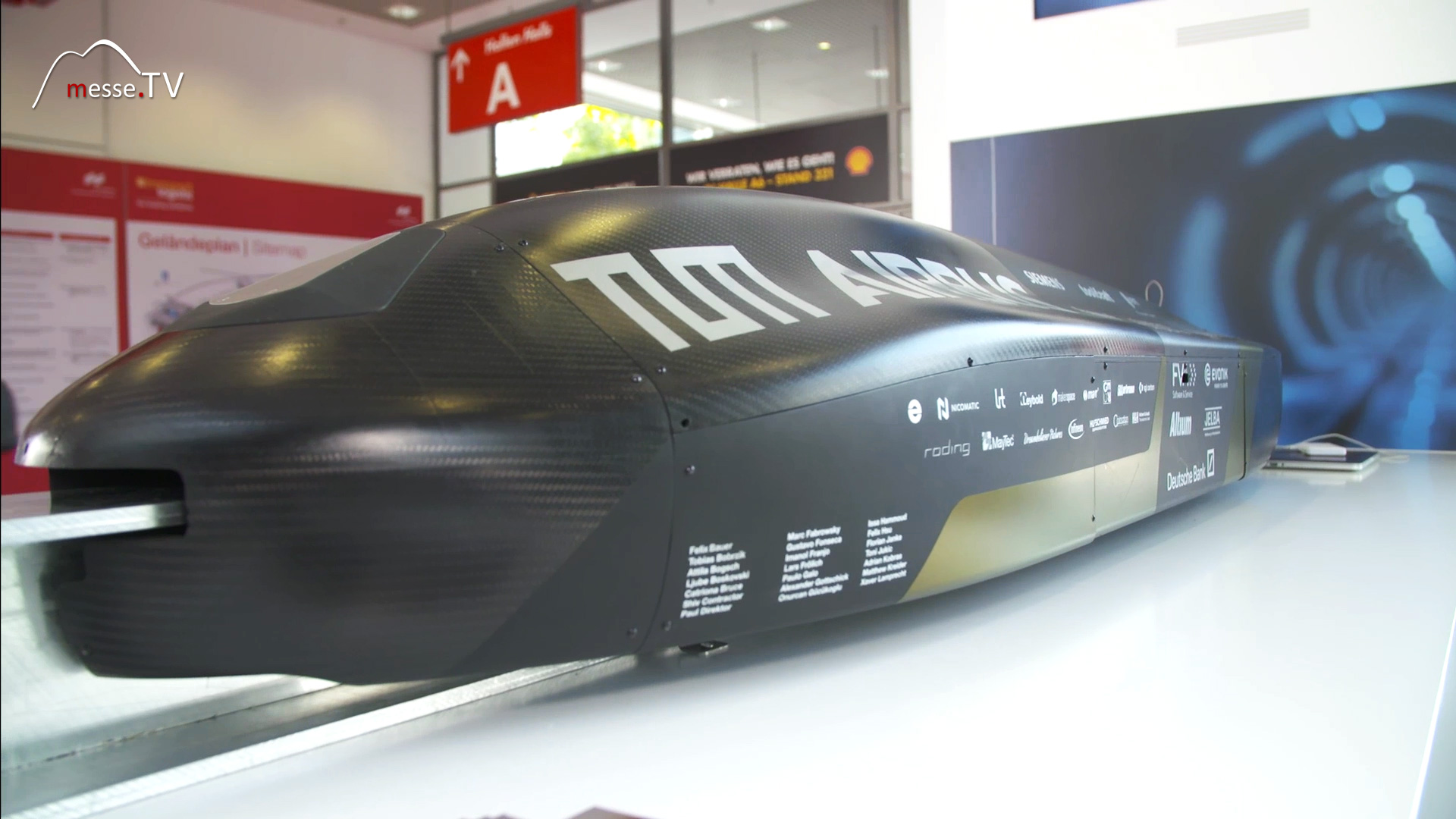
von Andreas Bergmeier - 2024-02-13Der Blick auf neue Mobilitätskonzepte fällt im Alltag oft ernüchternd aus. Vieles wirkt wie Zukunftsmusik, anderes bleibt in Konzeptstudien stecken. Umso bemerkenswerter ist es, wenn technologische Visionen nicht nur auf dem Papier existieren, sondern als fahrbereite Prototypen greifbar werden. Genau das ist am Stand der Technischen Universität München zu beobachten, wo ein studentisches Team ein Fahrzeug präsentiert, das den Hochgeschwindigkeitsverkehr grundlegend neu denken will.
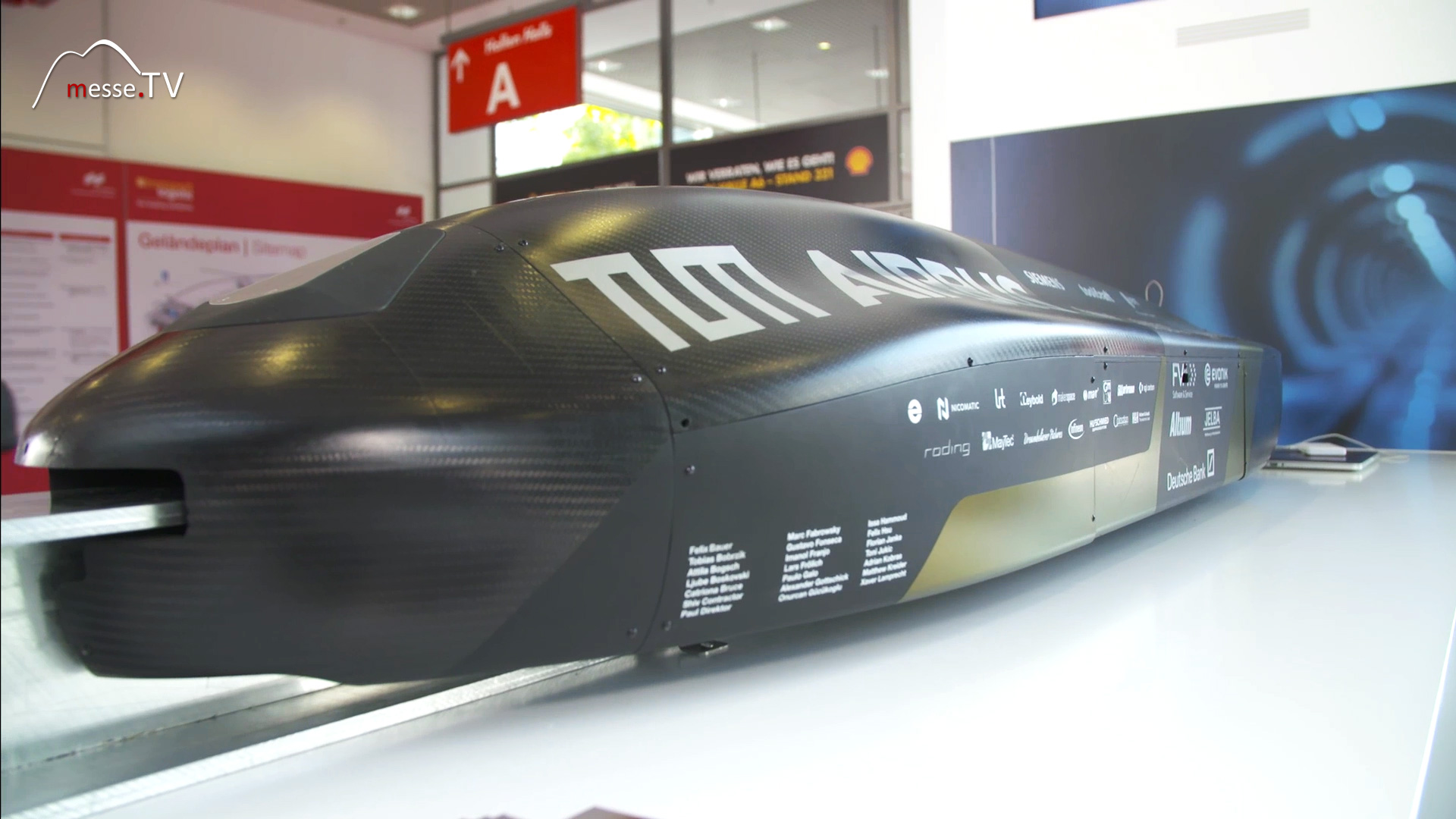
Im Mittelpunkt steht ein Zugkonzept, das nicht auf klassischen Schienen fährt, sondern sich in einem Vakuumrohr bewegt. Der Ansatz erinnert auf den ersten Blick an bekannte Magnetschwebebahnen, geht aber deutlich darüber hinaus. Ziel ist es, durch die Kombination aus nahezu luftleerem Raum und schwebender Führung physikalische Widerstände fast vollständig zu eliminieren. Was bleibt, ist ein System, das theoretisch Geschwindigkeiten erreichen kann, die über dem liegen, was heutige Hochgeschwindigkeitszüge leisten.
Forschung und Wettbewerb als Treiber der Entwicklung
Entstanden ist das Projekt an der TU München im Rahmen internationaler Wettbewerbe, die von Elon Musk initiiert wurden. Gemeinsam mit SpaceX wurde ein Format geschaffen, das Studierende weltweit dazu auffordert, eigene Hyperloop-Konzepte zu entwickeln und praktisch umzusetzen. Für das Münchner Team ist dieser Wettbewerb kein einmaliges Experiment geblieben. Mehrere Prototypen wurden in den vergangenen Jahren gebaut und weiterentwickelt, alle mit dem Anspruch, nicht nur Ideen zu präsentieren, sondern funktionierende Systeme. Die wiederholten Erfolge in diesen Wettbewerben zeigen, dass es sich nicht um ein reines Hochschulprojekt ohne Realitätsbezug handelt. Vielmehr werden hier ingenieurwissenschaftliche Grundlagen, Systemintegration und praktische Erprobung konsequent zusammengeführt. Der präsentierte Prototyp ist das Ergebnis jahrelanger Arbeit und zahlreicher Iterationen.
Technisches Prinzip: Geschwindigkeit durch Widerstandsreduktion
Das Grundprinzip des Systems ist vergleichsweise einfach, seine Umsetzung jedoch hochkomplex. Ein Zug bewegt sich in einem Rohr, aus dem ein Großteil der Luft entfernt wurde. Ohne Luftwiderstand lassen sich deutlich höhere Geschwindigkeiten erreichen, ohne dass der Energiebedarf exponentiell steigt. Zusätzlich kommt ein Magnetschwebesystem zum Einsatz, das den Kontakt zwischen Fahrzeug und Fahrbahn aufhebt. Räder, Reibung und mechanischer Verschleiß entfallen weitgehend. Diese Kombination eröffnet neue Spielräume für den Verkehr zwischen Metropolregionen. Theoretisch sind Reisezeiten denkbar, die heutige Flugverbindungen auf mittleren Distanzen unterbieten könnten. Gleichzeitig bleibt das System bodengebunden, was es planbarer und wetterunabhängiger macht.
Einordnung im Kontext bestehender Verkehrssysteme
Der Vergleich mit dem Transrapid drängt sich auf, greift jedoch zu kurz. Während Magnetschwebebahnen auf offene Strecken angewiesen sind, verlagert der Vakuumzug die gesamte Infrastruktur in ein geschlossenes System. Das verändert die Anforderungen an Trassenführung, Lärmschutz und Sicherheit grundlegend. Gleichzeitig steigen die Anforderungen an Bau, Wartung und Überwachung der Infrastruktur erheblich. Die Entwickler betonen, dass es nicht darum geht, bestehende Verkehrssysteme kurzfristig zu ersetzen. Vielmehr wird das Konzept als Ergänzung für stark frequentierte Korridore verstanden, in denen klassische Lösungen an physikalische oder infrastrukturelle Grenzen stoßen.
Herausforderungen zwischen Vision und Umsetzung
So beeindruckend die technischen Möglichkeiten sind, so klar benennen die Beteiligten auch die offenen Fragen. Der Aufbau einer durchgehenden Vakuuminfrastruktur ist kostenintensiv und erfordert geeignete Flächen. Genehmigungsverfahren, Sicherheitsstandards und gesellschaftliche Akzeptanz spielen eine ebenso große Rolle wie rein technische Aspekte. Entscheidend ist zudem die Skalierung. Ein funktionierender Prototyp ist ein wichtiger Meilenstein, sagt aber noch wenig darüber aus, wie sich das System im Dauerbetrieb über viele Kilometer verhält. Hier liegt der Fokus der nächsten Entwicklungsstufen. Zentrale Herausforderungen lassen sich dabei wie folgt zusammenfassen:
- Hohe Investitionskosten für Infrastruktur und Bau
- Flächenverfügbarkeit und Trassenführung
- Regulatorische und sicherheitsrelevante Anforderungen
- Wirtschaftlichkeit im Vergleich zu bestehenden Verkehrsträgern

Zeithorizont und realistische Erwartungen
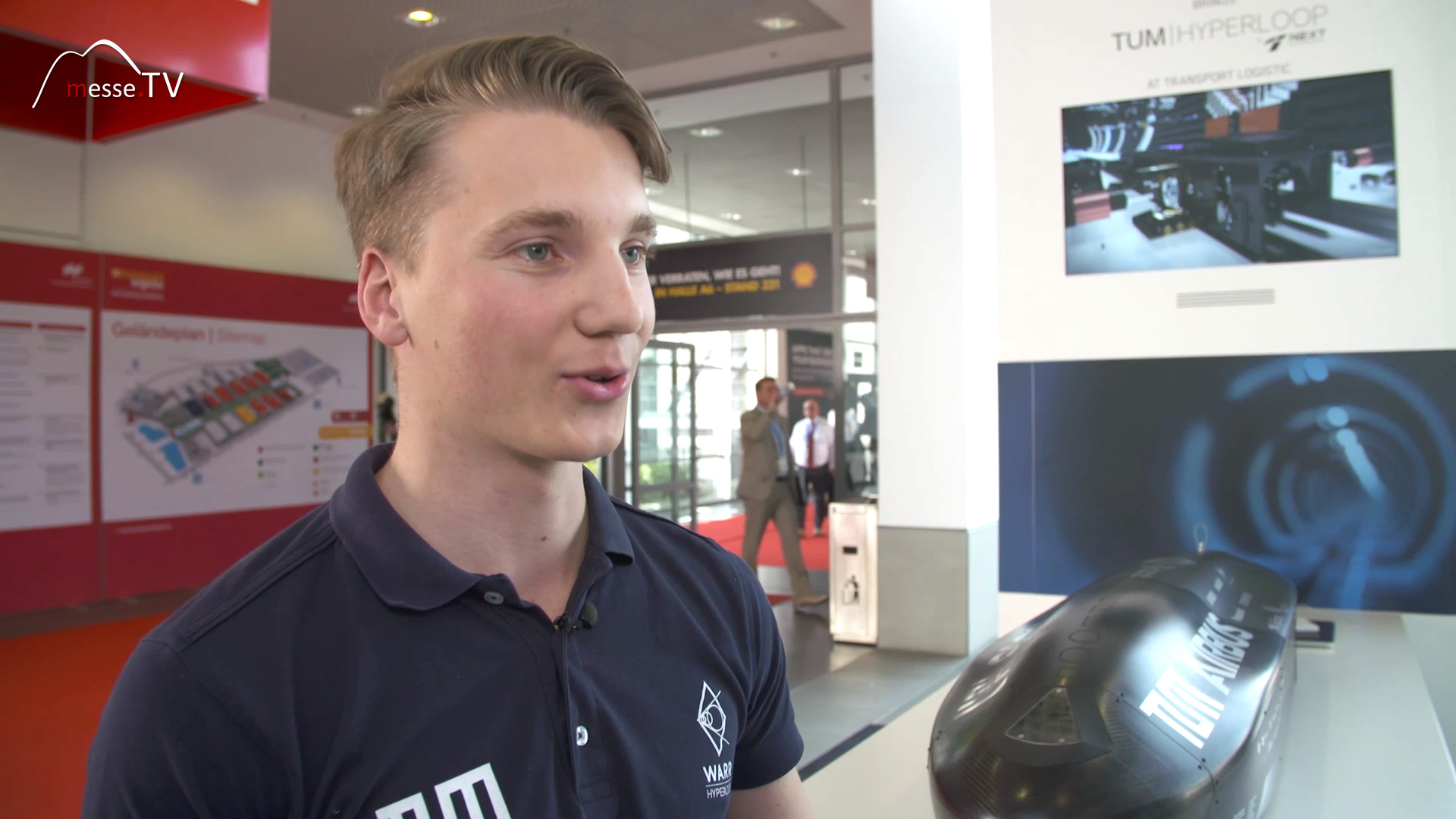
Auf die Frage nach einer kommerziellen Nutzung reagieren die Entwickler bewusst zurückhaltend. Ein Zeitraum von anderthalb bis zwei Jahrzehnten erscheint realistisch, bevor ein solches System im größeren Maßstab eingesetzt werden könnte. Voraussetzung ist, dass technologische Fortschritte, Kostensenkungen und politische Rahmenbedingungen zusammenkommen. Gerade diese nüchterne Einschätzung unterscheidet das Projekt von vielen visionären Mobilitätskonzepten. Statt kurzfristige Versprechen zu machen, wird der Fokus auf kontinuierliche Forschung und belastbare Entwicklung gelegt. Die Arbeit an der TU München zeigt, dass Zukunftstechnologien nicht zwangsläufig aus Konzernzentralen kommen müssen, sondern auch aus Hochschulen, in denen Neugier, Wettbewerb und Ingenieurskunst zusammenfinden. Der Vakuumzug bleibt damit vorerst ein Prototyp. Doch er ist ein greifbares Beispiel dafür, wie neue Mobilitätsideen entstehen können – nicht als Marketingvision, sondern als ernsthafte technische Antwort auf die Frage, wie sich Verkehr langfristig schneller, effizienter und nachhaltiger gestalten lässt.

Messe-Berichterstattung bundesweit - Messewissen, Termine & Veranstaltungen


