Die letzte Meile als Schlüssel für urbane Logistiklösungen
von Andreas Bergmeier - 2024-02-13Die letzte Meile gilt seit Jahren als neuralgischer Punkt moderner Logistik. Kaum ein anderer Abschnitt der Lieferkette ist so komplex, so kostenintensiv und zugleich so sichtbar für Städte, Unternehmen und Endkunden.
Auf dem Stand von Rytle wird deutlich, warum dieser Begriff zum Sinnbild eines strukturellen Wandels geworden ist. Es geht nicht mehr nur um Transport, sondern um ein Logistikkonzept, das Stadtverträglichkeit, Effizienz und Digitalisierung miteinander verbindet.
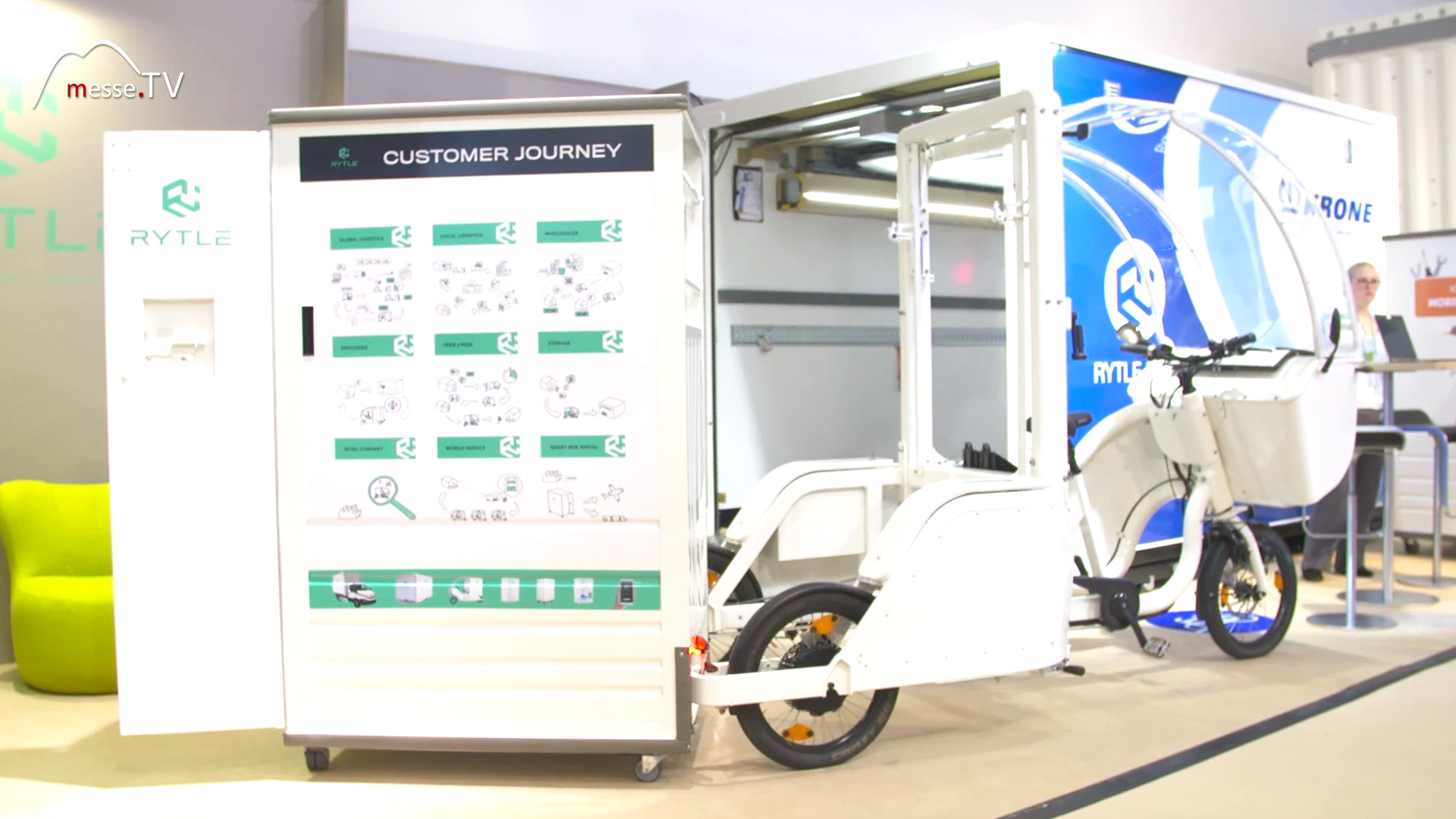
Die letzte Meile neu gedacht mit Rytle
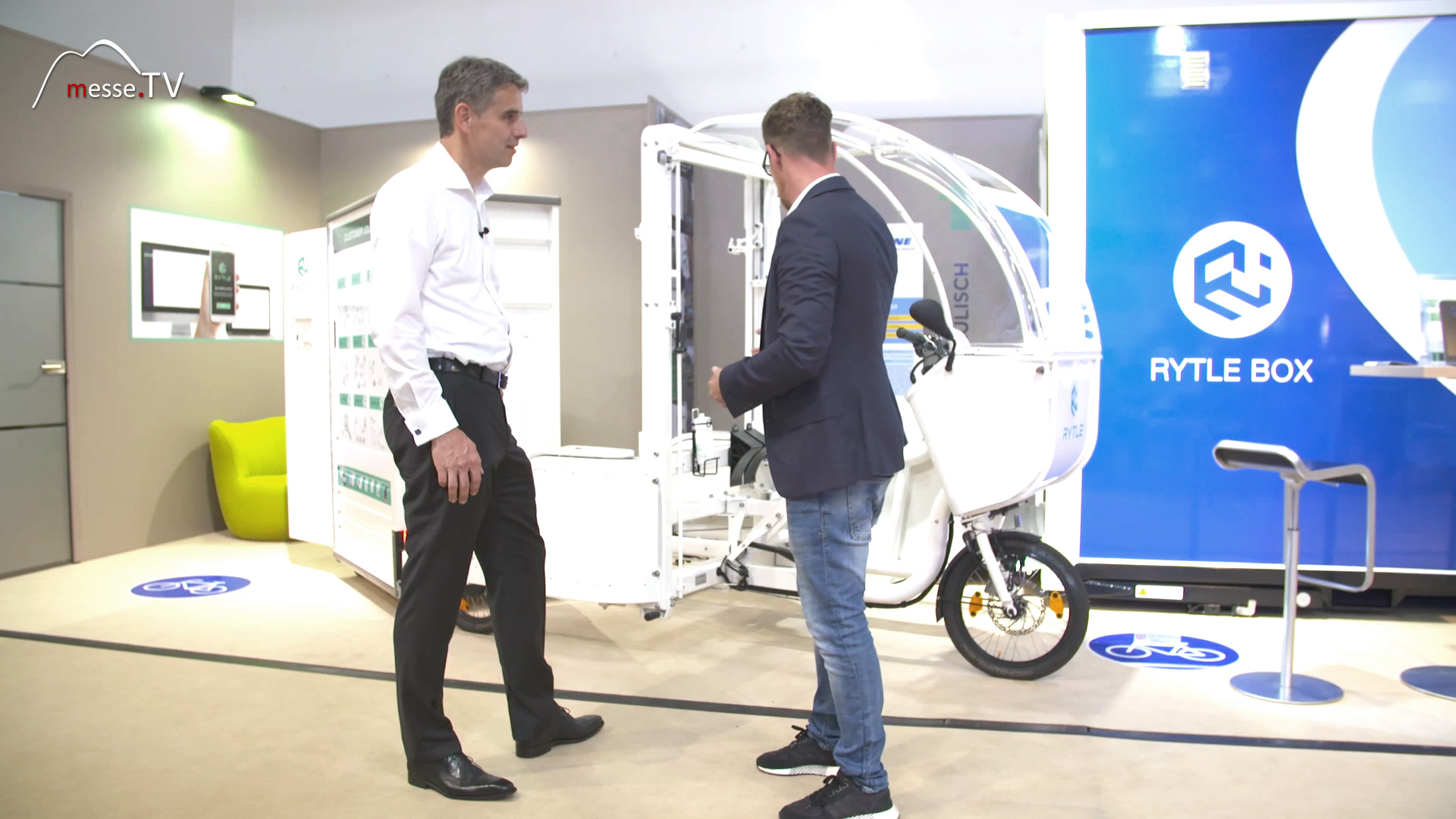
Im Gespräch wird schnell klar, dass Rytle die klassische Vorstellung der letzten Meile bewusst hinterfragt. Statt abstrakter Distanzen rückt der tatsächliche Lieferpunkt in den Fokus. Der Ansatz endet nicht am Bordstein, sondern direkt an der Tür. Diese Differenzierung ist entscheidend, denn sie verändert die gesamte Organisation urbaner Zustellung. Die Herausforderung liegt weniger in der Strecke selbst als in der Art, wie Waren gebündelt, verteilt und zugestellt werden. Rytle setzt dabei auf ein ganzheitliches System, das nicht aus Einzelkomponenten besteht, sondern als geschlossenes Logistikkonzept gedacht ist. Ziel ist es, innerstädtische Lieferprozesse radikal zu vereinfachen und gleichzeitig ihre Effizienz zu steigern.
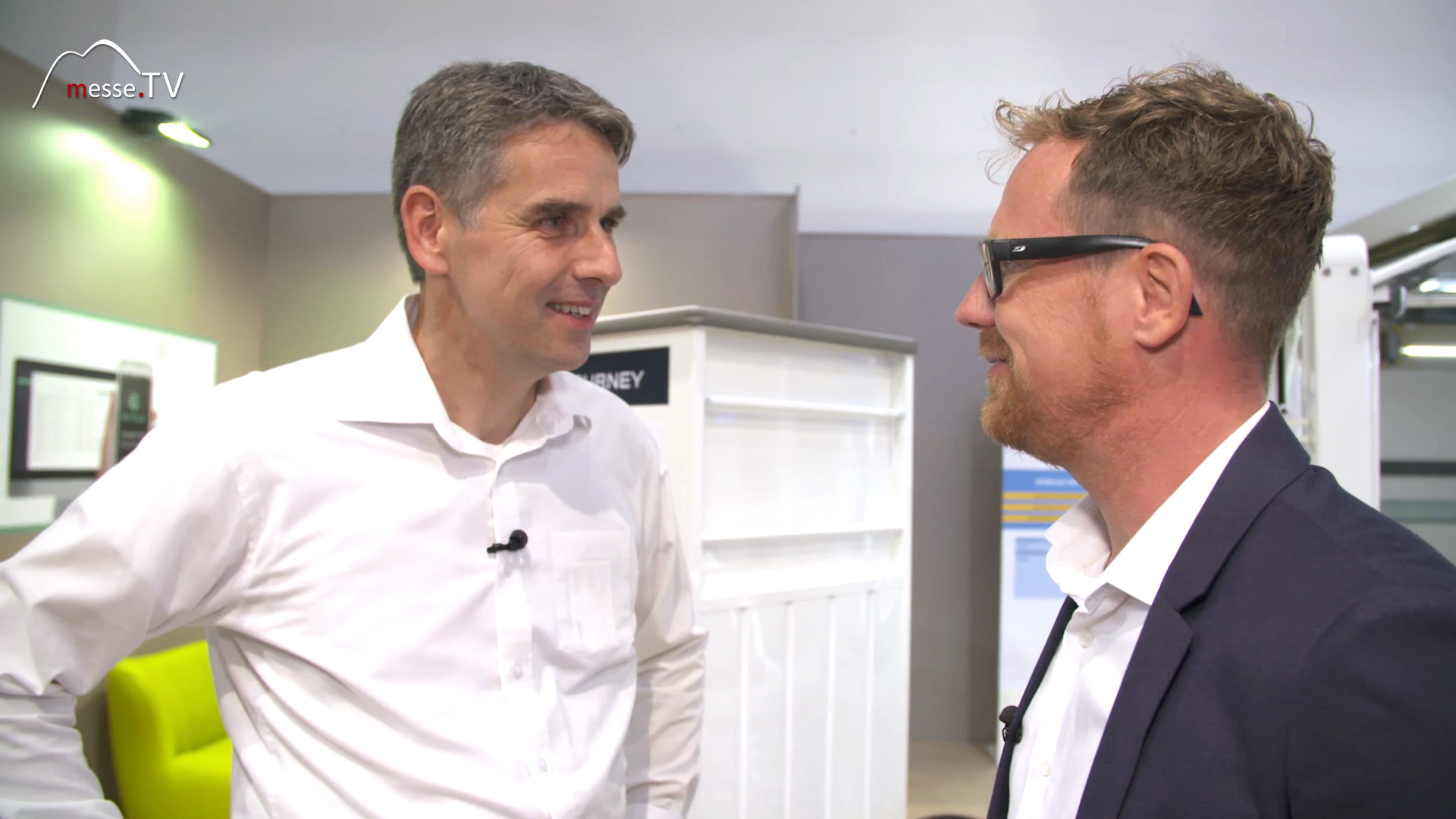
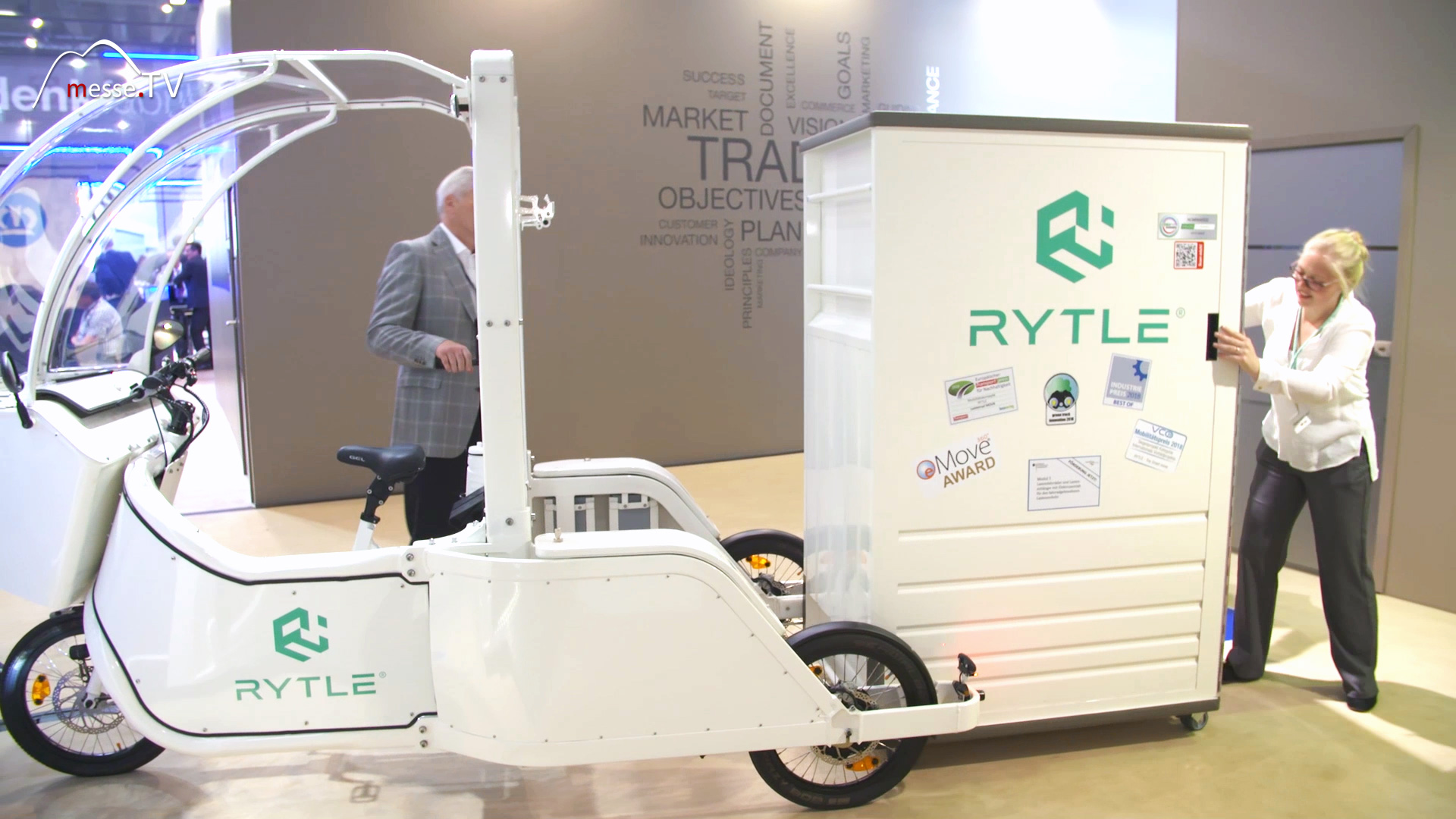
Micro-Hub als Basis der urbanen Zustellung
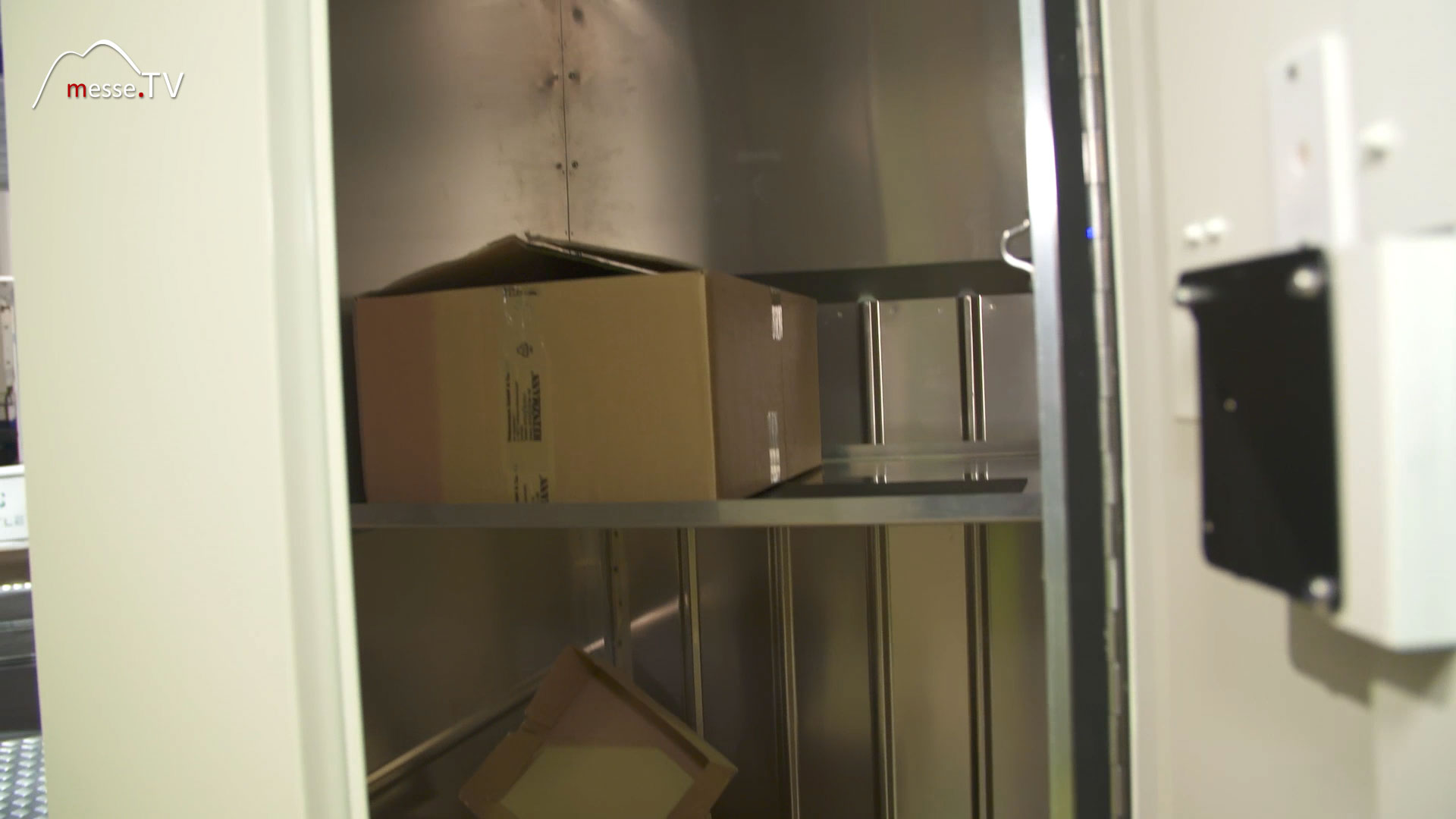
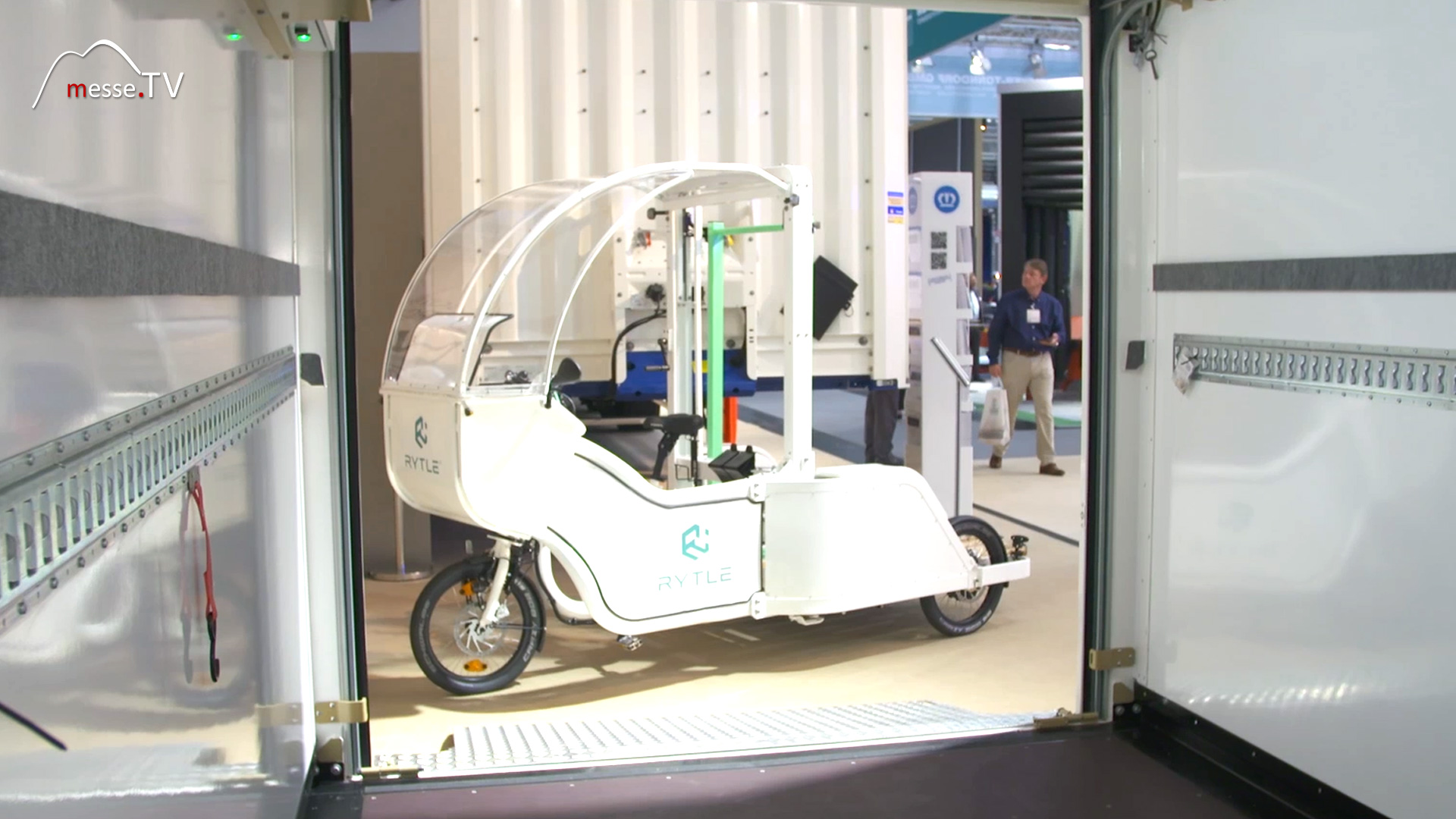
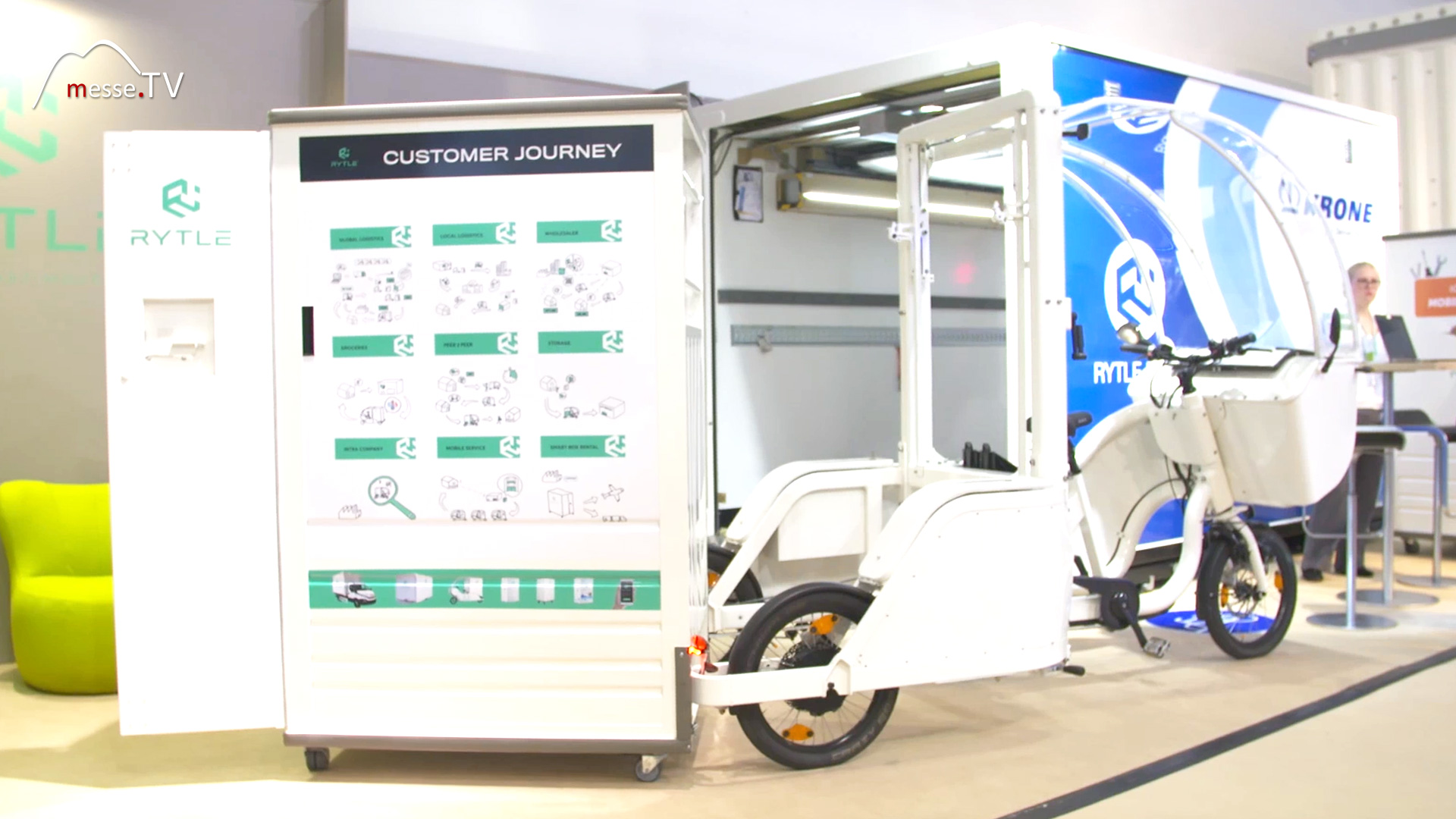
Zentraler Baustein dieses Konzepts ist der Micro-Hub. Dabei handelt es sich um einen kompakten Container, der strategisch innerhalb der Stadt positioniert wird. Anders als klassische Umschlagplätze ist dieser Hub nicht auf große Flächen angewiesen, sondern fügt sich flexibel in das urbane Umfeld ein. Die Vorarbeit erfolgt außerhalb der Stadt. Dort werden Sendungen vorsortiert und exakt auf einzelne Straßenzüge oder Gebäude zugeschnitten. Im Micro-Hub stehen anschließend mehrere Boxen bereit, die bereits vollständig konfektioniert sind. Für den Fahrer bedeutet das eine deutliche Entlastung, da zeitaufwendiges Sortieren im Zustellgebiet entfällt.
- Zentrale Positionierung des Micro-Hubs im Stadtgebiet
- Vorsortierte Boxen für klar definierte Zustellbereiche
- Reduzierung von Standzeiten und Suchverkehren
- Flexible Integration in bestehende Stadtstrukturen
Digitale Vernetzung bis zum Zustellprozess
Ein wesentliches Merkmal des Systems ist die digitale Anbindung. Jede Box kommuniziert mit der Cloud und dem Smartphone des Fahrers. Damit ist jederzeit transparent, welche Sendungen geladen sind und welche Stopps anstehen. Diese Vernetzung sorgt für Planungssicherheit und reduziert Fehlerquellen im laufenden Betrieb. Der Fahrer erhält eine klare Übersicht über seine Tour, ohne zusätzliche manuelle Schritte. Gerade in dicht besiedelten Gebieten ist diese Transparenz ein entscheidender Faktor, um Zeitverluste zu vermeiden und Lieferfenster zuverlässig einzuhalten. Die Digitalisierung ist dabei kein Selbstzweck, sondern ein Werkzeug zur Vereinfachung komplexer Abläufe.
Pedelec statt Lieferwagen im Stadtverkehr
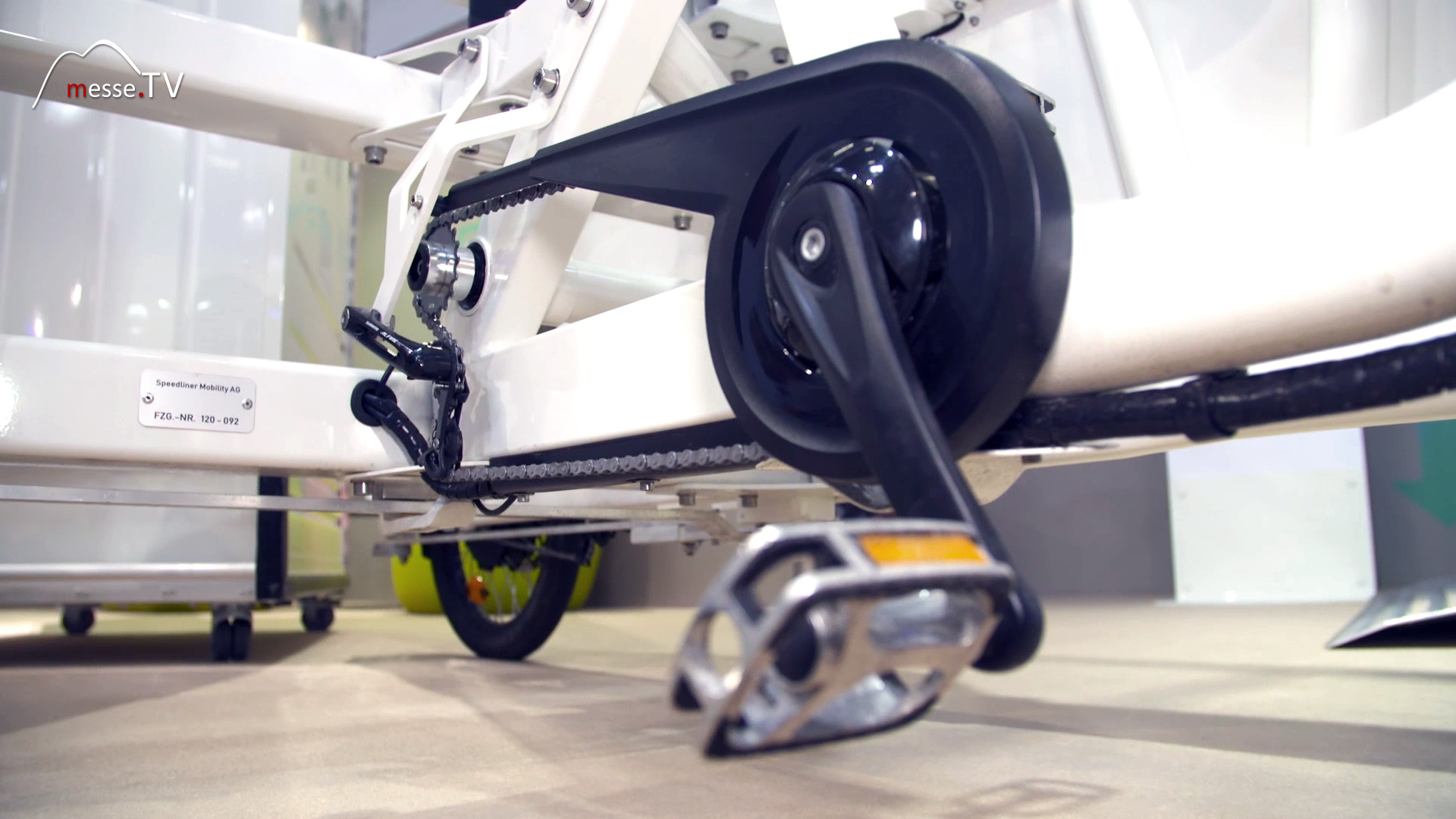
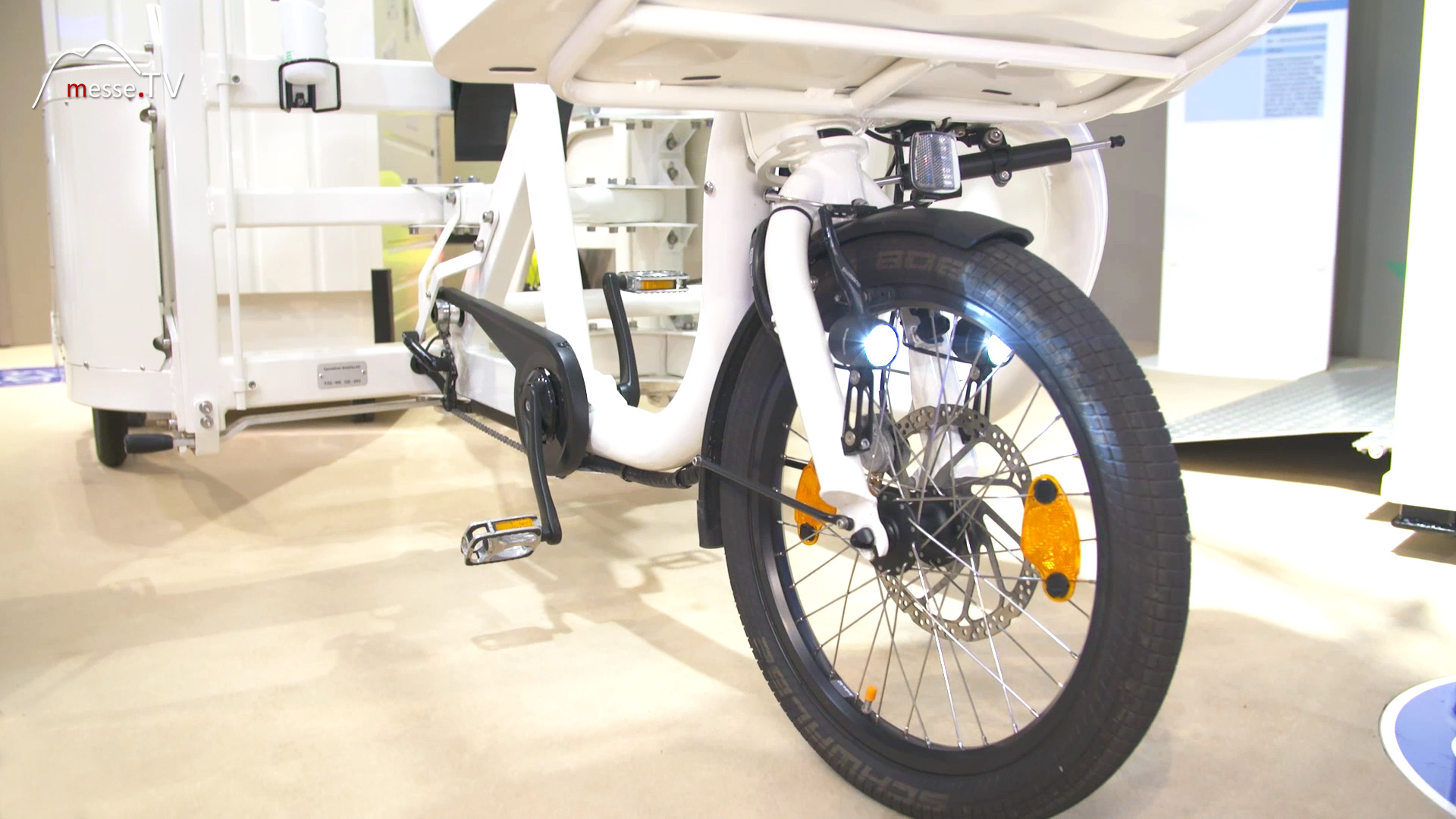
Ein weiterer zentraler Aspekt des Konzepts ist das eingesetzte Fahrzeug. Statt klassischer Kleintransporter kommen elektrisch unterstützte Lastenräder zum Einsatz. Diese Pedelecs benötigen weder Führerschein noch Zulassung und bewegen sich deutlich flexibler durch den urbanen Raum. Die Vorteile liegen auf der Hand. Wendigkeit, geringer Platzbedarf und emissionsfreier Betrieb ermöglichen eine Zustellung, die ohne blockierte Parkplätze oder zweite Reihe auskommt. Der Fahrer kann direkt bis vor die Haustür fahren, was nicht nur Zeit spart, sondern auch körperliche Belastungen reduziert.
- Kein Parken in zweiter Reihe notwendig
- Direkte Zustellung bis zur Tür
- Elektrische Unterstützung für konstante Leistungsfähigkeit
- Reduzierte Lärmemissionen im Stadtgebiet

Effizienzgewinne durch Prozessvereinfachung
Die Kombination aus Micro-Hub, digital vernetzten Boxen und Pedelec führt zu spürbaren Effizienzsteigerungen. Klassische Arbeitsschritte wie das Tragen von Sendungen über längere Distanzen oder das Umladen auf Sackkarren entfallen vollständig. Jeder unnötige Handgriff wird vermieden. Für Logistikunternehmen bedeutet das nicht nur geringere Kosten, sondern auch eine höhere Zuverlässigkeit. Zustellzeiten lassen sich präziser kalkulieren, Ausfallrisiken sinken und Personalressourcen werden besser genutzt. Gerade in Zeiten zunehmenden Fahrermangels ist dieser Aspekt von strategischer Bedeutung.
Stadtverträgliche Logistik als Zukunftsmodell
Das Konzept von Rytle zeigt exemplarisch, wie sich die letzte Meile neu organisieren lässt. Statt größerer Fahrzeuge und zusätzlicher Infrastruktur setzt der Ansatz auf intelligente Bündelung, Digitalisierung und angepasste Mobilität. Städte profitieren von weniger Verkehr und geringerer Belastung, während Logistiker effizienter arbeiten können. Die letzte Meile wird damit vom Problemfeld zum Innovationsraum. Entscheidend ist, dass Lösungen nicht isoliert betrachtet werden, sondern als integriertes System funktionieren. Genau hier setzt Rytle an und liefert ein Modell, das den Anforderungen moderner Städte ebenso gerecht wird wie den wirtschaftlichen Zwängen der Logistikbranche.
Messe-Berichterstattung bundesweit - Messewissen, Termine & Veranstaltungen


