Wasserstoff auf der Schiene als neue Energie für den Bahnverkehr
von Andreas Bergmeier - 2024-02-13Die Diskussion um alternative Antriebe im Schienenverkehr hat in den vergangenen Jahren deutlich an Fahrt aufgenommen. Während Oberleitungen auf vielen Strecken längst etabliert sind, bleibt ein erheblicher Teil des Netzes weiterhin ohne elektrische Infrastruktur. Genau hier rücken neue Energiekonzepte in den Fokus.
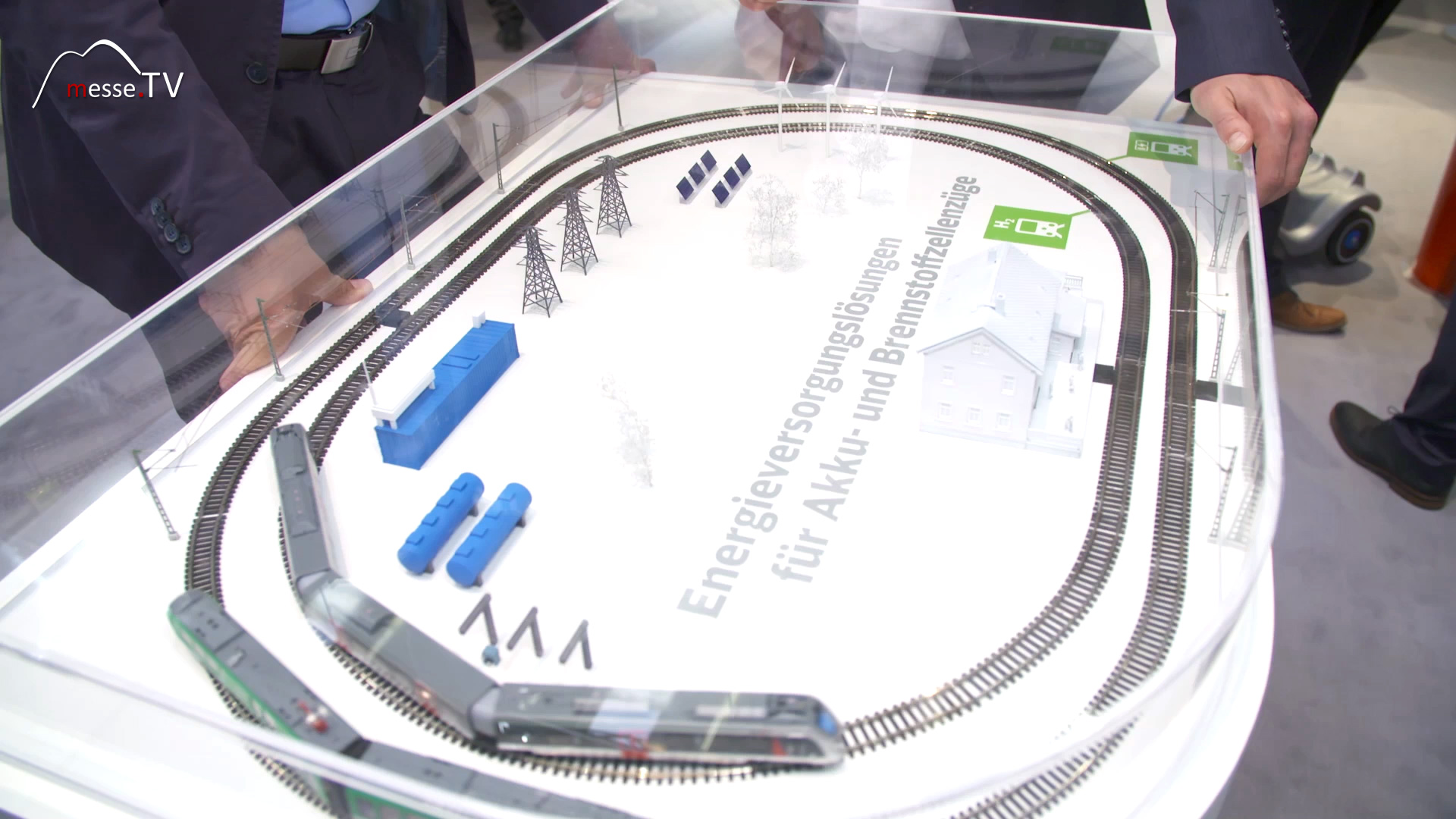
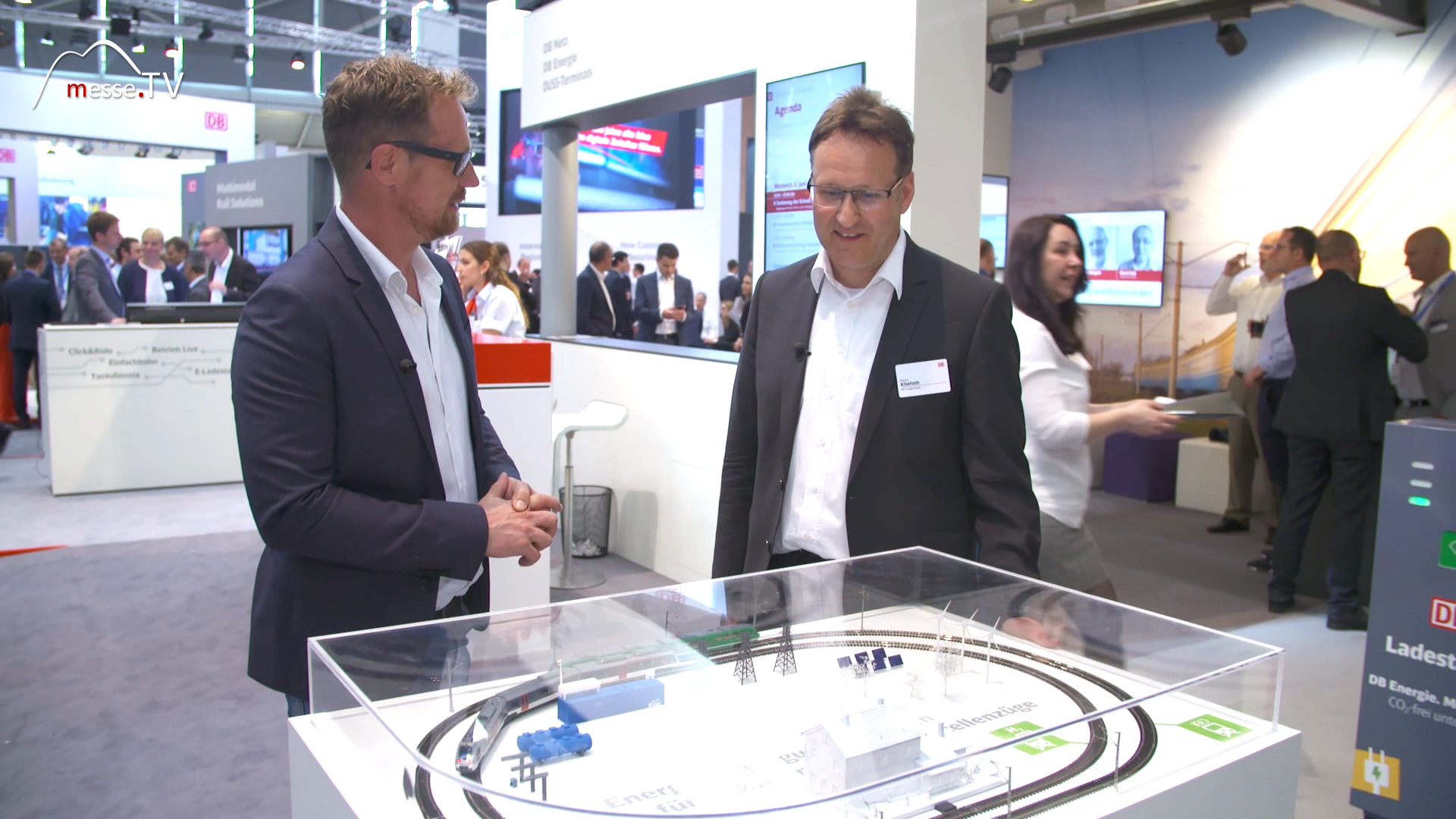
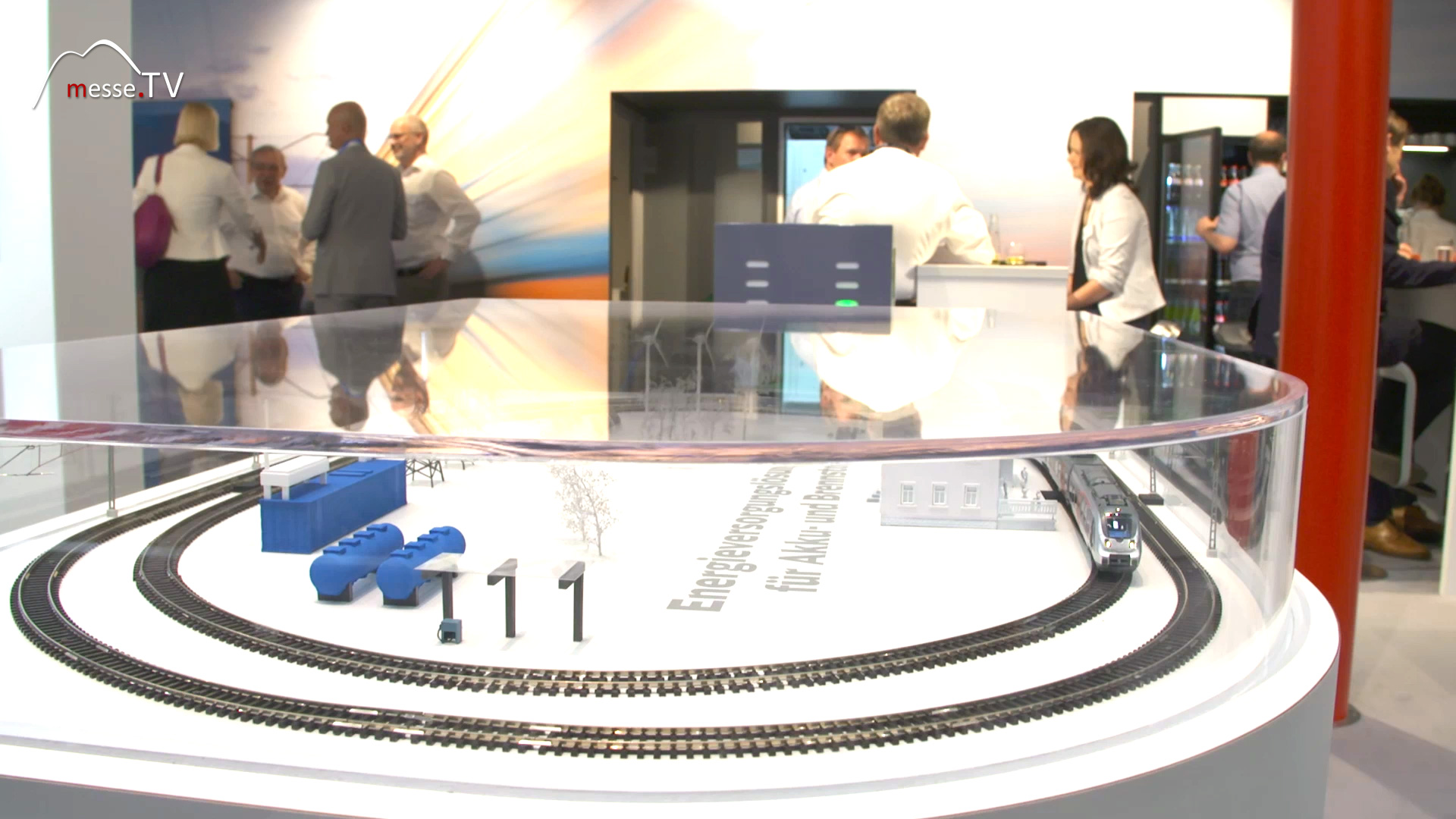
Wasserstoff gilt dabei als eine der Optionen, um den Bahnverkehr klimafreundlicher zu gestalten, ohne auf durchgehende Elektrifizierung angewiesen zu sein. Auf der Messe wird deutlich, dass diese Technologie nicht mehr nur ein Zukunftsversprechen ist, sondern bereits konkret umgesetzt wird. Ausgangspunkt der Überlegungen ist weniger das Fahrzeug selbst als vielmehr die Energieversorgung. Brennstoffzellentriebfahrzeuge sind inzwischen serienreif und am Markt verfügbar. Die technische Hürde liegt heute vor allem darin, den Wasserstoff sicher, effizient und praktikabel in den Zug zu bringen. Genau an dieser Stelle setzt die Arbeit von DB Netze an, die gemeinsam mit DB Energie an neuen Versorgungsmodellen arbeitet.
DB Netze und die Rolle der Energieversorgung
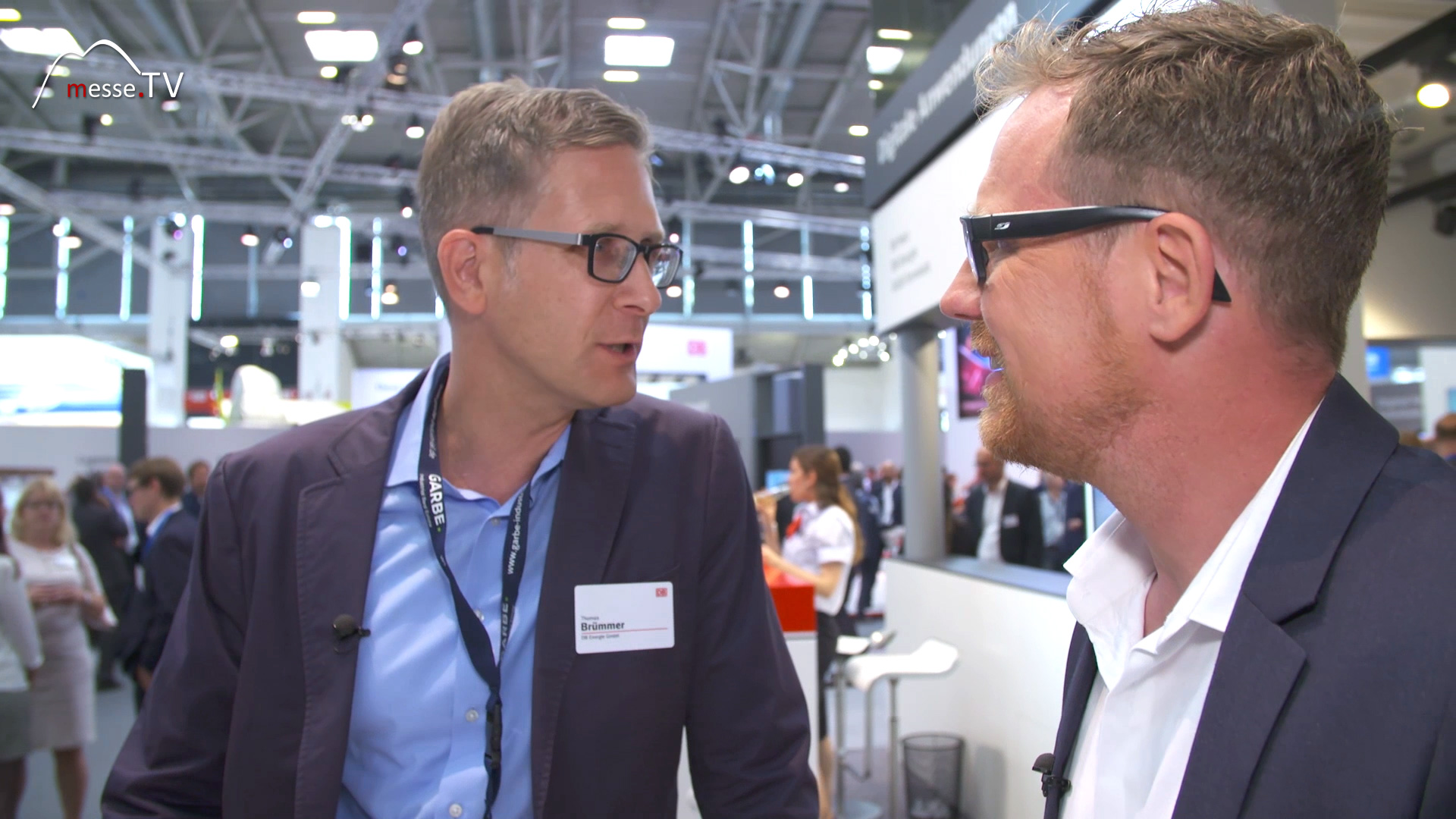
DB Netze ist innerhalb des Bahnverbunds für die Infrastruktur zuständig. Dazu gehören nicht nur Gleise und Bahnhöfe, sondern auch die Frage, wie Energie künftig bereitgestellt wird. Während klassische Elektrozüge ihren Strom über die Oberleitung beziehen, benötigen wasserstoffbetriebene Fahrzeuge eine völlig andere Art der Versorgung. Der Fokus liegt daher nicht auf dem Fahrbetrieb, sondern auf der Schaffung geeigneter Rahmenbedingungen. DB Energie übernimmt in diesem Zusammenhang eine zentrale Rolle. Dort wird intensiv darüber nachgedacht, wie alternative Energien in bestehende Bahnsysteme integriert werden können. Wasserstoff ist dabei eine neue Technologie, die andere Anforderungen an Planung, Betrieb und Sicherheit stellt als herkömmliche Kraftstoffe.
Brennstoffzellentriebfahrzeuge als Ausgangspunkt
Auf Fahrzeugseite ist der Entwicklungsschritt bereits vollzogen. Brennstoffzellentriebfahrzeuge sind serienreif und im regulären Betrieb einsetzbar. Sie erzeugen die benötigte elektrische Energie direkt im Zug, indem Wasserstoff in einer Brennstoffzelle mit Sauerstoff reagiert. Das Ergebnis ist elektrische Energie für den Antrieb, als Nebenprodukt entsteht Wasser. Der entscheidende Vorteil liegt in der Emissionsfreiheit im Betrieb. Statt Abgase auszustoßen, verlässt lediglich Wasserdampf das Fahrzeug. Damit eignen sich diese Züge besonders für Strecken, auf denen eine Elektrifizierung wirtschaftlich oder technisch schwer umsetzbar ist.
Wasserstoff-Tankstellen für den Schienenverkehr
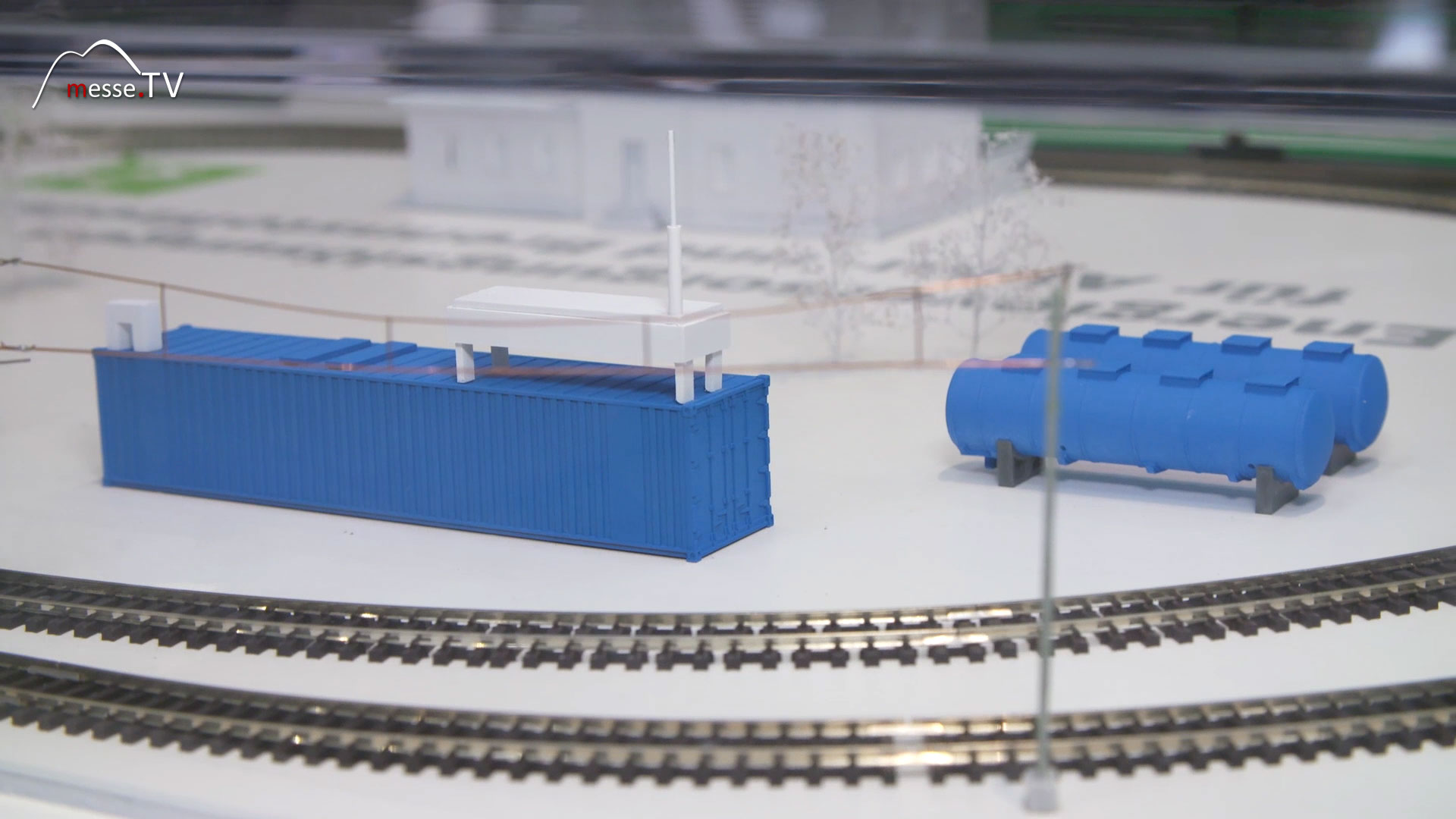
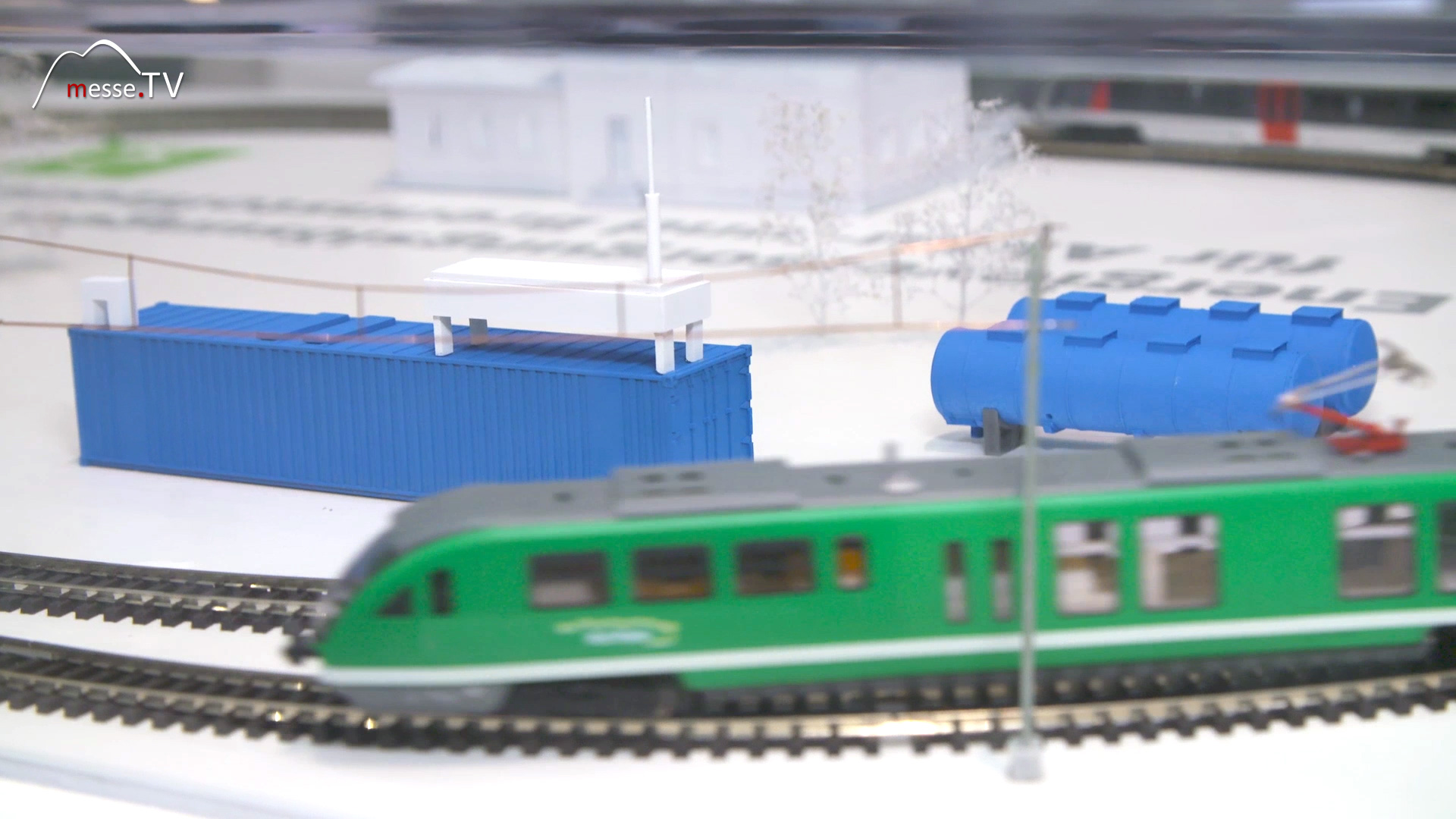
Die eigentliche Herausforderung beginnt beim Thema Betankung. Anders als Diesel lässt sich Wasserstoff nicht ohne Weiteres lagern und handhaben. Er kann entweder gasförmig unter hohem Druck oder flüssig bei extrem niedrigen Temperaturen gespeichert werden. Beides erfordert spezielle Technik und hohe Sicherheitsstandards. Der Ansatz ist dennoch vergleichsweise pragmatisch. Eine Wasserstoff-Tankstelle für Züge ähnelt im Ablauf einer klassischen Diesel-Tankstelle. Der Zug fährt an, wird betankt und setzt anschließend seine Fahrt fort. Der Unterschied liegt im Medium, nicht im Prozess. Für den Betrieb bedeutet das, dass keine völlig neuen Abläufe erlernt werden müssen, sondern bestehende Routinen angepasst werden.
Sicherheit und Akzeptanz im Betrieb
Ein häufig geäußerter Vorbehalt betrifft die Sicherheit. Wasserstoff gilt landläufig als hochexplosiv, was auf den ersten Blick Sorge auslösen kann. In der Praxis relativiert sich dieses Bild. Wasserstoff ist extrem flüchtig und entweicht bei einem Leck sofort in die Atmosphäre. Dadurch entstehen keine gefährlichen Ansammlungen wie bei anderen Kraftstoffen. Aus Sicht der Betreiber ist der Umgang mit Wasserstoff nicht gefährlicher als der Betrieb herkömmlicher Dieselanlagen. Entscheidend sind klare Sicherheitskonzepte, technische Überwachung und geschultes Personal. Für Fahrgäste bedeutet das, dass sie sich in einem wasserstoffbetriebenen Zug nicht unsicherer fühlen müssen als in anderen Fahrzeugen.
- Emissionsfreier Betrieb mit Wasser als einzigem Nebenprodukt
- Serienreife Brennstoffzellentriebfahrzeuge verfügbar
- Tankvorgang ähnlich wie bei Dieselzügen
- Sicherheitsniveau vergleichbar mit bestehenden Kraftstoffen

Der Aufbau eines Tankstellennetzes als nächster Schritt
Derzeit existiert noch kein flächendeckendes Netz an Wasserstoff-Tankstellen für den Schienenverkehr. Der Einstieg erfolgt daher bewusst schrittweise. Zunächst wird mit einzelnen Standorten begonnen, um Erfahrungen zu sammeln und den Betrieb zu erproben. Dieser Ansatz ermöglicht es, Technik und Prozesse unter realen Bedingungen zu testen, bevor größere Netze entstehen. Langfristig ist der Aufbau eines größeren Tankstellennetzes jedoch unverzichtbar. Nur so können wasserstoffbetriebene Züge flexibel eingesetzt und überregional genutzt werden. Für DB Netze bedeutet das eine neue planerische Aufgabe, die eng mit Energieversorgung, Infrastruktur und Verkehrsplanung verknüpft ist.
Wasserstoff als Baustein der Energiewende auf der Schiene
Wasserstoff ist kein Allheilmittel für den Bahnverkehr, aber ein wichtiger Baustein. Er ergänzt bestehende Konzepte wie die Elektrifizierung mit Oberleitung oder den Einsatz von Akkuzügen. Je nach Streckenprofil, Verkehrsaufkommen und regionalen Gegebenheiten können unterschiedliche Lösungen sinnvoll sein. Die Aktivitäten von DB Netze und DB Energie zeigen, dass der Wandel bereits im Gange ist. Wasserstoff auf der Schiene ist keine theoretische Idee mehr, sondern eine technisch umsetzbare Option. Entscheidend wird sein, wie schnell es gelingt, die notwendige Infrastruktur aufzubauen und Akzeptanz bei Betreibern und Öffentlichkeit zu schaffen. Gelingt dies, kann Wasserstoff einen spürbaren Beitrag zu einem saubereren und flexibleren Bahnverkehr leisten.








Messe-Berichterstattung bundesweit - Messewissen, Termine & Veranstaltungen


