Drohnen im Hochregallager als Effizienztreiber moderner Logistik
von Bastian Velonavy - 2024-02-13Logistikzentren stehen seit Jahren unter hohem Veränderungsdruck. Steigende Sendungsmengen, kürzere Lieferzeiten und wachsende Anforderungen an Transparenz treffen auf Flächen, Prozesse und Personalkonzepte, die lange Zeit weitgehend stabil waren.
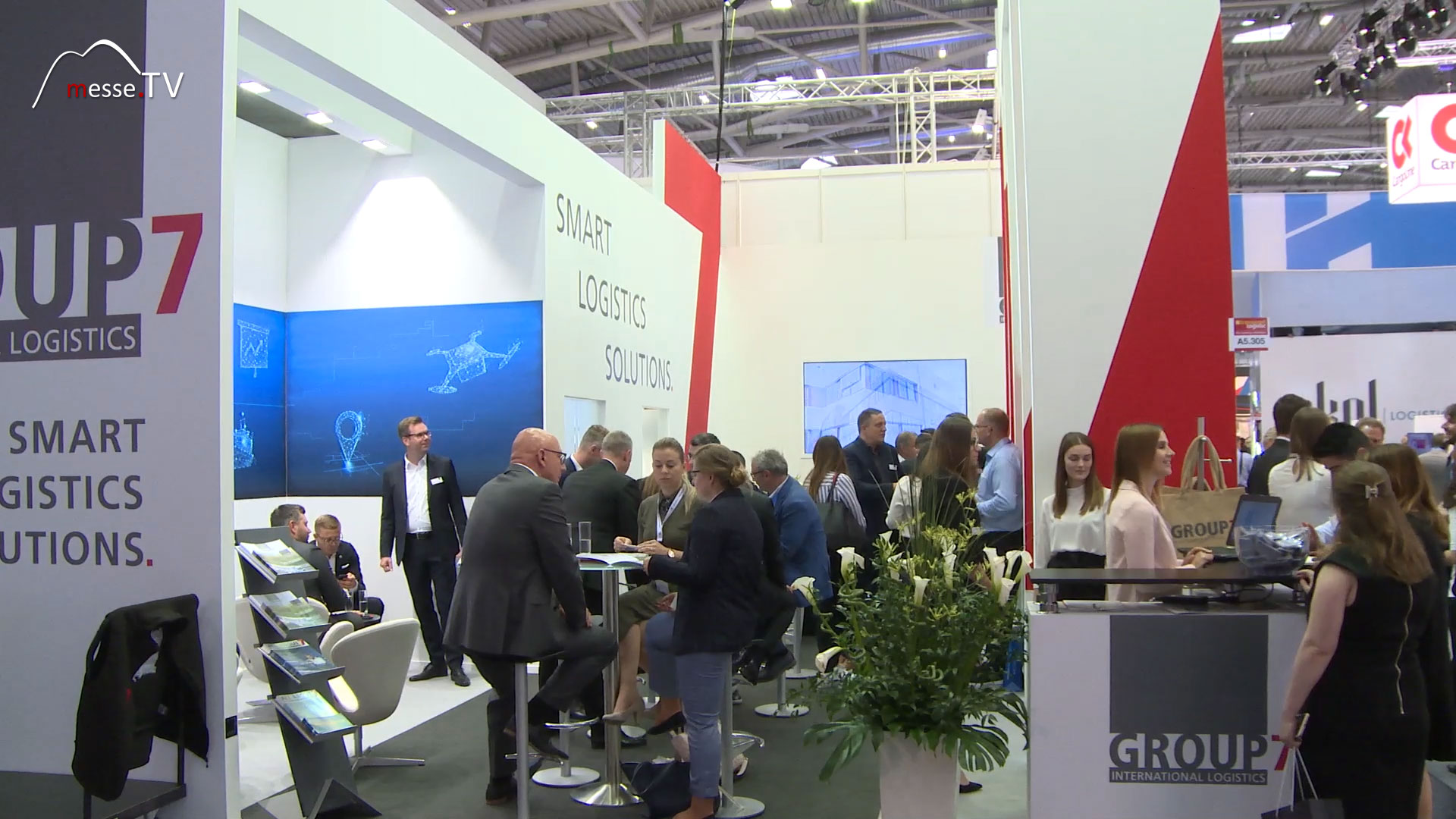
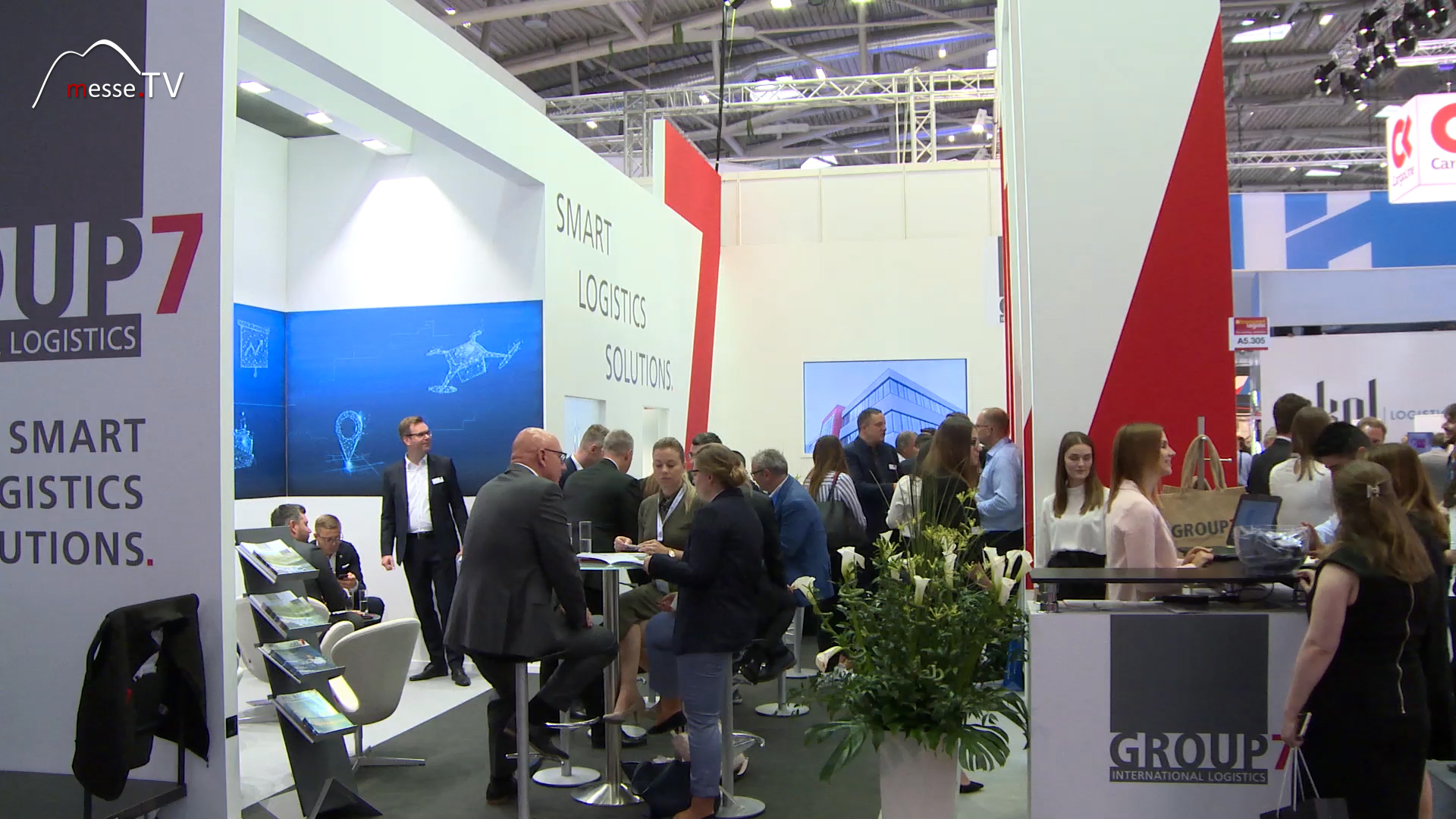
Innovation entsteht dabei häufig nicht durch den kompletten Neubau von Strukturen, sondern durch gezielte Eingriffe in bestehende Abläufe. Genau diesen Ansatz verfolgt Group7 mit dem Einsatz einer Drohne im neuen Logistikcenter in Frankfurt, genauer gesagt in Kelsterbach. Das Unternehmen hat sich dort bewusst für ein Multi-User-Warehaus entschieden, das unterschiedlichste Warenströme abbildet. Gerade in solchen Umgebungen wird deutlich, wie komplex Lagerprozesse geworden sind. Hochregale, schmale Gänge, unterschiedliche Artikel und wechselnde Kundenanforderungen verlangen nach Lösungen, die schneller, präziser und gleichzeitig alltagstauglich sind. Der Einsatz einer Drohne im Hochregalschmalgang ist Ausdruck dieses Denkens.
Group7 und das Logistikcenter in Kelsterbach
Group7 ist seit Jahren als integrierter Logistikdienstleister aktiv und setzt zunehmend auf technologische Weiterentwicklungen im Lagerbetrieb. Das Logistikcenter in Kelsterbach dient dabei als Test- und Referenzstandort für neue Konzepte. Als Multi-User-Warehaus vereint es unterschiedliche Kunden, Warenarten und Prozesse unter einem Dach. Genau diese Vielfalt macht klassische Inventur- und Kontrollprozesse besonders aufwendig. Hochregallager mit schmalen Gängen stellen hohe Anforderungen an Personal und Technik. Bestandsaufnahmen, Sichtprüfungen oder Dokumentationen sind zeitintensiv und oft nur außerhalb des laufenden Betriebs möglich. Jede Unterbrechung wirkt sich direkt auf Durchlaufzeiten und Lieferfähigkeit aus. Vor diesem Hintergrund sucht Group7 nach Lösungen, die Informationsgewinnung in den Tagesprozess integrieren.
Drohne im Hochregalschmalgang als neue Lösung
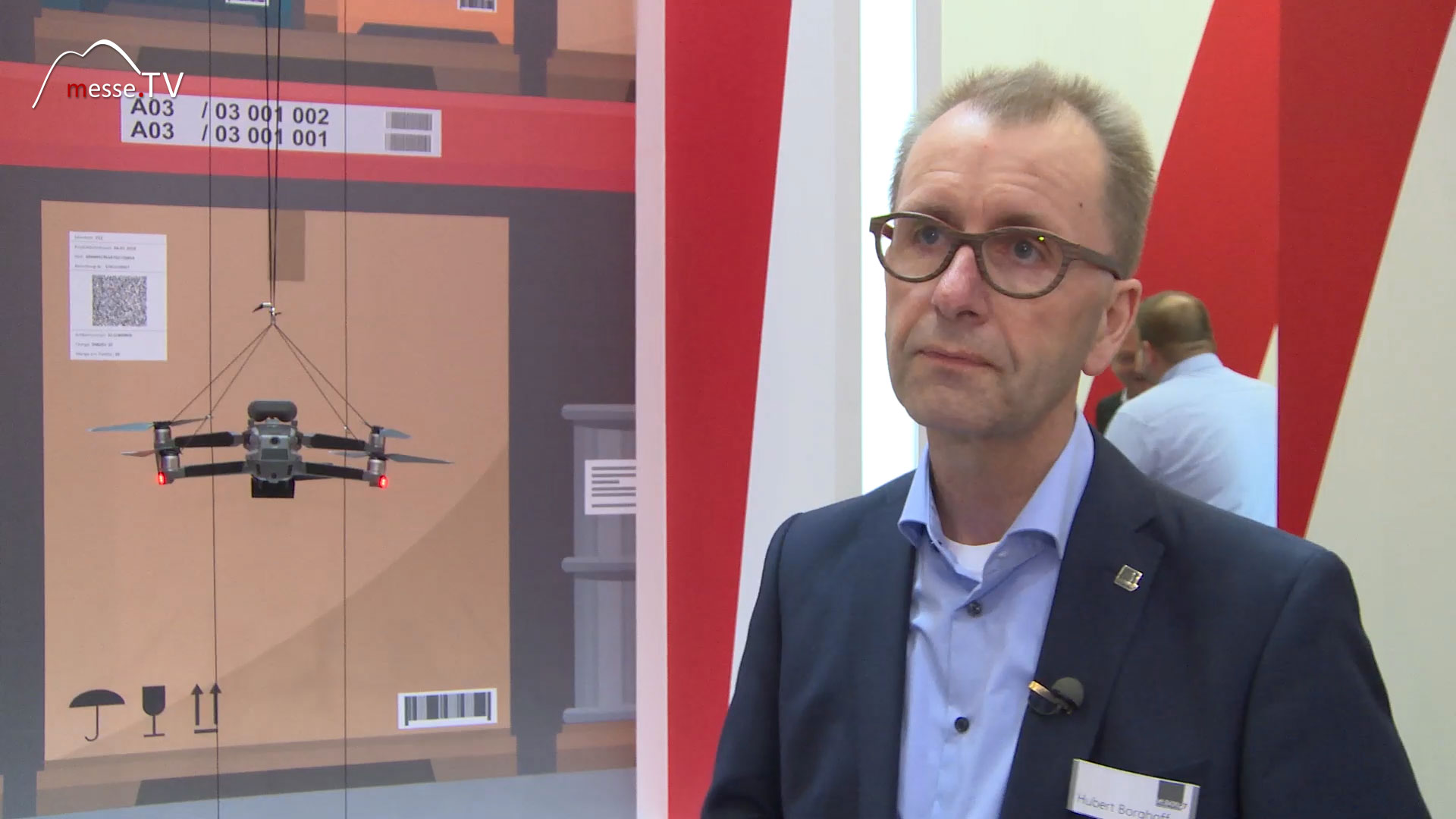
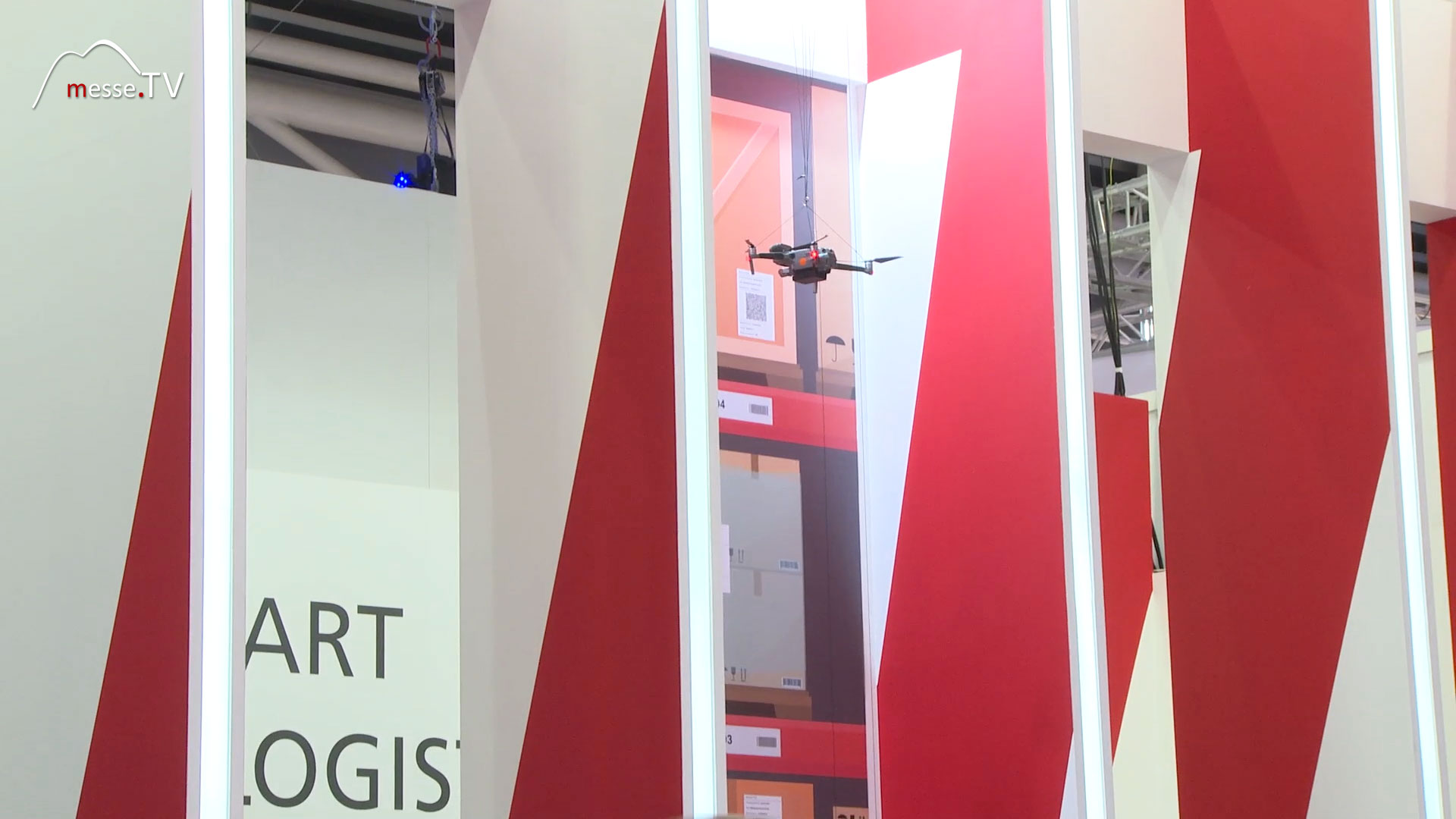
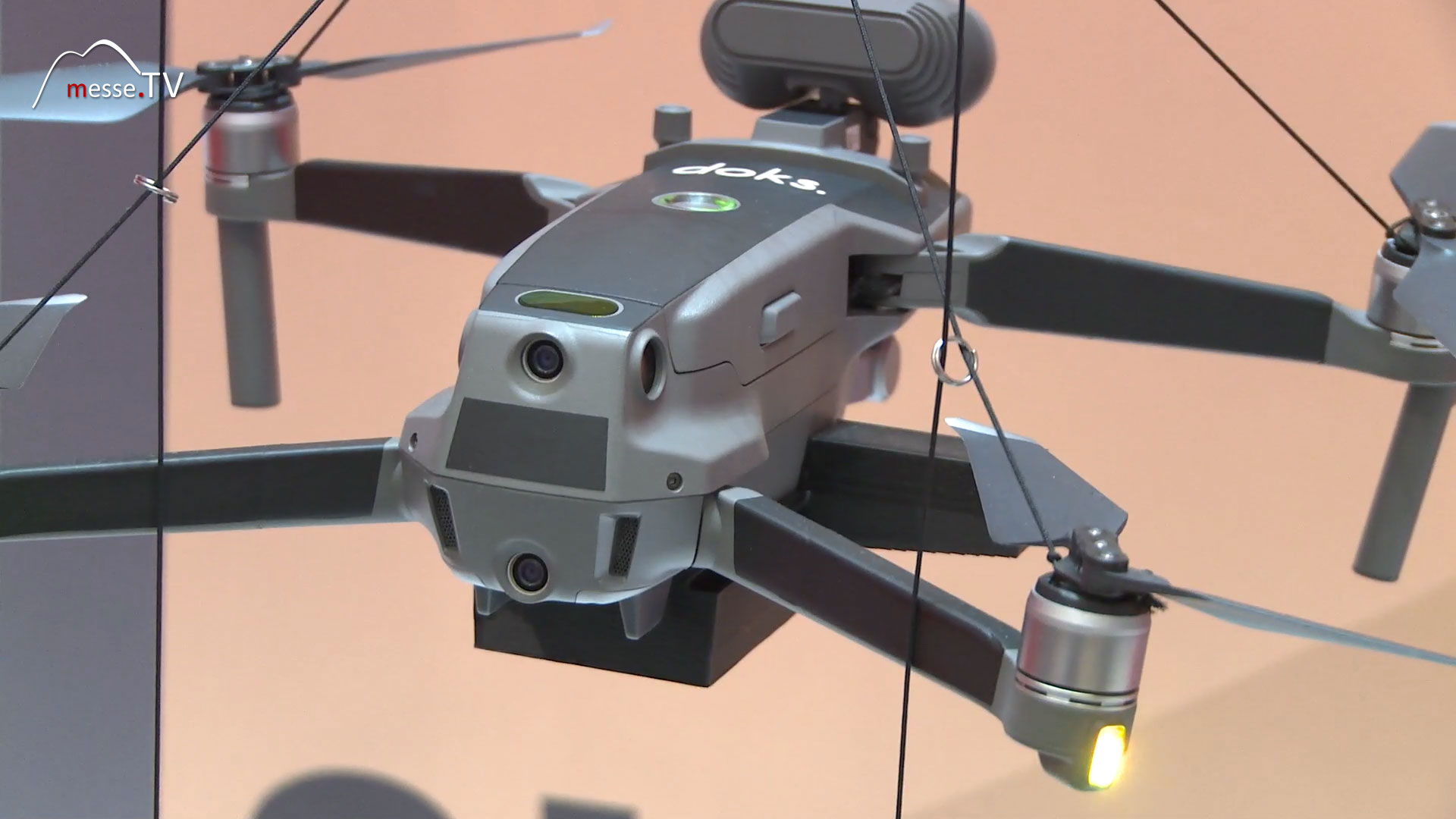
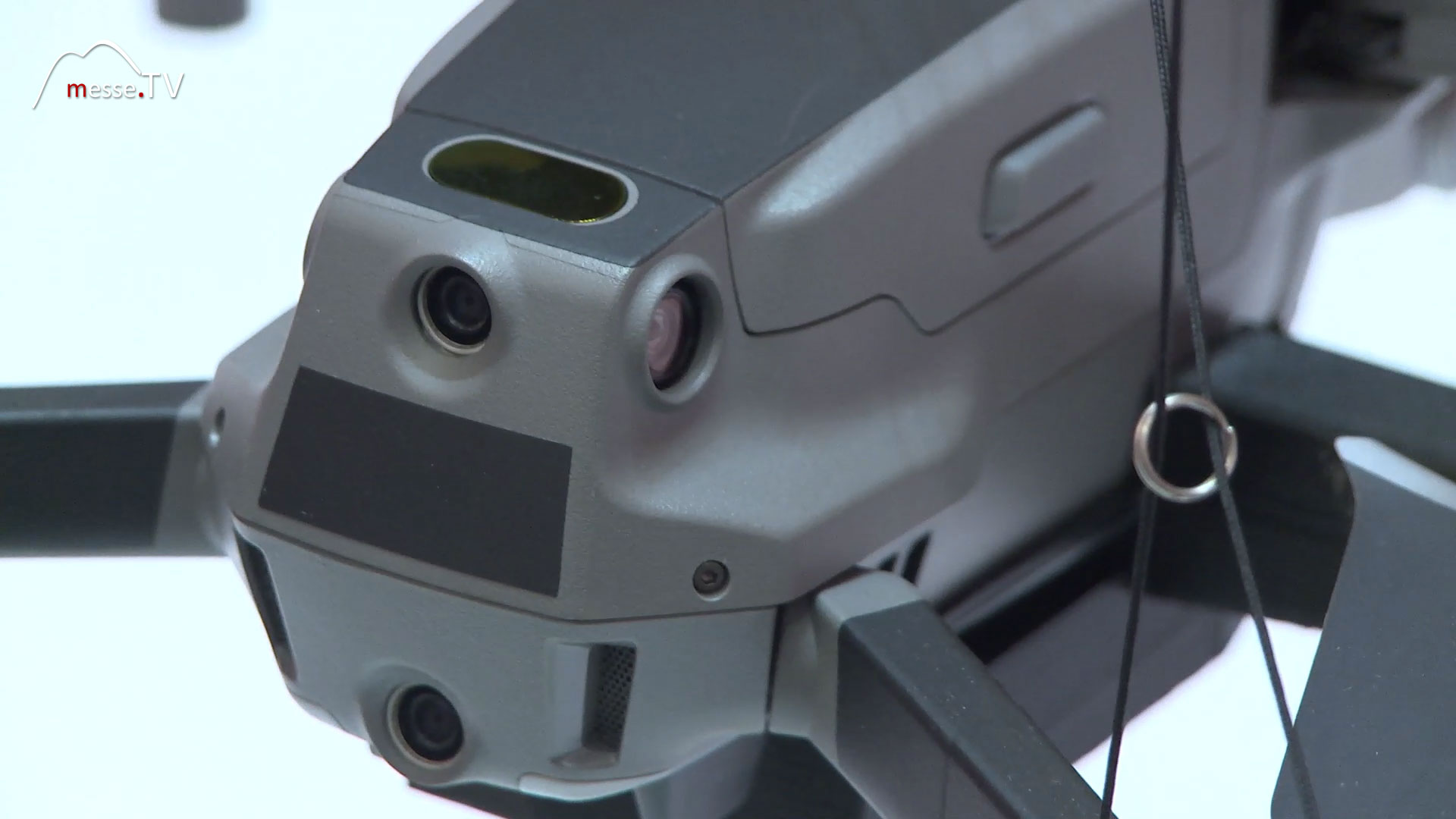
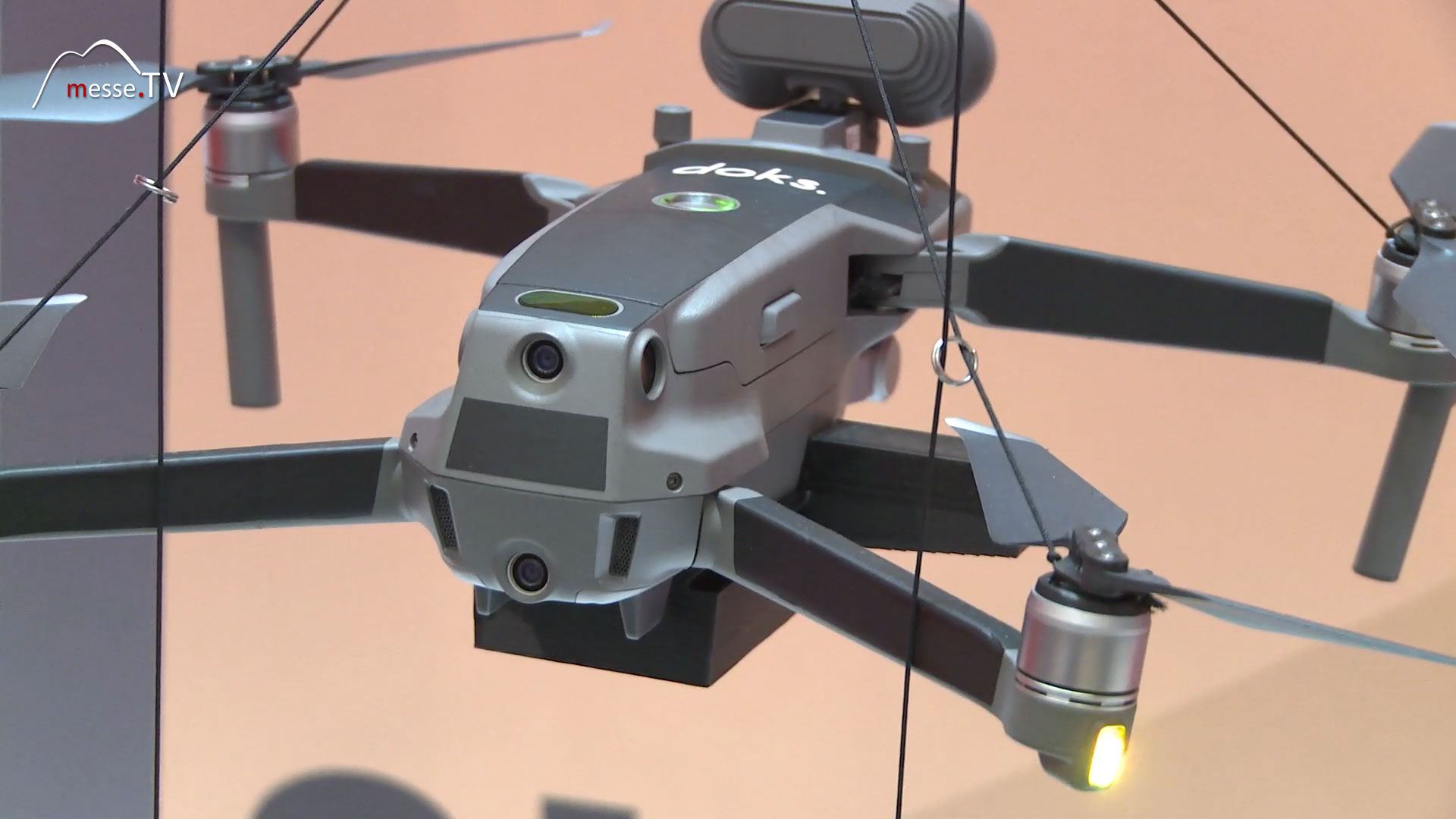
Die eingesetzte Drohne ist speziell für den Einsatz im Lager konzipiert. Sie bewegt sich autonom durch schmale Gänge und navigiert entlang der Hochregale. Gesteuert wird sie von einer Person, die den Flug überwacht, ohne selbst in den Gang eingreifen zu müssen. Dadurch entfallen aufwendige manuelle Begehungen oder der Einsatz von Hubarbeitsbühnen. Im Zentrum steht die Fähigkeit der Drohne, Informationen aufzunehmen. An der Front ist ein Sensor verbaut, der verschiedene Datentypen erfassen kann. Dazu zählen EAN-Codes, QR-Codes und Bilddaten. Paletten, Kartonagen und einzelne Artikel lassen sich so eindeutig identifizieren, ohne dass Mitarbeiter jedes Regal einzeln anfahren müssen.
Zusammenarbeit mit dem Start-up Doks. innovation
Für die Umsetzung arbeitet Group7 mit dem Start-up Doks. innovation zusammen. Die Kooperation verbindet logistische Praxis mit technologischer Entwicklung. Während Group7 die Anforderungen aus dem Lagerbetrieb einbringt, liefert der Partner die technische Plattform und das Know-how für den Drohneneinsatz. Diese Zusammenarbeit ist bewusst partnerschaftlich angelegt. Ziel ist es nicht, eine isolierte Technologie zu präsentieren, sondern eine Lösung zu entwickeln, die sich nahtlos in bestehende Prozesse integrieren lässt. Der Einsatz im Hochregalschmalgang dient dabei als reales Anwendungsszenario, nicht als Laborversuch.
Echtzeit-Daten für das Warenwirtschaftssystem
Ein zentraler Aspekt des Drohneneinsatzes ist die unmittelbare Weiterverarbeitung der erfassten Daten. Die Informationen werden live in das Warenwirtschaftssystem eingespeist. Dadurch entsteht ein kontinuierlicher Informationsfluss, der den aktuellen Bestand jederzeit abbildet. Diese Echtzeitfähigkeit verändert den Umgang mit Lagerdaten grundlegend. Bestände müssen nicht mehr in festen Intervallen manuell überprüft werden, sondern lassen sich laufend aktualisieren. Abweichungen werden schneller erkannt, Korrekturen können zeitnah erfolgen. Für operative Entscheidungen steht damit eine deutlich belastbarere Datengrundlage zur Verfügung.
Vorteile für Inventur und Tagesgeschäft
Besonders deutlich werden die Effekte bei der Inventur. Klassische Inventurprozesse sind personalintensiv und binden Ressourcen, die im Tagesgeschäft fehlen. Mit dem Drohneneinsatz lassen sich Inventurvorgänge verschlanken und teilweise in den laufenden Betrieb integrieren.
- Schnellere Erfassung von Beständen ohne Betriebsunterbrechung
- Reduzierter Personaleinsatz im Hochregallager
- Höhere Datenqualität durch automatisierte Erfassung
- Bessere Planbarkeit von Lager- und Versandprozessen
Auswirkungen auf B2C-Logistik und Lieferqualität
Gerade im B2C-Bereich wirken sich präzisere Lagerdaten unmittelbar auf die Lieferqualität aus. Verfügbarkeit, Kommissionierung und Versandgeschwindigkeit hängen direkt von der Qualität der Bestandsinformationen ab. Wenn Bestände in Echtzeit bekannt sind, lassen sich Aufträge zuverlässiger zusagen und schneller abwickeln. Group7 nutzt den Drohneneinsatz daher nicht als Selbstzweck, sondern als Mittel zur Prozessverbesserung. Schnellere Inventuren und aktuellere Daten verkürzen Reaktionszeiten und reduzieren Fehler. Das zahlt direkt auf Liefergeschwindigkeit und Servicequalität ein.
Auszeichnung für den Drohneneinsatz
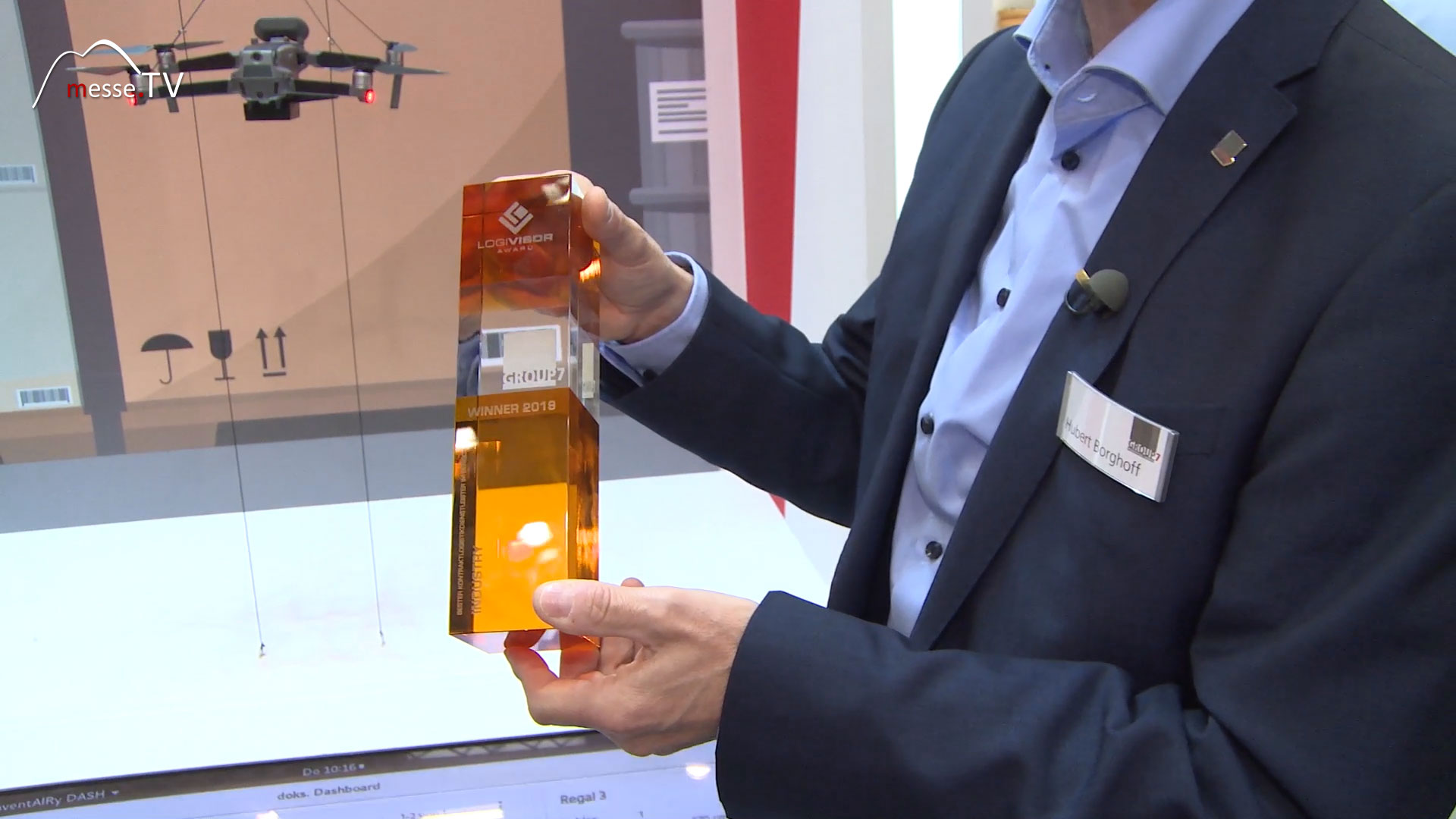
Die Innovationsleistung ist auch extern wahrgenommen worden. Group7 wurde für den Einsatz der Drohne im Lagerbetrieb mit einem Award ausgezeichnet. Die Auszeichnung würdigt, dass diese Form der Anwendung in Deutschland bislang kaum verbreitet ist und neue Maßstäbe im Lagerumfeld setzt. Für das Unternehmen ist die Auszeichnung weniger Selbstzweck als Bestätigung des eingeschlagenen Weges. Sie zeigt, dass technologische Innovation dann überzeugt, wenn sie konkrete Probleme löst und im Alltag funktioniert.
Drohnen als Baustein moderner Lagerlogistik
Der Einsatz von Drohnen im Hochregallager ist kein Allheilmittel, aber ein gezielter Baustein moderner Logistik. Er zeigt, wie sich bestehende Strukturen weiterentwickeln lassen, ohne sie grundlegend zu verändern. Group7 nutzt die Technologie dort, wo sie echten Mehrwert bringt: bei der Datenerfassung, der Transparenz und der Effizienz. In einer Logistik, die zunehmend durch Geschwindigkeit und Zuverlässigkeit geprägt ist, wird genau diese Fähigkeit entscheidend. Die Drohne im Hochregallager steht damit exemplarisch für einen pragmatischen Innovationsansatz, der Technik und Prozessdenken sinnvoll verbindet.
Messe-Berichterstattung bundesweit - Messewissen, Termine & Veranstaltungen


