Flexible Rangierlösungen für Schiene und Straße im Güterverkehr
von Andreas Bergmeier - 2024-02-13Der Güterverkehr auf der Schiene steht seit Jahren unter Druck. Effizienz, Kosten und Flexibilität sind zentrale Faktoren, gerade im Rangierbetrieb, wo Zeitverluste und hoher Personaleinsatz schnell teuer werden. Klassische Rangierloks sind leistungsstark, aber groß, schwer und in vielen Einsatzszenarien überdimensioniert.
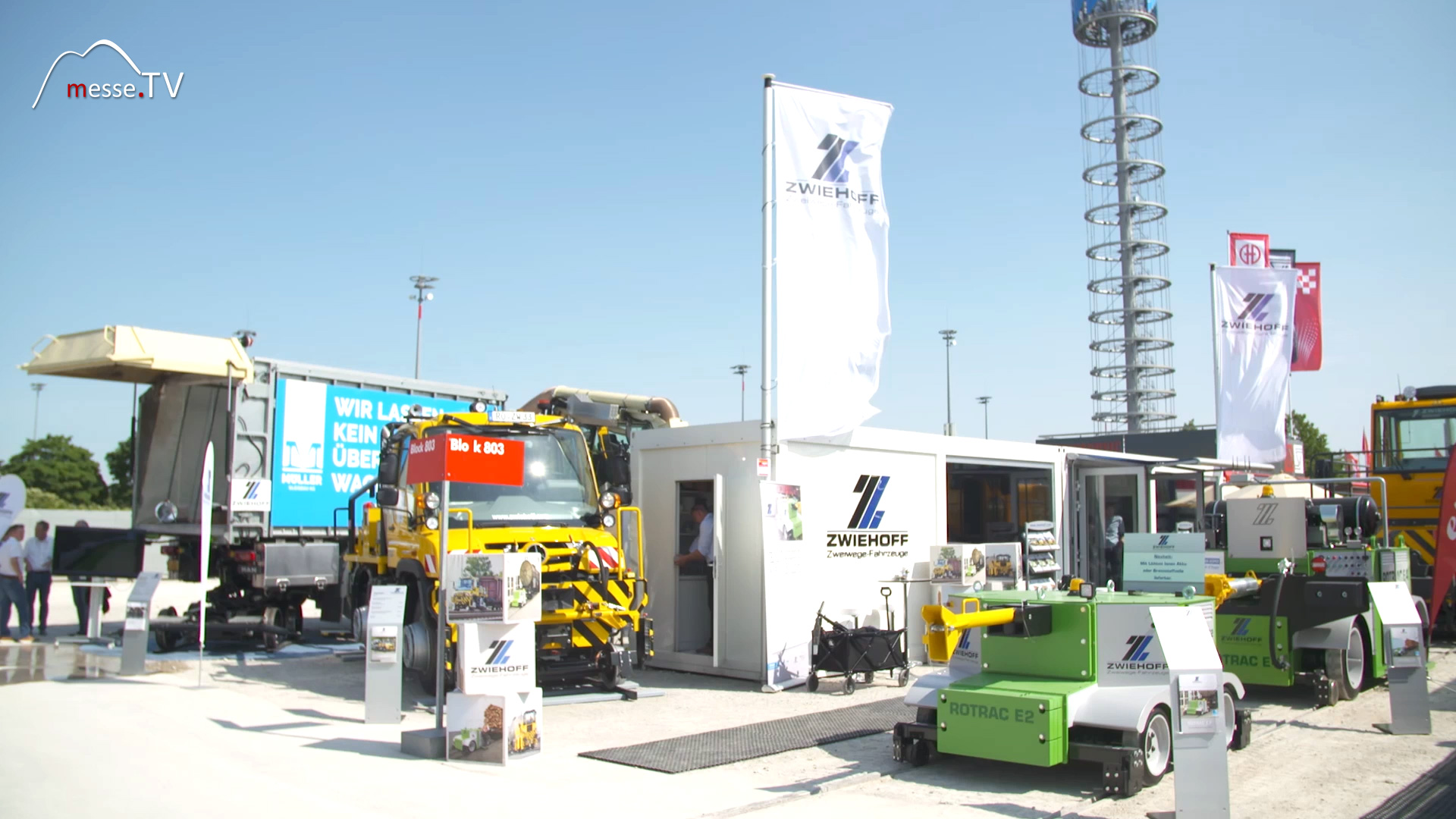
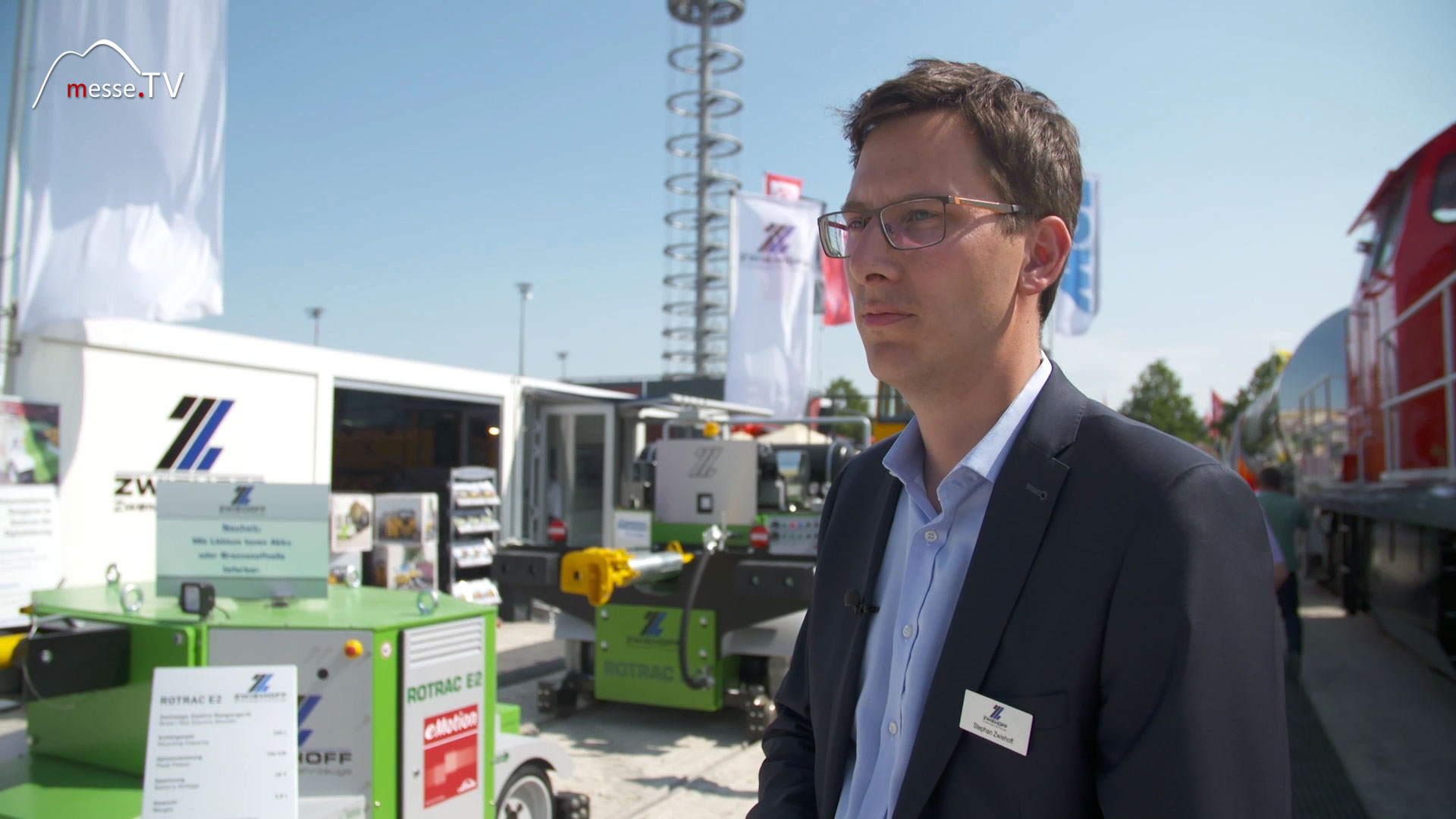
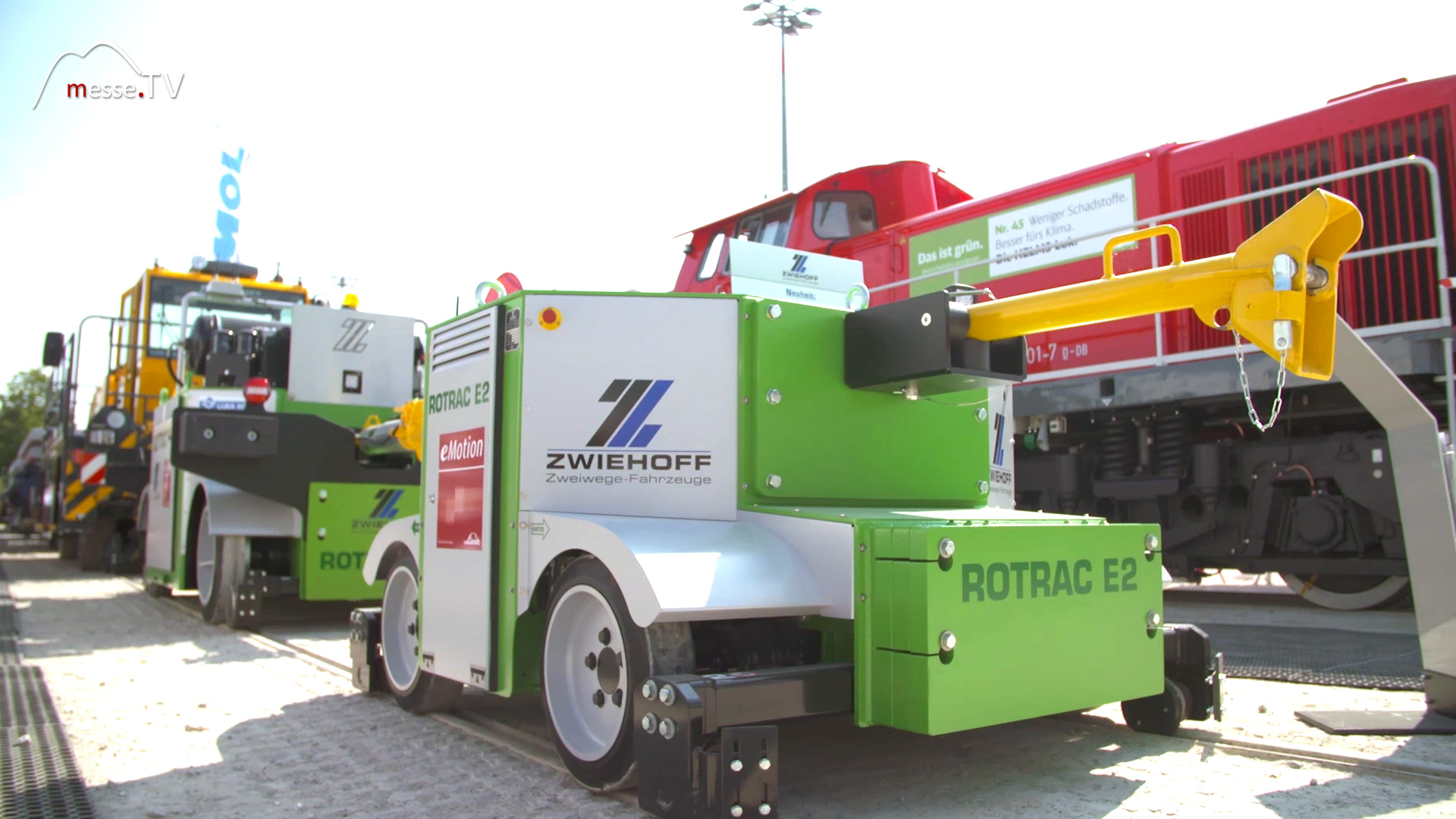
Gleichzeitig steigen die Anforderungen an Wendigkeit, Automatisierung und Wirtschaftlichkeit. Genau in diesem Spannungsfeld positionieren sich Zweiwege-Fahrzeuge, die Straße und Schiene miteinander verbinden und neue Spielräume im Rangieralltag eröffnen. Im Gespräch wird deutlich, dass sich Zwiehoff konsequent auf diese Nische spezialisiert hat. Das Unternehmen entwickelt Fahrzeuge, die sowohl auf der Schiene als auch auf der Straße eingesetzt werden können und damit klassische Abläufe im Rangierbetrieb infrage stellen. Der Ansatz ist pragmatisch: weniger Gewicht, weniger Komplexität, dafür mehr Flexibilität im täglichen Einsatz.
Zweiwege-Fahrzeuge als Antwort auf starre Rangierprozesse
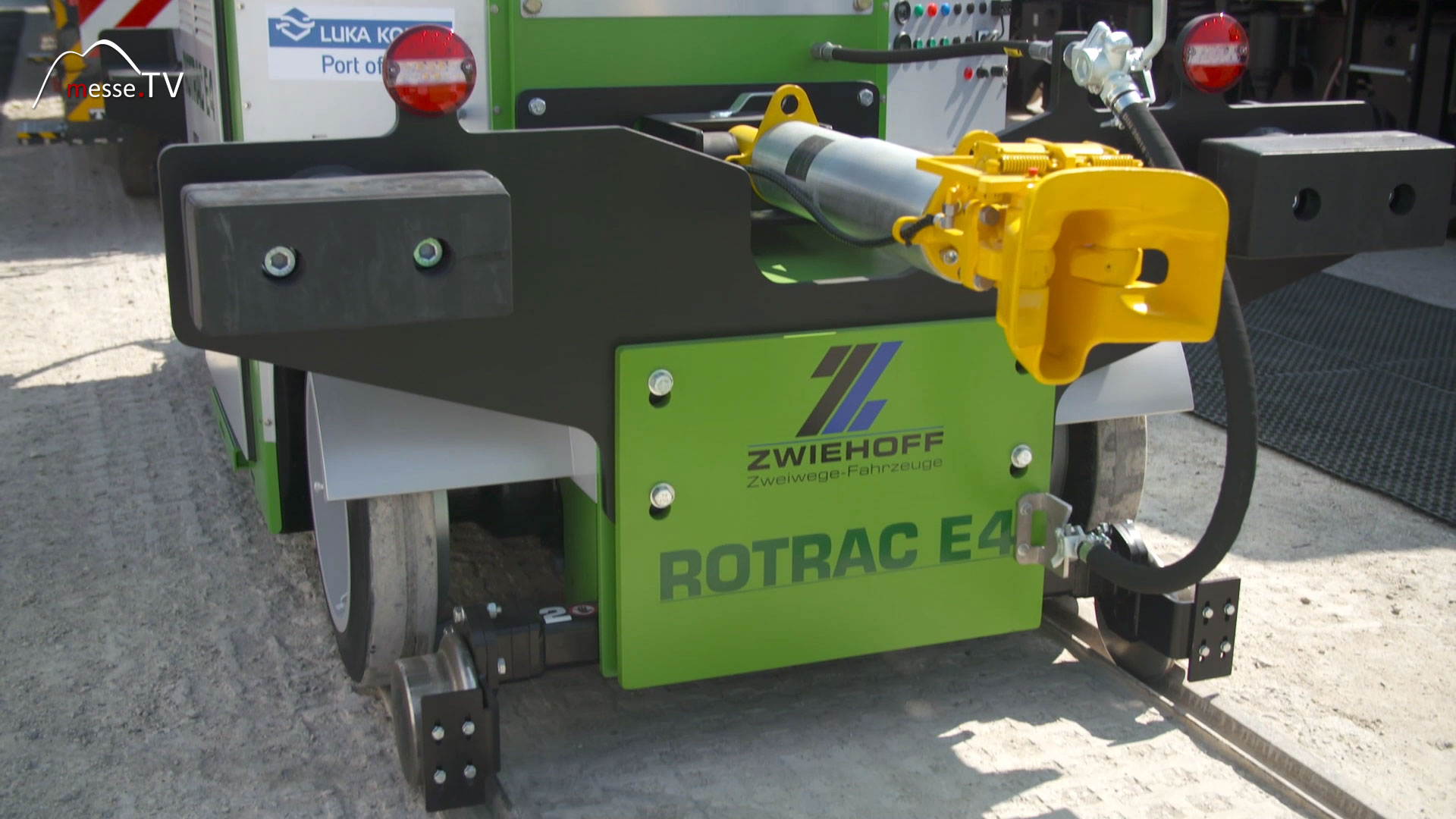
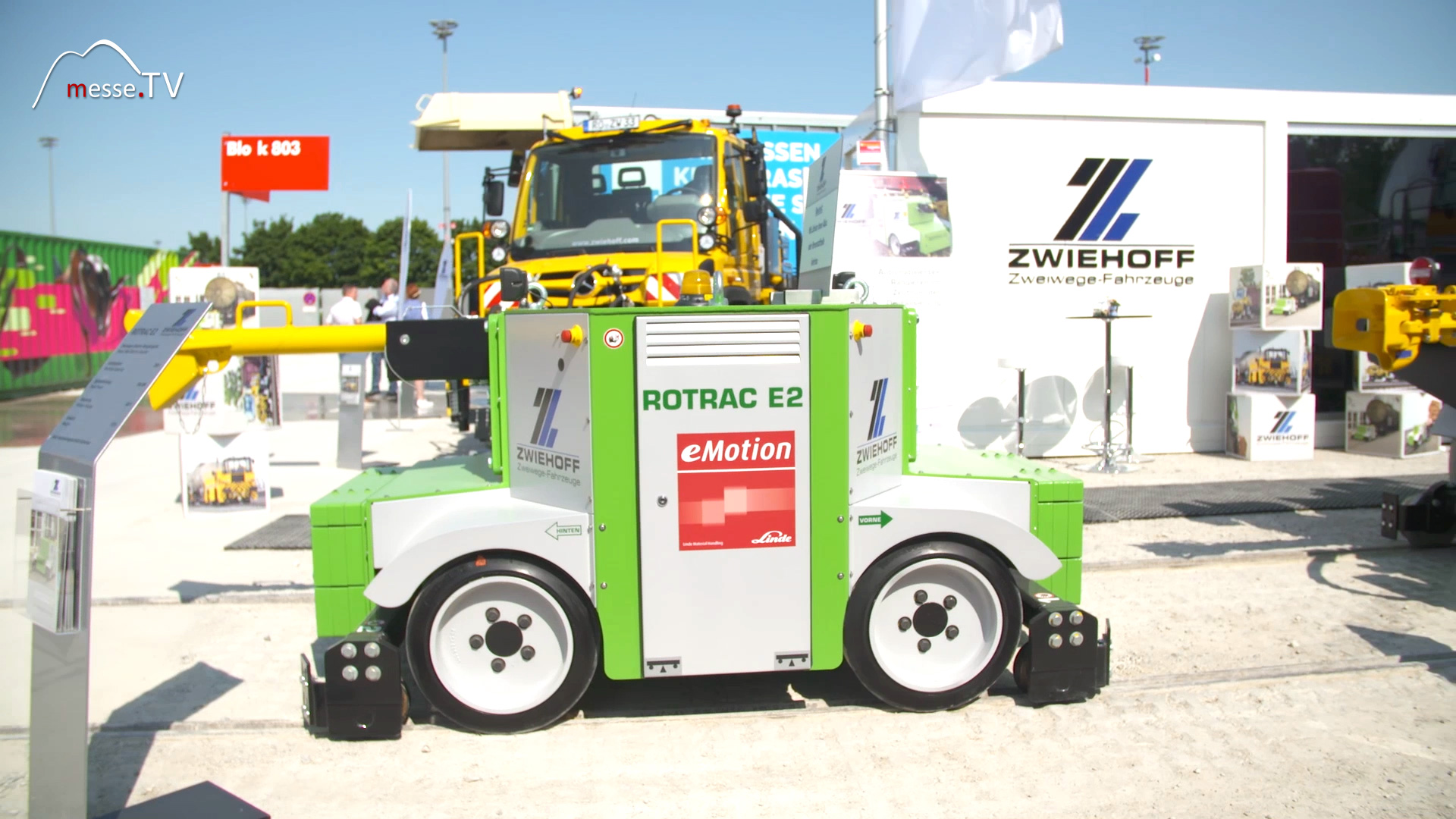
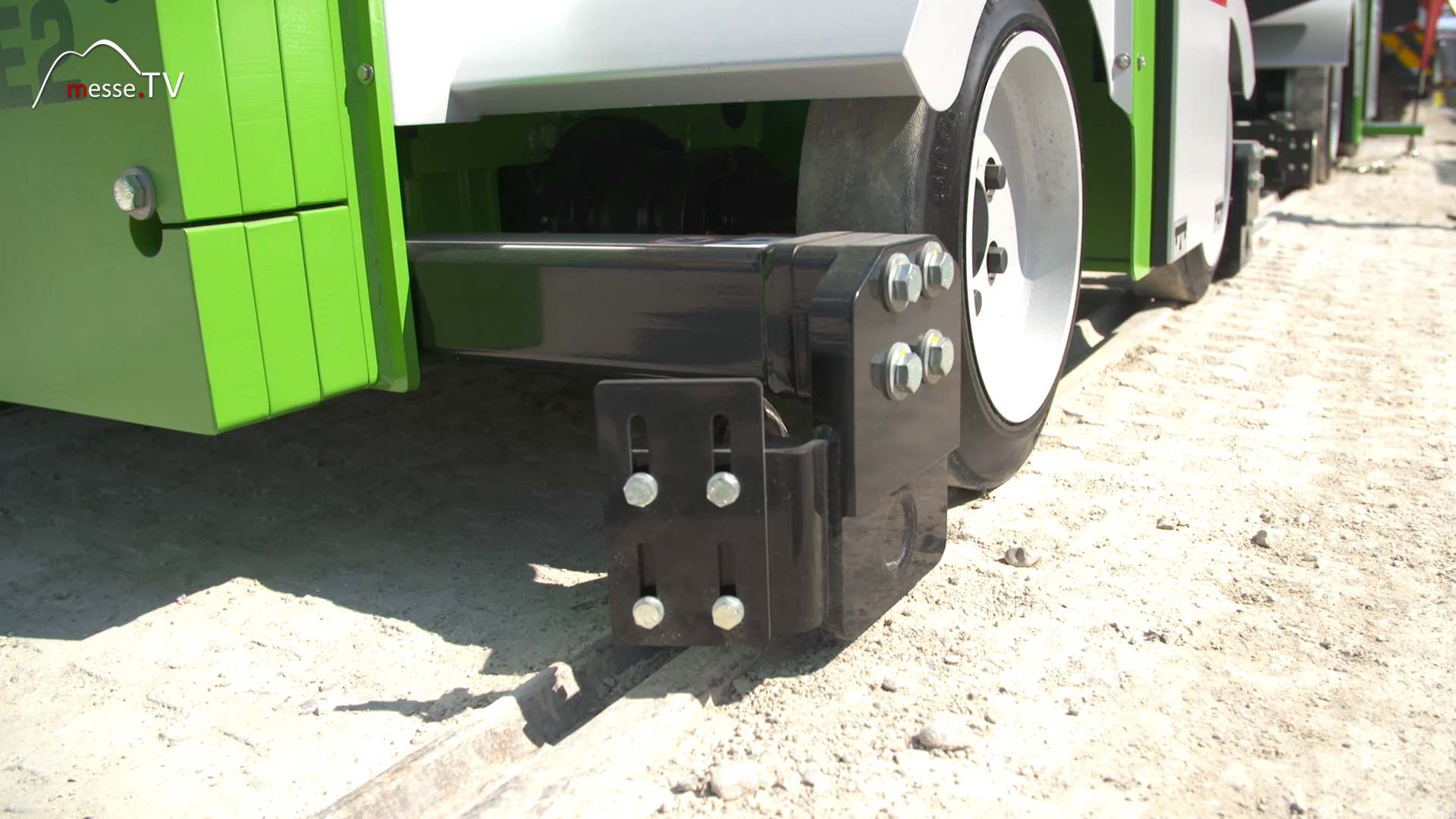
Zweiwege-Fahrzeuge sind so konzipiert, dass sie ohne aufwendige Infrastrukturwechsel zwischen Straße und Schiene operieren können. Im Rangierbetrieb bedeutet das, dass Waggons auf der Schiene bewegt werden, während das Fahrzeug selbst problemlos über befestigte Wege zur nächsten Gleisanlage fährt. Das Eingleisen erfolgt direkt vor Ort, ohne dass zusätzliche Rangierloks oder lange Umsetzfahrten notwendig sind. Gerade in Industriearealen, Häfen oder Werkbahnen mit mehreren, nicht direkt verbundenen Gleisen entsteht dadurch ein erheblicher Zeitgewinn. Statt schwerer Lokomotiven kommen kompakte Fahrzeuge zum Einsatz, die exakt auf diesen Zweck zugeschnitten sind. Der Fokus liegt nicht auf Höchstgeschwindigkeit oder Zugkraft für lange Strecken, sondern auf präziser, effizienter Bewegung im Nahbereich.
Warum kleiner oft wirtschaftlicher ist
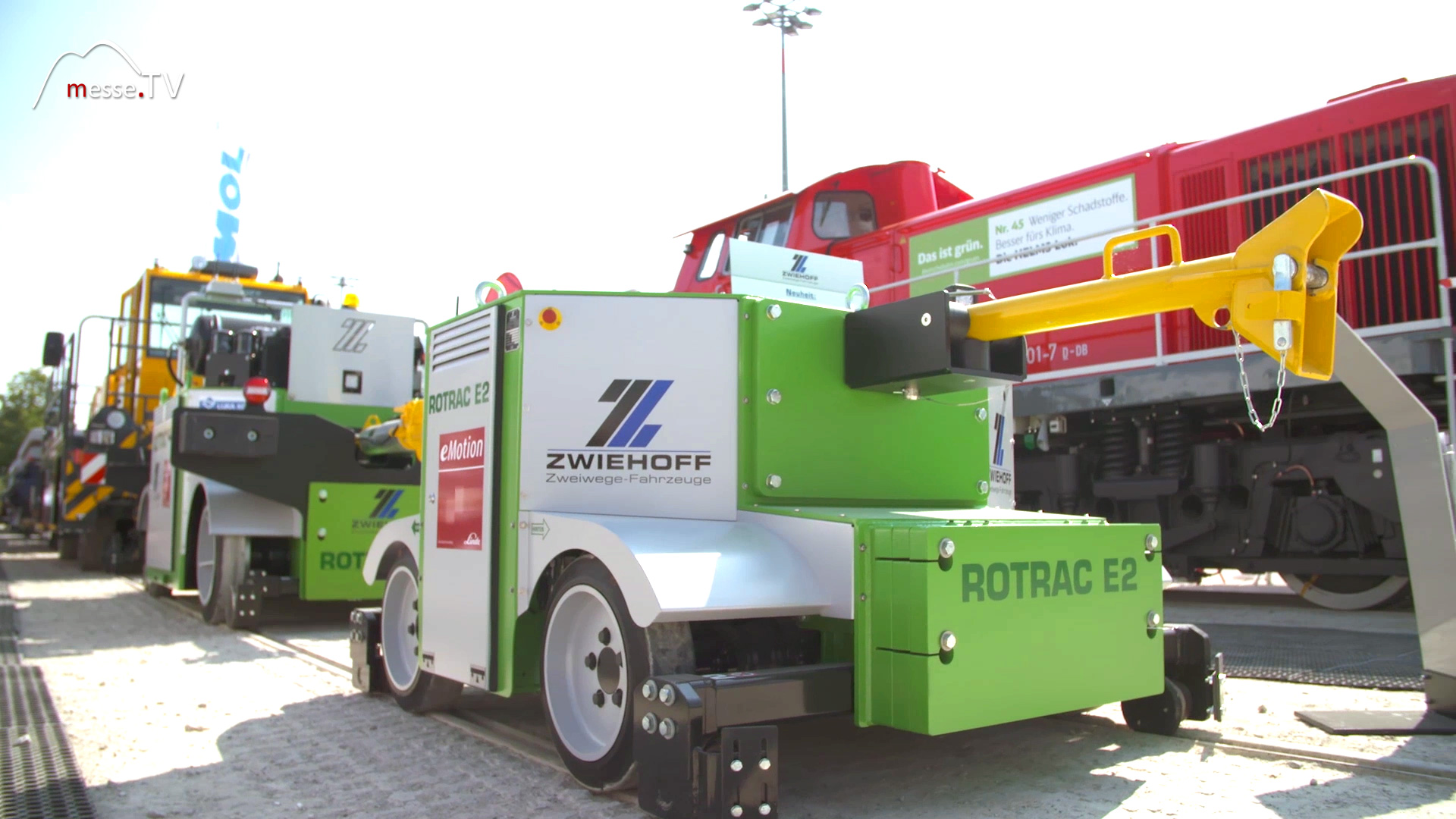
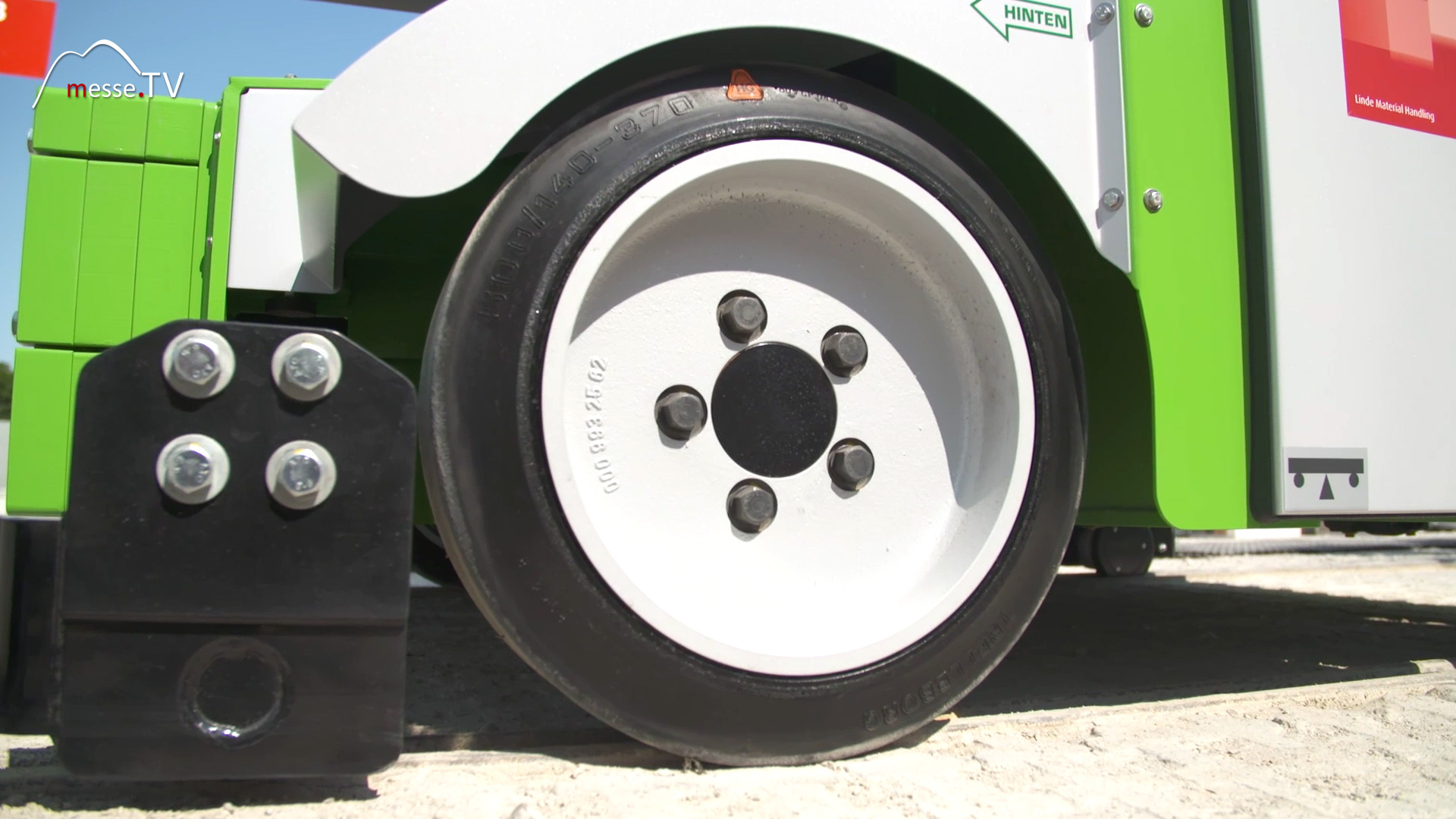
Ein zentrales Merkmal der Fahrzeuge ist ihre kompakte Bauweise. Während klassische Rangierloks ihr Gewicht nutzen, um ausreichend Traktion auf der Schiene zu erzeugen, setzt das Konzept hier auf Gummireifen. Die Traktion über Reifen ist deutlich höher als die reine Haftreibung Stahl auf Stahl. Dadurch kann bei vergleichbarer Zugleistung erheblich Gewicht eingespart werden. Diese konstruktive Entscheidung wirkt sich direkt auf Wirtschaftlichkeit und Betrieb aus. Weniger Masse bedeutet geringeren Energieverbrauch, weniger Verschleiß und niedrigere Wartungskosten. Gleichzeitig sind die Fahrzeuge leichter zu transportieren, schneller einsatzbereit und benötigen weniger Platz im Betriebshof. Für viele Anwender ist genau das ein entscheidender Faktor, insbesondere dort, wo Rangieraufgaben regelmäßig, aber nicht in großem Umfang anfallen.
Rangieren ohne Fahrerhaus
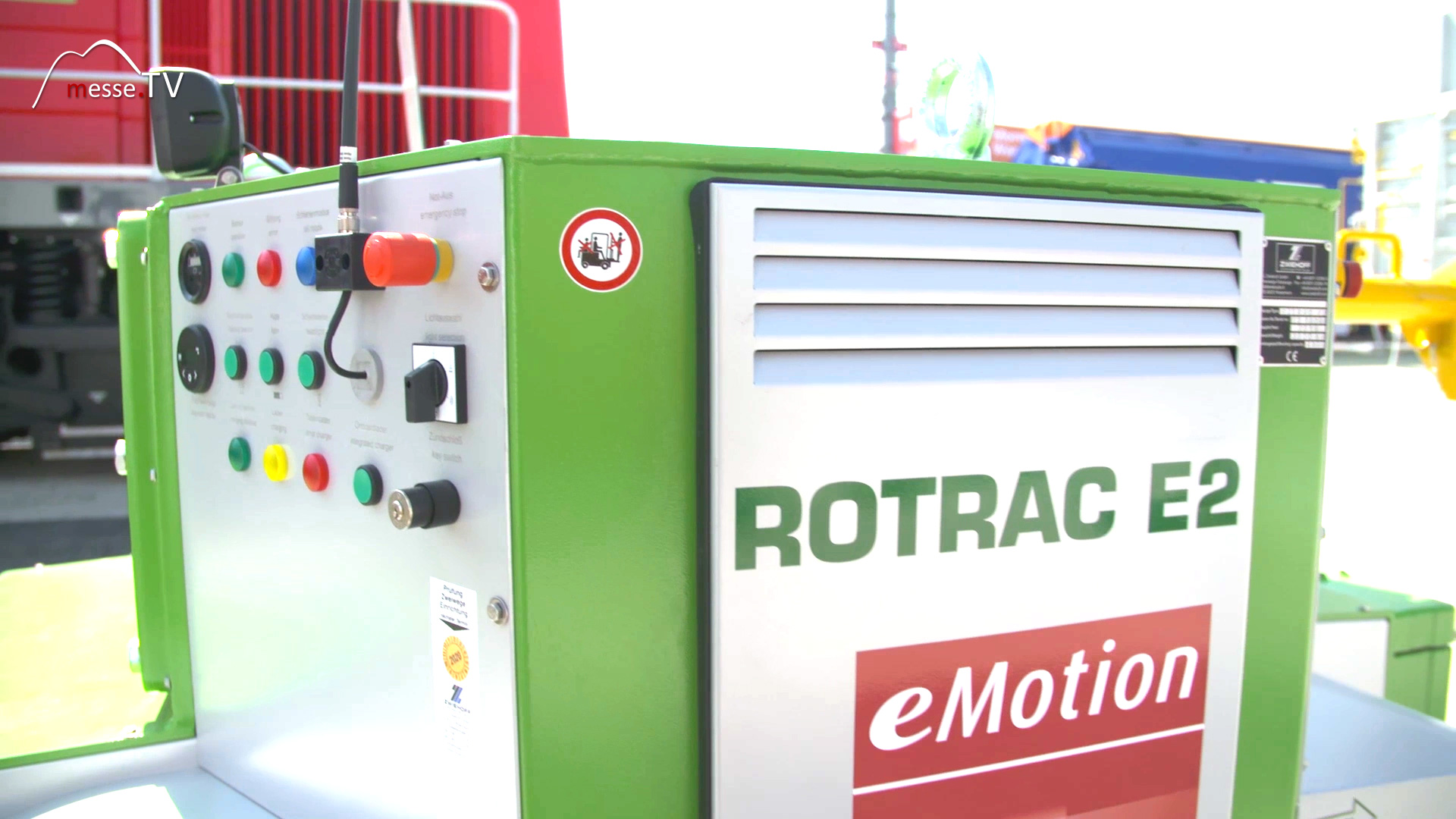
Ein weiterer Aspekt, der das Konzept von klassischen Lösungen unterscheidet, ist die Art der Bedienung. Die Fahrzeuge werden traditionell per Funkfernbedienung gesteuert. Der Fahrer sitzt nicht in einem festen Führerstand, sondern bewegt sich frei im Arbeitsbereich. Das erhöht die Übersicht, verbessert die Sicherheit und erlaubt präzises Rangieren auch in engen Umgebungen. Diese Art der Bedienung passt gut zu modernen Sicherheitsanforderungen. Der Bediener kann sich so positionieren, dass er Kupplungen, Gleisverlauf und Umgebung jederzeit im Blick hat. Gerade beim Rangieren auf Werksgeländen mit Publikumsverkehr oder in beengten Industriearealen ist das ein nicht zu unterschätzender Vorteil.
Automatisierung als nächster Entwicklungsschritt
Neben der Funksteuerung rückt zunehmend auch die Automatisierung in den Fokus. In einem Gemeinschaftsprojekt mit DB Systel und der RWTH Aachen University wird daran gearbeitet, diese Fahrzeuge künftig automatisiert fahren zu lassen. Ziel ist es, Rangierprozesse teilweise oder vollständig autonom abzubilden. Damit reagiert die Branche auf mehrere Herausforderungen gleichzeitig: den Fachkräftemangel, steigende Sicherheitsanforderungen und den Wunsch nach planbaren, reproduzierbaren Abläufen. Automatisierte Rangierfahrzeuge könnten perspektivisch standardisierte Aufgaben übernehmen, während menschliche Arbeitskraft gezielt dort eingesetzt wird, wo Erfahrung und situatives Eingreifen erforderlich sind. Der Zeithorizont für diese Entwicklung liegt bei wenigen Jahren, was zeigt, wie konkret und praxisnah die Forschung inzwischen ist.

Kostenstruktur und Einsatzszenarien
Ein oft unterschätzter Punkt im Rangierbetrieb sind die Investitionskosten. Klassische Rangierloks sind nicht nur groß und schwer, sondern auch entsprechend teuer in Anschaffung und Unterhalt. Die hier vorgestellten Zweiwege-Fahrzeuge bewegen sich in einem deutlich niedrigeren Preisbereich. Damit werden Einsatzszenarien wirtschaftlich, die bisher entweder manuell oder mit ineffizienten Übergangslösungen abgedeckt wurden.
Typische Einsatzbereiche sind:
- Rangierarbeiten in Industrie- und Werksbahnen
- Güterumschlag in Häfen und Logistikzentren
- Instandhaltungs- und Servicearbeiten auf Nebengleisen
- Flexible Einsätze auf nicht durchgängig verbundenen Gleisanlagen
Ein Wandel im Verständnis von Rangiertechnik
Die Entwicklung zeigt, dass Rangiertechnik nicht zwangsläufig groß, schwer und komplex sein muss. Vielmehr geht es darum, die tatsächlichen Anforderungen im Betrieb genau zu analysieren und darauf abgestimmte Lösungen zu entwickeln. Zweiwege-Fahrzeuge stehen exemplarisch für diesen Ansatz: weniger Überdimensionierung, mehr Zweckorientierung.
Für Betreiber bedeutet das mehr Flexibilität, geringere Kosten und neue Möglichkeiten, Rangierprozesse effizient zu organisieren. In Kombination mit Automatisierung und digitaler Steuerung könnten solche Fahrzeuge künftig eine noch größere Rolle spielen, insbesondere in Zeiten, in denen Effizienz und Ressourcenschonung immer wichtiger werden. Der Blick auf diese Entwicklungen macht deutlich, dass Innovation im Schienenverkehr nicht nur auf Hochgeschwindigkeitsstrecken oder bei Großprojekten stattfindet, sondern gerade auch im scheinbar unspektakulären Rangieralltag – dort, wo kleine Veränderungen große Wirkung entfalten können.
Messe-Berichterstattung bundesweit - Messewissen, Termine & Veranstaltungen


