Autonomes Fahren zwischen Werkhalle und Straße bei VW Nutzfahrzeuge
von Jürgen Groh - 2024-02-13Autonomes Fahren gilt seit Jahren als eines der großen Zukunftsthemen der Automobilindustrie. Zwischen visionären Ankündigungen, Teststrecken und realen Anwendungen klafft jedoch oft eine erhebliche Lücke. Im Gespräch mit VW Nutzfahrzeuge wird deutlich, dass sich das Thema längst aus dem Bereich der Science-Fiction gelöst hat, zugleich aber weiterhin an klare Voraussetzungen gebunden ist. Die Technologie existiert, die Umsetzung im Alltag folgt anderen Regeln.
Autonomes Fahren als industrielle Realität
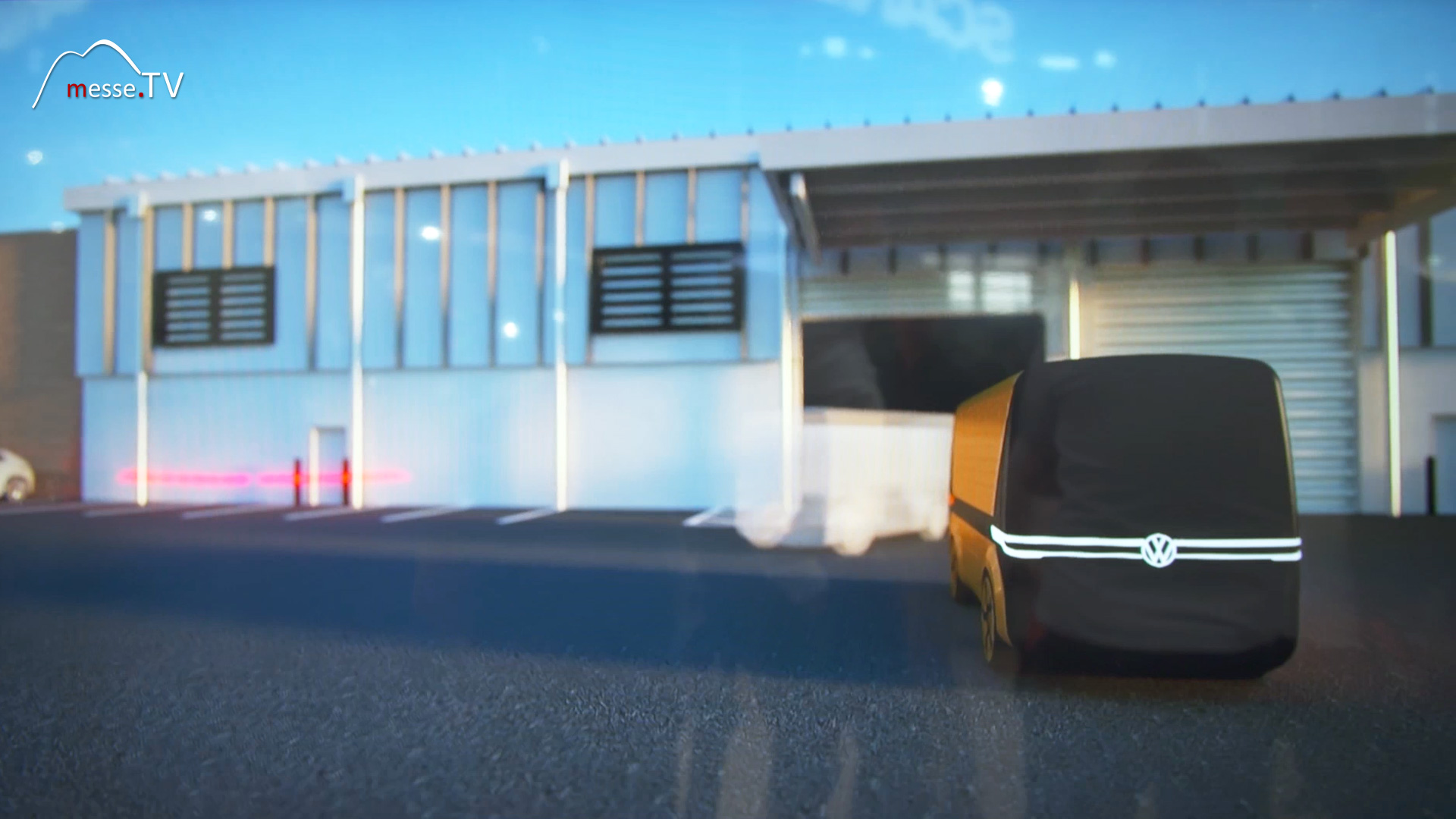
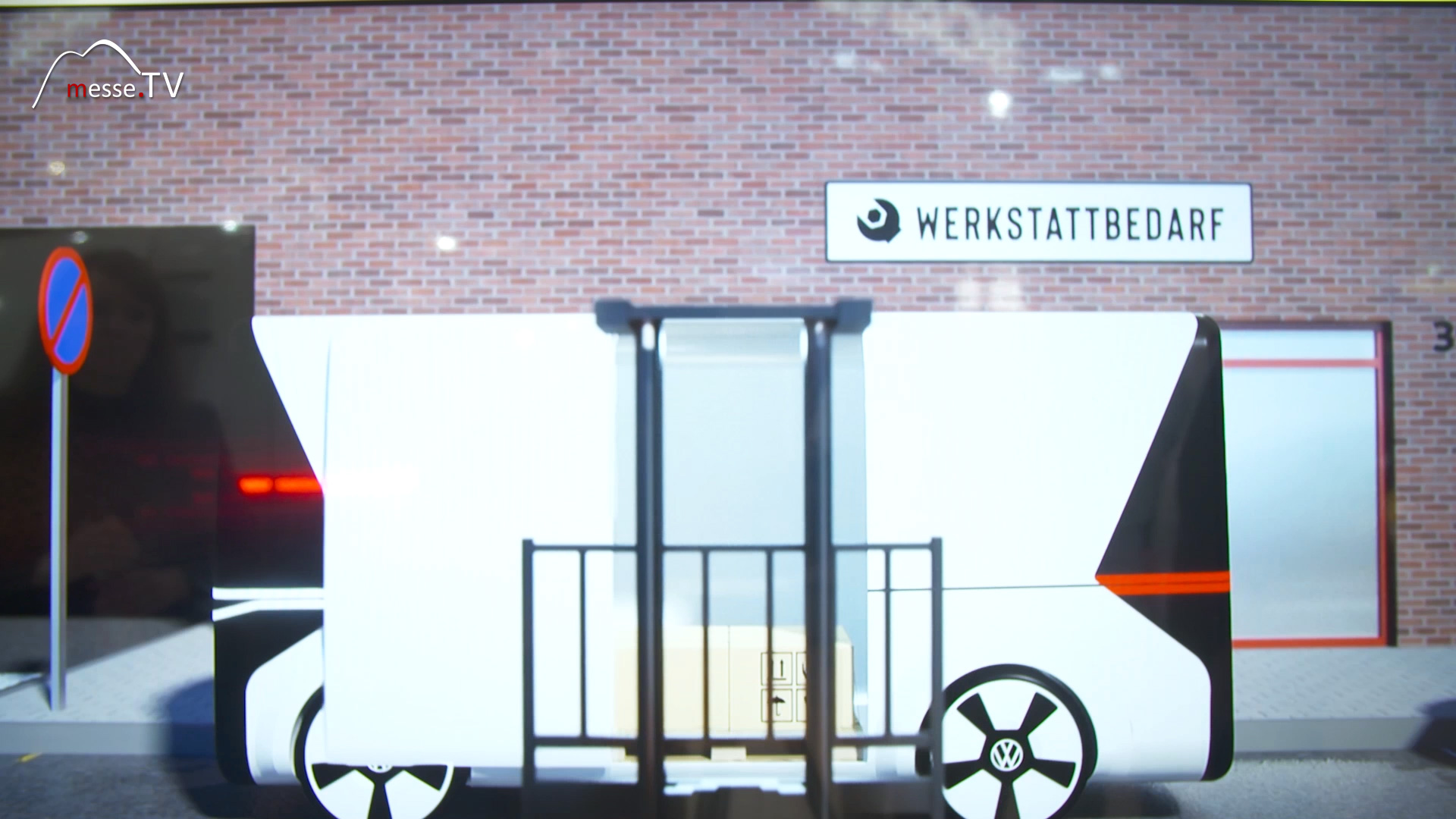
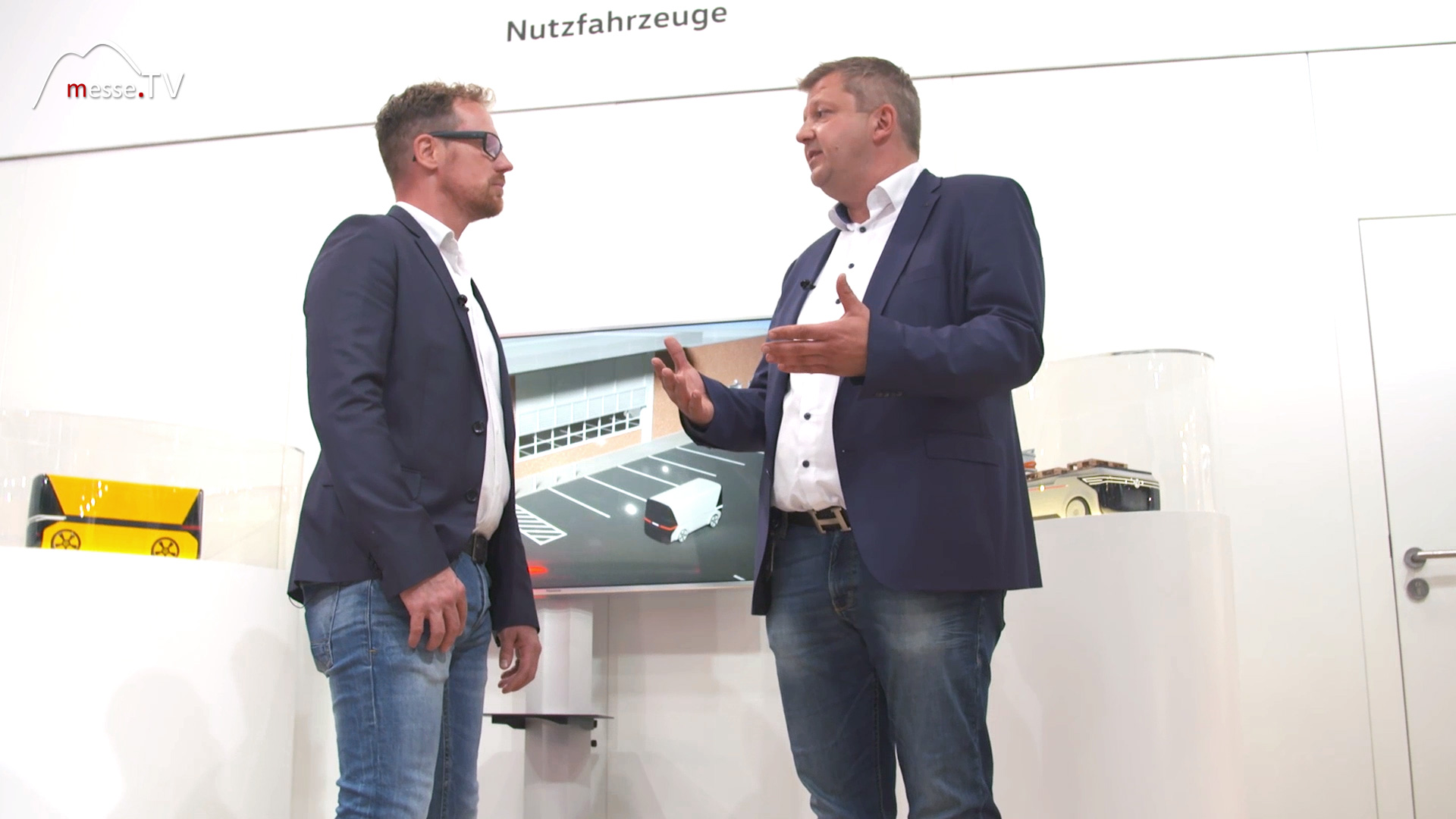
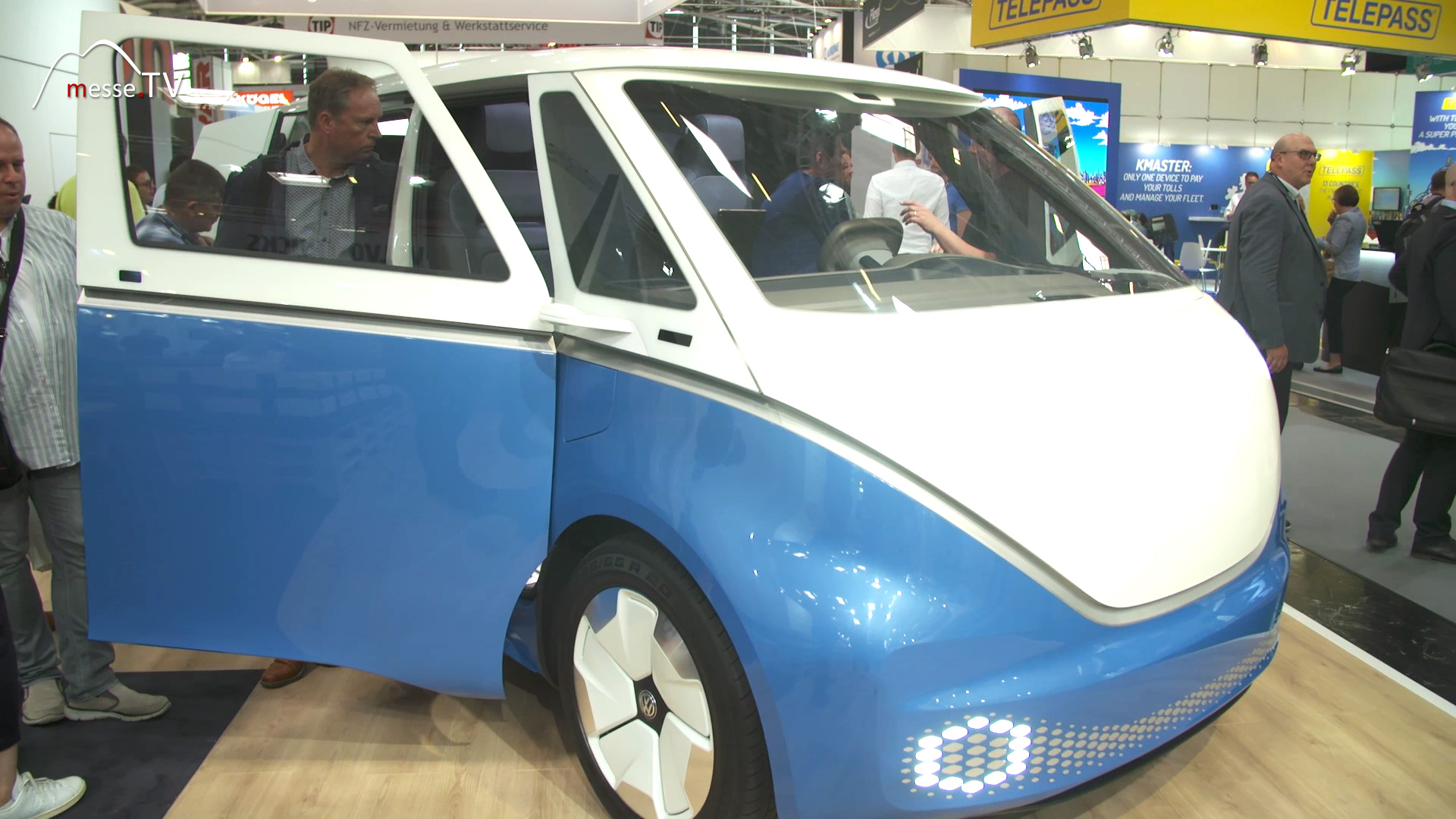
Autonome Fahrzeuge sind bei VW Nutzfahrzeuge kein theoretisches Konstrukt mehr. In Produktionswerken kommen bereits Fahrzeuge zum Einsatz, die selbstständig fahren und definierte Aufgaben übernehmen. Diese Anwendungen bewegen sich in kontrollierten Umgebungen, mit klaren Abläufen und vorhersehbaren Situationen. Genau hier zeigt sich, dass autonome Systeme technisch beherrschbar sind, solange die Rahmenbedingungen stimmen. Der Schritt von der Werkhalle auf die öffentliche Straße ist jedoch erheblich größer. Während innerbetriebliche Anwendungen auf festgelegten Routen funktionieren, treffen Fahrzeuge im öffentlichen Raum auf unzählige Variablen. Verkehrsteilnehmer, Witterung, Infrastruktur und rechtliche Vorgaben beeinflussen das System in einer Weise, die sich nicht vollständig simulieren lässt.

VW Nutzfahrzeuge und der Stand der Technik
Bei VW Nutzfahrzeuge ist das Know-how für autonome Fahrzeuge vorhanden. Die Frage ist weniger, ob solche Fahrzeuge gebaut werden könnten, sondern unter welchen Bedingungen dies sinnvoll und wirtschaftlich ist. Autonomes Fahren wird hier nicht als isolierte Fahrzeugfunktion betrachtet, sondern als Teil eines Gesamtsystems, das Kommunikation, Infrastruktur und Regulierung einschließt. Ein Blick auf andere Konzernmarken zeigt, dass Tests im realen Straßenverkehr bereits stattfinden. Diese Erprobungen liefern wichtige Daten, machen aber auch deutlich, wie komplex der Übergang vom Testbetrieb zur Serienanwendung ist. Für Nutzfahrzeuge kommen zusätzliche Anforderungen hinzu, etwa in Bezug auf Sicherheit, Haftung und Einsatzprofile.
Die Rolle von Kommunikation und Infrastruktur
Ein zentrales Thema ist die Kommunikation der Fahrzeuge untereinander und mit ihrer Umgebung. Autonomes Fahren setzt voraus, dass Fahrzeuge Informationen in Echtzeit austauschen können. Ohne leistungsfähige Netze stößt die Technologie schnell an Grenzen. Der 5G-Standard wird dabei als eine der grundlegenden Voraussetzungen gesehen, um Daten zuverlässig und verzögerungsarm zu übertragen. Neben der digitalen Infrastruktur spielt auch die physische Infrastruktur eine entscheidende Rolle. Straßenmarkierungen, Verkehrszeichen und Baustellensituationen müssen für Sensorsysteme eindeutig erkennbar sein. In der Praxis bedeutet das, dass autonome Fahrzeuge nicht nur besser werden müssen, sondern auch ihre Umgebung.

Gesetzliche Rahmenbedingungen als entscheidender Faktor
Technik allein reicht nicht aus, um autonome Fahrzeuge flächendeckend einzuführen. Die gesetzlichen Rahmenbedingungen in Deutschland und Europa bestimmen maßgeblich, wie schnell Entwicklungen vorangetrieben werden können. Solange rechtliche Fragen ungeklärt sind, bleibt die Investition in serienreife autonome Fahrzeuge mit Risiken verbunden. Dazu zählen Haftungsfragen ebenso wie Zulassungsverfahren und Sicherheitsstandards. Für Hersteller bedeutet das, Entwicklungsschritte sorgfältig abzuwägen. Investitionen in Technologien, die rechtlich noch nicht einsetzbar sind, können sich im Nachhinein als ineffizient erweisen.


Zwischen Vision und verantwortungsvoller Entwicklung
Autonomes Fahren wird bei VW Nutzfahrzeuge nicht als Selbstzweck verstanden. Stattdessen steht die Frage im Vordergrund, welchen konkreten Nutzen solche Systeme bieten. Gerade im Bereich der Nutzfahrzeuge spielen Wirtschaftlichkeit, Zuverlässigkeit und Sicherheit eine zentrale Rolle. Ein autonomes Fahrzeug muss nicht nur funktionieren, sondern auch in bestehende Prozesse integrierbar sein. Aktuell lassen sich mehrere Voraussetzungen benennen, die erfüllt sein müssen, bevor autonome Fahrzeuge im Alltag eine größere Rolle spielen können:
- stabile und flächendeckende digitale Kommunikationsnetze
- klar definierte gesetzliche Regelungen auf nationaler und europäischer Ebene
- angepasste Infrastruktur im öffentlichen Verkehrsraum
- akzeptierte Sicherheitsstandards für Hersteller und Betreiber
Ein realistischer Blick in die Zukunft
Die Frage nach dem Zeitpunkt einer flächendeckenden Einführung lässt sich nicht präzise beantworten. Zu viele Faktoren liegen außerhalb des direkten Einflusses der Hersteller. Klar ist jedoch, dass autonomes Fahren schrittweise kommen wird, beginnend in klar abgegrenzten Einsatzfeldern. Logistikzentren, Werksgelände oder definierte Routen bieten sich dafür an. Für den öffentlichen Straßenverkehr bleibt das Thema komplex. Solange rechtliche und infrastrukturelle Grundlagen fehlen, wird der klassische Führerschein seinen Platz behalten. Diese Einschätzung ist weniger Ausdruck von Zurückhaltung als von Verantwortung. Autonomes Fahren soll nicht vorschnell eingeführt werden, sondern dann, wenn Technik, Recht und Gesellschaft zusammenpassen. Im Ergebnis zeigt sich: VW Nutzfahrzeuge betrachtet autonomes Fahren als realistische Zukunftstechnologie mit klaren Bedingungen. Die Systeme sind technisch machbar, doch ihr Einsatz folgt einem nüchternen, strukturierten Entwicklungsansatz. Zwischen Vision und Alltag liegt ein Weg, der nicht durch Tempo, sondern durch Verlässlichkeit bestimmt wird.





















Messe-Berichterstattung bundesweit - Messewissen, Termine & Veranstaltungen


