Digitale Trassenbuchung beschleunigt den Zugang zur Schieneninfrastruktur
von Jürgen Groh - 2024-02-13Wer mit der Bahn reist, hat meist den Personenverkehr im Blick. Manche kennen auch noch den Güterverkehr unter dem Namen DB Cargo. Weit weniger präsent ist dagegen der Bereich, der all das überhaupt erst möglich macht: die Infrastruktur. Genau hier setzt die Arbeit von DB Netze an. Das Unternehmen betreibt und organisiert die Schieneninfrastruktur und stellt sie Eisenbahnverkehrsunternehmen zur Verfügung. Auf der Messe wird deutlich, dass diese Rolle längst nicht mehr nur technisch geprägt ist, sondern zunehmend von digitalen Prozessen bestimmt wird.
DB Netze versteht sich als Infrastrukturanbieter, nicht als Verkehrsunternehmen. Züge fahren nicht selbst, sondern schaffen die Voraussetzungen dafür, dass andere auf dem Netz fahren können. Dazu gehören Gleise, Weichen, Bahnhöfe, aber auch die Organisation der sogenannten Trassen. Eine Trasse ist vereinfacht gesagt das Zeitfenster, in dem ein Zug von einem Startpunkt zu einem Ziel fahren darf. Genau dieser Prozess stand bislang für viele Unternehmen sinnbildlich für bürokratische Komplexität.


DB Netze als Infrastrukturanbieter im europäischen Maßstab
Mit Blick auf die Dimensionen wird klar, warum Prozesse hier besonders effizient funktionieren müssen. DB Netze gilt als größter Infrastrukturanbieter Europas. Entsprechend hoch ist die Zahl der Anfragen von Verkehrsunternehmen, die Trassen buchen wollen. Jeder Antrag muss technische Anforderungen berücksichtigen, etwa Zuglänge, Gewicht oder eingesetzte Lokomotiven. Hinzu kommen Streckenführung und mögliche Via-Punkte. Bisher bedeutete das einen überwiegend manuellen Ablauf, der Zeit kostete und Ressourcen band. Gerade für Verkehrsunternehmen ist diese Dauer problematisch. Wer kurzfristig planen oder auf Marktveränderungen reagieren will, braucht schnelle Rückmeldungen. Lange Wartezeiten bei der Trassenanfrage wirken wie ein Bremsklotz für den Schienenverkehr insgesamt.
Click & Ride als neue App für die Trassenanfrage
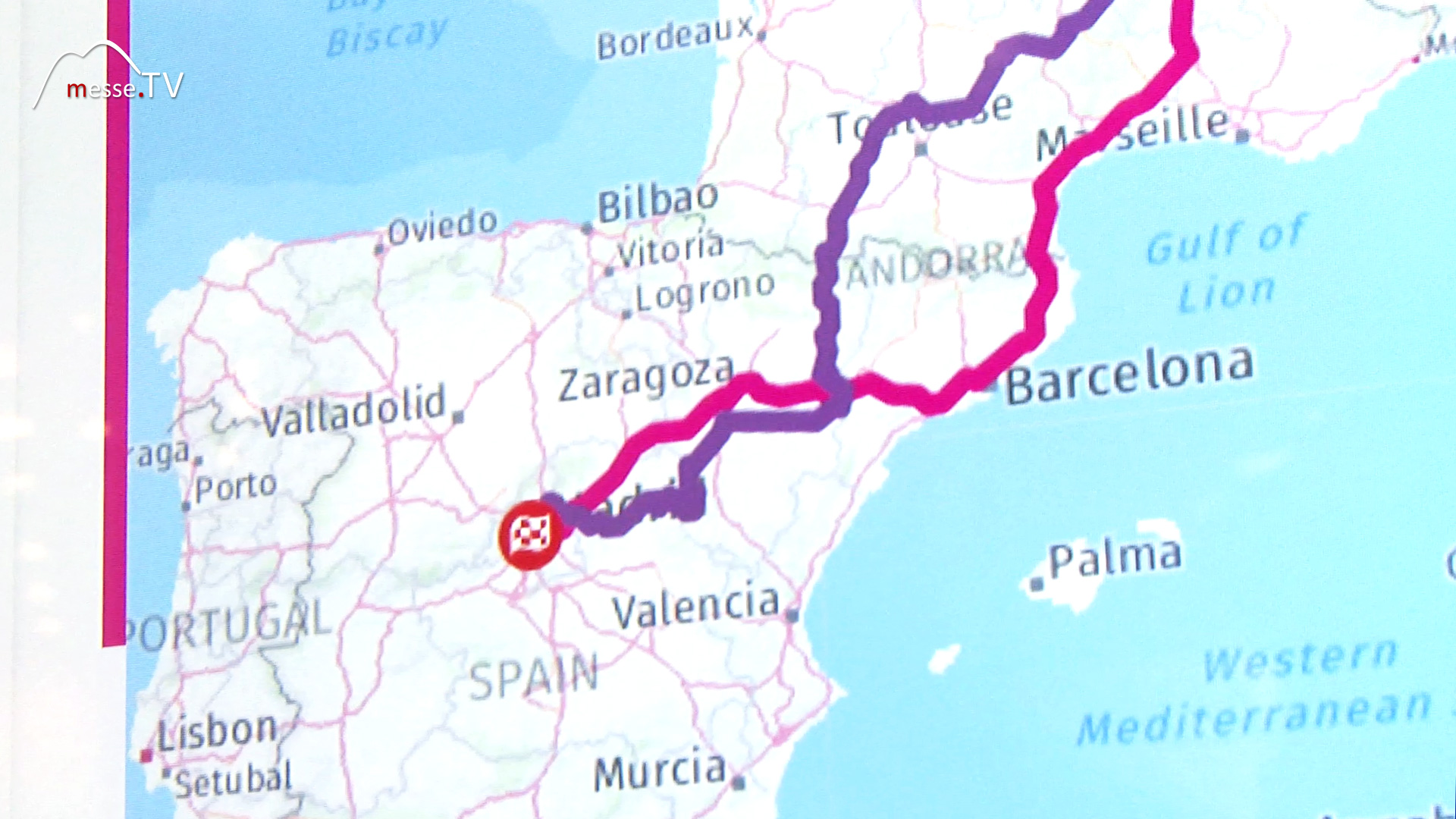
Mit Click & Ride stellt DB Netze eine neu entwickelte App vor, die genau an dieser Stelle ansetzt. Ziel ist es, den Zugang zur Schieneninfrastruktur deutlich zu vereinfachen und zu beschleunigen. Statt eines manuellen Prozesses, der sich über viele Stunden oder sogar Tage ziehen kann, soll die Trassenanfrage künftig digital und nahezu in Echtzeit erfolgen. Die Funktionsweise ist bewusst einfach gehalten. Nutzer geben mit wenigen Angaben die Eckdaten ihrer gewünschten Fahrt ein. Dazu zählen Start und Ziel, mögliche Zwischenpunkte sowie grundlegende technische Parameter des Zuges. Auf dieser Basis erstellt das System automatisch ein Trassenangebot. Was früher bis zu mehrere Tage dauerte, soll nun in wenigen Minuten erledigt sein.
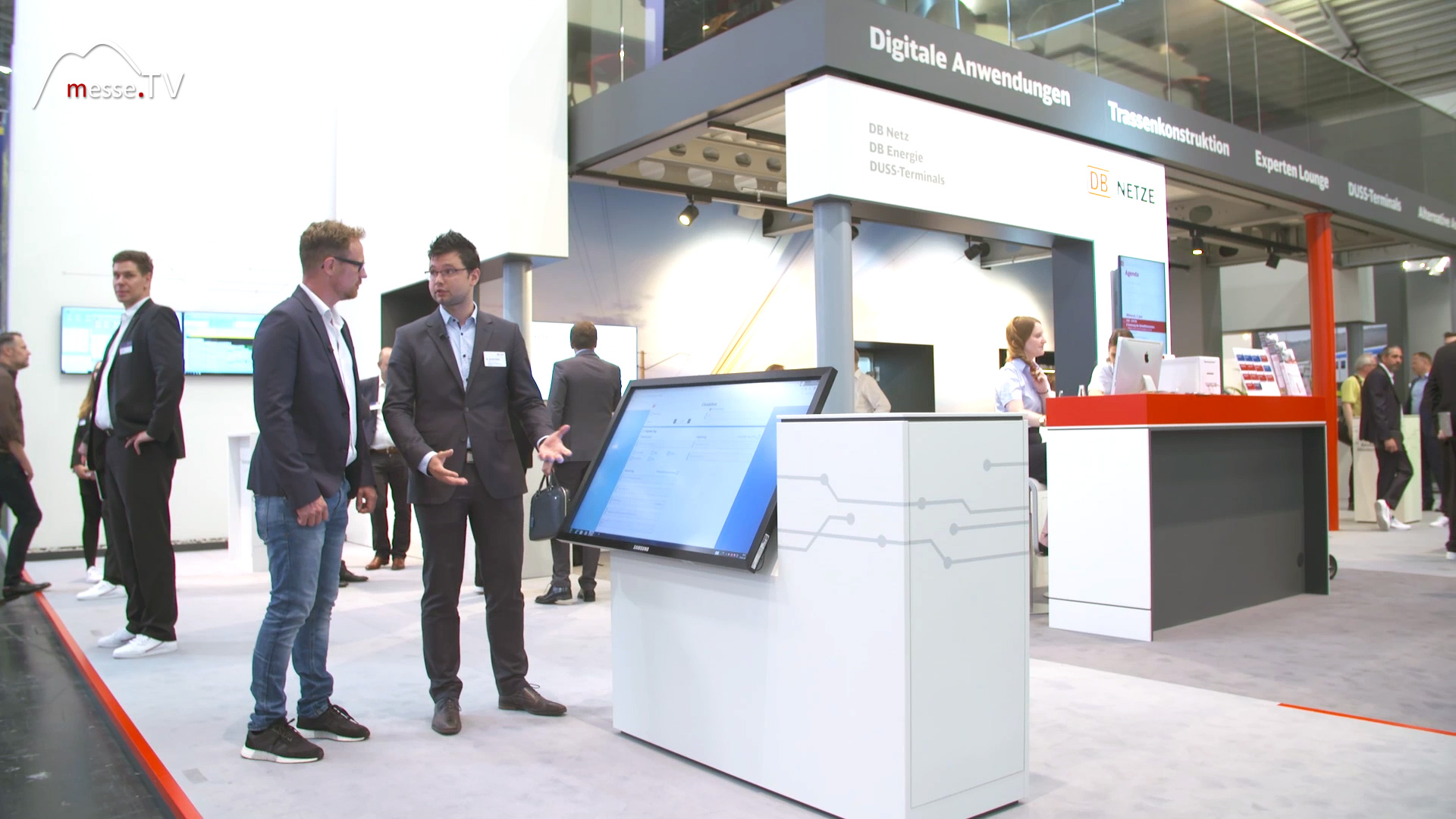
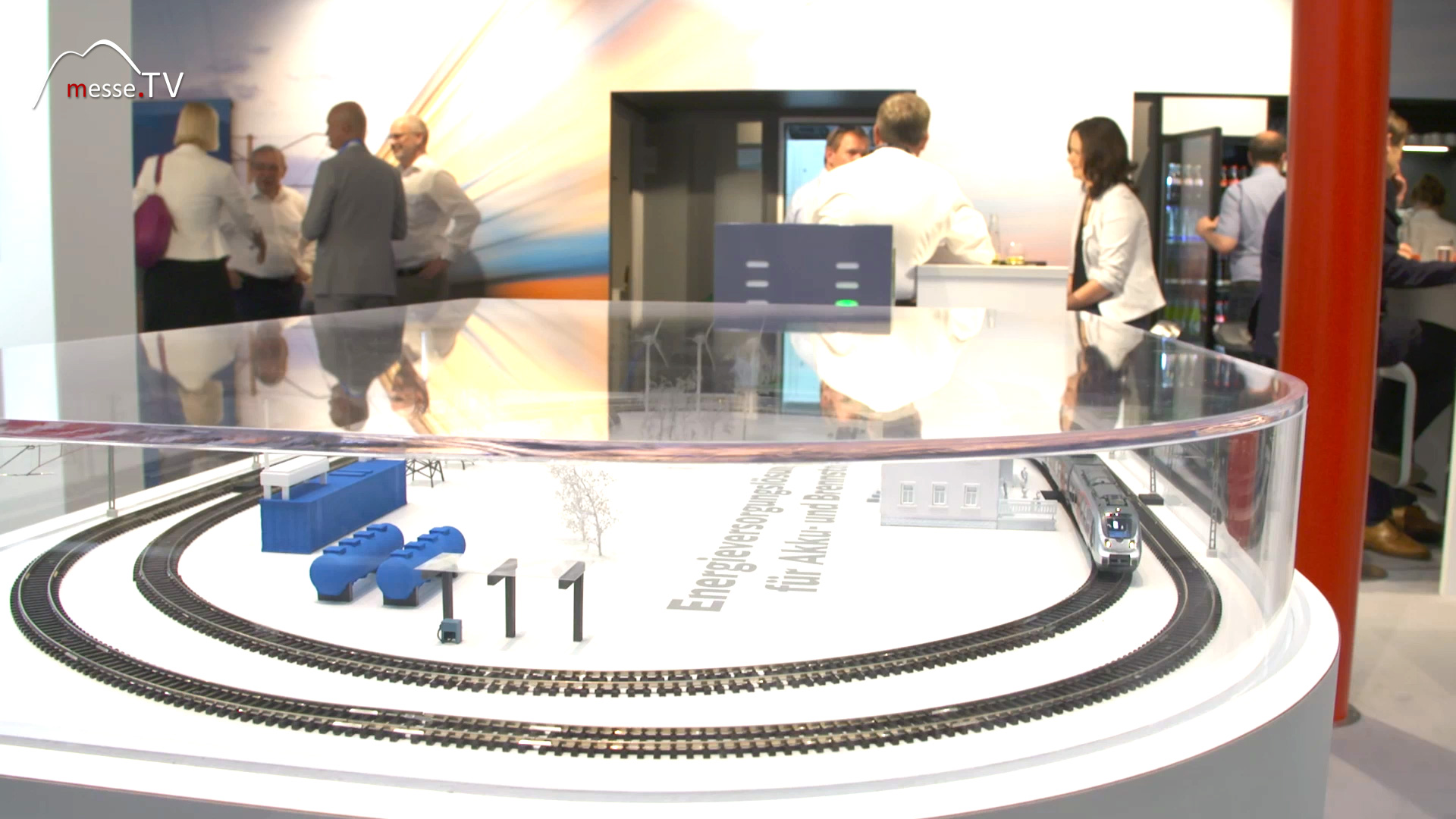
Vom manuellen Prozess zur digitalen Echtzeitentscheidung
Der entscheidende Mehrwert liegt nicht nur in der Geschwindigkeit, sondern in der Standardisierung. Digitale Prozesse reduzieren Fehlerquellen, sorgen für einheitliche Abläufe und entlasten die beteiligten Stellen. Für Verkehrsunternehmen bedeutet das mehr Planungssicherheit und eine deutlich höhere Reaktionsfähigkeit. Gleichzeitig verändert sich die Rolle der Infrastrukturbetreiber. Statt Anfragen einzeln zu prüfen, tritt die Steuerung der Systeme in den Vordergrund. Die Qualität der hinterlegten Daten und Algorithmen wird zum zentralen Faktor. Digitale Trassenbuchung ist damit mehr als ein neues Werkzeug, sie steht für einen grundlegenden Wandel im Umgang mit Infrastrukturkapazitäten.
Auswirkungen auf Wettbewerbsfähigkeit und Planung
Schnelle Trassenangebote sind nicht nur ein Komfortgewinn. Sie haben direkte Auswirkungen auf die Wettbewerbsfähigkeit der Schiene. Wenn Verkehrsunternehmen kurzfristig planen können, lassen sich Verkehre besser an Nachfrage und Auslastung anpassen. Das stärkt insbesondere den Güterverkehr, der im Wettbewerb mit der Straße steht. Für kleinere Anbieter senkt eine solche Lösung zudem die Einstiegshürden. Komplexe Antragsverfahren wirken oft abschreckend. Eine App, die klare Strukturen bietet und schnell Ergebnisse liefert, macht den Zugang zur Infrastruktur transparenter und kalkulierbarer.
- Deutlich verkürzte Bearbeitungszeiten bei Trassenanfragen
- Weniger manueller Aufwand für Verkehrsunternehmen
- Höhere Planungssicherheit durch schnelle Rückmeldungen
- Bessere Auslastung der vorhandenen Infrastruktur


Digitalisierung als Hebel für die Schiene
Click & Ride steht exemplarisch für einen breiteren Trend. Die Digitalisierung der Schieneninfrastruktur zielt nicht nur auf Technik im Gleis, sondern zunehmend auf administrative Prozesse. Wo früher Papier, E-Mail und manuelle Prüfungen dominierten, übernehmen heute datenbasierte Systeme. DB Netze zeigt damit, dass Innovation im Infrastrukturbereich nicht zwangsläufig sichtbar sein muss, um Wirkung zu entfalten. Eine App im Hintergrund kann ebenso entscheidend sein wie neue Bauprojekte. Der Zugang zur Schiene wird einfacher, schneller und planbarer. Für eine Branche, die auf Zuverlässigkeit angewiesen ist, ist das ein wesentlicher Schritt nach vorn.


















Messe-Berichterstattung bundesweit - Messewissen, Termine & Veranstaltungen


