Trade fairs in Switzerland – industry diversity in a small space

In terms of area, Switzerland is one of the smaller trade fair nations in Europe, but it has a remarkable density of specialised event formats. The clear content profiling of the locations is striking: instead of focusing purely on size, many trade fair venues concentrate on thematic focal points and close links to regional economic clusters. The result is a trade fair calendar that ranges from globally relevant leading formats to highly specialised trade events.
Basel
- Art Basel – Contemporary art
- BioTechX – Biotechnology, genomics
- Festival of Biologics – Biopharma, antibodies
- Future Labs Live – Laboratory technology, digitalisation
- Swissbau – Construction Industry, Architecture
Bern
- BEA – Public Exhibition, Agriculture
- BLE.CH – Sheet Metal Working, Metal Technology
- Bern Holiday Exhibition – Travel, Tourism
- INNOTEQ – manufacturing technology, mechanical engineering
- ORNARIS – consumer goods, design
- SINDEX – automation, industry
- Suisse Caravan Salon – caravanning, recreational vehicles
- Suisse Public – municipal technology, infrastructure
- Swiss Cyber Security Days – Cyber Security, IT
- swiss interior expo – Interior Design, Design
Genf
- artgenève – Modern Art
- EBACE – Business Aviation, Aviation
- EPHJ-EPMT-SMT – Precision engineering, micro-industry
- INDEX – Nonwovens
- Novel Nicotine Expo – Nicotine products, e-cigarettes
- Salon du Livre et de la Presse de Genève – Book fair, media
- Swiss Boat Show – Boats, water sports
- Vitafoods Europe – Nutritional supplements, ingredients
- Watches and Wonders – Watches, luxury goods
Martigny
- Agrovina – Viticulture, oenology
Moutier
- SIAMS – Microtechnology, precision manufacturing
Zürich
- all about automation – industrial automation, robotics
- AQUA Suisse – water management, environmental technology
- FESPO and Golf Fair – travel, golf
- Finanz – Financial services, asset management
- Giardina – gardening, outdoor activities
- IFAS – Healthcare, medical technology
- ineltec – Building technology, electrical engineering
- Logistics & Automation – Intralogistics, supply chain
- maintenance Schweiz – Maintenance, industry
- PUMPS & VALVES – Pump technology, valves
- Swiss Corporate Fashion – Workwear, textiles
- United Property Expo – Real estate, investment
- ZURICH POP CON & Game Show – Pop culture, gaming
The Swiss market is characterised by its strong internationality. Thanks to its location in the heart of Europe, its multilingualism and its proximity to Germany, France and Italy, many events act as a bridge between different markets. At the same time, numerous formats are closely linked to local industries – such as life sciences in Basel, international diplomacy and luxury goods in Geneva, and mechanical engineering and precision technology in the Jura region.
Exhibition venues in Switzerland

Regional focus with international reach
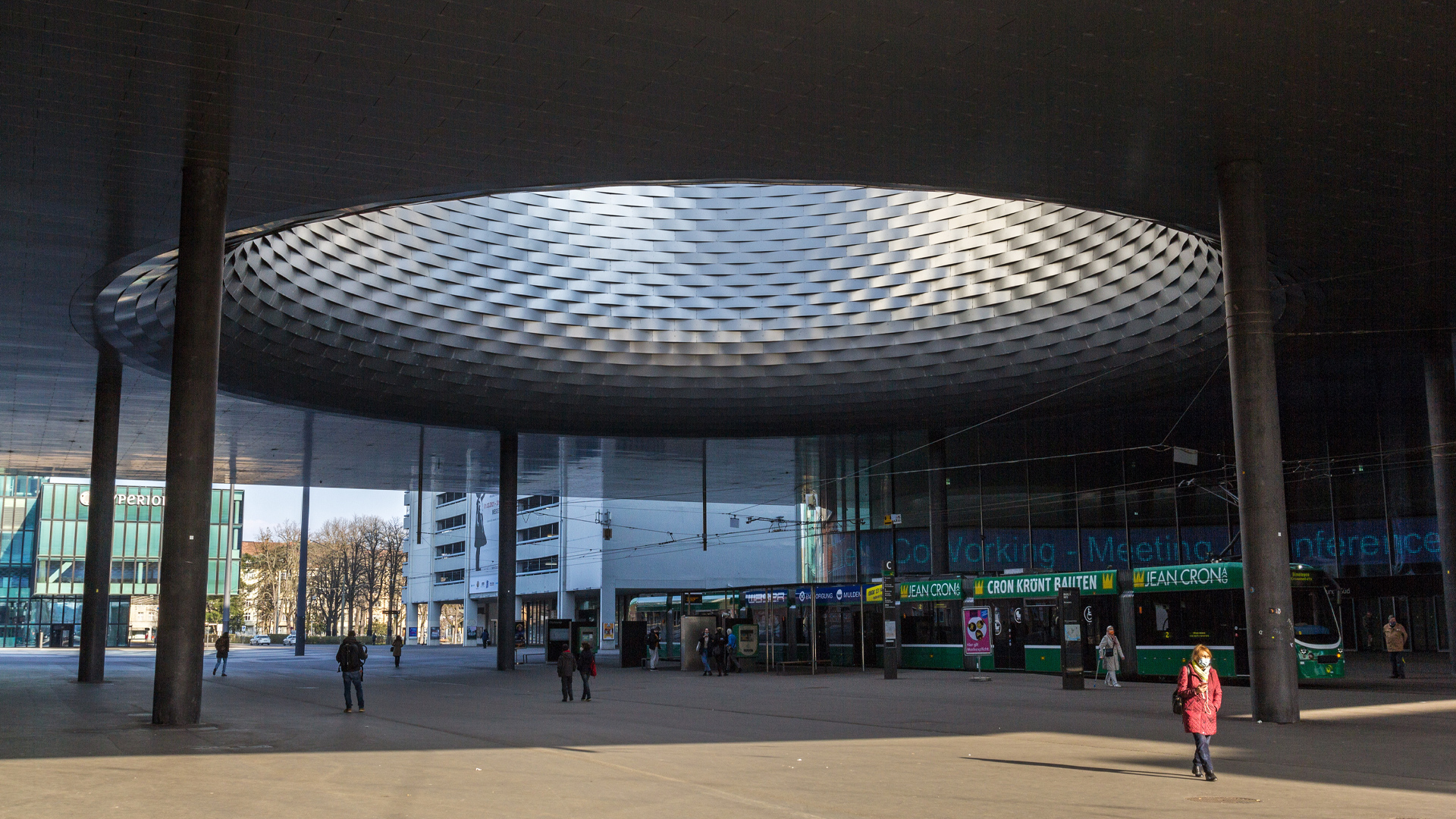
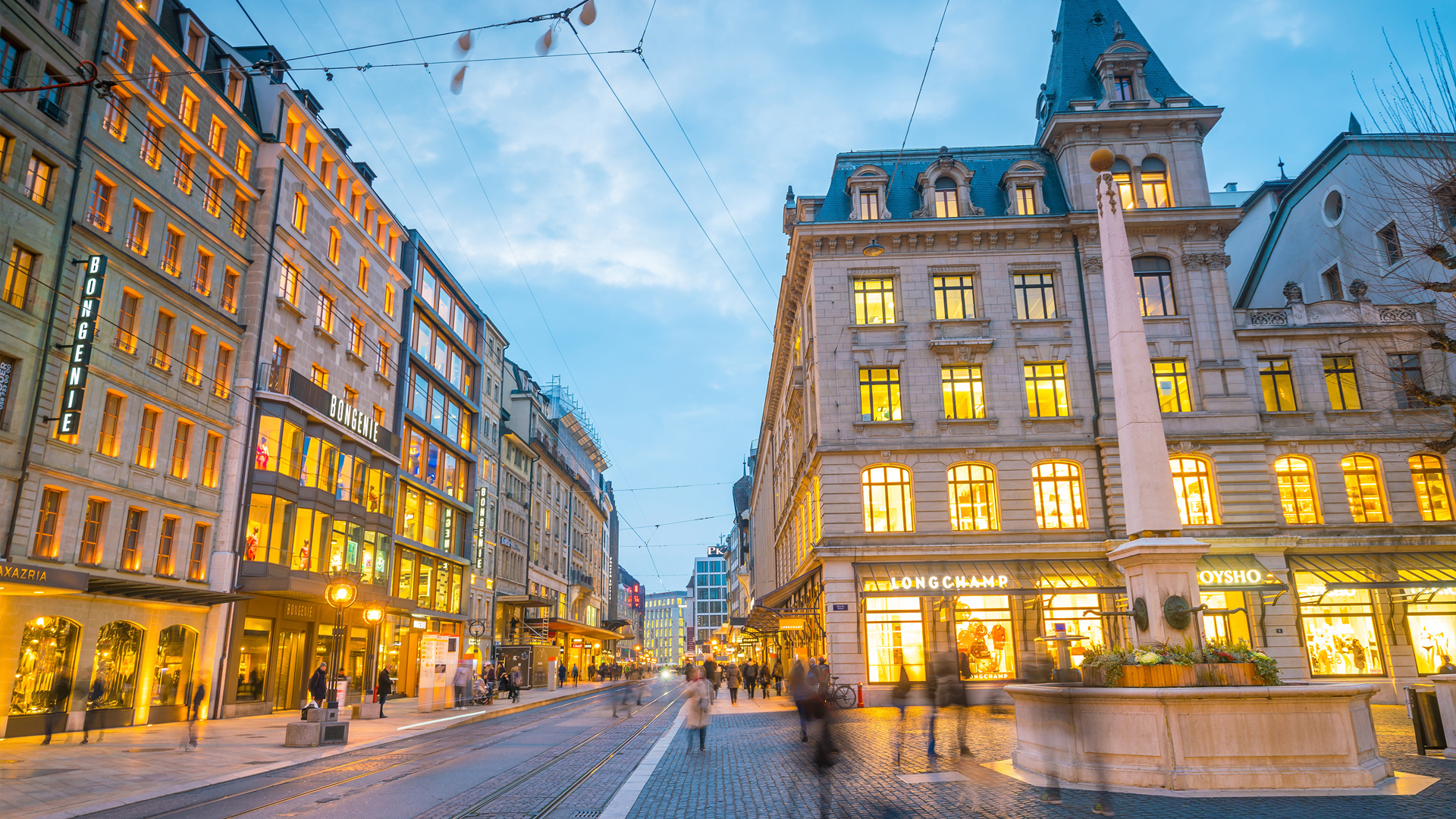
Basel stands for art, architecture and life sciences. With events such as Art Basel and Swissbau, the city combines international appeal with industrial expertise. Formats related to biotechnology and laboratory innovations also reflect the region's strong pharmaceutical character. Bern positions itself as a versatile location with public fairs such as BEA as well as industry-related trade formats such as INNOTEQ and SINDEX. The portfolio is complemented by industry-specific events in the fields of caravanning, security and interior design. Geneva has an international focus and is strong in the areas of luxury goods, aviation, nutrition and specialist conferences. Trade fairs such as EPHJ-EPMT-SMT, Vitafoods Europe and Watches and Wonders underline the city's importance for the precision industry, the watch industry and global trade networks. Other specialised locations complete the picture:
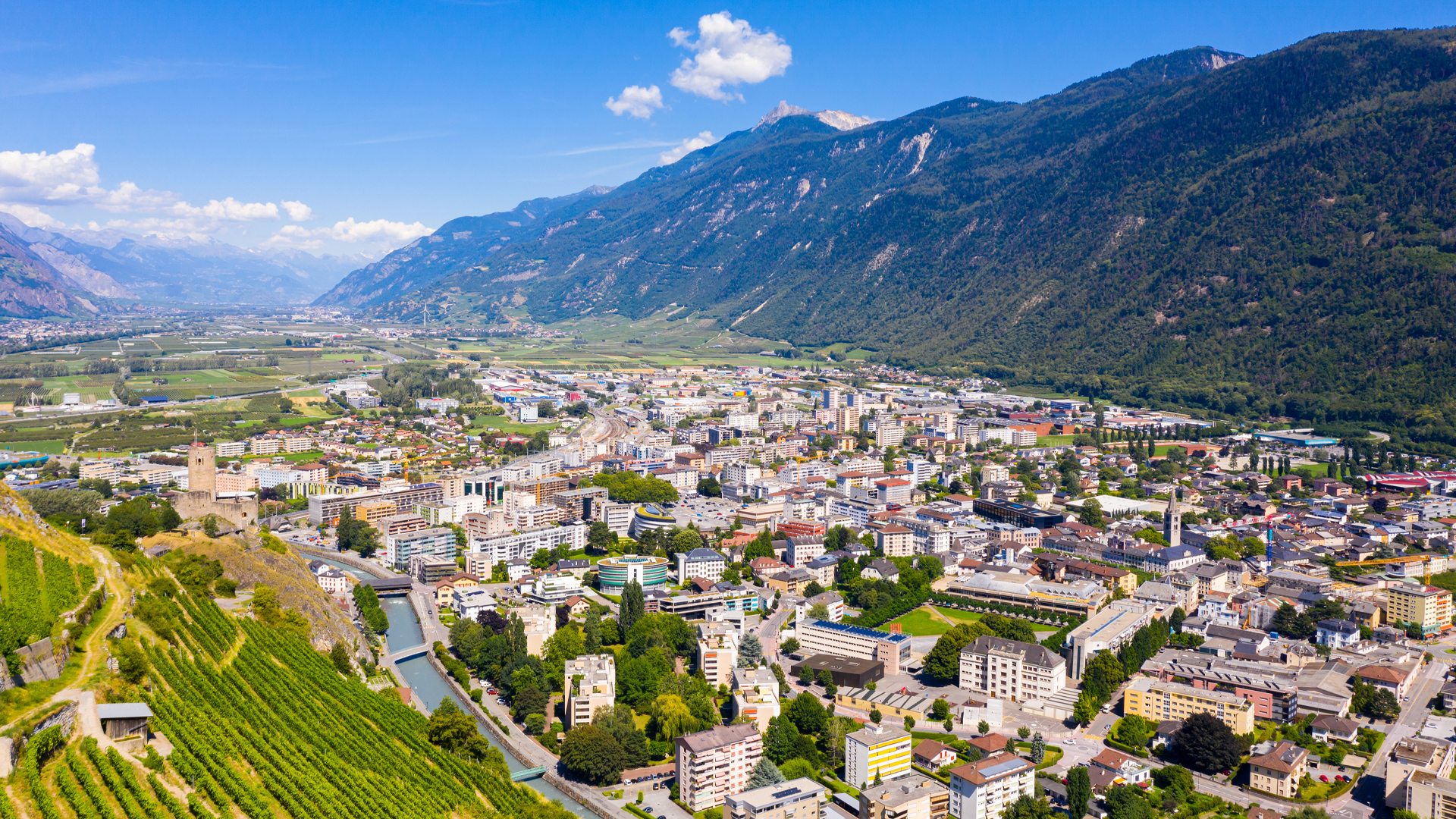
- Martigny with Agrovina as a platform for viticulture and oenology
- Moutier with SIAMS as a meeting place for the precision industry
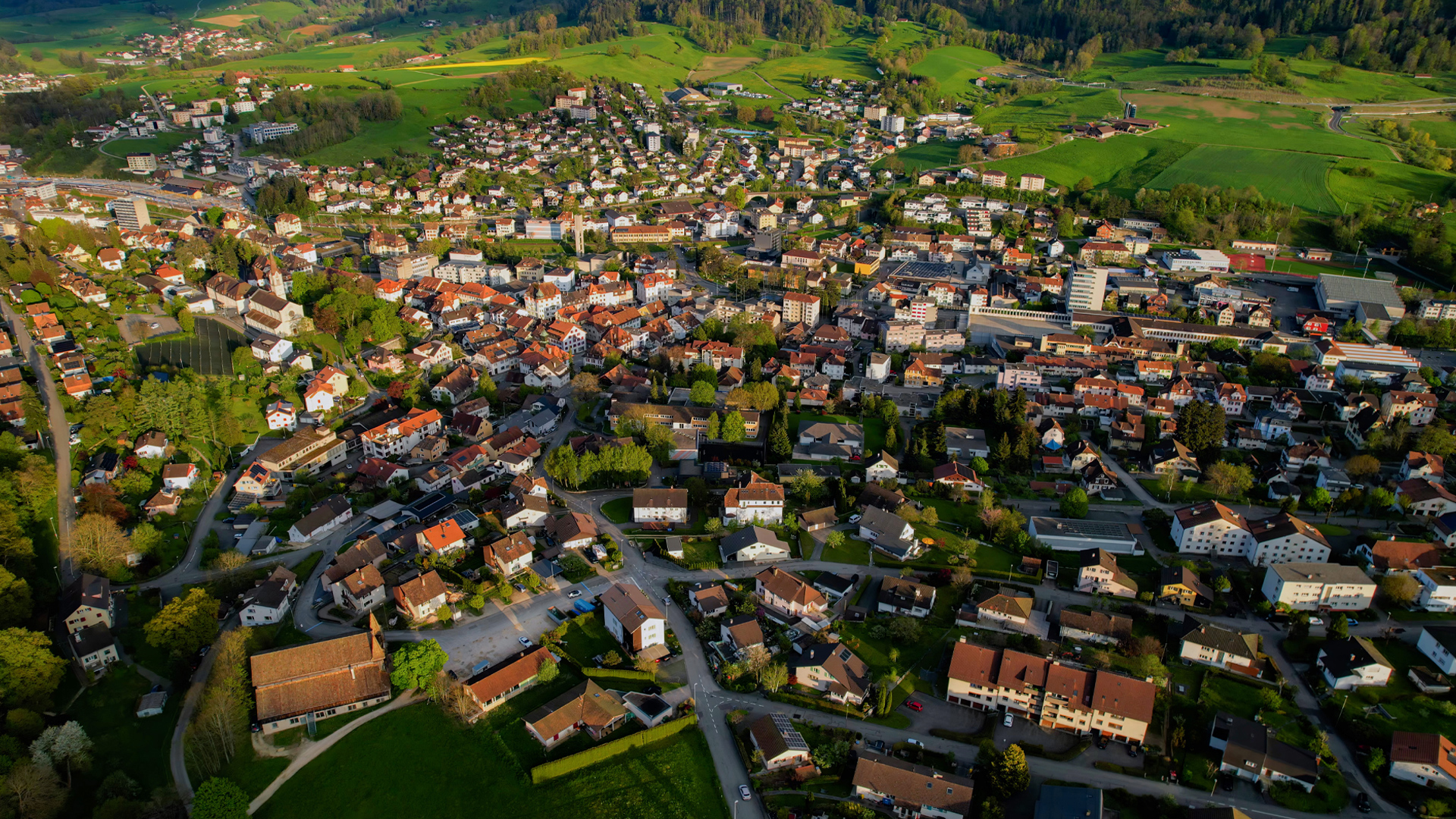
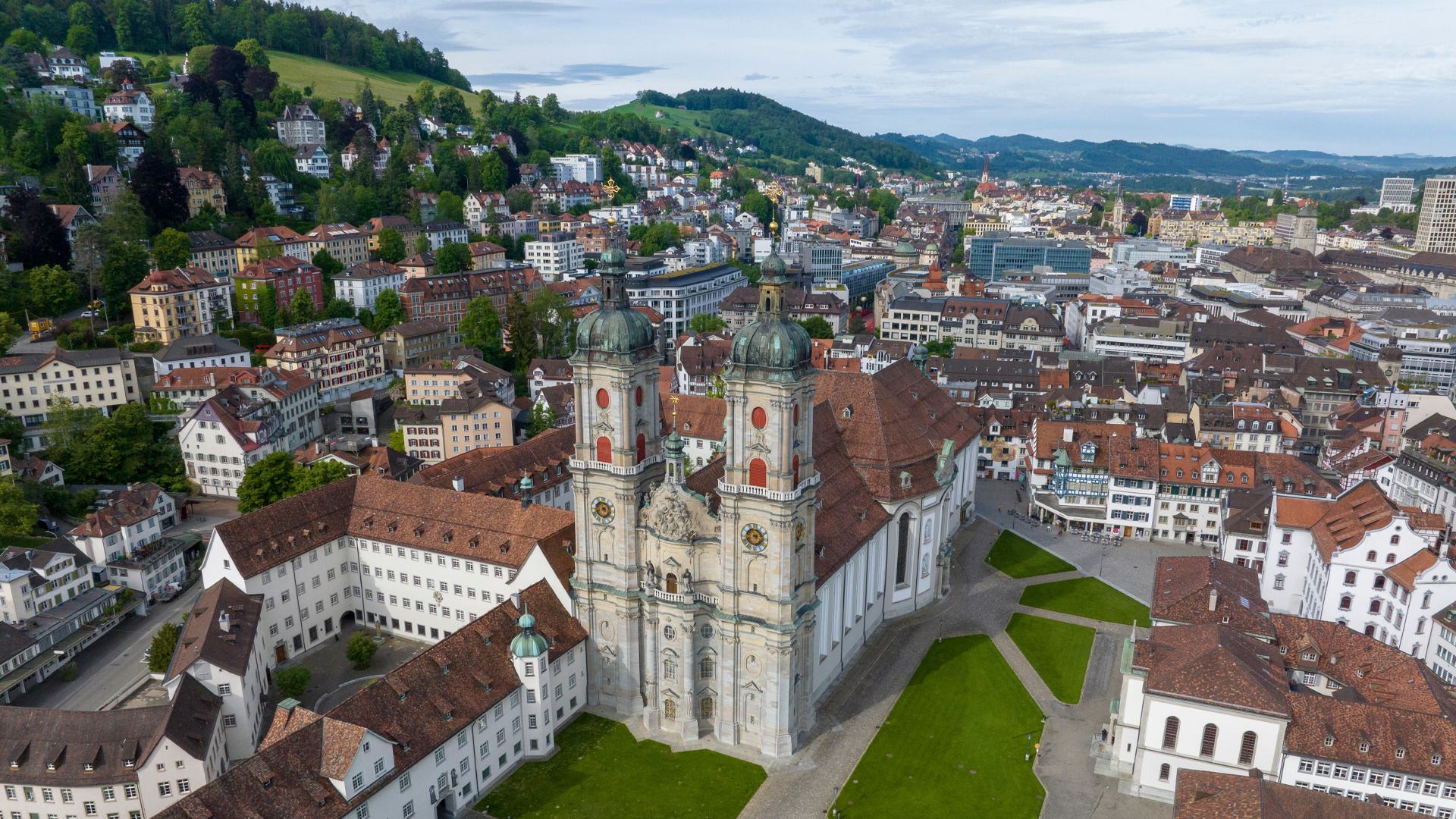
- St. Gallen with OLMA and Tier&Technik as centres of excellence for agriculture
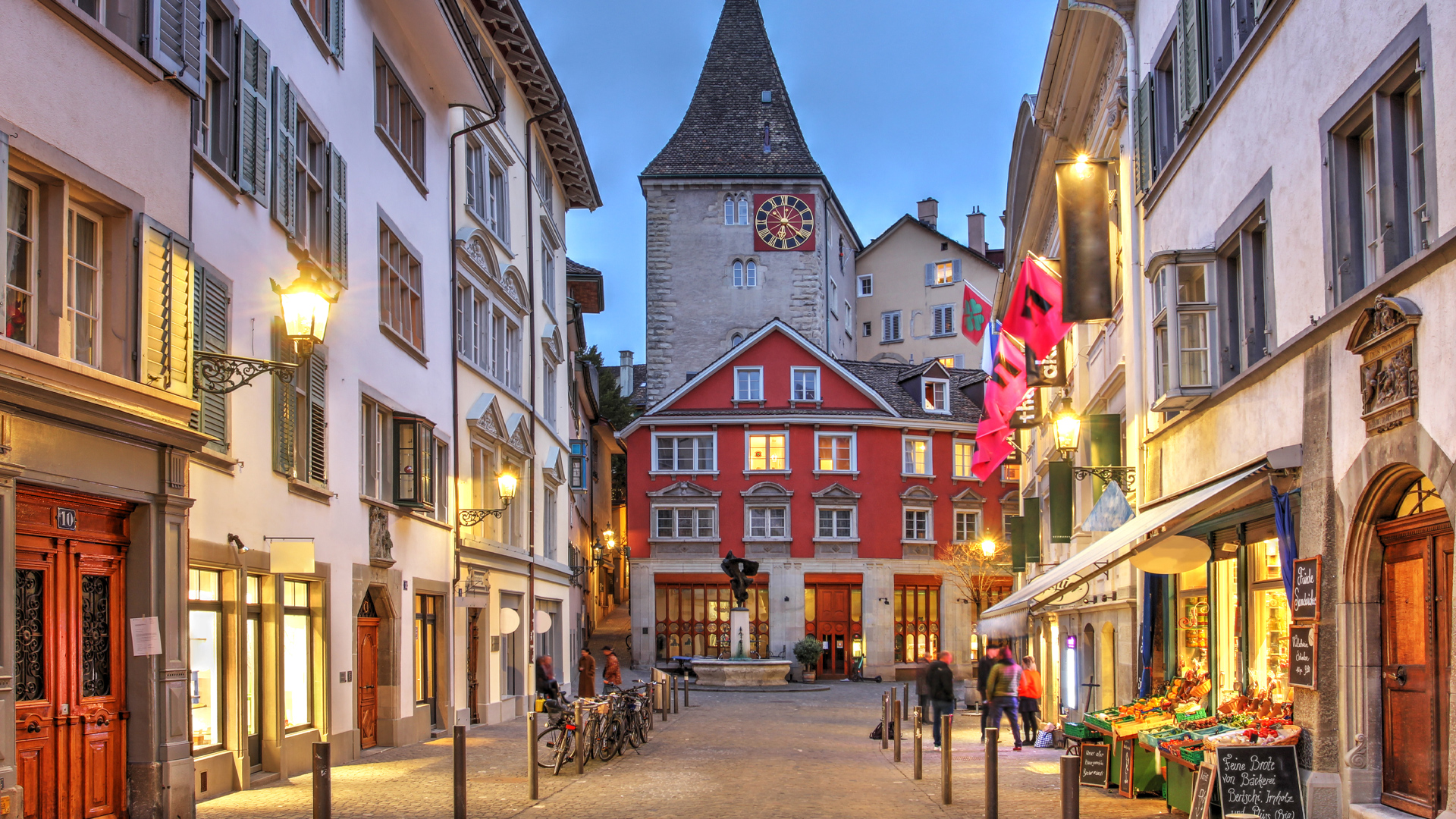
- Zurich with technology and industry-related formats such as AQUA Suisse, IFAS and Logistics & Automation
Trade fairs between industry, technology and consumption
A key feature of the Swiss trade fair landscape is its strong focus on trade visitors. Many events are clearly B2B-oriented and serve as investment and innovation platforms. Industry and technology fairs play an important role, particularly in the fields of mechanical engineering, automation, medical technology, environmental technology and digitalisation. At the same time, there are established public fairs aimed at end consumers – for example, in the areas of travel, gardening, home living and pop culture. These formats generate high visitor numbers and strengthen regional value creation through gastronomy, the hotel industry and retail. Typical industry segments at a glance:
- Life sciences and biotechnology
- Mechanical engineering and precision technology
- Watches, luxury goods and design
- Agriculture and food production
- Automation, logistics and Industry 4.0
- Travel, leisure and consumer goods
Economic significance and location factors
Trade fairs in Switzerland fulfil an important function for the national economy. They serve as a platform for export orientation, innovation presentation and international business development. They are a key channel for market development, especially for small and medium-sized enterprises. Several location factors favour this role:
- Central location in Europe with short distances to important markets
- Multilingualism as an advantage for international visitors
- High level of industry expertise in specialised clusters
- Political stability and reliable infrastructure
Structure instead of size
In international comparison, Switzerland is not dominated by gigantic surface areas, but by thematic clarity and functional infrastructure. Many exhibition centres are compactly organised, integrated into the urban environment and well connected to transport networks. Airports, rail networks and motorways enable efficient travel, while hotels and service providers are located in the immediate vicinity. This structure creates planning security for organisers and exhibitors. Instead of spectacular expansion projects, the focus is on continuous modernisation. Technical equipment, digital services and hybrid event formats are becoming increasingly important.
Conclusion: Specialised exhibition venues with European relevance
The Swiss exhibition landscape is characterised by specialisation, internationality and economic proximity. From globally renowned art and watch fairs to leading industrial formats and regional public events, a multi-layered offering is created that appeals to different target groups. Instead of focusing purely on size, the venues concentrate on industry expertise and stable event cycles. This strategy makes trade fairs in Switzerland reliable platforms for innovation, trade and exchange – regionally anchored and at the same time internationally oriented.
Trade fair reporting Germany - Trade fair knowledge, dates & events


