Trade fairs in Austria – a specialised trade fair location in the heart of Europe
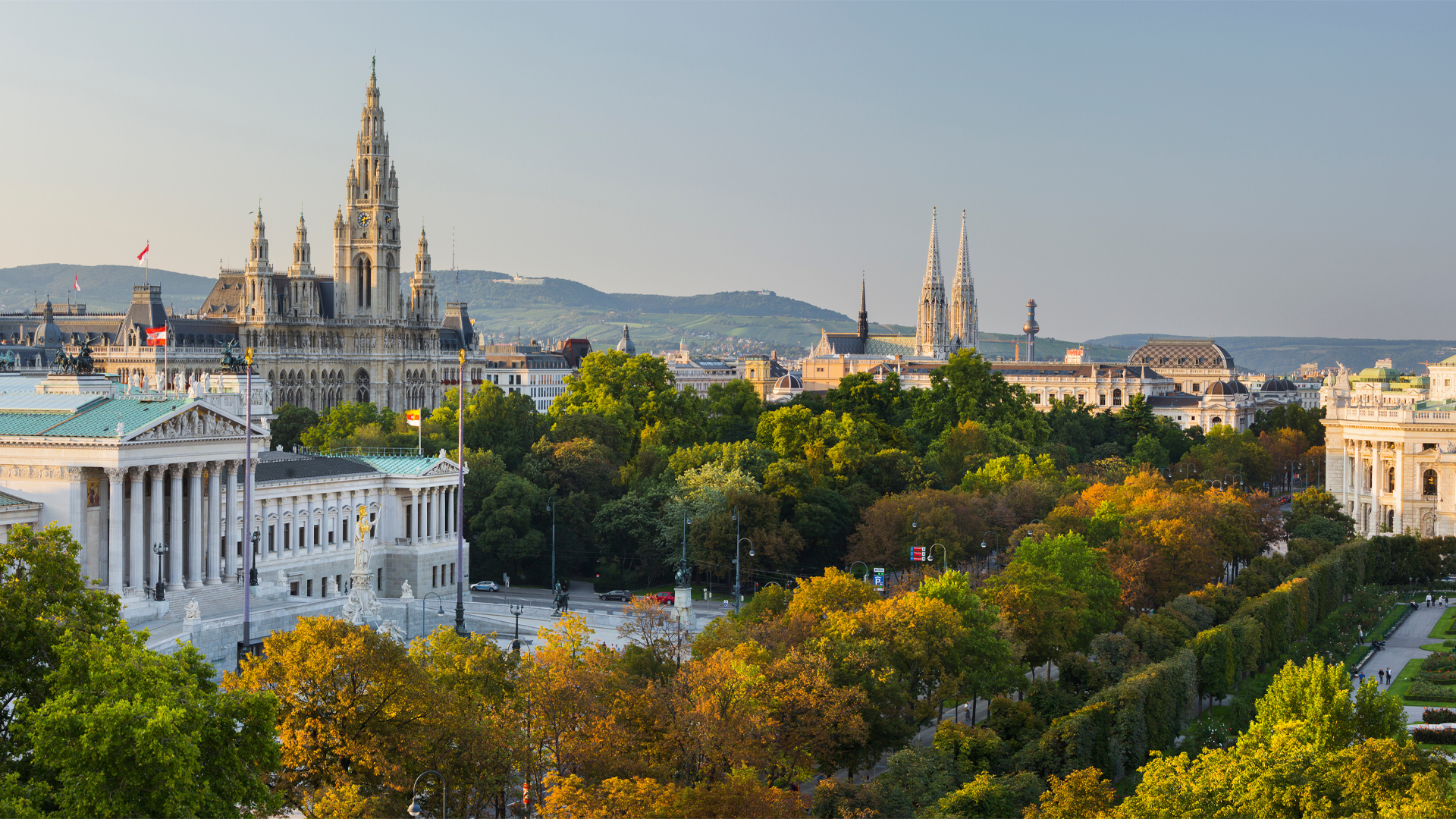
Austria has a diverse trade fair landscape that is defined less by sheer size than by thematic specialisation. Unlike classic world-leading trade fair locations with a strong global focus, Austrian trade fair venues are usually clearly positioned within specific industries. This structure allows for close integration between regional economic power, national market presence and international expertise.
Innsbruck
- Agro Alpin: Trade fair for agriculture and forestry
- ARTfair Innsbruck: Public fair for contemporary art
- Innsbruck Autumn Fair: Consumer fair for living and lifestyle
- Interalpin: World's leading trade fair for alpine technologies
Ried
- Ried Sports Fair: consumer fair for sports, fitness and exercise
- Rieder Messe: leading trade fair for agriculture, autumn fair and folk festival
Salzburg
- Alles für den Gast: leading trade fair for gastronomy and the hotel industry
- AutoZum: Trade fair for car repair shop and petrol station equipment
- Kommunalmesse: Leading trade fair for local politics and infrastructure
- Mobility Forum Salzburg: Trade conference for transport and mobility
- Renexpo: Trade fair for renewable energies
Tulln
- Adventure Allrad: Consumer fair for off-road, camping and long-distance travel
- Austro Agrar: Leading trade fair for agricultural technology, seeds and stable technology
- Boot Tulln: Trade and consumer fair for boats and water sports
- Int. Gartenbaumesse: Consumer fair for horticulture, floristry and flower shows
- Pool + Garden: Consumer fair for garden living, pools and wellness
Wels
- all about automation: Trade fair for industrial automation and robotics
- Agraria: Leading trade fair for agriculture and forestry
- Austria Comic Con: Consumer fair for pop culture and entertainment
- Blühendes Österreich: Consumer fair for gardening and holidays
- Caravan Salon Austria: Leading trade fair for camping and caravanning
- Intertool Austria: Trade fair for modern manufacturing technology
- Pferd Wels: Trade and consumer fair for equestrian sports
- Schweissen Wels: Trade fair for joining and cutting technology
Vienna:
- Buch Wien: Consumer fair for literature, authors and publishers
- ECR European Congress of Radiology: Leading congress for radiology and medical technology
- Ferien-Messe Wien: Consumer fair for tourism, travel and leisure
- High End Vienna: Trade and consumer fair for high-quality audio technology
- KOK Austria: Trade fair for tiled stove construction and residential ceramics
- SMART Automation Austria: Trade fair for industrial automation technology
- Viennacontemporary: Public fair for international contemporary art
- WID Vienna International Dental Exhibition: Trade fair for dentistry and dental technology
- WIKAM International Art Fair: Public fair for art and antiques
- Wohnen & Interieur: Consumer fair for home trends, design and gardening
Its geographical location in the heart of Europe plays a central role in this. Austria acts as an interface between Western and Eastern Europe. Organisers benefit from stable infrastructure, high organisational quality and a distinctive trade fair culture. Trade fairs in the fields of industry, construction, energy, tourism, agriculture and culture in particular have established themselves as fixed components of the event calendar.
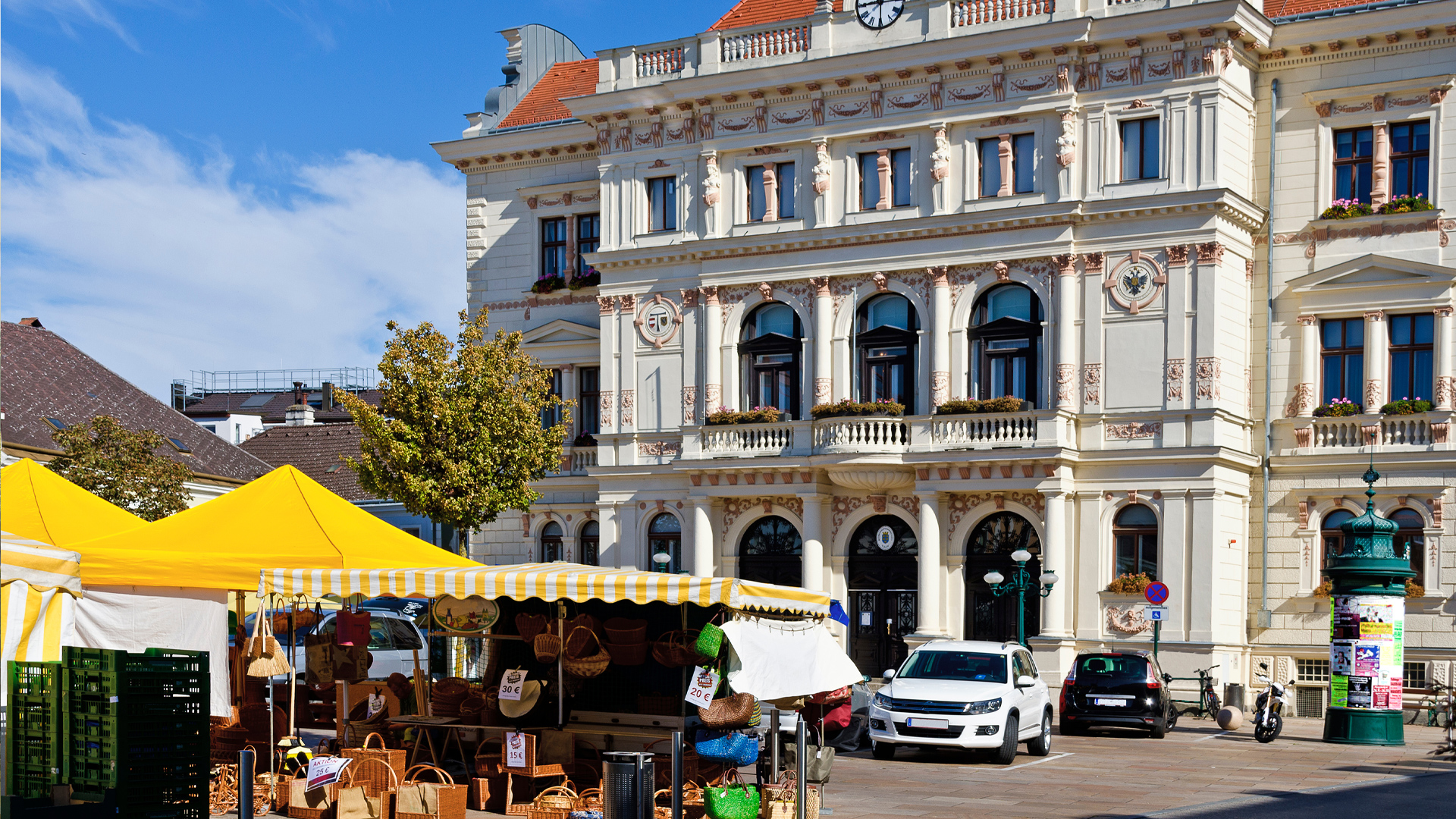
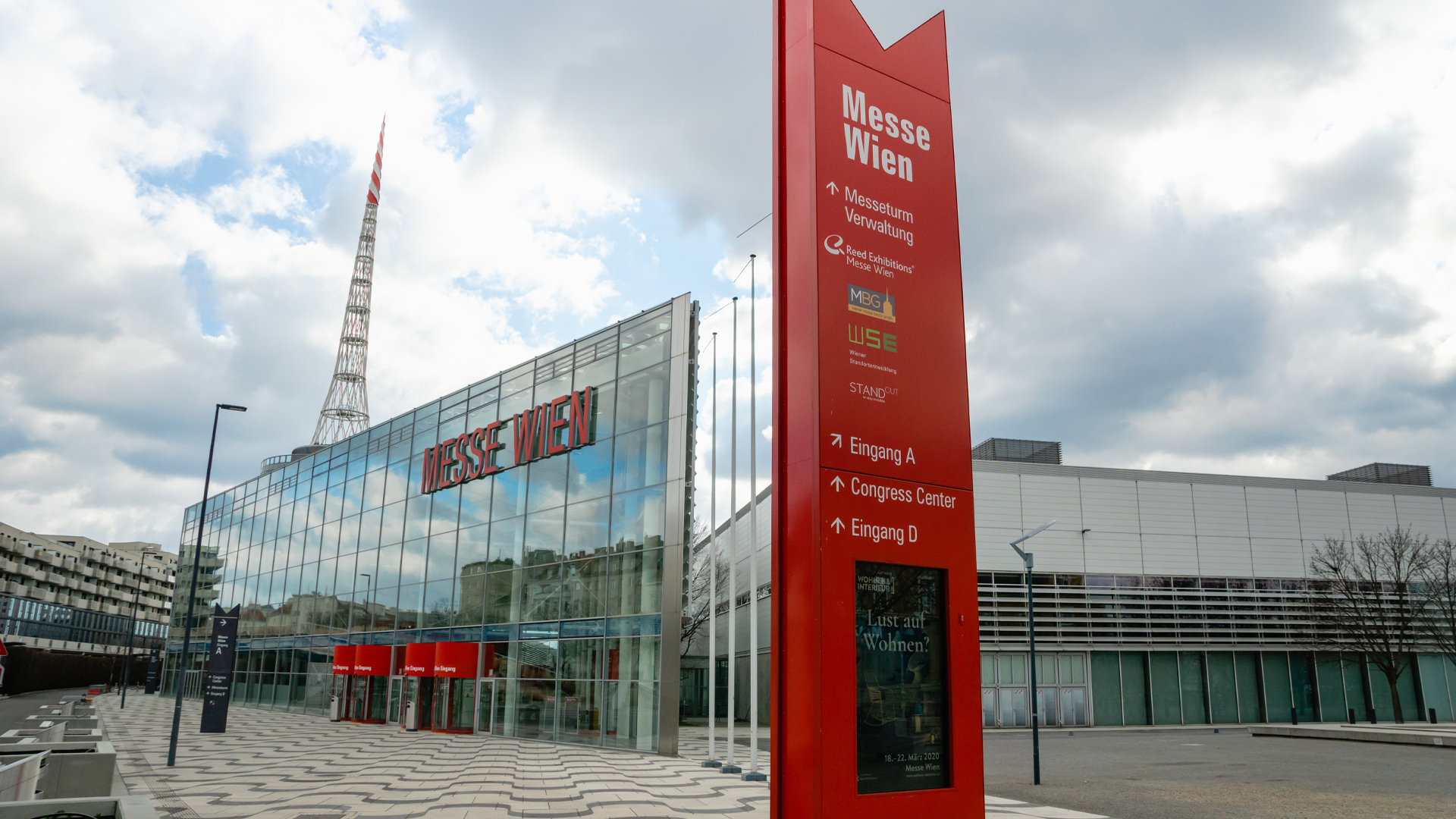
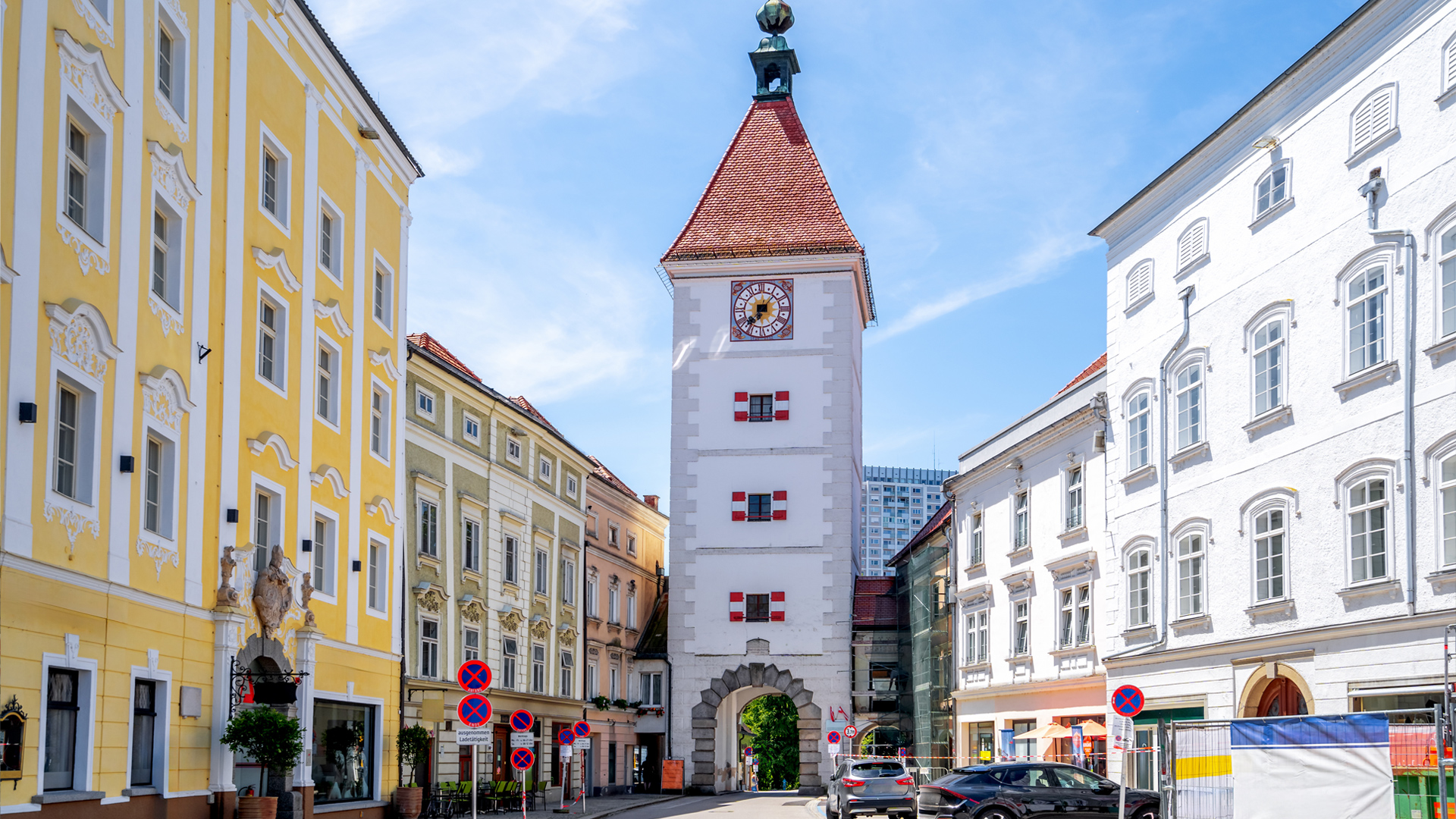
Trade fair venues in Austria
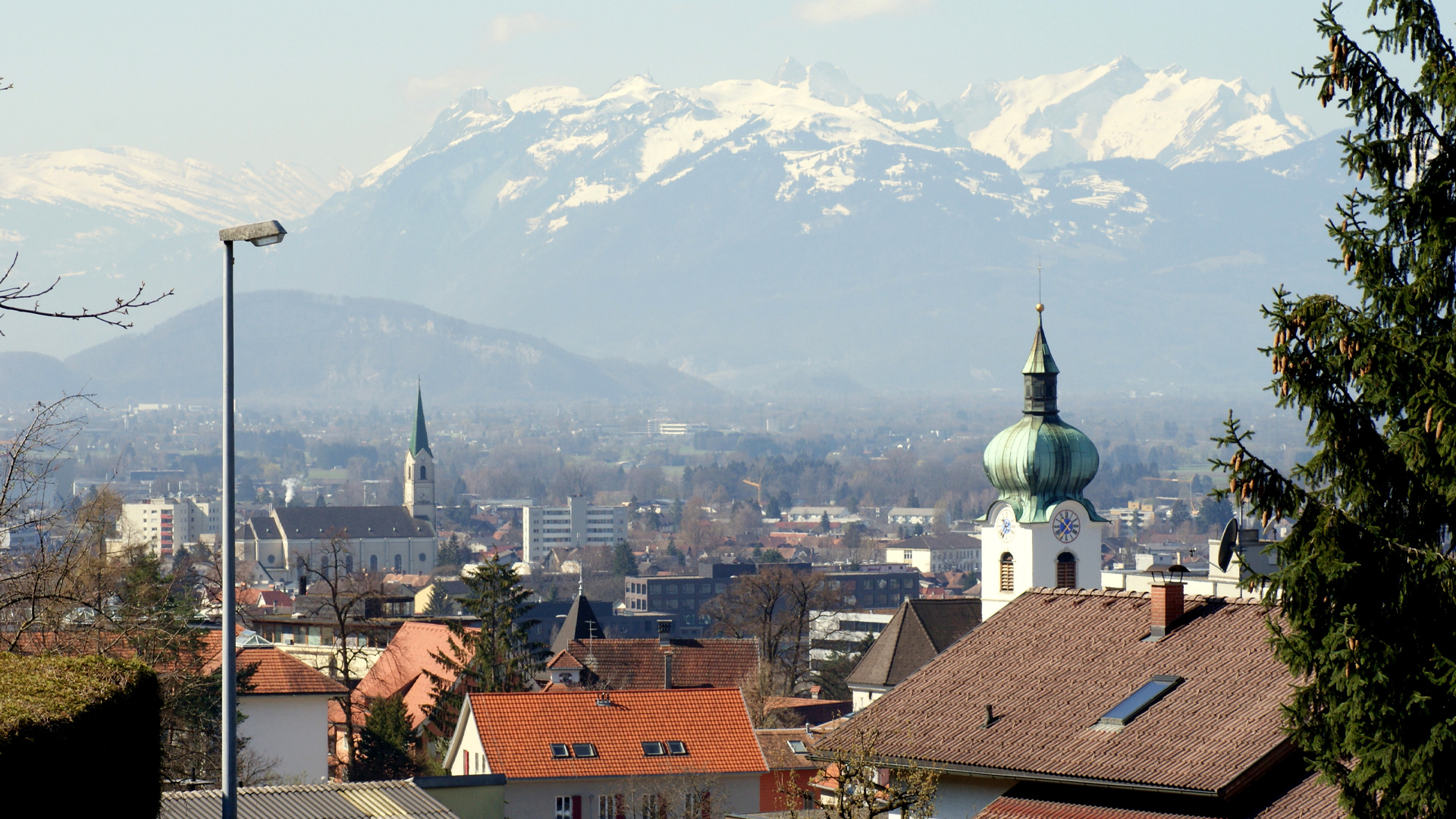
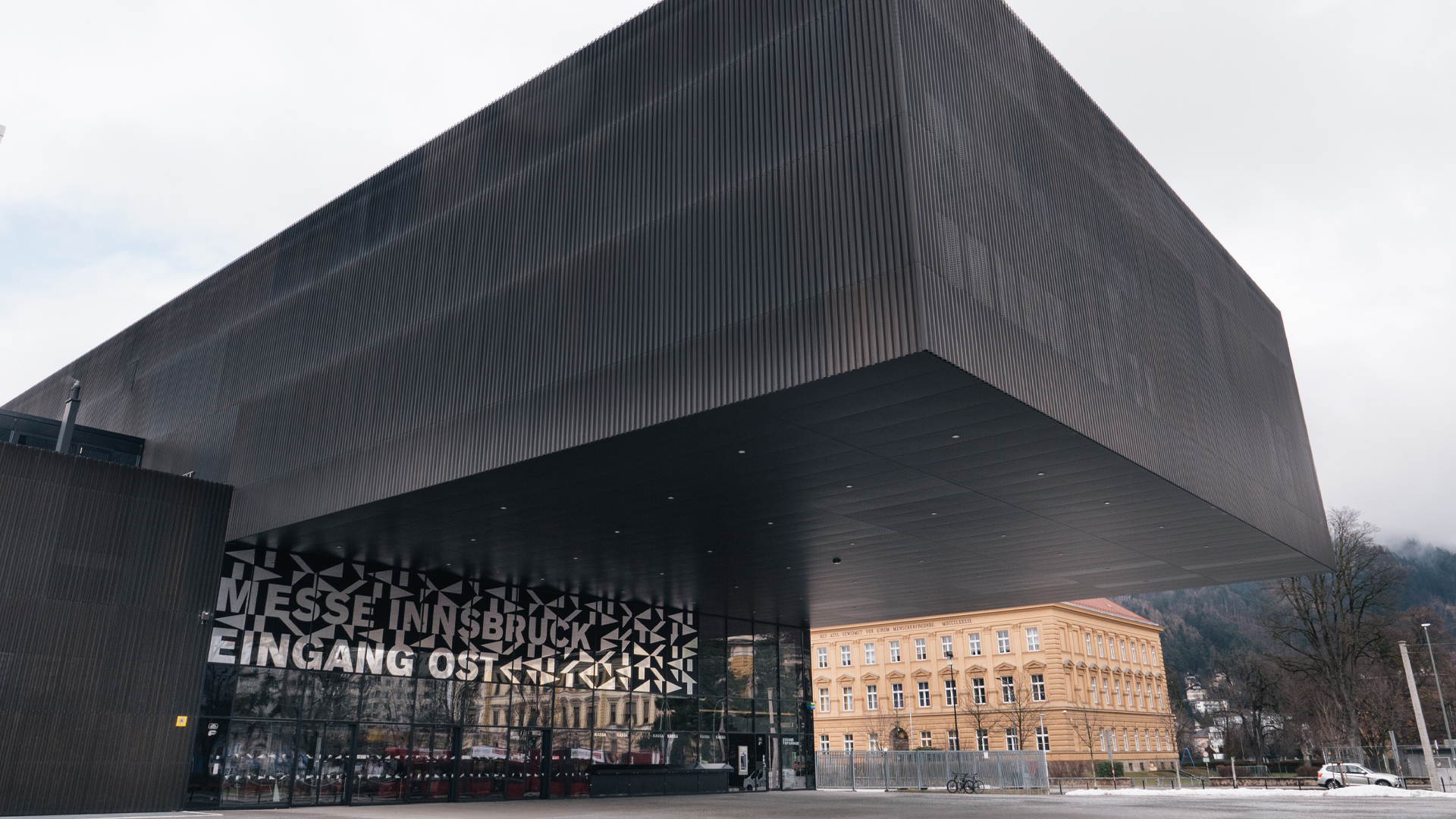

Trade fair dates 2026 in Austria
Current events - Trade fair calendar Austria 2026
- 14.01.-16.01.2026 KOK Austria
- 15.01.-18.01.2026 Ferien-Messe Wien
- 26.02.-01.03.2026 Boot Tulln
- 28.02.-08.03.2026 WIKAM Internationale Kunstmesse Wien
- 04.03.-08.03.2026 ECR European Congress of Radiology Wien
- 06.03.-08.03.2026 com:bau Dornbirn
- 11.03.-15.03.2026 Wohnen & Interieur Wien
- 19.03.-22.03.2026 Pool + Garten Tulln
- 19.03.-20.03.2026 Renexpo Salzburg
- 20.03.-22.03.2026 Sportmesse Ried
- 27.03.-29.03.2026 Blühendes Österreich Wels
- 09.04.-12.04.2026 Schau! Dornbirn
- 21.04.-24.04.2026 Intertool Austria Wels
- 21.04.-24.04.2026 Schweissen Wels
- 02.05.-03.05.2026 Austria Comic Con Wels
- 08.05.-09.05.2026 WID Wiener Internationale Dentalausstellung
- 14.05.-17.05.2026 Pferd Wels
- 20.05.-21.05.2026 all about automation Wels
- 04.06.-07.06.2026 High End Vienna
- 19.06.-21.06.2026 Adventure Allrad Tulln
- 03.09.-07.09.2026 Int. Gartenbaumesse Tulln
- 18.09.-20.09.2026 Viennacontemporary
- 01.10.-02.10.2026 Kommunalmesse Salzburg
- 07.10.-11.10.2026 Innsbrucker Herbstmesse
- 07.10.-08.10.2026 Mobility Forum Salzburg
- 14.10.-18.10.2026 Caravan Salon Austria Wels
- 16.10.-18.10.2026 Gustav Dornbirn
- 23.10.-25.10.2026 ARTfair Innsbruck
- 25.11-29.11.2026 Buch Wien
- 07.11.-10.11.2026 Alles für den Gast Salzburg
- 25.11.-28.11.2026 Agraria Wels
Trade fair dates 2027 in Austria
- 20.01.-23.01.2027 AutoZum Salzburg
- 20.04.-23.04.2027 Interalpin Innsbruck
- 11.05.-13.05.2027 SMART Automation Austria Wien
- 09.09.-12.09.2027 Rieder Messe
- 04.11.-07.11.2027 Agro Alpin Innsbruck
Trade fair dates 2028 in Austria
- 22.11.-25.11.2028 Austro Agrar Tulln
Decentralised structure instead of a dominant central location
In contrast to countries with one or two prominent trade fair venues, trade fair activities in Austria are spread across several cities. Vienna has an international focus, while locations such as Wels, Tulln, Salzburg and Innsbruck have developed industry-specific profiles. This structure offers advantages:
- Clear thematic focus for each region
- Strong regional economic ties
- High level of identification of local companies with ‘their’ trade fair venue
- Avoidance of direct competition between locations within the country
Industry, agriculture and technology as pillars
A significant part of the Austrian trade fair industry is dominated by industry. Upper Austria is considered the industrial heartland, which is reflected in trade fairs on automation, welding, machine tools and energy. At the same time, agriculture is also very important. Agricultural and horticultural fairs in Wels and Tulln are strongly investment-driven and aimed at a specialist audience with specific modernisation projects. Technology formats combine production, energy efficiency and digitalisation. They reflect the industrial structure of the country, in which mechanical engineering, metal processing and energy technology play a central role.
Public fairs with regional roots
In addition to trade fairs, public fairs are a stable part of the event calendar. Autumn fairs, leisure and lifestyle formats, and construction and housing fairs appeal to a wide audience. Typical features of these formats are:
- Combination of product presentation and direct sales
- Strong regional visitor structure
- Seasonal scheduling with high recognition factor
- Integration of supporting programmes and advice
Vienna as an international congress location
Vienna plays a special role. The federal capital is an international congress and association location with a high density of organisations, companies and research institutions. Medical, scientific and technological congresses shape its profile. The combination of exhibition halls and conference centres enables hybrid formats combining exhibitions and conferences. This structure distinguishes Vienna from more consumer-oriented locations.
Short distances and high predictability
One of Austria's structural advantages is its size. Distances between locations are manageable, transport links are well developed and international airports are within easy reach. For event organisers, this means:
- Predictable logistics
- Good accessibility for national visitors
- Stable framework conditions
- High level of organisational professionalism
Network of specialised locations
Overall, the trade fair industry in Austria is a network of specialised venues with a clear division of tasks. Industry, agriculture, tourism, culture and medicine vary in strength from region to region, but complement each other in the overall national picture. This structure creates professional depth, regional identification and economic relevance. It is the key difference to more centralised trade fair systems – and at the same time the strength of the Austrian model.
Trade fair reporting Germany - Trade fair knowledge, dates & events


