Innovations and videos on energy, environment and sustainability
Energy is becoming increasingly decentralized, renewable, and digitally controlled. The articles focus on developments in photovoltaics, heat pumps, storage systems, and modern heating technology – and show how supply and efficiency are changing in the building sector.
Technologies, solutions and projects for a sustainable energy future
Energy future: sector coupling and control technology
The energy transition will not be decided solely by the expansion of renewable generation. Only when electricity, heat, mobility, and industrial processes are intelligently linked ... Energy transition: modern sector coupling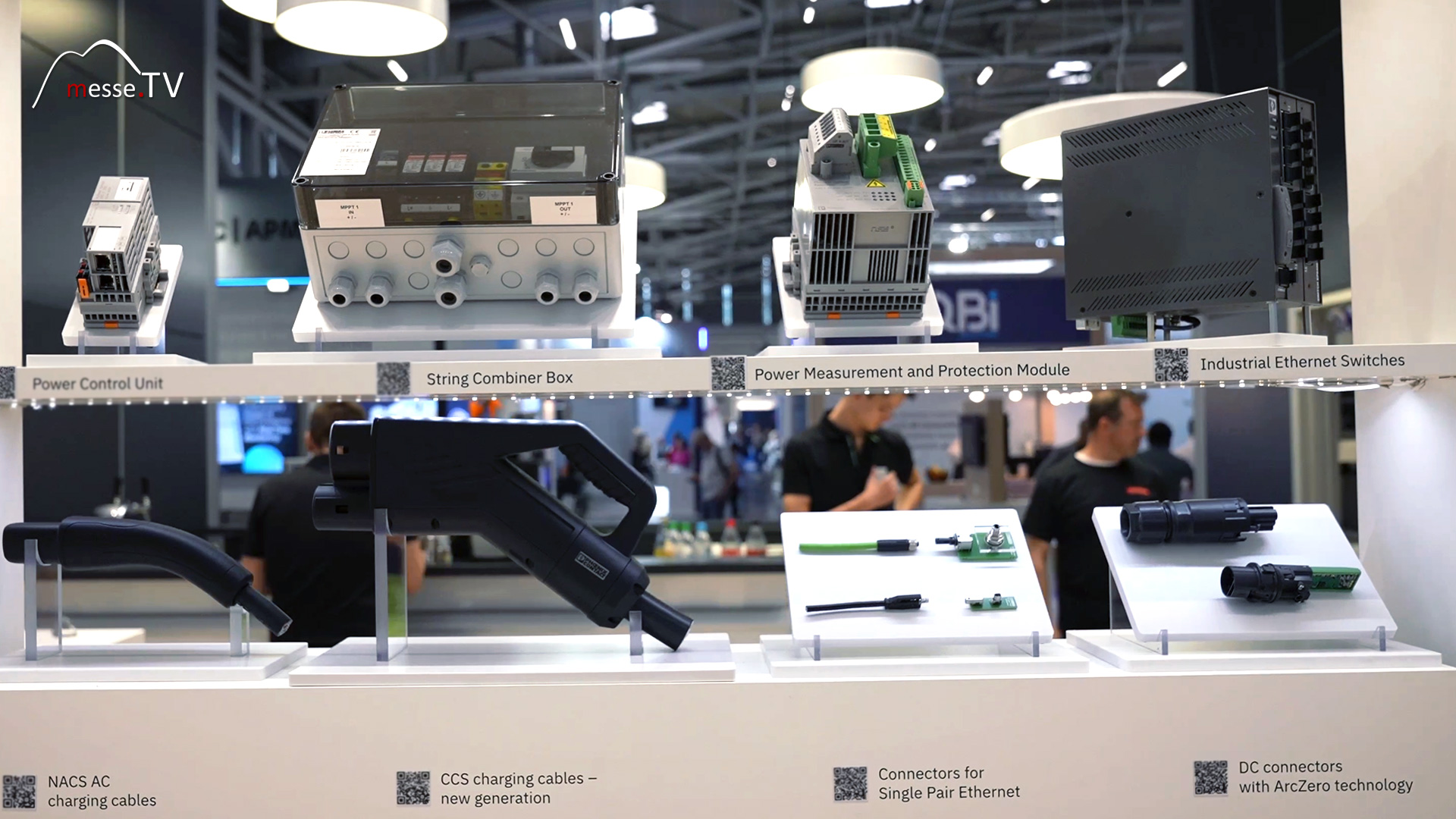
Solarland Bayern: Photovoltaics, heat pumps & complete systems
Solarland Bayern stands for photovoltaics, heat pumps, and complete systems that are precisely tailored to different buildings. Under the approach Solarland Bayern – Photovoltaics ... Solarland Bayern: Individual building solutions
PEC Energy Consulting: intelligent energy concepts with E3/DC
PEC Energy Consulting uses intelligent energy concepts with E3/DC to show how households can gradually become less dependent on traditional electricity and heating markets. Under t... PEC Professional Energy Consulting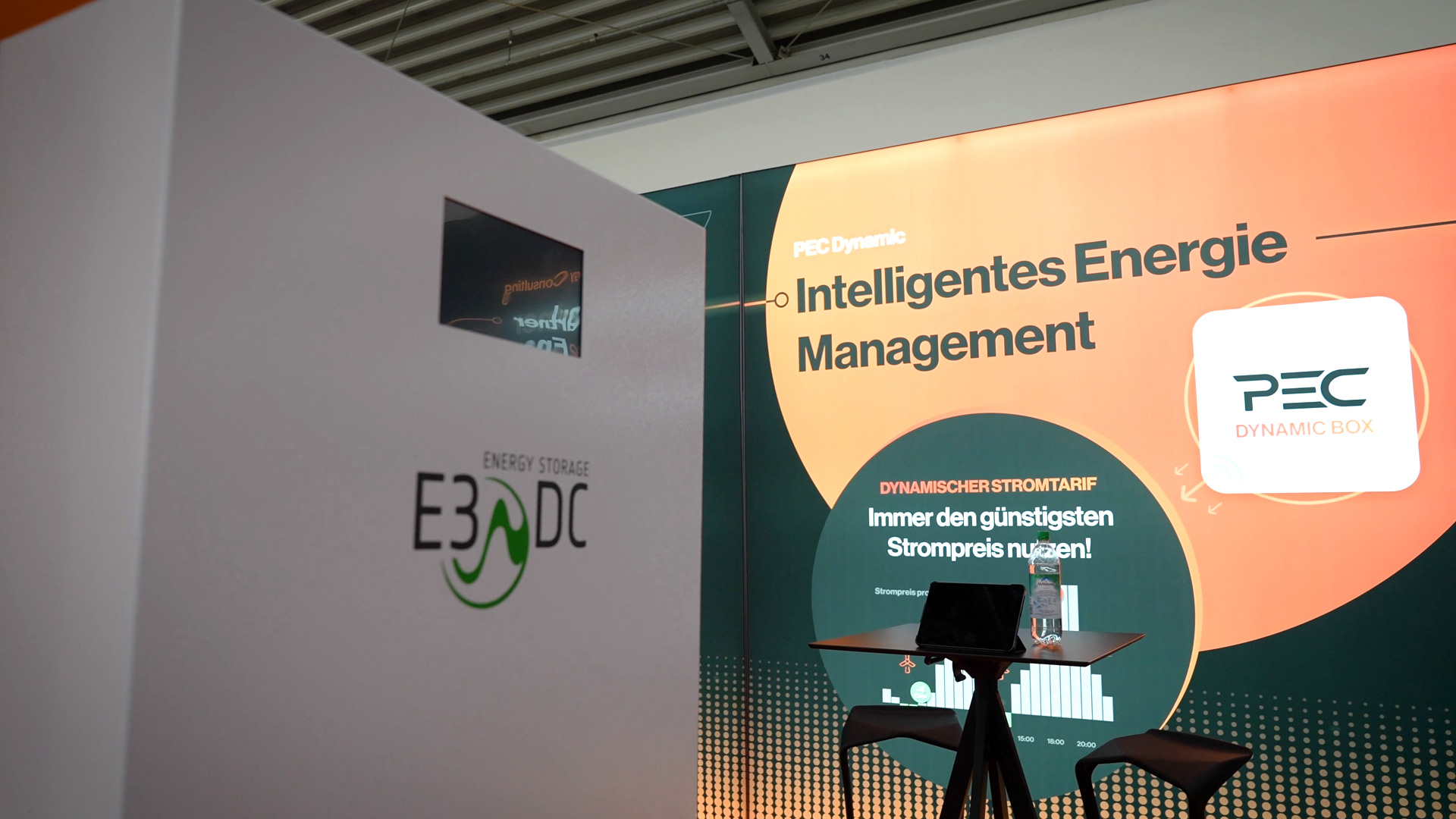
Kältech: Air-to-air heat pumps as an efficient heating alternative
Kältech has been established on the market as a specialist company for refrigeration and air conditioning technology for almost two decades. In recent years, the company has specia... Kältech air-to-air heat pumps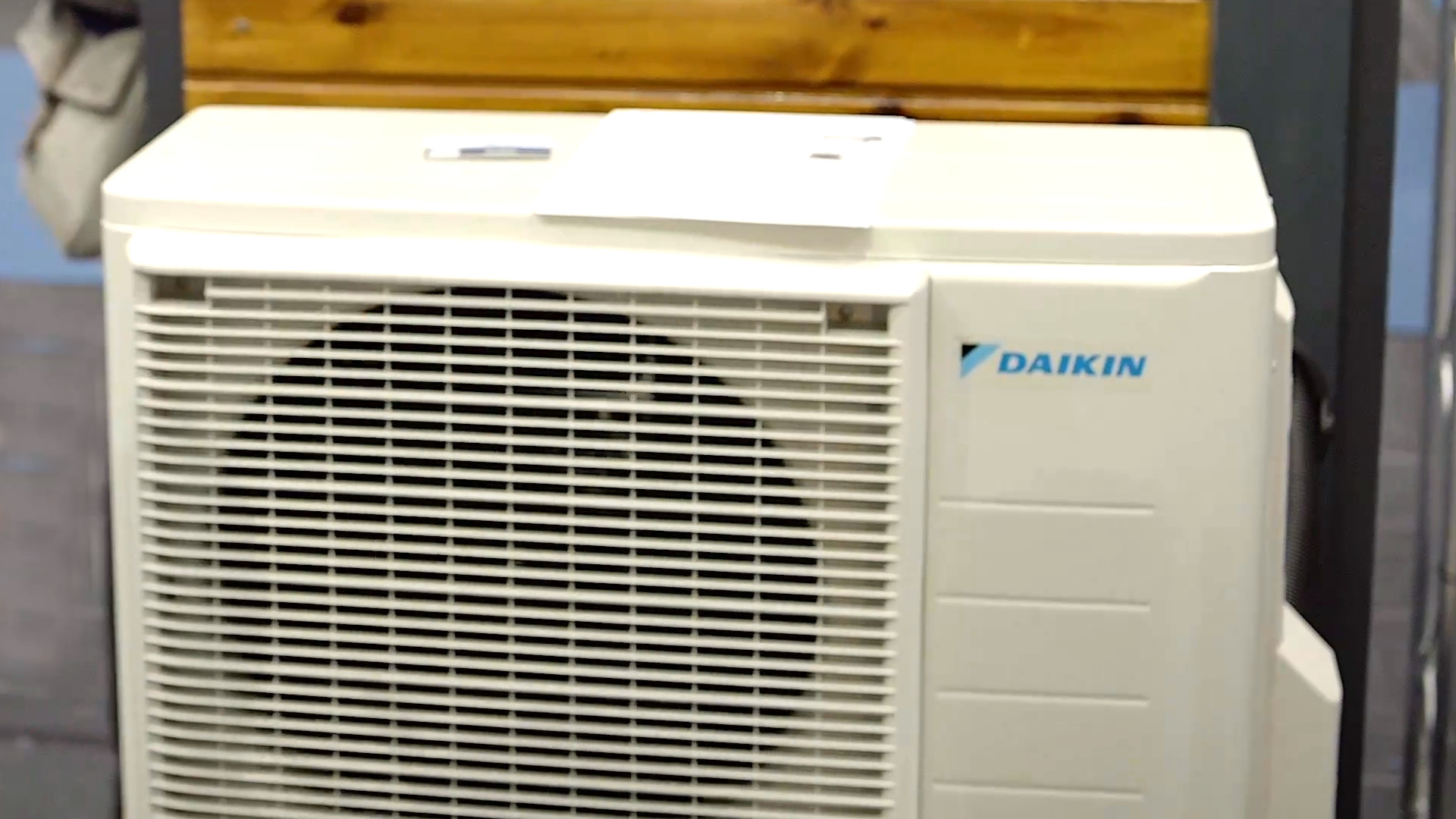
Svea Solar and IKEA – Energy for homes, offices, and businesses
Svea Solar and IKEA show how the energy transition starts small and works on a large scale. At the trade fair, both partners are presenting a modular system that is scalable from r... Svea Solar and IKEA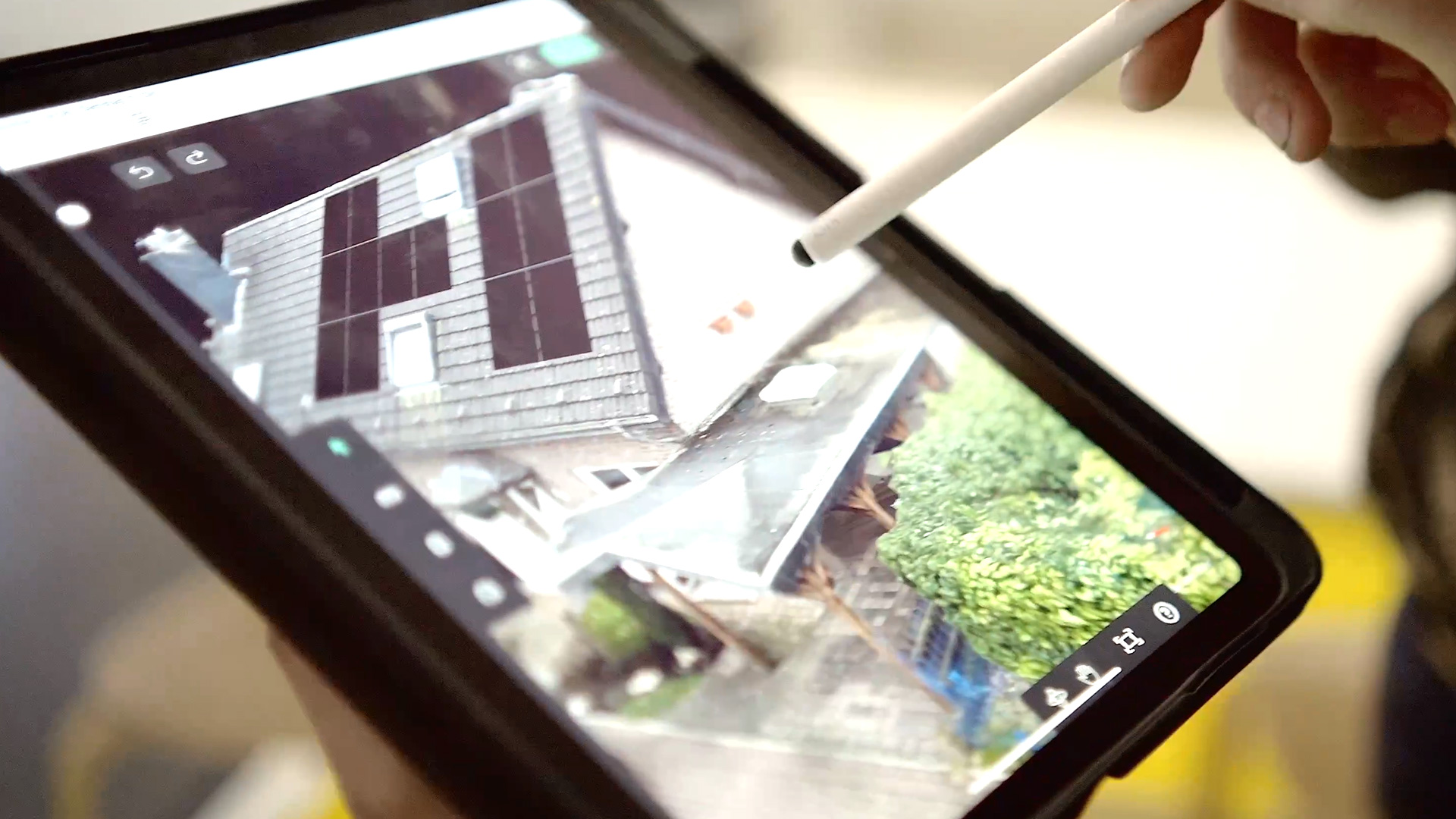
Cellcentric: Fuel cells for commercial vehicles and energy
Cellcentric is at the center of a technological turning point: The company develops and produces fuel cell systems that are designed to make heavy-duty transport climate-neutral. A... Cellcentric Fuel cells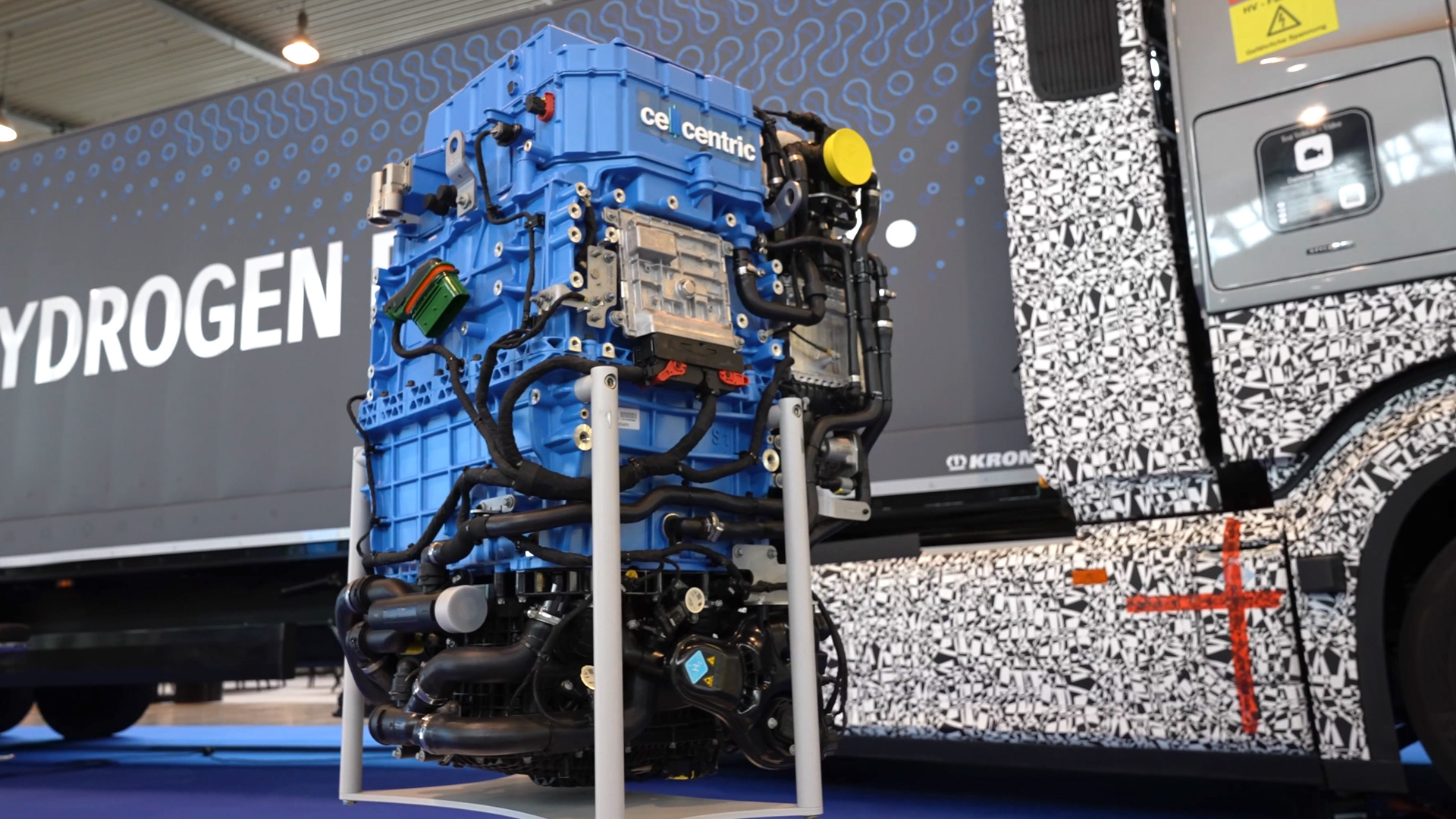
LichtBlick Solar Package: PV solution with dynamic electricity tariff
At the trade fair, LichtBlick is presenting a well-thought-out solution for homeowners that combines sustainable energy generation, modern technology, and economic efficiency. The ... LichtBlick Solar Package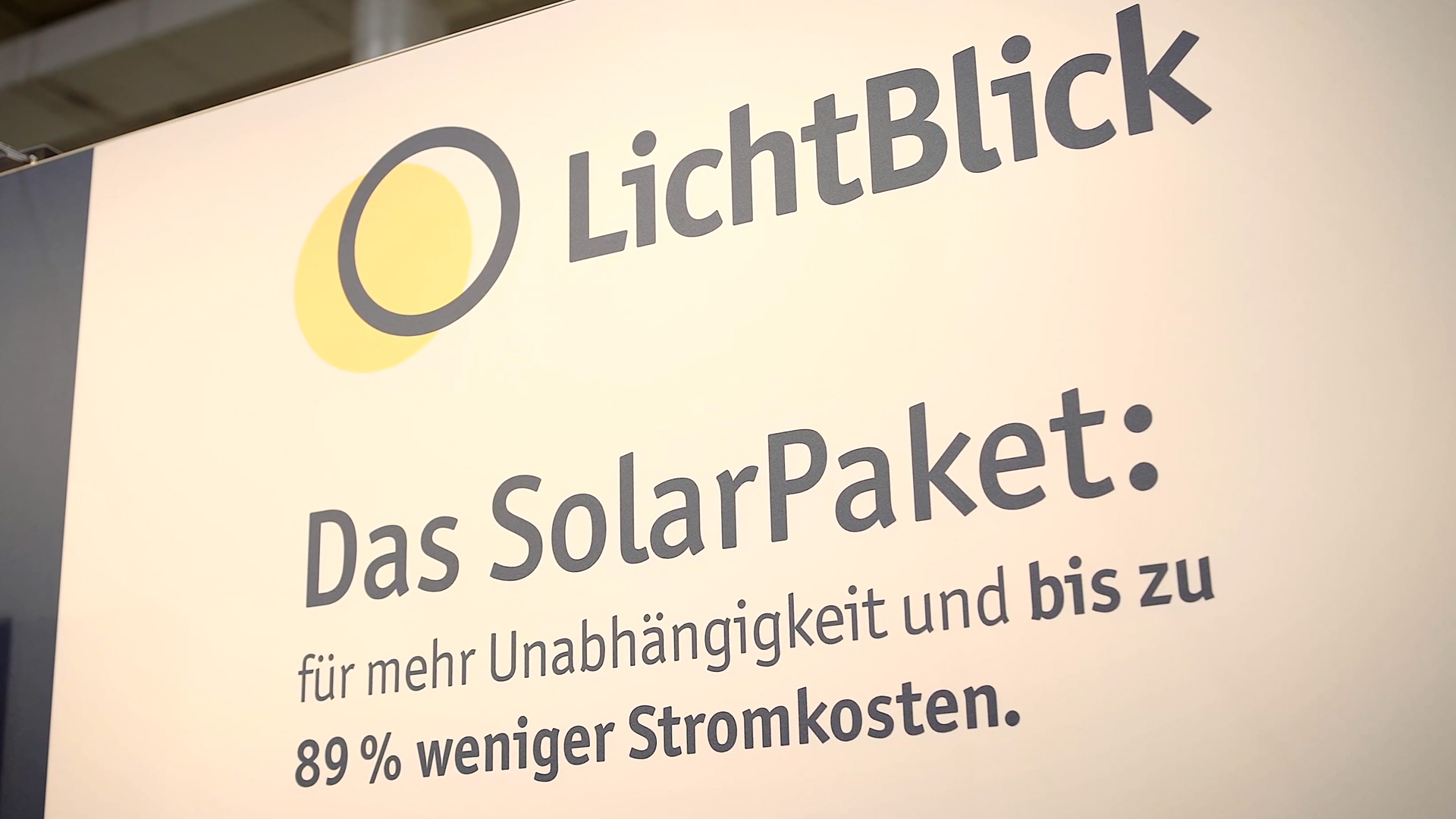
ZSW: Research on hydrogen, fuel cells, and energy
Since 1988, the Center for Solar Energy and Hydrogen Research Baden-Württemberg (ZSW) has been researching the fundamentals of a climate-neutral energy supply. The institute develo... ZSW Research Energy Future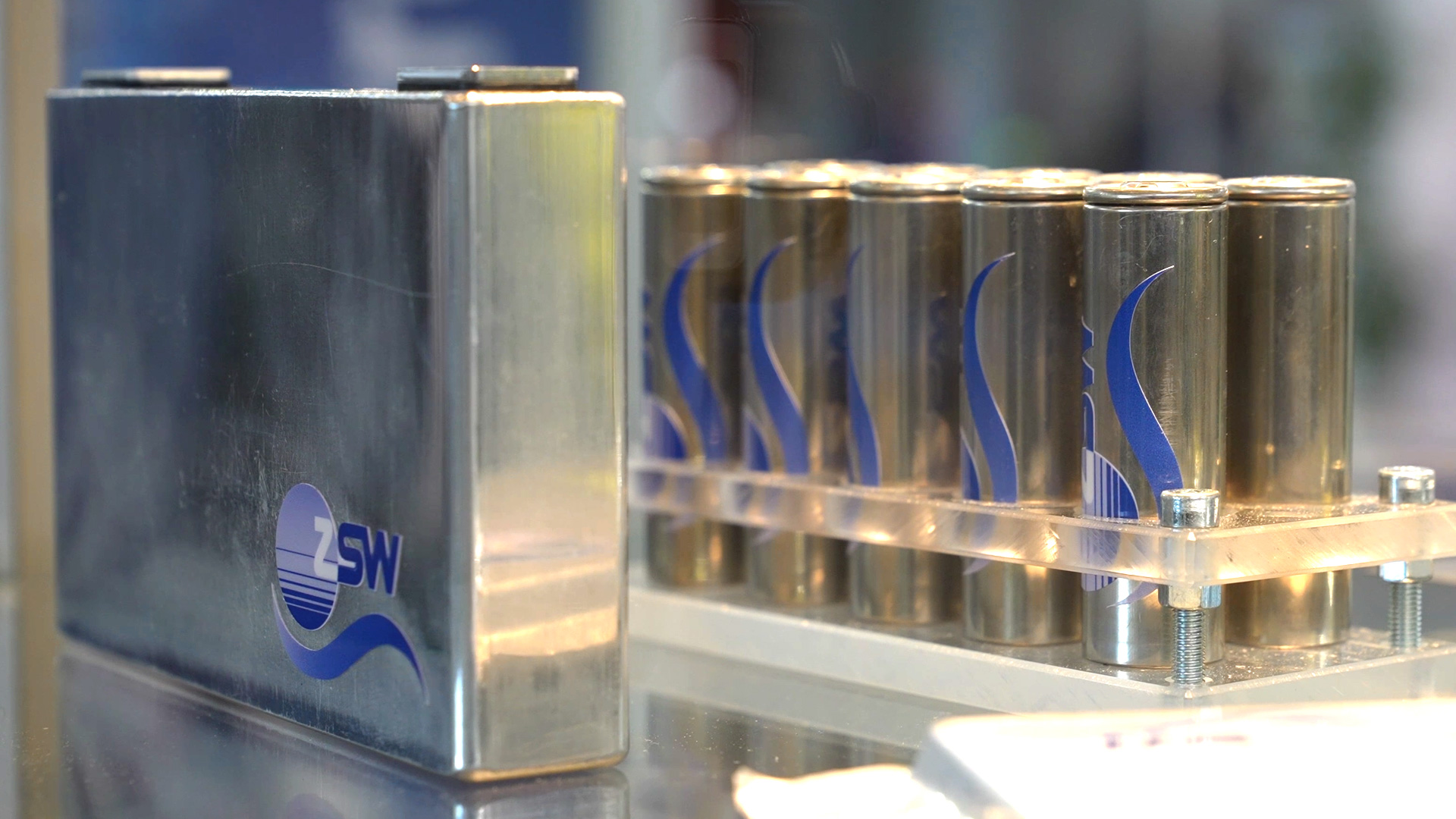
Solarservice Norddeutschland: M-TEC energy system
At infa 2025, Solarservice Norddeutschland will demonstrate how renewable energies can be implemented today as a well-designed overall system. The Burgdorf-based company is present... Solarservice Norddeutschland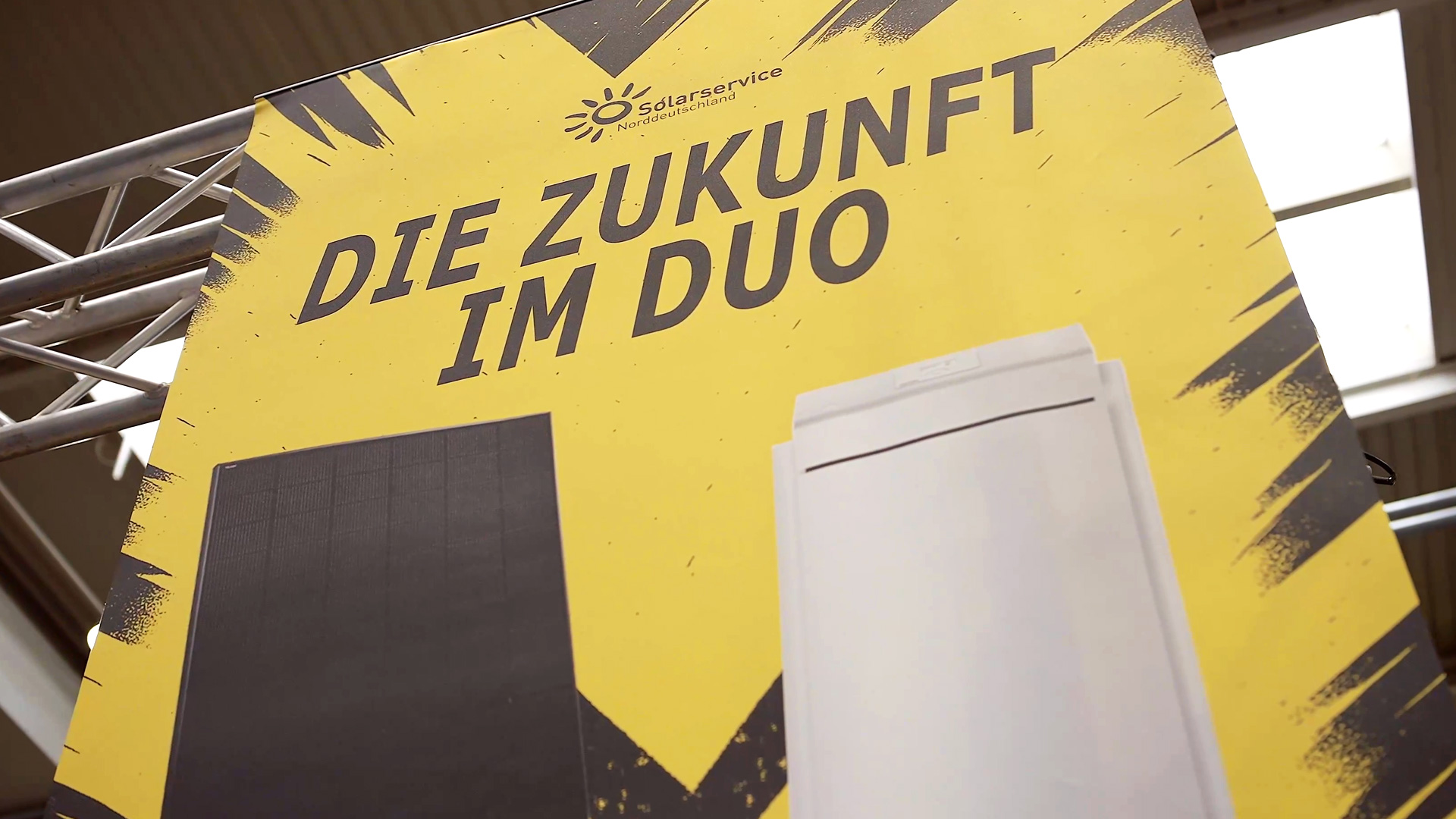
Mercedes-Benz GenH2 Truck: Fuel cell for long-distance transport
The Mercedes-Benz GenH2 Truck symbolizes the future of emission-free road freight transport. The vehicle is based on a fuel cell system from Cellcentric, the joint venture between ... Mercedes-Benz GenH2 Truck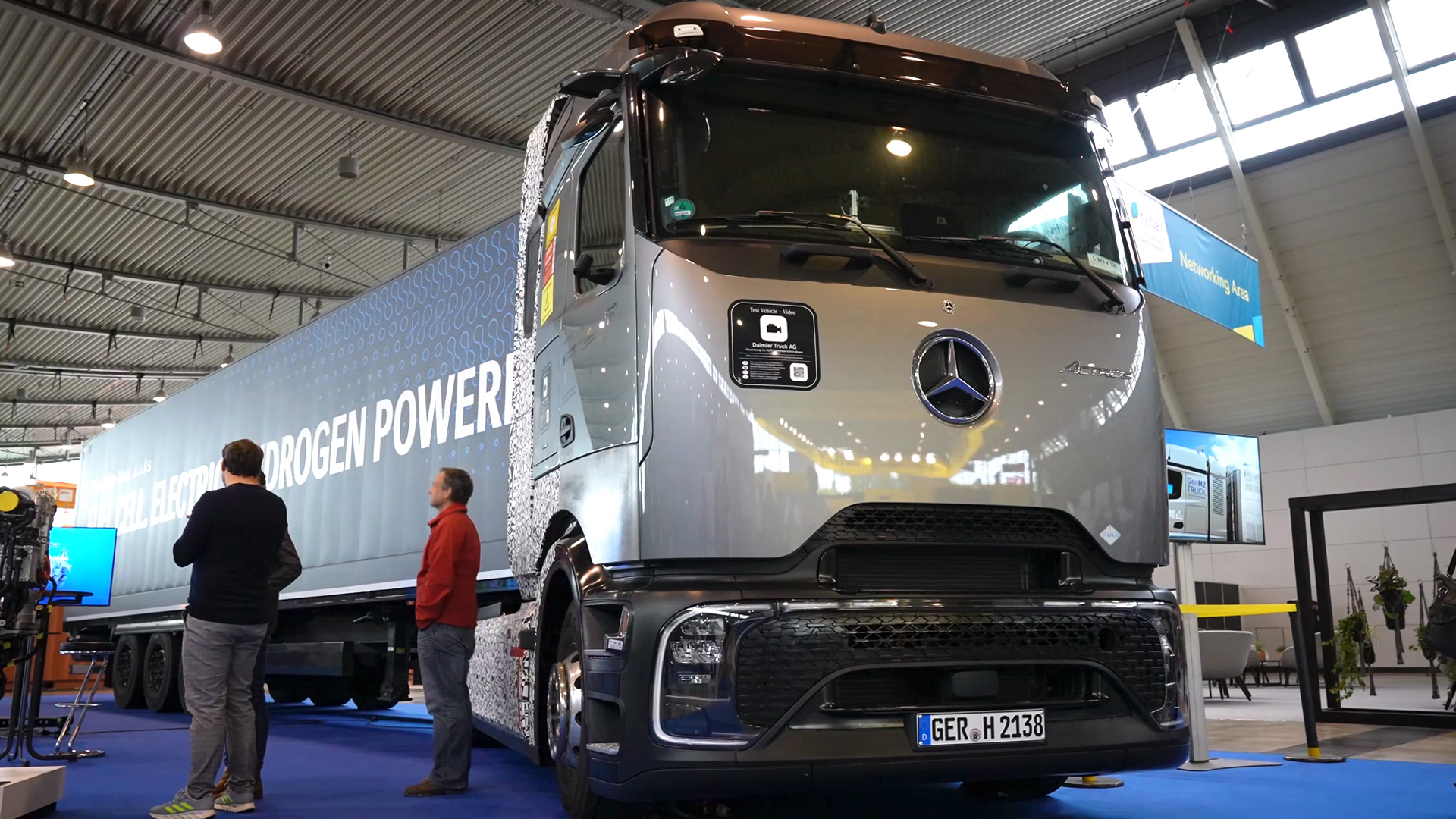
Hy-Lok D: Fluid systems and hydrogen technology for industry
Hy-Lok D Vertriebs GmbH is a reliable specialist for fluid systems, individual components, and complex plant solutions. As the exclusive representative of Hy-Lok in Germany, Austri... Hy-Lok D Fluidsysteme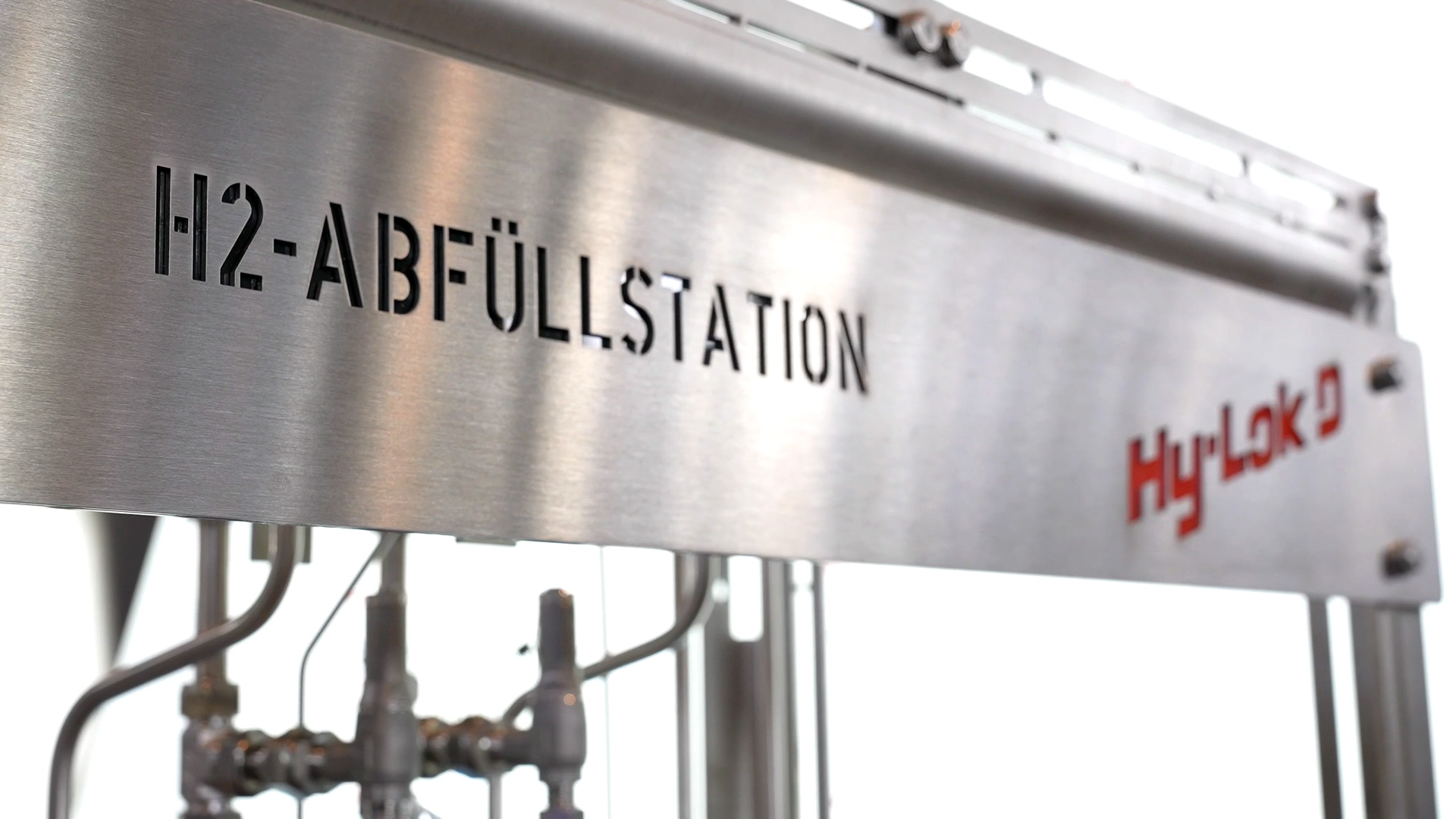
Siemens: Solutions for the hydrogen industry of the future
Siemens is positioning itself as a technological pioneer for the hydrogen economy. With a broad portfolio of solutions for electrification, automation, and digitalization, the comp... Siemens hydrogen solutions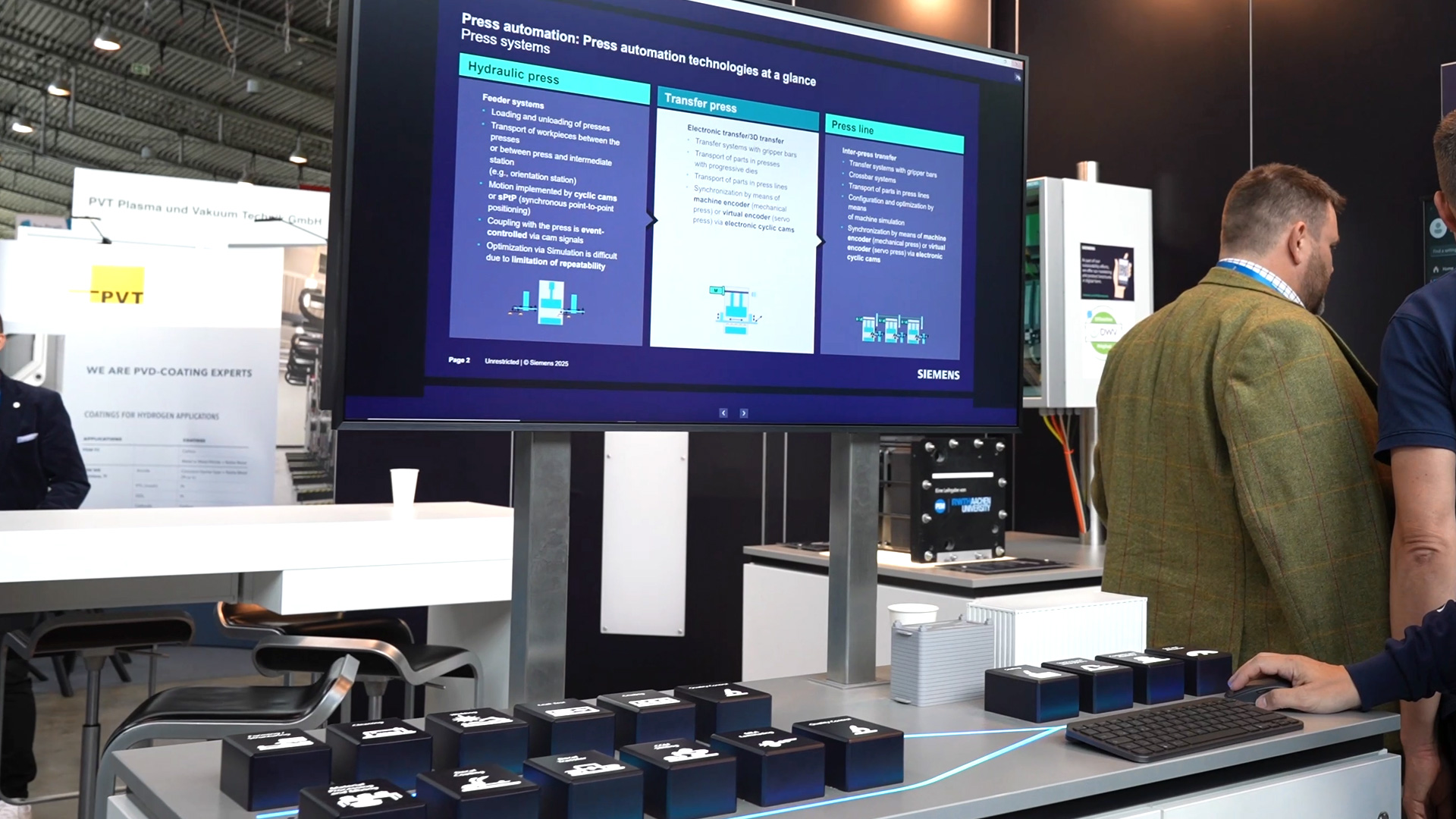
EKPO Fuel Cell Technologies: Fuel cells for tomorrow's mobility
The heart of a fuel cell beats in its bipolar plate – and at EKPO Fuel Cell Technologies, it beats with industrial precision. The joint venture between ElringKlinger and OPmobility... EKPO Fuel Cell Technologies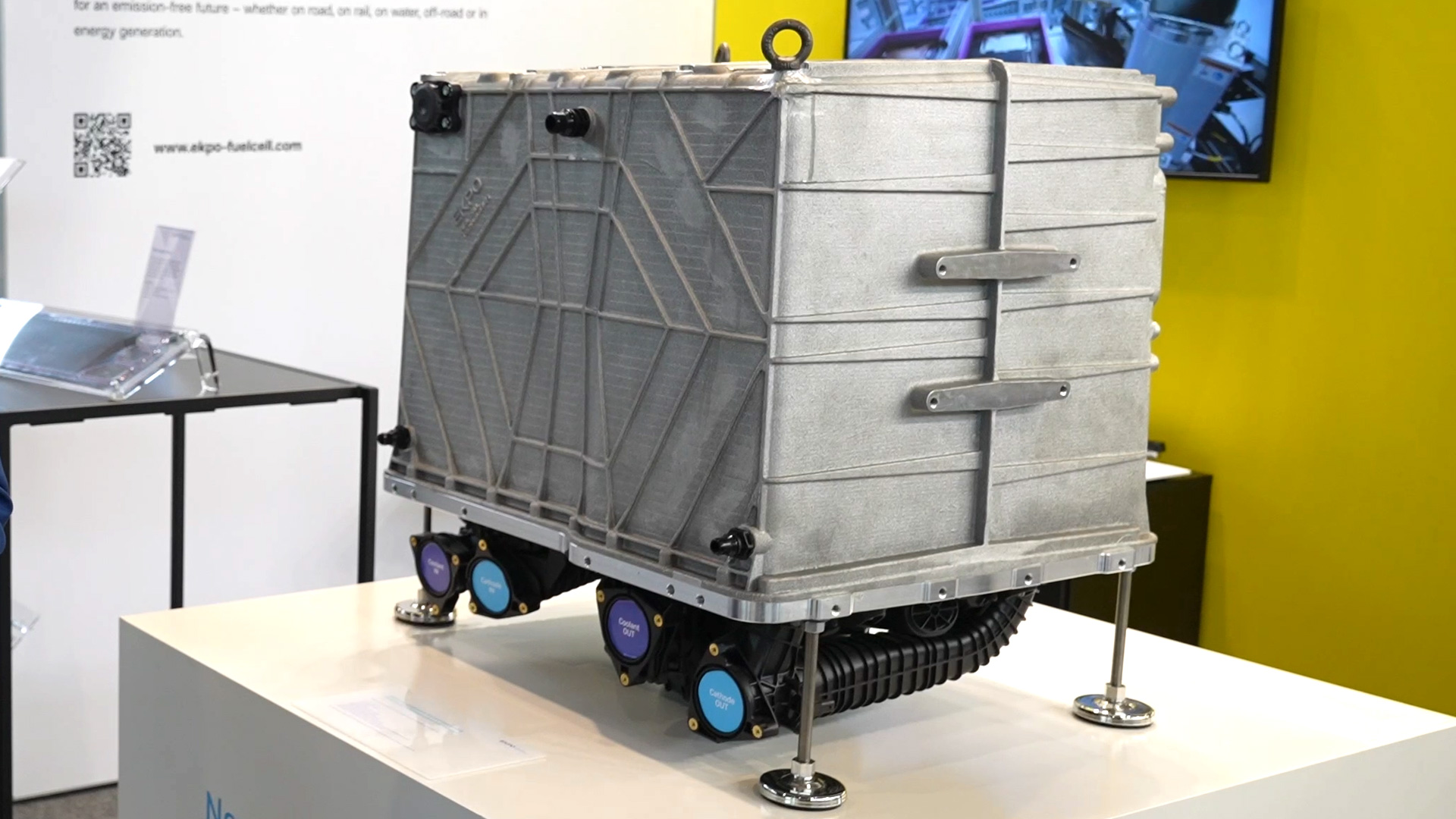
Globe fuel cells replace batteries in industrial logistics
The system developed by Globe is designed to replace existing batteries in forklifts or other industrial trucks without any structural changes. Power is still supplied via a standa... Globe fuel cells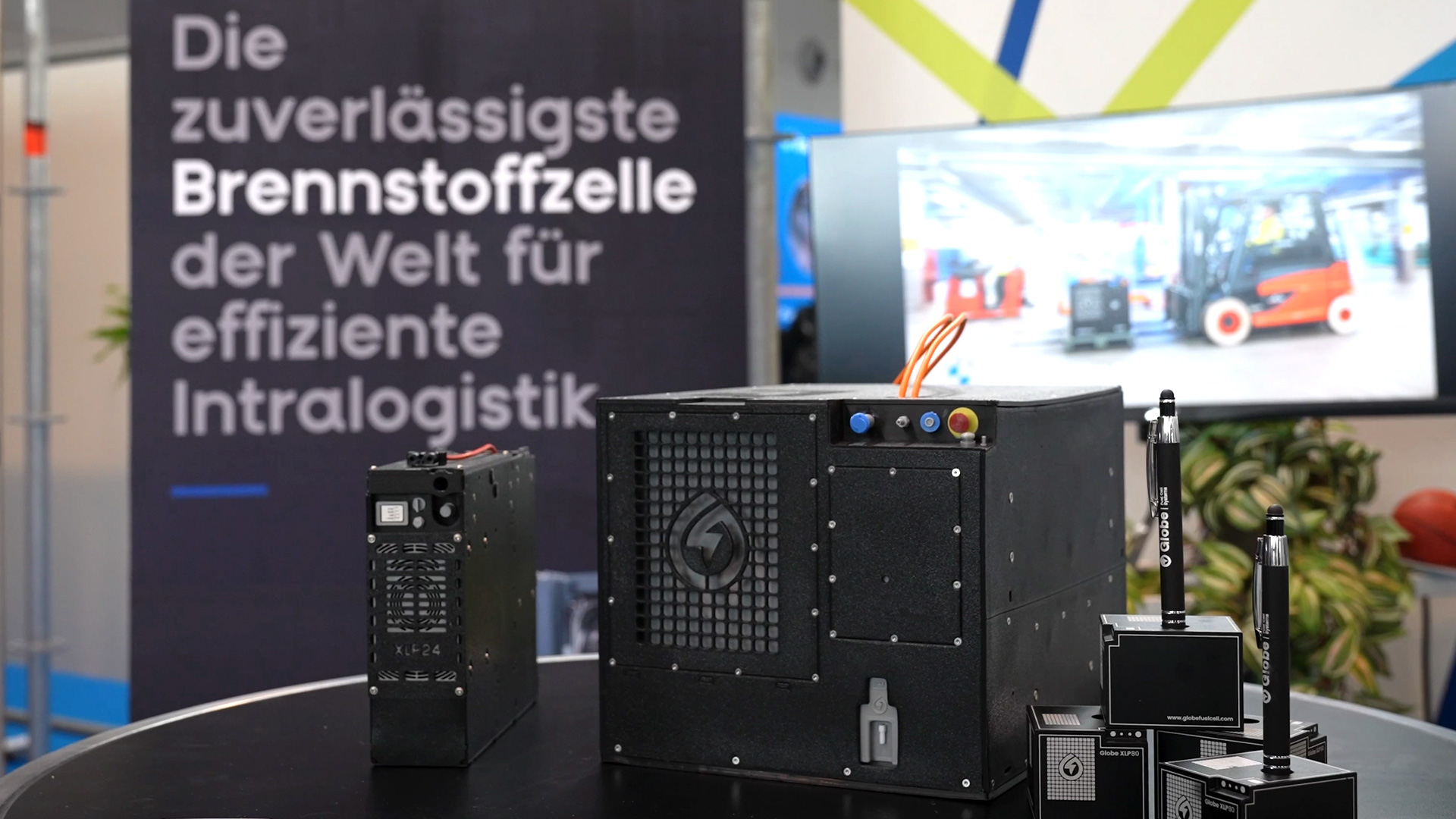
Fraunhofer ISE: MEA research for fuel cells and electrolysis
The membrane electrode assembly determines the efficiency and durability of fuel cells and electrolysers. At Fraunhofer ISE, the focus is on polymer electrolyte membranes in the lo... Fraunhofer ISE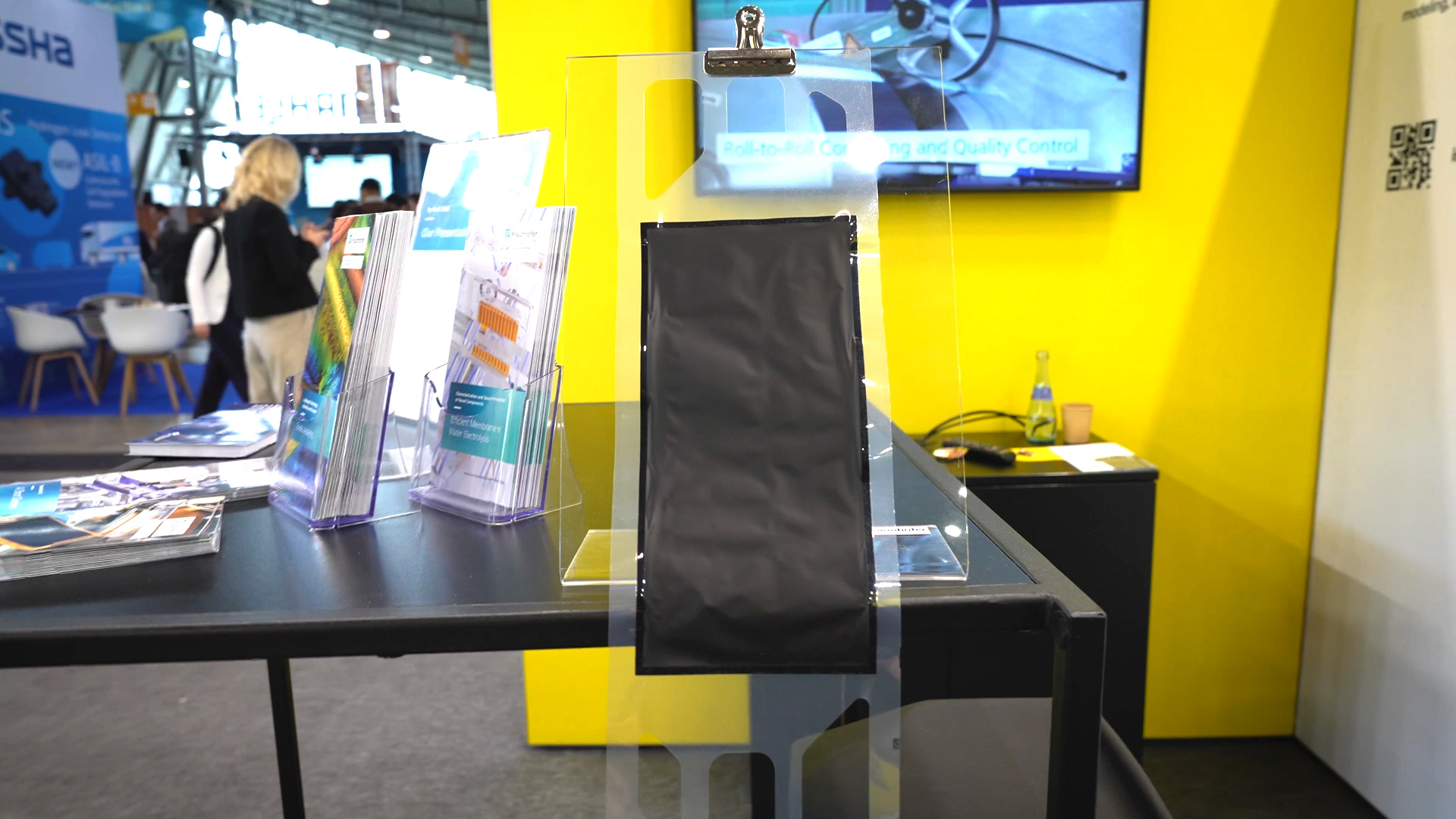
Energiekonzepte Deutschland: Energy self-sufficiency for households
Energiekonzepte Deutschland – EKD for short – stands for the transition to an independent, self-determined energy supply. The aim is to relieve households of rising electricity cos... Energiekonzepte Deutschland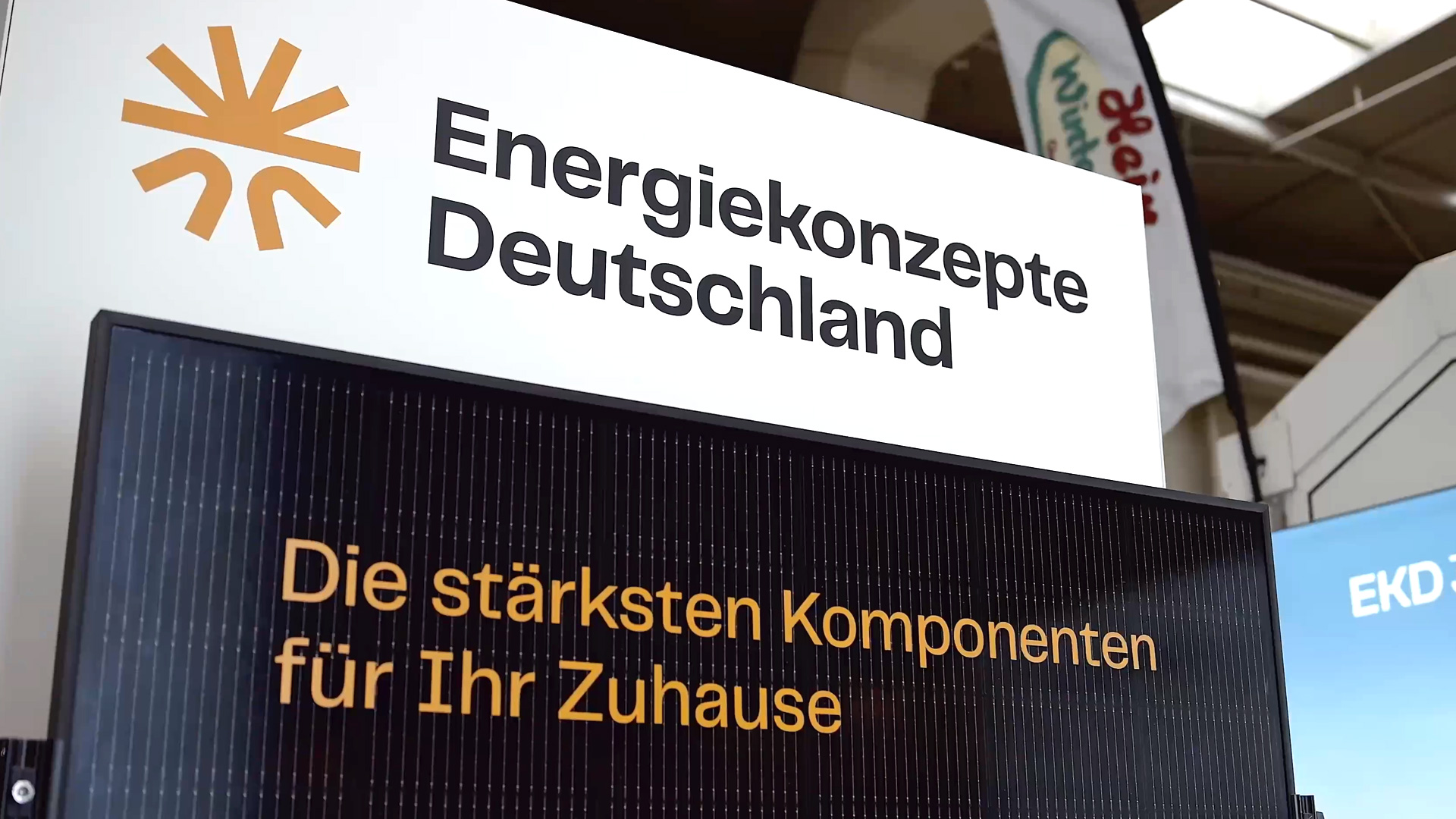
Neuman & Esser: Electrolysis production and EPC project in Jülich
A new production line for PEM electrolysis plants is being built in Germany on an area of over six hectares. The company has newly developed 64,000 square meters at its site in ord... Neuman & Esser: Electrolysis production
Consumer Center Lower Saxony: Energy consulting at infa
The infa in Hanover is one of the most important consumer fairs in Germany – a place where topics related to energy, housing, and everyday life come together. The Consumer Advice C... Consumer Center Lower Saxony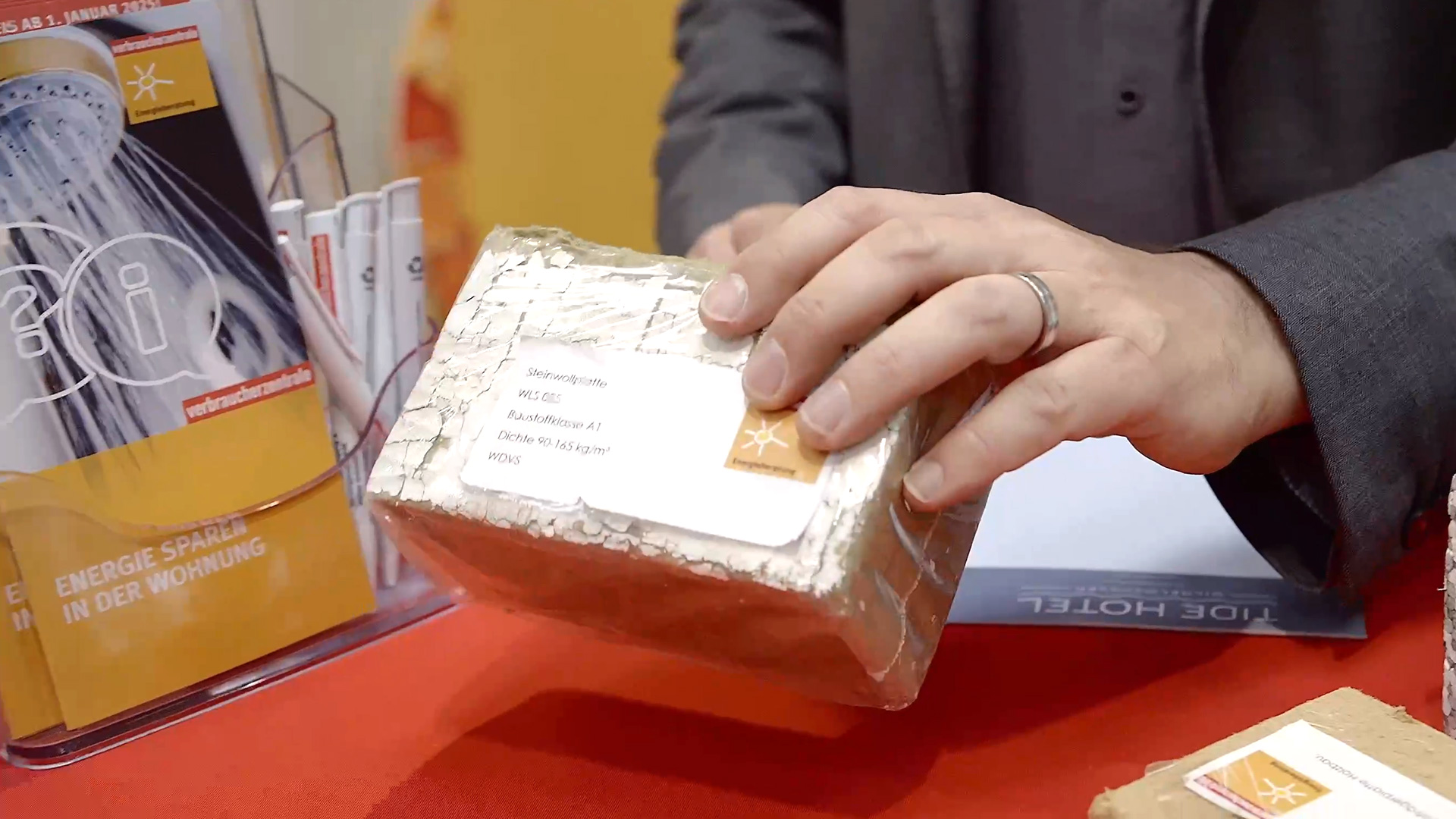
DWV German Hydrogen Association: Driving force behind the energy transition
For decades, the German Hydrogen Association (DWV) has represented the interests of the entire hydrogen industry in politics, business, and society. With over 600 members from all ... DWV German Hydrogen Association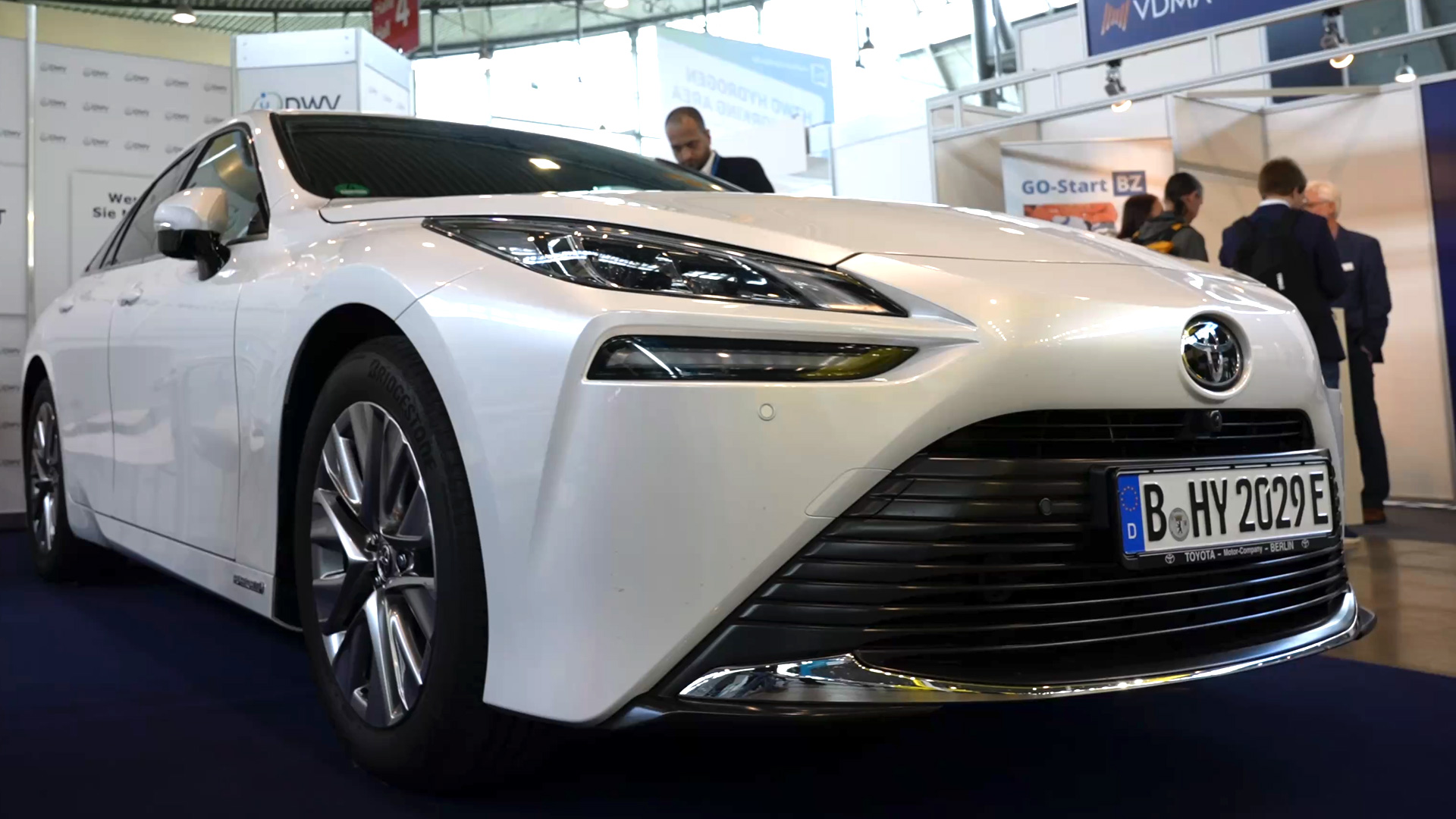
Christian Bauer Springs: CB Glide-Tech for hydrogen systems
In hydrogen production, it is not only the efficiency of the electrolysis cells that determines the success of a plant – mechanical components such as springs also play a central r... Christian Bauer Springs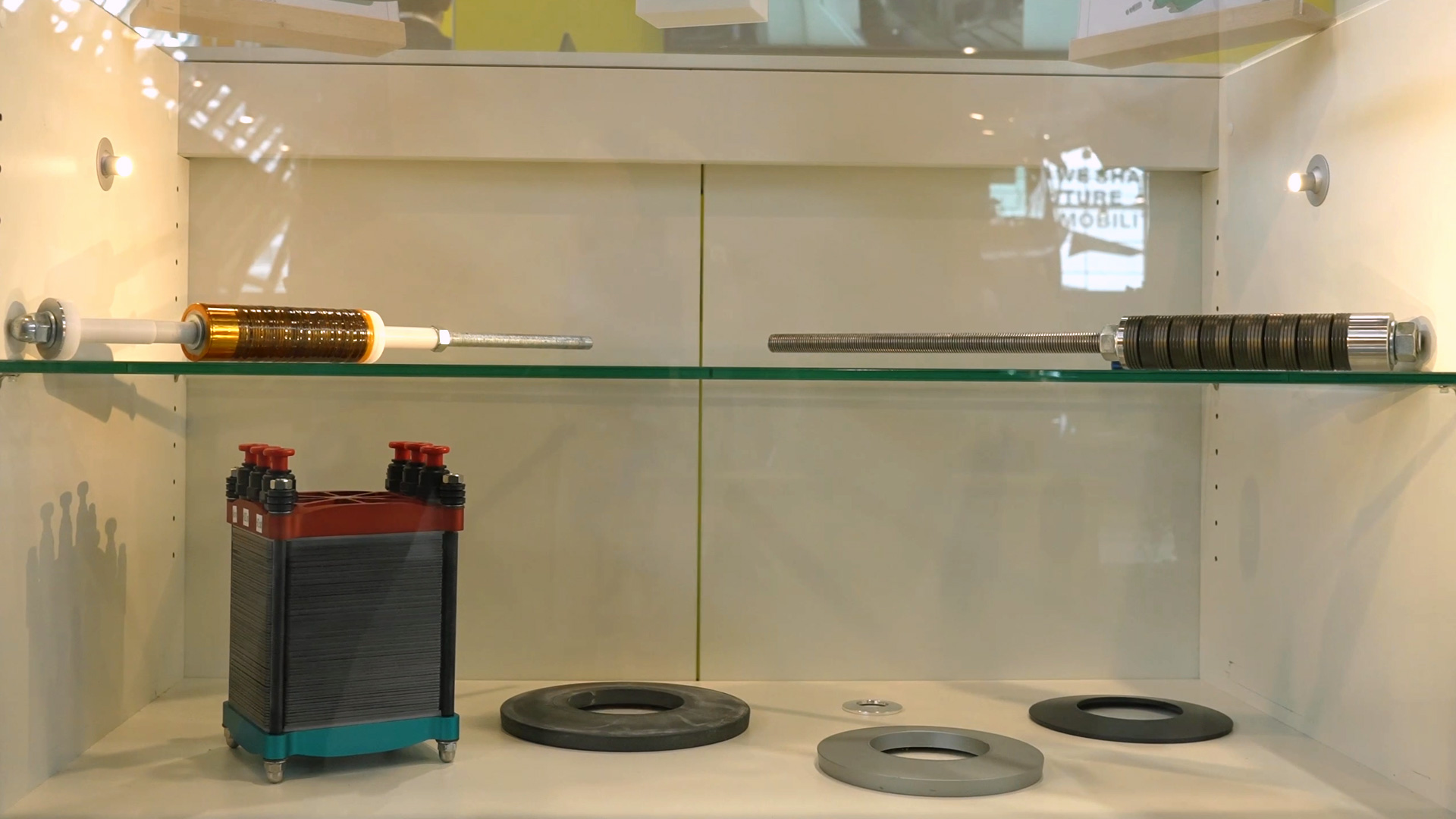
Thyssenkrupp Automation Engineering: H2 production plants
Thyssenkrupp Automation Engineering develops and builds customized plants for the series production of fuel cells and electrolysers. As part of the Thyssenkrupp Group in the Automo... Thyssenkrupp Automation Engineering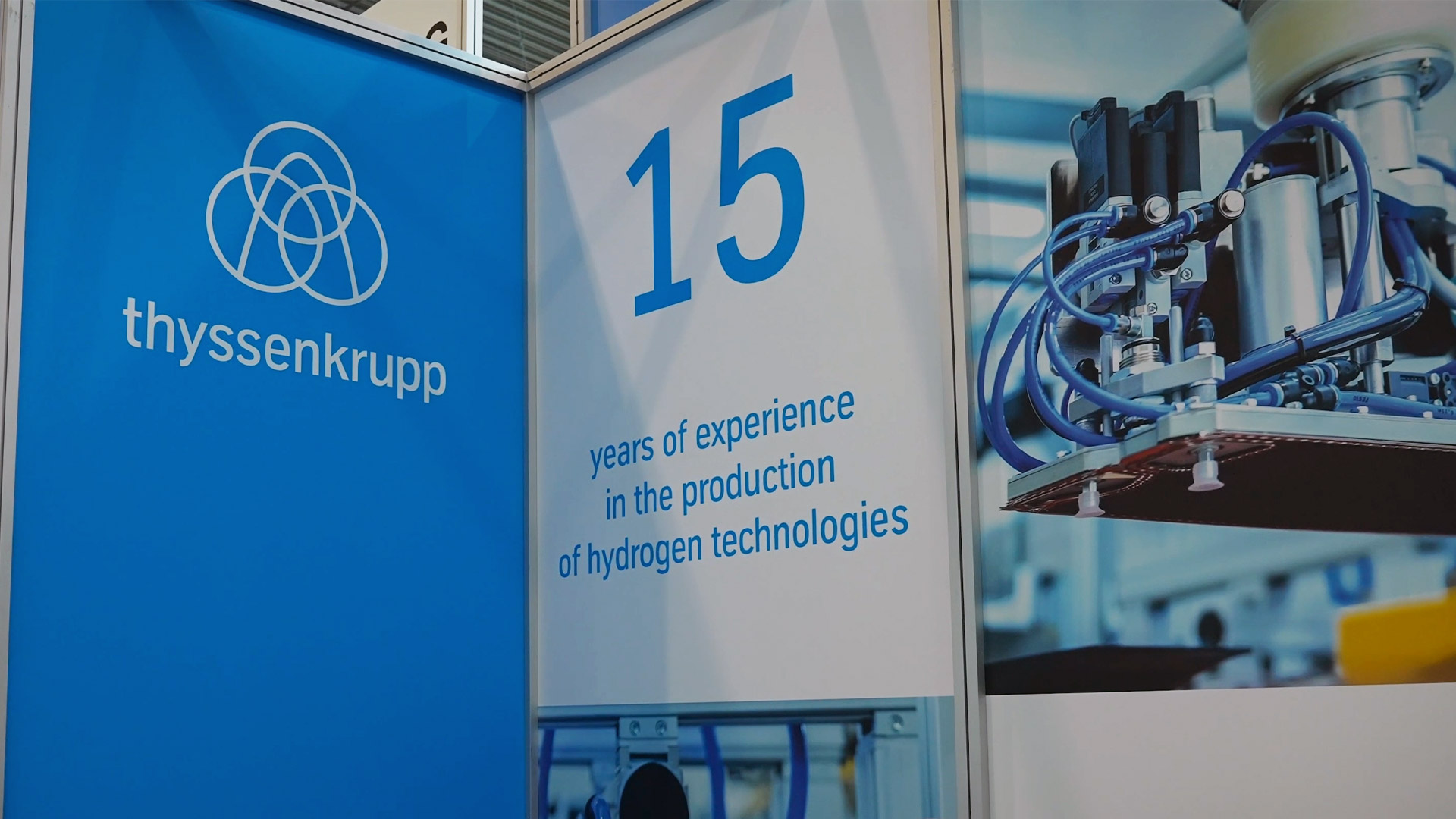
Kenya is partner country for the OFF-GRID Expo + Conference 2025 in Augsburg
With the selection of Kenya as the partner country for OFF-GRID Expo + Conference 2025, Messe Augsburg is sending a clear signal for international cooperation in the field of susta... Kenya partner country OFF-GRID Expo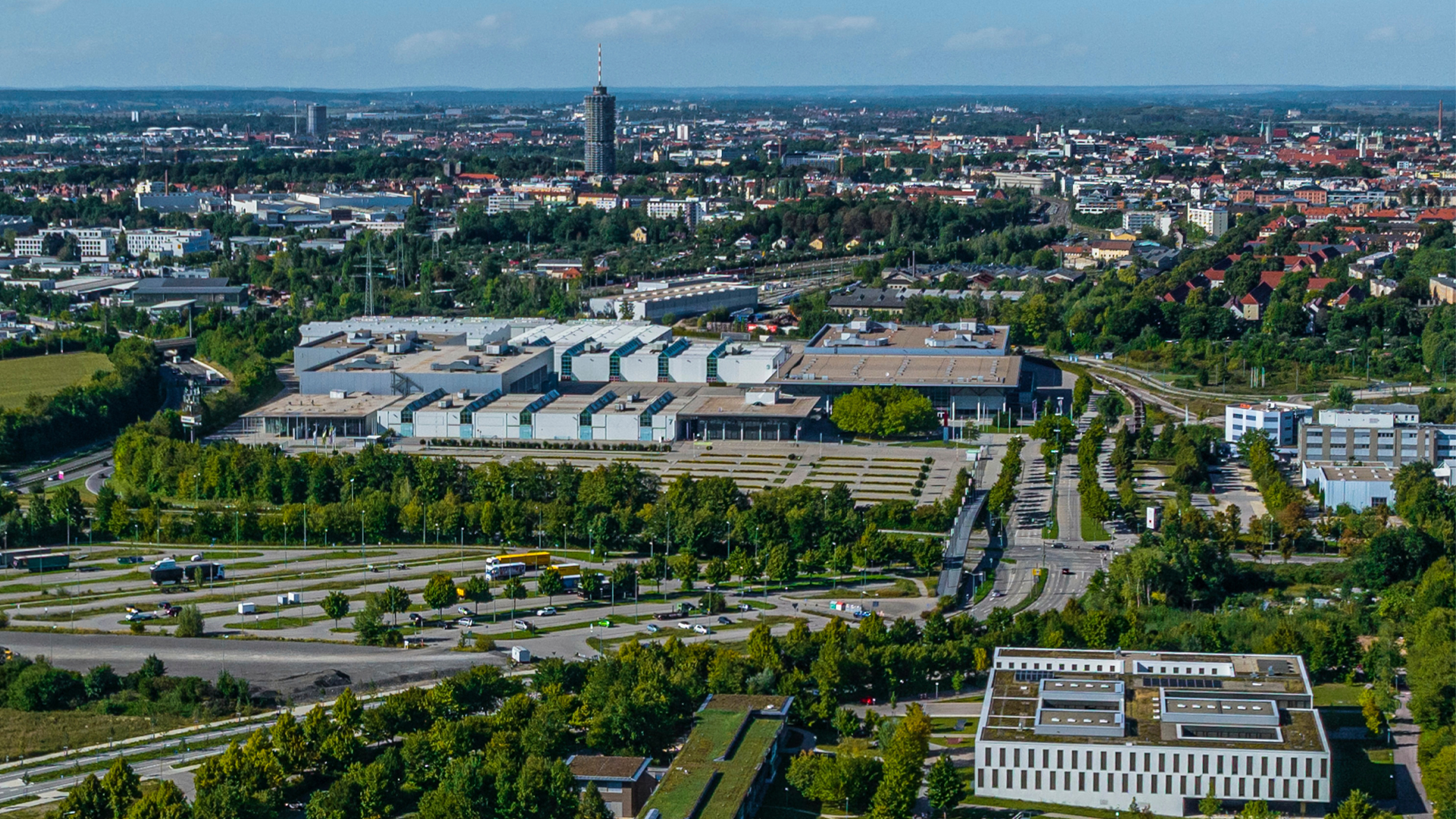
BYD celebrates 10 years of home storage at Intersolar 2025
Ten years after the market launch of its first storage solution, BYD Energy Storage is using Intersolar Europe to take stock and look ahead. At the trade fair in Munich, the annive... BYD celebrates 10 years of home storage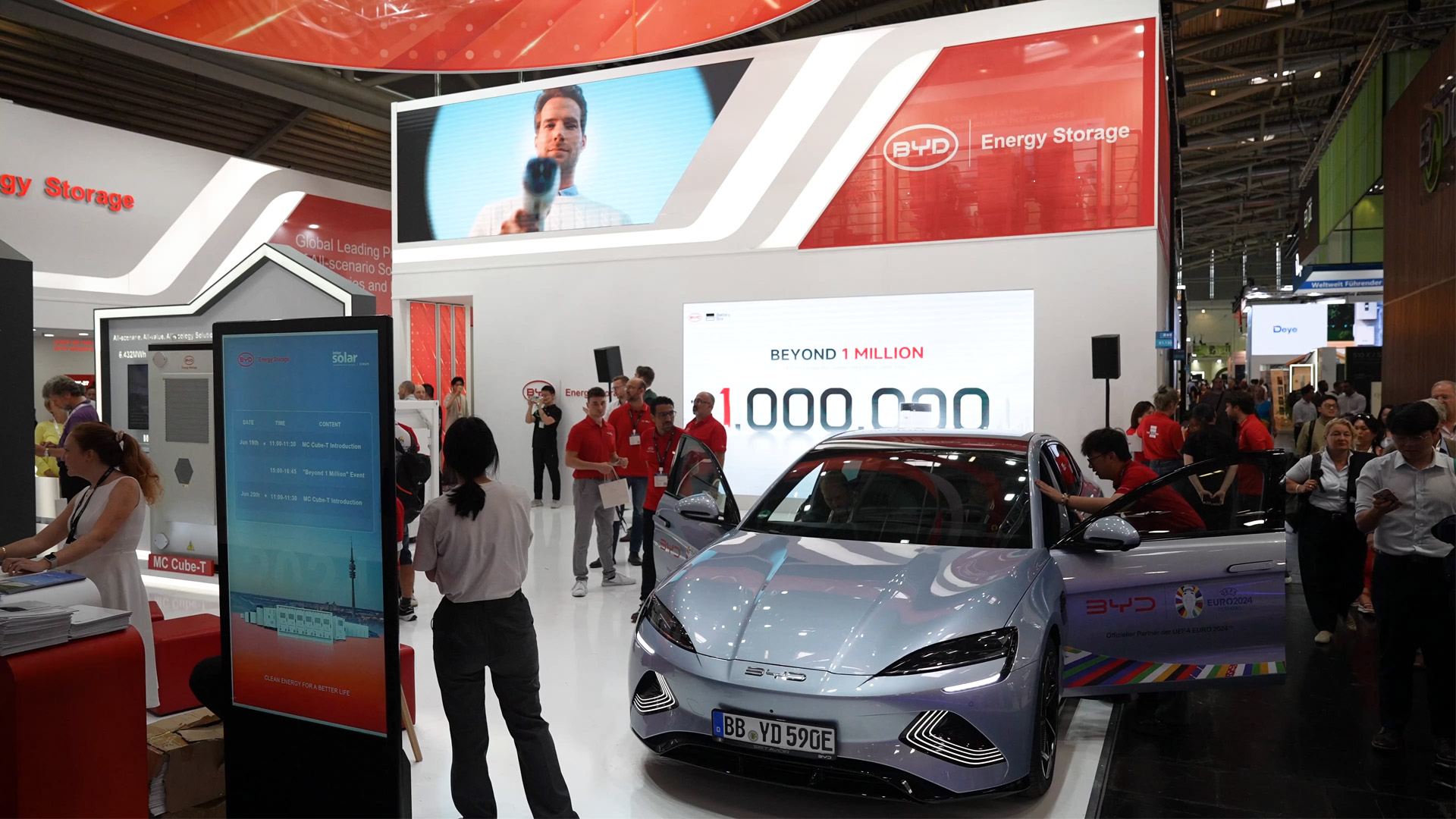
PREFA solar system: Efficient solar energy - Green Week 2025
PREFA is a European manufacturer of roof, solar and façade systems made of aluminum. The company offers durable and low-maintenance solutions for roofs and façades. The products ar... PREFA solar system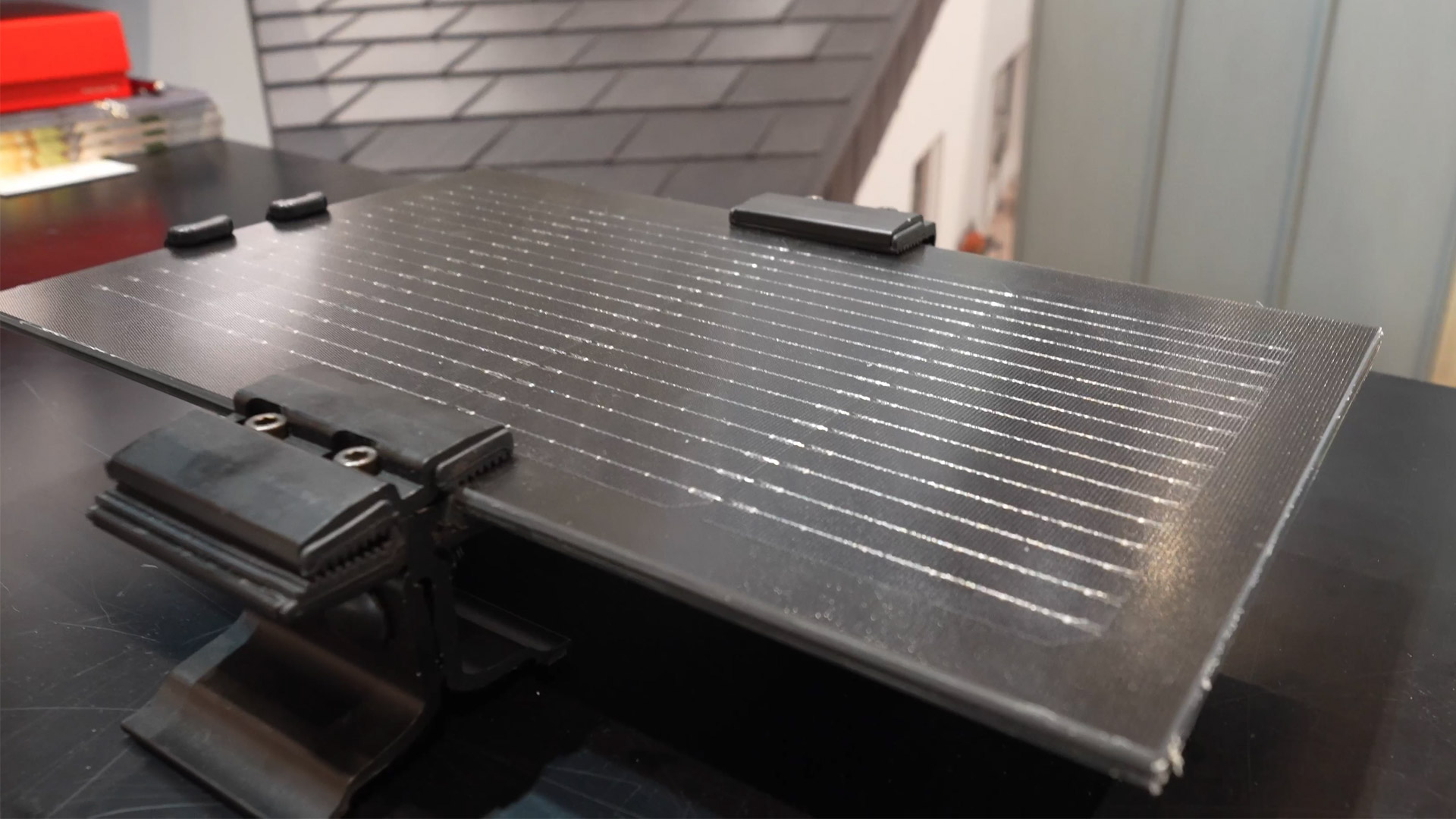
Photovoltaic systems with storage and energy utilisation
Photovoltaics is increasingly developing into an integrated system in which individual components are no longer viewed in isolation. Modules, storage systems and inverters interloc... Integrated systems in the field of photovoltaics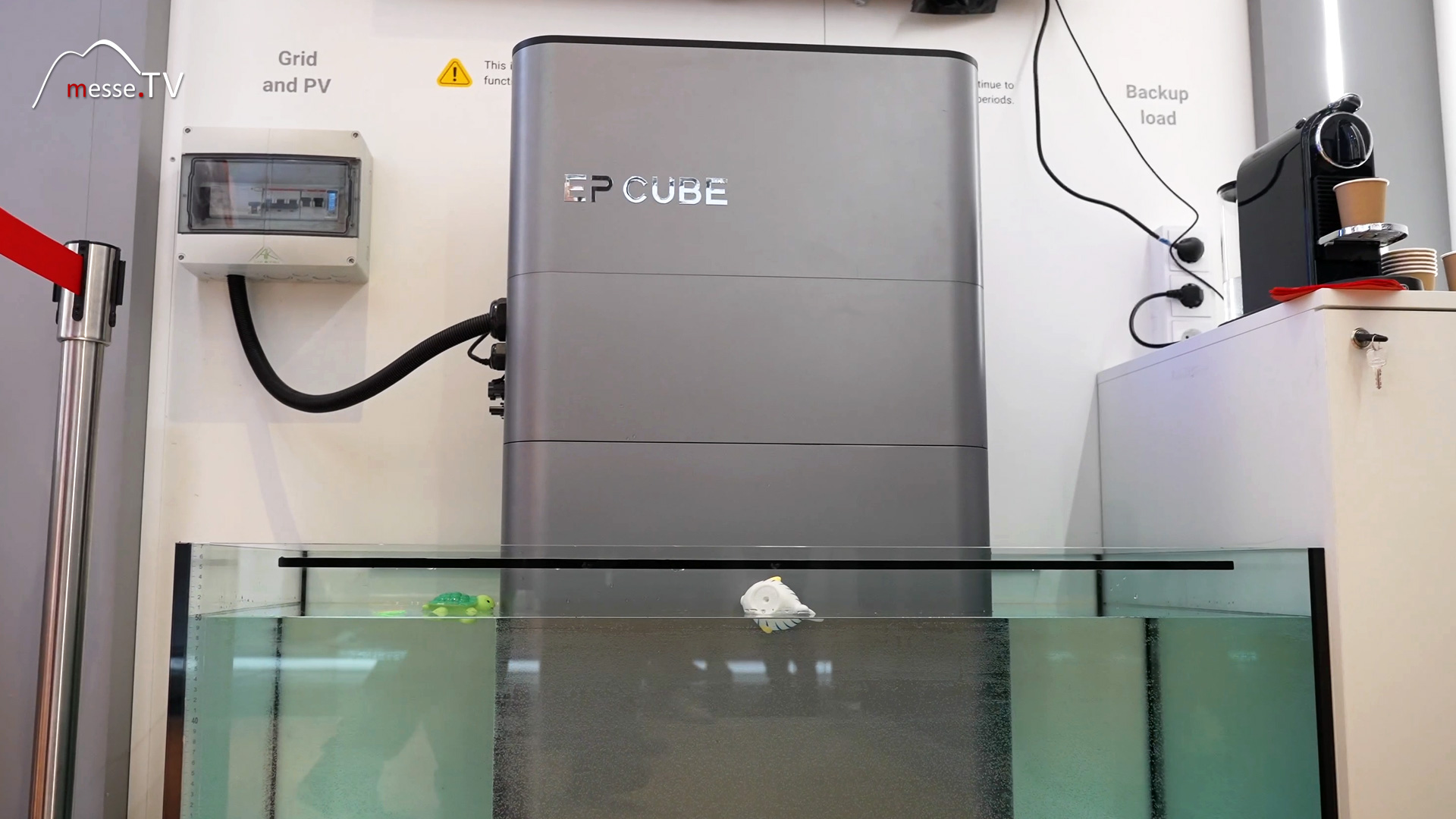
SolaX Power: Solar Hybrid-Systems - Intersolar 2024
SolaX Power develops advanced solar technology, including inverters, energy storage systems and EV chargers. Their products are characterised by high efficiency, reliability and in... Solar Hybrid-Systeme - SolaX Power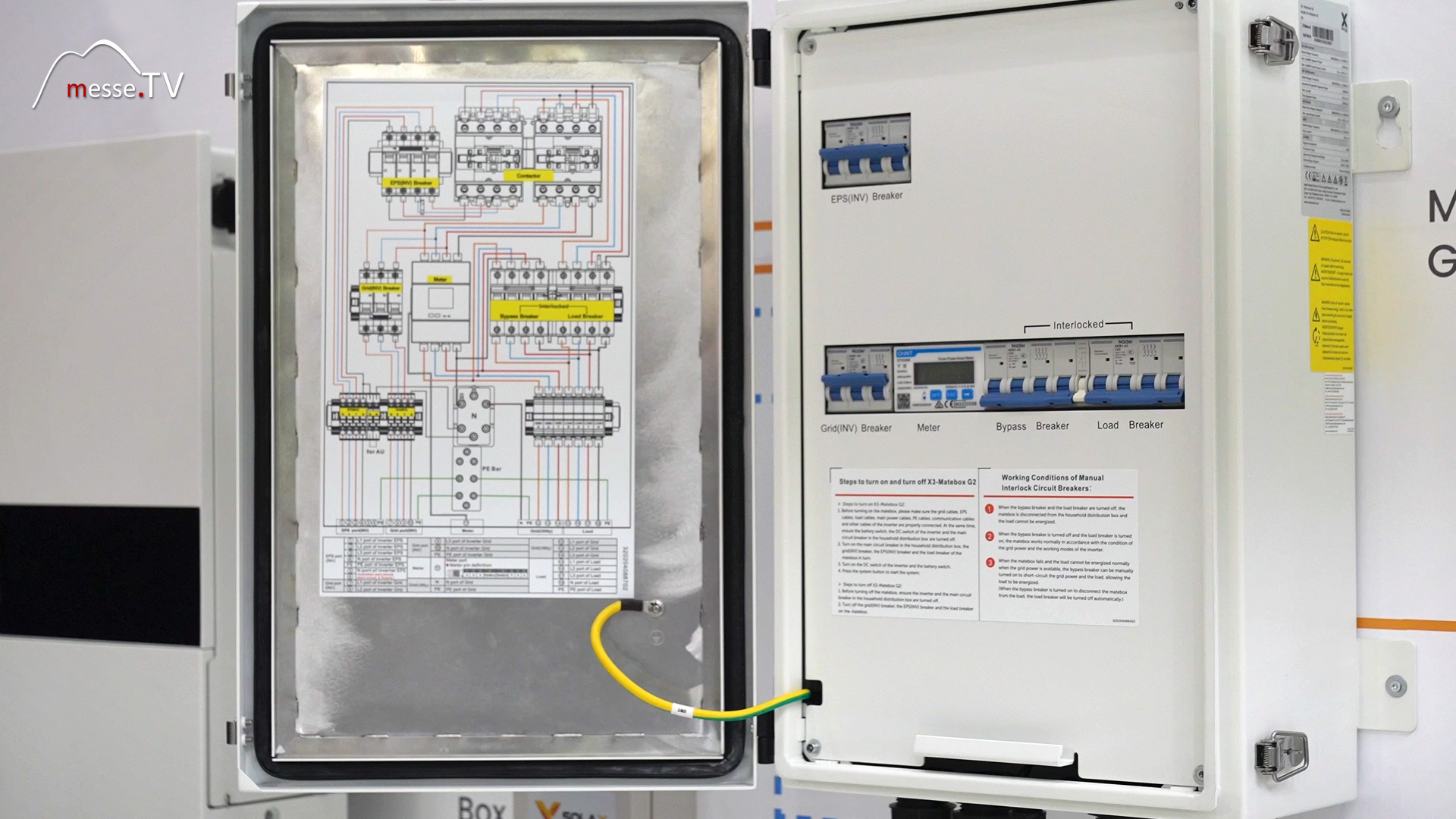
Vigilex: Explosion protection for battery & gas storage systems
Vigilex Energy offers specialized solutions for fire and explosion protection in energy storage systems (BESS). Its products, such as ARC-VENT and DUAL-VENT, are designed to maximi... Explosion protection for battery and gas storage systems - Vigilex Energy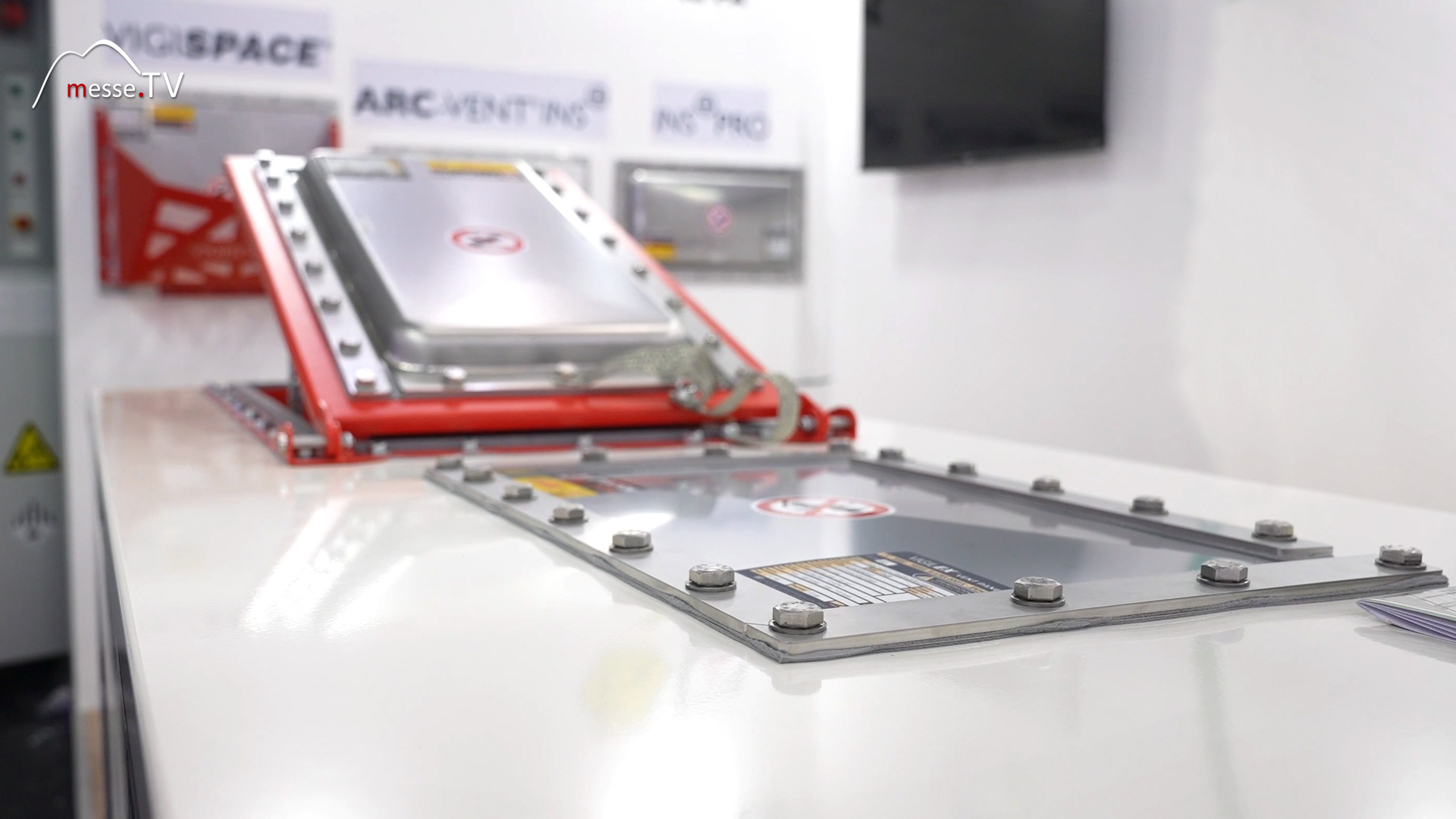
Solar modules, inverters, energy storage - Trina Solar
Trina Solar, founded in 1997, is a leading global provider of intelligent solar solutions. The company has shipped over 150 gigawatts of solar modules worldwide and provides compre... Solar modules, inverters, energy storage - Trina Solar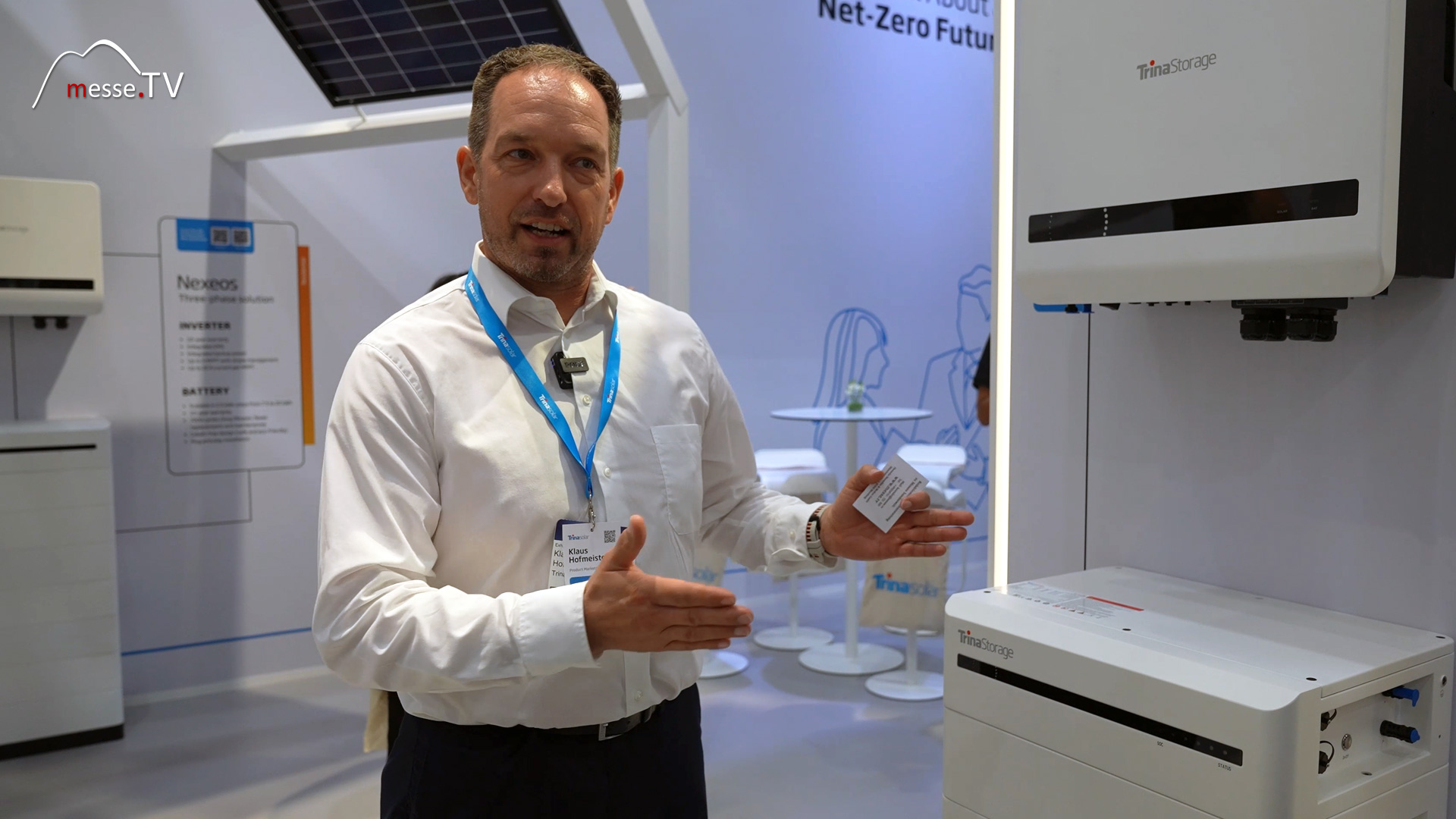
Battery storage for renewable energies - TESVOLT
TESVOLT develops high-performance lithium battery storage systems for industrial and commercial applications. Their storage systems are flexible and modular to meet different energ... Battery storage for renewable energies - TESVOLT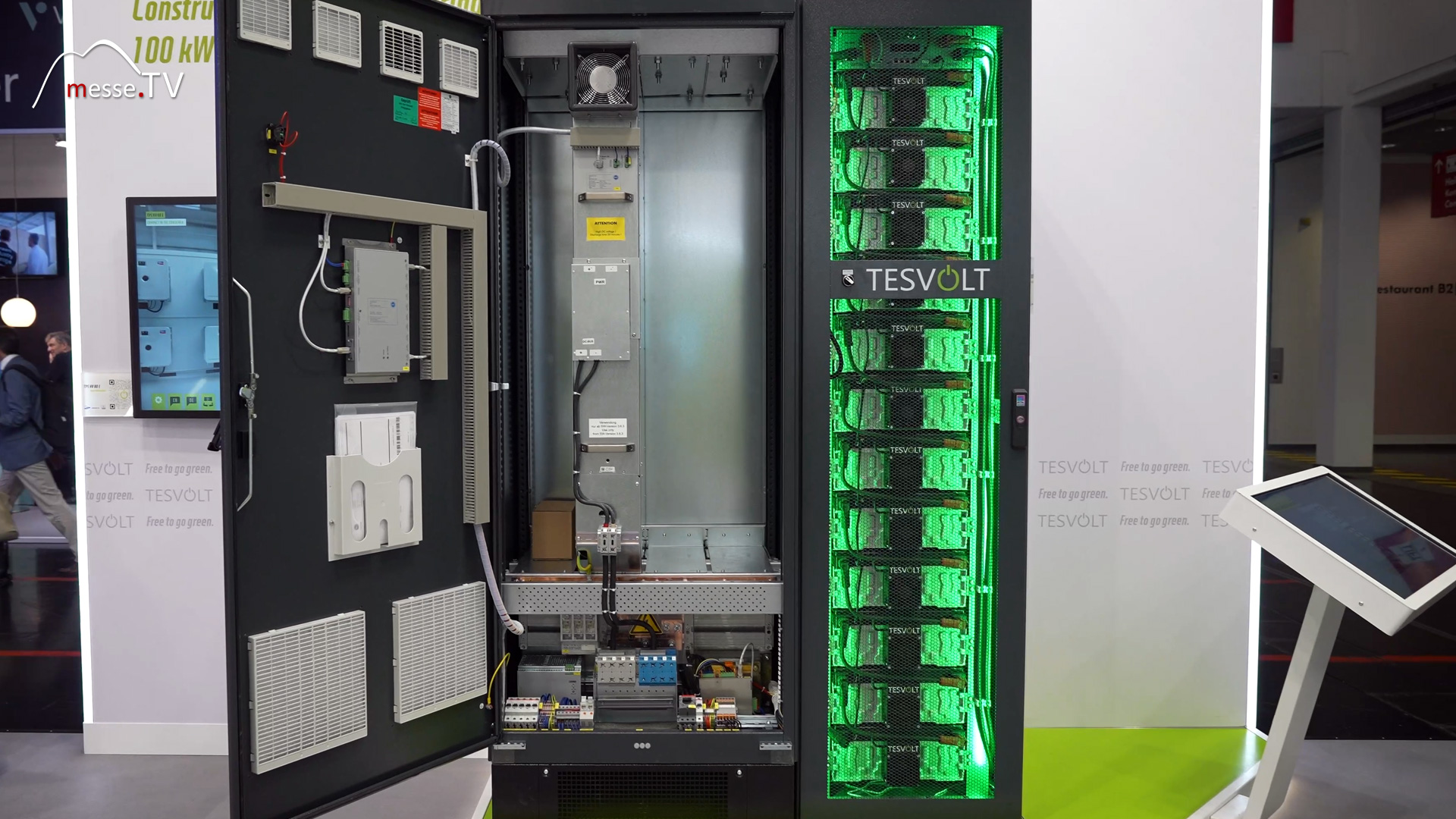
Intelligent monitoring for PV systems - Smartblue
Smartblue develops and implements intelligent, hardware-independent solutions for monitoring photovoltaic systems. Its "Smart Control" system uses automated fault detection and int... Intelligent monitoring for PV systems - Smartblue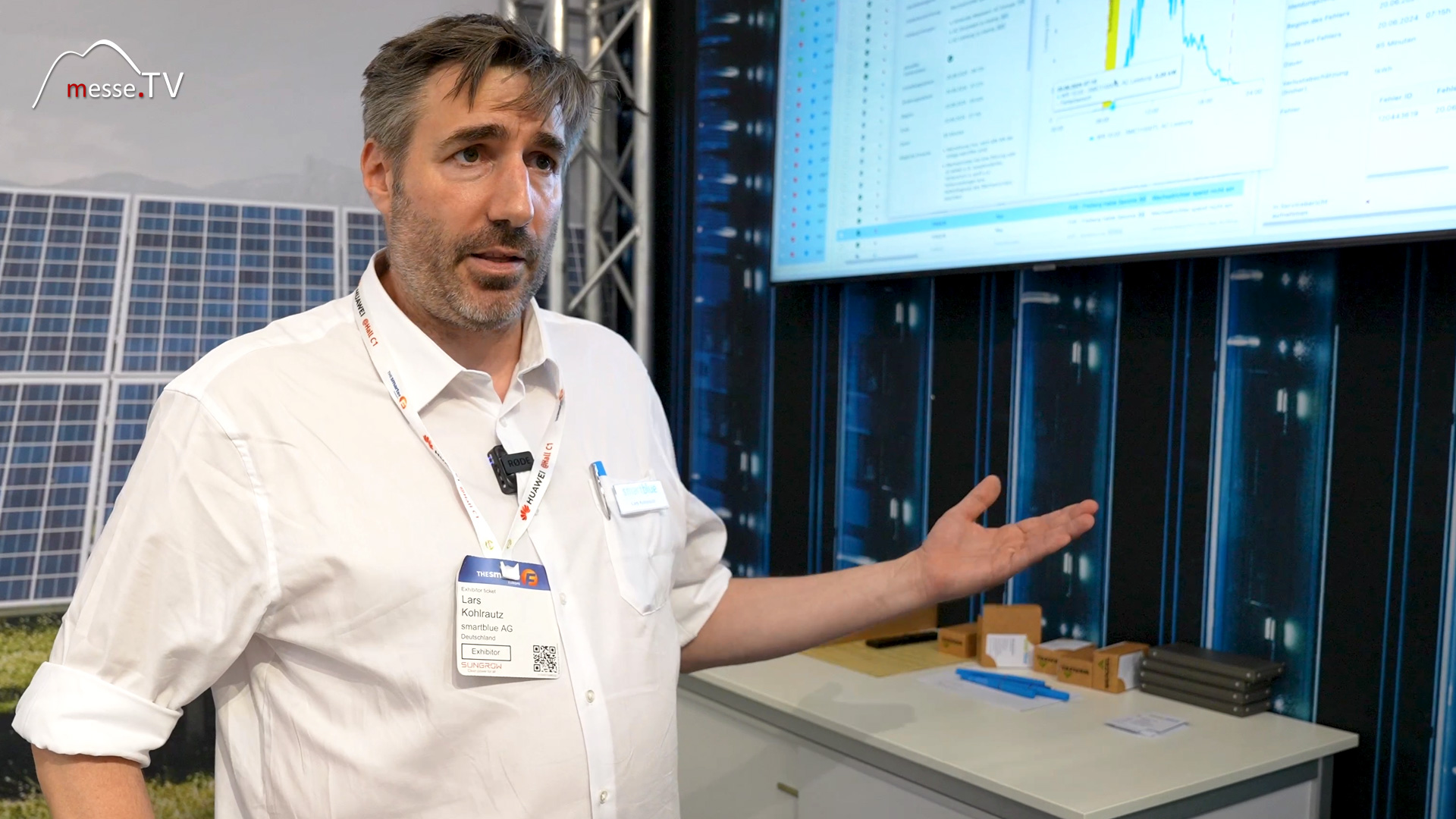
Photovoltaic solutions - REC
REC Group is a leading manufacturer of solar panels headquartered in Norway. Founded in 1996, REC specializes in the development and production of high-quality and sustainable sola... Photovoltaic solutions - REC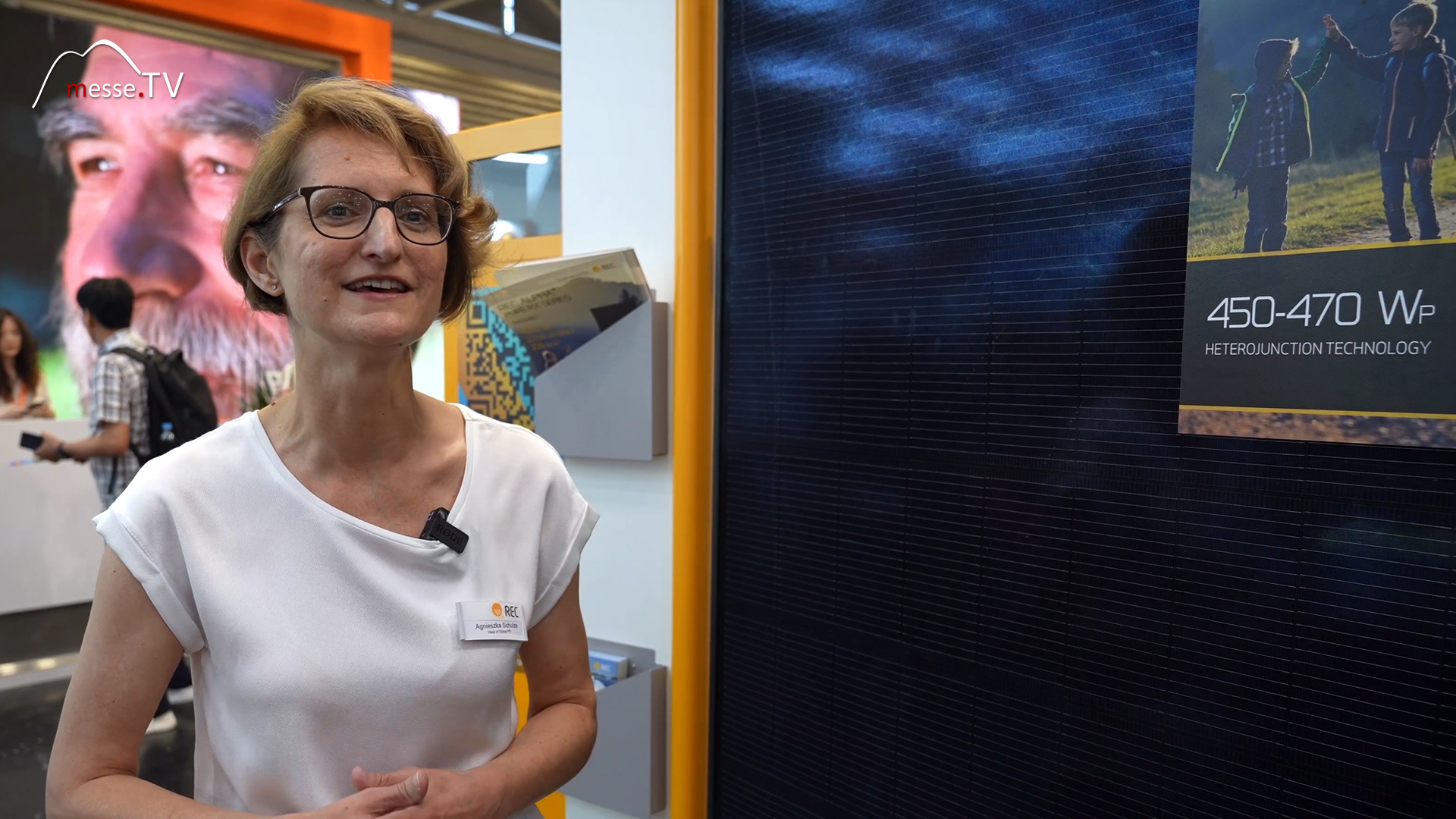
Solar system direct from the manufacturer - Q Cells
Q CELLS is a leading provider of solar energy solutions and offers innovative solar modules, energy storage systems and complete solutions for private and business customers. Its p... Solar system direct from the manufacturer - Q Cells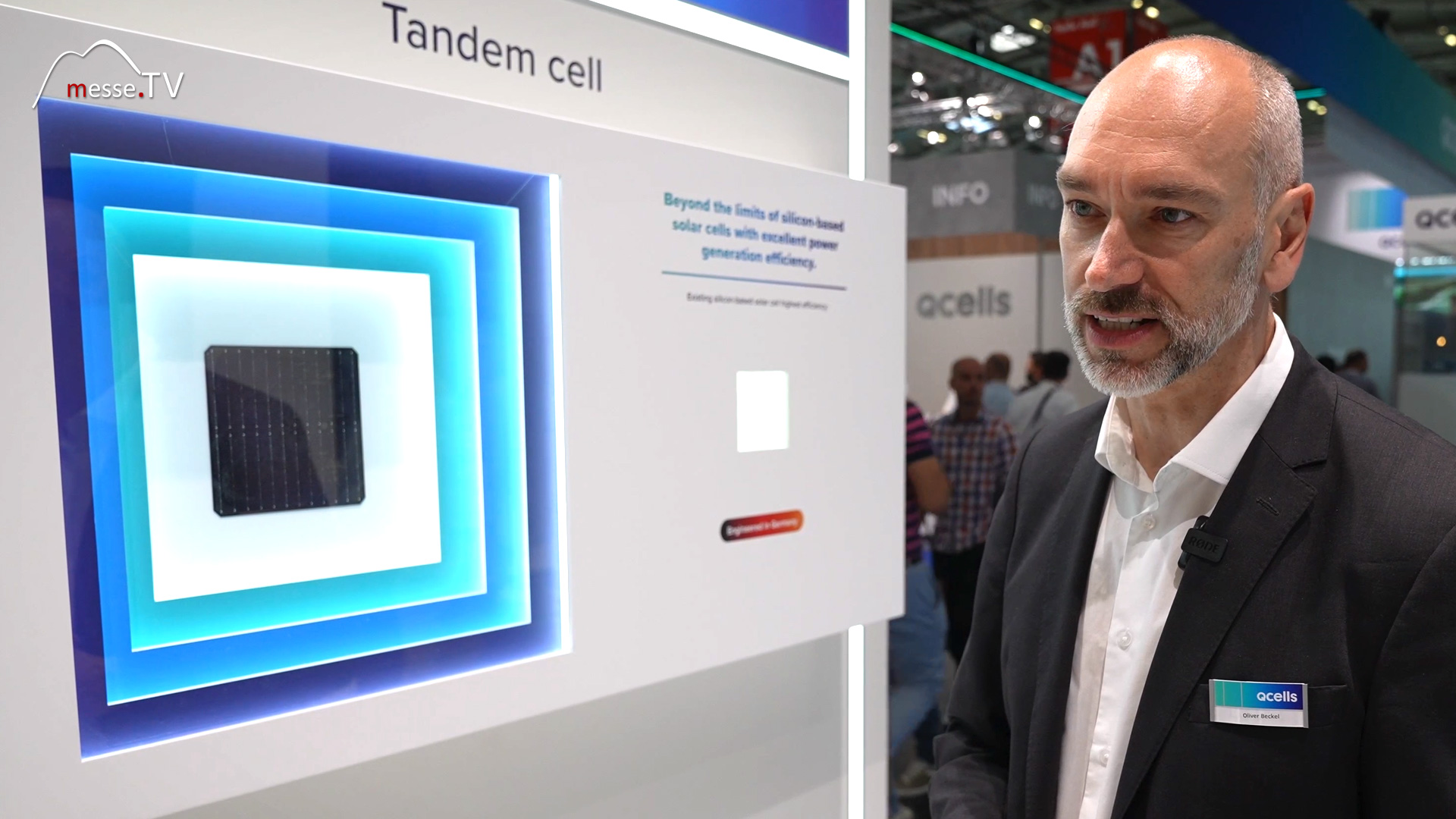
Energy storage solutions - PRIME Batteries
PRIME Batteries Technology offers advanced energy storage solutions for various applications, including stationary energy storage, industrial applications, electric vehicles and ma... Energy storage solutions - PRIME Batteries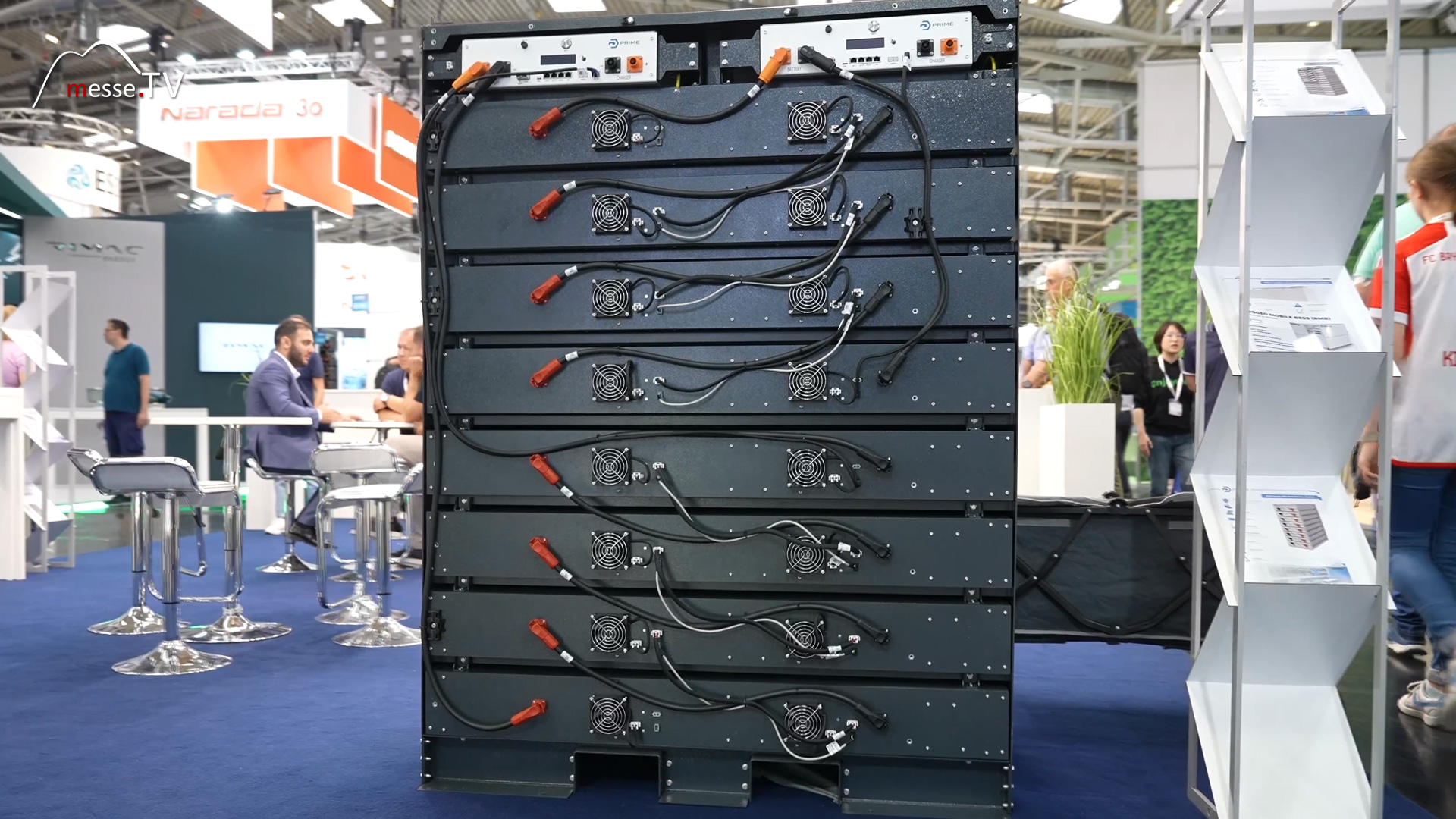
Equipment manufacturer solar industry - M10 Solar Equipment
M10 Solar Equipment offers highly innovative technologies for the manufacture of solar modules, including shingle matrix technology, which enables higher efficiencies and more cost... Equipment manufacturer solar industry - M10 Solar Equipment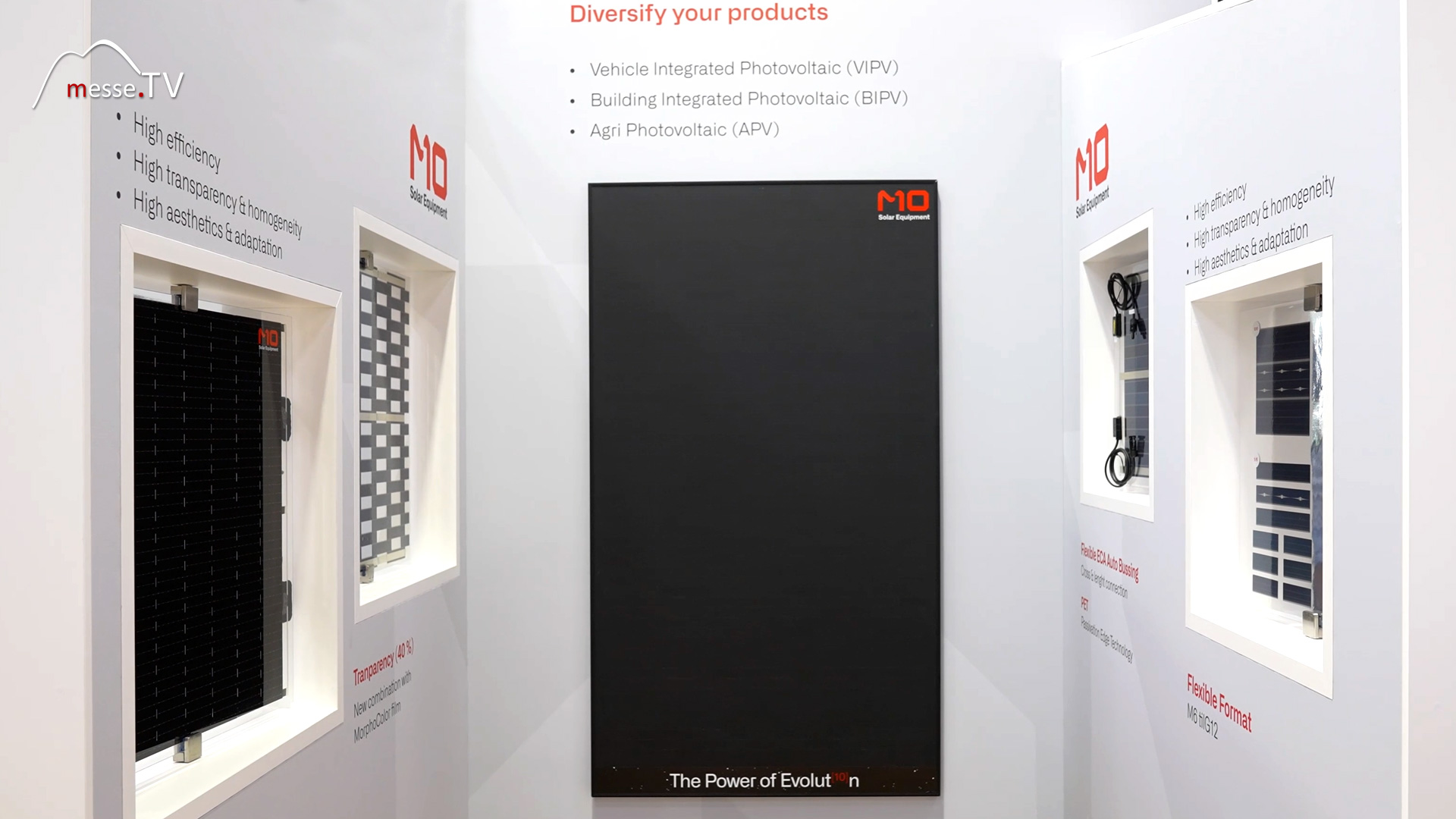
Solar module manufacturer - LONGi
LONGi is a leading company in the solar energy industry and offers comprehensive solutions for the use of renewable energies. With a focus on high-efficiency monocrystalline silico... Solar module manufacturer - LONGi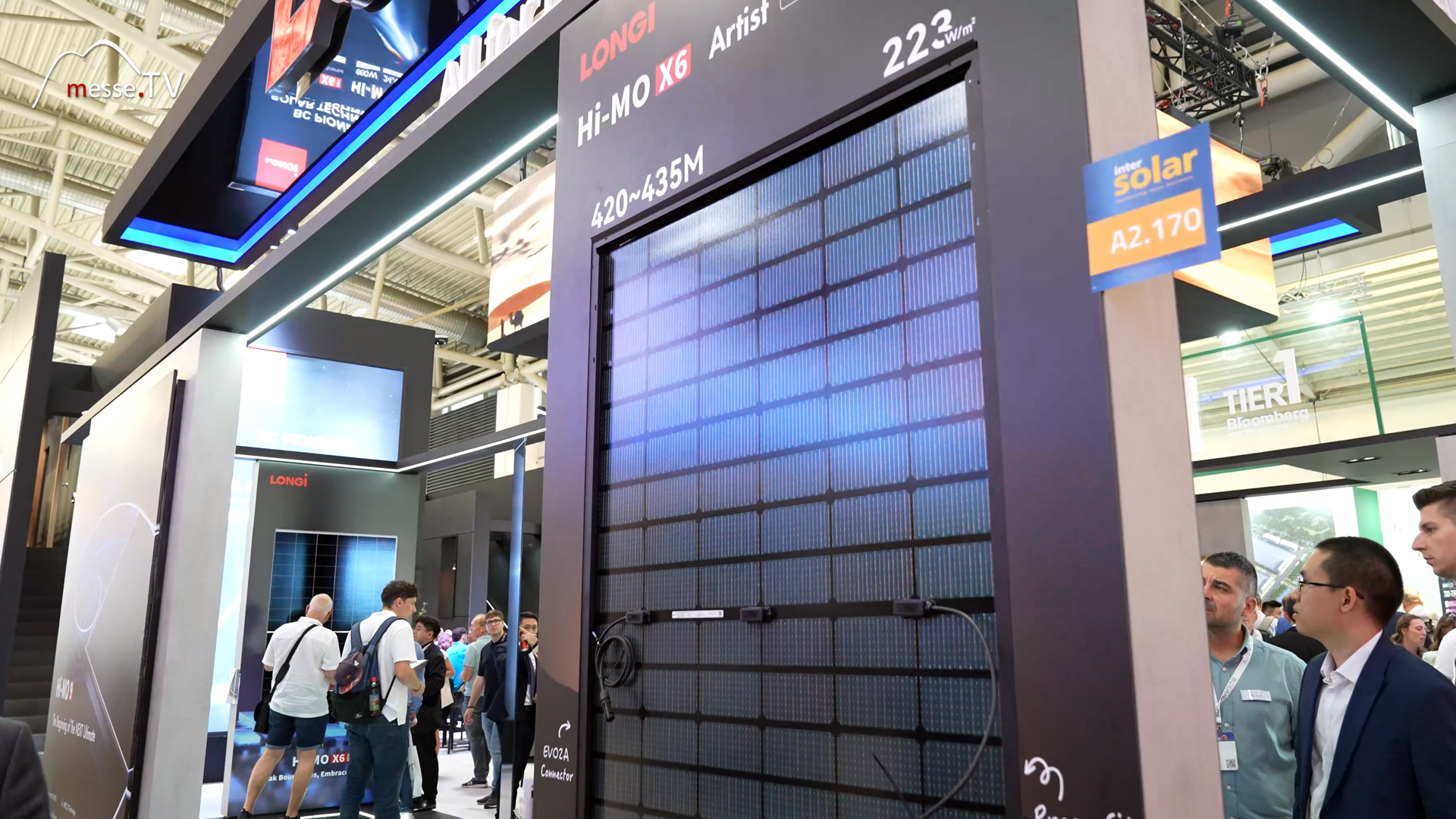
Stationary battery storage systems - Kyon Energy
Kyon Energy develops and operates large-scale battery storage technologies to support the energy transition. The company offers comprehensive services, from site development to tur... Stationary battery storage systems - Kyon Energy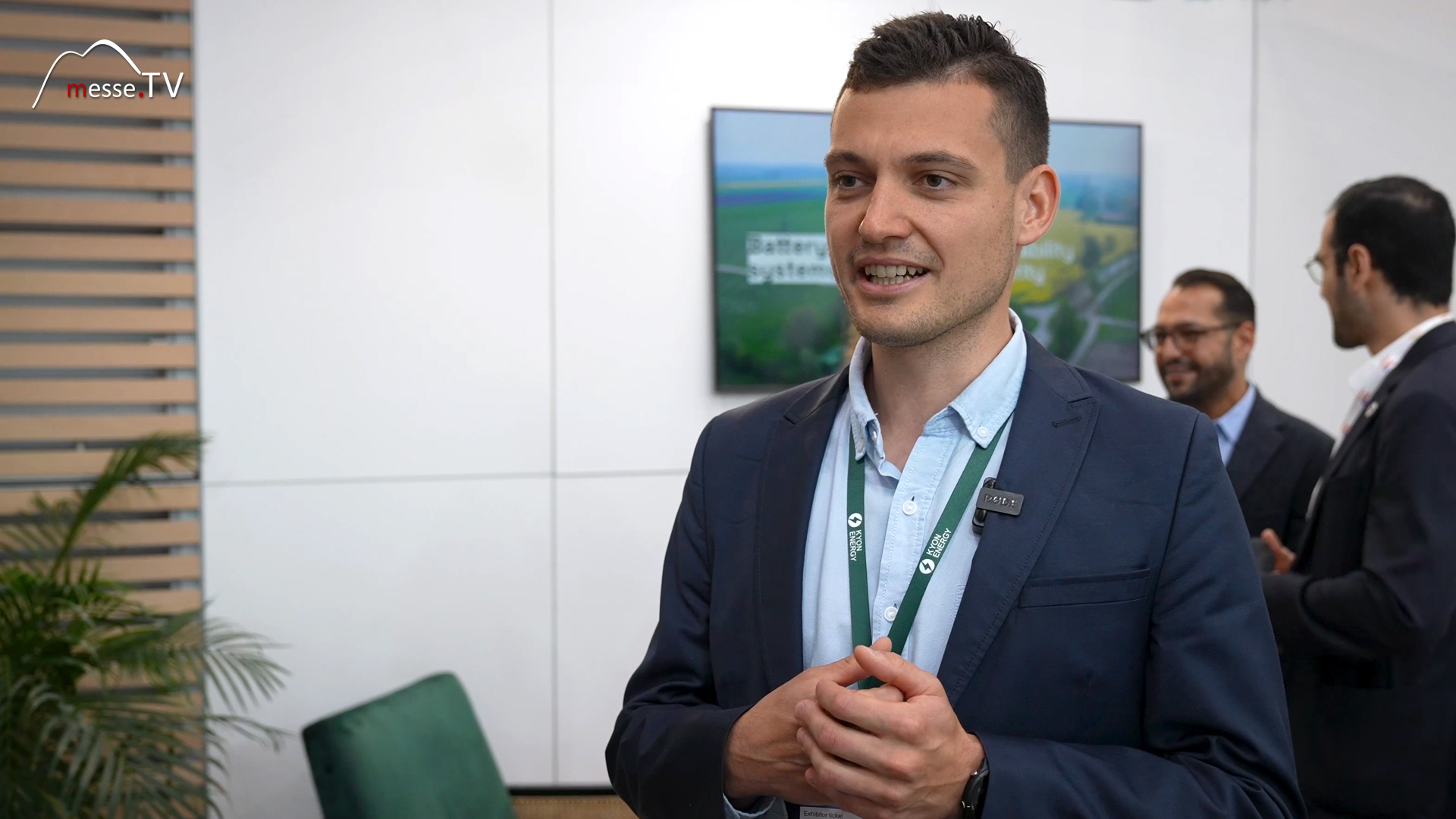
Using battery storage for energy trading and self-consumption
In the energy system, battery storage systems are usually first associated with self-consumption. Electricity from photovoltaic systems is stored so that it can be used later in th... Battery storage with safety requirements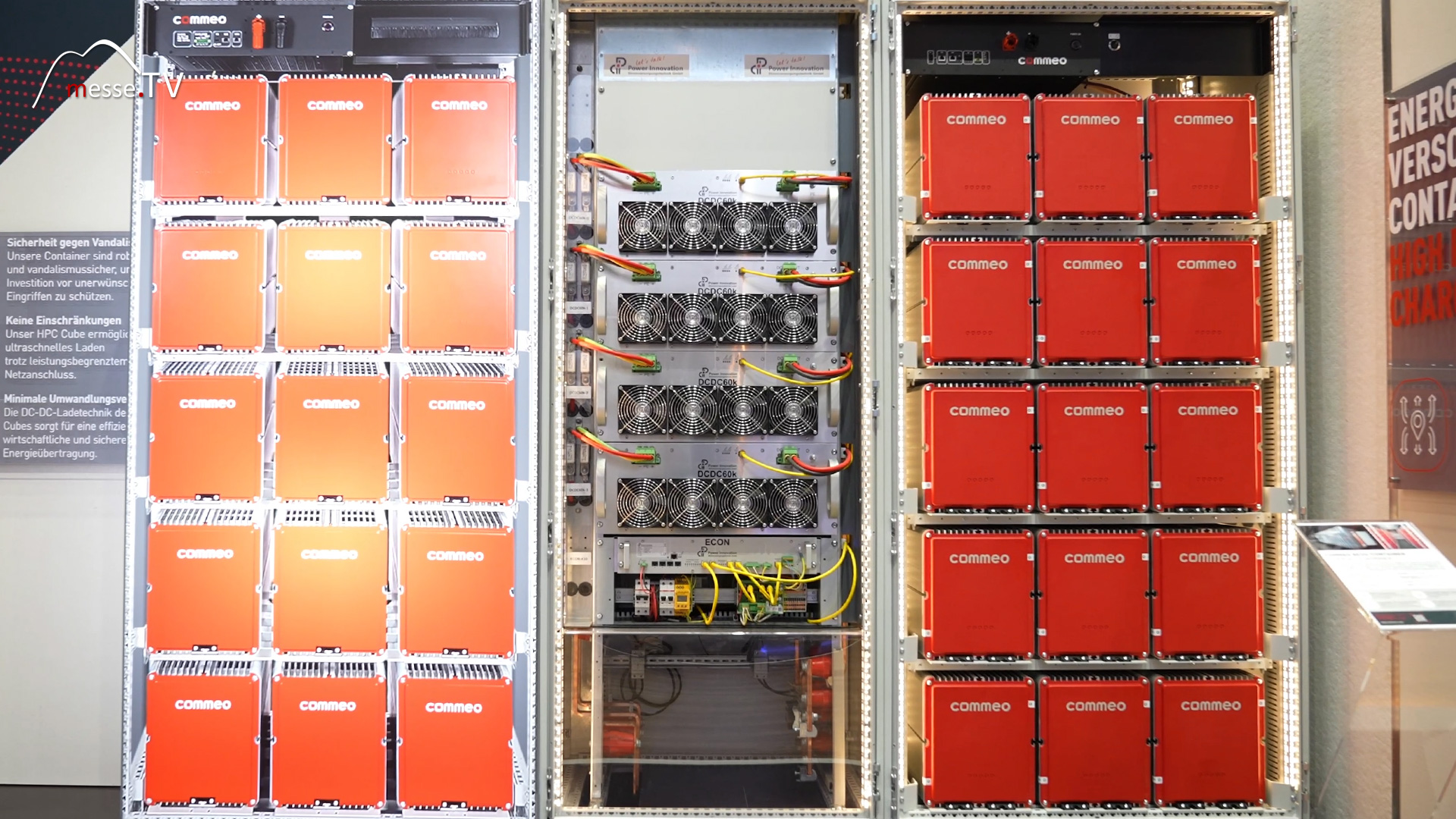
Home storage systems for photovoltaics and energy
The use of photovoltaics is increasingly developing in the direction of integrated energy systems. Power generation alone is no longer enough; the key question is how energy is sto... From power generation to integrated energy systems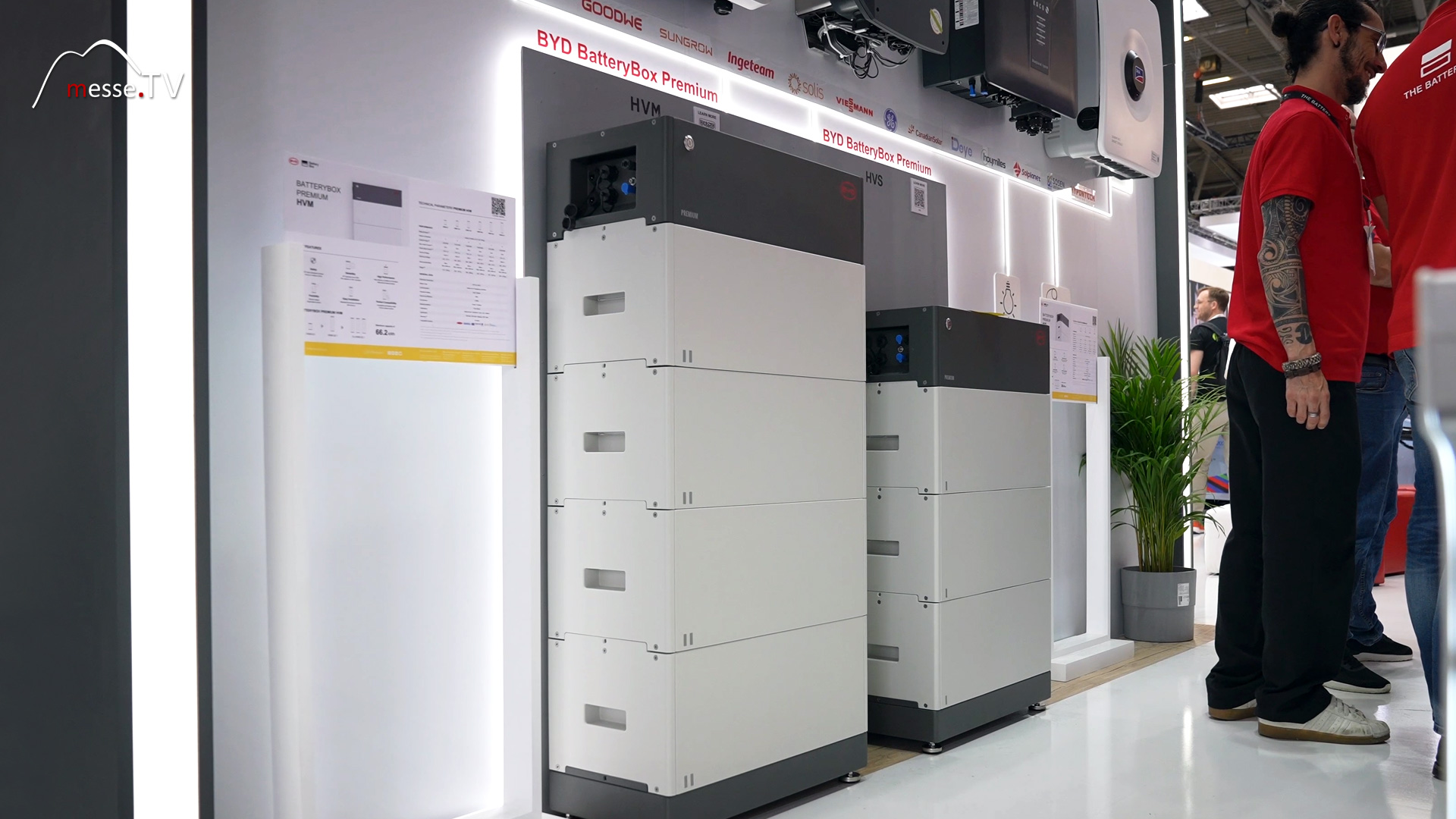
VdZ e.V. - Trade Association for Buildings and Energy
The Wirtschaftsvereinigung Gebäude und Energie e.V., VDZ for short, represents the entire value chain of building technology, mainly in the heating sector, but not exclusively. Fro... VdZ e.V. - Trade Association for Buildings and Energy
Heat pumps and ventilation systems - tecalor
TECALOR GmbH has been extremely successful in the heat pump sector for over two decades. Its high-quality products are sold throughout Germany and the company is actively involved ... Heat pumps and ventilation systems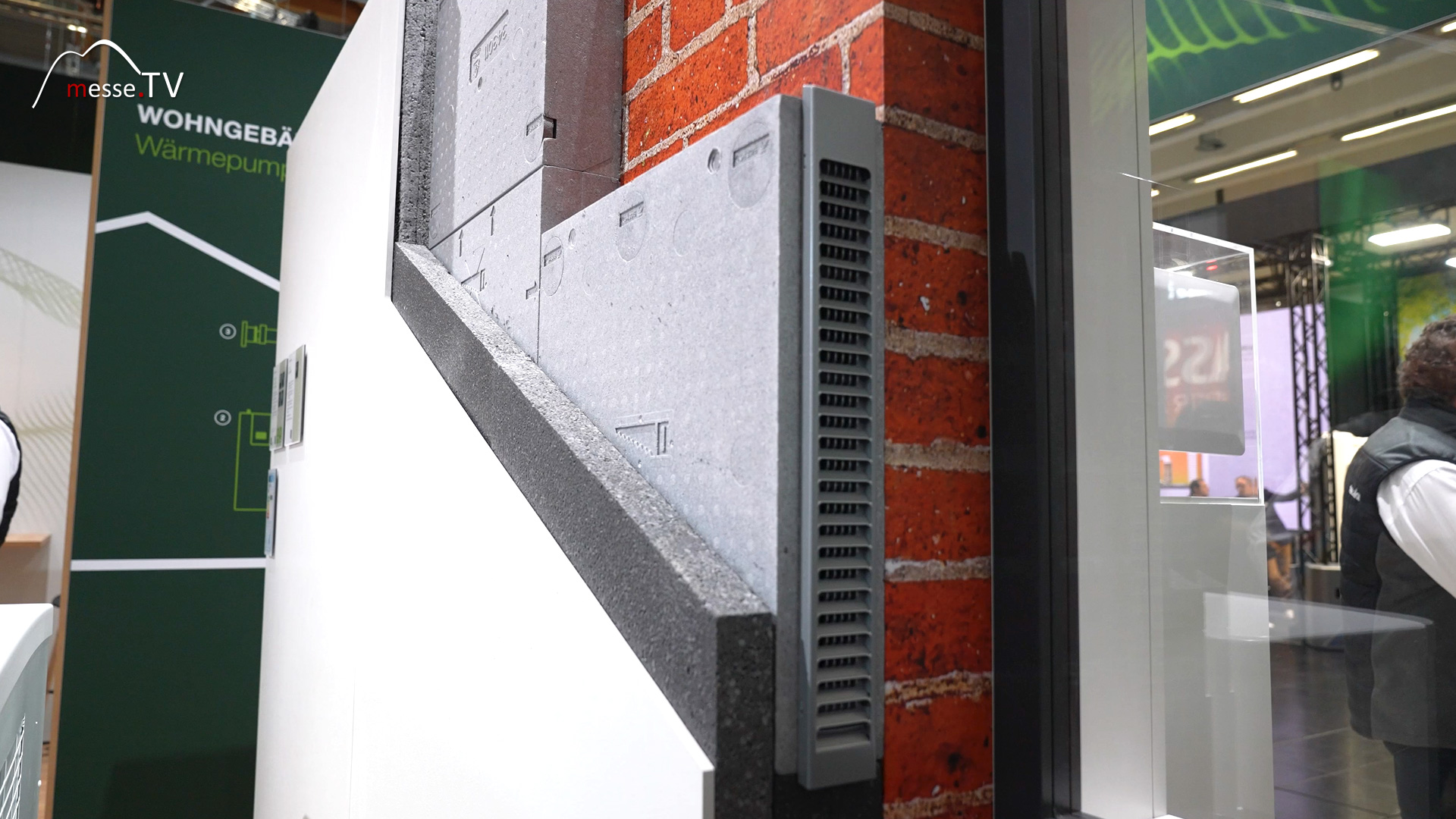
New technologies for decentralized energy supply
Energy supply is increasingly being organized in a decentralized manner – through photovoltaic systems, battery storage, heat pumps, and digital control systems. Providers such as Solarland Bayern, Svea Solar, and PREFA are demonstrating how residential and commercial units can be made independent of the traditional power grid. Modular energy storage solutions from companies such as Sonnen, VARTA, and TESVOLT also enable the flexible use of renewable sources.
- Photovoltaic systems with storage and dynamic electricity tariffs (e.g., LichtBlick)
- Plug-and-play balcony power plants for rental apartments (e.g., Green Solar)
- Hybrid solutions with PV, storage, and charging infrastructure (e.g., SolaX, Smart Solar)
Hydrogen, fuel cells, and industrial applications
Hydrogen technology is considered one of the key components for a climate-neutral future—not only in transportation, but also in industry and energy production. Companies such as Cellcentric, EKPO Fuel Cell Technologies, Siemens, and Neuman & Esser are working on scalable solutions for electrolysis, storage, and utilization. Logistics also benefits: fuel cells are replacing batteries in forklifts, fleets, and container terminals.
- H2 production plants and electrolysers for industrial projects (e.g., Thyssenkrupp, Fraunhofer ISE)
- System solutions for long-distance transport and commercial vehicles (e.g., Mercedes-Benz GenH2 Truck)
- Specialized components such as MEAs, bipolar plates, and safety valves
Heating solutions between heat pumps, biomass, and system integration
In the building sector, heating systems are continuing to develop in the direction of efficiency, modularity, and sustainability. Manufacturers such as Bosch, Panasonic, Solarfocus, and Weishaupt are focusing on modern heat pumps, supplemented by smart control, energy management, and combinations with photovoltaics. At the same time, biomass remains a stable component of regional heating strategies, for example through suppliers such as Hargassner and Fröling. Innovative concepts are created through:
- Modular building technology with integrated ventilation (e.g., Smart Cube 360)
- System solutions for hot water, storage, and heating circuit control
- Planning software for heat pumps and heating systems (e.g., autarc, Zenesis)
Energy research: Focus on renewable energies
The energy research area plays a central role when it comes to classifying technological developments and realistically assessing their impact on the environment, economy, and society. The focus is on renewable energies that are used both for electricity generation and for renewable heat. Photovoltaics, wind power, heat pumps, solar thermal energy, and biomass are not isolated topics, but rather a closely interlinked overall system that is increasingly being digitally controlled and optimized. Research institutions, industry, and energy suppliers are working together to make these technologies more efficient, durable, and easier to integrate. An important aspect is the comparison of different systems and applications. While renewable electricity can now be generated competitively in many regions, research is increasingly focusing on coupling the electricity and heating sectors. This shows how crucial storage technologies, smart grids, and load management are for ensuring security of supply while sustainably reducing energy-related emissions. In the building sector in particular, it is clear that only the interaction of generation, storage, and use can fully realize the ecological benefits. The projects and companies presented on Messe.TV reflect this development. They show how research results are gradually being translated into marketable solutions and how new technologies are contributing to more efficient energy use and measurable reductions in emissions. This makes the research sector not only a driver of innovation, but also an important basis for decision-making for politicians, businesses, and users who want to actively shape the transformation of the energy supply.
Trade fair reporting Germany - Trade fair knowledge, dates & events


