Sector coupling and control technology for an electric energy future
The energy transition will not be decided solely by the expansion of renewable generation. Only when electricity, heat, mobility, and industrial processes are intelligently linked will a sustainable overall system emerge.
This is precisely where modern sector coupling comes in – technically sophisticated, regulatory complex, and increasingly crucial for the decarbonization of industry and infrastructure. Phoenix Contact is positioning itself in this field with solutions that go far beyond classic connection technology.
Industrial origins and strategic orientation
The company, based in East Westphalia-Lippe, can look back on more than a century of history. Founded at the beginning of the last century, Phoenix Contact has developed from a classic industrial equipment supplier to a provider of integrated automation and energy solutions. The strategic guiding principle can be clearly summarized: electrification as a prerequisite for climate protection and industrial competitiveness. The focus is on two closely related topics: the coupling of different energy sectors and their consistent decarbonization. Electrical power is no longer viewed in isolation, but as a connecting element that intelligently brings together generation, storage, consumption, and feed-back. This perspective shapes both product development and system architecture.

Grid connection and control in medium voltage
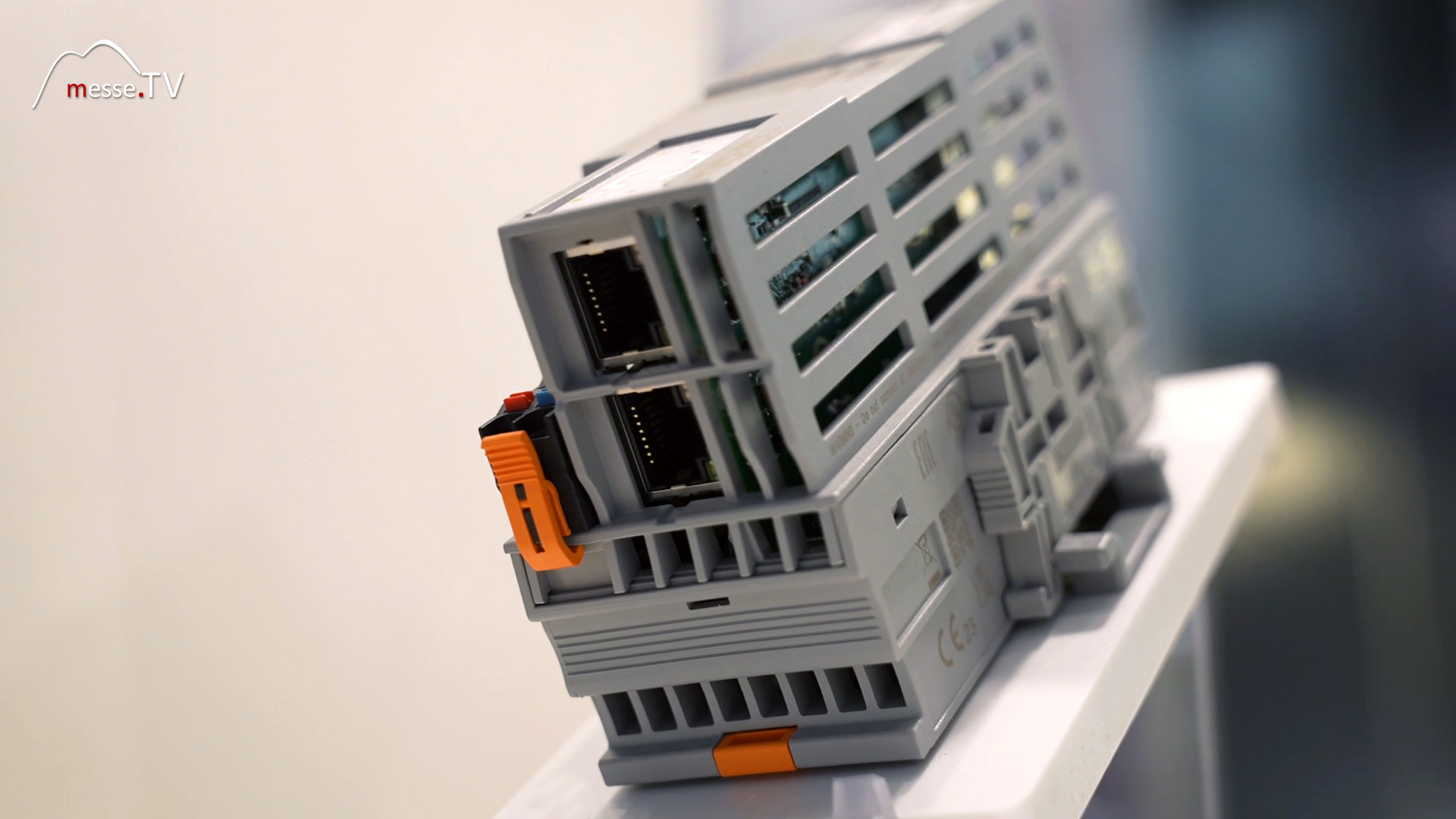
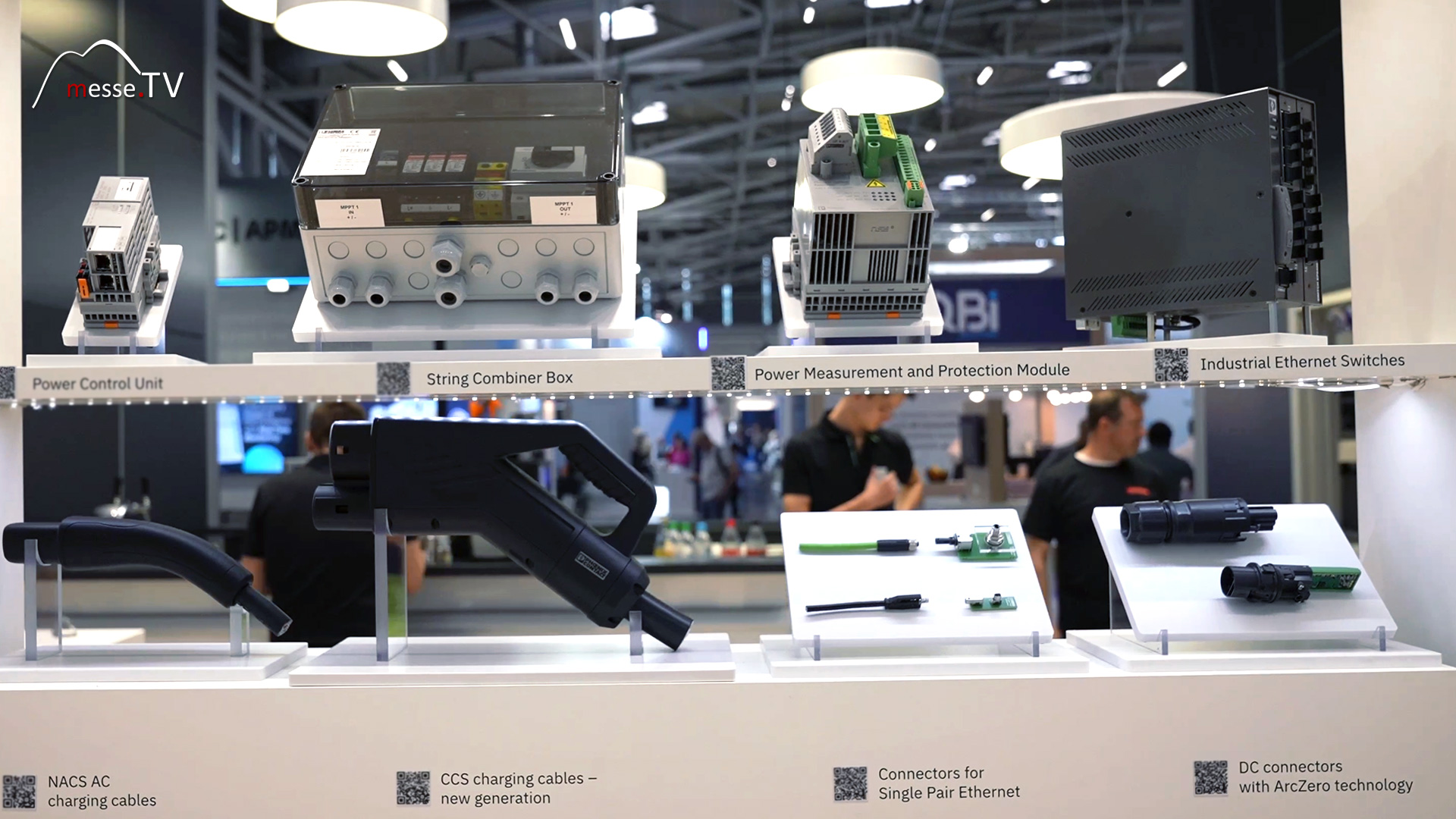
A central element of modern photovoltaic and energy systems is a secure and standard-compliant grid connection. Requirements are increasing significantly, especially in the medium-voltage range. Grid operators demand precise control mechanisms, stable feed-in, and comprehensive certifications. This is where a certified feed-in controller comes in, which is specially designed for grid connection solutions in medium voltage. It complies with the relevant technical connection rules and enables the controlled feed-in of renewable energy into complex grid infrastructures. Such systems are a prerequisite for large PV systems, storage solutions, or hybrid energy systems to be eligible for approval in the first place.
Surge protection and generator connection in the PV sector
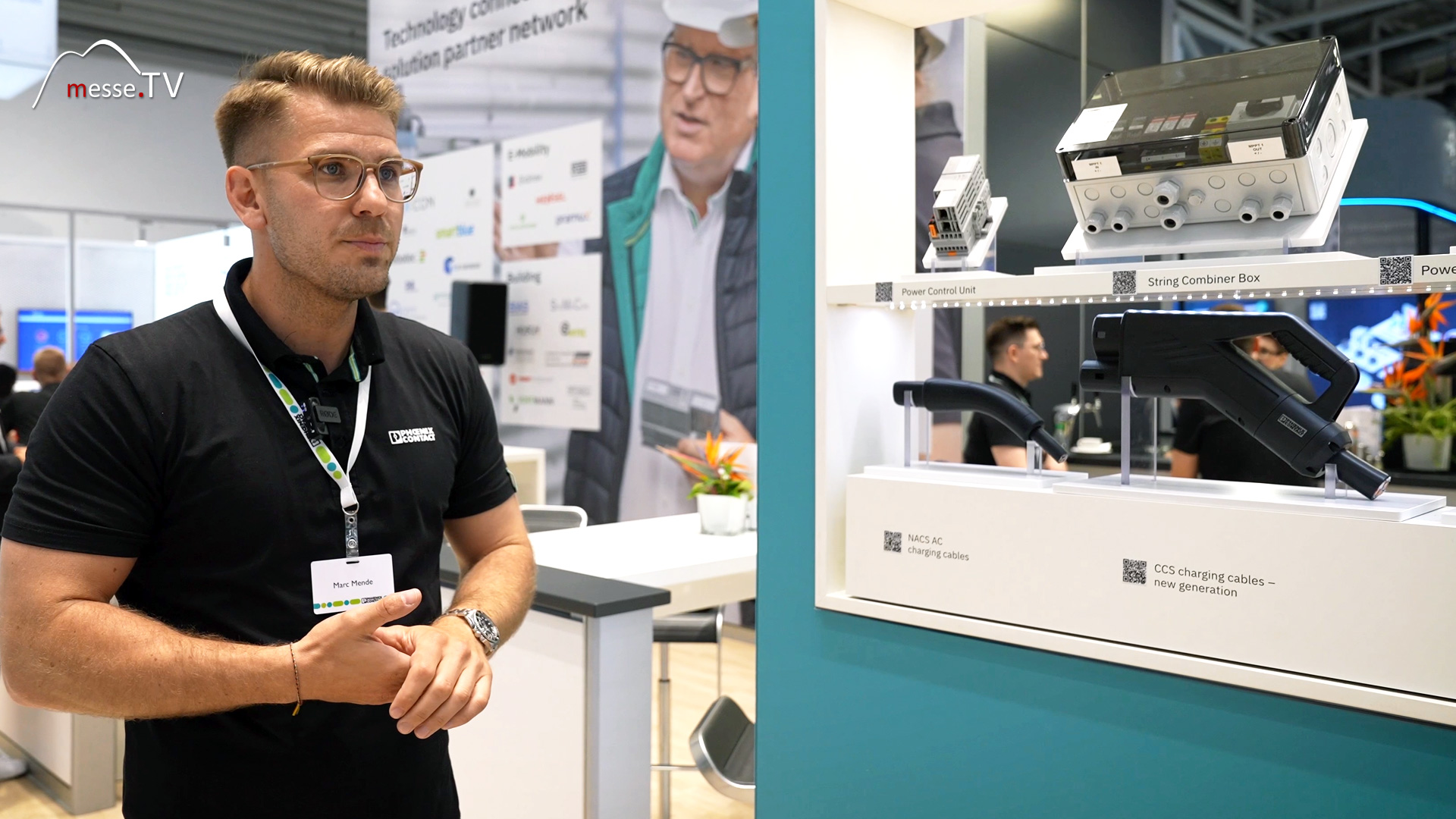
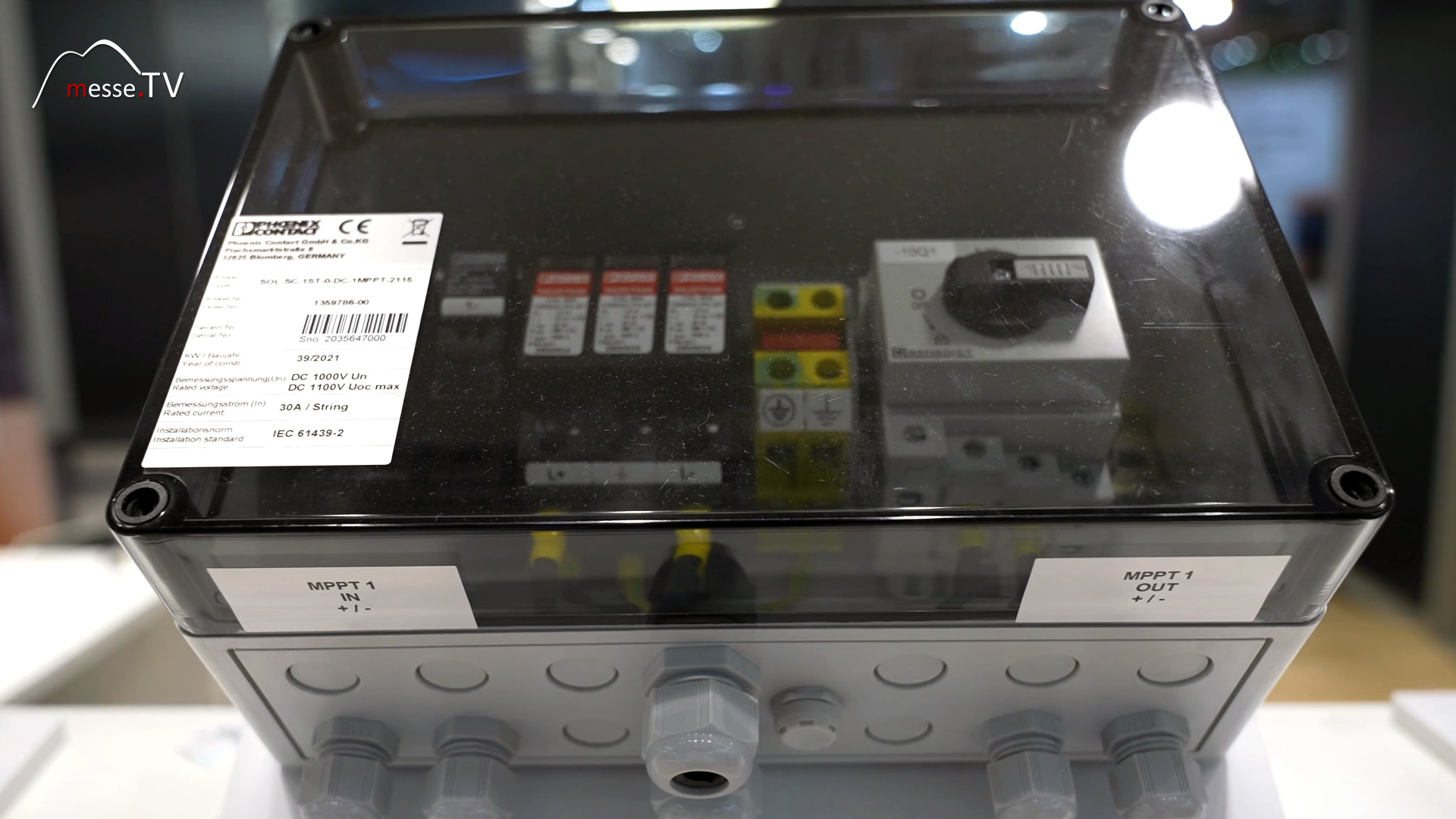
In addition to control technology, the protection of the systems plays a central role. Photovoltaic systems are exposed, widely distributed, and sensitive to transient surges. Generator connection boxes form the first line of defense between the module and the inverter. The portfolio includes variants with integrated surge arresters of various types, optionally combined with DC load break switches. This allows a wide variety of system concepts to be implemented – from small rooftop systems to larger installations. The systems are tailored to the inverters commonly used in Germany and comply with the relevant standards, which is why they are mainly used in German-speaking countries.
Open control platform as a link
An essential technological component is an open control platform based on Linux. Unlike proprietary systems, it is designed to be flexibly expanded by system integrators. The certified core meets the current requirements of the technical connection rules and takes into account new regulatory requirements resulting from recent amendments to energy law. This openness is becoming increasingly important, particularly in the context of the solar package and new certification requirements. Today, energy systems must not only feed into the grid, but also be able to actively participate in grid management, shift loads, and integrate additional consumers. Typical extensions of such platforms are:
- Connection of energy management systems
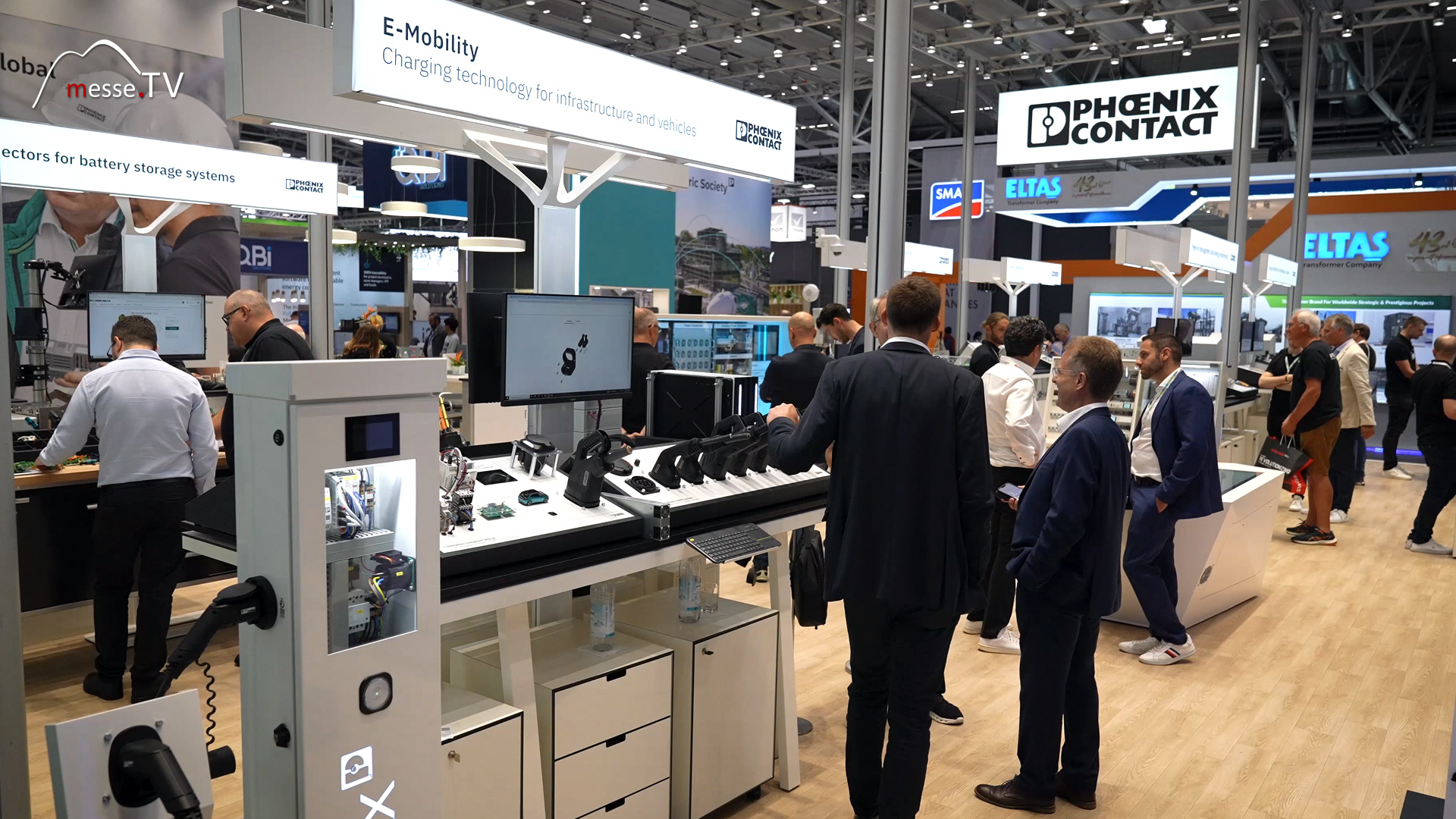
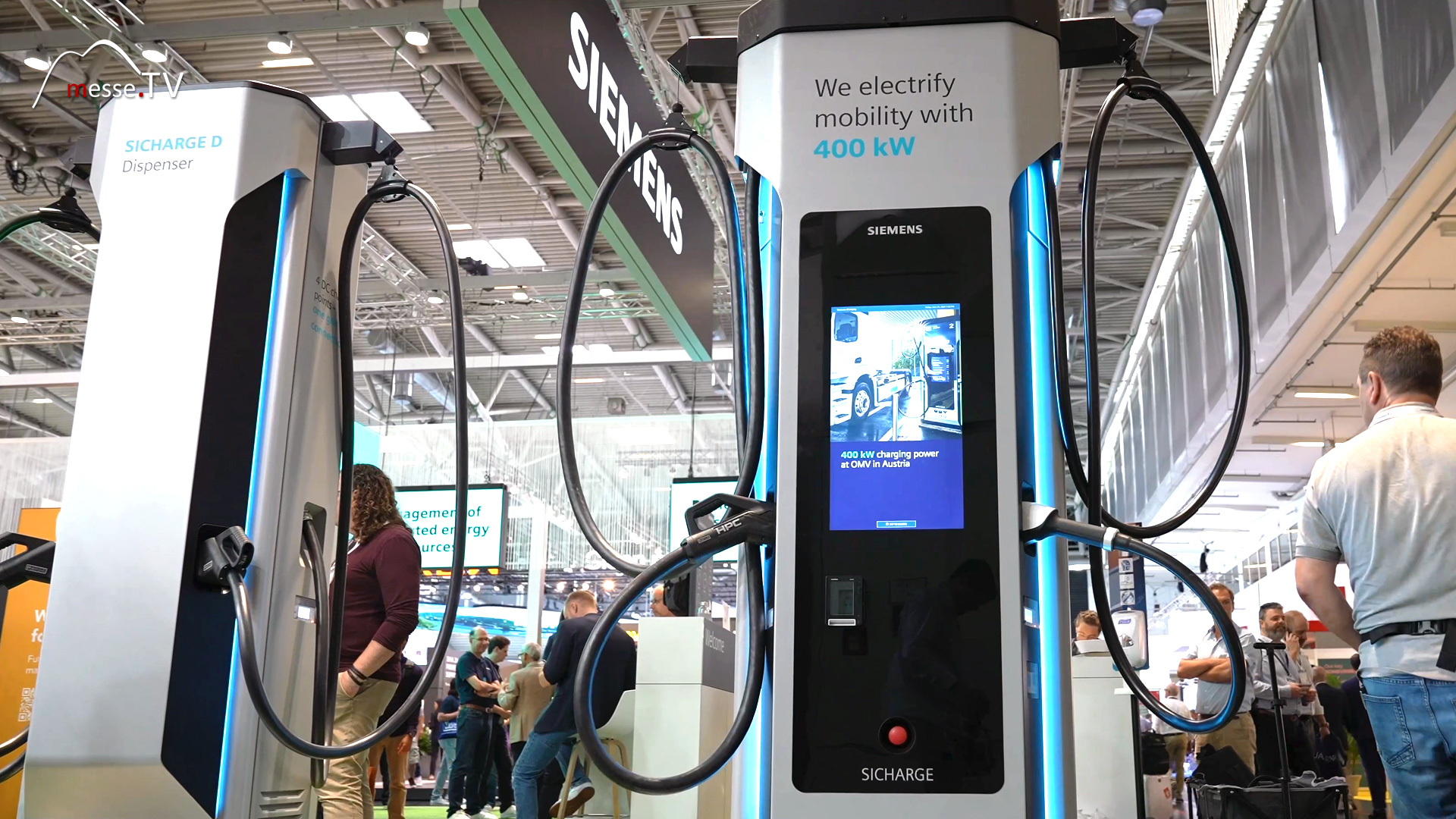
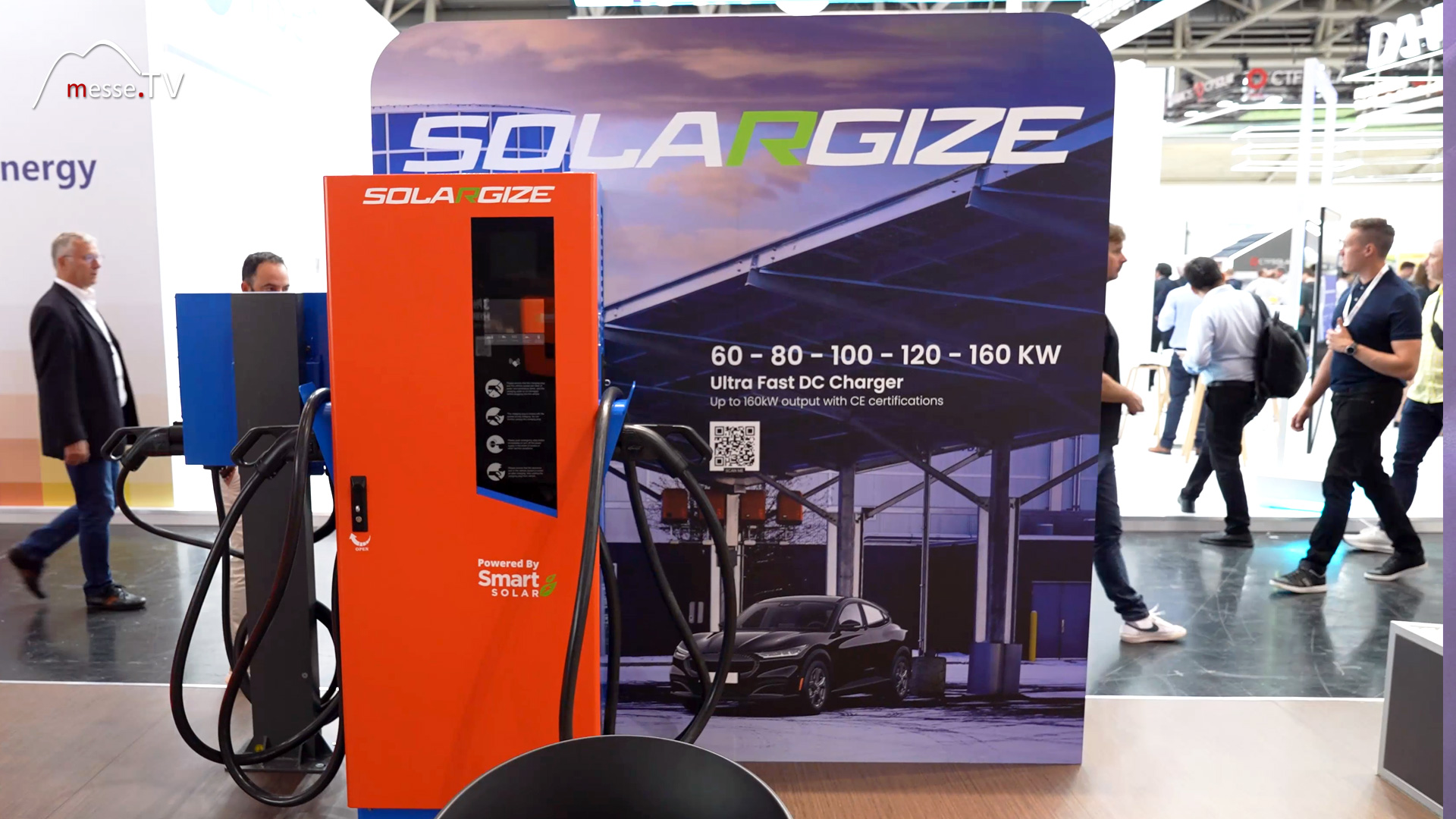
- Integration of charging infrastructure for electromobility
- Coupling of electricity, heat, and storage solutions
- Connection of additional industrial automation components

Standards, certification, and international scaling
While hardware solutions in the PV sector are strongly influenced by national standards, control technology can be used internationally. This is precisely where a structural advantage lies: once certified, core functions can be adapted and scaled worldwide without having to redevelop the entire system. Phoenix Contact uses this approach to address sector coupling not as a regional special topic, but as a global infrastructure concept. Different regulatory frameworks are mapped on the software side, while the underlying architecture remains stable.
Significance for industry and the energy sector
The technologies presented show that decarbonization is not just a question of new generation plants. The decisive factor is the ability to control and secure complex energy systems and integrate them in a regulatory-compliant manner. This system expertise is becoming an increasingly important competitive factor, especially for industrial companies, municipalities, and operators of larger energy plants. Phoenix Contact does not act purely as a component supplier, but as an enabler of an electrical infrastructure that connects different sectors. Sector coupling thus becomes a concrete, implementable technical task rather than an abstract political goal – with clear requirements for control, security, and openness of the systems.
Trade fair reporting Germany - Trade fair knowledge, dates & events


