Agri-PV Modul für vertikale Montage am Feldrand
von Andreas Bergmeier - 2024-07-04Photovoltaik auf landwirtschaftlichen Flächen steht häufig vor einem Zielkonflikt. Einerseits werden zusätzliche Flächen für die Stromerzeugung benötigt, andererseits soll die landwirtschaftliche Nutzung möglichst erhalten bleiben.
Besonders klassische Solarfarmen geraten deshalb immer wieder in die Diskussion, weil sie große Areale beanspruchen. Für Agri-PV entstehen daher zunehmend Lösungen, die Stromproduktion und Bewirtschaftung enger miteinander verbinden. Ein Beispiel dafür ist ein speziell entwickeltes Modul für die vertikale Montage am Feldrand. Es soll dort Strom erzeugen, wo Flächen ohnehin nicht voll genutzt werden, und gleichzeitig den Betrieb auf dem Feld möglichst wenig beeinträchtigen.
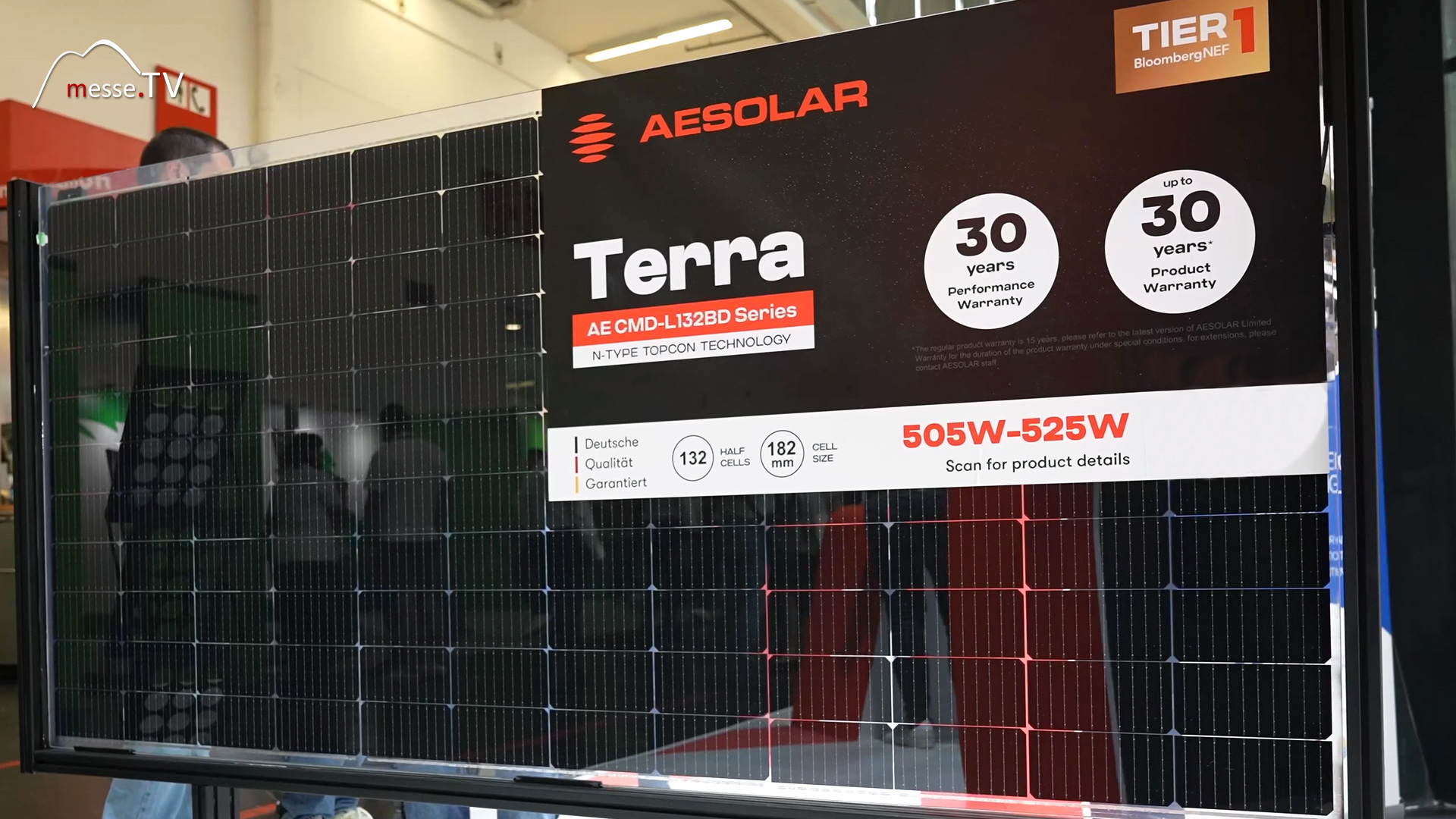

Aesolar entwickelt Terra Modul für Agri-PV
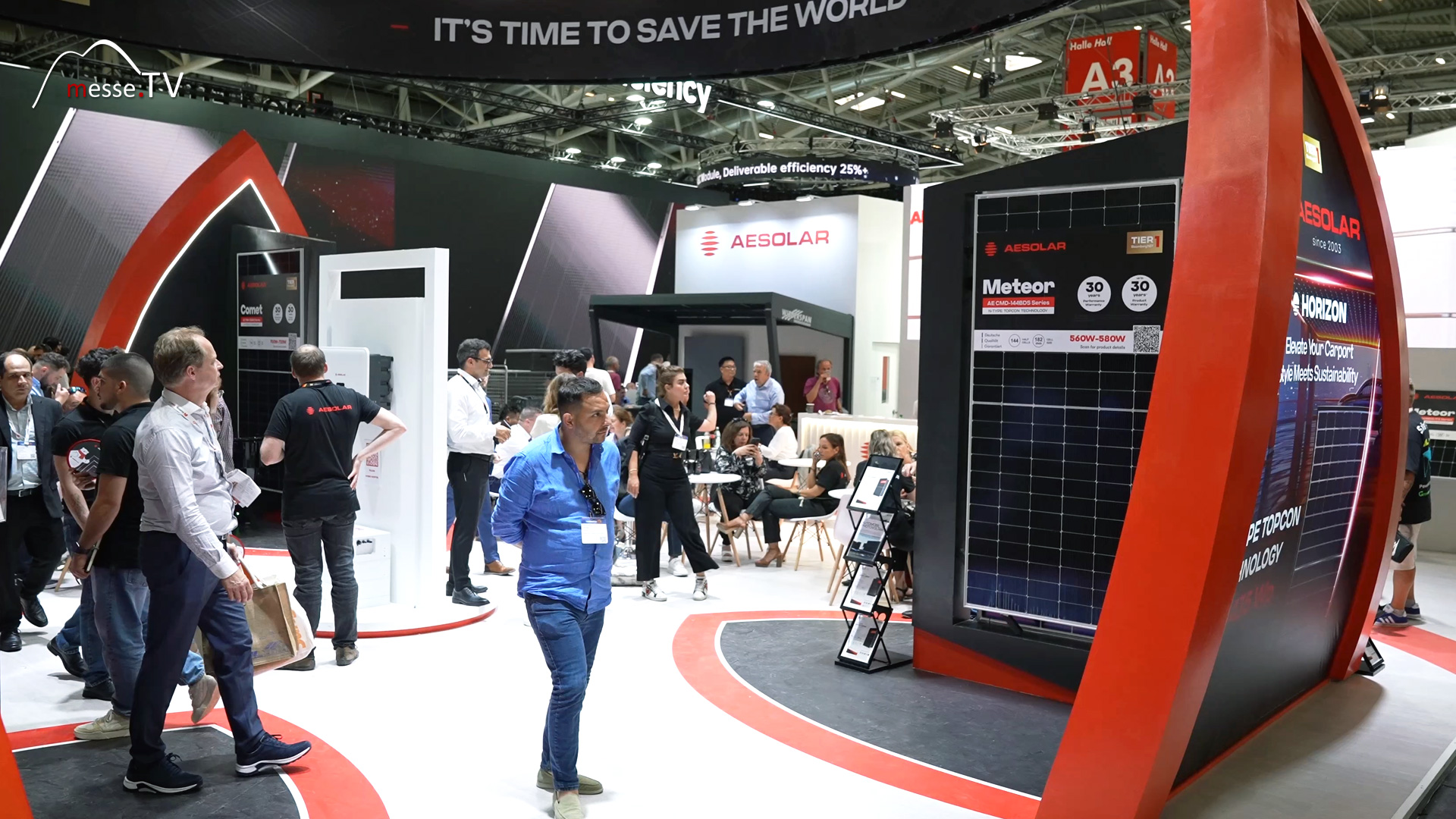
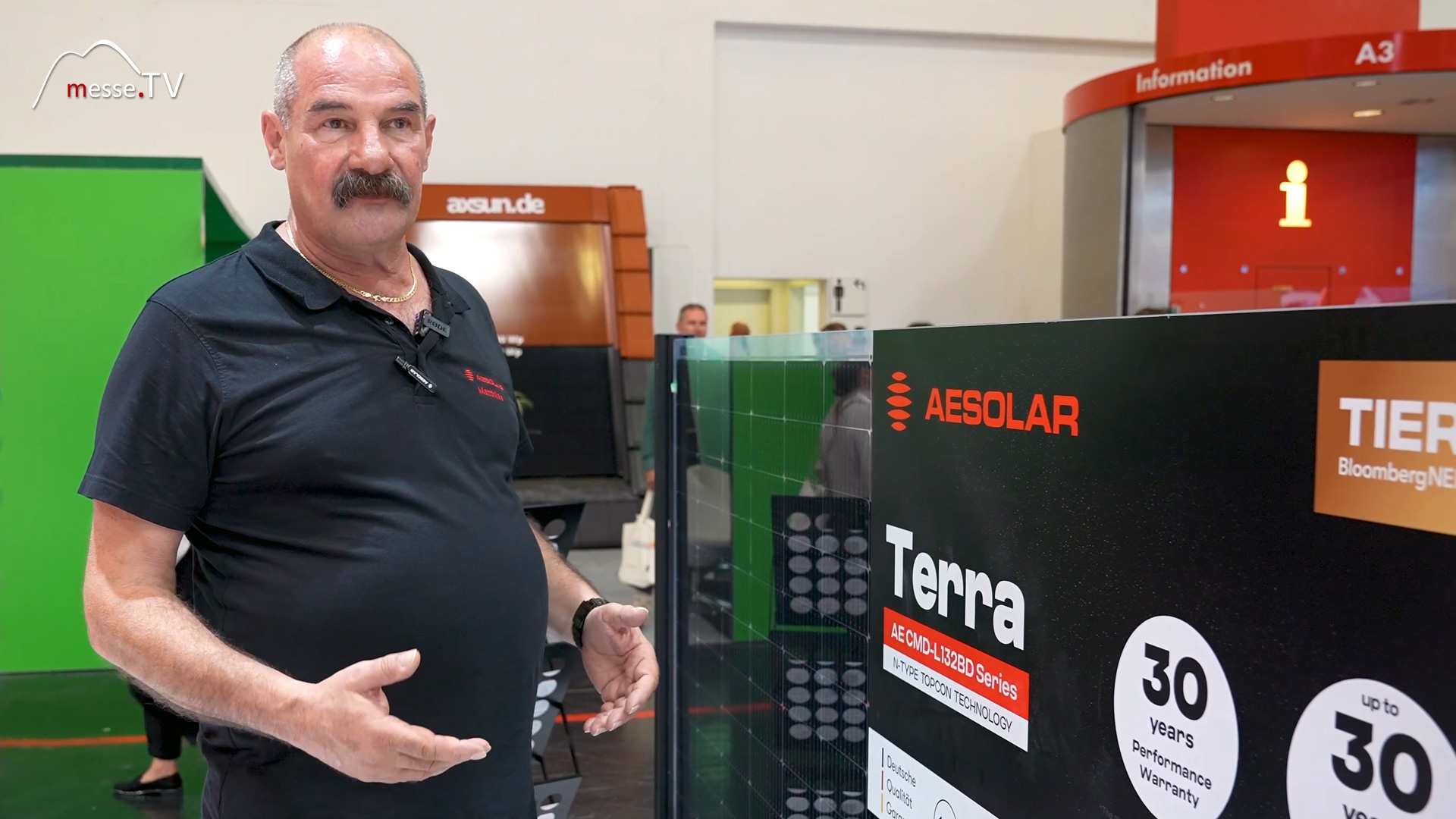
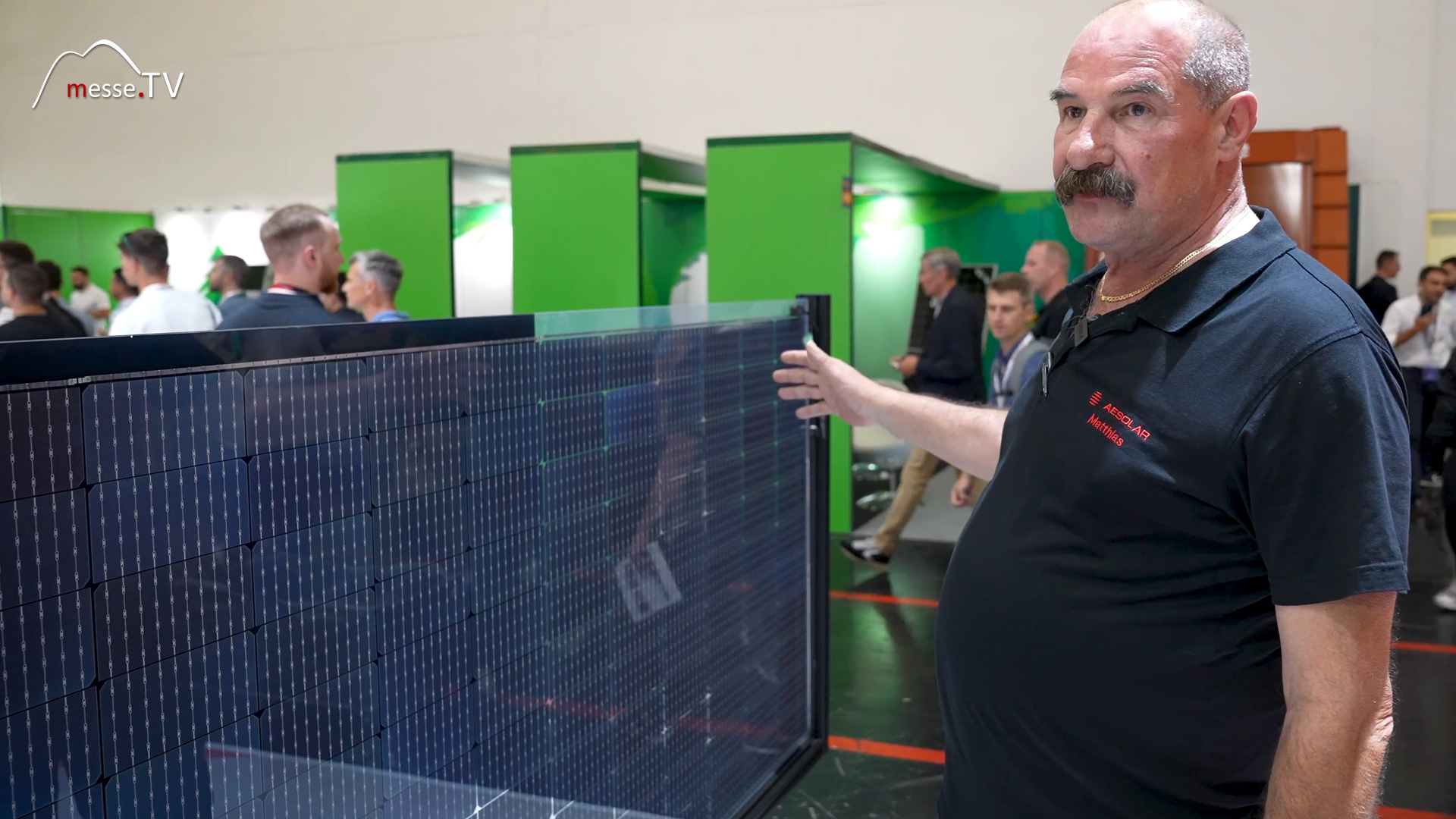
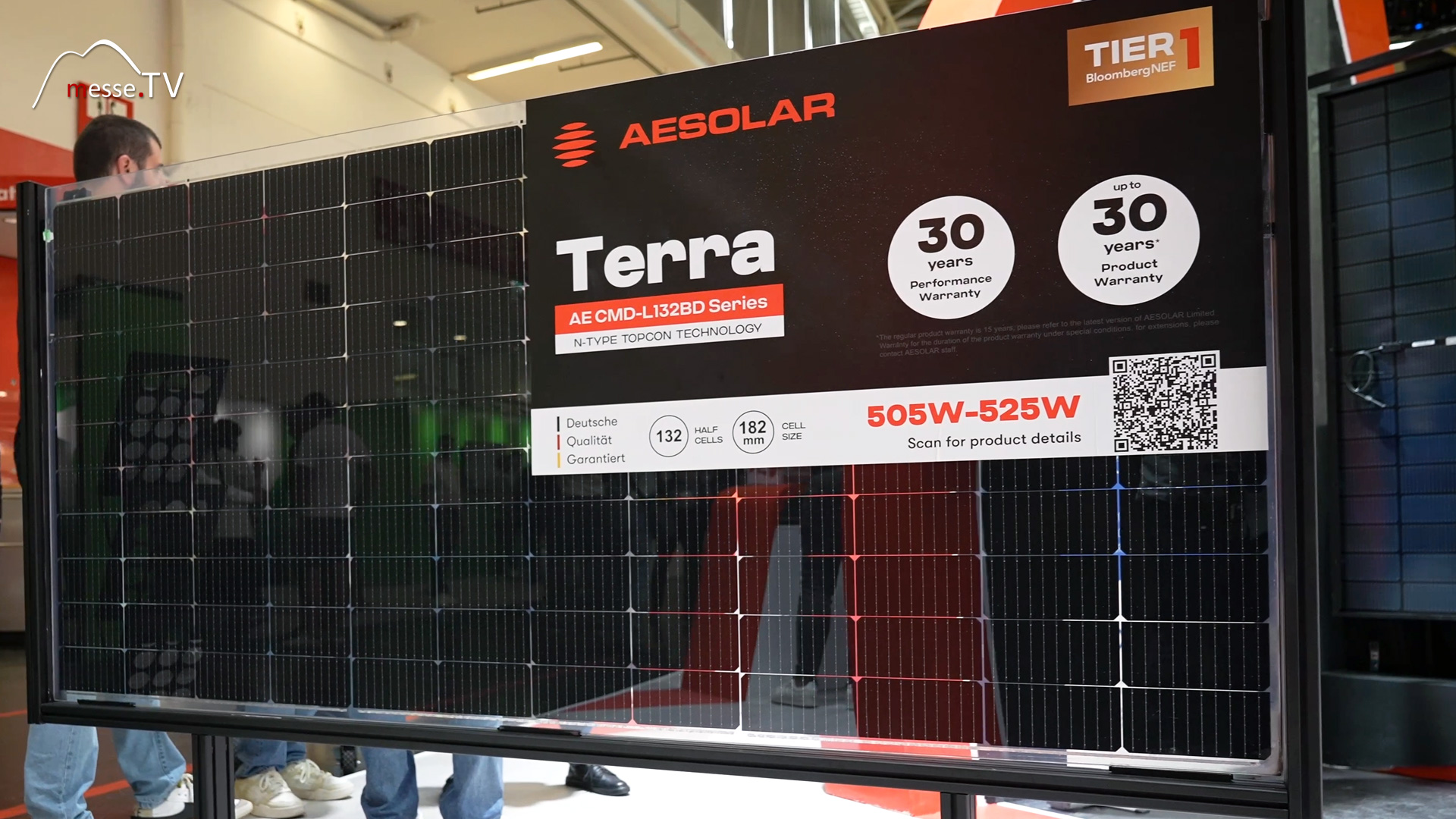
Aesolar wurde 2003 in der Nähe von Augsburg gegründet und hat sich über schwierige Marktphasen hinweg behauptet. Heute verfügt das Unternehmen nach eigenen Angaben über eine weltweite Vertriebsstruktur sowie Produktionskapazitäten in China und der Türkei. Ein Werk in Deutschland ist in Planung. Die gesamte Produktionskapazität liegt bei rund zwei Gigawatt. Neben Standardmodulen entwickelt Aesolar auch spezialisierte Lösungen. Dazu gehört das Terra Modul, das gezielt für den Einsatz in der Agri-PV konzipiert wurde. Es ist nicht für klassische Dachanlagen oder großflächige Solarparks gedacht, sondern für eine besondere Einbausituation: den vertikalen Verbau zwischen Feldrainen.
Vertikale Montage mit höherer Widerstandsfähigkeit
Die vertikale Aufstellung stellt andere Anforderungen an ein Solarmodul als eine klassische geneigte Montage. Vor allem Windlasten spielen eine größere Rolle. Das Terra Modul wurde deshalb so konstruiert, dass es diese Kräfte besser aufnehmen kann. Ein zentrales Detail ist die Zellorientierung. Die Solarzellen wurden um 90 Grad gedreht. Dadurch verteilen sich die durch Wind eingebrachten Lasten gleichmäßiger über das gesamte Modul. Lastschwerpunkte in der Mitte sollen so vermieden werden. Diese Bauweise ist entscheidend, weil Module am Feldrand stärker frei stehen und weniger geschützt sind als Anlagen auf Dächern oder in klassischen Unterkonstruktionen.
Bifaziales Modul mit zwei nutzbaren Seiten
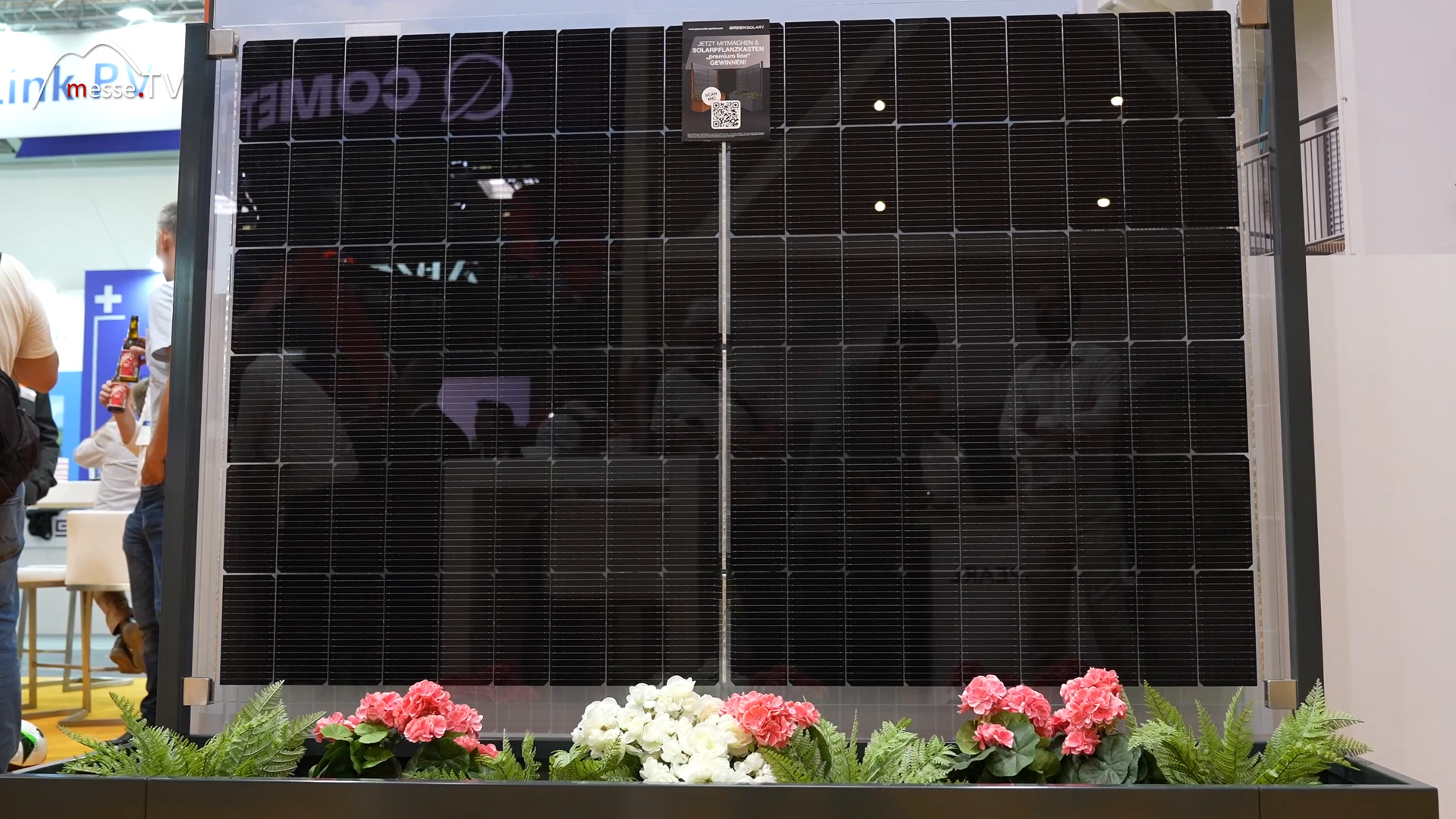
Das Terra Modul ist bifazial ausgelegt. Es erzeugt also nicht nur auf der Vorderseite Strom, sondern nutzt auch die Rückseite zur Energieproduktion. In der N-Typ-Variante liegt die Ausbringung auf der Rückseite laut Herstellerangabe bei bis zu 85 Prozent im Vergleich zur Vorderseite. Aesolar spricht dabei von zwei Vorderseiten. Gemeint ist, dass die Rückseite möglichst frei von Verschattung gehalten wird. Anschlussdosen, Aufkleber und Rahmenelemente sind so positioniert, dass sie keine Zellbereiche verdecken. Gerade bei einer Ost-West-Ausrichtung kann diese Eigenschaft relevant sein. Vormittags und nachmittags fällt das Licht aus unterschiedlichen Richtungen auf die Anlage. Ein Modul, das beide Seiten gut nutzt, kann dadurch über den Tagesverlauf gleichmäßiger Strom liefern.
Varianten mit PERC-Zellen und N-Typ-Solarzellen
Das Terra Modul geht in zwei Varianten in die Fertigung. Eine Ausführung arbeitet mit PERC-Zellen, die andere mit N-Typ-Solarzellen. Die Leistungsdaten reichen je nach Variante bis 525 Watt beziehungsweise bis 580 Watt. Zudem ist das Modul mit oder ohne Rahmen verfügbar. Diese Ausführungsmöglichkeiten erweitern den Einsatzbereich und erlauben eine Anpassung an unterschiedliche Montagesysteme. Die wichtigsten Merkmale im Überblick:
- entwickelt für vertikale Montage im Agri-PV-Bereich
- gedrehte Zellstruktur zur besseren Verteilung von Windlasten
- bifaziale Stromerzeugung mit hoher Rückseitenleistung
- Varianten mit PERC-Zellen oder N-Typ-Solarzellen
- Ausführung mit oder ohne Rahmen möglich
Stromerzeugung ohne Eingriff in die Bewirtschaftung
Der praktische Nutzen zeigt sich vor allem im landwirtschaftlichen Alltag. Die Module sind dafür vorgesehen, am Feldrand oder zwischen Feldrainen zu stehen. Maschinen wie Traktoren können weiterhin zwischen den Reihen fahren und ihre Arbeit verrichten. Die Stromproduktion läuft währenddessen weiter. Anders als bei großflächigen Solarparks wird keine zusammenhängende Ackerfläche dauerhaft belegt. Zwei Module können übereinander montiert werden, wodurch auf schmalem Raum eine vergleichsweise hohe Leistung entsteht. Das Konzept ersetzt keine große Solarfarm in der Gesamtleistung. Der entscheidende Vergleich liegt vielmehr im Verhältnis zur beanspruchten Fläche. Dort, wo Flächen kaum anderweitig genutzt werden, kann zusätzliche Energie erzeugt werden, ohne die landwirtschaftliche Nutzung wesentlich einzuschränken.
Agri-PV als Ergänzung zur klassischen Solarfarm
Das Terra Modul zeigt, dass Photovoltaik im landwirtschaftlichen Umfeld nicht zwangsläufig großflächige Freiflächenanlagen bedeuten muss. Vertikale Systeme am Feldrand eröffnen eine andere Form der Integration. Für Landwirte kann ein solches Konzept interessant sein, wenn Stromerzeugung und Bewirtschaftung parallel möglich bleiben sollen. Für die Energiewirtschaft entsteht ein zusätzlicher Baustein, der Flächenkonflikte entschärfen kann. Aesolar positioniert das Modul damit in einem Bereich, der technisch anspruchsvoller ist als klassische Standardanwendungen. Windlast, bifaziale Nutzung, Montageform und landwirtschaftliche Abläufe müssen zusammenpassen. Genau diese Kombination macht das Terra Modul zu einer spezialisierten Lösung innerhalb der Agri-PV.
Messe-Berichterstattung bundesweit - Messewissen, Termine & Veranstaltungen


