Fraunhofer ISE Photovoltaik und Wechselrichter Innovationen
von Andreas Bergmeier - 2024-06-21Die Energiewende wird nicht durch einzelne Technologien vorangetrieben, sondern durch das Zusammenspiel verschiedener Systeme. Forschungseinrichtungen übernehmen dabei eine zentrale Rolle, weil sie Grundlagen entwickeln und industrielle Anwendungen vorbereiten.
Das Fraunhofer ISE gehört innerhalb dieses Umfelds zu den maßgeblichen Akteuren in Deutschland. Als Teil der Fraunhofer-Gesellschaft arbeitet das Institut für Solare Energiesysteme an Lösungen entlang der gesamten Wertschöpfungskette erneuerbarer Energien. Der Fokus liegt auf Photovoltaik, Leistungselektronik und ergänzenden Technologien wie Wasserstoff. Ziel ist es, bestehende Systeme effizienter zu machen und neue Anwendungsfelder zu erschließen.
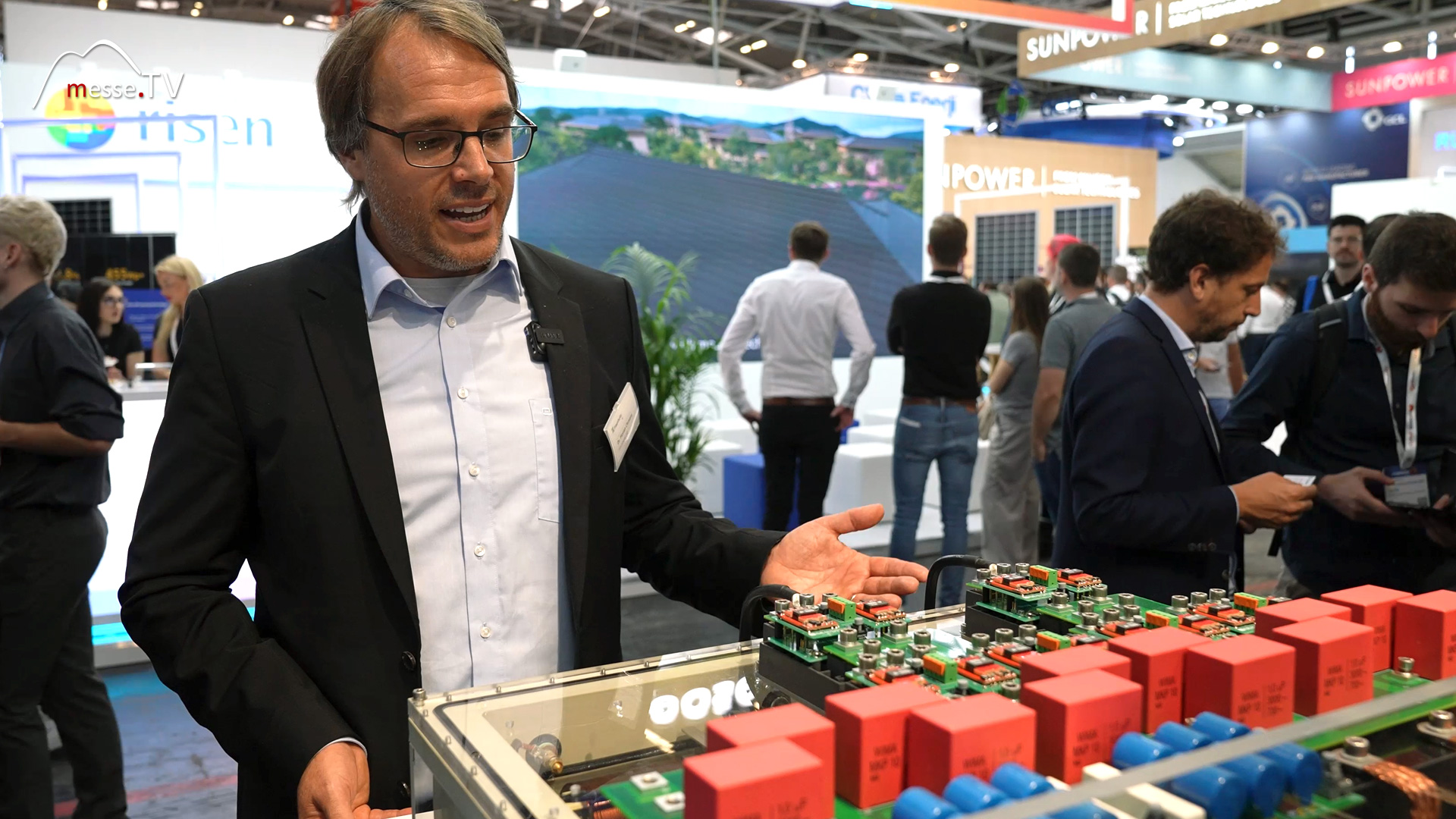

Fraunhofer ISE und Photovoltaik Forschung im Überblick
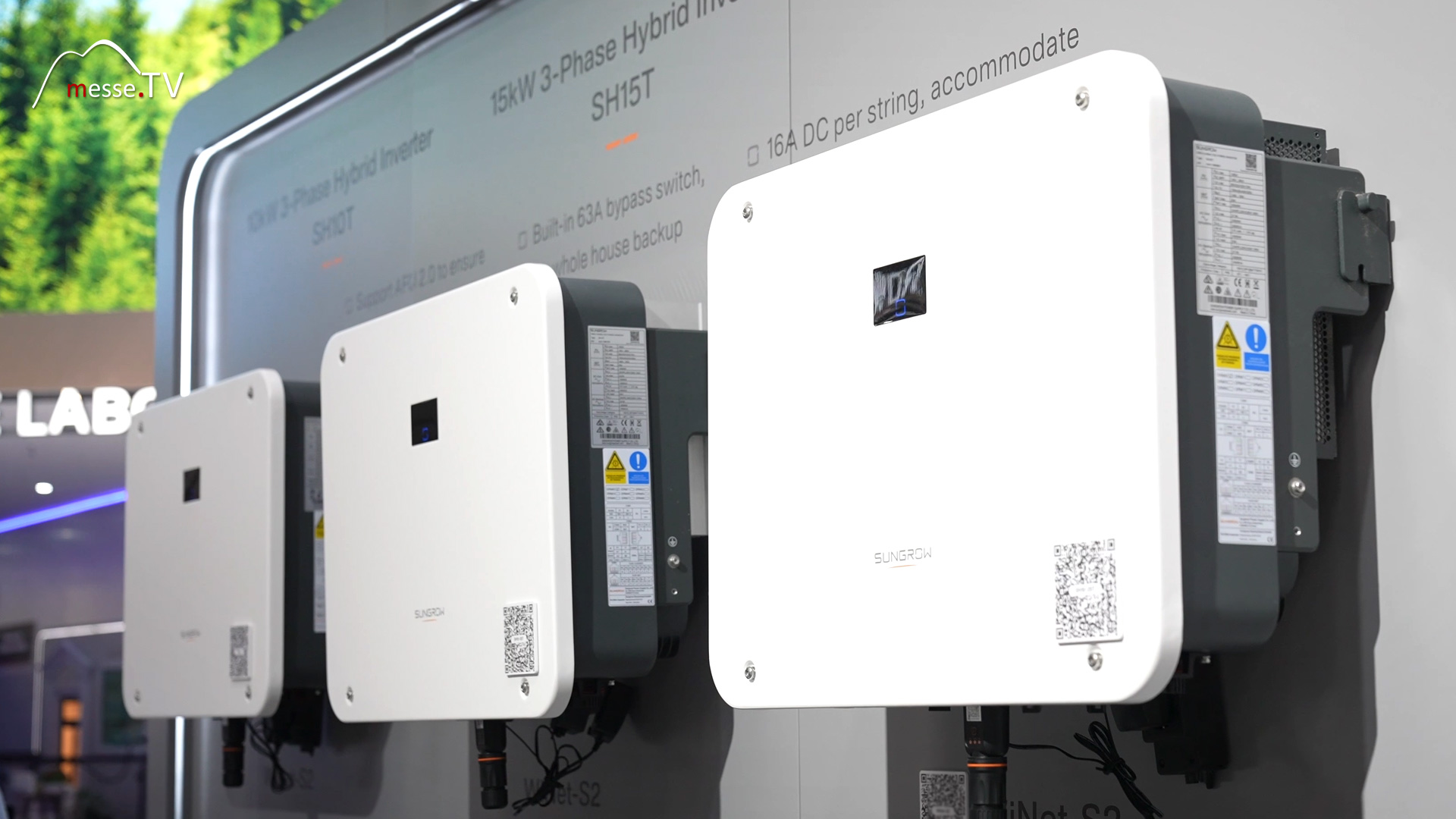
Fraunhofer ISE beschäftigt sich intensiv mit der Weiterentwicklung von Solarzellen und Modulen. Dabei geht es nicht nur um höhere Wirkungsgrade, sondern auch um Produktionsprozesse, Kostenstrukturen und Materialeinsatz. Verbesserungen in diesen Bereichen wirken sich direkt auf die Wirtschaftlichkeit von Photovoltaik aus. Ein weiterer Schwerpunkt liegt auf der Integration der erzeugten Energie in bestehende Netze. Solarstrom entsteht als Gleichspannung, während im Stromnetz Wechselspannung benötigt wird. Diese Umwandlung erfolgt über Wechselrichter, die zu den zentralen Komponenten moderner Energiesysteme gehören. Die Forschung beschränkt sich nicht auf einzelne Bauteile, sondern betrachtet komplette Systeme. Dadurch entstehen Lösungen, die sich in realen Anwendungen einsetzen lassen und nicht nur im Labor funktionieren.
Wechselrichter Technologie mit höherer Spannung und weniger Kupfer
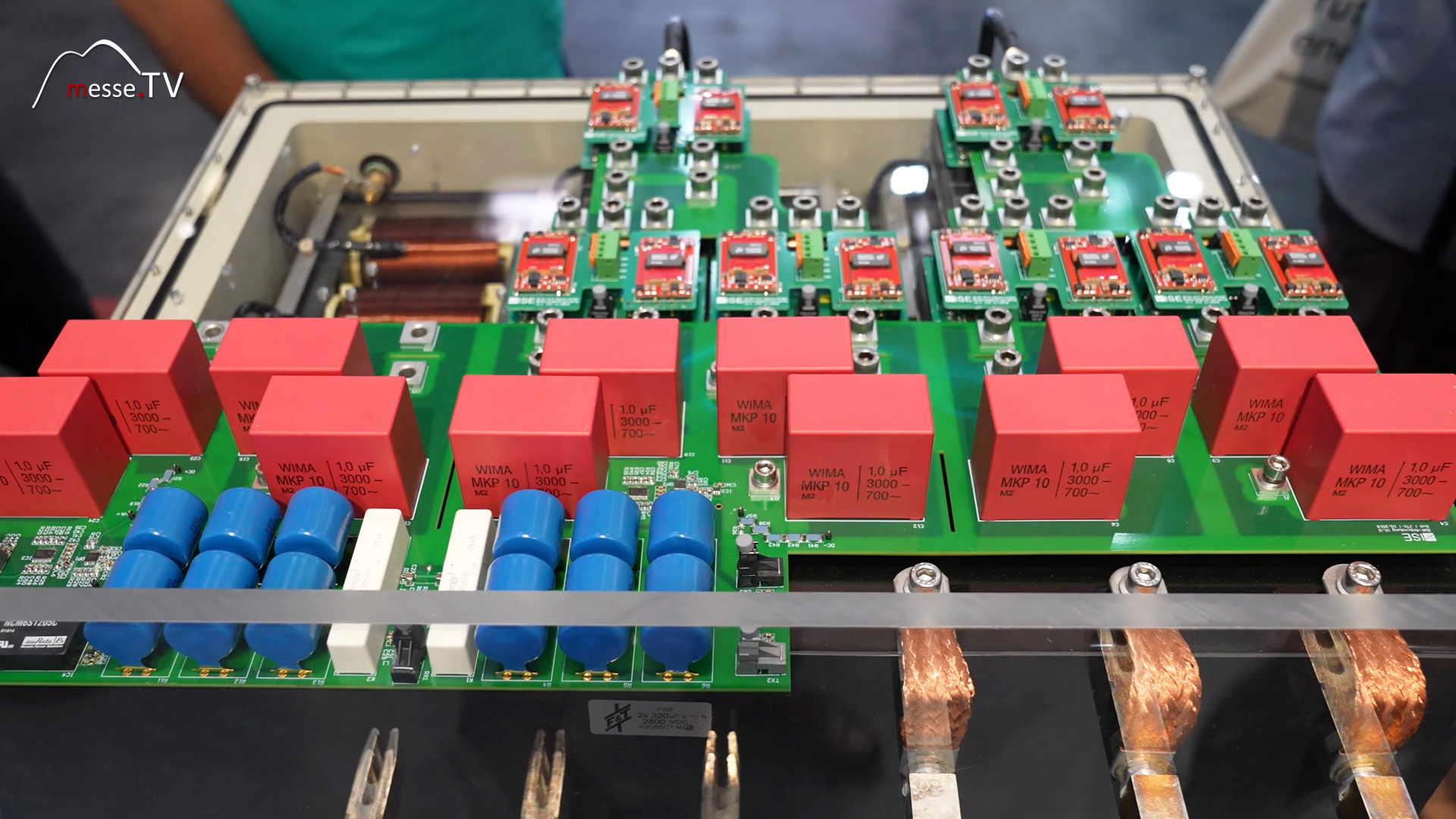
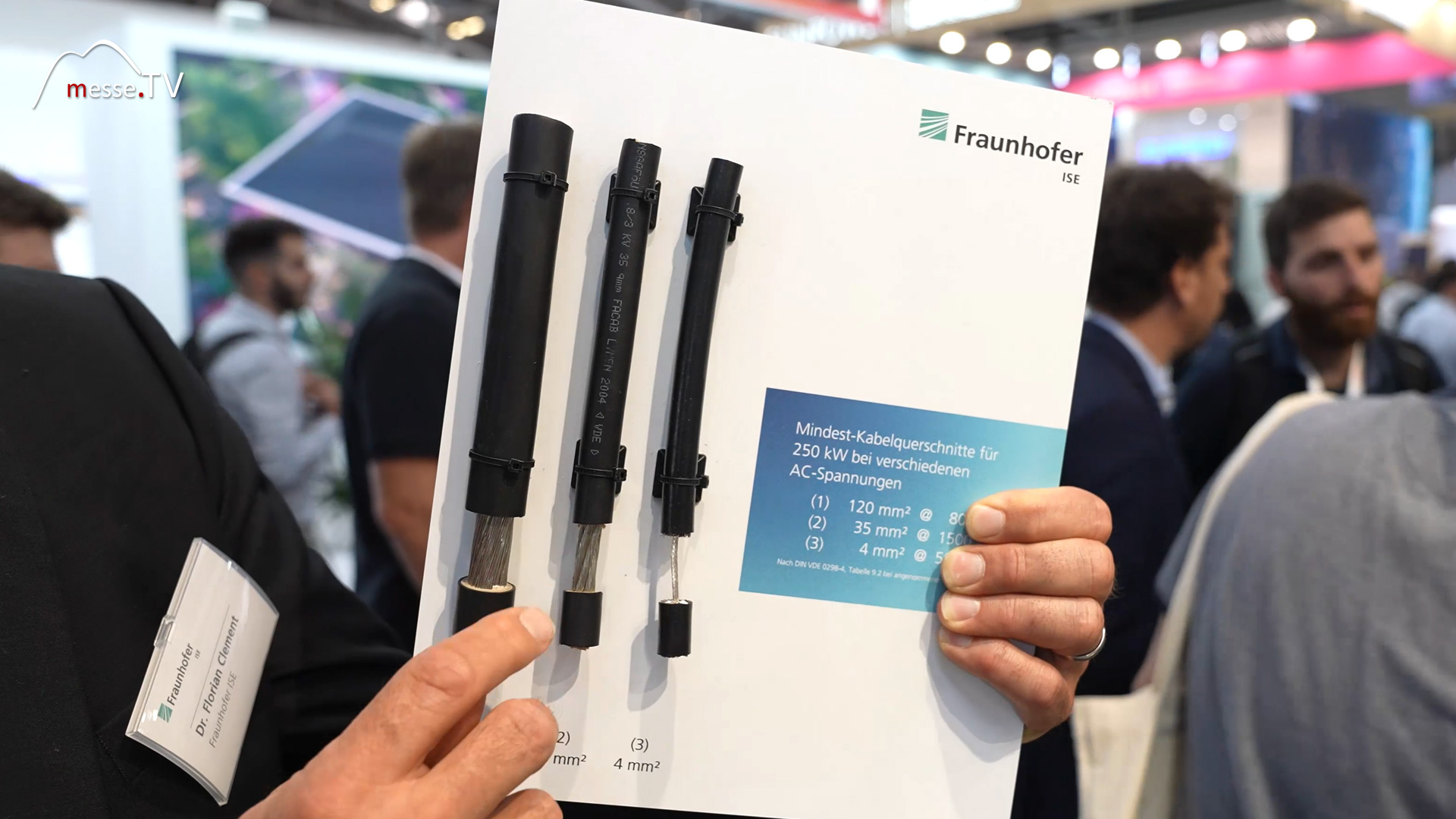
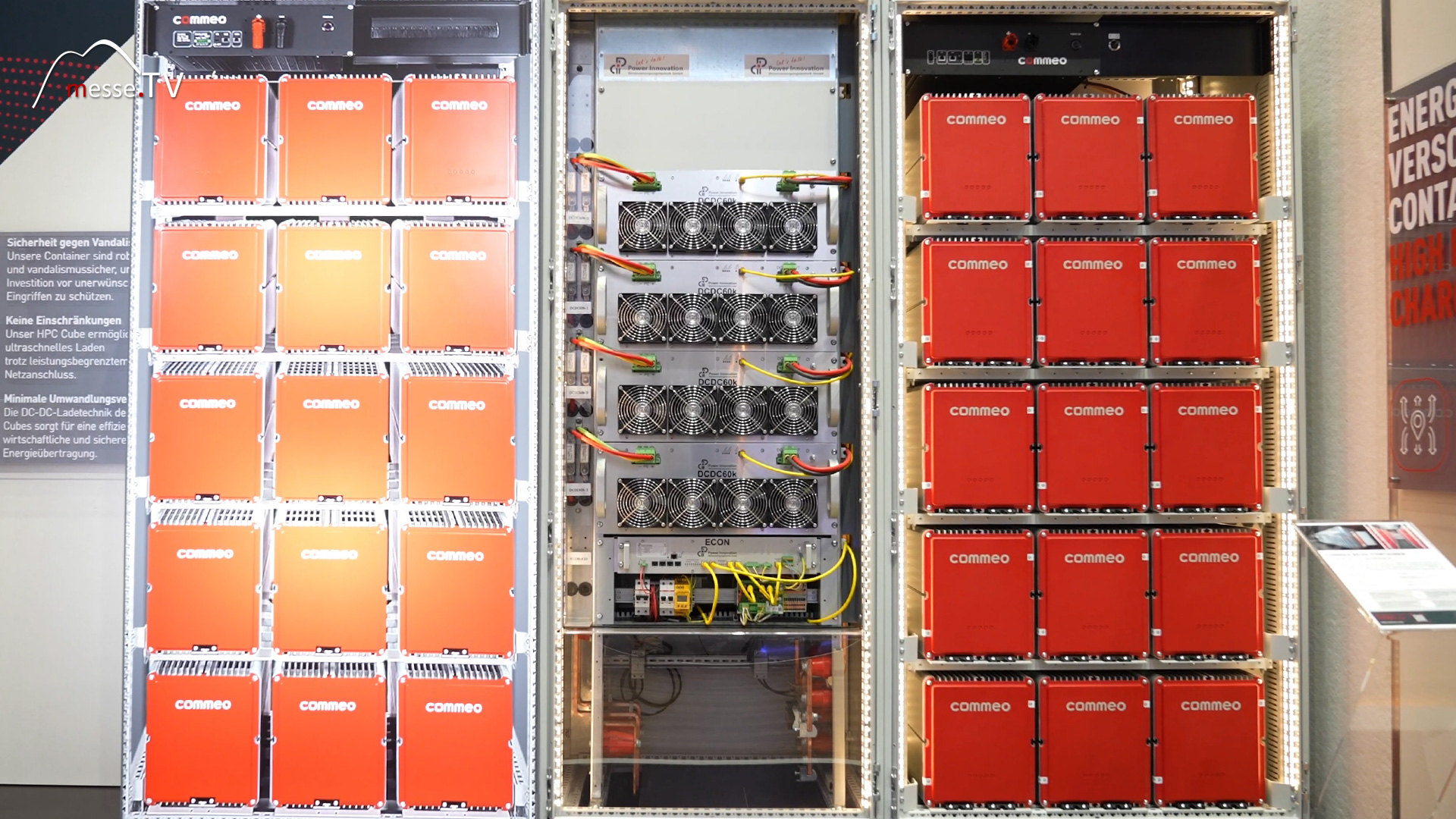
Ein aktueller Entwicklungsschwerpunkt betrifft die Auslegung von Wechselrichtern für höhere Spannungen. Technisch führt eine höhere Spannung dazu, dass bei gleicher Leistung weniger Strom fließt. Dieser Zusammenhang hat direkte Auswirkungen auf die Infrastruktur. Wenn weniger Strom transportiert werden muss, können Kabel dünner ausgelegt werden. Das reduziert den Einsatz von Kupfer, einem Rohstoff, der im Zuge der Energiewende stark nachgefragt ist. Gleichzeitig sinken Materialkosten und Installationsaufwand. Wechselrichter arbeiten bereits heute mit vergleichsweise geringen Umwandlungsverlusten. Dennoch bleibt die Optimierung dieser Systeme ein zentrales Thema, da sie in nahezu jeder Photovoltaikanlage eingesetzt werden.
Photovoltaik im Auto durch Integration in die Karosserie
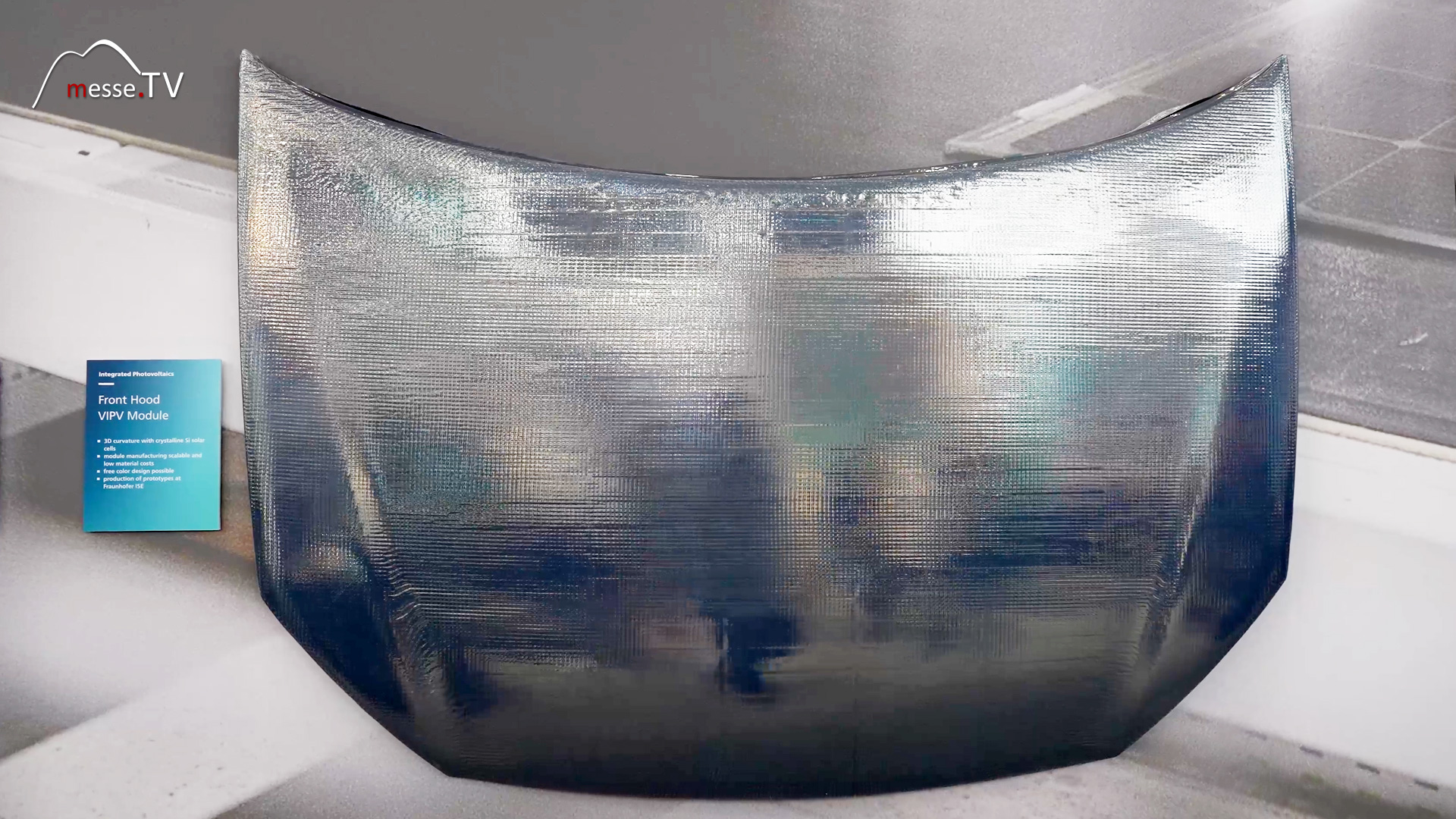
Neben stationären Anwendungen untersucht Fraunhofer ISE auch mobile Einsatzbereiche. Ein Beispiel ist die Integration von Photovoltaik in Fahrzeuge. Solarzellen können in Bauteile wie Motorhaube, Dach oder Heck integriert werden. Der Ansatz zielt darauf ab, einen Teil des Energiebedarfs direkt am Fahrzeug zu erzeugen. Berechnungen zeigen, dass sich bei geeigneter Auslegung ein signifikanter Anteil des Stromverbrauchs abdecken lässt. Die tatsächliche Wirkung hängt jedoch stark vom Fahrprofil und den Einsatzbedingungen ab. Für die Automobilindustrie ergibt sich daraus ein zusätzlicher Entwicklungsstrang. Statt ausschließlich auf externe Ladeinfrastruktur zu setzen, wird das Fahrzeug selbst zu einem Teil des Energiesystems.
MorphoColor Beschichtung für farbige Photovoltaik Module
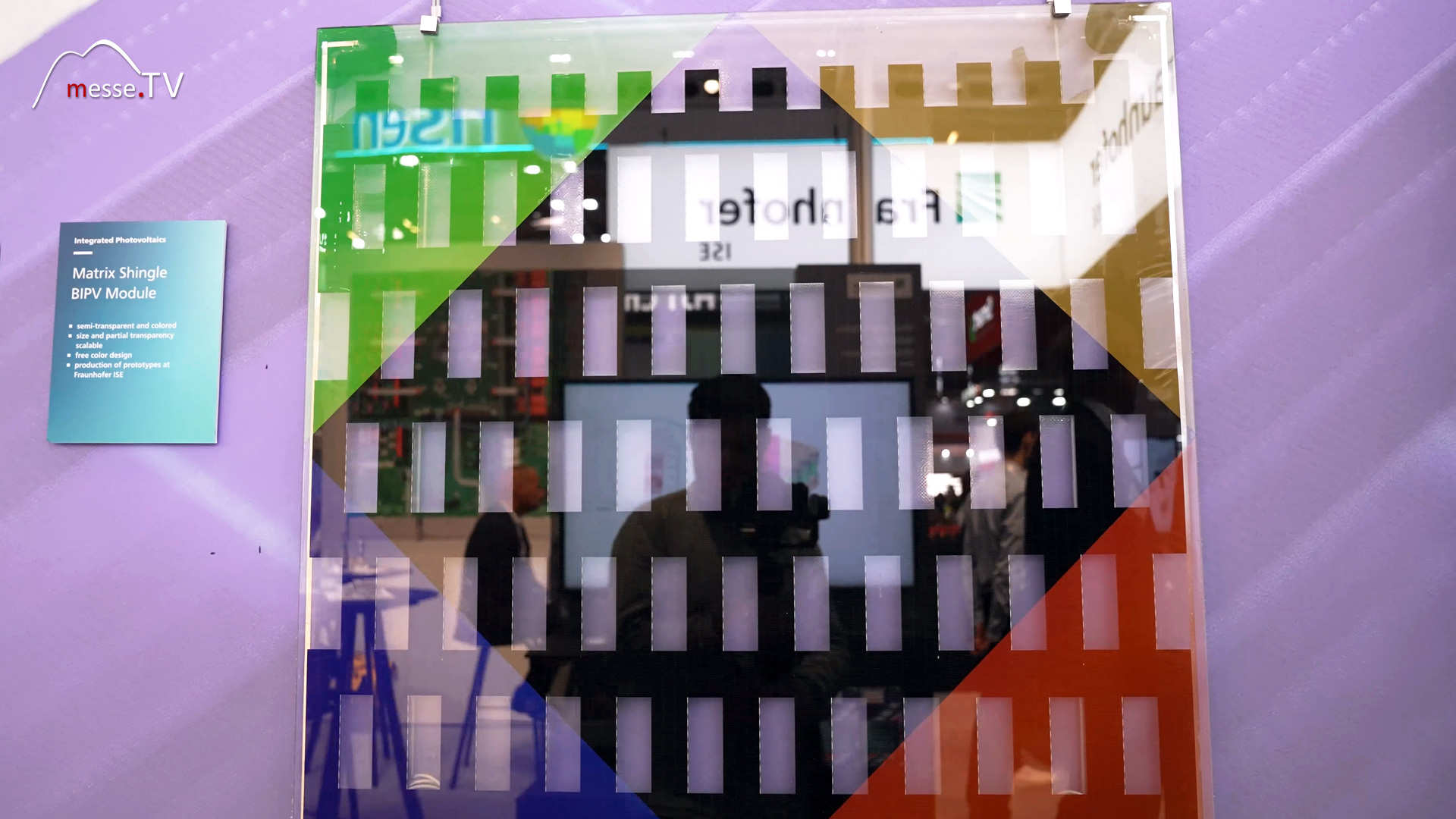
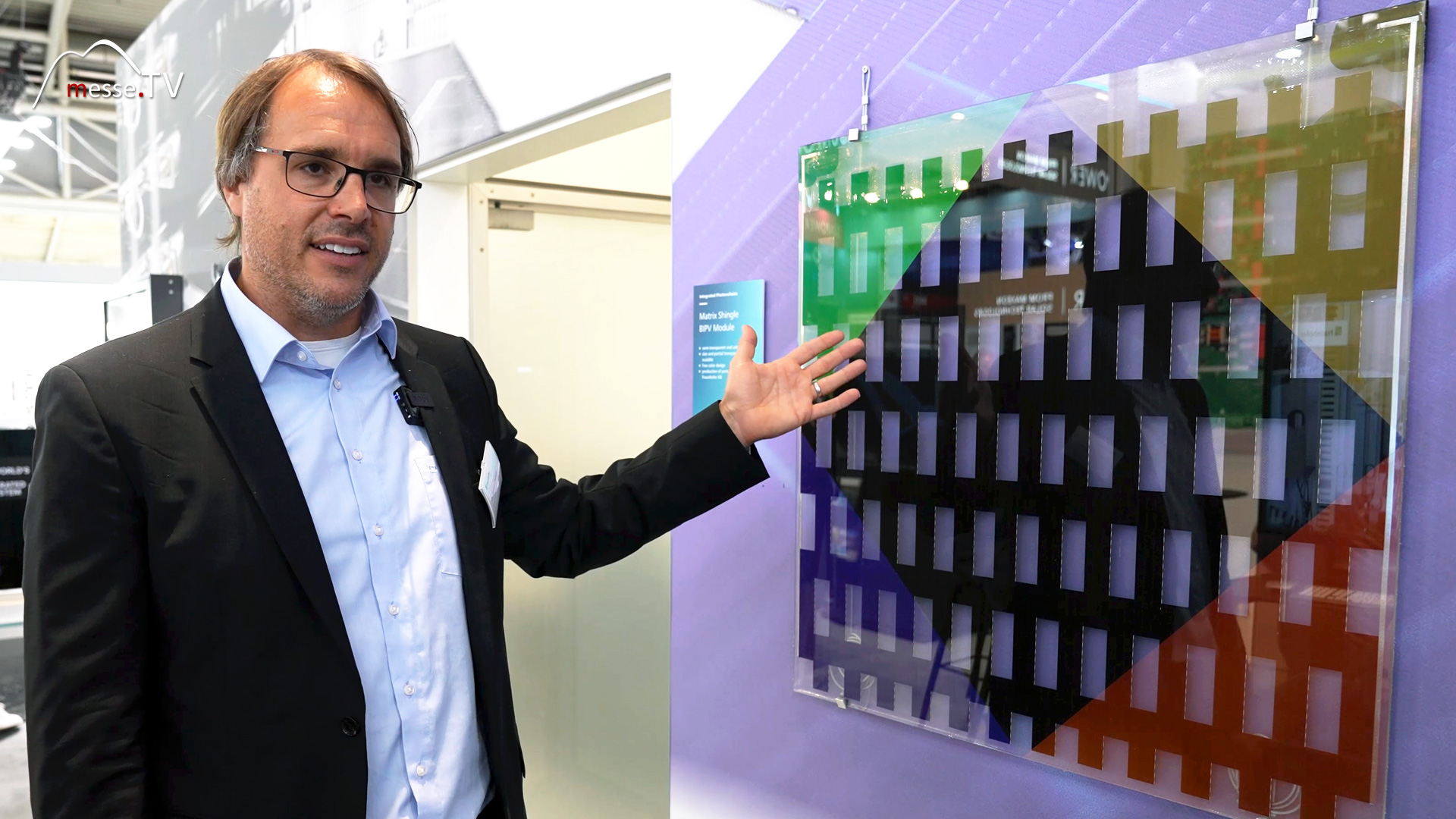
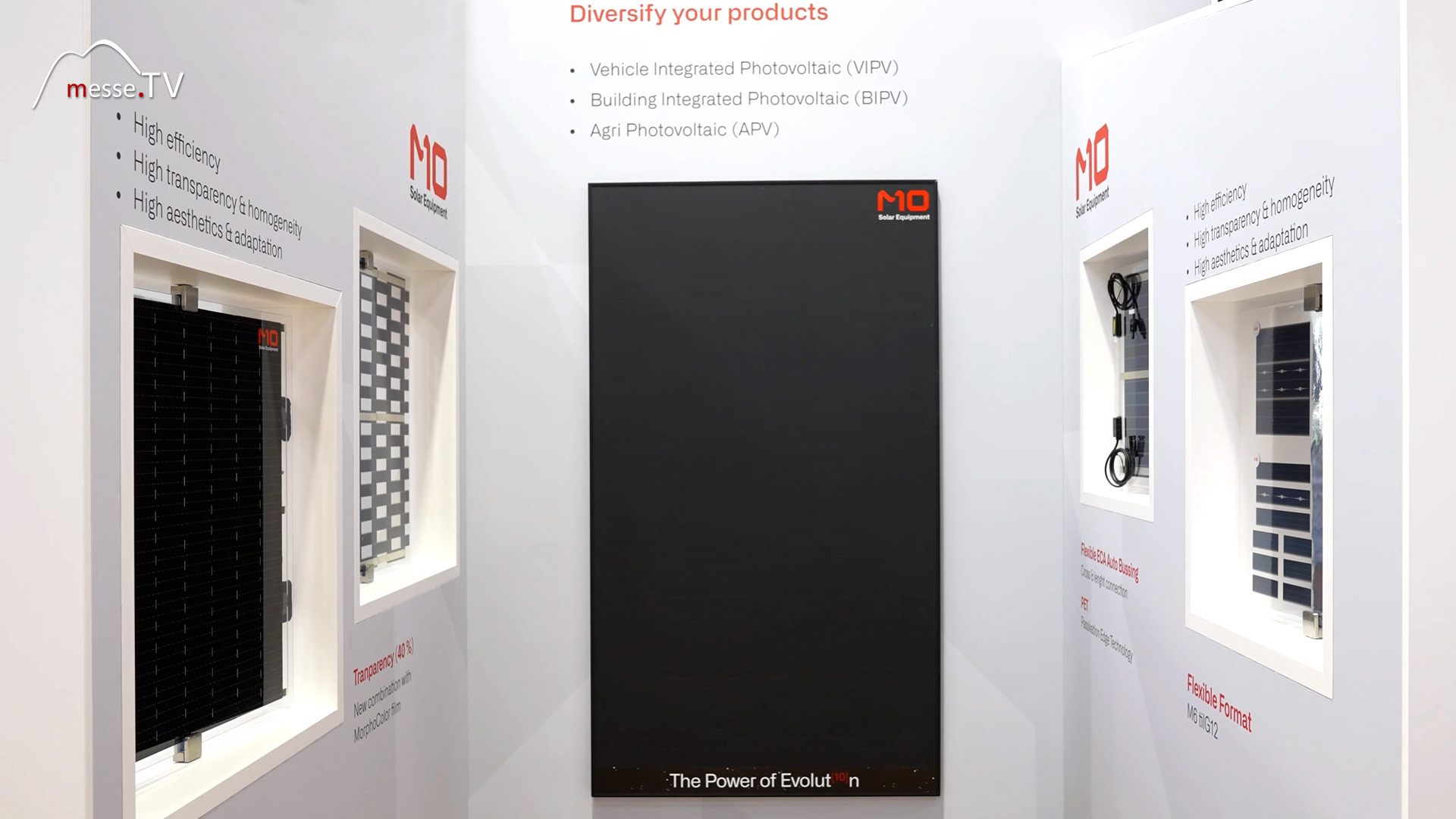
Ein weiteres Forschungsfeld betrifft die Gestaltung von Photovoltaikmodulen. Mit der MorphoColor-Technologie hat Fraunhofer ISE eine Beschichtung entwickelt, die unterschiedliche Farben ermöglicht, ohne die Effizienz stark zu beeinträchtigen. Die technische Grundlage ist eine spezielle Schicht auf dem Modulglas, die bestimmte Wellenlängen des Lichts reflektiert und andere durchlässt. Dadurch entsteht ein Farbeindruck, während ein Großteil der Strahlung weiterhin zur Stromerzeugung genutzt werden kann. Die wichtigsten Eigenschaften dieser Technologie lassen sich zusammenfassen:
- farbliche Gestaltung von Photovoltaikmodulen
- geringe Verluste bei der Energieerzeugung
- Beschichtung auf Basis eines physikalischen Verfahrens
- Einsatz in Architektur und Gebäudeintegration
Gebäudeintegration und neue Anforderungen an Photovoltaik
Mit der Möglichkeit, Module farblich anzupassen, verändert sich auch die Rolle von Photovoltaik im Bauwesen. Architekten und Planer fordern zunehmend Lösungen, die sich in das Erscheinungsbild von Gebäuden integrieren lassen. Während klassische Module meist in dunklen Farben ausgeführt sind, eröffnen neue Beschichtungen zusätzliche Gestaltungsspielräume. Damit wird Photovoltaik nicht nur als technische Anlage, sondern auch als Teil der Architektur betrachtet. Diese Entwicklung zeigt, dass neben Effizienz und Kosten auch ästhetische Anforderungen an Bedeutung gewinnen.
Einordnung der Fraunhofer ISE Innovationen im Energiesystem
Die vorgestellten Ansätze verdeutlichen die Breite der Forschung am Fraunhofer ISE. Von der Materialentwicklung über Leistungselektronik bis hin zur Integration in Fahrzeuge und Gebäude entstehen Lösungen, die unterschiedliche Bereiche des Energiesystems adressieren. Gemeinsam ist diesen Entwicklungen der systemische Ansatz. Einzelne Innovationen entfalten ihre Wirkung erst im Zusammenspiel mit anderen Komponenten. Genau darin liegt die Herausforderung, aber auch das Potenzial der Energiewende. Fraunhofer ISE trägt dazu bei, diese Verknüpfungen technisch umzusetzen und in Anwendungen zu überführen. Damit wird aus Forschung schrittweise Infrastruktur, die im Alltag eingesetzt werden kann.
Das Fraunhofer-Institut für Solare Energiesysteme ISE in Freiburg ist Europas größtes Forschungsinstitut für Solartechnologie. Es konzentriert sich auf die Entwicklung von Technologien für eine nachhaltige Energieversorgung, einschließlich Photovoltaik, solare Wärme, Wasserstofftechnologien und Energiesysteme. Mit rund 1400 Mitarbeitenden arbeitet das Institut daran, die Energieeffizienz zu erhöhen und die Nutzung erneuerbarer Energien voranzutreiben.
Messe-Berichterstattung bundesweit - Messewissen, Termine & Veranstaltungen


