Battery storage for self-consumption and energy trading
by B. Velonavy - 2024-11-18In the energy system, battery storage systems are usually first associated with self-consumption. Electricity from photovoltaic systems is stored so that it can be used later in the home or business.
This makes economic sense for short periods in particular - for example overnight or for a bad weather day. The technology is still too expensive for seasonal storage over months. At the same time, a second field of application is emerging: storage systems can not only reduce costs, but also generate revenue. To do this, they must be able to absorb and release energy quickly enough, for example for balancing energy or short-term electricity markets.
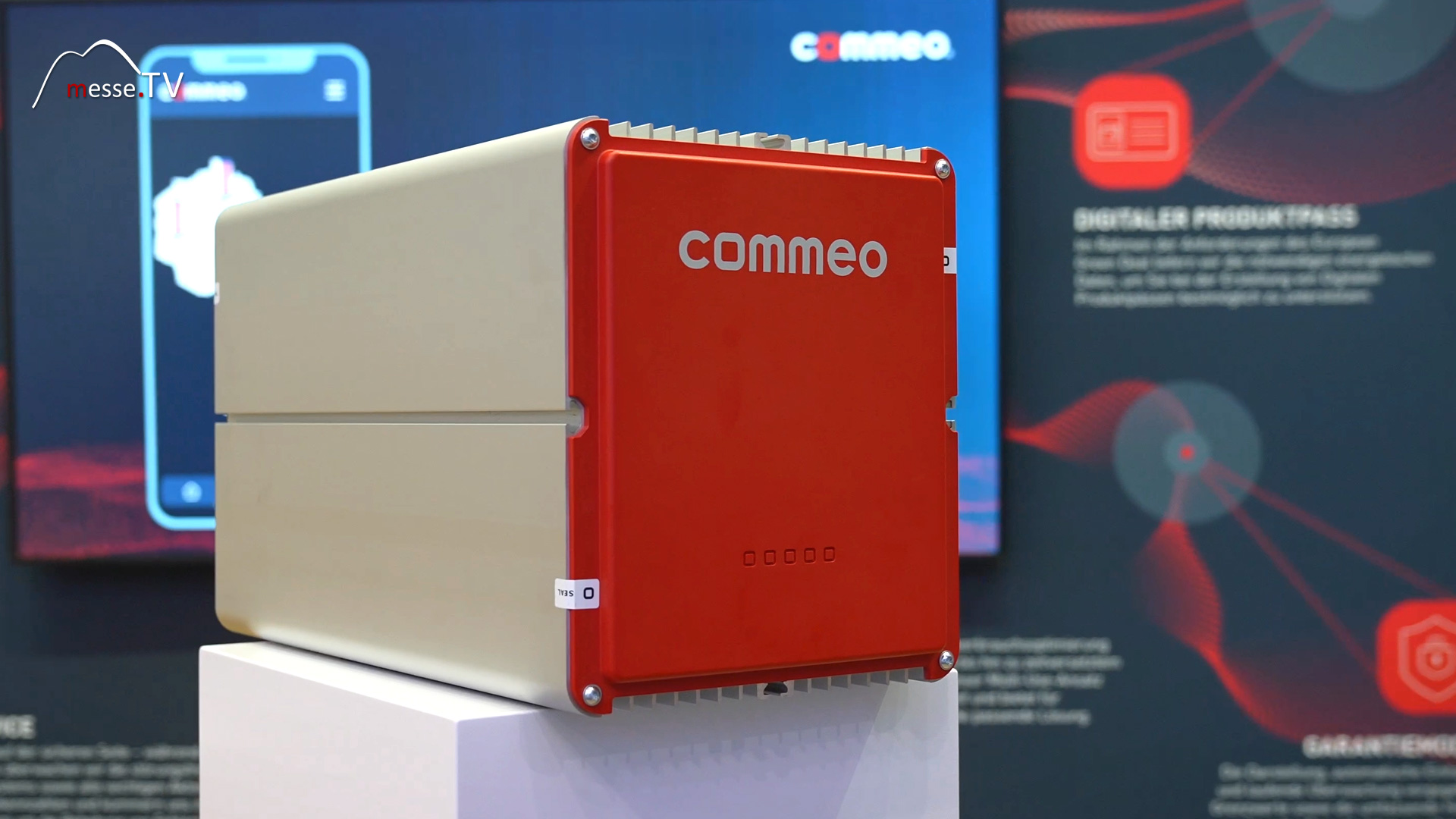
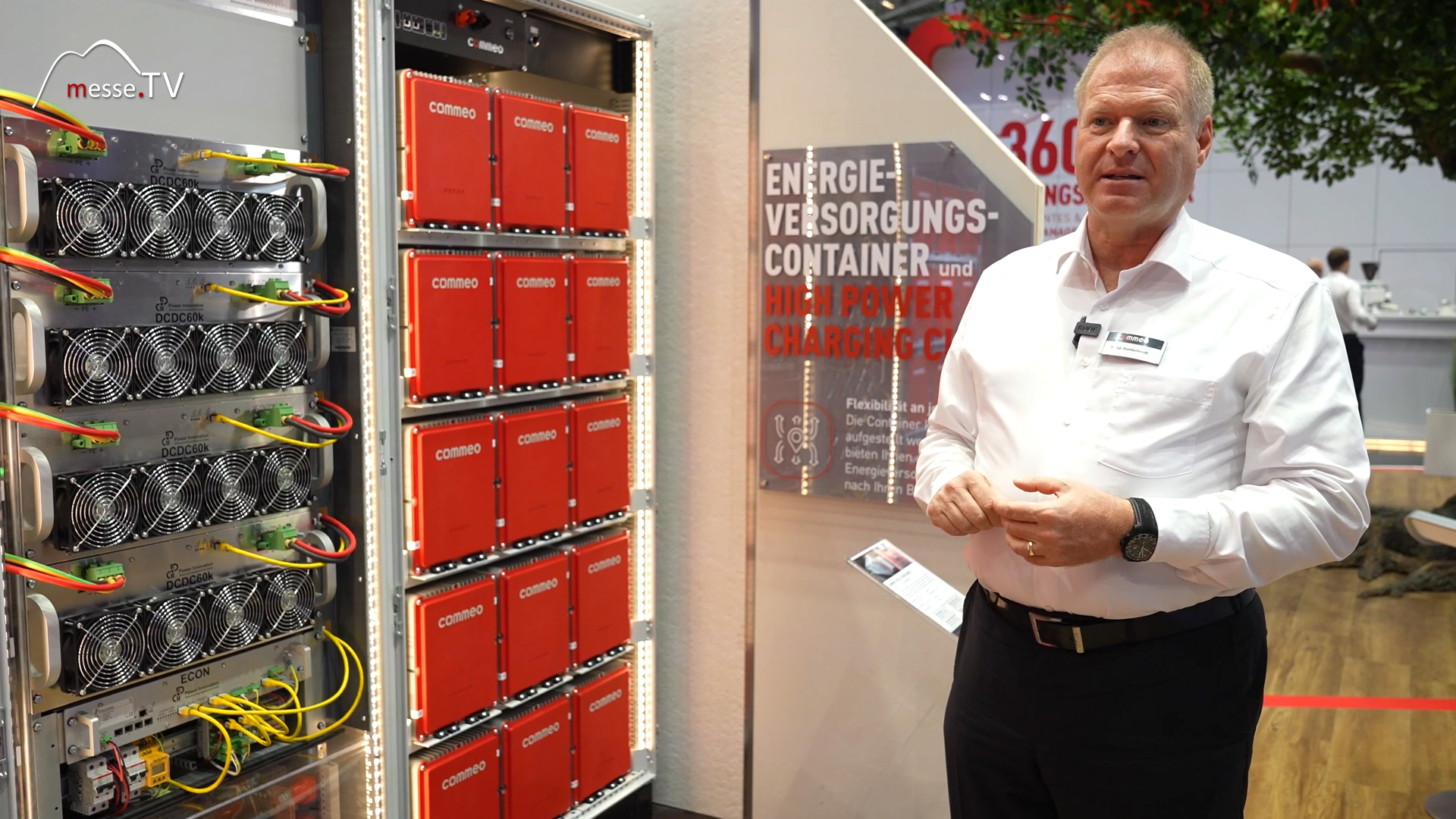
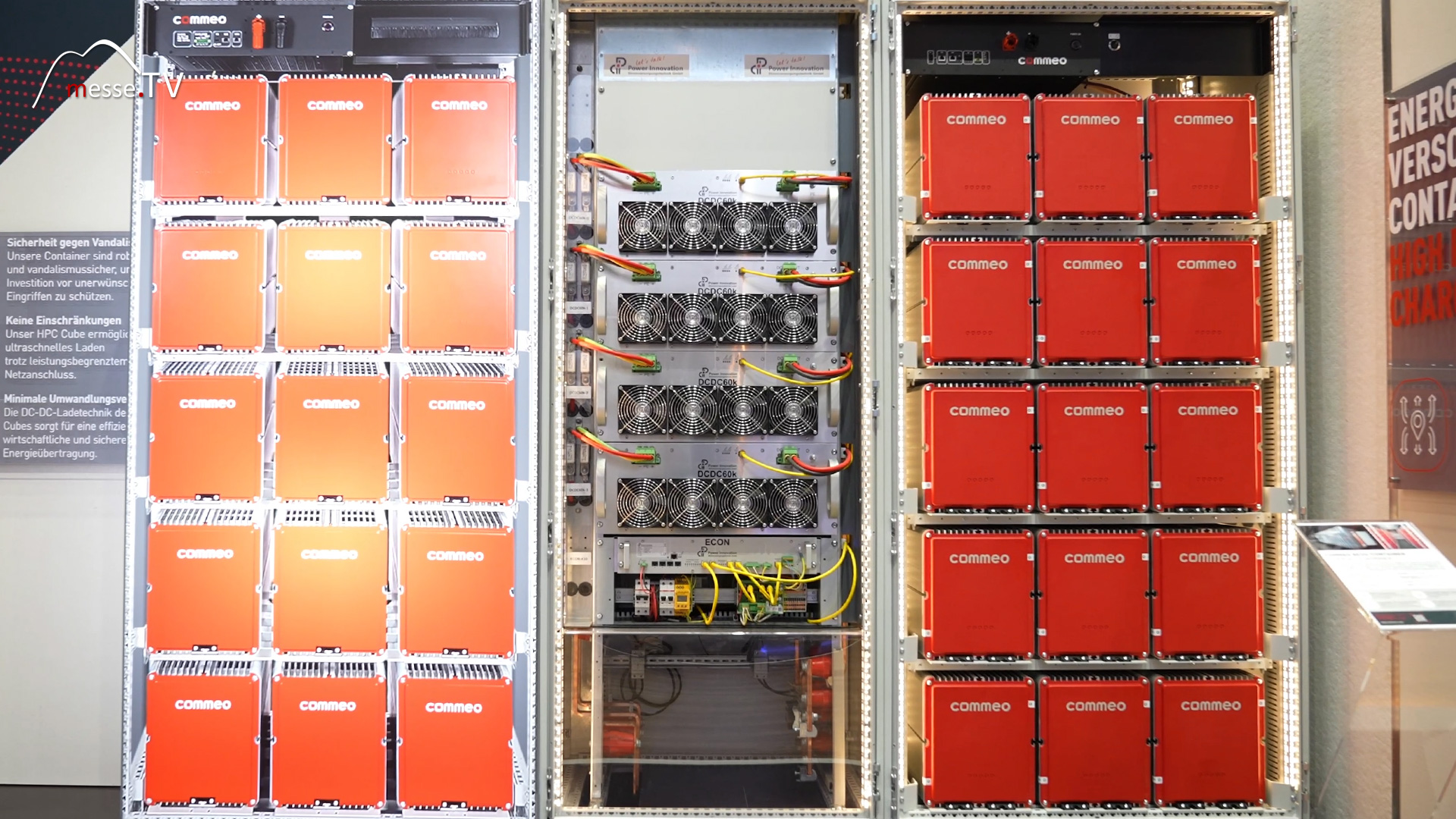
Commeo battery storage with safety requirements
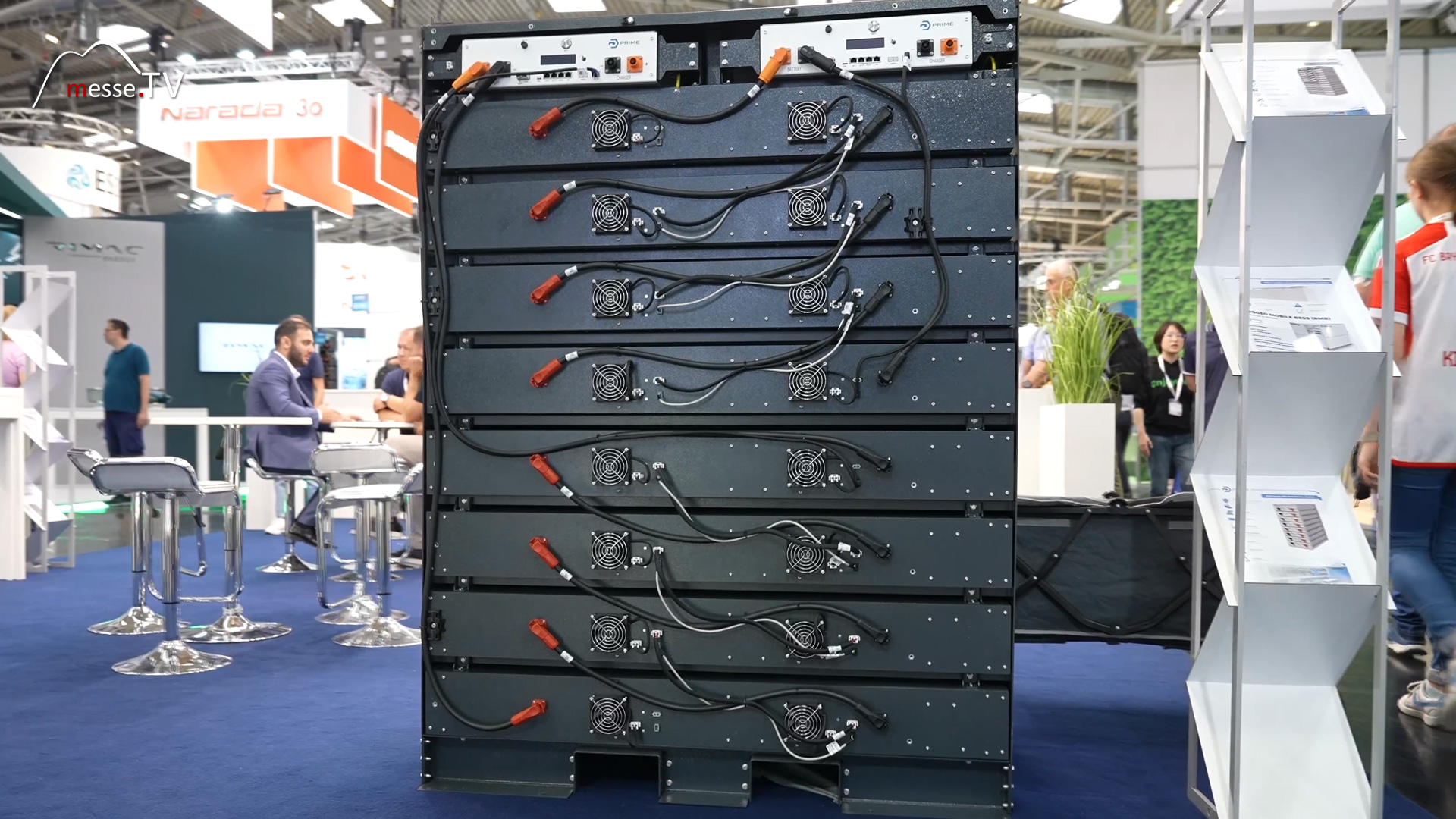
Commeo has been on the market for around ten years and develops battery storage systems with a strong focus on production in Germany. According to the company, apart from the cell, the main technology comes from Germany. The safety of the modules is particularly emphasised. The TÜV has confirmed that the battery module cannot catch fire. This is particularly relevant because many storage systems are installed in buildings. If a system is operated indoors, fire protection, installation location and safety concept play a central role. A storage system that can be used without an additional fire protection room makes planning and operation much easier.
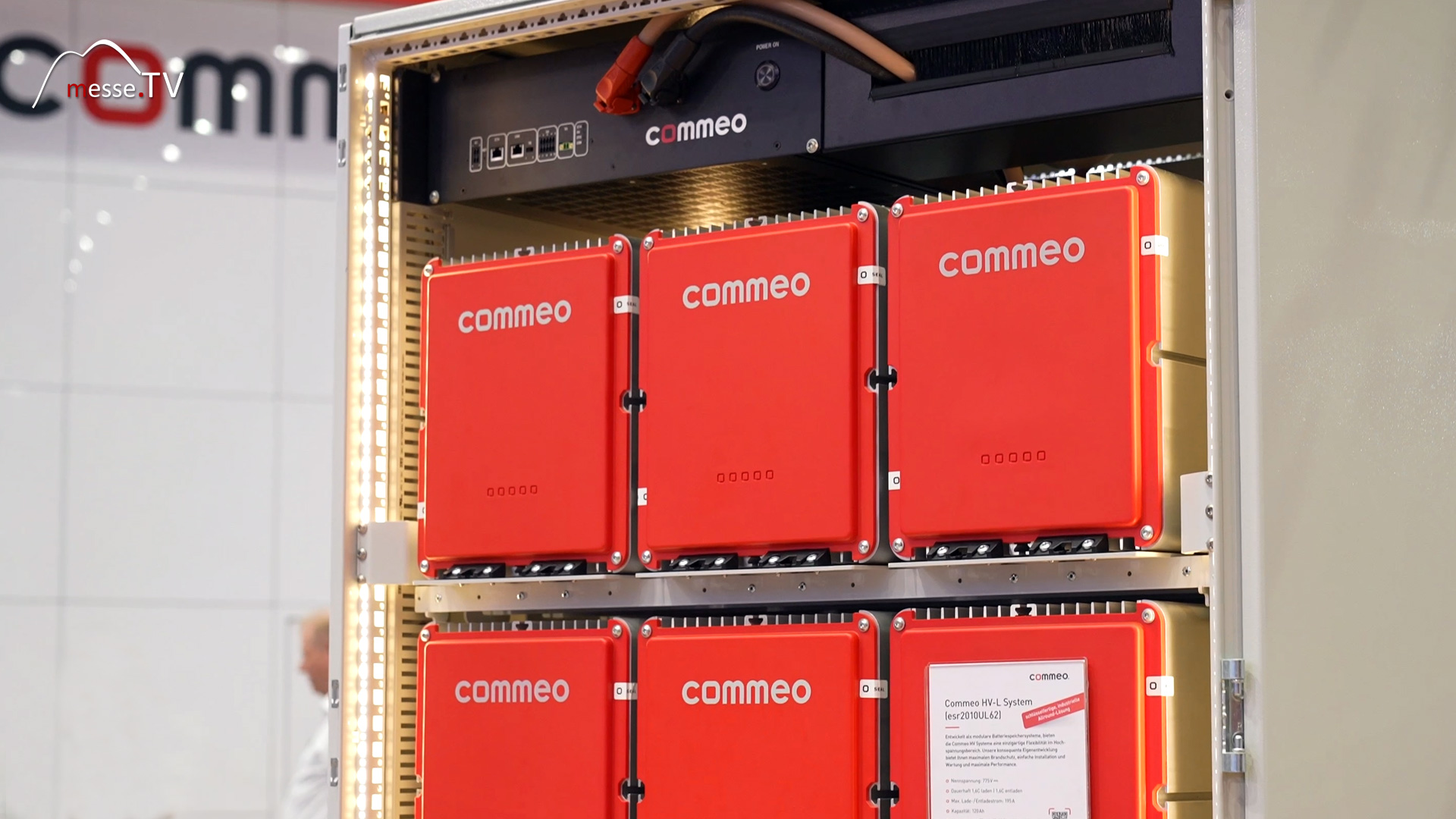
Trading container for energy trading
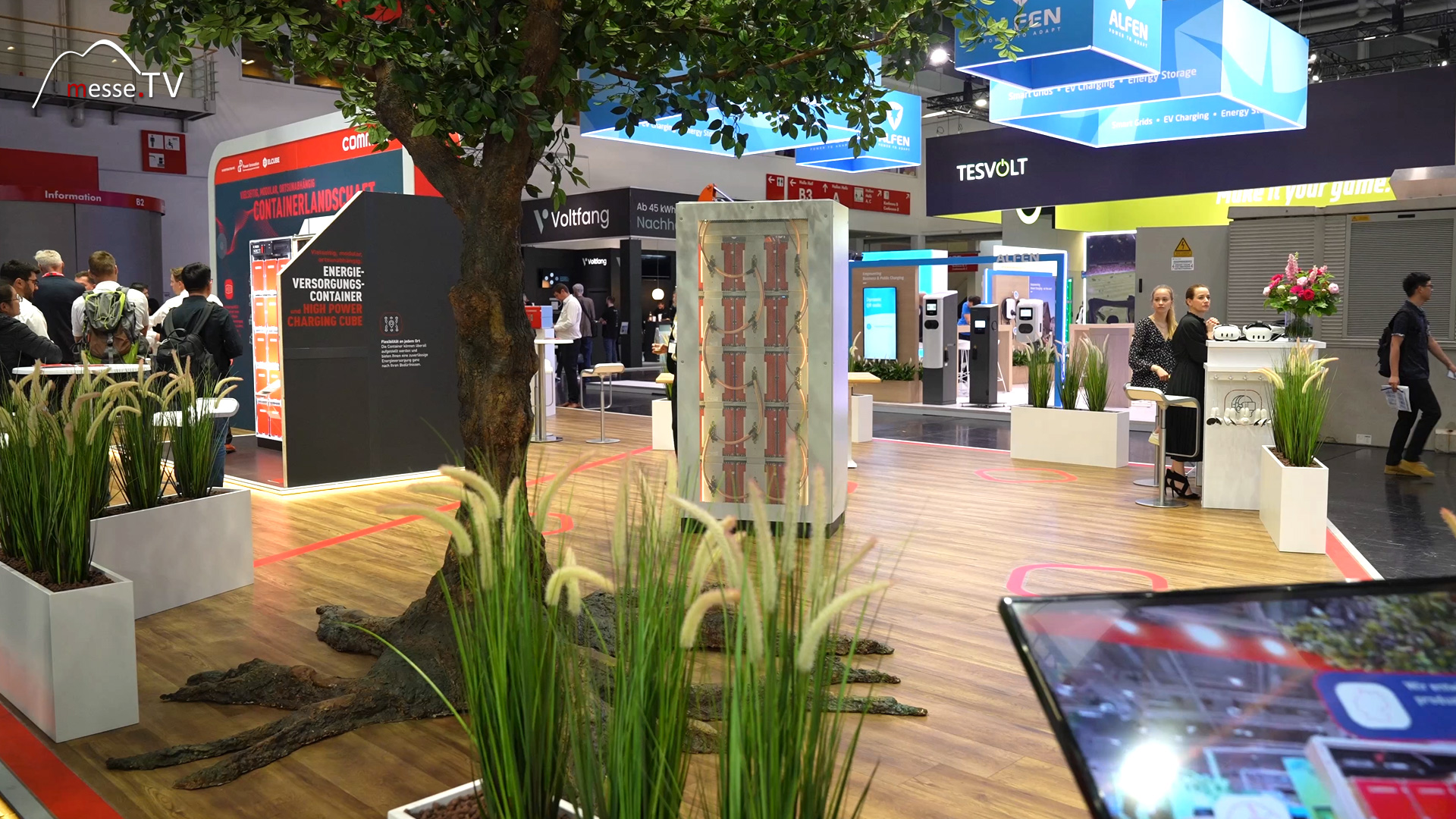
Commeo is presenting a new product called a trading container. This is not a classic storage unit for indoor use, but a container solution that is specifically designed for energy trading. The approach differs from the usual use of stationary batteries. Until now, the focus has often been on savings: energy is stored so that less electricity has to be purchased. Trading containers are also about actively earning money with stored energy. The storage system can be used on various markets for this purpose. These include primary and secondary control power, minute reserve, intraday trading, day-ahead trading and intraday auctions.
Power batteries with high throughput
The ratio of power to energy is crucial for this model. Commeo describes its batteries as power batteries with at least a 1:1 ratio. This means that a storage system with 100 kilowatts of power also has 100 kilowatt hours of energy. The difference to many other systems lies in the higher available power. If a storage system only provides 50 kilowatts of power for the same amount of energy, it can move significantly less energy in the same amount of time. However, it is precisely this speed that is important for commercial applications. The economic logic behind this is simple: the more energy that can be traded in a short time, the more the storage system can participate in market movements. Areas of application for the trading container
- Own consumption overnight or during short-term bad weather
- Frequency regulation and control power
- Intraday and day-ahead trading
- combined utilisation from savings and revenue
Economic efficiency through correct dimensioning
A key point is the appropriate size of the storage system. If a system is only designed to be larger and larger in order to bridge the longest possible periods of time, its economic efficiency quickly reaches its limits. Storage remains expensive and unused capacity ties up capital. The approach becomes more interesting if part of the storage system is reserved for self-consumption and the rest is used for trading. In the example: One third covers the own demand, two thirds are available for market participation. This results in a combination of lower energy costs and additional income. The battery storage system is therefore not just seen as a cost factor, but as a technical system that can operate economically on a daily basis.

Trade fair reporting Germany - Trade fair knowledge, dates & events


