Photovoltaic modules and storage systems for energy solutions
by J. Groh - 2024-12-20Photovoltaics is increasingly developing into an integrated system in which individual components are no longer viewed in isolation. Modules, storage systems and inverters interlock to efficiently combine the generation, conversion and utilisation of energy.
It is precisely in this interaction that the technical development of current solutions lies. One provider that consistently pursues this approach is Canadian Solar. The company was founded in Canada in 2001 and has developed from a module manufacturer into a provider of comprehensive energy systems. In addition to classic photovoltaic modules, the portfolio now also includes inverters and storage systems for various areas of application.
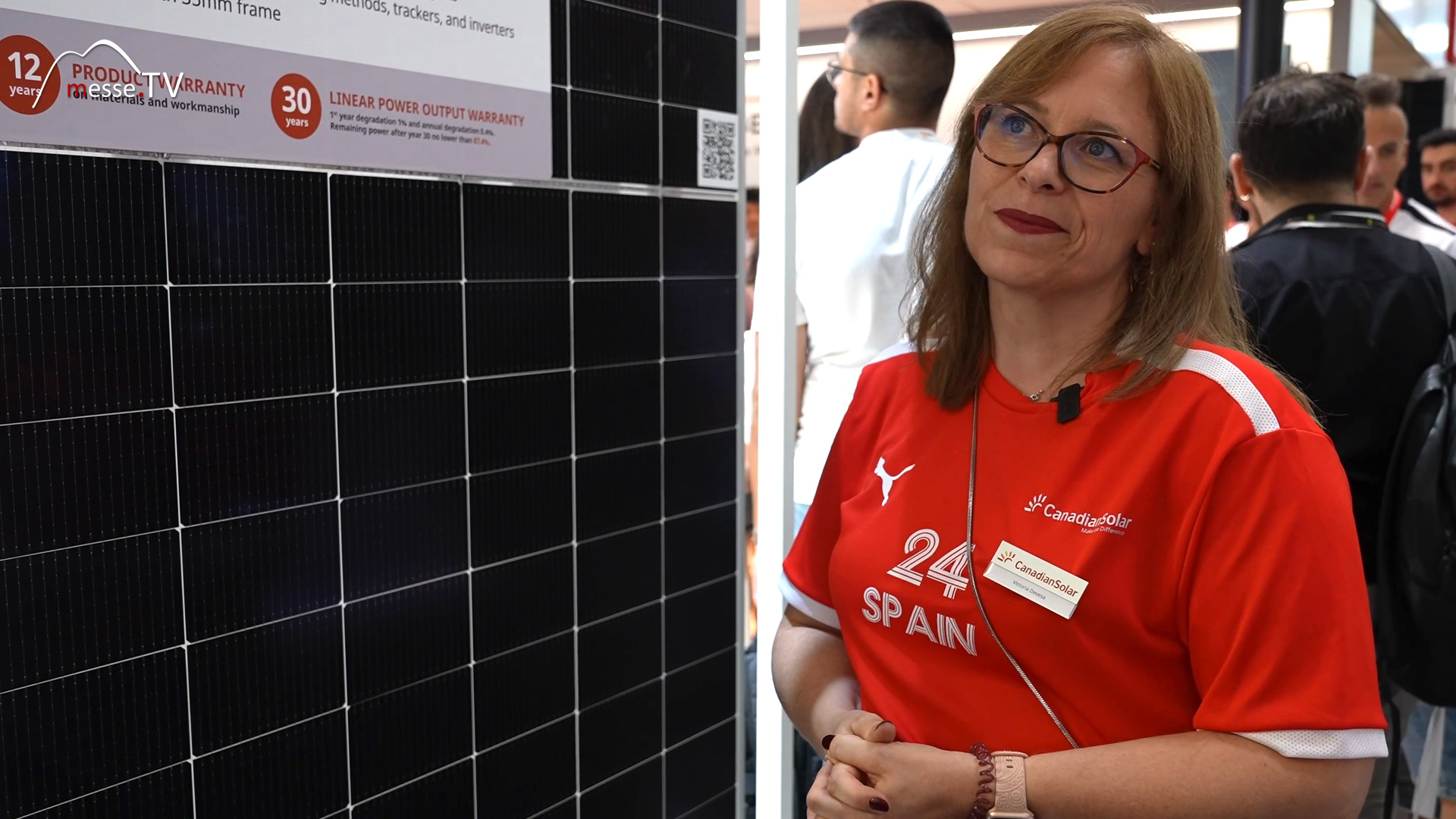
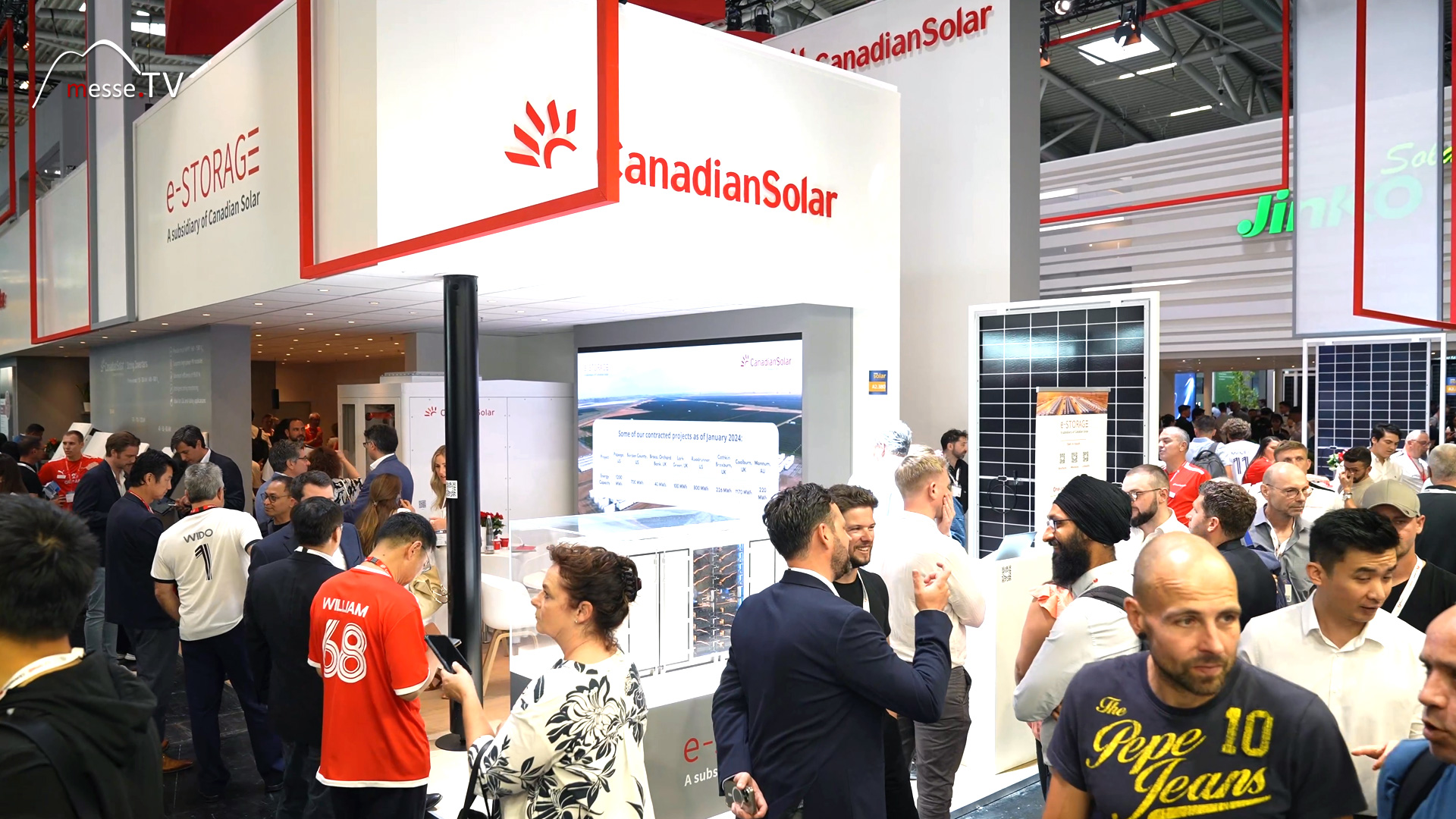
Canadian Solar expands photovoltaic modules into a system approach
Canadian Solar now covers several segments - from private applications and commercial installations to large-scale energy projects. This range is also reflected in the product range, which is designed for different performance requirements. Photovoltaic modules, which have become more efficient and robust thanks to technological developments, continue to take centre stage. They are complemented by system components that enable direct utilisation and storage of the energy generated. This creates an integrated approach that goes beyond pure electricity production. The strategic focus is striking: instead of individual products, Canadian Solar offers combinable solutions that can be configured according to the area of application. This development meets the needs of many applications in which energy is not only to be generated but also utilised flexibly.
Topcon technology for photovoltaic modules with efficiency benefits
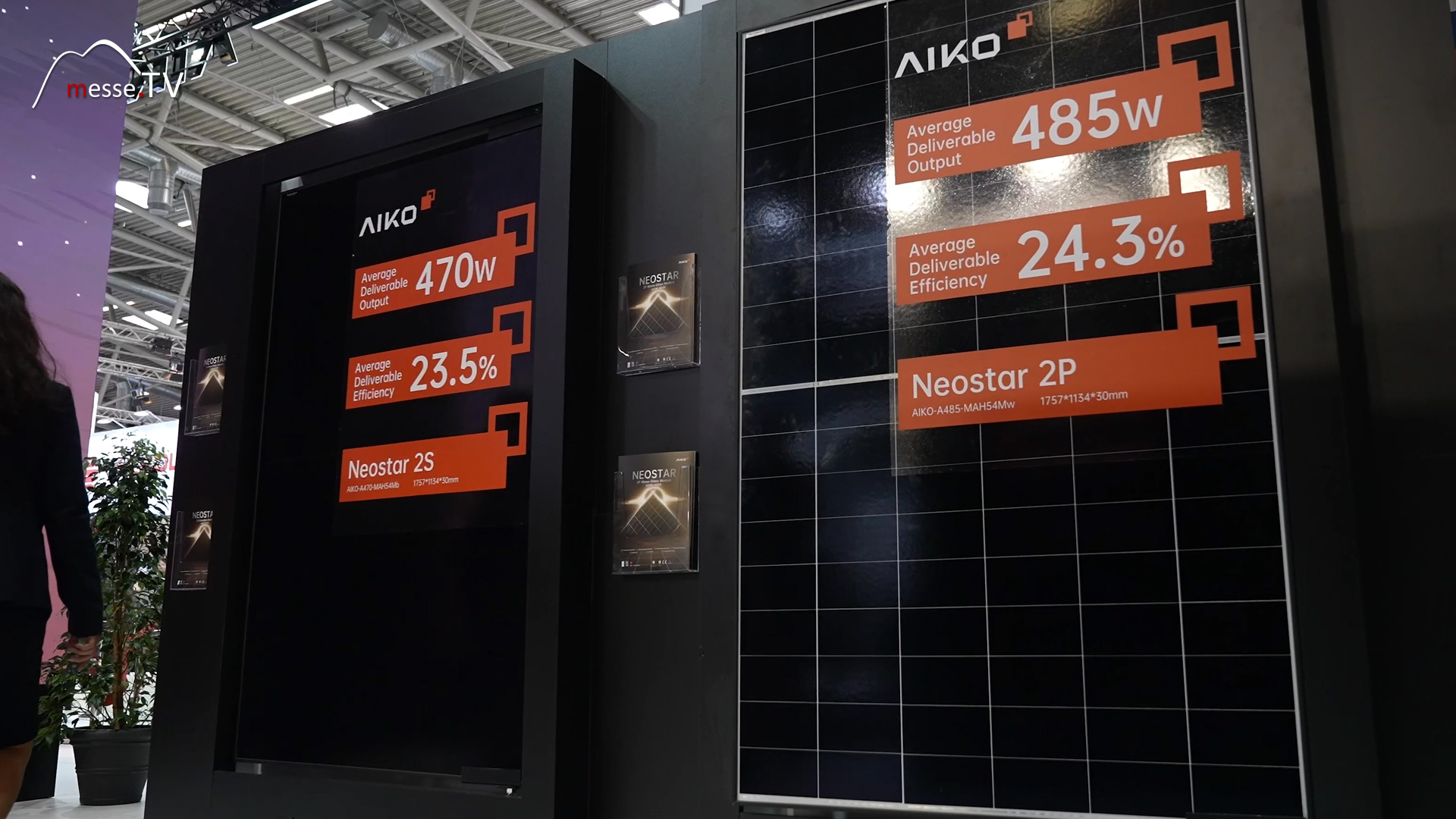
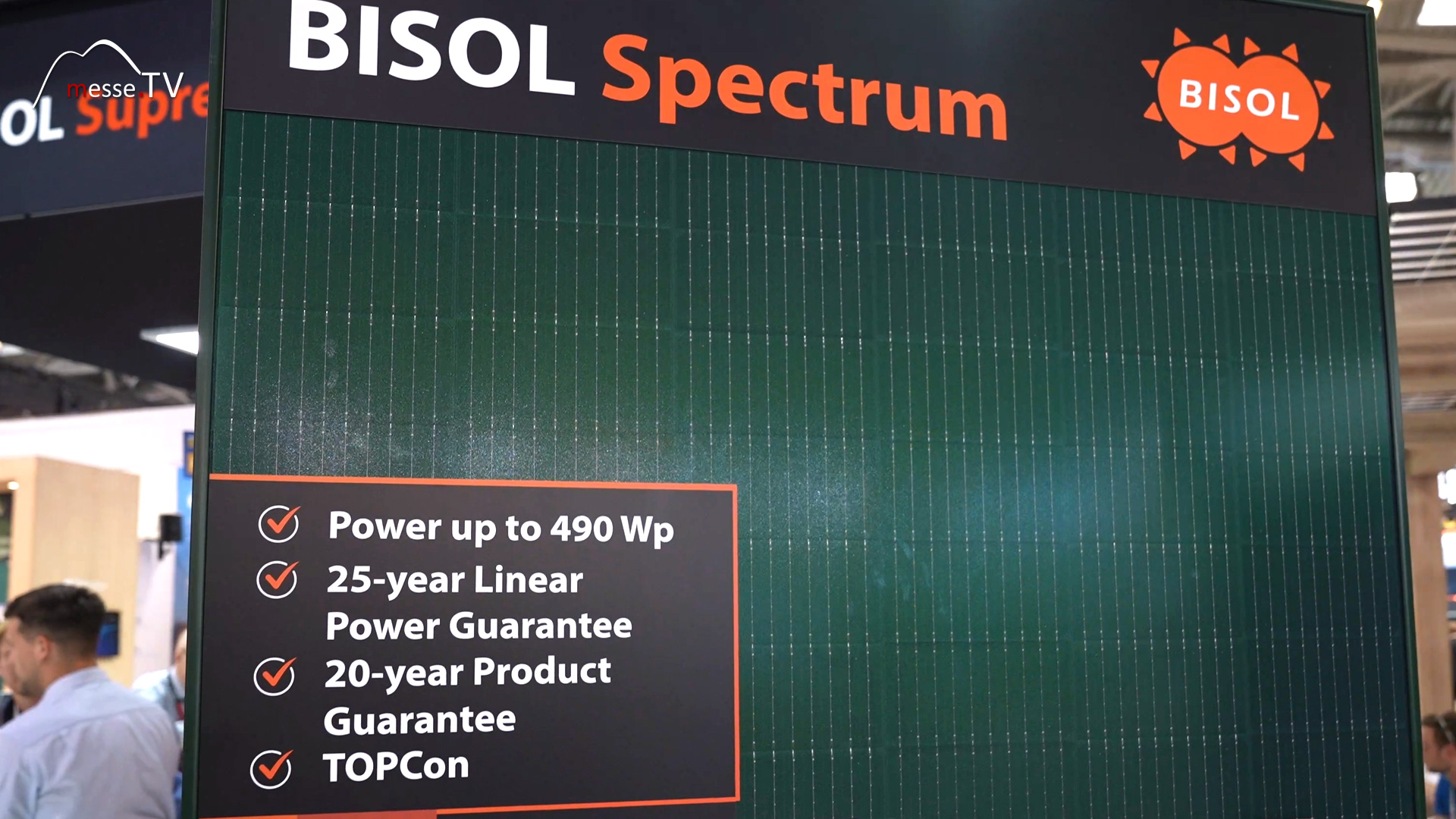
One example of this technological development is Topcon technology. Among other things, it is characterised by an improved temperature coefficient. This means that power losses at high temperatures are reduced. A bifacial design is also used. This means that not only the front of the module can absorb energy, but also the rear. Depending on the environment, additional yields can be achieved, especially with reflective surfaces. Efficiency also plays a key role. Modern modules achieve higher output values on the same surface area, which is particularly relevant where space is limited. The combination of these properties shows how efficiency and adaptability can be combined in current module concepts.

Glass-glass modules for robust photovoltaic applications
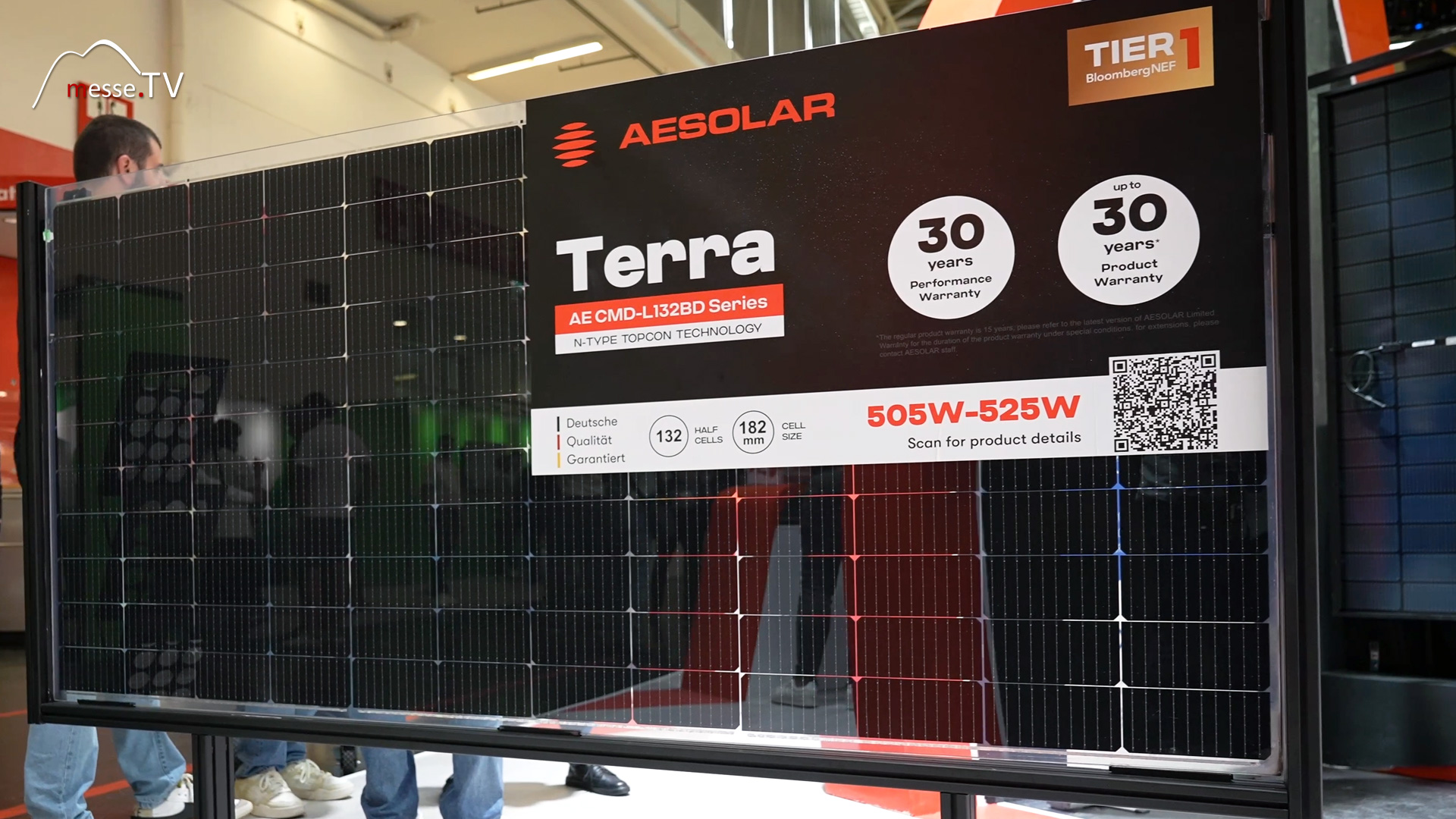
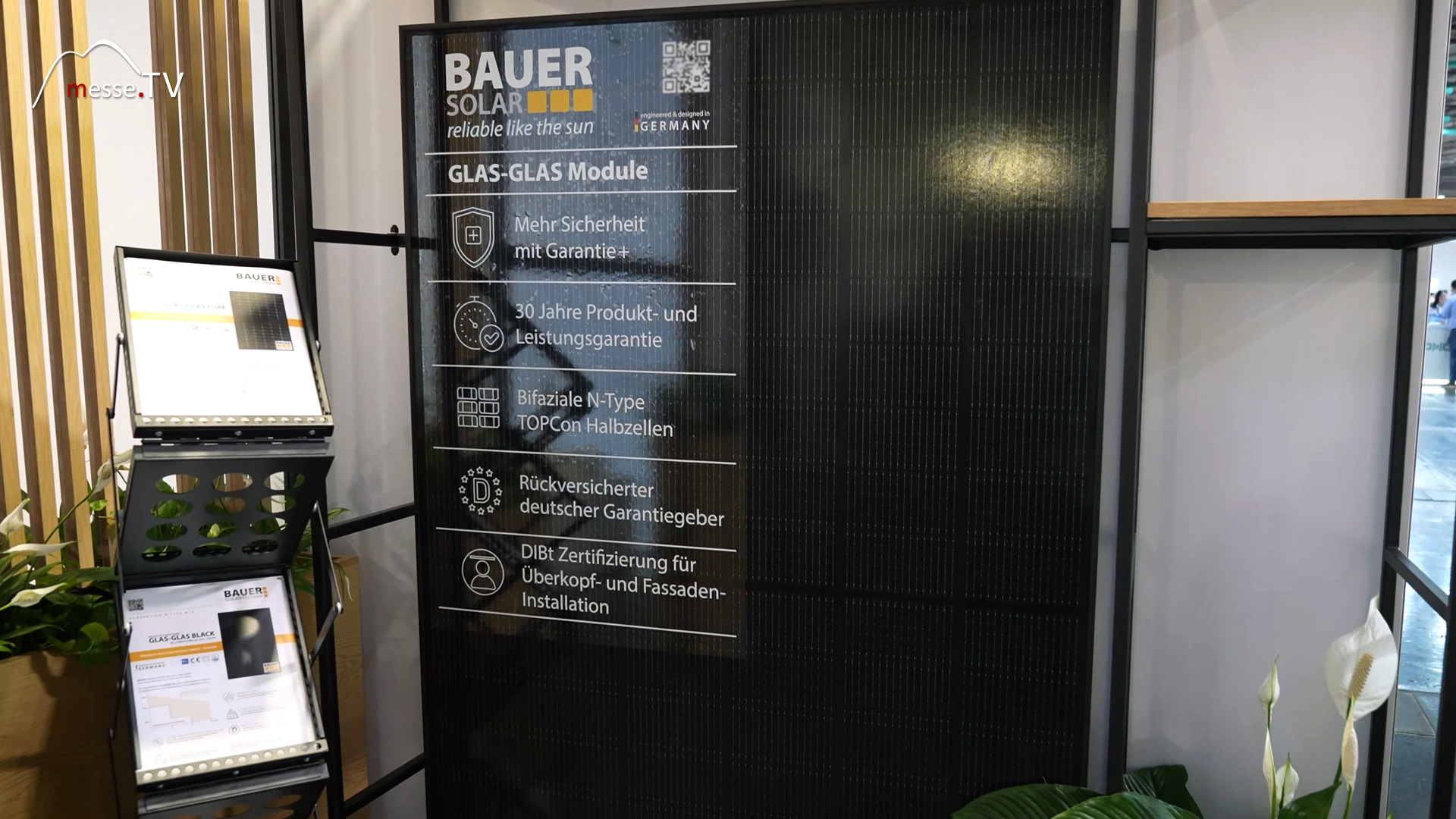
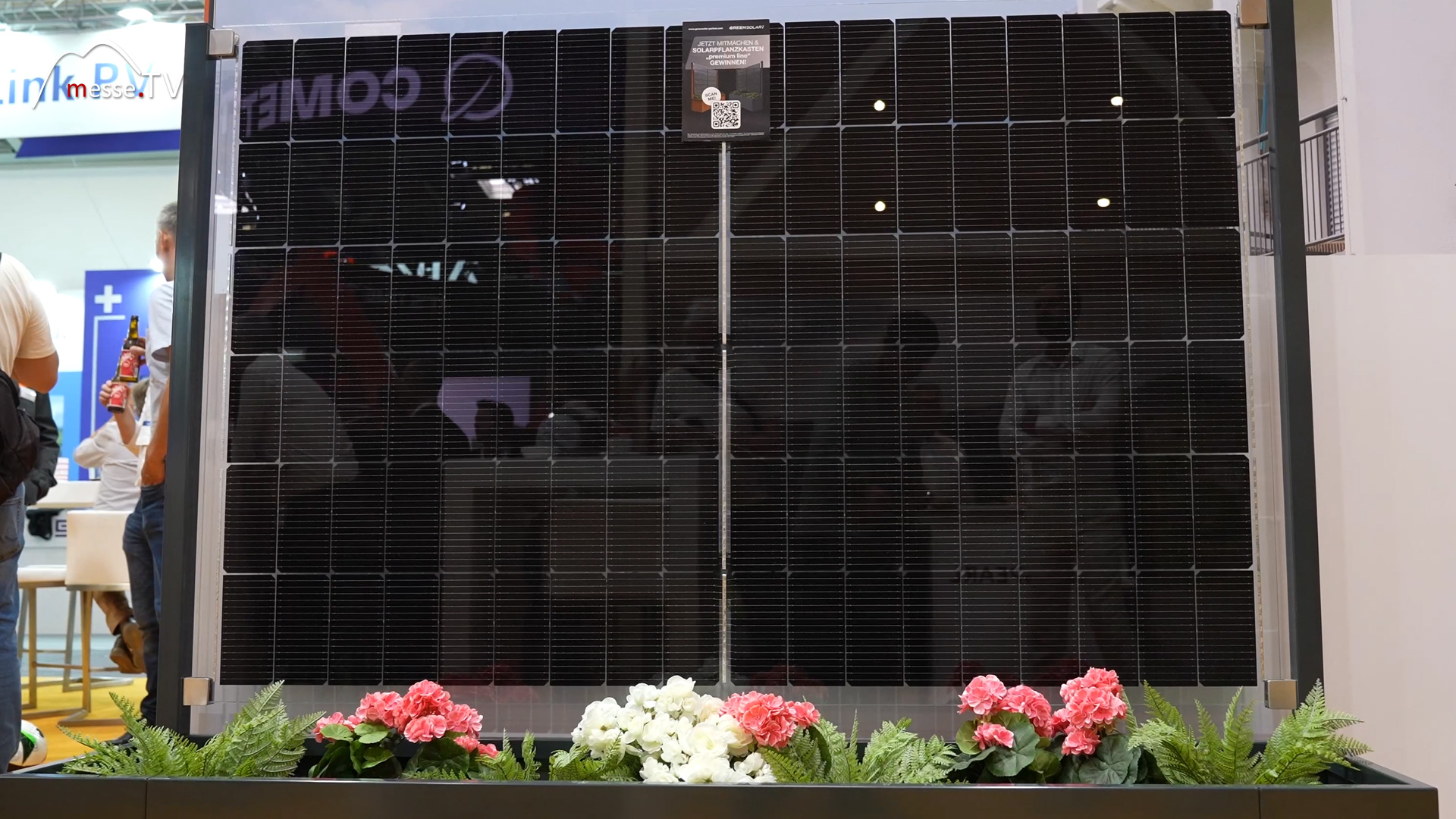
In addition to efficiency, mechanical stability is becoming increasingly important. Glass-glass modules are considered to be particularly resistant in this respect. Thanks to the glass structure on both sides, they are less susceptible to external influences such as weathering or mechanical stress. One example is modules with outputs of several hundred watts, which can be used in large ground-mounted systems as well as on commercial roofs. The robust design ensures that the modules work reliably even under demanding conditions. The most important features of such module concepts can be summarised:
- low power losses at high temperatures
- bifacial energy generation via the front and rear
- high mechanical stability due to glass-glass construction
- Use in private, commercial and large systems
Hybrid inverters and storage systems for energy utilisation
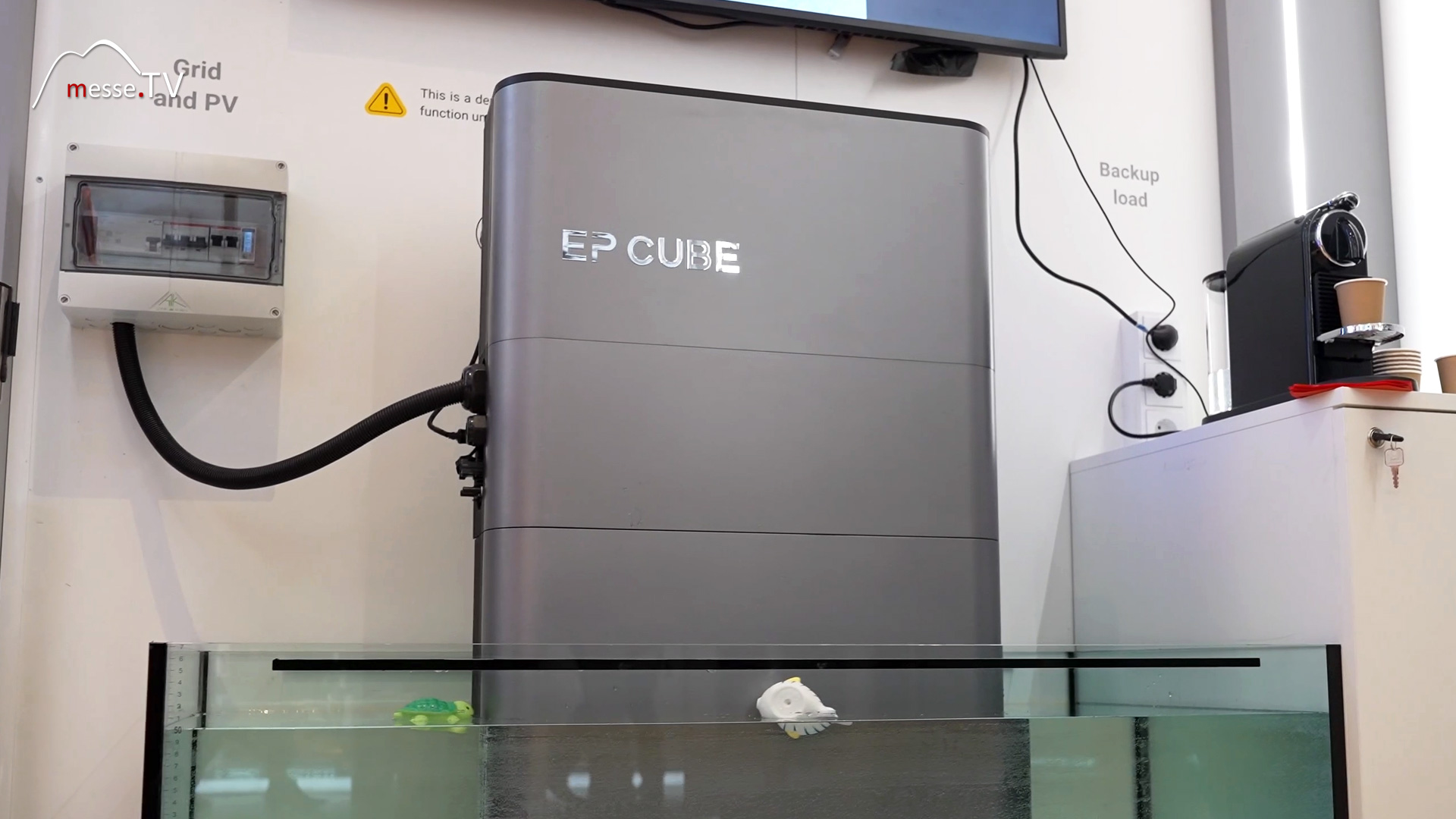
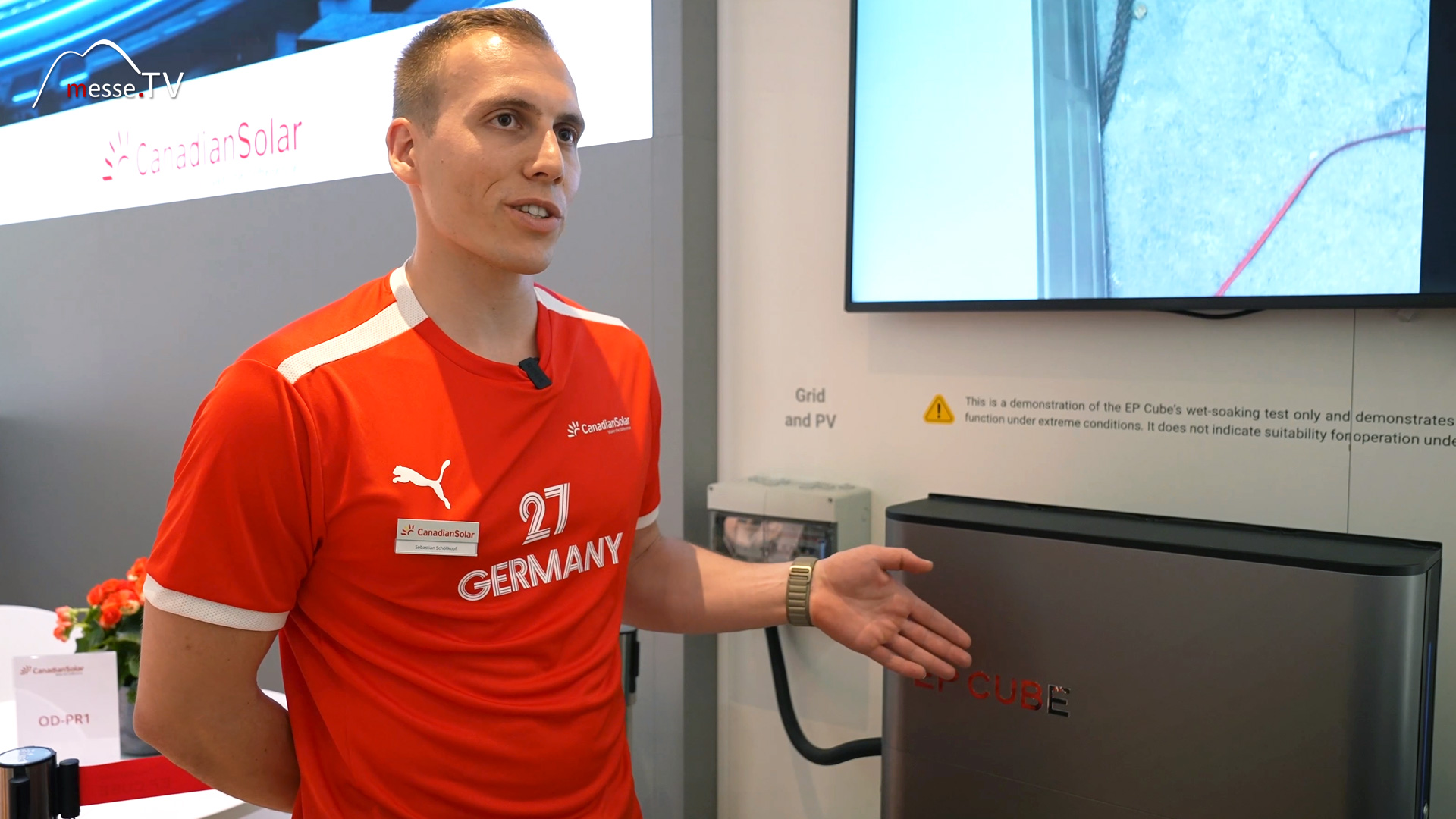
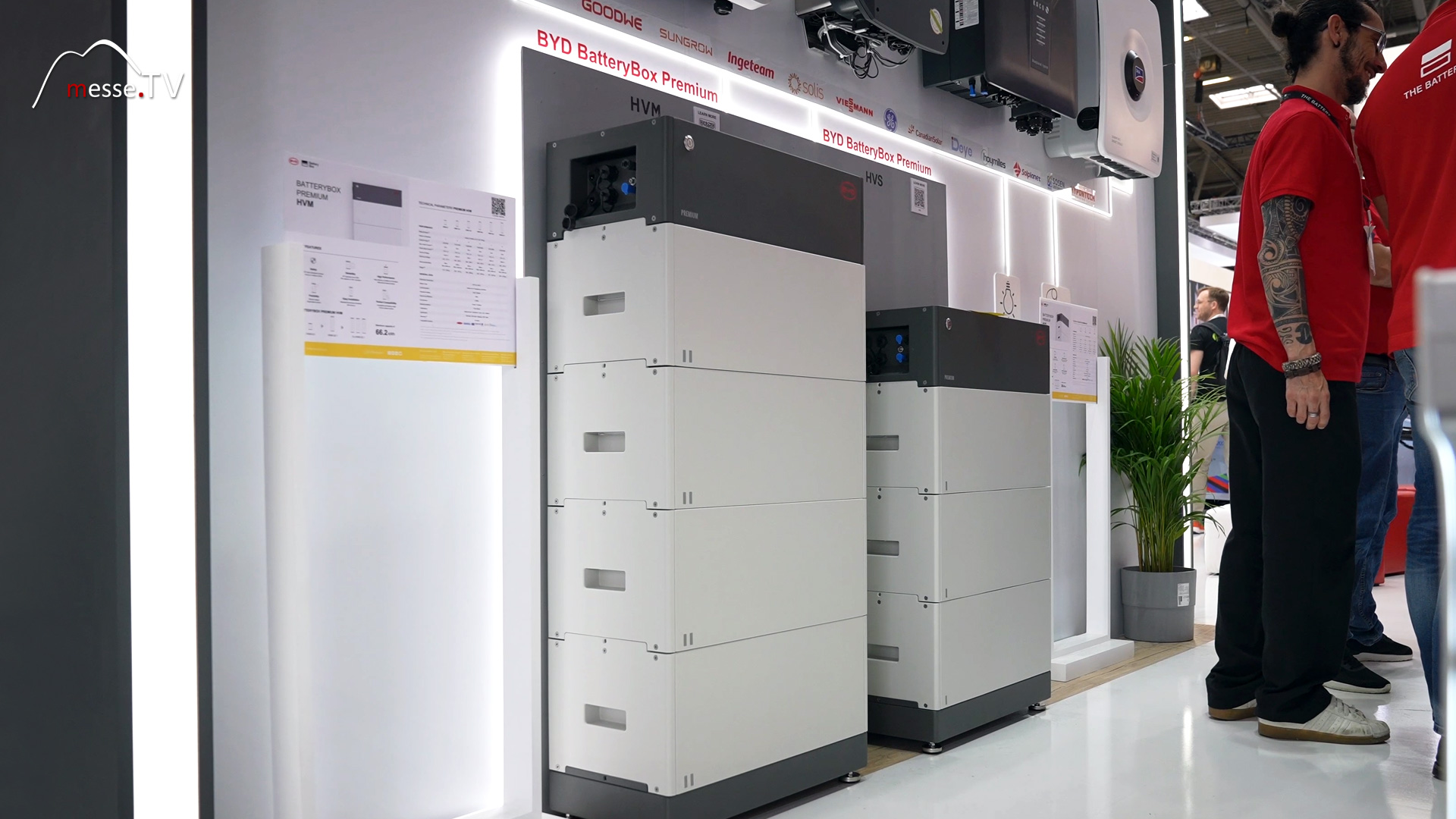
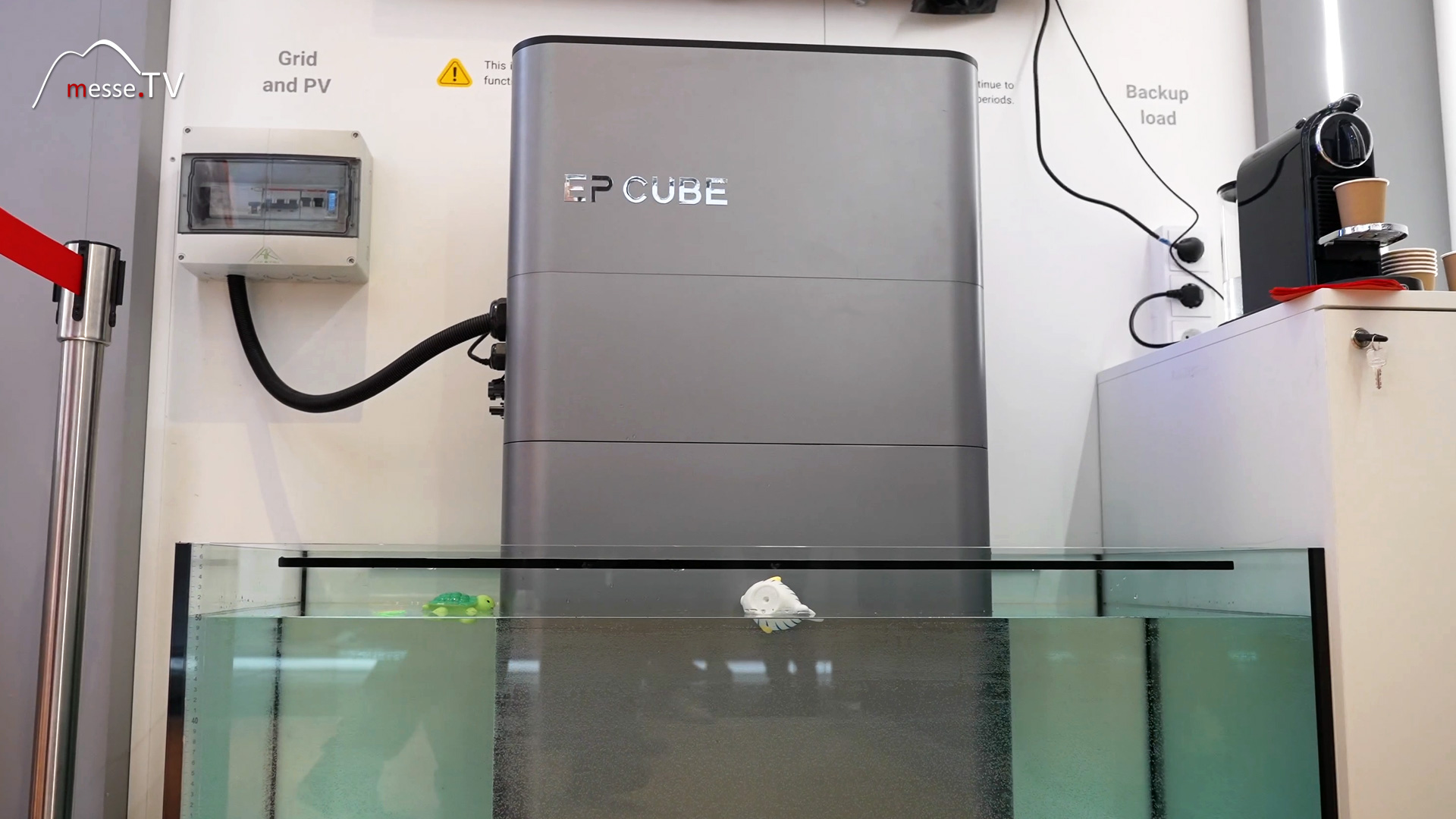
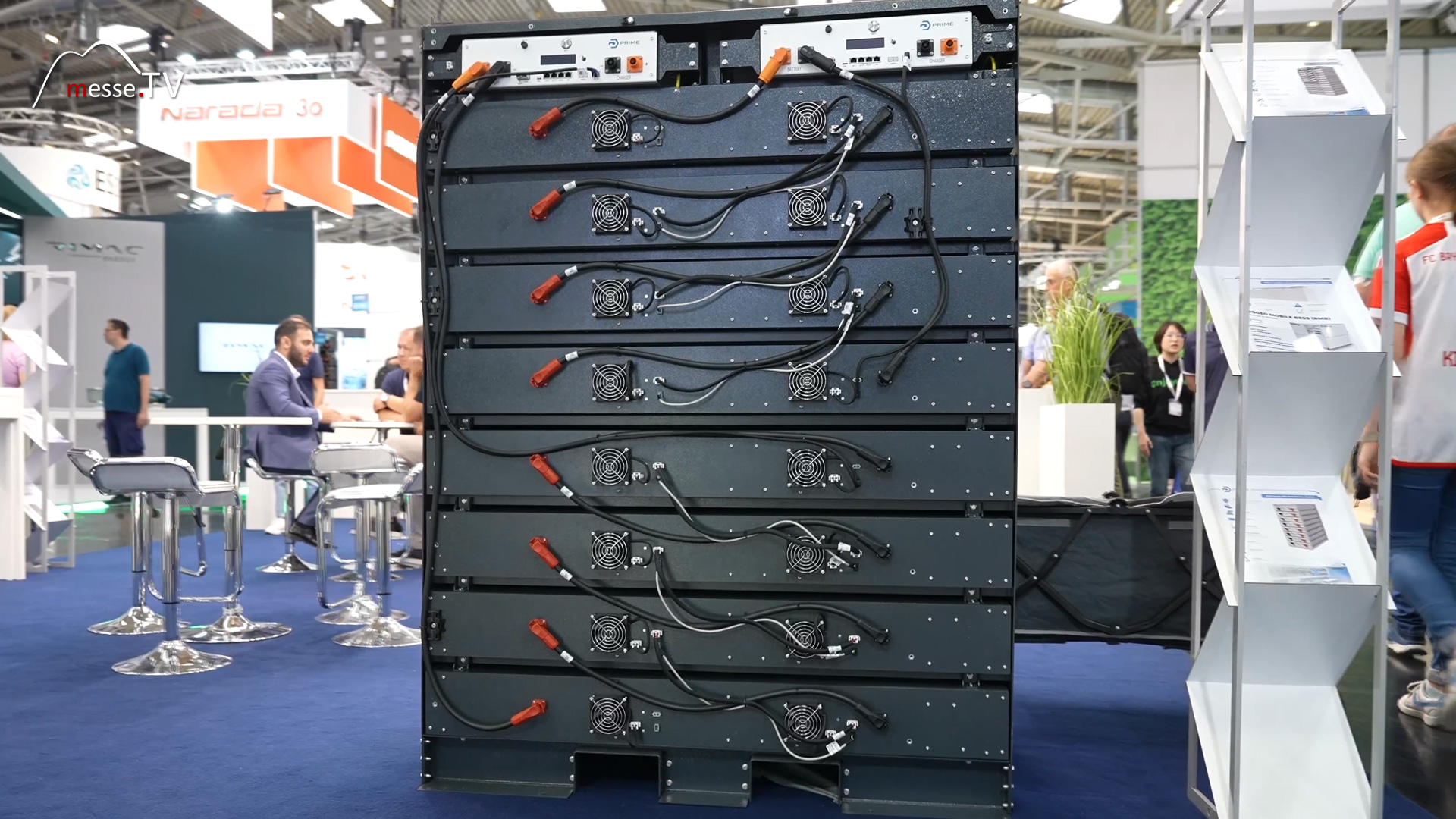
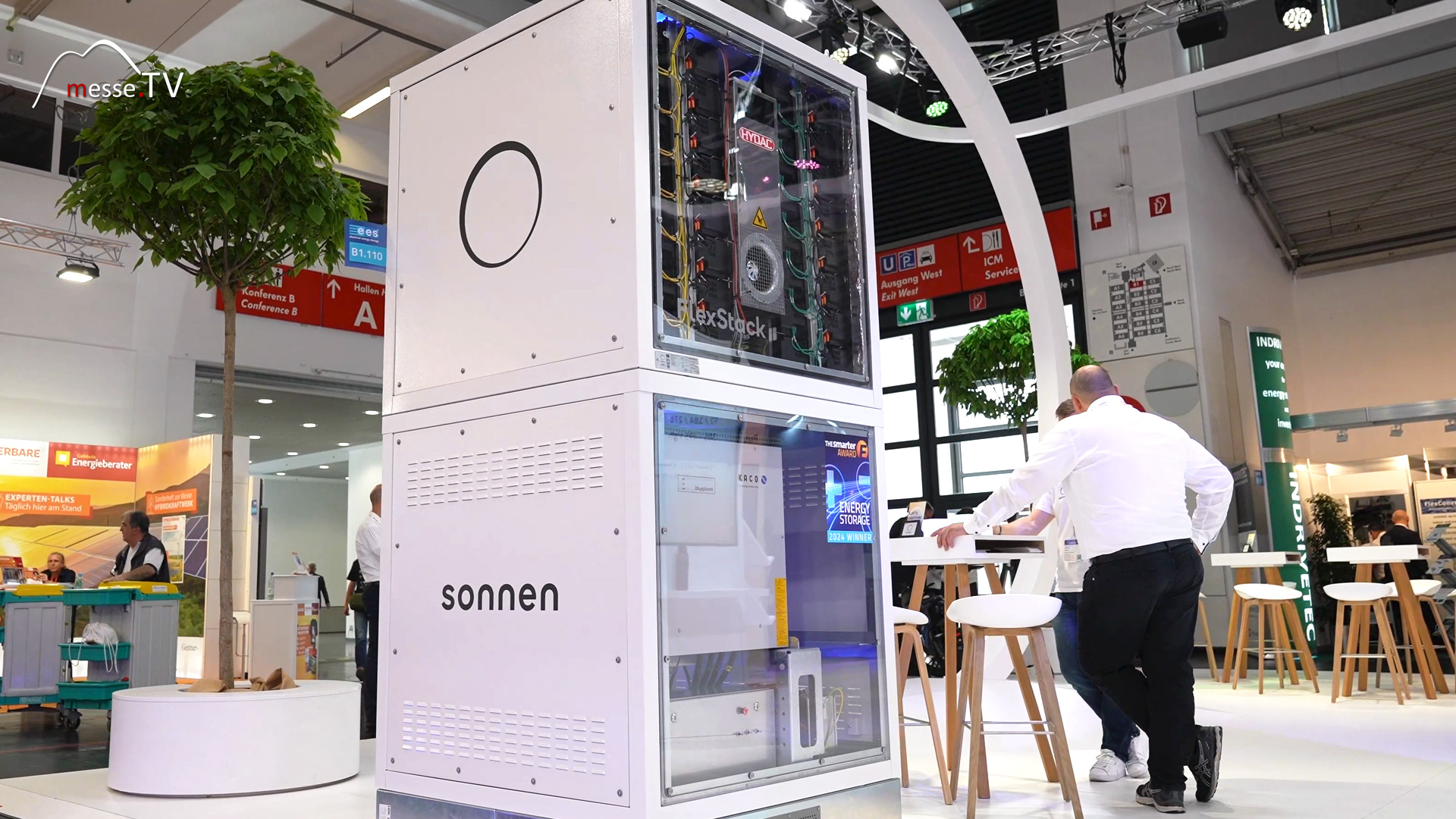
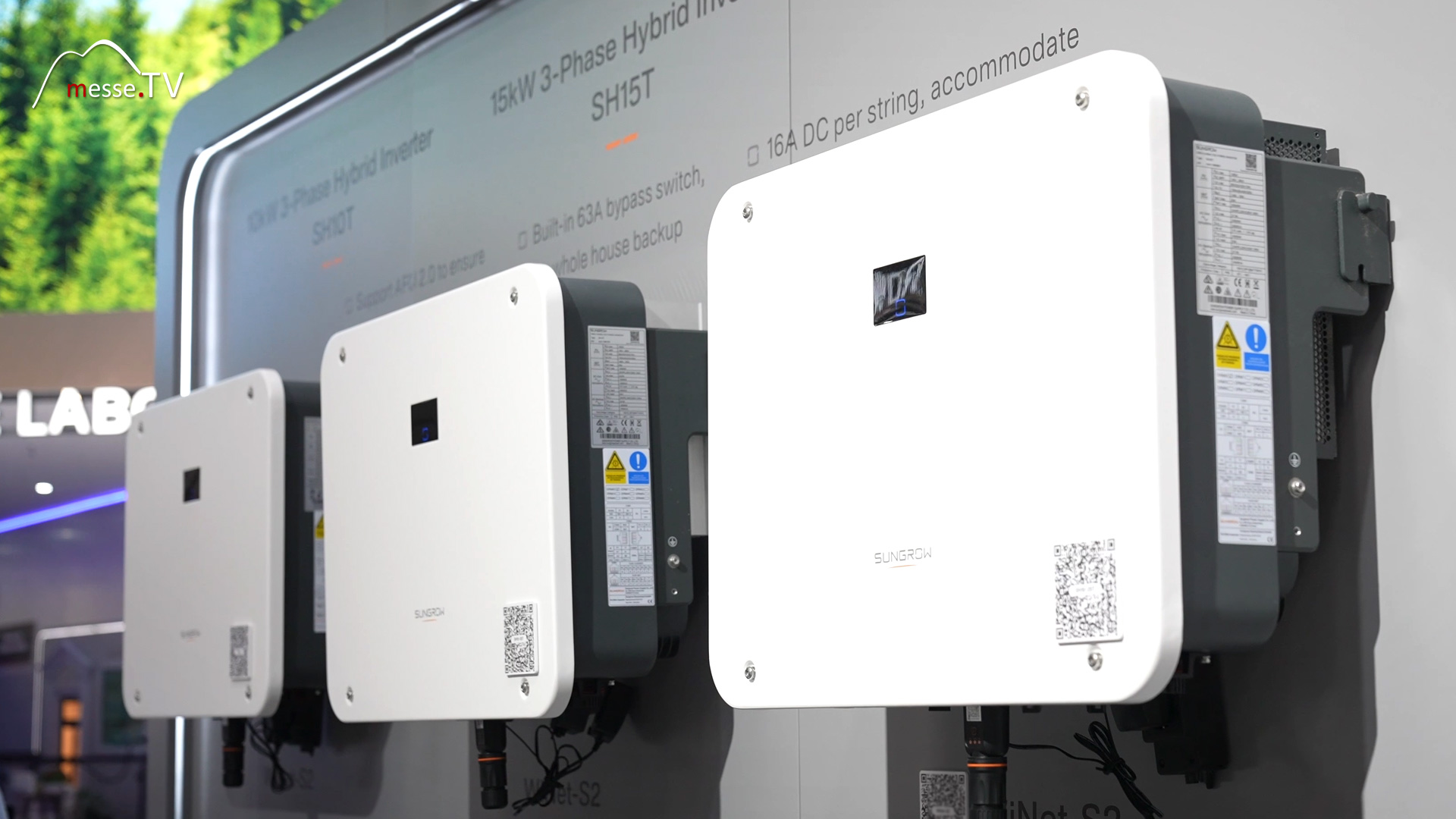
Storage is a central component of modern energy systems. Here, Canadian Solar relies on combined solutions in which the inverter and battery are integrated into a single unit. Such hybrid inverters make it possible to utilise generated electricity directly or to store it temporarily. In everyday life, this means that solar energy is not only available during the day. Surpluses can be stored and utilised later, for example in the evening. At the same time, a connection to the power grid is maintained, allowing different operating modes to be realised. One technical detail is the protection class of the batteries. Systems with high impermeability can continue to operate even under difficult conditions. This increases operational reliability and extends the range of possible applications.
Inverters for utility applications with high output
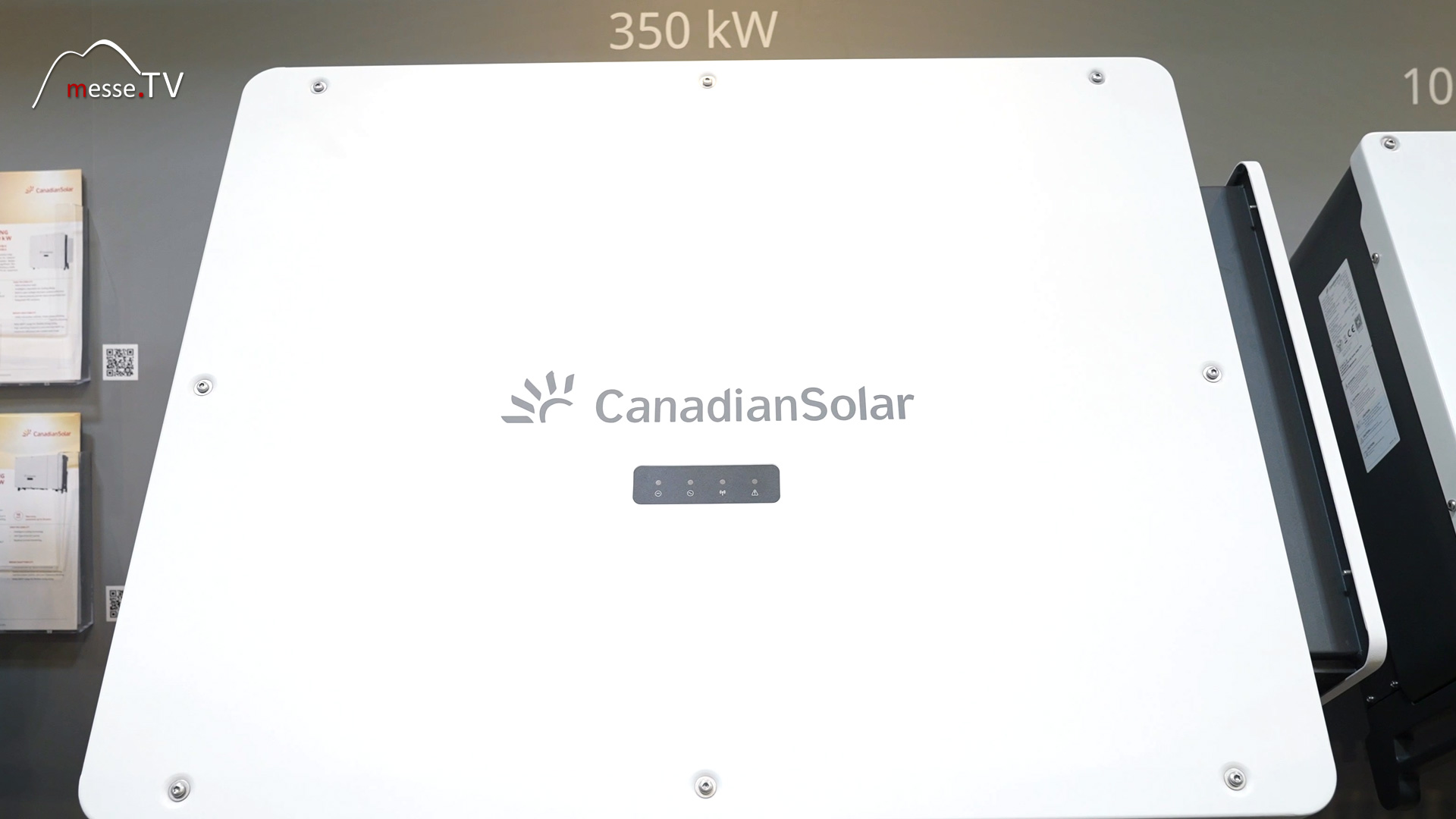
Powerful inverters are used for large-scale applications. These systems are designed to control large photovoltaic fields and convert the direct current generated into grid-compatible alternating current. One example is inverters in the range of several hundred kilowatts, which operate with high efficiency. Thanks to their performance, they can cover large systems with comparatively little installation effort. In addition to efficiency, maintenance also plays a role. Fewer individual devices mean less effort for installation and operation. This is a decisive factor for operators of large systems in particular.
Classification of integrated photovoltaic systems in the market
The development shows that photovoltaics is increasingly moving towards integrated systems. Individual components are becoming less important, while the interaction between modules, storage systems and inverters is becoming crucial. In this environment, Canadian Solar is positioning itself as a supplier that actively promotes this integration. For users, this means greater flexibility in the planning and utilisation of energy systems. The result is an approach in which energy is not only generated, but also controlled in a targeted manner. This is precisely the central change in modern photovoltaic solutions.
Trade fair reporting Germany - Trade fair knowledge, dates & events


