LED-Solarsimulatoren für präzise Modultests
von Jürgen Groh - 2024-06-25Ob eine Solarzelle oder ein Solarmodul die erwartete Leistung erreicht, entscheidet sich nicht erst auf dem Dach oder im Solarpark. Bereits während der Entwicklung und Produktion werden die Komponenten unter standardisierten Bedingungen vermessen. Nur so lassen sich Wirkungsgrad, Leistungsdaten und mögliche Defekte zuverlässig bestimmen.
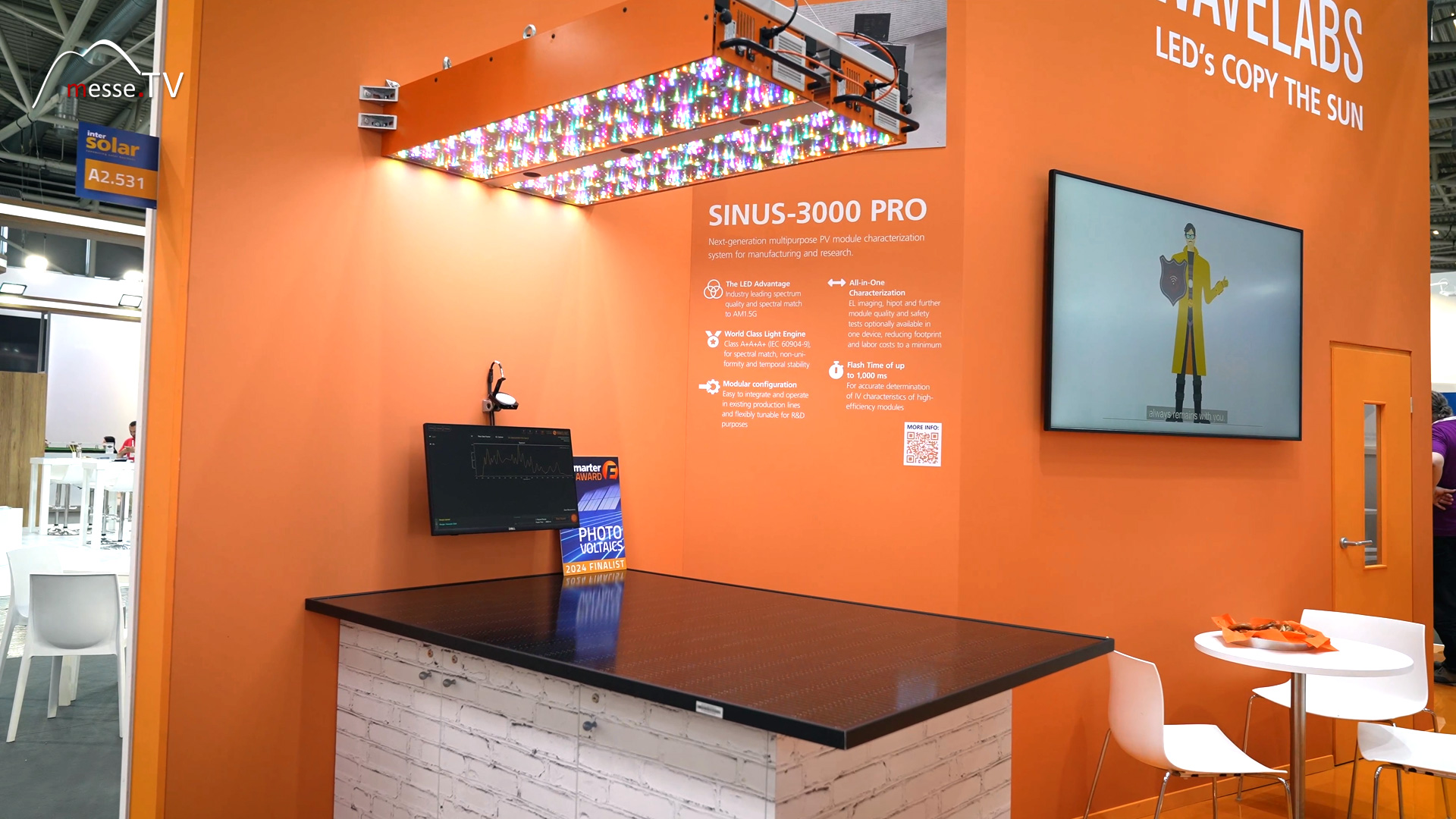
Über viele Jahre dominierten dabei Xenon-Lichtquellen die Prüftechnik. Inzwischen setzt sich jedoch zunehmend eine andere Technologie durch. Auf der Intersolar Europe zeigte Wavelabs, wie LED-basierte Solarsimulatoren eine präzisere und zugleich wirtschaftlichere Vermessung von Solarzellen und Solarmodulen ermöglichen. Der Ansatz richtet sich sowohl an Forschungseinrichtungen als auch an Hersteller, die hohe Anforderungen an Messgenauigkeit und Reproduzierbarkeit stellen.
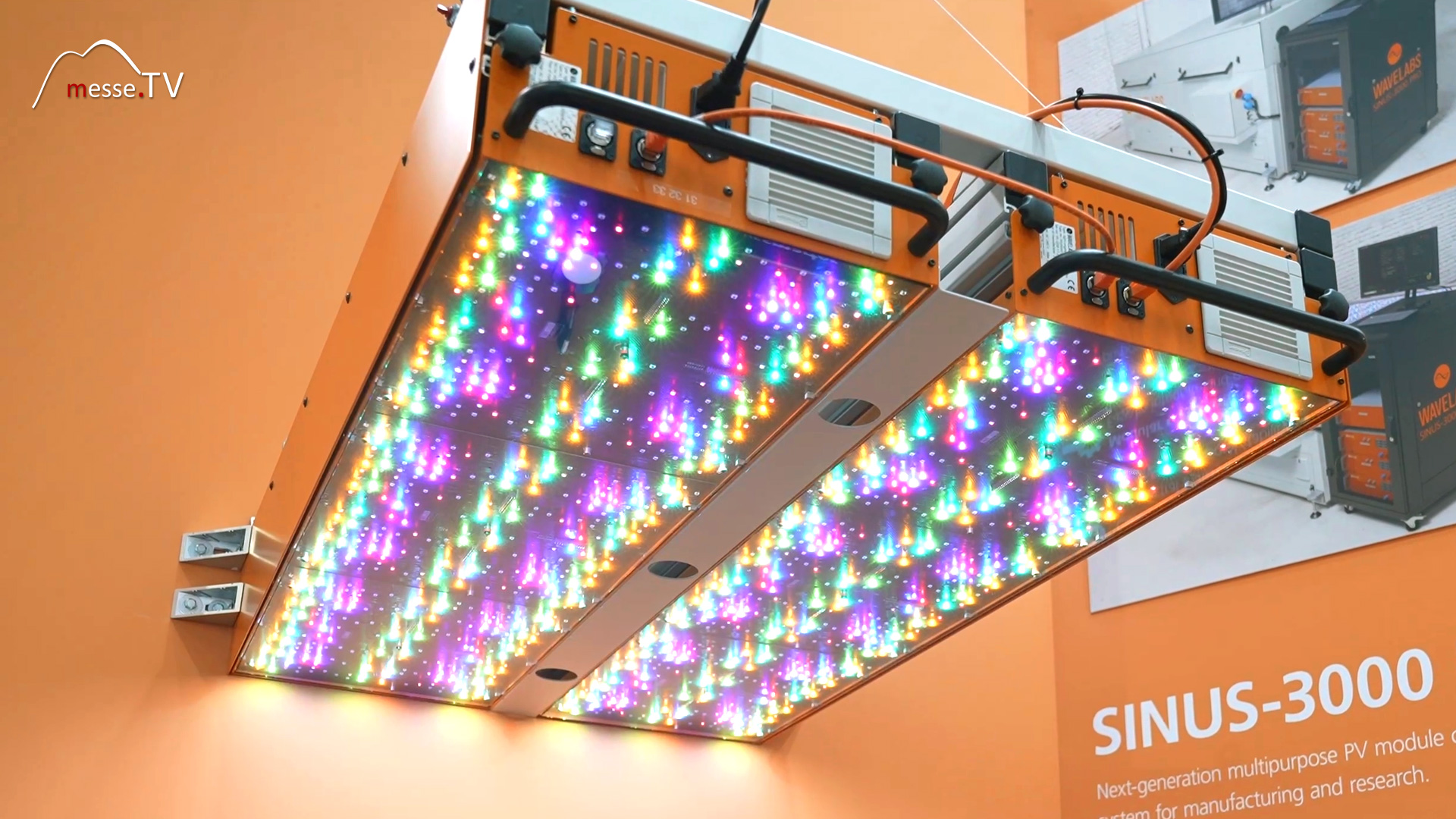

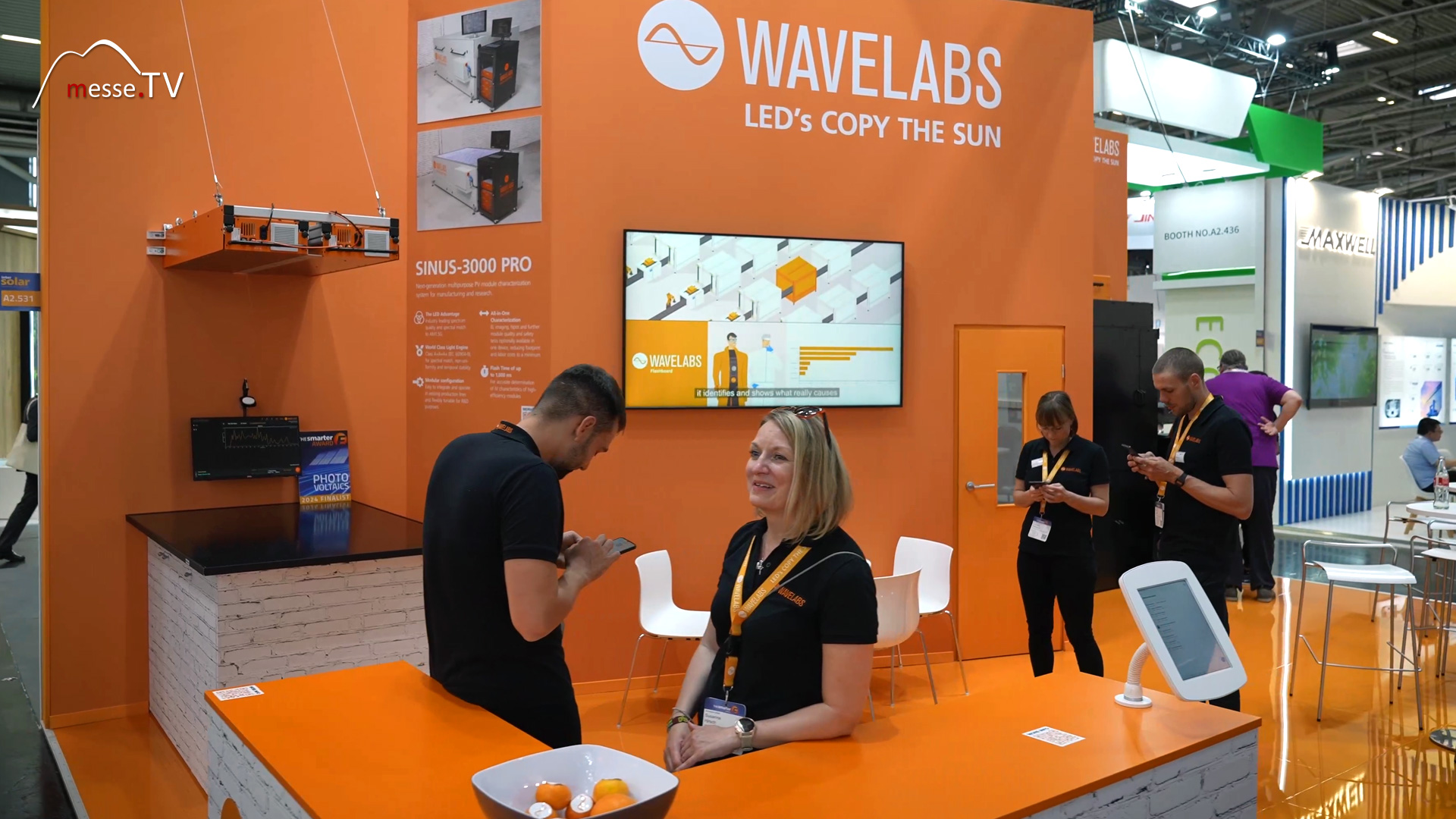
Wavelabs setzt auf LED-Technologie für Solarsimulatoren
Das Unternehmen entwickelt seit 2011 Solarsimulatoren auf LED-Basis. Im Unterschied zu klassischen Xenon-Systemen lässt sich das Lichtspektrum flexibel anpassen. Dadurch können die Lichtverhältnisse besonders präzise an das natürliche Sonnenspektrum angenähert werden. Ein weiterer Vorteil liegt im geringeren Wartungsaufwand. LED-Lichtquellen arbeiten langlebig und benötigen deutlich weniger Instandhaltung als herkömmliche Systeme. Für Labore und Produktionsbetriebe bedeutet das niedrigere Betriebskosten sowie eine höhere Verfügbarkeit der Messanlagen. Vor allem im Forschungsbereich spielt außerdem die Stabilität der Messbedingungen eine entscheidende Rolle. Nur wenn identische Testbedingungen dauerhaft reproduzierbar sind, lassen sich neue Zelltechnologien zuverlässig vergleichen oder Produktionsprozesse optimieren.
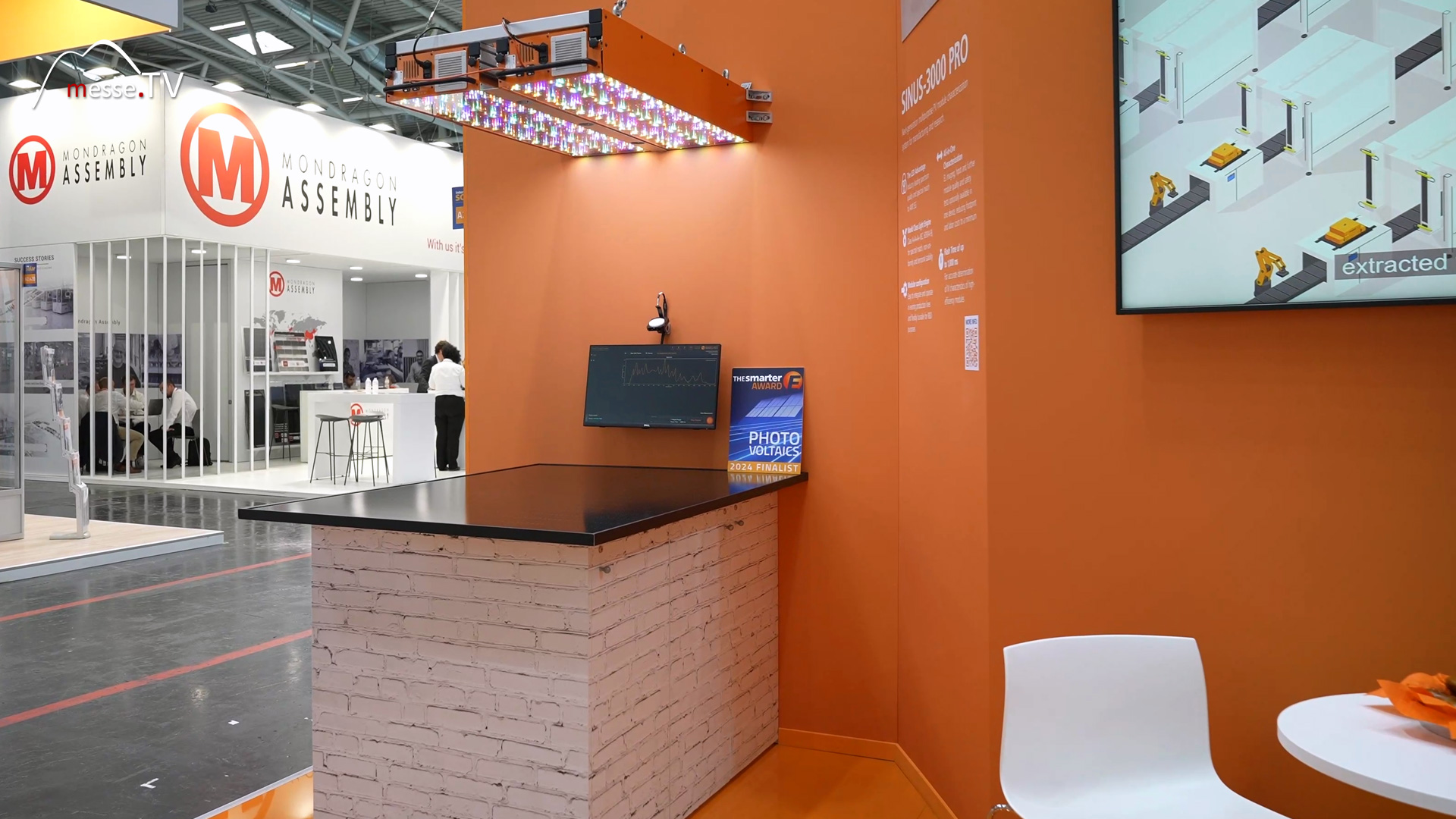
Mehr als 20 LEDs erzeugen ein sonnenähnliches Spektrum
Das Zentrum des Solarsimulators bildet eine Lichtquelle mit mehr als 20 unterschiedlichen LED-Wellenlängen. Deren Zusammenspiel erzeugt ein Spektrum, das dem Sonnenlicht sehr nahekommt und das Prüfmuster gleichmäßig ausleuchtet. Unter diesen standardisierten Bedingungen wird anschließend die elektrische Leistung eines Solarmoduls oder einer Solarzelle bestimmt. Die Messwerte bilden die Grundlage für die technischen Leistungsangaben, die später auf jedem Solarmodul ausgewiesen werden. Zu den typischen Einsatzbereichen gehören:
- Leistungsmessung von Solarzellen
- Prüfung kompletter Solarmodule
- Forschung und Entwicklung neuer Zelltechnologien
- Qualitätssicherung in der Serienproduktion
- Kalibrierung unter standardisierten Testbedingungen
Elektrolumineszenz erkennt Defekte im Solarmodul
Neben der klassischen Leistungsmessung integrieren moderne Prüfsysteme weitere Analyseverfahren. Ein Beispiel ist die Elektrolumineszenzprüfung, die ebenfalls Bestandteil der gezeigten Anlage ist. Dabei werden Solarzellen elektrisch angeregt und mit einer speziellen Kamera aufgenommen. Auf den Bildern lassen sich feine Risse, Mikroschäden oder andere Materialfehler erkennen, die mit bloßem Auge häufig unsichtbar bleiben. Solche Defekte können den Wirkungsgrad eines Moduls beeinträchtigen oder langfristig zu Leistungseinbußen führen. Die Kombination verschiedener Prüfverfahren in einer Anlage verkürzt den Prüfprozess. Leistungsmessung, Spektralkontrolle und Defekterkennung können unmittelbar nacheinander erfolgen, ohne dass das Modul zwischen unterschiedlichen Systemen transportiert werden muss.

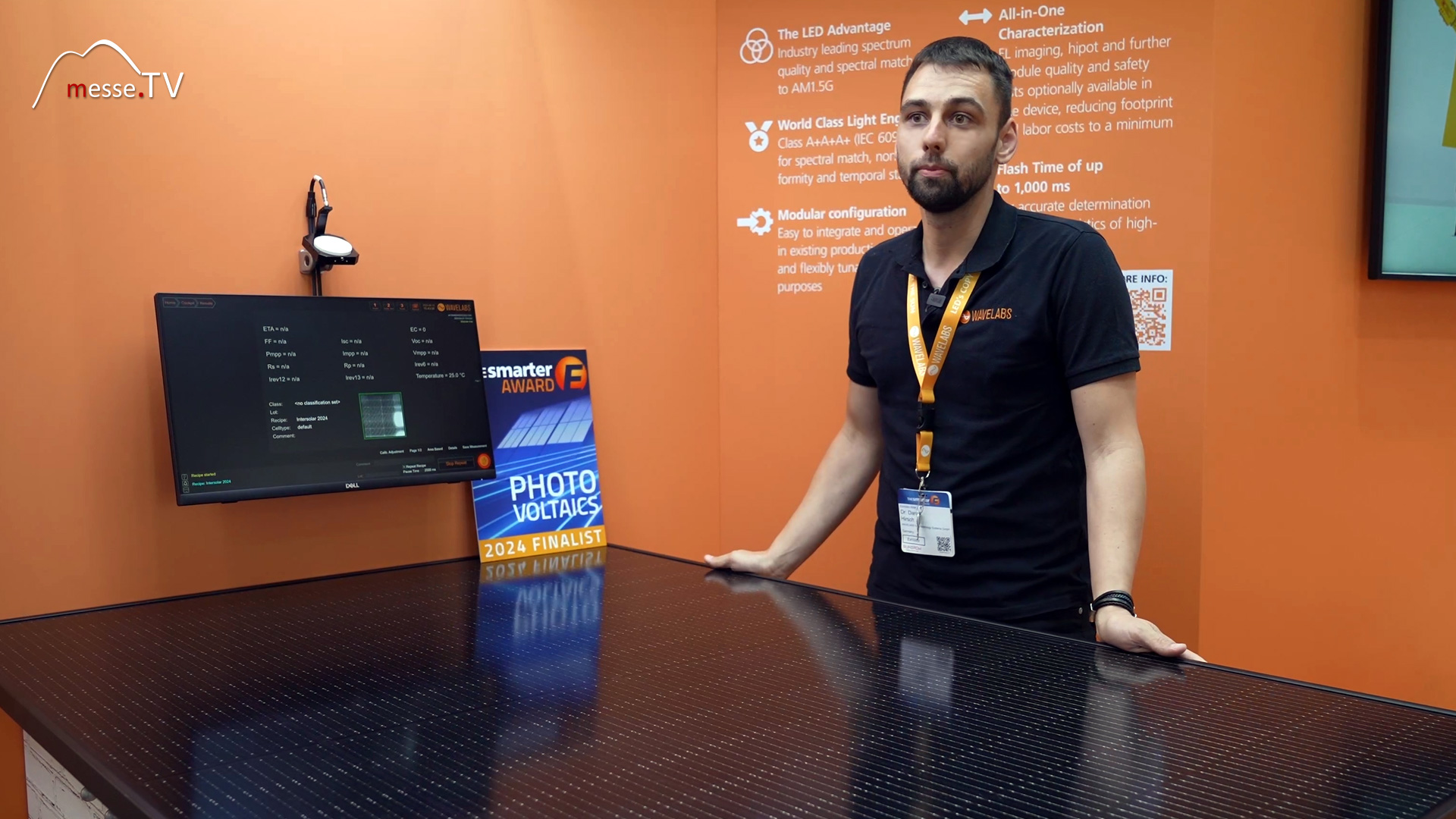
Integrierte Spektrometer überwachen jede Messung
Ein besonderes Merkmal der vorgestellten Systeme ist die kontinuierliche Kontrolle des erzeugten Lichtspektrums. Dafür kommen integrierte Spektrometer zum Einsatz, die während der Messung überprüfen, ob die Beleuchtung tatsächlich den vorgegebenen Standardbedingungen entspricht. Diese zusätzliche Kontrolle erhöht die Nachvollziehbarkeit der Ergebnisse. Anwender müssen sich nicht darauf verlassen, dass die Lichtquelle dauerhaft unverändert arbeitet, sondern erhalten eine laufende Überwachung der spektralen Eigenschaften. Gerade Forschungseinrichtungen sowie Entwicklungsabteilungen internationaler Modulhersteller legen großen Wert auf diese Form der Qualitätssicherung. Dort müssen Messungen häufig über lange Zeiträume miteinander vergleichbar bleiben, um Material- oder Prozessänderungen zuverlässig bewerten zu können.
LED-Solarsimulatoren gewinnen in Forschung und Produktion an Bedeutung
Der Wechsel von Xenon- zu LED-Technologien vollzieht sich schrittweise. Noch ist der Markt für hochpräzise Solarsimulatoren vergleichsweise klein und auf spezialisierte Anbieter beschränkt. Gleichzeitig wächst das Interesse an Systemen, die hohe Messgenauigkeit mit geringem Wartungsaufwand verbinden. Mit der steigenden Effizienz moderner Solarzellen nehmen auch die Anforderungen an die Messtechnik zu. Schon geringe Unterschiede im Wirkungsgrad müssen zuverlässig erfasst werden können. Hinzu kommt der Wunsch vieler Hersteller, mehrere Prüfverfahren in einer Anlage zusammenzuführen und Prüfabläufe stärker zu automatisieren. Die auf der Intersolar Europe vorgestellte Technik zeigt, wie sich die Qualitätskontrolle in der Photovoltaik weiterentwickelt. Nicht allein die Lichtquelle entscheidet über die Aussagekraft einer Messung. Erst das Zusammenspiel aus spektral präziser Beleuchtung, integrierter Spektralkontrolle, elektrischer Leistungsanalyse und Defekterkennung ermöglicht eine umfassende Bewertung moderner Solarzellen und Solarmodule.
Messe-Berichterstattung bundesweit - Messewissen, Termine & Veranstaltungen


