BYD Energy: Modular energy storage with the Battery Box
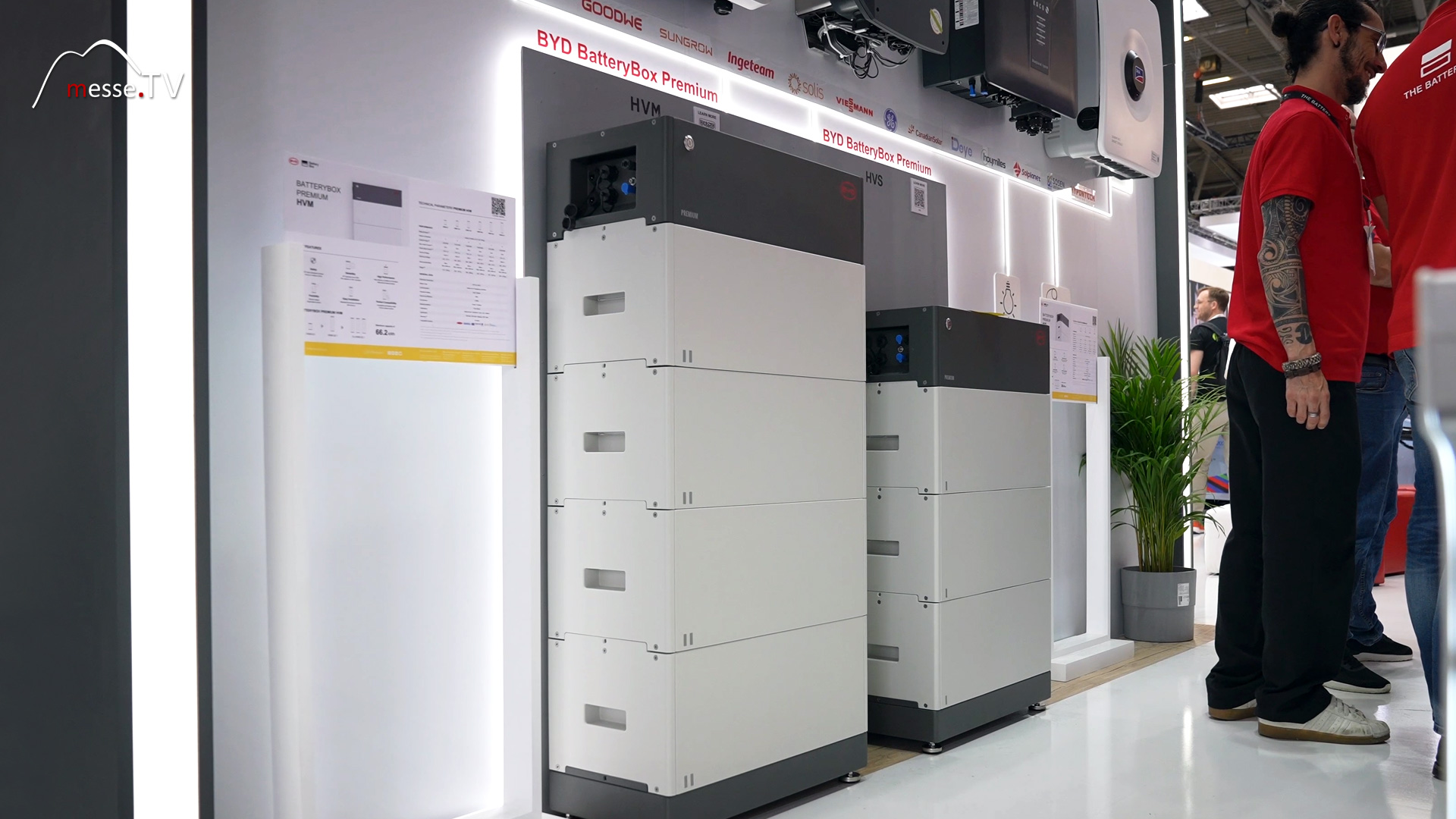
by B. Velonavy - 2024-11-18With its Battery Box series, BYD Energy Storage offers flexible and scalable energy storage solutions. The systems have a modular design and are suitable for various applications ranging from single-family homes to commercial projects. They use cobalt-free lithium iron phosphate batteries, which guarantee maximum safety and longevity. The solutions support easy installation and adaptation to individual needs, maximizing the efficiency of self-consumption.
BYD: A leading manufacturer for a zero-emission ecosystem
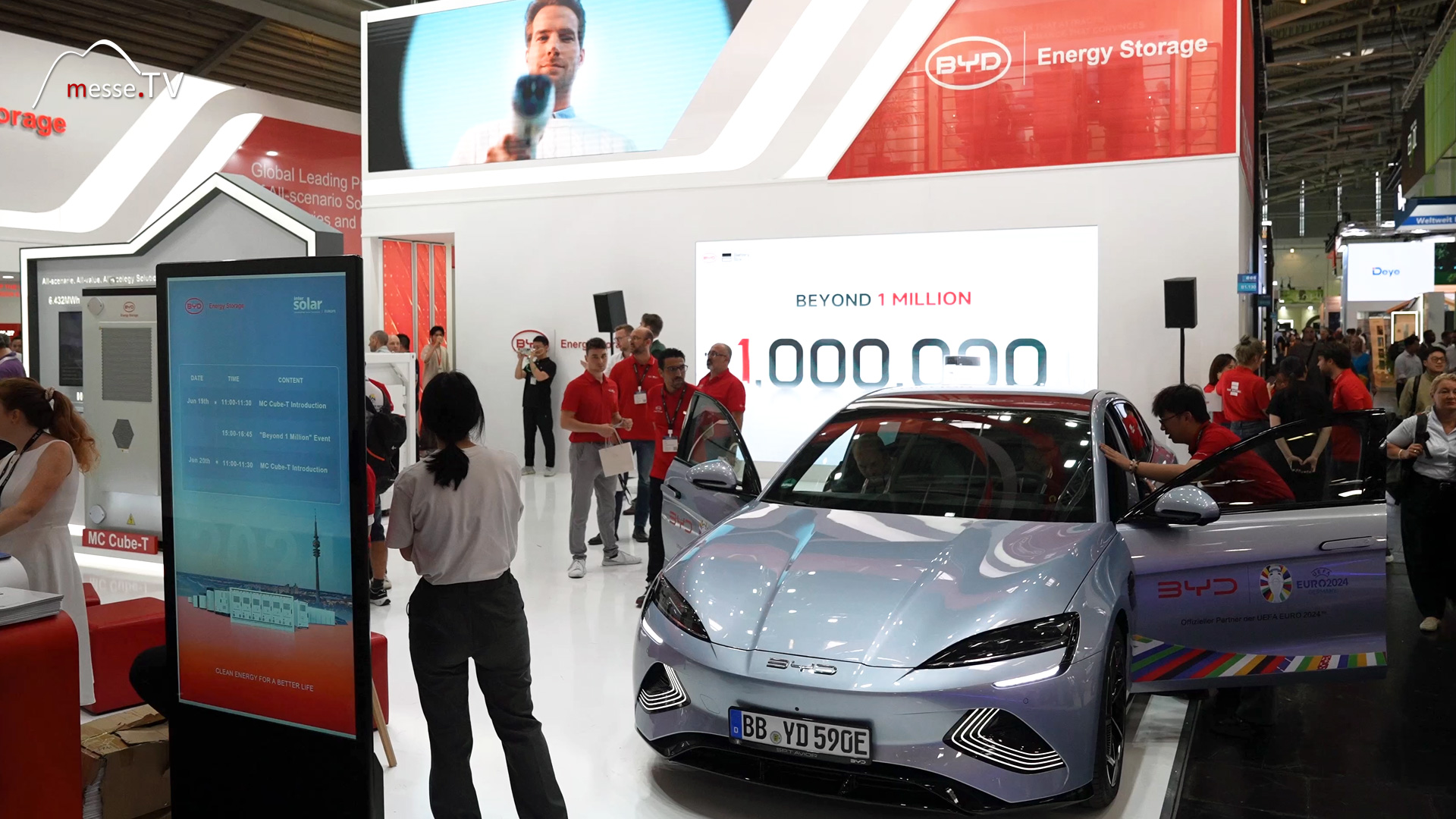
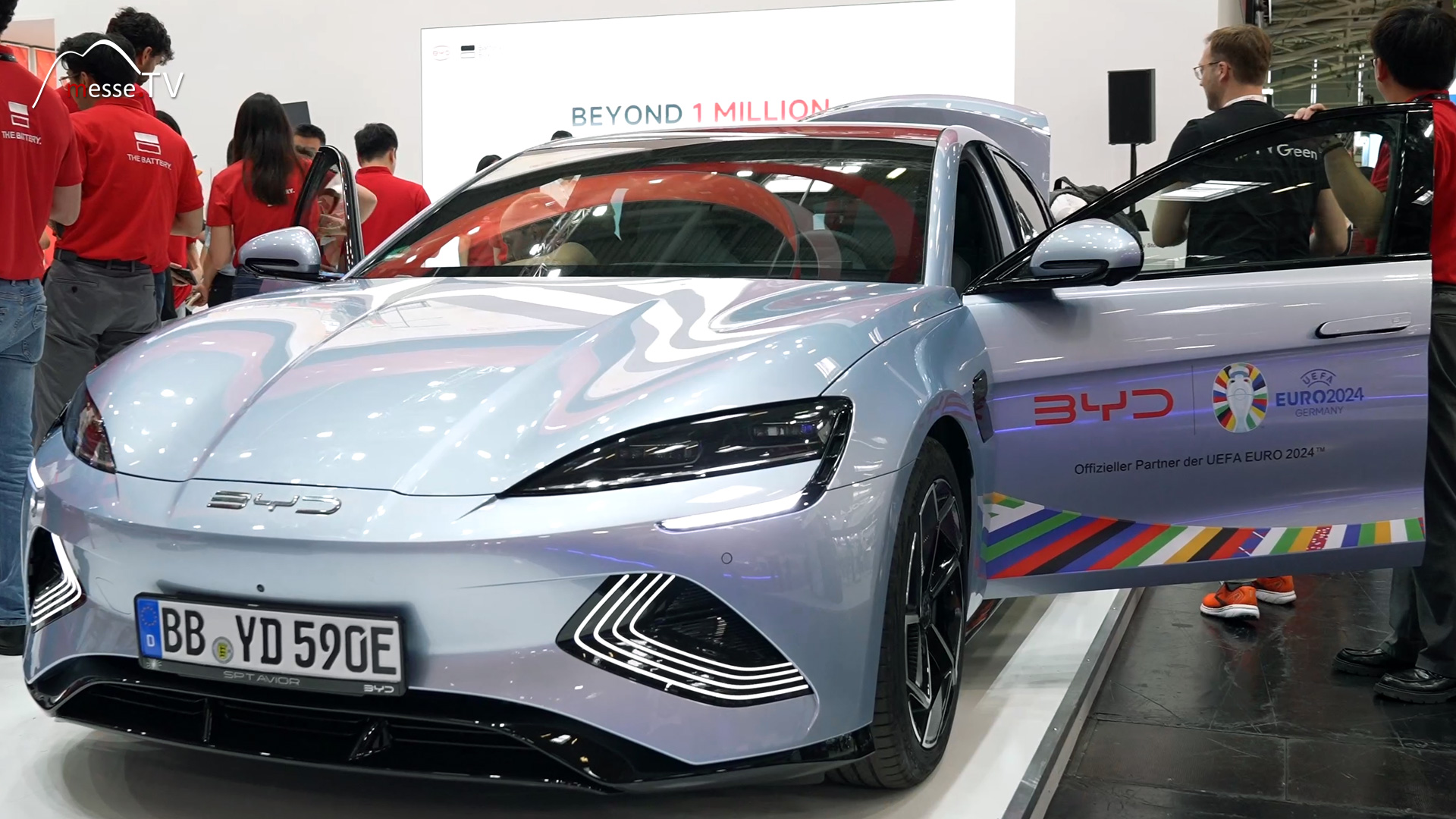
Founded in 1900, BYD (Build Your Dreams) is one of the largest battery cell manufacturers in the world. With a clear focus on sustainability and environmental protection, BYD is working to establish a zero-emission ecosystem. The company offers solutions such as photovoltaic modules, battery systems for private and commercial applications and electric vehicles. BYD is not only a leader in its home country of China, but also operates globally and has strengthened its presence in Europe in particular. As an official sponsor of UEFA Euro 2024, BYD is using the stage to showcase its innovative products to a wider audience.
Modularity and safety: BYD's battery systems
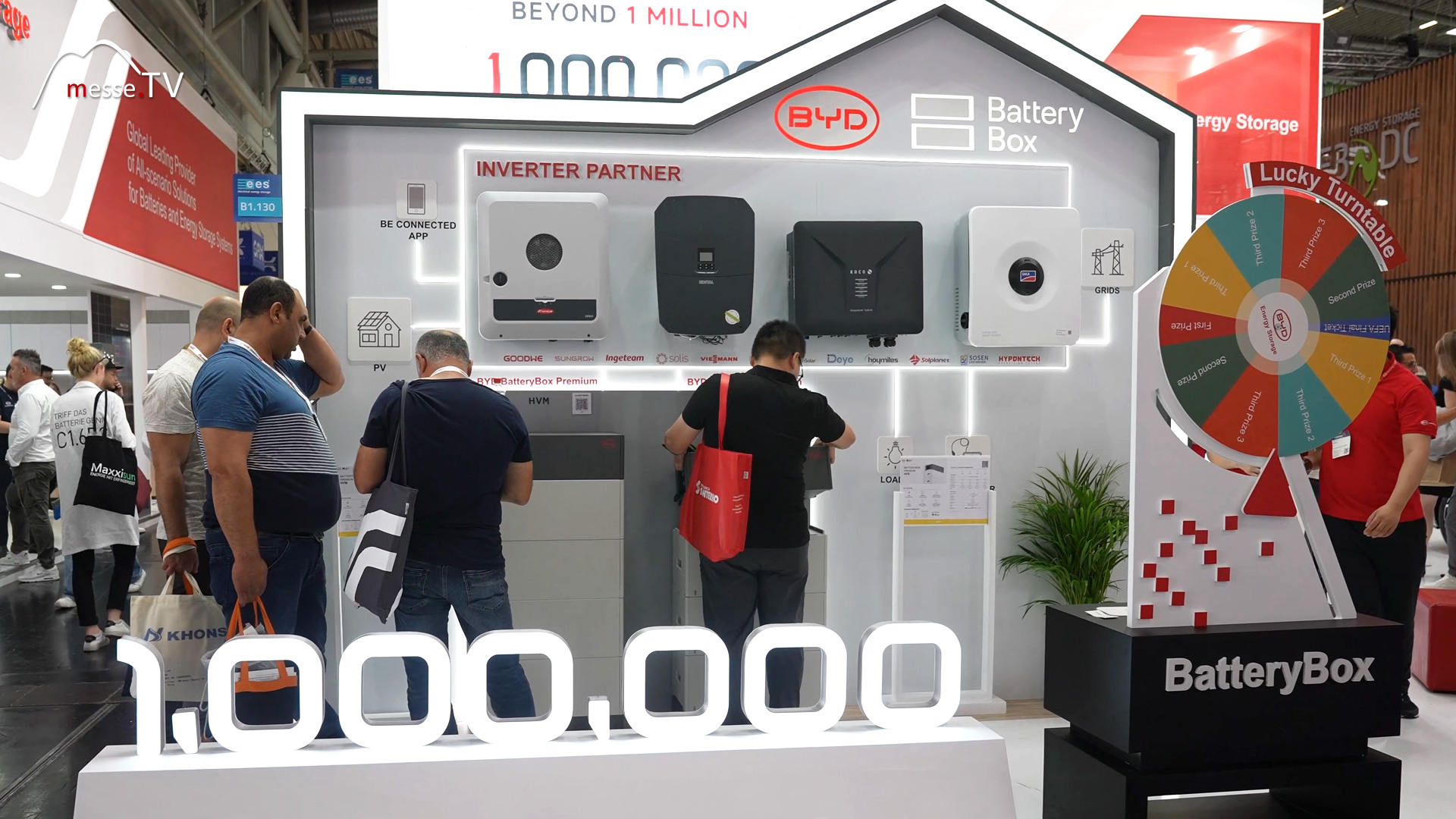
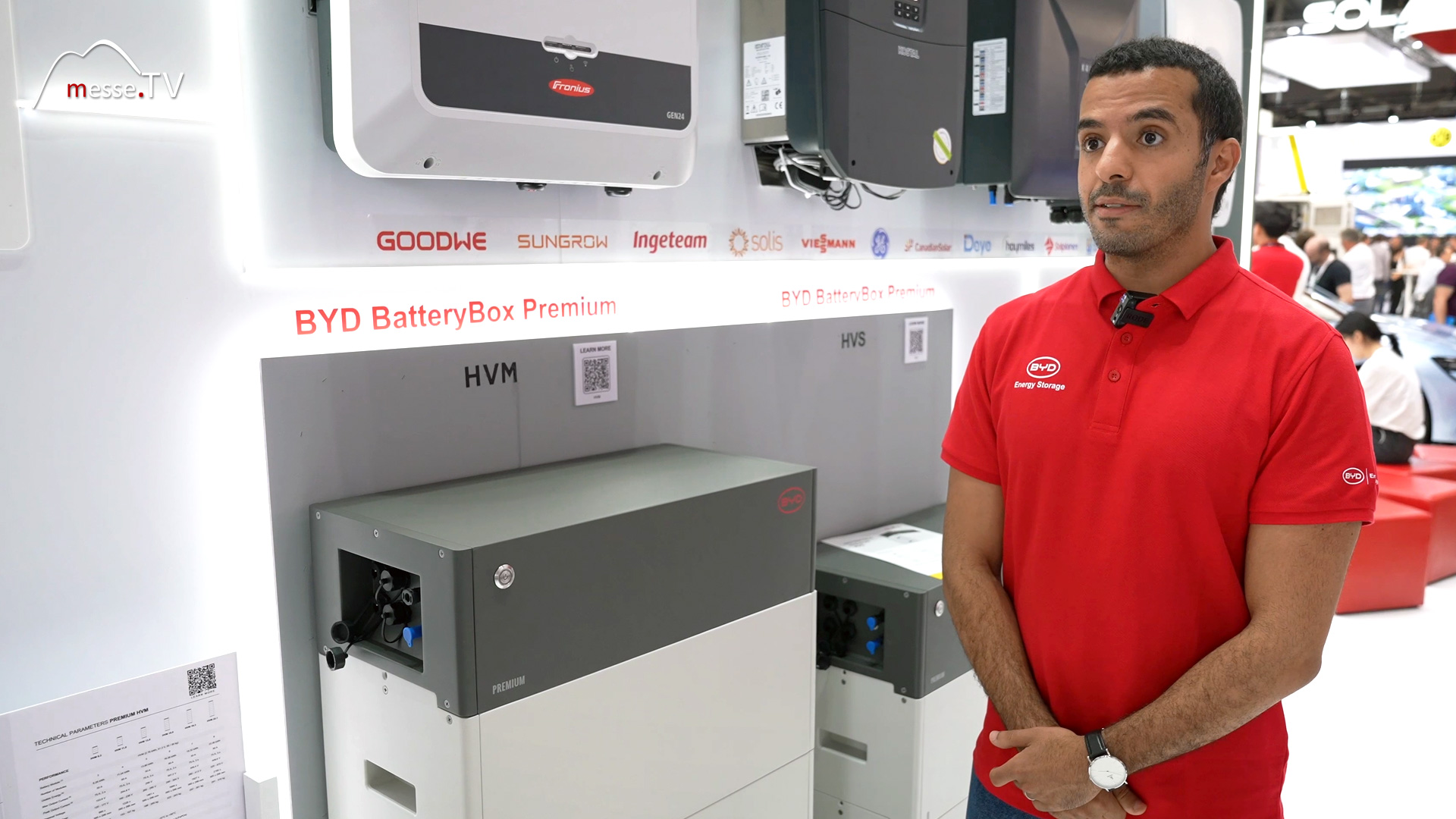
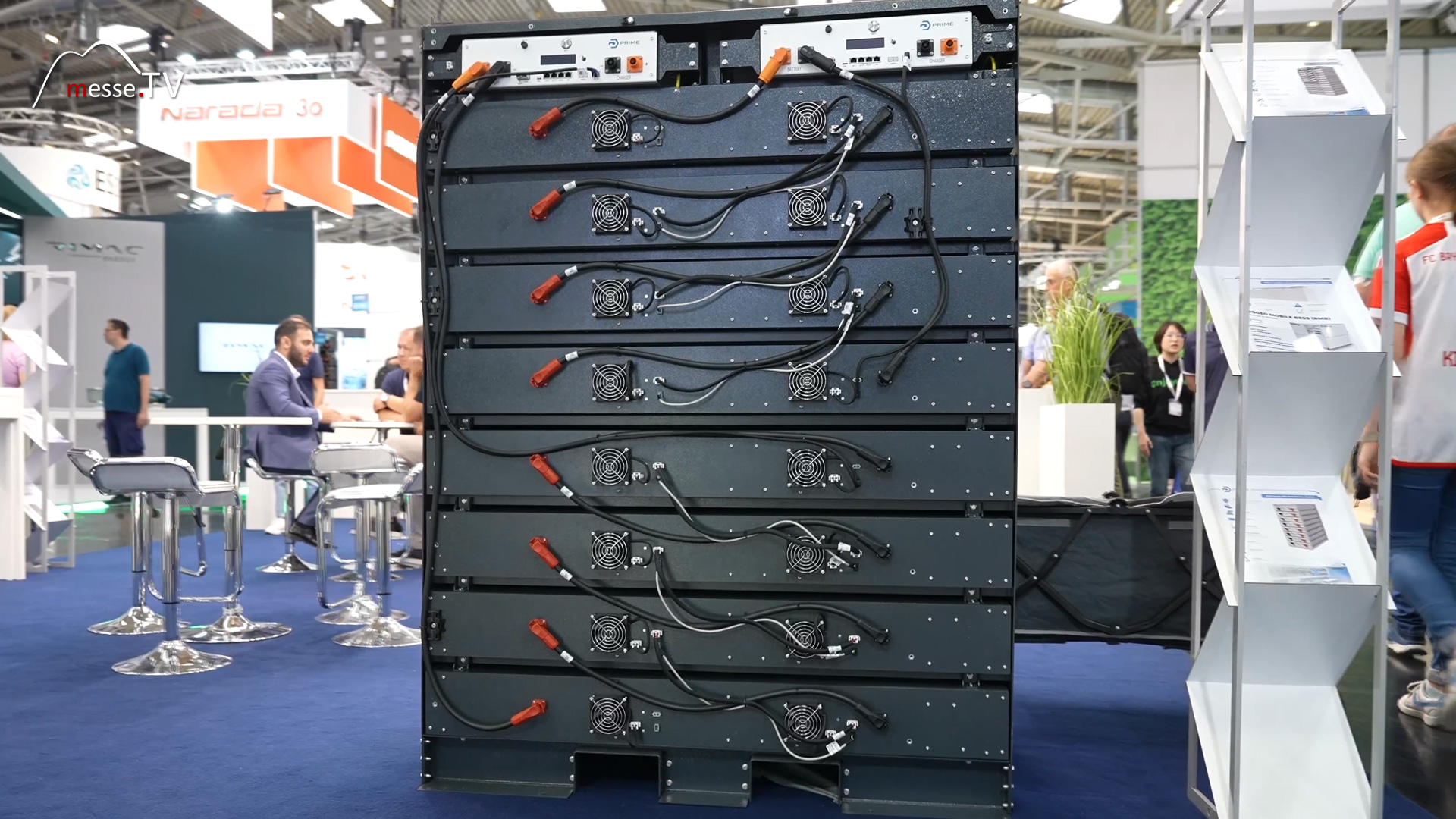
BYD's modular battery boxes are flexible storage systems for solar energy. These home storage systems allow users to start small and expand capacity by simply adding modules as demand increases. The lithium iron phosphate cell technology (LiFePO4) ensures maximum safety and longevity. In addition, the storage systems are compatible with inverters from renowned manufacturers such as Fronius, SMA and Kostal, allowing installers to create tailor-made solutions for their customers. Over one million home storage systems installed worldwide are proof of the systems' reliability and popularity.
Advanced research for the future of energy
BYD is driving the development of new battery technologies such as sodium-ion batteries and solid-state batteries. However, these technologies are still in the research and development phase before they are used on a large scale in storage solutions or electric vehicles. BYD is currently focusing on resource-saving storage solutions that are optimally dimensioned to ensure efficient use. Storage systems that cover energy requirements overnight are considered particularly sustainable as they use raw materials and resources efficiently.
Trade fair reporting Germany - Trade fair knowledge, dates & events


