Glas-Glas Module Photovoltaik für hohe Leistung und Qualität
von Andreas Bergmeier - 2024-08-16Photovoltaik entwickelt sich zunehmend von einer reinen Flächentechnologie hin zu einem differenzierten Produkt mit klaren Qualitäts- und Haltbarkeitsmerkmalen.
Im Zentrum stehen dabei nicht mehr nur Leistungswerte, sondern auch Konstruktion, Materialstärke und langfristige Stabilität unter realen Bedingungen. Genau hier zeigen sich Unterschiede zwischen Herstellern, die sich über technische Details und Garantien positionieren. Ein Beispiel dafür ist ein Modulkonzept, das konsequent auf Glas-Glas-Technologie setzt. Diese Bauweise verändert sowohl die mechanischen Eigenschaften als auch die Einsatzmöglichkeiten im Alltag.
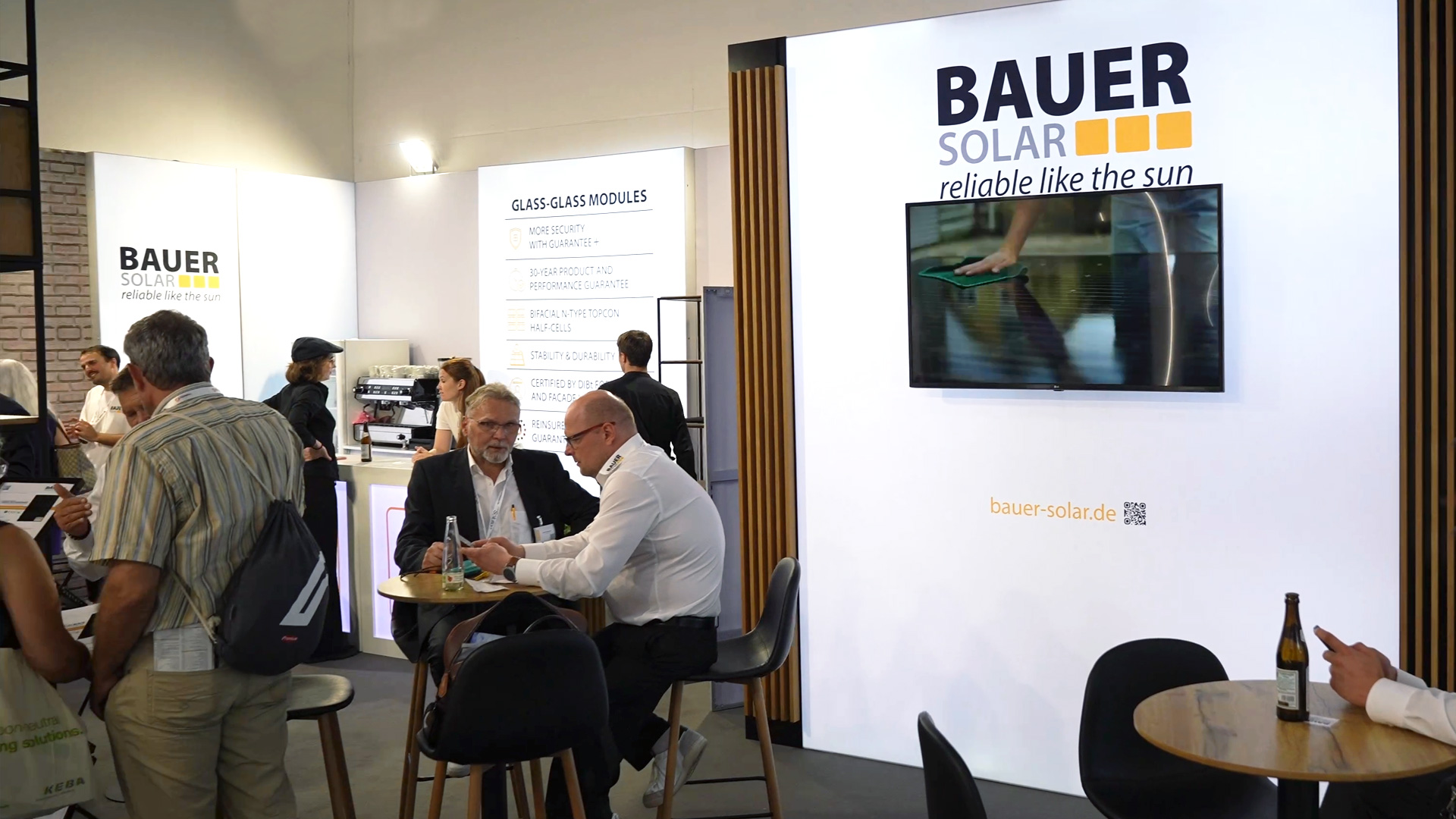
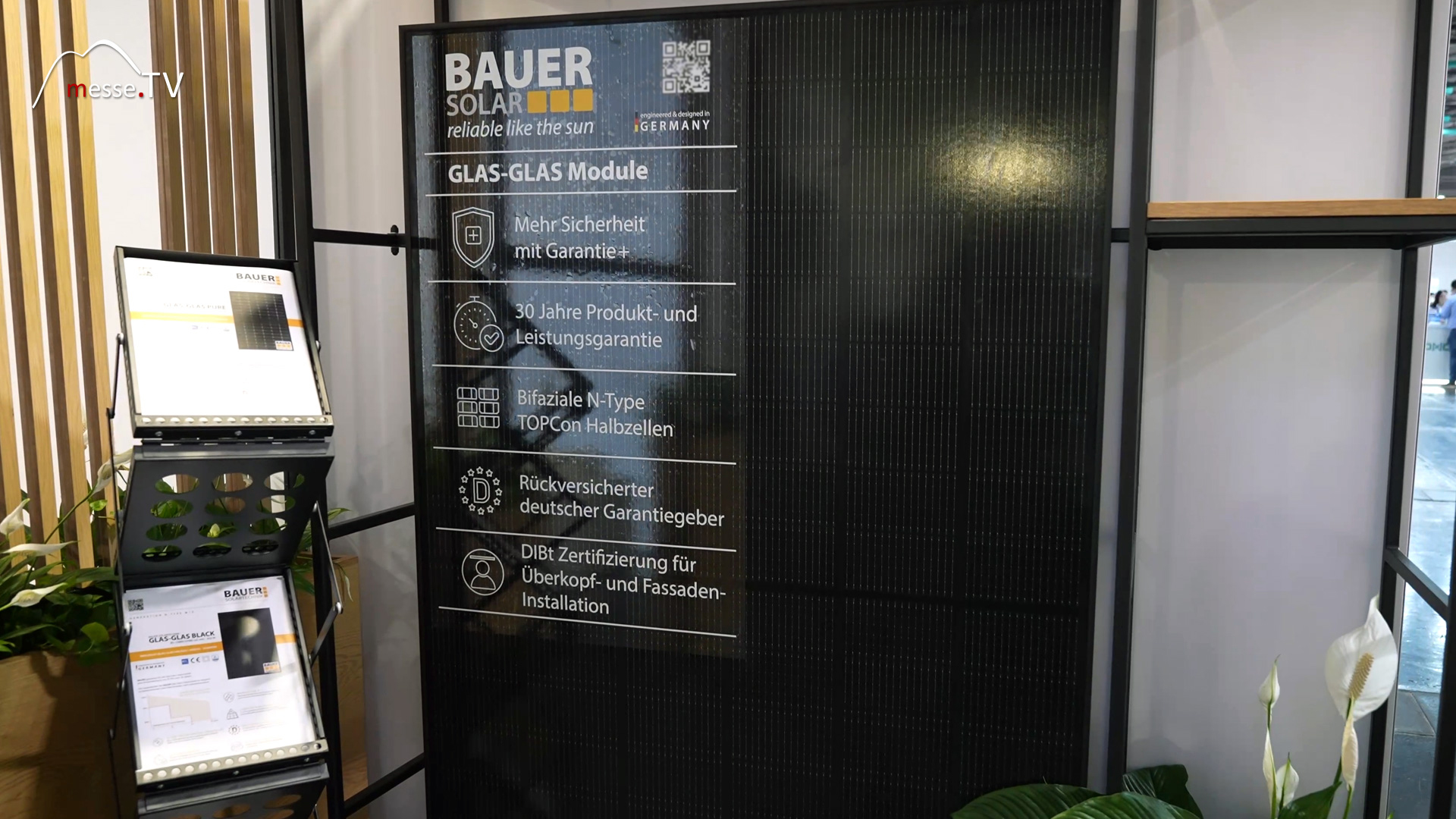
Bauer Solar und Glas Glas Module im Fokus
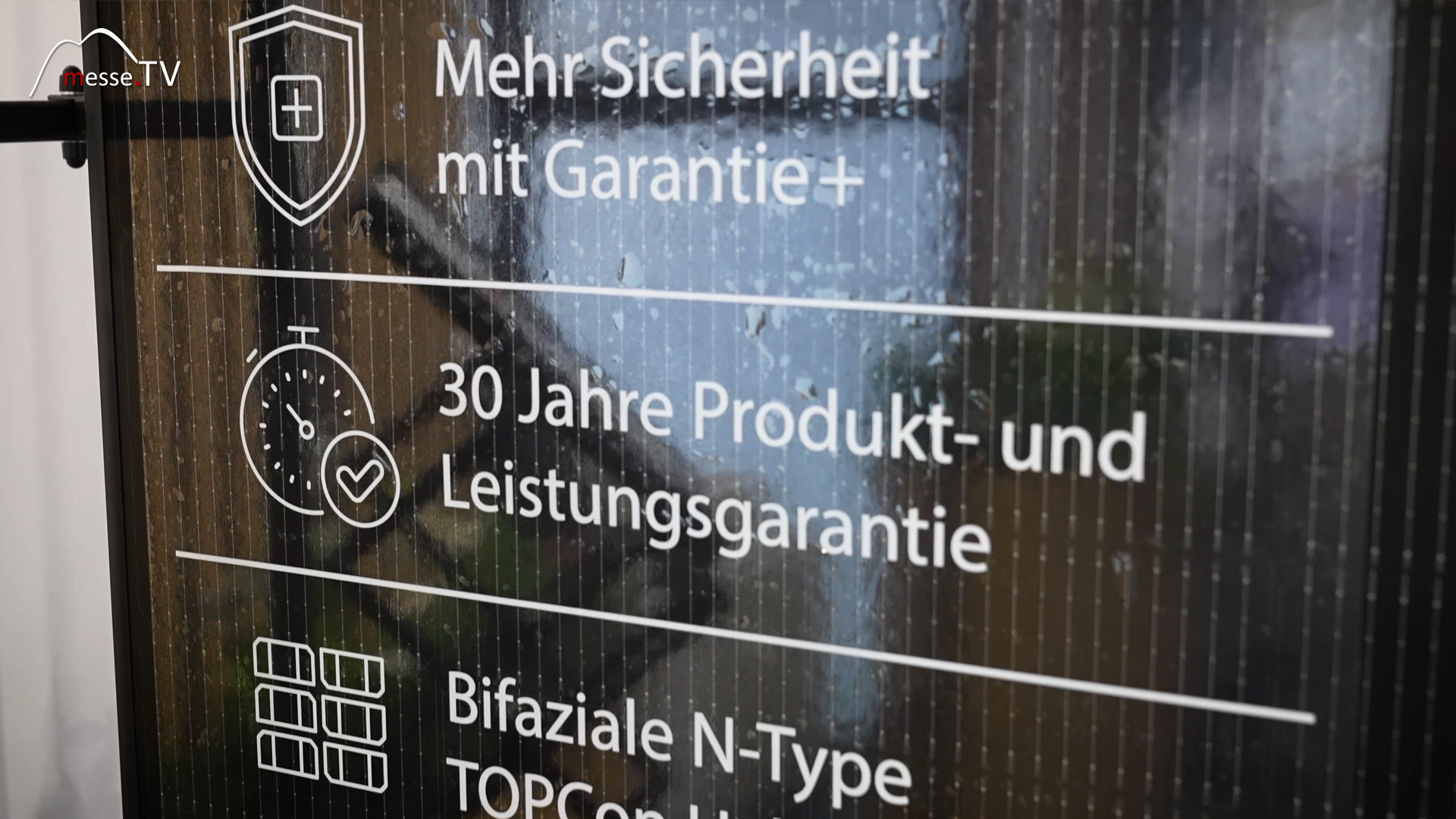
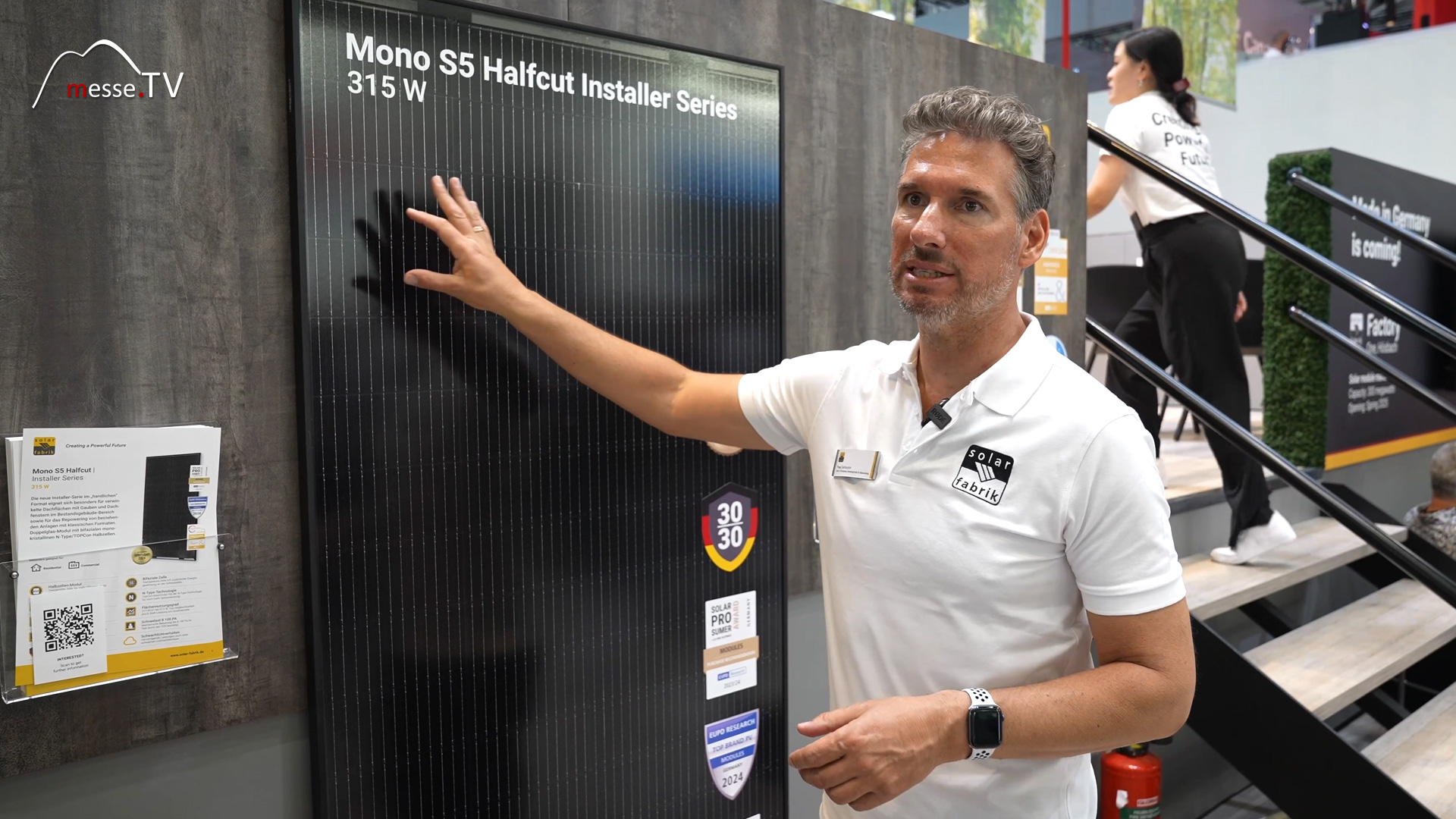
Bauer Solar gehört zu den etablierten Herstellern im deutschen Markt und ist seit den 1980er Jahren aktiv. Der Einstieg in die Photovoltaik erfolgte 2003, wodurch das Unternehmen mehrere Marktphasen durchlaufen hat. Diese Erfahrung spiegelt sich in der strategischen Ausrichtung wider: Seit kurzem konzentriert sich Bauer Solar ausschließlich auf Glas-Glas Module. Der Hintergrund dieser Entscheidung liegt in der Materialstruktur. Während klassische Module häufig mit einer Glas-Folie-Kombination arbeiten, bestehen Glas-Glas Module auf beiden Seiten aus Glas. Diese Konstruktion wirkt sich direkt auf Stabilität und Lebensdauer aus. Gleichzeitig unterstreicht der Hersteller seinen Qualitätsanspruch mit einer Produkt- und Leistungsgarantie von 30 Jahren, die im Marktvergleich überdurchschnittlich lang ausfällt.
Glas Glas Module mit erhöhter Stabilität und Leistung
Die technischen Unterschiede beginnen bei der Materialstärke. Die eingesetzten Glasflächen erreichen jeweils rund zwei Millimeter Dicke, während andere Module oft dünner ausgeführt sind. Daraus ergibt sich eine höhere Widerstandsfähigkeit gegenüber äußeren Einflüssen wie Schnee, Hagel oder starken Windlasten. Auch die elektrischen Kennwerte liegen im oberen Bereich aktueller Standardmodule. Ein Wirkungsgrad von etwa 22,3 Prozent und eine Leistung von rund 445 Watt Peak zeigen, dass sich die Konstruktion nicht zulasten der Energieausbeute entwickelt. Vielmehr wird versucht, mechanische Robustheit und Effizienz miteinander zu verbinden. Diese Kombination ist vor allem für Anwendungen relevant, bei denen Module langfristig hohen Belastungen ausgesetzt sind. Gewerbedächer oder freistehende Anlagen profitieren von stabilen Bauteilen, die auch unter wechselnden Bedingungen zuverlässig arbeiten.
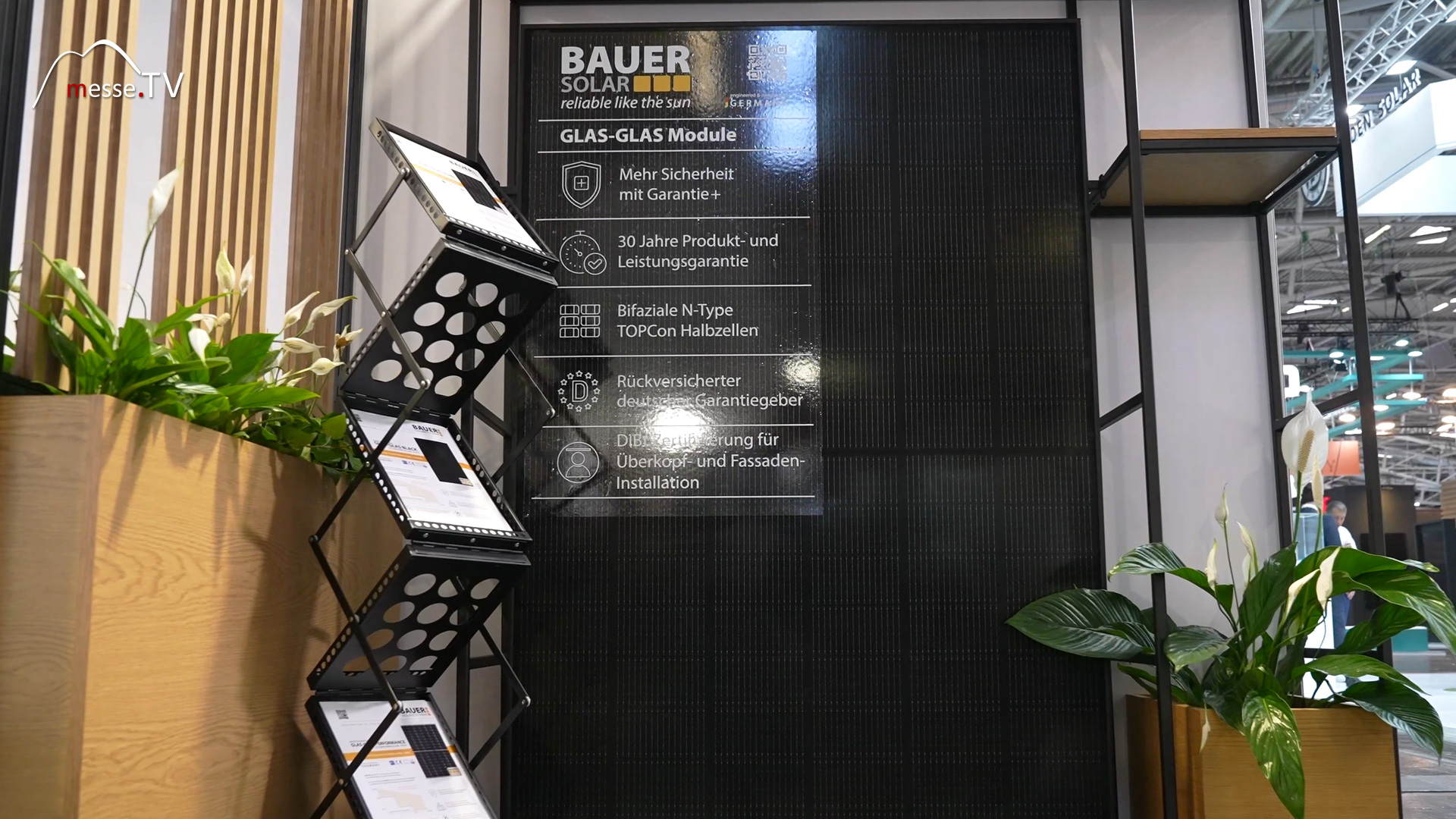
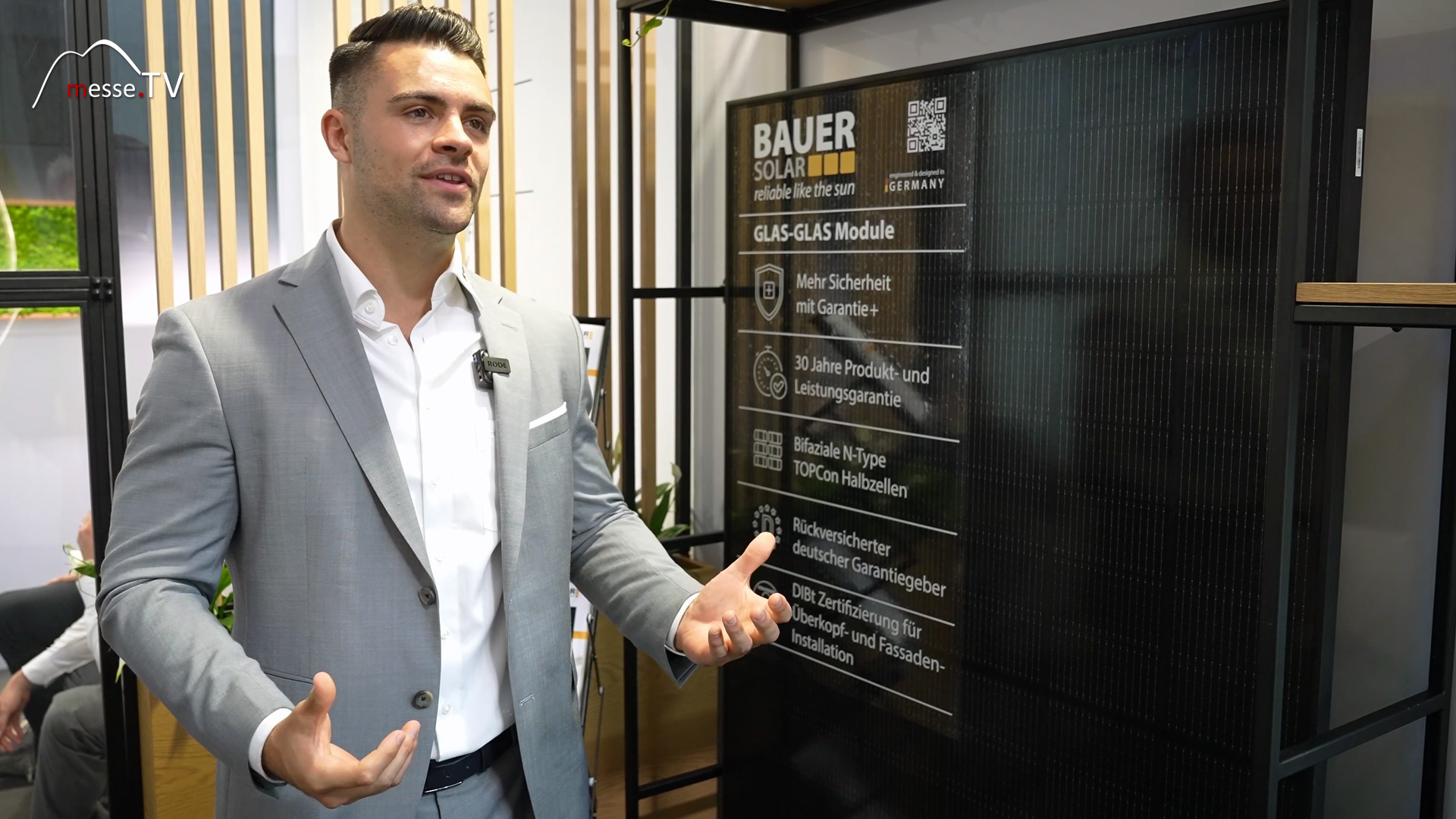
Bifaziale Nutzung bei Photovoltaik Modulen
Ein zusätzlicher Aspekt ist die bifaziale Auslegung der Module. Das bedeutet, dass nicht nur die Vorderseite zur Stromerzeugung beiträgt, sondern auch die Rückseite Energie aufnehmen kann. Gerade auf hellen Untergründen oder reflektierenden Flächen kann dadurch ein zusätzlicher Ertrag entstehen. Die Rückseitenaktivität führt nicht zu einer Verdopplung der Leistung, ergänzt aber die Gesamtbilanz um einige Prozentpunkte. Besonders im gewerblichen Umfeld, wo große Dachflächen zur Verfügung stehen, kann dieser Effekt wirtschaftlich relevant sein.
Unterschiede zwischen transparentem und Full Black Modul
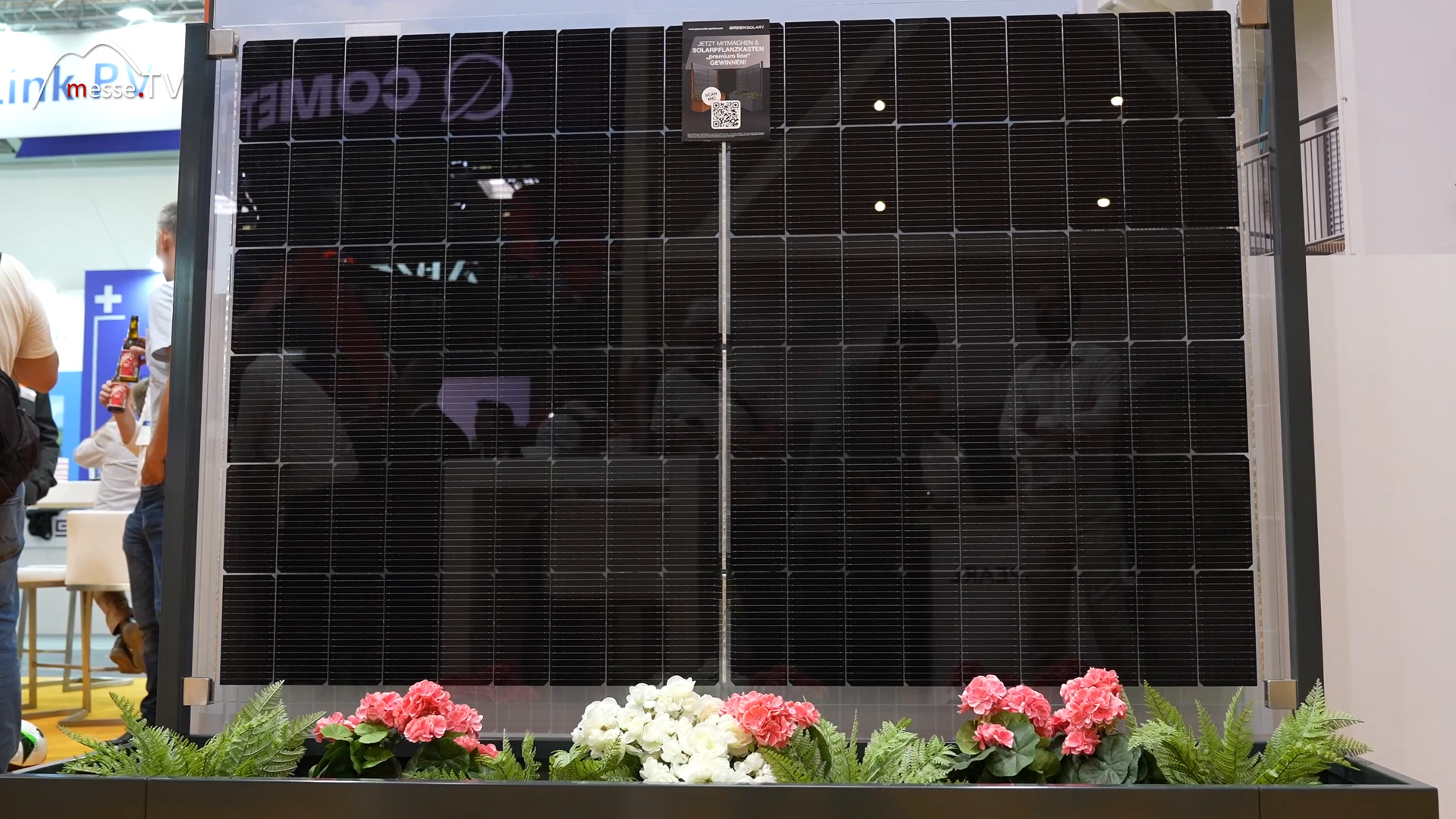
Neben der technischen Ausführung spielt auch die optische Gestaltung eine Rolle. Bauer Solar bietet sowohl transparente als auch Full Black Module an. Während transparente Varianten eine gewisse Durchlässigkeit zwischen den Zellen aufweisen, setzt die Full Black Ausführung auf eine durchgehend dunkle Optik. Der Unterschied liegt weniger in der Leistung als in der Gestaltung. Beide Varianten erreichen vergleichbare Leistungswerte, unterscheiden sich jedoch im Preis. Full Black Module sind aufgrund der aufwendigeren Verarbeitung häufig teurer, da zusätzliche Materialien und Fertigungsschritte erforderlich sind. Für viele Anwendungen im privaten Bereich ist die Optik ein entscheidender Faktor. Gleichzeitig zeigt sich, dass selbst transparente Module im montierten Zustand oft einen ähnlichen visuellen Eindruck erzeugen wie dunkle Varianten.
Einsatzbereiche von Residential bis Freifläche
Die Bandbreite der Einsatzmöglichkeiten ist entsprechend groß. Glas-Glas Module lassen sich sowohl im privaten als auch im gewerblichen Umfeld einsetzen. Typische Anwendungsfelder lassen sich zusammenfassen:
- Photovoltaik Anlagen auf Einfamilienhäusern
- Gewerbedächer mit erhöhter Flächenleistung
- Freiflächenanlagen mit langfristigem Betrieb
- Installationen mit erhöhten Anforderungen an Stabilität
Einordnung der Glas Glas Bauweise im Markt
Die konsequente Ausrichtung auf Glas-Glas Module zeigt eine Entwicklung innerhalb der Photovoltaik, die über reine Leistungssteigerung hinausgeht. Hersteller versuchen, ihre Produkte über Haltbarkeit, Garantie und Materialqualität zu differenzieren. Bauer Solar positioniert sich dabei klar über Langlebigkeit und technische Stabilität. Die Entscheidung, ausschließlich auf diese Bauweise zu setzen, deutet darauf hin, dass sich der Wettbewerb zunehmend in Richtung Qualität und Lebensdauer verschiebt. Für Anwender bedeutet das eine stärkere Auswahlmöglichkeit zwischen kurzfristig günstigen Lösungen und langfristig ausgelegten Systemen. Glas-Glas Module stehen dabei für einen Ansatz, bei dem nicht nur die maximale Leistung zählt, sondern auch die Frage, wie stabil diese Leistung über Jahrzehnte erhalten bleibt.
Messe-Berichterstattung bundesweit - Messewissen, Termine & Veranstaltungen


