Heat pumps—technical developments, areas of application, and system solutions
Heat pumps use environmental energy from the air, ground, or water for heating and hot water production. The articles show technical developments, areas of application, and system solutions for new buildings, renovations, and combined energy systems.
Heat pumps – all articles on the topic
Heat pumps and ventilation systems - tecalor
TECALOR GmbH has been extremely successful in the heat pump sector for over two decades. Its high-quality products are sold throughout Germany and the company is actively involved ... Heat pumps and ventilation systems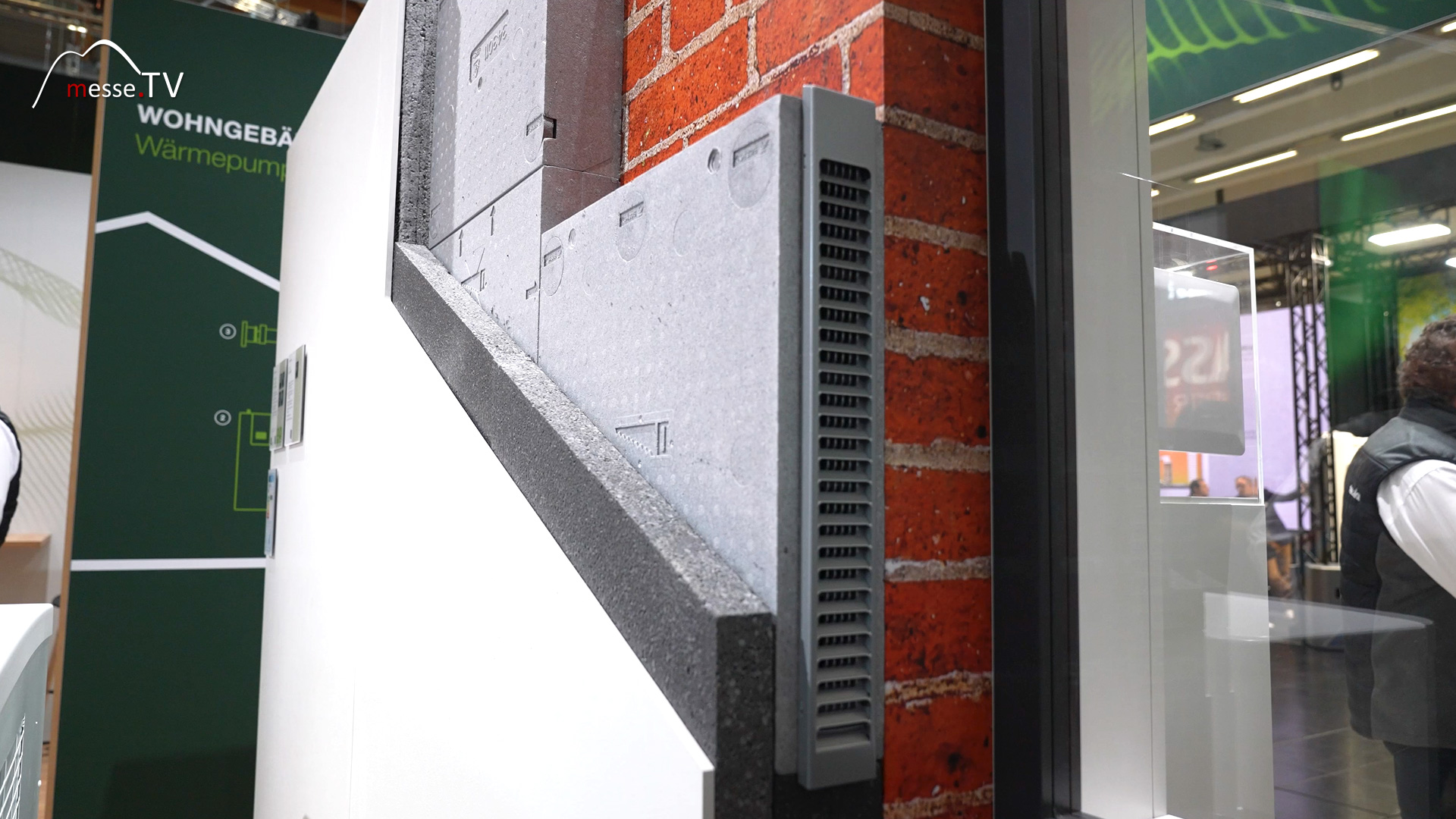
Solar collectors and heat pump storage tanks - Sunex
Sunex was founded in 1997 in Silesia and produces for German-speaking countries, i.e. Austria, Germany, Switzerland and various other countries. The broad portfolio of products sta... Solar collectors and heat pump storage tanks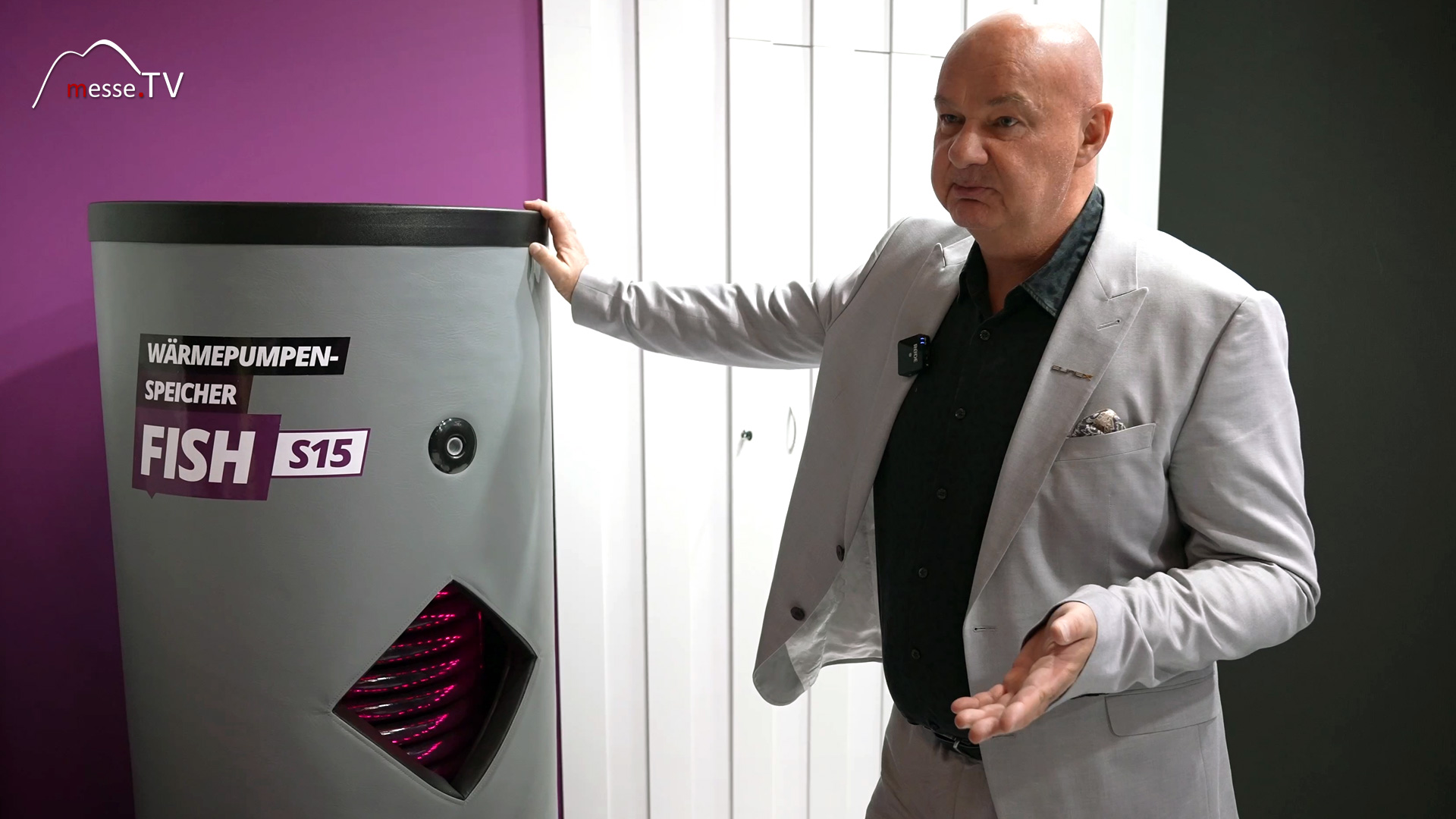

Samsung R290 heat pump with high delivery capacity
The discussion about modern heating systems has been much more intense in recent years than before. Legal requirements, rising energy prices and a growing awareness of long-term in... Samsung heat pumps and heat storage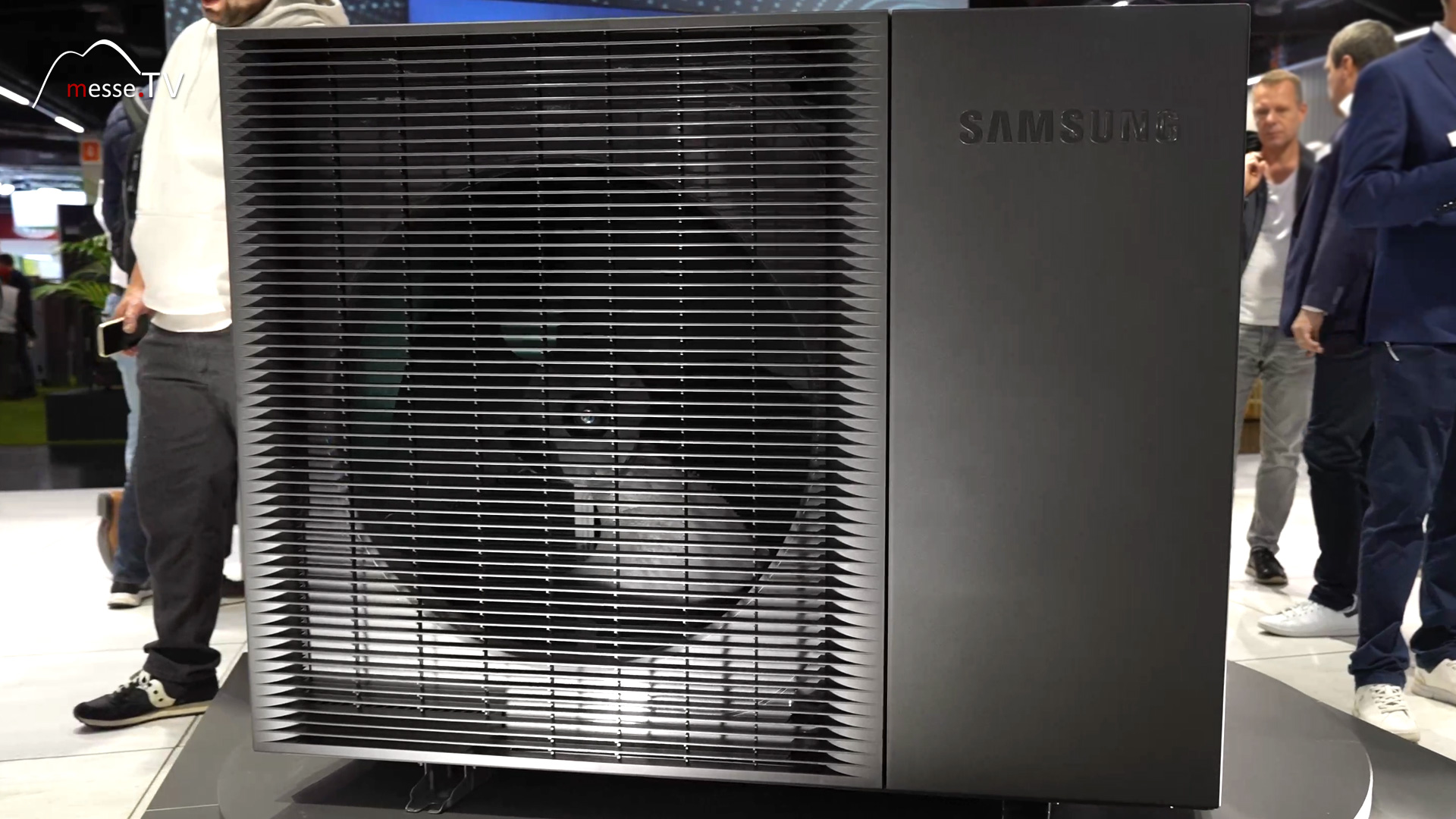
Buderus: Hybrid heating combining heat pumps and gas boilers
The discussion about climate-friendly heating is often reduced to simple opposites: heat pump or fossil fuel boiler, electric or gas-based, new or old. In practice, the situation i... Modern heating systems – hybrid systems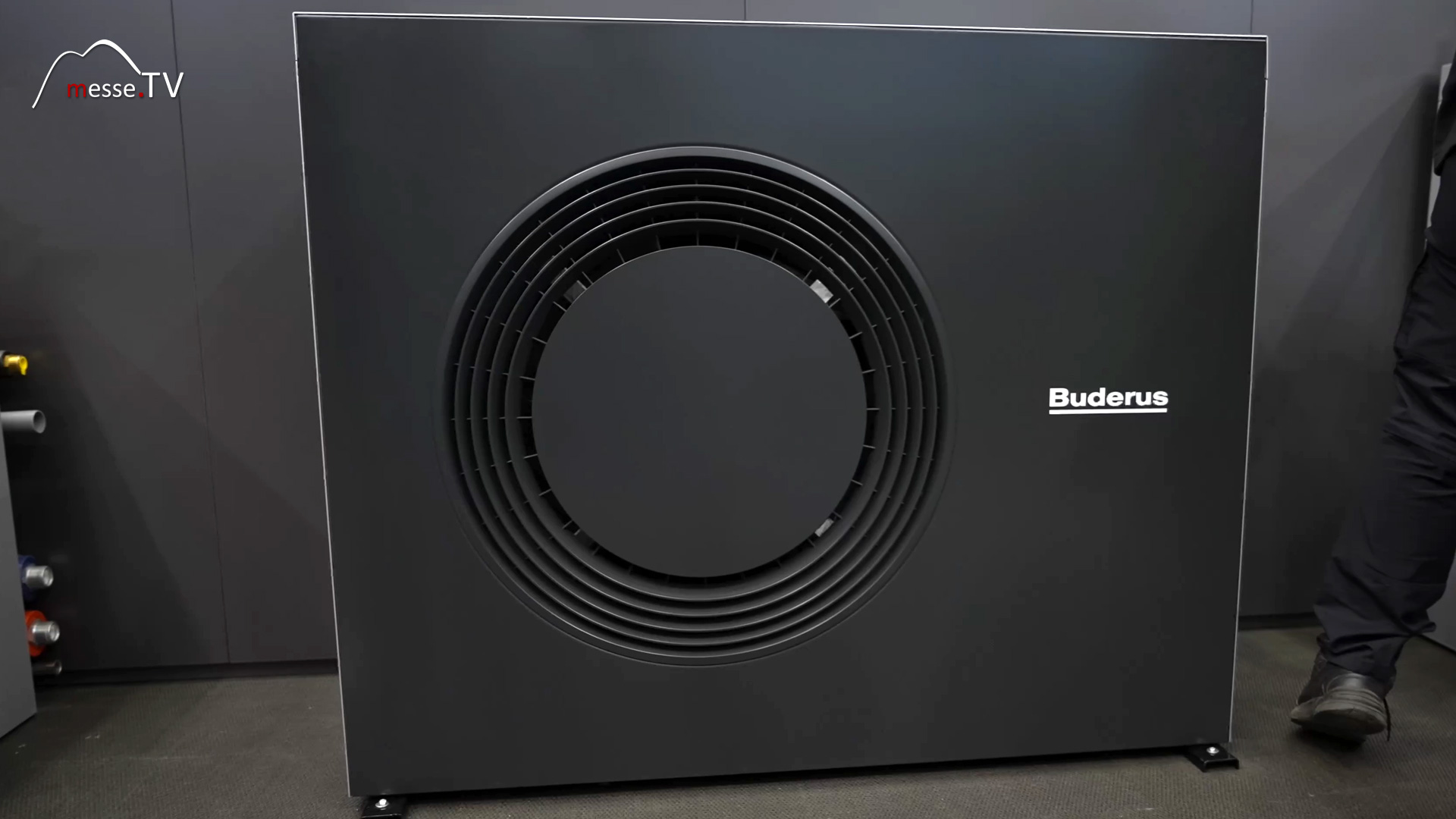
Heat pumps – transforming heat supply in Germany
Hardly any other heating technology is currently the subject of such intense debate as the heat pump. Between political guidelines, rising sales figures, media hype and tangible qu... Heat pumps: rapidly growing installation figures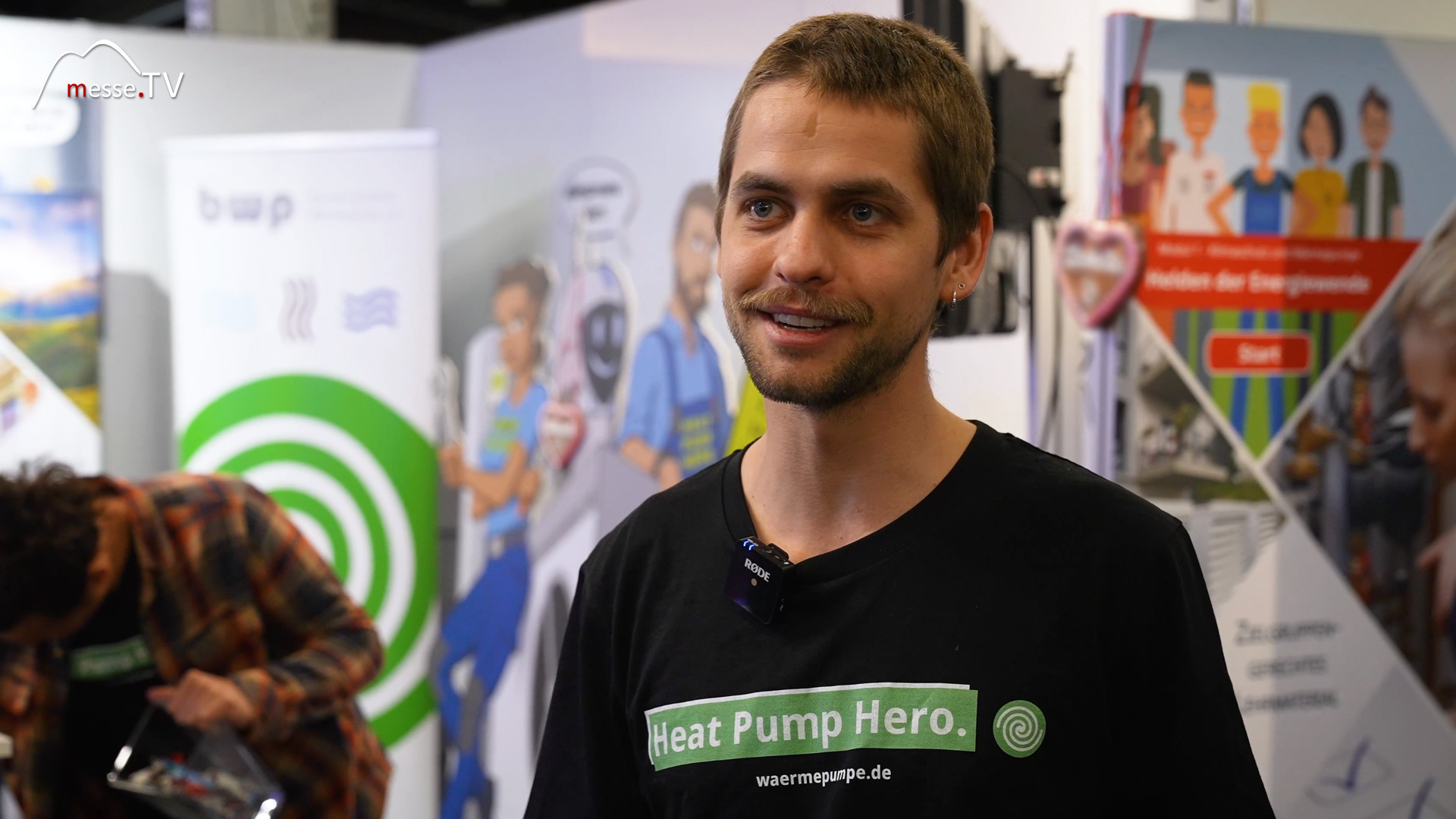
Daikin Altherma 4 with natural refrigerant
The discussion about the heat transition in the United Kingdom is often abstract – focusing on laws, subsidy schemes and target figures. At the trade fair in Nuremberg, however, th... Air-to-water heat pumps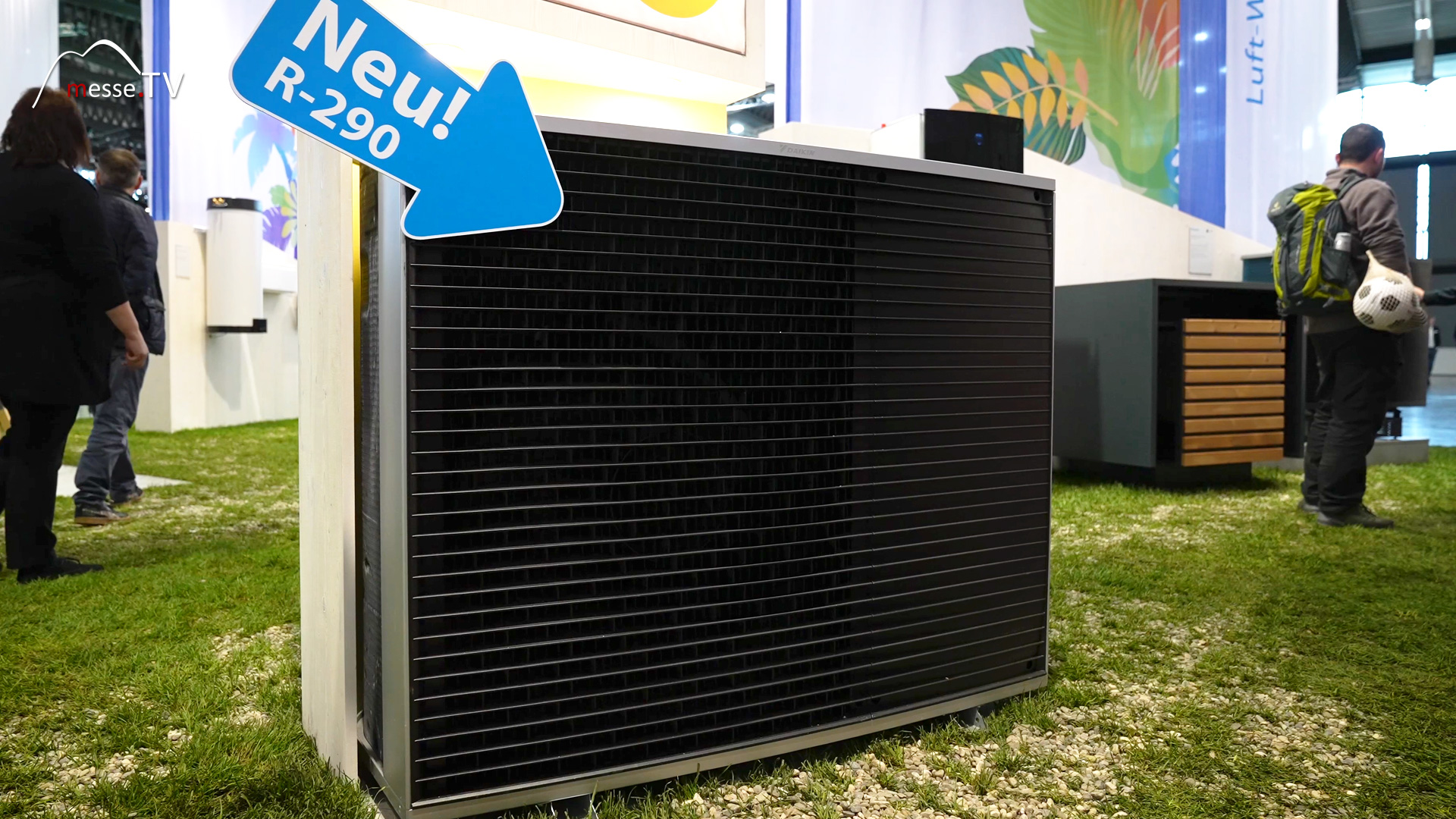
LG heat pump with R290 propane
The discussion about heat pumps in Germany is no longer just a question of technology, but also of acceptance. Issues such as noise, environmental compatibility, safety and integra... LG Heat pumps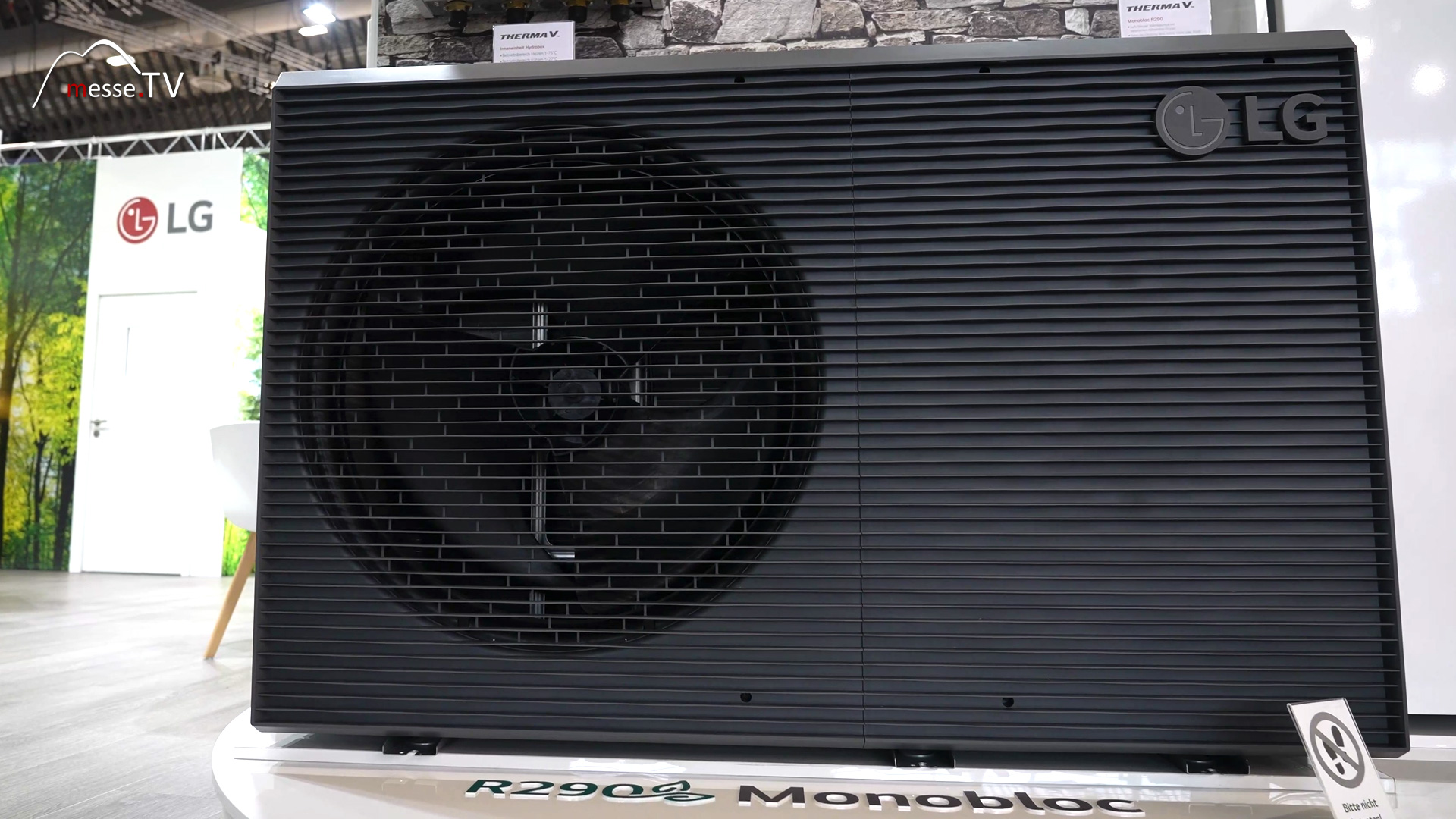
Heat pump in block design - Sistems
SISTEMS GmbH, based in the Bavarian town of Markt Schwaben, east of Munich, is launching an innovative heat pump in a block design. Their marketing approach is to halve the install... Heat pump in block design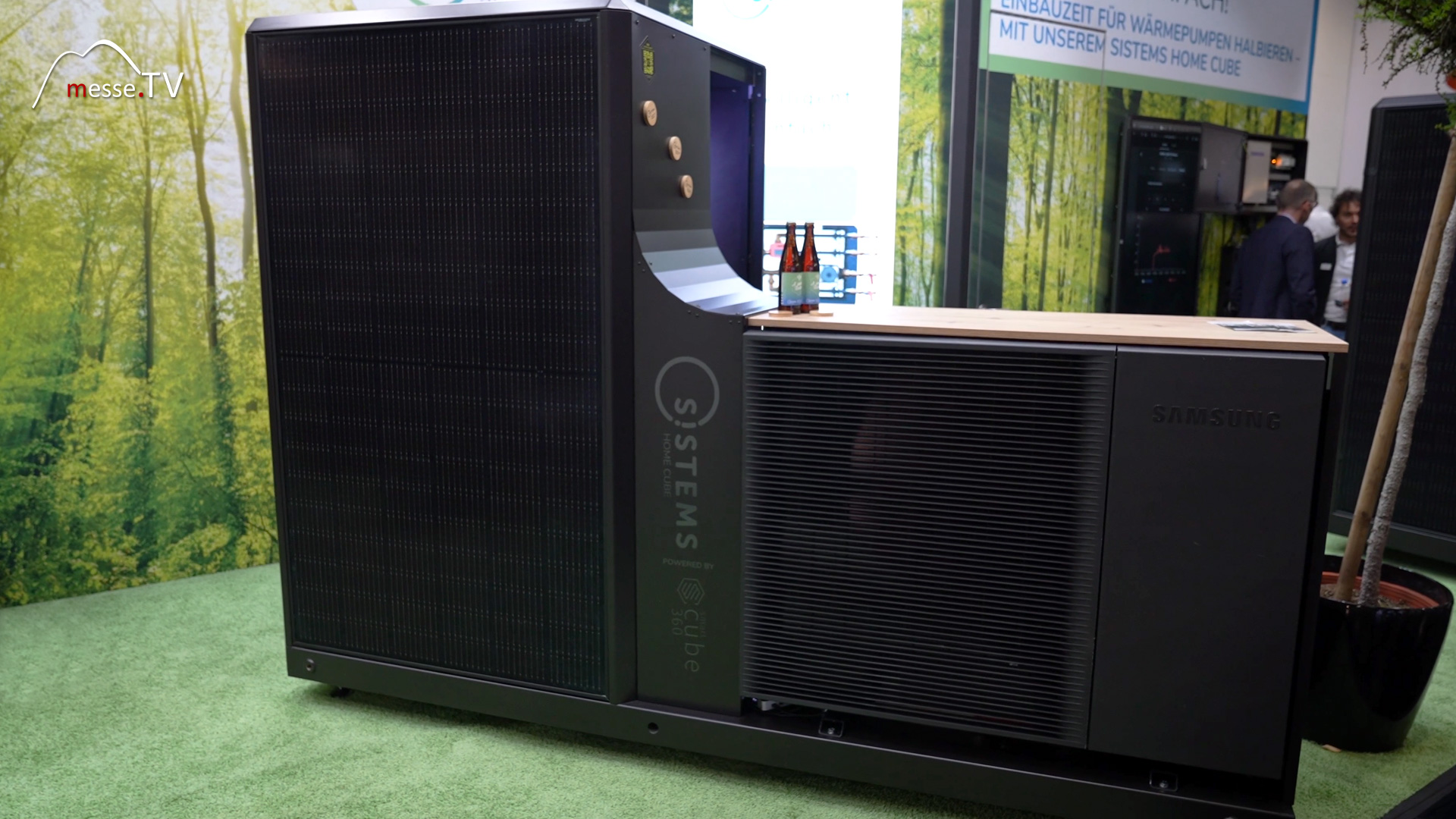
Heat pumps - Weishaupt
The three divisions of the owner-managed private company Weishaupt from the small town of Schwendi in southern Germany, not far from Ulm, include energy technology with burners, he... Heat pumps - Weishaupt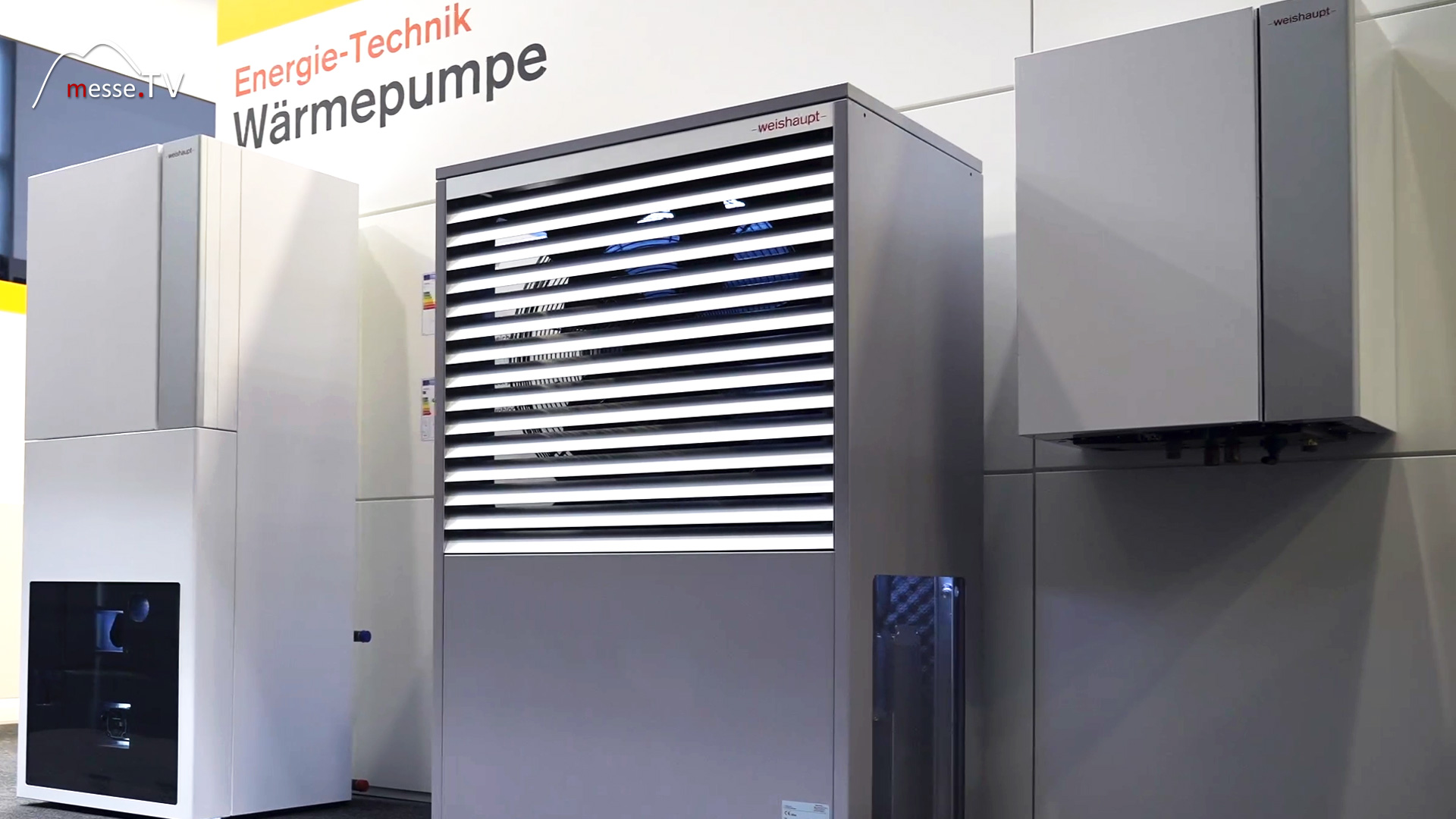
Heat generation with electricity - Viessmann
Viessmann is a long-established manufacturer from Germany and has been well known for its heating, air conditioning and cooling systems for 100 years. More recently, Viessmann has ... Heat generation with electricity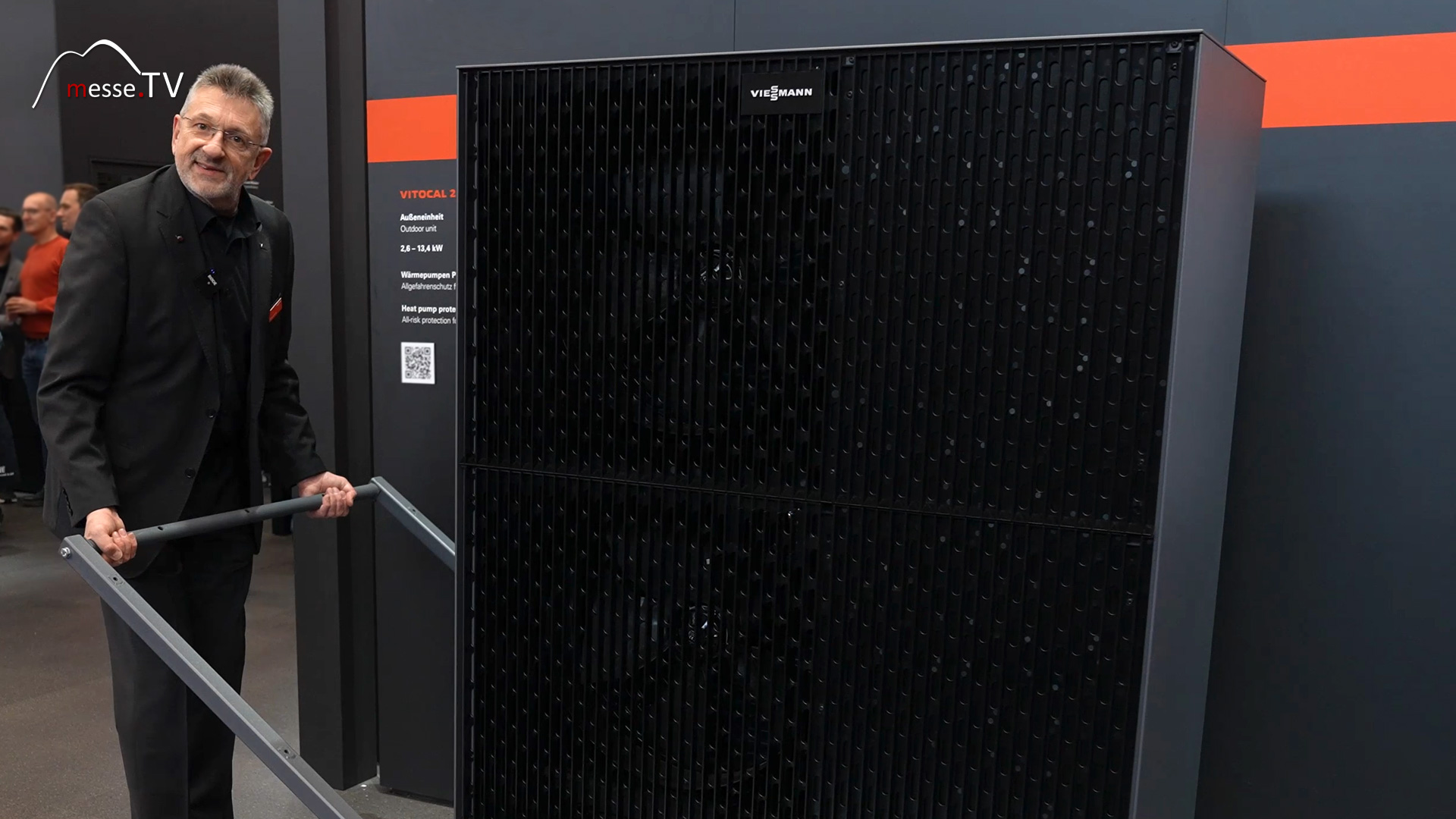
Home station - Wolf heating technology
WOLF, a manufacturer of heating and air conditioning ventilation technology since 1963, is based in Mainburg, Bavaria, and is a leading provider of heating, air conditioning and ve... Home station - Wolf heating technology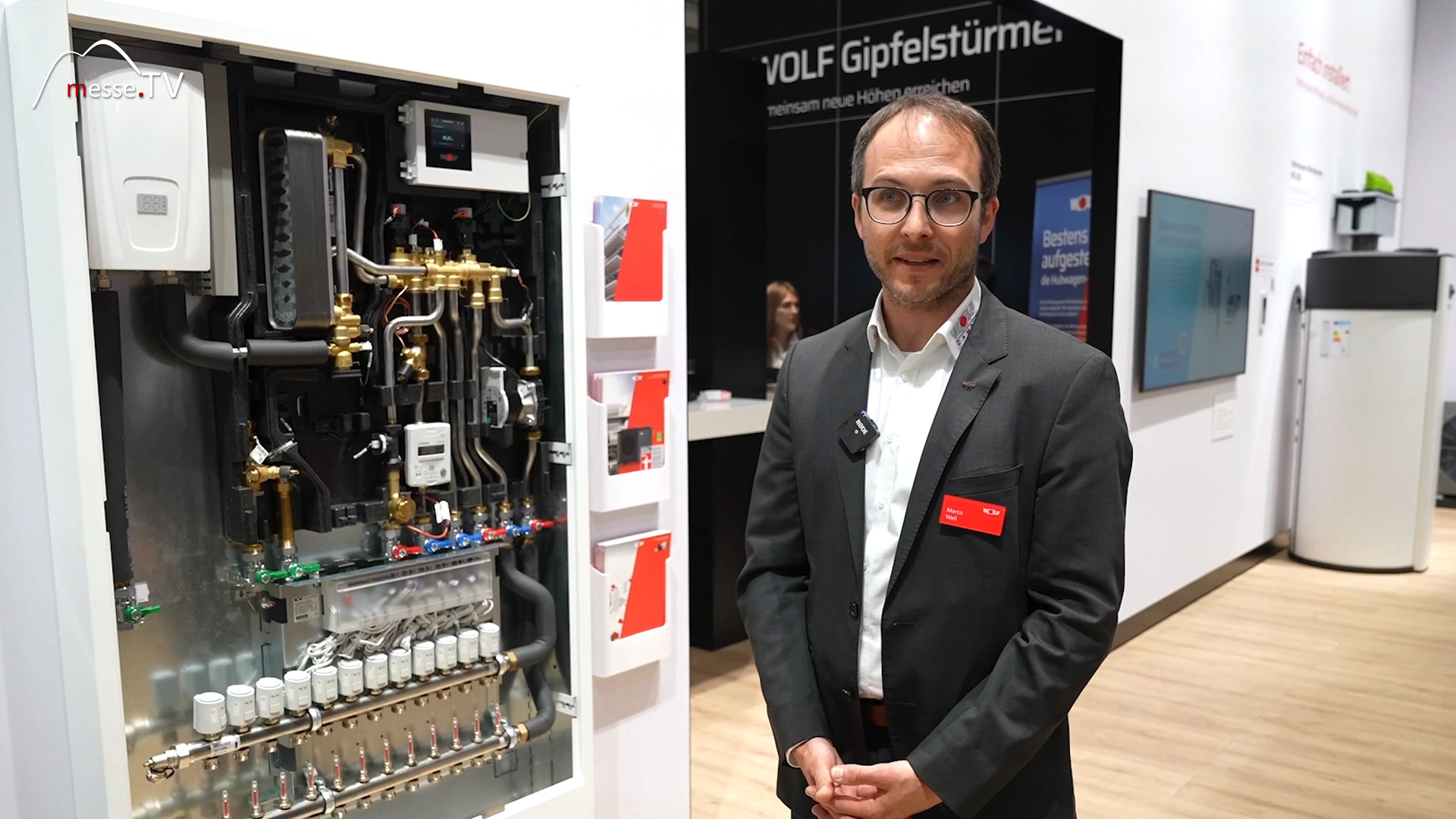
Heat pumps - Panasonic
For some time now, the Japanese company Panasonic, with its European headquarters in Wiesbaden, has been fully established on the German market. Production for air, water and heat ... Heat pumps - Panasonic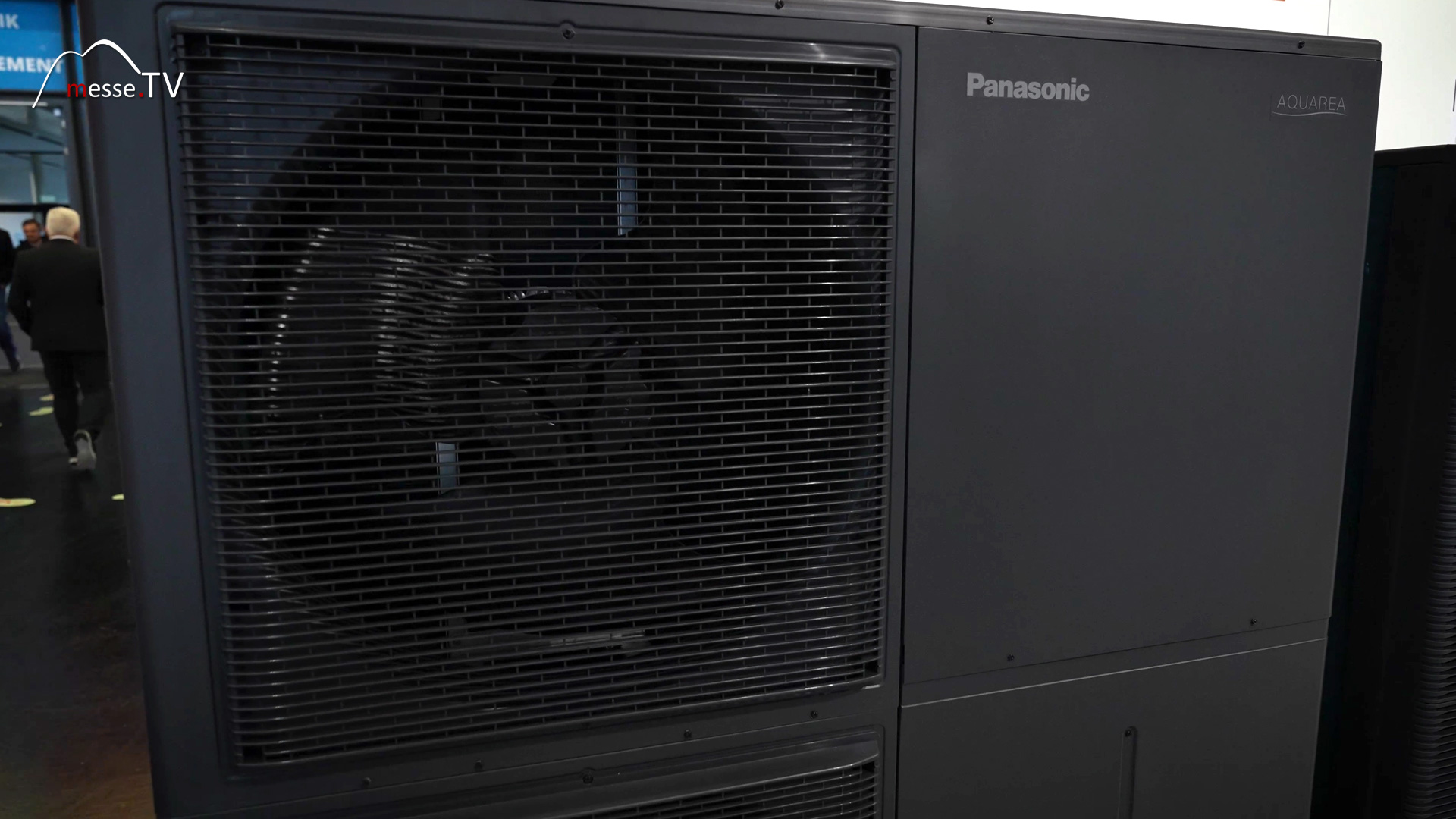
x-flair radiator and heat pump efficiency
The transformation of building technology towards greater energy efficiency is often reduced to individual components. In practice, however, it is not the isolated product that det... Heat pump radiators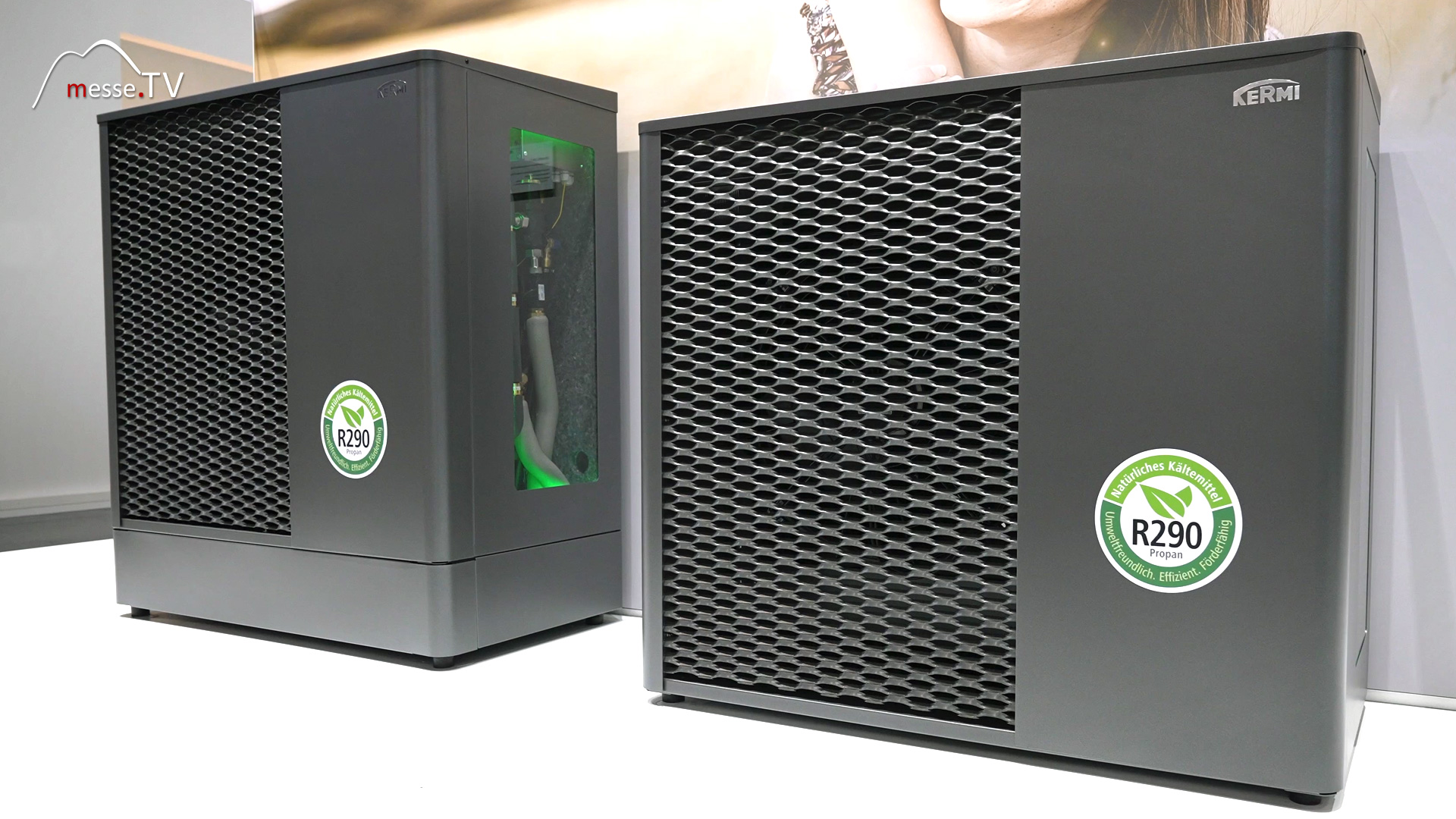
Heat pump & system storage tank - Solarfocus
Solarfocus is an Austrian company based in St. Ulrich near Steyr that specializes in the production of heating solutions such as solar thermal systems, photovoltaic systems, pellet... Heat pump & system storage tank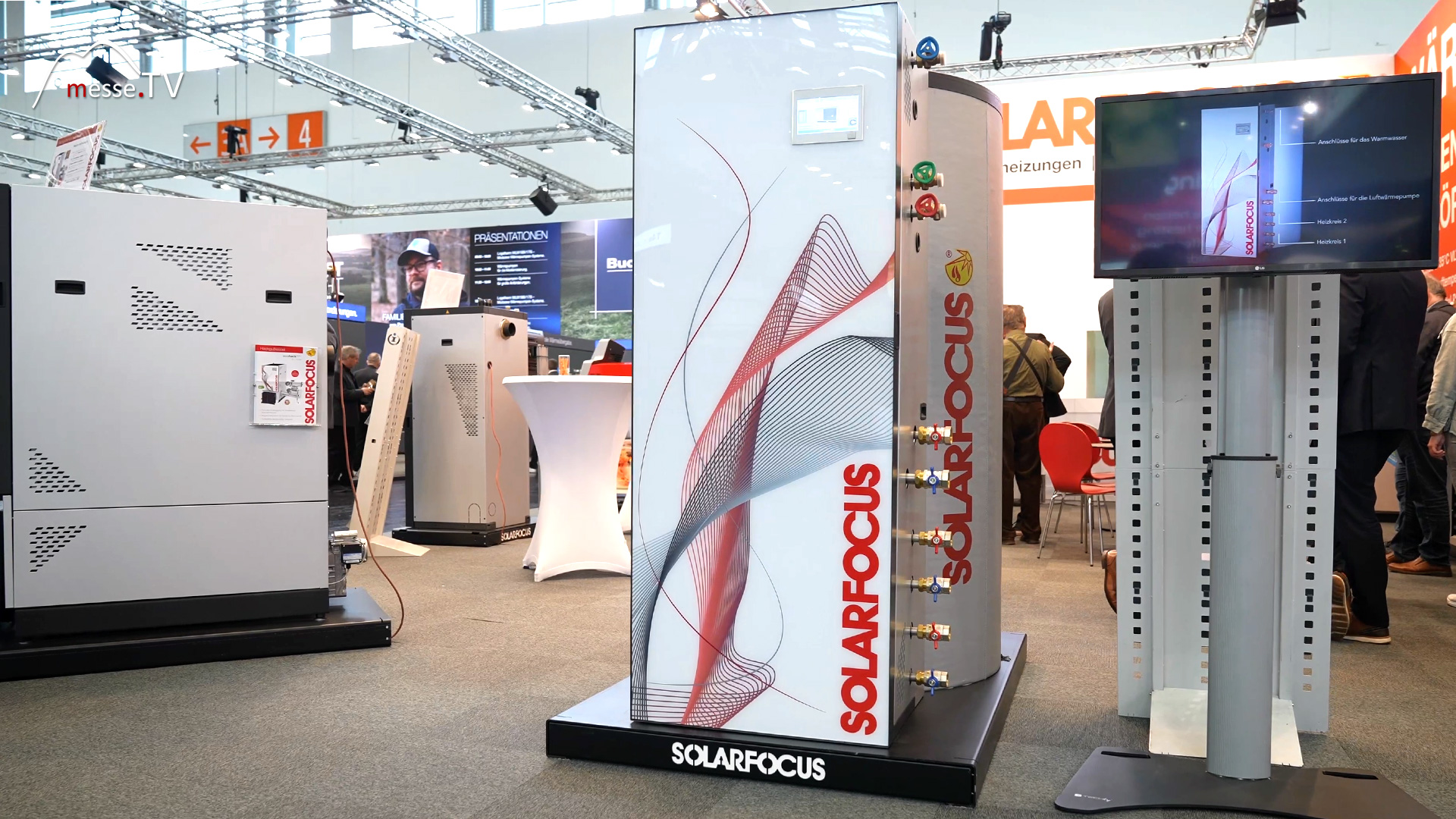
How modern heat pumps work
Heat pumps use existing environmental energy from the air, ground, or groundwater and make it usable for heating buildings. A technical cycle raises the low ambient temperature to a level suitable for heating and hot water. The electricity required for this is low compared to the heat generated, which is why heat pumps are considered particularly efficient heating systems. Efficiency depends on several factors, including the heat source, the temperature level of the heating system, and the design of the system. Modern devices are increasingly optimized for low flow temperatures and can be flexibly adapted to different types of buildings.
Areas of application in new construction and renovation
In new buildings, heat pumps are now often an integral part of the energy concept. Well-insulated buildings with surface heating systems offer ideal conditions for efficient operation. The proportion of this technology in new residential and functional buildings is correspondingly high. Heat pumps are also gaining importance in renovation projects. Technical advances now allow them to be used in existing buildings, provided that insulation standards and heating systems are taken into account. Careful planning is crucial, with the building envelope, heating load, and heat distribution all being coordinated.
Combination with photovoltaics and energy storage
The use of heat pumps in combination with photovoltaic systems and energy storage is particularly useful. The self-generated electricity can be used directly to operate the heat pump, which increases self-consumption and reduces grid consumption. Intelligent control allows operating times to be adapted to electricity generation. Energy storage systems also make it possible to use surplus solar power at a later time. This creates a networked overall system that offers both ecological and economic advantages.
Heat pumps as part of hybrid heating systems
In certain applications, heat pumps are deliberately combined with other heat generators. Such hybrid systems are used, for example, when high heating loads only occur temporarily or when existing heating technology is to be replaced gradually. The heat pump takes over the base load operation, while another heat generator covers peak loads. These system solutions offer flexibility and enable renewable energy to be gradually integrated into existing infrastructures.
Significance for long-term heat supply
Heat pumps are considered a key technology for a sustainable heat supply. They reduce the use of fossil fuels and enable greater use of renewable energy sources. At the same time, they can be easily integrated into digital energy management systems. For decision-makers and experts, it is particularly relevant how heat pumps can be embedded in larger energy and supply concepts. This means that they are evolving from a standalone technology to a strategic component of modern building technology.
Heat pump installation: economic efficiency and percentage share in existing buildings
Heat pump installation is no longer just an issue for new buildings, but is also becoming increasingly important in existing buildings. Modern heat pumps are so technically advanced that they can be operated efficiently in many types of buildings. Especially when combined with solar technology, heat pumps create systems that intelligently combine electricity and heat generation and significantly increase the share of renewable energies in overall consumption. Heat pumps in older buildings are now also a realistic option, provided that the building envelope, heating surfaces, and system design are coordinated. In older buildings, the question of costs and installation plays a central role. This is exactly where subsidies come in: heat pump subsidy programs provide a percentage subsidy for investments, which significantly improves cost-effectiveness. The increasing percentage of installed systems in existing buildings shows that heat pumps are increasingly being seen as a viable solution for a variety of applications.
Trade fair reporting Germany - Trade fair knowledge, dates & events


