Wärmepumpe und Heizkörper im Zusammenspiel für Energieeffizienz
von Jürgen Groh - 2024-05-16Die Transformation der Gebäudetechnik hin zu mehr Energieeffizienz wird häufig auf einzelne Komponenten reduziert. Dabei entscheidet in der Praxis nicht das isolierte Produkt, sondern das Zusammenspiel aus Wärmeerzeugung, Wärmeverteilung und Regelung über den tatsächlichen Nutzen. Genau an diesem Punkt setzt ein Systemansatz an, der Wärmepumpe, Heizkörper, Flächenheizung, Speichertechnik und Lüftung nicht getrennt betrachtet, sondern konsequent aufeinander abstimmt.
Kermi zwischen Heizkörper, Flächenheizung und Wärmepumpe
Das Unternehmen mit Sitz in Plattling in Niederbayern blickt auf eine lange Entwicklung zurück. Ursprünglich aus dem klassischen Heizkörpergeschäft kommend, wurde das Portfolio Schritt für Schritt erweitert. Auf Heizkörper folgten Flächenheizsysteme, später Wärmepumpen- und Speichersysteme sowie Lösungen für die kontrollierte Wohnraumlüftung. Heute ergibt sich daraus ein breites Spektrum an Komponenten, die nicht nebeneinanderstehen, sondern als zusammenhängendes Gesamtsystem gedacht sind. Dieser Hintergrund prägt auch den Ansatz auf der Messe. Im Mittelpunkt steht nicht nur ein einzelnes Produkt, sondern die Frage, wie sich bestehende Gebäude effizient modernisieren lassen, ohne zwangsläufig auf vollständige Flächenheizungen umzurüsten.
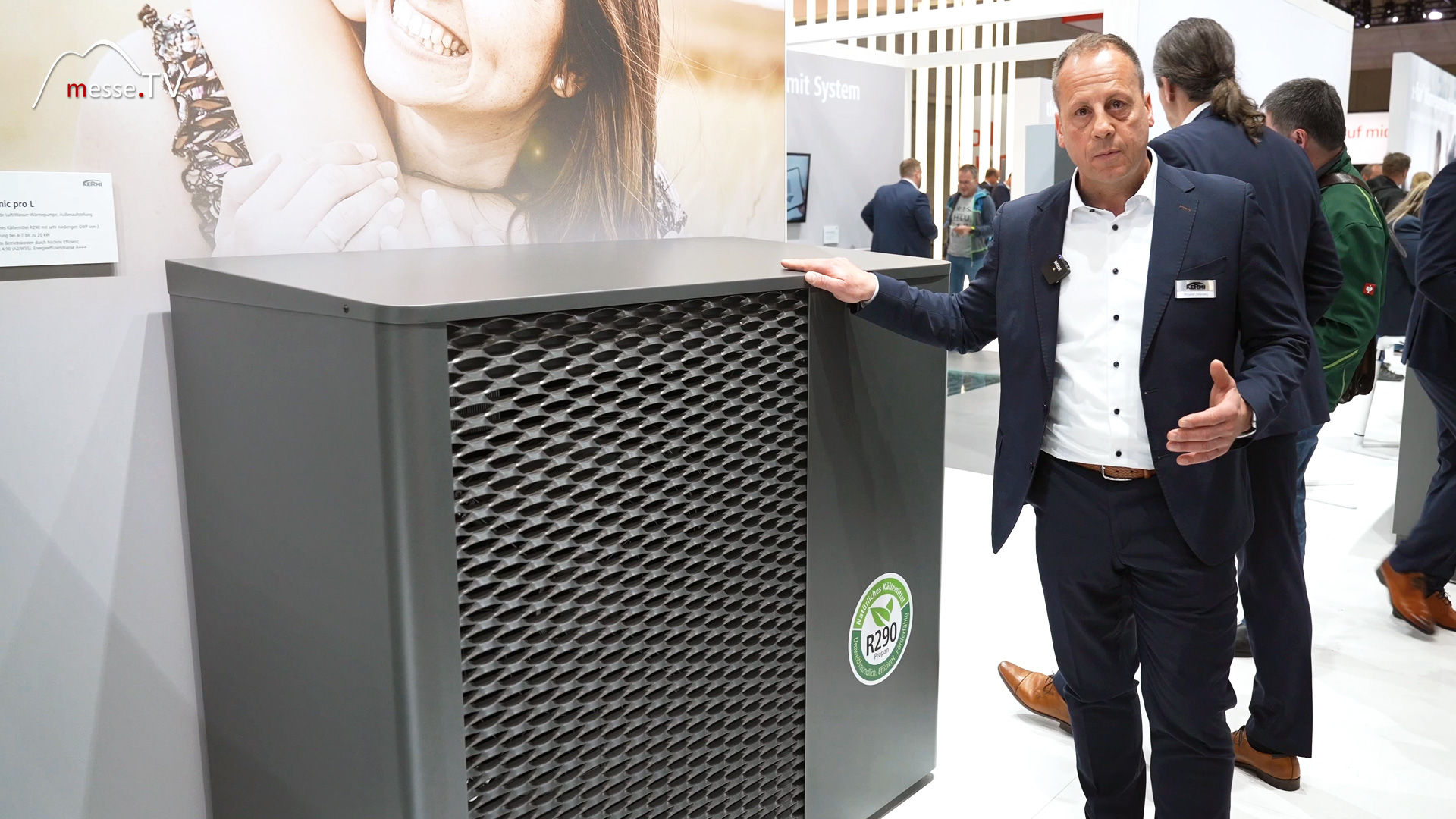

Wärmepumpe mit hoher Leistung und natürlichem Kältemittel
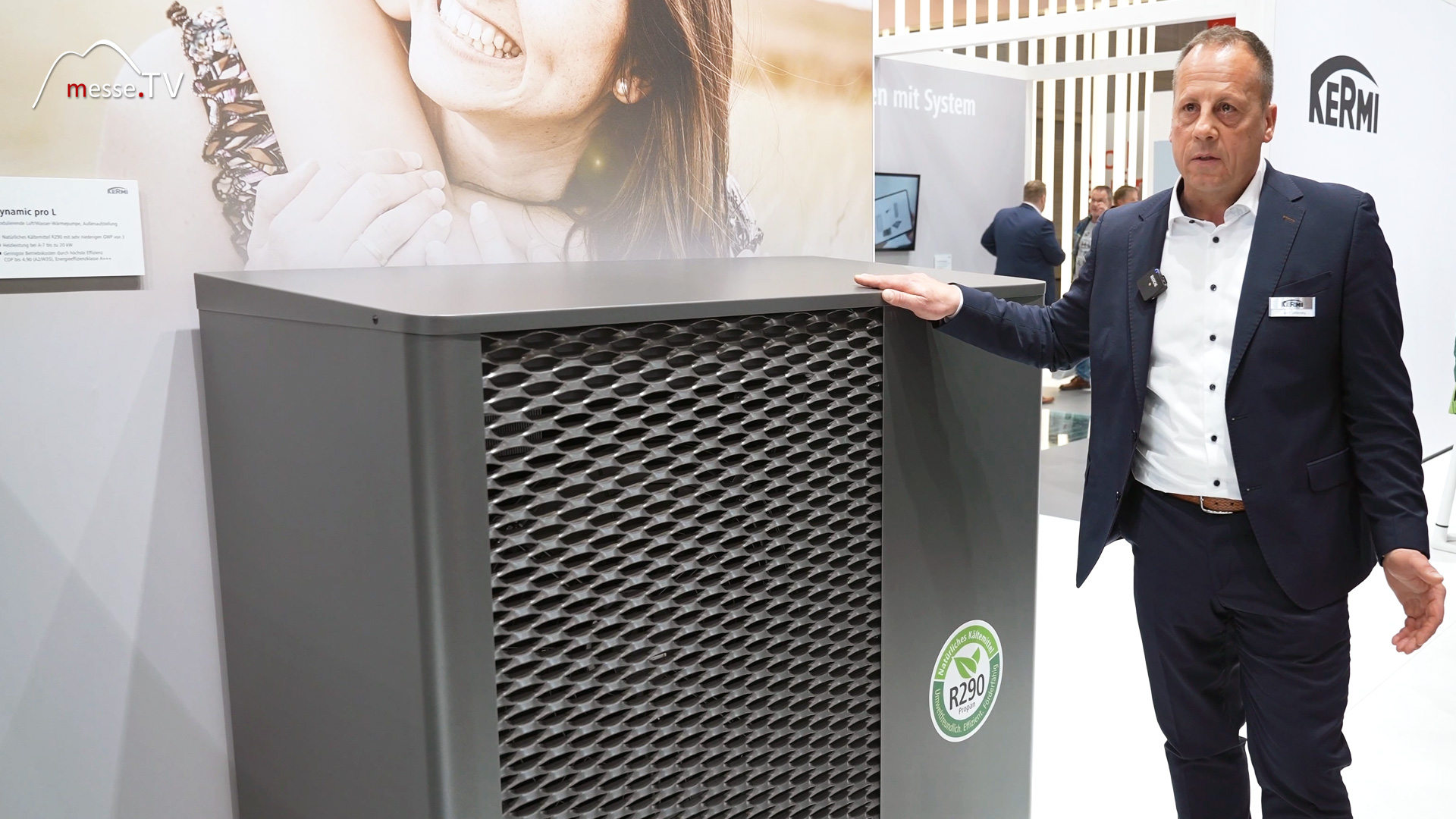
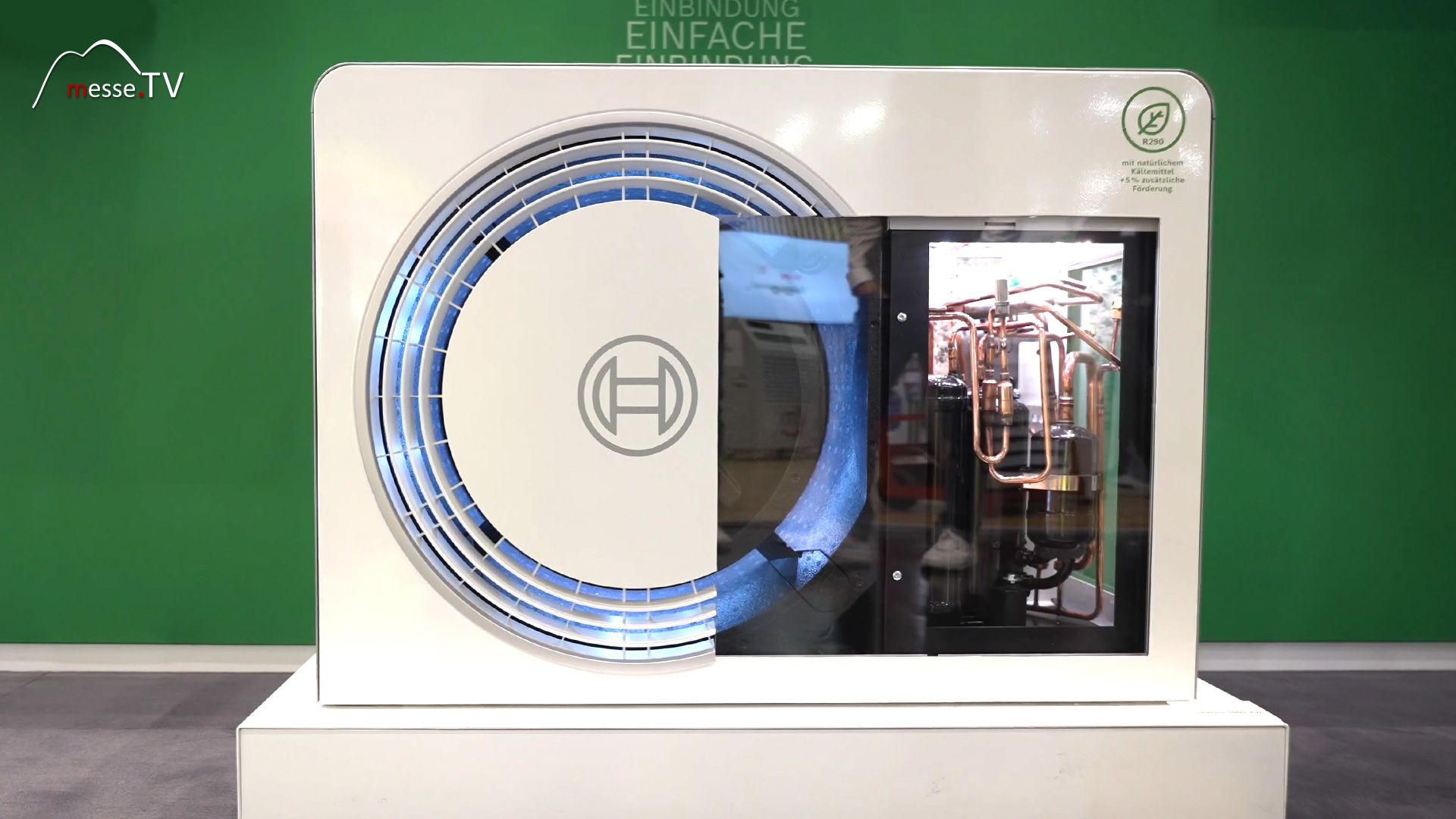
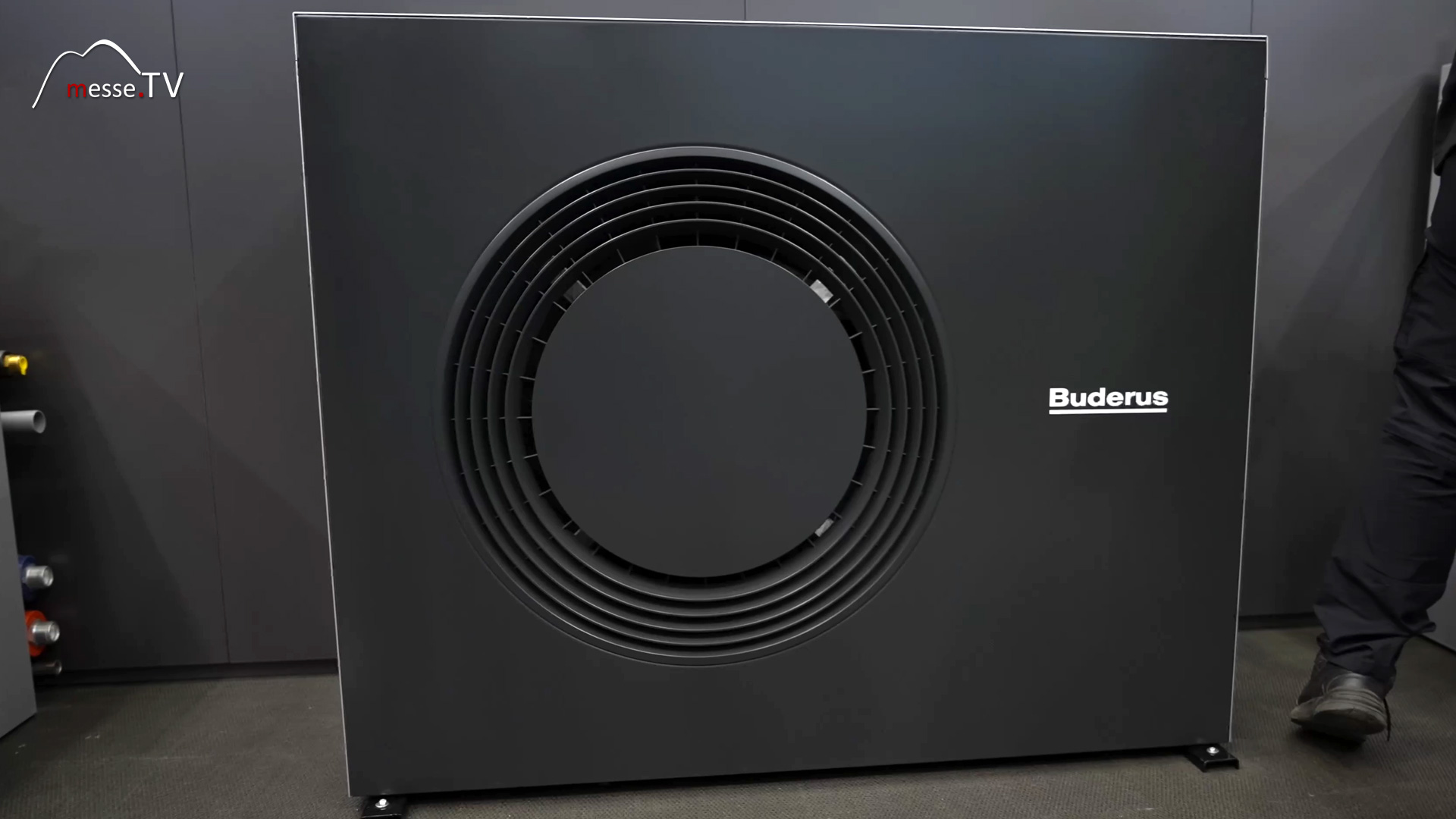
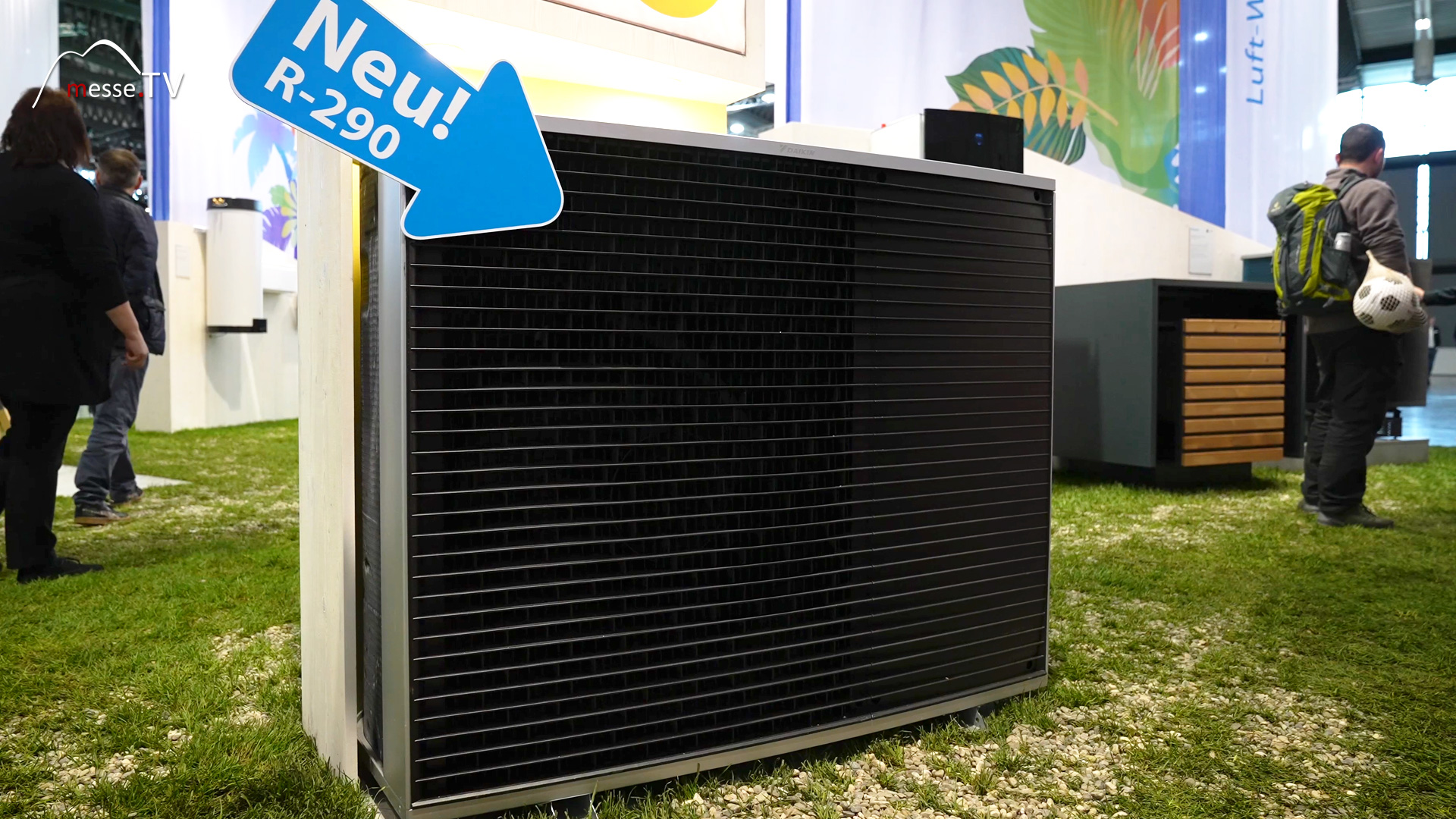
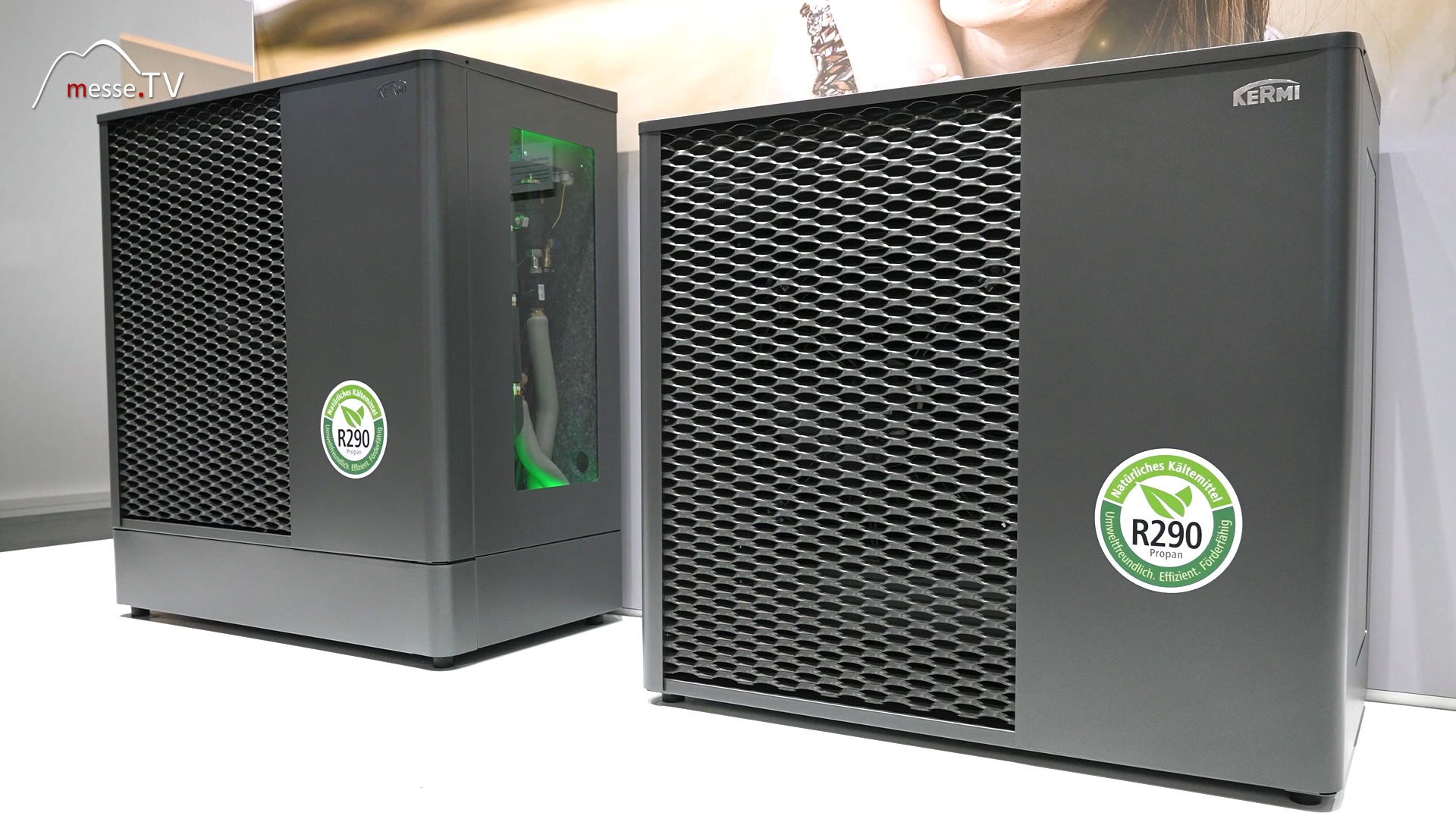
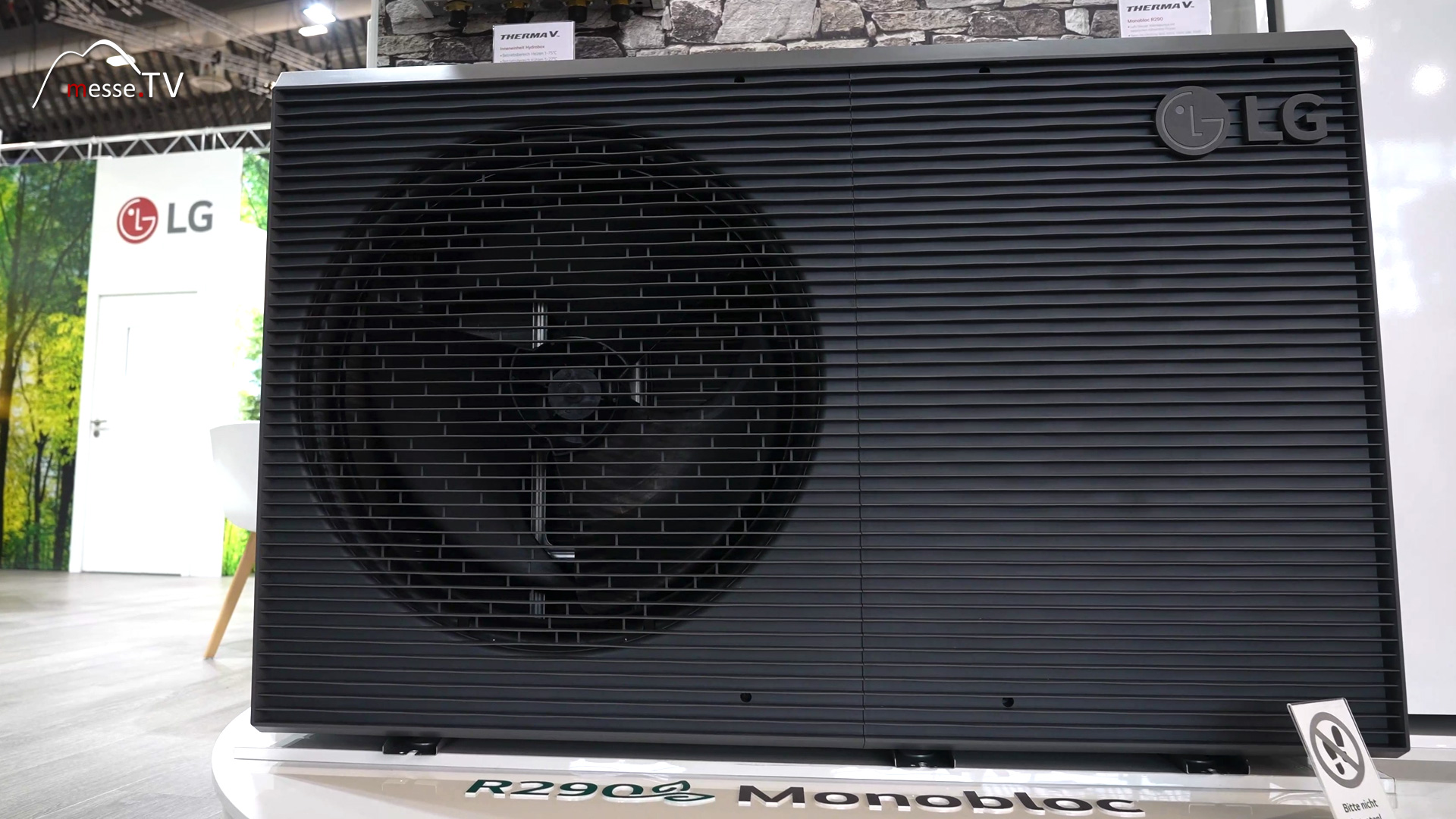
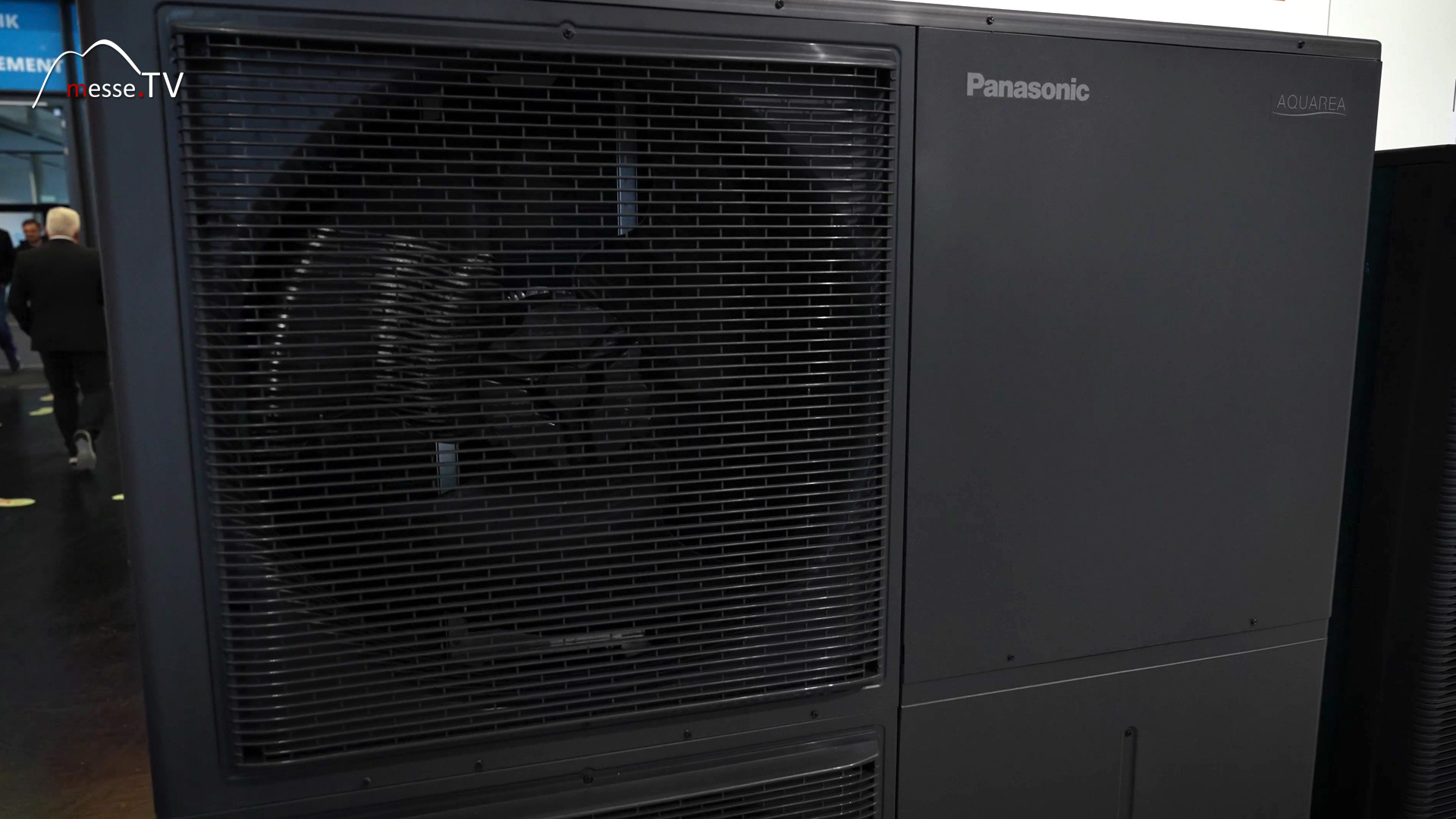
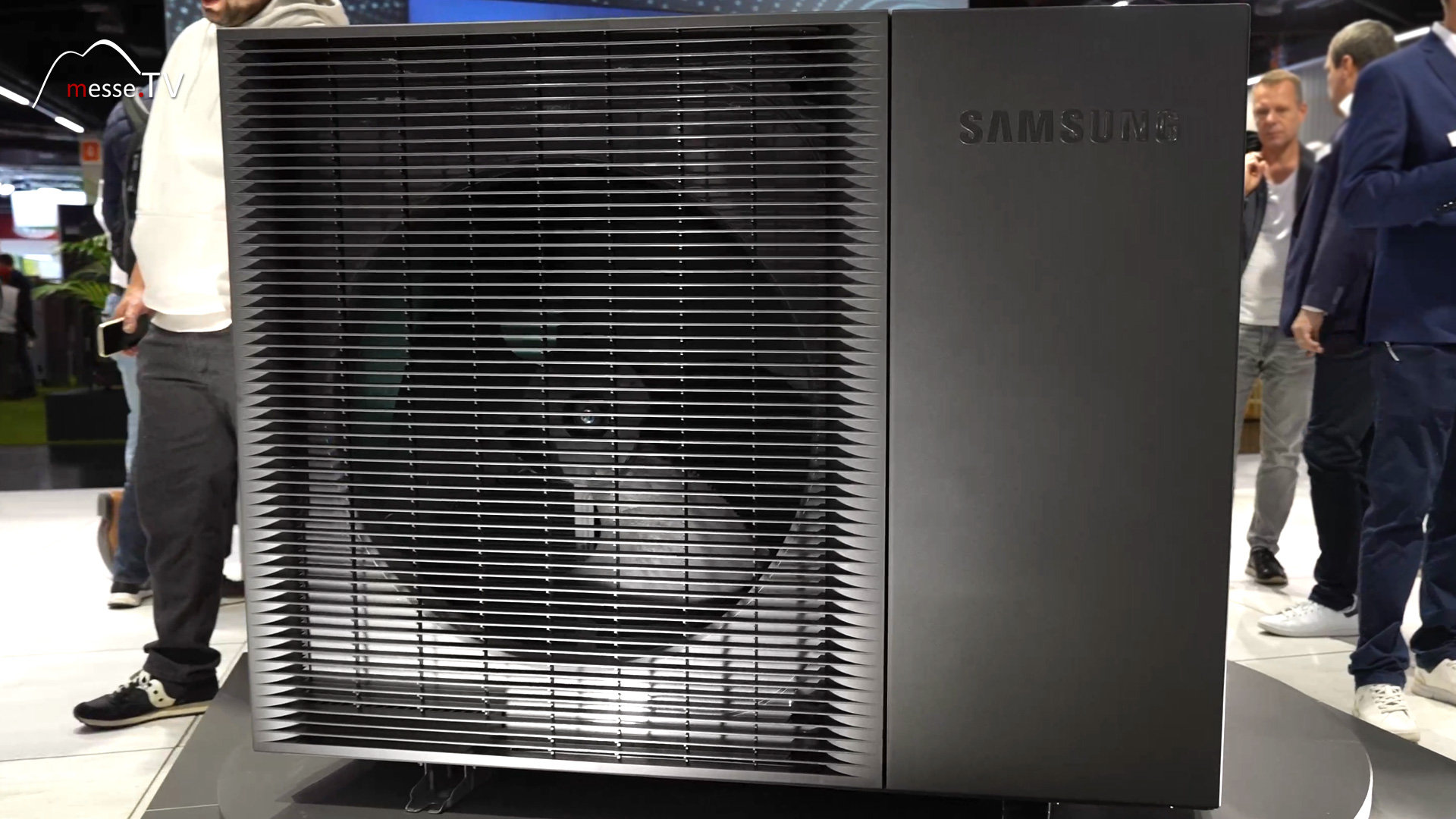
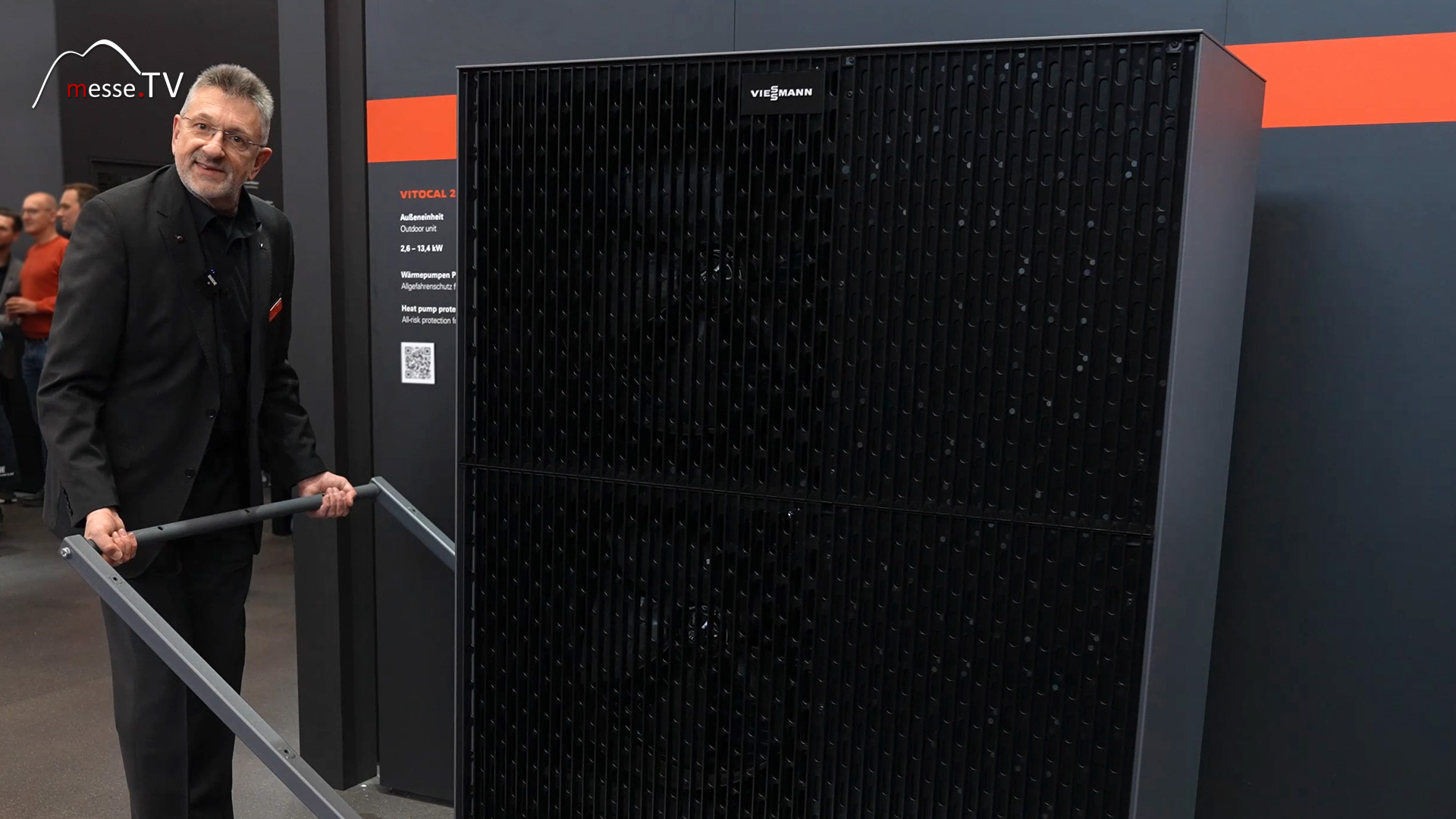
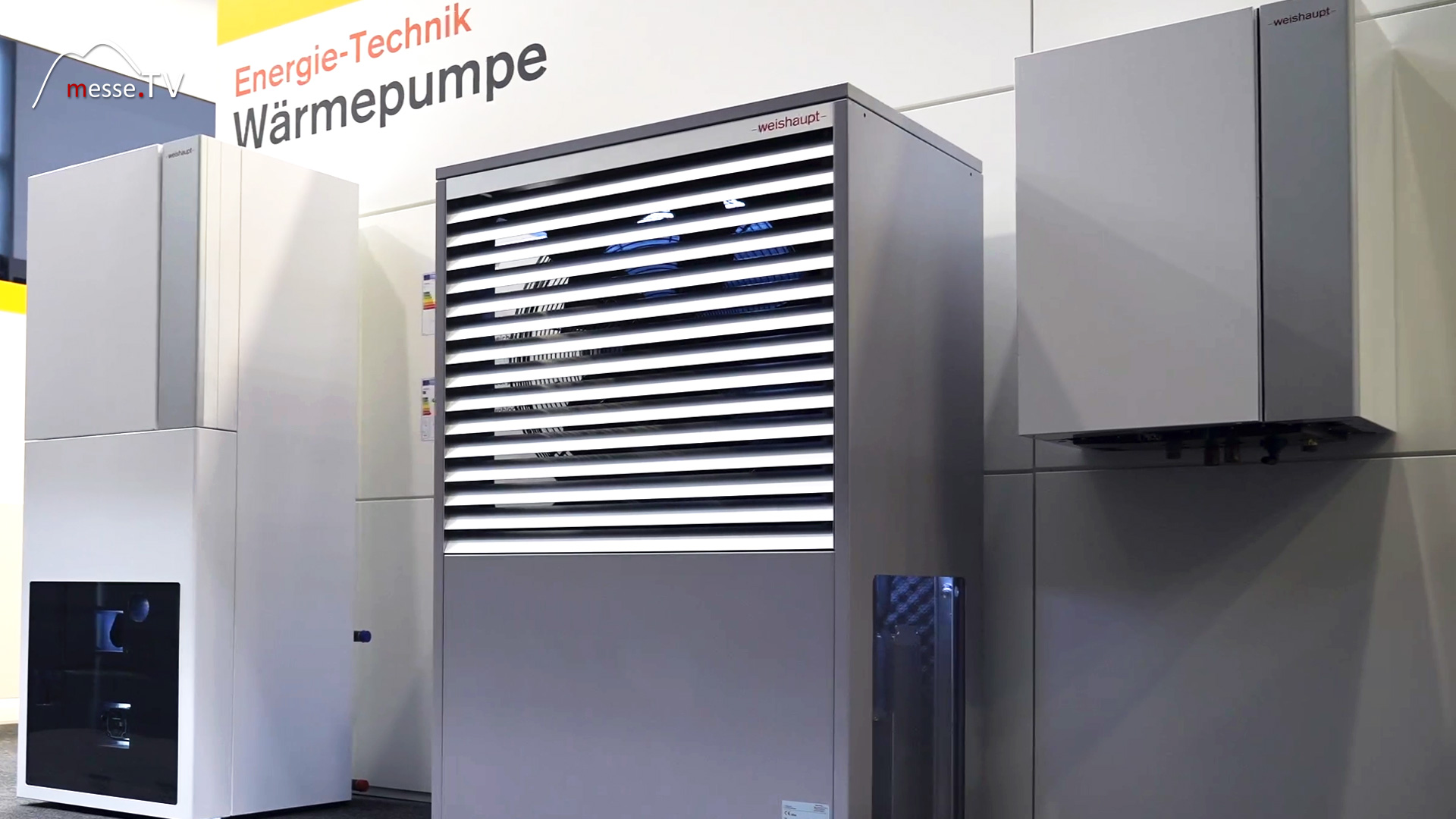
Ein zentrales Messe-Highlight ist eine neue Wärmepumpe mit einer Leistungsklasse, die in dieser Kombination selten zu finden ist. Mit zwanzig Kilowatt bei der Auslegung A-7/W35 richtet sich das System auch an größere Ein- und Zweifamilienhäuser oder sanierte Bestandsgebäude. Besonders relevant ist dabei der Einsatz des natürlichen Kältemittels Propan, das sowohl regulatorisch als auch ökologisch an Bedeutung gewinnt. Die Leistungsfähigkeit allein ist jedoch nicht der entscheidende Punkt. Vielmehr geht es darum, diese Leistung in realen Gebäuden nutzbar zu machen, insbesondere dort, wo klassische Heizkörper vorhanden sind und eine reine Fußbodenheizung nicht realistisch ist.
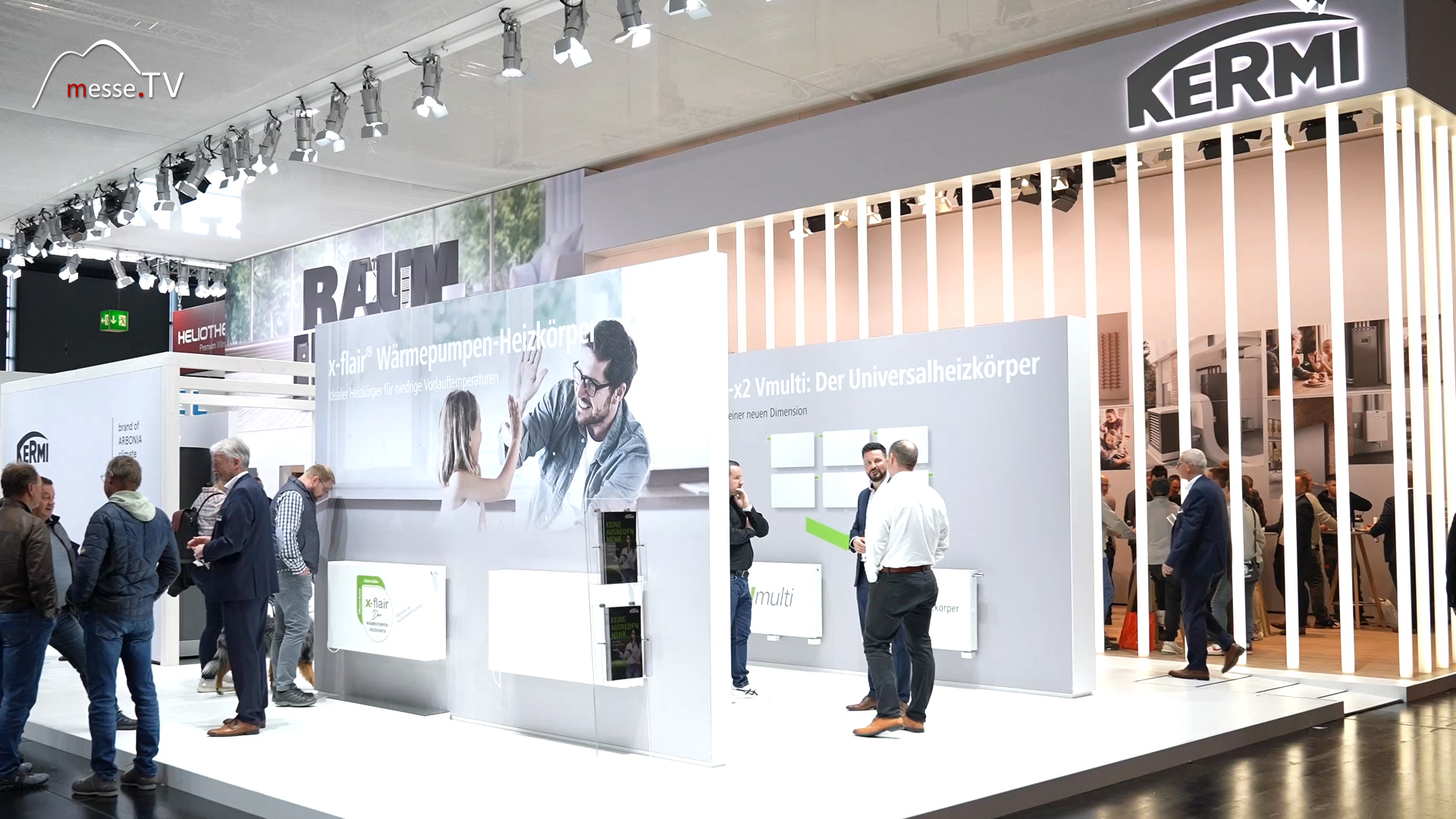
Heizkörper und Wärmepumpe sinnvoll kombinieren
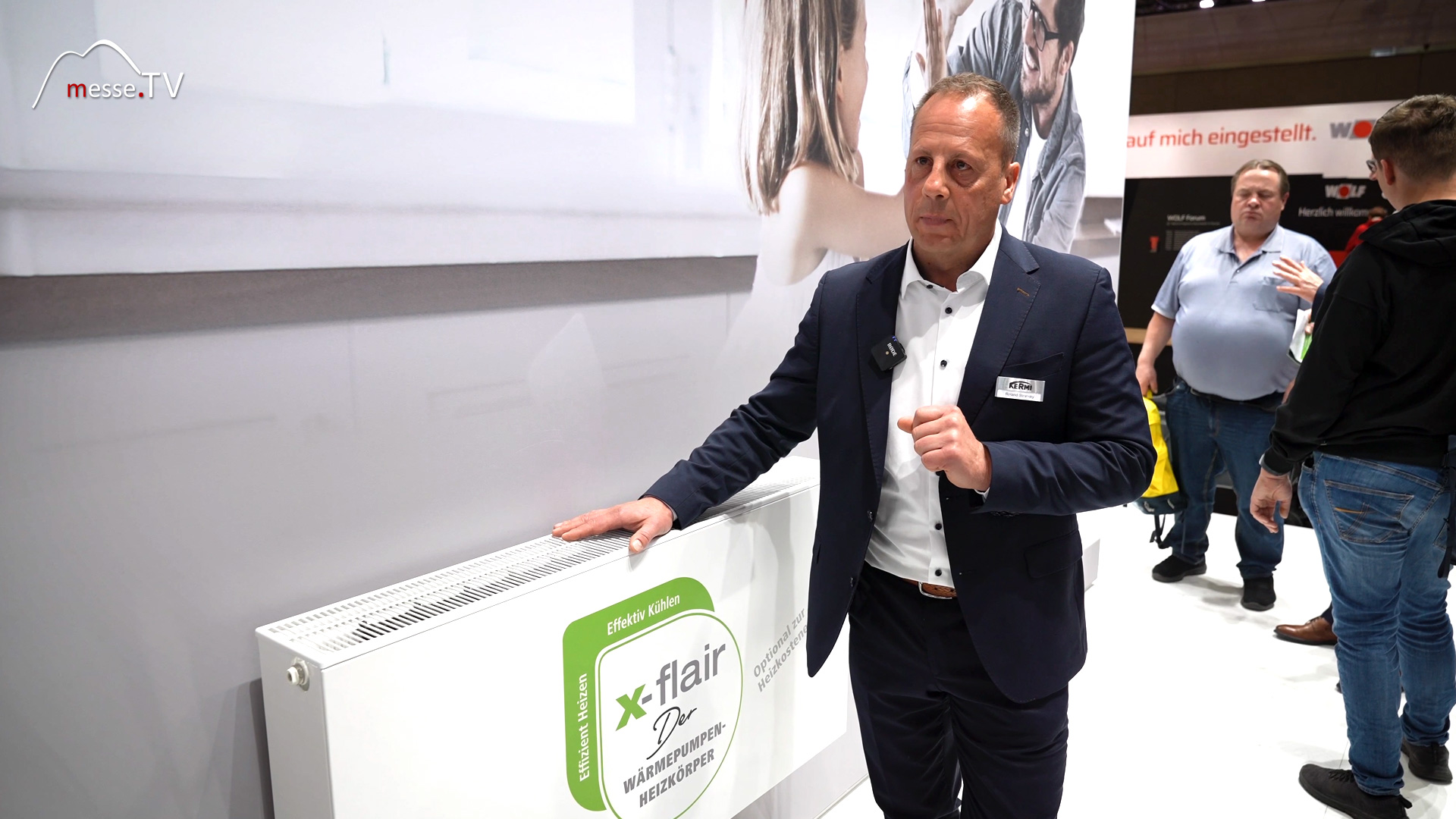
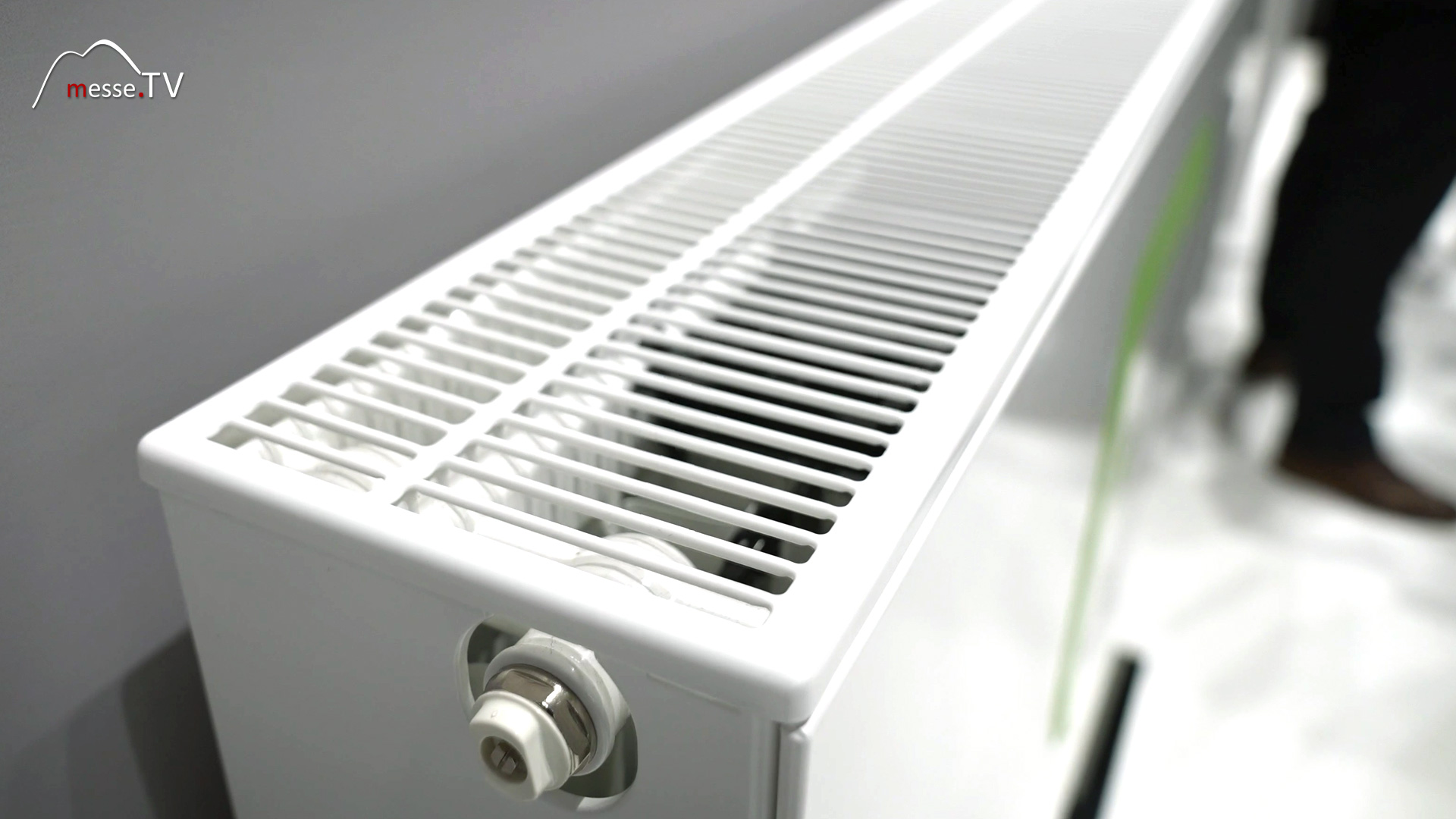
Noch immer hält sich der Irrtum, dass Wärmepumpen ausschließlich mit Flächenheizungen effizient betrieben werden können. Der zweite Schwerpunkt der Präsentation setzt genau hier an. Gezeigt wird, wie sich Heizkörper so auslegen lassen, dass sie mit niedrigen Vorlauftemperaturen arbeiten können und damit die Effizienz der Wärmepumpe deutlich steigern. Im Zentrum steht dabei ein ventilatorunterstützter Heizkörper, der äußerlich kaum von einem konventionellen Modell zu unterscheiden ist. Entscheidend ist die interne Technik. Durch aktive Luftunterstützung wird die Wärmeabgabe erhöht, sodass bei gleicher Baugröße deutlich mehr Heizleistung zur Verfügung steht. Dadurch lässt sich die notwendige Vorlauftemperatur spürbar absenken.
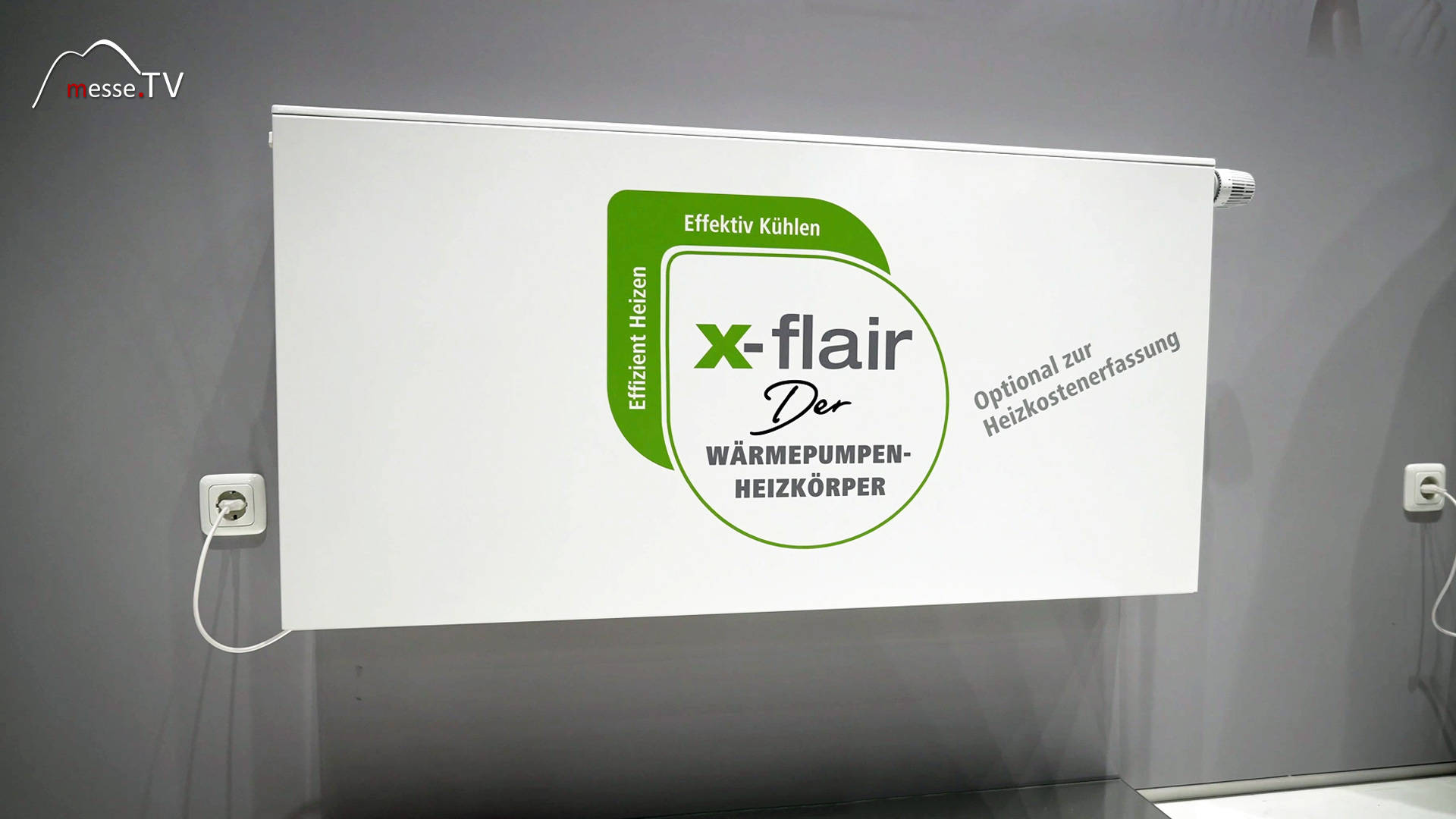
x-flair Heizkörper mit Lüfterunterstützung im Detail
Der eingesetzte x-flair Heizkörper kombiniert klassische Strahlungswärme mit einer bedarfsgerechten Konvektion. Zwei Sensoren erfassen kontinuierlich sowohl die Raumtemperatur als auch die Oberflächentemperatur des Heizkörpers. Auf dieser Basis wird die Lüfterleistung geregelt. Der Lüfter läuft nicht permanent, sondern passt sich dynamisch dem tatsächlichen Heizbedarf an. Das Ergebnis ist eine deutliche Steigerung der Heizleistung des Heizsystems. In der Praxis lassen sich Vorlauftemperaturen um bis zu fünfzehn Kelvin reduzieren. Für die Wärmepumpe bedeutet das eine erhebliche Effizienzsteigerung, da jedes abgesenkte Grad die Leistungszahl spürbar verbessert.
- Ventilatorunterstützte Wärmeabgabe bei gleicher Baugröße
- Automatische Regelung über Raum- und Oberflächensensoren
- Deutliche Absenkung der Vorlauftemperatur möglich
- Geeignet für Sanierung und Heizkörpertausch im Bestand
Energieeffizienz im Bestand ohne Komplettumbau
Gerade im Gebäudebestand liegt der Vorteil dieses Ansatzes. Alte Heizkörper können durch neue Modelle gleicher Baugröße ersetzt werden, ohne dass Leitungen, Anschlüsse oder Raumkonzepte verändert werden müssen. Gleichzeitig wird das Temperaturniveau des gesamten Systems gesenkt, sodass die Wärmepumpe in einen effizienten Betriebsbereich kommt. In Kombination aus Wärmepumpe und Heizkörper entsteht so ein System, das viele der verbreiteten Vorbehalte entkräftet. Die Wärmeverteilung wird leistungsfähiger, ohne höhere Temperaturen zu erfordern, und die Wärmepumpe kann ihre Stärken auch in bestehenden Gebäuden ausspielen.
Vorlauftemperatur als Schlüssel zur Effizienz
Die zentrale Stellgröße bleibt die Vorlauftemperatur. Je niedriger das Temperaturniveau, desto effizienter arbeitet die Wärmepumpe. Durch die erhöhte Heizleistung des Heizkörpers lässt sich genau dieser Effekt erreichen. Gleichzeitig bleibt die Regelbarkeit erhalten, da die Lüftersteuerung fein auf den tatsächlichen Bedarf reagiert. Dieses Prinzip wirkt sich nicht nur auf den Energieverbrauch aus, sondern auch auf die Systemdimensionierung. Eine effizient arbeitende Wärmepumpe kann kleiner ausgelegt werden, was Investitionskosten und Platzbedarf reduziert.
Photovoltaik, Speicher und Systemintegration
Über die Einzelkomponenten hinaus wird das Gesamtsystem betrachtet. Die Wärmepumpe ist für die Einbindung von Photovoltaikstrom vorbereitet, inklusive Eigennutzung und Kombination mit Batteriespeichern. Der selbst erzeugte Strom kann direkt für die Wärmeerzeugung genutzt werden, was die Abhängigkeit von externen Energiepreisen reduziert. Ergänzend kommen Regelungstechnik, hydraulischer Abgleich und Nachrüstlösungen ins Spiel. Diese sorgen dafür, dass Heizkörper, Flächenheizung und Wärmeerzeugung optimal aufeinander abgestimmt sind und das System auch im Alltag stabil und effizient arbeitet.
Planung aus einer Hand als strategischer Ansatz
Der Anspruch reicht über die Produktentwicklung hinaus. Planungsunterstützung, Anwendungstechnik und Systemberatung gehören ebenso zum Konzept. Ziel ist es, Kunden nicht mit einzelnen Bausteinen zu konfrontieren, sondern funktionierende Gesamtlösungen bereitzustellen. So entsteht ein Ansatz, der Wärmeerzeugung, Wärmeverteilung und Lüftung miteinander verzahnt. Effiziente Wärmepumpe und Heizkörper werden nicht als Gegensätze verstanden, sondern als komplementäre Elemente eines Systems, das den Weg zur klimaneutralen Gebäudetechnik pragmatisch und realistisch unterstützt.


Messe-Berichterstattung bundesweit - Messewissen, Termine & Veranstaltungen


