Digitalisation in the skilled trades with digital project management
by J. Groh - 2024-09-04Digitalisation in the skilled trades has been a much-discussed topic for years, but remains fragmented in the everyday work of many businesses. Individual software solutions cover specific areas, but media breaks occur at the interfaces between consulting, quotations, project management and documentation. This is precisely where an approach that views processes not in isolation but as a coherent sequence comes into play.
The aim is to bundle information centrally, accelerate processes and keep all parties involved on the same page. The starting point in the skilled trades is clearly defined. Increasing documentation requirements, a shortage of skilled workers and growing customer expectations are affecting companies that need to work efficiently without compromising on quality. Digital support is therefore becoming less of a nice-to-have and more of a prerequisite for competitive work.
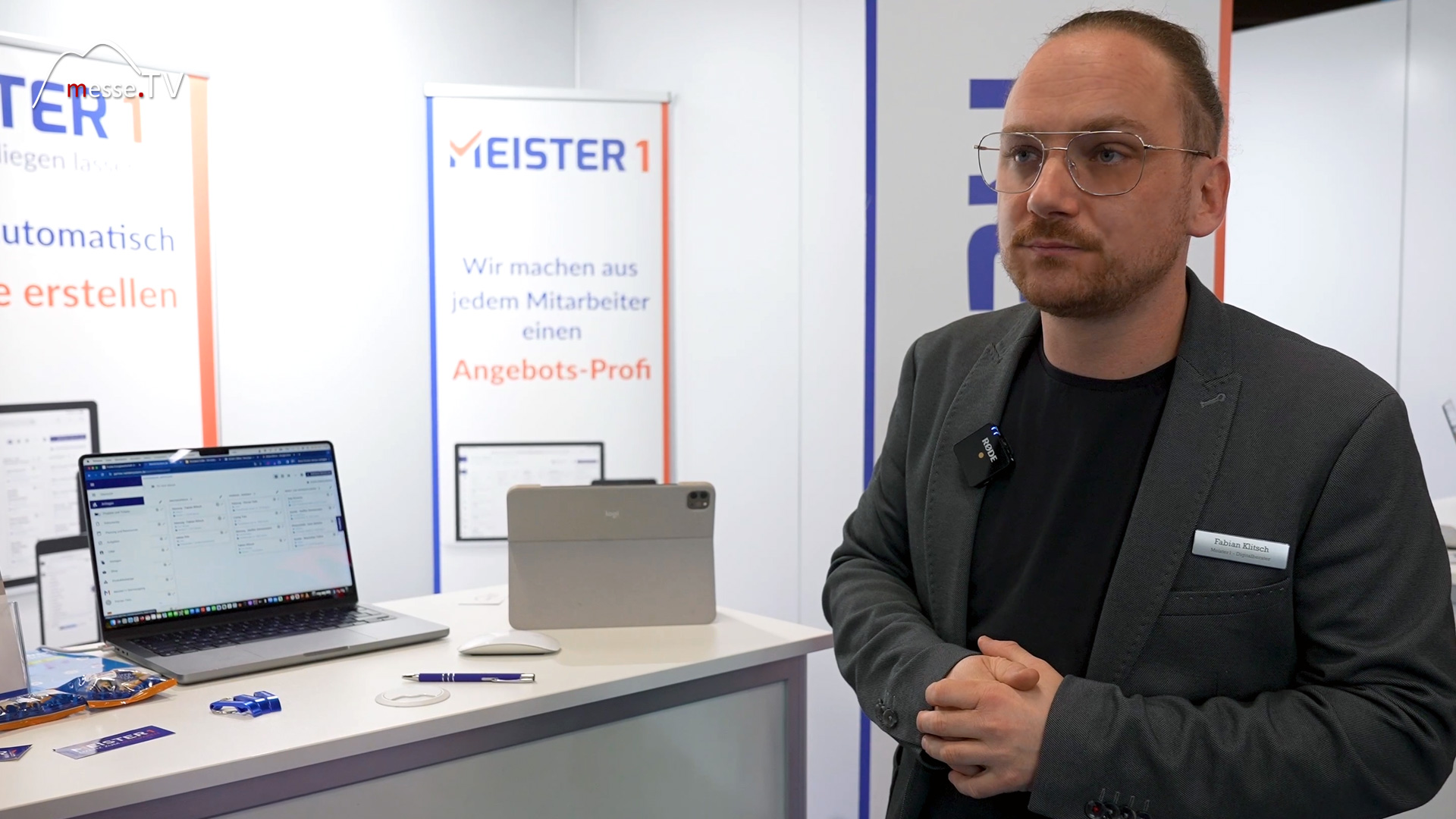
Meister 1 as a digital partner for cross-trade processes
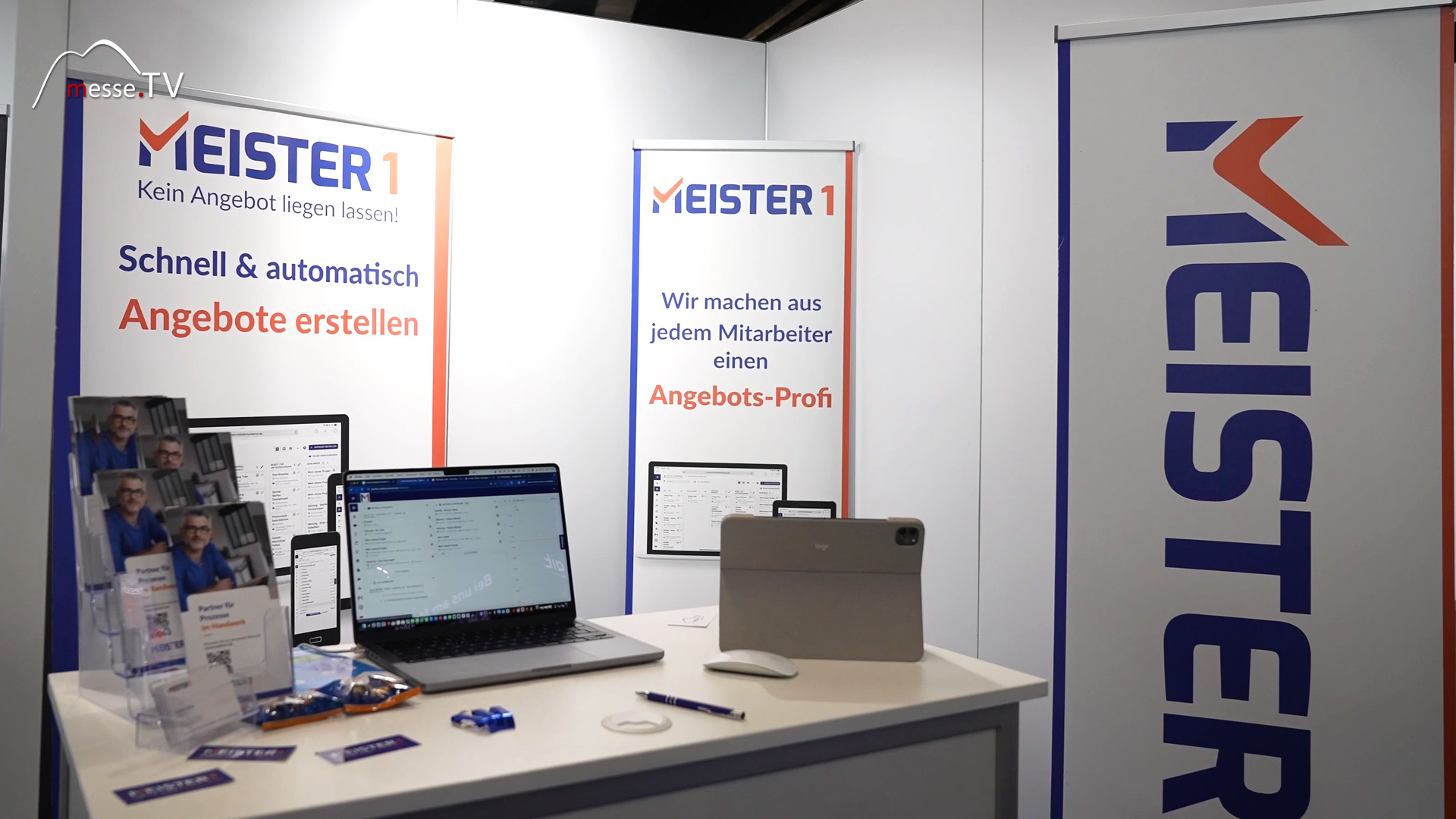
Meister 1 comes from Berlin and has been working with skilled trades businesses for more than a decade. The focus is not on a single industry, but deliberately on cross-trade structures. Whether heating installation, bathroom modernisation, awnings, floor coverings or façade work – the software maps processes that function similarly in many trades but differ in detail. The approach is pragmatic. Instead of juxtaposing individual tools, it supports a continuous process: from the initial enquiry to quotation preparation and project management to follow-up and documentation. The target group is specialist companies that want to structure their processes without giving up their individual way of working.
Central project folder as a connecting element
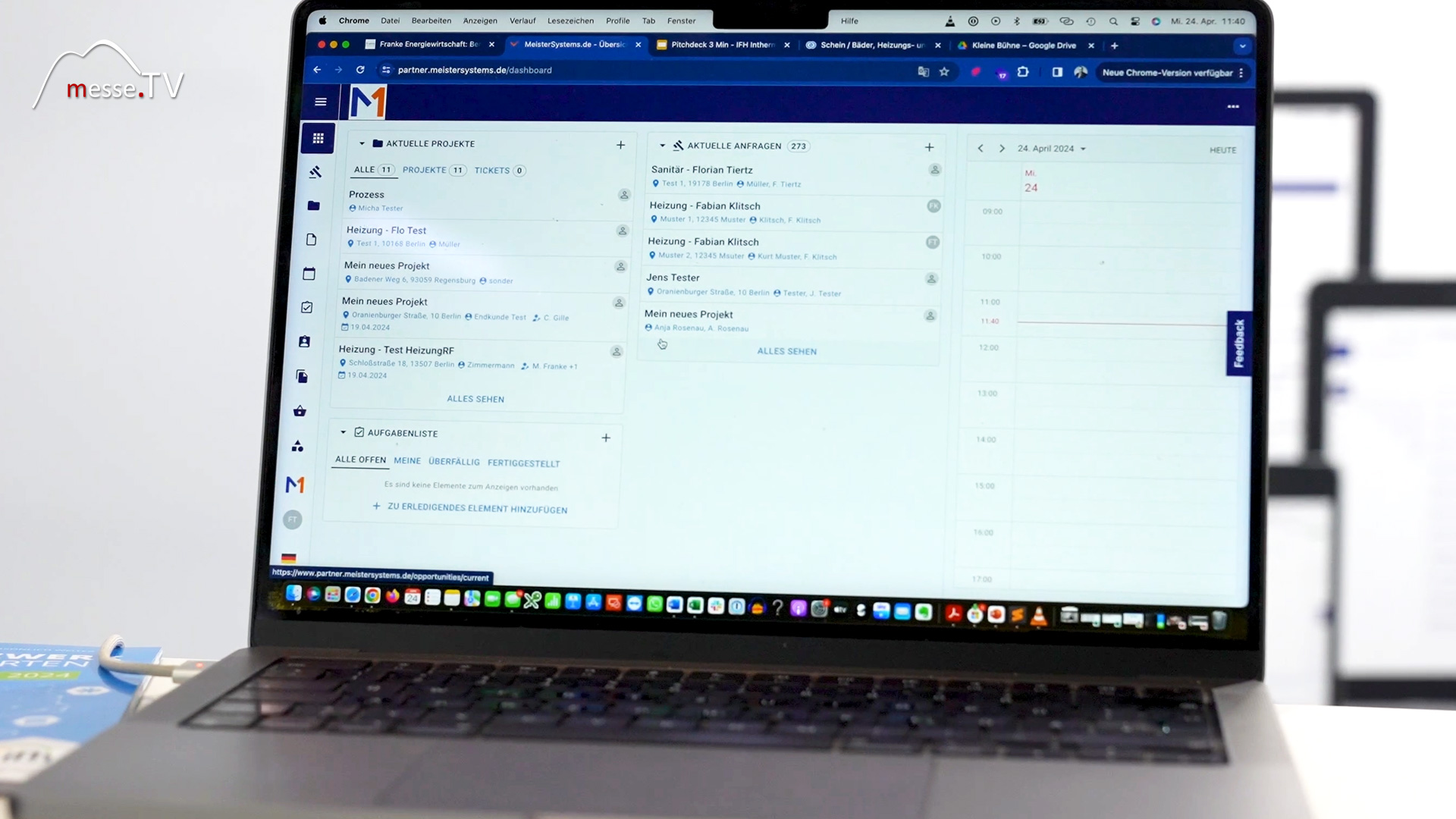
At the heart of the solution is a digital project folder in which all relevant information is collected. Quotations, minutes, agreements and status reports are no longer distributed via emails, notes or different systems, but are bundled centrally. This folder serves as a common reference point for all parties involved. Transparency is a crucial aspect. End customers, architects, planners or manufacturers can be specifically involved in a project if necessary. This reduces queries, speeds up coordination and ensures that decisions are documented in a traceable manner. Knowledge is not lost, but remains available even in the event of staff changes or longer project durations.
Assistant on the website as an entry point for end customers
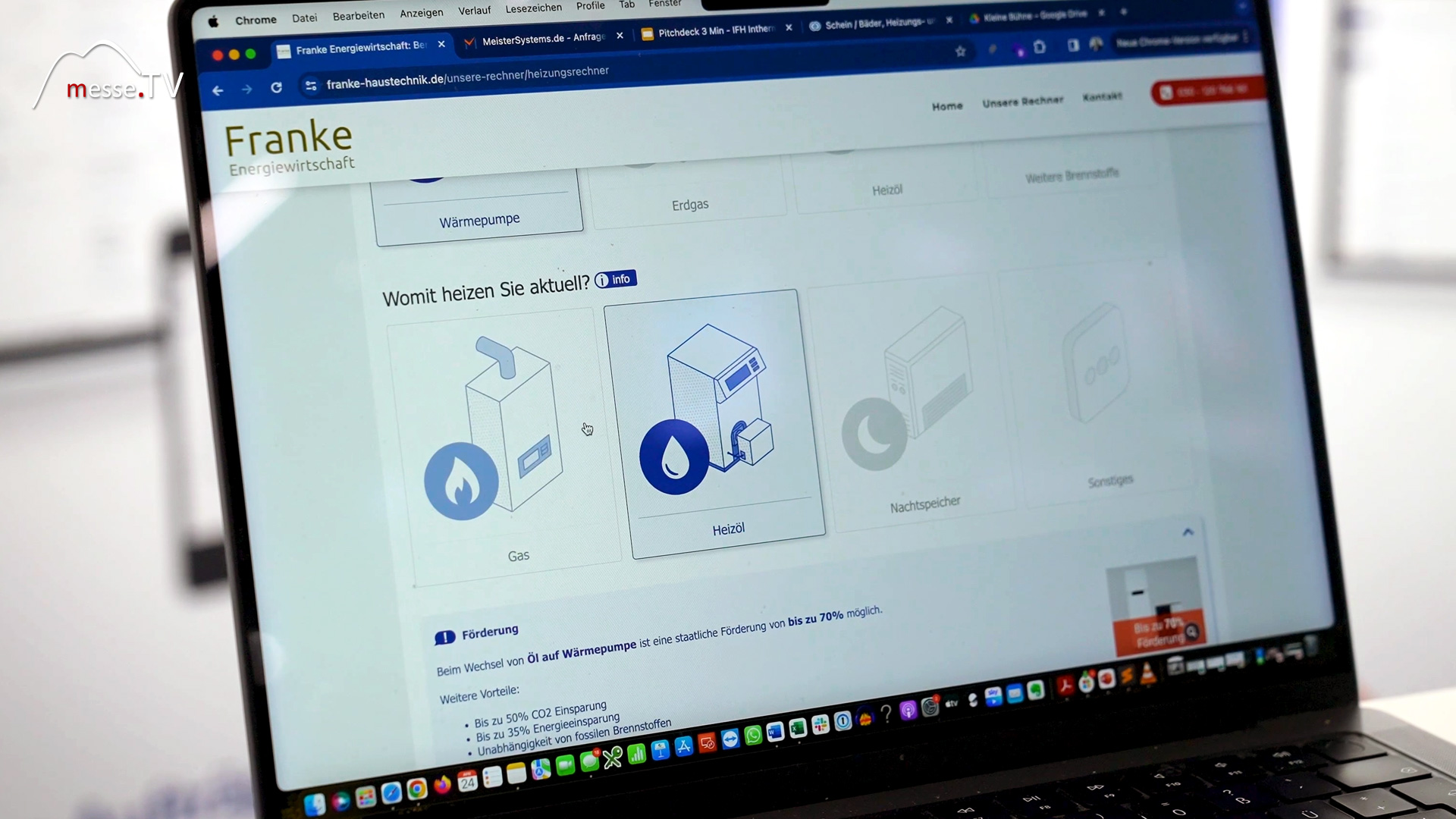
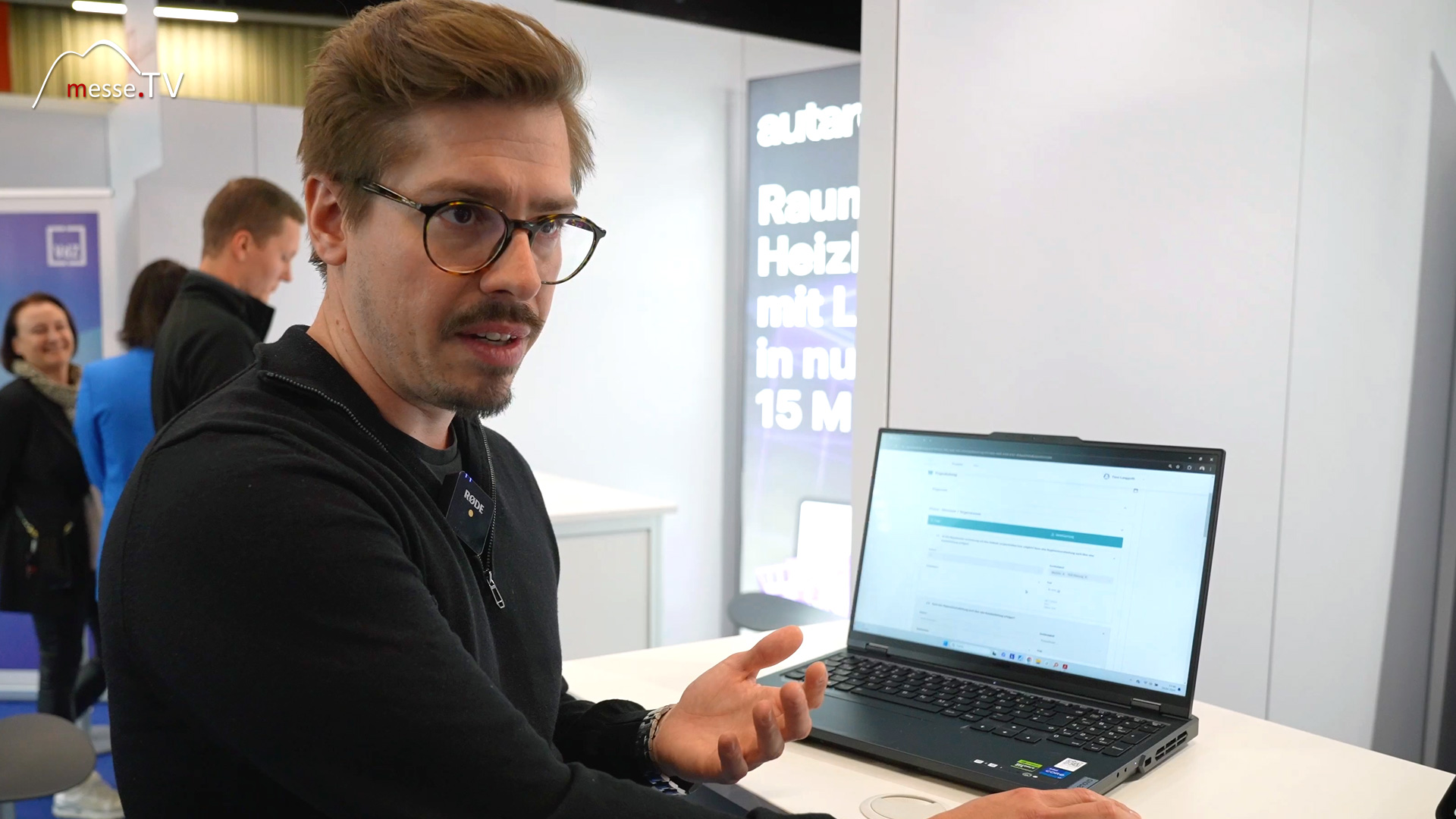
A clear example of the practical benefits can be seen in the heating sector. A digital assistant can be integrated directly into a specialist company's website. The end customer is guided step by step through a structured questionnaire. Basic information such as the desired heating technology, the existing system, the installation location or aspects of the building envelope are requested. The requirements are deliberately kept low. The customer does not need to have any specialist knowledge, but still feels that they are being systematically guided through the topic. At the end of the process, they enter their contact details, whereupon an initial price proposal is automatically generated and sent. This provides the specialist company with a qualified contact who already has relevant information.
Tracking and control in ongoing sales
For the trade business, the process does not end with the enquiry. Contacts can be tracked, evaluated and structured within the software. A customisable sales pipeline shows the current phase of a project. Quotations, queries, appointment coordination and decision-making processes become visible and controllable. This is supplemented by classic CRM functions, task management and project and resource planning. The advantage lies in the integration: information from the customer enquiry flows directly into the project management without having to be re-entered. This saves time and reduces sources of error. Typical functions that are relevant in everyday life can be summarised as follows:
- Digital project folder with central documentation
- Integration of external project participants as required
- Web-based assistant for structured customer enquiries
- Automatic generation of initial price proposals
- Sales pipeline and CRM for tracking
- Task, project and resource management
Cross-trade approach as a strategic advantage
The consistently cross-trade approach is noteworthy. Many companies today no longer work strictly in a single segment, but combine services or cooperate with other trades. Software that reflects this reality facilitates collaboration and creates a uniform understanding of processes. This is less about rigid standardisation and more about structure. Companies retain their professional individuality, but benefit from clear processes and transparent responsibilities. The added value of such a system is particularly evident in more complex projects involving several participants.
Integration into the digital transformation of the skilled trades
Digitalisation in the skilled trades is often associated with great promises, but fails in everyday life due to a lack of practical relevance. Solutions such as the one described here do not rely on abstract visions, but on concrete use cases. They are based on real workflows and attempt to support them in a meaningful way. Meister 1 does not position itself as a substitute for craftsmanship, but as a tool to use it more efficiently. Transparency, time savings and structured communication are at the forefront. For businesses that want to grow or have to work with limited resources, this approach can be a decisive factor.



Trade fair reporting Germany - Trade fair knowledge, dates & events


