Biomassekessel Speichertechnik Nahwärmenetze Wärmewende
von Jürgen Groh - 2024-04-27Biomasse gilt seit Jahrzehnten als verlässliche Säule erneuerbarer Wärmeversorgung. Während sich die öffentliche Debatte häufig auf Wärmepumpen und Strom konzentriert, entwickelt sich parallel ein technisches Feld weiter, das besonders im ländlichen Raum, bei Sanierungen und in Nahwärmenetzen eine zentrale Rolle spielt. Auf der Messe wird deutlich, wie stark sich Biomassekessel technisch verändert haben – kompakter, sauberer, vernetzter und flexibler als noch vor wenigen Jahren.
Fröling und die Spezialisierung auf Biomassekessel
Fröling beschäftigt sich seit den frühen sechziger Jahren ausschließlich mit Biomassekesseln und der dazugehörigen Speichertechnik. Der Fokus liegt dabei konsequent auf Holz als Energieträger – in Form von Pellets, Scheitholz oder Hackschnitzeln. Entwickelt und gefertigt wird in Oberösterreich sowie in Deutschland, wo insbesondere die Speichertechnologie entsteht. Diese enge Verzahnung von Kessel- und Puffersystemen prägt die technische Ausrichtung des Unternehmens bis heute.
SP Dual Compact als kombinierter Pellet- und Scheitholzkessel
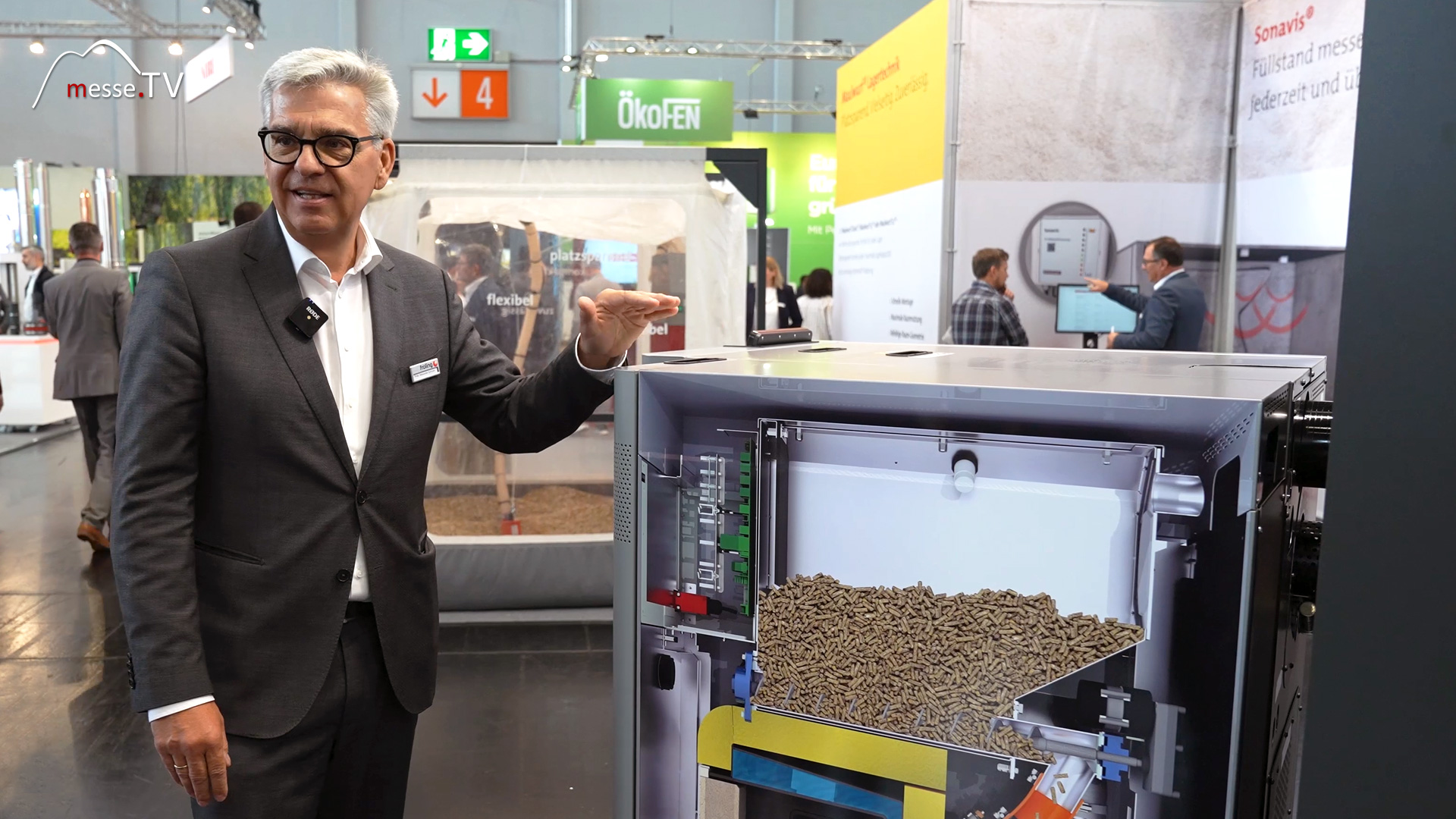
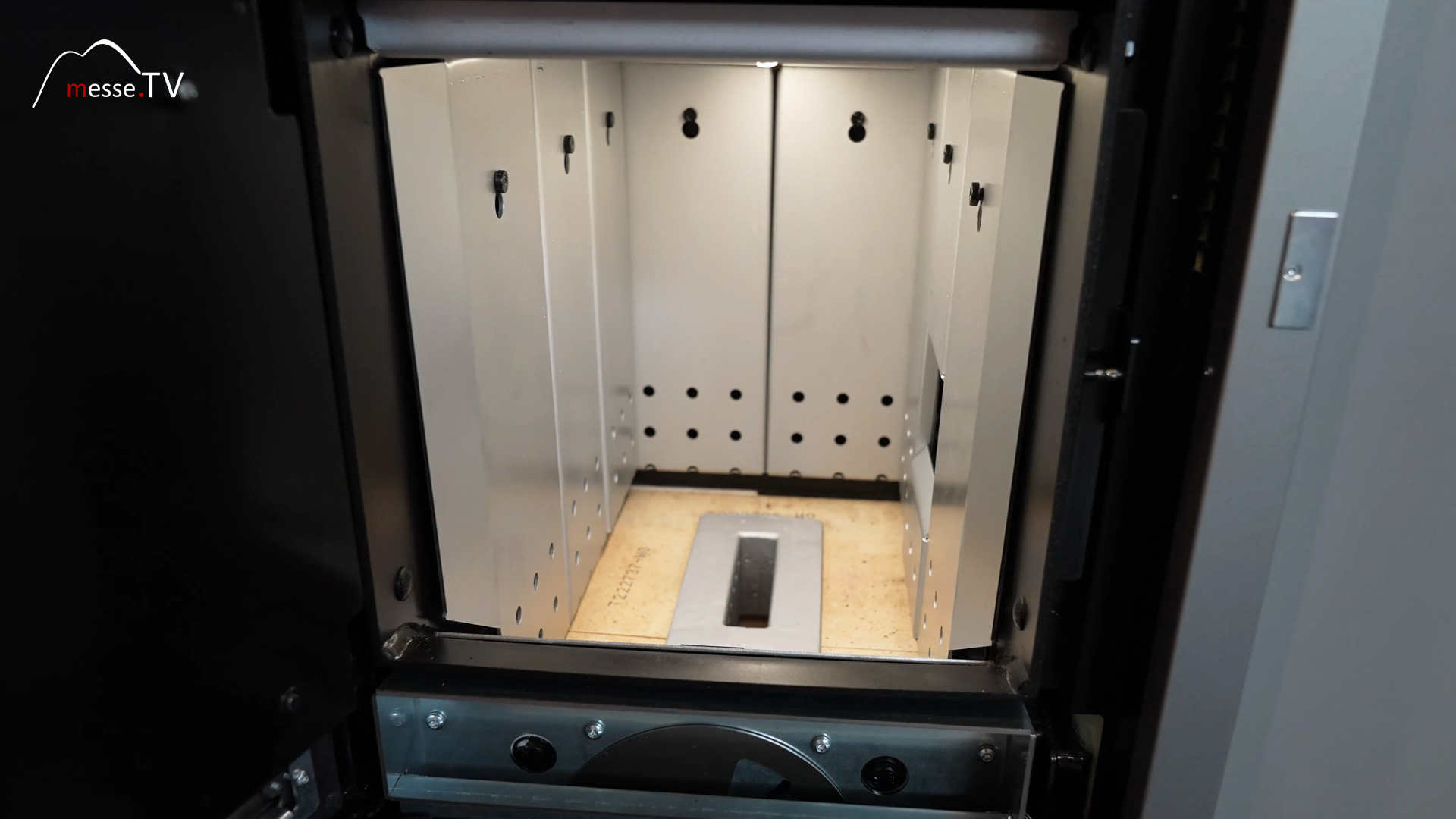
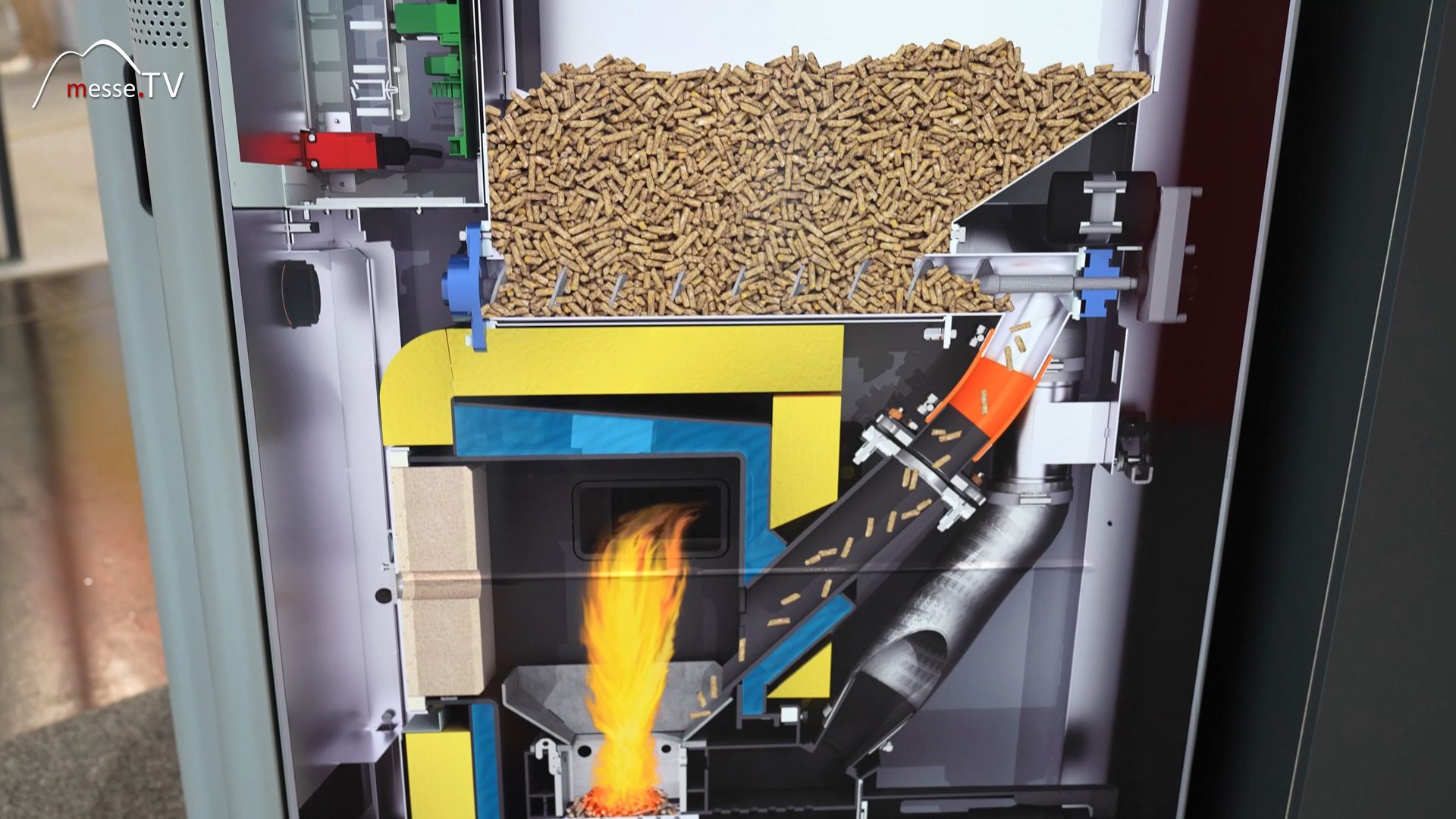
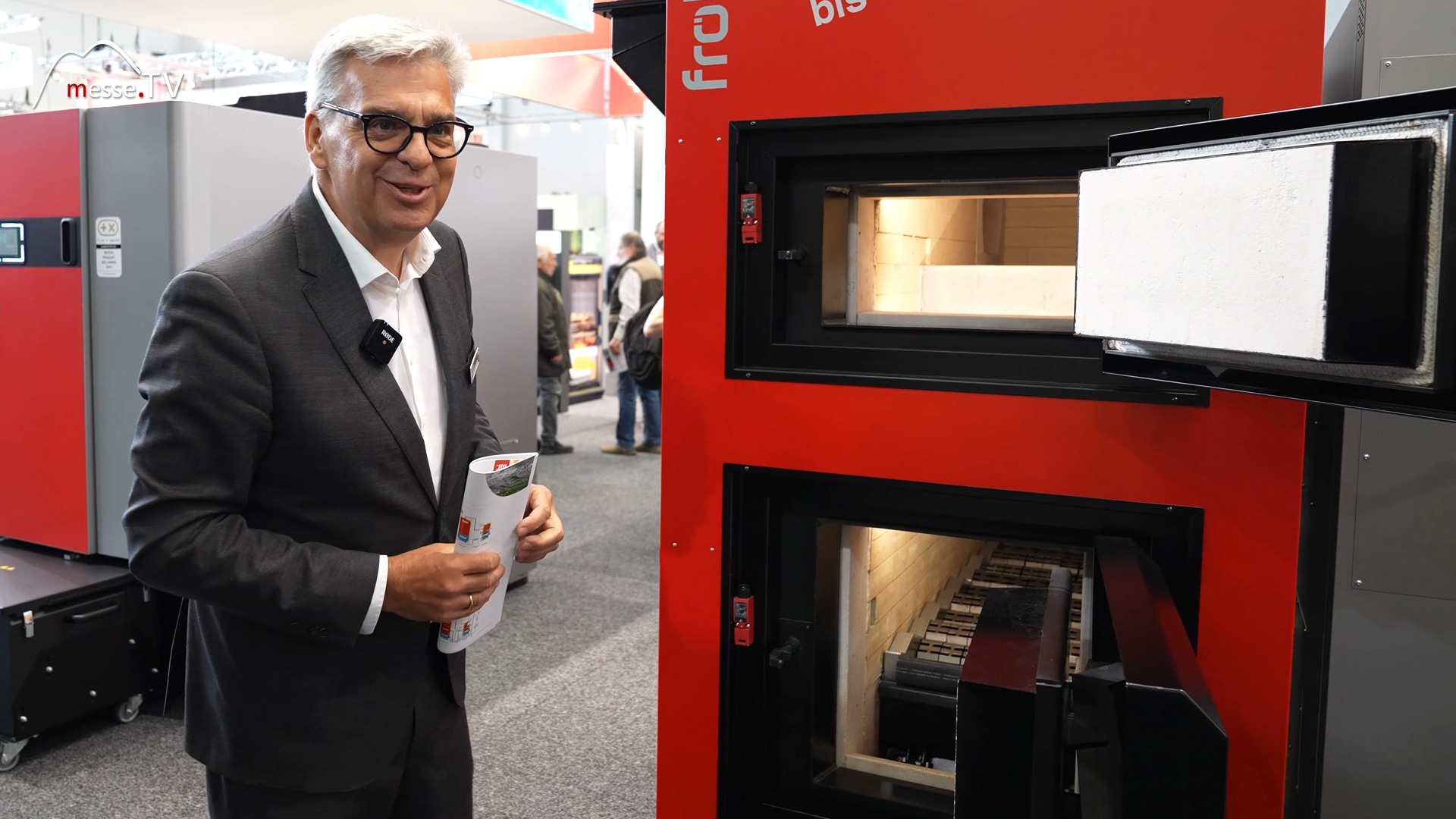
Im Zentrum des Messeauftritts steht der SP Dual Compact. Das Gerät vereint Pellet- und Scheitholzbetrieb auf sehr engem Raum. Auf einer Grundfläche von etwa einem Quadratmeter arbeiten zwei Verbrennungsprinzipien in einem System, ergänzt um einen integrierten Feinstaubfilter. Damit adressiert der Kessel ein klassisches Anwendungsfeld: Ein- und Zweifamilienhäuser, in denen Platz knapp ist, der Wunsch nach Flexibilität beim Brennstoff aber hoch bleibt. Technisch beginnt der Betrieb im Pelletmodus. Pellets werden aus einem Lager angesaugt, in einen internen Behälter gefördert und bei Anforderung über einen Fallschacht auf einen Rost geführt. Dort erfolgt die elektrische Zündung. Die entstehende Flamme kann anschließend genutzt werden, um Scheitholz im benachbarten Brennraum automatisch zu entzünden. Der Wechsel zwischen den Betriebsarten erfolgt ohne manuelle Eingriffe am Kessel.
Verbrennungsführung und integrierte Filtertechnik
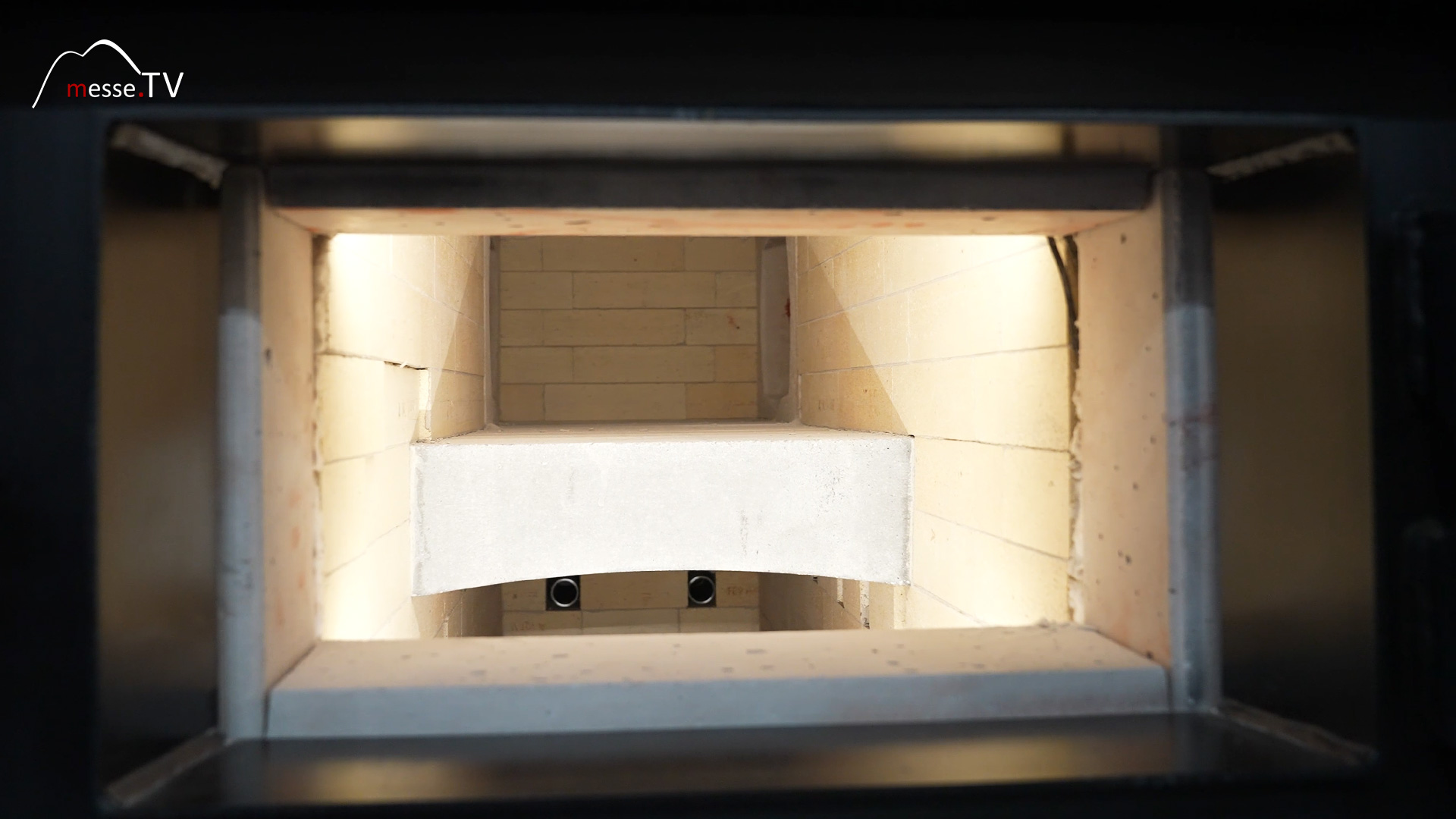
Ein zentrales Merkmal des SP Dual Compact ist die nach unten gerichtete Verbrennung. Die Flamme wird über einen Saugzug nach unten gezogen, durchströmt den Wärmetauscher und passiert anschließend den integrierten Filter, bevor die Abgase in den Kamin geführt werden. Diese Verbrennungsführung sorgt für eine gleichmäßige Wärmeübertragung und trägt dazu bei, Emissionen zu reduzieren. Mit Leistungen im Bereich von etwa 15 bis 20 kW deckt der Kessel den typischen Wärmebedarf klassischer Wohngebäude ab. Gerade in Bestandsgebäuden, in denen Biomasse bewusst als Alternative zu Öl oder Gas eingesetzt wird, spielt diese Leistungsklasse eine entscheidende Rolle.
Digitale Regelung und Bedienung per App
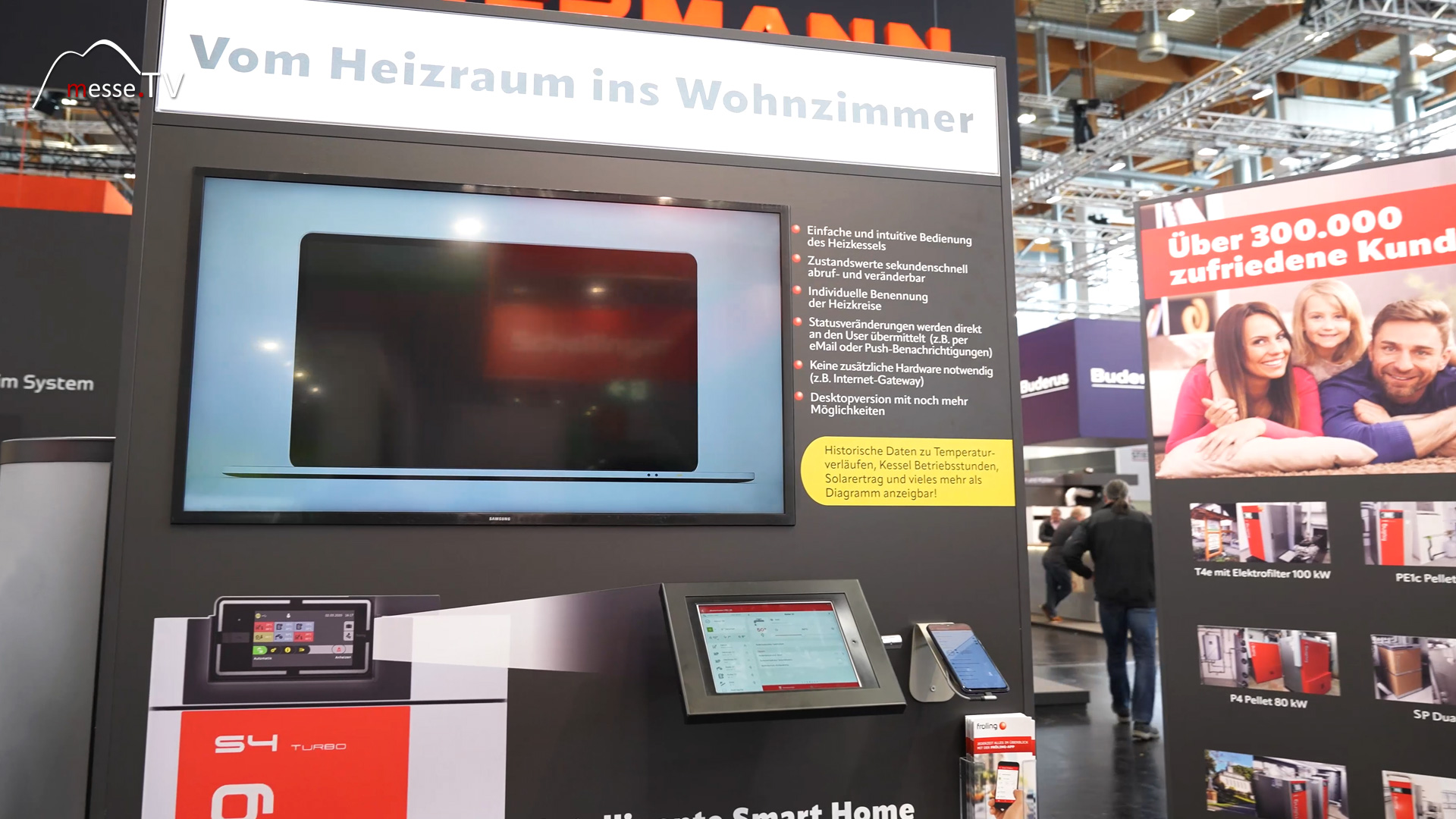
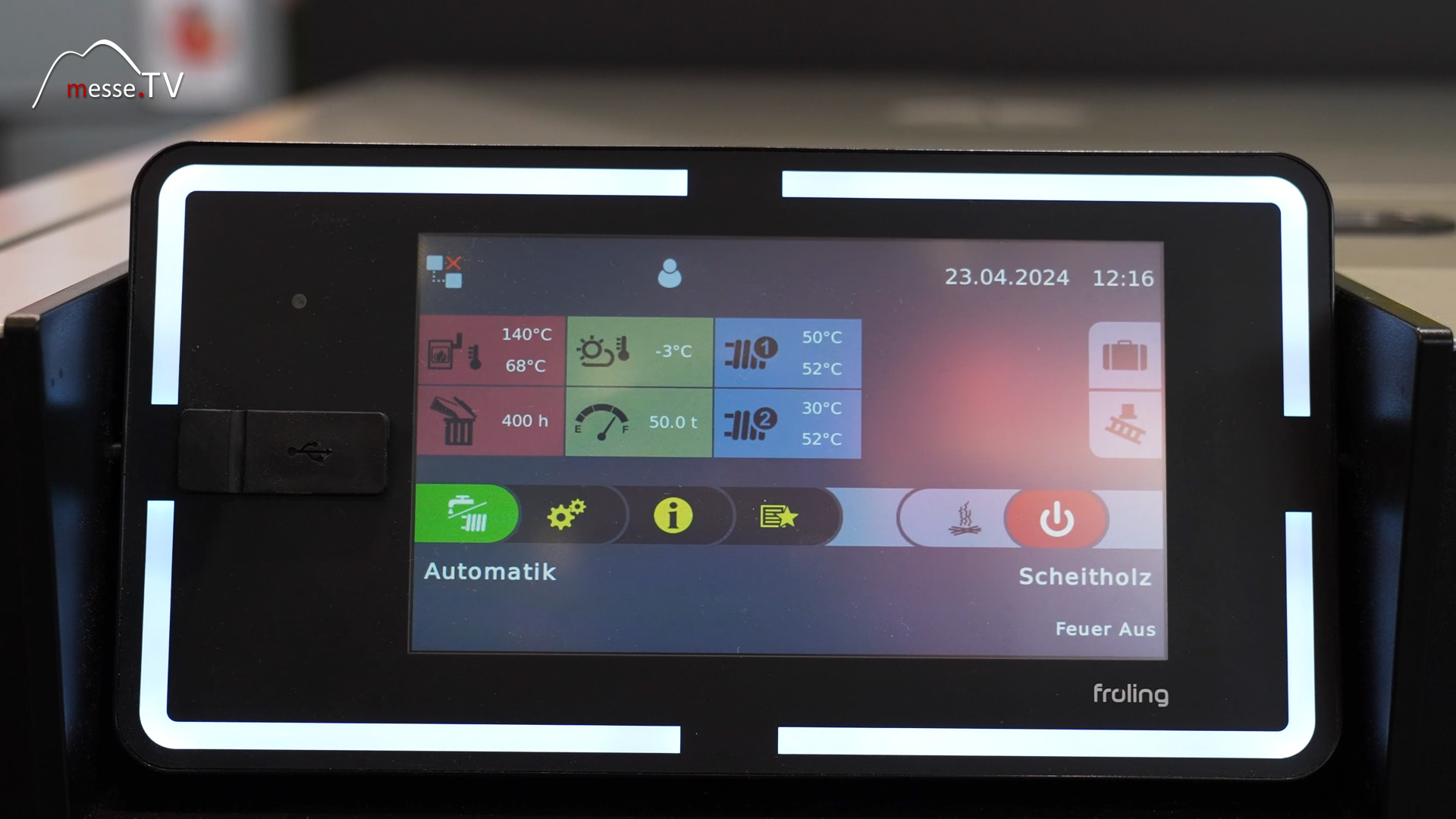
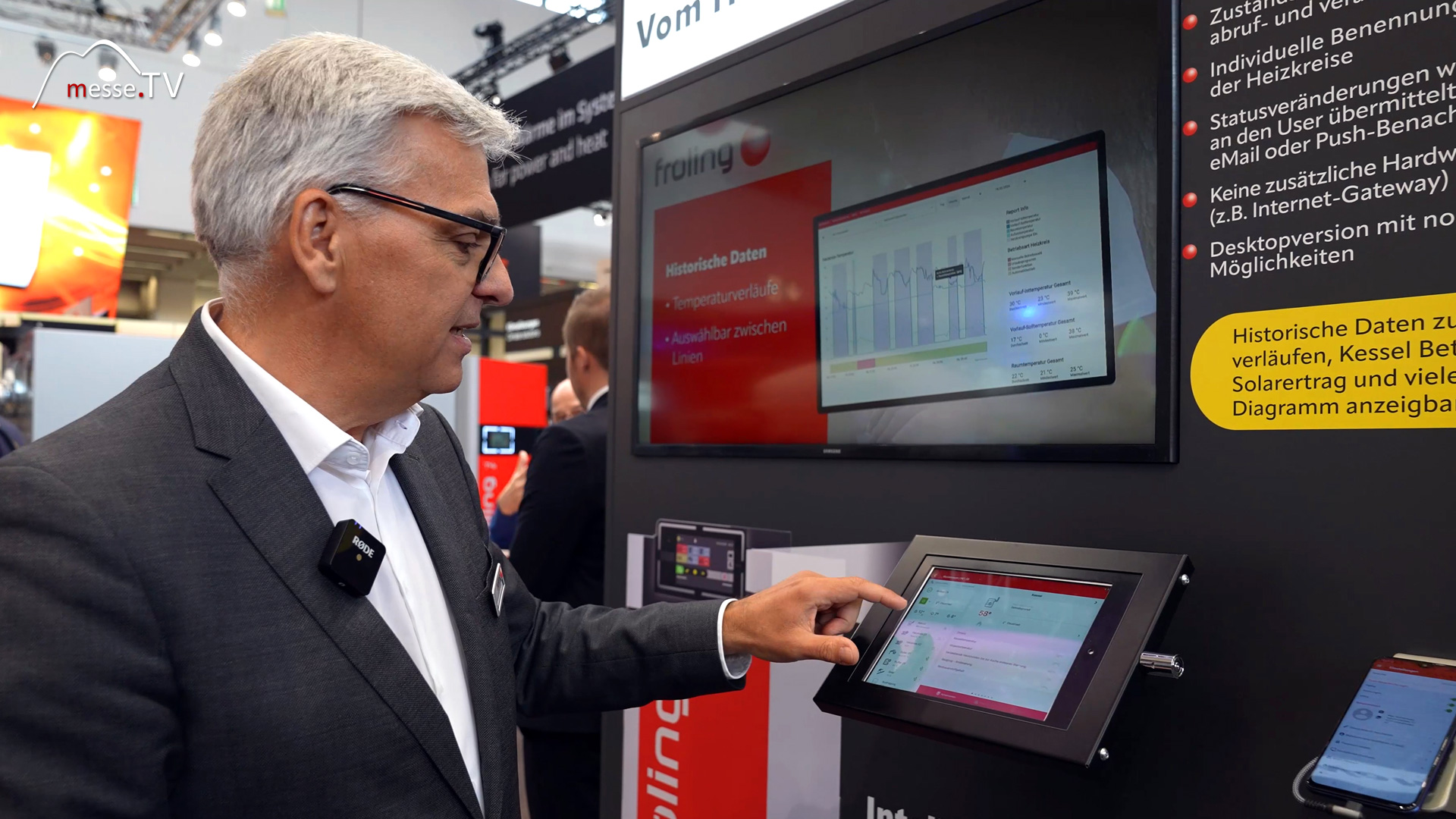
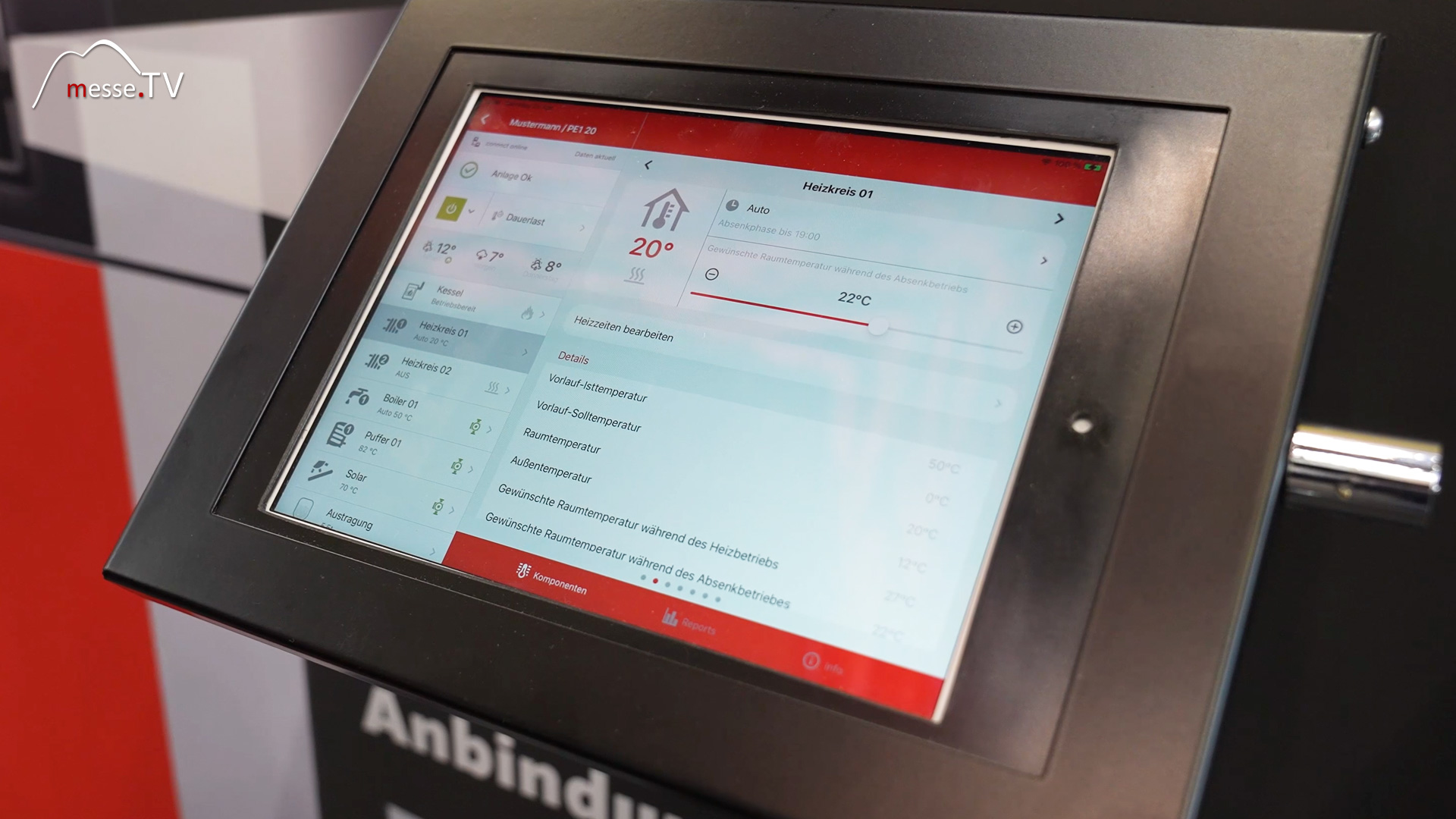
Neben der Verbrennungstechnik rückt die Regelungstechnik zunehmend in den Vordergrund. Der SP Dual Compact verfügt über eine moderne Touchregelung direkt am Gerät. Diese Oberfläche lässt sich vollständig auf mobile Endgeräte spiegeln. Einstellungen für Heizkreise, Temperaturen oder Betriebsmodi können damit vom Smartphone oder Tablet aus vorgenommen werden, unabhängig vom Aufenthaltsort im Gebäude. Im Betrieb zeigt sich das System transparent: Kesseltemperatur, Abgastemperatur und Heizkreisparameter sind jederzeit abrufbar. Die Steuerung erfolgt stufenlos, etwa über Slider für die gewünschte Raumtemperatur. Voraussetzung dafür ist lediglich die Einbindung des Kessels ins lokale Netzwerk.
Speichertechnologie als Schlüssel für Effizienz
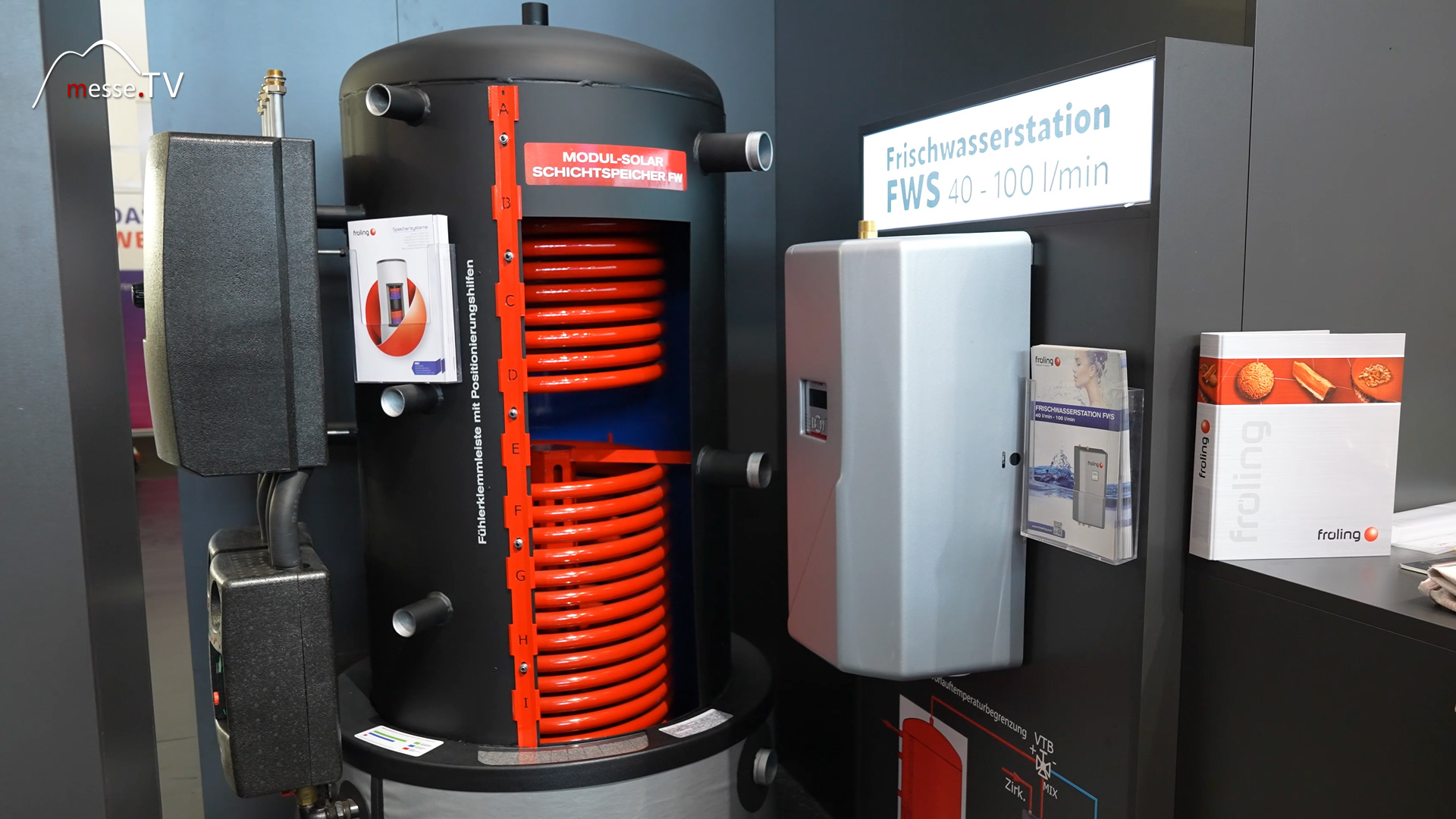
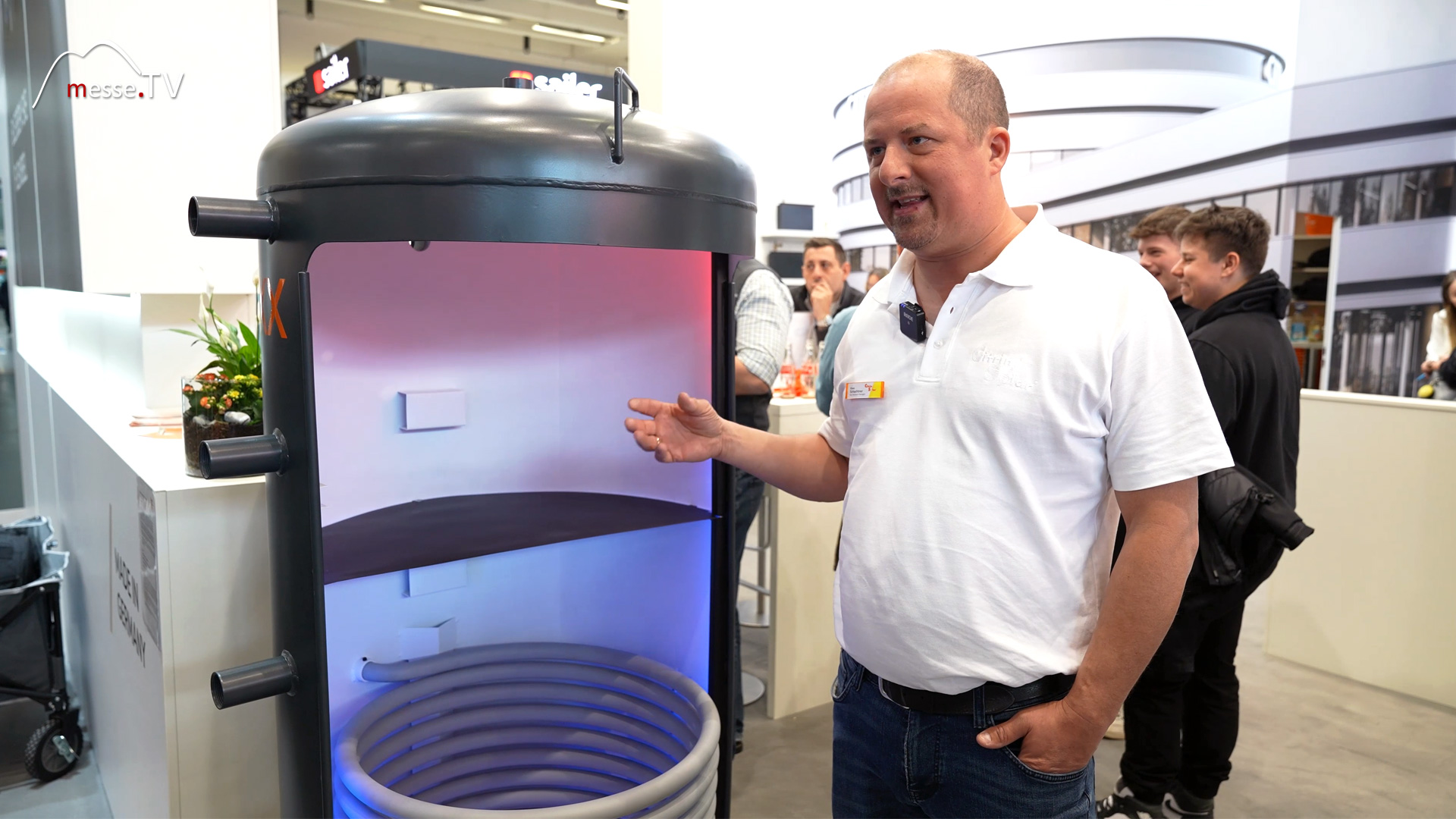
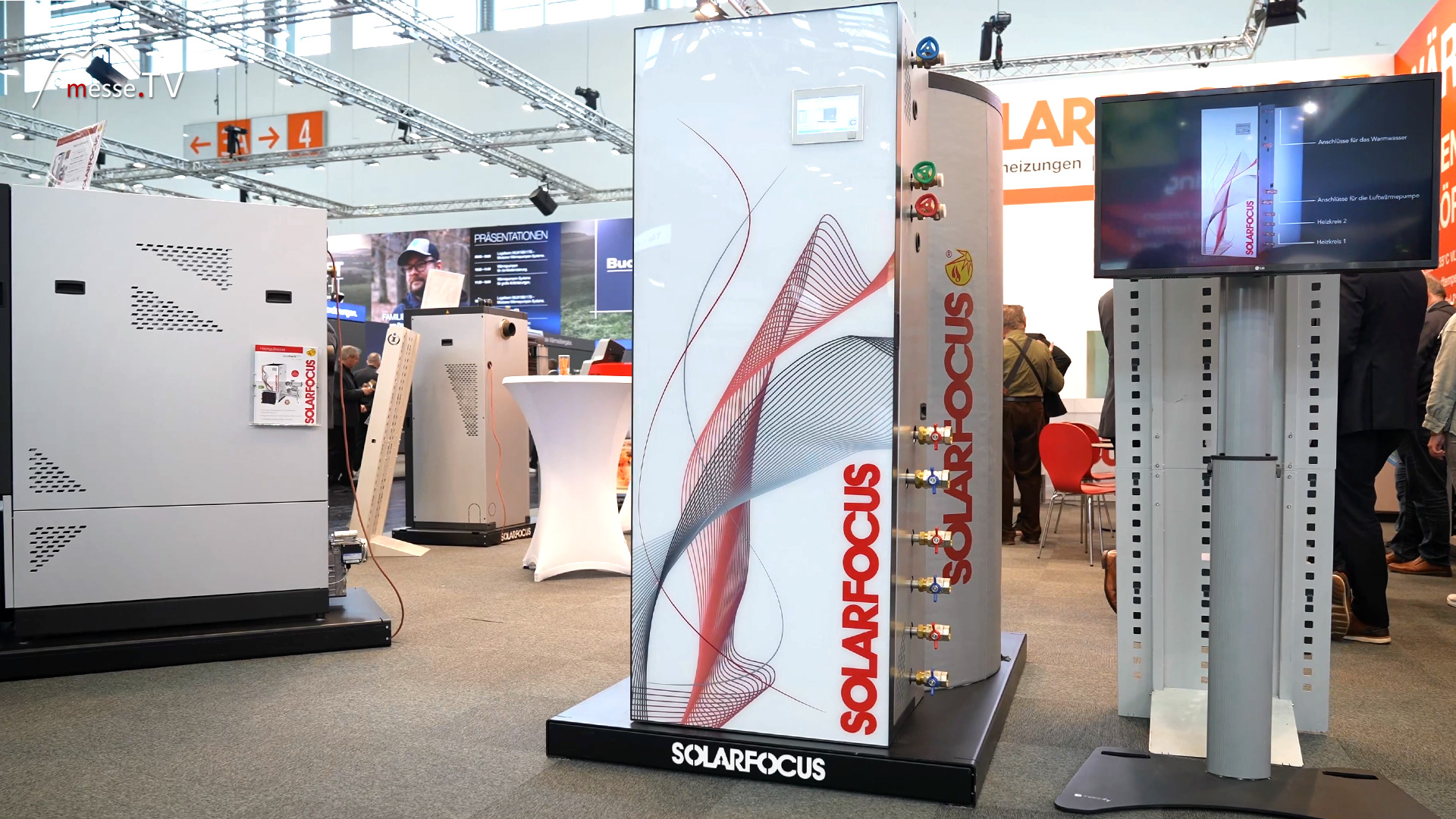
Eng verknüpft mit dem Kesselbetrieb ist die Speichertechnik. Pufferspeicher mit interner Fühlerleiste bestimmen, wann der Kessel startet oder abschaltet. Wird die eingestellte Solltemperatur im Speicher erreicht, fährt der Kessel automatisch herunter. Gerade bei Scheitholzsystemen ist diese Abstimmung entscheidend, da die gesamte Energie einer Füllung in den Speicher übertragen wird.
Im Alltag bedeutet das: In der Regel reicht es aus, den Scheitholzkessel einmal täglich zu beschicken, um ein Wohnhaus zuverlässig zu versorgen. Nur bei extrem niedrigen Außentemperaturen steigt der Bedarf. In den Sommermonaten kann der Kessel bei vorhandener Solarthermie sogar vollständig abgeschaltet bleiben, da Warmwasser über solare Erträge bereitgestellt wird.
- Kombination von Pellet- und Scheitholzbetrieb in einem Gerät
- Nach unten gerichtete Verbrennung mit integriertem Feinstaubfilter
- Touchregelung mit App-Spiegelung auf mobile Endgeräte
- Pufferspeicher mit präziser Temperaturführung
- Optionale Einbindung von Solarthermie
Hackschnitzelkessel für Nahwärmekonzepte
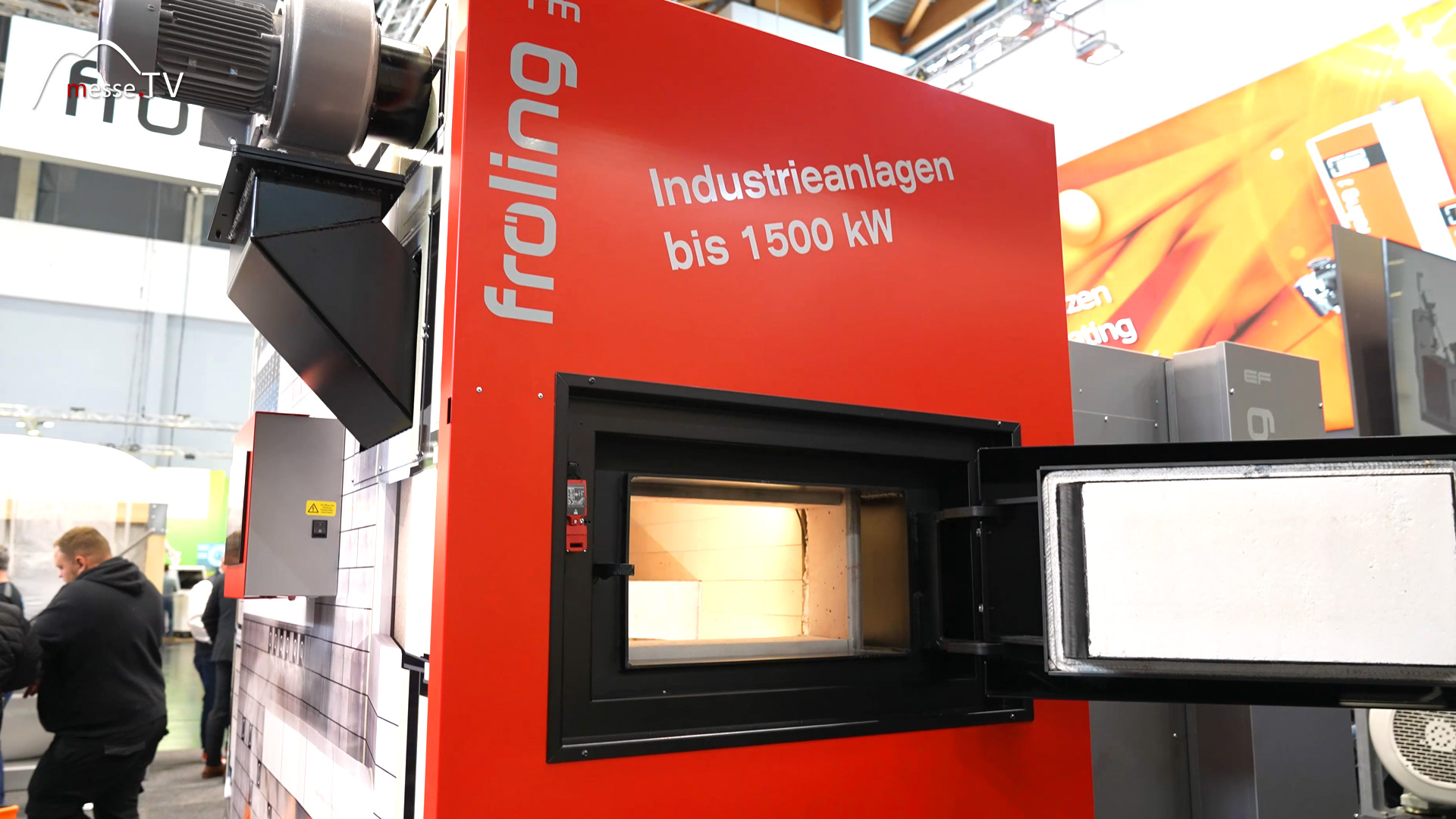
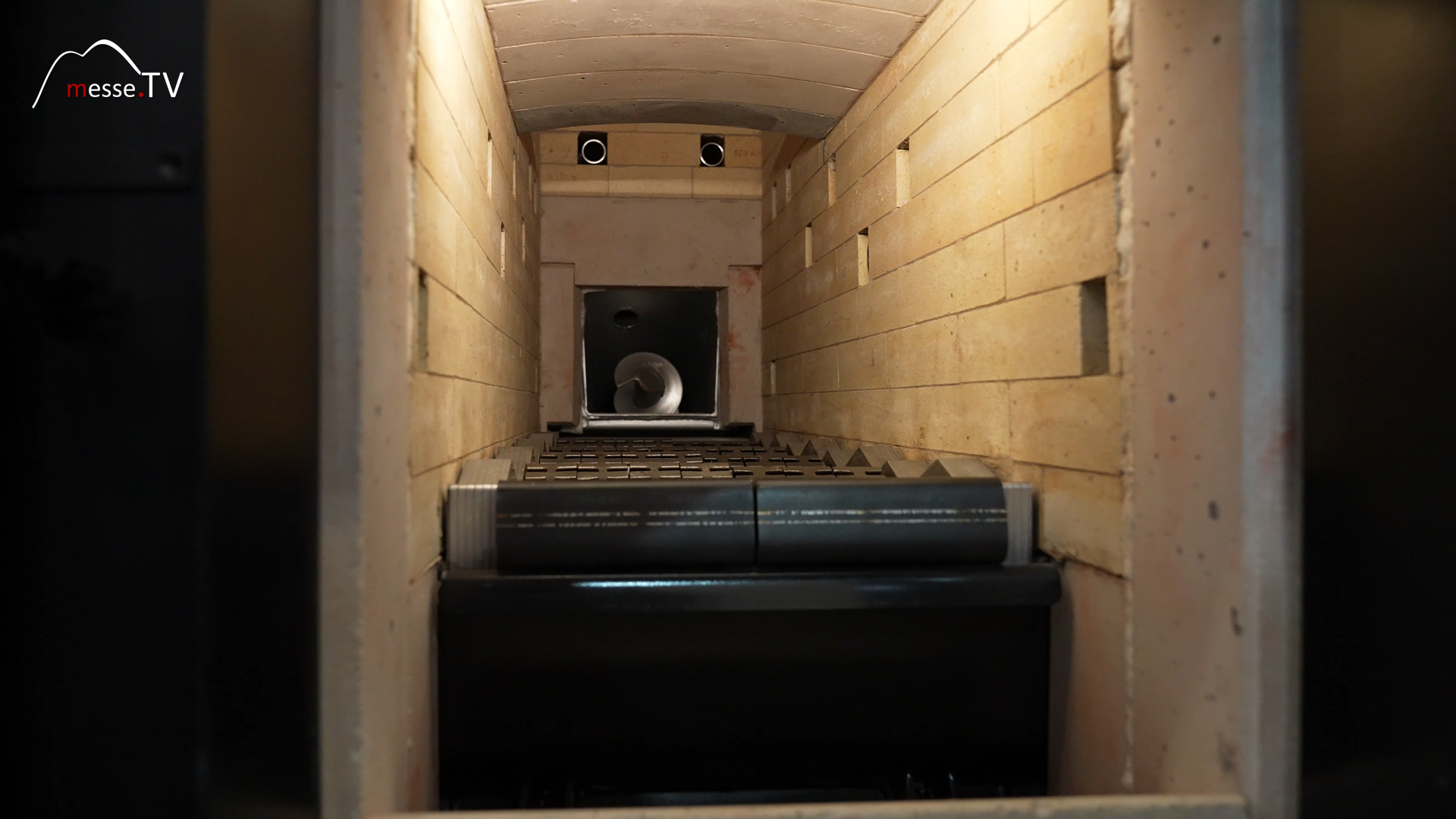
Über den Einfamilienhausbereich hinaus spielen Biomassekessel eine wichtige Rolle in Nahwärmenetzen. Gezeigt werden Hackschnitzelkessel mit deutlich größeren Dimensionen und Leistungen bis in den hohen dreistelligen Kilowattbereich. In solchen Anlagen wird Hackgut automatisch auf den Rost gefördert, verbrannt und die entstehende Wärme über Wärmetauscher in ein Nahwärmenetz eingespeist. Diese Netze versorgen nicht einzelne Gebäude, sondern ganze Quartiere. Je nach Auslegung können Leitungsnetze mit mehreren Kilometern Länge entstehen, um ausreichend Abnahmelast sicherzustellen. Politisch werden solche Konzepte gezielt gefördert, da sie regionale Wertschöpfung mit erneuerbarer Wärme verbinden.
Biomasse zwischen Alltag und Systemlösung
Der Messeauftritt zeigt Biomasseheizungen in ihrer ganzen Bandbreite – vom kompakten Hybridkessel für Wohnhäuser bis zur leistungsstarken Lösung für kommunale Wärmenetze. Die Technik hat sich dabei deutlich weiterentwickelt: Emissionen sinken, Bedienung wird digitaler, Systeme werden flexibler kombinierbar. Biomasse bleibt damit ein relevanter Baustein der Wärmewende, insbesondere dort, wo elektrische Lösungen an Grenzen stoßen oder regionale Brennstoffe verfügbar sind. Entscheidend ist weniger die einzelne Technologie als das Zusammenspiel aus Kessel, Speicher, Regelung und Einbindung in übergeordnete Konzepte. Genau an dieser Schnittstelle setzen moderne Biomasseanlagen heute an.

Messe-Berichterstattung bundesweit - Messewissen, Termine & Veranstaltungen


