Hybrid heating systems Heat pump Biomass Supply security
by Bastian Velonavy - 2024-09-03The discussion about sustainable heating systems is increasingly dominated by the question of how efficiency, cost stability and security of supply can be sensibly combined. In single-family and two-family homes in particular, purely electric systems reach their limits just as much as classic biomass systems.
Hybrid concepts that intelligently combine several energy sources are therefore becoming significantly more important. The trade fair will show how heat pumps and biomass can be combined in a technically and economically sensible way.
Hargassner as a biomass specialist with a focus on hybrid systems
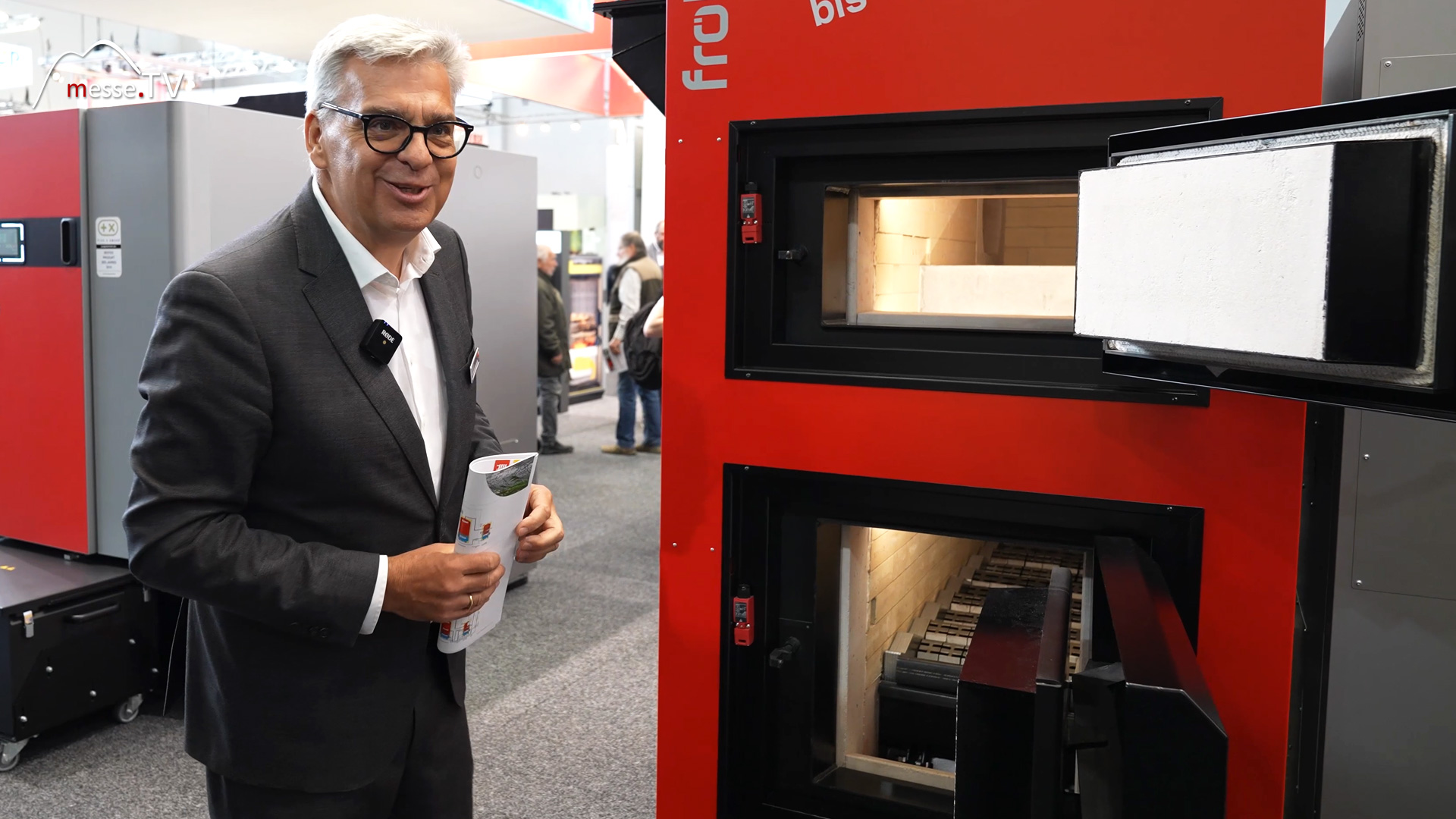
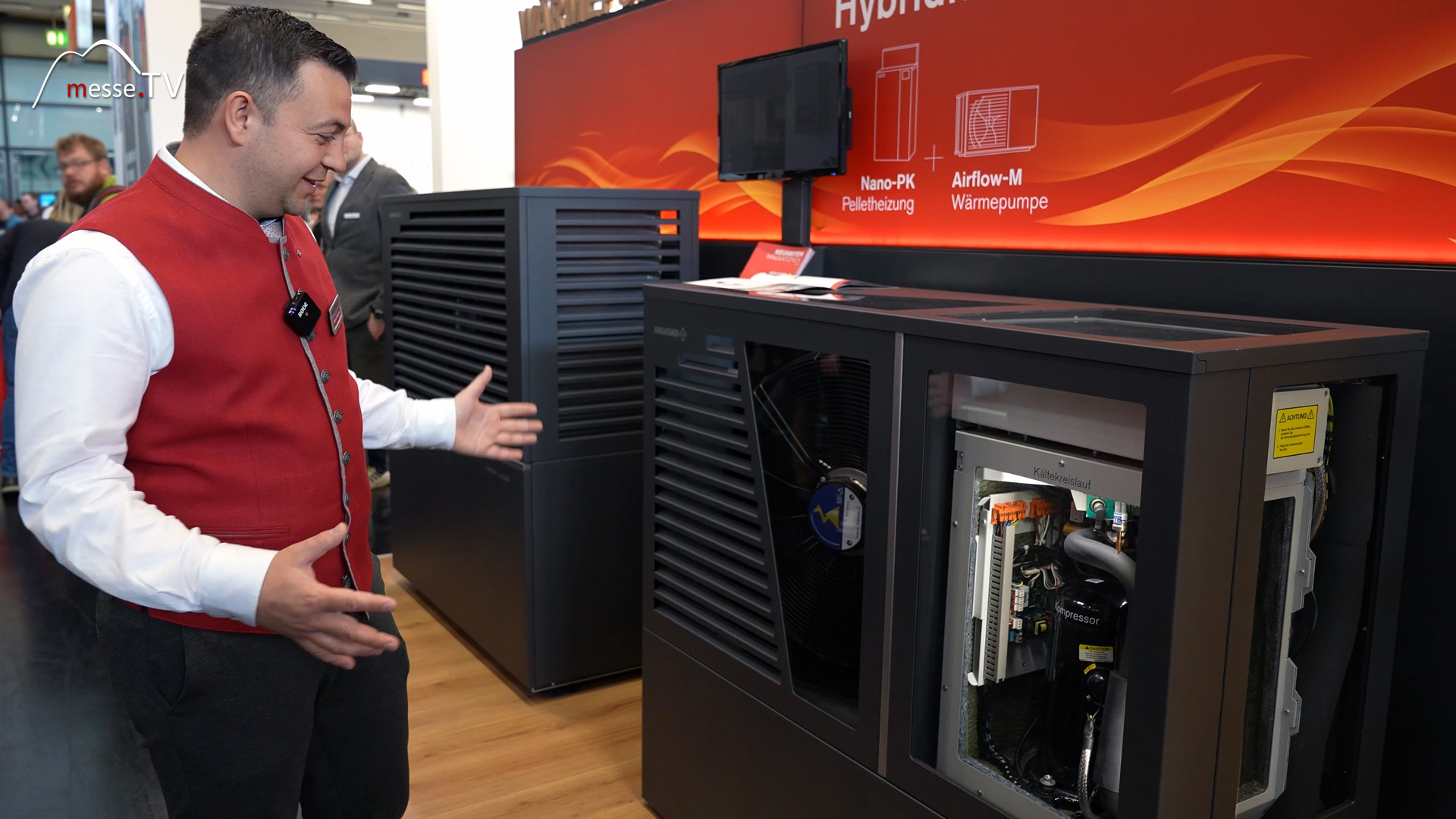
Hargassner is a family-run business based in Weng im Innkreis, Austria, and has been active in the field of biomass heating for around four decades. The company has established itself as a biomass specialist and is now expanding its portfolio to include hybrid systems. The approach is clear: proven pellet, lump and wood chip boilers are combined with a newly developed heat pump to optimally cover different operating conditions. The aim is not so much to completely change the system, but rather to supplement it. Existing biomass systems should be able to be expanded with a heat pump without losing the character of the system. This is exactly where the concept presented comes in.
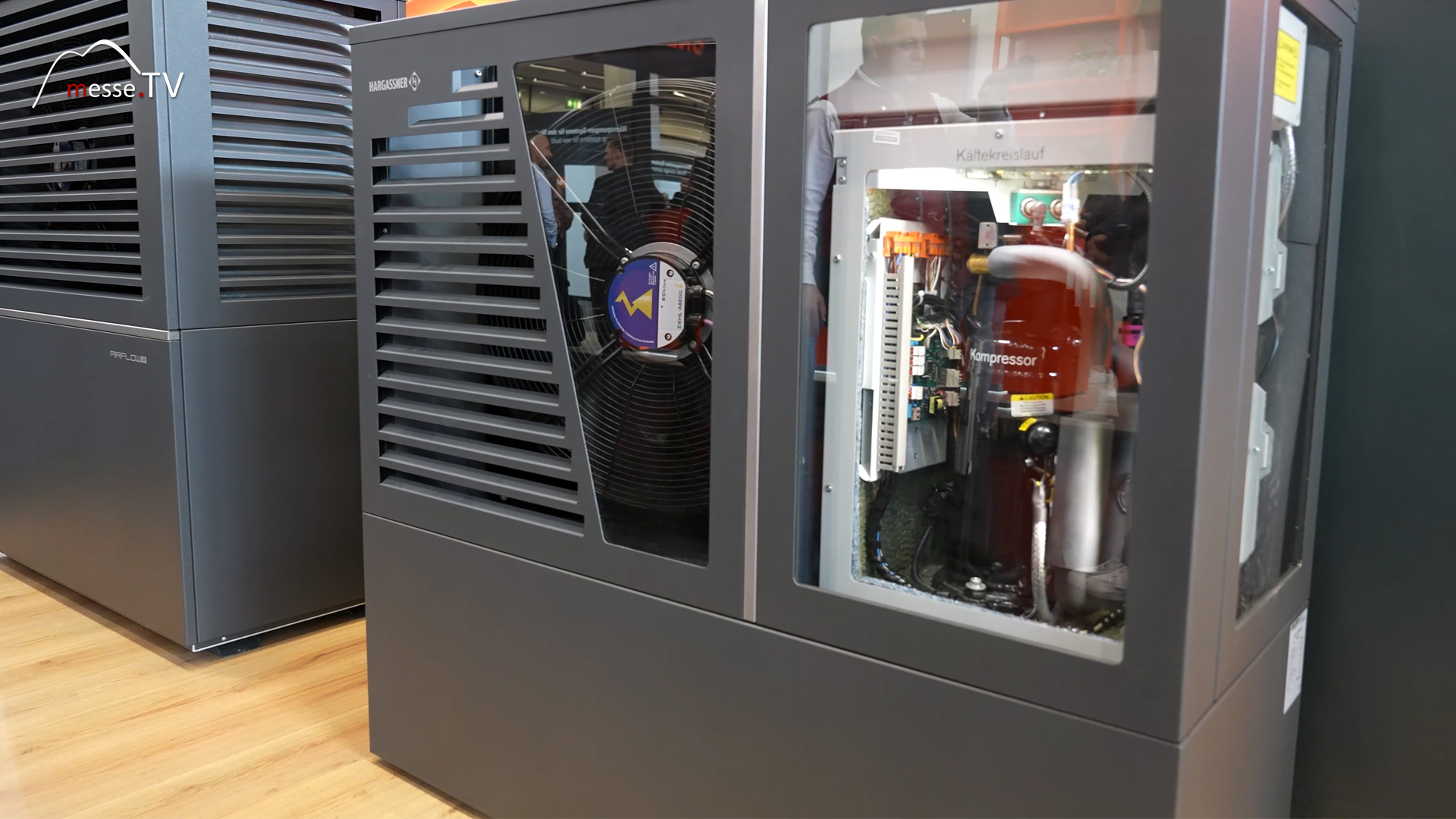

Combination of heat pump and pellet boiler in a hybrid system
The focus is on combining two heating systems that have different strengths. The heat pump works particularly efficiently at moderate outside temperatures and low flow temperatures, for example with underfloor heating. The pellet boiler comes into its own when temperatures drop or high heating loads are required. The interaction is not manual, but is controlled by a central control system. This automatically decides which system is operated at what time. The basis for this includes the outside temperature, heating load and individually stored energy prices. Pellet prices and electricity prices can be stored in the system so that the control system not only works optimally from a technical point of view, but also from an economic point of view.
Intelligent control as a central decision-making element
The control system is the actual heart of the system. It continuously analyses the current conditions and switches between the heat pump and the pellet boiler. In a typical scenario with a single-family home and underfloor heating, the heat pump initially takes over operation when temperatures are milder. If the outside temperature drops during the night, the control system recognises the efficiency advantage of the pellet boiler and smoothly switches to biomass. This transition takes place without any loss of comfort for the user. The heat pump is switched off, the pellet boiler starts up and takes over heat generation. The aim is to use the most cost-effective and efficient system at all times without the end customer having to intervene.
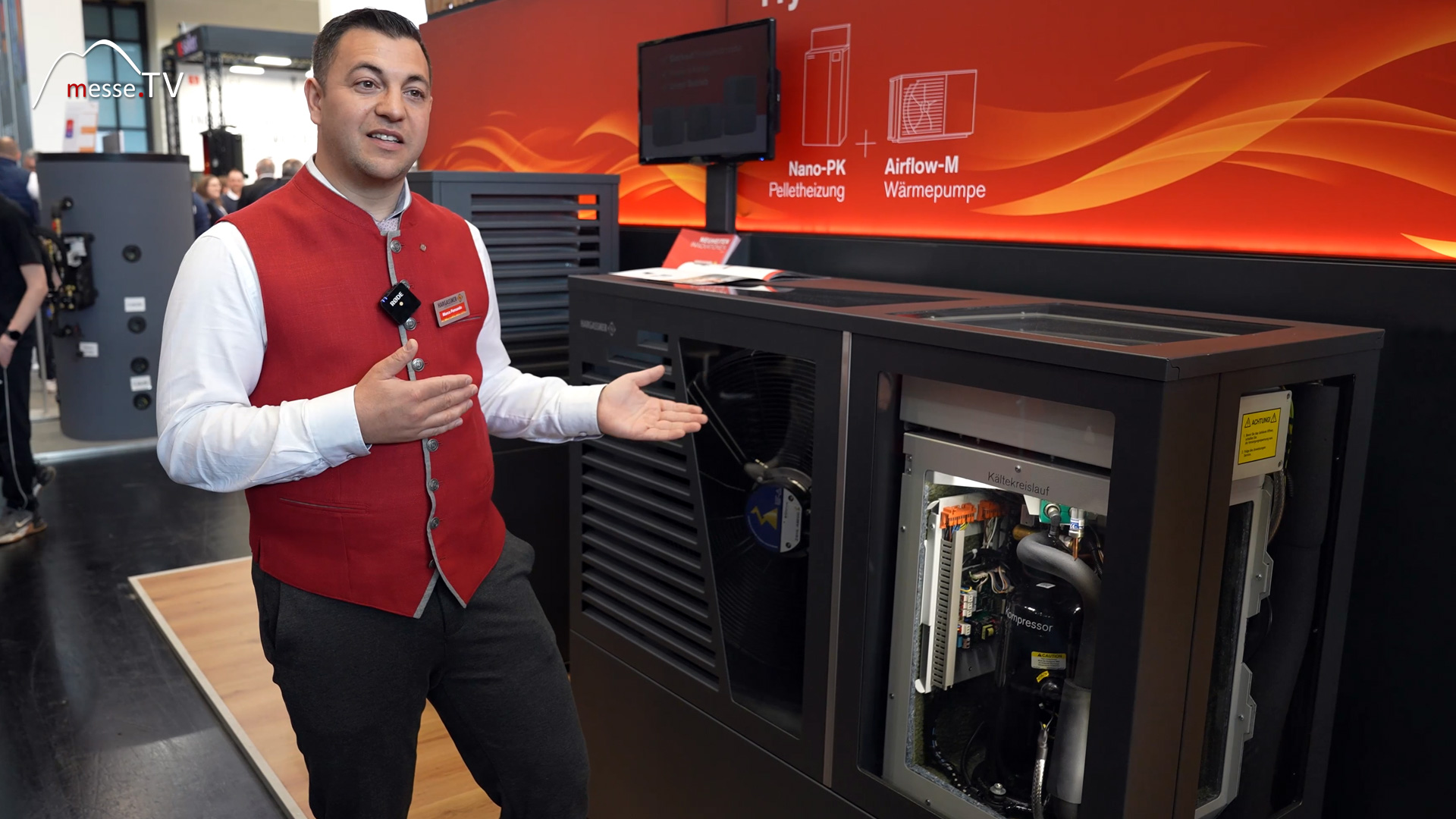
Prospect of a higher-level controller for service and operation
Currently, the control logic is mainly on the side of the heat pump, which acts as the higher-level unit. The pellet boiler is called upon when needed and operates independently. However, a central controller is planned for the future, which will allow both systems to be operated together. This should bring advantages for both end customers and installers. Service, maintenance and parameterisation will become clearer, as all relevant settings will be consolidated in one place. This significantly reduces complexity, especially during ongoing operation.
Technical design of the heat pump in the system network
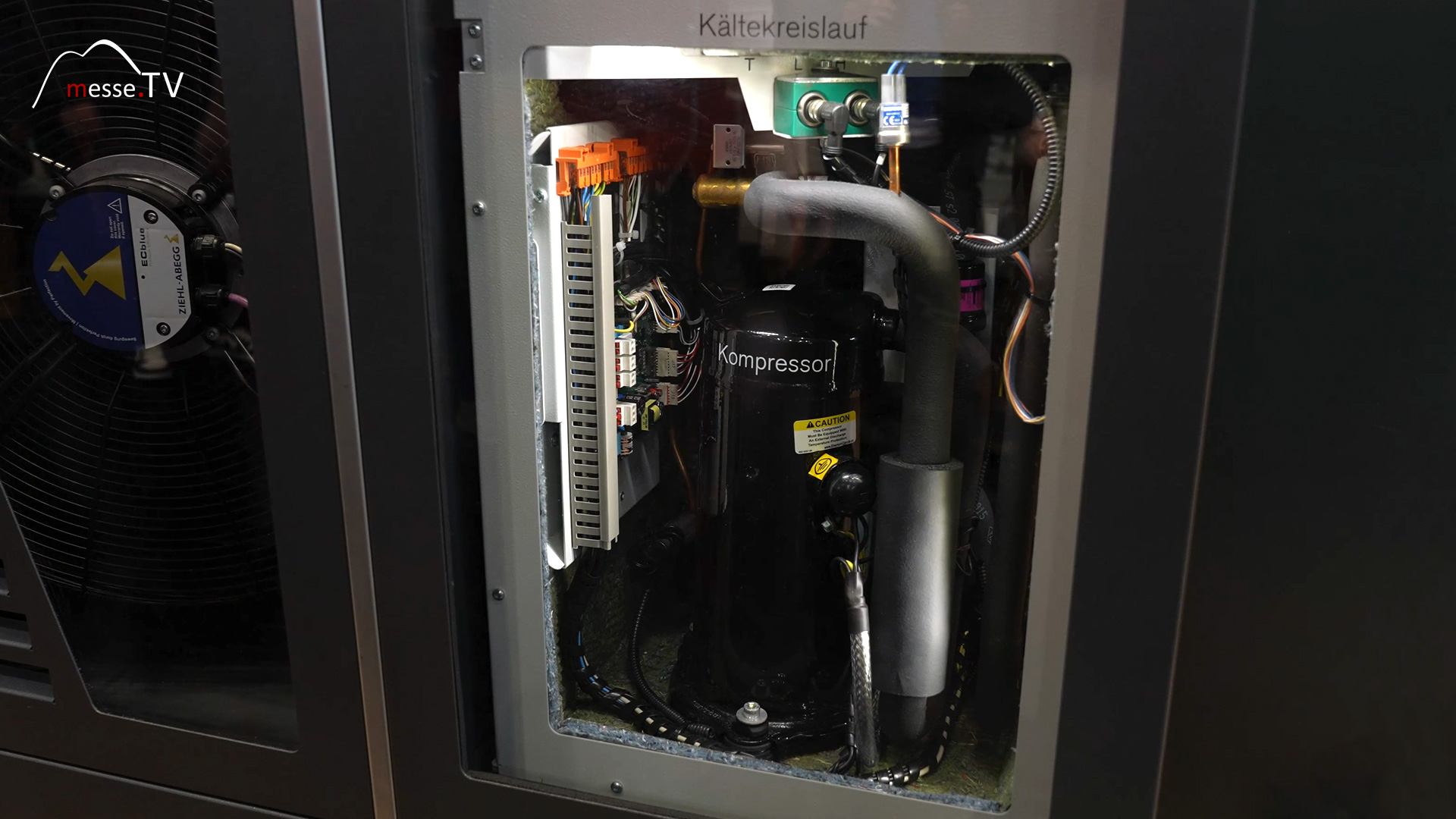
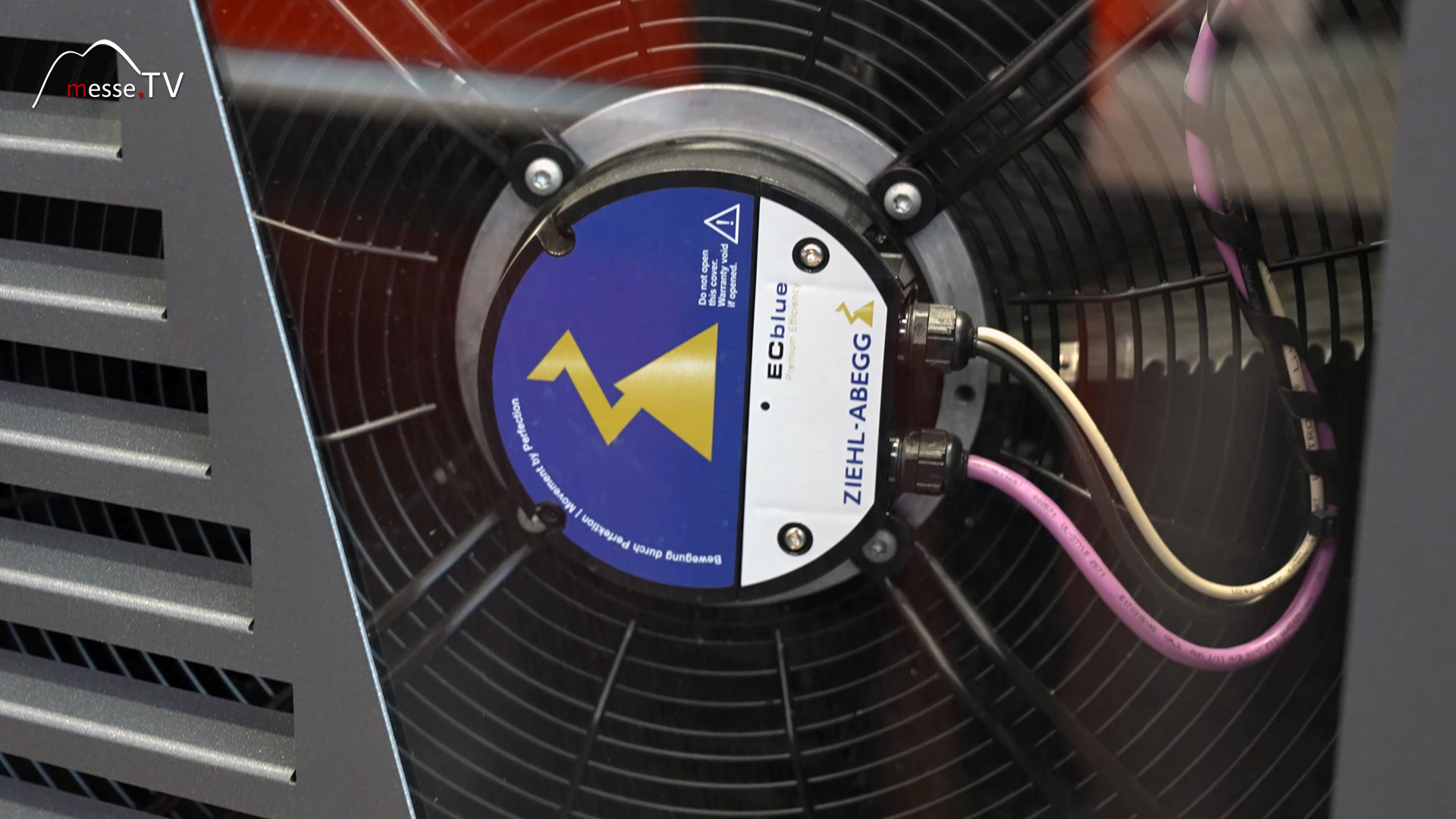
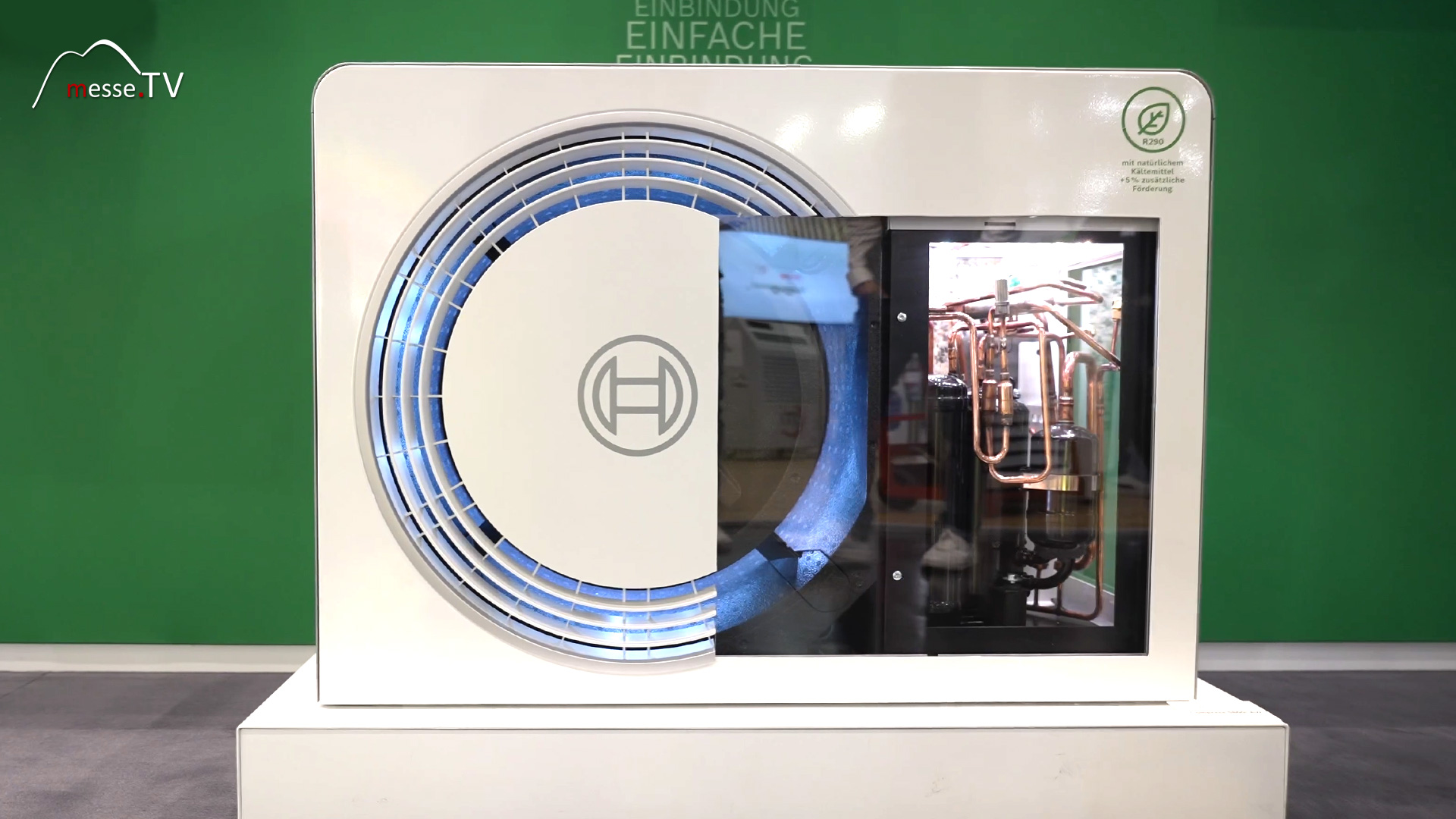
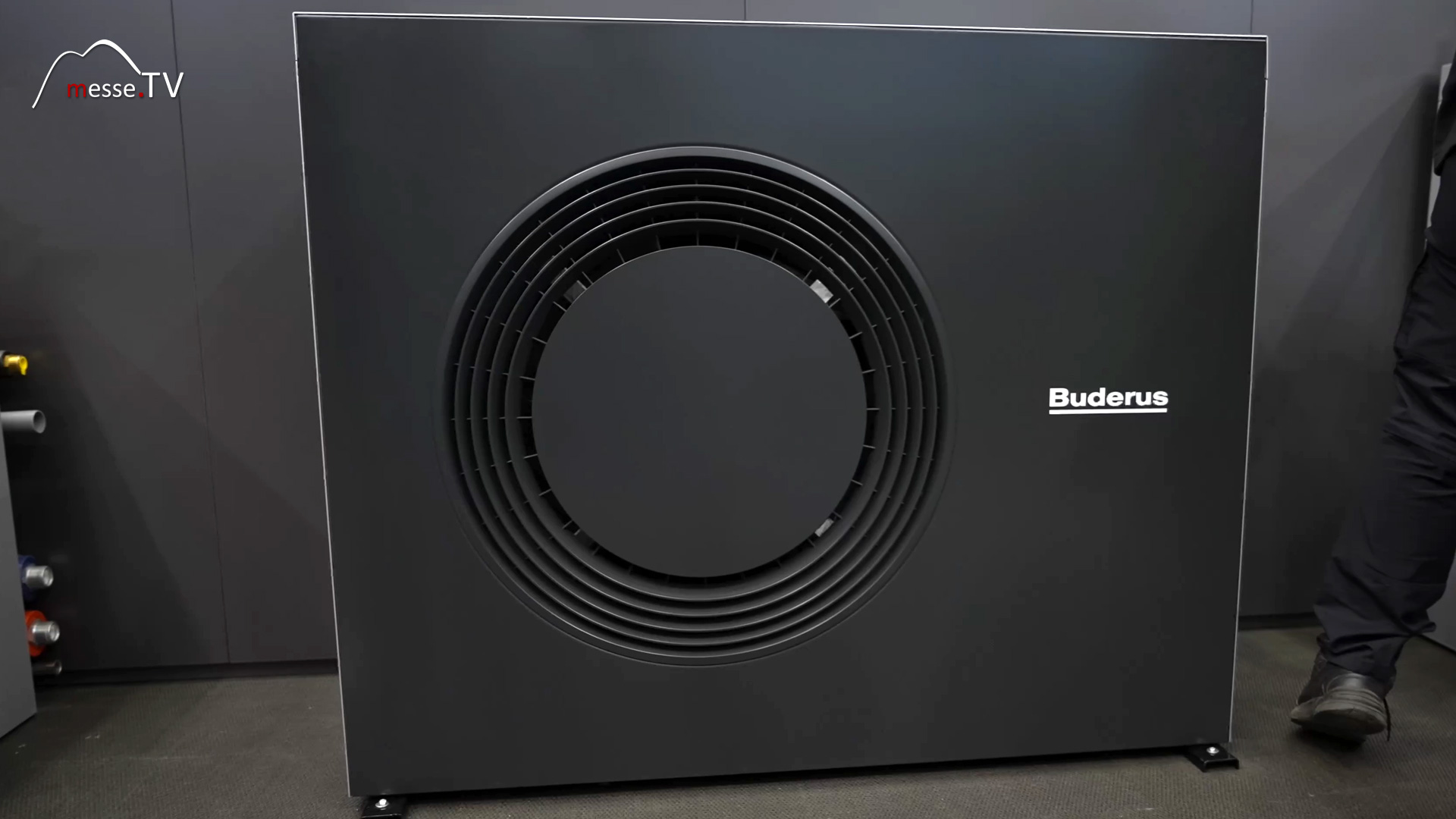
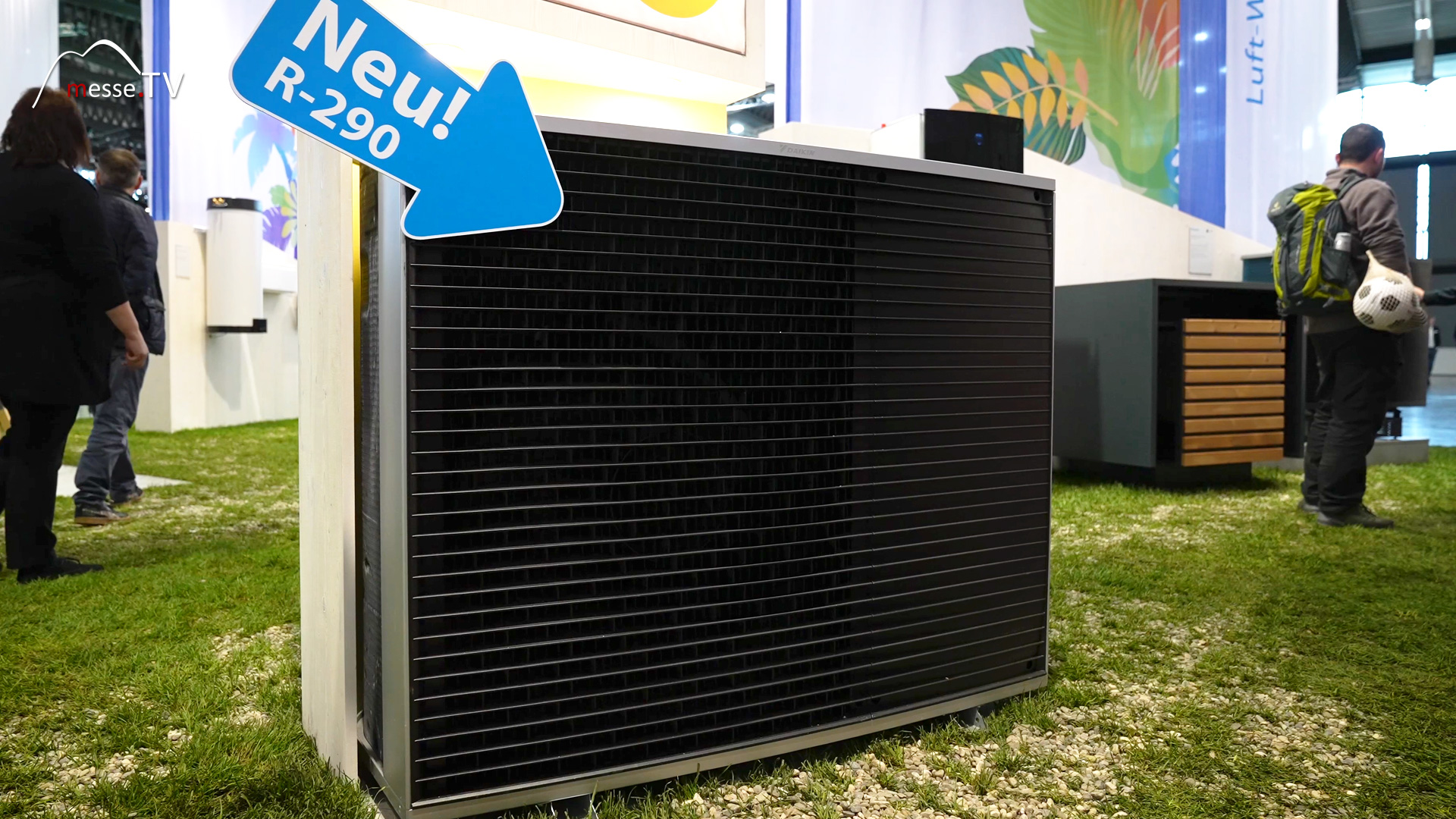
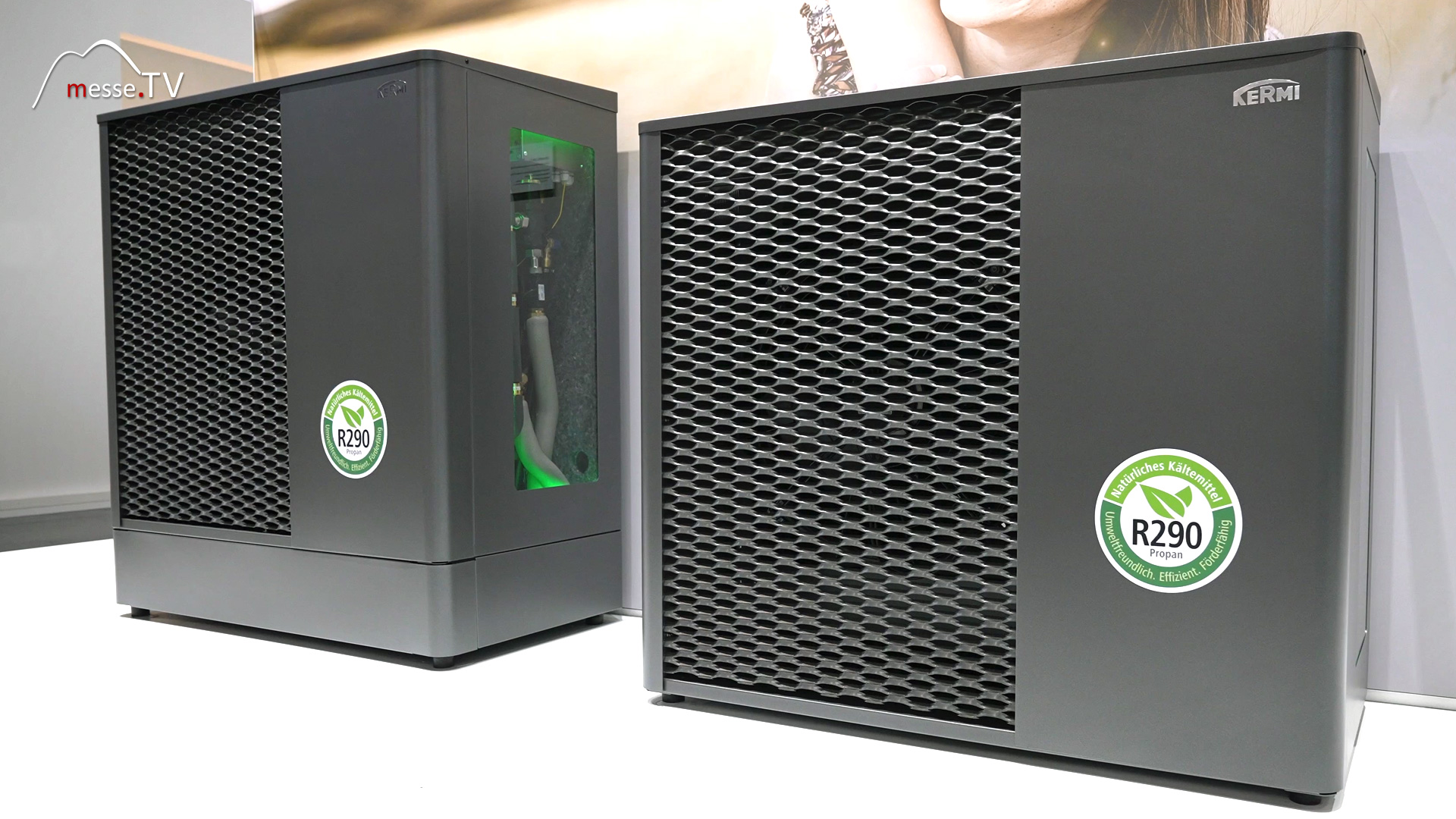
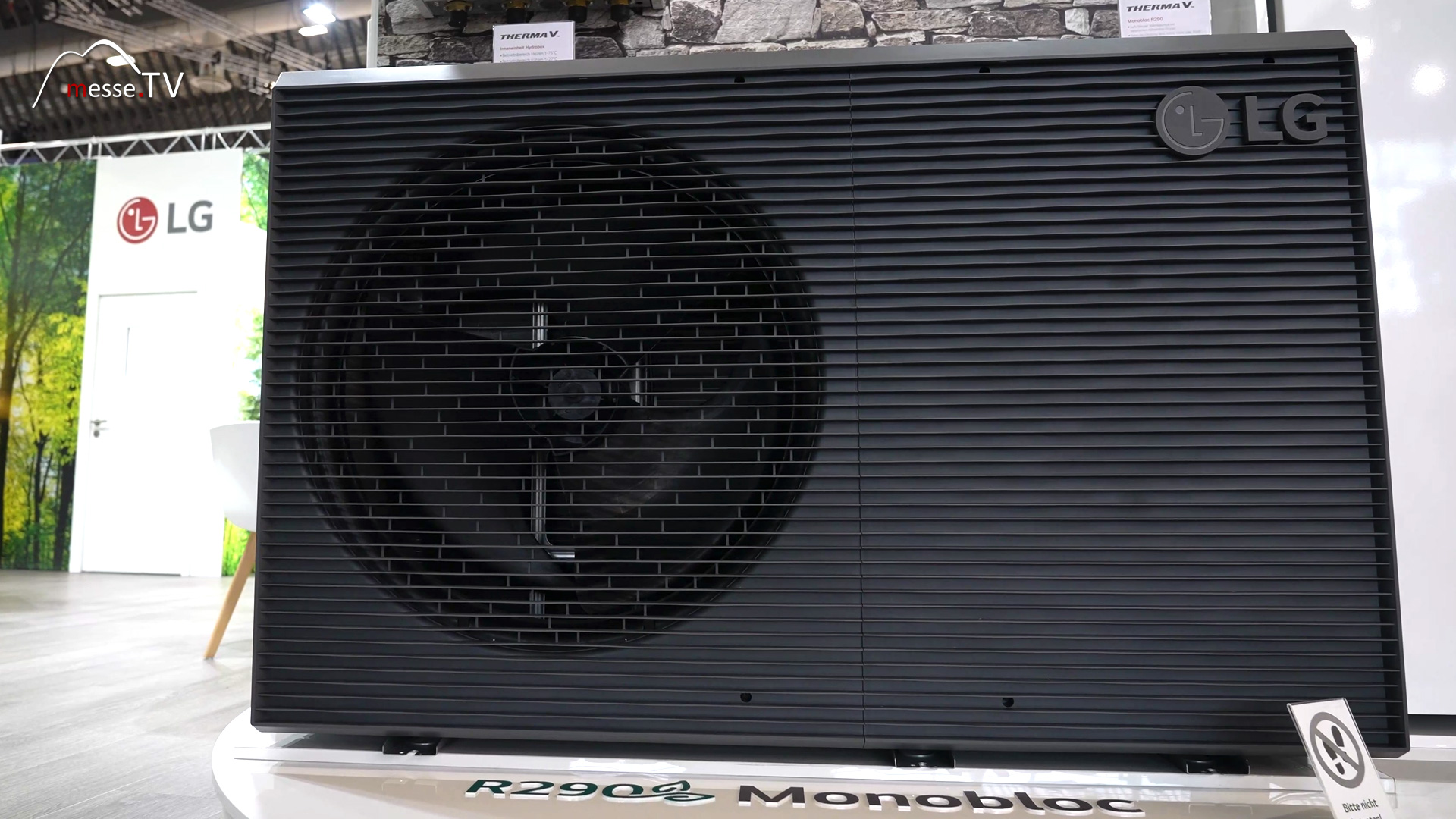
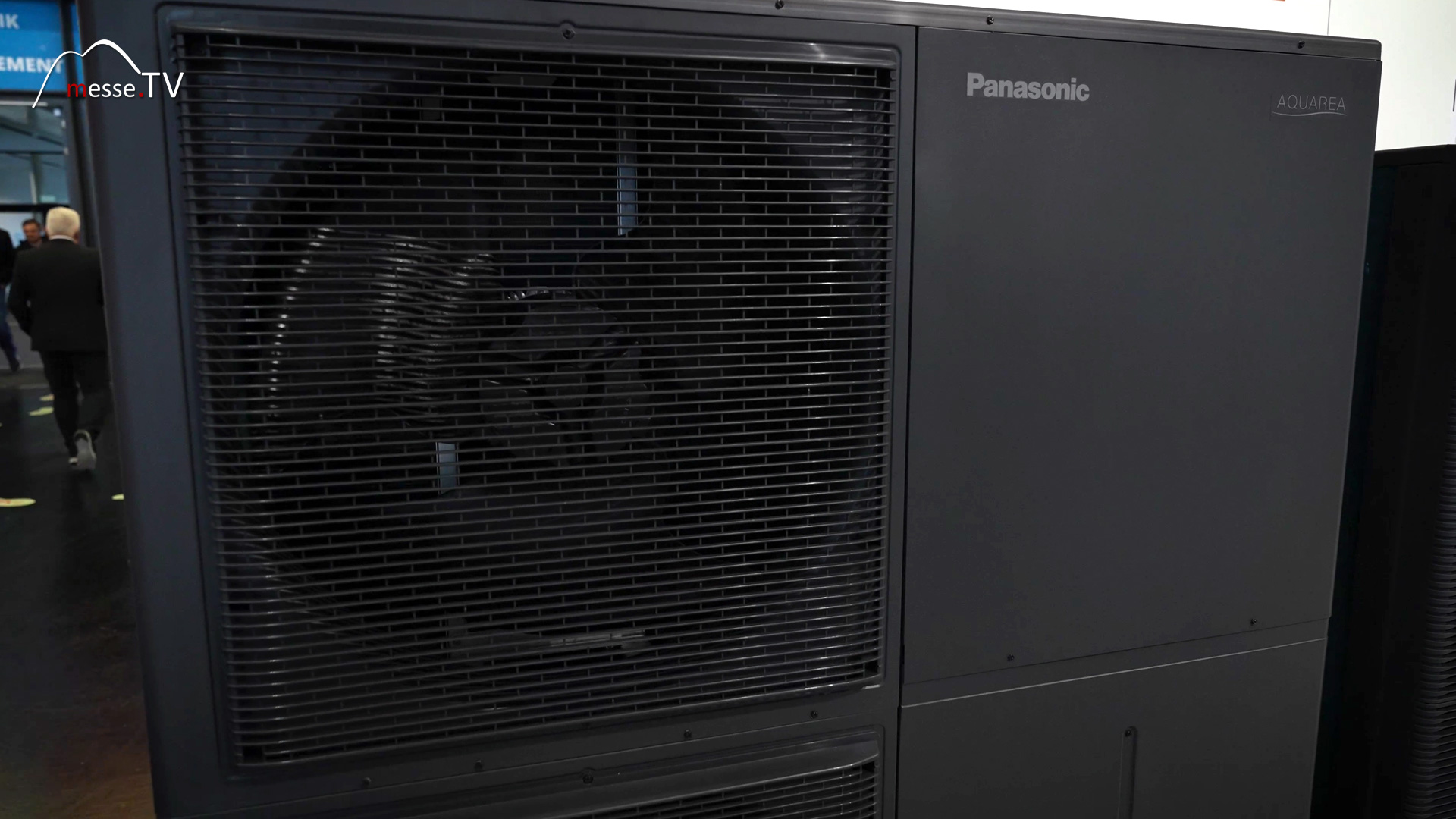
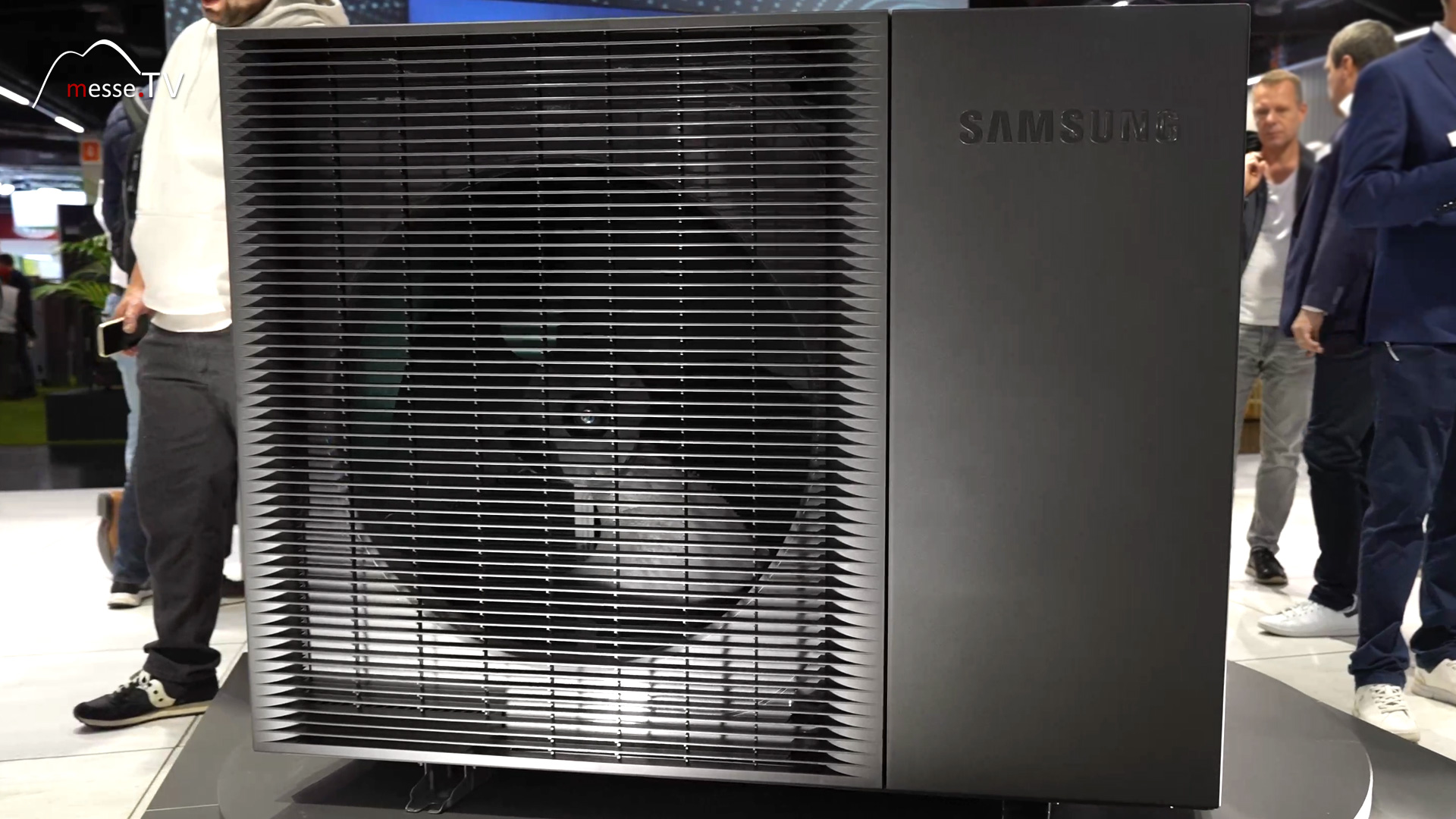
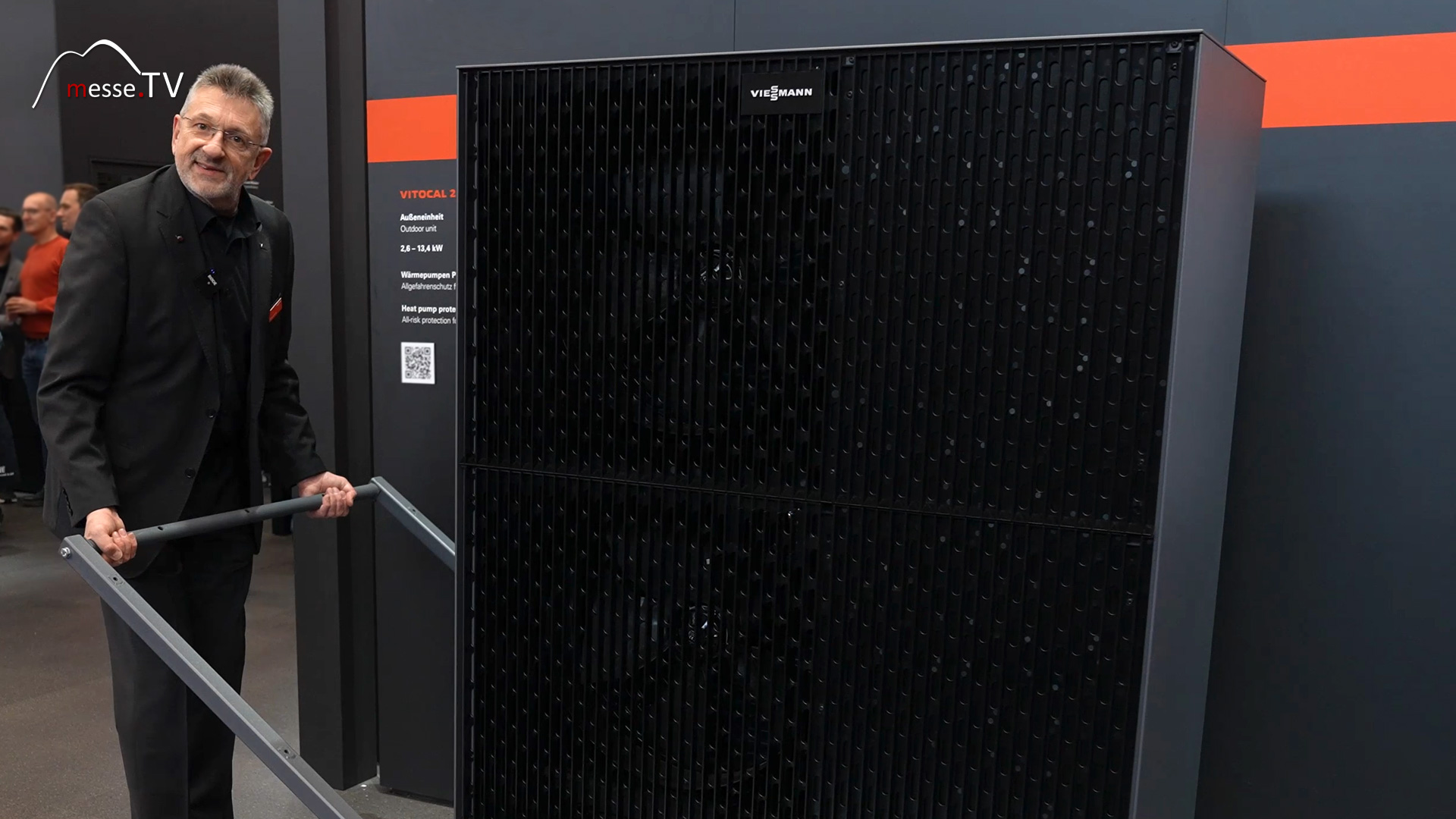
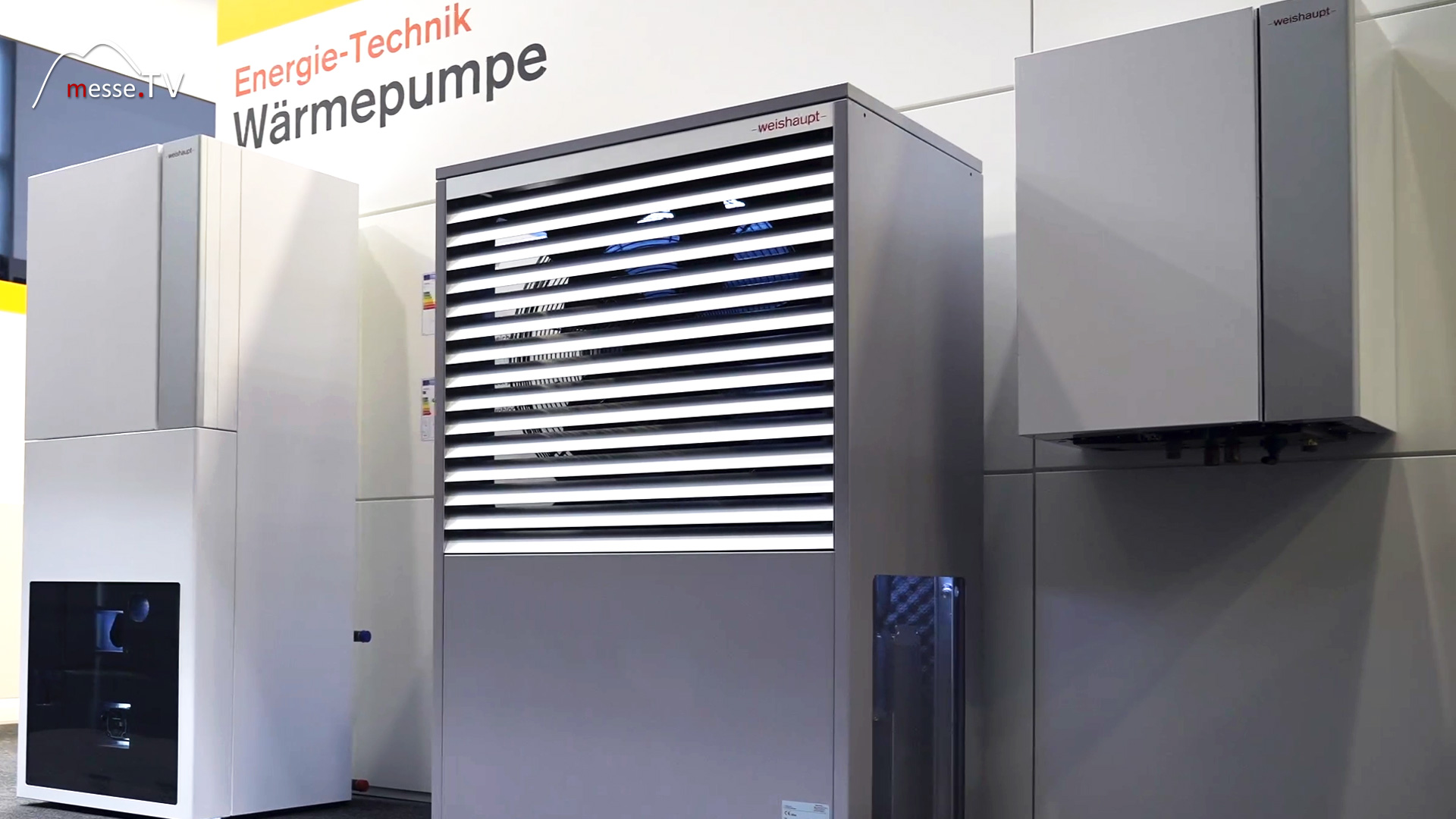
The technical design of the heat pump is also geared towards integration into existing heating systems. From the outside, it has a classic design with a fan that draws ambient air through the device. The actual process takes place inside, where the refrigeration cycle operates with the compressor as the central component. The compressor compresses the refrigerant and raises its temperature. The energy is then transferred to the heating water via the heat exchanger. This water is fed either into radiators or underfloor heating, where it provides the desired room temperature.

Connectivity and variable electricity tariffs as a distinguishing feature
A key argument in favour of hybrid systems is their adaptability to variable energy prices. Especially with electricity tariffs that fluctuate depending on the time of day, the heat pump can be operated specifically when electricity is available at a low price. If prices rise or efficiency drops due to low temperatures, the biomass boiler takes over. This connectivity to other heating systems and tariff models is seen as a clear advantage. The user gains flexibility and reduces the risk of being permanently dependent on a single energy source.
- Combination of heat pump and biomass boiler
- Automatic switching based on efficiency and costs
- Integration of variable electricity tariffs possible
- High security of supply under changing conditions
- Expandable to pellets, bulk goods and wood chips
Investment costs and customer motivation
A hybrid heating system is not a cheap product to purchase. The combination of a heat pump and pellet boiler, including installation, piping and accessories, requires a significant investment. The payback period is correspondingly long. Nevertheless, many customers consciously choose this solution. The decisive factor is not so much short-term economic efficiency as the desire for independence. The ability to switch flexibly between electricity and biomass is seen as a safeguard against volatile energy prices.
Expandability to the entire biomass range
The system presented is not limited to pellet boilers. Log boilers and wood chip boilers can also be integrated into the hybrid concept. This gives customers flexibility in their installation and allows them to adapt the heating system to their individual circumstances. It is precisely this openness that makes hybrid systems interesting for many builders and renovators. They combine proven biomass technology with modern heat pump technology to create a heating system that remains flexible both today and in the future.

Trade fair reporting Germany - Trade fair knowledge, dates & events


