Digital tools for faster heating system planning in existing residential buildings
The demands placed on heating engineers and planning companies have increased massively in a short period of time. Heat pumps are replacing fossil fuel systems, subsidy programmes are becoming more complex, hydraulic balancing is mandatory, and at the same time there is a lack of time and personnel in many places.
This creates a conflict between technical necessity and economic reality, particularly in the area of single-family and two-family homes. This is precisely where a software-supported approach comes in, which is designed to significantly speed up planning, evaluation and documentation without reducing technical depth. The focus is on the question of how buildings can be reliably recorded without time-consuming on-site surveys, lengthy calculations and manual data entry. Traditional HVAC companies are increasingly reaching their limits because new heating systems such as heat pumps require precise design. Errors in planning have a direct impact on efficiency, eligibility for subsidies and customer satisfaction.
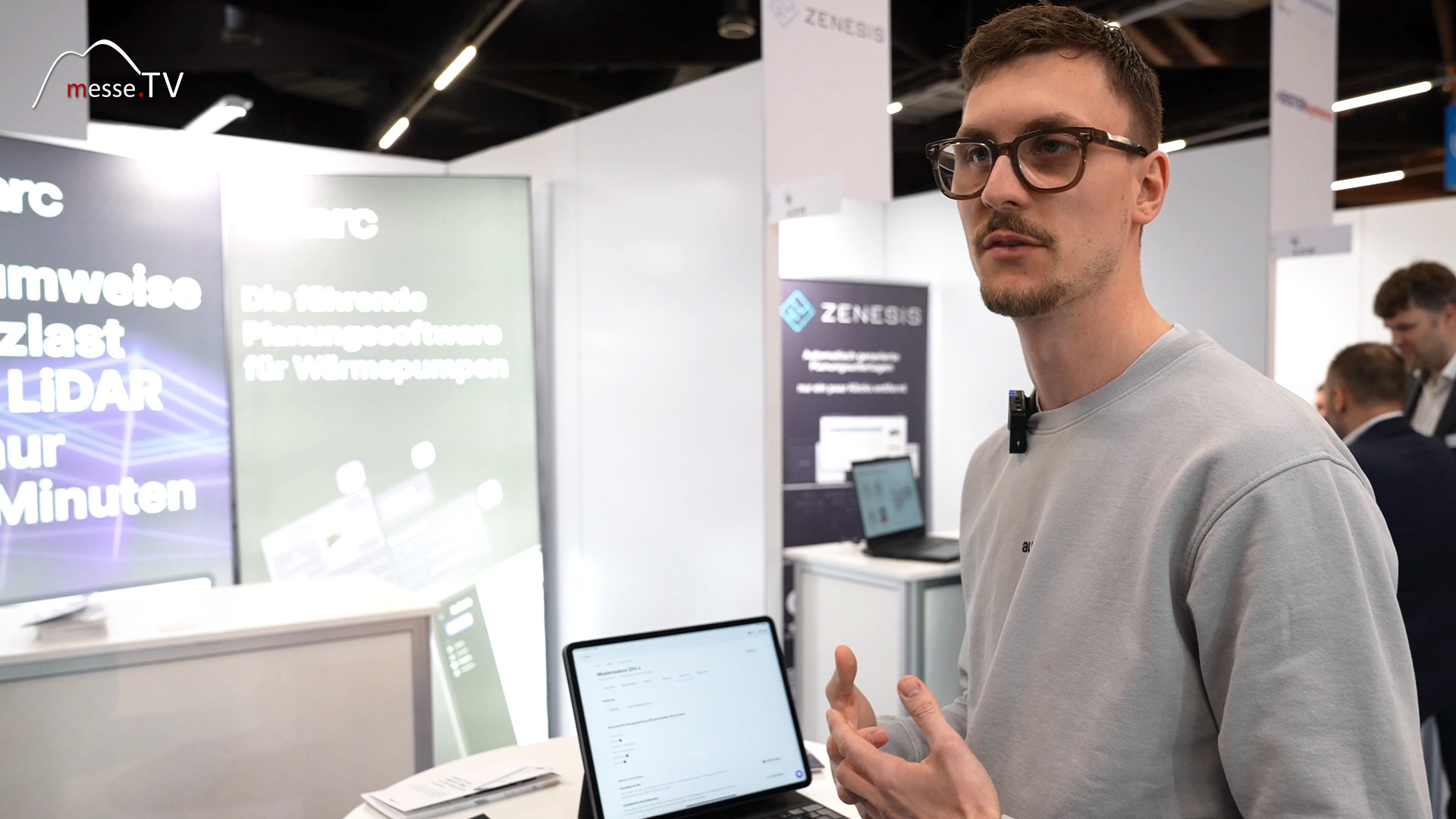
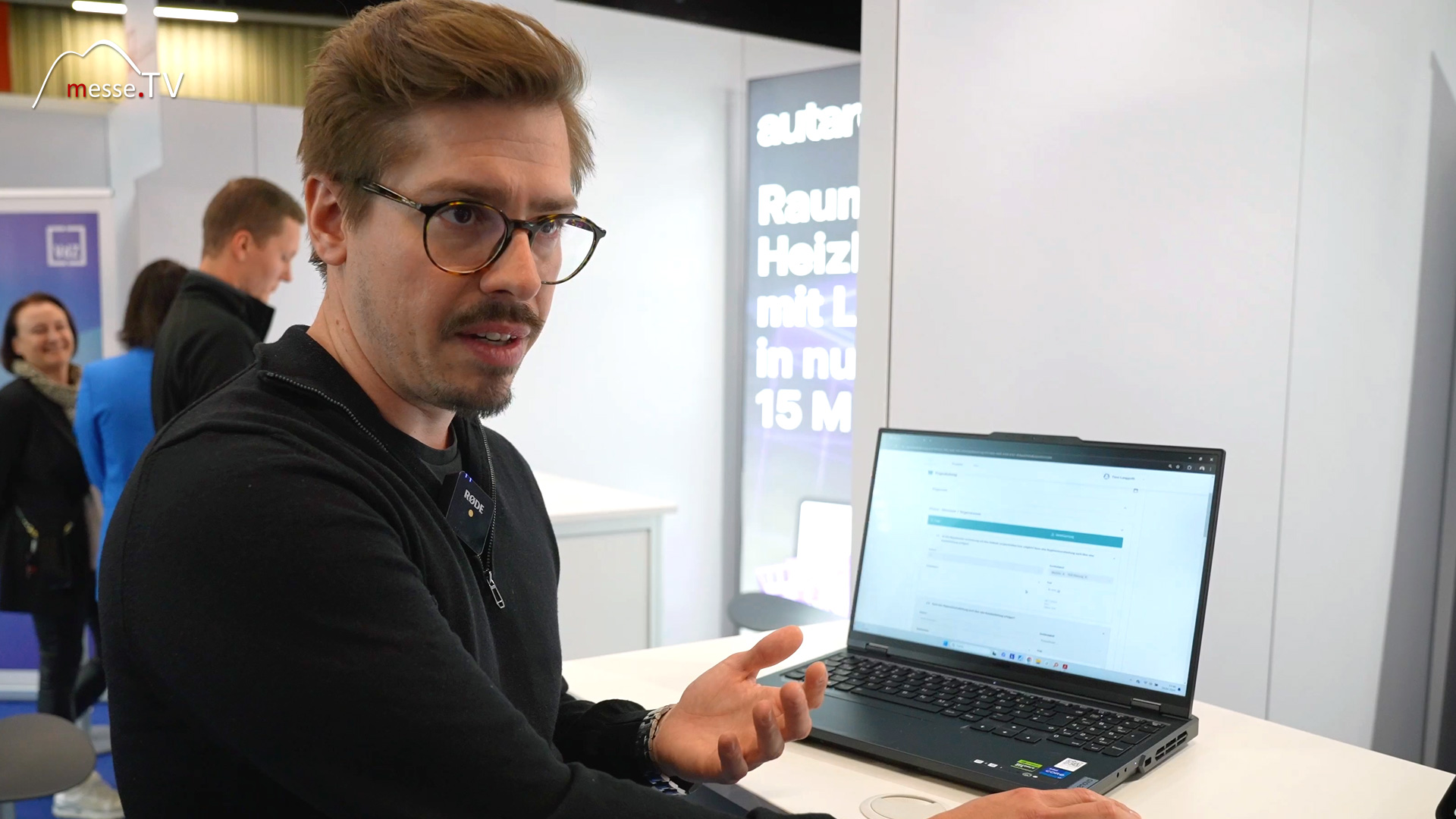
Software-supported heating planning with autarc
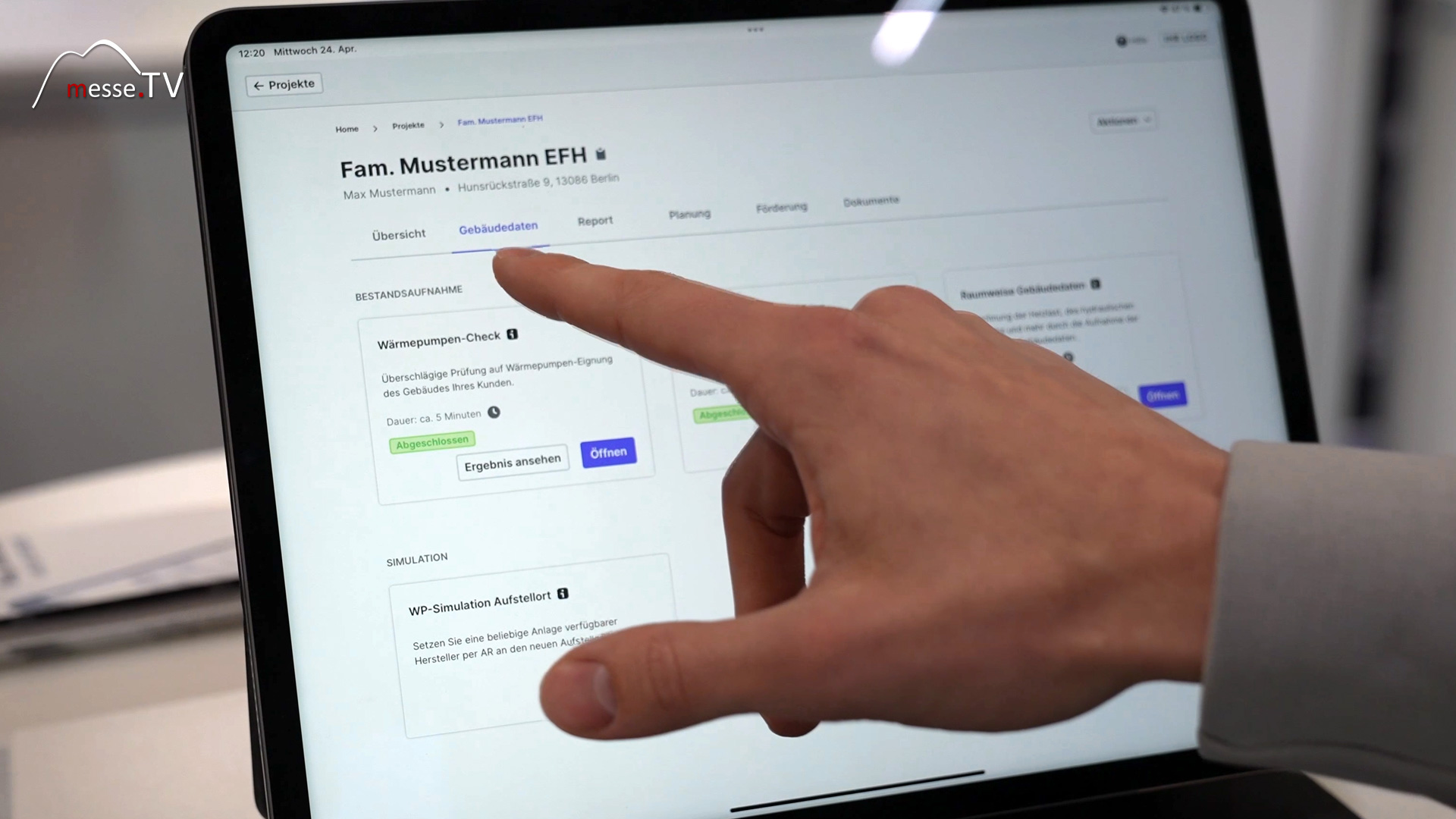
The Berlin-based company autarc has been active on the market since 2023 and specifically targets heating engineers who want to digitise their planning processes. The focus is on the rapid calculation of heating systems and hydraulic balancing for single-family and two-family homes. According to the company, complete calculations can be carried out within a short time, which significantly reduces the workload, especially in the quotation and consultation process. The platform combines several functions in one system. Projects can be created, building data managed and products stored for later quotations. At the same time, the software serves as a central tool for implementation planning, documentation and subsidy applications. This maps a process that was previously often spread across several programmes and manual steps.

Lidar camera technology for building capture
A key element is the use of a Lidar camera to capture buildings. Instead of measuring rooms manually, they are scanned digitally. The recorded data forms the basis for further calculations. For heating engineers, this means a significantly faster inventory, which remains reproducible even with more complex floor plans. The technology has been developed step by step. Starting with room scanning, this was followed by floor scanning, which can capture larger areas of a building in a single pass. A new feature is the ability to derive floor plans directly from the scan models. This step significantly reduces the effort required in preliminary planning and creates a reliable database for the design of modern heating systems.
End-to-end processes from planning to funding
In addition to pure heating load calculation, the software maps other work steps that play an important role in everyday life. These include, among others:
- Project management for multiple customers and buildings
- Structured recording of building data
- Creation of technical reports and documentation
- Support with subsidy applications
- Transition from planning to implementation phase
Practical development from the HVAC environment
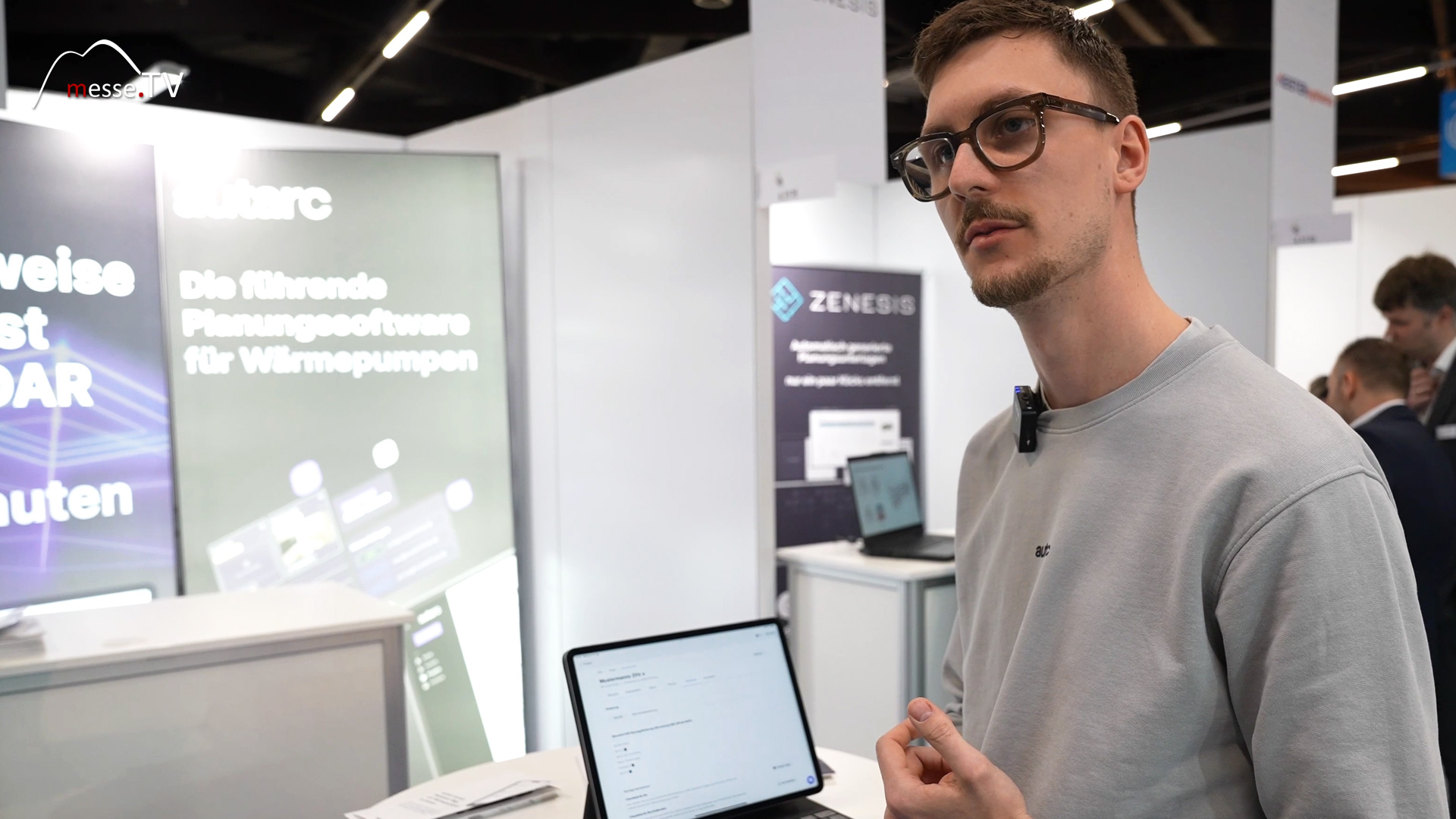
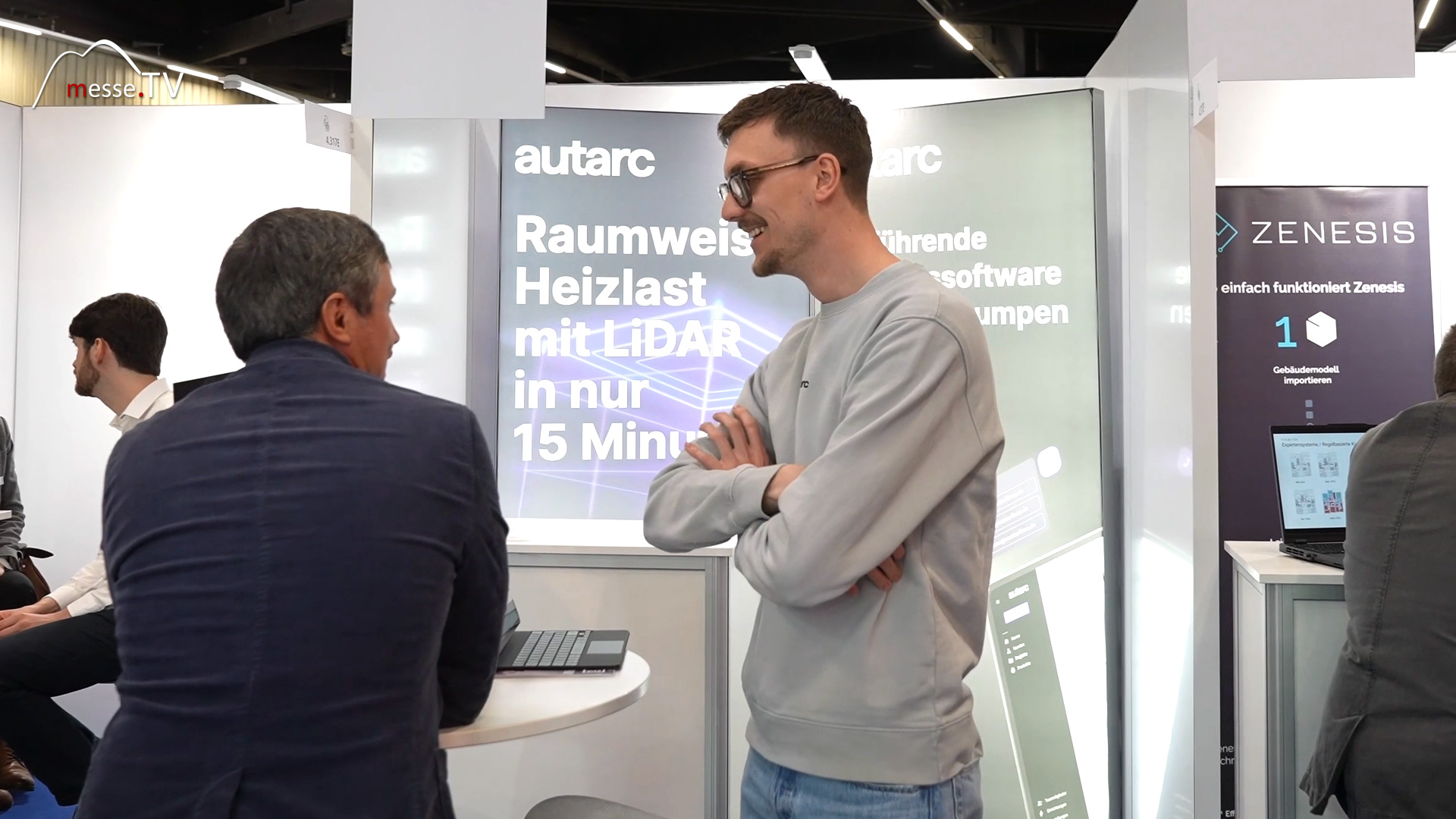
The content of the system is closely linked to practical experience in the HVAC sector. The founder himself comes from this environment and is familiar with the difficulties classic companies face when dealing with new heating technologies. Heat pumps in particular place higher demands on planning and design than many existing processes can handle. The software is therefore not intended as an abstract planning tool, but as concrete support in everyday business operations. The aim is to enable craft businesses to make informed decisions even under time pressure and to technically secure their offers.
Differentiation in the market and commitment to innovation
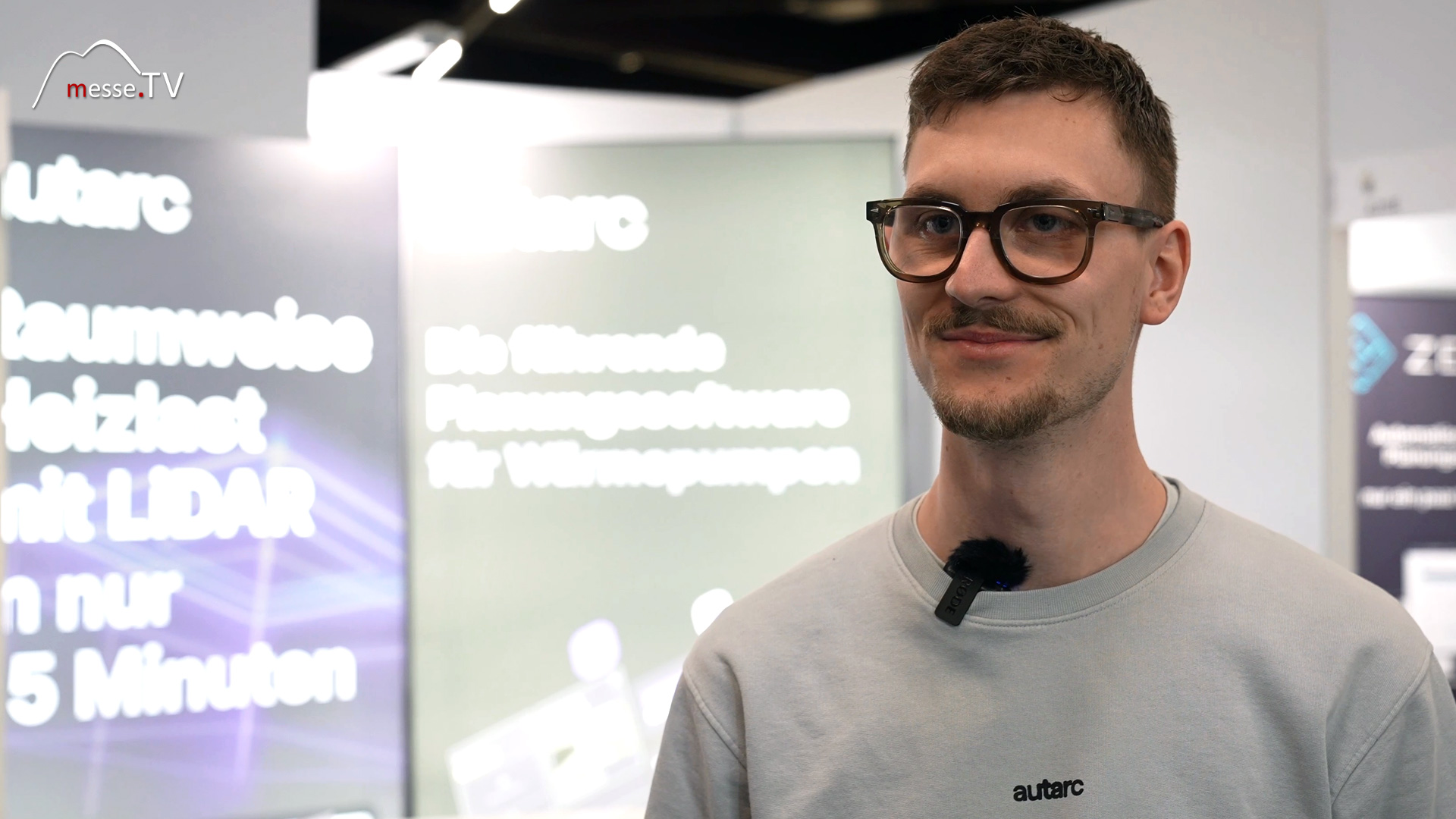
The market for digital planning tools is growing, but the approaches differ significantly. autarc positions itself through a combination of fast building capture, integrated calculation and continuous development of scanning technology. Within a short period of time, several functional enhancements have been implemented in response to feedback from the field. The automatic derivation of floor plans from scan models is one feature that clearly sets it apart from many of its competitors. It reduces media breaks and ensures that data can be used multiple times once it has been captured.

Significance for energy-efficient renovation
The energy-efficient modernisation of existing buildings will continue to gain in importance in the coming years. Efficient planning is a key factor in controlling costs and complying with subsidy requirements. Digital tools can help to alleviate bottlenecks in the trade and ensure the quality of execution. The autarc approach shows how software, sensor technology and practical experience can work together to make complex requirements manageable. For heating engineers who want to position themselves in the heat pump market, such support is increasingly becoming a competitive factor.
Trade fair reporting Germany - Trade fair knowledge, dates & events


