Mobile Energiezentralen Wärme Kälte Gebäudetechnik
von Jürgen Groh - 2024-05-14Wenn Heizsysteme ausfallen, Bauprojekte stillstehen oder Netze gewartet werden müssen, entscheidet Zeit über Komfort, Sicherheit und im Ernstfall über Gesundheit. Auf der IFH/Intherm in Nürnberg rückt genau dieses oft übersehene Segment der Gebäudetechnik in den Fokus: mobile Energiezentralen für Wärme und Kälte. Sie sind keine Dauerlösung, aber in Ausnahmesituationen unverzichtbar – und werden in einer zunehmend fragilen Energieinfrastruktur immer relevanter.
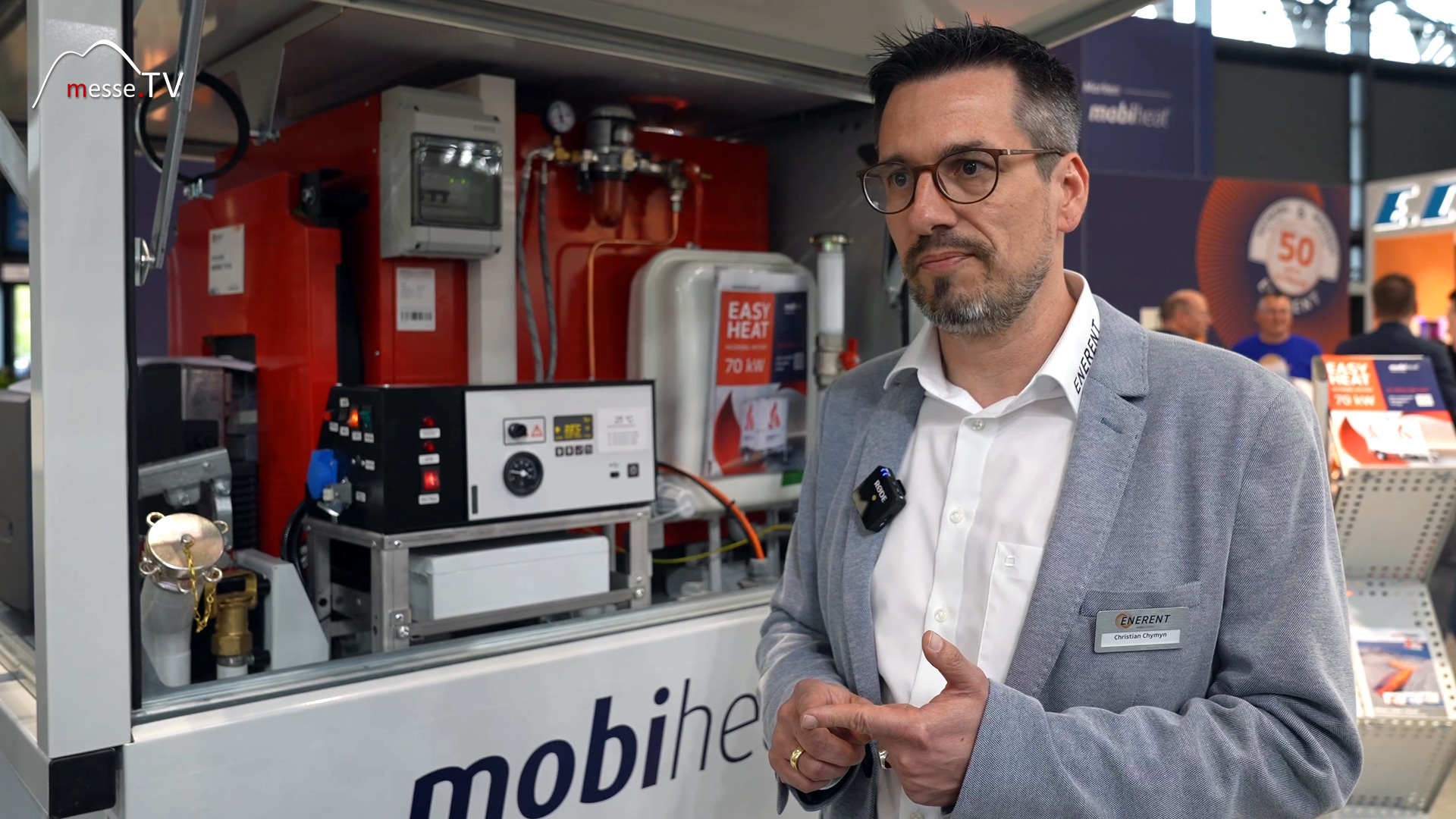
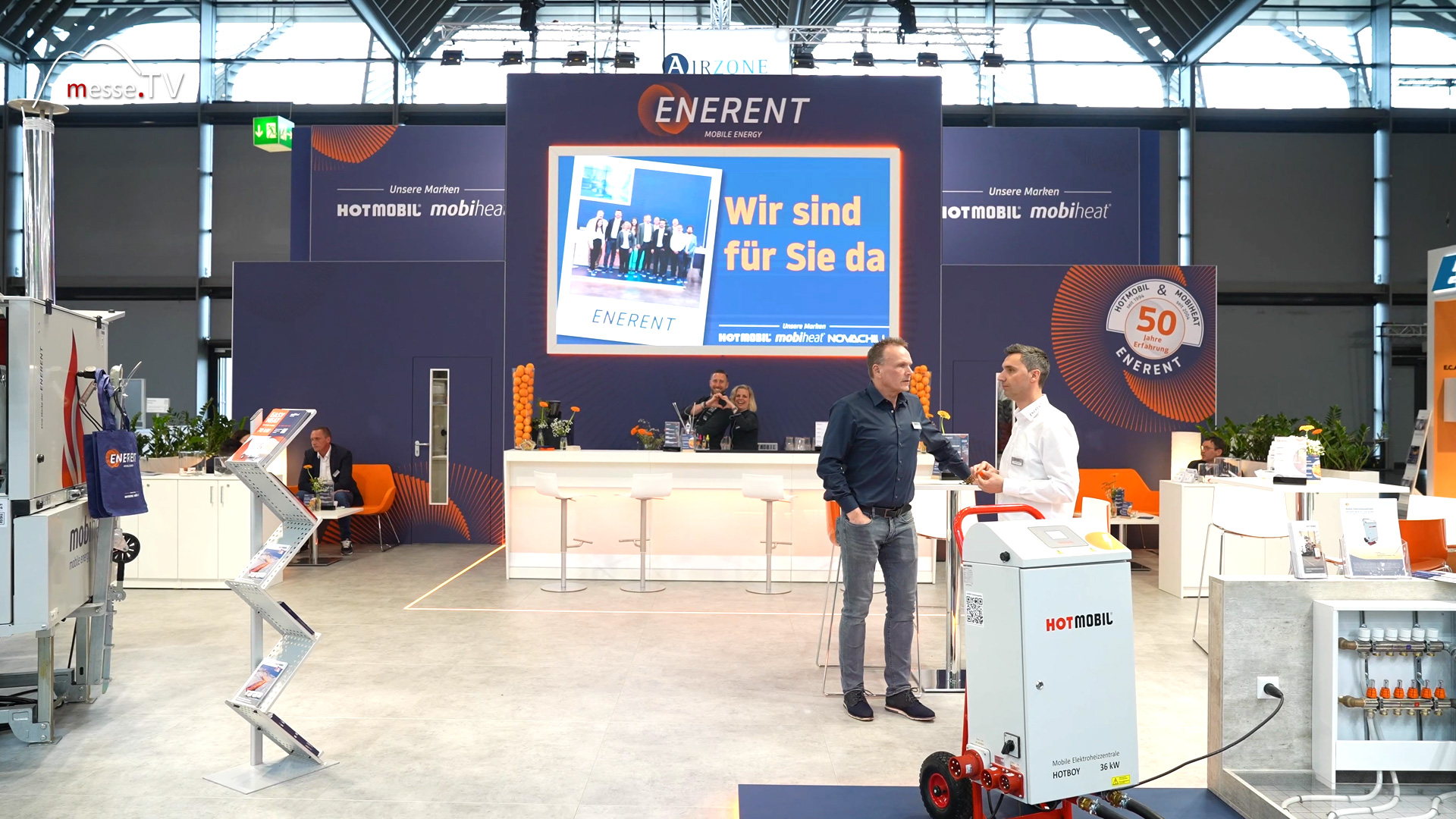
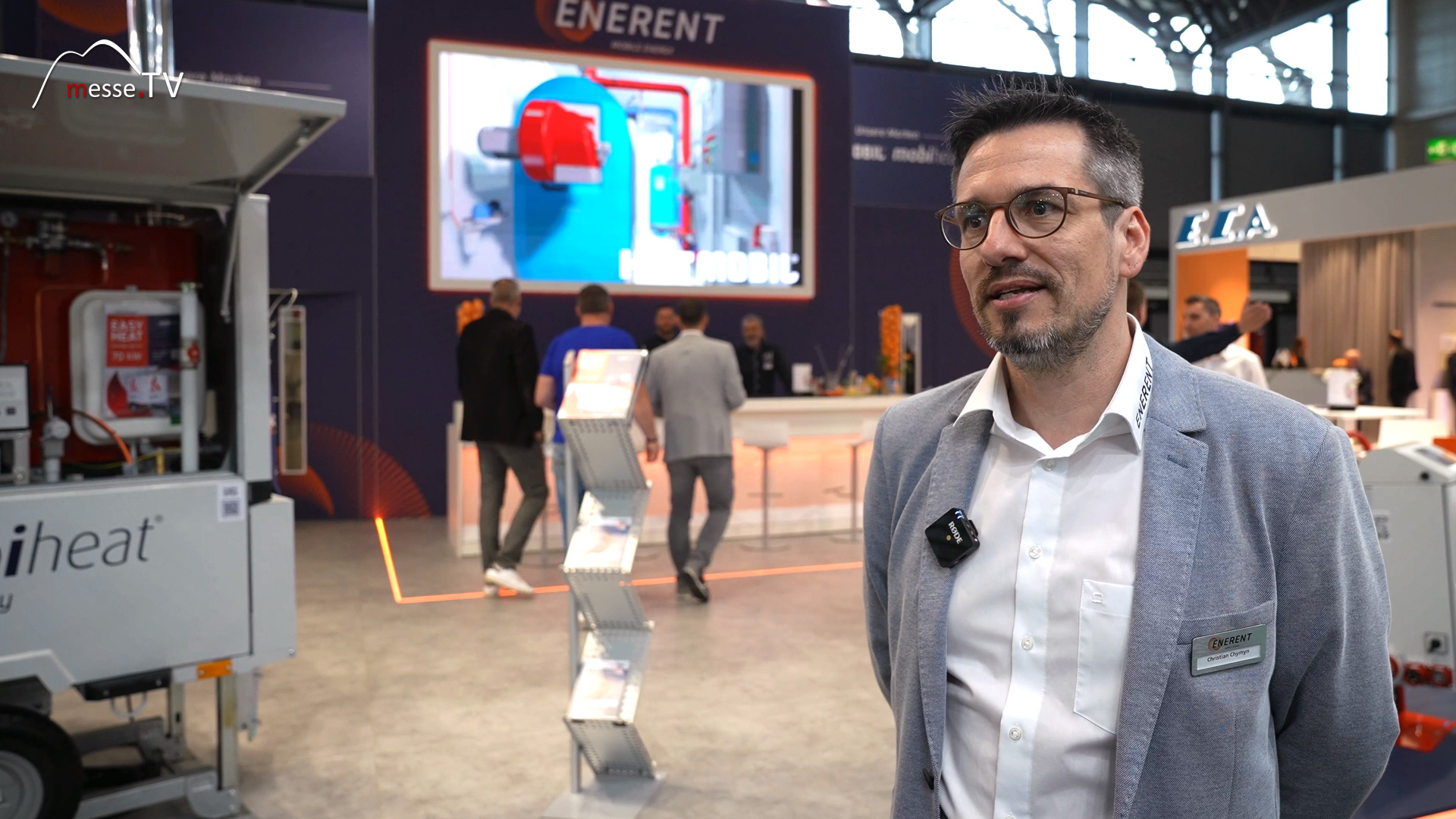
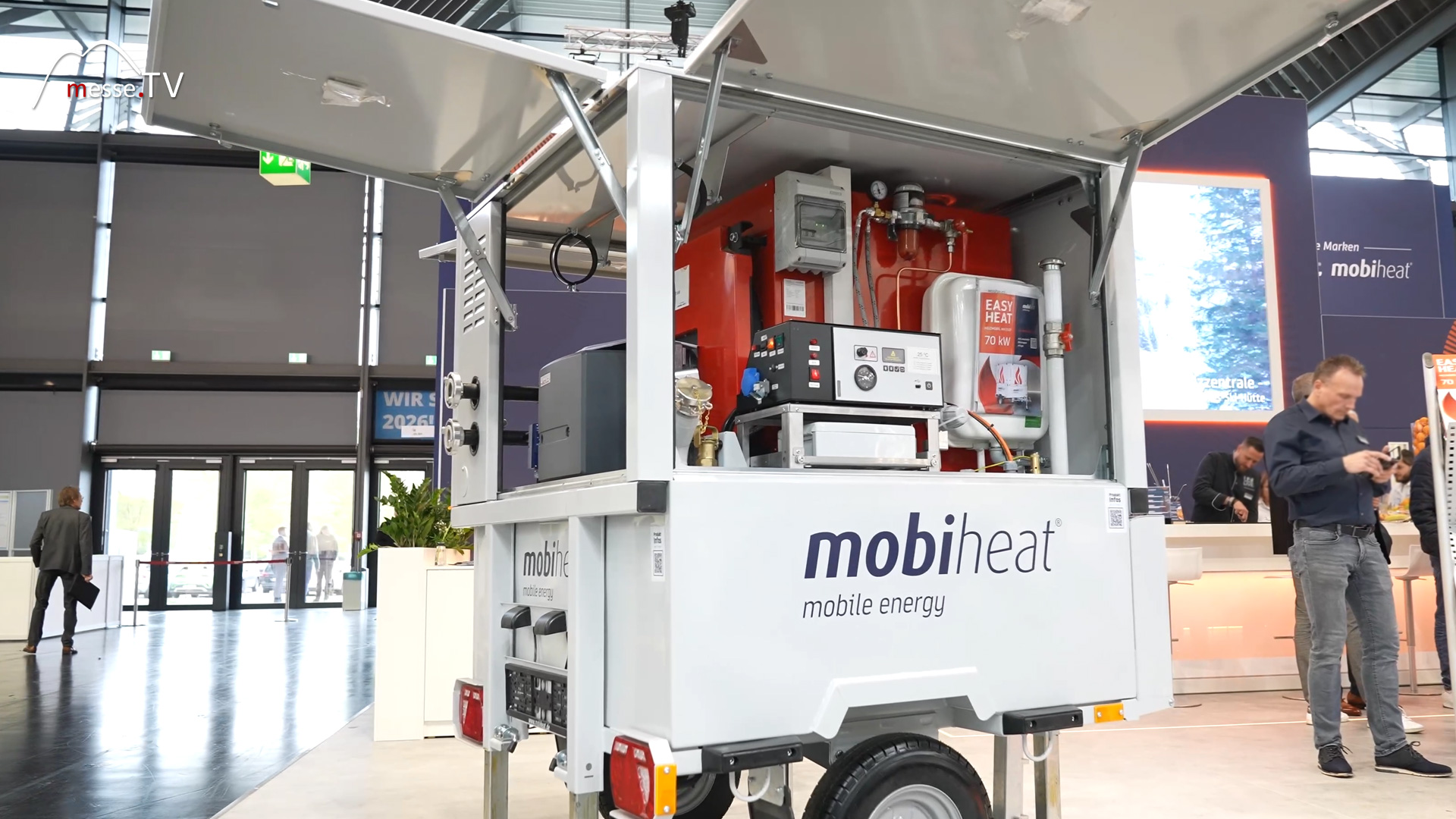
Im Mittelpunkt des Messeauftritts steht ein Anbieter, der vielen Endkunden kaum bekannt ist, in der Branche jedoch seit Jahren eine feste Größe darstellt. Enerent bündelt unter seinem Dach zwei Marken, die unterschiedliche Vertriebswege bedienen, technisch jedoch auf demselben Fundament aufbauen. Während Hotmobil vor allem im Direktvertrieb aktiv ist, richtet sich mobiheat gezielt an den Großhandel. Für Heizungsbauer bedeutet das: mobile Heizzentralen lassen sich entweder direkt beziehen oder über die gewohnten Einkaufsstrukturen ordern. Diese Doppelstrategie sorgt dafür, dass die Systeme in unterschiedlichsten Marktsituationen schnell verfügbar sind.
Mobile Heizzentrale als temporärer Ersatz
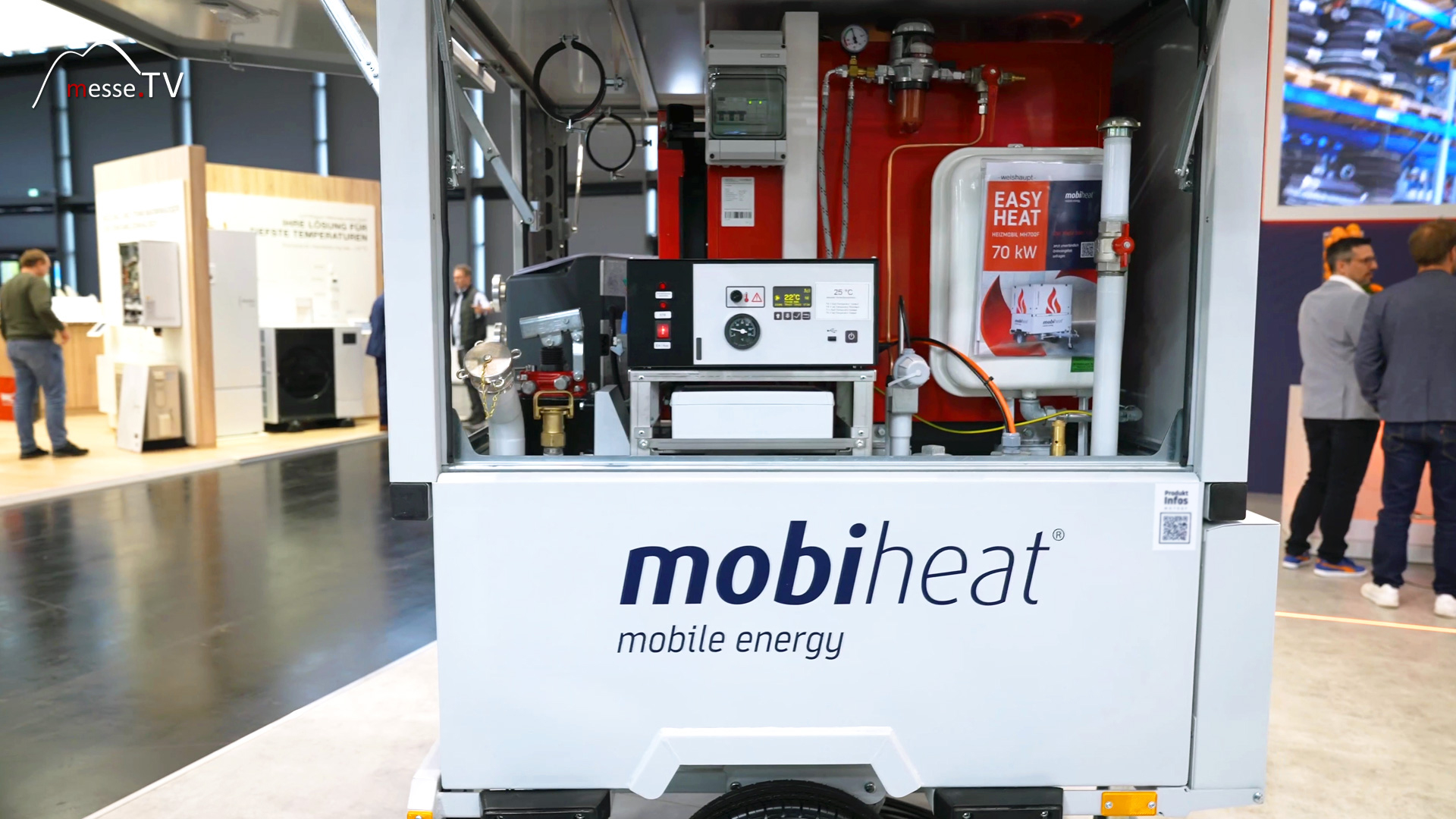
Das Grundprinzip mobiler Heizzentralen ist schnell erklärt, ihre Bedeutung erschließt sich jedoch erst im praktischen Einsatz. Eine mobile Heizzentrale übernimmt temporär die Funktion einer fest installierten Heizungsanlage. Sie wird autark betrieben, vor Ort an das bestehende Heizsystem angeschlossen und stellt kurzfristig Wärme bereit – unabhängig davon, ob es sich um Heizkörper, Fußbodenheizung oder Mischsysteme handelt. Typische Einsatzszenarien sind vielfältig. Bei einem plötzlichen Heizungsausfall, etwa an einem Winterwochenende, kann eine mobile Lösung verhindern, dass Gebäude auskühlen. Besonders sensibel sind Einrichtungen wie Krankenhäuser, Pflegeheime oder Kindergärten, in denen selbst kurze Unterbrechungen gravierende Folgen hätten. Auch bei Modernisierungsarbeiten oder im Neubau, etwa beim Aufheizen von Estrich, kommen mobile Systeme zum Einsatz, wenn der eigentliche Wärmeerzeuger noch nicht installiert ist oder die erforderlichen Temperaturen nicht liefern kann.
Technische Ausprägungen und Leistungsbereiche
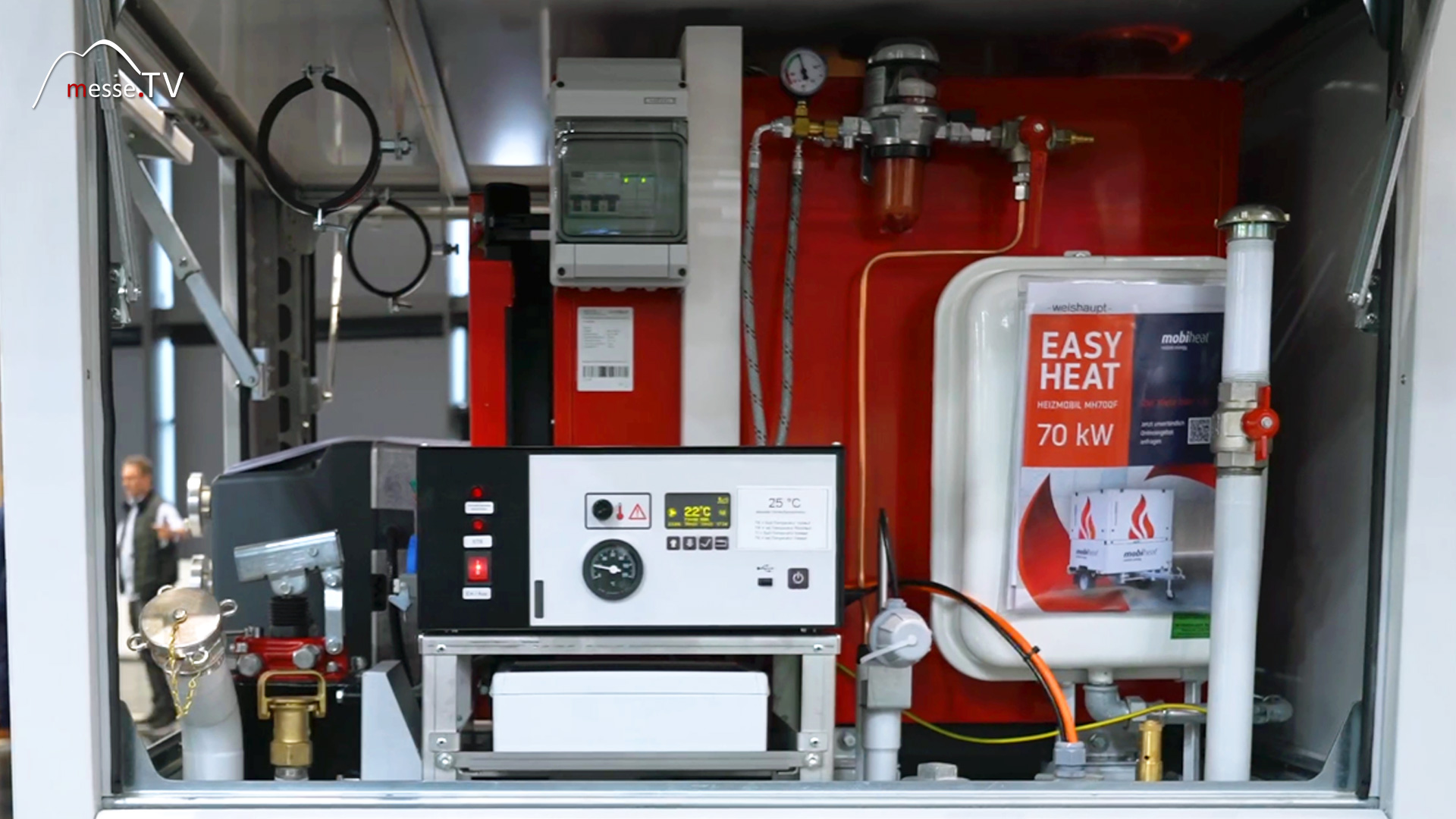
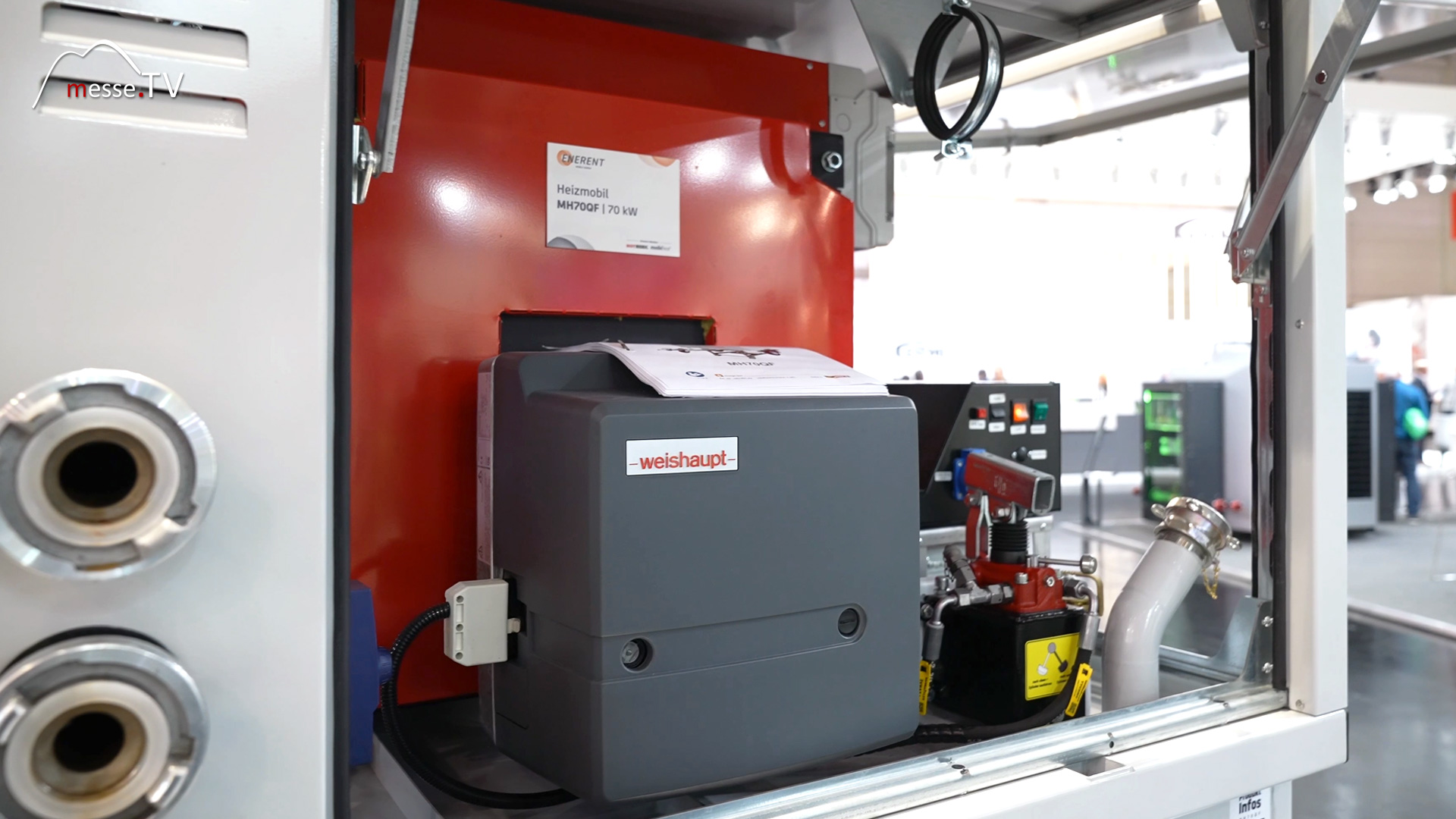
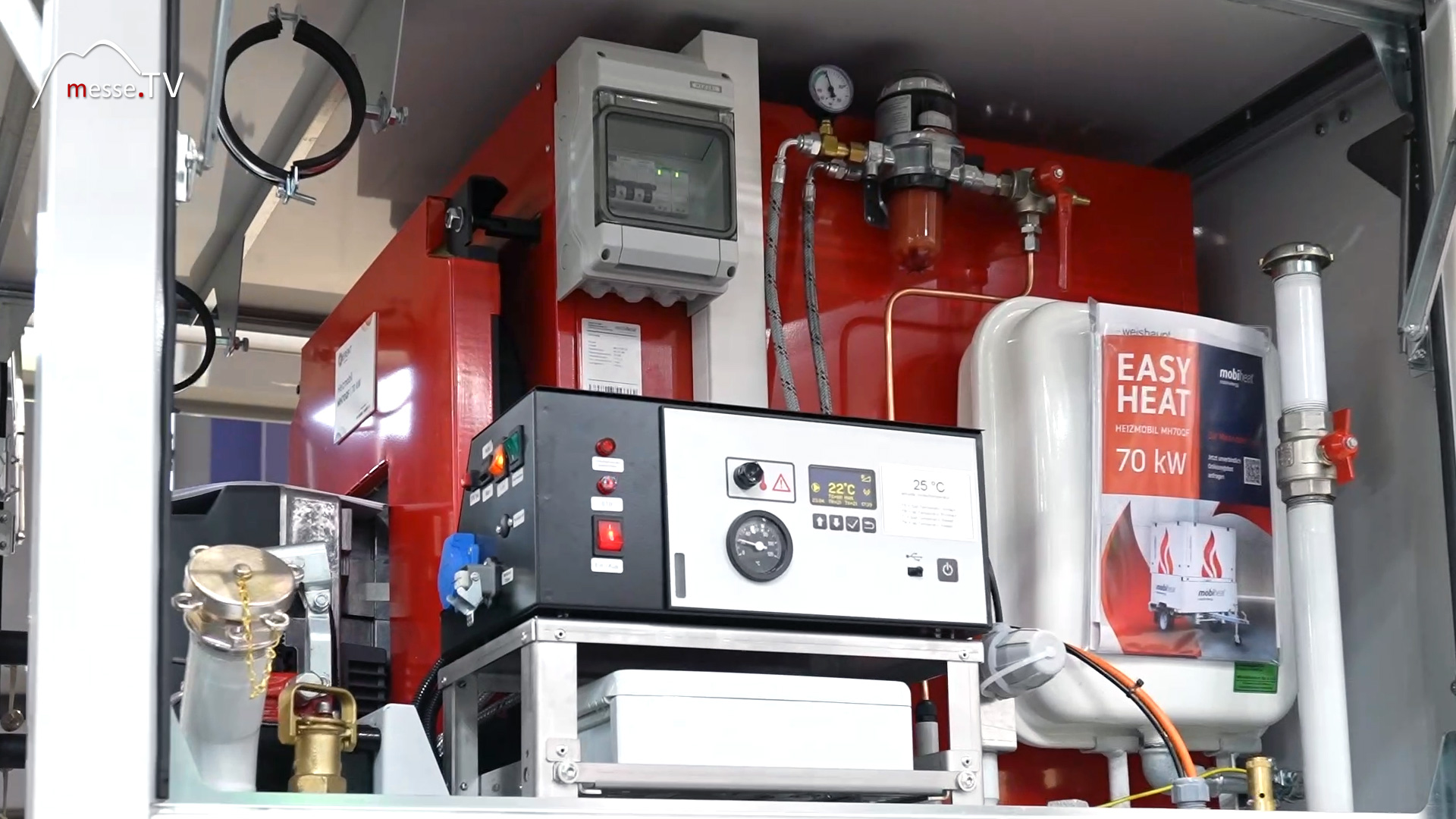
Auf der Messe wird exemplarisch eine mobile Heizzentrale mit einer Leistung von 70 kW gezeigt. Diese Leistungsklasse deckt bereits eine Vielzahl von Anwendungen ab, vom Mehrfamilienhaus bis hin zu kleineren Gewerbeobjekten. Das gezeigte Gerät arbeitet mit einem integrierten Tank und ähnelt in seiner Funktionsweise einer klassischen Ölheizung. Es wird angeschlossen, hochgefahren und übernimmt sofort die Wärmeversorgung. Daneben existieren zahlreiche weitere Varianten, die je nach Einsatzfall ausgewählt werden. Dazu zählen elektrisch betriebene Heizmobile, die auf kompakten Fahrgestellen montiert sind und direkt mit Strom arbeiten. In diesen Geräten wird Wasser elektrisch erwärmt und über Vor- und Rücklauf in das bestehende Heizsystem eingespeist. Darüber hinaus gibt es Ausführungen für Gas, Flüssiggas oder Pellets, um unterschiedliche Energiequellen flexibel nutzen zu können. Die Bandbreite reicht von kleinen, mobilen Einheiten bis hin zu containerbasierten Großlösungen. In diesem Segment kommen Systeme mit Leistungen von bis zu mehreren Megawatt zum Einsatz. Solche Anlagen werden etwa dann benötigt, wenn in Fernwärmenetzen Wartungsarbeiten durchgeführt werden. Während Schieber getauscht oder Leitungen instand gesetzt werden, sichern große mobile Energiezentralen die Versorgung ganzer Quartiere. Ohne diese temporären Lösungen wären in solchen Situationen hunderte Haushalte ohne Heizung und Warmwasser.
Typische Einsatzbereiche mobiler Energiezentralen
- Überbrückung bei plötzlichem Heizungsausfall in Wohn- und Zweckbauten
- Temporäre Wärmeversorgung während Sanierungs- oder Modernisierungsarbeiten
- Estrichtrocknung und Bauheizung im Neubau
- Absicherung von Wartungsarbeiten in Fernwärmenetzen
- Notversorgung von sensiblen Einrichtungen wie Kliniken oder Pflegeheimen
Krisen als Treiber eines Nischenmarkts
So nüchtern die Technik beschrieben werden kann, so deutlich wird im Gespräch auch eine unbequeme Wahrheit: Mobile Heizzentralen kommen häufig dann zum Einsatz, wenn andere Systeme versagen. Naturkatastrophen, Infrastrukturprobleme oder humanitäre Krisen schaffen Situationen, in denen schnelle, pragmatische Lösungen gefragt sind. In solchen Momenten profitieren Anbieter wie Enerent zwangsläufig von Ausnahmelagen. Ein prägendes Beispiel ist das Ahrtal nach der Flutkatastrophe. Dort wurden zahlreiche Heizungsanlagen in Kellern zerstört, ganze Gebäude waren unbewohnbar. Mobile Heizlösungen ermöglichten es, zumindest temporär wieder Wärme bereitzustellen und die Nutzung der Gebäude aufrechtzuerhalten. Auch bei der temporären Beheizung von Flüchtlingsunterkünften kamen mobile Energiezentralen zum Einsatz, um kurzfristig Infrastruktur zu schaffen, wo keine vorhanden war.
Einordnung im Kontext der Energiewende
Mobile Heizzentralen stehen nicht im Widerspruch zur Energiewende, auch wenn sie häufig mit fossilen Energieträgern betrieben werden. Ihre Aufgabe ist nicht die dauerhafte Versorgung, sondern die Überbrückung von Zeiträumen, in denen andere Systeme nicht verfügbar sind. In einem Energiesystem, das zunehmend komplexer und zugleich störanfälliger wird, gewinnen solche flexiblen Lösungen an Bedeutung. Enerent positioniert sich dabei weniger als Technologievorreiter im klassischen Sinne, sondern als Problemlöser. Die Systeme sollen funktionieren, zuverlässig Wärme liefern und sich schnell in bestehende Strukturen integrieren lassen. Genau darin liegt ihre Stärke. Während über langfristige Strategien und nachhaltige Heizkonzepte diskutiert wird, sorgen mobile Heizzentralen dafür, dass Gebäude auch in Ausnahmesituationen nutzbar bleiben. Am Ende zeigt der Messeauftritt vor allem eines: Versorgungssicherheit ist nicht allein eine Frage von Effizienz und Nachhaltigkeit, sondern auch von Reaktionsfähigkeit. Mobile Heizzentralen schließen Lücken, wenn feste Systeme ausfallen – leise, unauffällig und meist erst dann sichtbar, wenn sie dringend gebraucht werden.

Messe-Berichterstattung bundesweit - Messewissen, Termine & Veranstaltungen


