Photovoltaikwärme als Baustein moderner Energieversorgung
von Andreas Bergmeier - 2024-05-06Photovoltaik wird im Gebäudebereich seit Jahren vor allem mit Stromerzeugung verbunden. Der klassische Eigenverbrauch endet oft dort, wo Haushaltsgeräte und Batteriespeicher gesättigt sind. Gleichzeitig bleiben Warmwasserbereitung und Raumwärme in vielen Gebäuden weiterhin von externen Energieträgern abhängig. Genau an dieser Schnittstelle setzt ein technologischer Ansatz an, der Solarstrom nicht nur speichert oder einspeist, sondern direkt in Wärme überführt.
Photovoltaikwärme wird damit zu einem eigenständigen Baustein moderner Energieversorgung. Die Ausgangslage ist klar: Gebäude sind heute deutlich besser gedämmt als noch vor wenigen Jahrzehnten. Der Energiebedarf für Raumwärme sinkt, gleichzeitig wächst der Wunsch, möglichst viel der selbst erzeugten Energie auch selbst zu nutzen. Warmwasserbereitung und Heizungsunterstützung rücken dadurch stärker in den Fokus von Photovoltaiklösungen. Der Gedanke dahinter ist pragmatisch. Jede Kilowattstunde, die im eigenen Haus genutzt wird, muss weder gekauft noch aus fossilen Quellen bereitgestellt werden.
my-PV und der Fokus auf Wärme aus Solarstrom
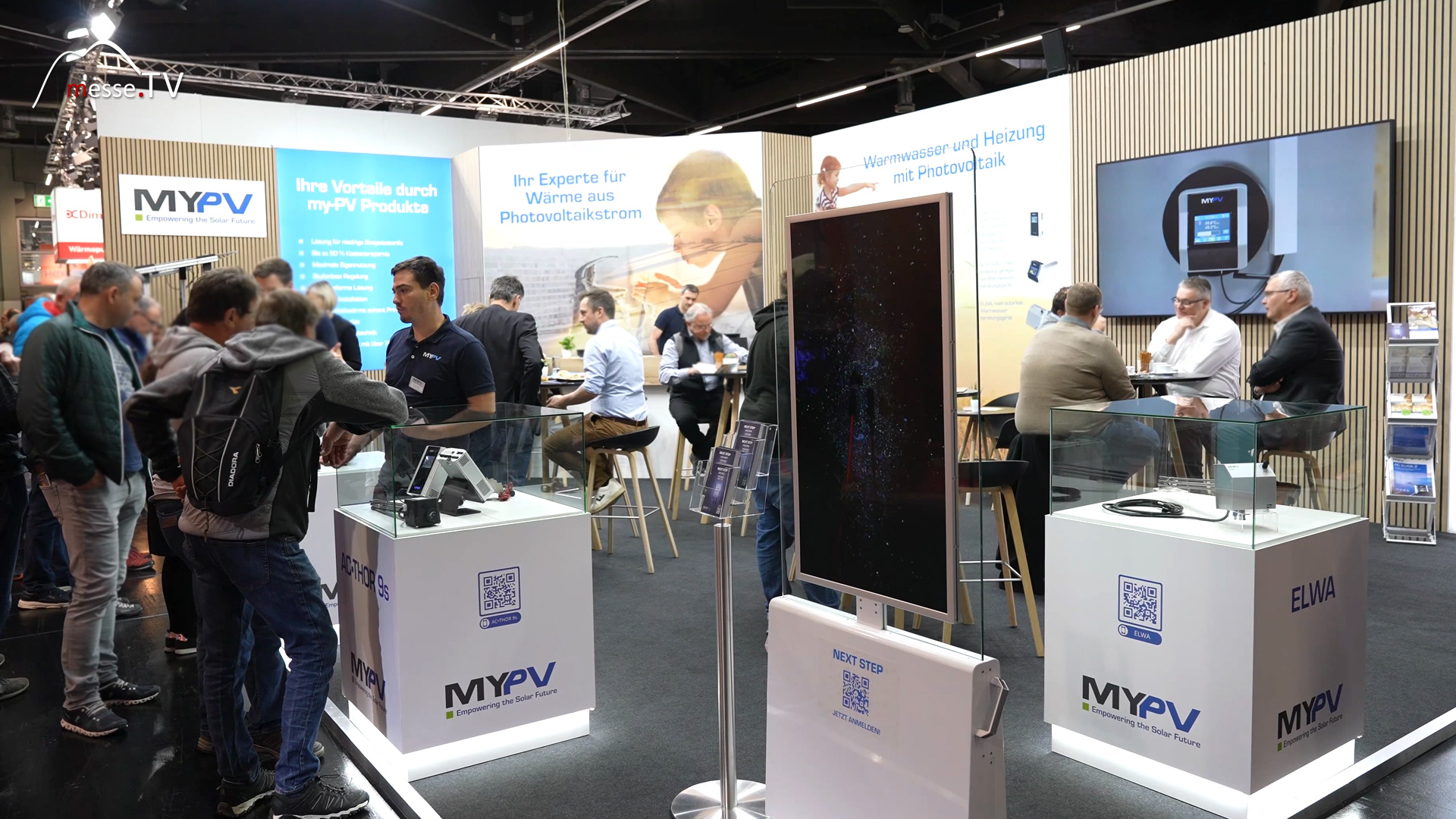
my-PV ist ein österreichischer Hersteller, der sich konsequent auf die Entwicklung und Produktion von Lösungen für Photovoltaikwärme spezialisiert hat. Der Ansatz unterscheidet sich bewusst von klassischen Heizsystemen oder komplexen Hybridlösungen. Statt zusätzlicher Wärmeerzeuger wird der vorhandene Solarstrom direkt genutzt, um Warmwasser und in bestimmten Gebäudekonzepten auch Raumwärme bereitzustellen. Die Systeme sind so ausgelegt, dass sie sich in bestehende Photovoltaikanlagen integrieren lassen. Dabei spielt es keine Rolle, ob es sich um ein Einfamilienhaus, ein Mehrparteiengebäude oder einen gewerblichen Betrieb handelt. Besonders interessant ist der Ansatz für Anwendungen mit hohem Warmwasserbedarf, etwa in der Landwirtschaft oder in kleineren Gewerbebetrieben. Gleichzeitig bleibt der Einstieg auch für private Haushalte technisch überschaubar und wirtschaftlich erreichbar.
Heizstab mit Elektronik zur stufenlosen Leistungsregelung
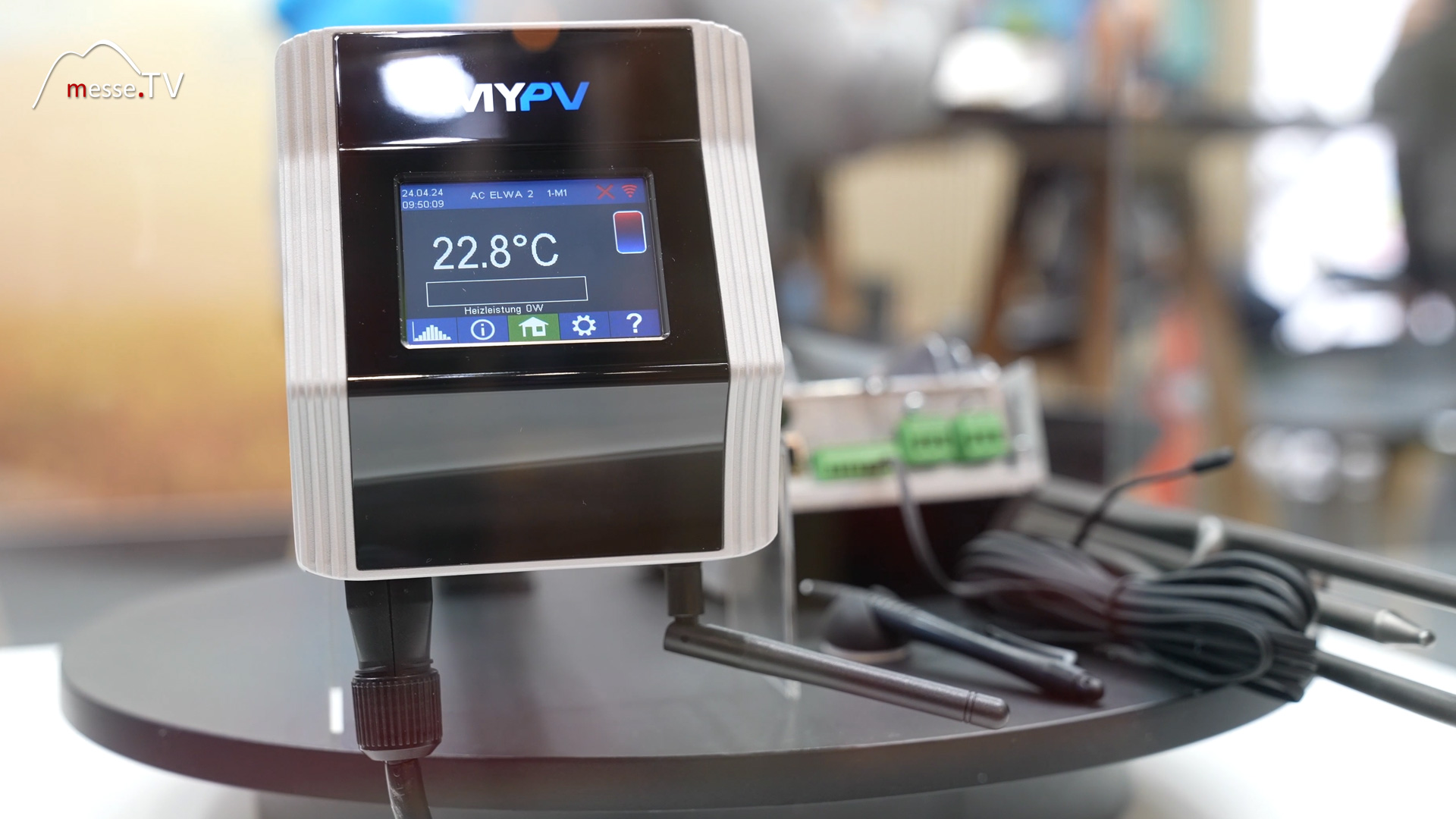
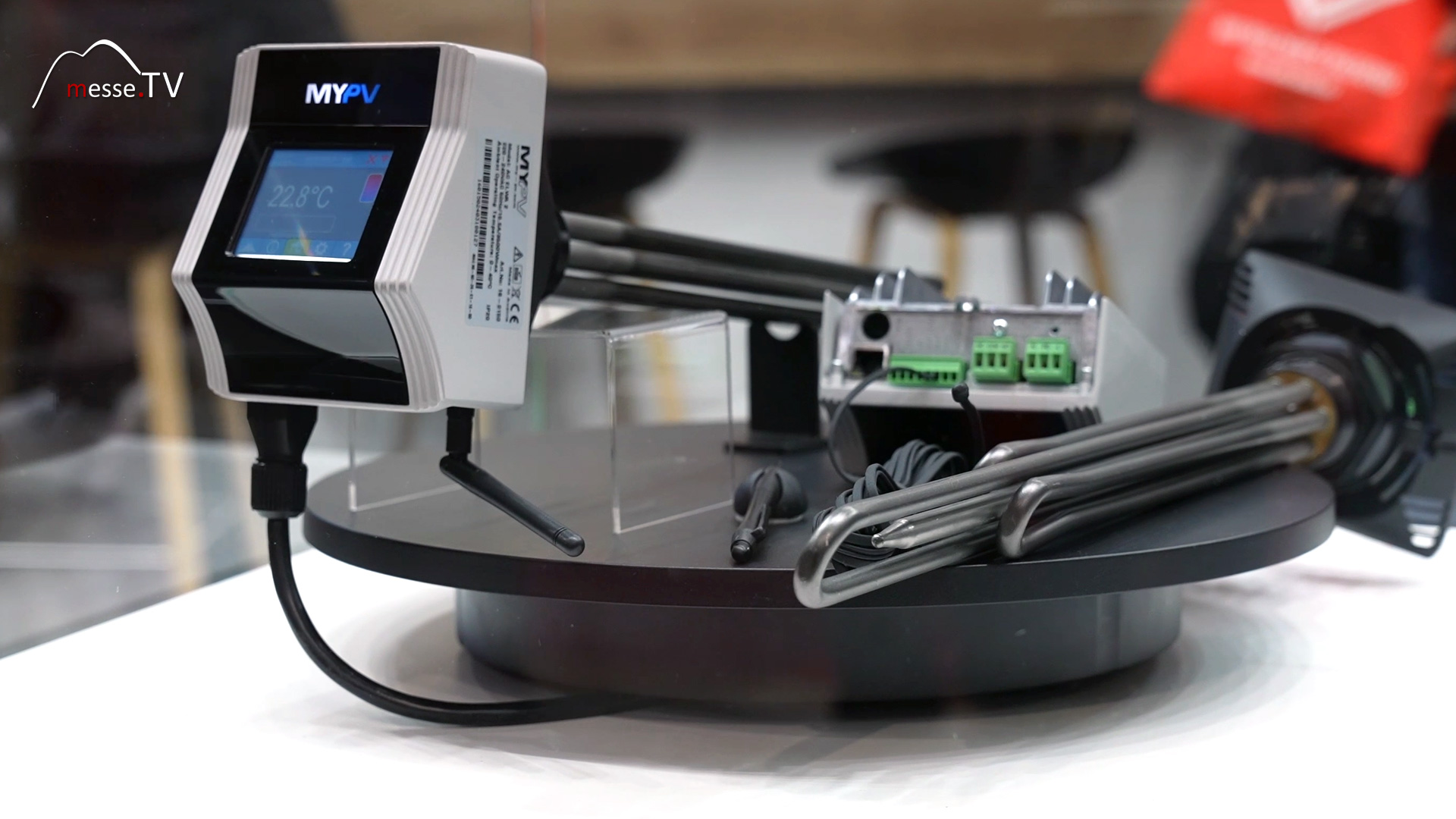
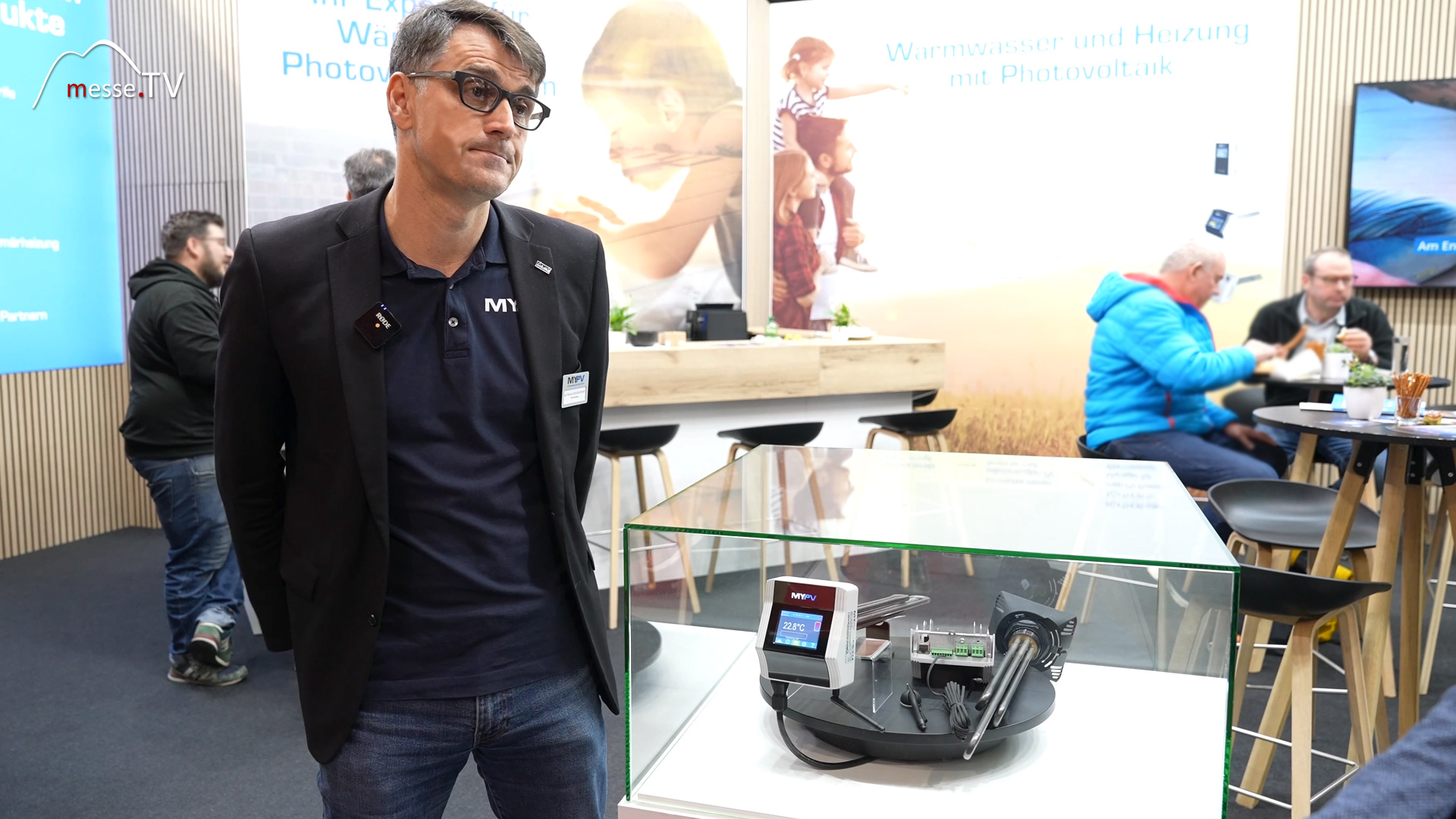
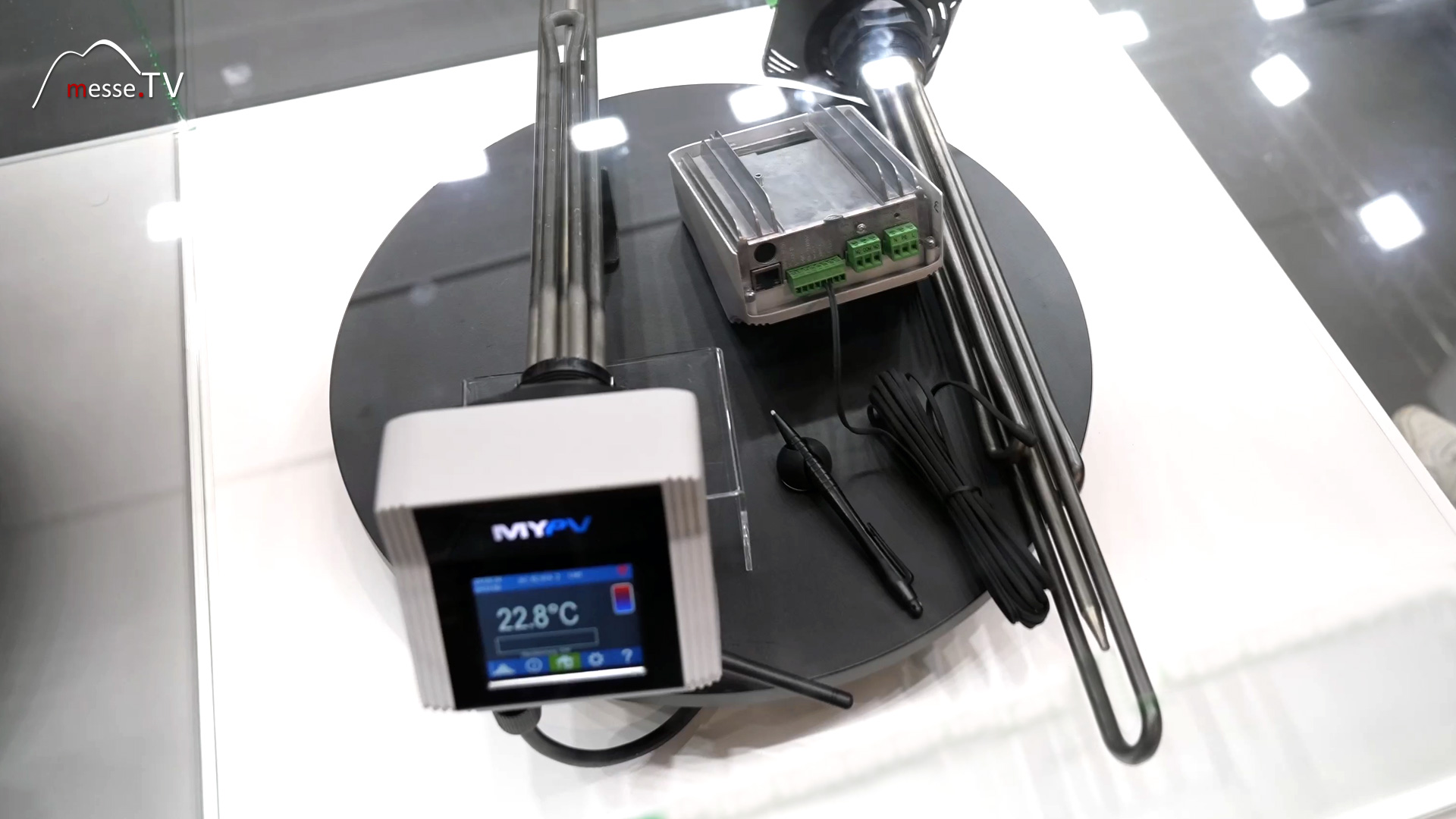
Ein zentrales Produkt im Portfolio ist ein elektronisch geregelter Heizstab, der Solarstrom direkt in Wärme umwandelt. Die Leistungsregelung erfolgt stufenlos im Bereich von null bis etwa dreieinhalb Kilowatt. Damit passt sich das System flexibel an die aktuell verfügbare Photovoltaikleistung an, ohne Strom aus dem Netz zu beziehen. Der praktische Nutzen liegt vor allem im Sommerbetrieb. In dieser Zeit kann Warmwasser nahezu vollständig aus Solarstrom erzeugt werden, während Gas- oder Ölheizungen abgeschaltet bleiben. Der Eigenverbrauch der Photovoltaikanlage steigt deutlich, ohne dass zusätzliche Speichertechnik zwingend erforderlich ist. Für viele Endkunden ist genau dieser Punkt entscheidend, weil sich die Lösung vergleichsweise einfach nachrüsten lässt.
Prioritätensteuerung im Zusammenspiel mit Batteriespeichern
Ein wichtiger Aspekt moderner Energiesysteme ist die intelligente Priorisierung. Photovoltaikwärme konkurriert nicht mit Batteriespeichern, sondern ergänzt sie. In Systemen mit Speicher wird zunächst die Batterie geladen. Erst wenn dieser Bedarf gedeckt ist, wird überschüssiger Solarstrom für Warmwasser oder Raumwärme genutzt. Die Systeme sind mit einer Vielzahl marktüblicher Hersteller kompatibel. Dadurch lassen sie sich in bestehende Anlagen integrieren, ohne proprietäre Abhängigkeiten zu schaffen. Diese Offenheit ist im Markt ein nicht zu unterschätzender Faktor, da viele Betreiber ihre Anlagen schrittweise erweitern und nicht von einem einzelnen Anbieter abhängig sein möchten. Typische Anwendungsfelder im Überblick:
- Warmwasserbereitung im Einfamilienhaus
- Unterstützung der Raumwärme in gut gedämmten Gebäuden
- landwirtschaftliche Betriebe mit hohem Warmwasserbedarf
- kleines Gewerbe und Mehrfamilienhäuser
- Nachrüstung bestehender Photovoltaikanlagen
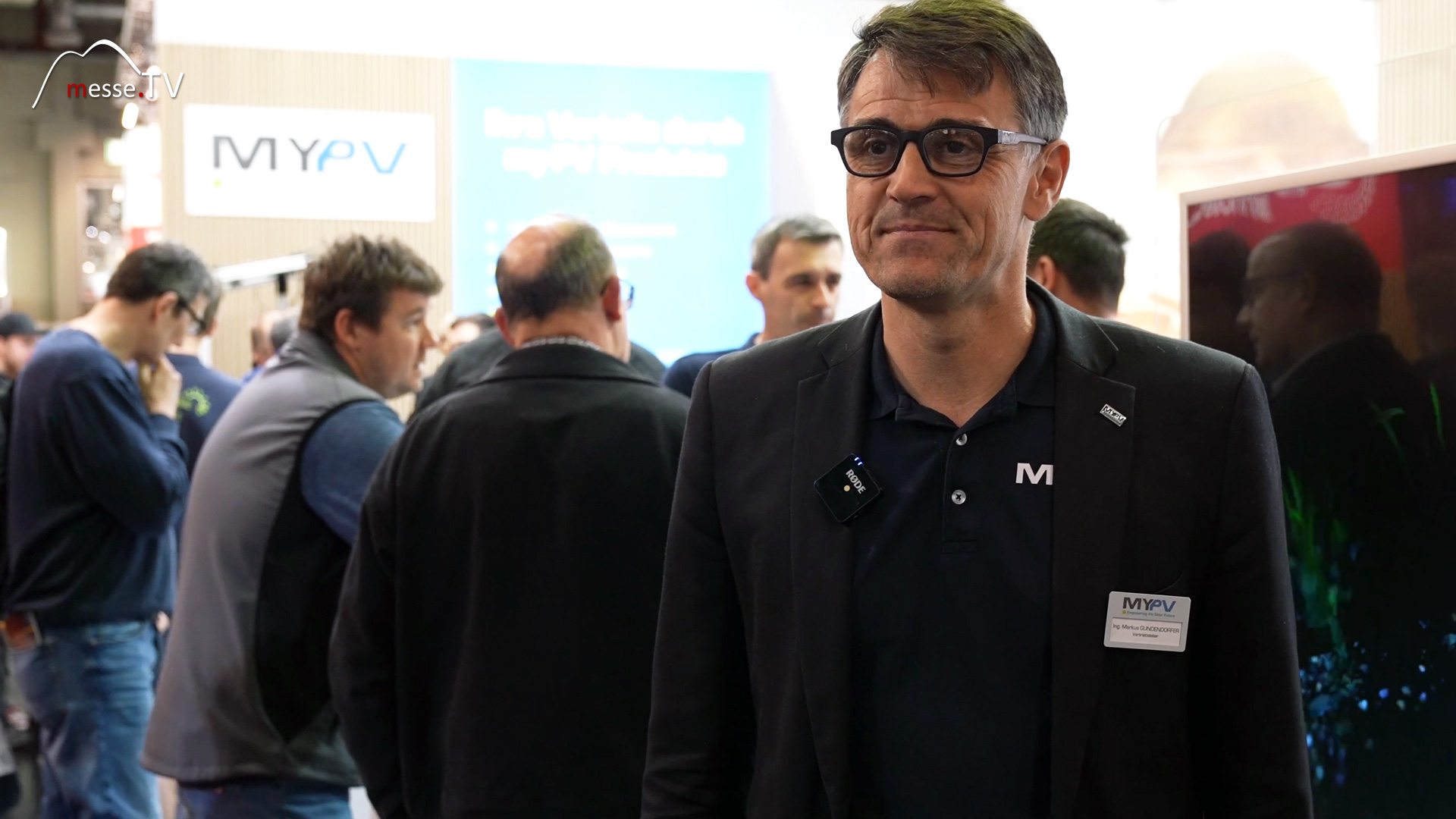
Raumwärme aus Photovoltaik bei moderner Gebäudestruktur
Lange galt Raumwärme aus Solarstrom als unrealistisch. Diese Einschätzung hat sich mit verbesserten Dämmstandards und geringeren Heizlasten verändert. In gut gedämmten Gebäuden kann Photovoltaikwärme heute zumindest einen relevanten Beitrag leisten, insbesondere in Übergangszeiten. Sie ersetzt nicht zwangsläufig ein zentrales Heizsystem, reduziert aber dessen Laufzeiten und den Bedarf an externer Energie. Gerade in Kombination mit Niedertemperatursystemen wird dieser Ansatz zunehmend interessant. Der Fokus liegt weniger auf maximaler Heizleistung als auf intelligenter Nutzung vorhandener Energie. Je niedriger der Wärmebedarf, desto größer der Anteil, den Solarstrom übernehmen kann.
Autarkie als Treiber der Marktentwicklung
Der Wunsch nach energetischer Unabhängigkeit hat in den vergangenen Jahren spürbar zugenommen. Steigende Energiepreise und geopolitische Unsicherheiten haben das Bewusstsein dafür geschärft, wie abhängig viele Haushalte von externen Versorgungsstrukturen sind. Photovoltaik allein reicht für Autarkie nicht aus, wenn Strom nur eingespeist oder begrenzt gespeichert wird. Photovoltaikwärme schließt genau diese Lücke. Sie erweitert den Nutzen der eigenen Anlage auf Bereiche, die bisher überwiegend von fossilen Energieträgern dominiert waren. Alles, was selbst erzeugt und genutzt wird, muss nicht zugekauft werden. Damit wird Autarkie nicht zum abstrakten Ideal, sondern zu einer messbaren Größe im Alltag.
Einordnung im Energiesystem der Zukunft
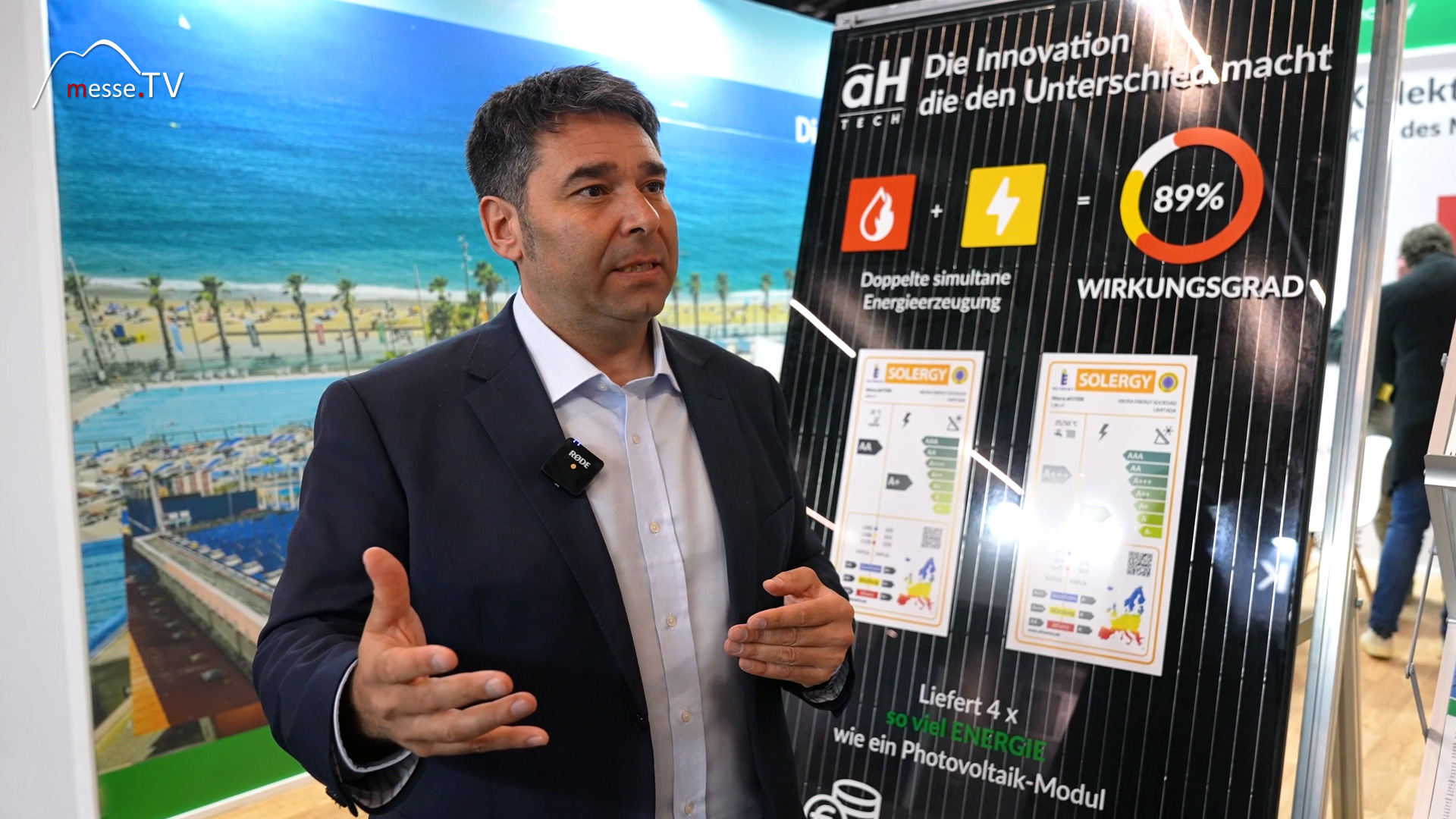
Photovoltaikwärme ist kein Ersatz für alle Heizsysteme, aber ein sinnvoller Baustein in einem modularen Energiesystem. Sie funktioniert besonders gut dort, wo Effizienz, Einfachheit und Nutzung vorhandener Infrastruktur im Vordergrund stehen. Der Ansatz verzichtet bewusst auf komplexe Technik und setzt stattdessen auf direkte Umwandlung und klare Prioritäten. my-PV positioniert sich damit in einem wachsenden Marktsegment, das weniger von großen Leistungszahlen als von intelligenter Integration geprägt ist. Die Entwicklung zeigt, dass der Weg zu mehr Unabhängigkeit nicht zwingend über immer größere Anlagen führt, sondern über bessere Nutzung dessen, was bereits auf dem Dach vorhanden ist.

Messe-Berichterstattung bundesweit - Messewissen, Termine & Veranstaltungen


