Fernwärme als modulares System für Neubau und Sanierung
von Bastian Velonavy - 2024-04-27Fernwärme gilt seit Jahrzehnten als verlässliche Säule der Wärmeversorgung in dicht besiedelten Gebieten. Lange Zeit war sie jedoch stark von klassischen Versorgungsstrukturen geprägt: zentrale Erzeugung, feste Temperaturen, begrenzte Flexibilität. Mit den veränderten politischen, wirtschaftlichen und energetischen Rahmenbedingungen rückt heute ein anderer Ansatz in den Vordergrund.
Gefragt sind Systeme, die unterschiedliche Energiequellen integrieren, sich an Neubau wie Bestand anpassen lassen und dabei effizient sowie steuerbar bleiben. Genau an dieser Schnittstelle positioniert sich ein Systemverständnis, das Fernwärme nicht als starres Produkt, sondern als modularen Baukasten begreift. Die Anforderungen an Wohngebäude haben sich deutlich verschoben. Neubauten werden mit niedrigen Vorlauftemperaturen geplant, Bestandsgebäude müssen schrittweise von fossilen Einzelheizungen umgerüstet werden. Gleichzeitig steigt der Druck, Wärme aus möglichst vielfältigen und nachhaltigen Quellen zu beziehen. Fernwärme bleibt dabei relevant, aber nur dann, wenn sie sich technisch weiterentwickelt und auf unterschiedliche Gebäudetypen reagieren kann.
pewo Energietechnik als Systemanbieter für Fern- und Nahwärme
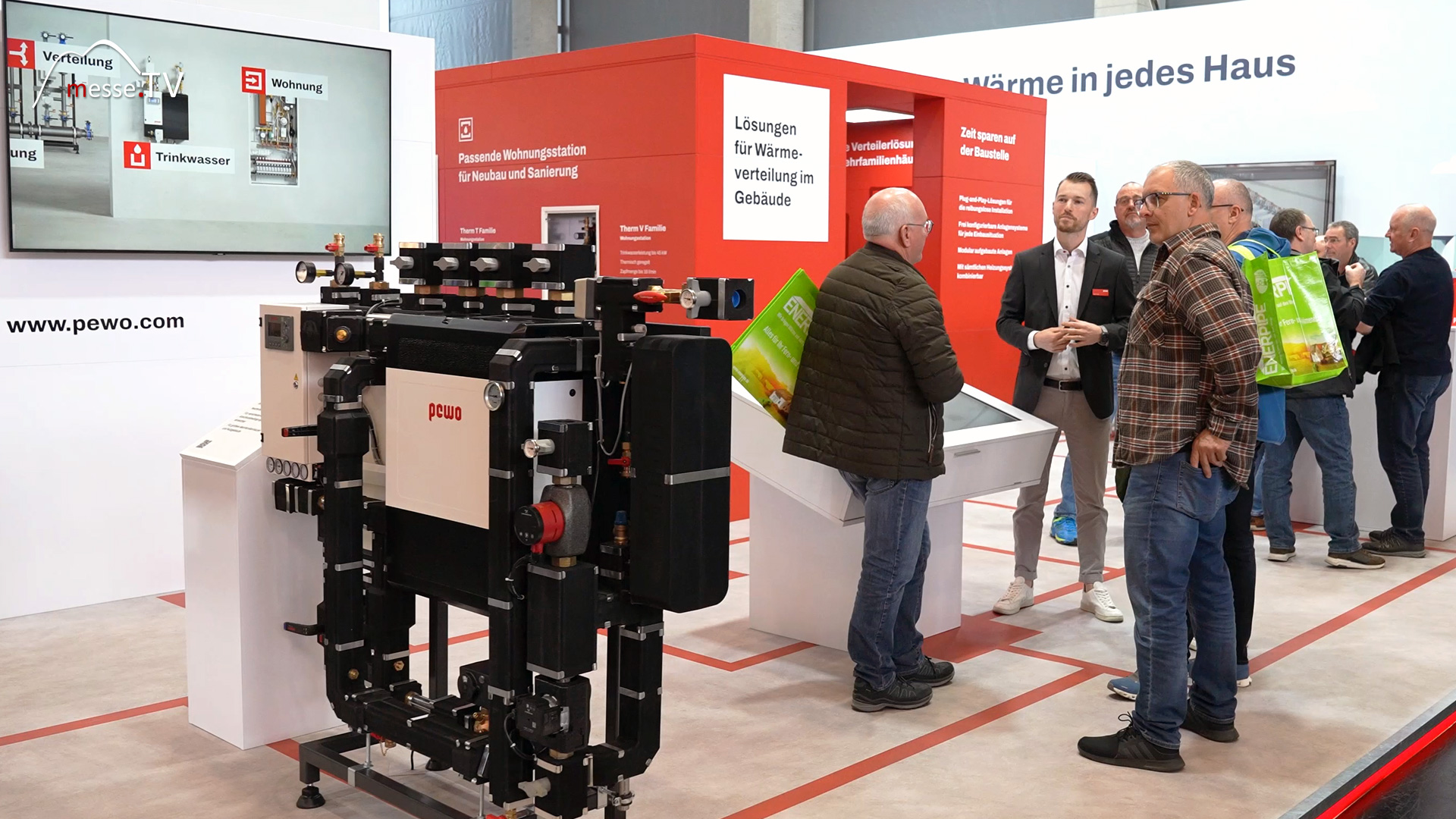
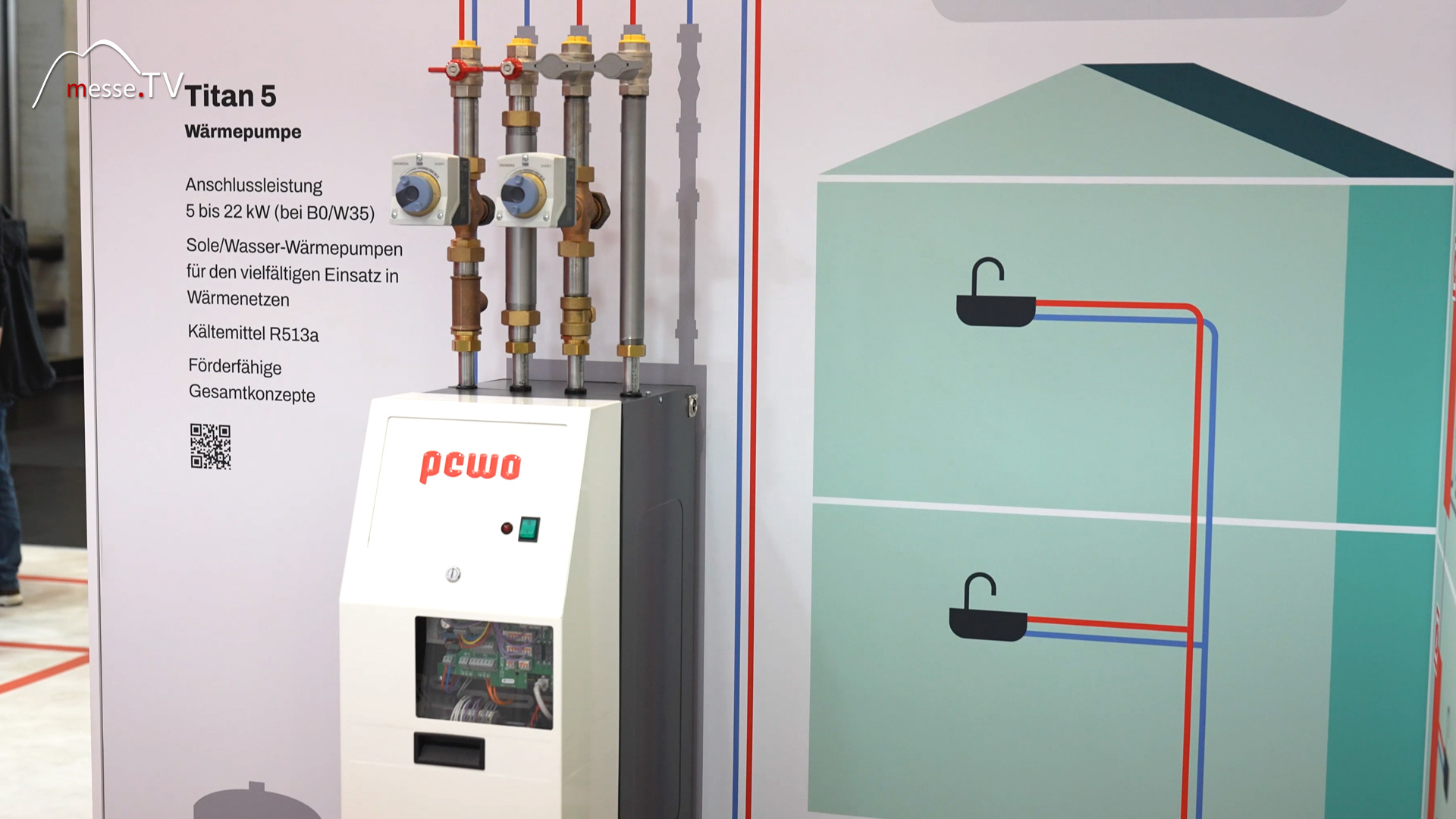
pewo Energietechnik ist seit mehr als drei Jahrzehnten in der Lausitz ansässig, geografisch zwischen Dresden und Berlin verortet. Der Ursprung des Unternehmens liegt in der individuellen Anlagentechnik. Aus dieser Erfahrung heraus hat sich ein breites Portfolio entwickelt, das heute sowohl klassische Fernwärmeanwendungen als auch standardisierte Lösungen für Nahwärmenetze umfasst. Der Fokus liegt dabei nicht allein auf einzelnen Komponenten, sondern auf dem Zusammenspiel von Übergabestationen, Regelung und Monitoring. Ein zentrales Thema ist die Entkopplung von Energiequellen. Statt Wärme ausschließlich von großen Versorgern zu beziehen, werden unterschiedliche Quellen nutzbar gemacht und über Übergabepunkte effizient ins Gebäude geführt. Industrielle Abwärme, Biomasse, Biogas oder andere regenerative Quellen lassen sich so in bestehende oder neue Netze integrieren. Die Fernwärme wird damit flexibler und unabhängiger von einzelnen Erzeugern.
Wohnungsübergabestationen für Neubau und Sanierung
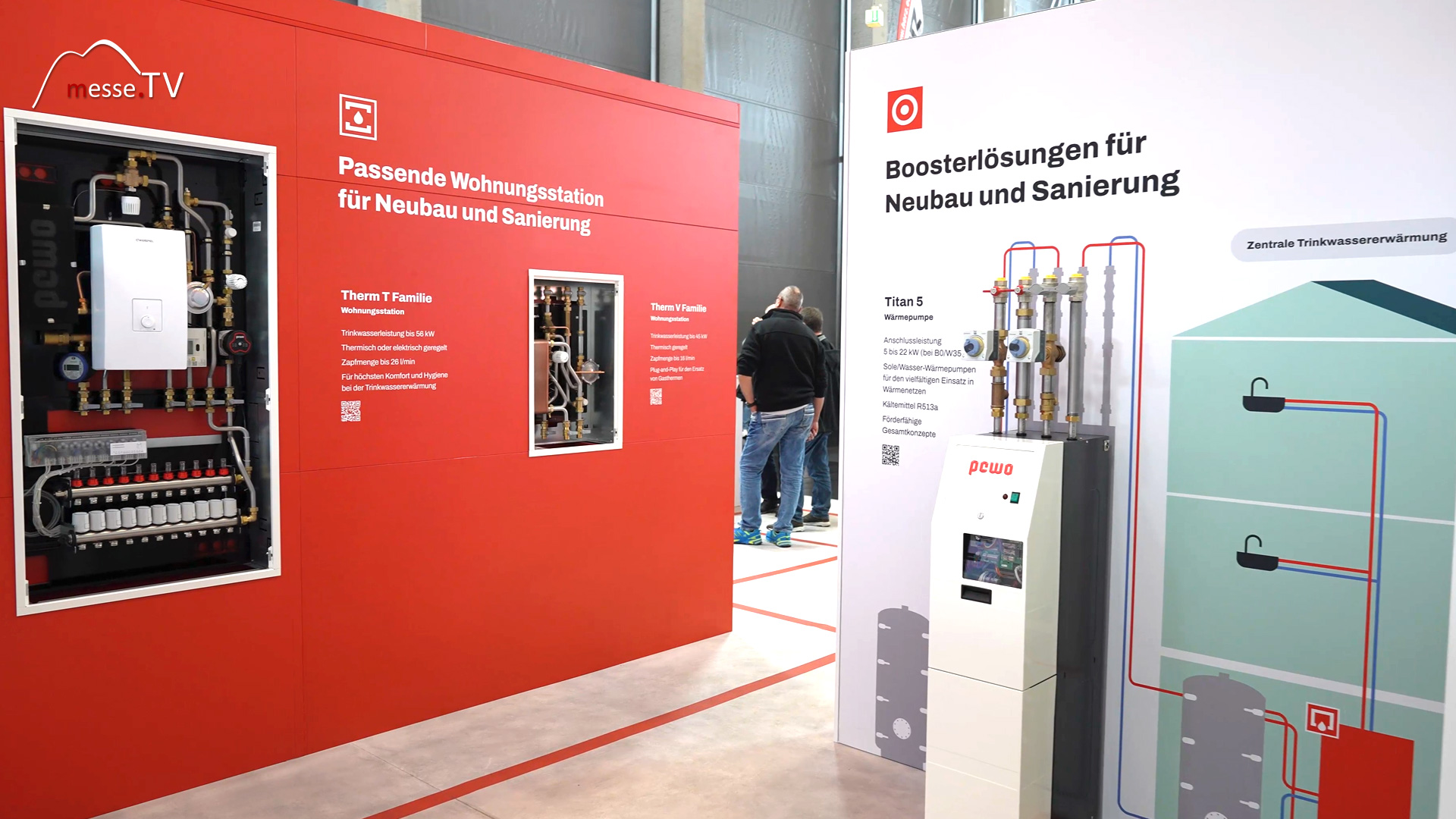
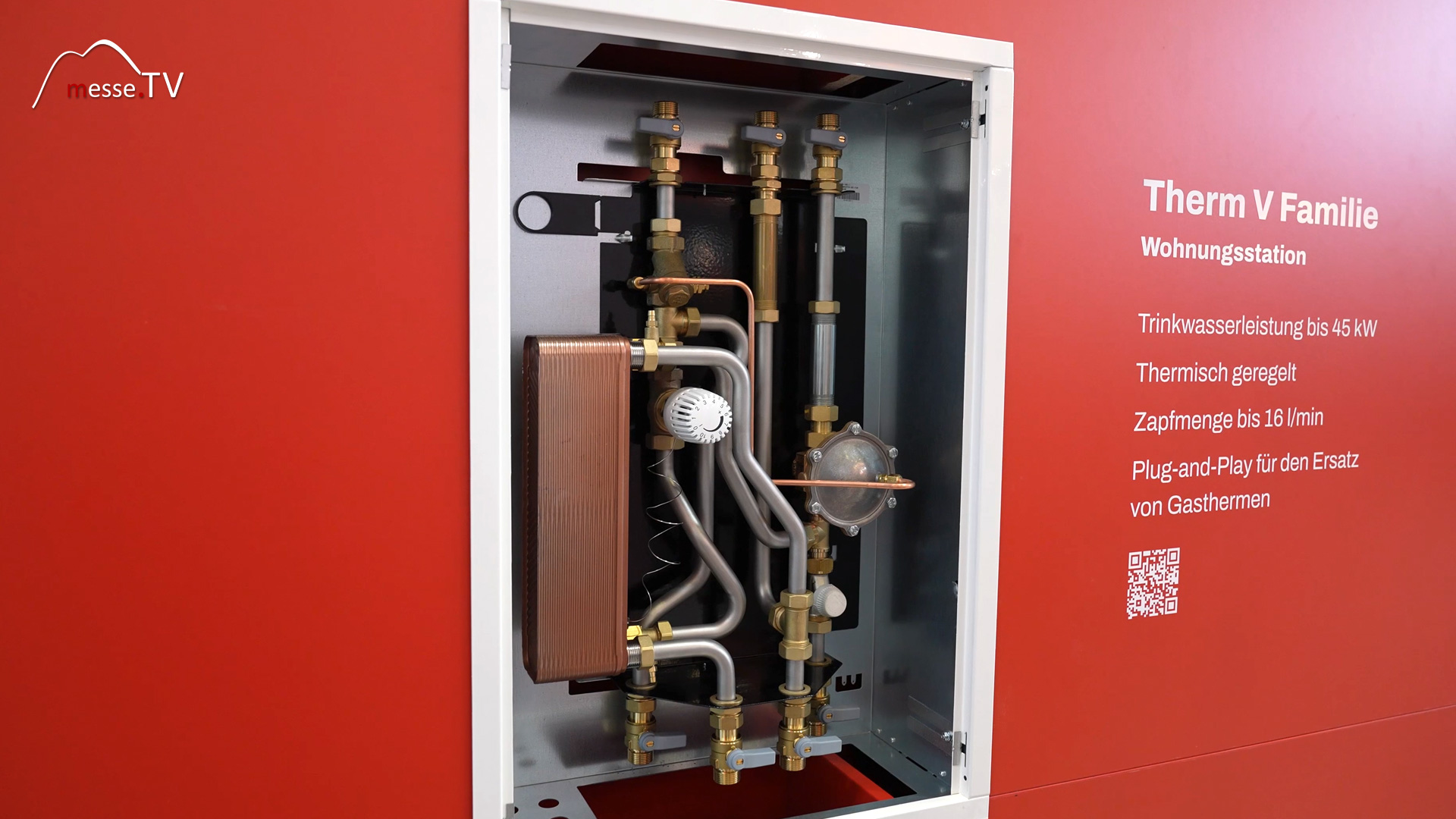
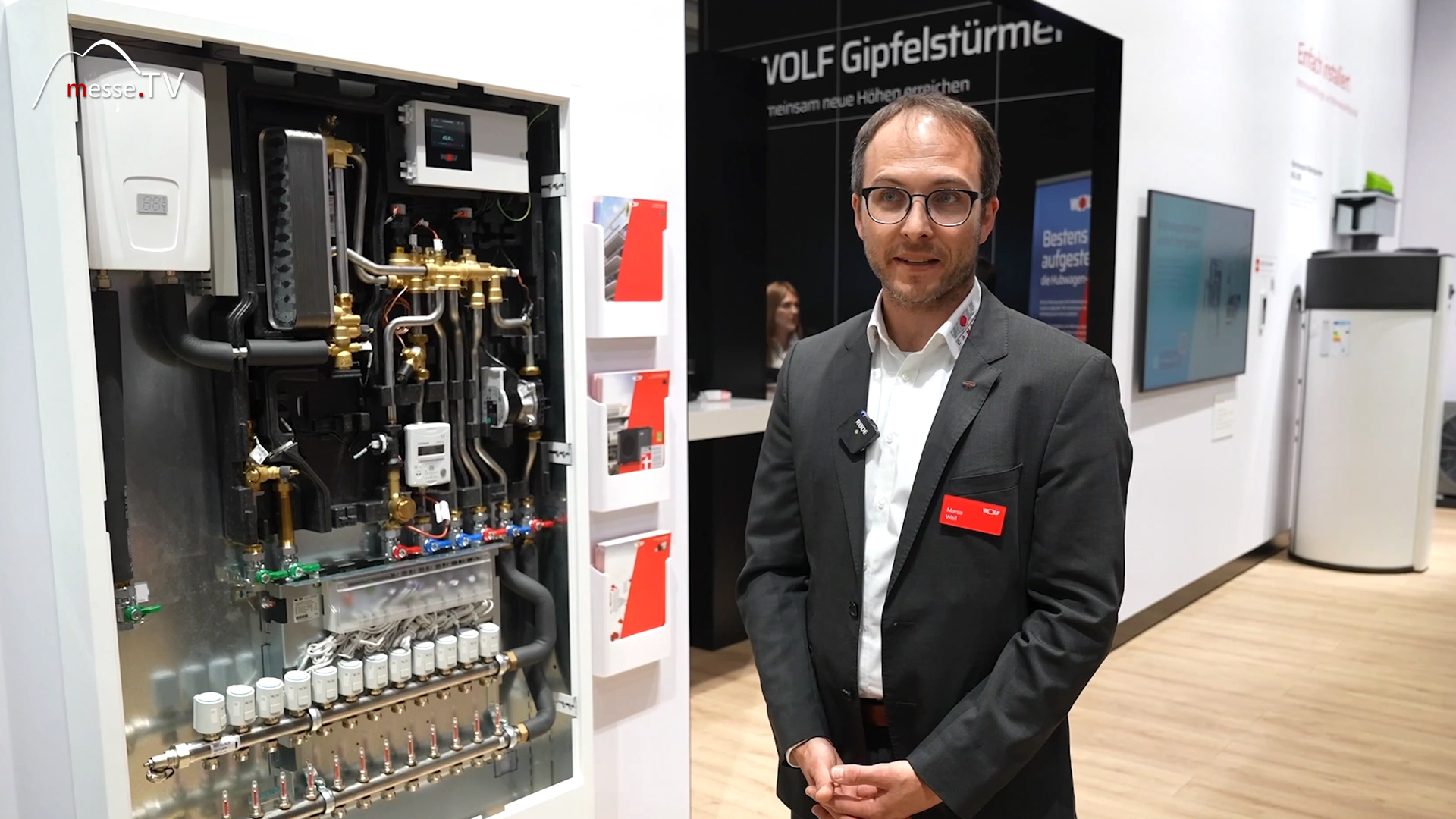
Im klassischen Wohnungsbau unterscheidet sich der technische Ansatz deutlich zwischen Neubau und Sanierung. Neubauten werden heute häufig mit Flächenheizungen geplant, die mit niedrigen Systemtemperaturen auskommen. Hier bieten Wohnungsübergabestationen Lösungen, bei denen die Temperaturregelung über die Fußbodenerwärmung erfolgt. Gleichzeitig kann für die Trinkwasserbereitung eine gezielte Temperaturerhöhung über Durchlauferhitzer realisiert werden, um Spitzenlasten abzudecken. Im Sanierungsbereich stehen andere Herausforderungen im Vordergrund. Viele Bestandsgebäude sind noch mit dezentralen Gasetagenheizungen ausgestattet. Der Umstieg auf eine zentrale oder dezentrale Fernwärmelösung erfordert kompakte Übergabestationen, die in bestehende Wohnungsstrukturen integriert werden können. Ziel ist es, den Austausch möglichst ohne tiefgreifende bauliche Eingriffe zu ermöglichen und gleichzeitig die energetische Effizienz zu erhöhen. Typische Einsatzfelder der Übergabestationen sind:
- Neubauten mit Fußbodenheizung und niedrigen Vorlauftemperaturen
- Sanierung von Bestandsgebäuden mit Gasetagenheizungen
- dezentrale Versorgung einzelner Wohneinheiten
- zentrale Versorgung größerer Wohnanlagen
- Kombination mit unterschiedlichen Wärmequellen
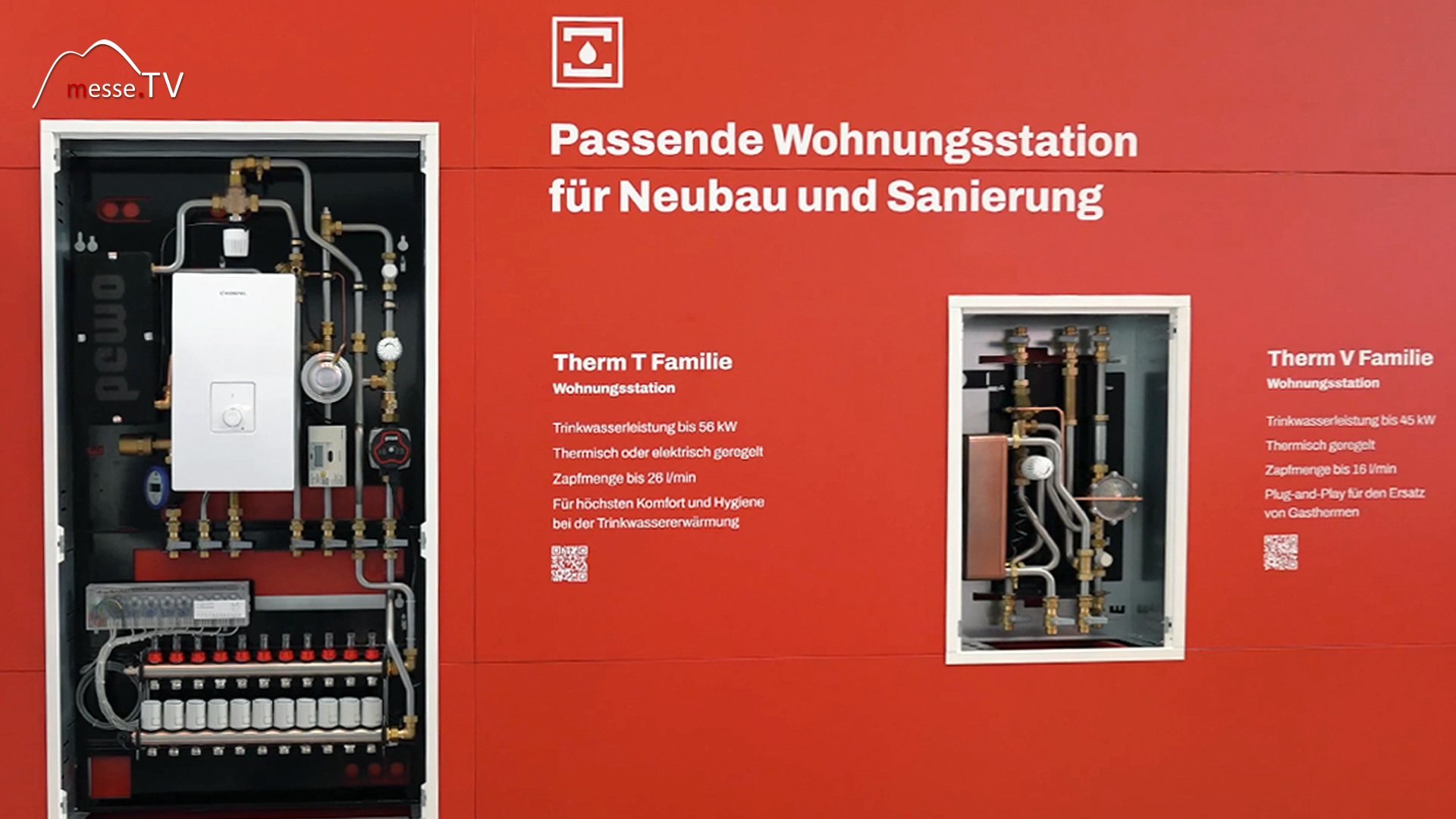
Zentrale und dezentrale Versorgung im Vergleich
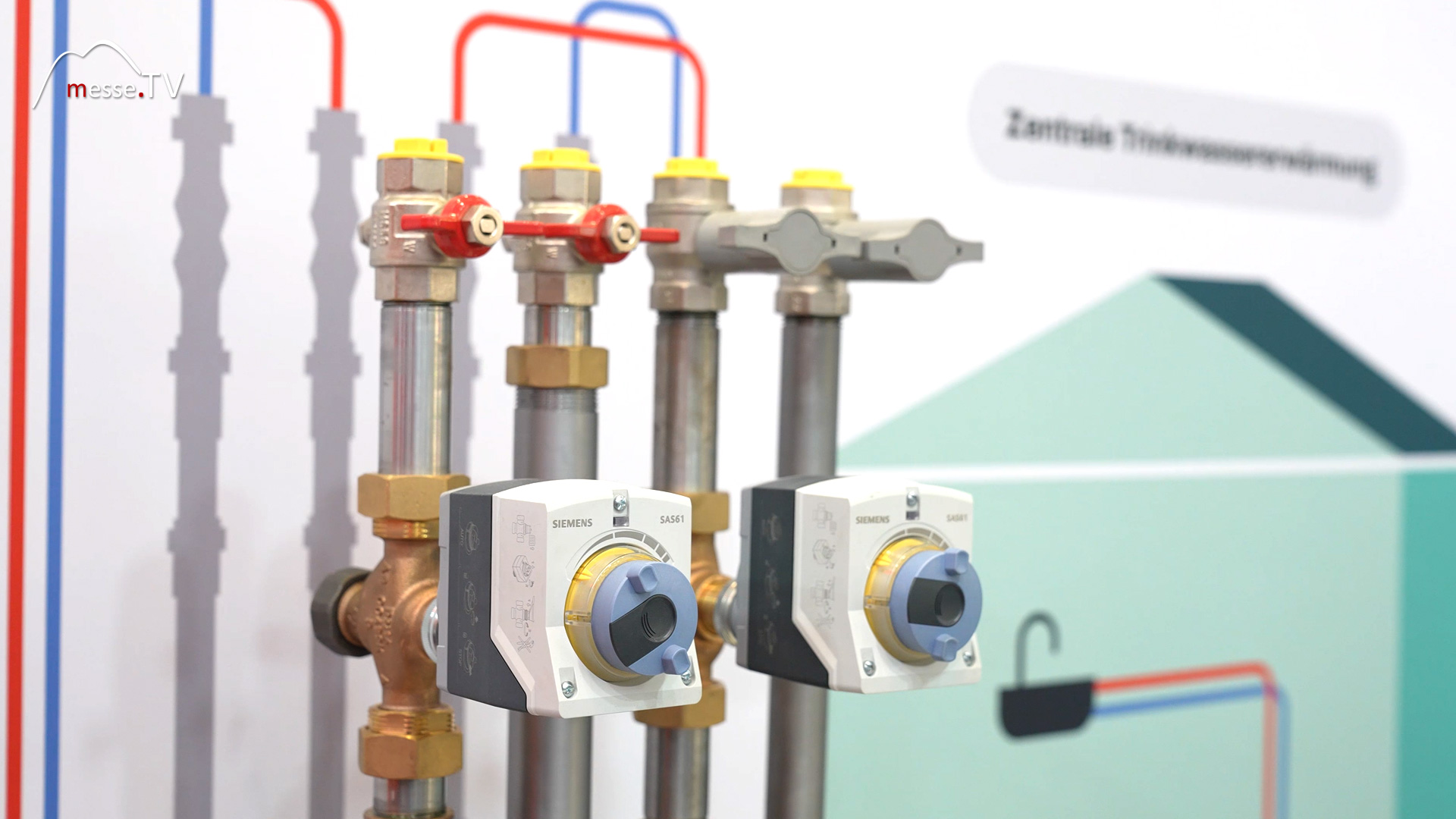
Ein wesentlicher Unterschied in der Planung liegt in der Wahl zwischen zentraler und dezentraler Wärmeversorgung. Bei der zentralen Lösung wird die Wärme im Keller erzeugt oder übernommen und über Steigleitungen zu den einzelnen Entnahmestellen geführt. Diese Struktur ist technisch bewährt, bringt jedoch höhere Anforderungen an Verteilung und Regelung mit sich. Die dezentrale Versorgung verfolgt einen anderen Ansatz. Hier befindet sich in jeder Wohnung eine eigene Übergabestation, die sowohl für die Heizungswärme als auch für die Trinkwassererwärmung verantwortlich ist. Die Fernwärme wird bis zur Wohnung geführt und dort bedarfsgerecht genutzt. Dieses Konzept ermöglicht eine individuelle Regelung je Wohneinheit und reduziert gleichzeitig zentrale Verteilverluste.
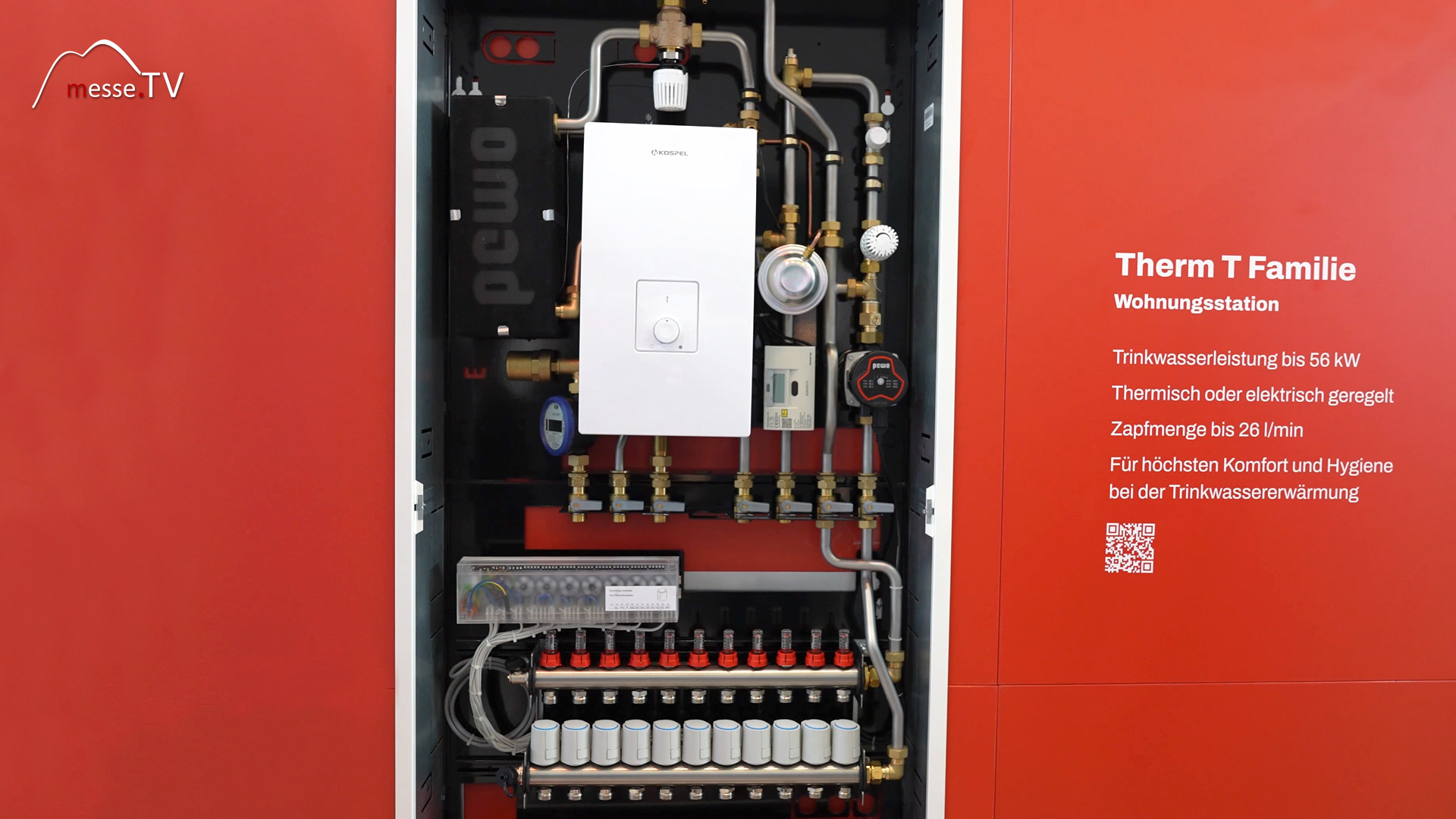
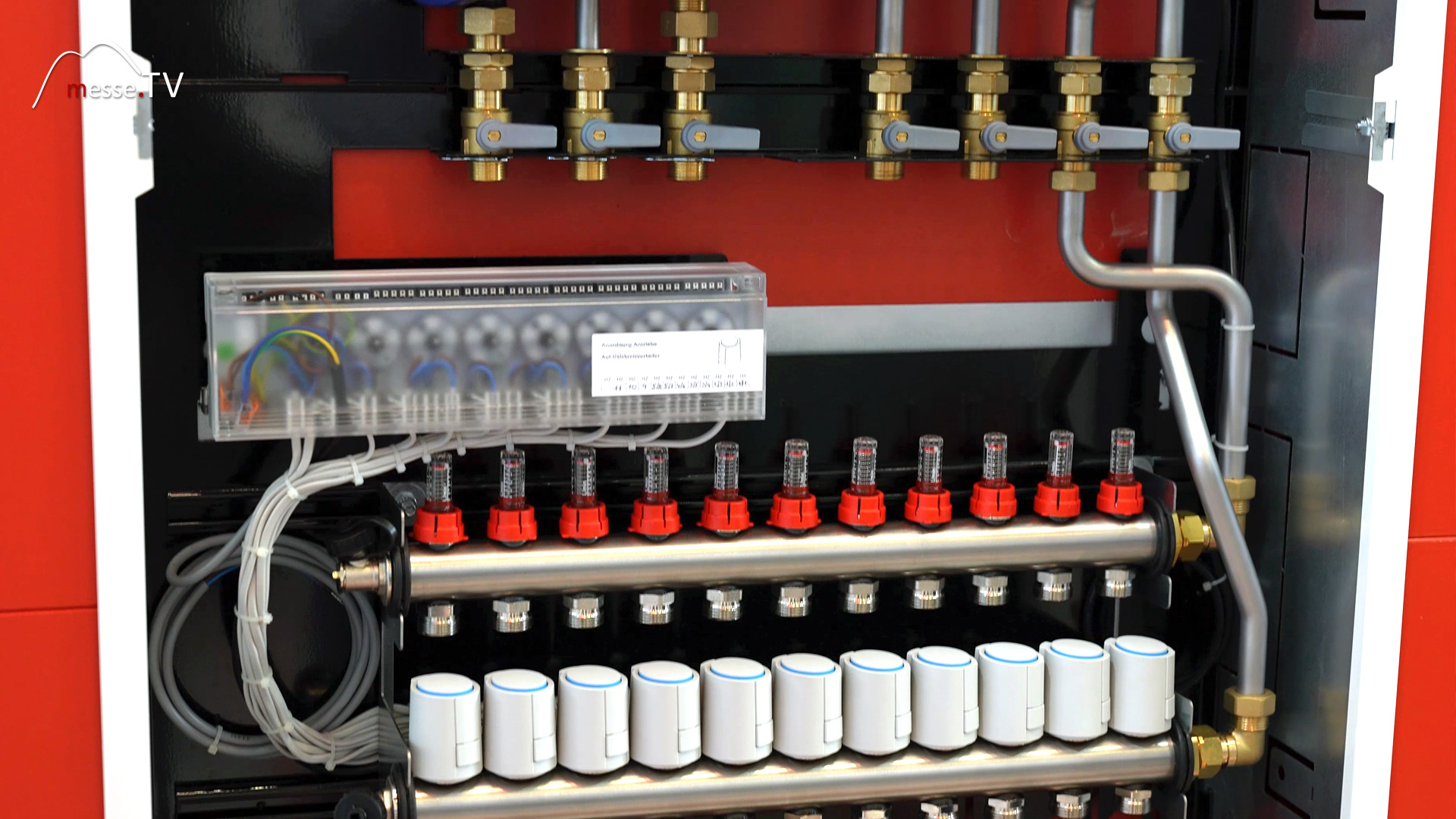
Booster-Lösungen zur Temperaturerhöhung im Neubau
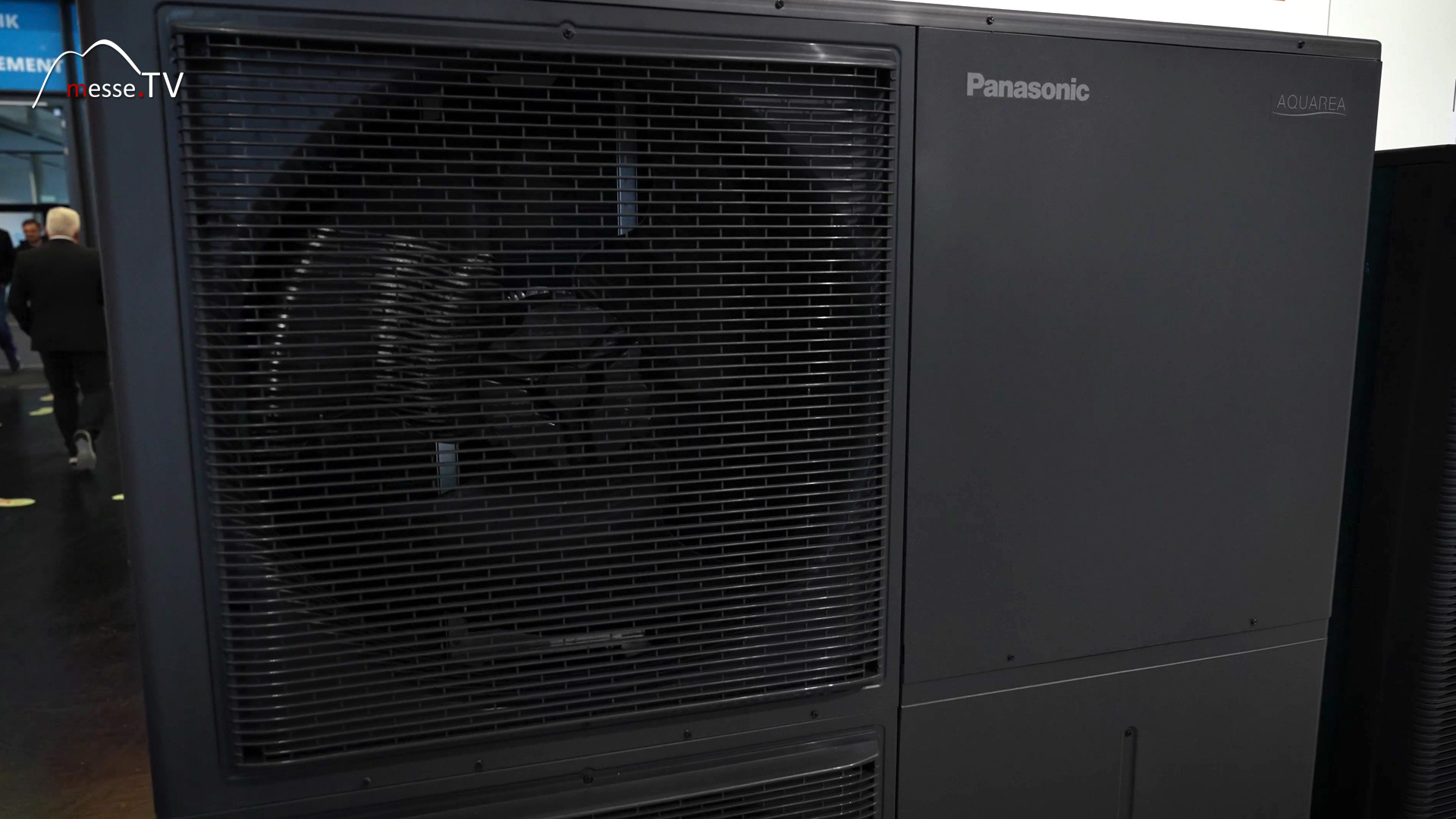
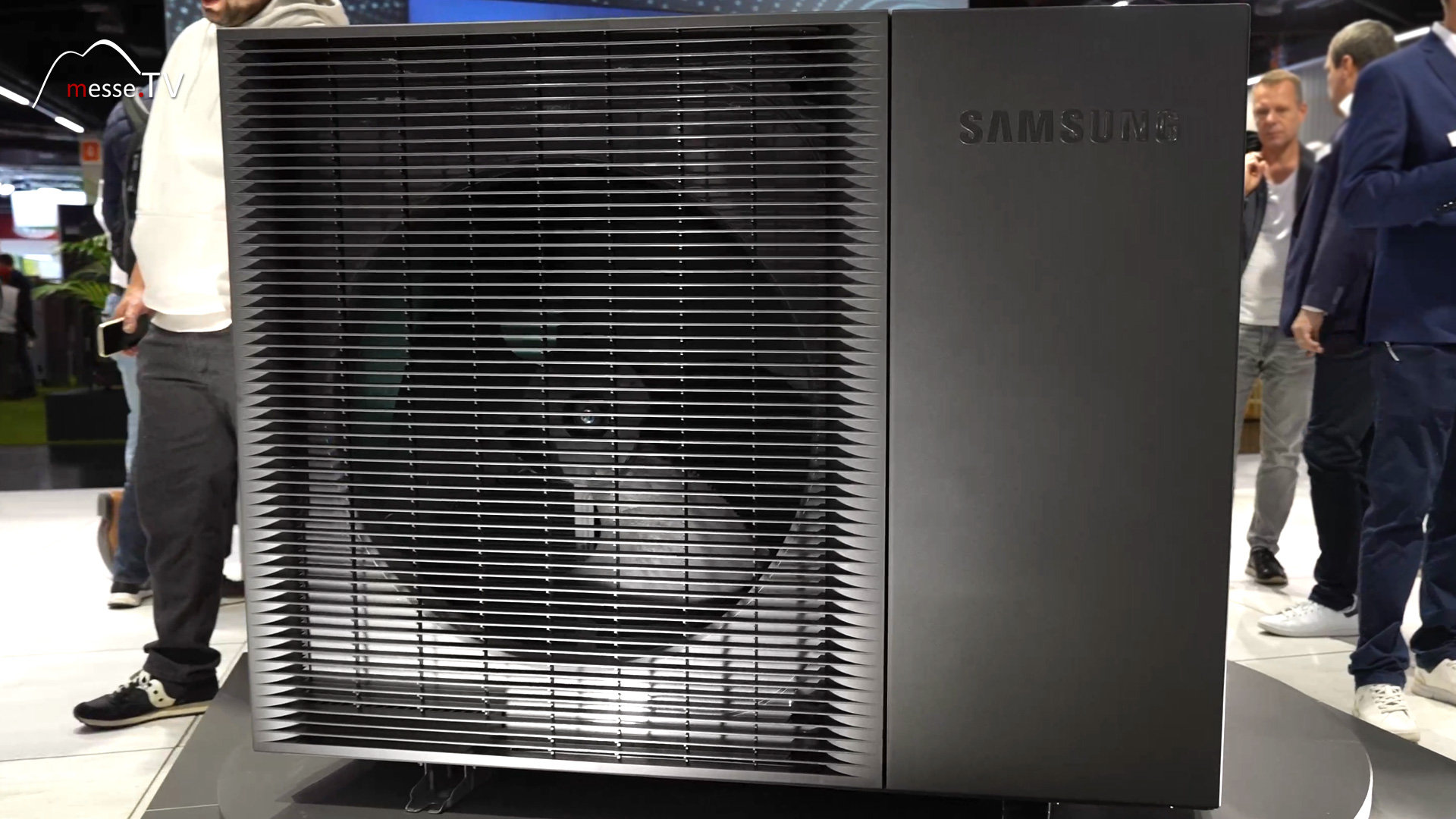
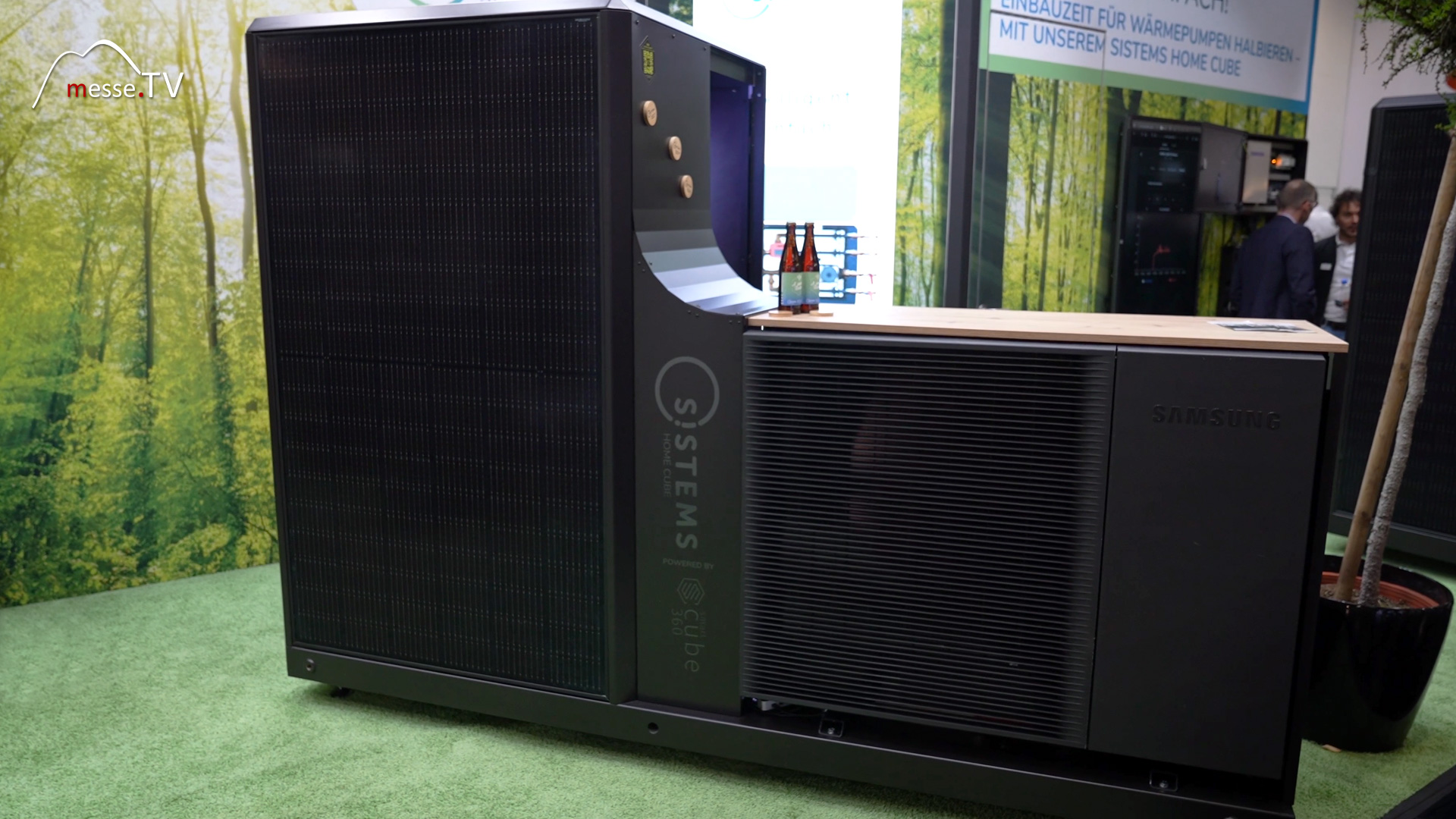
Im Neubau gewinnen sogenannte Booster-Lösungen an Bedeutung. Dabei wird die Wärme im Vorlauf beispielsweise über eine Wärmepumpe ganzjährig auf einem konstanten Temperaturniveau bereitgestellt. Für die Trinkwasserbereitung wird diese Temperatur gezielt angehoben, um die erforderliche Zapftemperatur von etwa 60 bis 70 Grad zu erreichen. Dieses Prinzip verbindet die Effizienz niedriger Systemtemperaturen mit den hygienischen Anforderungen der Trinkwassererwärmung. Solche Systeme eignen sich besonders für Gebäude, die auf hohe Effizienz und langfristige Betriebskostenoptimierung ausgelegt sind. Die Kombination unterschiedlicher Technologien erlaubt es, die jeweiligen Stärken auszuspielen, ohne das Gesamtsystem unnötig zu verkomplizieren.
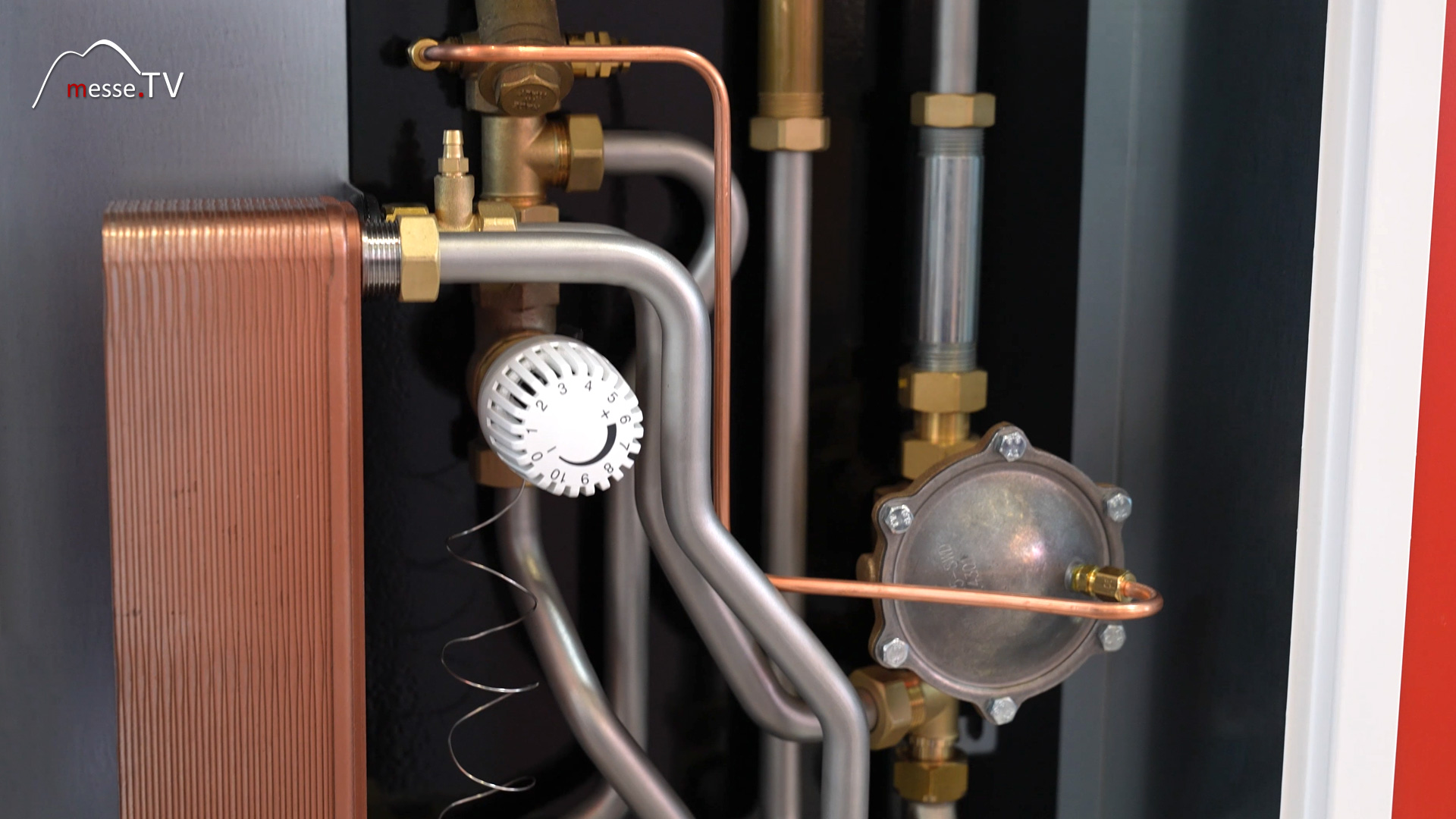
Regelung und Monitoring als integraler Bestandteil
Neben der Hydraulik spielt die Regelung eine zentrale Rolle. Moderne Fernwärmesysteme müssen nicht nur Wärme bereitstellen, sondern ihren Betrieb kontinuierlich überwachen und optimieren. Eigene Regelungs- und Monitoringlösungen ermöglichen es, den Anlagenbetrieb im laufenden Betrieb zu analysieren, Effizienzpotenziale zu erkennen und gezielt nachzusteuern. Dieser systemische Ansatz versteht Fernwärme nicht als statische Infrastruktur, sondern als dynamisches System. pewo Energietechnik positioniert sich dabei nicht ausschließlich als Hersteller einzelner Fernwärmestationen, sondern als Anbieter ganzheitlicher Lösungen. Vom Keller über die Wohnung bis zur übergeordneten Steuerung entsteht so ein durchgängiges Konzept, das auf unterschiedliche Anforderungen im Wohnungsbau reagieren kann.
Einordnung in die zukünftige Wärmeversorgung
Fern- und Nahwärme stehen vor einem tiefgreifenden Wandel. Die Vielfalt der Energiequellen nimmt zu, gleichzeitig steigen die Anforderungen an Effizienz, Transparenz und Flexibilität. Übergabestationen, modulare Systemlösungen und intelligente Regelungstechnik werden dabei zu entscheidenden Bausteinen. Der Ansatz, Wärme nicht nur zu verteilen, sondern aktiv zu managen, wird künftig an Bedeutung gewinnen. Systeme, die sowohl Neubau als auch Sanierung abdecken und dabei unterschiedliche Versorgungsmodelle zulassen, schaffen die Grundlage für eine langfristig tragfähige Wärmeinfrastruktur. Fernwärme wird damit weniger als Einbahnstraße verstanden, sondern als anpassungsfähiges Netzwerk, das sich den realen Bedingungen im Gebäudebestand stellt.

Messe-Berichterstattung bundesweit - Messewissen, Termine & Veranstaltungen


