Energiespeicherung als Schlüssel moderner Wärmekonzepte
Die Diskussion um erneuerbare Energien dreht sich längst nicht mehr nur um die Erzeugung von Strom oder Wärme. Mindestens ebenso entscheidend ist die Frage, wie diese Energie sinnvoll gespeichert und zu einem späteren Zeitpunkt nutzbar gemacht werden kann.
Gerade im Zusammenspiel von Photovoltaik, Solarthermie und Heizungssystemen entscheidet die Speichertechnik darüber, ob Effizienzgewinne tatsächlich im Alltag ankommen. Pufferspeicher rücken damit zunehmend ins Zentrum moderner Energiekonzepte für Wohn- und Zweckgebäude. Während Photovoltaikanlagen Strom liefern und Solarthermieanlagen Wärme erzeugen, liegt die eigentliche Herausforderung in der zeitlichen Entkopplung von Erzeugung und Nutzung. Sonne steht nicht immer dann zur Verfügung, wenn Warmwasser oder Heizwärme benötigt wird. Genau hier setzen großvolumige Speicherlösungen an, die überschüssige Energie aufnehmen und bedarfsgerecht wieder abgeben können.

Citrin Solar und der Fokus auf Speichertechnik
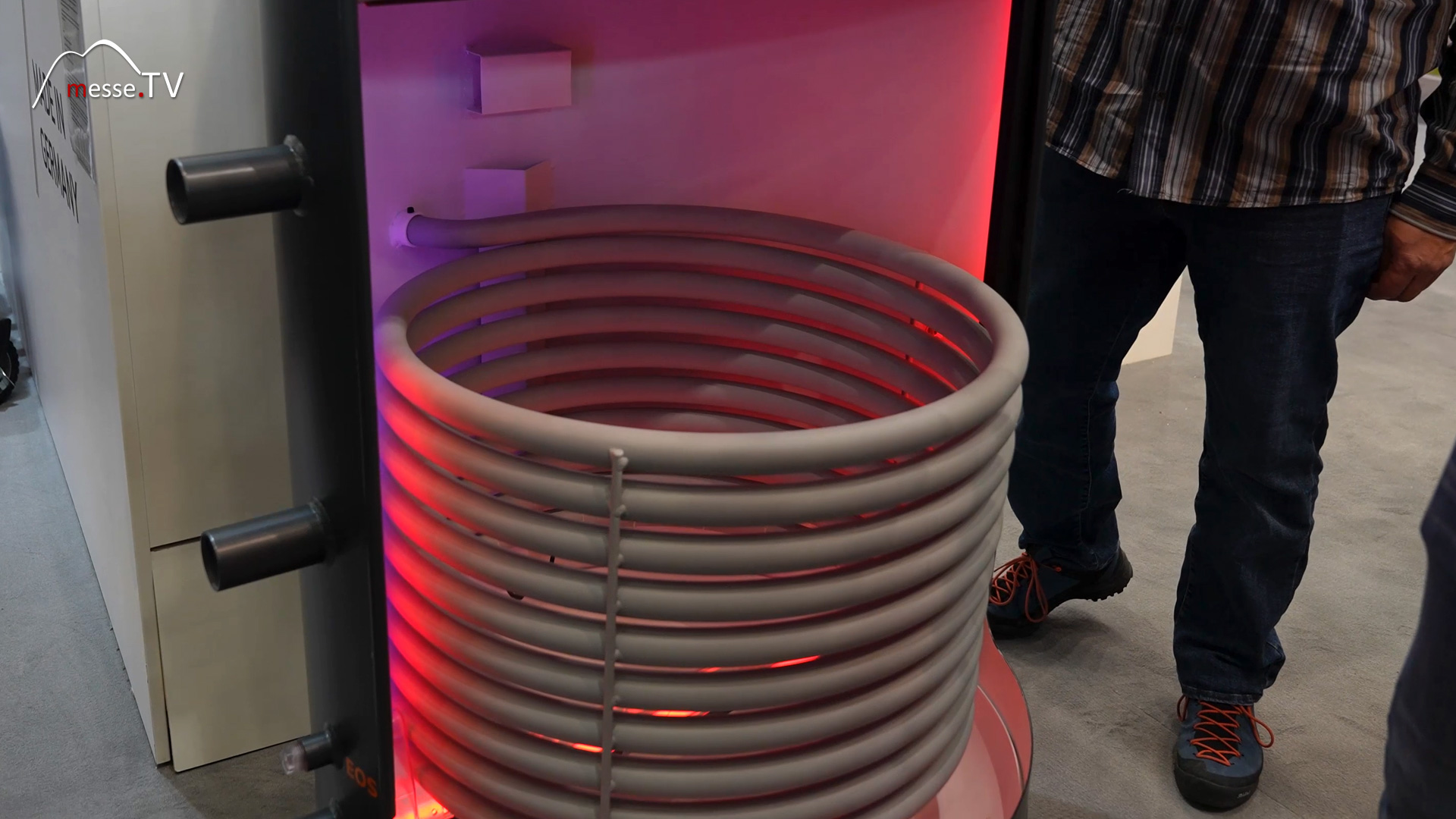
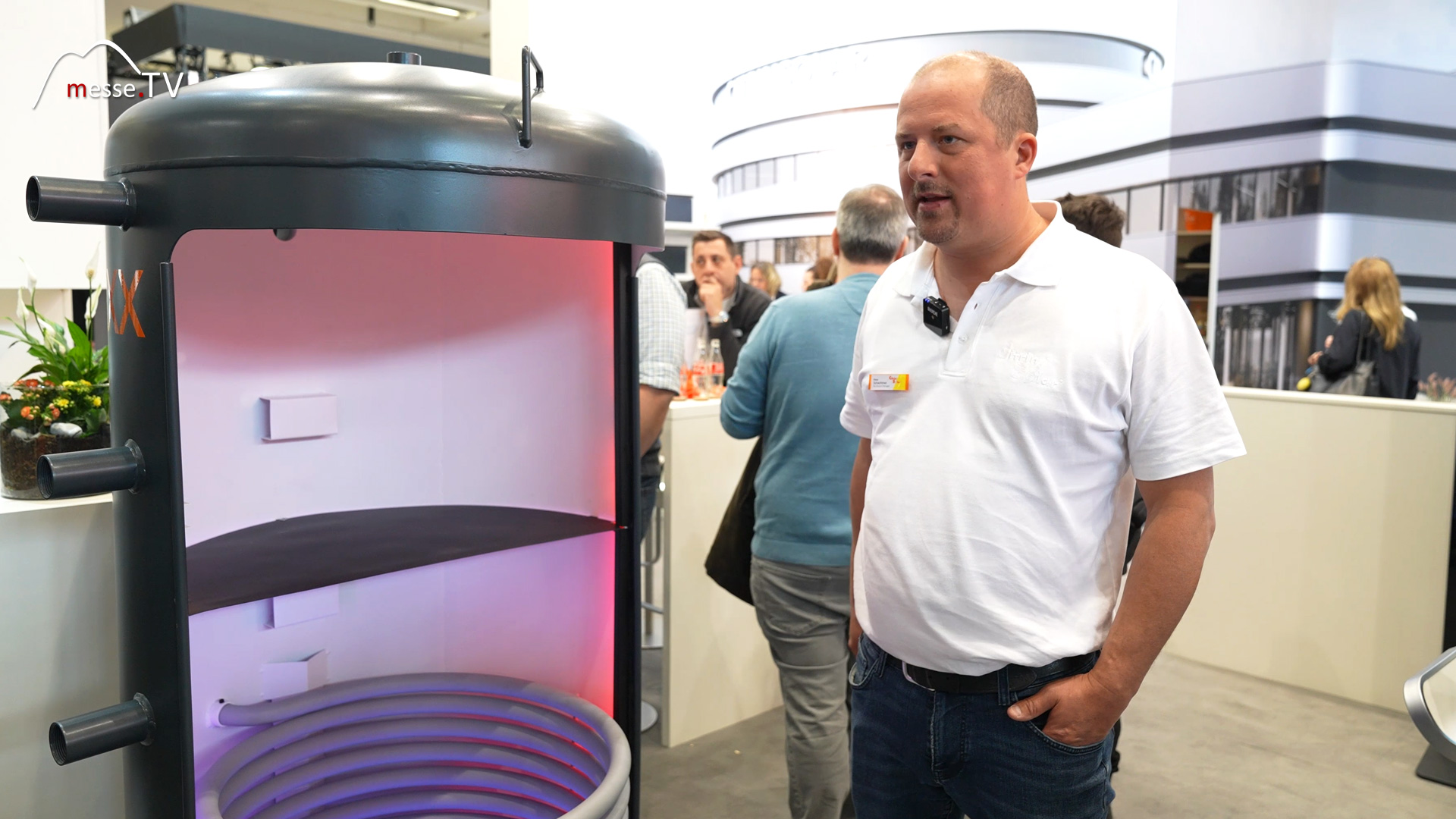
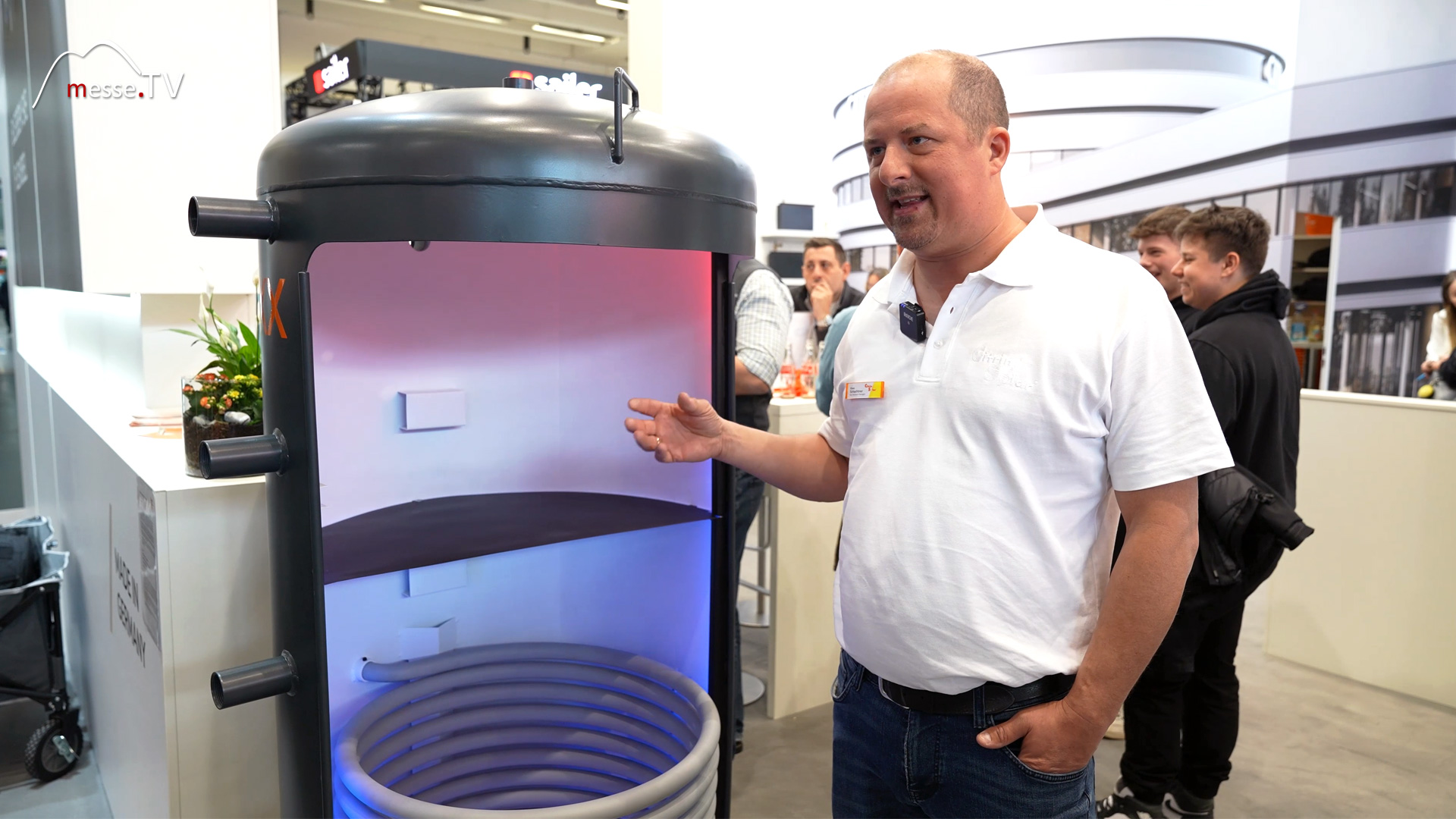
Das Unternehmen Citrin Solar aus Moosburg, nahe München, hat sich genau auf diesen Bereich spezialisiert. Der Hersteller entwickelt und produziert Solarthermie-Kollektoren sowie Pufferspeicher für Heizungs- und Trinkwassersysteme. Die Bandbreite reicht dabei von kompakten Lösungen für Einfamilienhäuser bis hin zu Speichern mit sehr großen Volumina für komplexe Anlagen. Auffällig ist dabei der klare Fokus auf thermische Speicher als zentrale Schnittstelle zwischen verschiedenen Energiequellen. Im Mittelpunkt des Messeauftritts steht ein neuer Pufferspeicher, der unter der Bezeichnung EOS Speicher vorgestellt wird. Technisch handelt es sich um einen Schichtspeicher, der gezielt mit einer speziellen Vorrichtung kombiniert wird. Diese Konstruktion ist darauf ausgelegt, überschüssigen Strom aus Photovoltaikanlagen direkt in nutzbare Wärme umzuwandeln und im Speicher abzulegen. Der Ansatz unterscheidet sich deutlich von klassischen Warmwasserspeichern, bei denen häufig unkontrollierte Durchmischung zu Effizienzverlusten führt.
PV-Überschuss sinnvoll in Wärme umwandeln
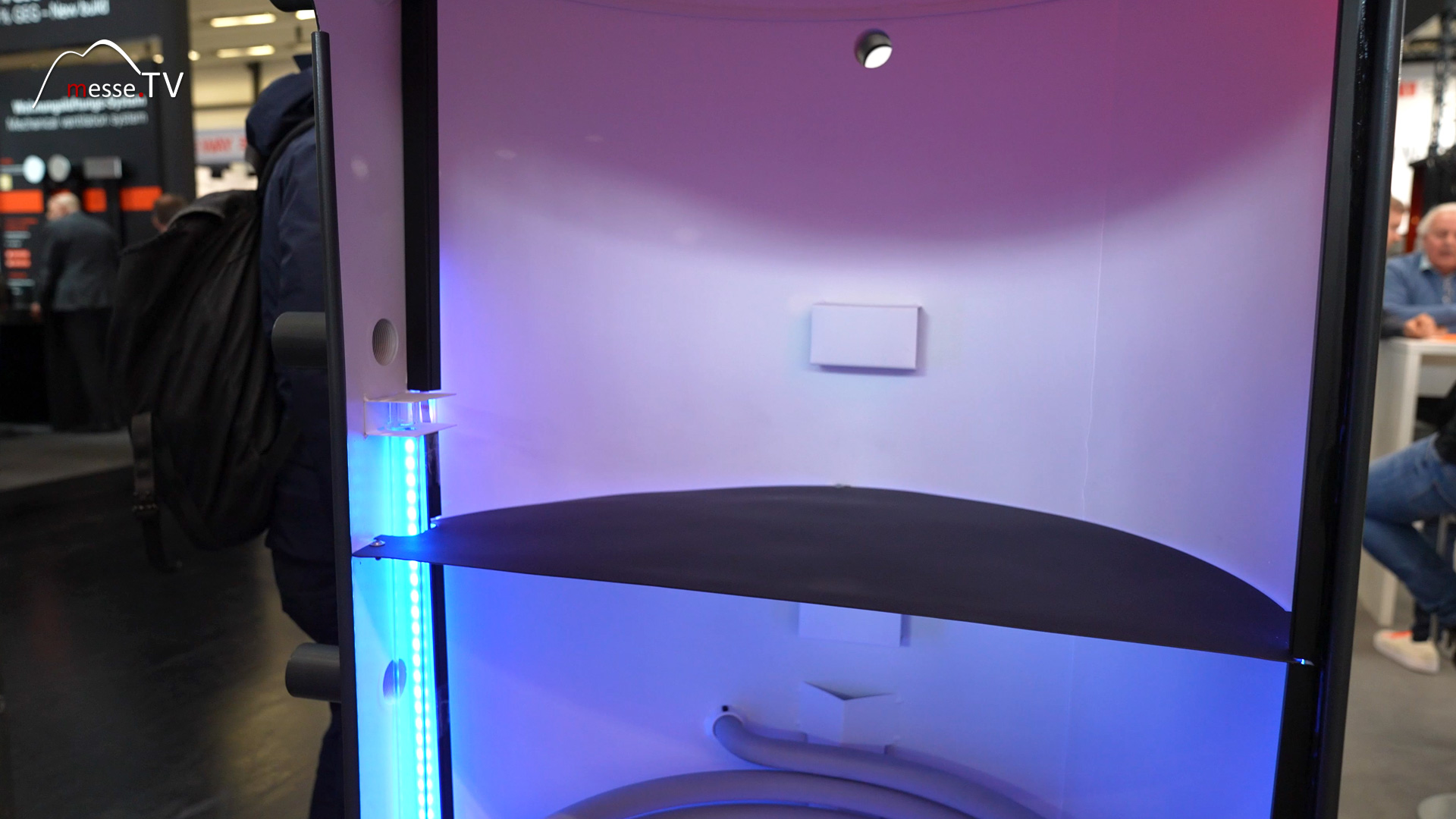
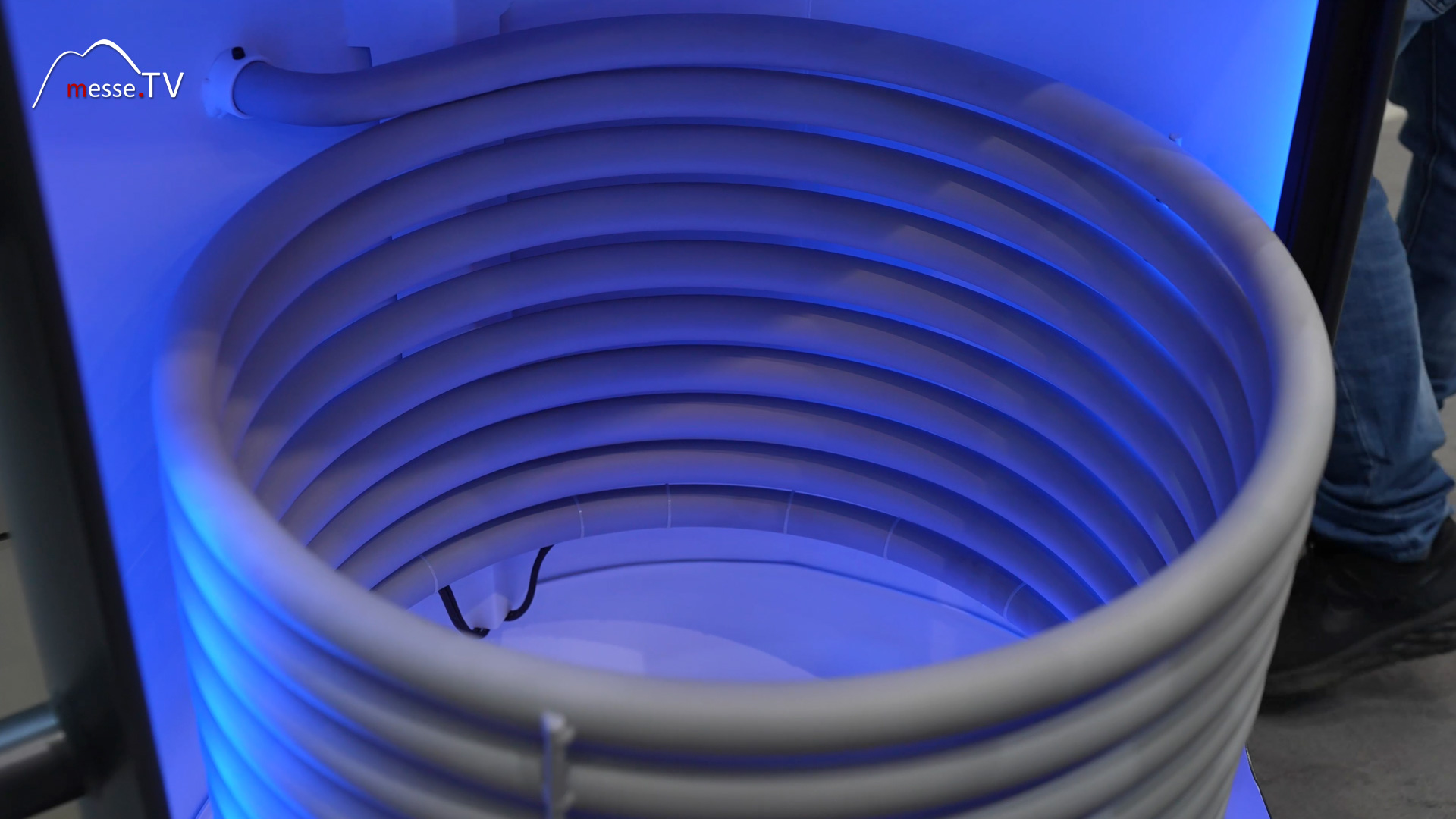
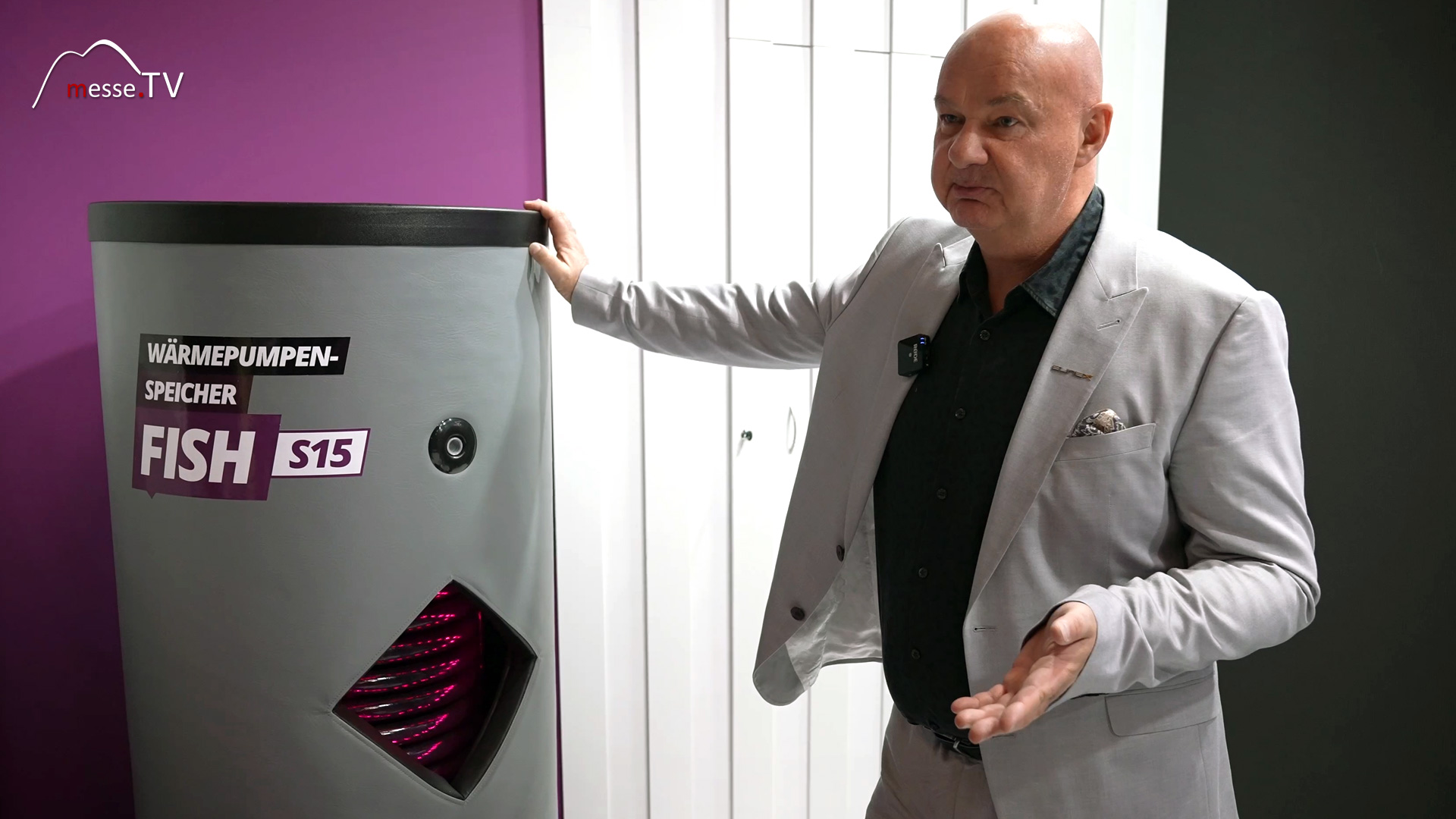
Das Kernprinzip des Systems liegt in der kontrollierten Temperaturschichtung. Kaltes Wasser wird im unteren Bereich des Speichers so lange erwärmt, bis ein definierter Temperaturwert erreicht ist. Erst dann wird das erwärmte Wasser in den oberen Bereich des Pufferspeichers eingebracht. Dadurch steht dort unmittelbar nutzbares Warmwasser mit hoher Temperatur zur Verfügung, anstatt große Wassermengen nur lauwarm zu halten. Gerade im Vergleich zur reinen Batteriespeicherung zeigt sich ein entscheidender Vorteil: Die Energiemenge, die sich in Warmwasser speichern lässt, ist sehr hoch und kann verlustarm wieder genutzt werden. Warmwasser und Heizwärme gehören zu den größten Energieverbrauchern im Gebäude. Überschüssiger PV-Strom lässt sich auf diese Weise direkt in den Bereichen einsetzen, in denen er tatsächlich benötigt wird. Typische Einsatzszenarien für diese Form der Energiespeicherung sind unter anderem:
- Nutzung von Photovoltaik-Überschüssen für Warmwasserbereitung
- Unterstützung von Heizsystemen durch thermische Speicherung
- Reduzierung von Strom-Einspeisung zugunsten des Eigenverbrauchs
- Kombination mit bestehenden Heiz- und Solaranlagen
Solarthermie als Ergänzung zur Photovoltaik
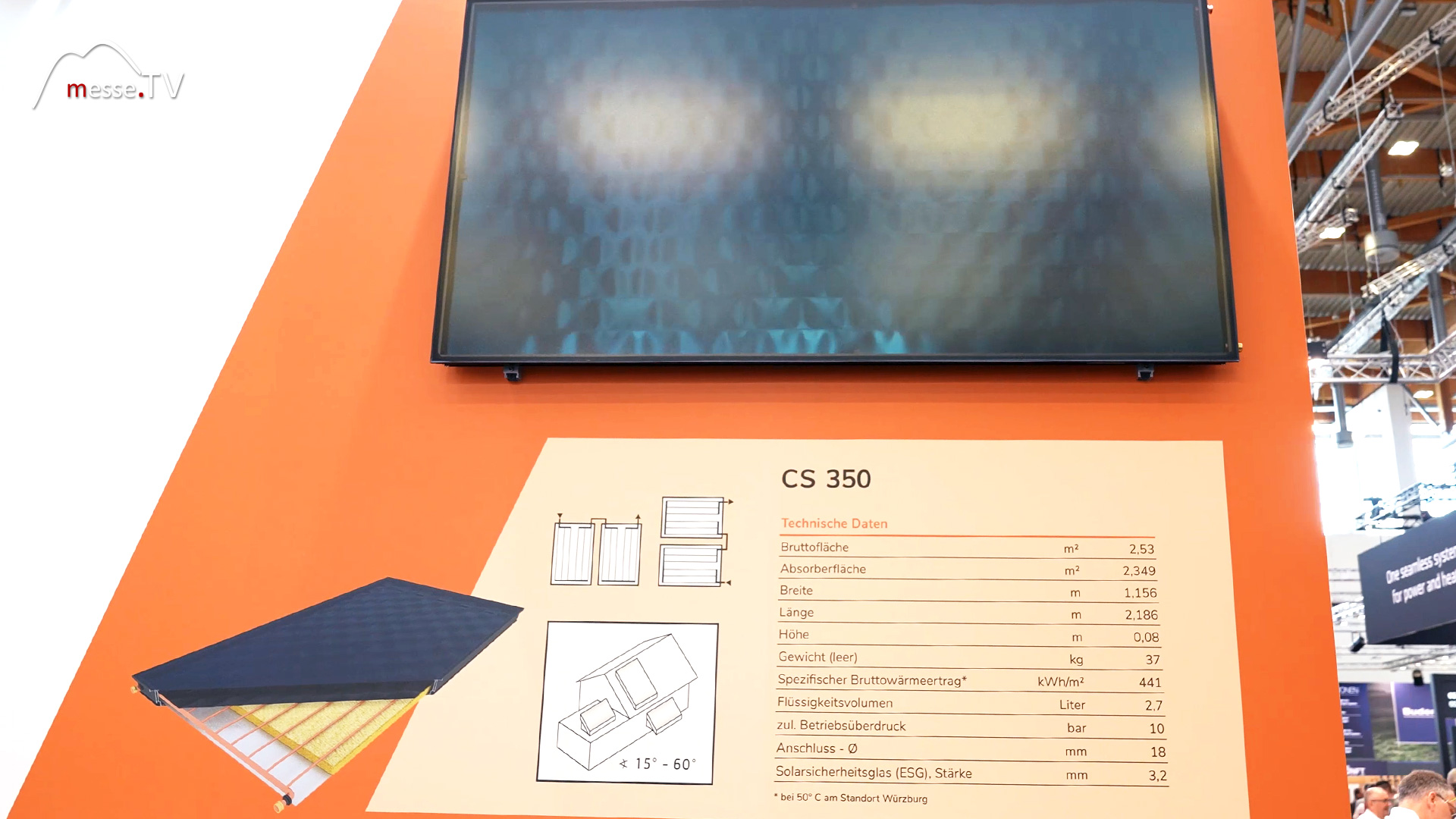
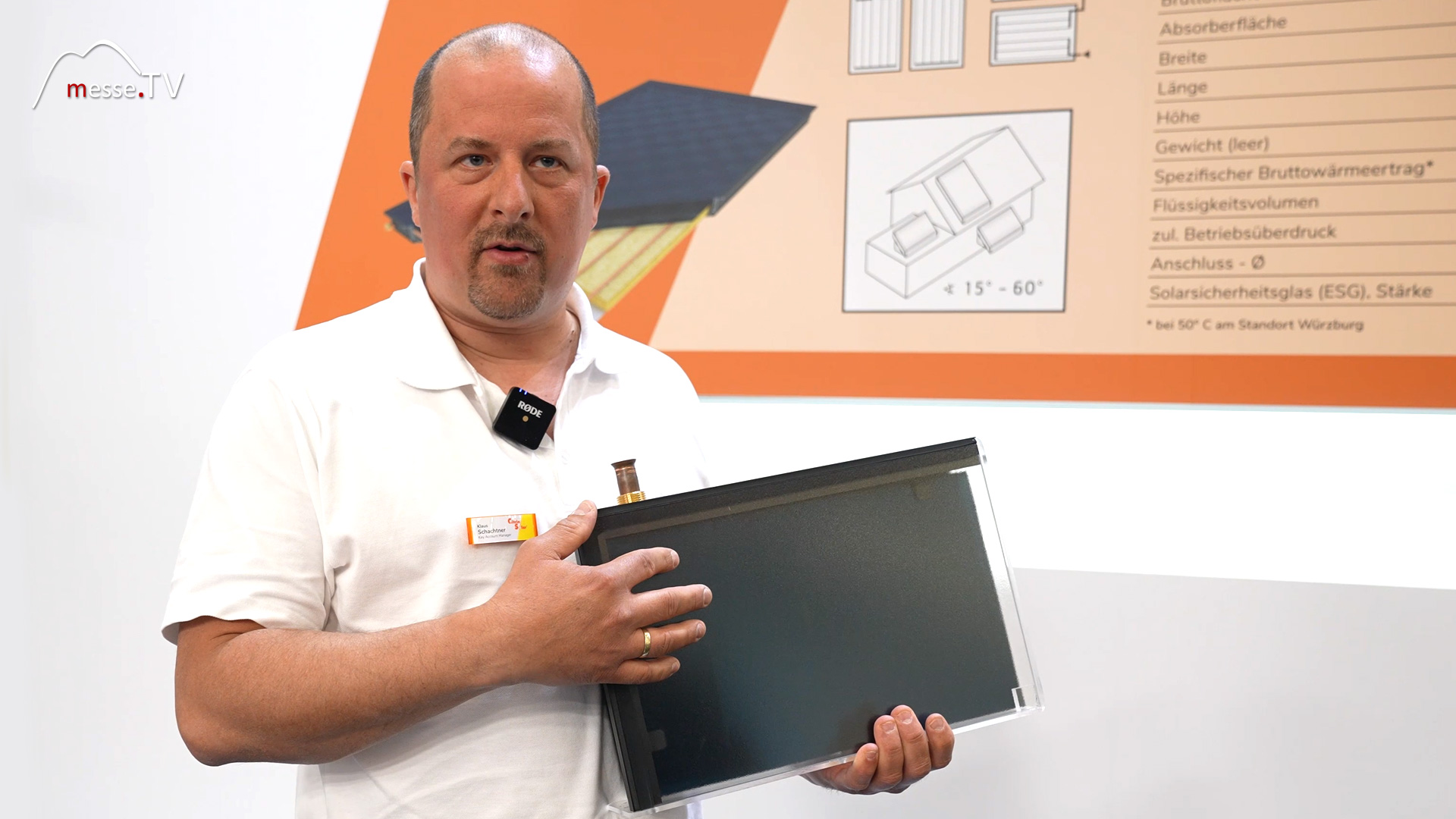
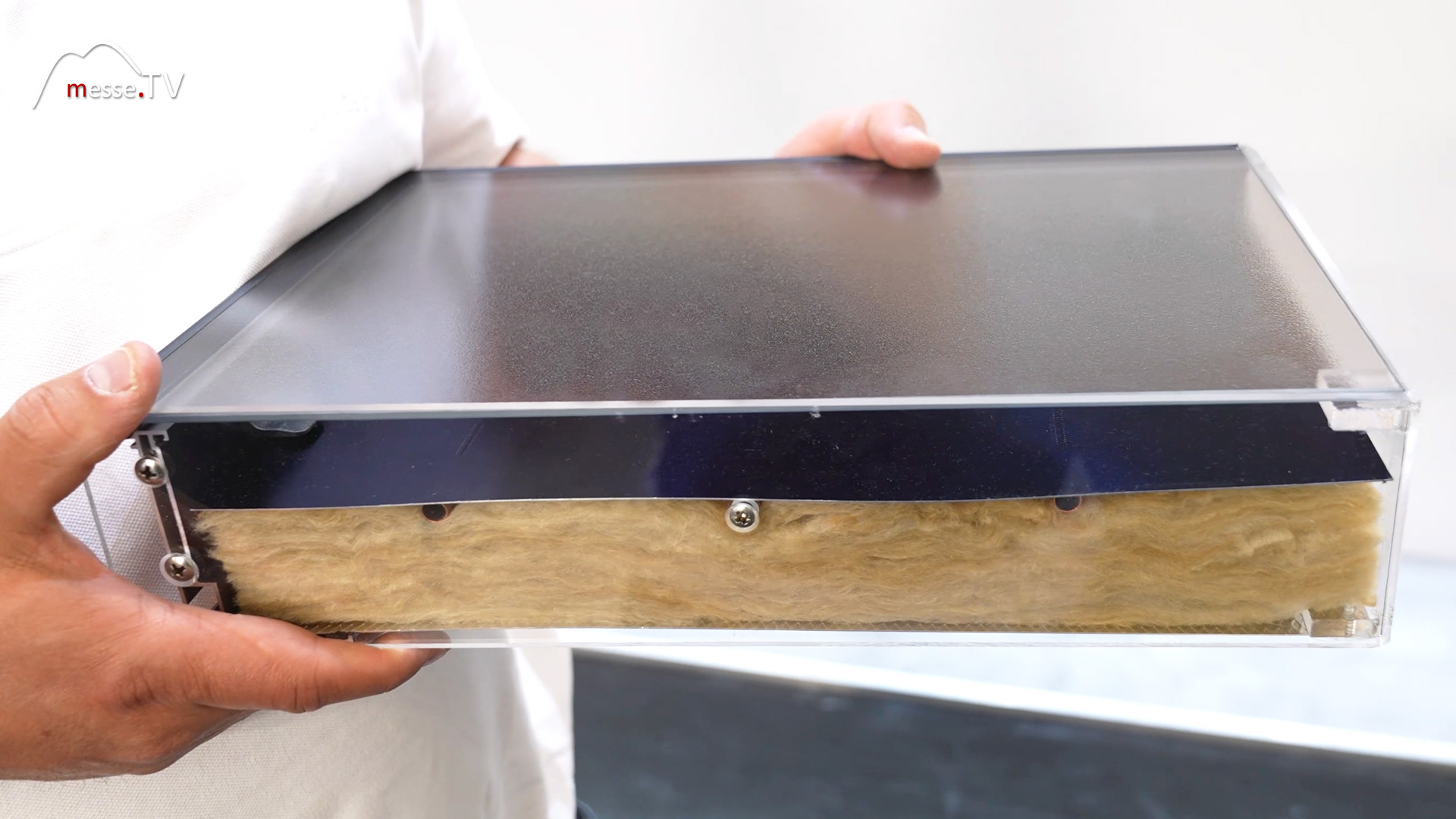
Ein weiterer Schwerpunkt liegt auf der eigenen Fertigung von Solarthermie-Kollektoren. Diese werden im Werk in Moosburg produziert und sind in unterschiedlichen Größen erhältlich. Das Funktionsprinzip ist klassisch, aber bewährt: Eine frostsichere Solarflüssigkeit zirkuliert durch den Kollektor, wird durch Sonneneinstrahlung erwärmt und transportiert die Energie in den Pufferspeicher im Gebäude. Dort wird die Wärme entweder für die Warmwasserbereitung oder zur Unterstützung von Heizsystemen genutzt. Der Unterschied zur Photovoltaik ist dabei grundlegend, aber gerade im Zusammenspiel besonders interessant. Während Photovoltaikanlagen Strom erzeugen, liefern Solarthermieanlagen direkt Wärme. Beide Systeme bedienen unterschiedliche Energieströme, lassen sich aber über einen zentralen Speicher miteinander verknüpfen. So entsteht ein integriertes Gesamtsystem, das Strom und Wärme bedarfsgerecht bereitstellt.
Fertigungstiefe und Systemansatz
Citrin Solar verfolgt dabei einen klaren Systemansatz. Neben der Herstellung von Solarthermie-Kollektoren und Speichern bietet das Unternehmen auch die Installation kompletter Photovoltaikanlagen an – vom Keller bis zum Dach. Die PV-Module selbst stammen zwar von externen Herstellern, die Integration in das Gesamtsystem erfolgt jedoch aus einer Hand. Das Ziel ist ein abgestimmtes Zusammenspiel aller Komponenten, bei dem Speichertechnik eine zentrale Rolle einnimmt. Bemerkenswert ist zudem der hohe Fertigungsanteil im eigenen Werk. Die Solarthermie-Kollektoren werden nicht zugekauft, sondern vollständig selbst produziert. Das ermöglicht eine enge Kontrolle über Qualität, Materialien und technische Weiterentwicklung. Gerade im Bereich der Speichertechnik zeigt sich, dass kleine konstruktive Details große Auswirkungen auf Effizienz und Alltagstauglichkeit haben können.
Thermische Speicher als unterschätzte Komponente
In der öffentlichen Diskussion um Energiewende und Gebäudetechnik stehen häufig Wärmepumpen oder Photovoltaikmodule im Vordergrund. Speicherlösungen werden dagegen oft als Nebenaspekt betrachtet. Tatsächlich sind sie jedoch ein entscheidender Faktor für die Wirtschaftlichkeit und Praxistauglichkeit moderner Systeme. Ohne ausreichend dimensionierte und intelligent aufgebaute Speicher verpufft ein Großteil des Potenzials erneuerbarer Energie. Der Ansatz, Stromüberschüsse gezielt in Wärme umzuwandeln und in Pufferspeichern zu lagern, eröffnet dabei neue Möglichkeiten. Gerade in Zeiten hoher PV-Erträge im Sommer lässt sich so Energie für Warmwasser oder sogar für spätere Heizunterstützung nutzbar machen. Thermische Speicher übernehmen damit eine ähnliche Rolle wie Batterien, allerdings mit deutlich geringeren Kosten pro gespeicherter Kilowattstunde. Vor diesem Hintergrund wird deutlich, warum Hersteller wie Citrin Solar den Schwerpunkt nicht allein auf Kollektoren oder Module legen, sondern auf das Zusammenspiel aller Komponenten. Die Speichertechnik wird zum eigentlichen Dreh- und Angelpunkt moderner Heiz- und Energiesysteme – und entscheidet darüber, wie viel der erzeugten Energie tatsächlich im Gebäude ankommt.





Messe-Berichterstattung bundesweit - Messewissen, Termine & Veranstaltungen


