Wärmepumpen zwischen Markt, Politik und öffentlicher Debatte
Kaum eine Heiztechnologie wird derzeit so intensiv diskutiert wie die Wärmepumpe. Zwischen politischen Vorgaben, steigenden Absatzzahlen, medialen Zuspitzungen und handfesten Fragen von Eigentümern entsteht ein Spannungsfeld, das für viele schwer zu überblicken ist. Genau in diesem Umfeld spielt die Einordnung eine entscheidende Rolle: Was ist technisch möglich, was politisch gewollt und was wirtschaftlich sinnvoll? Die Wärmepumpe steht dabei exemplarisch für den grundlegenden Umbau der Wärmeversorgung in Deutschland.
In den vergangenen Jahren hat sich die Technologie deutlich aus der Nische herausentwickelt. Insbesondere die Zeit ab 2021 war geprägt von stark wachsenden Installationszahlen. Spätestens mit der Reform des Gebäudeenergiegesetzes wurde das Thema auch außerhalb der Fachwelt breit diskutiert. Mit der wachsenden Aufmerksamkeit ging jedoch nicht nur Klarheit einher, sondern auch Verunsicherung. Viele Endverbraucher sahen sich plötzlich mit widersprüchlichen Aussagen konfrontiert, die von uneingeschränkter Zukunftstechnologie bis hin zu angeblich untauglichen Lösungen reichten.
BWP Aufklärungsarbeit im Spannungsfeld von Fakten und Emotionen
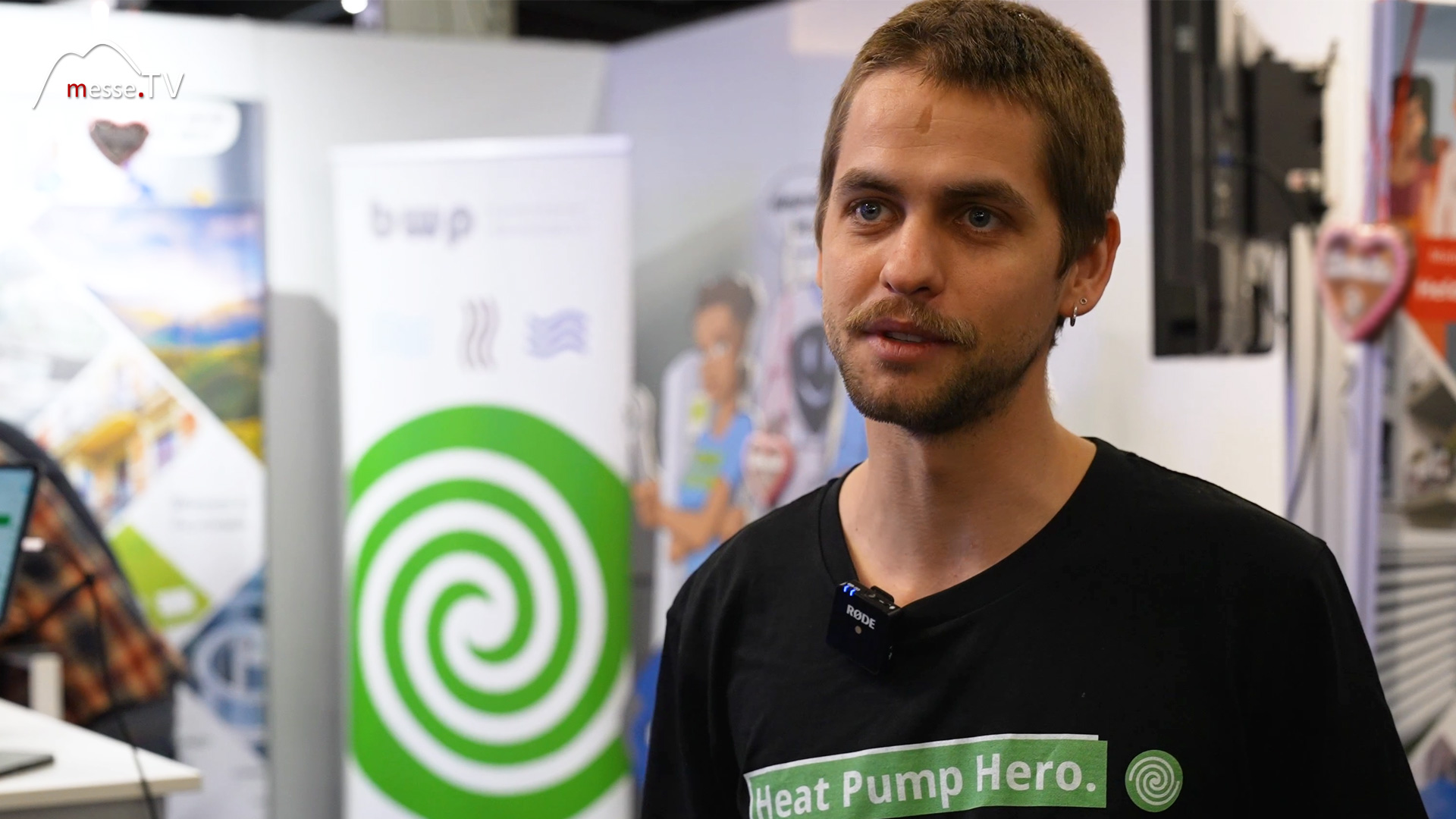
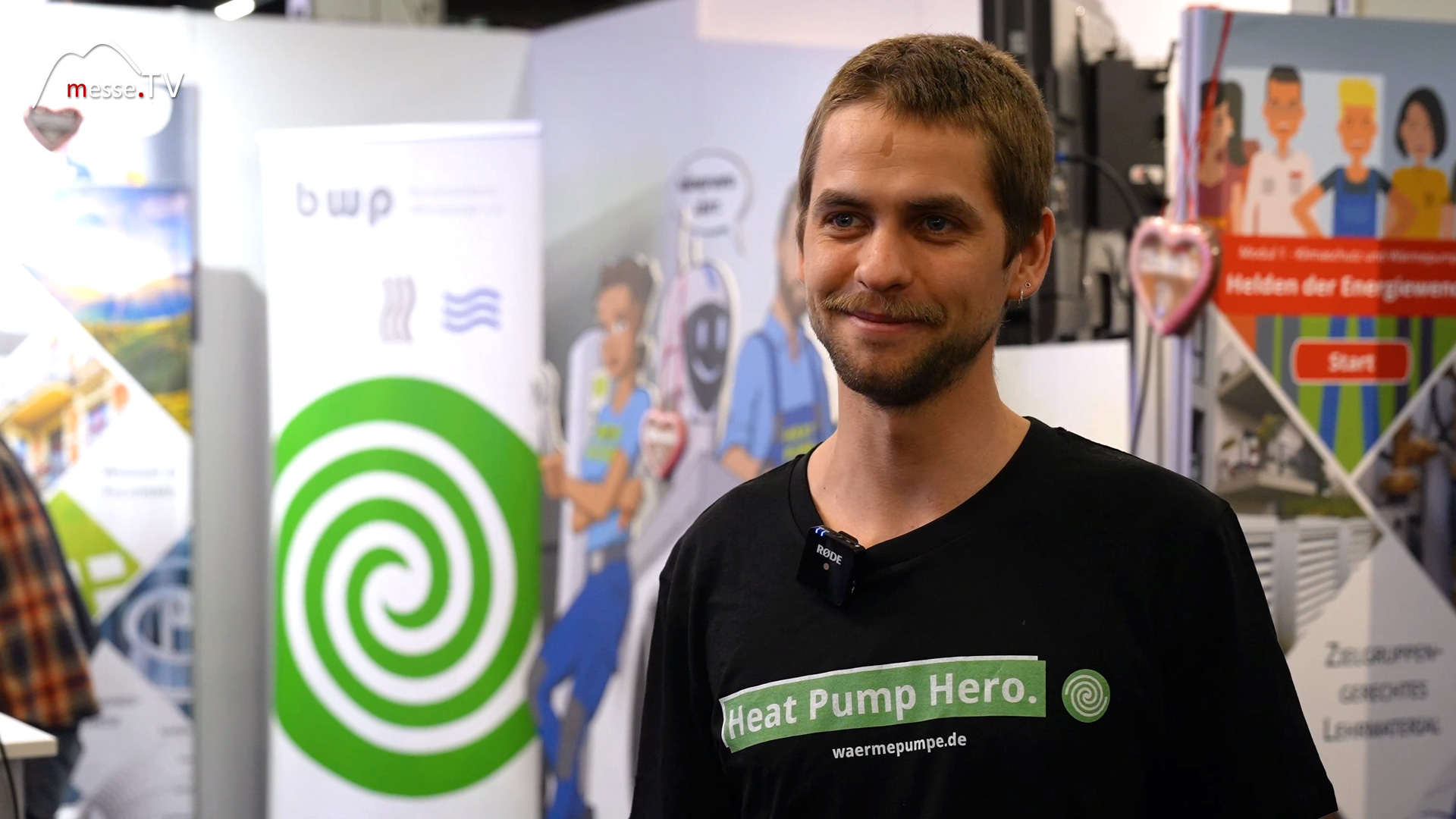
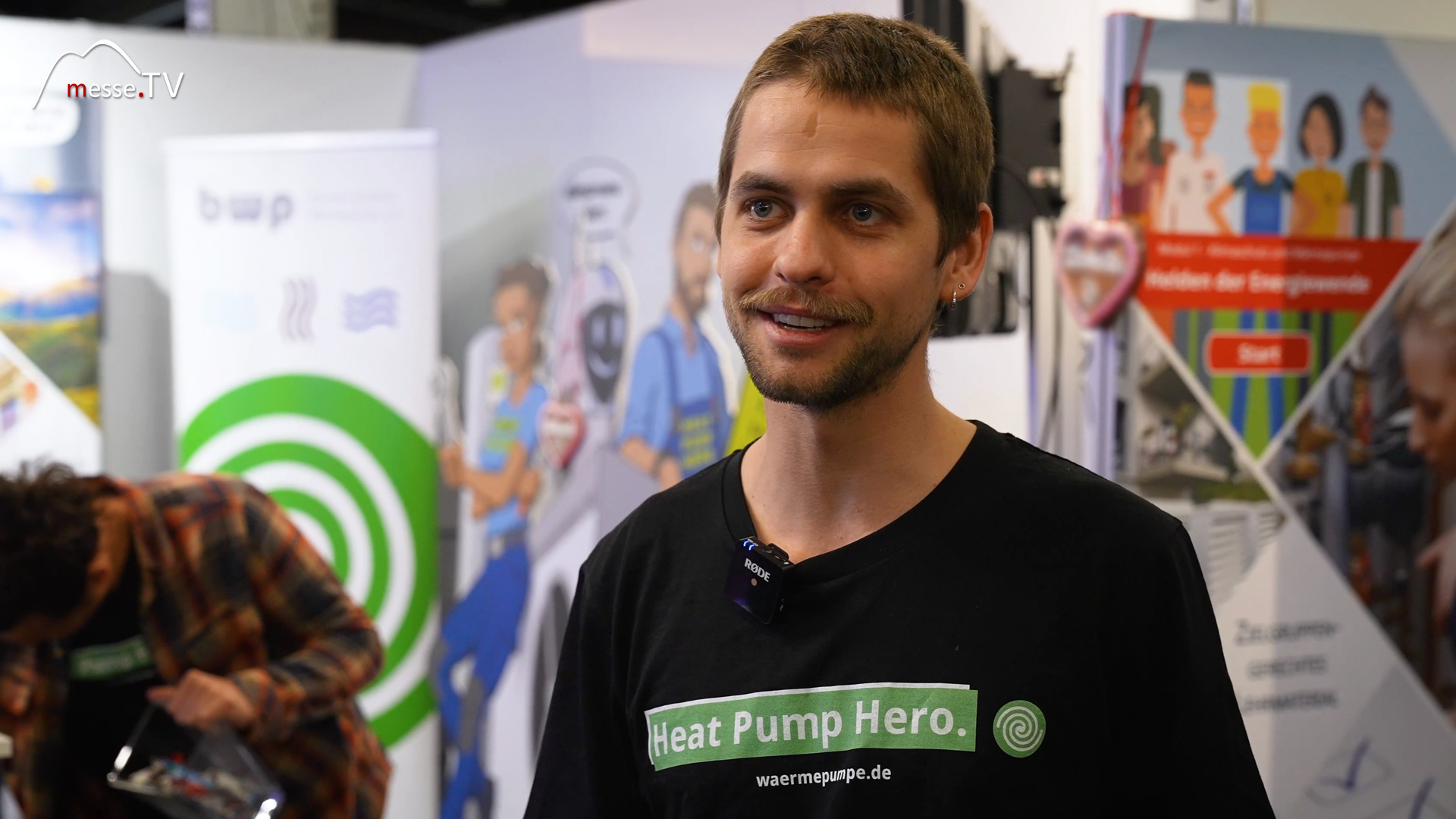
An dieser Stelle setzt die Arbeit des Bundesverband Wärmepumpe e.V. an, der seit einem Vierteljahrhundert versucht, die Technologie sachlich in der Öffentlichkeit zu verankern. Der Verband mit Sitz in Berlin versteht sich als Schnittstelle zwischen Herstellern, Handwerk, Politik und Endkunden. Ziel ist es, belastbare Informationen bereitzustellen und technische Zusammenhänge verständlich zu machen. Gerade im Zuge der politischen Debatte rund um neue gesetzliche Vorgaben wurde deutlich, wie schnell technische Details emotional aufgeladen werden können. Fragen nach Kosten, Förderfähigkeit, Effizienz oder Eignung im Bestand lassen sich selten pauschal beantworten. Der Verband sieht seine Aufgabe deshalb nicht darin, andere Heizsysteme abzuwerten, sondern die Wärmepumpe realistisch einzuordnen. Fossile Heizungen haben eine lange Tradition und sind technisch ausgereift, doch ihre Perspektive ist begrenzt. Die Wärmepumpe hingegen adressiert die künftigen Anforderungen an Klimaschutz und Energieeffizienz.
Zwischen Gesetzgebung und Marktdynamik
Die Einführung klarer politischer Leitplanken hat dem Markt einerseits Orientierung gegeben, andererseits aber auch Unsicherheit erzeugt. Viele Eigentümer fragen sich, welche Konsequenzen neue Regelungen konkret für ihr Gebäude haben. Hier wird deutlich, dass technische Lösungen und politische Kommunikation nicht immer synchron verlaufen. Während der Markt zunehmend leistungsfähige Systeme hervorbringt, bleibt die öffentliche Wahrnehmung oft hinter dieser Entwicklung zurück. Der Bundesverband Wärmepumpe e.V. sieht sich deshalb auch als Korrektiv gegenüber vereinfachenden oder falschen Darstellungen. In der öffentlichen Debatte kursieren zahlreiche Mythen, etwa zur angeblich mangelnden Effizienz oder zur grundsätzlichen Untauglichkeit in Bestandsgebäuden. Solche Aussagen halten einer fachlichen Prüfung häufig nicht stand. Dennoch prägen sie die Meinungsbildung, wenn sie unkommentiert bleiben. Entsprechend aktiv ist der Verband in der Medienarbeit und im direkten Austausch, auch dort, wo Diskussionen emotional geführt werden.
Technologische Entwicklung als Treiber der Akzeptanz
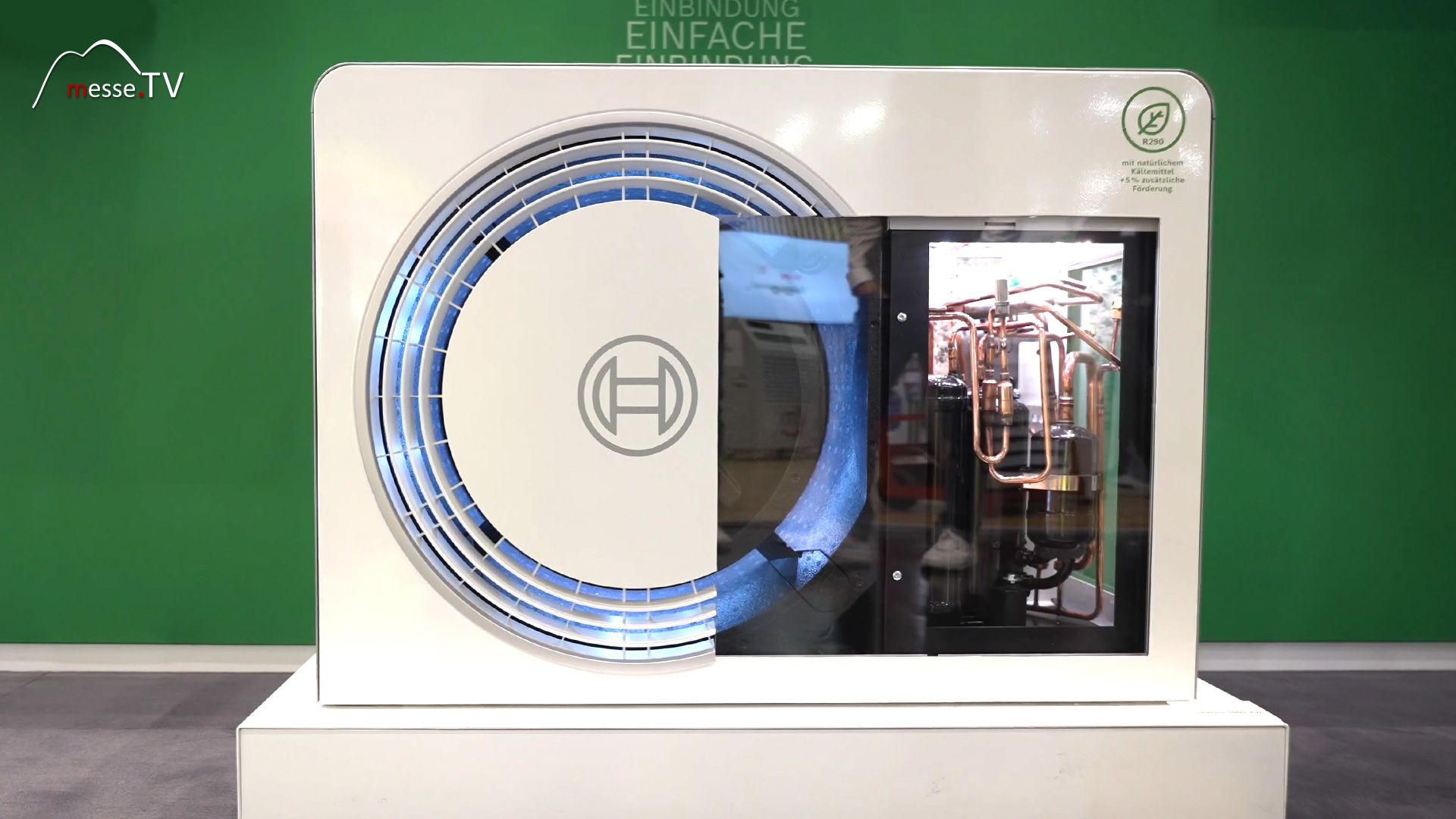
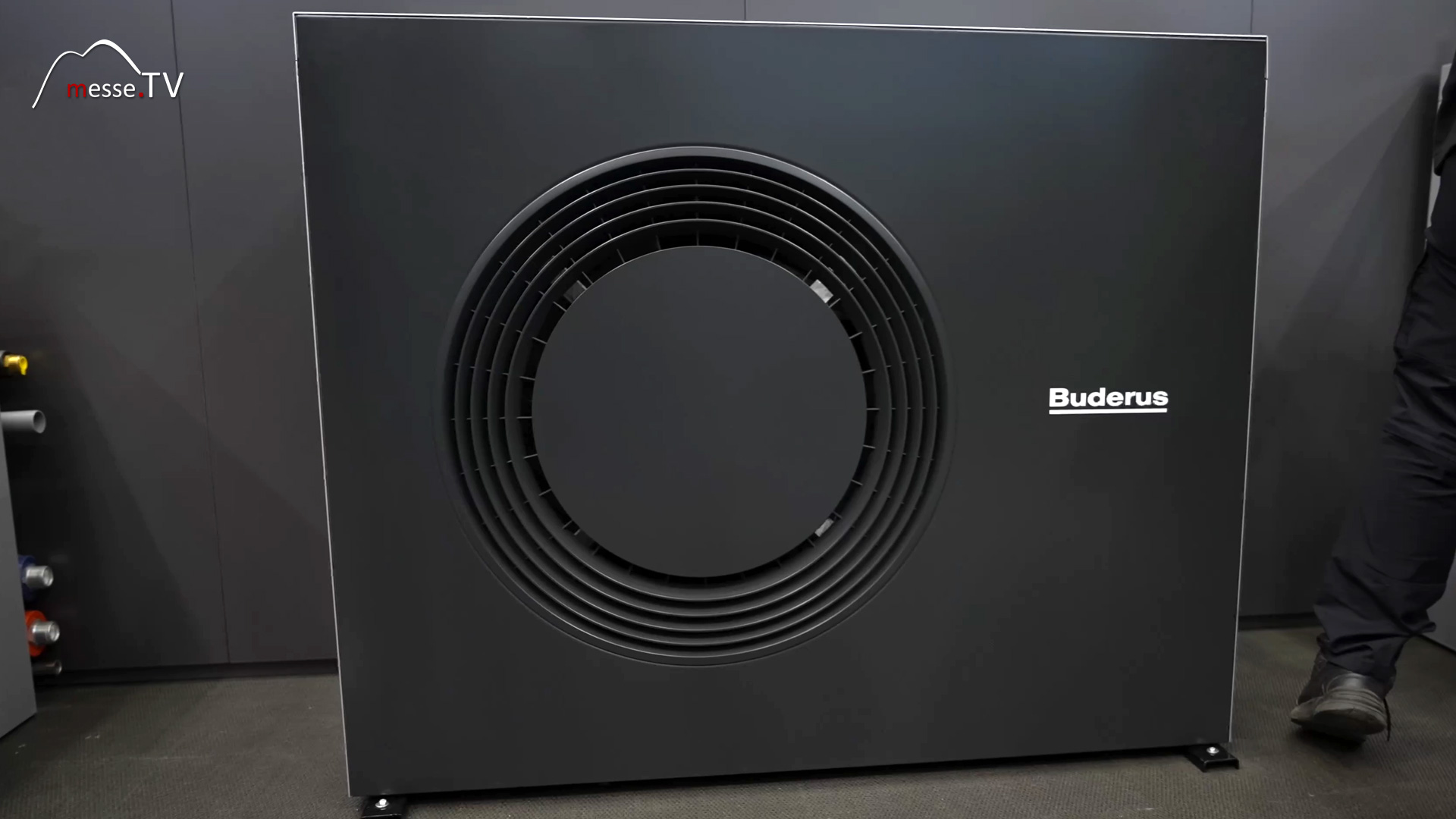
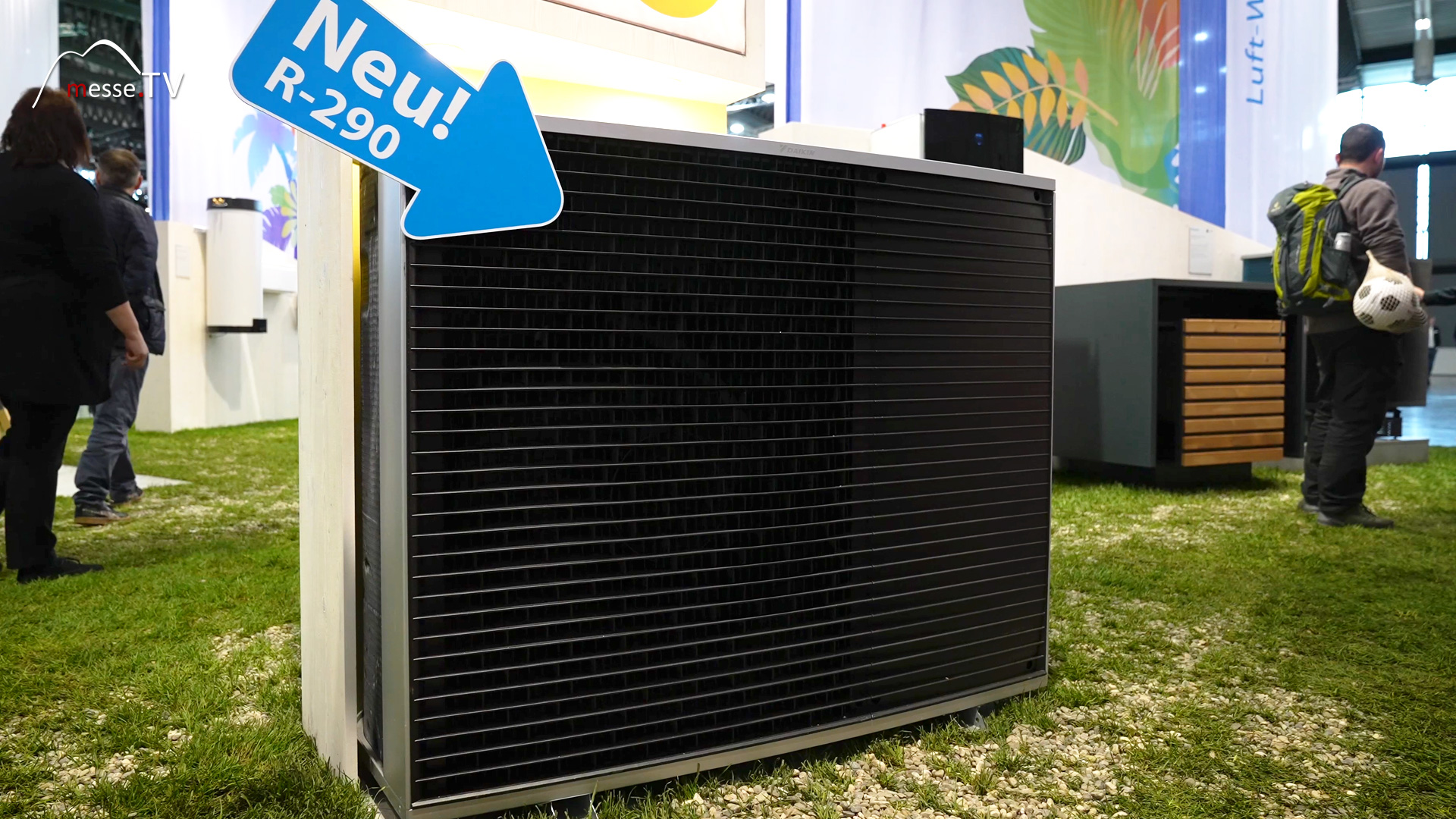
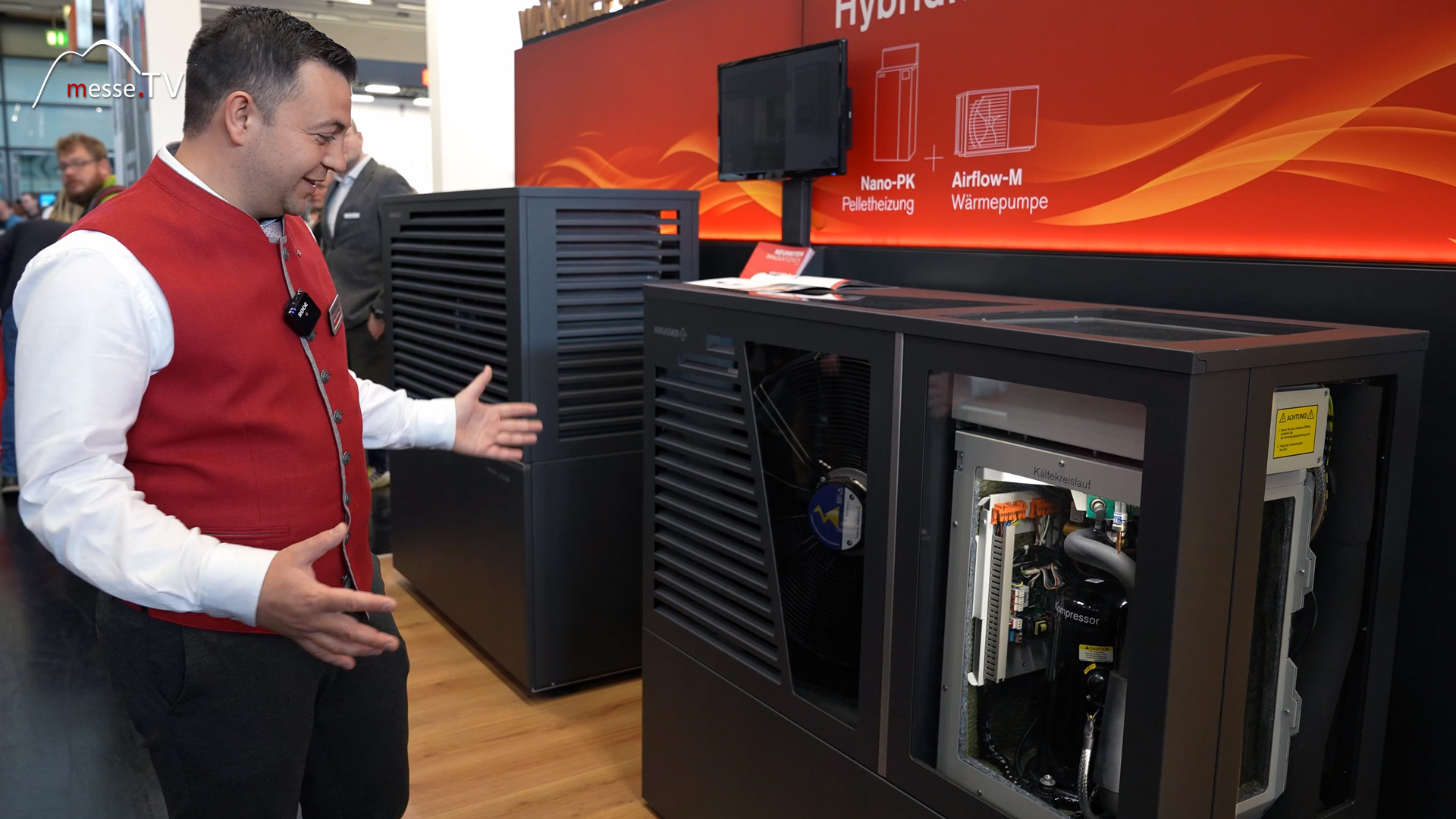
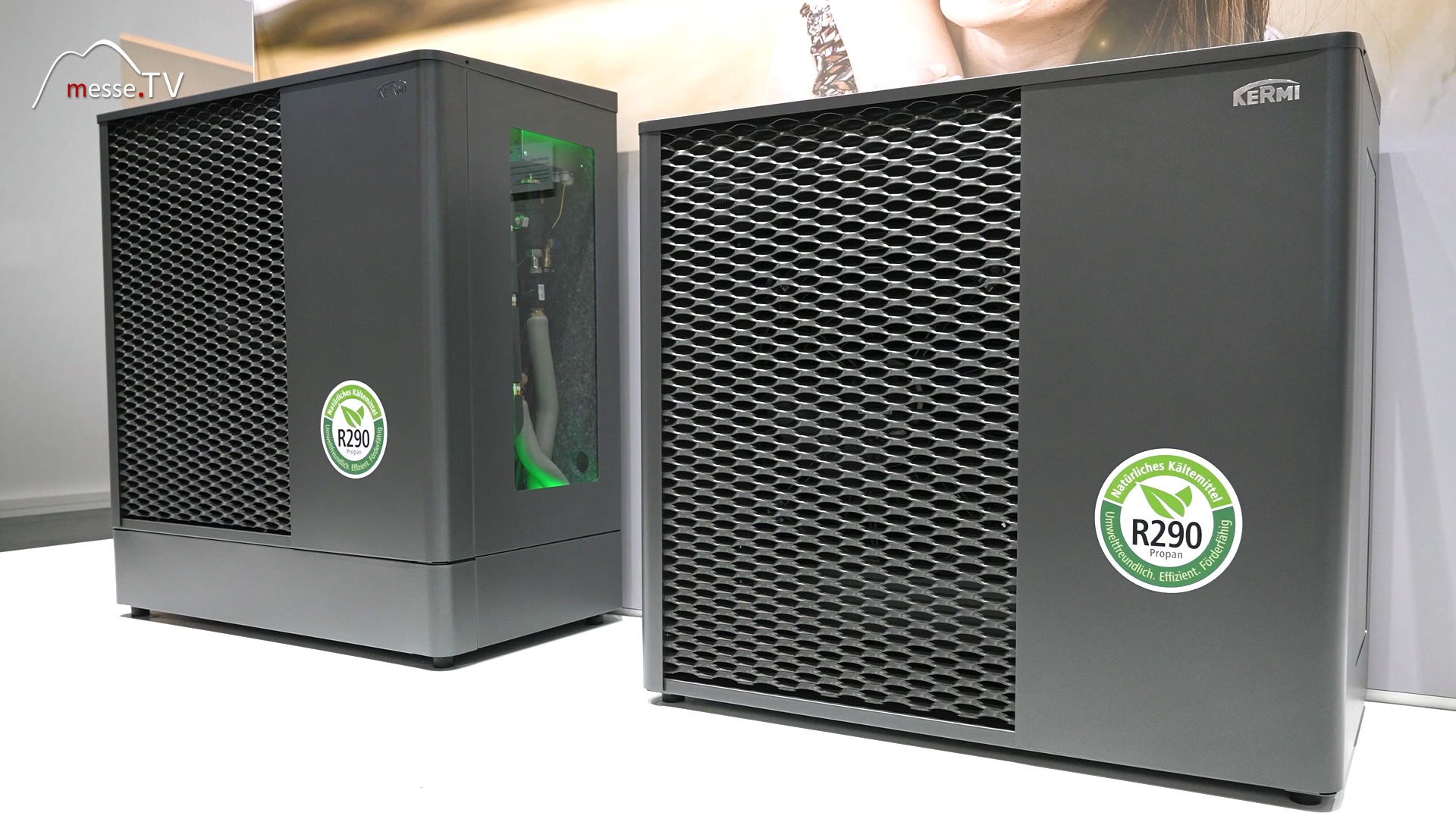
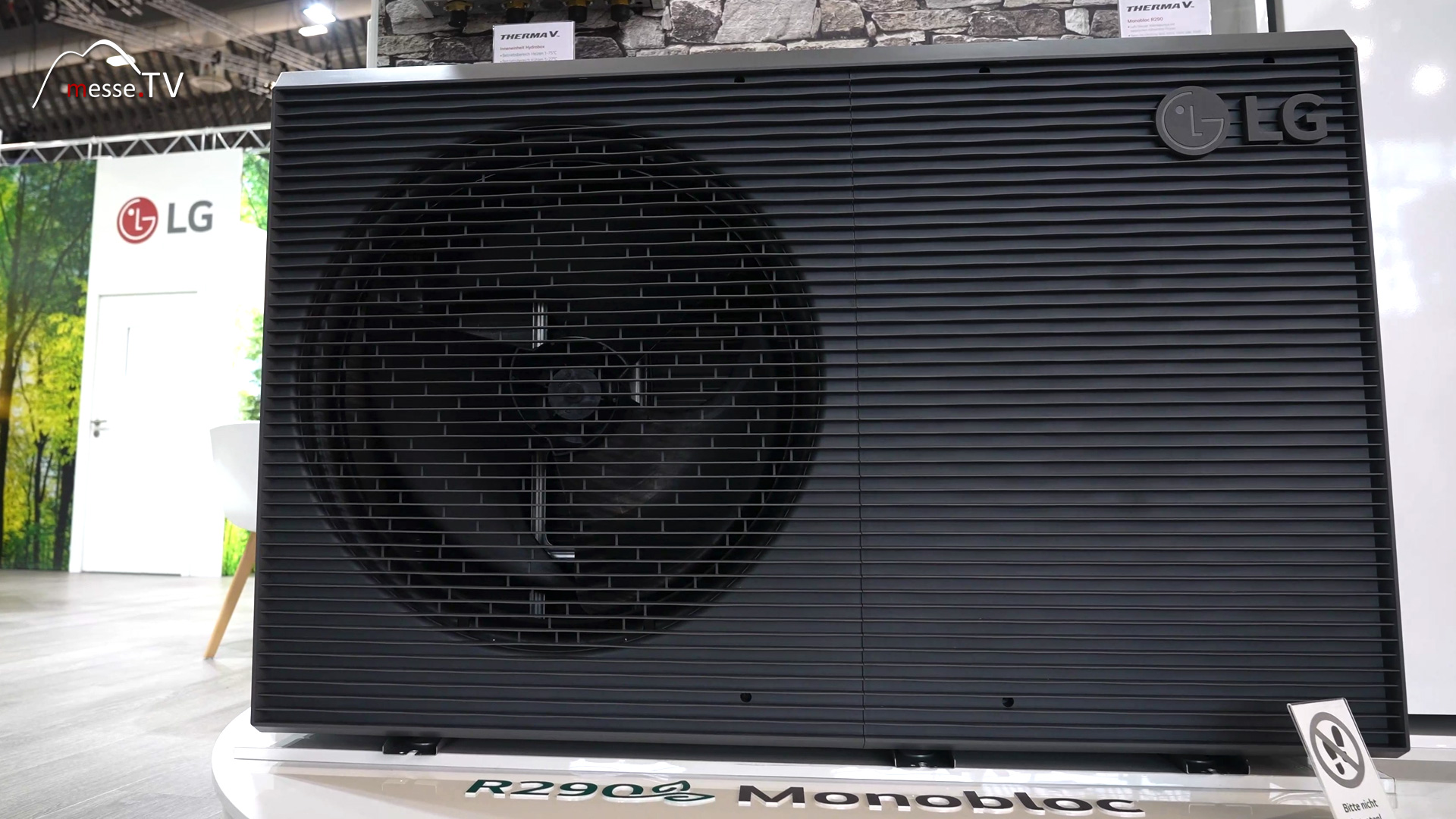
Parallel zur politischen Debatte schreitet die technische Entwicklung zügig voran. Ein zentrales Thema der letzten Jahre ist der Wechsel von synthetischen zu natürlichen Kältemitteln. Propan, häufig unter der Bezeichnung R290 genannt, hat sich als besonders vielversprechend erwiesen. Die Umstellung wird nicht nur durch regulatorische Vorgaben wie die F-Gase-Verordnung vorangetrieben, sondern auch aus technischer Überzeugung. Natürliche Kältemittel bieten Vorteile bei Umweltverträglichkeit und Effizienz und sind inzwischen in zahlreichen marktreifen Systemen verfügbar. Hersteller reagieren auf diese Rahmenbedingungen mit einer breiten Palette neuer Lösungen. Die Systeme werden leiser, leistungsfähiger und besser integrierbar, auch in komplexere Gebäudestrukturen. Damit verändern sich auch die Voraussetzungen für den Einsatz im Bestand, der lange als größte Hürde galt. Die technologische Entwicklung trägt somit wesentlich dazu bei, Vorbehalte abzubauen, vorausgesetzt sie wird nachvollziehbar kommuniziert.
Die Rolle des Handwerks und der Information
Ein weiterer zentraler Aspekt ist das Handwerk. Ohne qualifizierte Planung und fachgerechte Installation bleibt auch die beste Technik wirkungslos. Deshalb richtet sich die Arbeit des Verbandes nicht nur an Endverbraucher, sondern ebenso an Betriebe, die täglich mit konkreten Projekten konfrontiert sind. Schulungen, Austauschformate und praxisnahe Informationen sollen dazu beitragen, die Umsetzung vor Ort zu erleichtern. Typische Aufgabenfelder der Verbandsarbeit lassen sich dabei wie folgt zusammenfassen:
- Einordnung technischer Fakten zur Wärmepumpe
- Aufklärung über gesetzliche Rahmenbedingungen
- Vermittlung zwischen Herstellern, Handwerk und Öffentlichkeit
- Korrektur von Fehlinformationen in der öffentlichen Debatte
Bundesverband Wärmepumpe e.V. - Wärmepumpe als langfristige Perspektive
Unabhängig von kurzfristigen politischen Diskussionen lässt sich eine grundlegende Entwicklung kaum bestreiten: Die Wärmepumpe ist auf langfristige Nutzung ausgelegt. Während fossile Heizsysteme auf endlichen Ressourcen basieren, nutzt sie Umweltenergie und passt damit in ein Energiesystem, das zunehmend auf Strom aus erneuerbaren Quellen setzt. Genau darin liegt ihr strategischer Vorteil. Der Bundesverband Wärmepumpe e.V. formuliert diesen Gedanken bewusst nüchtern. Es geht nicht um Heilsversprechen, sondern um eine realistische Bewertung. Die Wärmepumpe wird nicht in jedem Gebäude sofort die optimale Lösung sein, doch sie bietet eine Perspektive, die mit den langfristigen Klimazielen vereinbar ist. Je besser diese Zusammenhänge verstanden werden, desto sachlicher kann die Debatte geführt werden. Am Ende entscheidet nicht allein die Technik, sondern auch die Qualität der Information. In einem Markt, der sich so dynamisch entwickelt, ist Orientierung ein entscheidender Faktor. Genau hier liegt die eigentliche Relevanz der Verbandsarbeit: zwischen Technologie, Politik und öffentlicher Wahrnehmung eine sachliche Brücke zu schlagen.




Messe-Berichterstattung bundesweit - Messewissen, Termine & Veranstaltungen


