Solarhybridtechnik als Antwort auf Effizienz, Ertrag und Amortisation
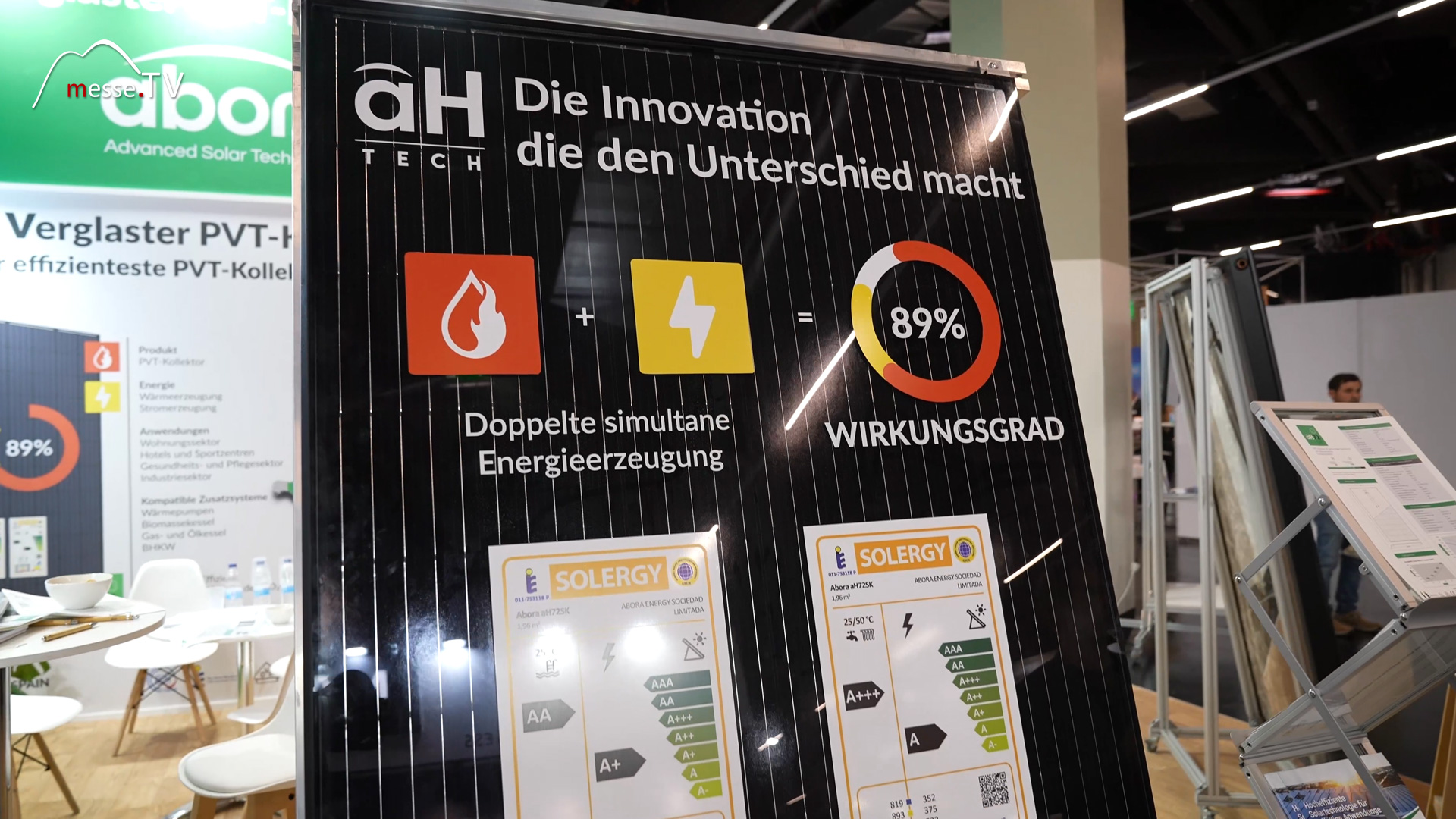
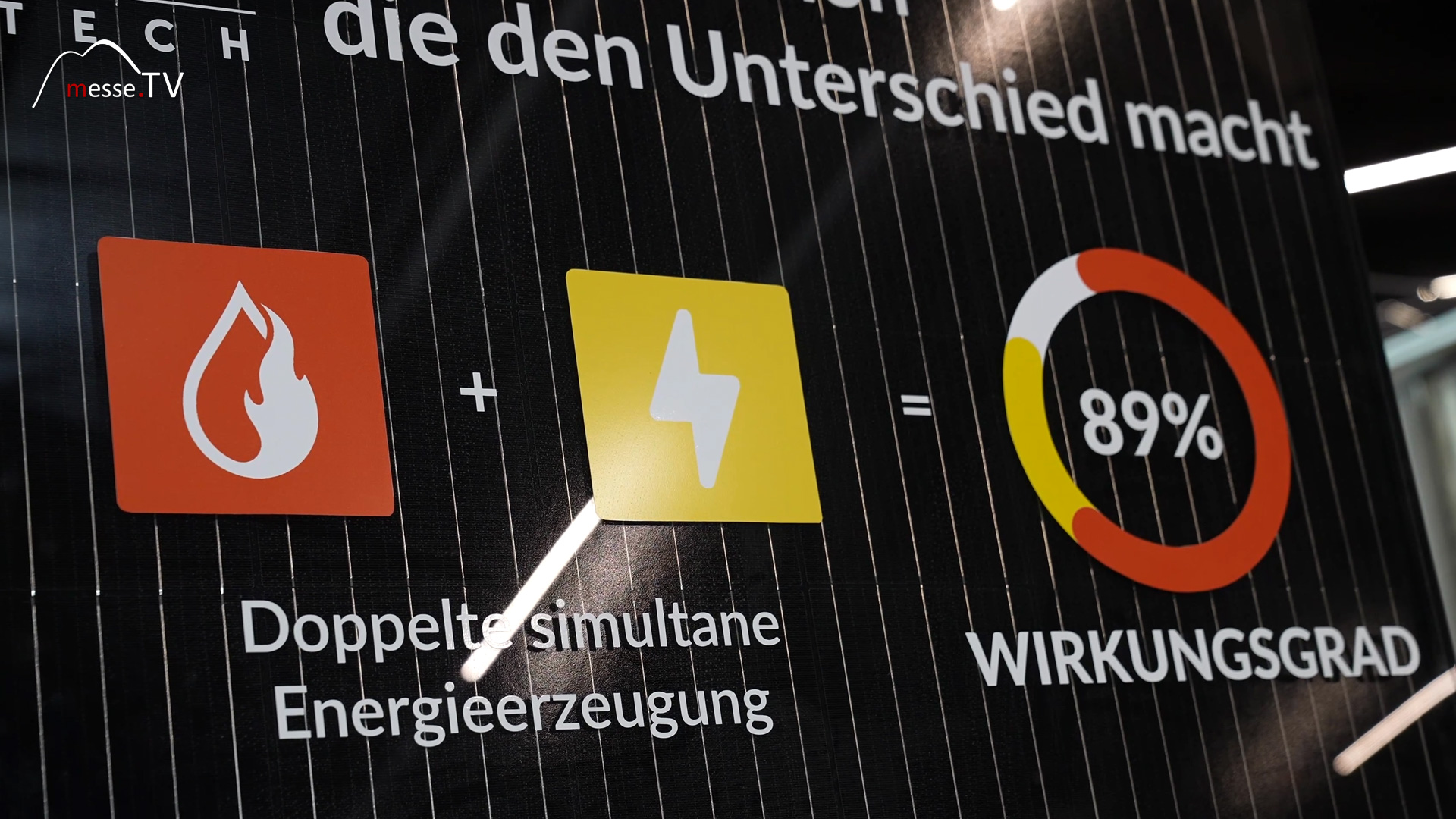
Die Diskussion um erneuerbare Energien wird oft von Einzeltechnologien geprägt. Photovoltaik steht für Strom, Solarthermie für Wärme. In der Praxis zeigt sich jedoch, dass gerade die Kombination beider Ansätze neue Spielräume eröffnet. Auf diesem Gedanken basiert ein Solarsystem, das elektrische und thermische Energie in einem Modul vereint und damit den Anspruch erhebt, einen deutlich höheren Gesamtertrag aus der verfügbaren Einstrahlung zu erzielen. Der Fokus liegt dabei nicht auf theoretischen Bestwerten, sondern auf Wirtschaftlichkeit, Amortisationszeit und langfristiger Nutzung.
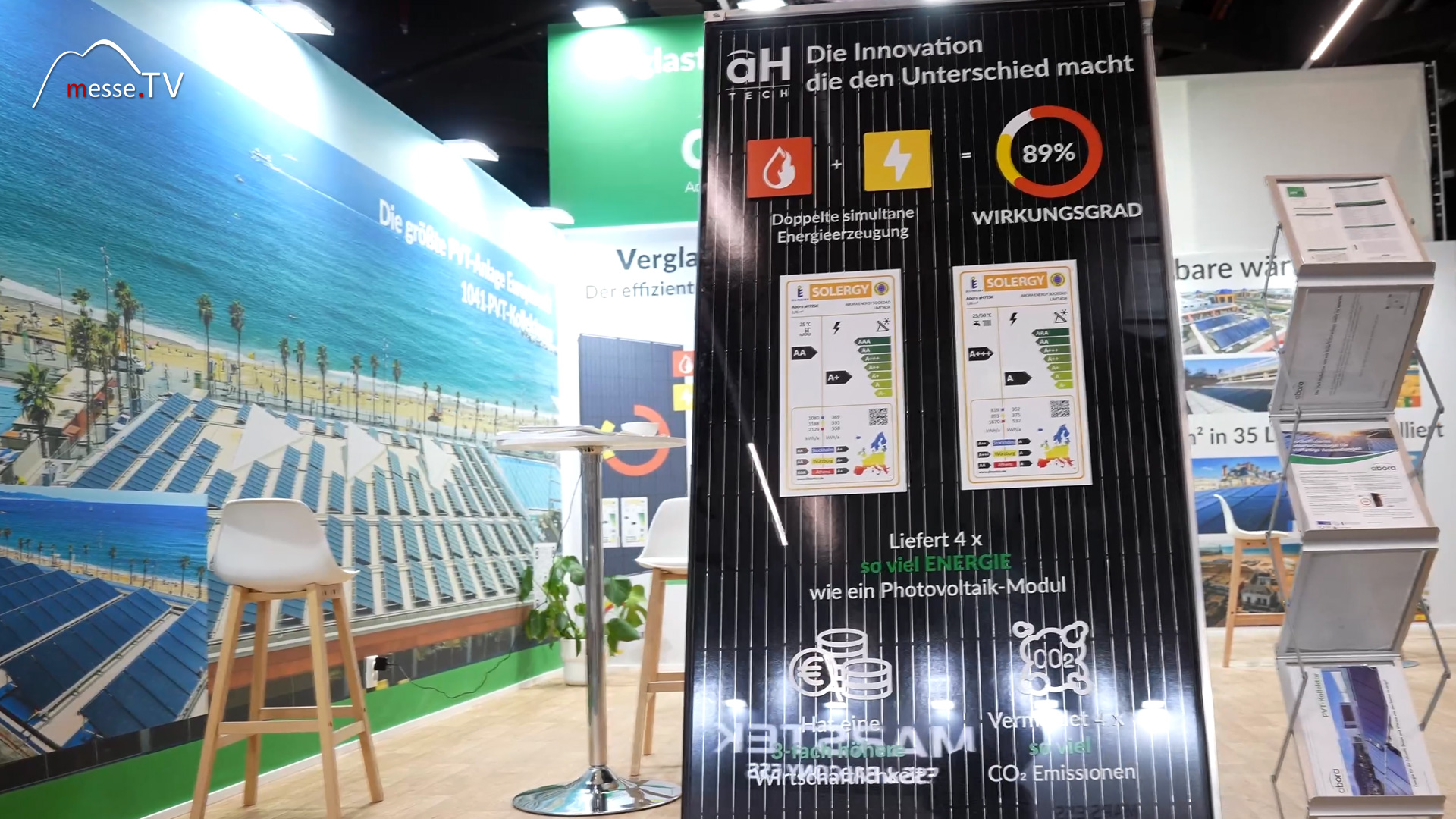
Im Zentrum steht die Frage, wie sich möglichst viel der eintreffenden Sonnenenergie tatsächlich nutzbar machen lässt. Genau hier setzt die Solarhybridtechnik an, die elektrische und thermische Erzeugung nicht getrennt betrachtet, sondern systemisch verbindet. Das Ziel ist klar definiert: ein hoher Gesamtnutzungsgrad, der Investitionen schneller rentabel macht und zugleich die Flächeneffizienz verbessert.

Abora und die Entwicklung von PVT-Systemen
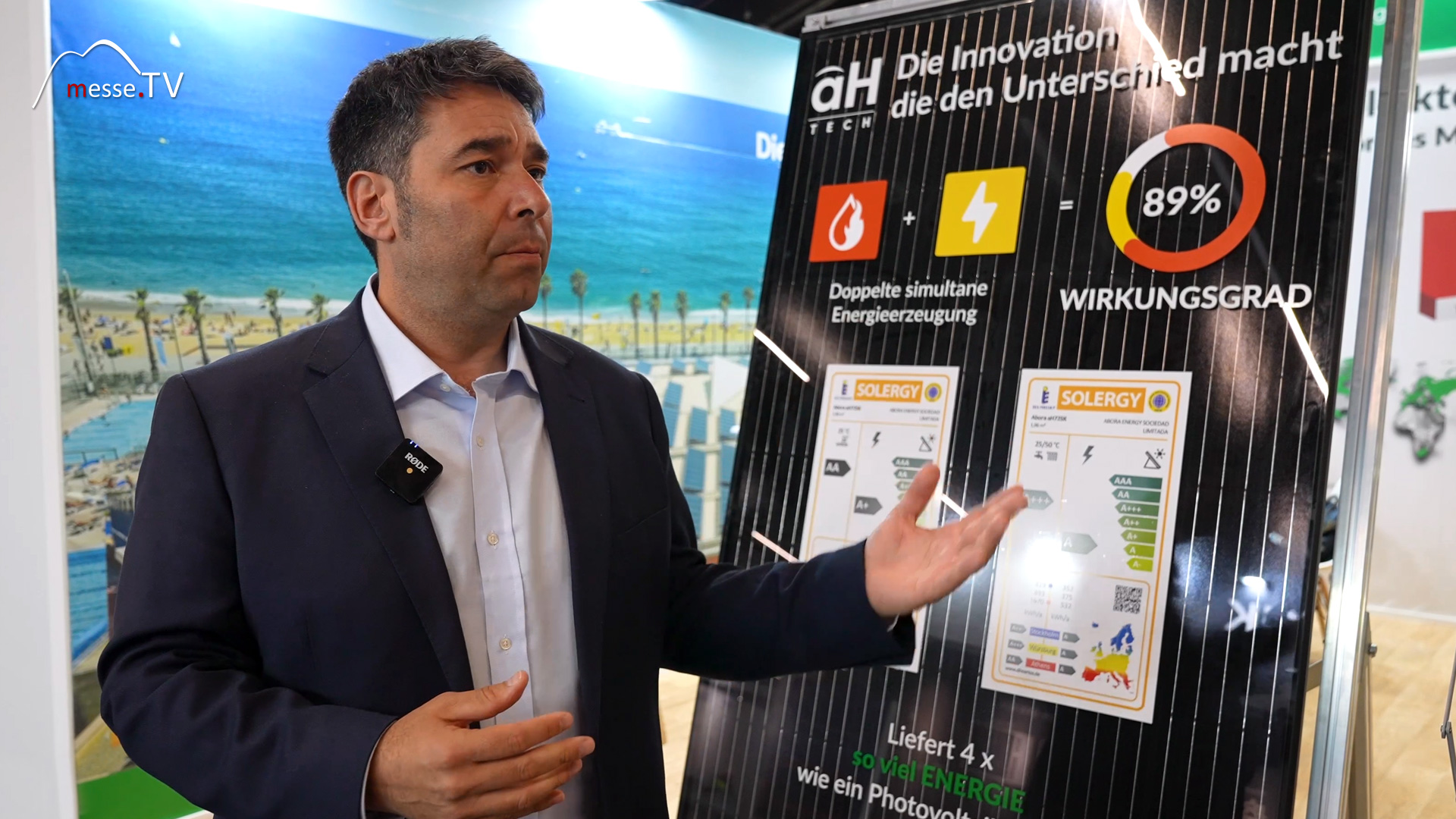
Hinter diesem Ansatz steht Abora, ein europäischer Hersteller von PVT-Modulen, der seine Systeme vollständig in Spanien produziert. Das Unternehmen entwickelt und fertigt sogenannte Photovoltaik-Thermie-Kollektoren, bei denen klassische Photovoltaikmodule mit solarthermischen Komponenten kombiniert werden. Diese Bauweise ermöglicht es, Strom und Wärme gleichzeitig zu erzeugen, ohne dass sich die beiden Prozesse gegenseitig behindern. Die Systeme sind inzwischen in zahlreichen Ländern installiert und kommen sowohl in Wohngebäuden als auch in gewerblichen Anwendungen zum Einsatz. Die internationale Verbreitung zeigt, dass der Bedarf an kombinierten Lösungen steigt, insbesondere dort, wo begrenzte Dachflächen möglichst effizient genutzt werden sollen.
Technischer Ansatz der Solarhybridmodule
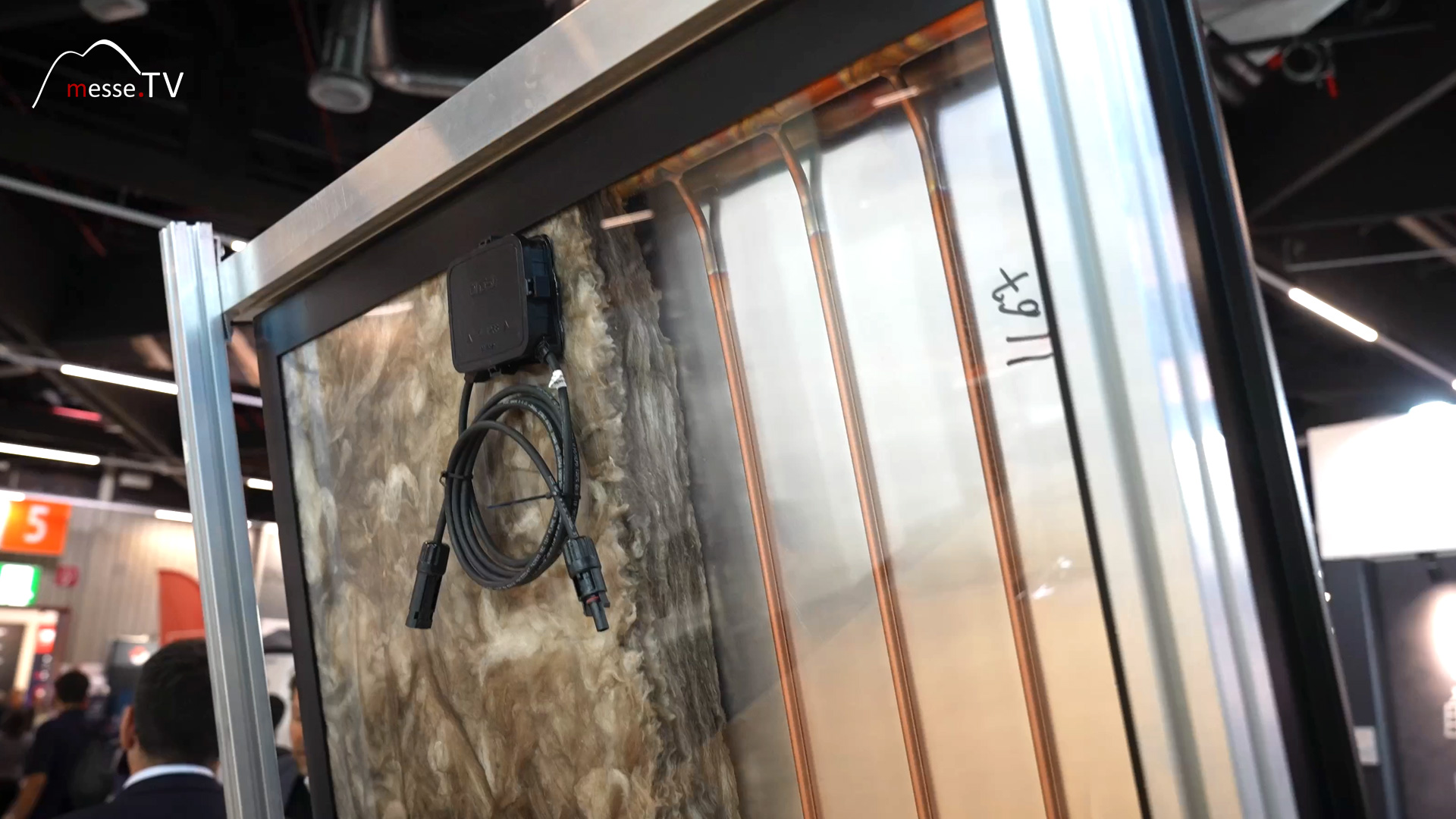
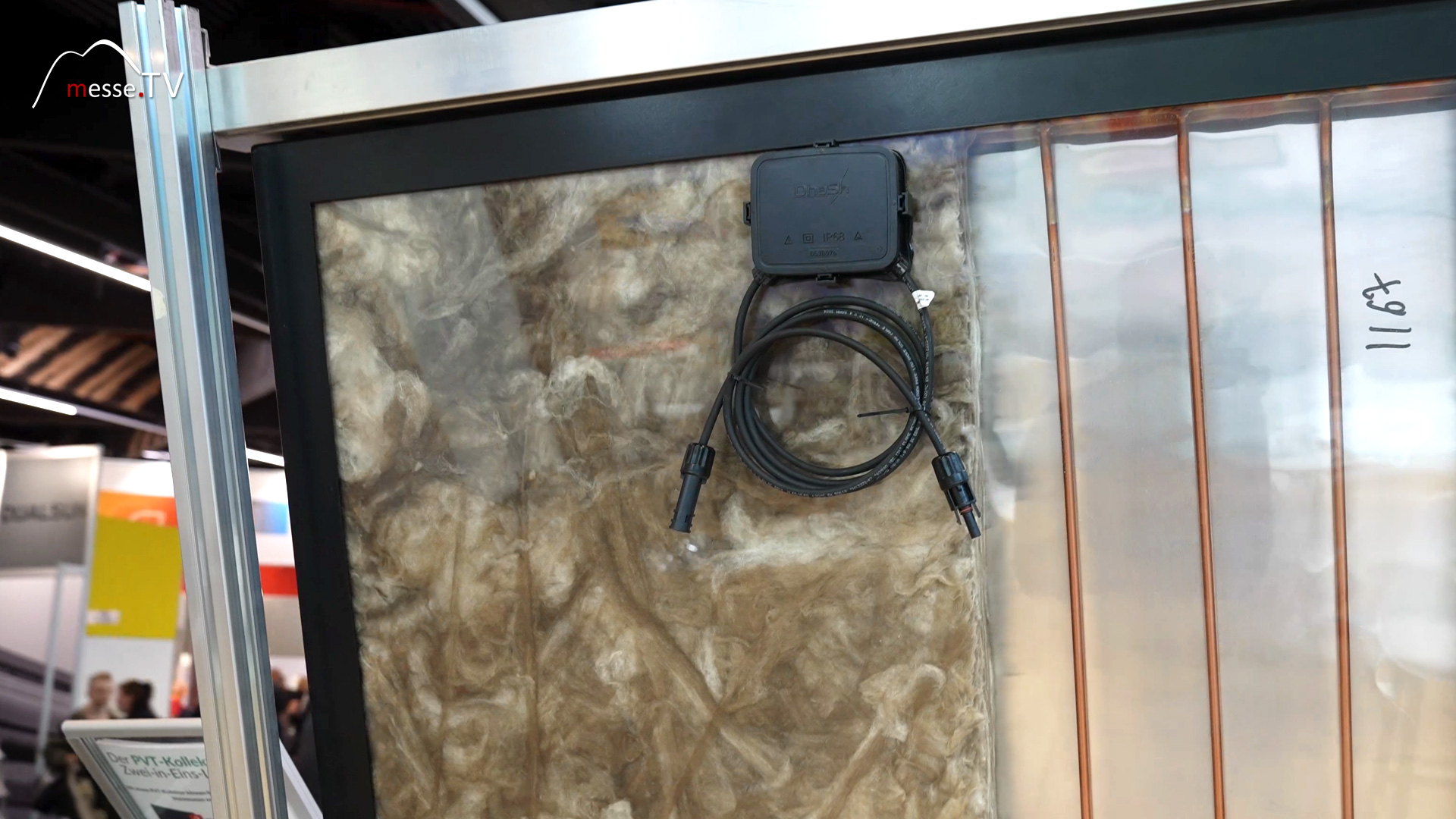
Das Grundprinzip der PVT-Module besteht darin, die Abwärme der Photovoltaikzellen nicht ungenutzt abzuführen, sondern gezielt einzufangen. Während herkömmliche PV-Module bei steigender Temperatur an elektrischem Wirkungsgrad verlieren, stabilisiert das Hybridkonzept die Zelltemperatur und nutzt die abgeführte Wärme weiter. Die erzeugte thermische Energie bewegt sich bewusst in einem Temperaturbereich, der für Warmwasser, Heizung oder vergleichbare Anwendungen geeignet ist. Damit bleibt der Wirkungsgrad hoch, ohne die Systemkomplexität unnötig zu erhöhen. Die Kombination beider Technologien führt zu einem sehr hohen Gesamtwirkungsgrad bezogen auf die eingestrahlte Sonnenenergie.
Wirtschaftlichkeit und kurze Amortisationszeiten
Ein zentrales Argument für Solarhybridtechnik ist die Wirtschaftlichkeit. Entscheidend ist nicht allein der technische Wirkungsgrad, sondern die Frage, wie schnell sich eine Anlage rechnet. Durch die parallele Nutzung von Strom und Wärme verkürzt sich die Amortisationszeit deutlich gegenüber Einzelsystemen. Die höhere Energieausbeute pro Fläche wirkt sich unmittelbar auf die Wirtschaftlichkeit aus. Gerade bei Projekten mit hohem Wärmebedarf oder begrenztem Platzangebot entsteht so ein klarer Vorteil. Statt zwei getrennte Systeme zu installieren, lässt sich mit einem kombinierten Modul ein breiterer Nutzungsbereich abdecken.
Forschung, Entwicklung und kontinuierliche Optimierung
Ein wesentlicher Teil der Unternehmensstrategie liegt in der eigenen Forschung. Die Entwicklung neuer Module erfolgt in einem firmeneigenen Labor, in dem bestehende Systeme weiter optimiert und neue Konzepte getestet werden. Ziel ist es, den Wirkungsgrad weiter zu steigern und gleichzeitig die Produktionskosten zu senken. Dabei steht nicht die kurzfristige Markteinführung im Vordergrund, sondern die langfristige Weiterentwicklung der Technologie. Die Solarhybridtechnik wird als dynamisches System verstanden, das sich kontinuierlich an neue Anforderungen anpasst, etwa an steigende Energiepreise oder veränderte regulatorische Rahmenbedingungen.

Lebensdauer und Zuverlässigkeit im Langzeitbetrieb
Ein häufiges Argument gegen neue Technologien betrifft deren Haltbarkeit. Bei PVT-Modulen orientieren sich die Prüfverfahren an den Standards aus der Photovoltaik und der Solarthermie. Die Zertifizierungen entsprechen denen klassischer Systeme, ergänzt um spezifische Tests für Hybridkollektoren. Erfahrungen aus frühen Installationen zeigen, dass die Module auch nach vielen Jahren einen stabilen Ertrag liefern. Die erwartete Lebensdauer liegt im Bereich klassischer Solarsysteme. Entscheidend ist dabei eine fachgerechte Installation, die für Solarthermie ebenso gilt wie für Photovoltaik.
Produktion in Europa als strategische Entscheidung
Die Fertigung der Module erfolgt vollständig in Europa. Abora setzt bewusst auf eine europäische Lieferkette und Produktionsinfrastruktur. Die eingesetzten Maschinen stammen ebenfalls aus europäischen Ländern, ebenso ein Großteil der Rohmaterialien. Diese Entscheidung ist weniger ideologisch als pragmatisch motiviert. Kurze Wege, direkter technischer Support und eine enge Kontrolle der Produktionsqualität sind zentrale Faktoren. Im Gegensatz zu reinen Preisstrategien setzt das Unternehmen auf einen Mehrwertansatz, bei dem Qualität, Service und Wirtschaftlichkeit im Vordergrund stehen.
Anwendungsfelder und Einsatzmöglichkeiten
Die Solarhybridmodule eignen sich für unterschiedliche Einsatzbereiche. Besonders sinnvoll sind sie dort, wo gleichzeitig Strom und Wärme benötigt werden, etwa in Mehrfamilienhäusern, Hotels, Gewerbebauten oder industriellen Anwendungen mit Warmwasserbedarf.
- Warmwasserbereitung für Wohn- und Gewerbegebäude
- Heizungsunterstützung bei moderaten Temperaturanforderungen
- Kombinierte Strom- und Wärmeerzeugung auf begrenzter Fläche
- Anlagen mit Fokus auf kurze Amortisationszeiten
Ausblick auf den Markt für Solarhybridtechnik
Die Solarhybridtechnik steht noch am Anfang einer breiteren Marktdurchdringung. Gleichzeitig zeigt sich, dass der Druck zur effizienten Nutzung erneuerbarer Energien weiter steigt. Steigende Energiepreise, begrenzte Flächen und höhere Anforderungen an Wirtschaftlichkeit sprechen für integrierte Lösungen. Statt einzelne Technologien gegeneinander auszuspielen, rückt der Systemgedanke stärker in den Fokus. Solarhybridmodule bieten hier einen Ansatz, der technisch ausgereift ist und zugleich wirtschaftliche Argumente liefert. Die Kombination aus Forschung, europäischer Fertigung und klarer Ausrichtung auf Amortisation macht diesen Weg für viele Anwendungen attraktiv.








Messe-Berichterstattung bundesweit - Messewissen, Termine & Veranstaltungen


