Buderus Hybridheizungen verbinden Wärmepumpe und Gaskessel
Die Diskussion um klimafreundliches Heizen wird häufig auf einfache Gegensätze reduziert: Wärmepumpe oder fossiler Kessel, elektrisch oder gasbasiert, neu oder alt. In der Praxis sieht die Situation komplexer aus, vor allem im Gebäudebestand. Genau hier setzen hybride Heizsysteme an, die verschiedene Wärmeerzeuger intelligent miteinander verbinden.
Buderus zeigt mit seinem Ansatz, wie sich bestehende Technik schrittweise in eine elektrifizierte Zukunft überführen lässt, ohne Wirtschaftlichkeit und Versorgungssicherheit aus dem Blick zu verlieren. Seit vielen Jahrzehnten ist das Unternehmen aus Wetzlar im Heizungsmarkt etabliert. Die heutige Ausrichtung ist klar geprägt von Elektrifizierung, Effizienz und CO₂-Reduktion. Dabei geht es nicht um den abrupten Austausch funktionierender Systeme, sondern um eine Kombination aus bewährter Technik und neuen Wärmepumpenlösungen, die sich flexibel an unterschiedliche Gebäudetypen anpassen lassen.
Hybridanlagen als Brücke zwischen Bestand und Energiewende
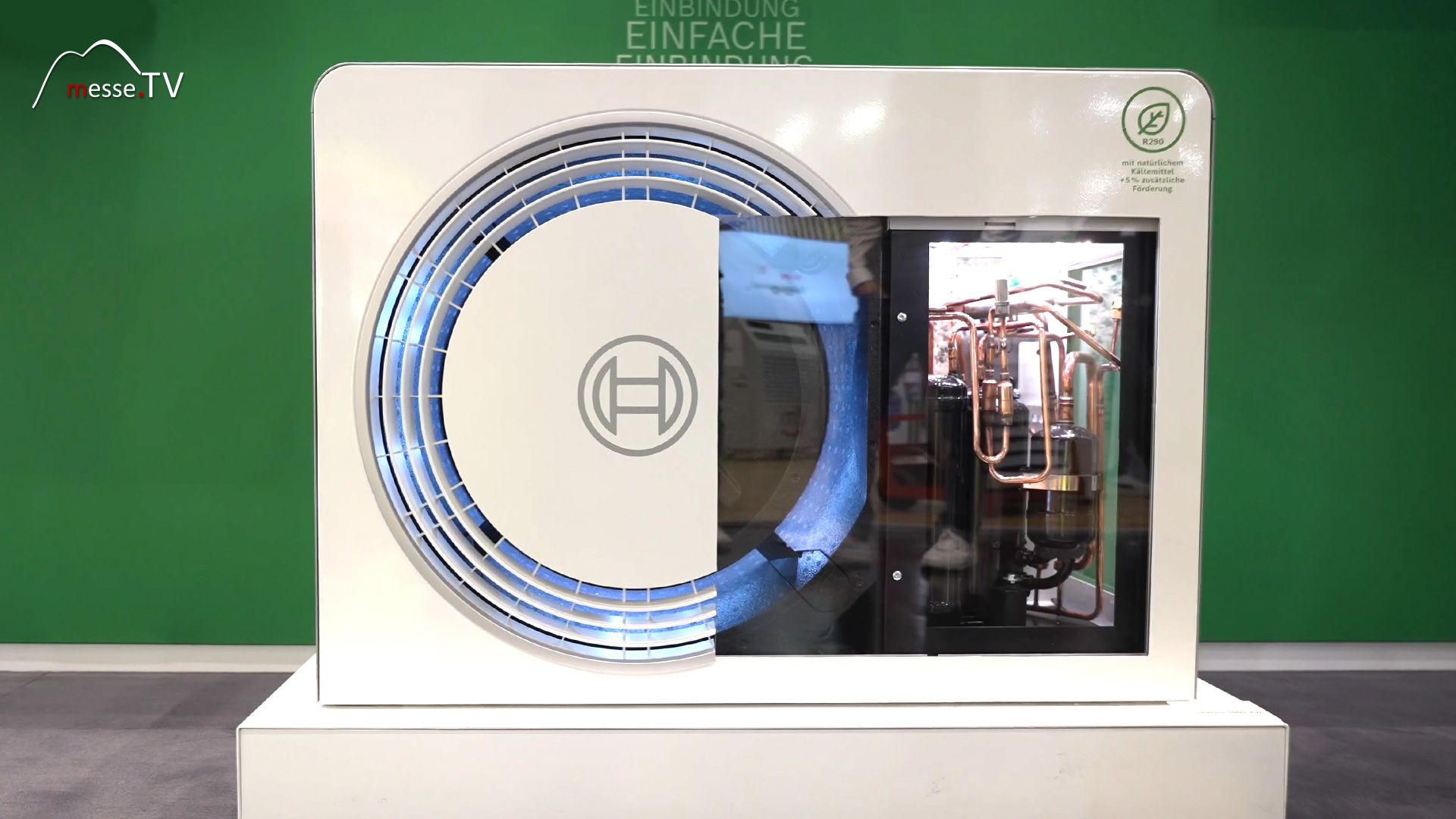
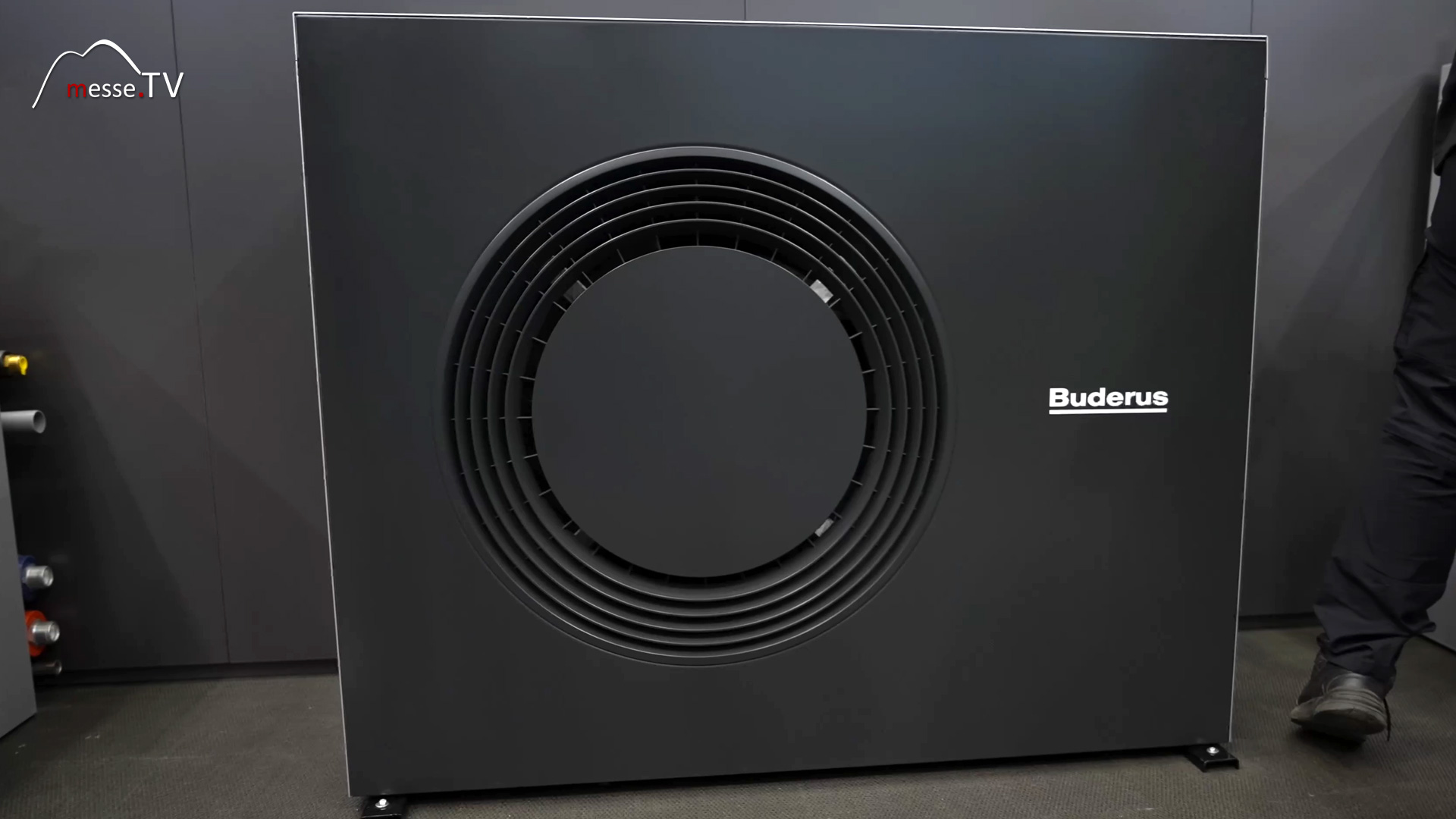
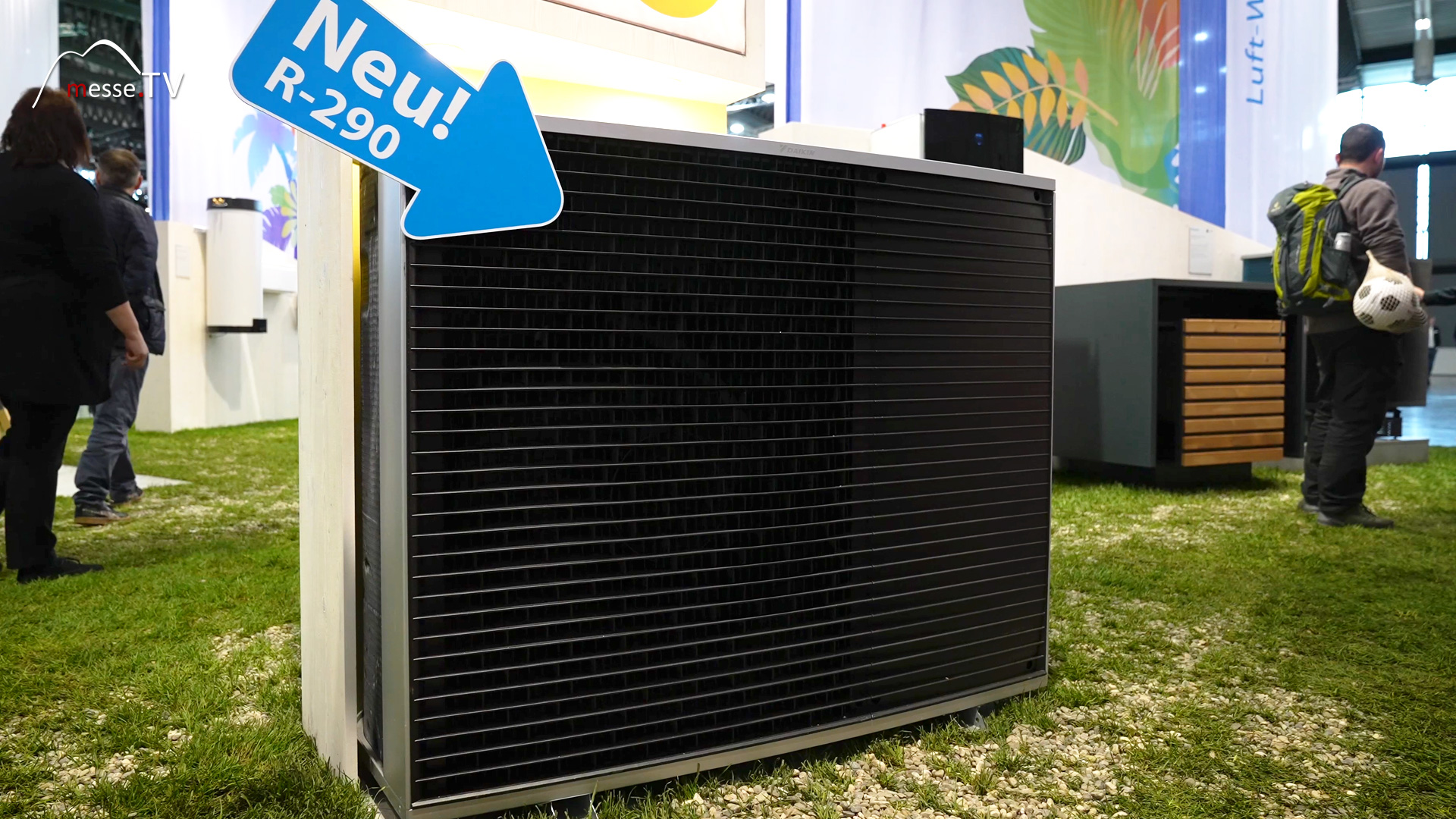
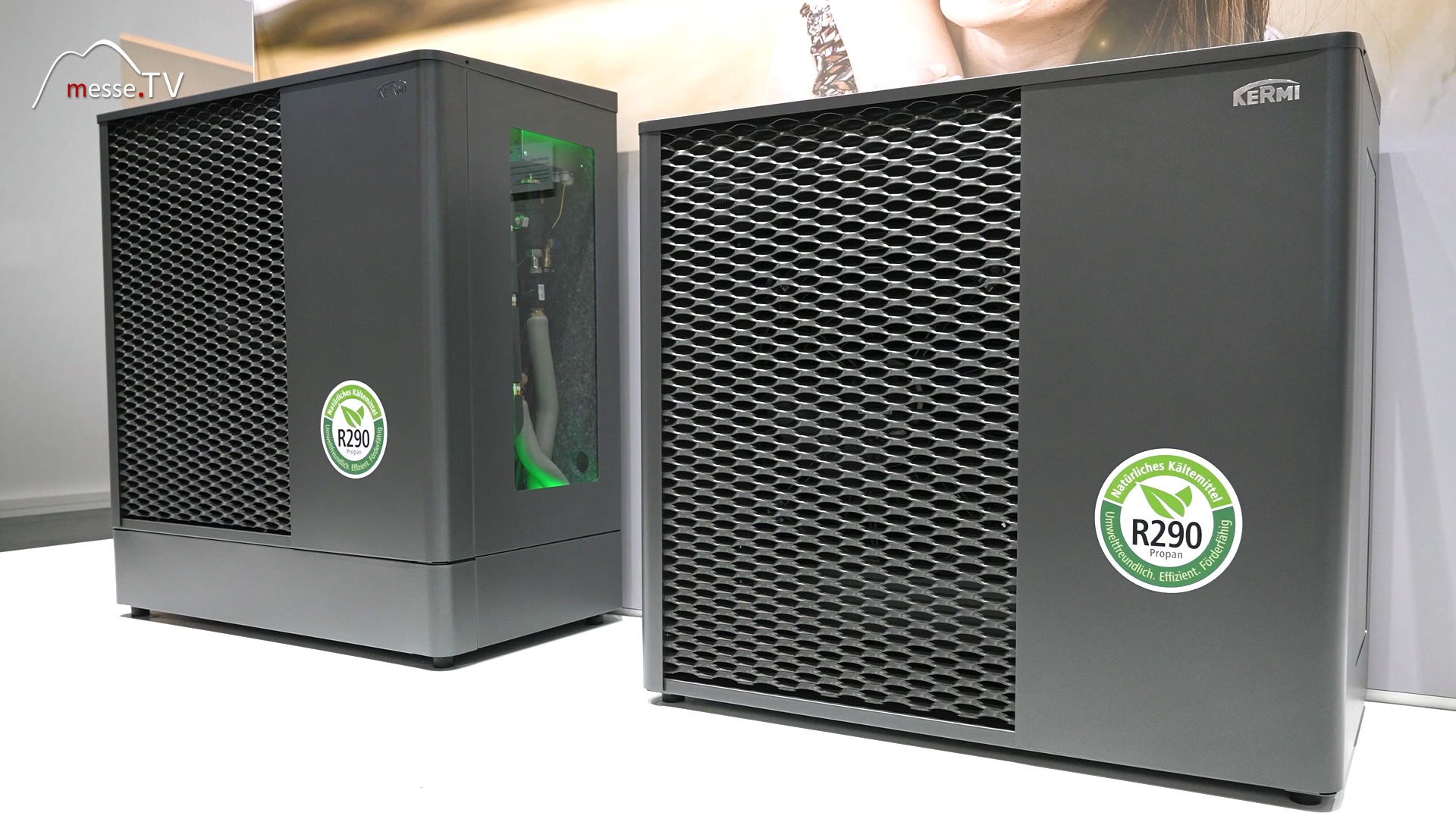
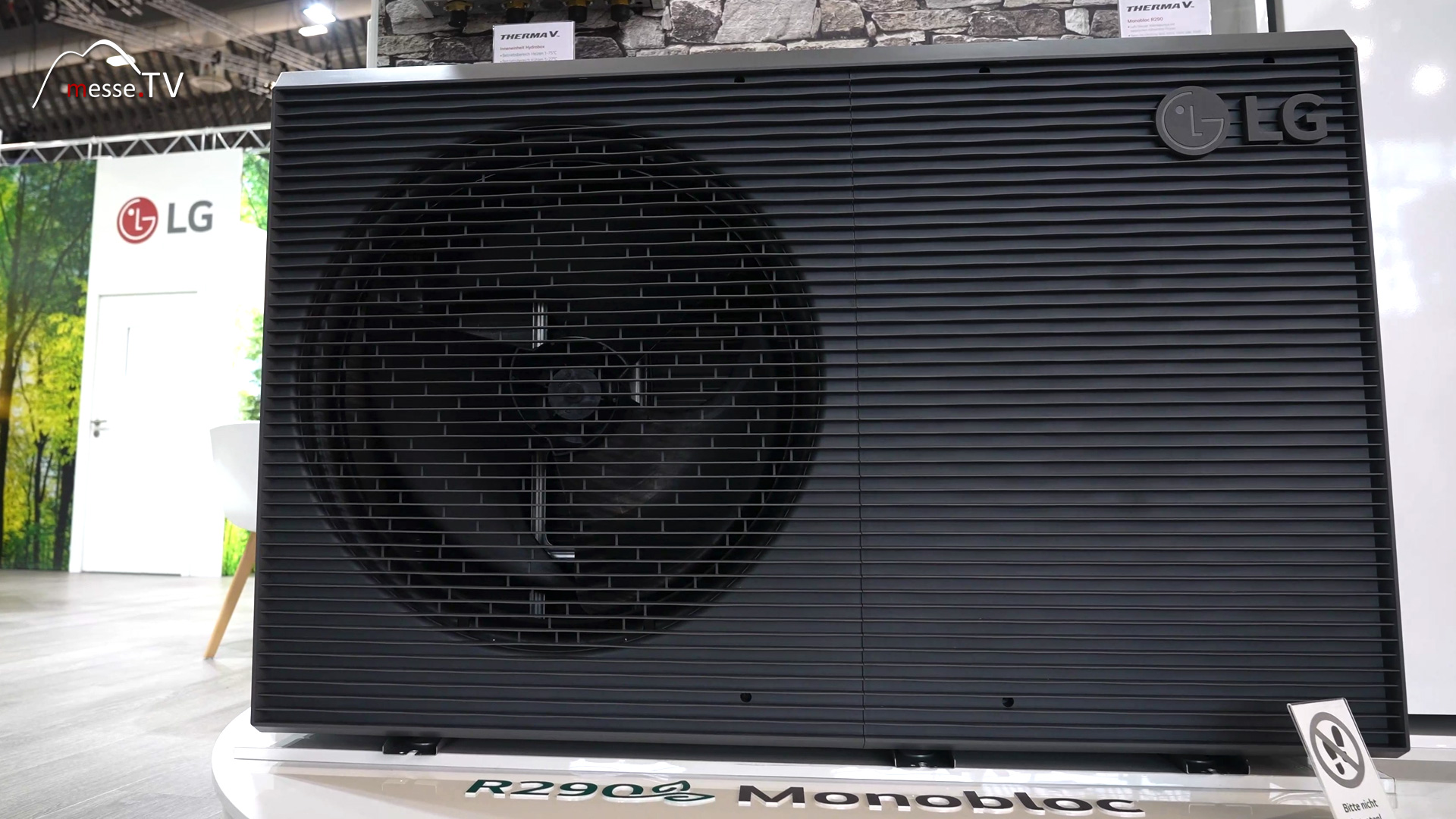
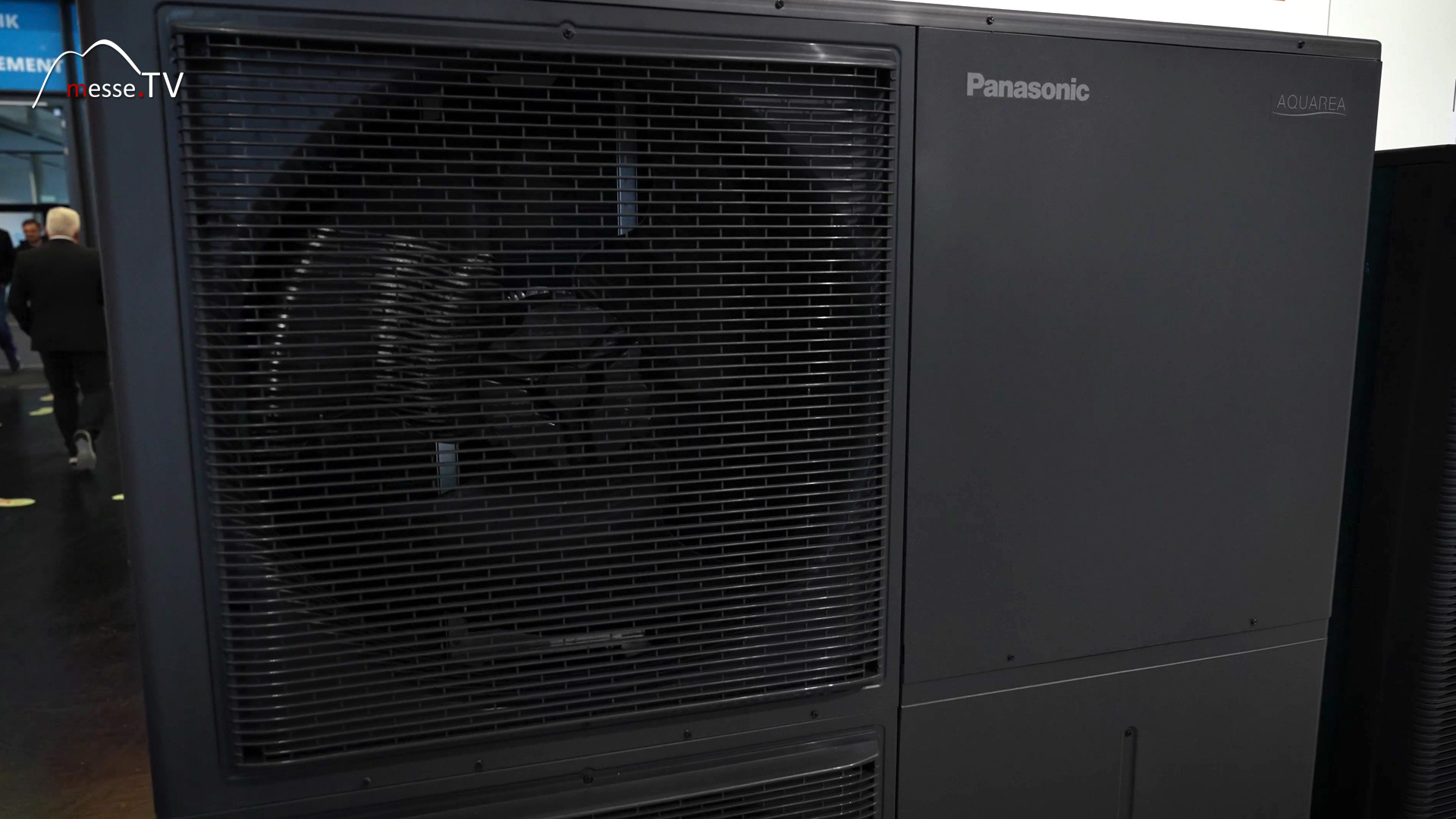
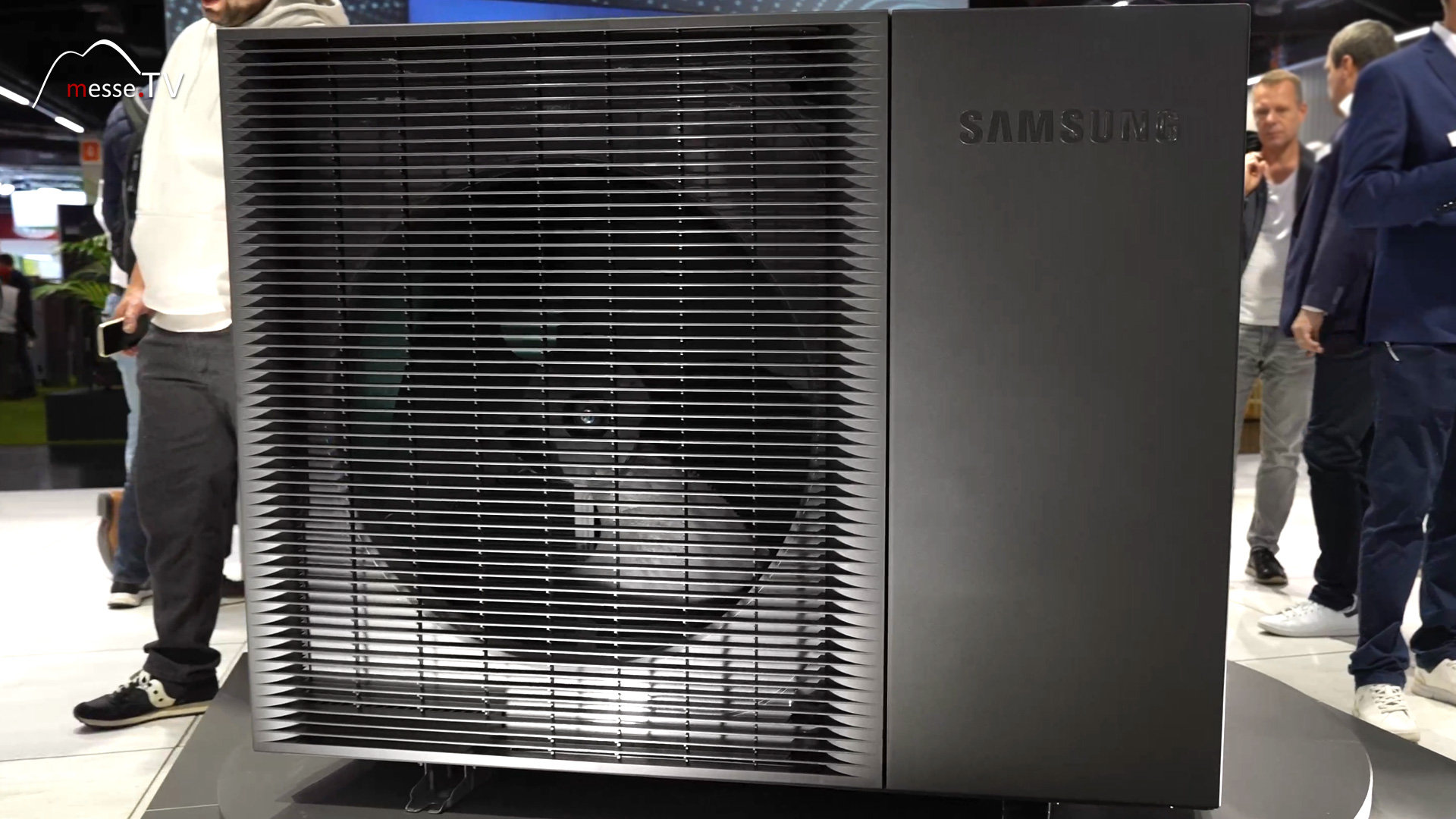
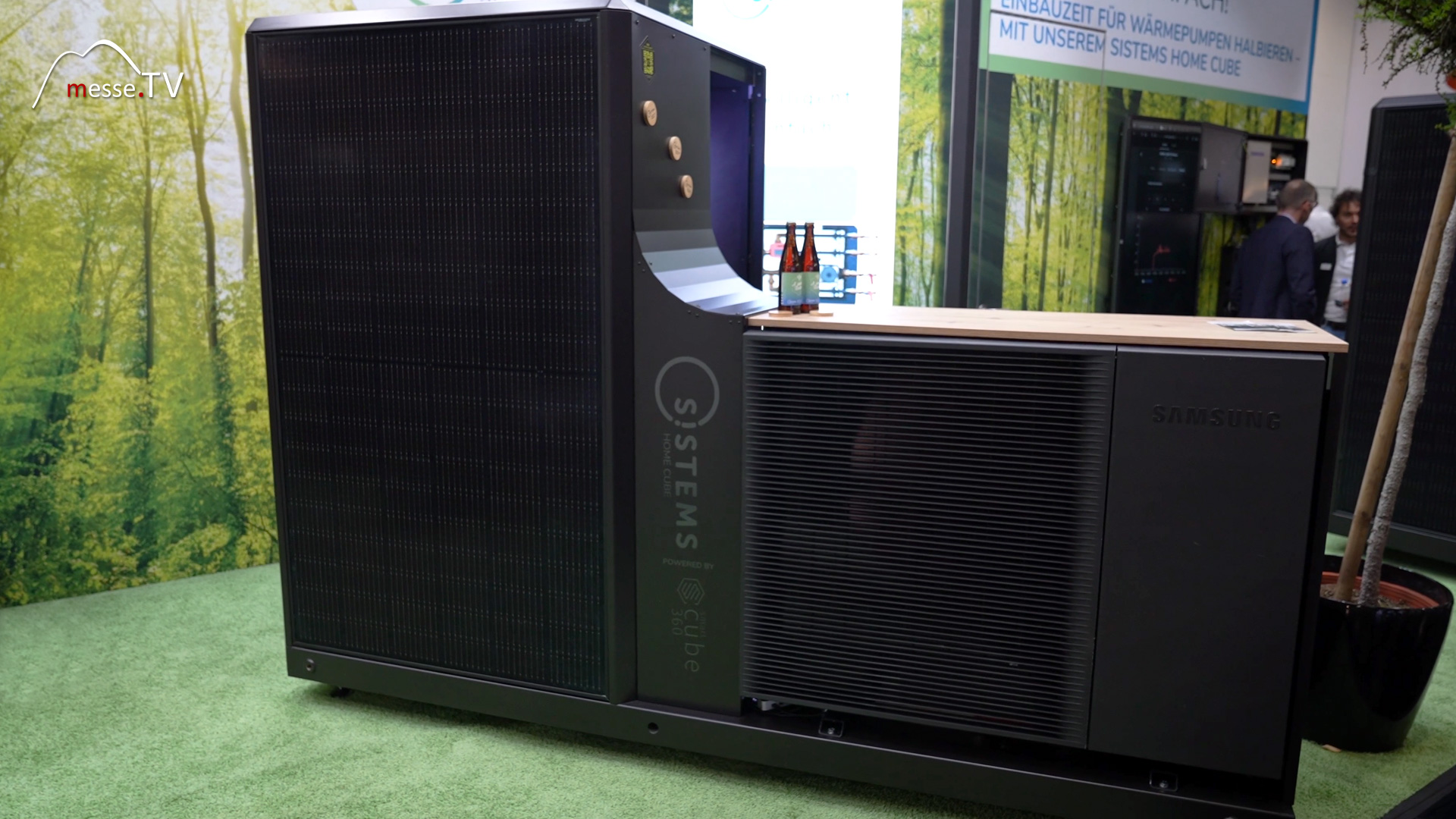
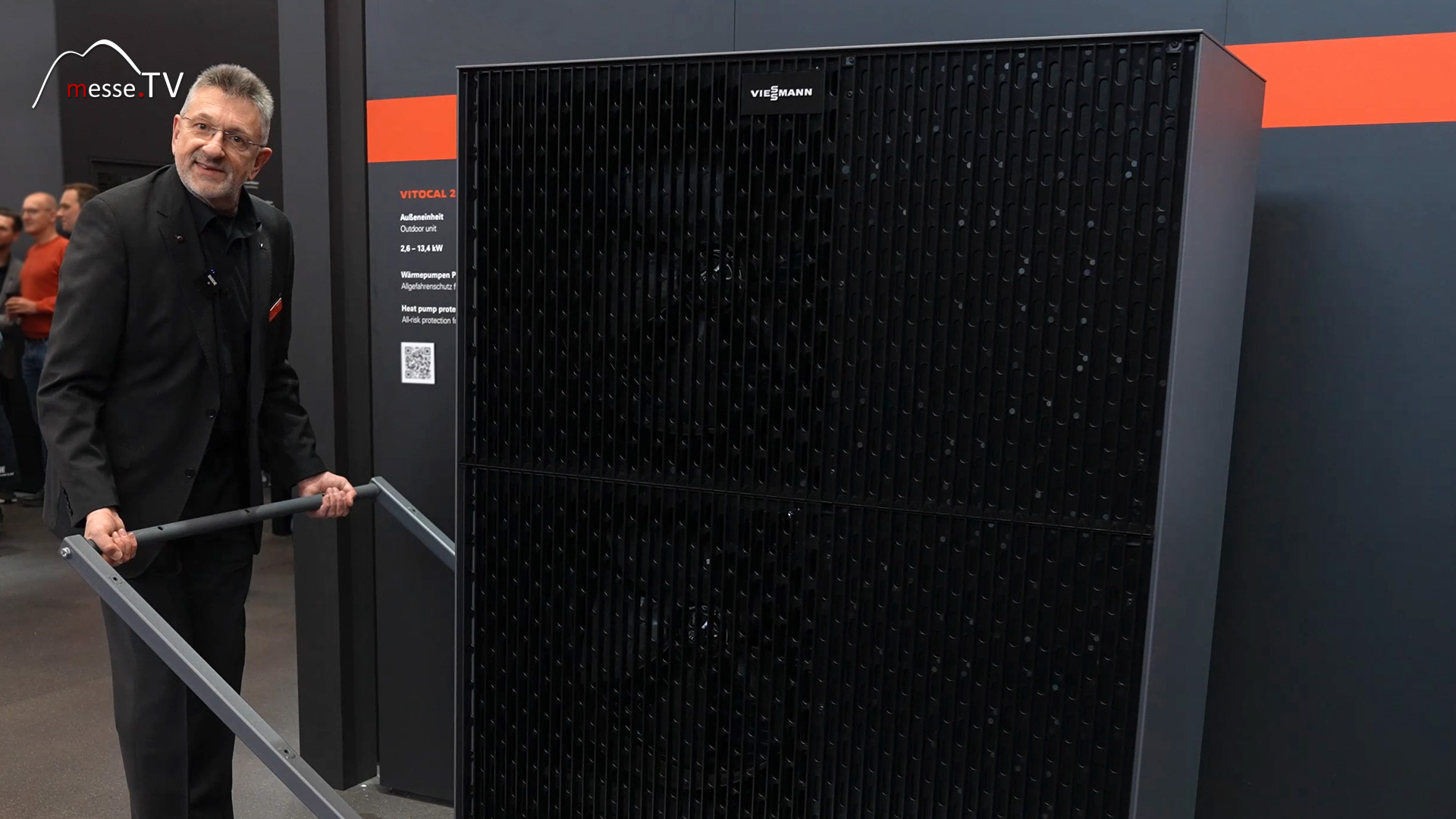
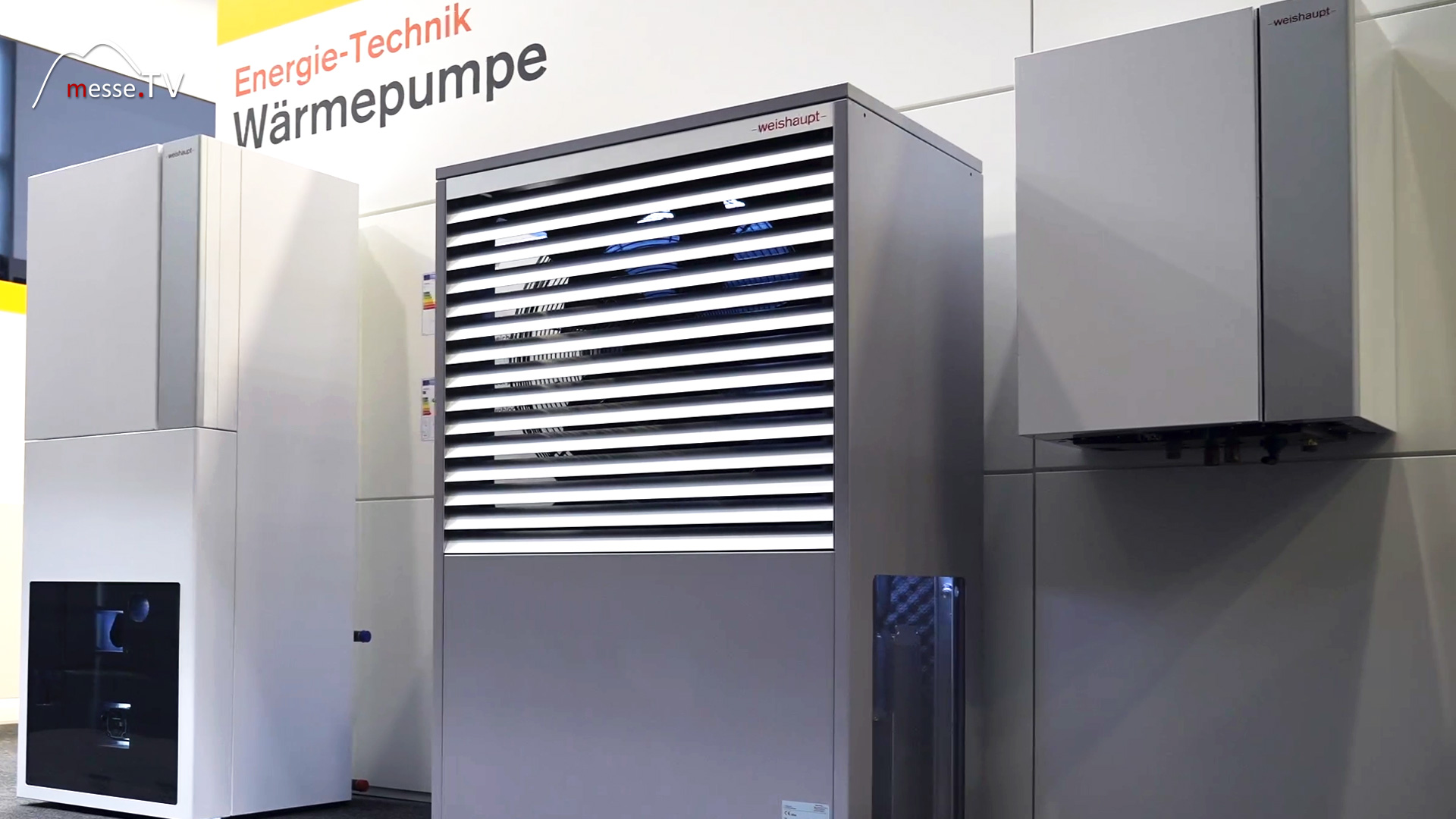
Im Mittelpunkt steht die Verbindung eines konventionellen Wärmeerzeugers, etwa eines bodenstehenden oder wandhängenden Gaskessels, mit einer Außeneinheit einer Wärmepumpe. Zum Einsatz kommt dabei eine Wärmepumpe mit dem natürlichen Kältemittel Propan, ausgelegt auf Leistungsbereiche im zweistelligen Kilowattsegment. Diese Kombination ermöglicht es, die Vorteile beider Technologien gezielt zu nutzen. Die Wärmepumpe übernimmt den effizienten Grundlastbetrieb, während der Gaskessel bei höherem Wärmebedarf unterstützend eingreift. Dadurch kann die Wärmepumpeneinheit kleiner dimensioniert werden und arbeitet dauerhaft in einem günstigen Effizienzbereich. Gerade in kalten Winterphasen sorgt der zusätzliche Wärmeerzeuger dafür, dass hohe Vorlauftemperaturen zuverlässig bereitgestellt werden, ohne die Wärmepumpe an ihre Grenzen zu bringen.
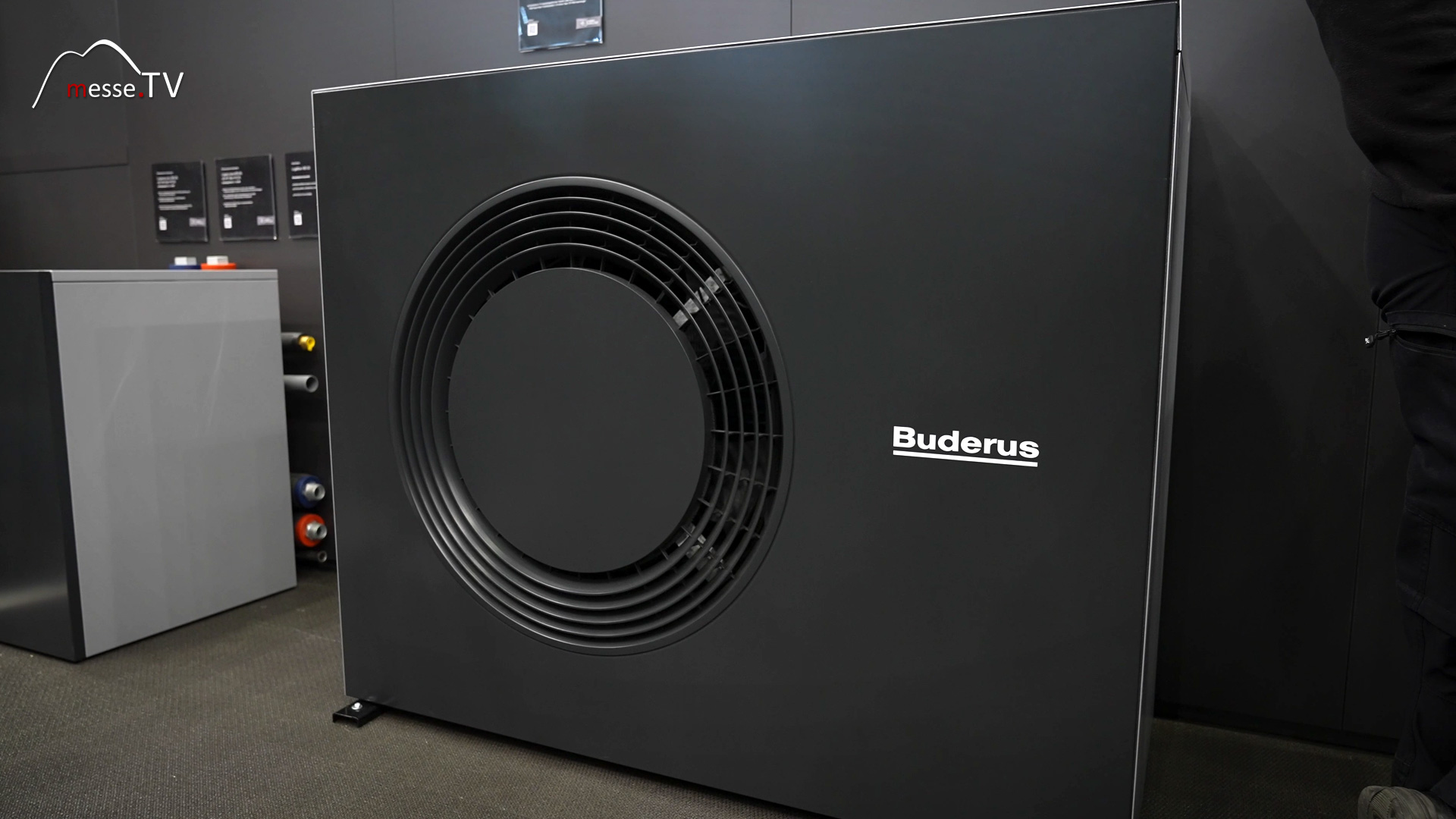

Logaflow Hydraulikbox als zentrales Bindeglied
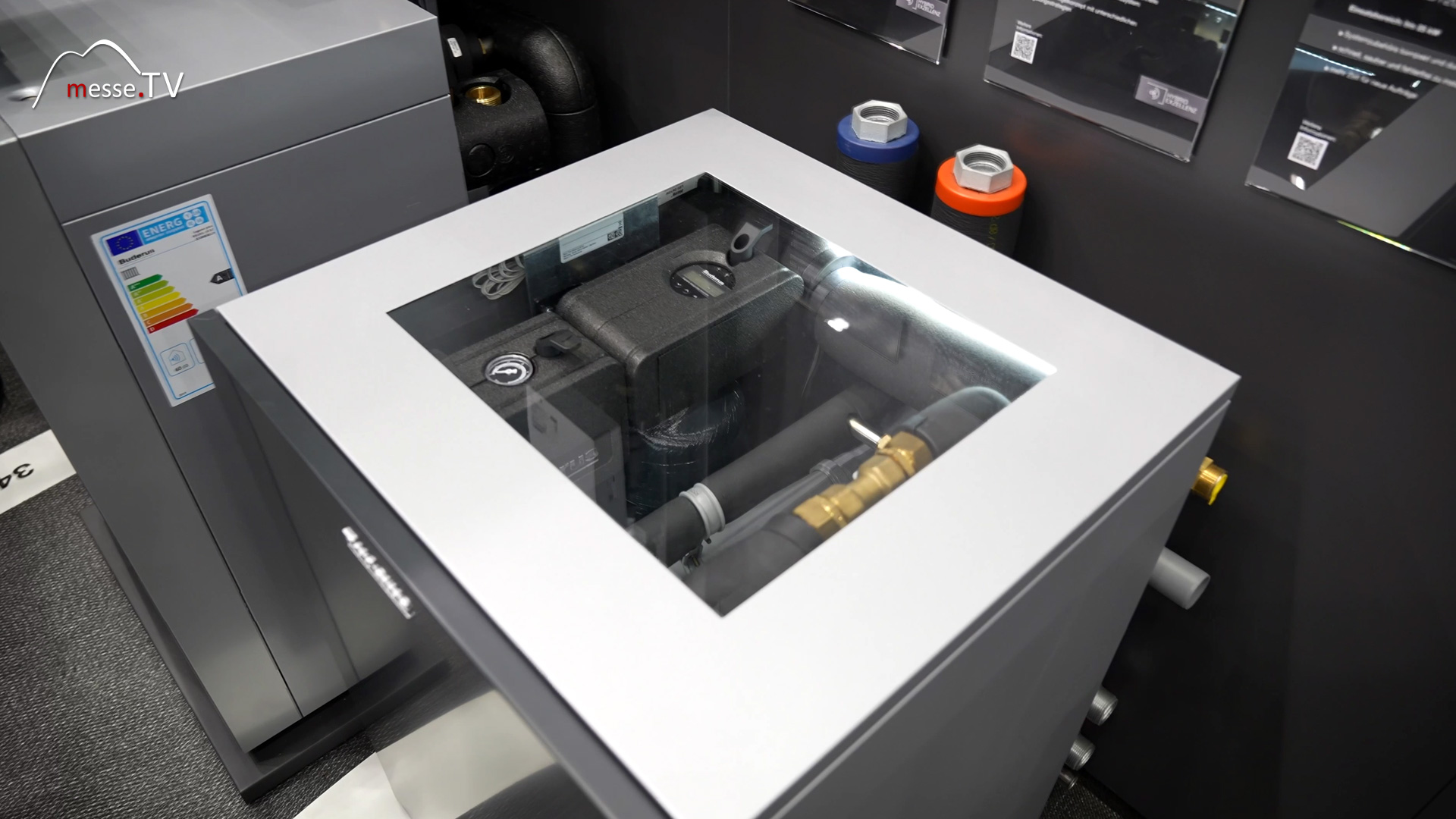
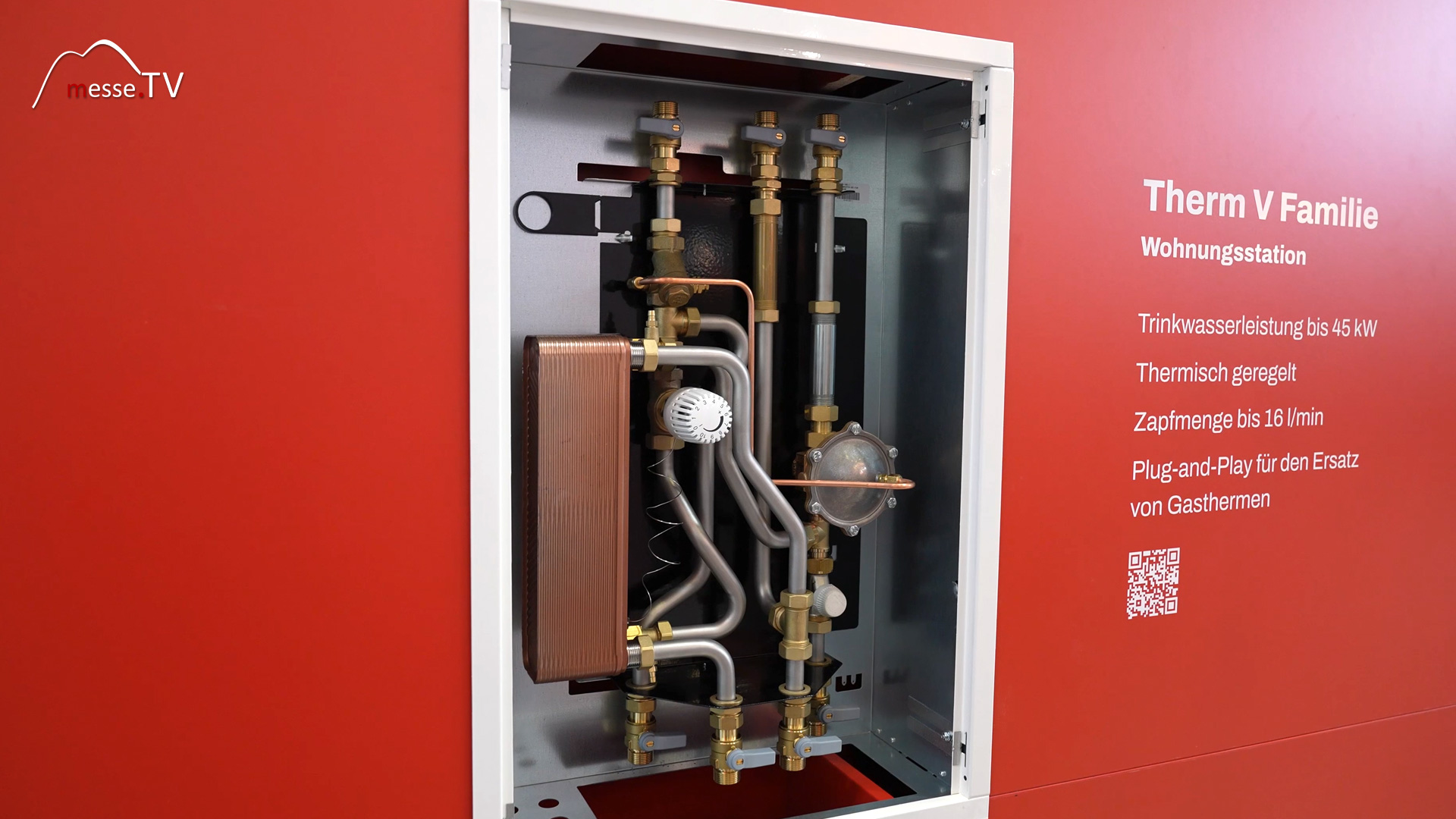
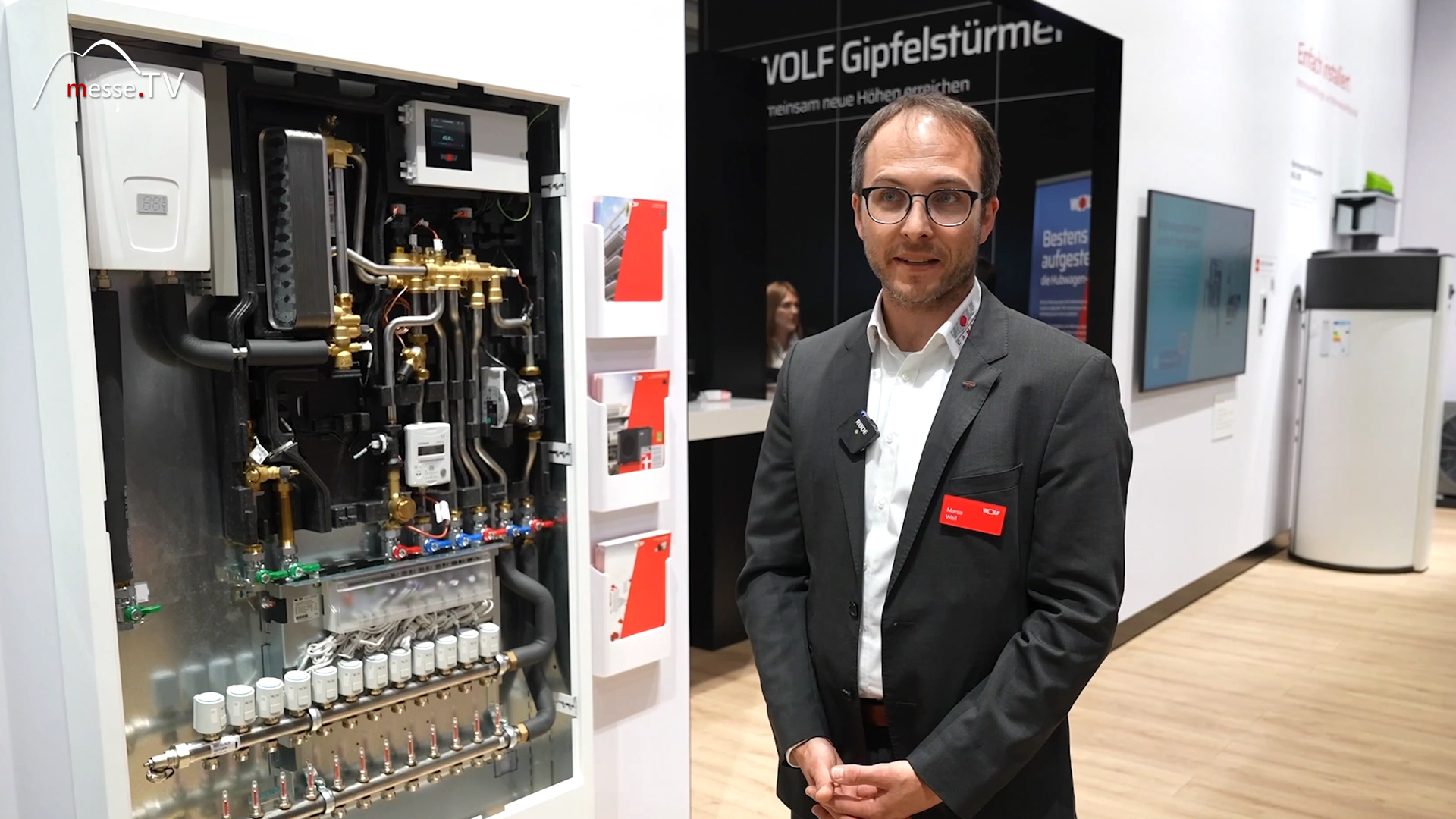
Eine zentrale Rolle spielt die Logaflow Hydraulikbox, die als verbindendes Element zwischen Außeneinheit und Kessel fungiert. In ihr laufen Hydraulik und Regelung der gesamten Anlage zusammen. Sie sorgt dafür, dass beide Wärmeerzeuger nicht nebeneinander, sondern miteinander arbeiten. Die Regelung entscheidet verbrauchs- und kostenoptimiert, welche Energiequelle in welcher Situation genutzt wird. Diese enge regeltechnische Kopplung ist ein entscheidender Unterschied zu vielen anderen hybriden Lösungen am Markt. Statt einer rein parallelen Installation entsteht ein abgestimmtes Gesamtsystem, das den Energieeinsatz dynamisch steuert. Für Betreiber bedeutet das eine Anlage, die sich automatisch an wechselnde Bedingungen anpasst, ohne manuelle Eingriffe oder komplizierte Einstellungen.
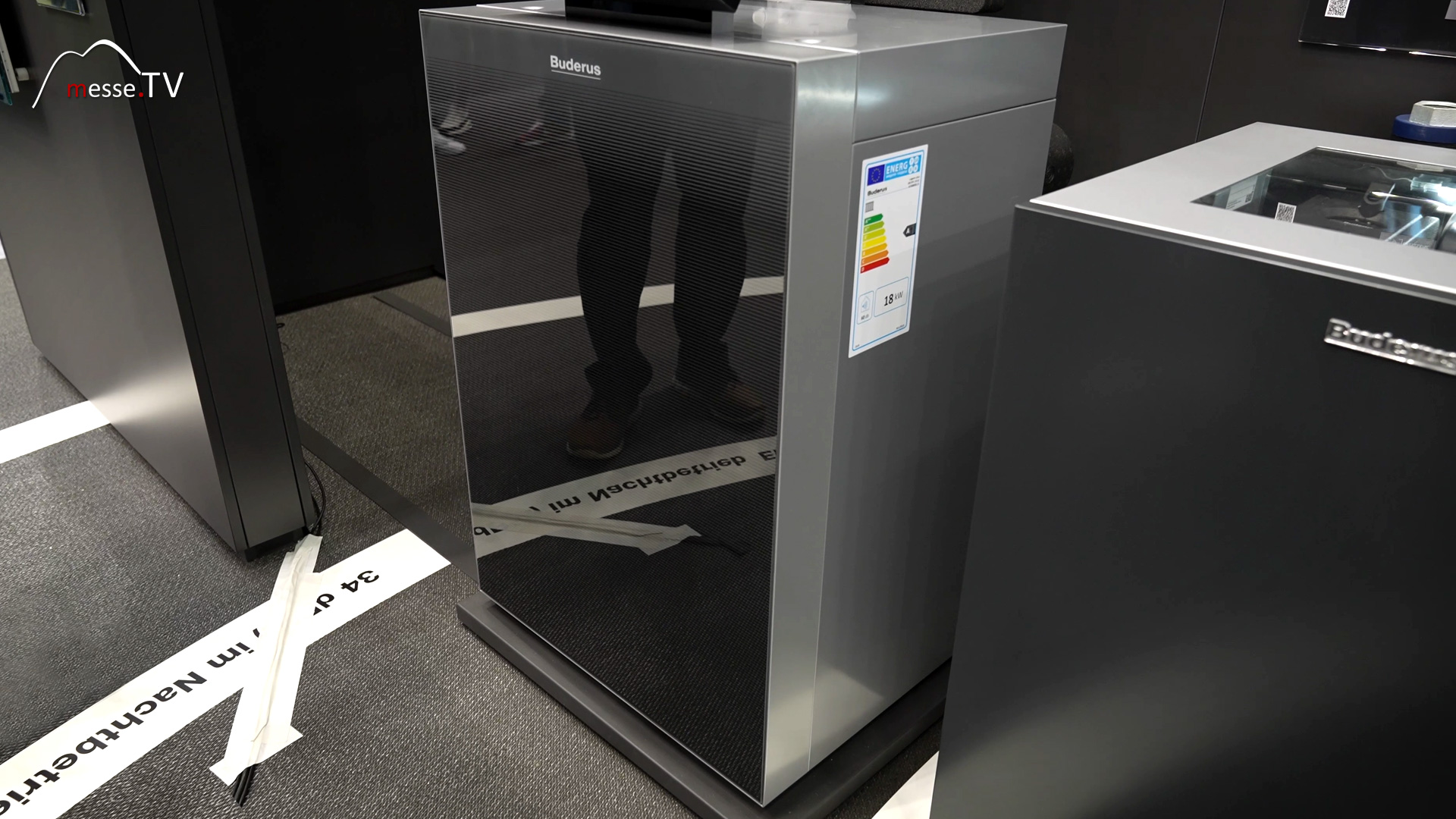
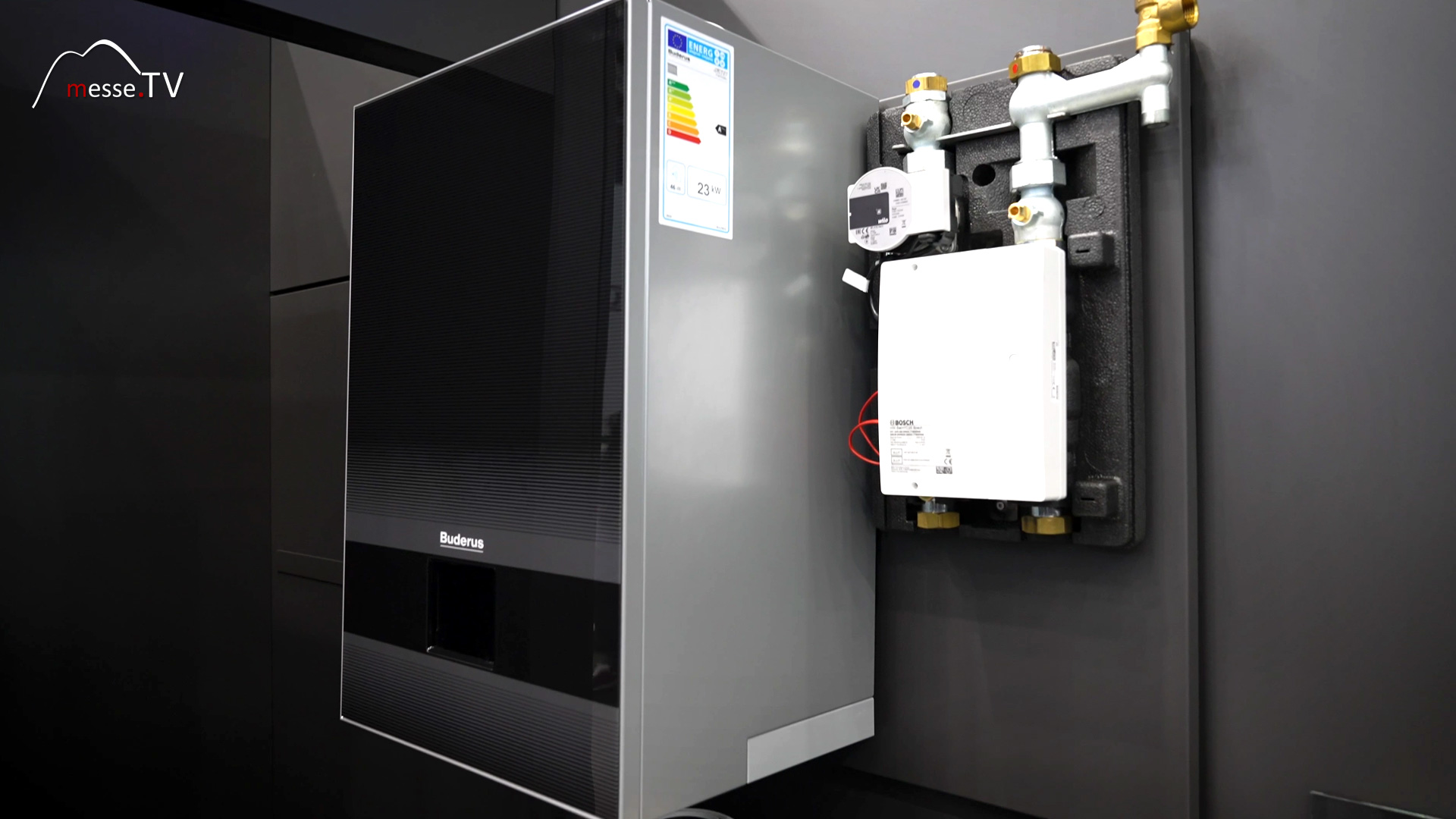
Effizienz, Kosten und gesetzliche Anforderungen im Blick
Ein wesentlicher Vorteil dieser Systemarchitektur liegt in der Erfüllung aktueller gesetzlicher Vorgaben. Durch den hohen Anteil erneuerbarer Energie aus der Wärmepumpe lassen sich Anforderungen wie der vorgeschriebene Mindestanteil erneuerbarer Energien im Gebäudebereich umsetzen. Gleichzeitig bleibt die Investition überschaubar, da bestehende Komponenten weiter genutzt werden können. Auch wirtschaftlich ist dieser Ansatz relevant. Die Kombination aus geringerer Anfangsinvestition und optimiertem Betrieb wirkt sich positiv auf die Gesamtbetriebskosten aus. Die Wärmepumpe läuft überwiegend in einem effizienten Bereich, während der Gaskessel gezielt dann einspringt, wenn es energetisch oder wirtschaftlich sinnvoll ist. Daraus ergibt sich eine günstige Total Cost of Ownership über die gesamte Lebensdauer der Anlage.

Warum hybride Heizsysteme für viele Gebäude sinnvoll sind
Gerade im Bestand sind die Voraussetzungen oft weit von idealen Wärmepumpenbedingungen entfernt. Alte Heizkörper, begrenzte Aufstellflächen oder unzureichende Dämmung stellen Herausforderungen dar. Hybride Systeme bieten hier eine realistische Lösung, weil sie technische Zwänge berücksichtigen, ohne auf Effizienz zu verzichten. Typische Vorteile dieser Anlagen sind unter anderem:
- Flexible Anpassung an unterschiedliche Gebäudestrukturen
- Reduzierte Leistung der Wärmepumpe durch Unterstützung des Kessels
- Hohe Betriebssicherheit auch bei niedrigen Außentemperaturen
- Erfüllung gesetzlicher Anforderungen ohne Komplettsanierung
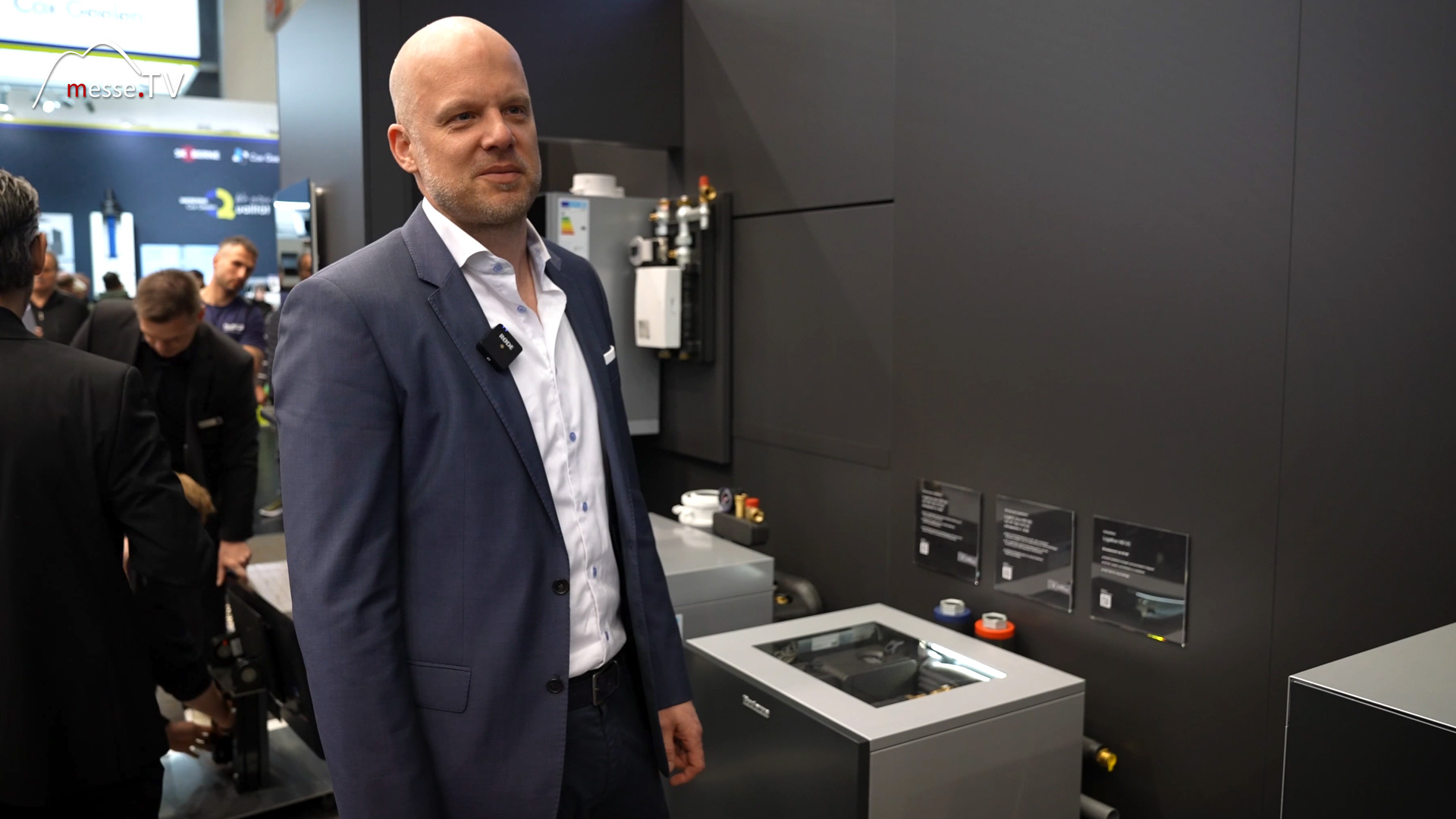
Elektrifizierung mit Augenmaß
Die Elektrifizierung der Wärmeversorgung ist ein zentrales Ziel der Energiewende. Buderus verfolgt dabei einen Ansatz, der technische Realität und politische Zielsetzungen zusammenbringt. Statt auf radikale Lösungen setzt man auf Systeme, die sich in bestehende Strukturen integrieren lassen und dennoch einen klaren Beitrag zur CO₂-Reduktion leisten. Die Kombination aus Wärmepumpe, intelligenter Hydraulik und konventionellem Wärmeerzeuger zeigt, dass Effizienz nicht zwangsläufig mit Verzicht einhergehen muss. Vielmehr entsteht ein System, das wirtschaftlich, betriebssicher und zukunftsfähig ist. Für viele Gebäude dürfte genau dieser Weg der entscheidende Schritt in Richtung klimafreundlicher Wärmeversorgung sein.

Messe-Berichterstattung bundesweit - Messewissen, Termine & Veranstaltungen


