LG: Efficient Heat Pumps for Optimal Home Heating
by J. Groh - 2024-09-03The discussion about heat pumps in Germany is no longer just a question of technology, but also of acceptance. Issues such as noise, environmental compatibility, safety and integration into existing buildings determine whether a system is accepted by the market. These are precisely the points addressed by the new generation of heat pumps, which use natural refrigerants and achieve high efficiency values at the same time. The solution presented here shows how far the technology has developed in recent years.

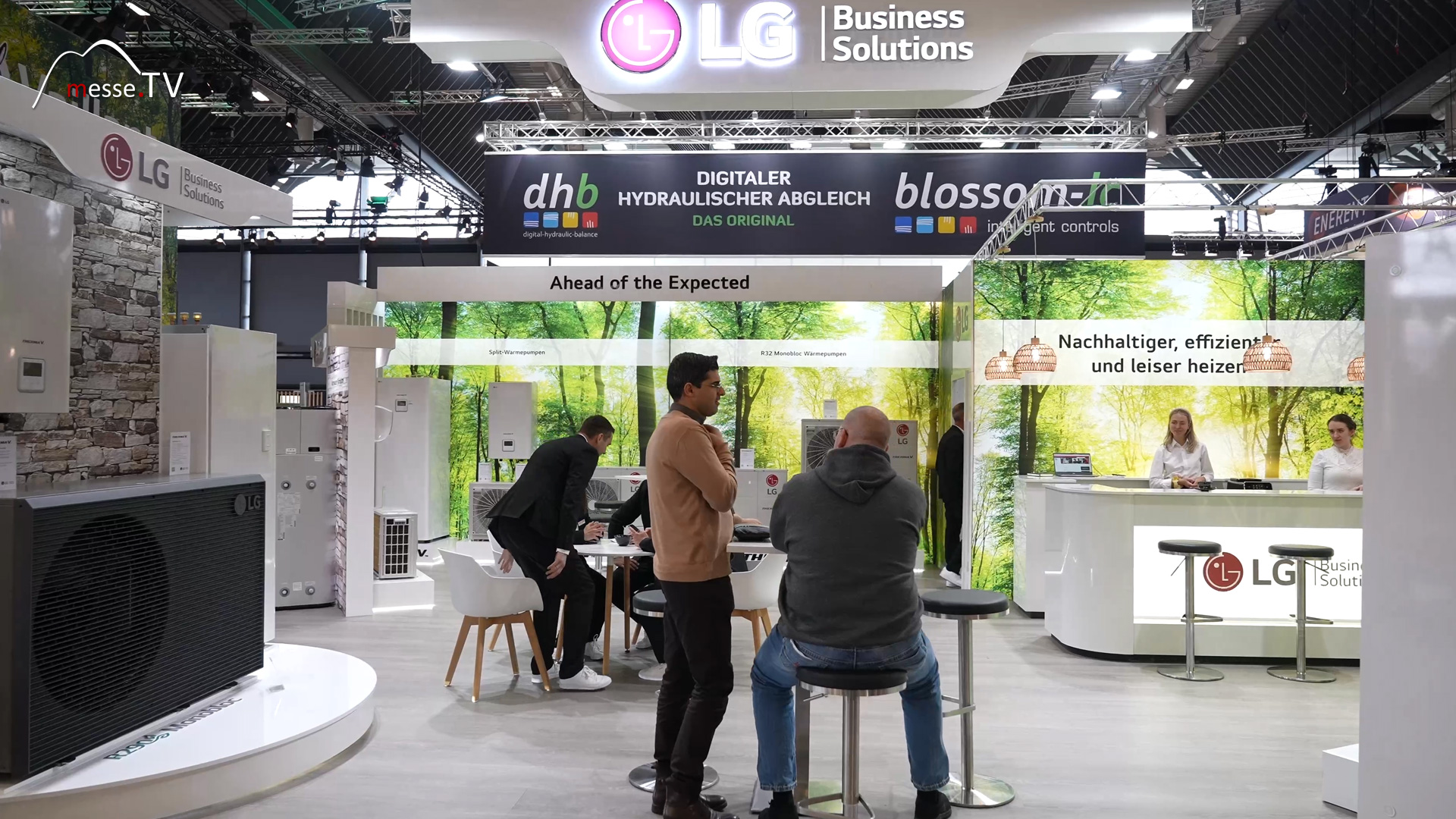
LG: a heat pump manufacturer with extensive experience
LG has been involved in heat pump technology since the late 1960s, making it one of the early industrial users of this principle. The group originates from Korea, operates its European base in Eschborn near Frankfurt and also controls the German market for heat pumps and air conditioning systems from there. For a long time, the systems were mainly used in this country as OEM products, i.e. as technology under a different brand name. It is only in recent years that the manufacturer has visibly entered the market with its own brand and has specifically tailored its portfolio to the requirements in Germany. The focus is not only on new buildings, but also on existing buildings, where efficiency, noise levels and high flow temperatures play a decisive role.
New R290 heat pump as trade fair highlight
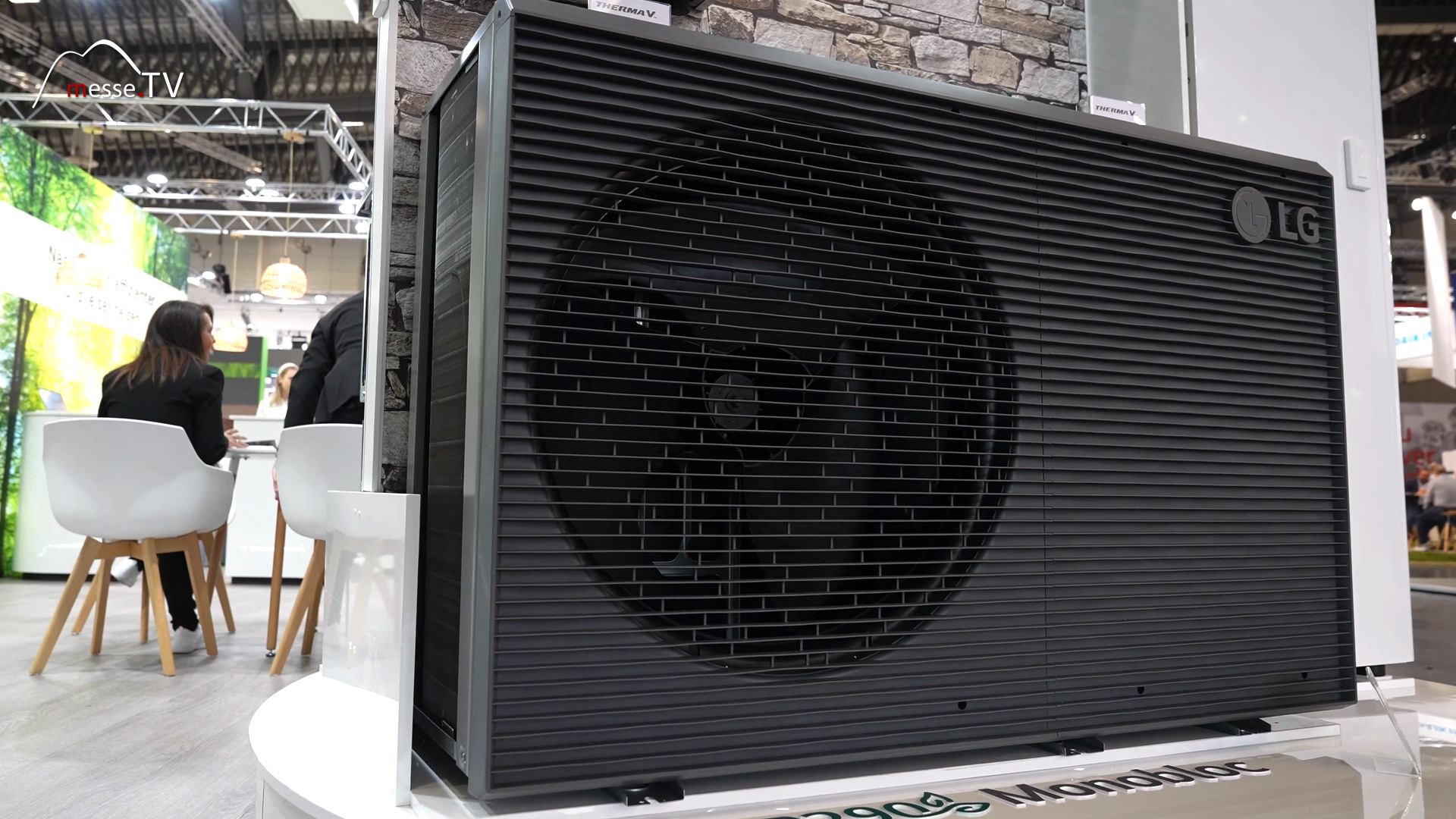
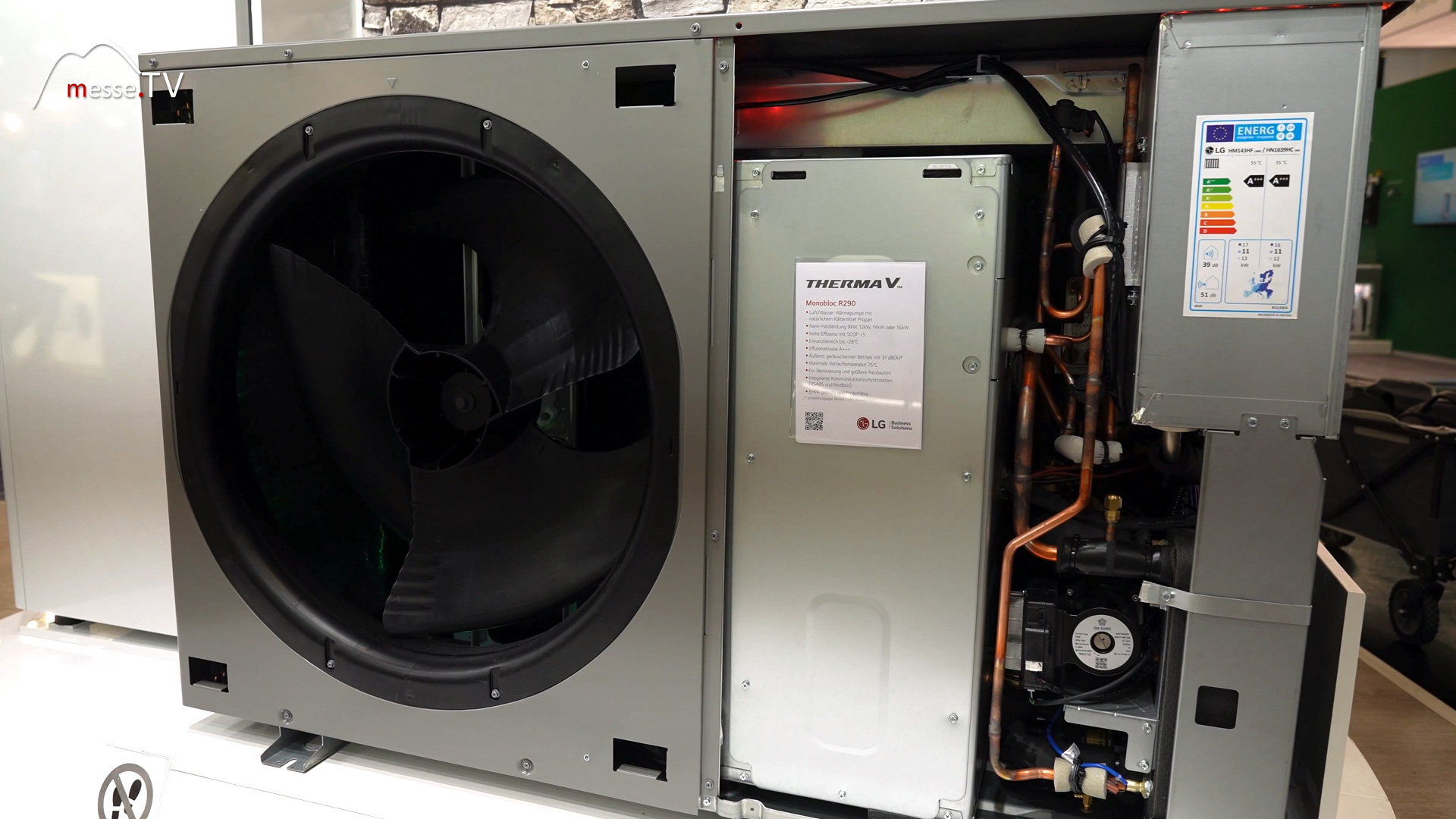
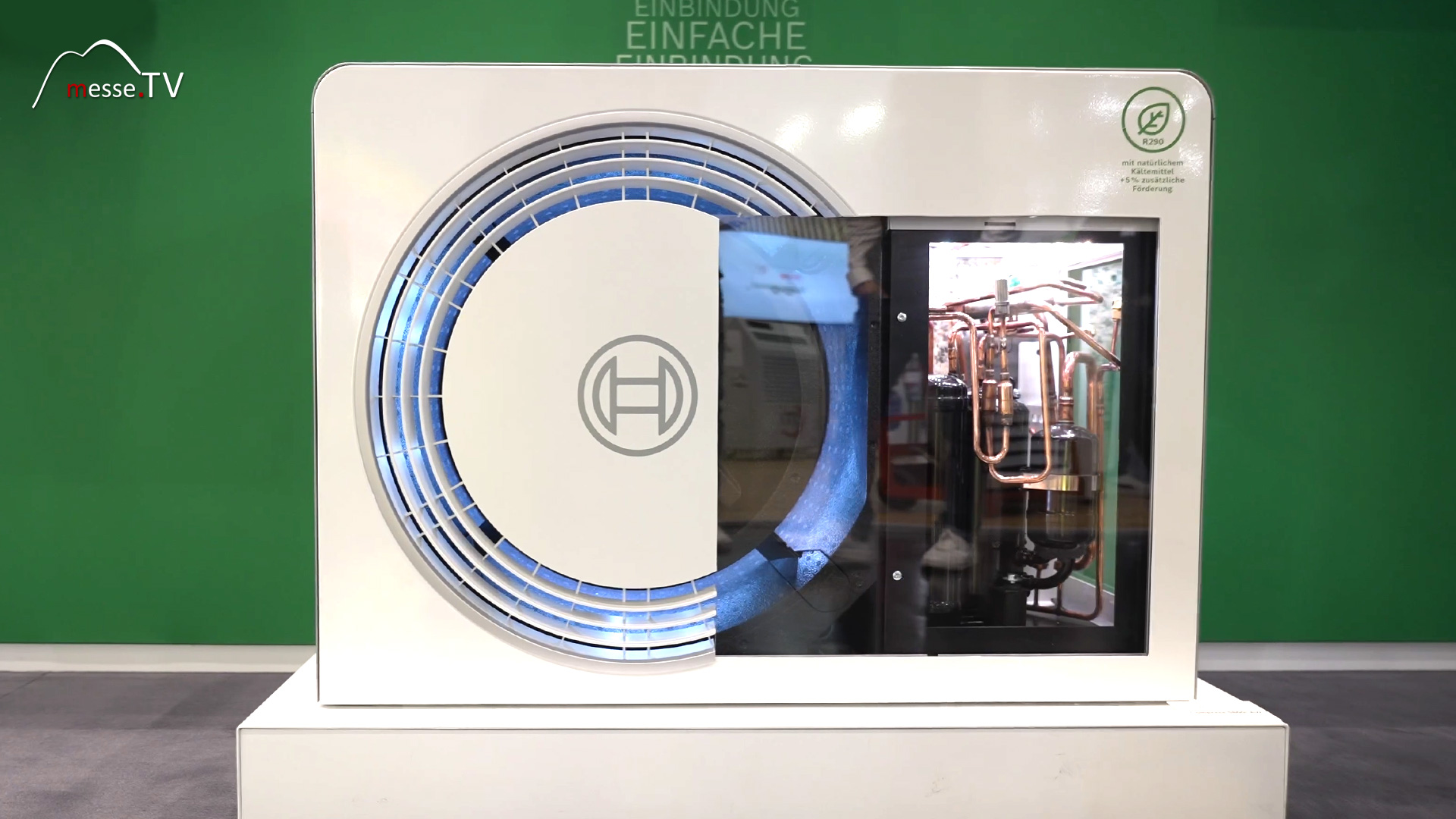
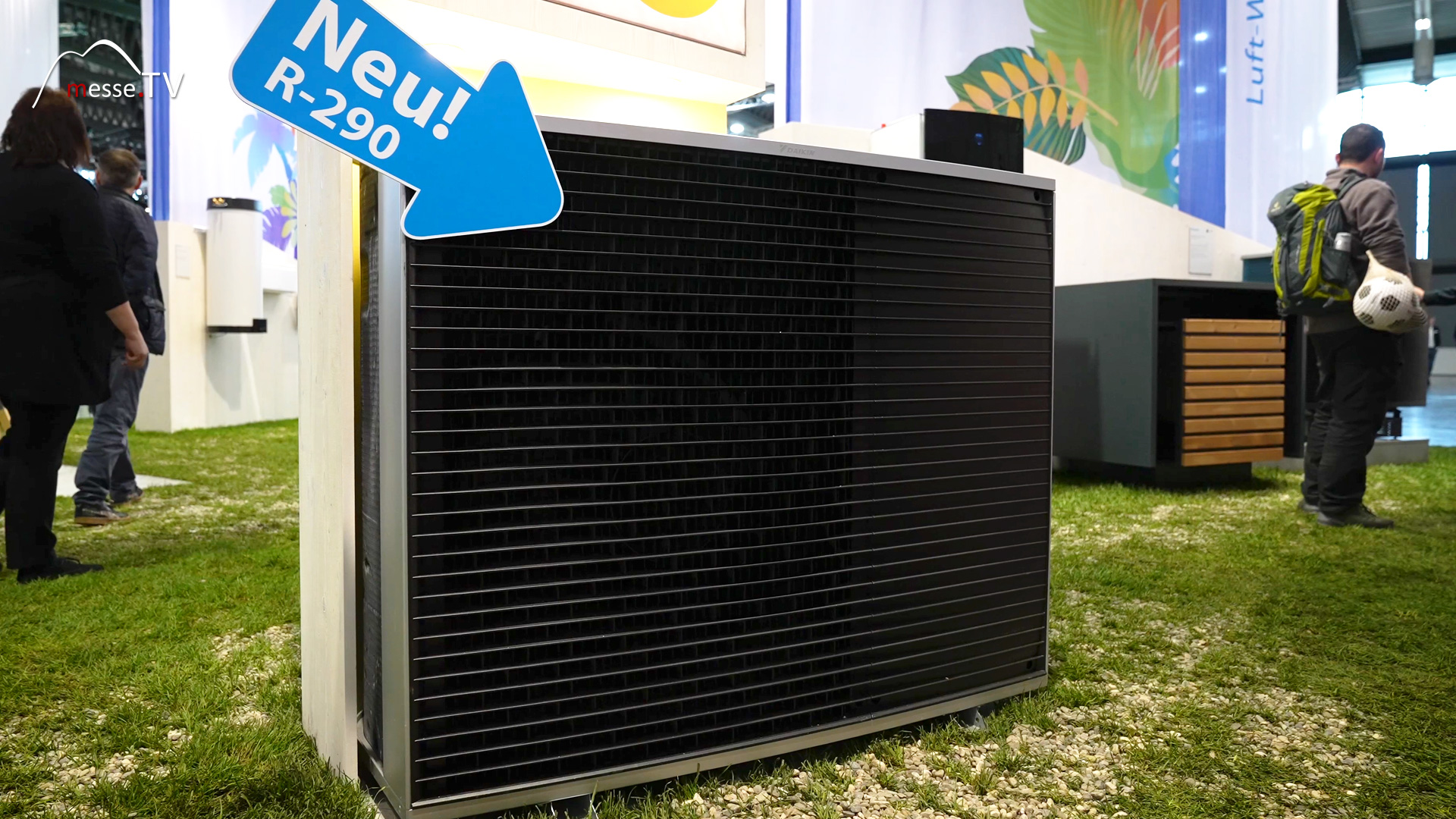
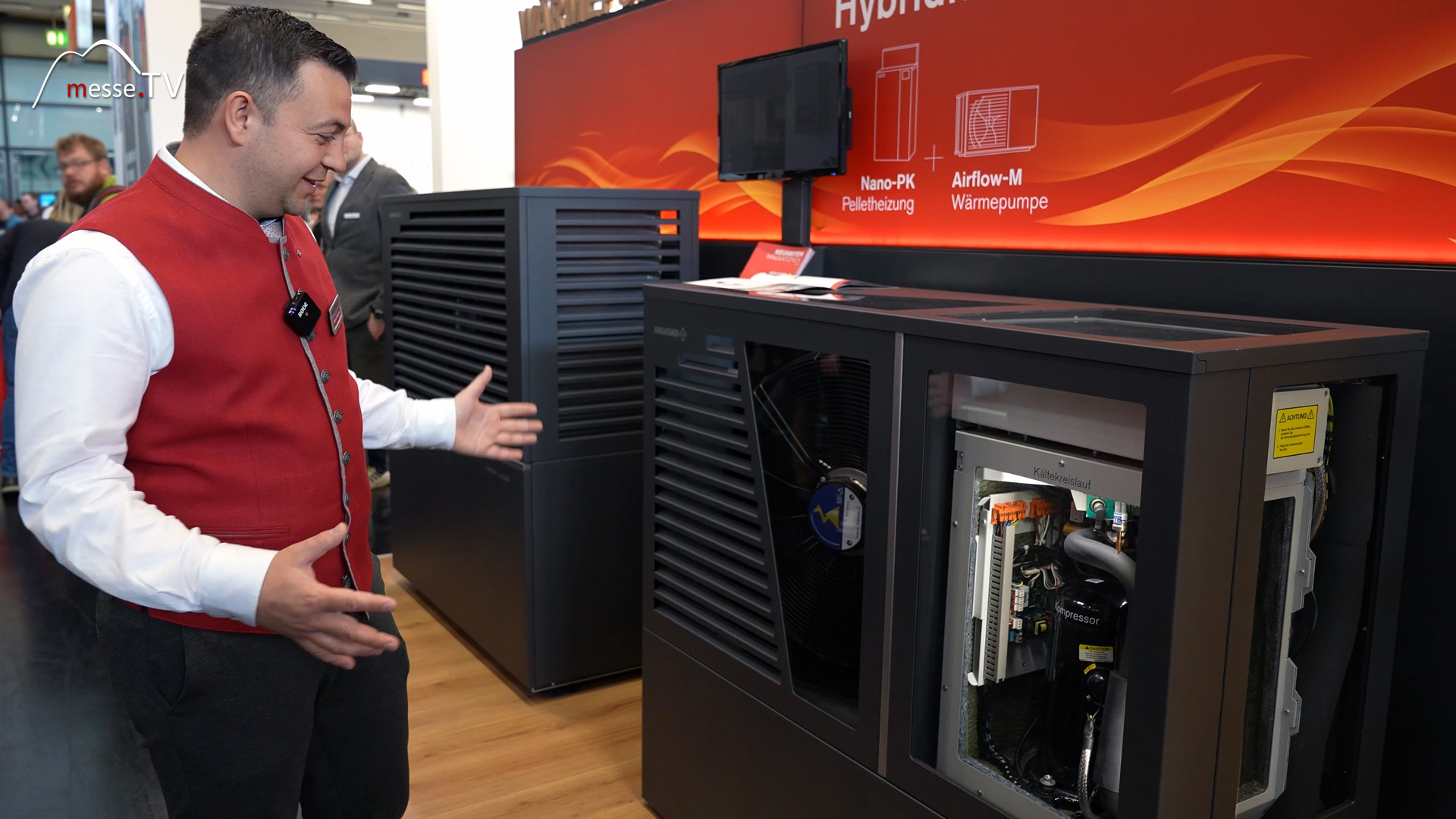
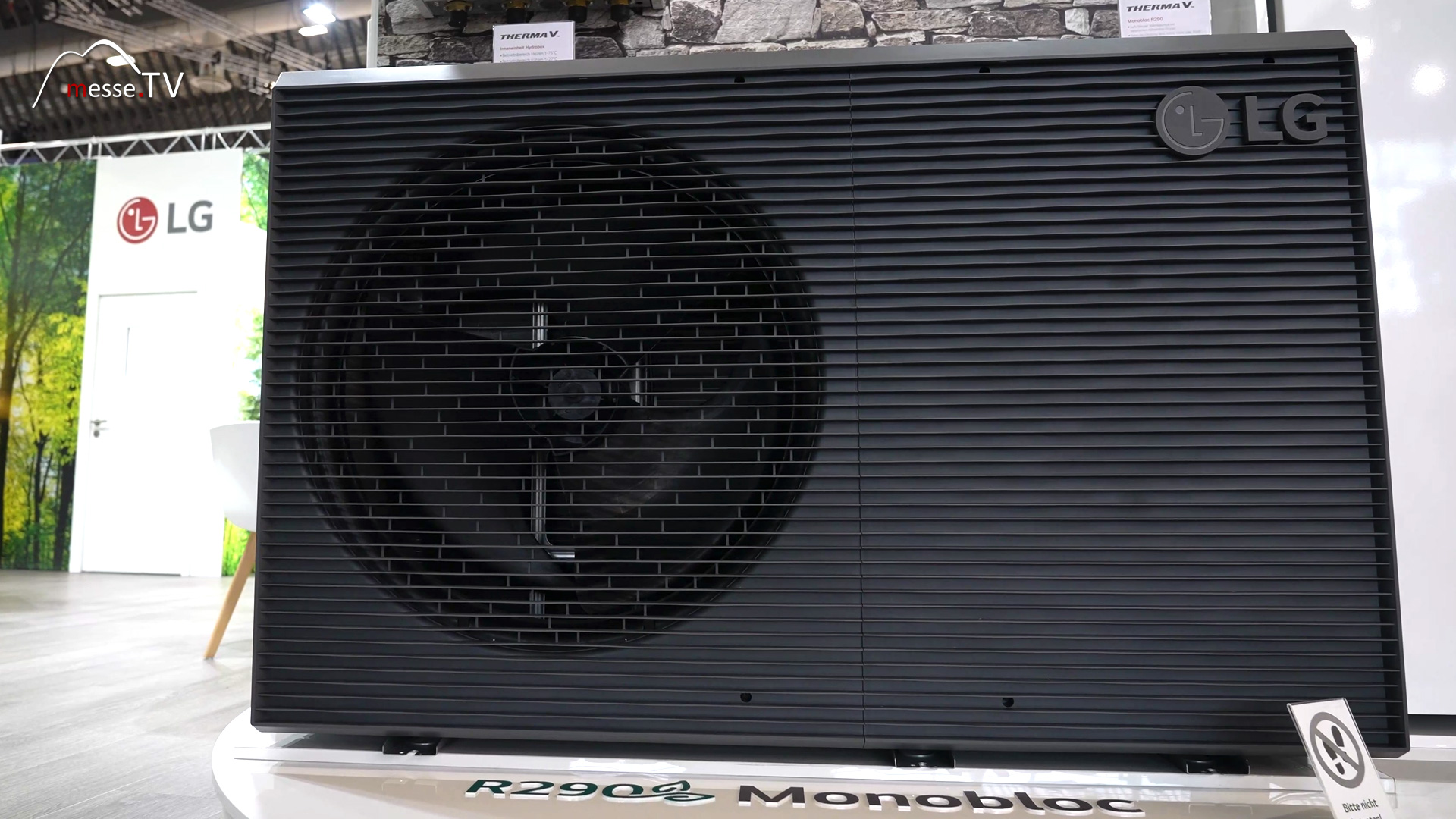
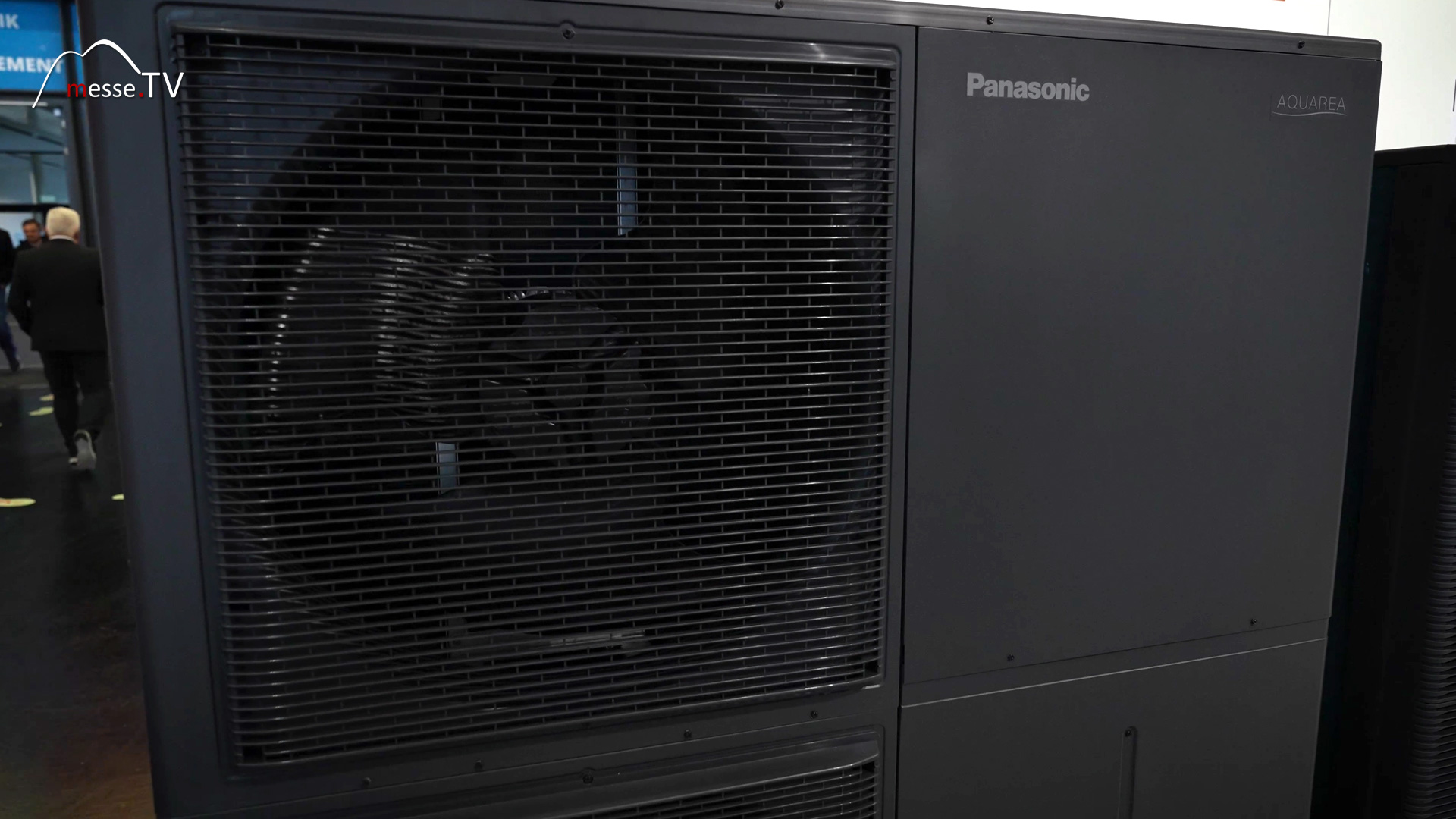
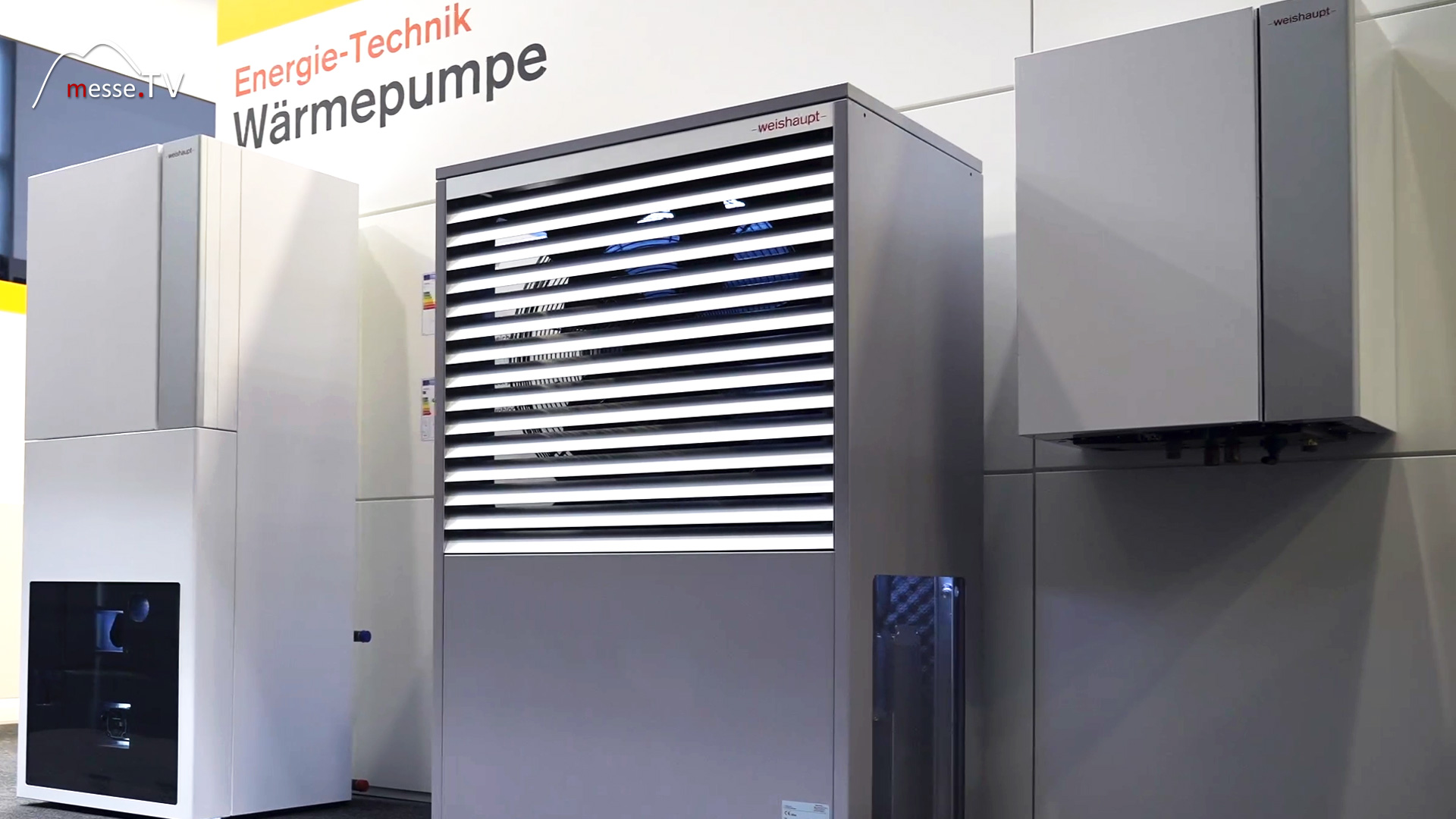
The focus of current development is on a new heat pump that uses the natural refrigerant R290. This is purified propane, which is significantly more environmentally friendly than synthetic refrigerants. The significance of this step goes beyond pure efficiency values, as phase-out schedules already exist for almost all conventional refrigerants. Propane is considered a long-term solution and also meets growing regulatory requirements. The new system achieves an annual performance factor of over five, clearly positioning it in the upper performance range. This efficiency is not just a theoretical value, but also decisive for ongoing operating costs and the overall ecological balance.
Noise reduction as a key development topic
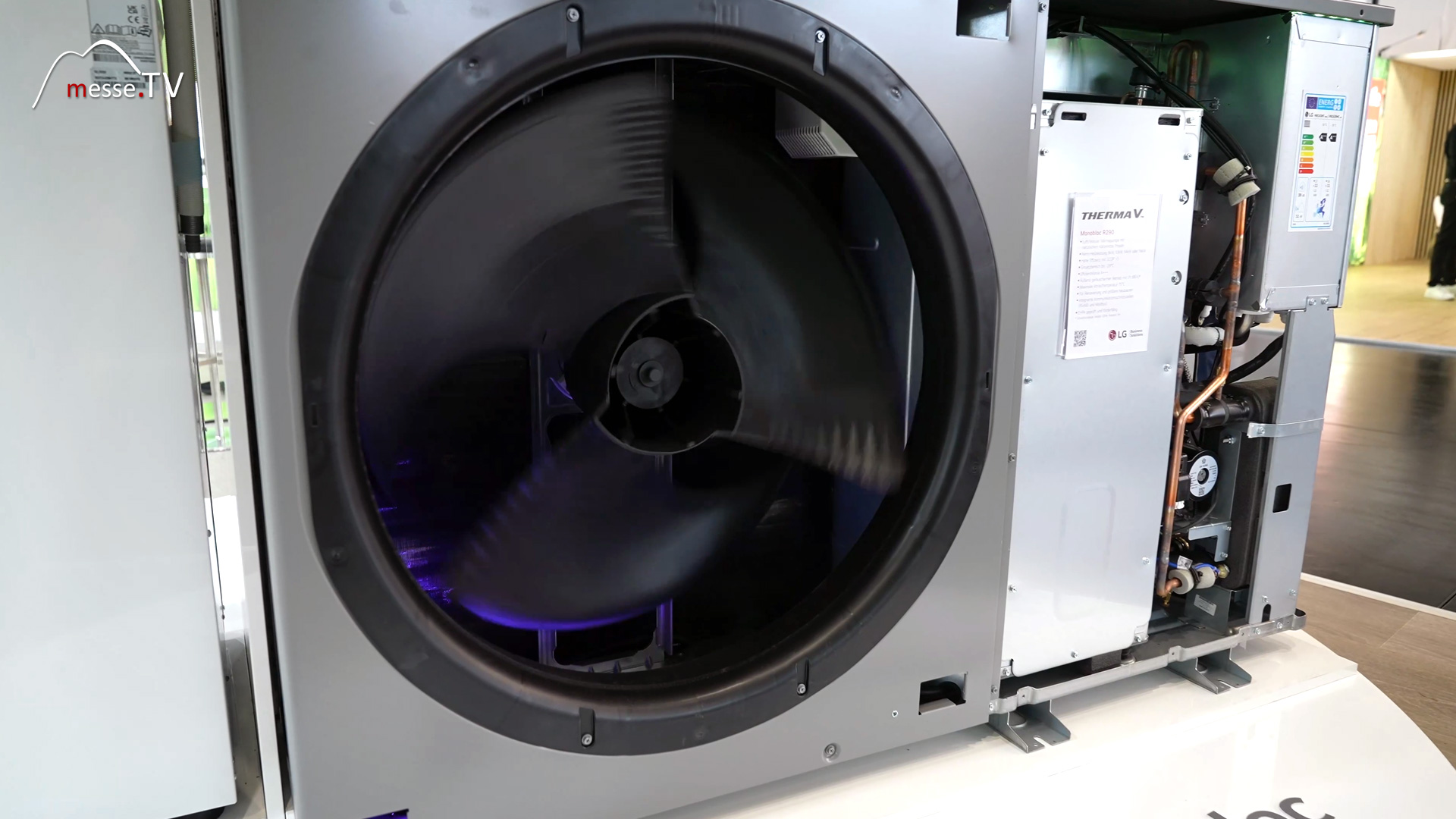
Noise generation is a particularly sensitive issue in the German market. In densely built-up residential areas in particular, a few decibels can determine whether a heat pump is eligible for approval or not. In the 16-kilowatt version, the sound pressure level during 35 decibels at a distance of three metres during night-time operation. This value is achieved through several design measures. Optimised air flows, an adapted fan and the targeted decoupling of the compressor significantly reduce background noise. The refrigeration circuit is additionally dampened and encapsulated to minimise structure-borne noise. These aspects are not added retrospectively, but are an integral part of the overall concept.
Safety concept for the use of propane
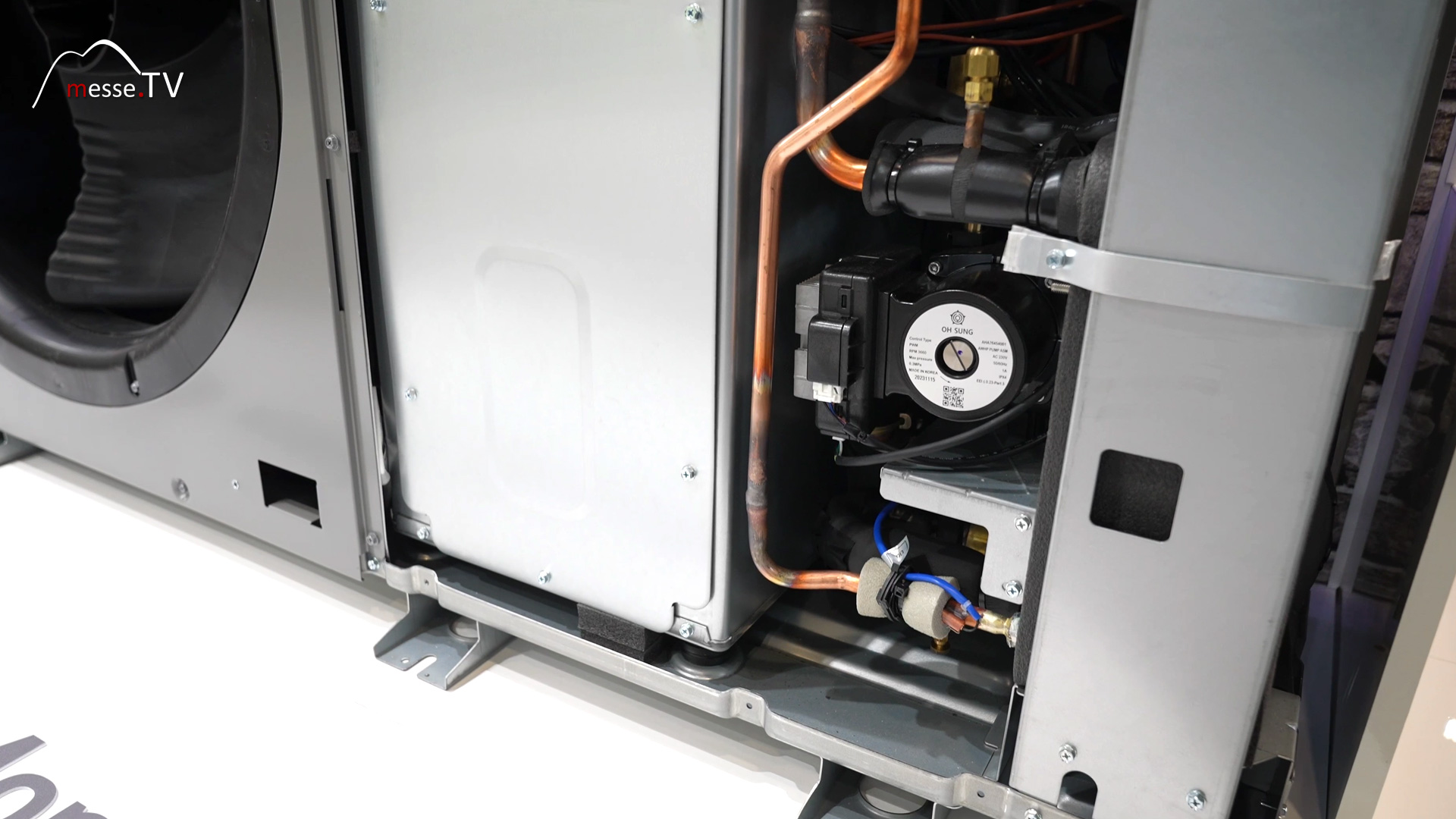
The use of propane places high demands on safety. For this reason, a multi-stage protection concept has been implemented. A gas separator prevents combustible gas from entering the heating circuit in the event of a leak. In addition, the entire electrical area is separately encapsulated. Before the compressor starts, the heat pump is actively ventilated. The fan flushes the unit with fresh air so that no flammable gas mixture can form. These measures show that the focus is not solely on efficiency, but on safe operation under real conditions.

Indoor module with integrated heating element and storage tank
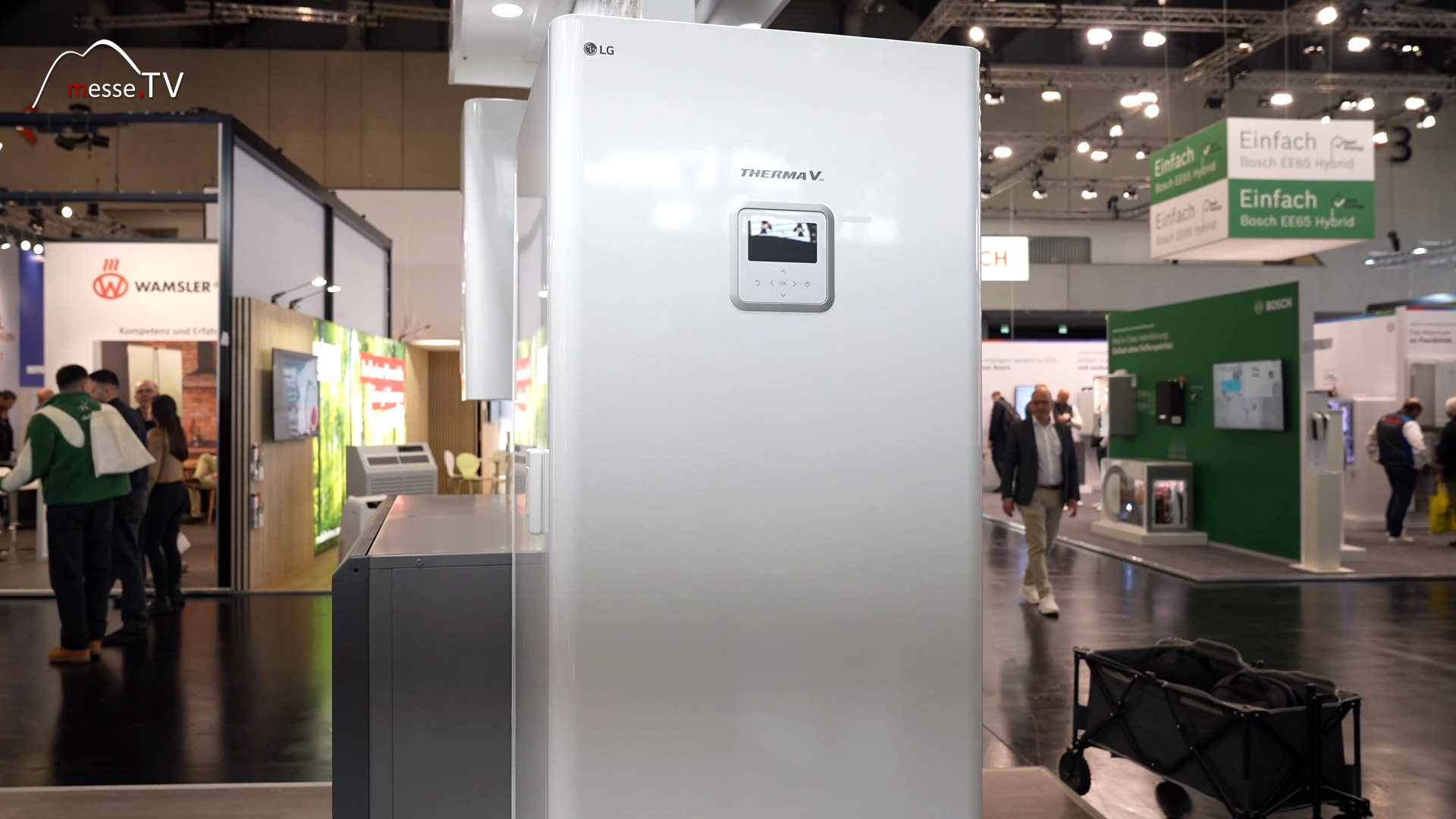
The technology has also been further developed for indoor use. The new indoor unit has an integrated electric heating element, which reduces the installation effort. Fewer pipes need to be laid between the outdoor and indoor units, which is particularly advantageous in renovation projects. In addition, there is an integrated hot water storage tank with a capacity of around two hundred litres. This creates a compact solution in which the indoor unit and storage tank form a functional unit. The space requirement remains manageable without compromising on comfort.
Design, weight and practicality
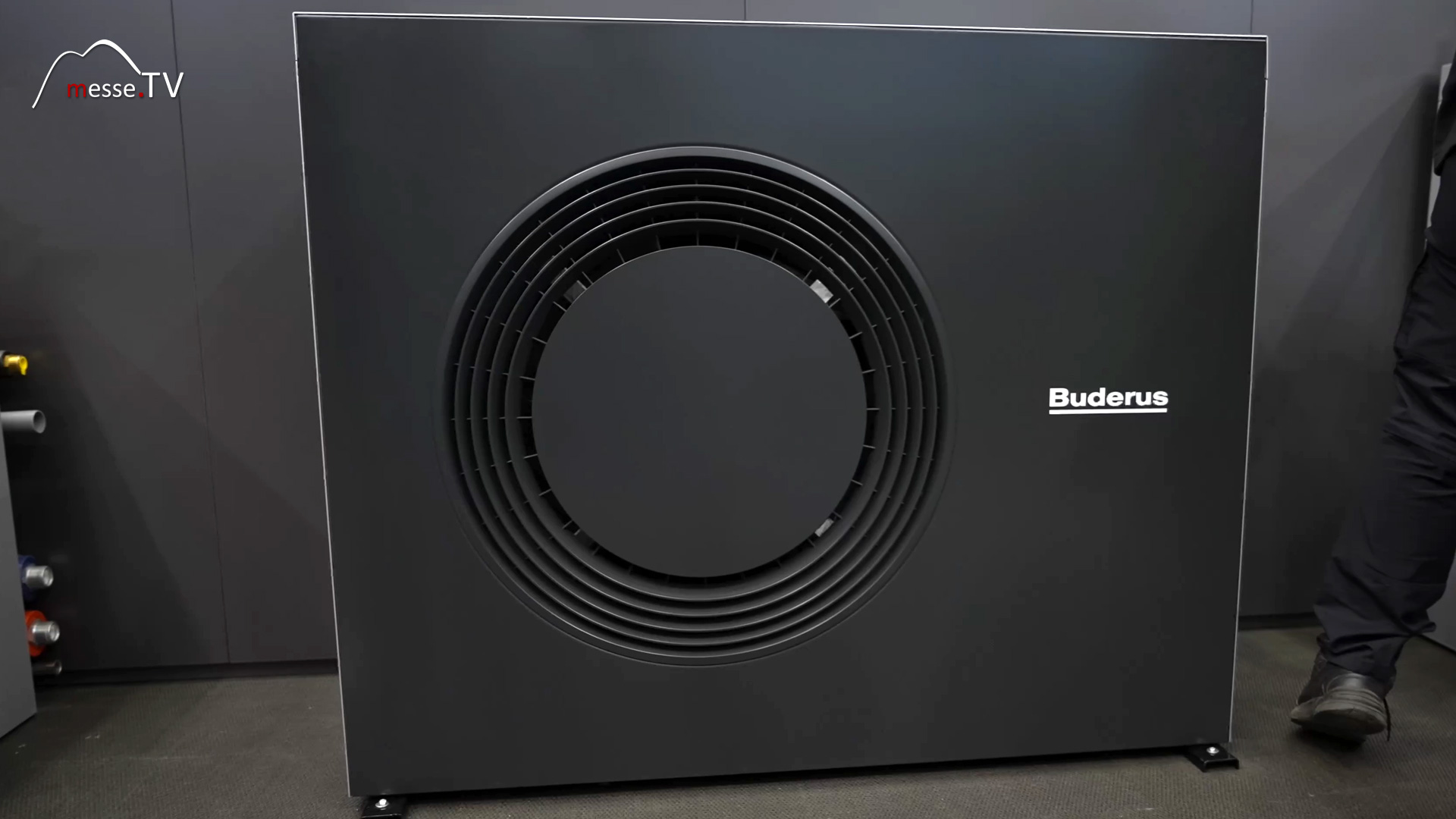
In addition to technology and safety, the external appearance also plays a role. The design is deliberately based on European design standards and avoids the purely technical character of earlier generations. At the same time, care has been taken to keep the propane filling quantity as low as possible. In the 16-kilowatt version, it is around 1.2 kilograms. This is less gas than is used in many commercially available barbecues. Despite additional safety components, the weight of the system remains competitive compared to other monoblock systems. Even the larger models are still within a range that makes installation and transport practical.
Positioning in the heat pump market
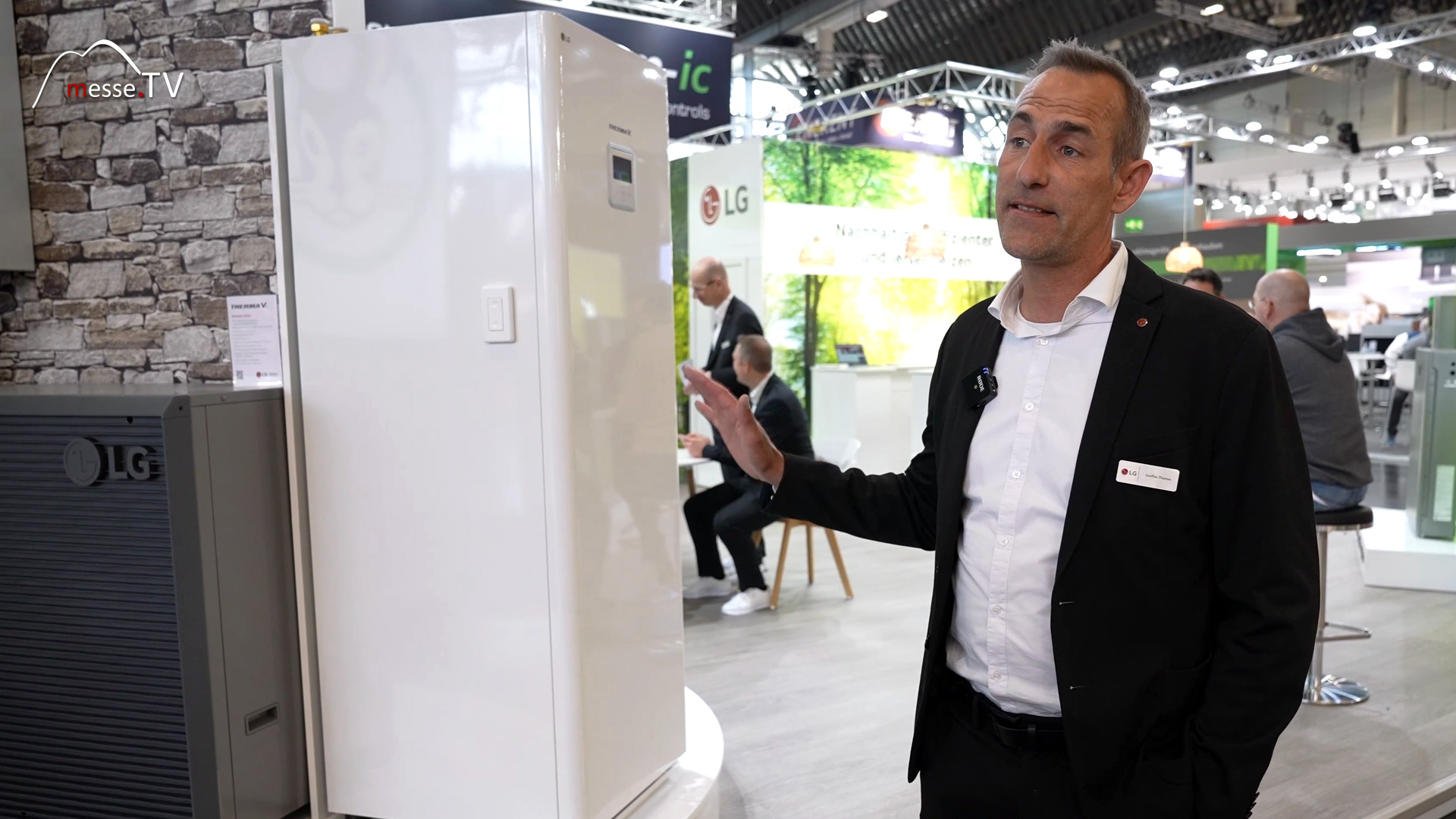
The new propane heat pump is a prime example of where the market is heading. Environmentally friendly refrigerants, high efficiency, low noise emissions and well-designed safety concepts are becoming standard. At the same time, there is a growing demand for system solutions that can be integrated into existing buildings. The typical advantages of this category of appliances can be summarised as follows:
- Natural refrigerant with long-term prospects
- High seasonal performance factor for low operating costs
- Very low noise levels during night-time operation
- Compact indoor module with integrated storage tank
- Comprehensive safety concept for propane
Prospects for the German market
Heat pumps are increasingly at the centre of the heat transition. The solution presented here illustrates that technical development does not start at a single point, but fulfils several requirements at the same time. Efficiency alone is not enough if noise, safety or the sustainability of refrigerants are not taken into account. With its consistent focus on propane, low noise levels and practical system integration, LG is clearly positioning itself ahead of the competition. For planners, installers and operators, this provides an option that takes into account both regulatory requirements and real-world usage requirements, demonstrating that heat pump technology has long since arrived on an industrial scale.
Trade fair reporting Germany - Trade fair knowledge, dates & events


