Altherma 4 Wärmepumpe Propan Gebäudebestand von Daikin
von Bastian Velonavy - 2024-05-12Die Diskussion um die Wärmewende wird in Deutschland häufig abstrakt geführt – über Gesetze, Förderkulissen und Zielzahlen. Auf der Messe in Nürnberg wird dagegen sehr konkret, wie sich diese Transformation technisch umsetzen lässt.
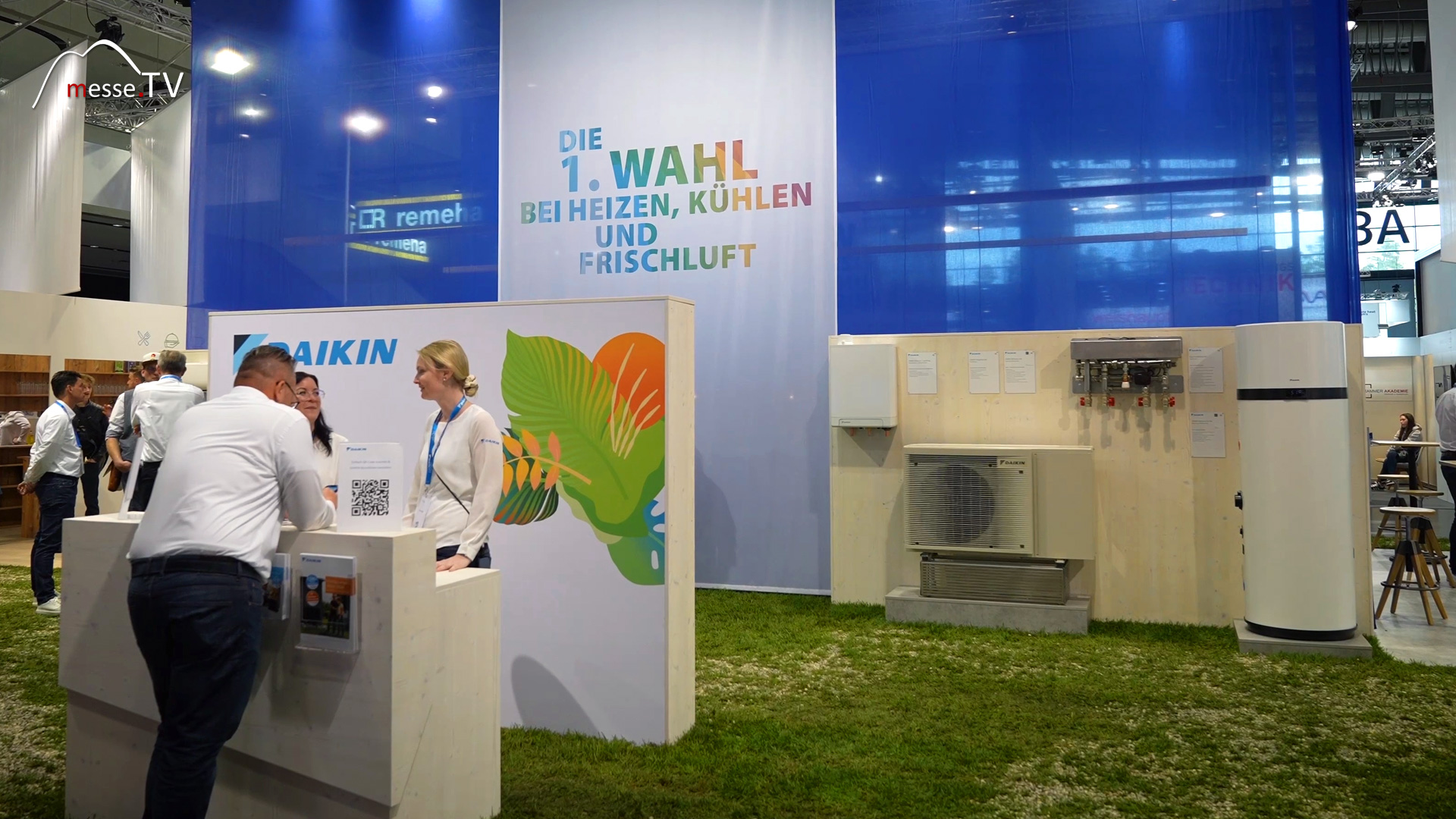
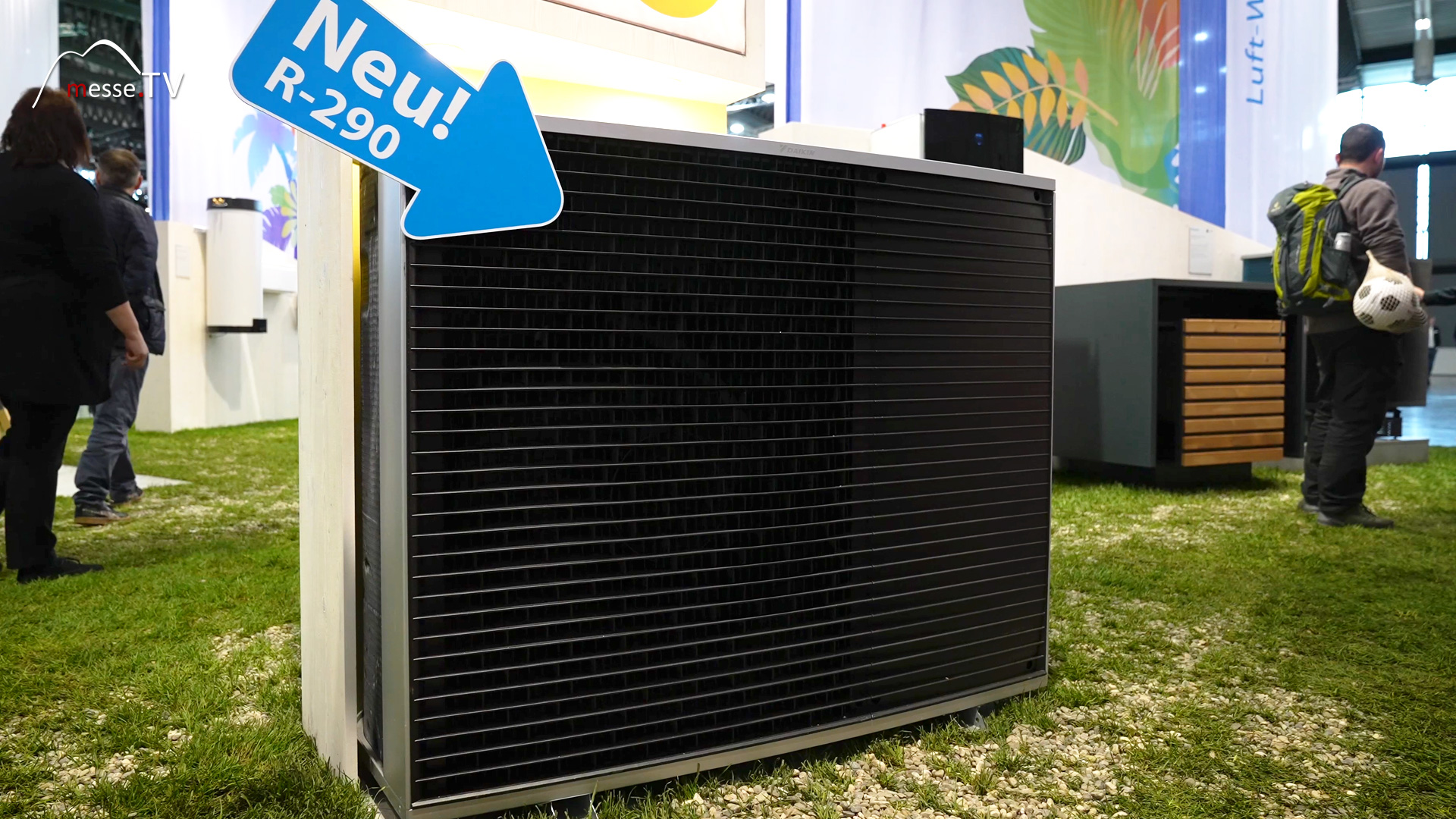
Im Mittelpunkt steht eine neue Generation von Luft-Wasser-Wärmepumpen, die ausdrücklich für den Einsatz im Gebäudebestand entwickelt wurde und zugleich einen technologischen Richtungswechsel markiert: den konsequenten Einsatz des natürlichen Kältemittels Propan. Daikin zählt zu den weltweit größten Anbietern von Klima-, Heiz- und Lüftungstechnik. Der Konzern mit Sitz in Osaka ist seit rund einem Jahrhundert am Markt aktiv und beschäftigt global fast hunderttausend Mitarbeiter. In Deutschland agiert Daikin Airconditioning Germany mit Sitz nahe München als eigenständige Vertriebsgesellschaft und betreut Installateure, Großhändler, Planer, Architekten und große Anlagenbauer. Entsprechend breit ist das Portfolio, das von kleinen Splitgeräten für Wohnräume bis zu komplexen Klimasystemen für Bahnhöfe oder Flughäfen reicht. Heizen, Kühlen und Frischluft werden dabei nicht als getrennte Disziplinen verstanden, sondern als zusammenhängendes System.
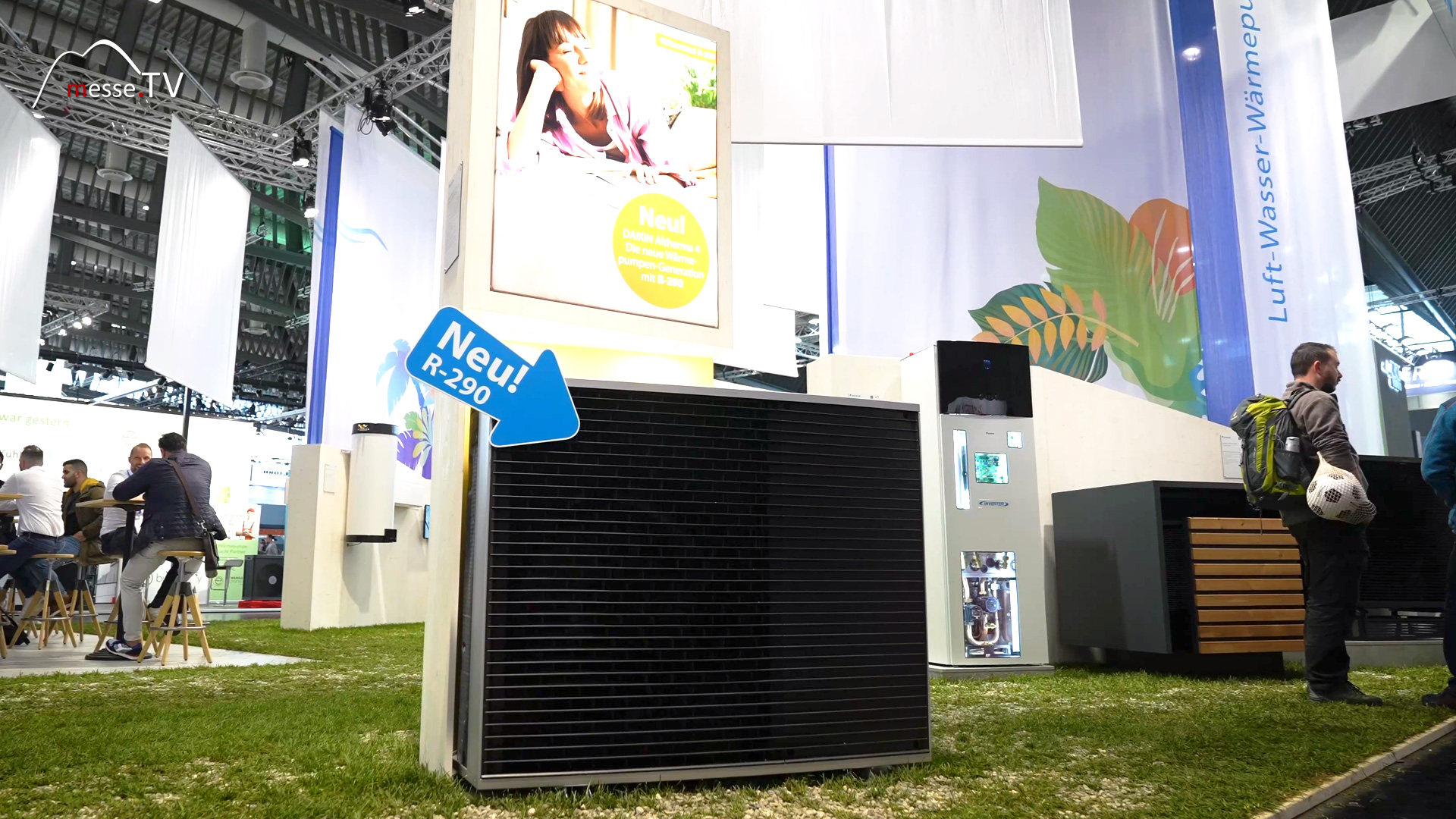

Altherma als Serienprodukt für den Wärmepumpenmarkt
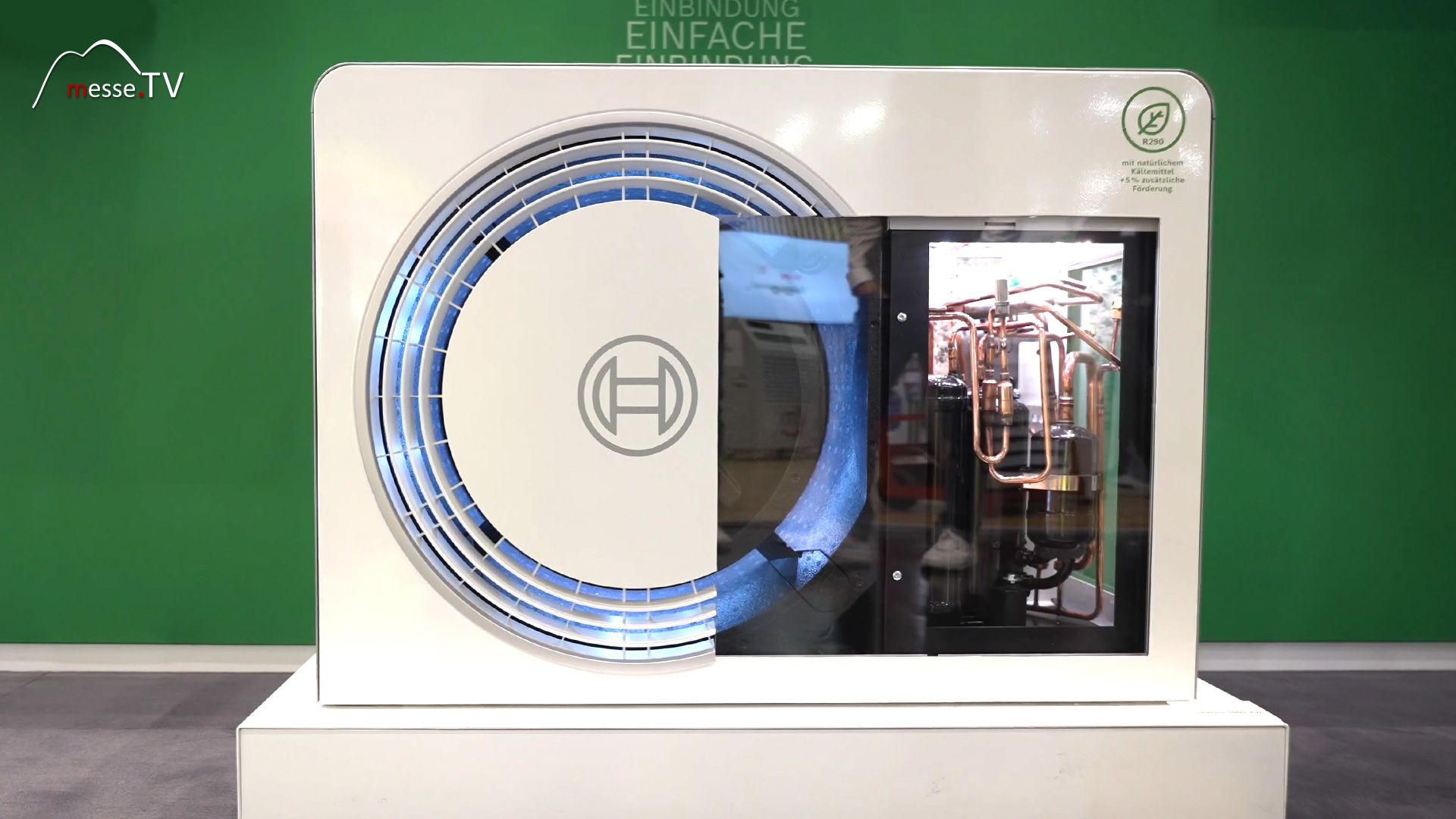
Im Zentrum des Messeauftritts steht die Altherma, ein Produktname, der im Wärmepumpenmarkt seit vielen Jahren etabliert ist. Bereits 2006 brachte Daikin die erste Altherma auf den deutschen Markt und positionierte sie als massentaugliche Luft-Wasser-Wärmepumpe. Während Wärmepumpen damals noch als Nischentechnologie galten, entwickelte sich die Serie schrittweise weiter und begleitete den Markthochlauf über mehrere Generationen hinweg. Mit der vierten Generation erreicht die Baureihe nun einen entscheidenden Punkt. Die Altherma 4 ist die erste Luft-Wasser-Wärmepumpe des Herstellers, die mit dem natürlichen Kältemittel R-290 arbeitet, besser bekannt als Propan. Damit reagiert Daikin auf regulatorische Vorgaben ebenso wie auf ökologische Anforderungen, denn synthetische Kältemittel stehen zunehmend unter Druck. Gleichzeitig soll das neue System keine Einschränkungen bei Leistung oder Einsatzbereich mit sich bringen.
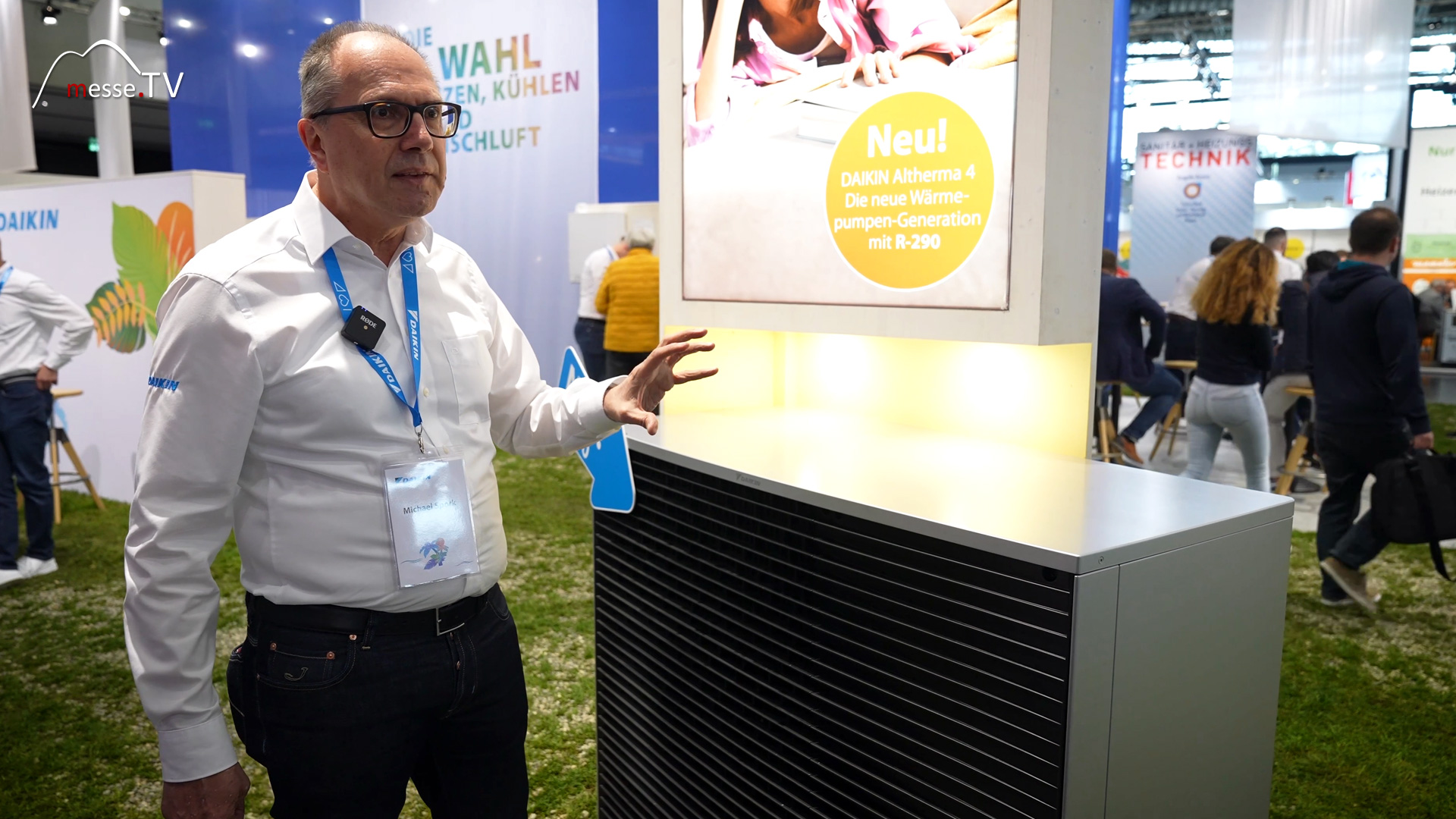
Auslegung für Ein- und Zweifamilienhäuser
Die Altherma 4 wird in mehreren Leistungsgrößen angeboten und richtet sich klar an Ein- und Zweifamilienhäuser. Der Leistungsbereich deckt typische Gebäude bis etwa 300 Quadratmeter Wohnfläche ab, sowohl im Neubau als auch im Bestand. Besonders deutlich wird der Fokus jedoch auf der Sanierung. In Deutschland sind nach wie vor zahlreiche Gebäude mit Öl- oder Gaskesseln ausgestattet, die in den kommenden Jahren ersetzt werden müssen. Genau hier setzt die neue Wärmepumpe an. Ein zentrales Argument ist die Fähigkeit, hohe Vorlauftemperaturen bereitzustellen. Viele Bestandsgebäude werden über Radiatoren beheizt und benötigen entsprechend hohe Temperaturen im Heizsystem. Die Altherma 4 ist darauf ausgelegt, Vorlauftemperaturen von bis zu 75 Grad zu erzeugen – und das selbst bei niedrigen Außentemperaturen um minus zehn Grad. Damit entfällt in vielen Fällen der aufwendige Umbau des Wärmeverteilungssystems, was die Schwelle für den Umstieg deutlich senkt.
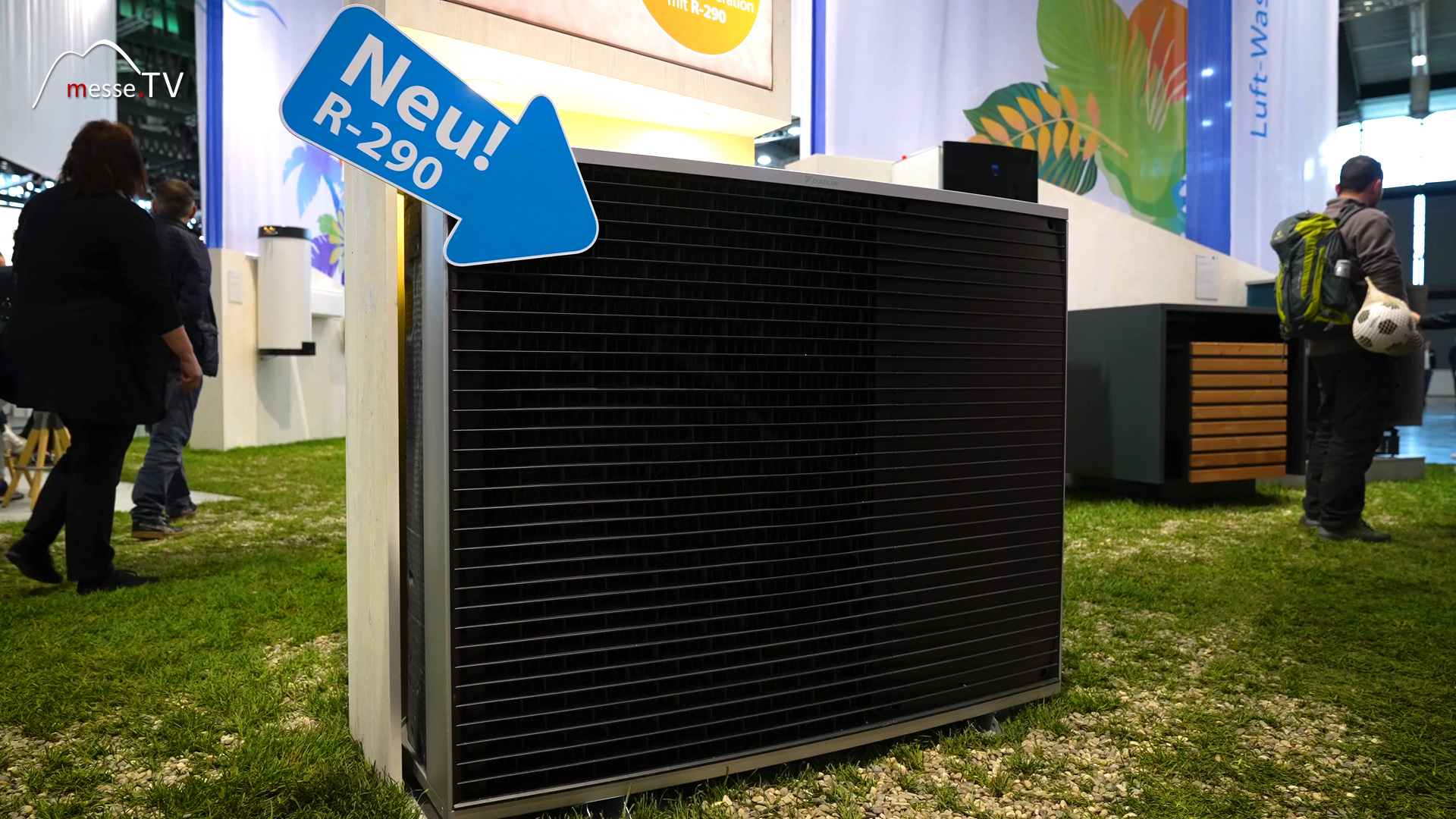
Natürliches Kältemittel als technologischer Schritt
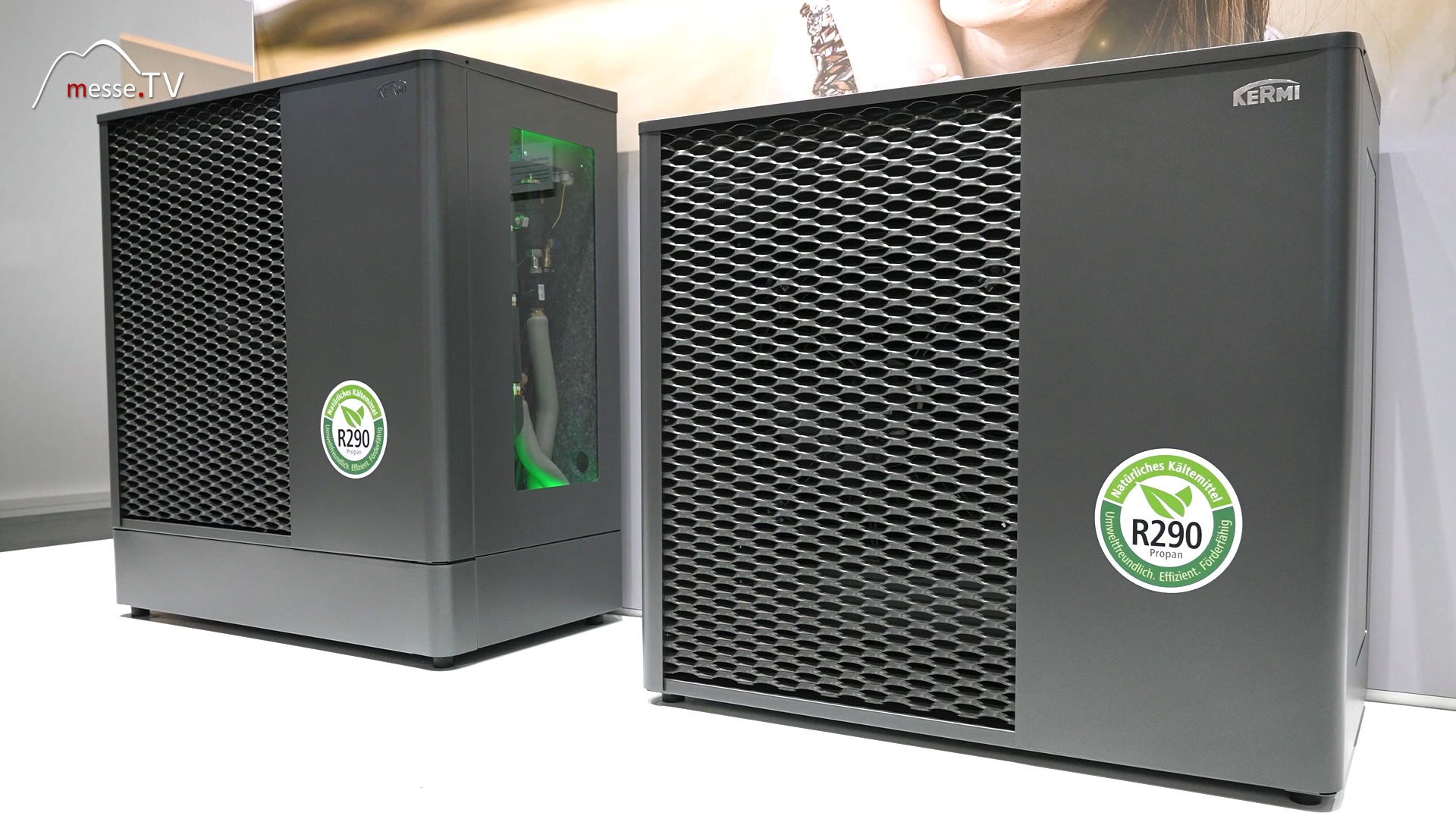
Der Einsatz von Propan als Kältemittel gilt als logische Konsequenz der aktuellen F-Gase-Verordnung, ist technisch jedoch anspruchsvoll. Propan ist hocheffizient, aber leicht entzündlich. Entsprechend hoch sind die Anforderungen an Konstruktion, Transport, Lagerung und Installation der Geräte. Daikin betont deshalb, dass das Sicherheitskonzept bei der Entwicklung der Altherma 4 oberste Priorität hatte. Sicherheit beginnt hier nicht erst im laufenden Betrieb, sondern bereits in der Lieferkette. Die Wärmepumpe wird ohne gefüllten Kältekreis ausgeliefert. Das Propan befindet sich bis zur Inbetriebnahme in einem separaten Sicherheitsbehälter innerhalb des Geräts. Erst beim fachgerechten Start durch den Installateur wird das Kältemittel freigesetzt und in das System eingebracht. Dadurch wird das Risiko während Transport und Lagerung erheblich reduziert, etwa in Hochregallagern oder beim Umschlag auf Baustellen. Zusätzlich ist die gesamte Elektronik so ausgeführt, dass im unwahrscheinlichen Fall eines Austritts keine Zündquelle vorhanden ist. Funkenbildung, elektrische Entladungen oder andere potenzielle Gefahrenquellen werden konstruktiv ausgeschlossen. Dieses mehrstufige Sicherheitskonzept unterscheidet die Altherma 4 von vielen anderen R-290-Systemen, die aktuell im Markt verfügbar sind.
Positionierung im aktuellen Wärmepumpenmarkt
Die Einführung der Altherma 4 fällt in eine Phase, in der der Wärmepumpenmarkt von starken Schwankungen geprägt ist. Nach stark steigenden Absatzzahlen in den vergangenen Jahren führten politische Debatten und Unsicherheiten rund um das Gebäudeenergiegesetz zu Zurückhaltung bei Endkunden. Gleichzeitig bleibt der strukturelle Handlungsdruck bestehen, fossile Heizsysteme schrittweise zu ersetzen. Daikin setzt mit der neuen Generation bewusst auf ein Produkt, das diese Spannungsfelder adressiert. Die Kombination aus natürlichem Kältemittel, hoher Vorlauftemperatur und klarer Ausrichtung auf den Gebäudebestand zielt darauf ab, praktische Hürden abzubauen. Die Wärmepumpe soll nicht nur ökologisch überzeugen, sondern auch technisch und wirtschaftlich in realen Bestandsobjekten funktionieren.
Einordnung und Ausblick
Die Altherma 4 steht exemplarisch für eine Entwicklung, die den Wärmepumpenmarkt in den kommenden Jahren prägen dürfte. Weg von theoretischen Idealbedingungen, hin zu Lösungen, die im Bestand funktionieren und dabei regulatorische, ökologische und sicherheitstechnische Anforderungen gleichermaßen erfüllen. Propan als Kältemittel ist dabei weniger ein Experiment als vielmehr ein notwendiger Schritt, der neue Standards setzt. Ob sich die Altherma 4 im Markt als Referenz etabliert, wird sich zeigen, wenn sie ab Herbst verfügbar ist und in der Praxis eingesetzt wird. Klar ist jedoch, dass Daikin mit dieser Generation ein deutliches Signal sendet: Die Wärmepumpe ist nicht nur Zukunftstechnologie für Neubauten, sondern ein realistischer Ersatz für Öl- und Gasheizungen im Bestand.



Messe-Berichterstattung bundesweit - Messewissen, Termine & Veranstaltungen


