Power to Heat als Baustein moderner Heiz- und Energiekonzepte
Die Energiewende im Gebäudesektor wird zunehmend von einer zentralen Frage bestimmt: Was passiert mit dem Strom, der aus Photovoltaikanlagen erzeugt wird, wenn er im Moment der Produktion nicht direkt im Haushalt verbraucht werden kann. Mit dem starken Ausbau von PV-Modulen auf Wohn- und Zweckgebäuden wächst der Anteil an überschüssiger Energie, der weder ins Netz eingespeist noch unmittelbar genutzt wird. Genau an dieser Stelle gewinnen Konzepte wie Power to Heat an Bedeutung, weil sie eine direkte Brücke zwischen Stromerzeugung und Wärmenutzung schlagen.
Strom in Wärme umzuwandeln und diese Wärme effizient zu speichern, ist technisch kein neues Prinzip. Neu ist jedoch die Kombination aus modulierender Leistung, kompakter Bauweise und der systemischen Einbindung in bestehende Heiz- und Speicherstrukturen. Damit wird Power to Heat von einer theoretischen Ergänzung zu einer praxisnahen Lösung für viele Gebäudetypen – vom Neubau bis zum Bestand.
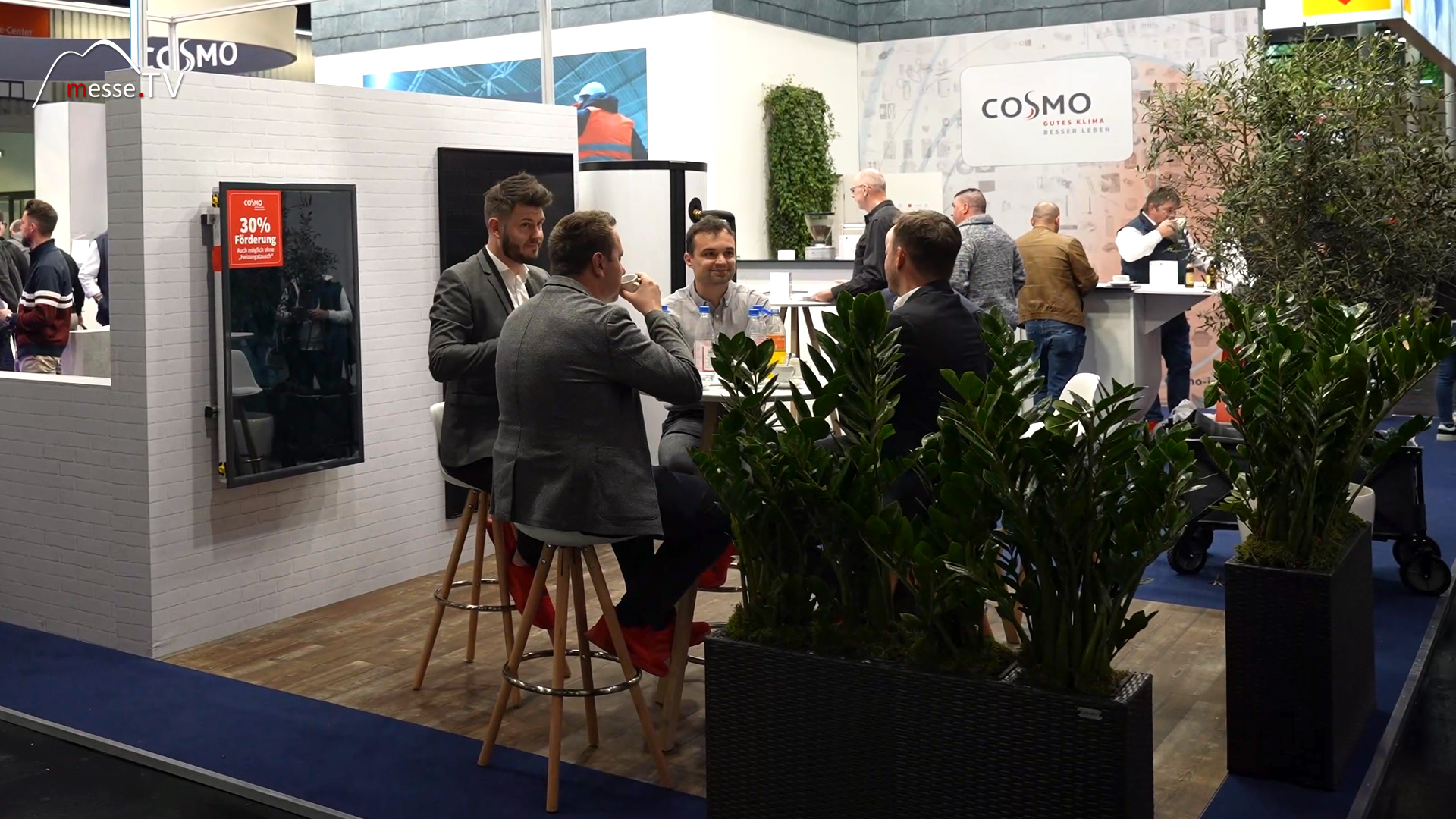

Cosmo als Komponentenhersteller im Heizungsumfeld
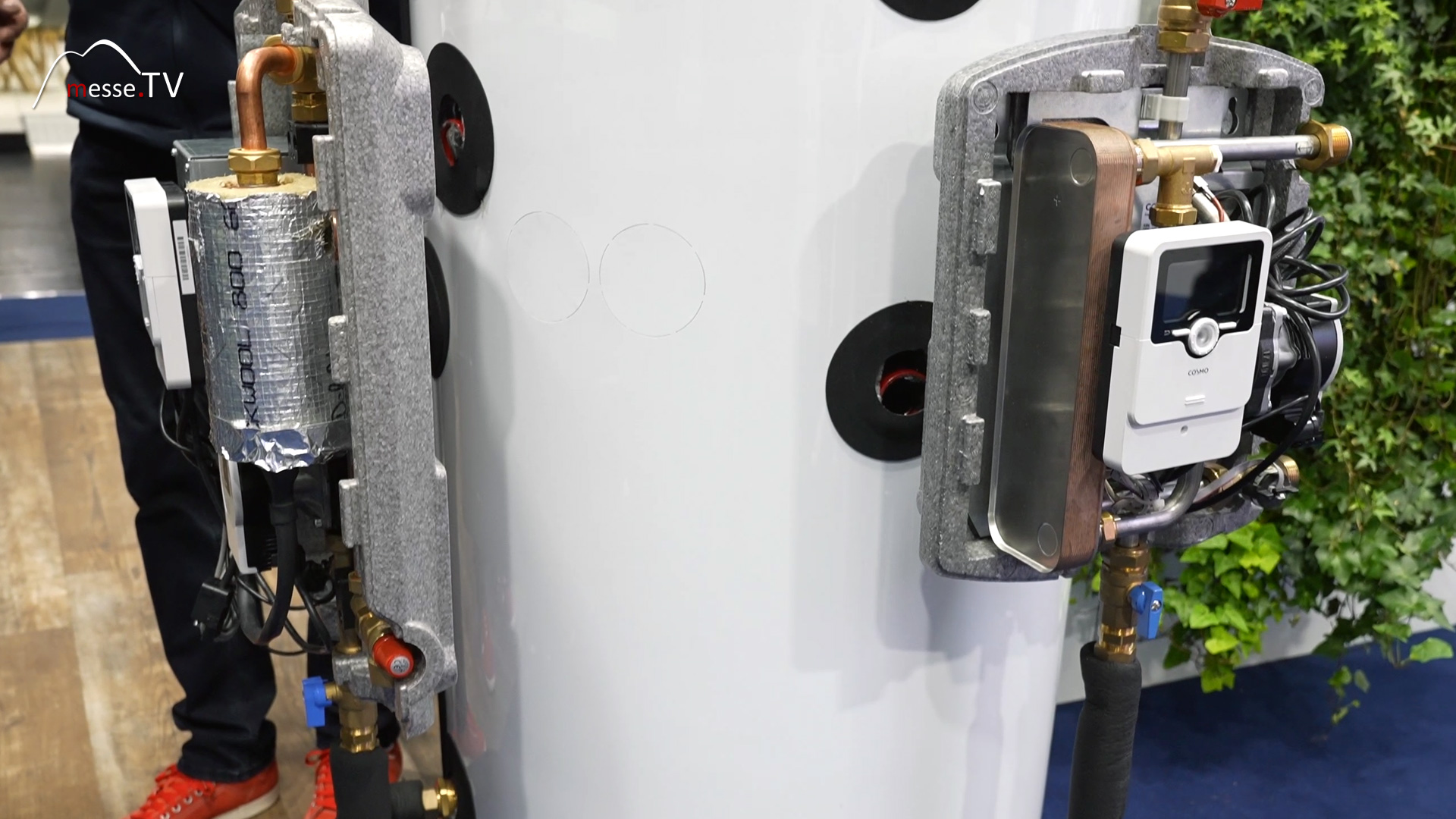
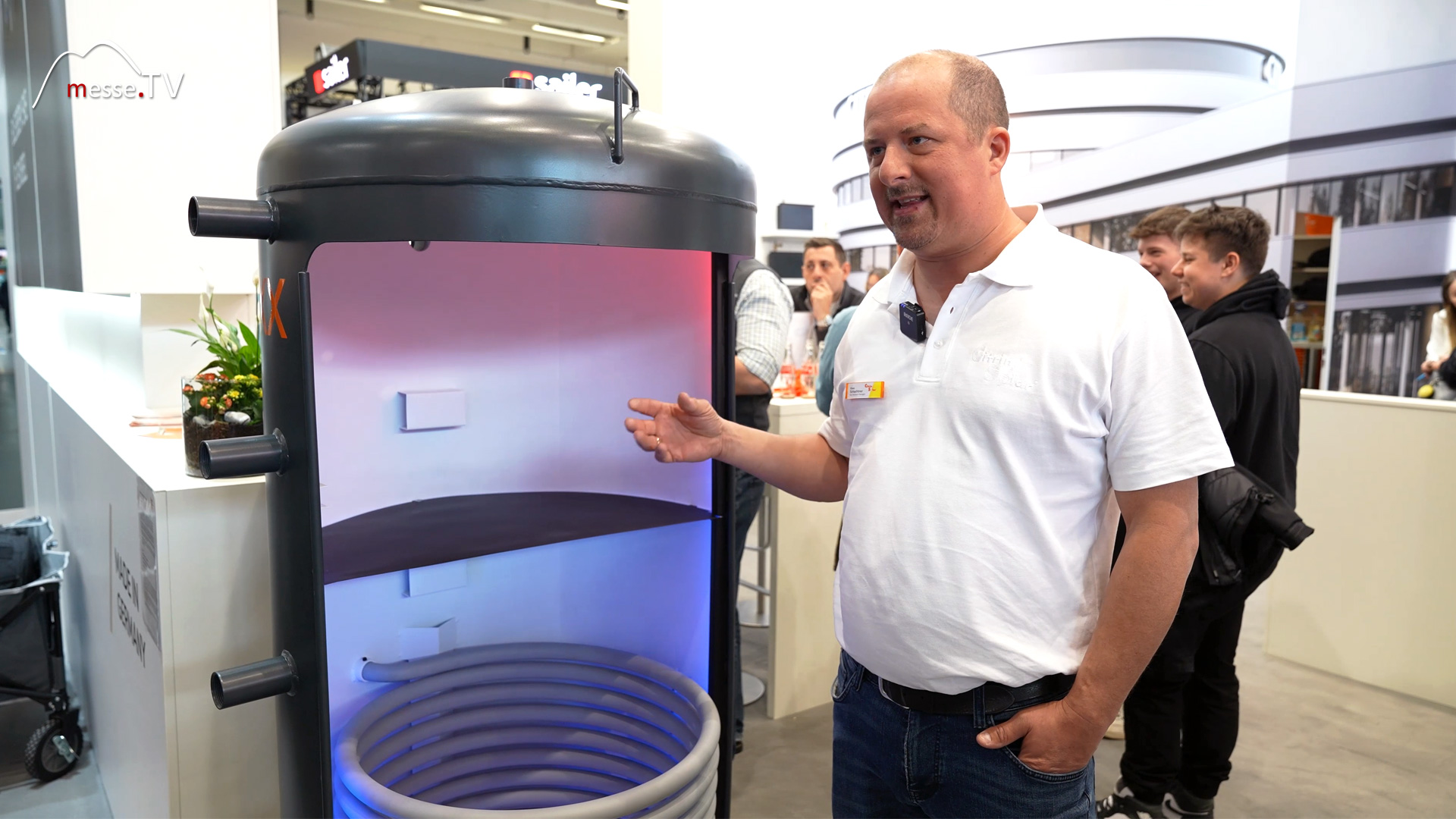
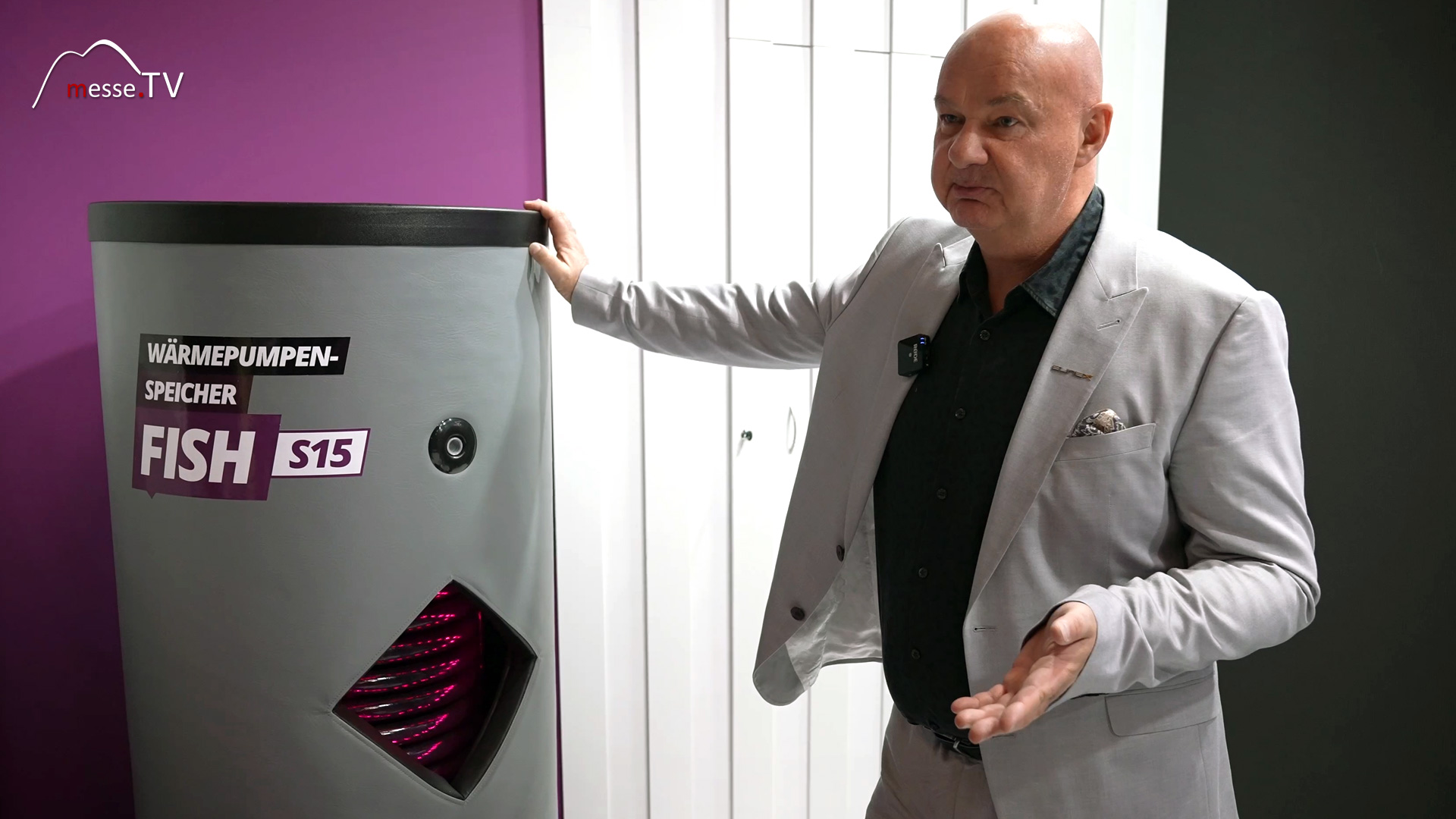
Cosmo ist seit rund zwei Jahrzehnten als Hersteller für die Sanitär- und Heizungsbranche im Markt aktiv. Der Schwerpunkt liegt nicht auf eigenen Wärmeerzeugern, sondern auf Komponenten rund um die Wärmeverteilung und den Wärmeerzeuger. Dazu zählen unter anderem Pufferspeicher, Regelungstechnik, Pumpengruppen sowie Lösungen für Flächenheizungen wie die Fußbodenheizung. Diese Positionierung ermöglicht es, unterschiedliche Wärmeerzeuger und Energiequellen miteinander zu kombinieren, ohne sich auf ein einzelnes Heizsystem festzulegen. Vor dem Hintergrund des wachsenden PV-Marktes rückt bei Cosmo die Frage in den Mittelpunkt, wie überschüssiger Solarstrom sinnvoll genutzt werden kann. Die Antwort darauf ist ein modulierendes Power-to-Heat-Modul, das gezielt auf die eigenen Pufferspeicher abgestimmt ist. Ziel ist es, elektrische Energie aus Photovoltaikanlagen direkt in Heizungswasser umzuwandeln und im Speicher zu lagern.
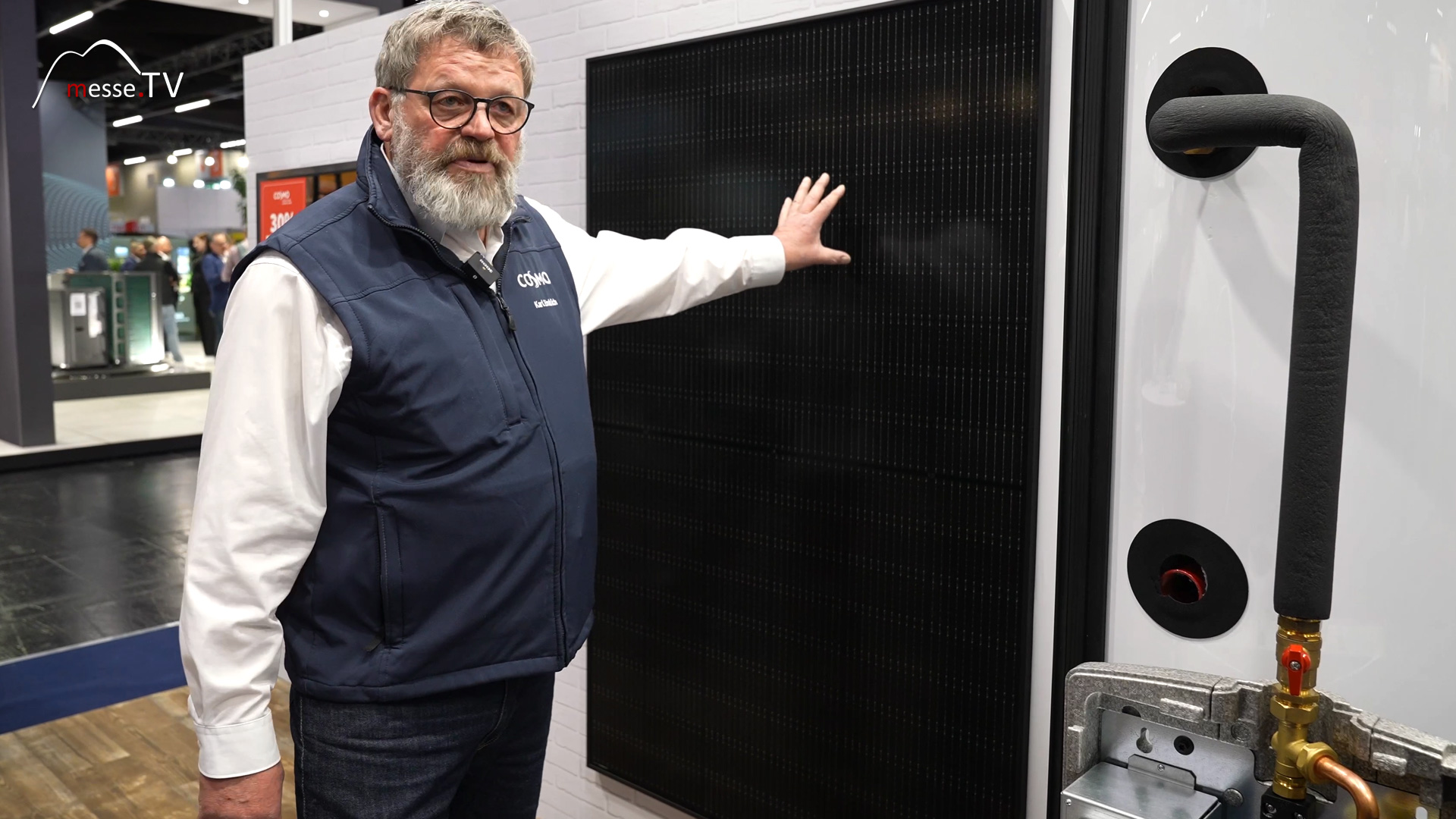
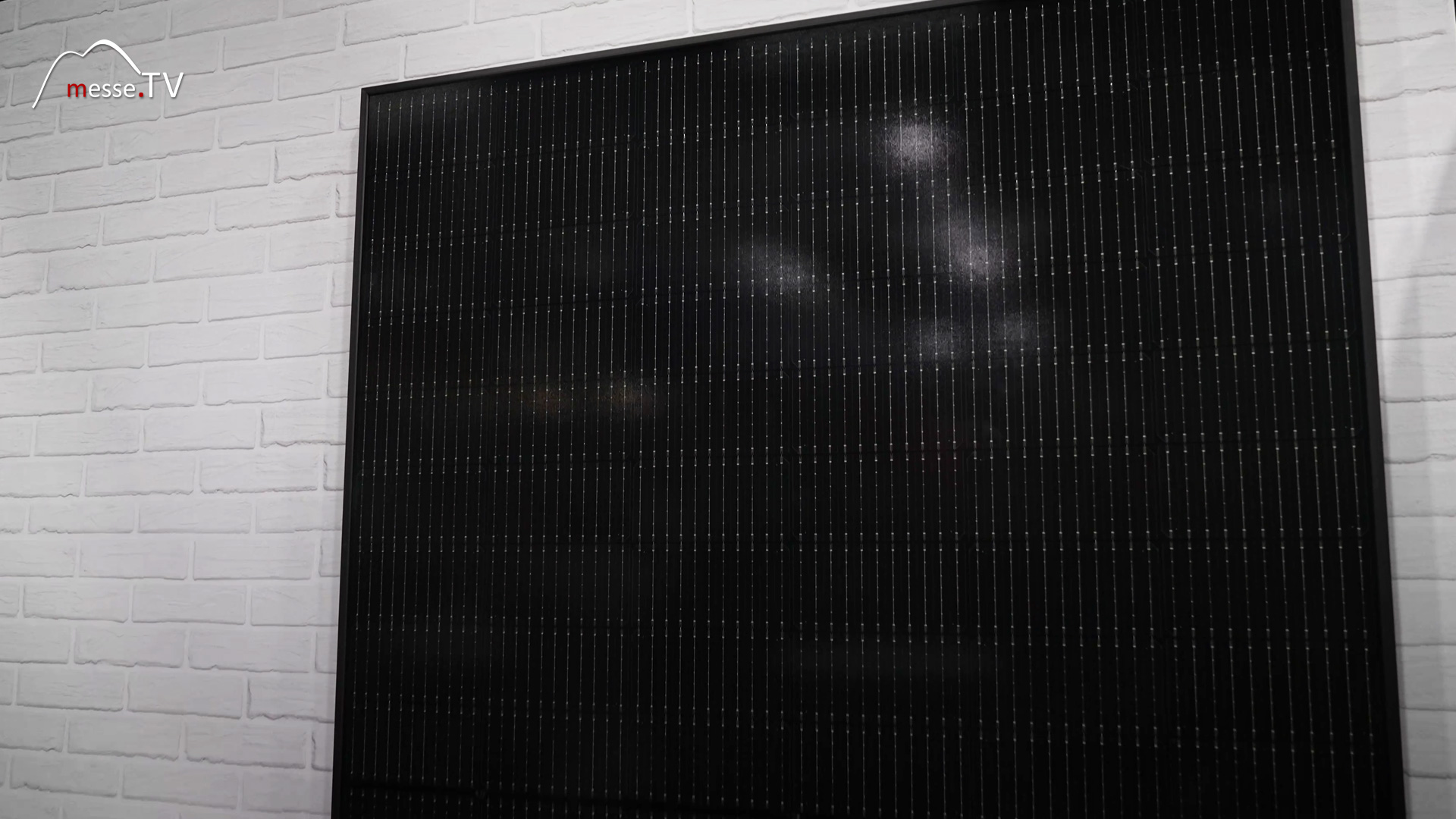
Modulierendes Power-to-Heat-Modul für PV-Überschüsse
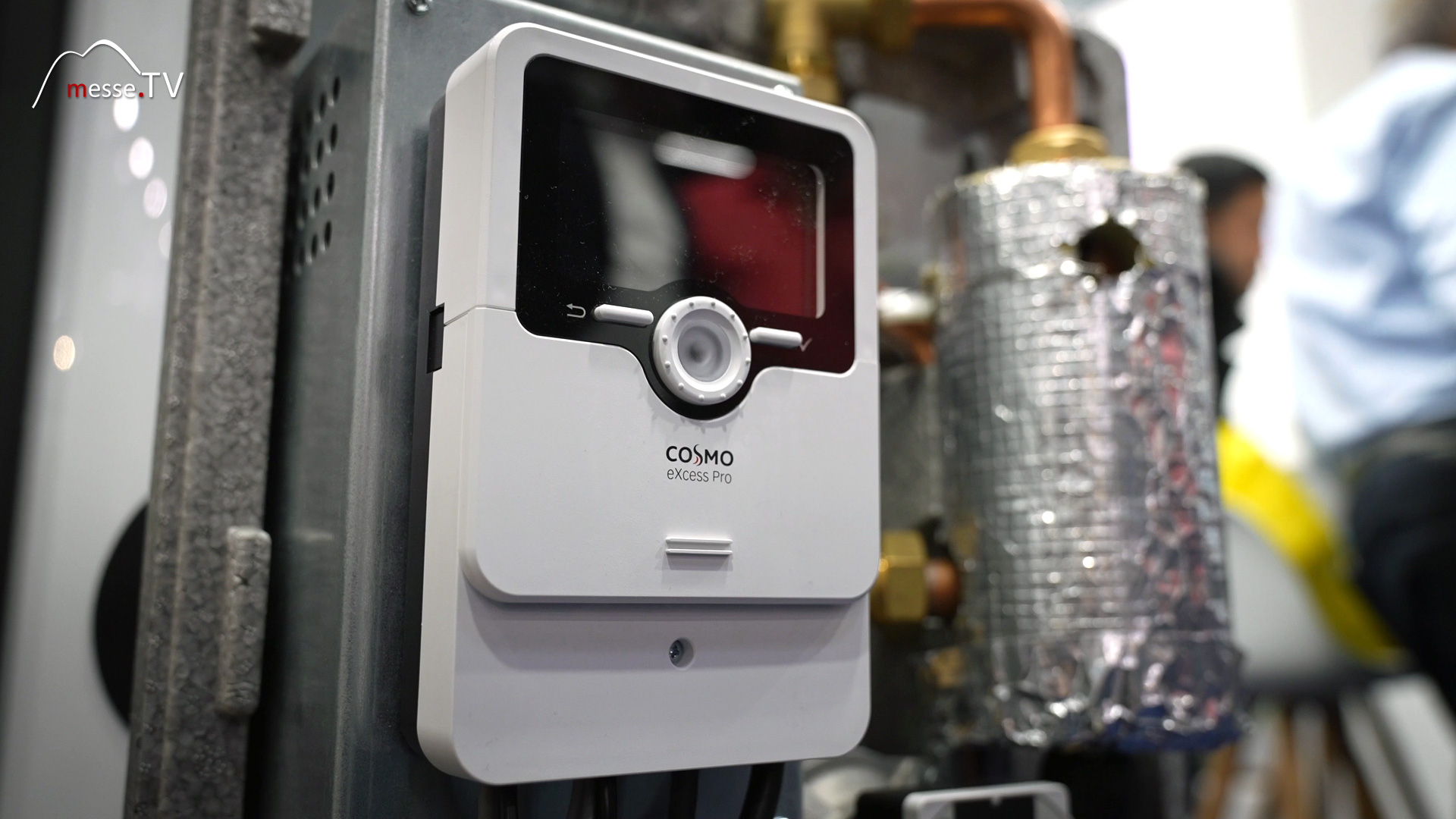
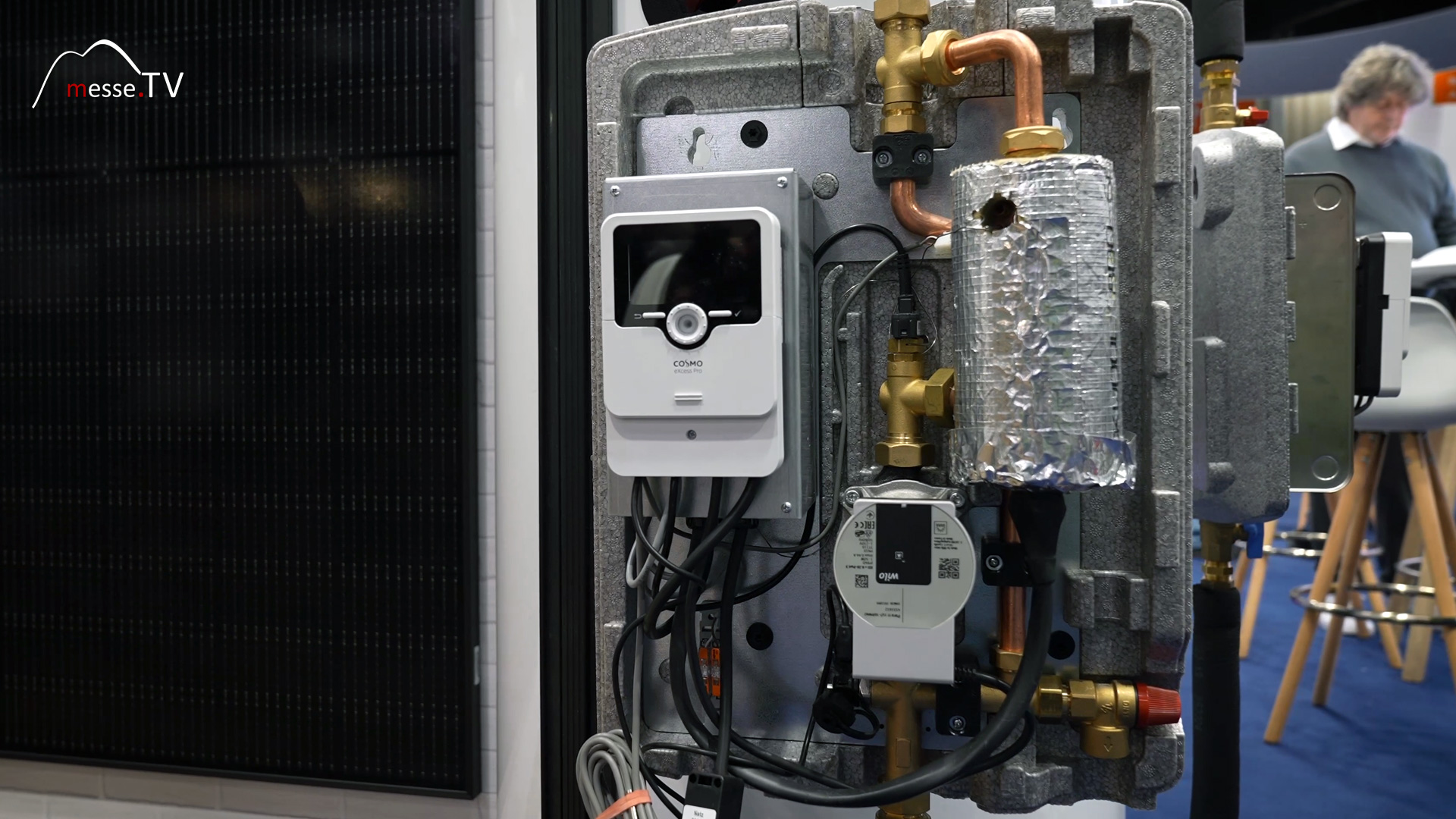
Das vorgestellte System setzt nicht auf eine feste Leistungsstufe, sondern arbeitet modulierend. Das bedeutet, dass sich die Einspeiseleistung flexibel an den tatsächlich verfügbaren PV-Überschuss anpasst. Bereits geringe Leistungen von einigen hundert Watt können genutzt werden, während bei höherem Überschuss die Einspeiseleistung bis in den Kilowattbereich ansteigt. Damit wird vermieden, dass Strom ungenutzt bleibt oder nur in großen Sprüngen verarbeitet werden kann. Der überschüssige Strom wird über das Power-to-Heat-Modul direkt in den Pufferspeicher eingespeist. Dort wird Heizungswasser erwärmt, das anschließend entweder für die Brauchwasserbereitung oder für die Raumheizung zur Verfügung steht. Der Speicher übernimmt dabei die Rolle eines thermischen Energiespeichers, der im Vergleich zu elektrischen Batteriespeichern hohe Energiemengen aufnehmen kann. Technisch entscheidend ist die enge Abstimmung zwischen Modul, Speicher und Regelung. Die Pumpengruppe sorgt dafür, dass bei anliegender Leistung das Heizungswasser gezielt umgewälzt und der Speicher geladen wird. Die Regelung überwacht dabei kontinuierlich die verfügbaren Strommengen und passt den Betrieb entsprechend an.
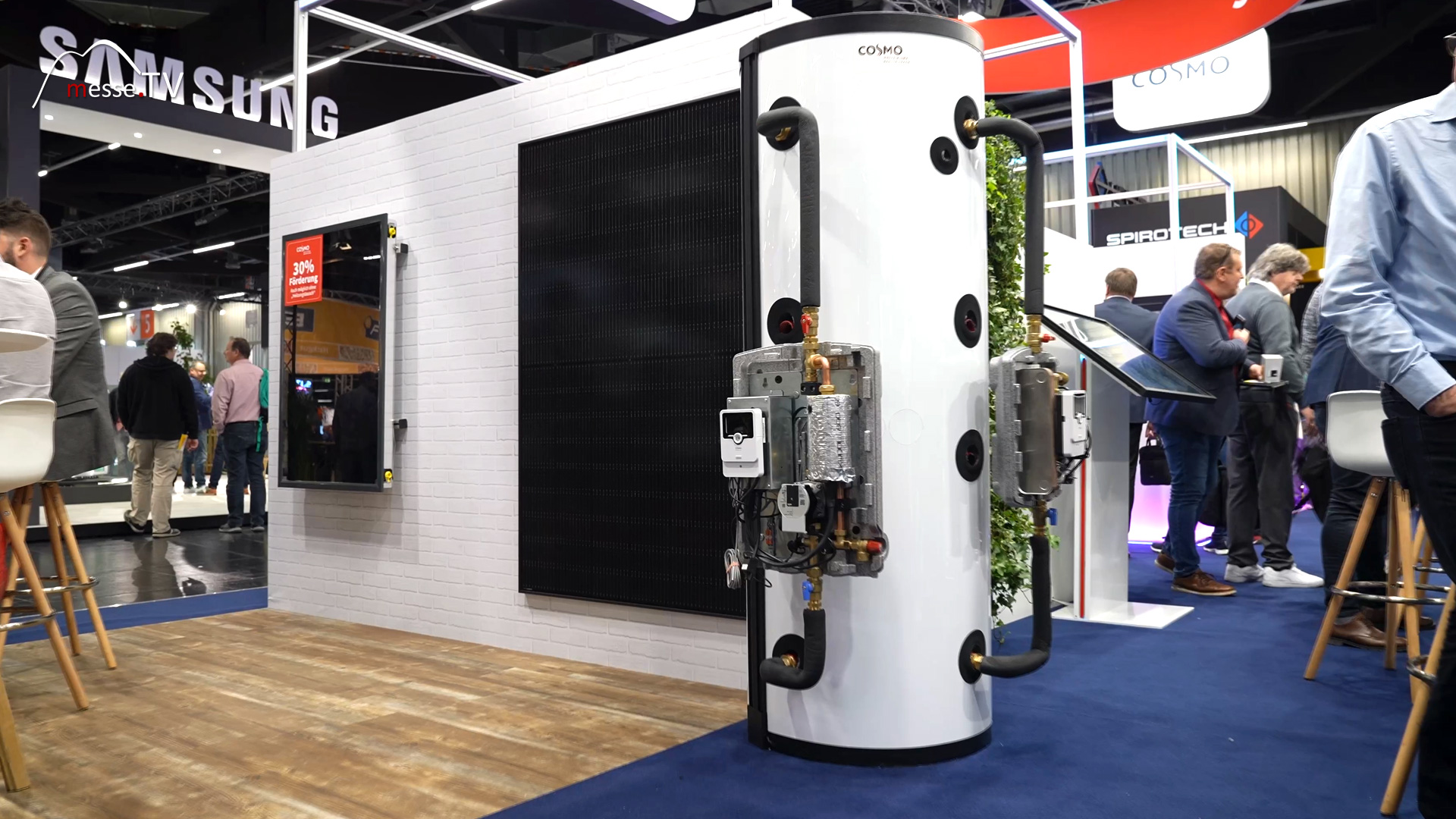
Vorteile gegenüber klassischen Lösungen
Ein wesentlicher Unterschied zu vielen Wettbewerbsprodukten liegt in der kompakten Bauform und der niedrigen Einstiegsschwelle. Das Modul arbeitet bereits bei sehr geringen Einspeiseleistungen zuverlässig und steigert seine Leistung stufenlos mit wachsendem PV-Überschuss. Dadurch wird auch bei wechselnden Wetterbedingungen eine kontinuierliche Nutzung des Solarstroms möglich. Die Systemidee lässt sich in mehreren Punkten zusammenfassen:
- Direkte Umwandlung von PV-Strom in Heizungswärme
- Modulierender Betrieb statt fester Leistungsstufen
- Integration in bestehende Pufferspeicher
- Erhöhung des Eigenverbrauchs von Solarstrom
- Entlastung des Stromnetzes durch geringere Einspeisung
Flächige elektrische Beheizung als weiterer Ansatz
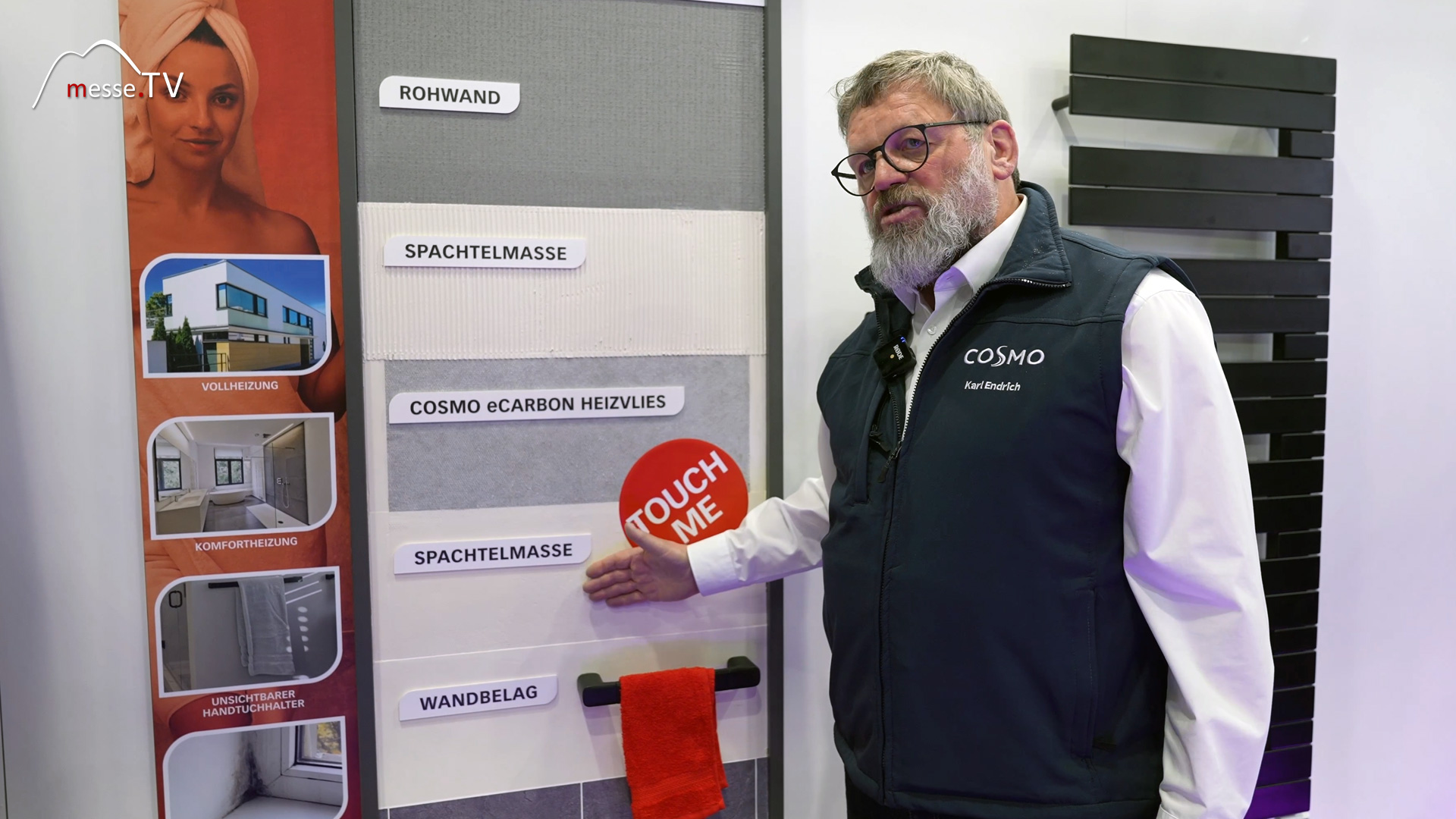
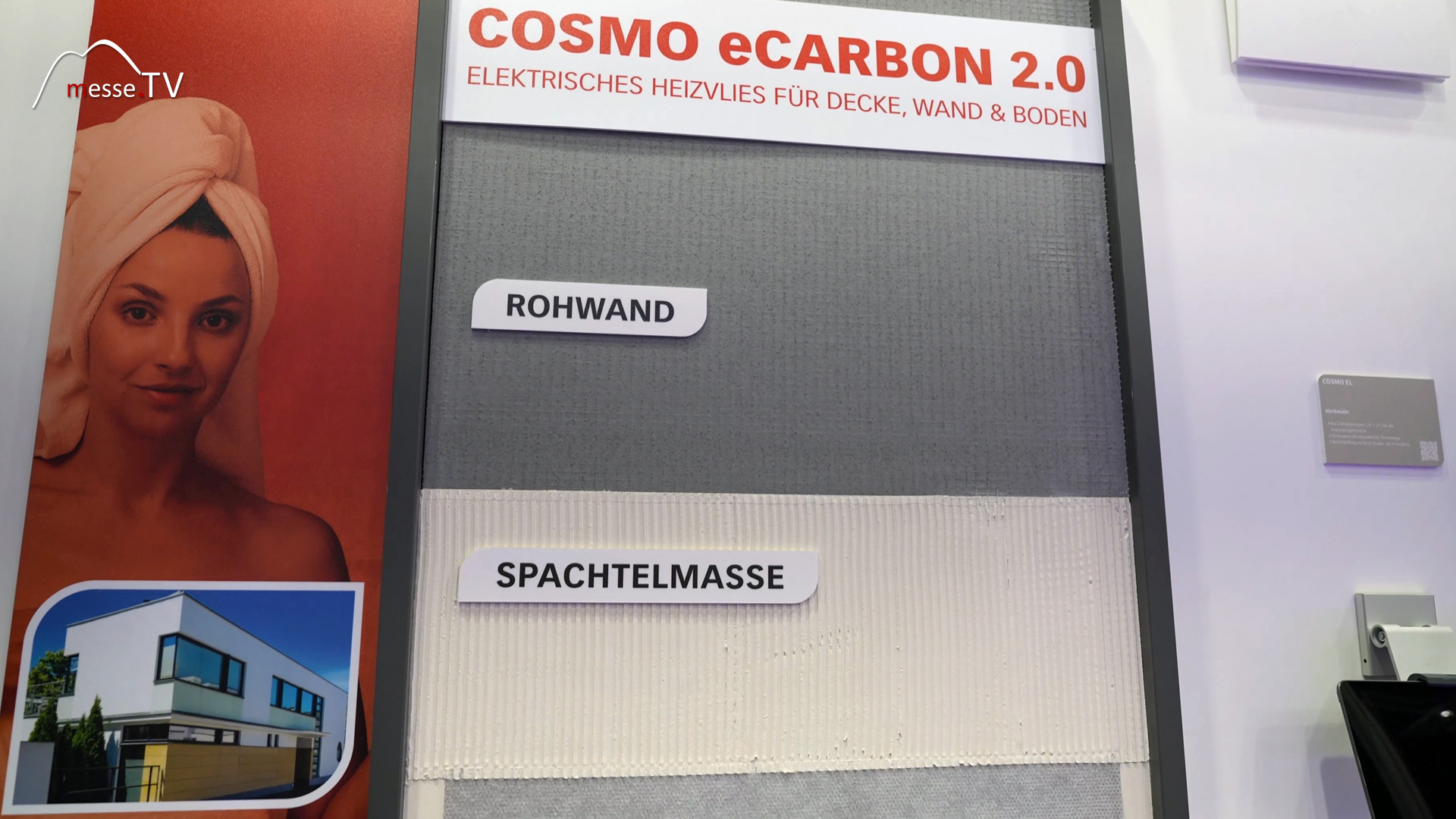
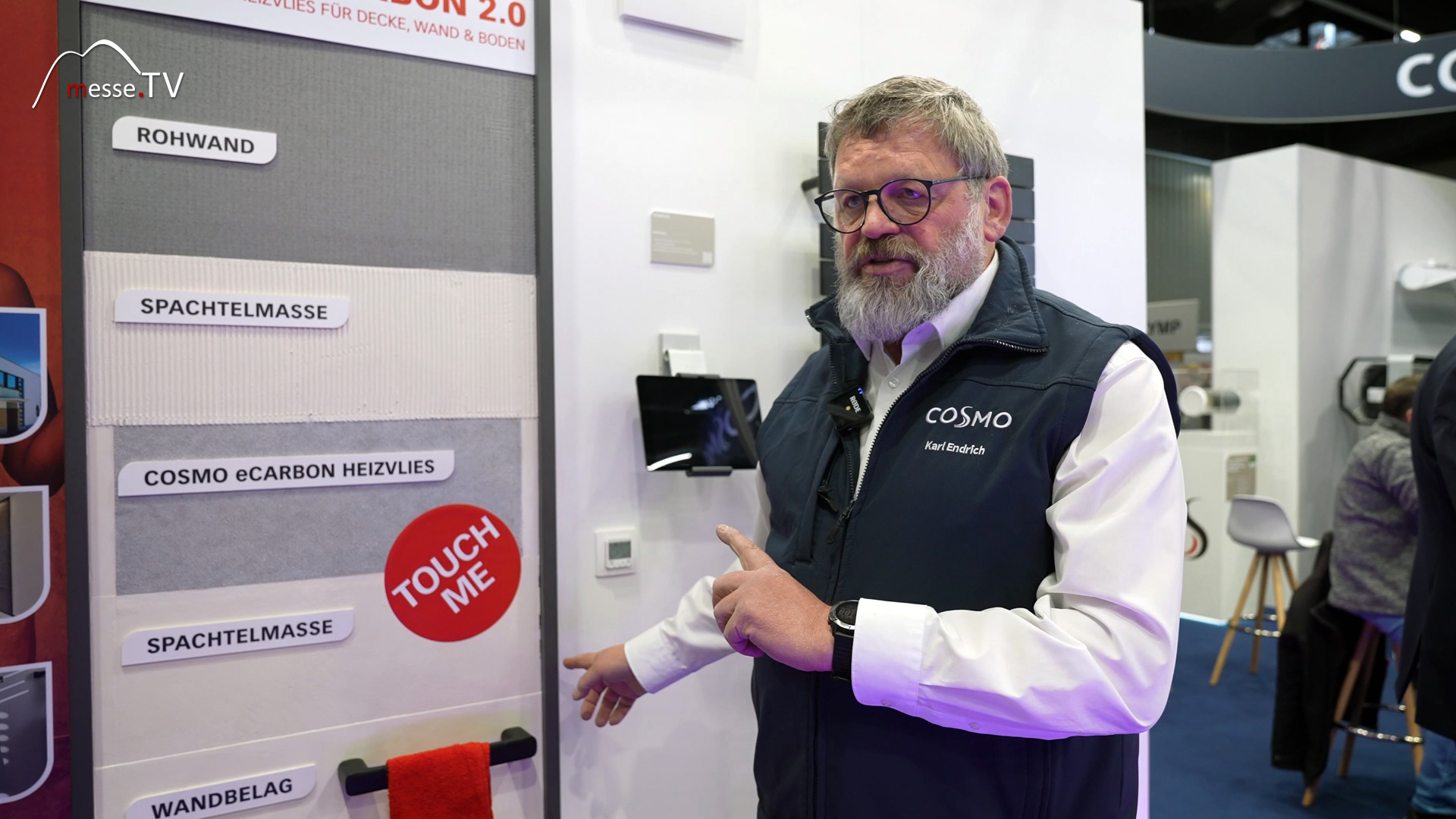
Neben dem Power-to-Heat-Modul zeigt Cosmo auch Lösungen für eine vollständig elektrische Beheizung von Gebäuden. Ein zentrales Element ist dabei ein Heizvlies, das direkt in Wände, Decken oder Böden integriert werden kann. Das Vlies wird mit Niederspannung betrieben und liefert pro Quadratmeter eine definierte Heizleistung. Die Installation erfolgt flächig unter einer Spachtelmasse oder hinter Wandbelägen, wodurch das System unsichtbar in die Gebäudestruktur integriert wird.
In gut gedämmten Neubauten eröffnet dieses Konzept die Möglichkeit, vollständig auf klassische wassergeführte Heizsysteme zu verzichten. In Kombination mit Photovoltaik und gegebenenfalls einem elektrischen Speicher kann so eine vollelektrische Beheizung realisiert werden. Auch das Gebäudeenergiegesetz sieht für solche Konzepte Fördermöglichkeiten vor, was die Attraktivität zusätzlich erhöht. Im Bestand wird das Heizvlies derzeit vor allem als Problemlöser eingesetzt. Typische Anwendungen finden sich in Fensterlaibungen oder an kritischen Wandbereichen, in denen es zur Schimmelbildung kommt. Durch die gezielte Erwärmung der Oberflächen lassen sich Feuchteprobleme reduzieren, ohne umfangreiche bauliche Maßnahmen durchführen zu müssen.
Einordnung im Kontext der Energiewende
Die vorgestellten Lösungen zeigen, dass die Energiewende im Gebäudebereich nicht allein durch neue Wärmeerzeuger vorangetrieben wird. Mindestens ebenso wichtig sind intelligente Komponenten, die vorhandene Energieflüsse sinnvoll lenken und miteinander verknüpfen. Power to Heat ist dabei kein Ersatz für Wärmepumpen oder andere Heizsysteme, sondern ein ergänzender Baustein, der insbesondere bei hoher PV-Durchdringung an Bedeutung gewinnt. Cosmo positioniert sich in diesem Umfeld als Anbieter systemisch abgestimmter Komponenten, die flexibel mit unterschiedlichen Heiz- und Energiesystemen kombiniert werden können. Die Verbindung aus Pufferspeicher, modulierender Leistungsregelung und flächigen Heizlösungen verdeutlicht, dass der Fokus nicht auf Einzelprodukten liegt, sondern auf funktionierenden Gesamtkonzepten. Langfristig dürfte genau diese Systemperspektive darüber entscheiden, wie effizient und wirtschaftlich erneuerbare Energien im Gebäudebestand genutzt werden können. Power to Heat ist dabei weniger ein kurzfristiger Trend als vielmehr ein logischer Schritt in Richtung einer stärker elektrifizierten und gleichzeitig wärmeorientierten Energieversorgung.



Messe-Berichterstattung bundesweit - Messewissen, Termine & Veranstaltungen


