Wasseraufbereitung modulare Systeme digitale Steuerung
Die technische Gebäudeausrüstung wird zunehmend dichter, komplexer und zugleich anspruchsvoller. Gerade im Bereich der Trinkwasseraufbereitung steigen die Erwartungen an einfache Montage, flexible Erweiterbarkeit und eine Bedienung, die sowohl Installateuren als auch Endnutzern gerecht wird.
Auf der Messe zeigt sich, wie stark sich dieser Bereich in den vergangenen Jahren weiterentwickelt hat – weg von starren Einzelkomponenten hin zu modularen Systemen, die sich an reale Einbausituationen anpassen lassen.
Grünbeck Wasseraufbereitung mit neuen Systemlösungen zum Jubiläum
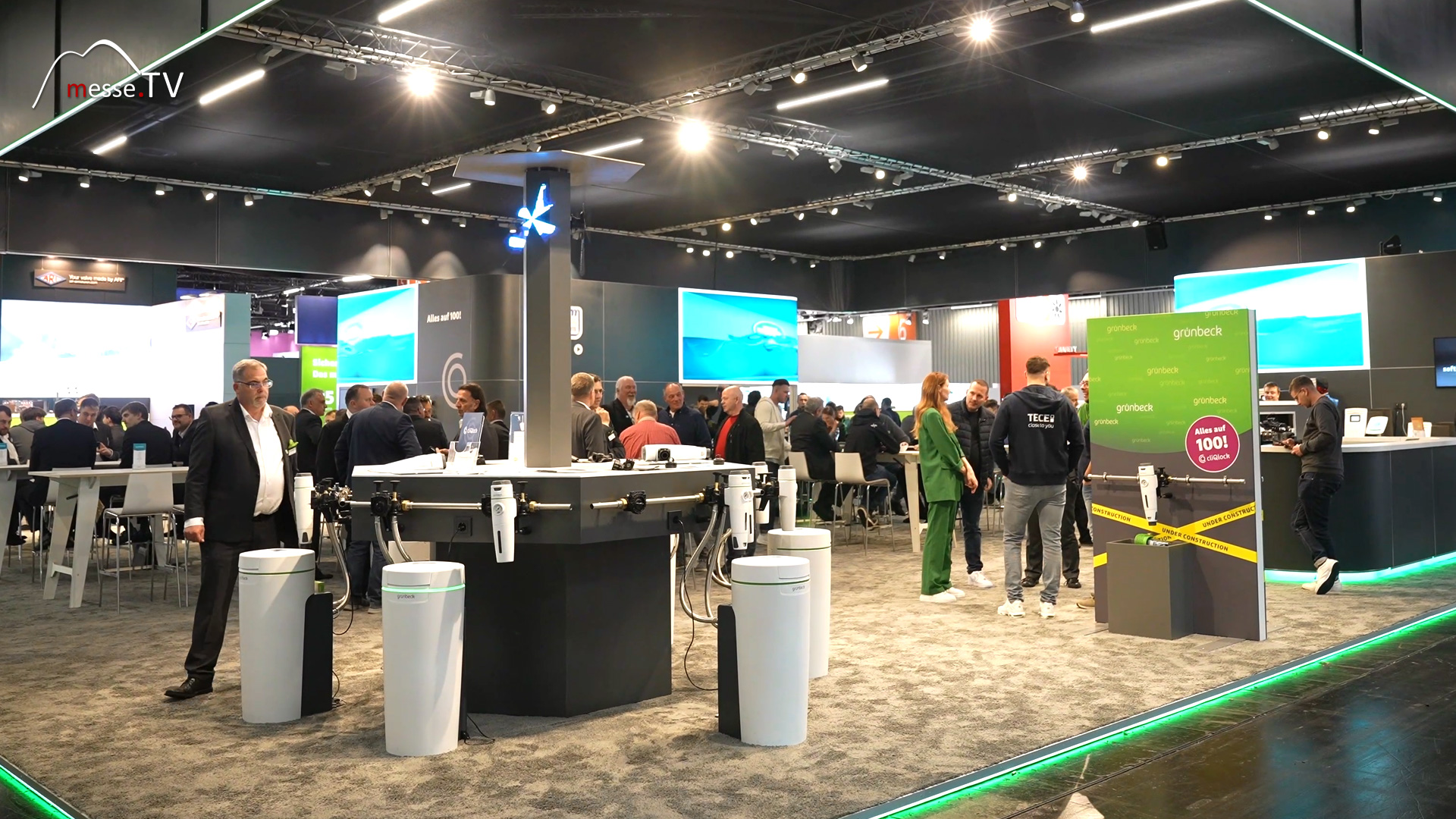
Grünbeck Wasseraufbereitung aus Höchstädt an der Donau blickt auf 75 Jahre Unternehmensgeschichte zurück. Das Jubiläum dient nicht nur als Rückschau, sondern vor allem als Anlass, eine Reihe neuer Produkte vorzustellen. Der Fokus liegt klar auf Vereinfachung – bei der Installation, bei späteren Erweiterungen und bei der täglichen Nutzung. Dabei wird deutlich, dass Wasseraufbereitung heute nicht mehr isoliert gedacht wird, sondern als integrierter Bestandteil moderner Haustechnik.
pureliQ:KX Filter als Einstieg in modulare Trinkwassertechnik
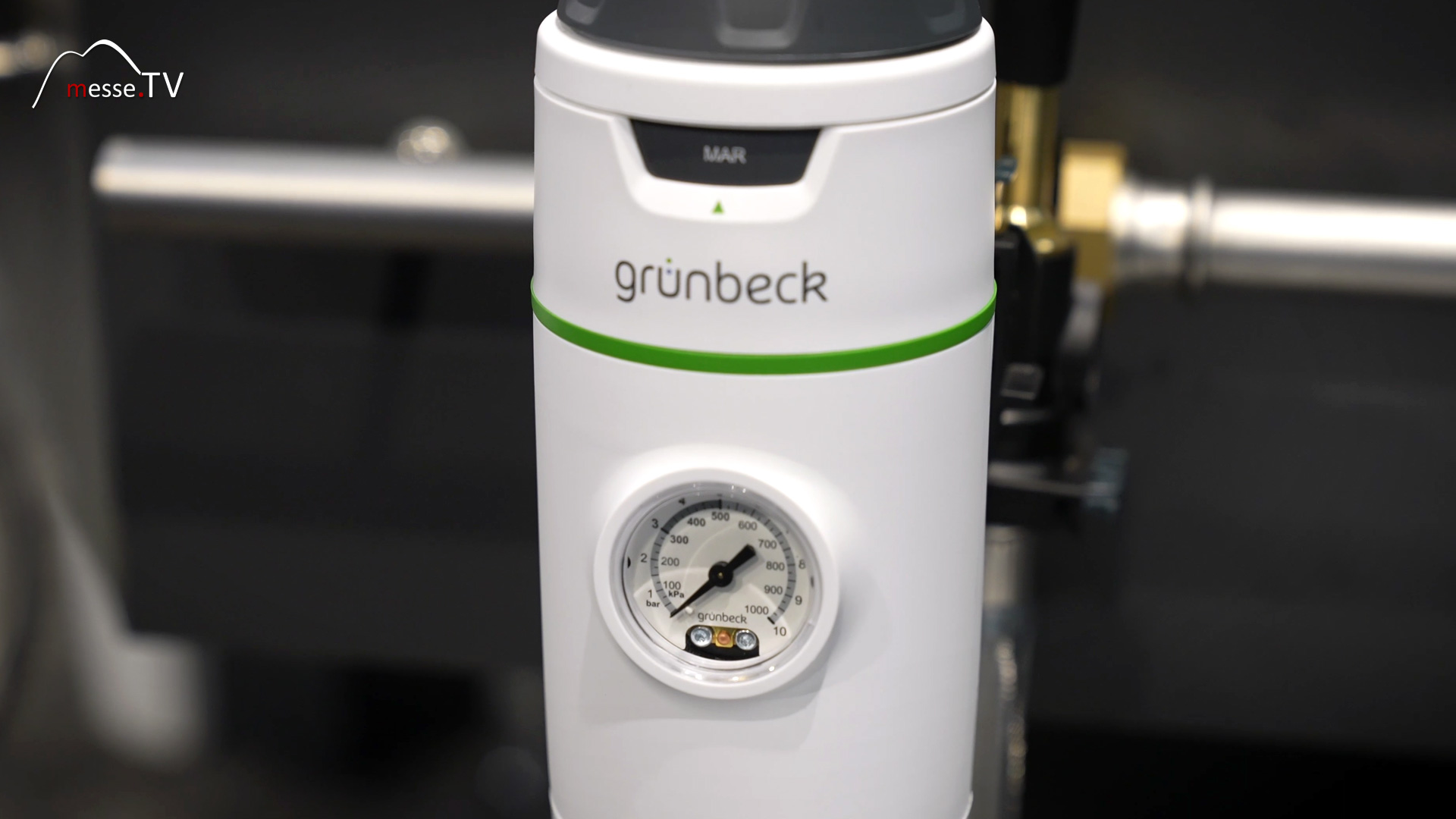
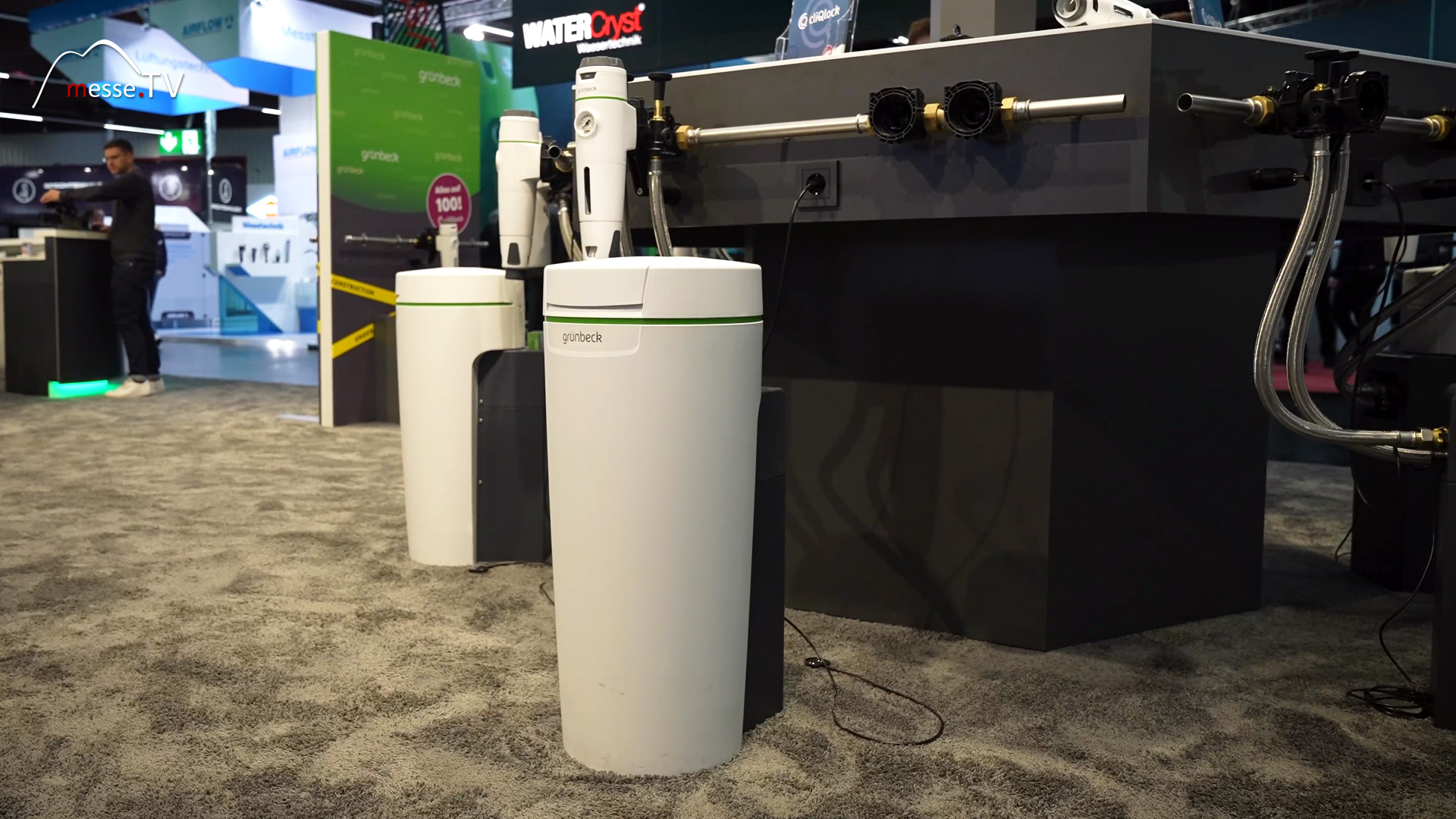
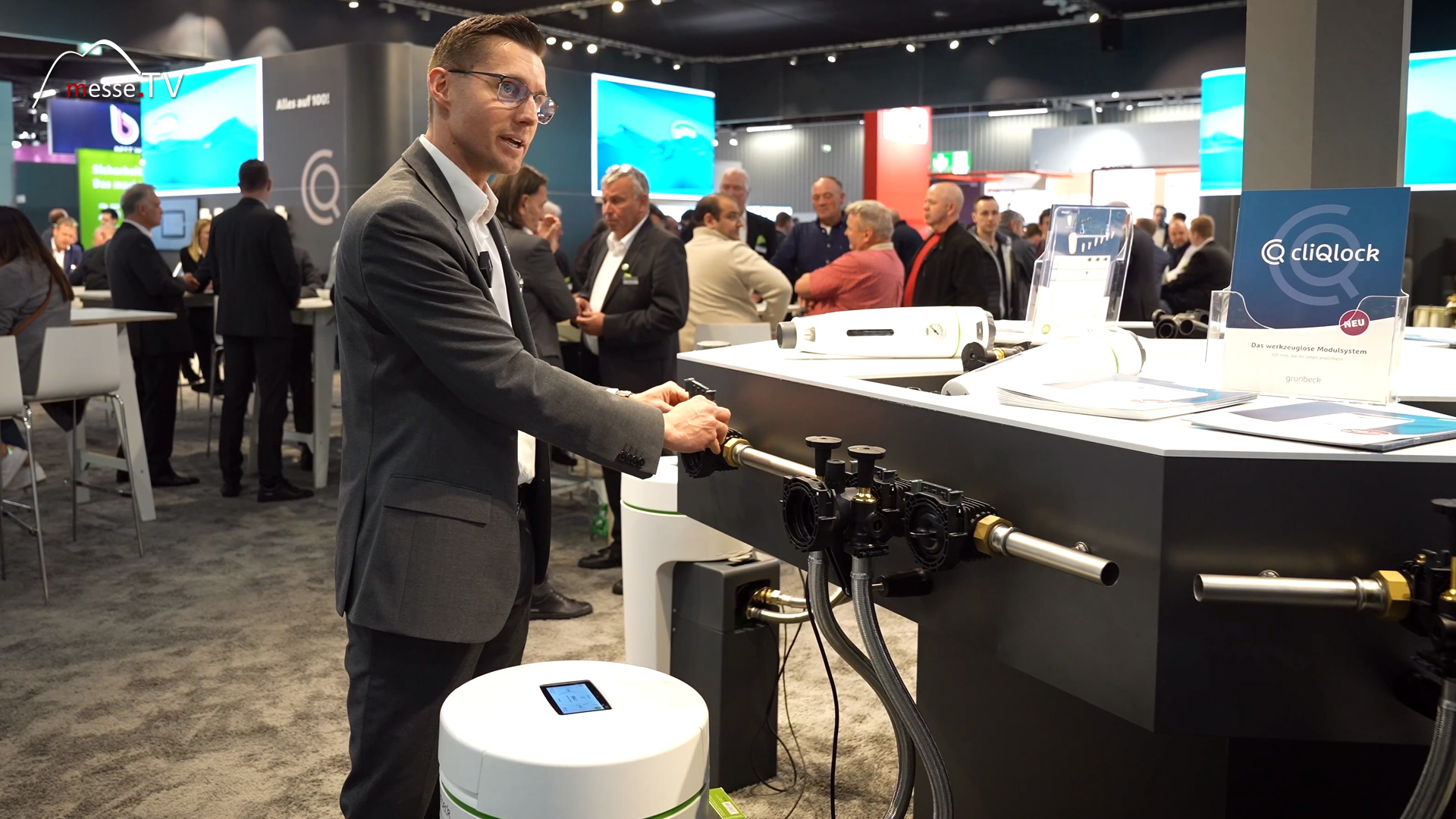
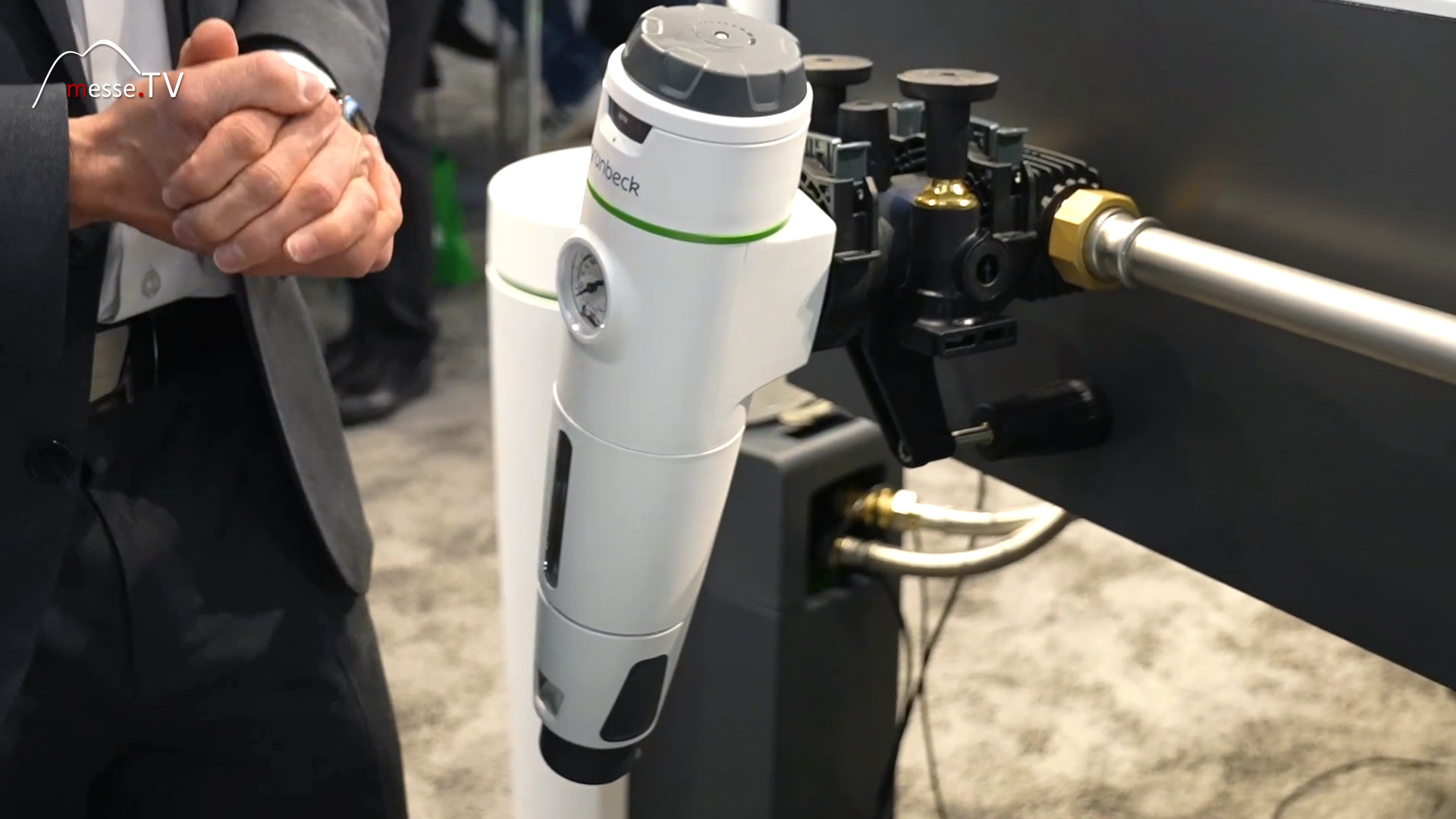
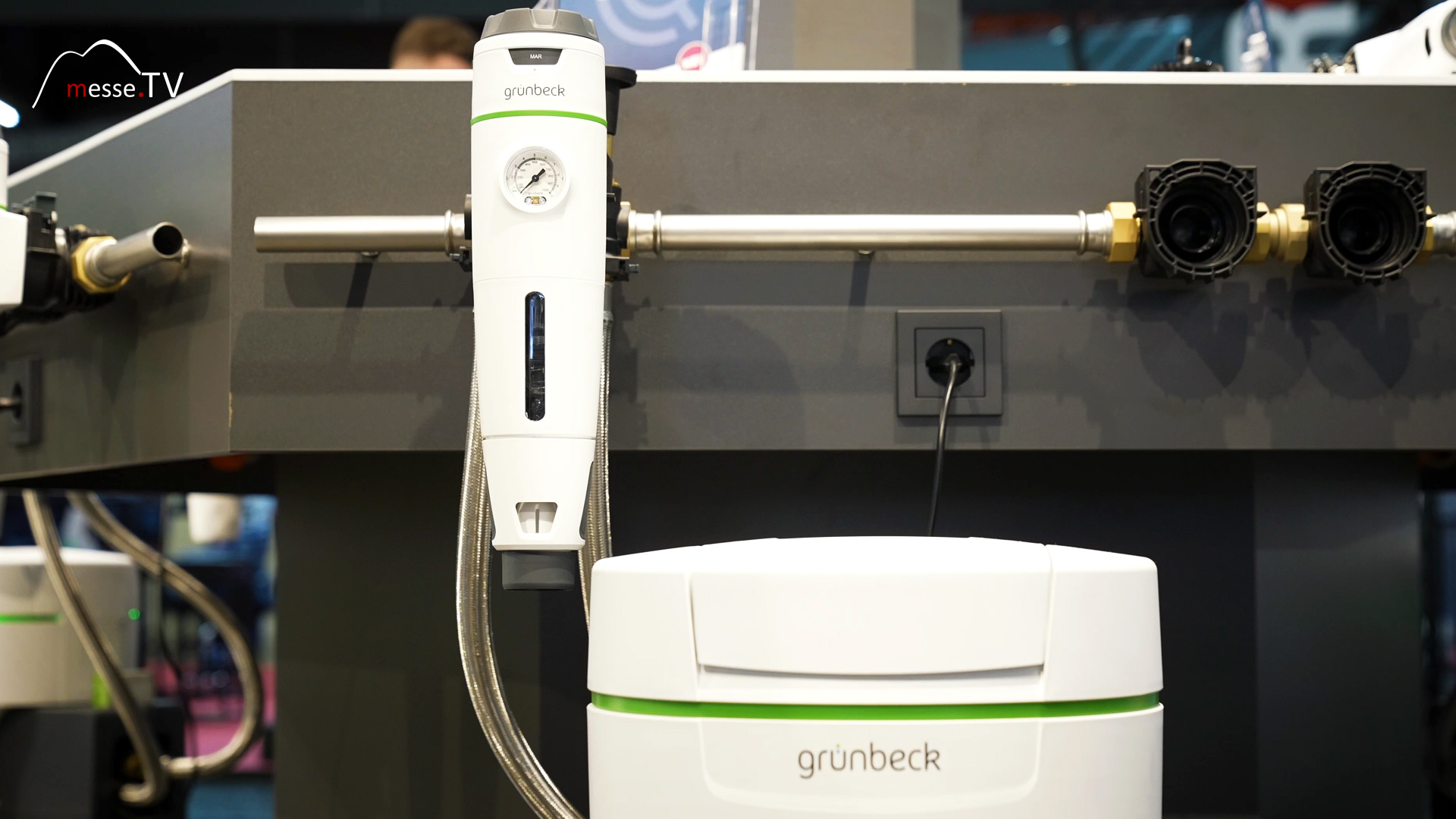
Ein zentrales Messehighlight ist der neue pureliQ:KX Filter. Er ist als kompakter Trinkwasserfilter konzipiert, der sich flexibel in unterschiedliche Rohrleitungssituationen integrieren lässt. Entscheidend ist dabei weniger der Filter selbst als das dahinterliegende Systemkonzept. Der Filter ist Teil eines modularen Aufbaus, der es ermöglicht, einzelne Komponenten später ohne großen Aufwand zu tauschen oder zu ergänzen. Gerade im Neubau zeigt sich häufig, dass zunächst nur ein Filter installiert wird, während eine Enthärtungsanlage erst Jahre später nachgerüstet werden soll. Genau für diesen Anwendungsfall ist das System ausgelegt. Der vorhandene Filter lässt sich entfernen, ohne dass Rohrleitungen aufgetrennt oder neu gepresst werden müssen.
cliQlock Modulsystem für schnelle und flexible Montage
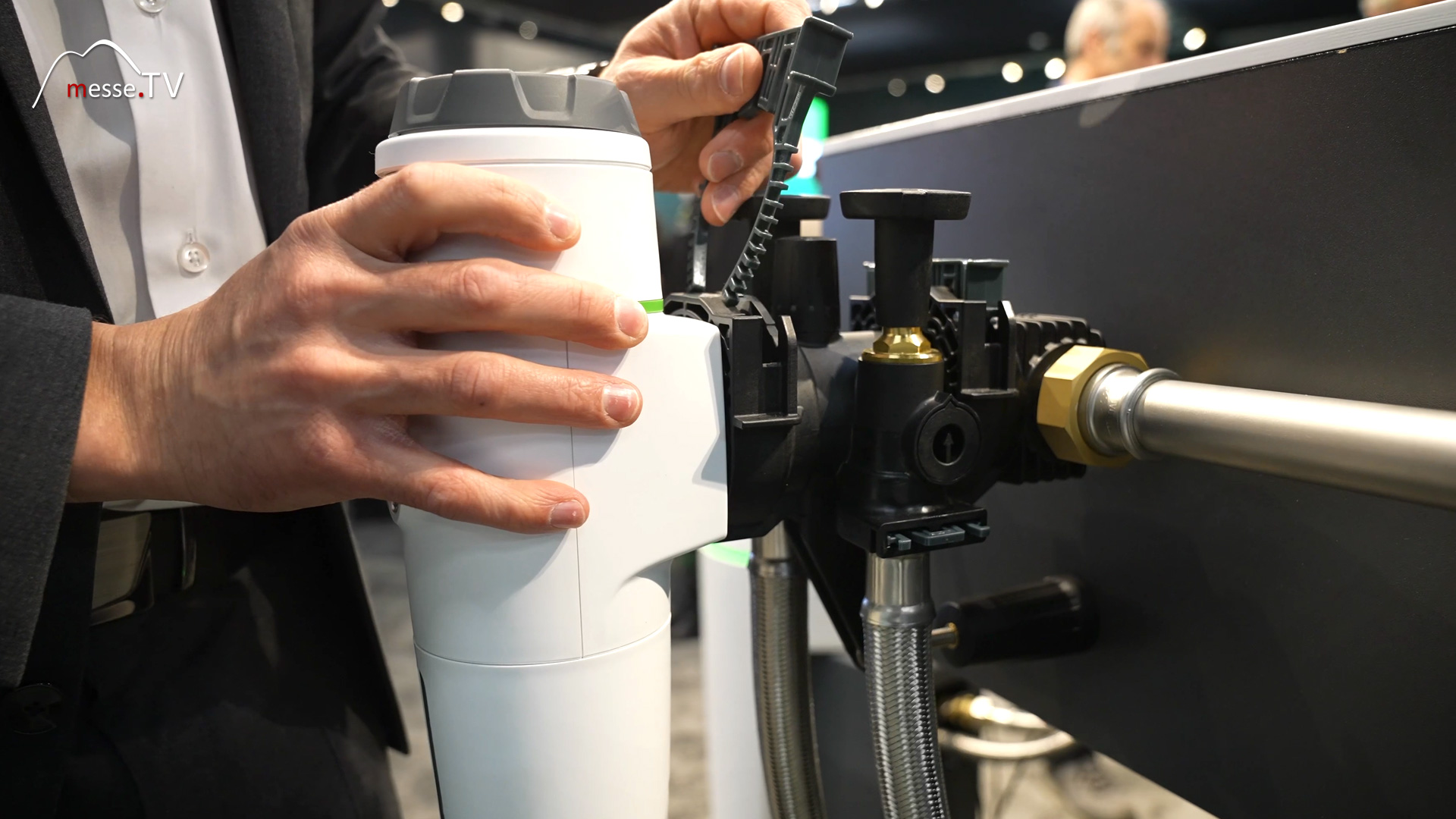
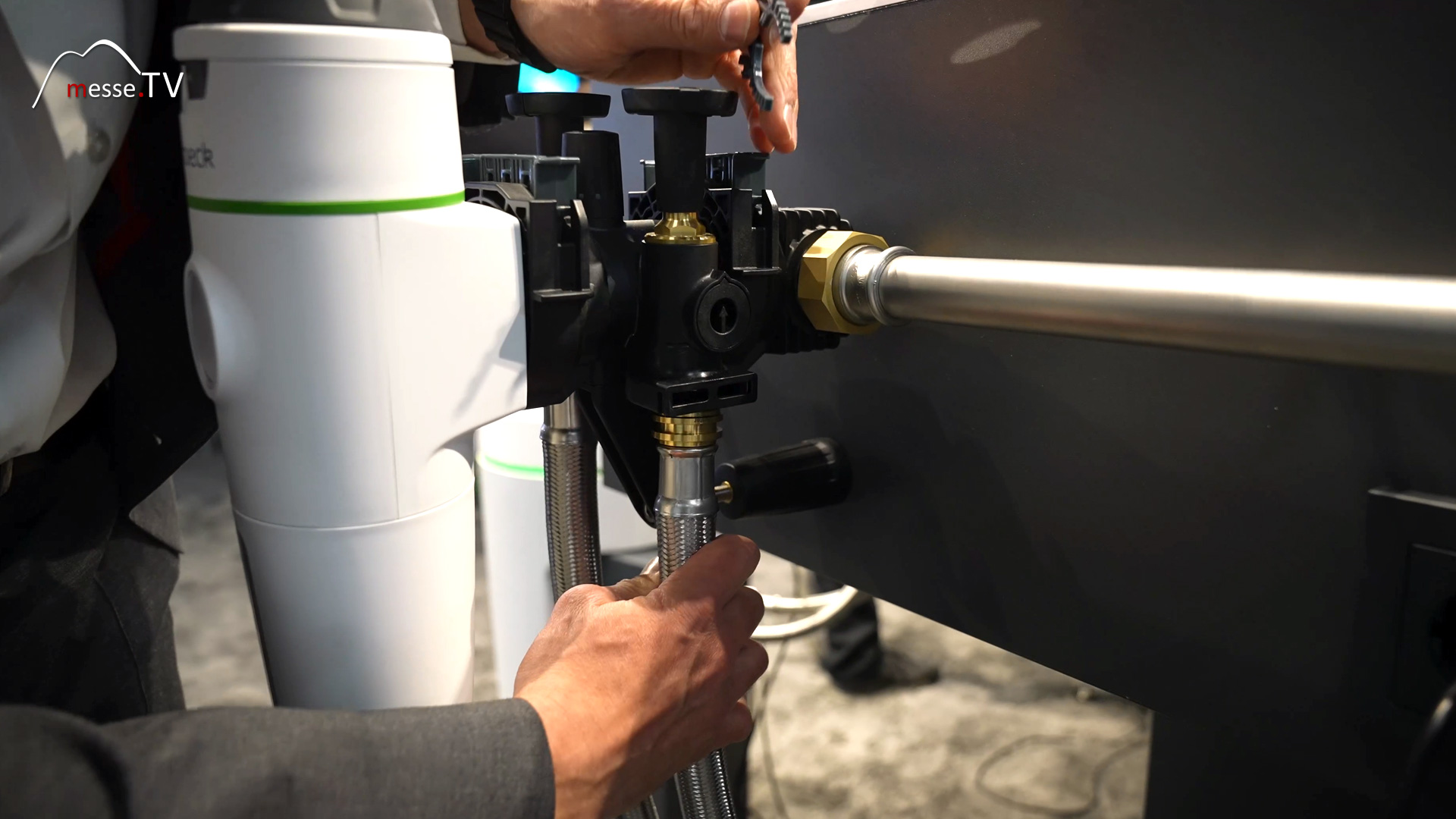
Das technische Herzstück der neuen Produktgeneration ist das cliQlock Modulsystem. Dabei handelt es sich um eine innovative Klammerlösung, die Bauteile nahezu vollständig umschließt und so sicher fixiert. Die Montage erfolgt auf einem standardisierten Einbaumaß von 100 Millimetern und deckt gängige Rohrleitungsgrößen ab. Die Klammer wird einfach angesetzt und eingerastet. Das Bauteil sitzt sofort dicht und ist zugleich frei drehbar. Dadurch lässt sich die Fließrichtung flexibel anpassen, egal ob die Installation waagrecht oder senkrecht erfolgt. Für Installateure bedeutet das eine deutliche Zeitersparnis, insbesondere in engen Technikräumen oder bei komplexen Leitungslagen.
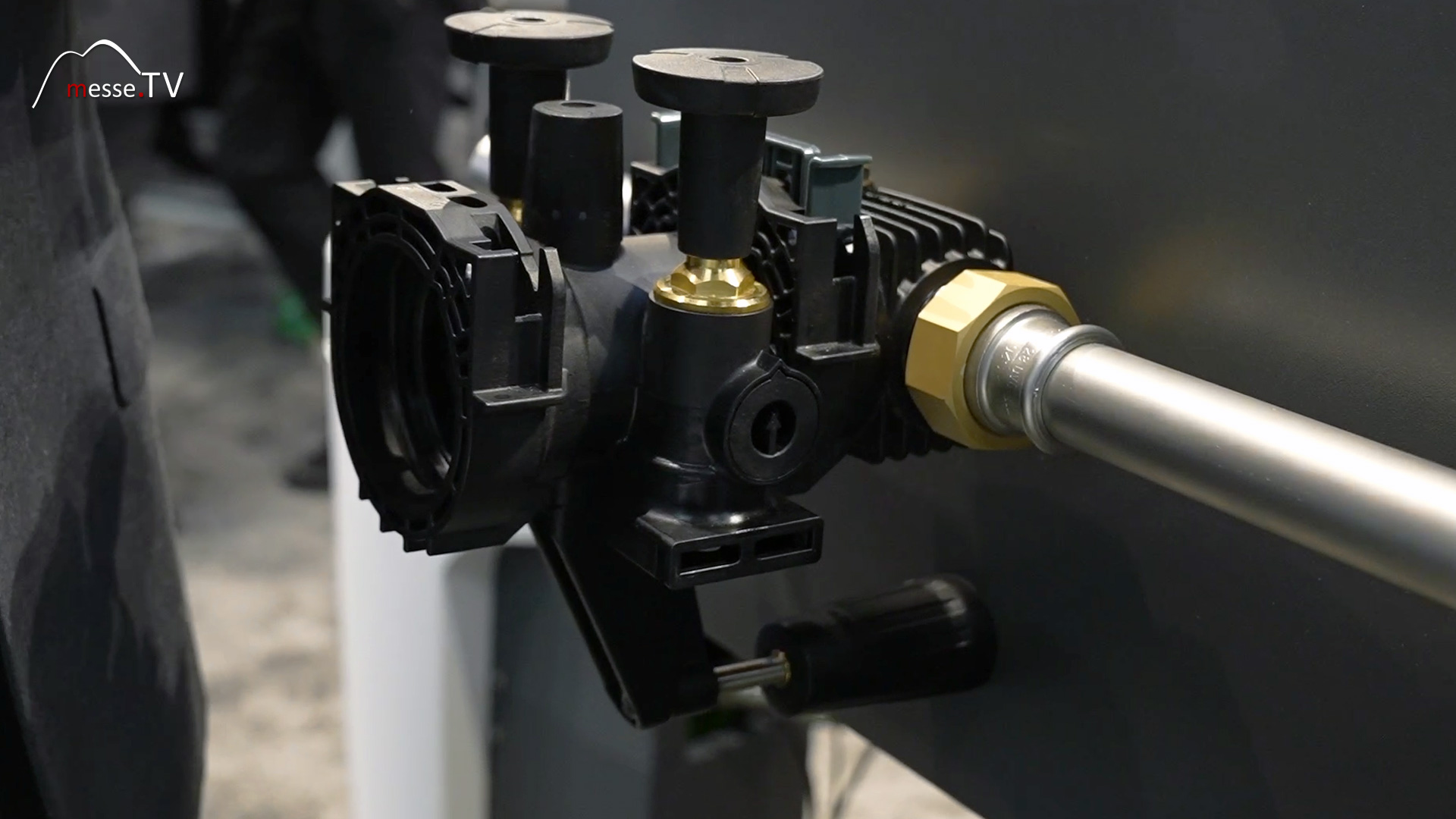
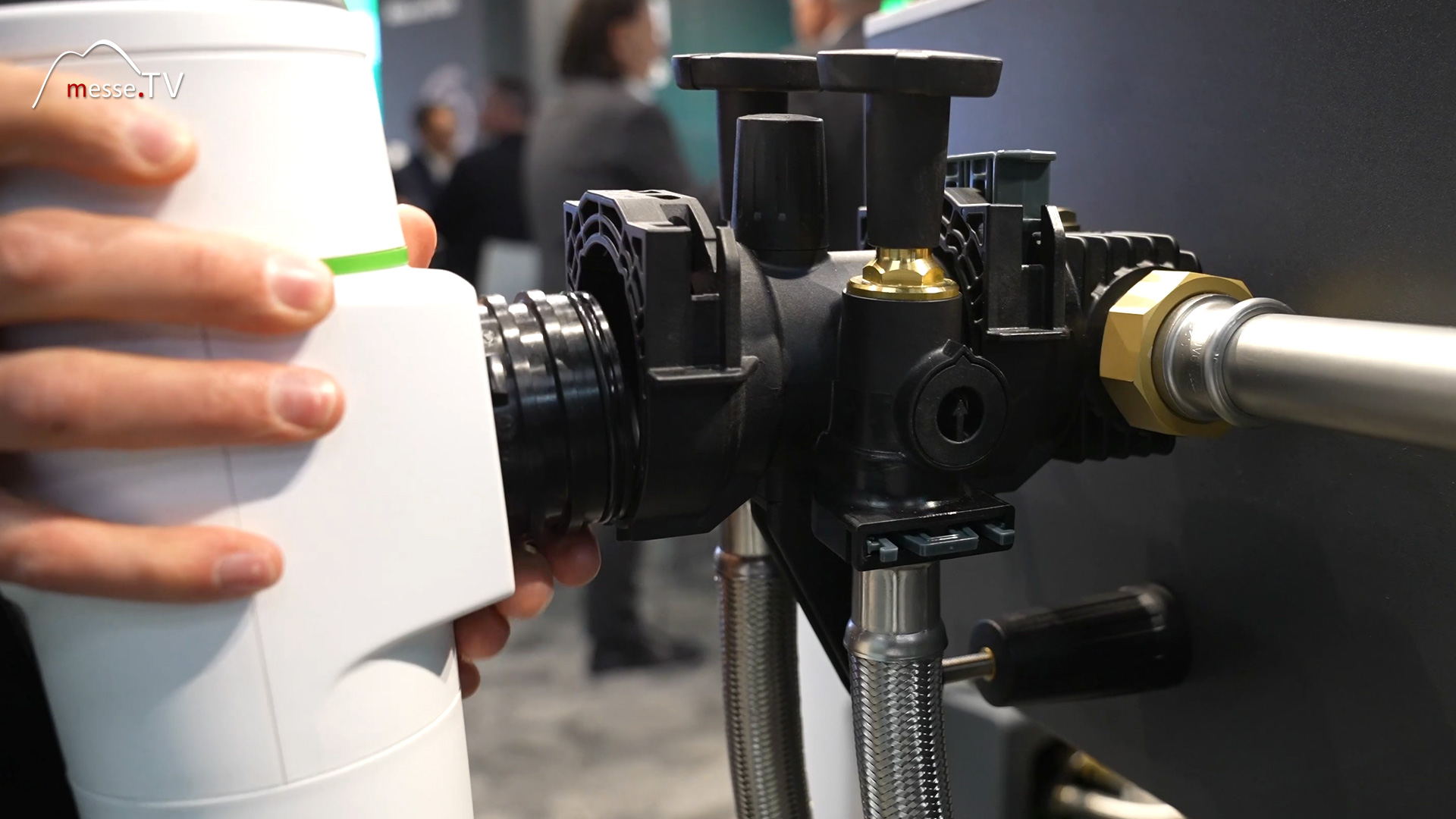
Ein weiterer Vorteil zeigt sich bei späteren Änderungen. Wird beispielsweise eine Enthärtungsanlage ergänzt, kann der Filter in Sekunden entfernt und durch ein Anschlussmodul ersetzt werden. Anschließend wird der Filter wieder adaptiert – alles ohne zusätzliche Pressverbindungen.
- Werkzeuglose Montage durch Klicksystem
- Standardisiertes Einbaumaß für verschiedene Rohrgrößen
- Frei drehbare Bauteile für flexible Fließrichtung
- Einfache Nachrüstung weiterer Module
- Deutlich reduzierte Montagezeiten
softliQ:SE Enthärtungsanlagen als erweiterbares System
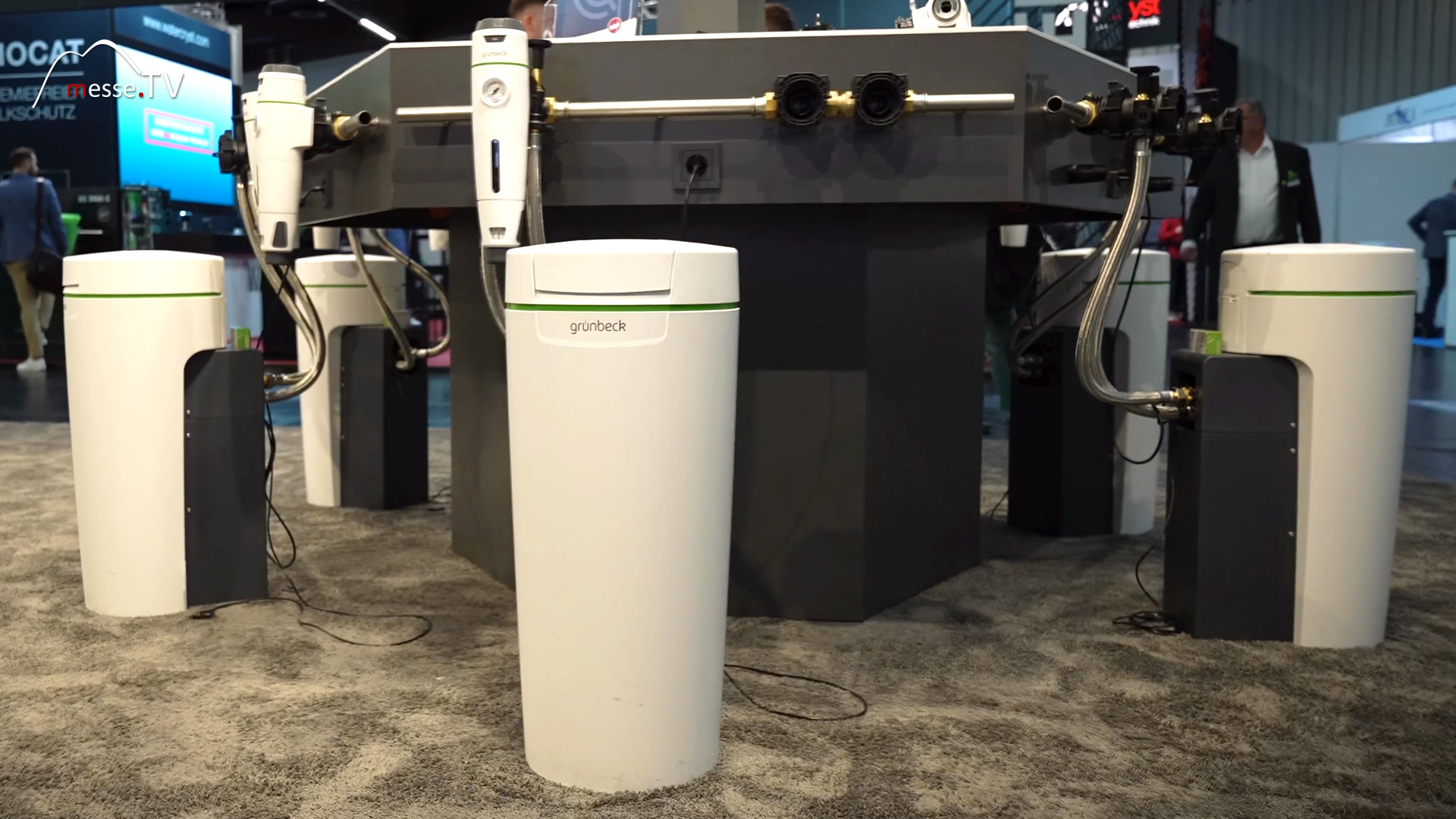
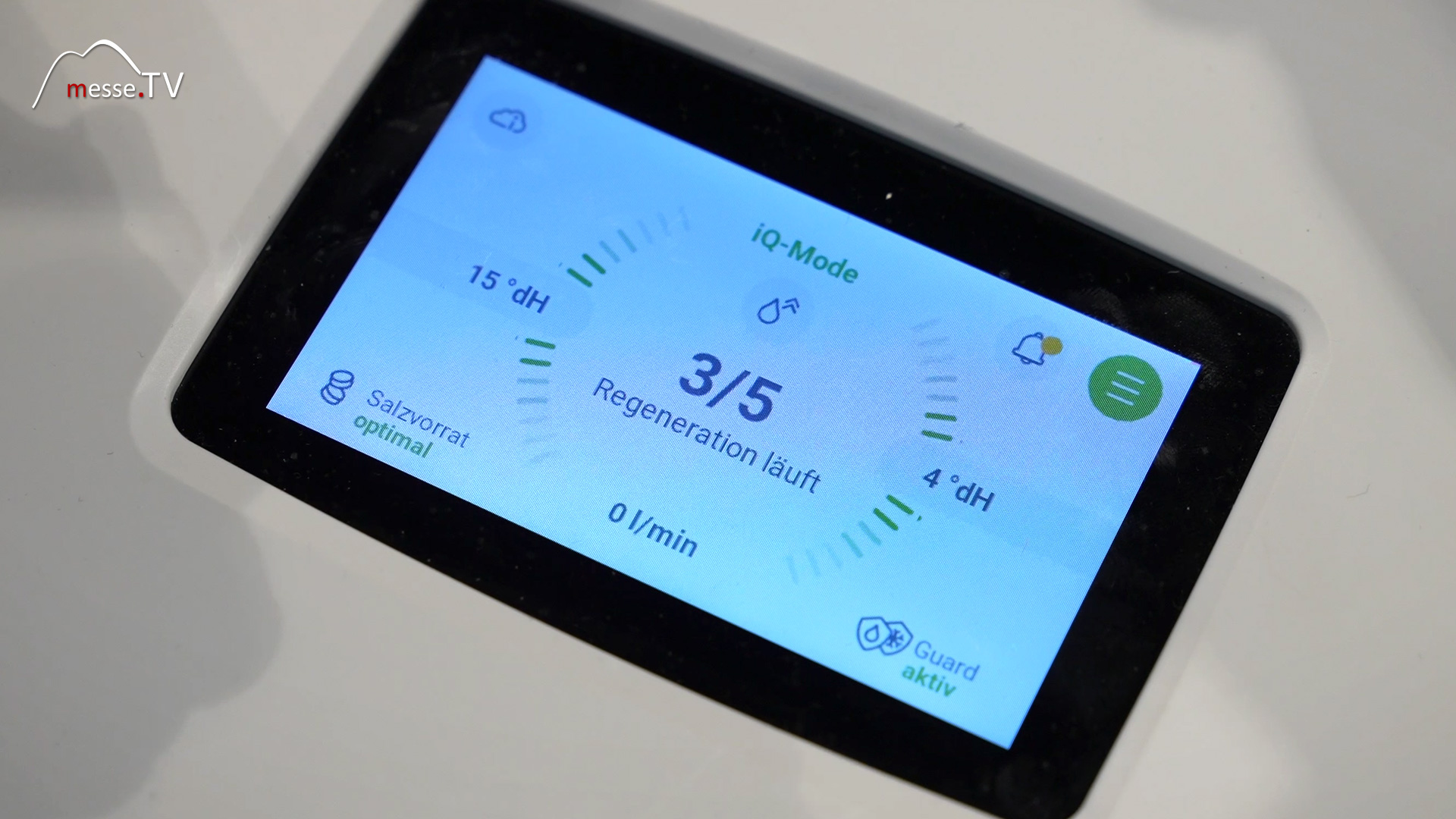
Passend zum modularen Ansatz werden die softliQ:SE Enthärtungsanlagen vorgestellt. Sie sind in mehreren Größen verfügbar und lassen sich nahtlos in das cliQlock System integrieren. Technisch zielen sie darauf ab, Wasserhärte zuverlässig zu reduzieren und gleichzeitig den Bedienaufwand gering zu halten. Die Steuerung wurde vollständig überarbeitet und auf intuitive Nutzung ausgelegt. Sowohl Installateure als auch Endverbraucher sollen die Anlage ohne umfangreiche Einweisung bedienen können. Dabei spielt die visuelle Aufbereitung der Informationen eine zentrale Rolle.
Digitale Steuerung mit QR-Unterstützung und Statusanzeigen
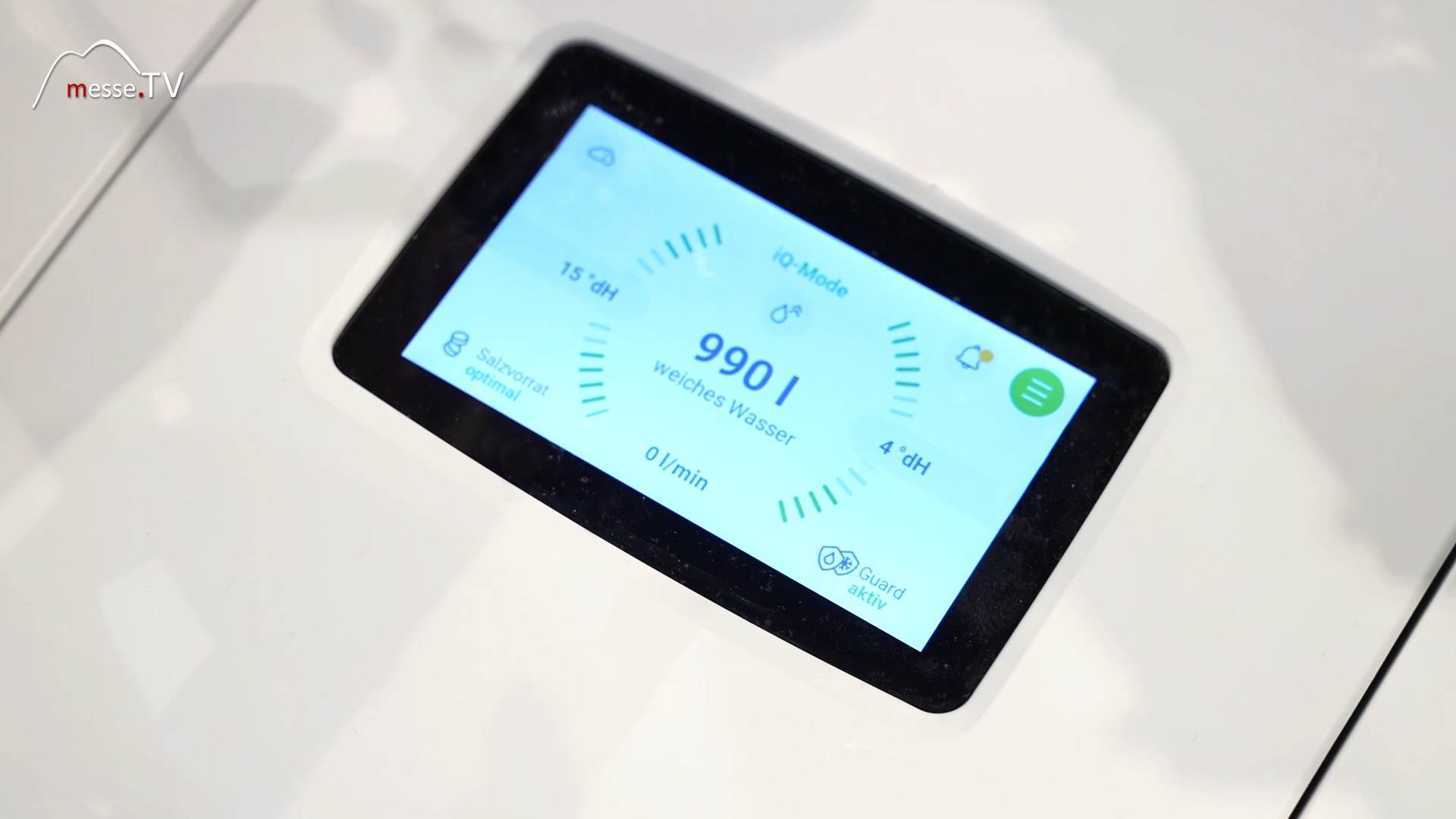
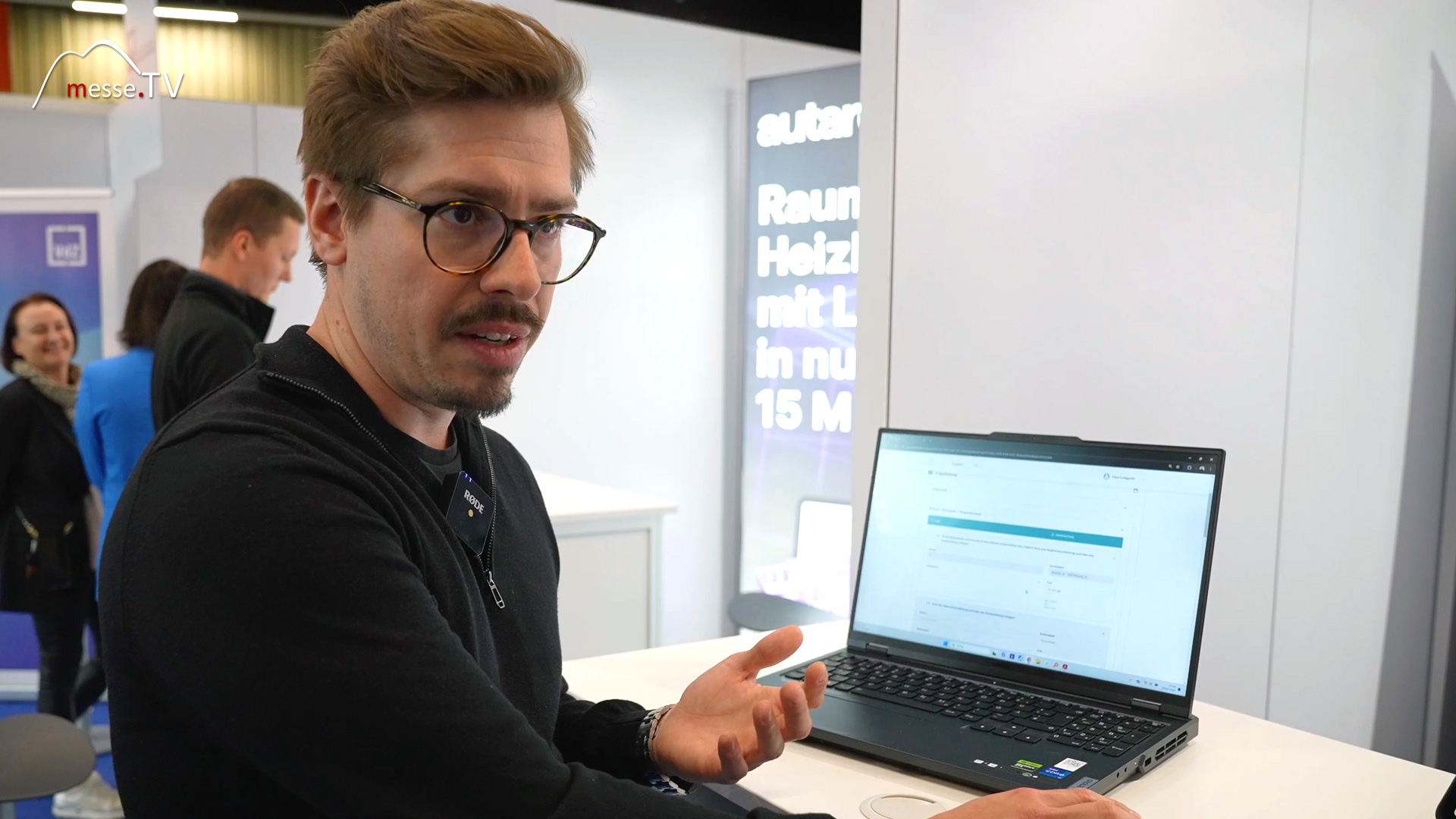
Die Bedienoberfläche der softliQ:SE Anlagen zeigt alle relevanten Informationen auf einen Blick. Rohwasserhärte, Weichwasserhärte, aktueller Durchflusszustand und Salzvorrat sind klar dargestellt. Zusätzlich werden Sicherheitsfunktionen integriert, die über den reinen Enthärtungsbetrieb hinausgehen. Dazu gehören unter anderem ein Frostwächter, der vor einfrierenden Leitungen warnt, sowie eine Überwachung auf mögliche Leckagen. Gerade in Ferienhäusern oder zeitweise unbewohnten Gebäuden bieten diese Funktionen einen zusätzlichen Schutz. Ein besonderer Ansatz ist die Einbindung von QR-Codes direkt in die Bedienoberfläche. Bei bestimmten Einstellungen, etwa der Anpassung der Wasserhärte oder dem Nachfüllen von Salz, wird ein QR-Code angezeigt. Über diesen lassen sich kurze Erklärvideos abrufen, die typische Fragen verständlich beantworten. Damit wird Wissen genau dort bereitgestellt, wo es benötigt wird.
Rückmeldung aus der Praxis als Entwicklungsgrundlage
Die Entwicklung der neuen Systeme basiert nach eigenen Angaben stark auf Rückmeldungen aus der Praxis. Installateure und Endkunden wurden gezielt befragt, um typische Probleme, Engstellen und Wünsche zu identifizieren. Ein wiederkehrendes Thema ist der zunehmende Platzmangel in Hausanschlussräumen, insbesondere in Gebäuden ohne Keller. Gleichzeitig werden Rohrleitungssysteme immer komplexer, was den Einbau zusätzlicher Komponenten erschwert. Das modulare Konzept mit klickbaren Verbindungen setzt genau hier an und soll den Einbau auch unter schwierigen Bedingungen ermöglichen.
Wasseraufbereitung als Teil ganzheitlicher Haustechnik
Der Messeauftritt zeigt, dass Wasseraufbereitung längst kein isoliertes Thema mehr ist. Sie wird als Bestandteil eines Gesamtsystems verstanden, das Montagefreundlichkeit, Erweiterbarkeit und digitale Unterstützung miteinander verbindet. Der Trend geht klar in Richtung Systeme, die mit dem Gebäude mitwachsen und sich an veränderte Anforderungen anpassen lassen. Damit rückt nicht nur die technische Funktion in den Vordergrund, sondern auch der Alltag von Installateuren und Nutzern. Schnelle Montage, einfache Wartung und verständliche Bedienung werden zu gleichwertigen Kriterien neben der eigentlichen Wasserqualität. Genau an dieser Schnittstelle positionieren sich die vorgestellten Lösungen.


Messe-Berichterstattung bundesweit - Messewissen, Termine & Veranstaltungen


