R290 Wärmepumpe mit natürlichem Kältemittel im Bestand
von Jürgen Groh - 2024-04-29Die Diskussion um moderne Heizsysteme wird seit einigen Jahren deutlich intensiver geführt als zuvor. Gesetzliche Vorgaben, steigende Energiepreise und ein wachsendes Bewusstsein für langfristige Investitionssicherheit haben dazu geführt, dass Wärmepumpen aus der Nische in den Mittelpunkt der Gebäudetechnik gerückt sind.
Dabei rückt nicht nur die reine Effizienz in den Fokus, sondern ebenso Themen wie Lieferfähigkeit, Systemintegration, Regelungskonzepte und Alltagstauglichkeit. Genau an dieser Stelle positioniert sich die neue R290 Wärmepumpe von Samsung, die gezielt auf diese Anforderungen reagiert. Wärmepumpen mit natürlichem Kältemittel gelten derzeit als eine der wichtigsten technologischen Weiterentwicklungen im Markt. Propan, auch als R290 bezeichnet, wird zunehmend als zukunftsfähige Alternative zu synthetischen Kältemitteln betrachtet. Es ist nicht nur deutlich umweltverträglicher, sondern ermöglicht auch höhere Vorlauftemperaturen, was insbesondere im Bestand ein entscheidender Faktor ist.
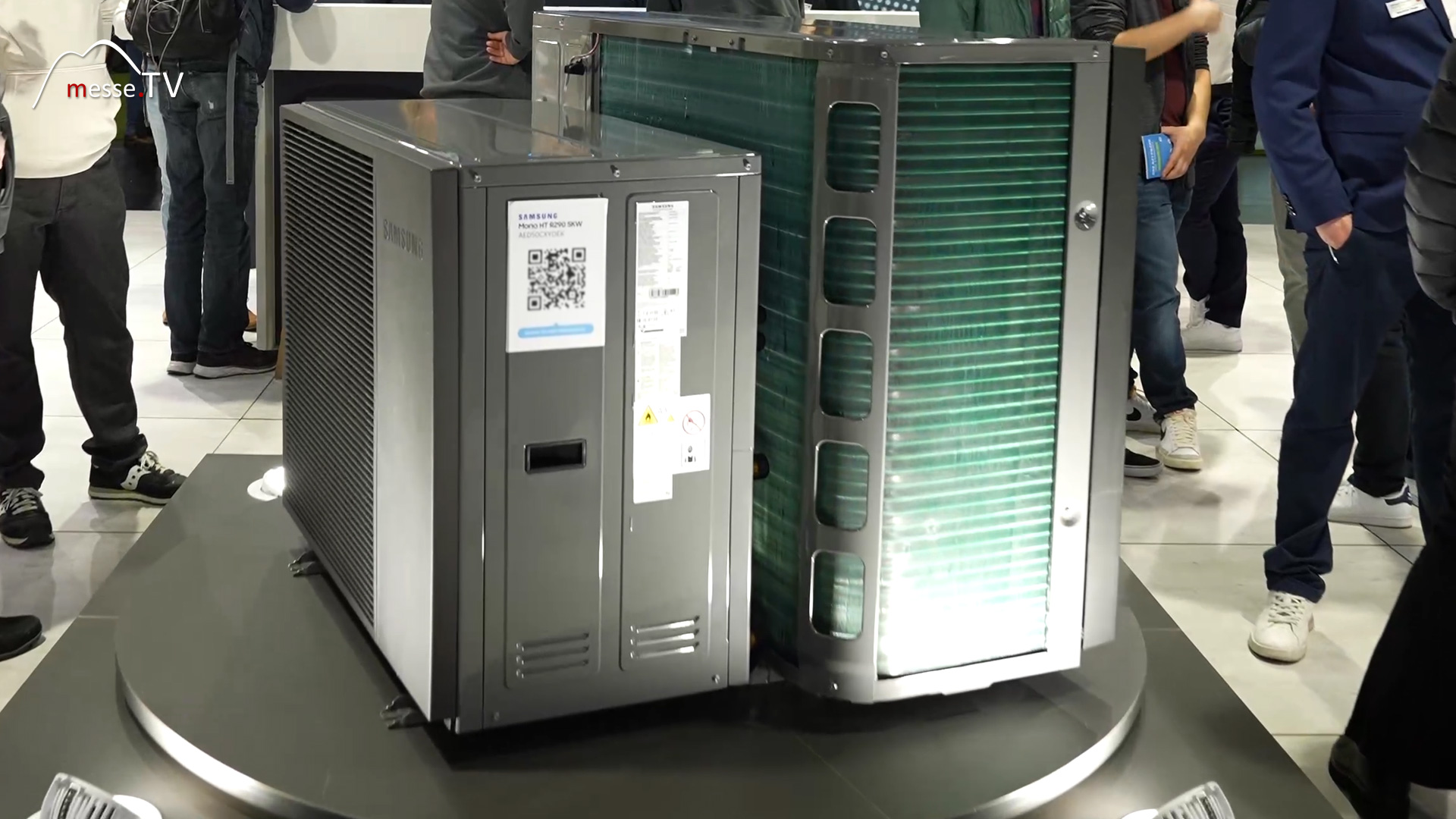

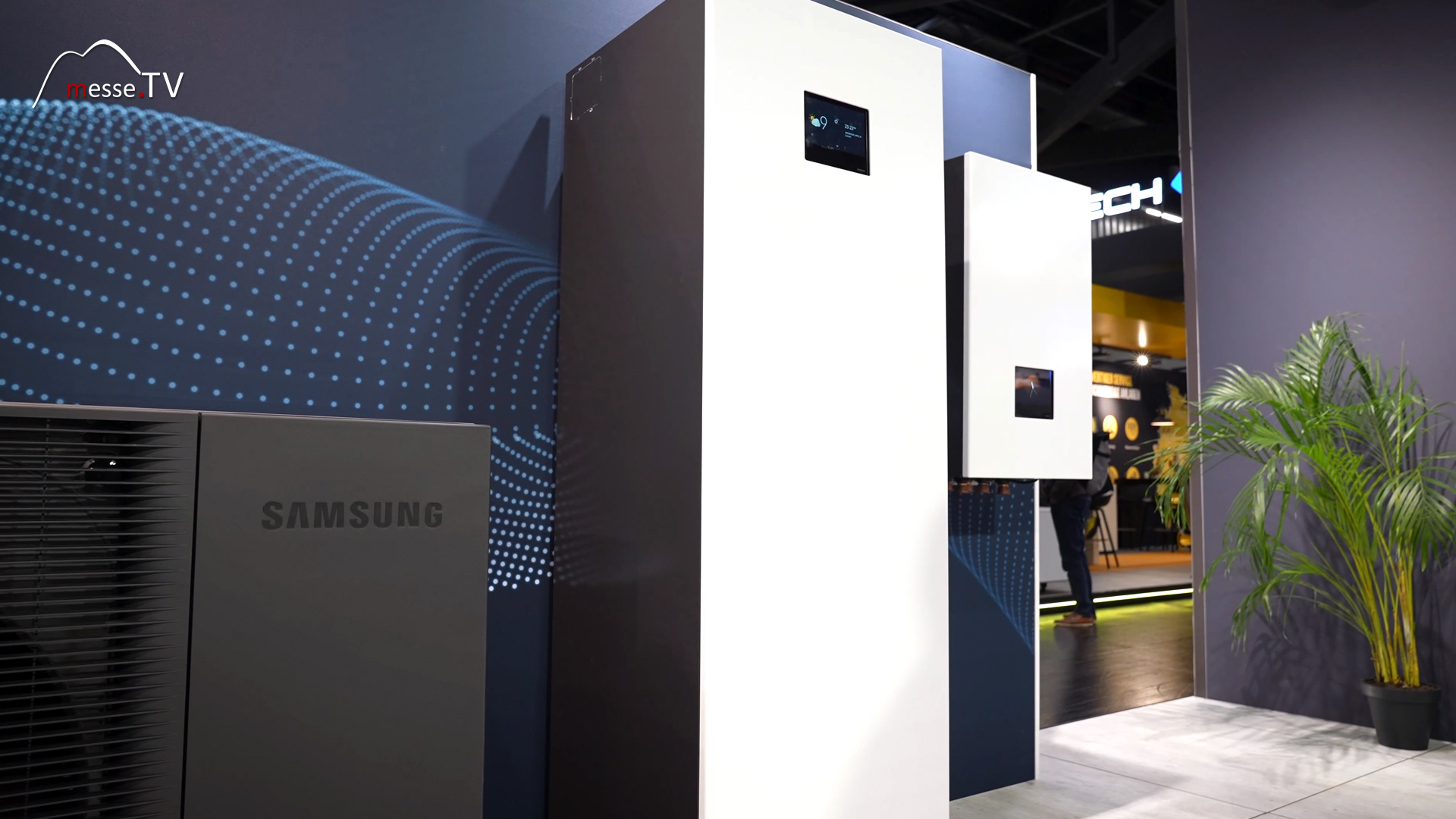
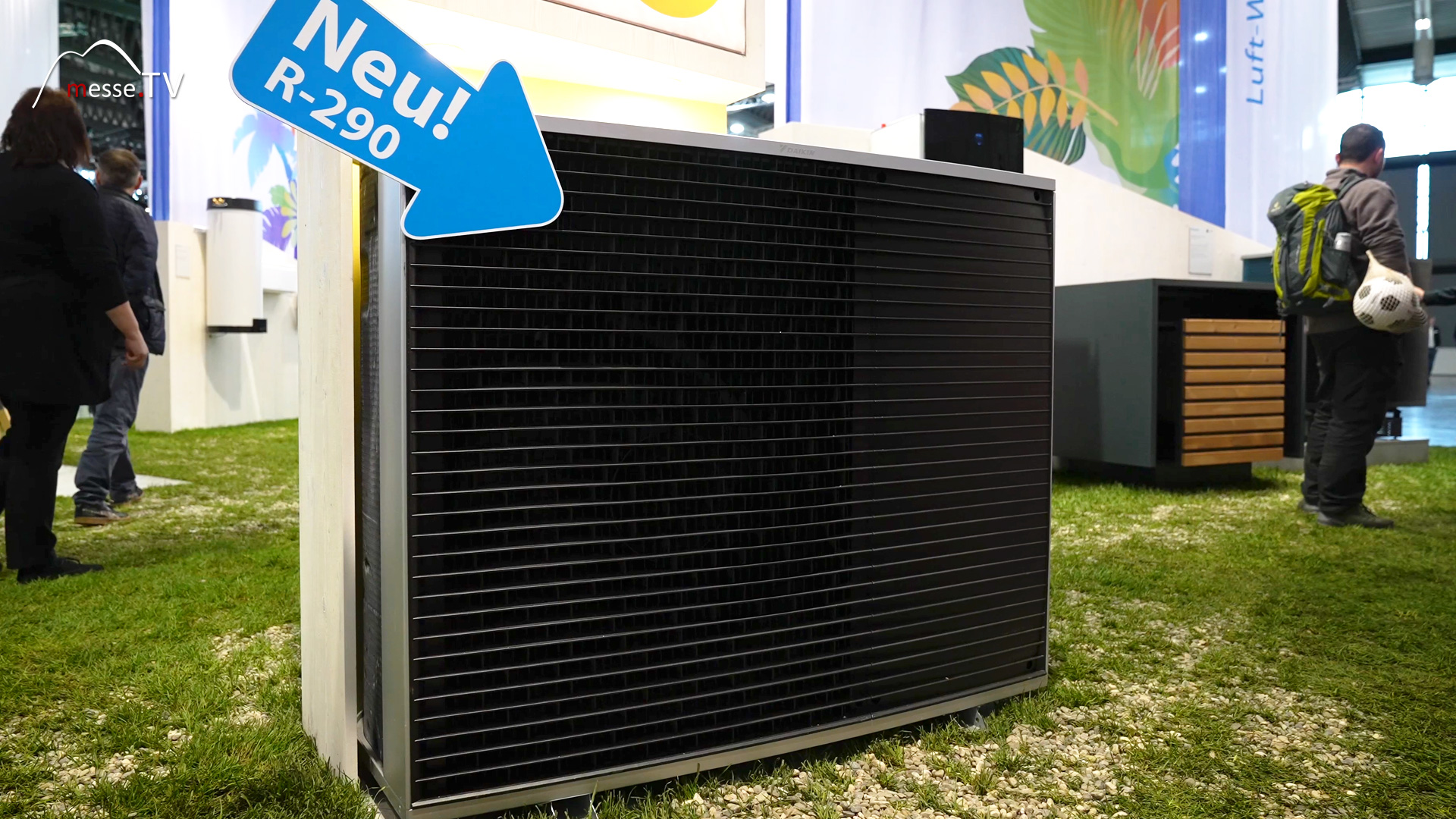
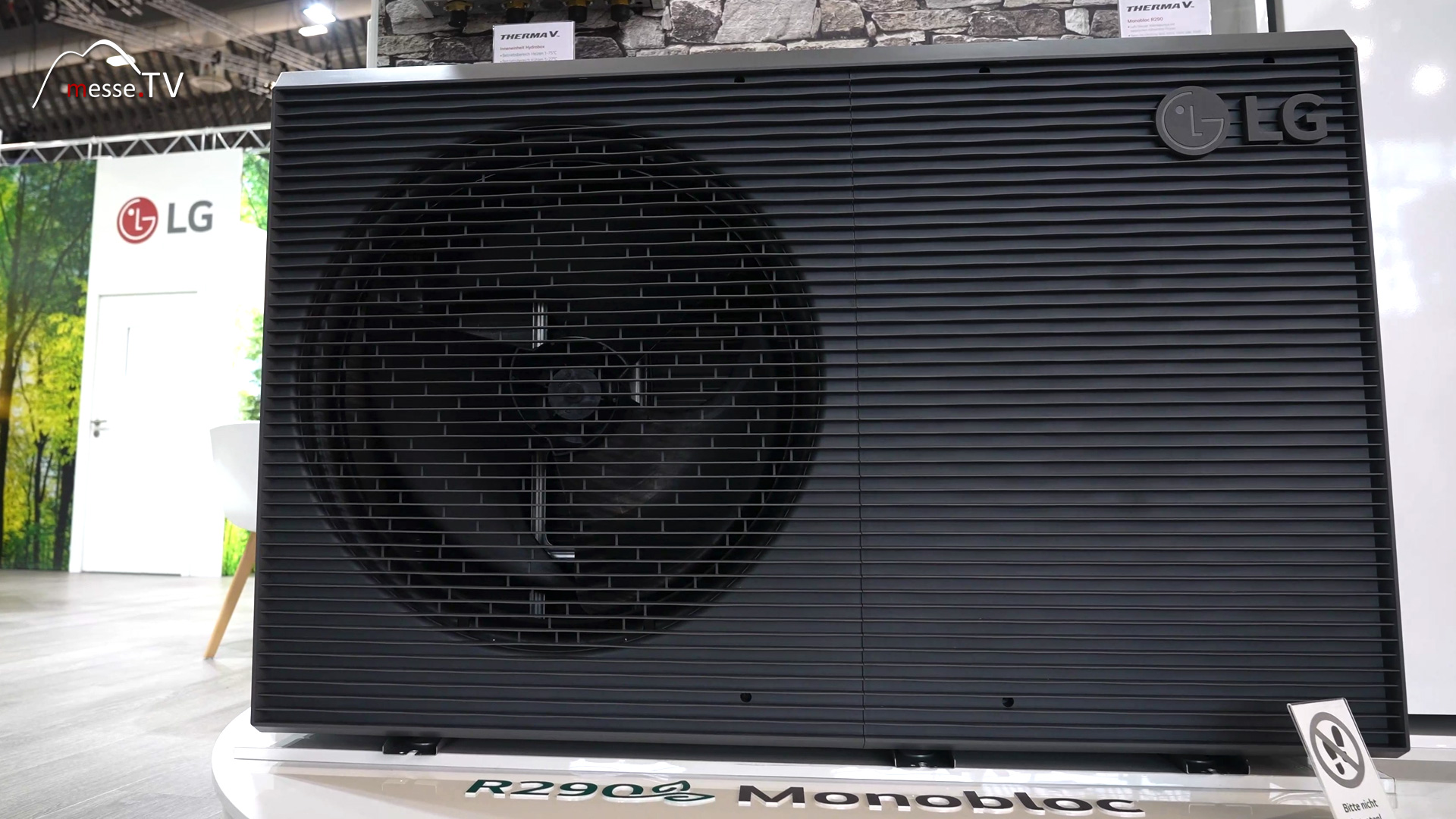
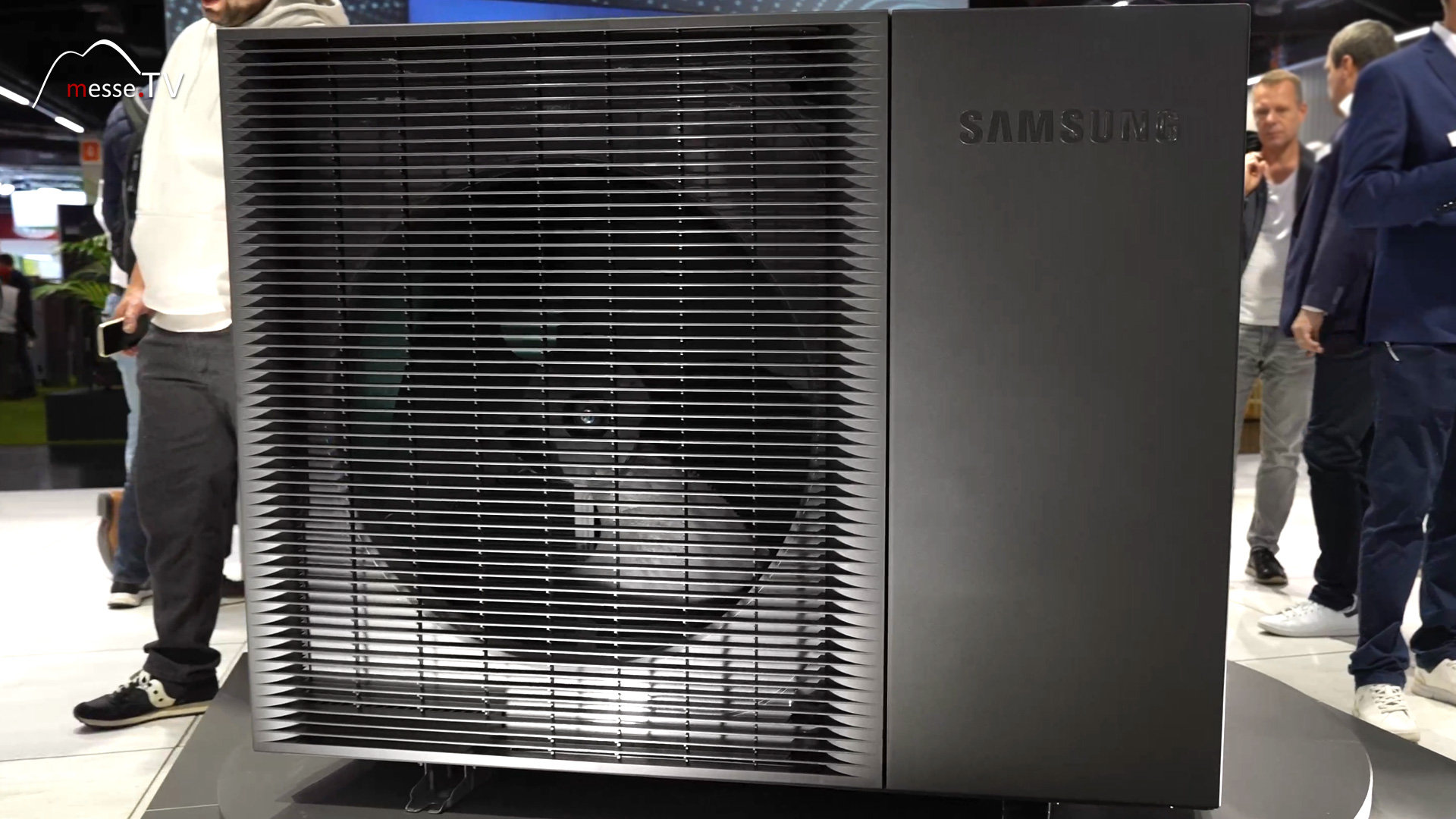
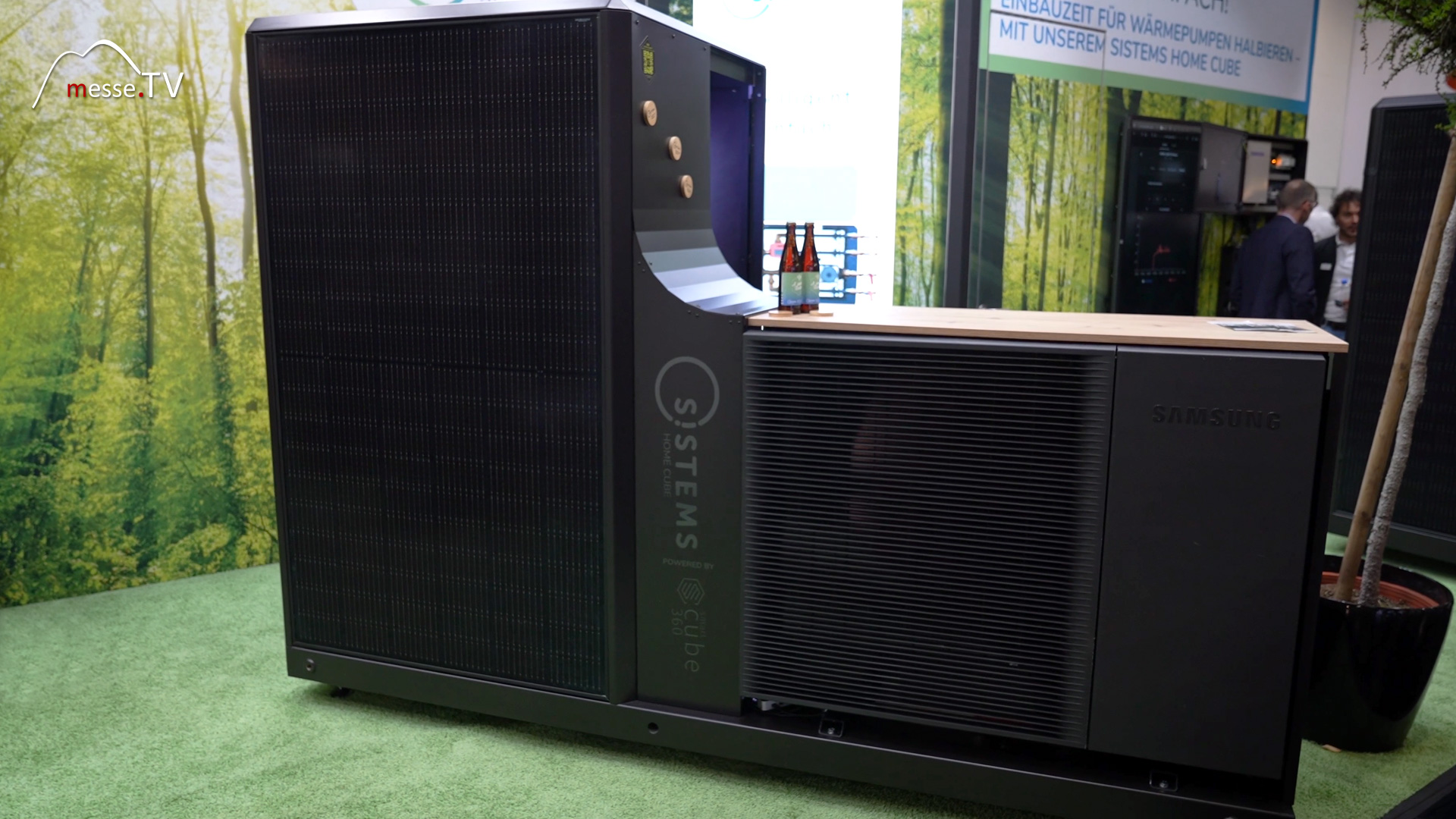
Samsung R290 Wärmepumpe im Überblick
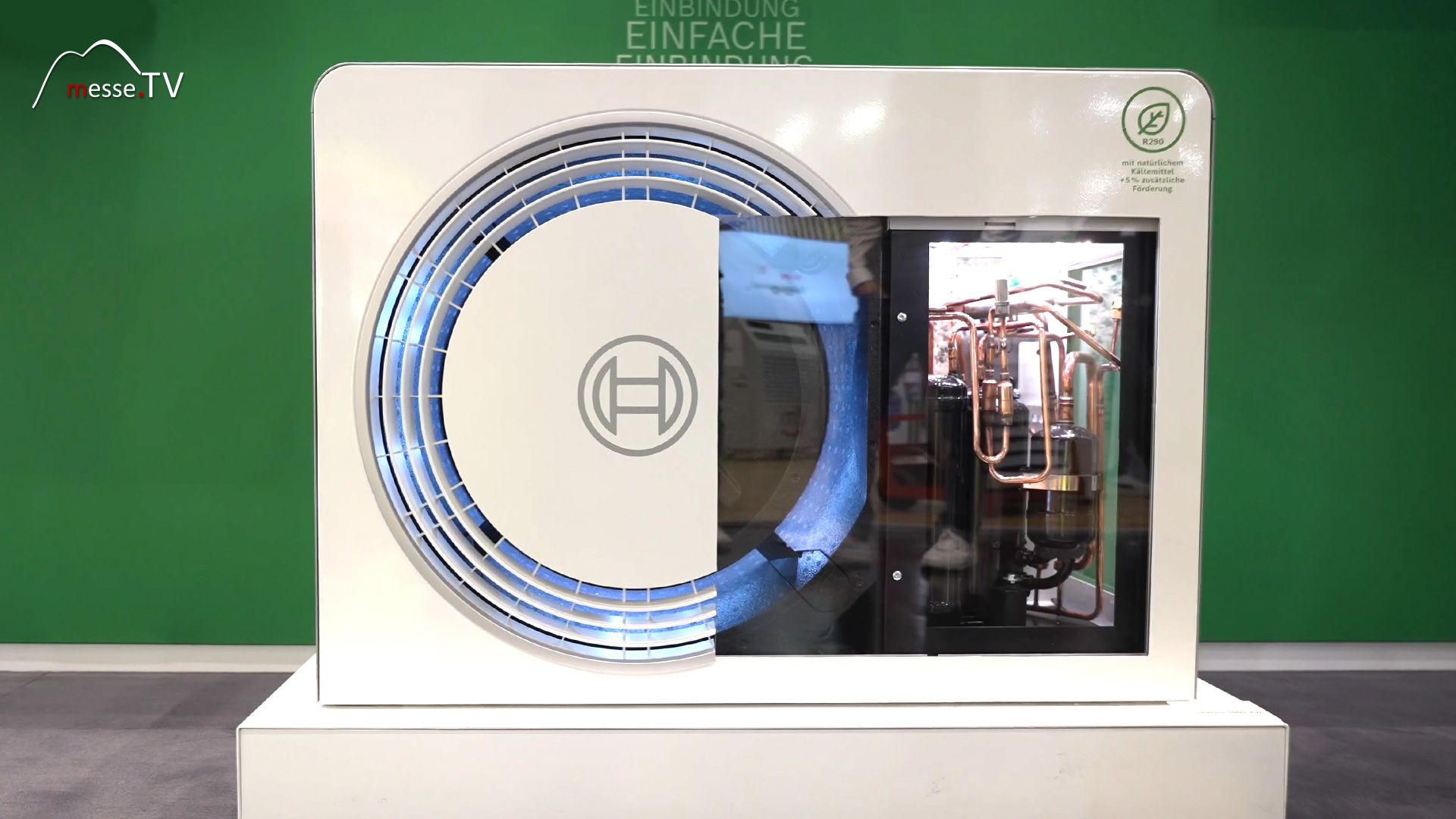
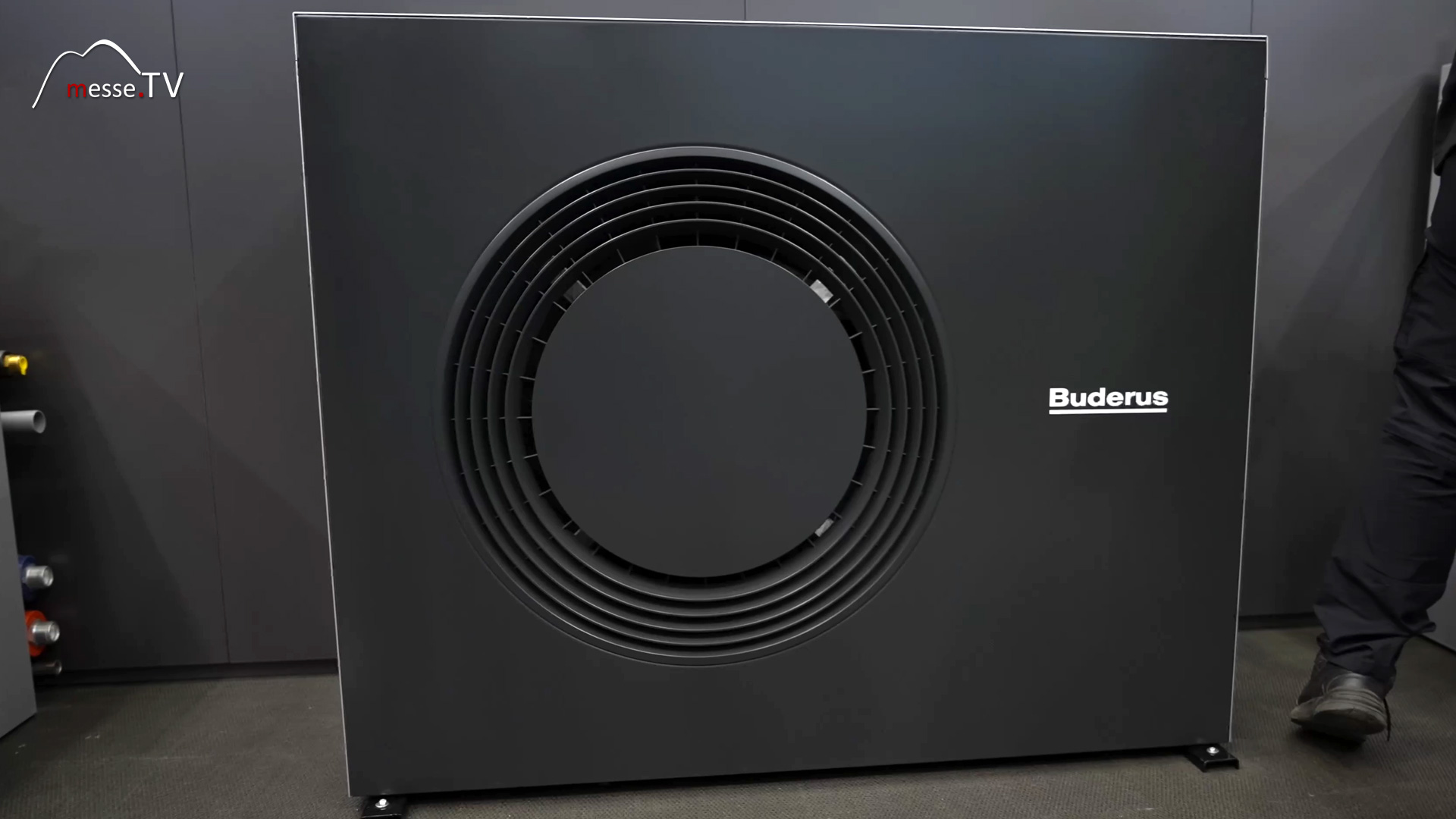
Die R290 Wärmepumpe ist in mehreren Leistungsstufen verfügbar und deckt damit ein breites Anwendungsspektrum ab. Die kleineren Varianten mit fünf und acht Kilowatt richten sich vor allem an Einfamilienhäuser mit moderatem Wärmebedarf, während die größeren Ausführungen mit zwölf und sechzehn Kilowatt zunehmend auch für größere Wohngebäude interessant sind. Auffällig ist dabei das vergleichsweise kompakte Gehäuse, das trotz des natürlichen Kältemittels keine überdimensionierten Abmessungen erfordert. Ein wesentliches Merkmal dieser Wärmepumpe ist ihre gestalterische Qualität. Das Außengerät wurde mit einem Design Award ausgezeichnet, was im technischen Umfeld von Heizsystemen keineswegs selbstverständlich ist. Gerade in dicht bebauten Wohngebieten oder bei sichtbarer Aufstellung im Außenbereich spielt das Erscheinungsbild eine zunehmende Rolle.
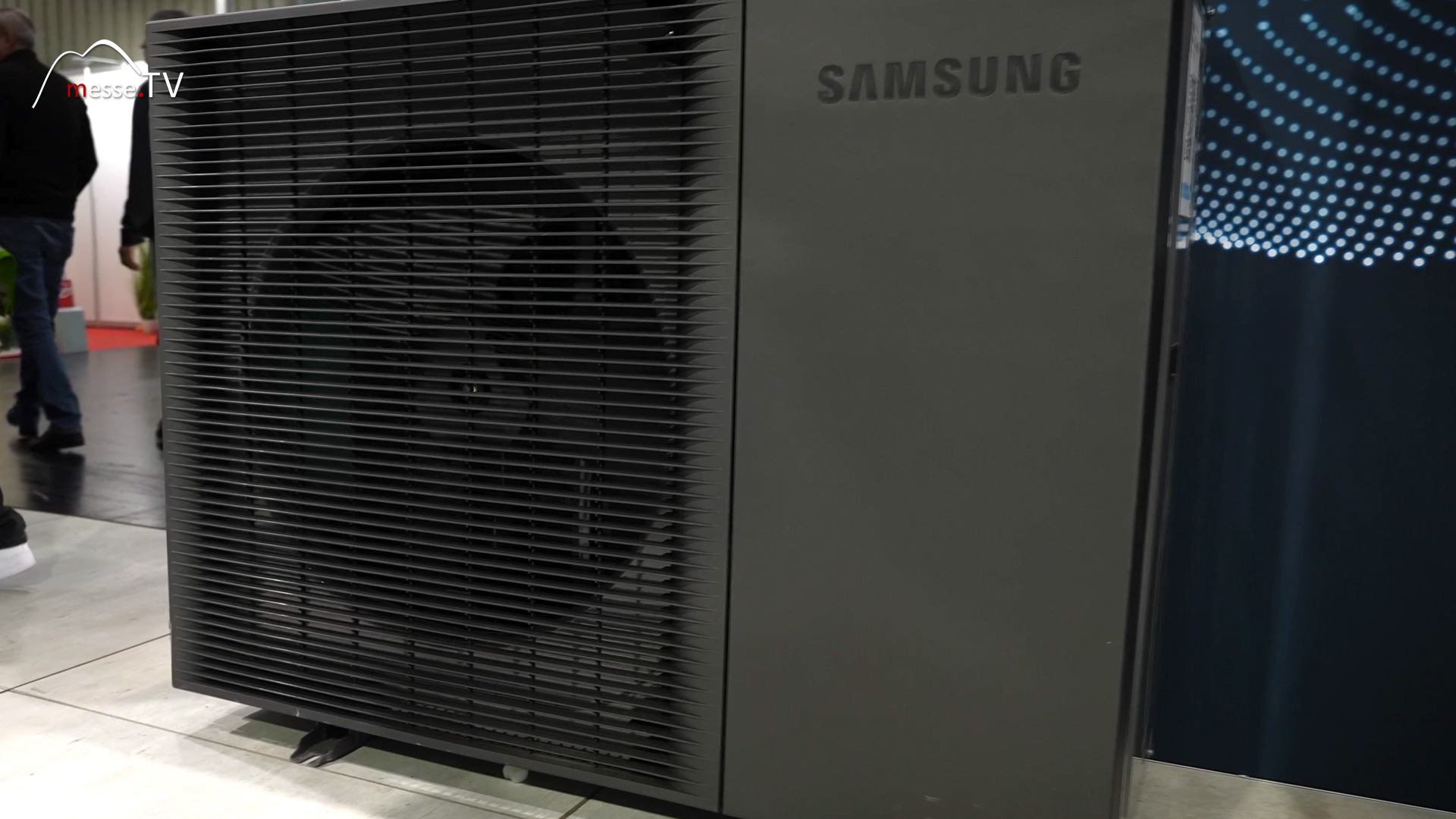
Regelung, App-Anbindung und Systemflexibilität
Ein zentrales Thema moderner Heiztechnik ist die Frage der Steuerung. Die R290 Wärmepumpe lässt sich wahlweise über eine integrierte Regeleinheit in Verbindung mit der Samsung App bedienen oder in ein bauseitiges Regelungskonzept einbinden. Damit eröffnet sich eine hohe Flexibilität für unterschiedliche Planungsansätze. Neben der reinen Bedienung geht es dabei vor allem um die Integration in bestehende Systeme. Die Wärmepumpe kann sowohl mit einem eigenen Speicher des Herstellers betrieben werden als auch mit kundenseitig vorgesehenen Speichern. Für diese Fälle steht eine separate Regeleinheit zur Verfügung, die den Zugriff auf die Wärmepumpe unabhängig vom eingesetzten Speichersystem ermöglicht. Damit wird vermieden, dass sich Bauherren oder Planer auf eine starre Systemarchitektur festlegen müssen.
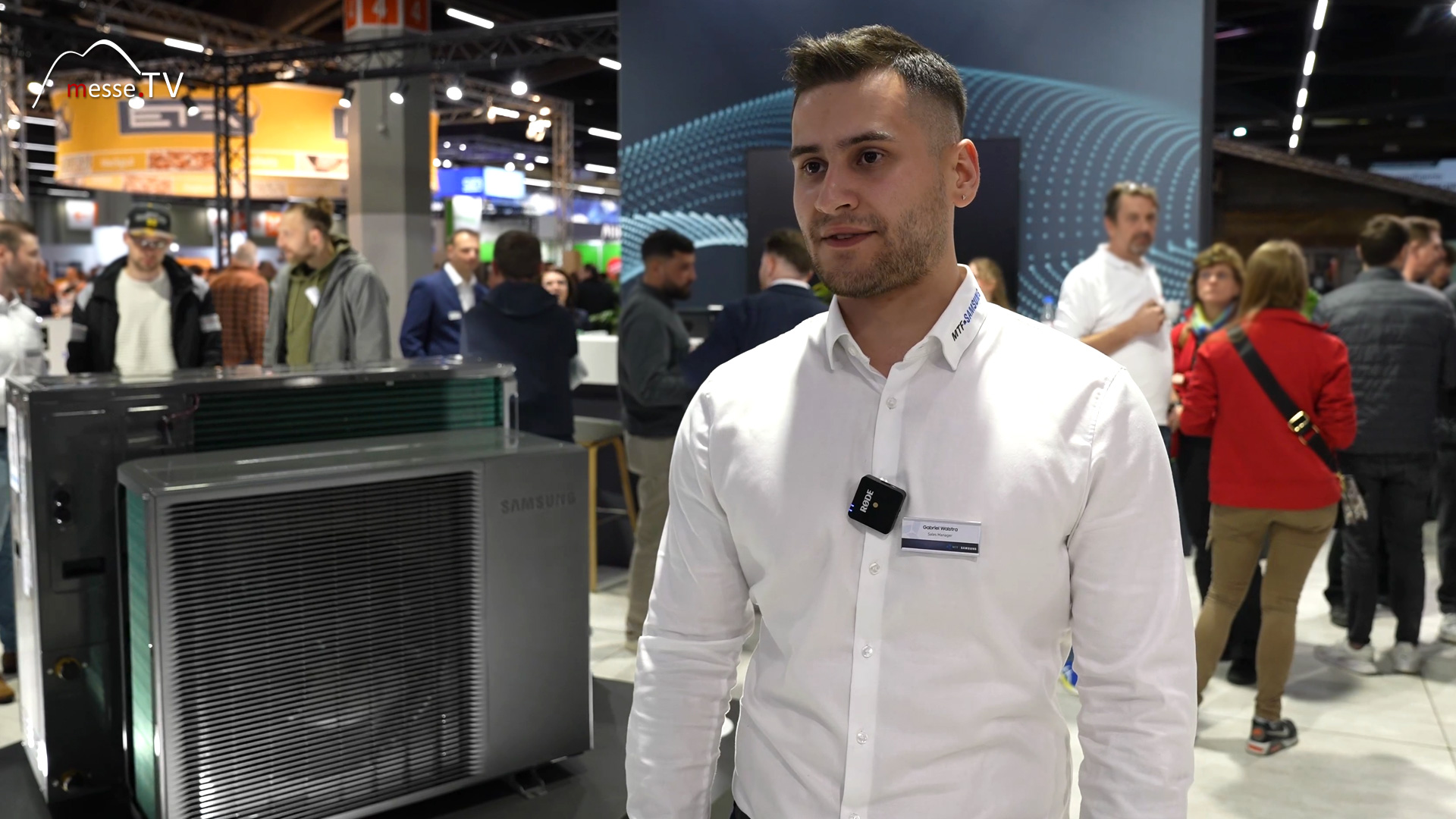
Fertigungstiefe als strategischer Vorteil
Ein oft unterschätzter Aspekt bei der Bewertung von Heizsystemen ist die industrielle Tiefe des Herstellers. Samsung profitiert hier von einer außergewöhnlich hohen Fertigungstiefe. Nahezu alle zentralen Komponenten werden im eigenen Konzernumfeld entwickelt und produziert. Das betrifft nicht nur Gehäuse oder Steuerungstechnik, sondern auch zentrale Bauteile wie Verdichter oder elektronische Komponenten. Diese Unabhängigkeit von externen Zulieferern hat sich insbesondere in den vergangenen Jahren als strategischer Vorteil erwiesen. Während andere Anbieter mit Lieferengpässen zu kämpfen hatten, blieb Samsung in vielen Fällen lieferfähig. Für Handwerksbetriebe und Bauherren ist das ein nicht zu unterschätzender Faktor, da Planungssicherheit und Verfügbarkeit im Alltag oft entscheidender sind als theoretische Effizienzwerte.
Technische Eigenschaften und Einsatzbereiche
Die R290 Wärmepumpe ist auf hohe Vorlauftemperaturen ausgelegt und damit auch für Bestandsgebäude geeignet, in denen klassische Heizkörper weiterhin genutzt werden. Gleichzeitig erreicht sie eine hohe Effizienz, die den Einsatz sowohl im Neubau als auch in der Sanierung ermöglicht. Die Kombination aus Leistungsfähigkeit und natürlichem Kältemittel macht das System langfristig regulatorisch sicher. Typische Einsatzfelder lassen sich wie folgt zusammenfassen:
- Einfamilienhäuser mit Neubau- oder Sanierungskonzept
- Bestandsgebäude mit bestehenden Heizkörpern
- Wohngebäude mit erhöhtem Platzbedarf an flexibler Regelung
- Projekte mit Fokus auf Lieferfähigkeit und Systemintegration
- Anlagen mit staatlicher Förderung im Blick
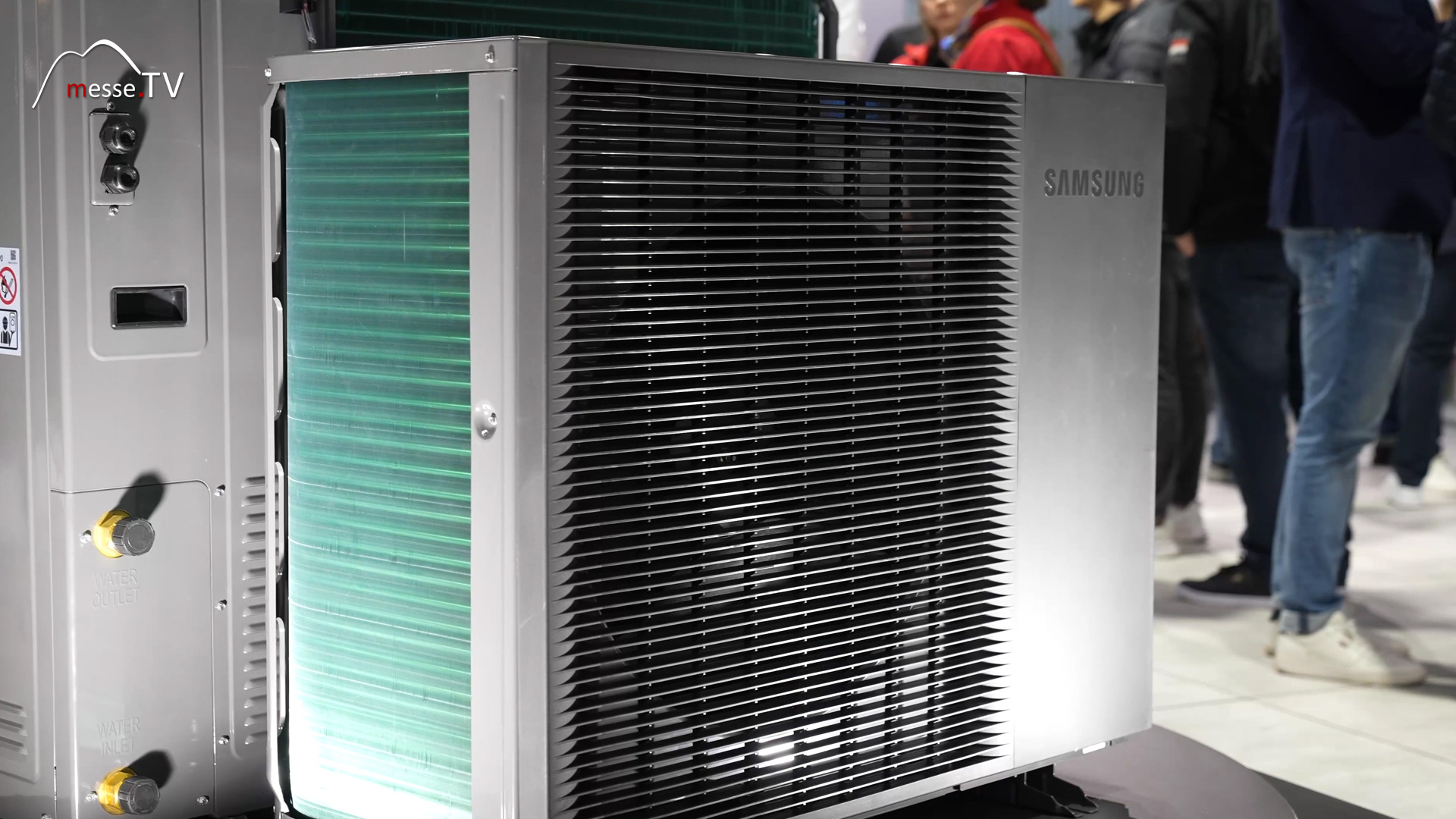
Förderfähigkeit und Planungssicherheit
Ein weiterer relevanter Punkt ist die Förderfähigkeit. Die R290 Wärmepumpe ist in den entsprechenden Förderlisten aufgeführt und kann damit in die staatlichen Förderprogramme einbezogen werden. Je nach Ausgangssituation sind Förderquoten möglich, die einen erheblichen Anteil der Investitionskosten abdecken können. Für viele Bauherren ist dies ein zentrales Argument bei der Entscheidung für ein bestimmtes System. Ergänzend dazu wird häufig Unterstützung bei der Förderabwicklung angeboten, sodass die technische Planung und die formalen Anforderungen ineinandergreifen. Gerade bei komplexeren Sanierungsvorhaben kann dies den Entscheidungsprozess deutlich vereinfachen.
Einordnung im aktuellen Wärmepumpenmarkt
Der Wärmepumpenmarkt ist derzeit stark in Bewegung. Neue Hersteller drängen auf den Markt, bestehende Anbieter erweitern ihre Portfolios, und regulatorische Vorgaben verändern die Rahmenbedingungen kontinuierlich. In diesem Umfeld spielt die Kombination aus Technologie, industrieller Stabilität und Systemoffenheit eine zunehmend wichtige Rolle. Die R290 Wärmepumpe von Samsung positioniert sich nicht als isoliertes Einzelprodukt, sondern als Bestandteil eines umfassenden Systemgedankens. Design, Regelung, Fertigungstiefe und Förderfähigkeit greifen ineinander und adressieren damit zentrale Fragen, die sich Bauherren, Planer und Handwerksbetriebe heute stellen. Gerade diese Gesamtbetrachtung dürfte darüber entscheiden, welche Systeme sich langfristig im Markt behaupten.




Messe-Berichterstattung bundesweit - Messewissen, Termine & Veranstaltungen


