Bosch hybrid heating systems and heat pumps for existing buildings
The transformation of heating technology is no longer an abstract topic for the future, but is taking place in basements, boiler rooms and utility rooms. For decades, gas boilers and instantaneous water heaters dominated the market, but now the focus is shifting noticeably towards heat pumps and hybrid systems. This development affects not only new buildings, but above all the huge stock of residential buildings that need to be modernised in terms of energy efficiency without having to completely redesign each house.
Bosch Home Comfort, a subsidiary of Robert Bosch AG, is a prime example of this change. The company has strong historical roots in the gas sector, but has been consistently promoting the integration of heat pumps and hybrid solutions for years. Trade fairs and specialist events show that the focus is now clearly on systems that intelligently complement existing heating technology rather than radically replacing it.
Hybrid heating systems for easy installation and quick operation
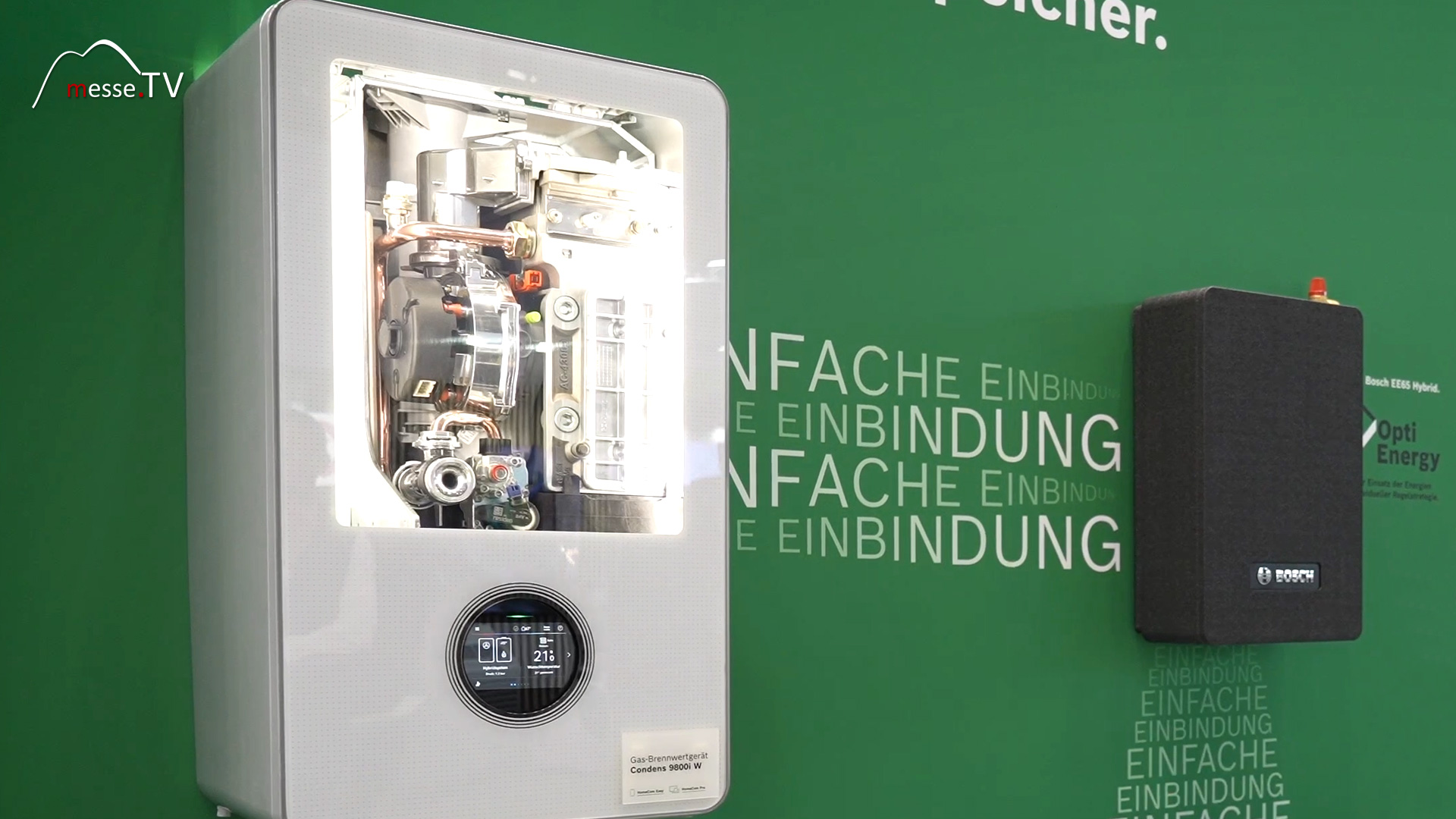
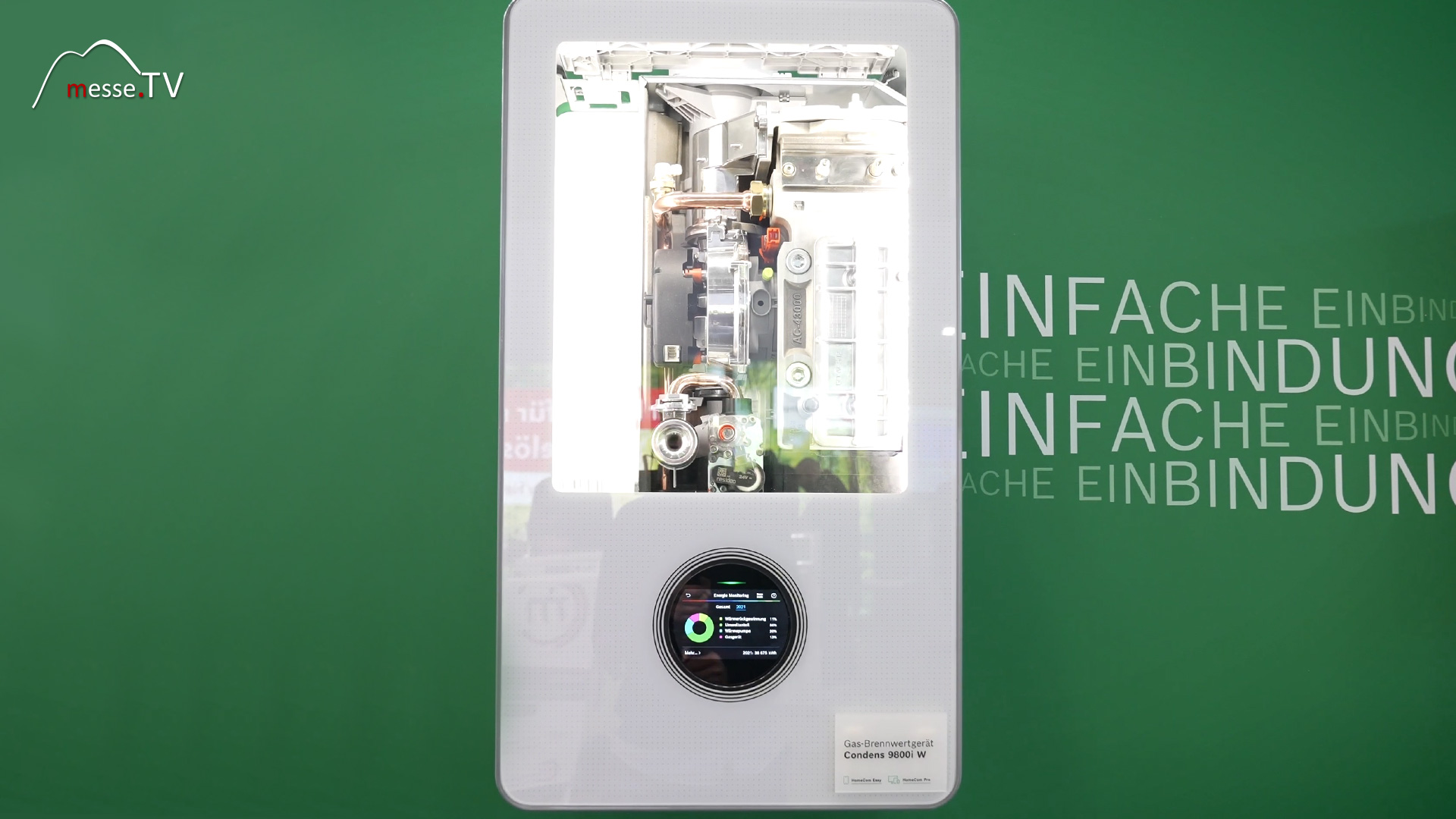
A central theme in the portfolio is hybrid systems that are specifically designed for easy installation and commissioning. The basic idea is clear: many existing buildings cannot easily be converted entirely to a heat pump alone. The combination of a heat pump and a gas condensing boiler creates a system that can respond flexibly to different load situations.
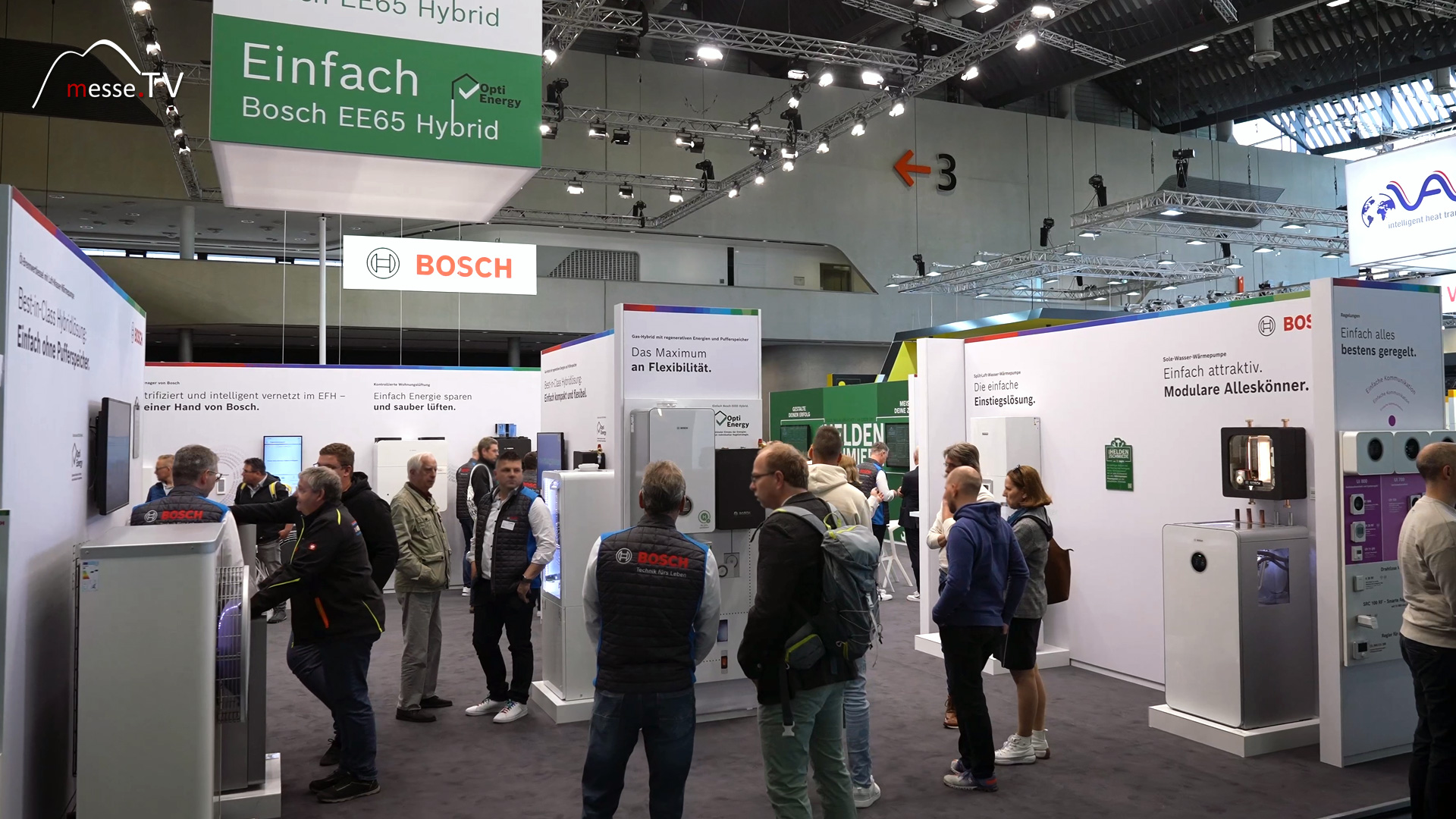
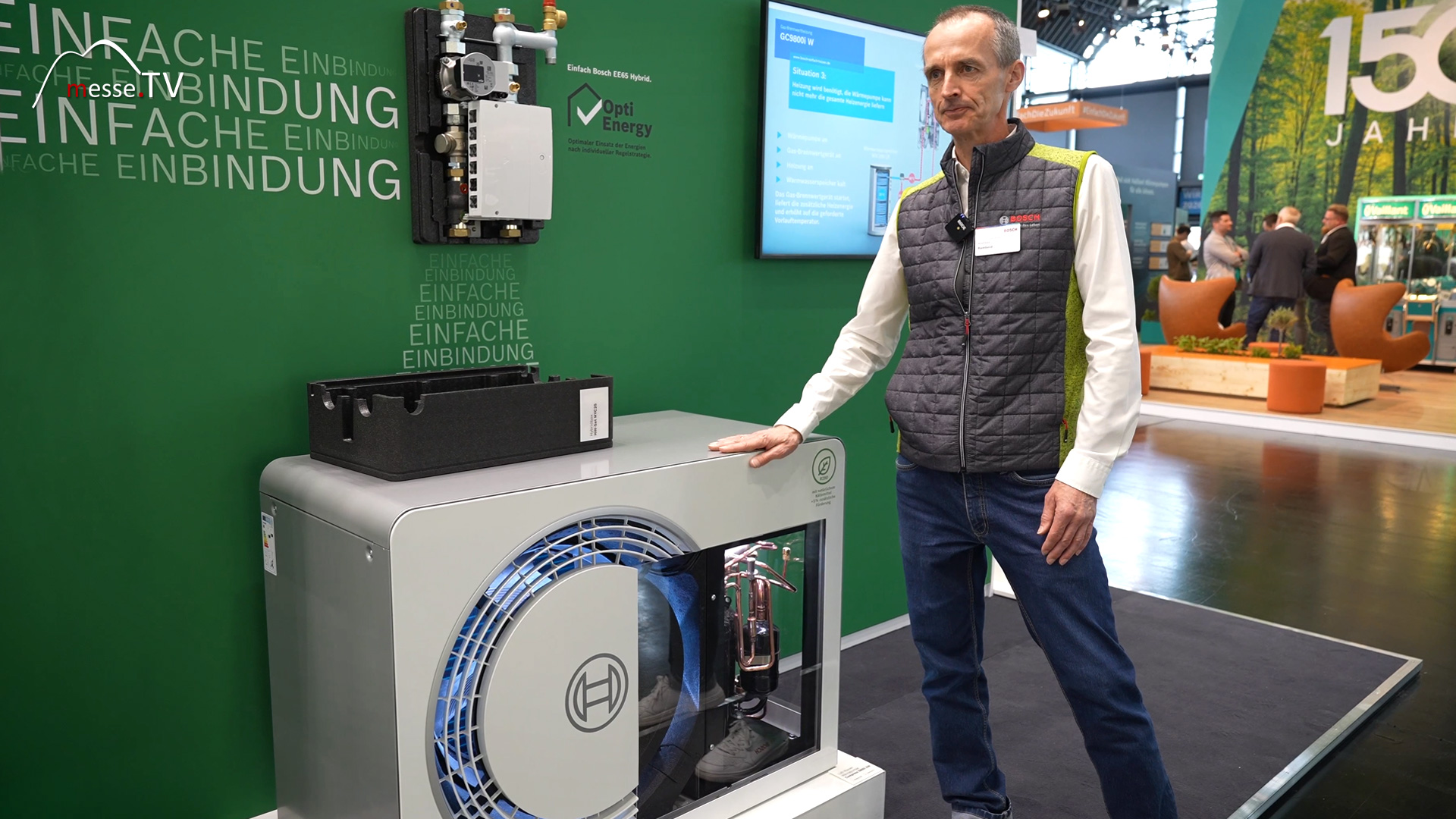
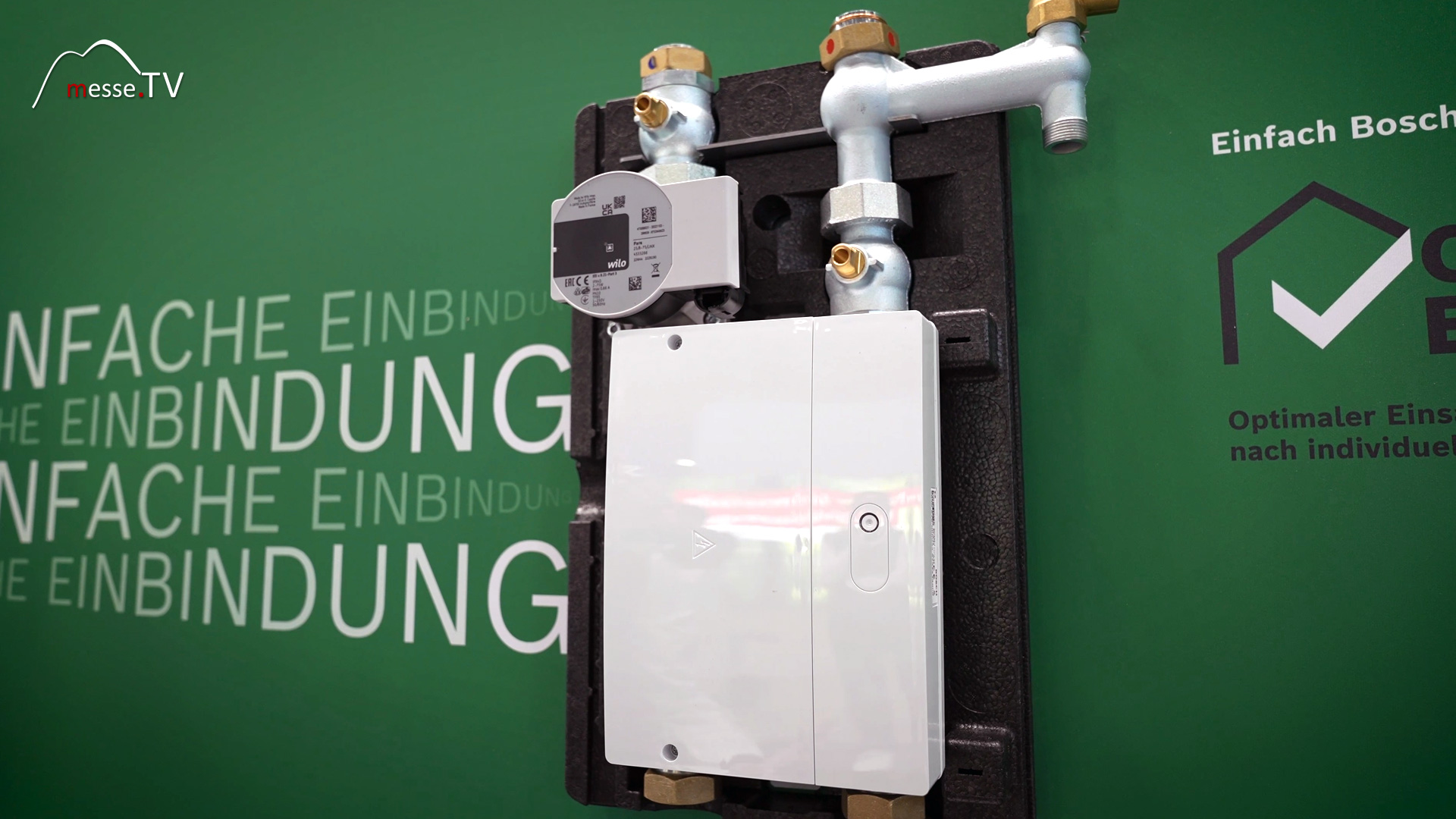
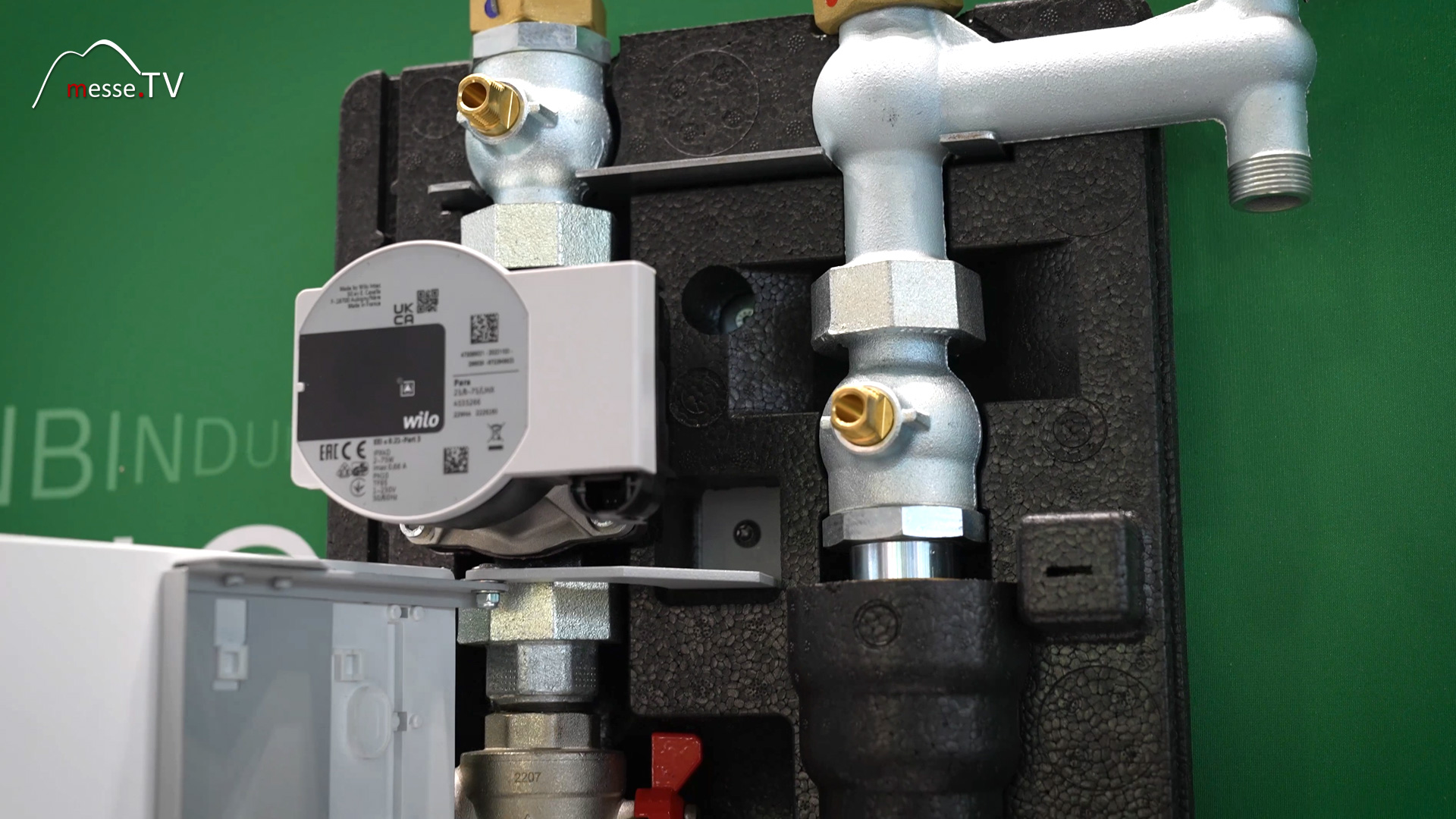
At the heart of the system is a compact hybrid box that acts as a hydraulic and intelligent centre. Two pipes connect the heat pump's outdoor unit to this box, while another two pipes lead to the gas condensing boiler. Additional components such as buffer storage tanks or switchover valves are not required. The entire system is therefore similar in design to a classic condensing boiler system, which significantly reduces installation costs. The control system automatically decides whether the required energy is provided by the heat pump or the condensing boiler. The heat pump covers the base load range, while the gas appliance provides support during peak loads. This approach allows smaller heat pumps to be used, which operate in the optimum working range and are therefore more efficient.

Compact design thanks to integrated system intelligence
An essential technical component is the integrated hydraulic switch within the hybrid box. It ensures that the system can operate without a conventional buffer tank. The necessary intelligence is fully integrated into the system. This saves space, reduces material costs and simplifies planning, especially in cramped basement rooms in typical existing buildings. At the same time, the system remains clear and straightforward. For tradespeople, this means fewer installation steps, and for operators, a clearly structured system that is easier to maintain. This aspect should not be underestimated, especially against the backdrop of a shortage of skilled workers.
Compress 5800 and 6800 air-to-water heat pumps
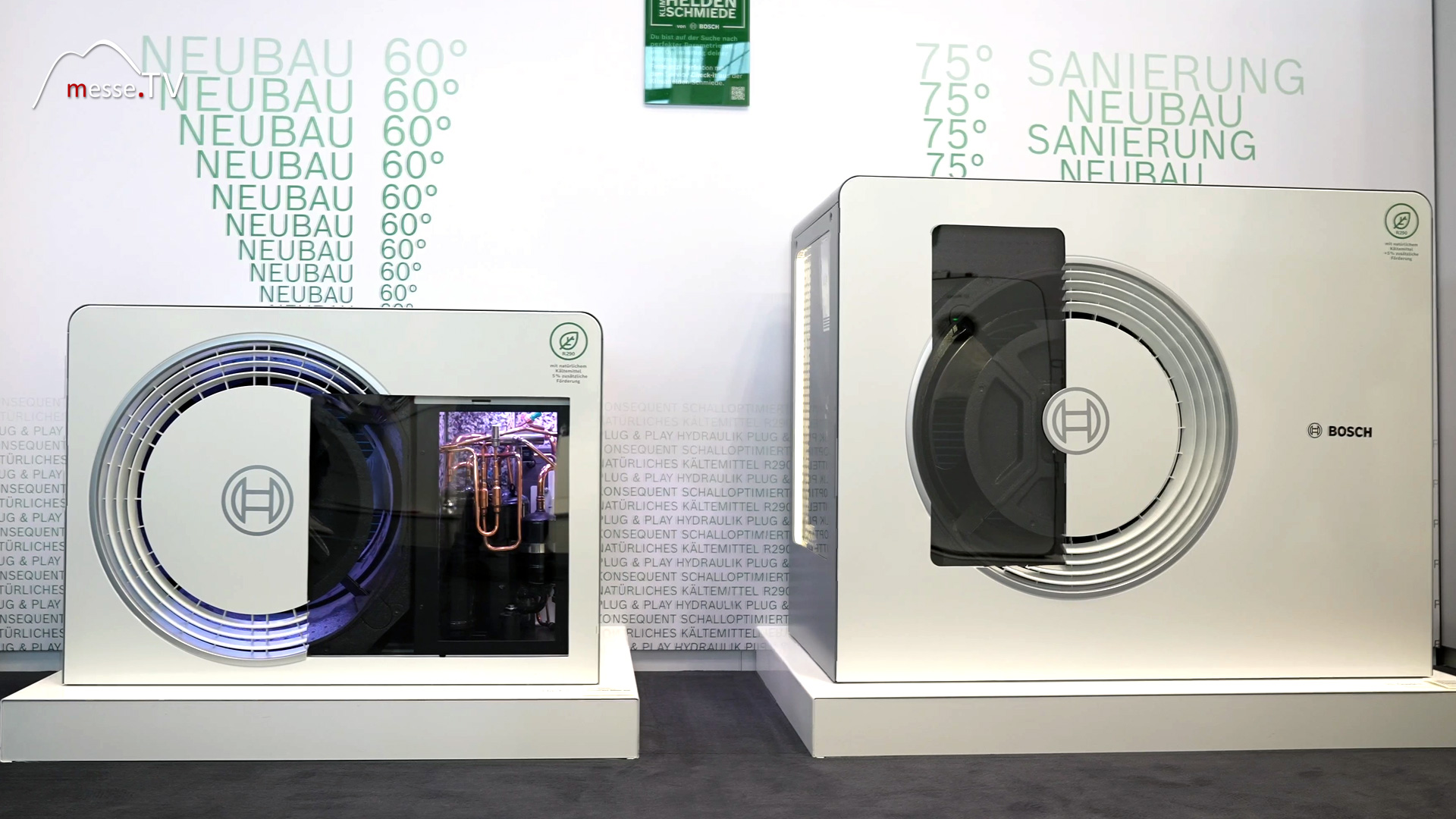
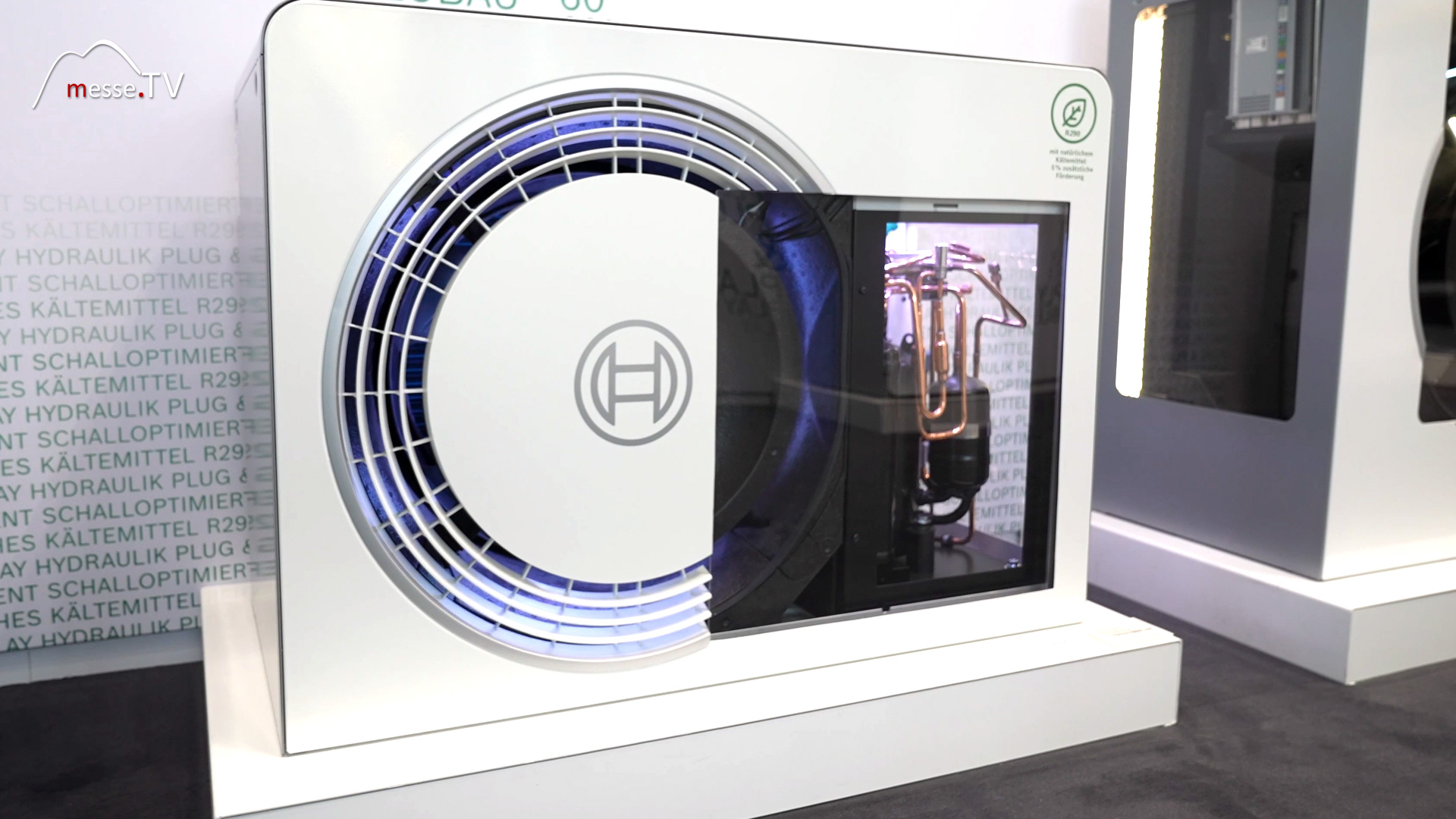
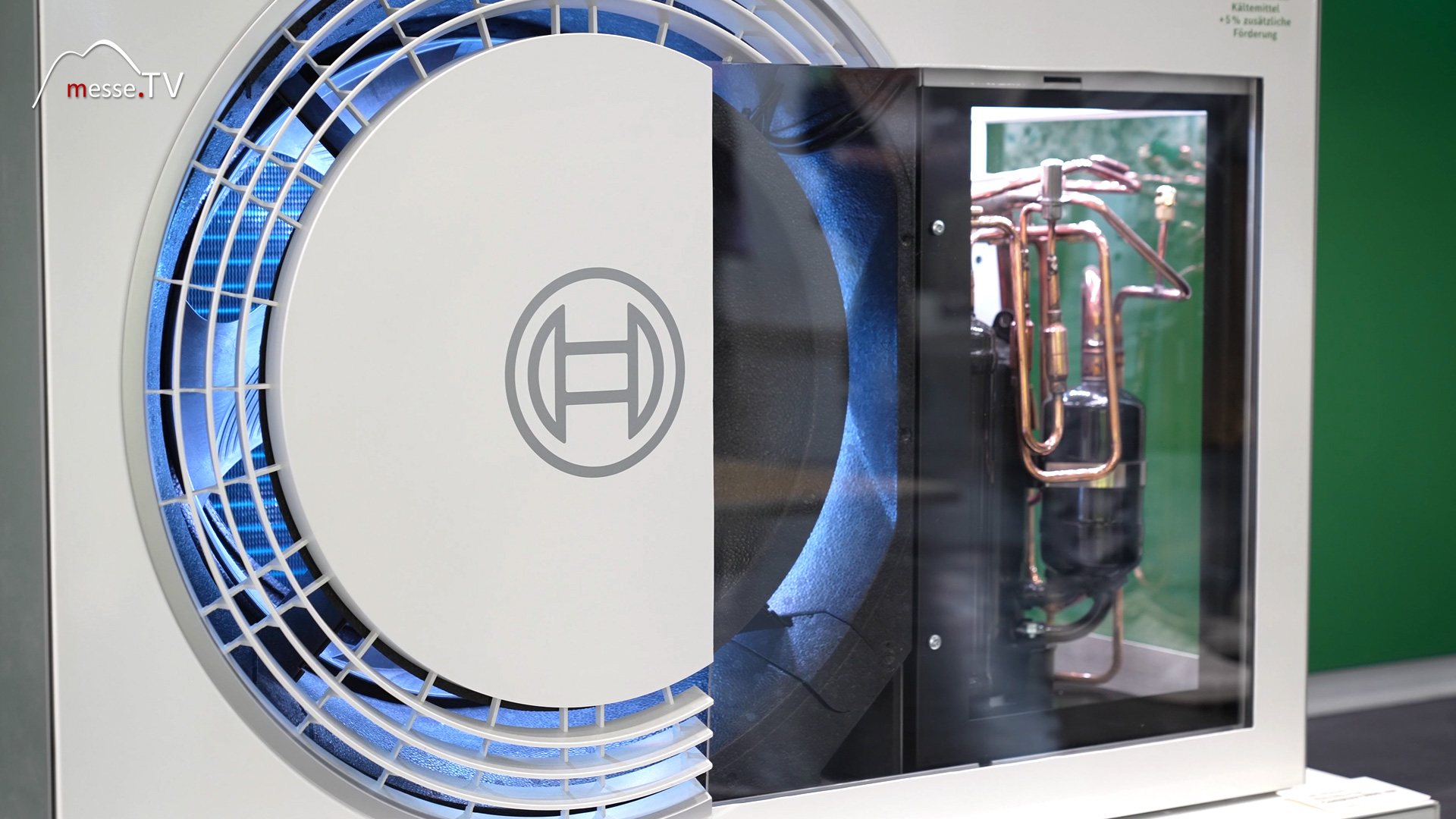
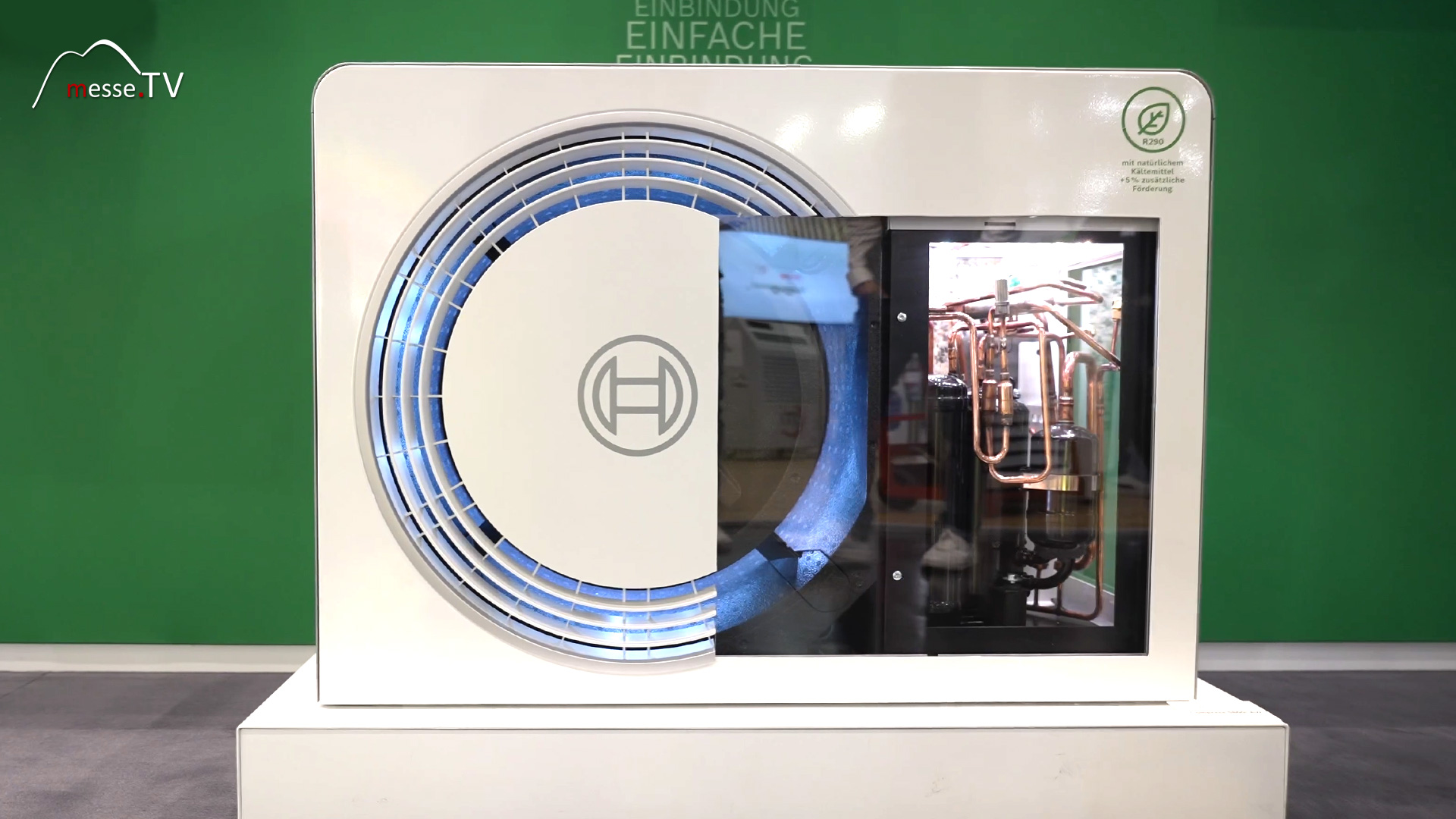
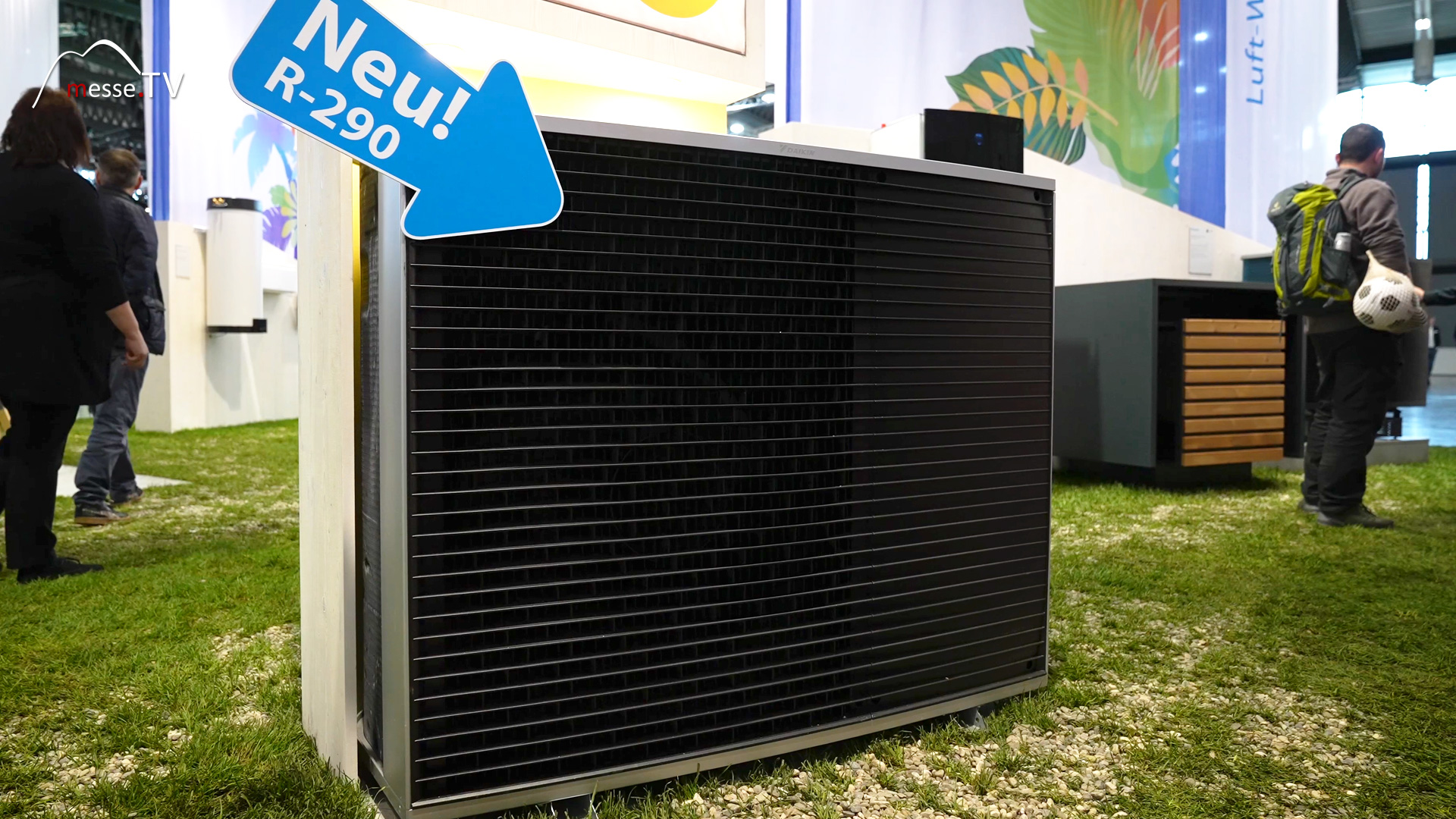
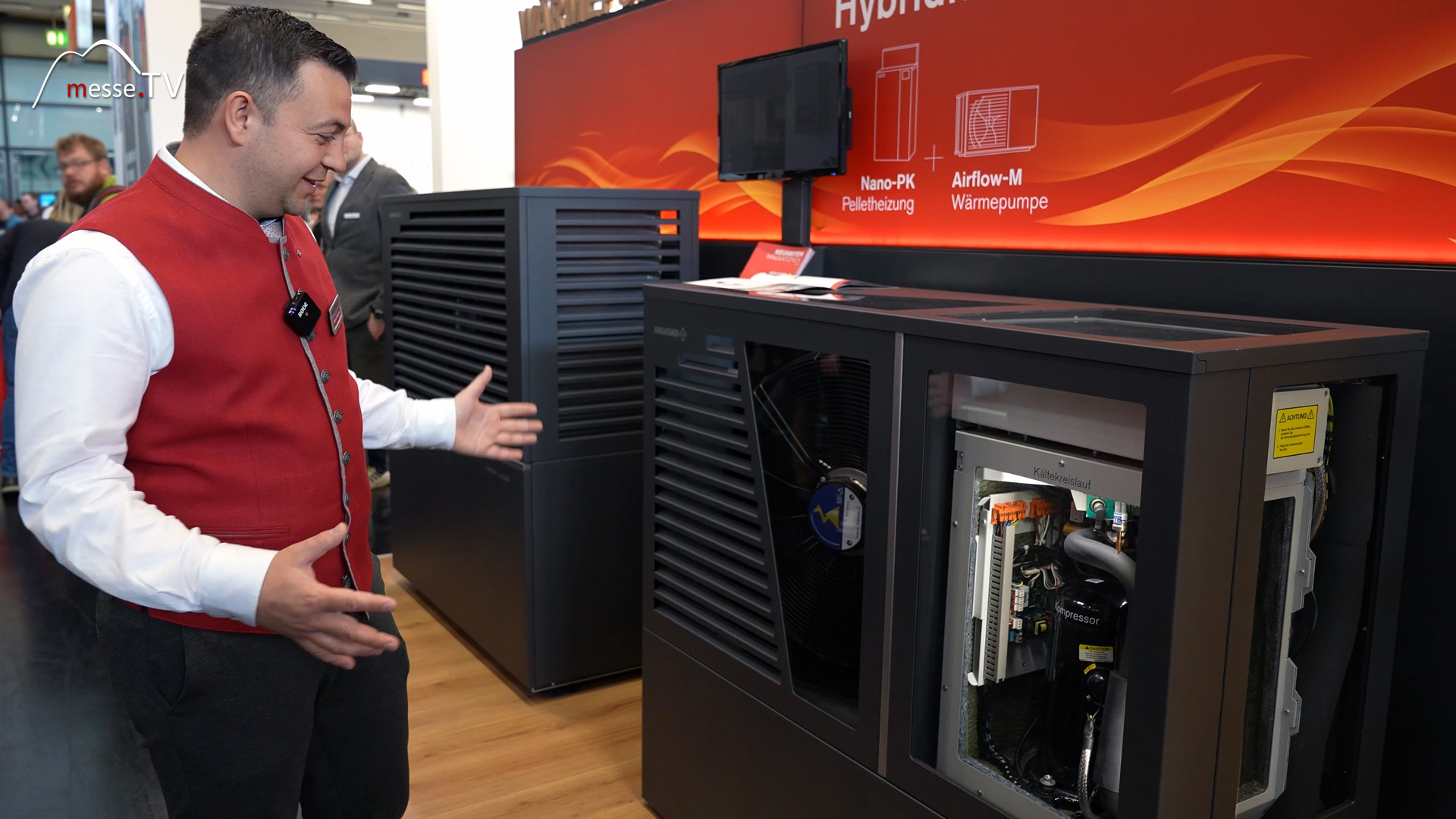
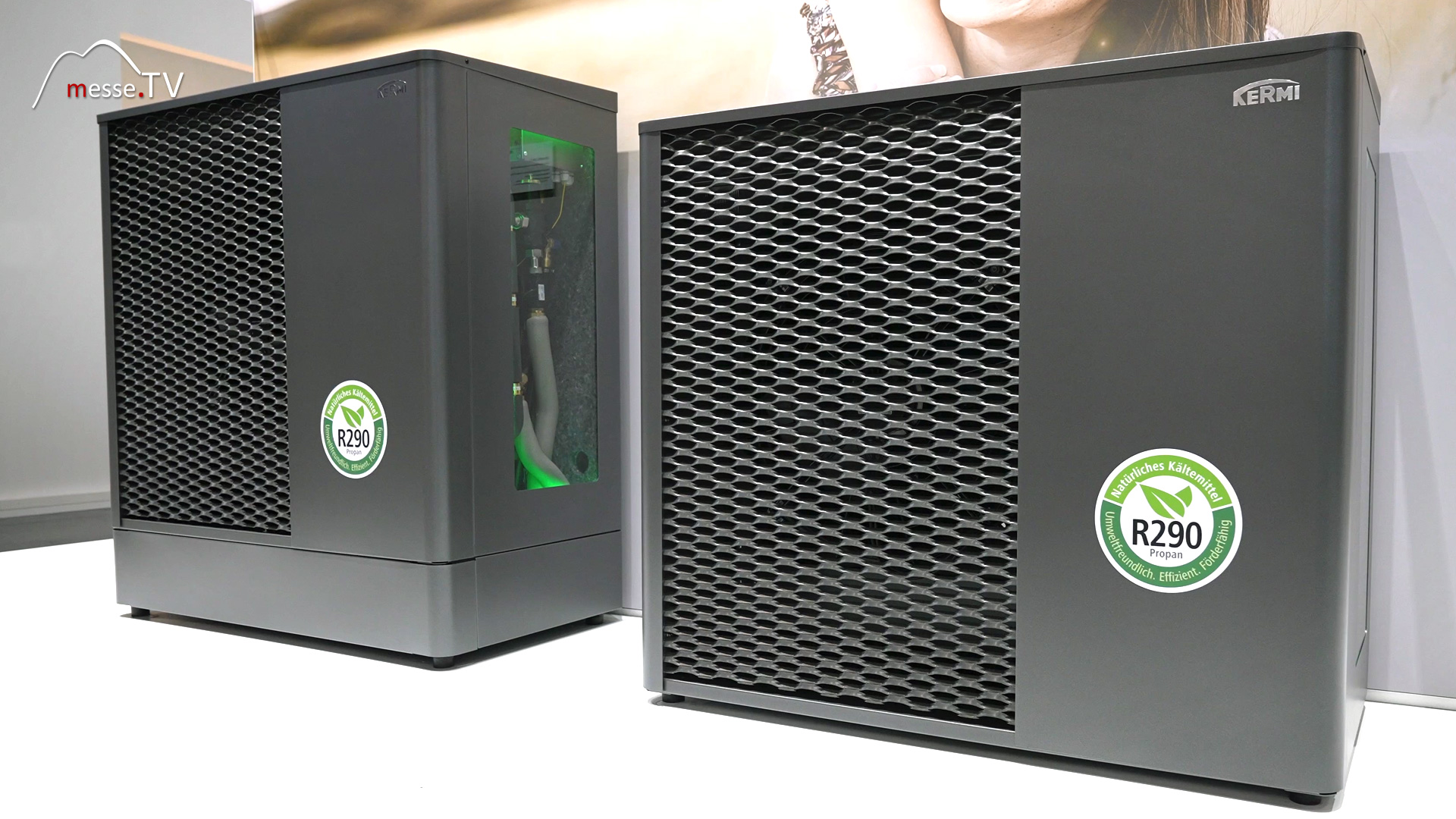
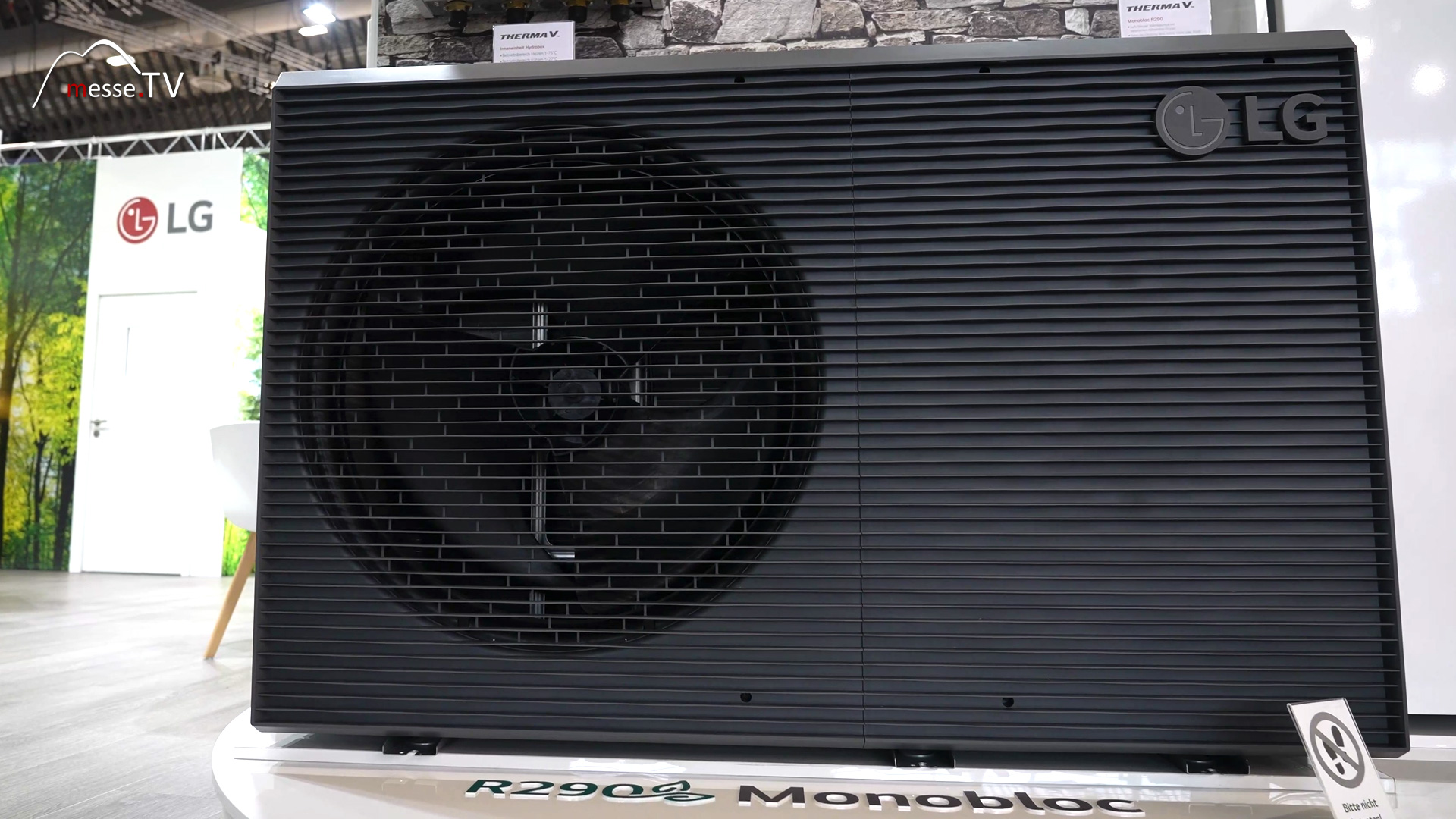
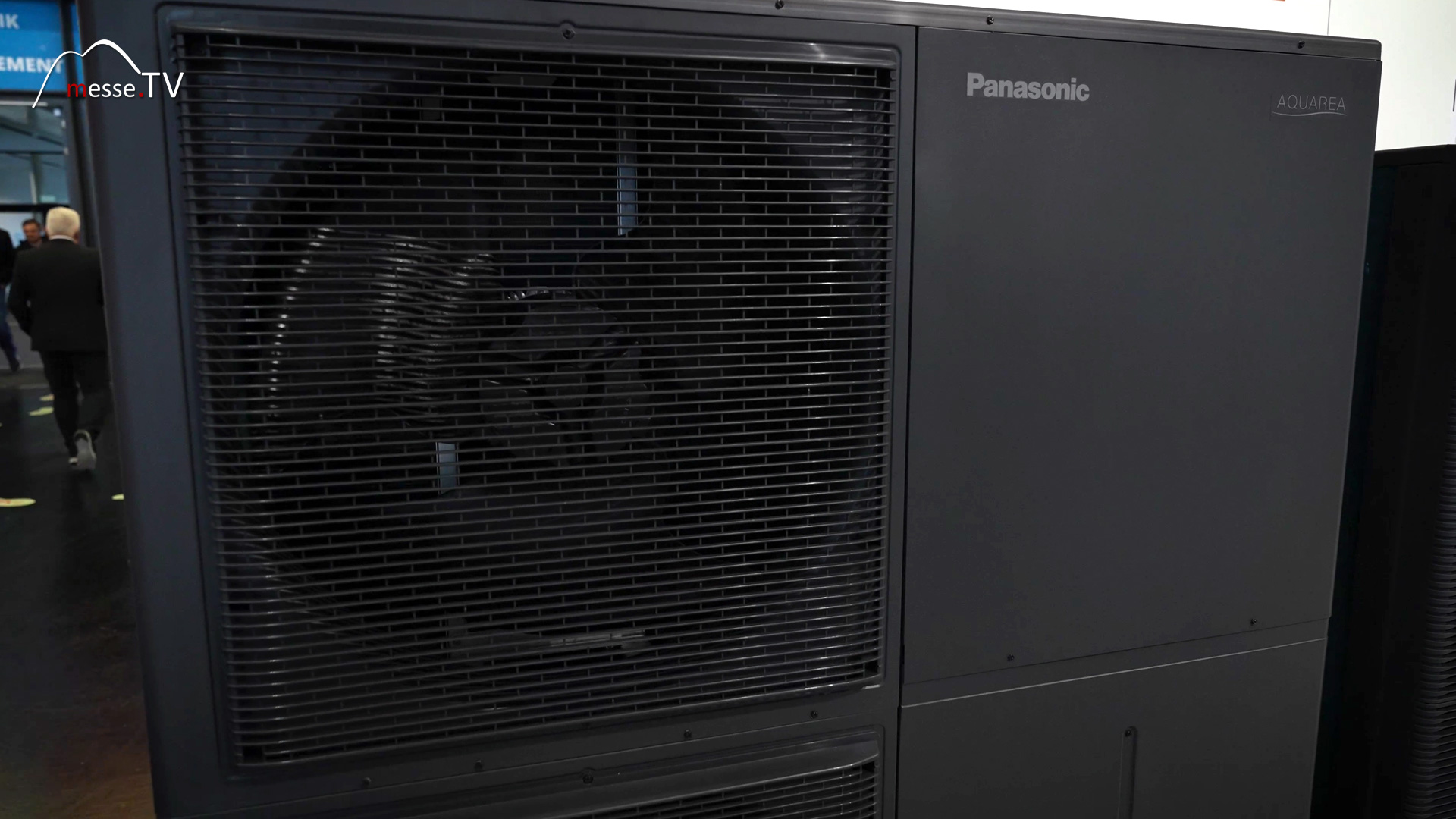
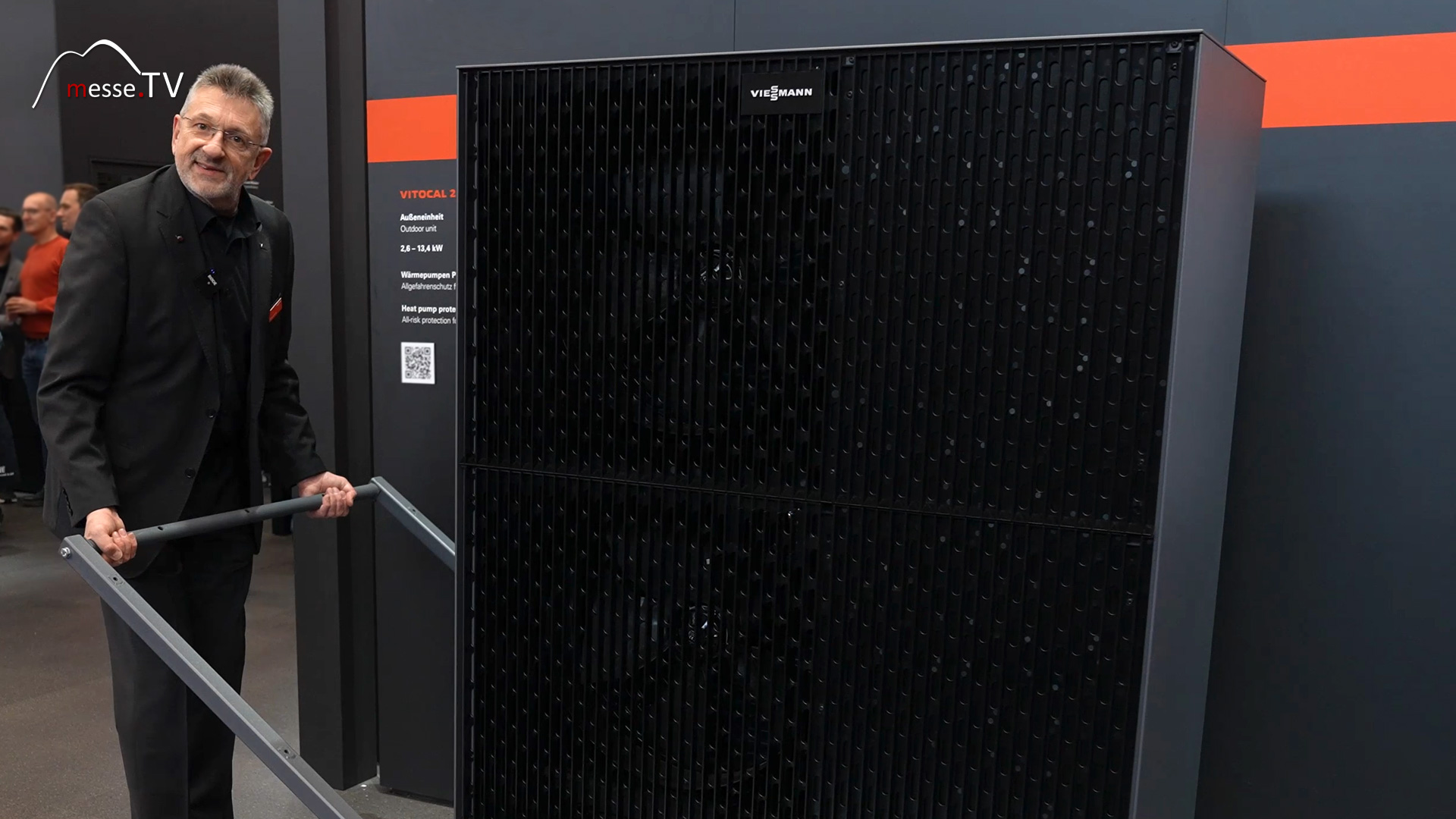
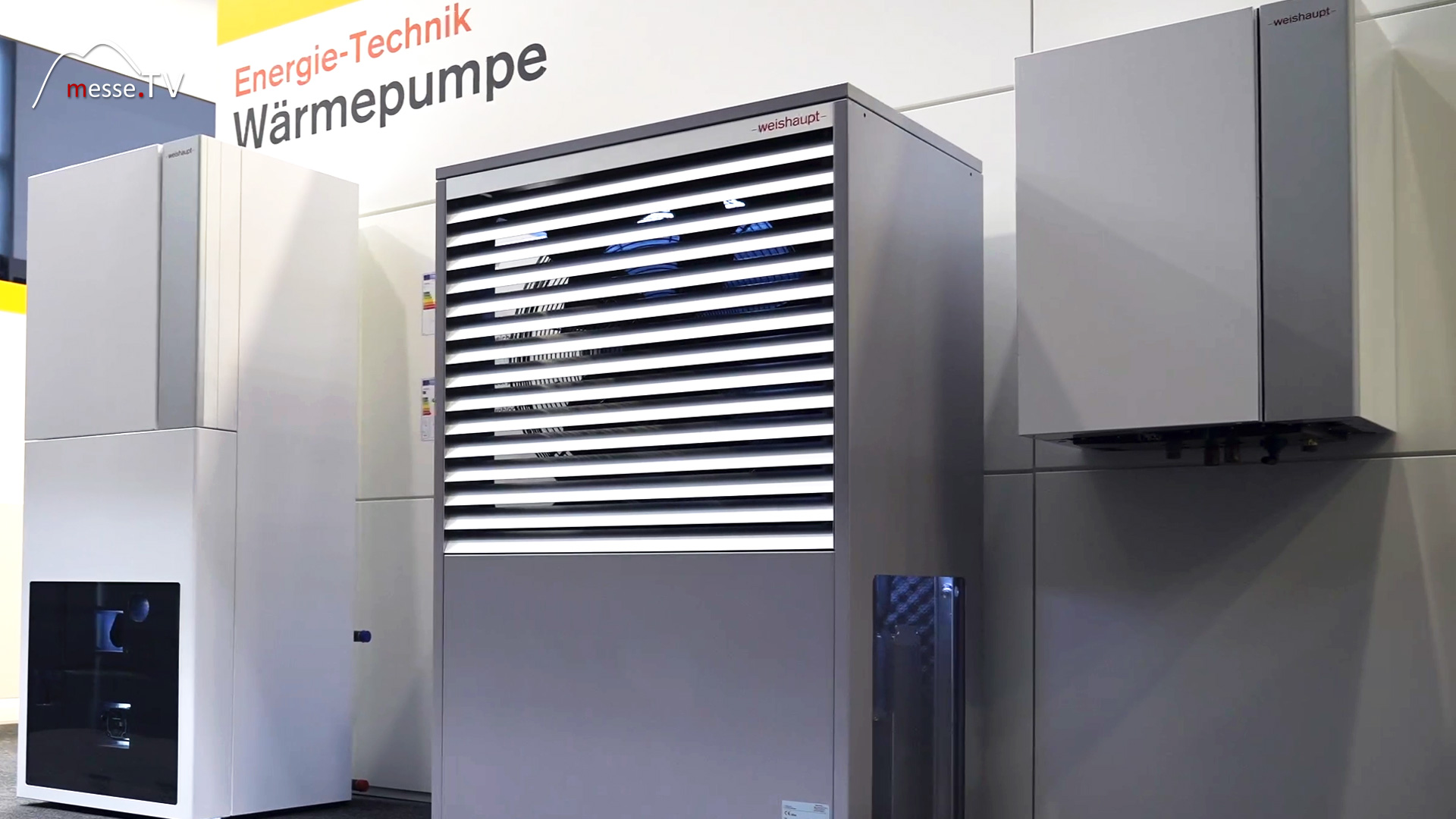
Another key product is the new Compress 5800 and 6800 er heat pump series. These are air-to-water heat pumps that use the natural refrigerant propane. This enables high flow temperatures and makes the units particularly suitable for use in existing buildings, where existing radiators often require higher temperatures.
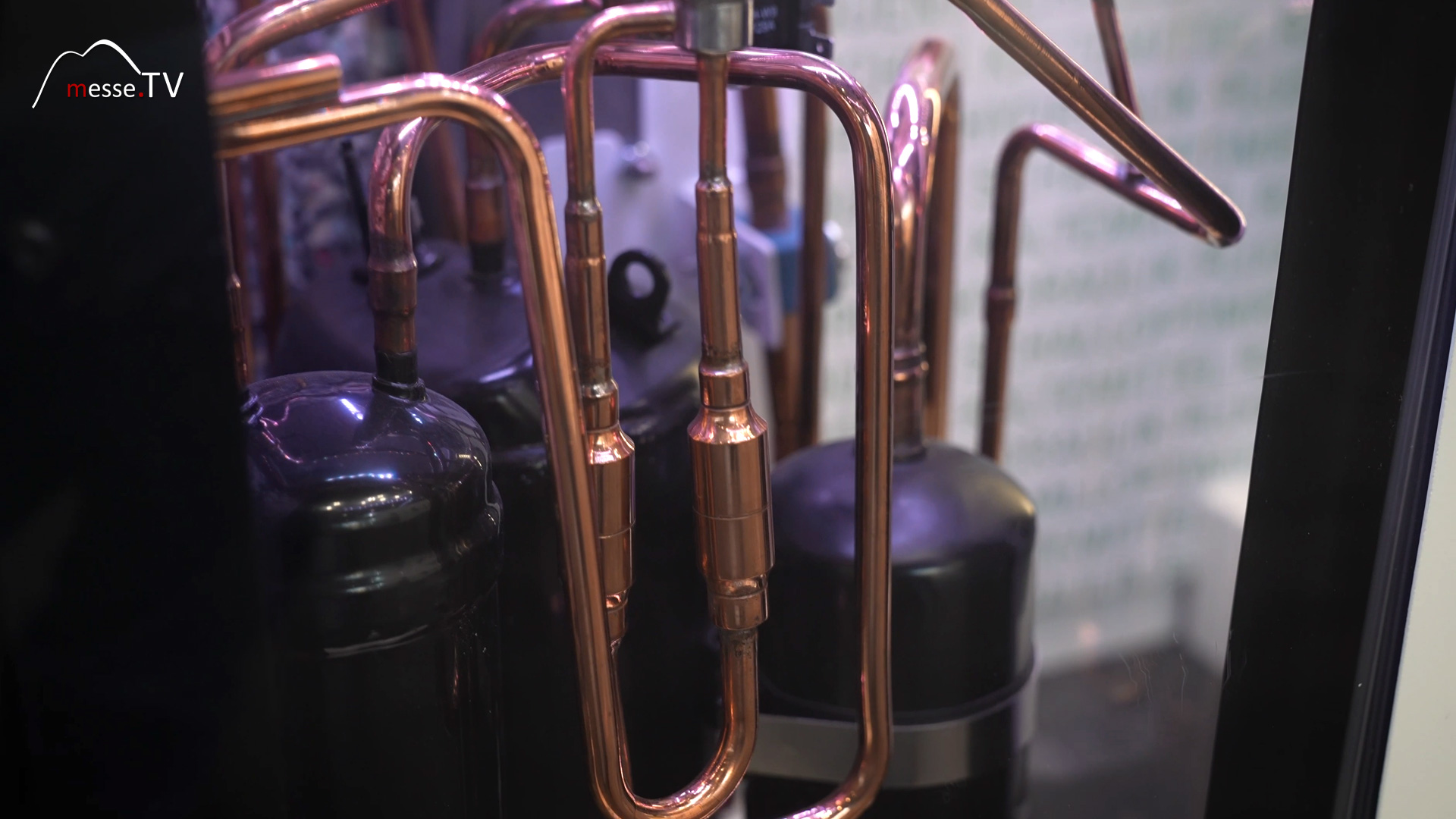
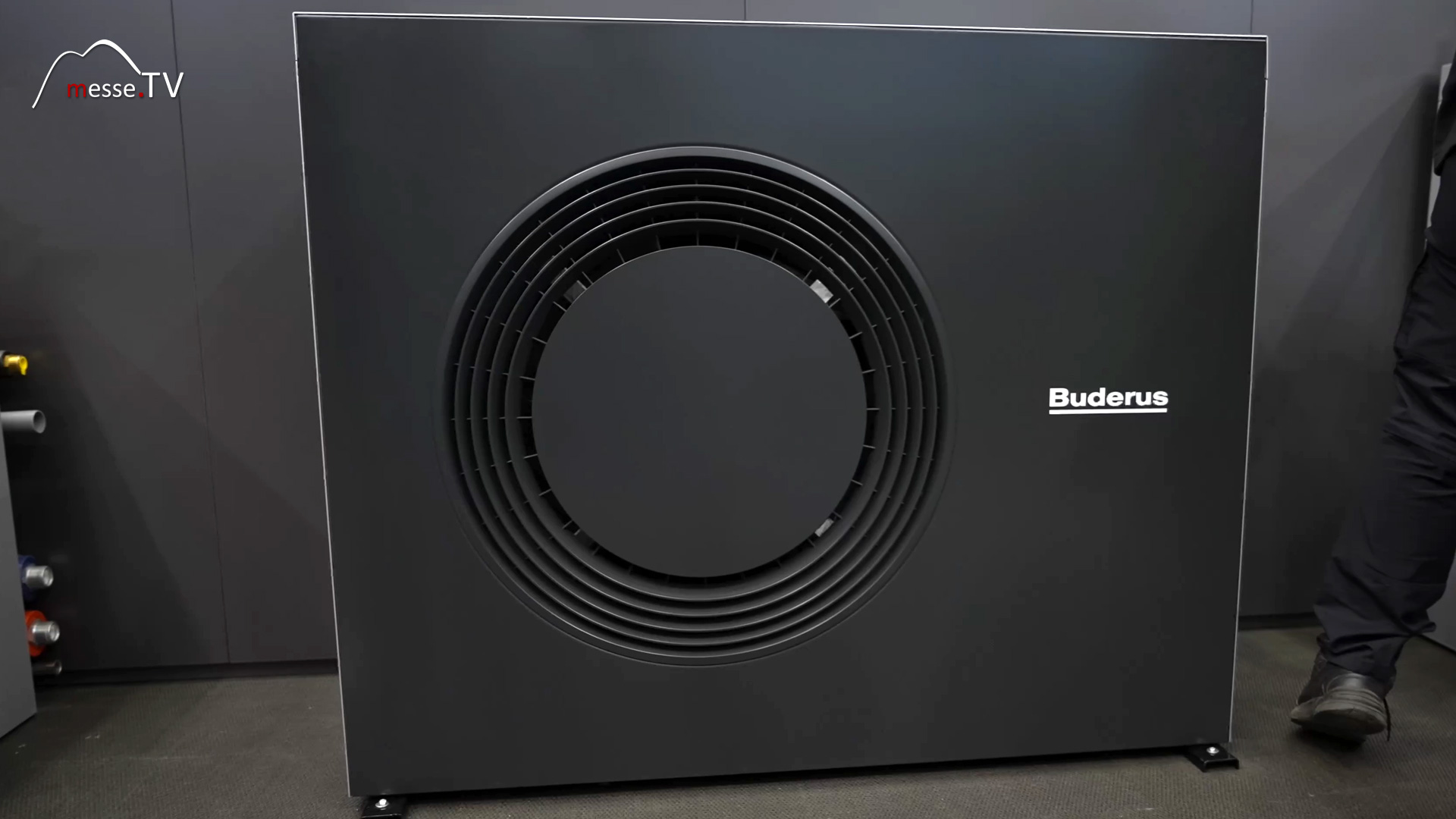
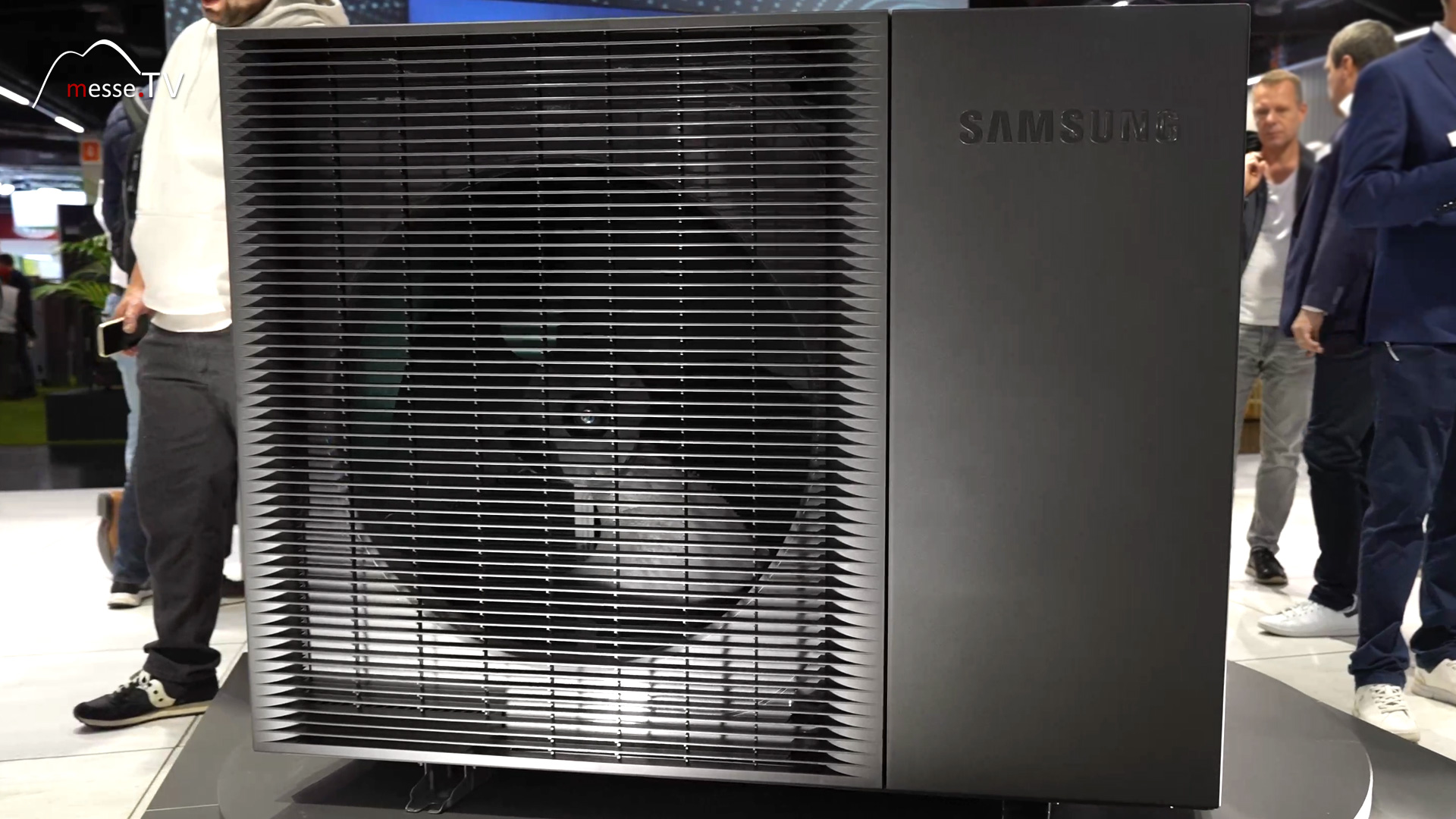
In addition to the technical design, the appearance also plays a role. The outdoor units are deliberately compact and available in two housing sizes. The smaller version covers lower output ranges, while the larger version is designed for buildings with higher heat requirements. This allows the system to be tailored precisely to different types of buildings. Another focus is on noise. The units have integrated sound diffusers and a complex insulated refrigeration circuit box. In practice, the heat pumps are barely noticeable, which is a decisive factor, especially in densely built-up residential areas.
Focus on practicality and reducing the workload for tradespeople
Bosch Home Comfort takes a clearly practical approach to the development of its systems. The aim is to reduce the workload for installers and at the same time accelerate the switch to heat pump technology. This includes not only an easy-to-install outdoor unit, but also the consistent integration of many components into the indoor units. Important features of this system philosophy include:
- Reduced number of external components
- Preconfigured hydraulic components
- Clear system structure for quick commissioning
- High flexibility in the interaction between heat pump and condensing boiler technology
Heat pumps as a key technology in the energy transition
Regardless of the specific design, heat pumps remain the central technology in the current heating transition. Several kilowatt hours of usable heat can be obtained from one kilowatt hour of energy, much of which comes directly from the environment. In combination with hybrid solutions, this creates a system that combines efficiency, security of supply and cost-effectiveness. Bosch Home Comfort is clearly positioning itself in this area with its hybrid systems and heat pumps. The systems are designed to make the transition from fossil fuels to renewable heat supply realistic and feasible. Especially for existing buildings, this approach offers a practical bridge between the past and future of heating technology.
Trade fair reporting Germany - Trade fair knowledge, dates & events


