Bosch: Technologiekonzern zwischen Industrie, Alltag und Transformation
Bosch zählt zu den weltweit bedeutendsten Technologieunternehmen und ist in zahlreichen Branchen aktiv. Der Konzern entwickelt und produziert Lösungen für Mobilität, Industrie, Gebäude, Energieversorgung sowie für den privaten Haushalt. Charakteristisch für Bosch ist die Verbindung aus industrieller Fertigung, Systemkompetenz und langfristig angelegter Forschung, die sich in sehr unterschiedlichen Anwendungsfeldern widerspiegelt.
Von der Werkstatt zum globalen Technologieverbund
Die Ursprünge von Bosch liegen in Stuttgart, wo Robert Bosch eine Werkstätte für Feinmechanik und Elektrotechnik gründete. In den Anfangsjahren konzentrierte sich das Unternehmen auf technische Komponenten für Motoren und legte damit den Grundstein für die spätere Bedeutung im Automobilbereich. Entscheidend für die weitere Entwicklung war die frühe Ausrichtung auf Qualität, Zuverlässigkeit und eigene Entwicklungsleistungen. Im Laufe der Zeit wuchs Bosch zu einem international tätigen Konzern heran, der seine Aktivitäten schrittweise diversifizierte. Neben der Mobilitätstechnik traten Industrieanwendungen, Haushaltsgeräte sowie Lösungen für Energie- und Gebäudetechnik. Diese breite Aufstellung ist bis heute ein zentrales Merkmal des Unternehmens und trägt zur Stabilität in einem sich wandelnden Technologiemarkt bei.
Bosch im Messe- und Innovationsumfeld
Bosch ist regelmäßig auf internationalen Fachmessen und Technologiekongressen vertreten. Dort werden keine isolierten Produkte gezeigt, sondern komplette Systemlösungen, die oft mehrere Geschäftsbereiche miteinander verbinden. Messeauftritte dienen dabei nicht nur der Präsentation neuer Technologien, sondern auch dem Dialog mit Industriepartnern, Planern und Anwendern. Für eine redaktionelle Einordnung ist dieser Kontext besonders relevant. Sichtbar wird, wie Bosch technologische Entwicklungen einordnet, auf regulatorische Anforderungen reagiert und Zukunftsthemen wie Automatisierung, Energieeffizienz oder vernetzte Systeme strategisch zusammenführt.
Beiträge zu Bosch auf Messe.TV
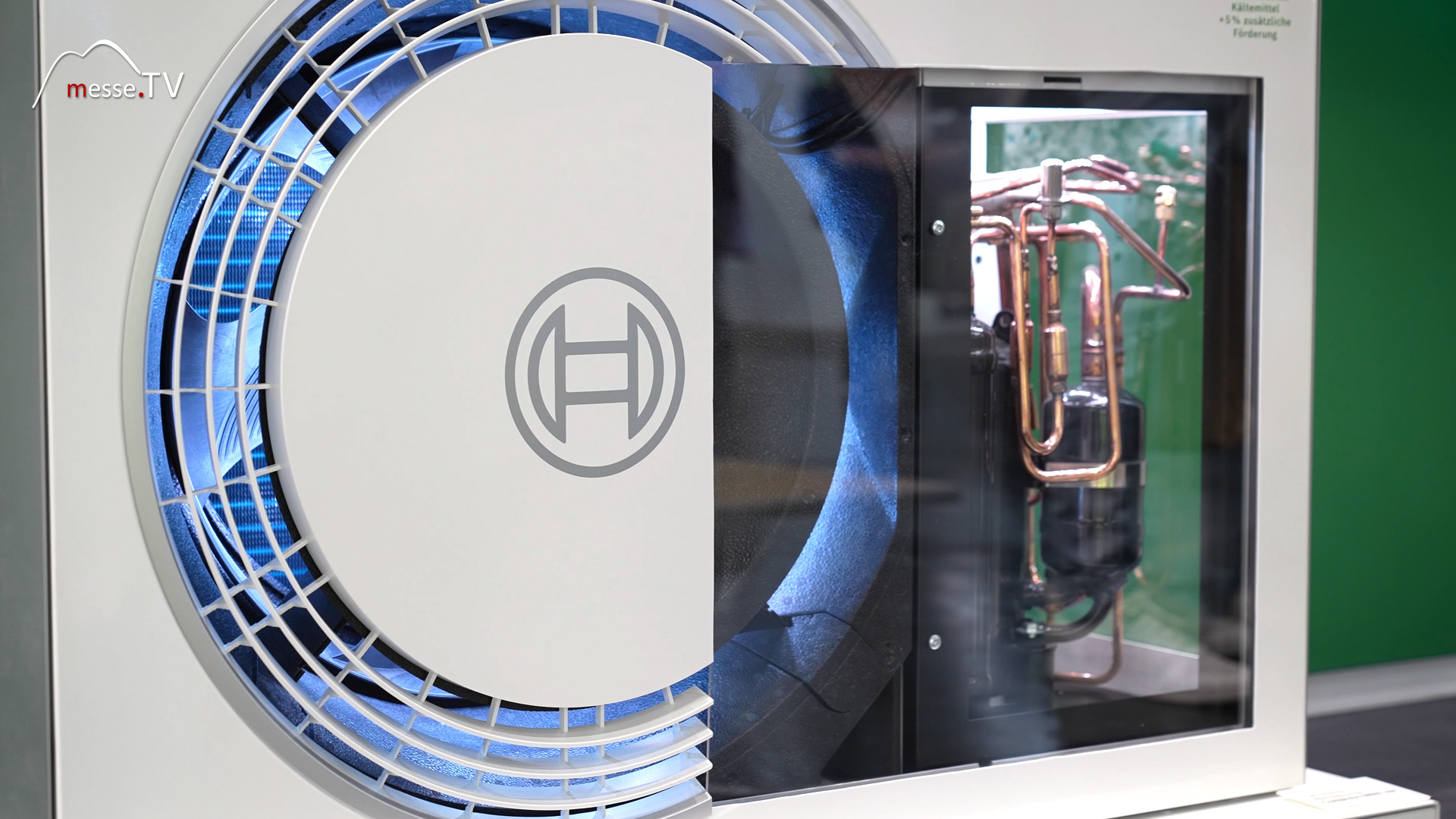
Wärmepumpe für Sanierung und Mehrfamilienhaus
Die Wärmepumpe steht im Zentrum einer Entwicklung, die den Heizungsmarkt grundlegend verändert. Mit der CS 8800iAW zeigt Bosch ein System, das gezielt... Wärmepumpe zentrales Thema am Heizungsmarkt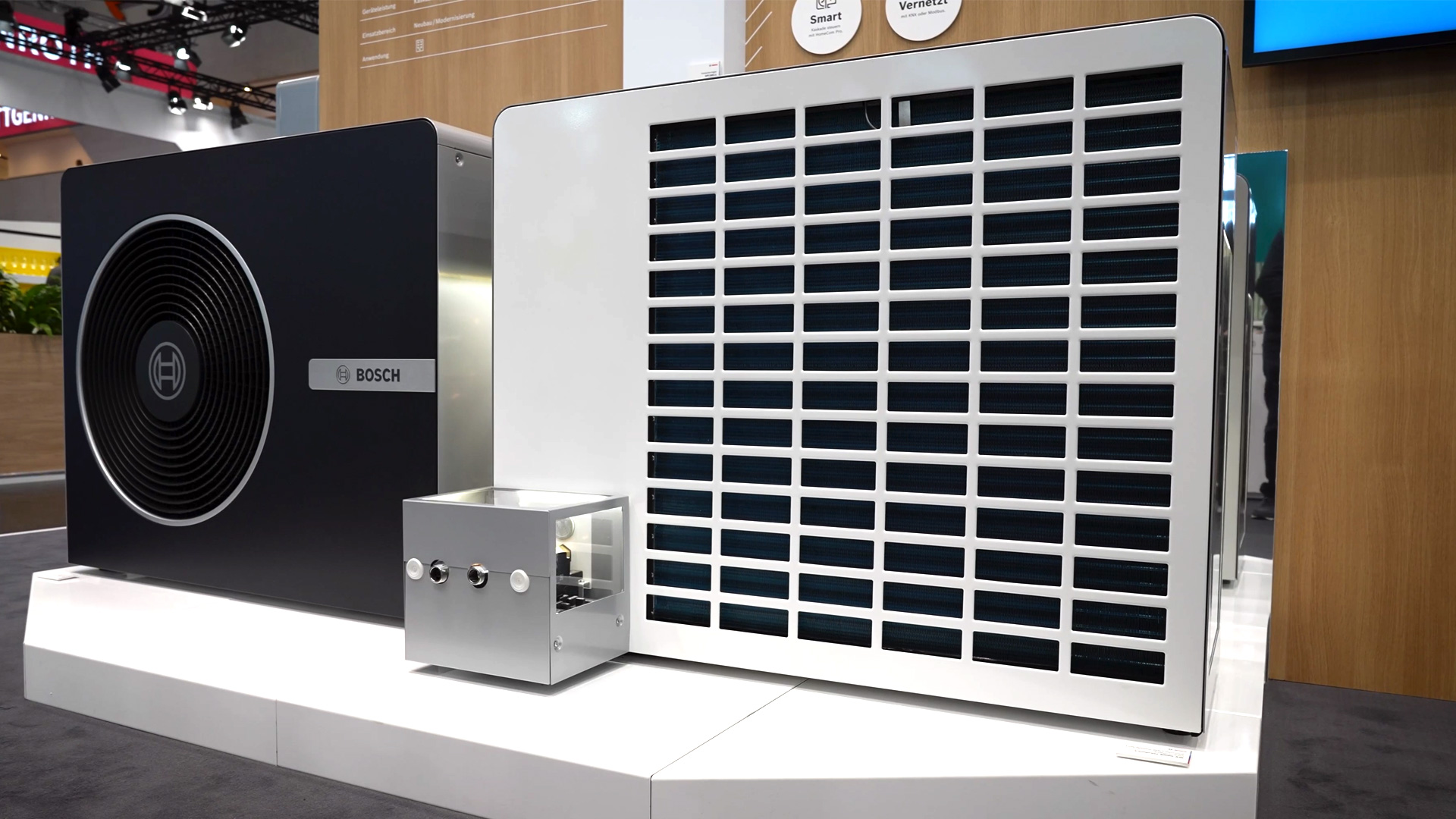
Bosch Cookit mit AI Recipe Converter: Highlight der IFA 2025
Auf der IFA 2025 in Berlin rückt Bosch mit dem Cookit ein Feature in den Mittelpunkt, das den Küchenalltag neu definiert: den AI Recipe Converter. Die... Bosch Cookit mit AI Recipe Converter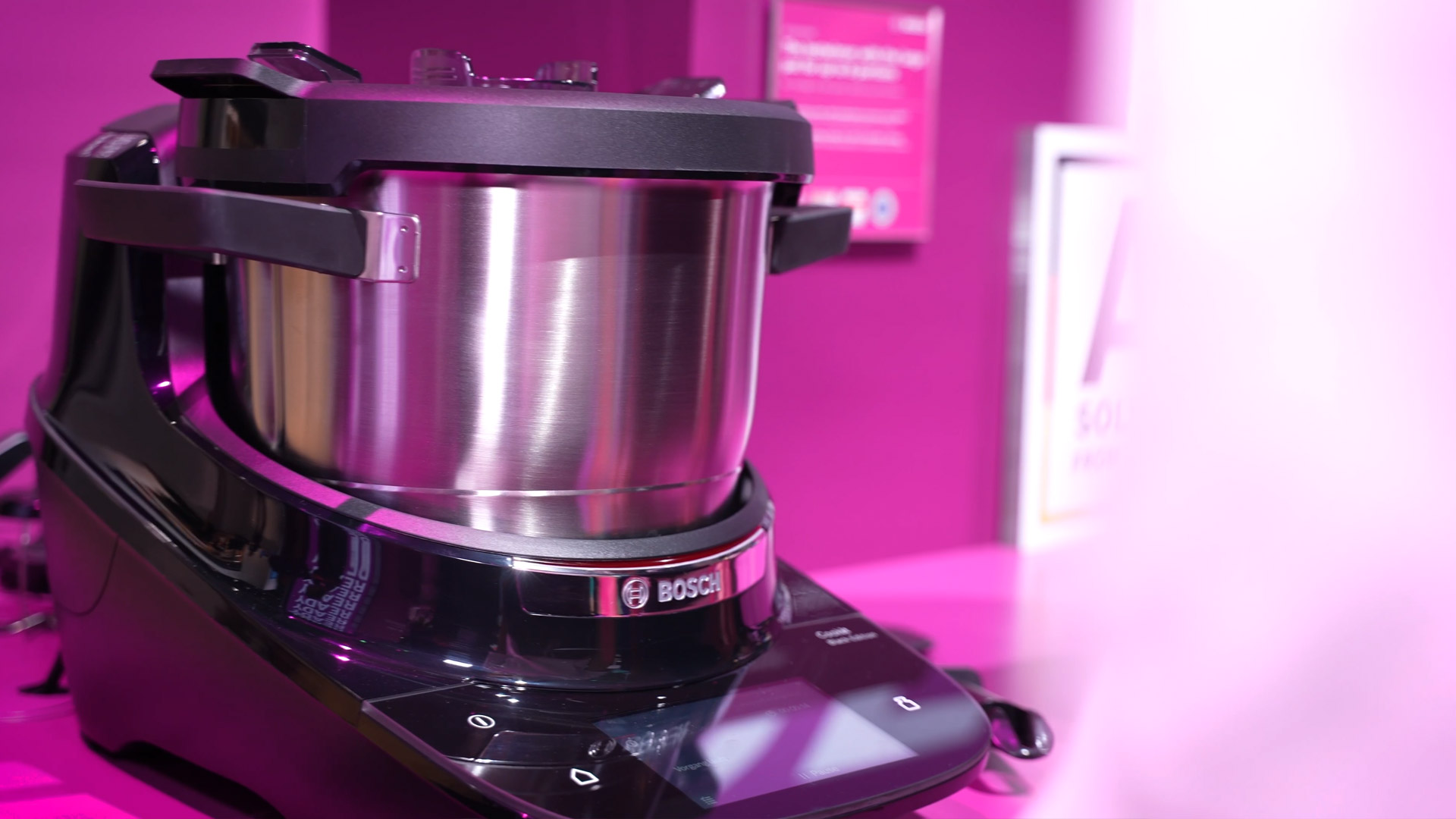
Bosch: Vorstellung des AMPShare Akku-System
Die Vorstellung des Bosch AMPShare Akku-System zeigt, wie das Bosch AMPShare System eine neue Form markenübergreifende Akku-Flexibilität im profession... Ein Akku für viele Marken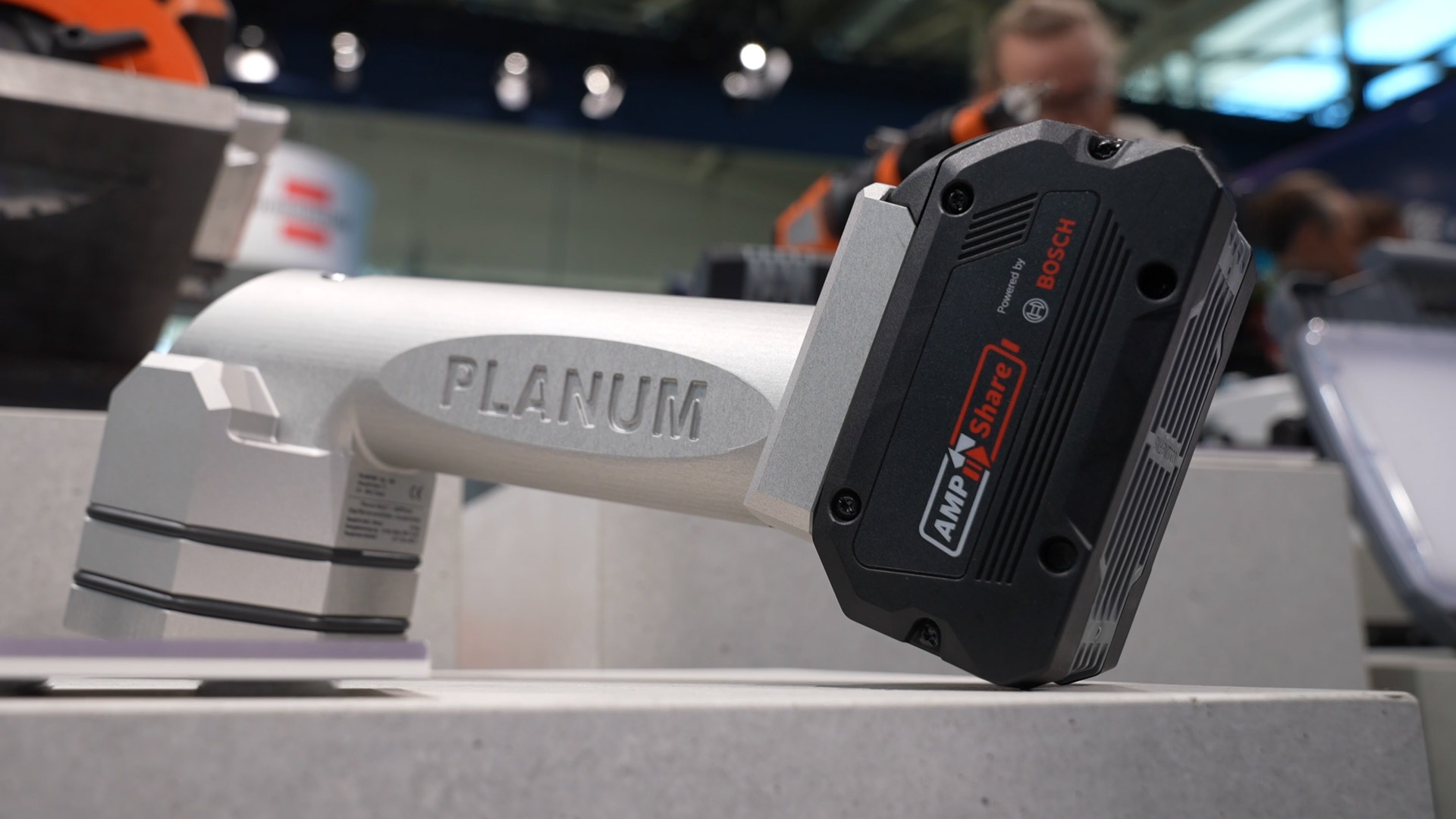
Bosch Home Comfort - Hybridheizungen und Wärmepumpen
Die Transformation der Heiztechnik ist längst kein abstraktes Zukunftsthema mehr, sondern findet konkret in Kellern, Heizzentralen und Technikräumen s... Bosch Home Comfort Wärmepumpen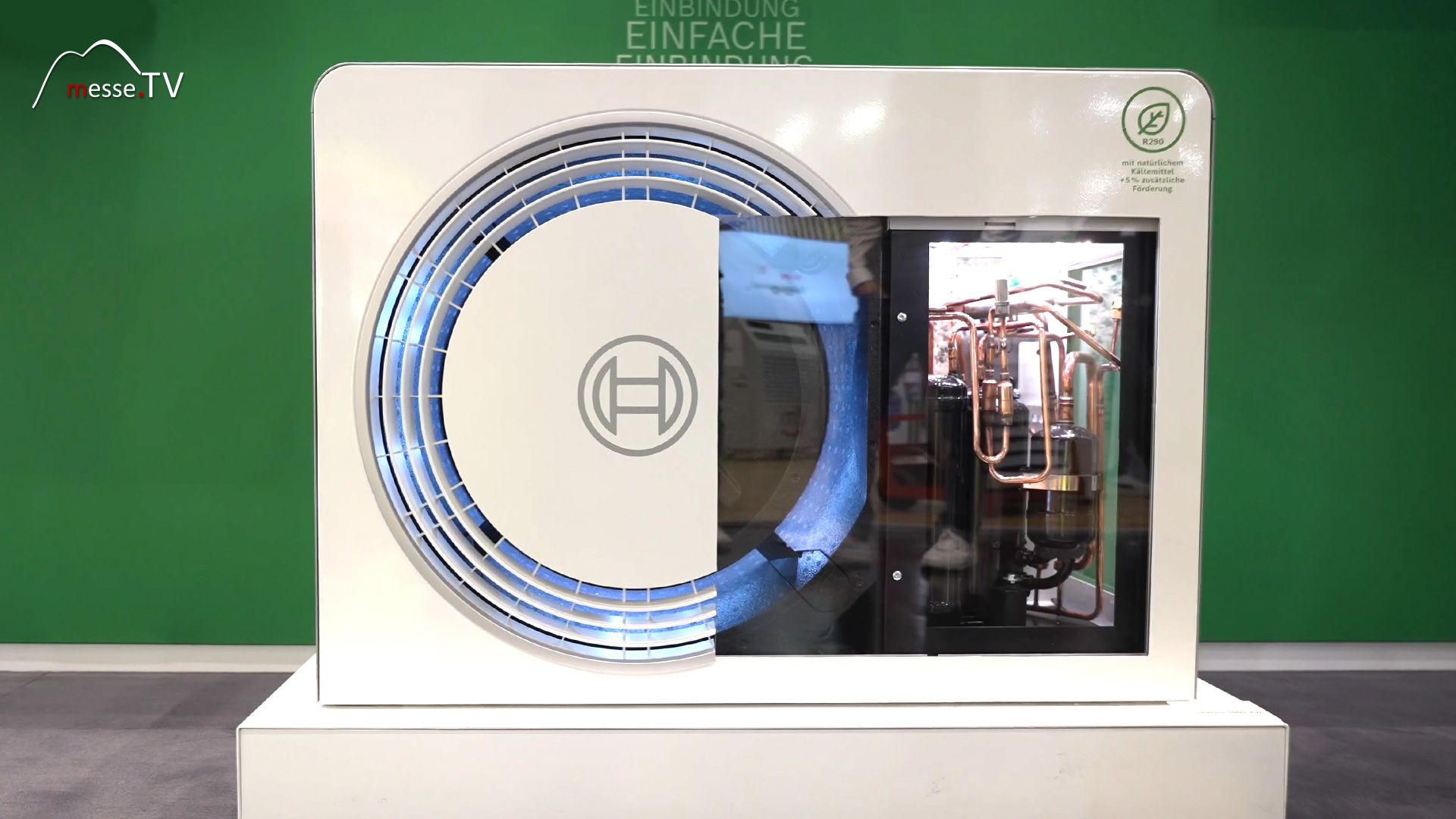
Automationssysteme - Bosch Rexroth
Time Sensitive Networking oder kurz TSN ist in einer intelligenten Fabrik ein wichtiger Bestandteil. Eine Stärke von Bosch-Rexroth ist es bestehende T... Automationssysteme - Bosch Rexroth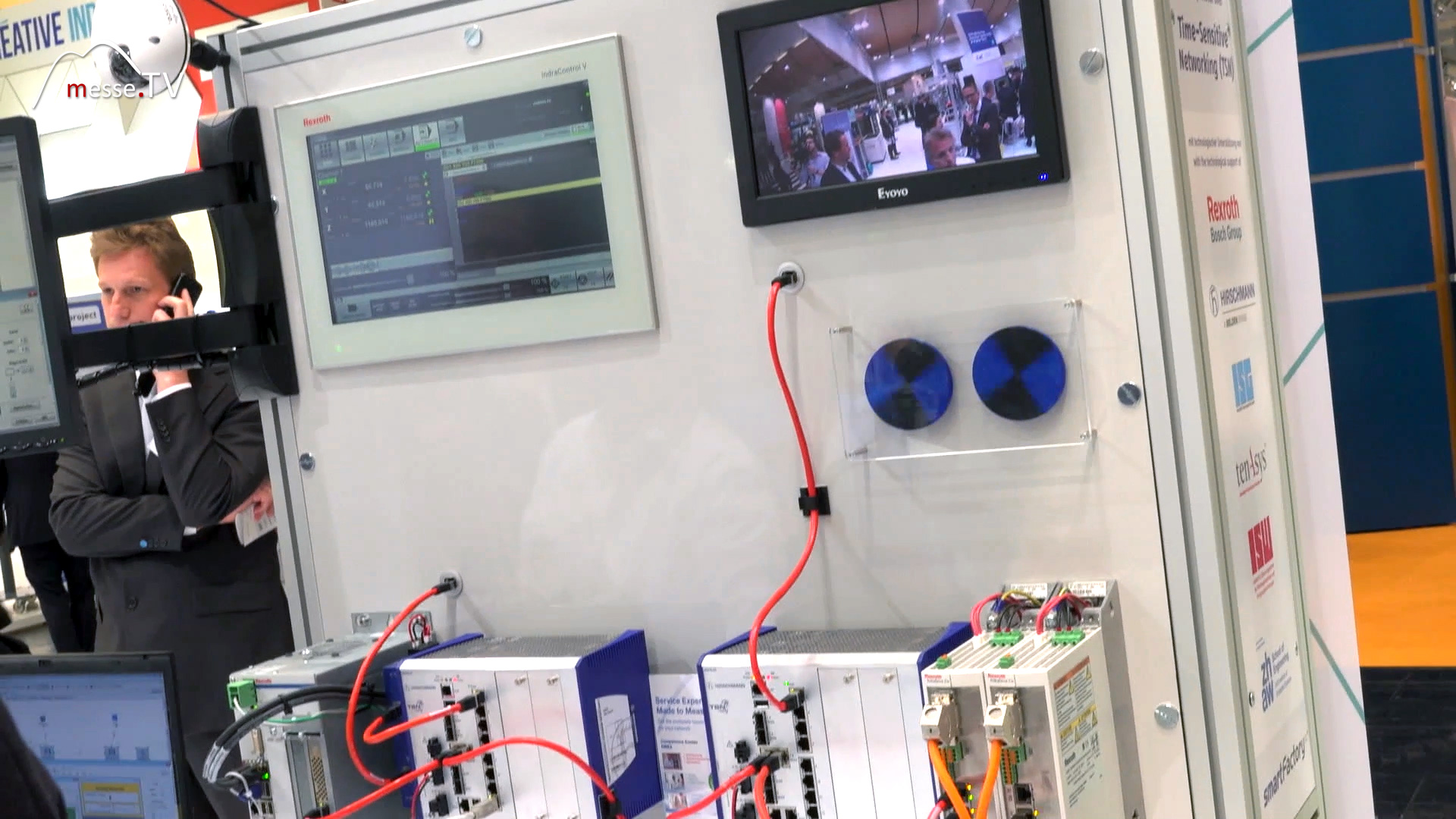
Breites Portfolio von Mobilität bis Gebäudetechnik
Das Produkt- und Leistungsportfolio von Bosch ist entsprechend der Konzernstruktur vielfältig. In der Mobilität entwickelt das Unternehmen Komponenten, Software und Systeme für moderne Fahrzeuge. In der Industrie liefert Bosch Lösungen für Automatisierung, Antriebstechnik und vernetzte Produktionsumgebungen. Im Bereich der Gebrauchsgüter ist die Marke vor allem durch Haushaltsgeräte und Elektrowerkzeuge präsent. Zentrale Tätigkeitsfelder lassen sich unter anderem wie folgt zusammenfassen:
- Technologien für Fahrzeuge und Mobilitätssysteme
- Automatisierungs- und Steuerungslösungen für die Industrie
- Haushaltsgeräte und smarte Küchensysteme
- Elektrowerkzeuge für Handwerk und Industrie
- Energie- und Gebäudetechnik, etwa Heiz- und Wärmepumpensysteme
Forschung, Nachhaltigkeit und langfristige Verantwortung
Forschung und Entwicklung sind zentrale Bestandteile der Unternehmensstrategie. Bosch investiert kontinuierlich in neue Technologien, um Effizienz, Sicherheit und Ressourcenschonung zu verbessern. Themen wie Elektrifizierung, Digitalisierung und intelligente Vernetzung prägen viele Entwicklungsprojekte über Geschäftsbereiche hinweg. Gleichzeitig spielt Nachhaltigkeit eine zunehmend wichtige Rolle. Energieeffiziente Produkte, langlebige Systeme und Lösungen zur Reduzierung von Emissionen sind fester Bestandteil der technologischen Ausrichtung. Ergänzt wird dieser Ansatz durch gesellschaftliches Engagement, das über die unternehmenseigene Stiftung langfristig in Bereiche wie Bildung, Gesundheit und internationale Verständigung wirkt.
Einordnung im internationalen Technologiemarkt
Forschung und Entwicklung sind zentrale Bestandteile der Unternehmensstrategie. Bosch investiert kontinuierlich in neue Technologien, um Effizienz, Sicherheit und Ressourcenschonung zu verbessern. Themen wie Elektrifizierung, Digitalisierung und intelligente Vernetzung prägen viele Entwicklungsprojekte über Geschäftsbereiche hinweg. Gleichzeitig spielt Nachhaltigkeit eine zunehmend wichtige Rolle. Energieeffiziente Produkte, langlebige Systeme und Lösungen zur Reduzierung von Emissionen sind fester Bestandteil der technologischen Ausrichtung. Ergänzt wird dieser Ansatz durch gesellschaftliches Engagement, das über die unternehmenseigene Stiftung langfristig in Bereiche wie Bildung, Gesundheit und internationale Verständigung wirkt.
Messe-Berichterstattung bundesweit - Messewissen, Termine & Veranstaltungen


