Blockheizkraftwerk als dezentrale Energieversorgung mit Strom und Wärme
von Bastian Velonavy - 2024-04-30Die Diskussion um eine verlässliche, wirtschaftliche und zugleich klimabewusste Energieversorgung wird zunehmend differenzierter geführt. Neben Wärmepumpen, Photovoltaik und Speichern rücken Technologien in den Fokus, die Strom und Wärme gleichzeitig erzeugen und damit Verluste minimieren.
Blockheizkraftwerke zählen seit Jahren zu diesen Lösungen, werden aber oft unterschätzt oder vorschnell als Übergangstechnologie eingeordnet. Dabei zeigt sich gerade im Zusammenspiel mit anderen Erzeugern, welches Potenzial in dieser Form der Kraft-Wärme-Kopplung steckt.
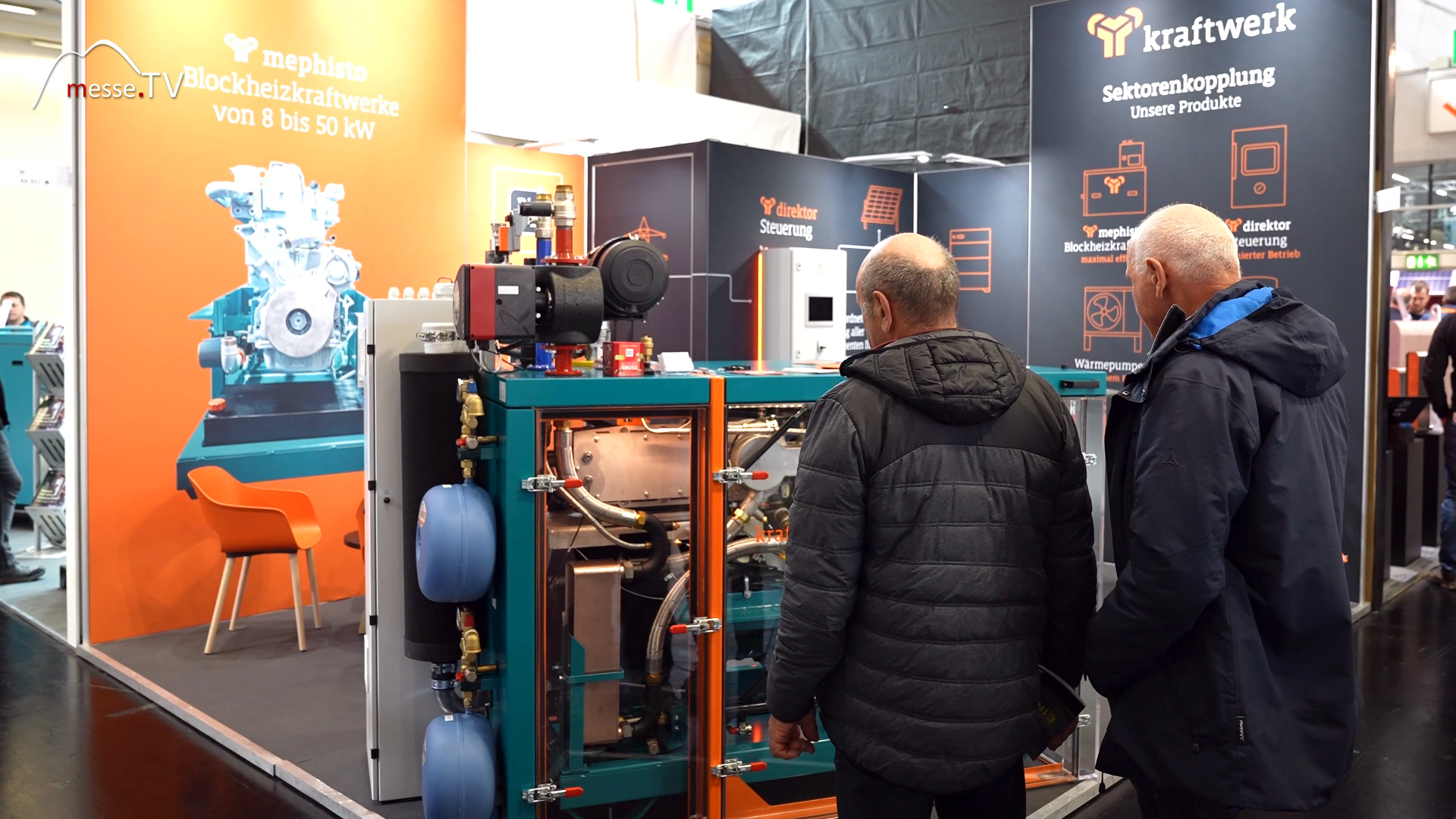
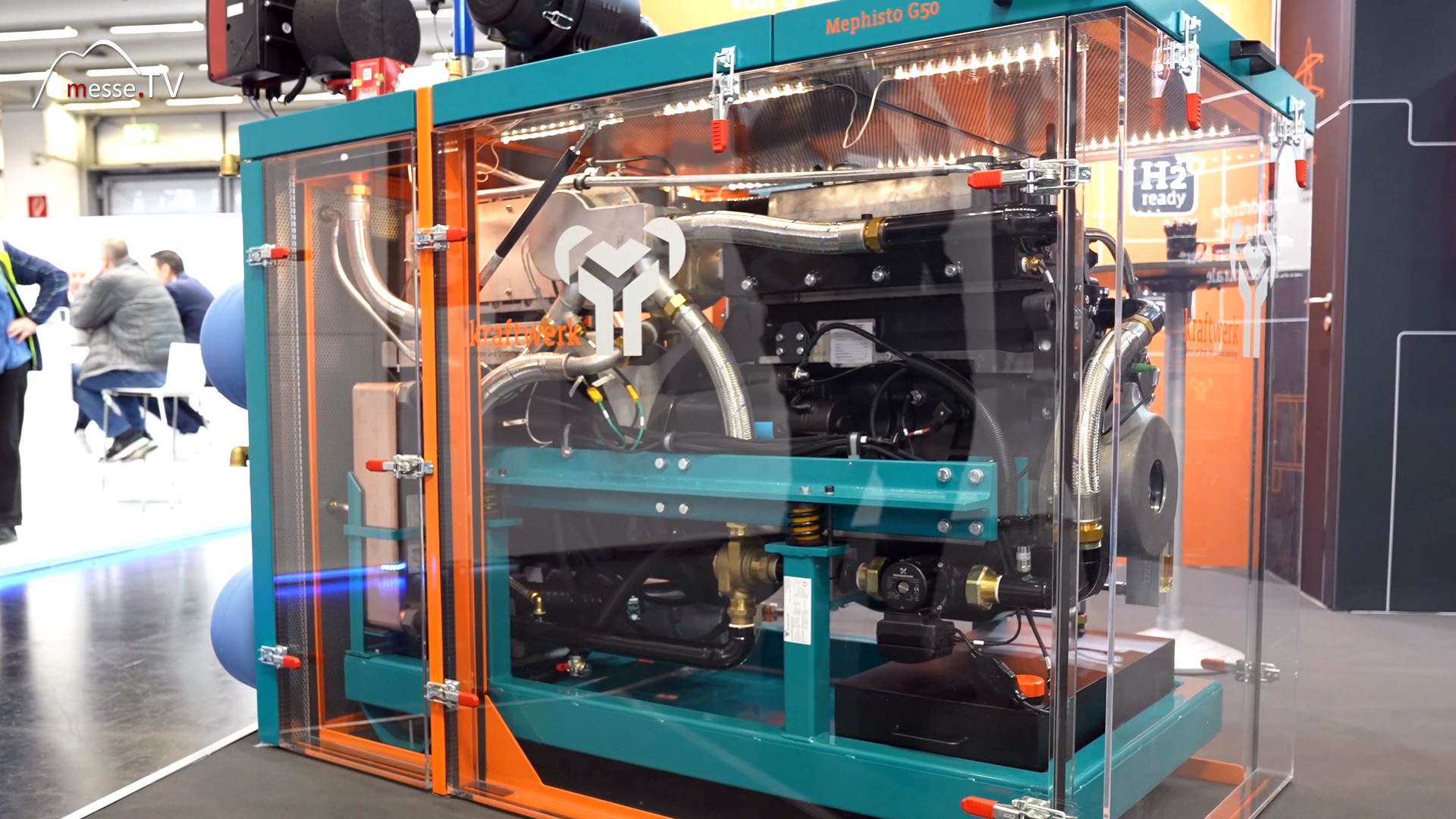
Kraftwerk und der Fokus auf kleinere Leistungsklassen
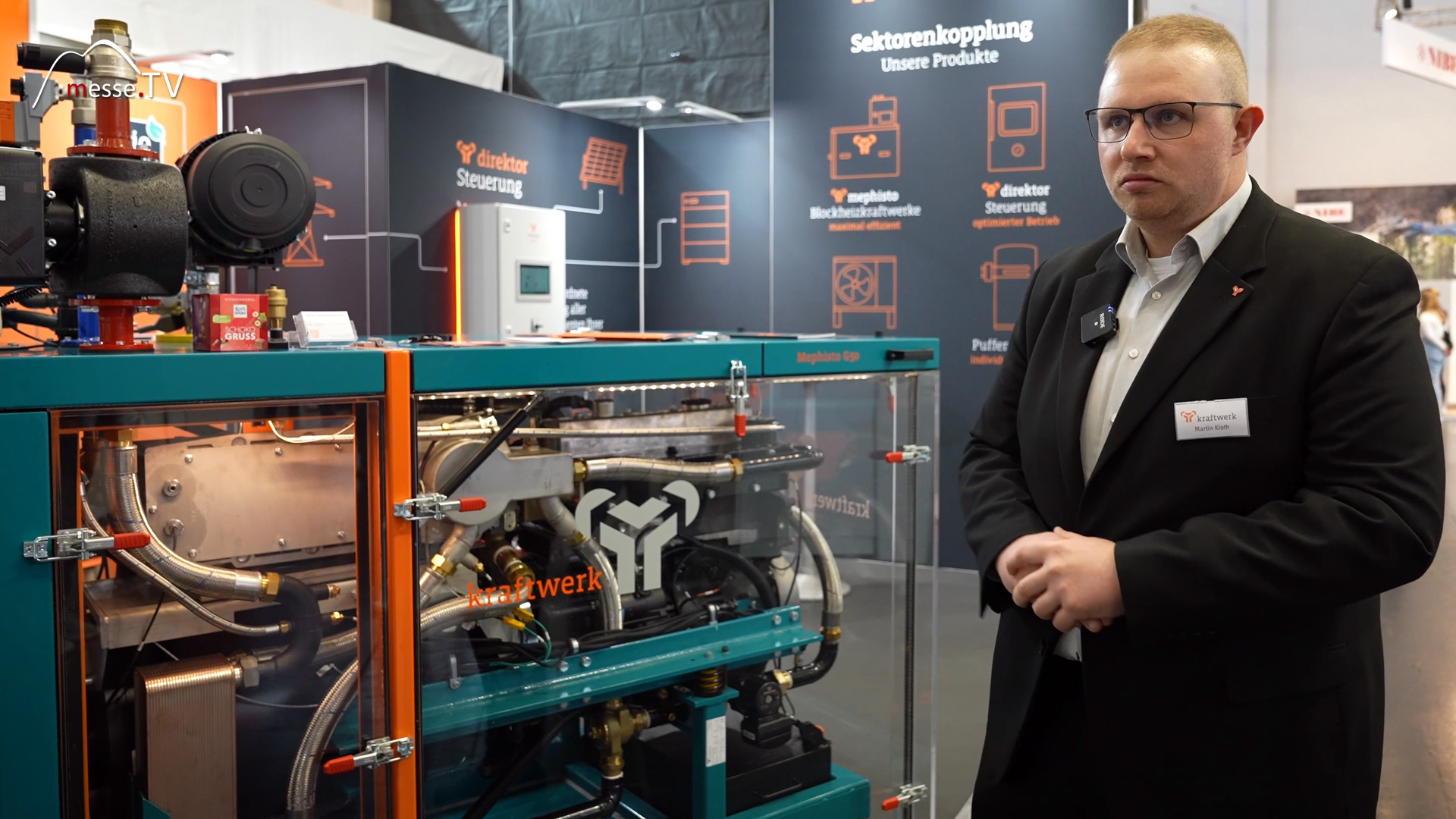
Der Hersteller mit Hauptsitz in Hannover hat sich auf Blockheizkraftwerke im Leistungsbereich von etwa acht bis fünfzig Kilowatt elektrisch spezialisiert. Damit adressiert das Unternehmen nicht die industrielle Großanlage, sondern den typischen Bedarf von Mehrfamilienhäusern, Gewerbeobjekten, kommunalen Einrichtungen oder größeren Einfamilienhäusern. Mit mehreren tausend installierten Anlagen ist die Technik bundesweit etabliert und längst aus der Nische herausgewachsen. Der Anspruch geht dabei über das einzelne Aggregat hinaus. Blockheizkraftwerke werden nicht isoliert betrachtet, sondern als Teil eines Gesamtsystems, das verschiedene Energiequellen miteinander verknüpft. Gerade im Kontext der Sektorenkopplung gewinnt dieser Ansatz an Bedeutung.
Blockheizkraftwerk und Wärmepumpe als kombinierte Lösung
Ein zentraler Gedanke ist die Kombination aus Blockheizkraftwerk und Wärmepumpe. Während das Blockheizkraftwerk Strom und nutzbare Wärme erzeugt, kann der selbst produzierte Strom direkt für den Betrieb der Wärmepumpe eingesetzt werden. Dadurch entstehen Synergien, die sowohl die Wirtschaftlichkeit als auch die energetische Effizienz verbessern. Ergänzt wird dieses Zusammenspiel durch eine übergeordnete Steuerung, die sämtliche Erzeuger im Heizraum koordiniert. Photovoltaik, Blockheizkraftwerk, Netzstrom und gegebenenfalls Batteriespeicher werden in einem System zusammengeführt. Die Regelung entscheidet situationsabhängig, welche Energiequelle zum Einsatz kommt und wie Strom und Wärme optimal genutzt werden.
Technisches Grundprinzip der Kraft-Wärme-Kopplung
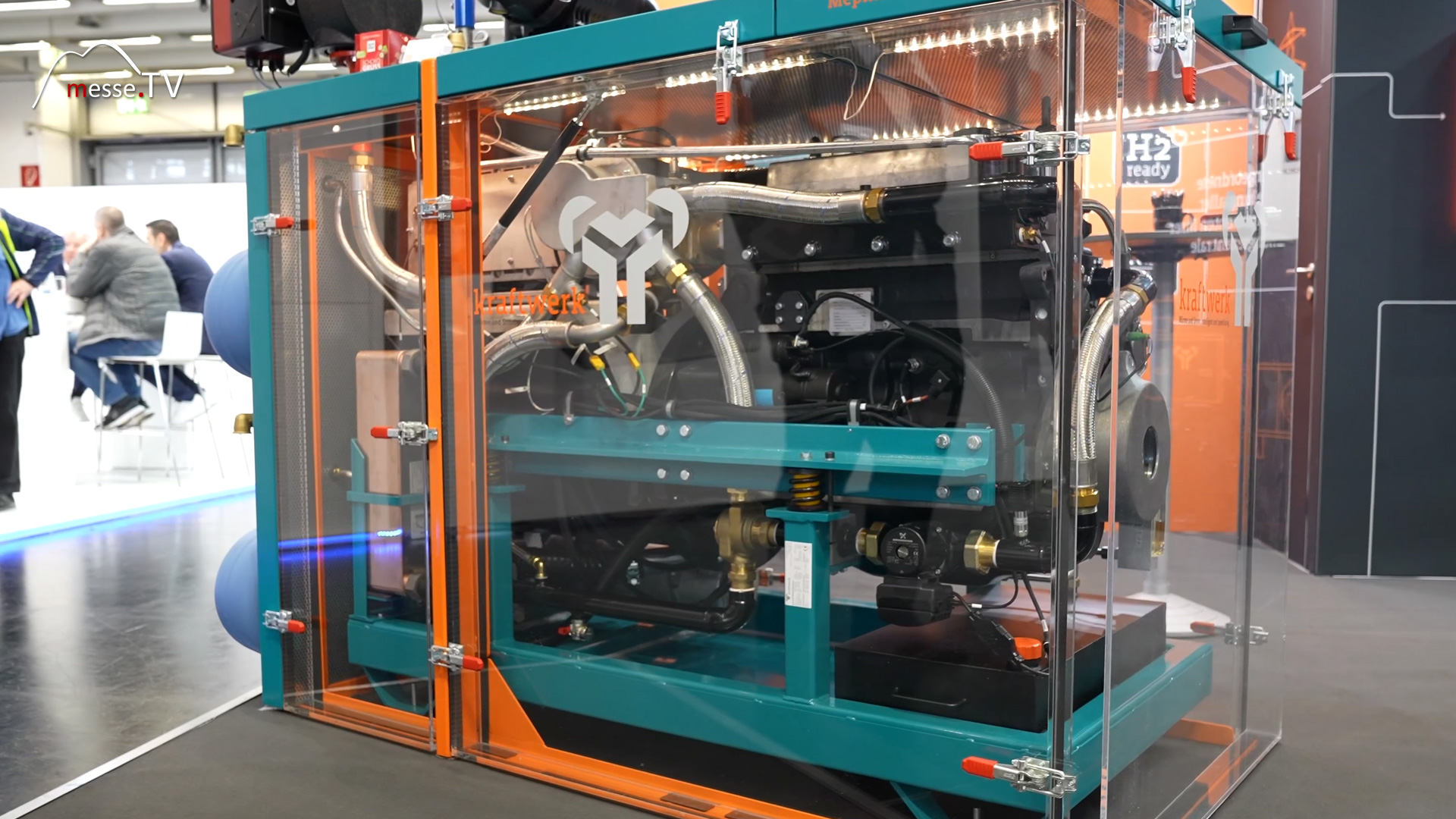
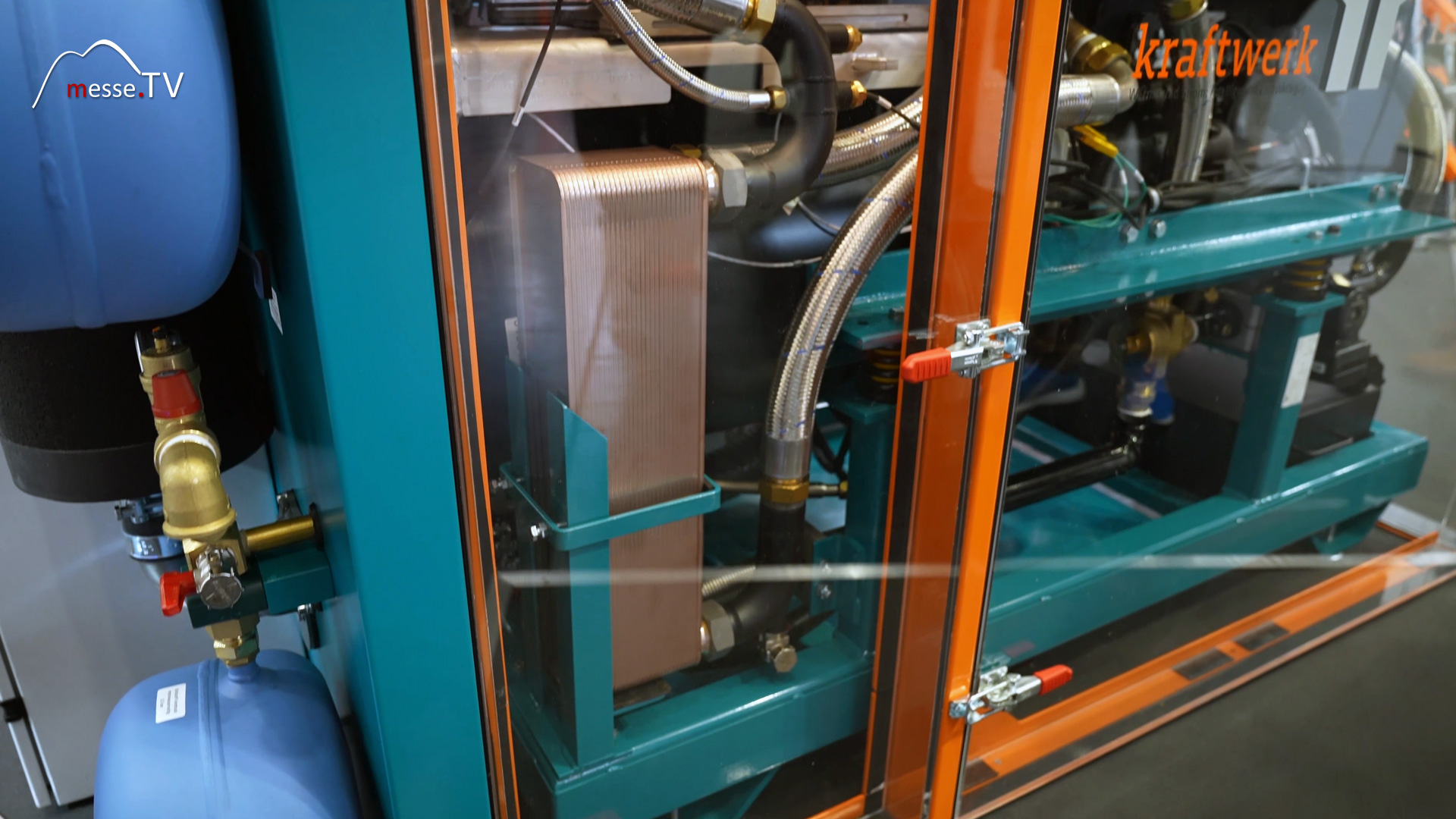
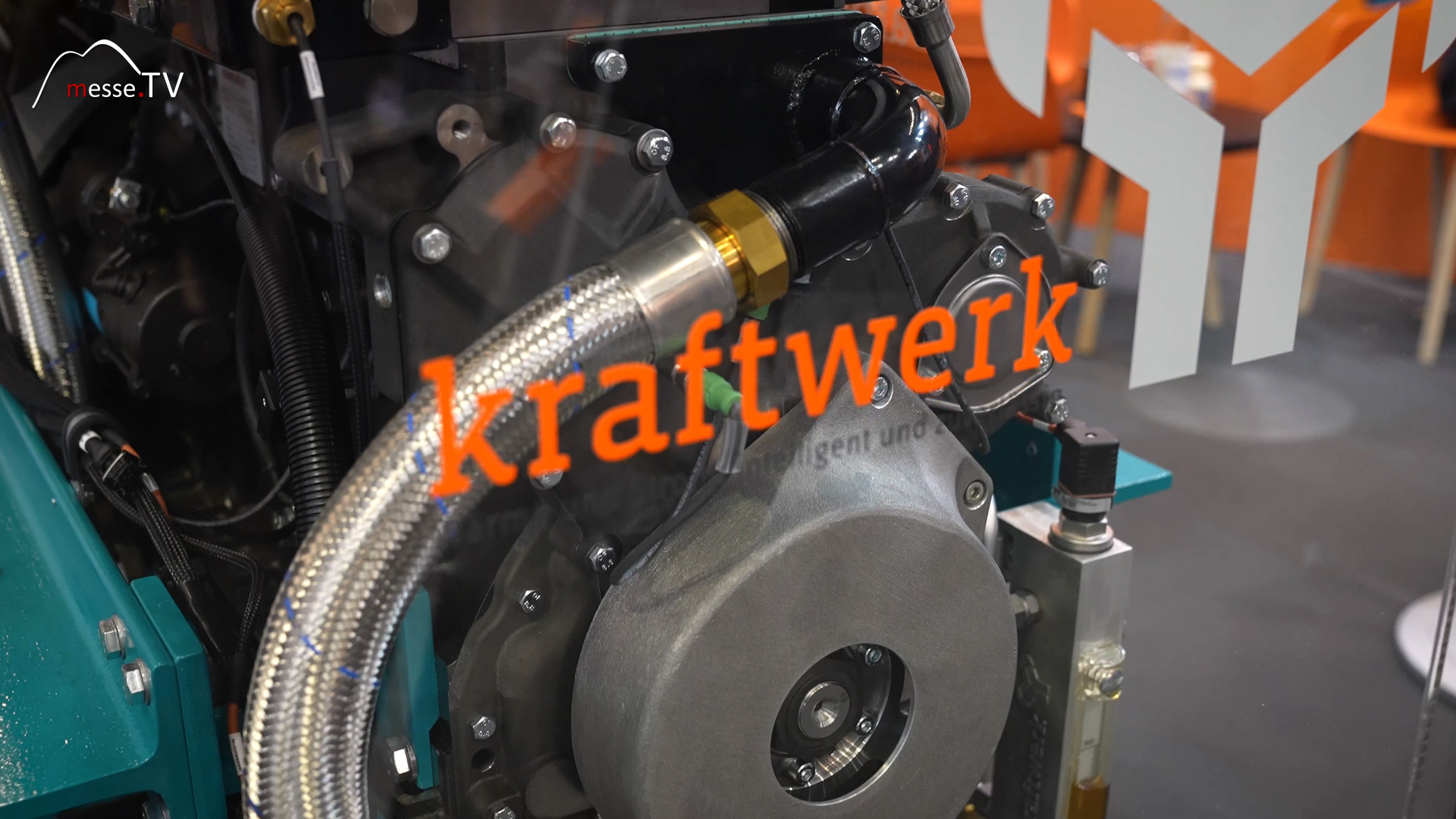
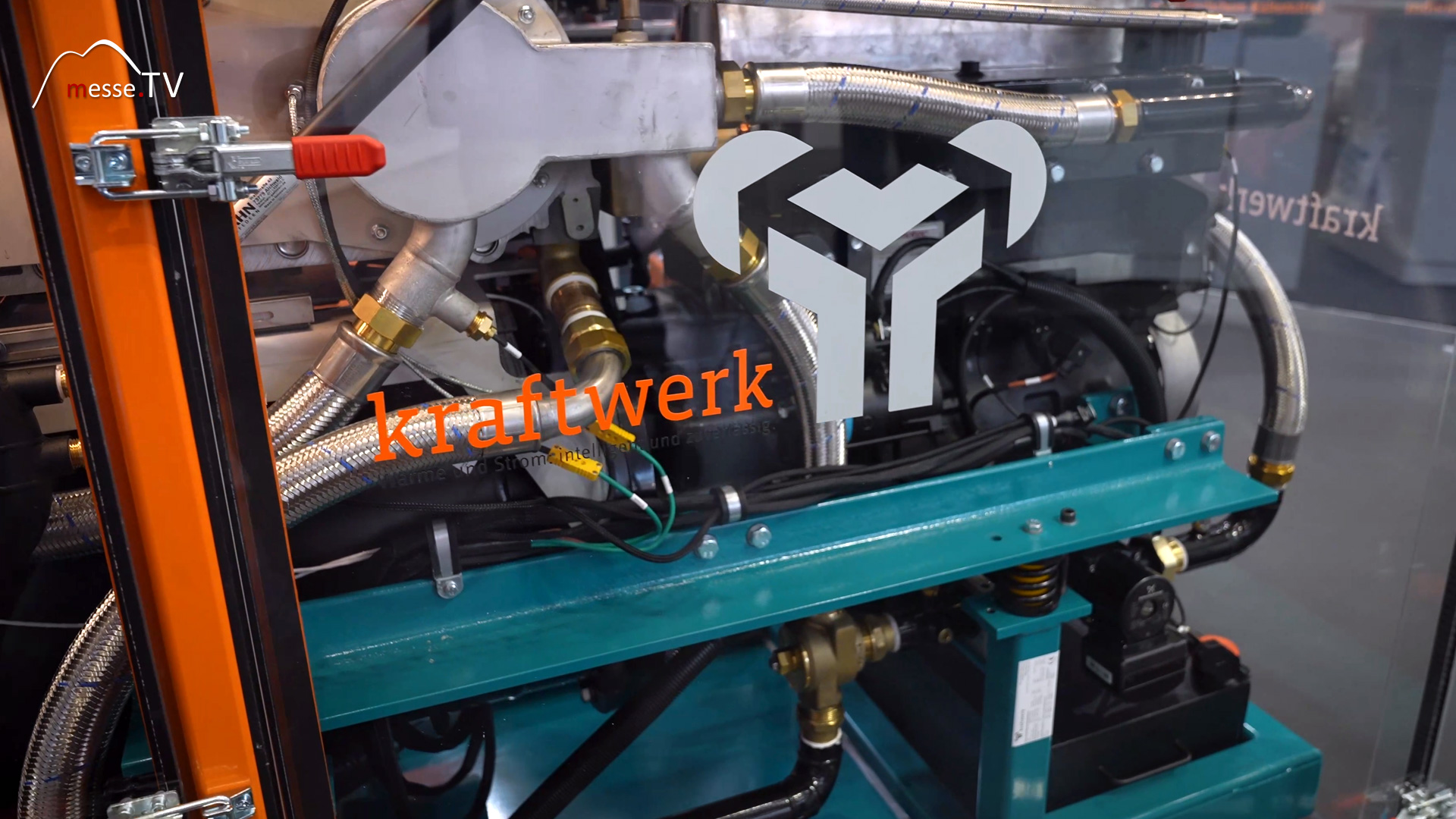
Das Funktionsprinzip eines Blockheizkraftwerks ist vergleichsweise einfach und gerade deshalb robust. Im Zentrum steht ein gasbetriebener Verbrennungsmotor. Dieser treibt einen Generator an, der elektrischen Strom erzeugt. Die bei der Verbrennung entstehende Abwärme wird nicht ungenutzt abgeführt, sondern über Wärmetauscher für Heizung und Warmwasser nutzbar gemacht. Zum Einsatz kommen unterschiedliche Gasarten, darunter Erdgas und Biogas. Die Anlagen sind entsprechend zertifiziert und für den flexiblen Betrieb ausgelegt. Der erzeugte Strom kann direkt im Gebäude genutzt werden oder, je nach Auslegung, vollständig ins öffentliche Netz eingespeist werden.
Hoher Wirkungsgrad durch lokale Energieerzeugung
Der große Vorteil dieser Technologie liegt im Gesamtwirkungsgrad. Während klassische Großkraftwerke einen erheblichen Teil der eingesetzten Energie als Abwärme verlieren, nutzt das Blockheizkraftwerk die Energie nahezu vollständig. Aus einer Einheit Gas entstehen gleichzeitig Strom und Wärme, die vor Ort verwendet werden. Im Ergebnis werden Wirkungsgrade erreicht, die deutlich über denen konventioneller Stromerzeugung liegen. Gerade im Vergleich zu zentralen Kraftwerken wird sichtbar, wie effizient die dezentrale Nutzung von Brennstoffen sein kann. Der Ansatz lautet dabei nicht Verzicht um jeden Preis, sondern möglichst verlustarme Nutzung vorhandener Energieträger.
Wirtschaftlichkeit im Gebäudebetrieb
Für Betreiber ist neben der Effizienz vor allem die Wirtschaftlichkeit entscheidend. Blockheizkraftwerke entfalten ihren Vorteil dort, wo ganzjährig ein gleichmäßiger Wärmebedarf besteht. In solchen Fällen kann die Anlage lange Laufzeiten erreichen, was die Investition rechnet. Typische Einsatzbereiche sind:
- Mehrfamilienhäuser mit zentraler Wärmeversorgung
- Gewerbeimmobilien mit konstantem Energiebedarf
- Kommunale Gebäude wie Schulen oder Pflegeeinrichtungen
- Objekte mit Eigenstromnutzung oder Volleinspeisung
Blockheizkraftwerk als Beitrag zum Klimaschutz
Auf den ersten Blick wirkt der Einsatz gasbetriebener Technik im Kontext von Klimaschutz widersprüchlich. Betrachtet man jedoch den Gesamtzusammenhang, ergibt sich ein differenzierteres Bild. Entscheidend ist der Vergleich zur konventionellen Stromerzeugung. Wird Gas dezentral mit hohem Wirkungsgrad eingesetzt, lassen sich im Ergebnis Emissionen einsparen. Der Ansatz folgt dem Prinzip, Energie dort zu erzeugen, wo sie gebraucht wird, anstatt Verluste durch Transport und Umwandlung in Kauf zu nehmen. In Kombination mit Biogas oder perspektivisch mit regenerativen Gasen kann dieser Effekt weiter verstärkt werden.
Integration in moderne Energiesysteme
Die Stärke moderner Blockheizkraftwerke liegt zunehmend in ihrer Einbindung in komplexe Energiesysteme. Durch intelligente Steuerungen lassen sich Lastspitzen abfedern, Eigenverbrauchsquoten erhöhen und verschiedene Erzeuger flexibel kombinieren. Gerade im Zusammenspiel mit Photovoltaik entsteht ein System, das Stromerzeugung und Wärmebereitstellung bedarfsgerecht koppelt. Auch für Quartierslösungen oder kleinere Nahwärmenetze bietet sich diese Technik an. Hier können mehrere Gebäude von einer zentralen Anlage versorgt werden, ohne auf die Effizienzvorteile der Kraft-Wärme-Kopplung zu verzichten.
Dezentrale Effizienz statt zentraler Großlösung
Blockheizkraftwerke stehen exemplarisch für einen pragmatischen Ansatz der Energiewende. Anstatt ausschließlich auf zentrale Großstrukturen zu setzen, rückt die dezentrale, effiziente Nutzung von Energie in den Vordergrund. Strom und Wärme werden gemeinsam erzeugt, direkt genutzt und intelligent gesteuert. Damit wird deutlich, dass Blockheizkraftwerke mehr sind als eine Brückentechnologie. In gut geplanten Systemen können sie einen stabilen, wirtschaftlichen und effizienten Beitrag zur Energieversorgung leisten, insbesondere dort, wo kontinuierlicher Wärmebedarf auf flexible Stromnutzung trifft.

Messe-Berichterstattung bundesweit - Messewissen, Termine & Veranstaltungen


