Heating systems: efficiency and sustainability for every home
Heating systems are a central component of every building. Not only do they provide warmth and comfort, they also play a decisive role in the energy efficiency and operating costs of a house. From traditional heating methods to innovative technologies, there are now a variety of options tailored to different needs and requirements. With Messe.TV, we have produced numerous articles and videos in recent years that bring you up to speed on the latest developments, trends and innovations in the field of heating systems.
Types of heating systems
There are a variety of heating systems, each offering different advantages and disadvantages. Here is an overview of the most important options:
Gas heaters
Gas heating systems remain one of the most commonly used heating methods in Europe. They score highly in terms of efficiency, reliability and relatively low purchase costs. Modern gas condensing boilers also utilise waste heat, which increases energy efficiency. However, their use is being viewed increasingly critically due to CO₂ emissions.
Oil heaters
Oil heating systems are increasingly being replaced by more environmentally friendly alternatives. Nevertheless, they are still in use in many existing buildings. Thanks to modern technology such as condensing boilers, their efficiency has increased significantly. However, they are considered outdated for new buildings.
Heat pumps
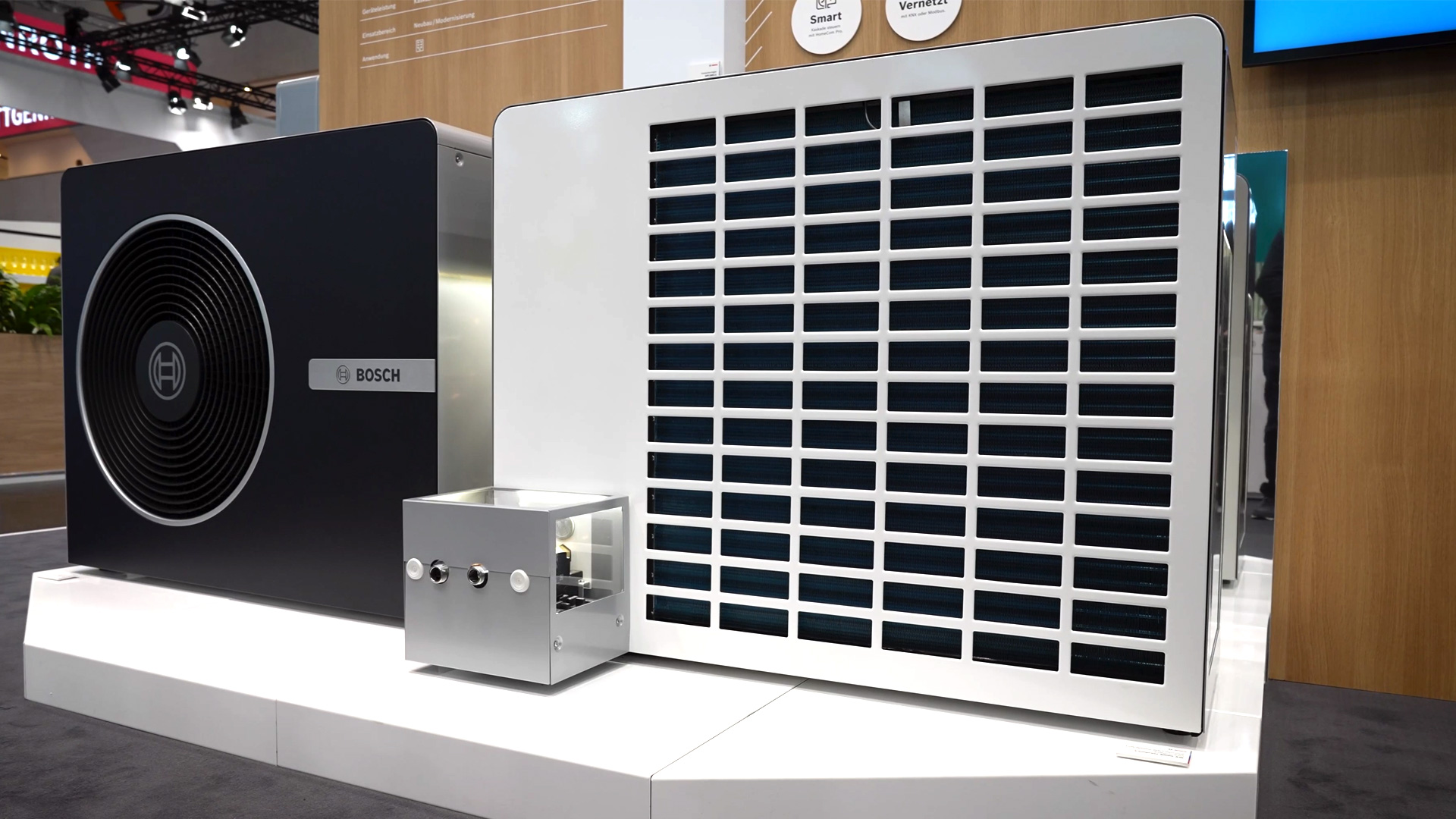
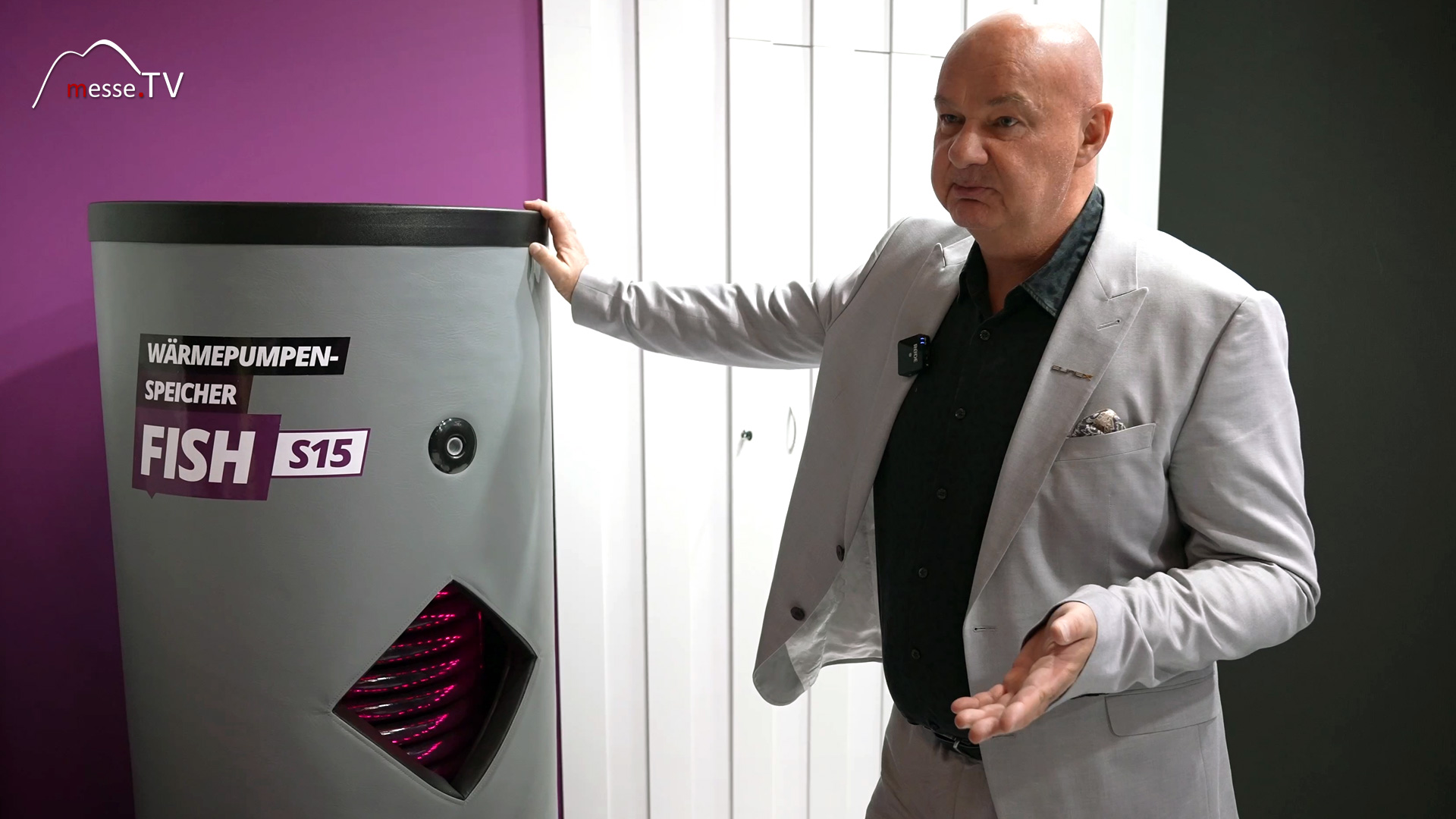
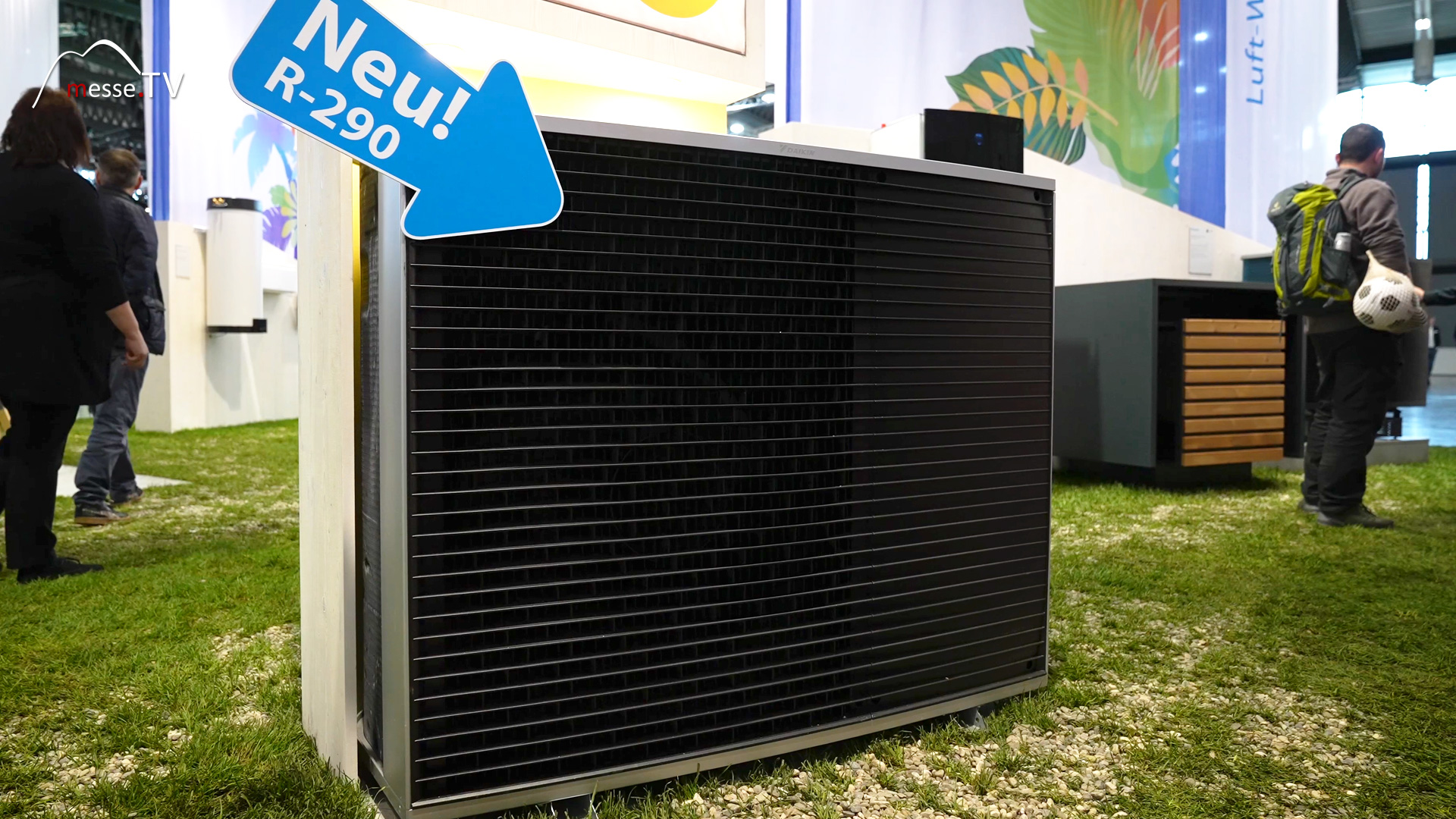
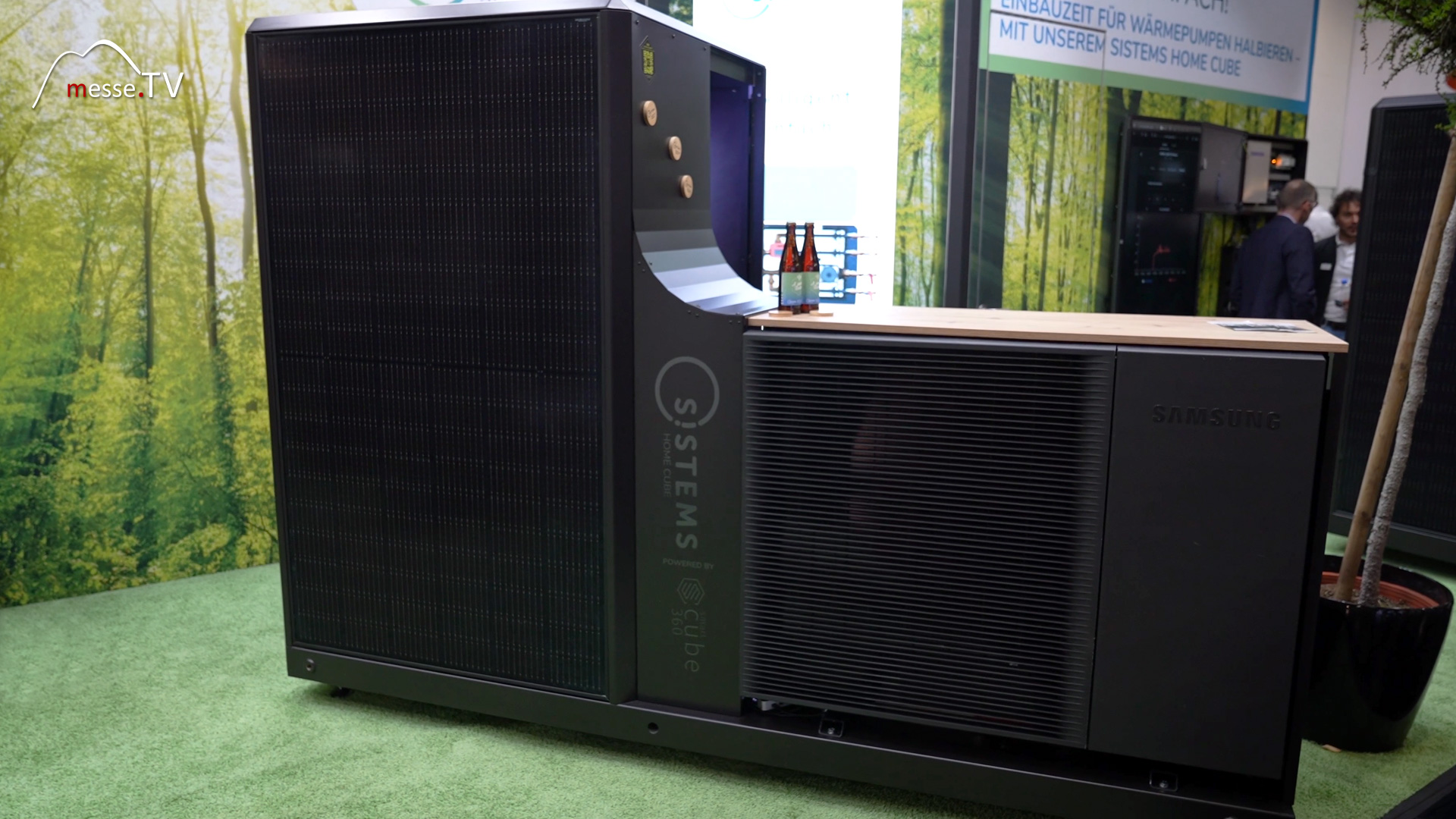
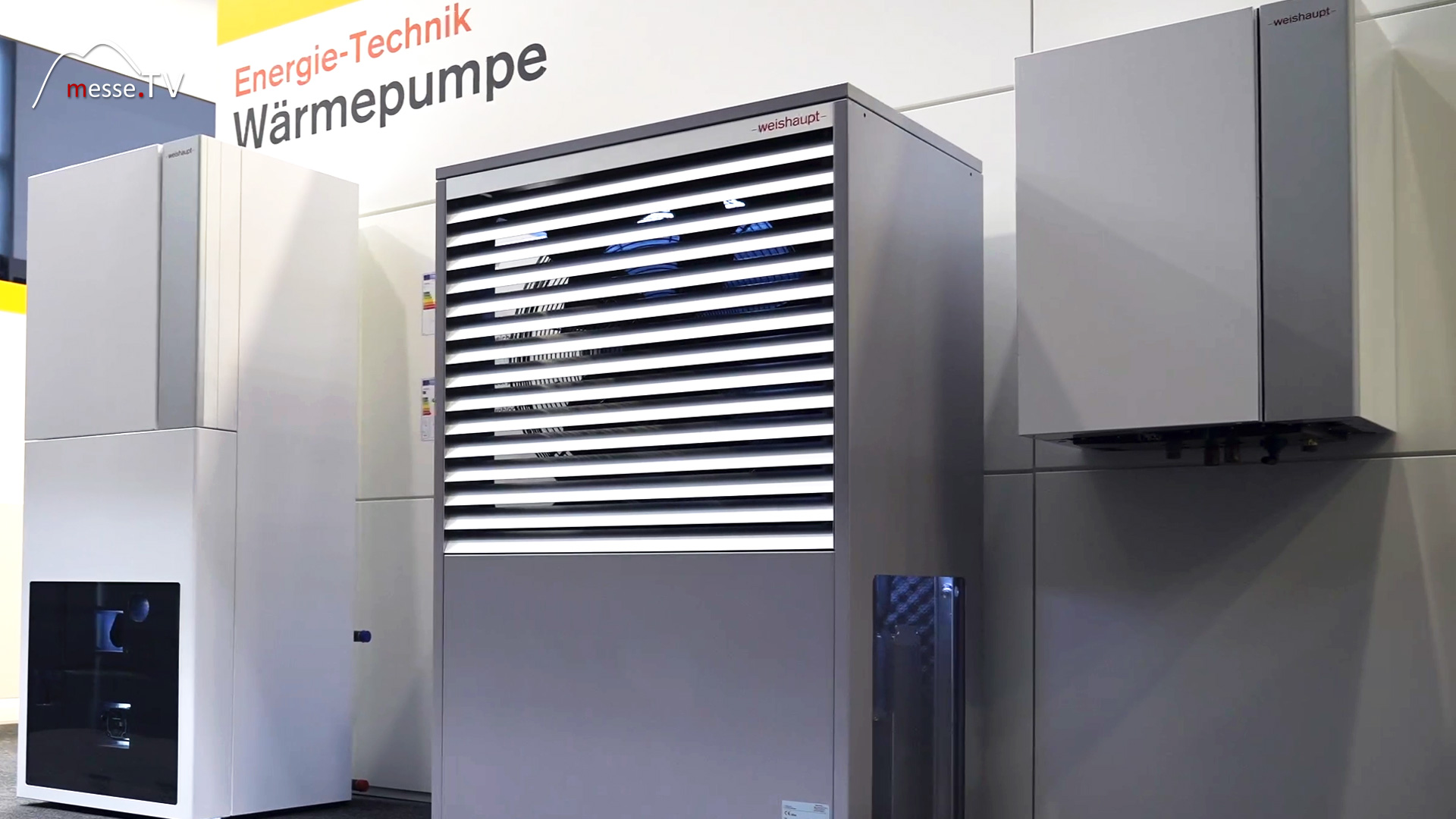
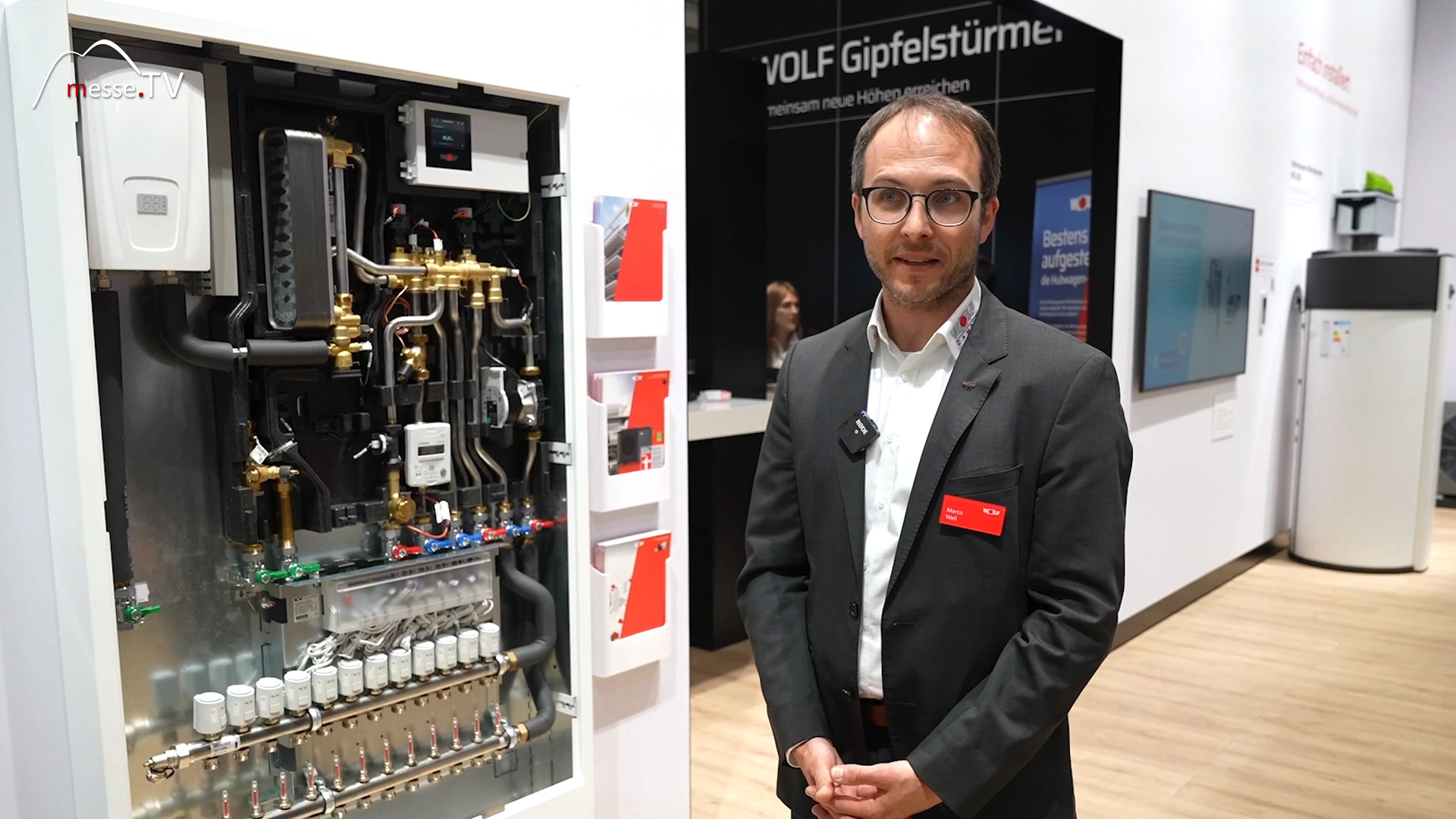
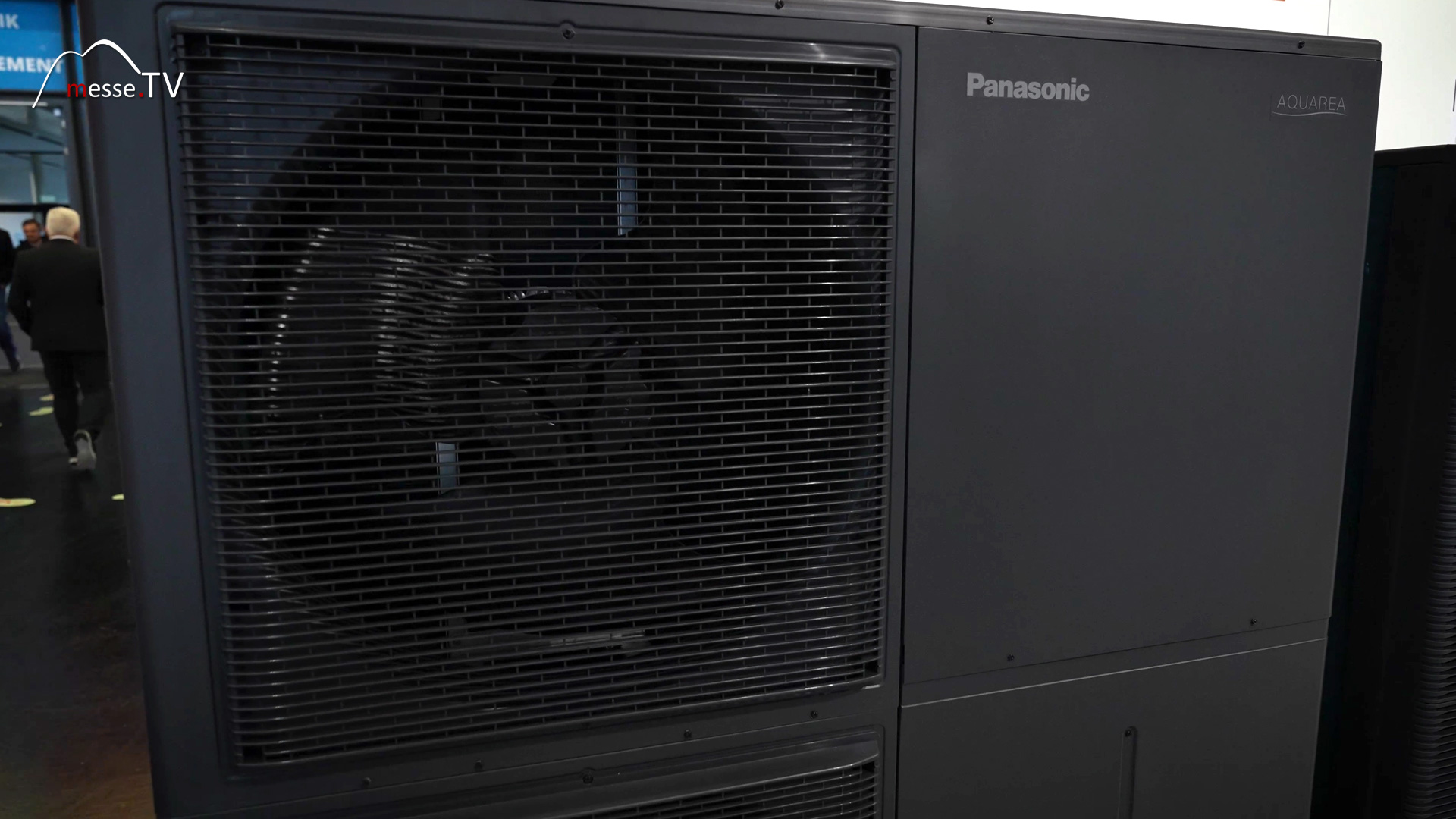
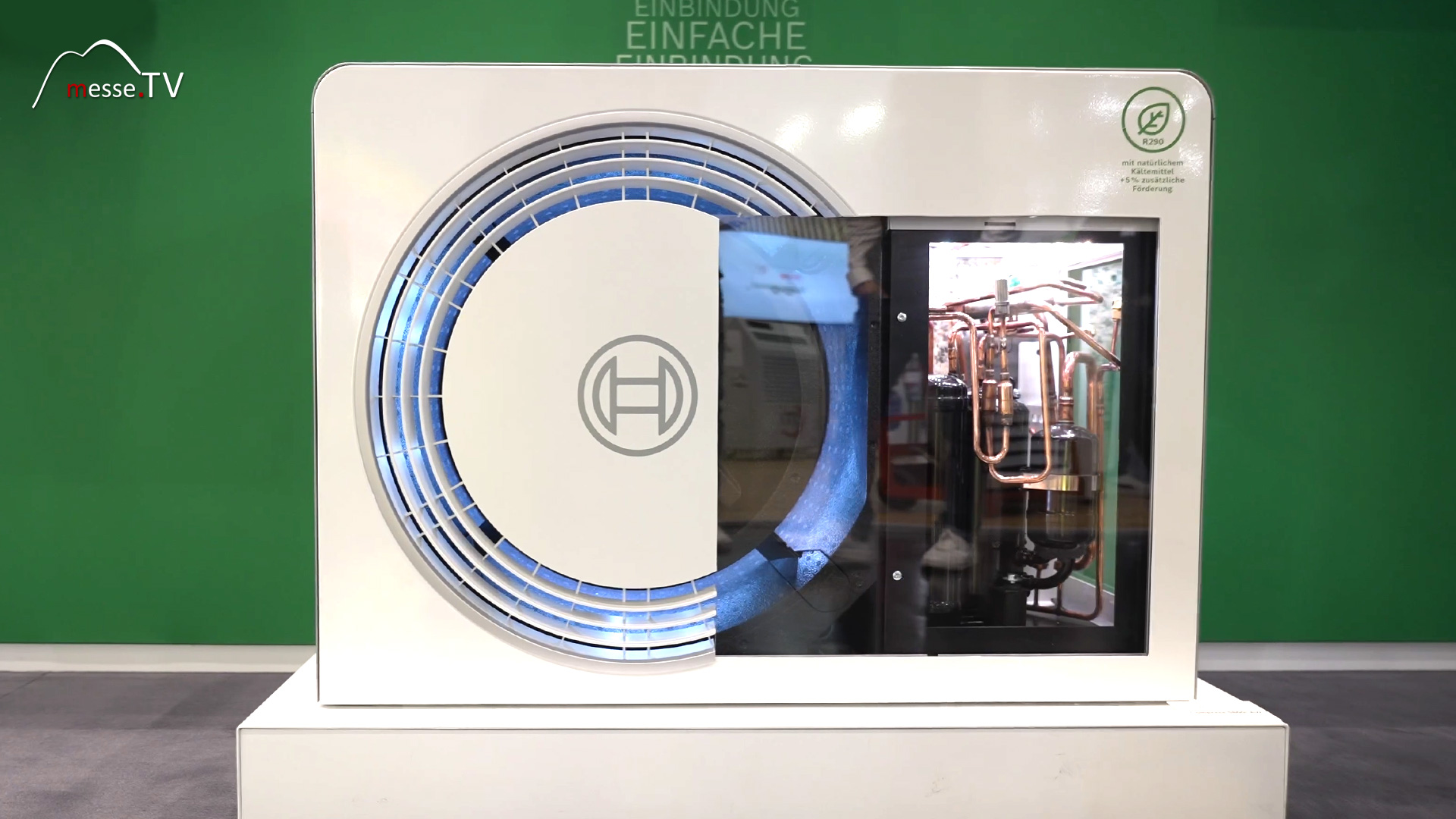
Heat pumps are one of the most environmentally friendly heating methods, as they use renewable energy sources such as air, ground or water. They offer high efficiency, especially in combination with low-temperature systems such as underfloor heating. There are different types of heat pumps:
- Air-to-water heat pumps: Ideal for new and existing buildings
- Ground source heat pumps: Highly efficient, but associated with higher installation costs
- Water-water heat pumps: Particularly efficient, but dependent on local conditions






Hybrid heating systems
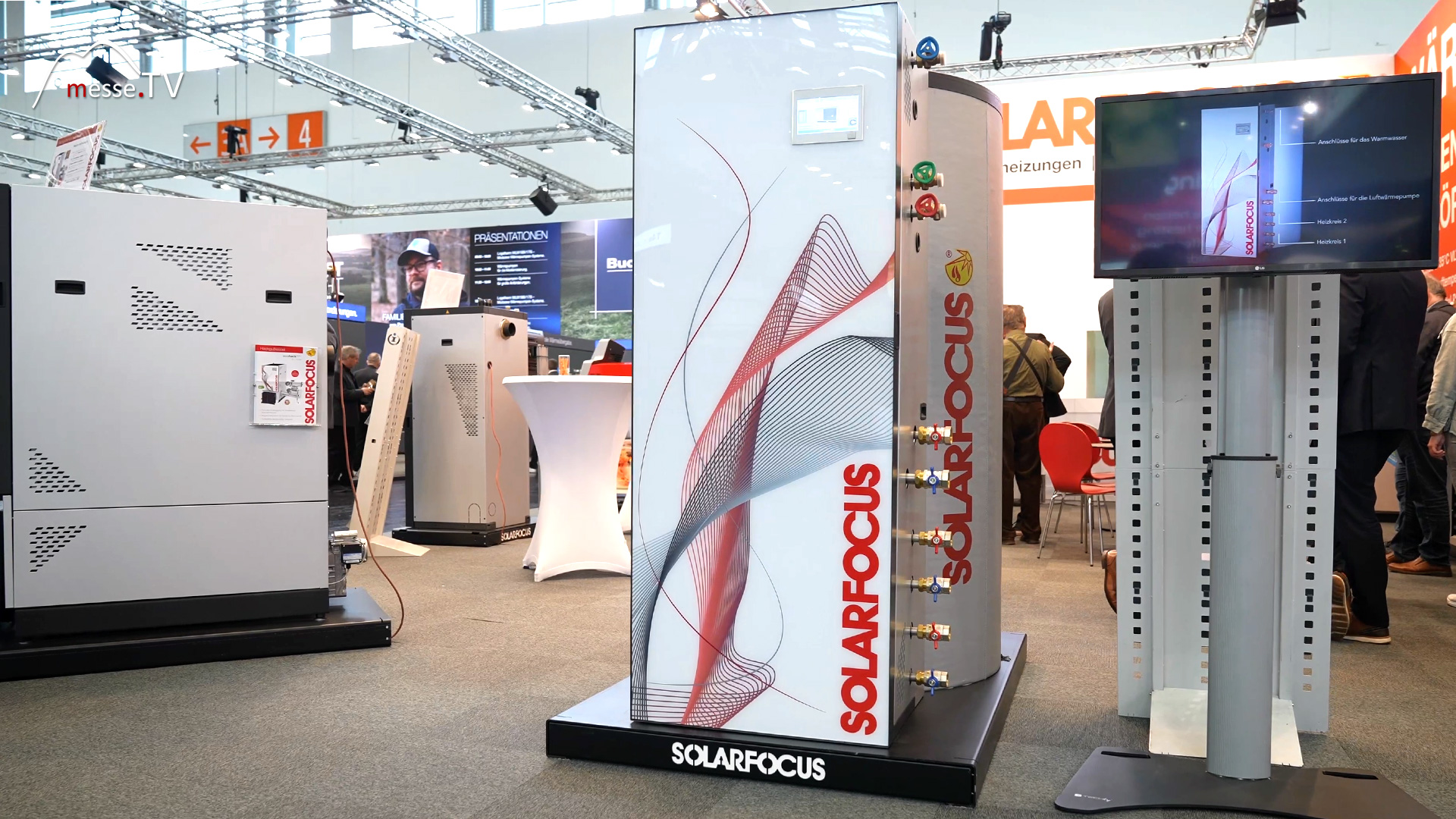
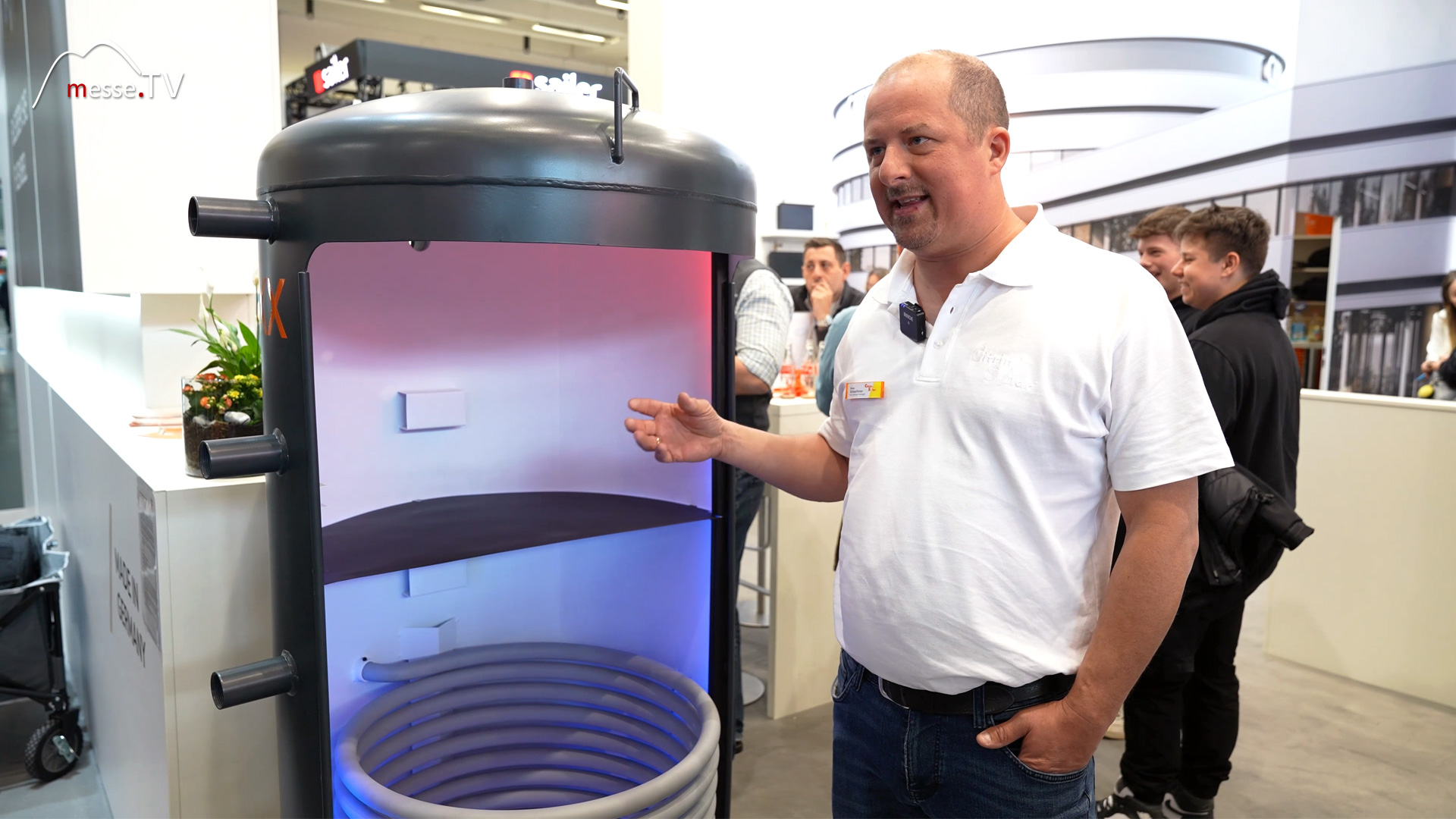
Hybrid heating systems combine different energy sources, such as gas or oil, with renewable energies. These systems offer flexibility and can significantly reduce CO₂ emissions.
Solar thermal energy
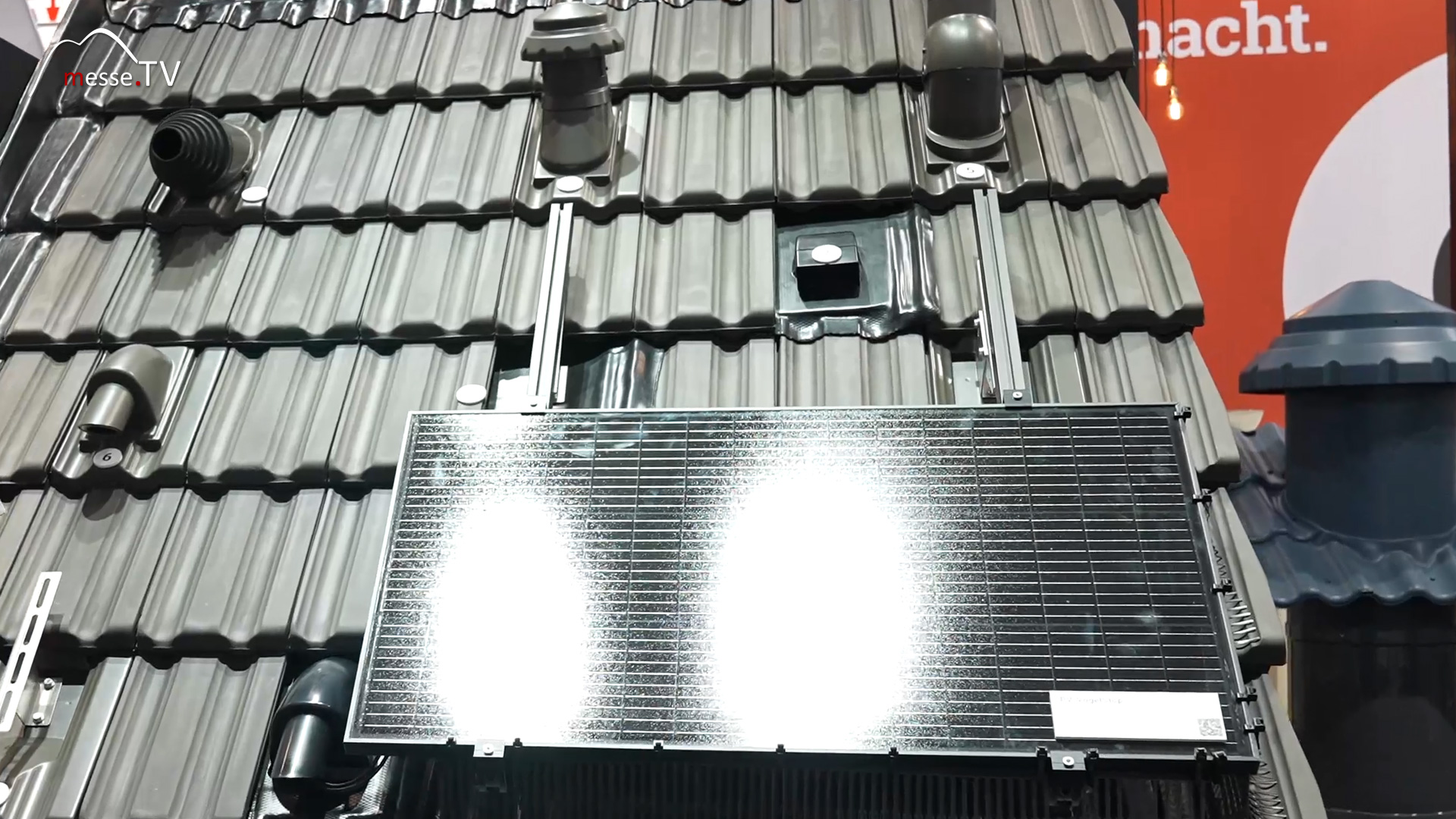
Solar thermal systems use the sun's energy to provide heat for heating and hot water. They are an ideal complement to other heating systems, as they can significantly reduce energy costs.
District heating
District heating is generated in centralised plants and transported to individual buildings via a pipe system. It is considered environmentally friendly if it comes from renewable energy sources or industrial waste heat.
Pellet heating systems
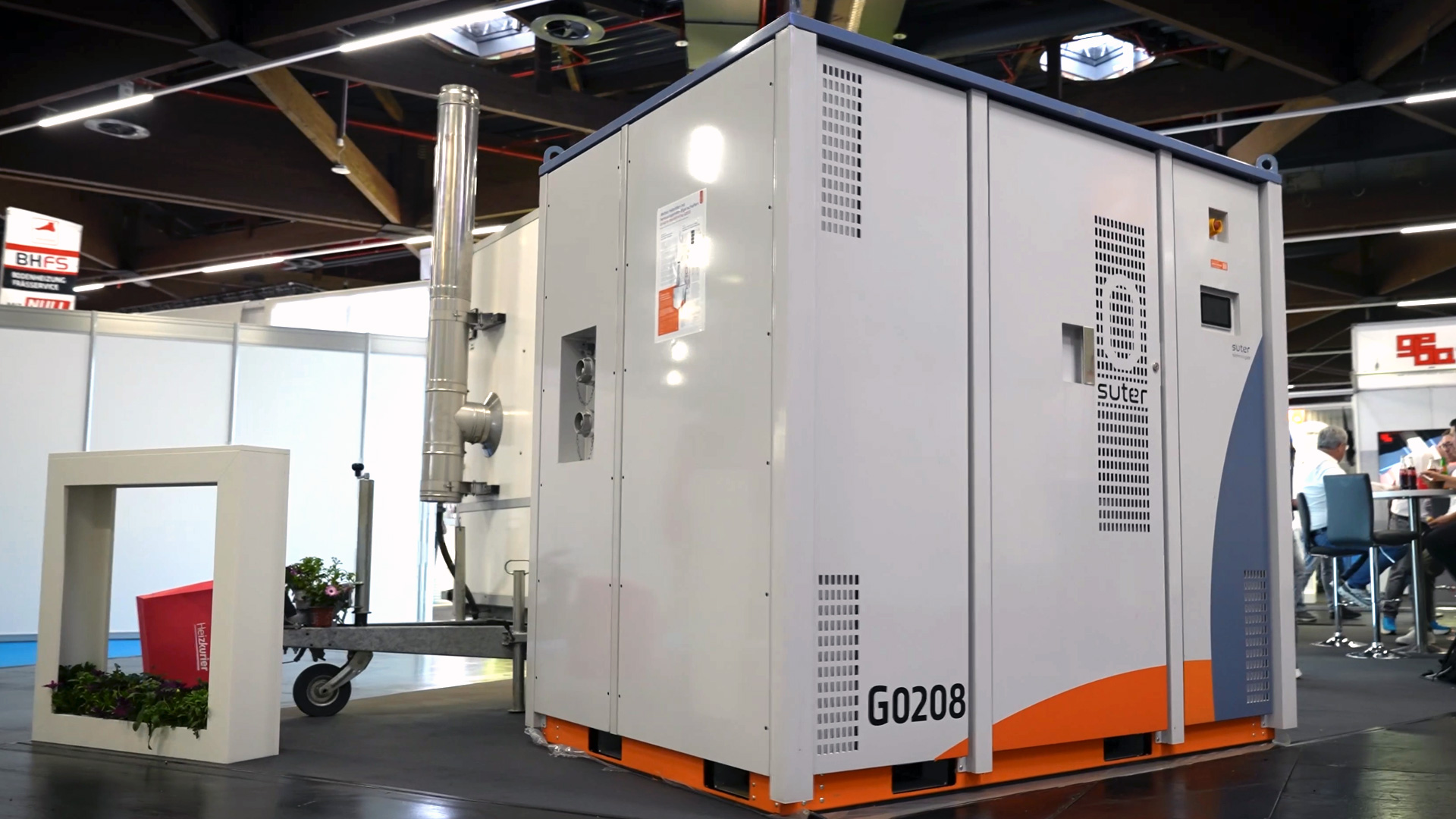
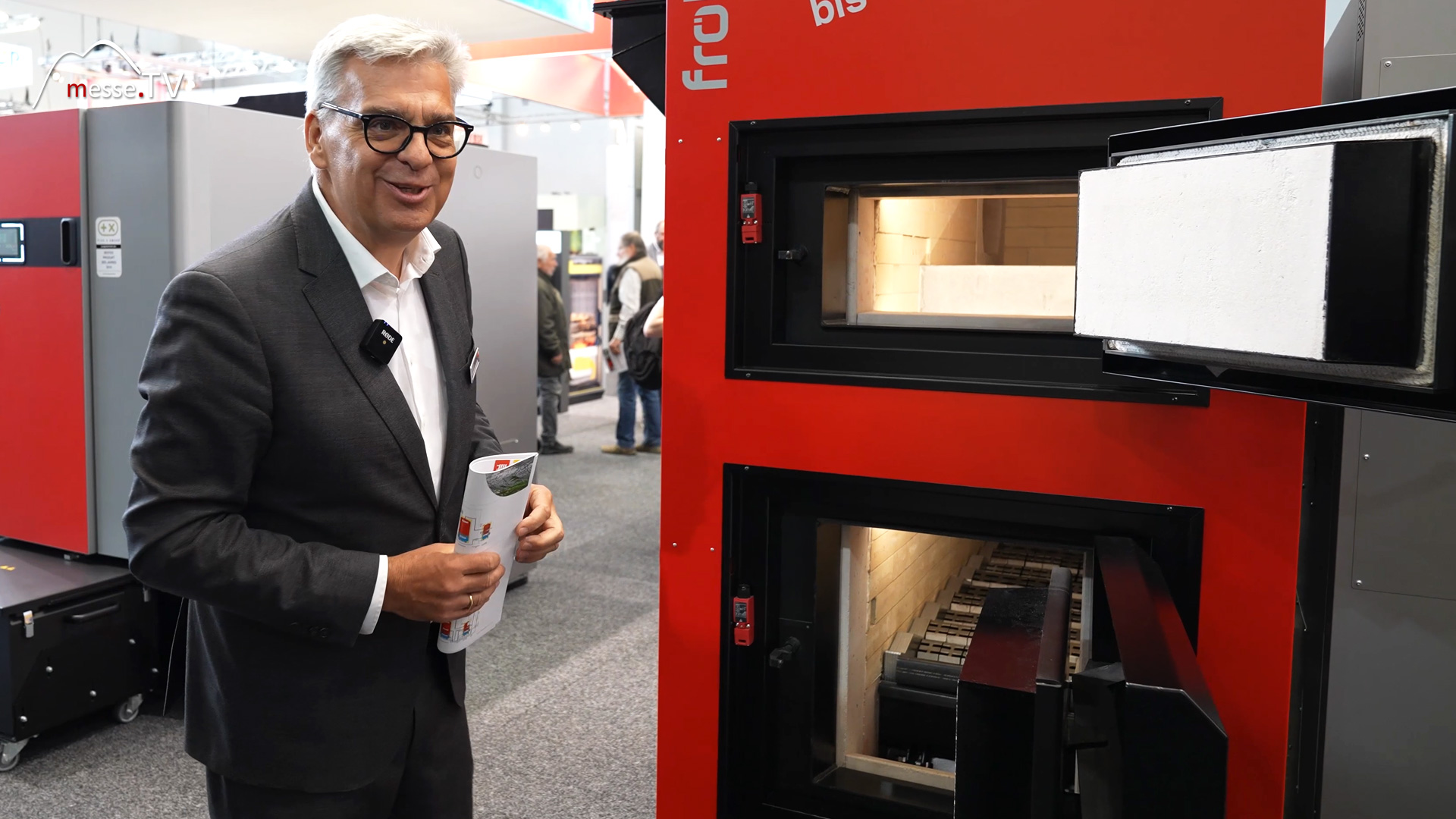
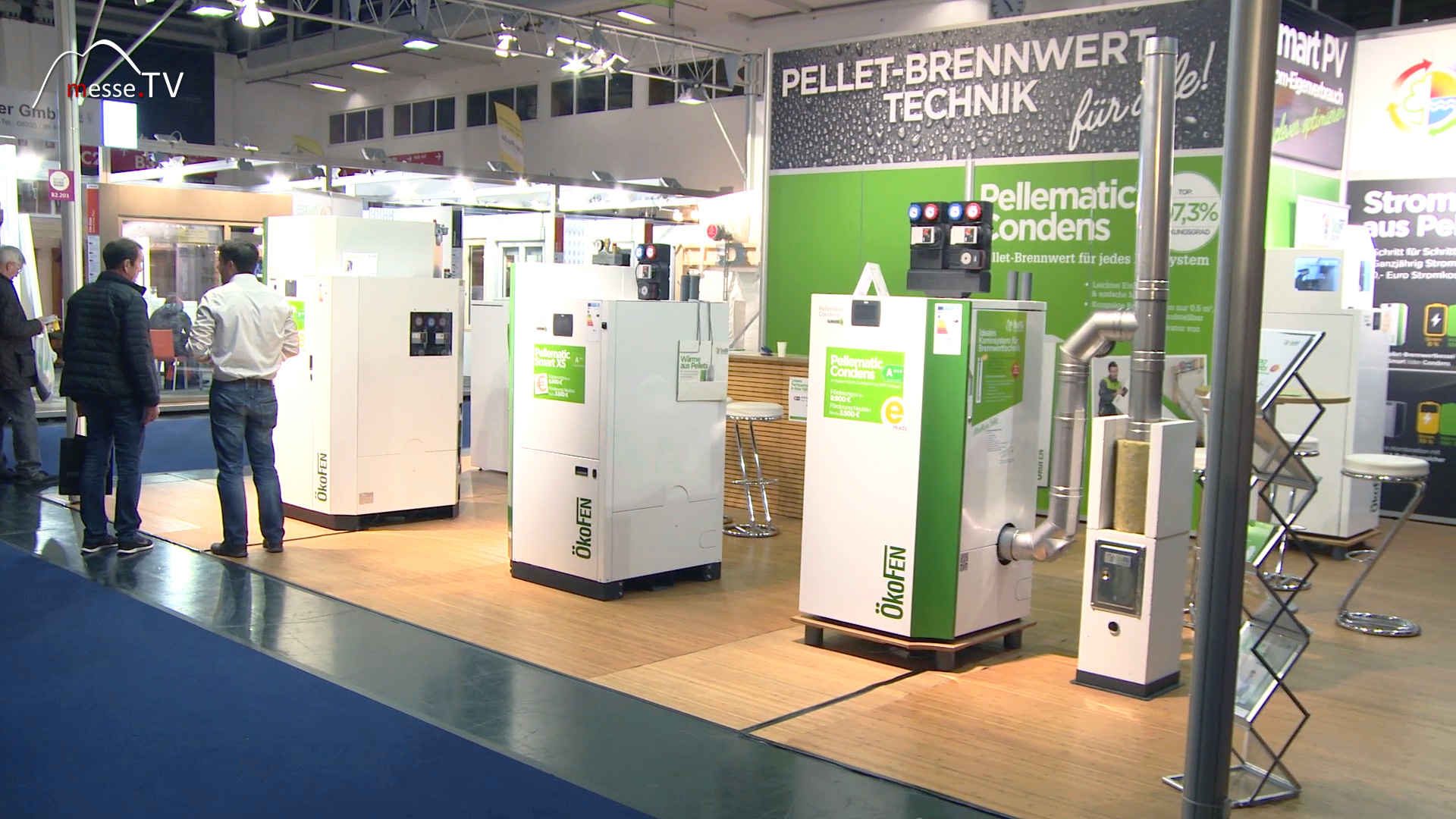
Pellet heating systems use wood pellets as fuel. They are carbon neutral and an environmentally friendly alternative to fossil fuels. Modern systems are efficient and easy to operate.


Choosing the right heating system
The choice of the right heating system depends on various factors:
Building type: Heating systems for new and existing buildings
The choice of heating system depends heavily on the type of building. New buildings are often very well insulated and have low energy requirements, which is why heating systems such as heat pumps or hybrid heating systems are particularly suitable. Heat pumps use energy from the ambient air, the ground or water and work particularly efficiently in combination with surface heating systems such as underfloor heating. In existing buildings, the choice of heating system depends on the existing building fabric and insulation. Pellet heating systems or solar thermal systems can be a sensible retrofit solution here, as they use renewable energies and can supplement existing heating systems. The integration of a modern condensing boiler can also be an option if the building is not sufficiently insulated.
Energy efficiency: Sustainable and cost-effective heating
An energy-efficient heating system is not only environmentally friendly, but also helps to save energy costs in the long term. Heat pumps and solar thermal systems are at the forefront here, as they use renewable energies and do not consume fossil fuels. Condensing boiler technology, which is used in gas or oil heating systems, utilises the heat generated during combustion more efficiently than conventional systems. Pellet heating systems, which burn renewable raw materials, are also an environmentally friendly alternative. When selecting a heating system, the annual performance factor (APF) or the efficiency of the system should be taken into account in order to assess its efficiency and cost-effectiveness.
Costs: Comparison of acquisition and operating costs
The cost of a heating system consists of the purchase price and operating costs, which can vary greatly depending on the system. Heat pumps require a higher initial investment, but have significantly lower operating costs as they use renewable energy sources. Pellet heating systems are in the mid-range in terms of purchase costs, with the cost of pellets being stable and comparatively low. Gas and oil heating systems are usually cheaper to purchase, but incur higher operating costs due to rising fuel prices. It is worth considering the long-term total costs in order to make an economical decision.
Funding opportunities: Utilising government support
In many countries, the switch to a modern and environmentally friendly heating system is supported by government subsidy programmes. These offer grants, low-interest loans or tax breaks that can significantly reduce the purchase and installation costs. There are attractive subsidies available, particularly for systems that use renewable energies, such as heat pumps, solar thermal systems or pellet heating systems. Find out about the requirements and deadlines for subsidy programmes at an early stage in order to benefit from the financial advantages. Specialist companies and energy consultants can help you apply for subsidies and ensure that the technical specifications are met. By carefully weighing up the above aspects, you can select the optimal heating system for your individual needs and circumstances while also benefiting from ecological and economic advantages. Professional advice from experts is highly recommended.
Innovations and trends in heating systems
Heating technology is constantly evolving to meet energy efficiency and sustainability requirements. Current trends include:
- Smart home integration: Modern heating systems can be integrated into smart home systems, enabling precise control and optimisation of energy consumption
- Fuel cell heating: This technology generates heat and electricity simultaneously and is considered particularly efficient
- Low-temperature systems: In combination with heat pumps and underfloor heating, they offer high efficiency with low energy consumption
- Sustainable fuels: The development of CO₂-neutral fuels such as green hydrogen or synthetic gas is an important step towards climate-neutral heating
Practical examples: Heating systems in use
Some practical examples show how different heating systems can be used effectively:
- New buildings: A passive house combines an air-water heat pump with underfloor heating and solar thermal energy to achieve maximum energy efficiency
- Renovations: An existing building is modernised in terms of energy efficiency by replacing an old oil heating system with a pellet heating system and integrating a solar thermal system
- Commercial use: An office building uses district heating and smart home technology to optimise energy consumption and reduce operating costs
Future prospects: The development of heating systems
The future of heating systems will be shaped by the need to reduce energy consumption and cut back on the use of fossil fuels. The most important developments include:
- Climate-neutral heating: The combination of technologies such as heat pumps, solar thermal energy and fuel cells will play a key role.
- Digitalisation: Intelligent control systems enable precise adjustment of heating behaviour and optimise energy consumption
- Recycling and circular economy: Sustainable materials and recycling processes will make the manufacture and operation of heating systems more environmentally friendly
Trade fair reporting Germany - Trade fair knowledge, dates & events


