Ökofen pellet heating systems: Environmentally friendly heating solutions for your home
Pellet heating systems as a sustainable alternative – government subsidies make the switch attractive
In times of rising energy costs and growing environmental awareness, many homeowners are looking for a sustainable heating solution. Pellet heating offers an environmentally friendly alternative to fossil fuels such as gas and oil. Ökofen in particular is going one step further with innovative solutions: its pellet heating systems can not only heat the entire house, but also generate electricity, as the company explains at the Heim und Handwerk trade fair. Government subsidies make the switch to this modern heating technology even more affordable.
Pellet central heating: Efficient heat for the entire house
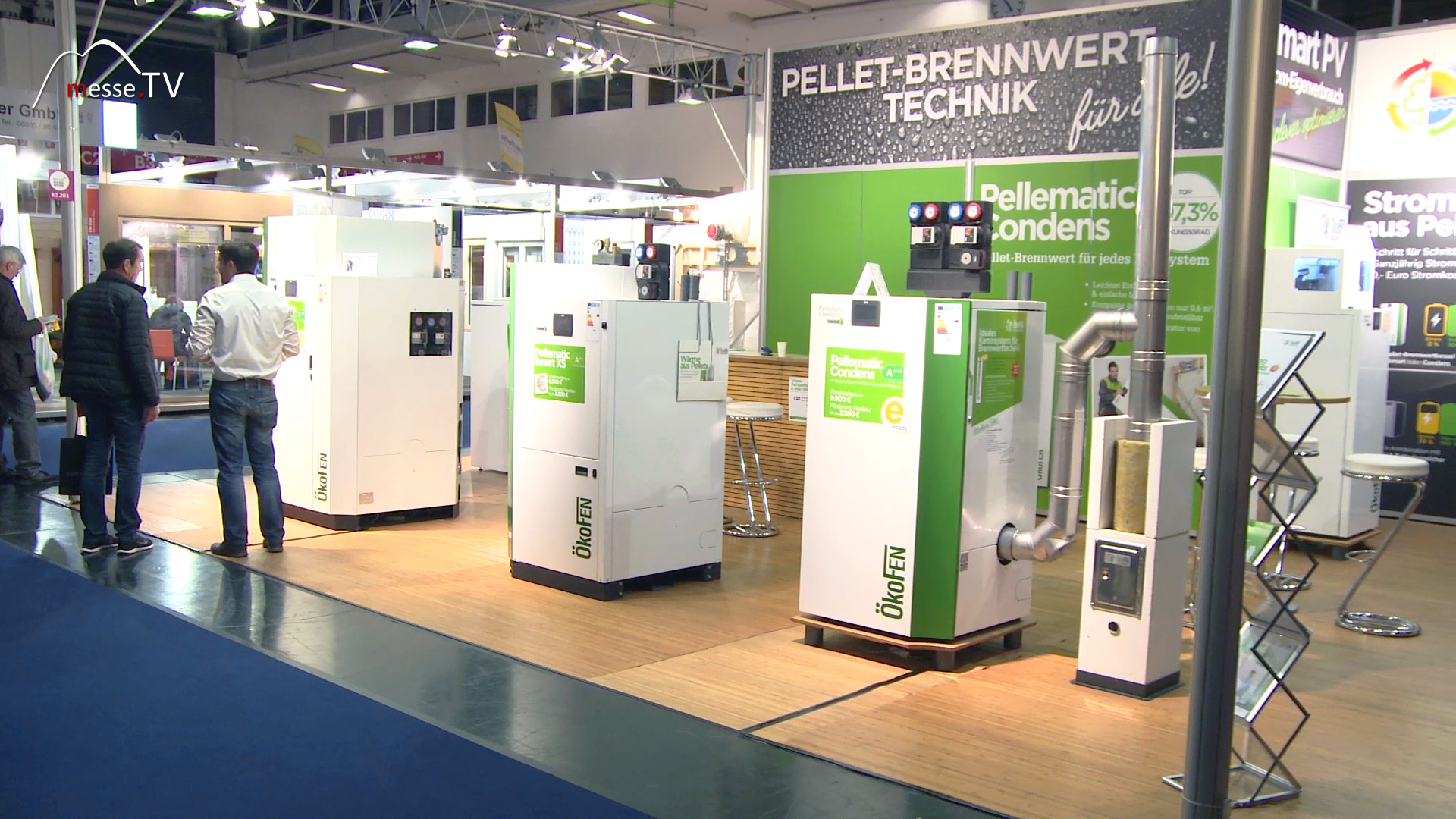
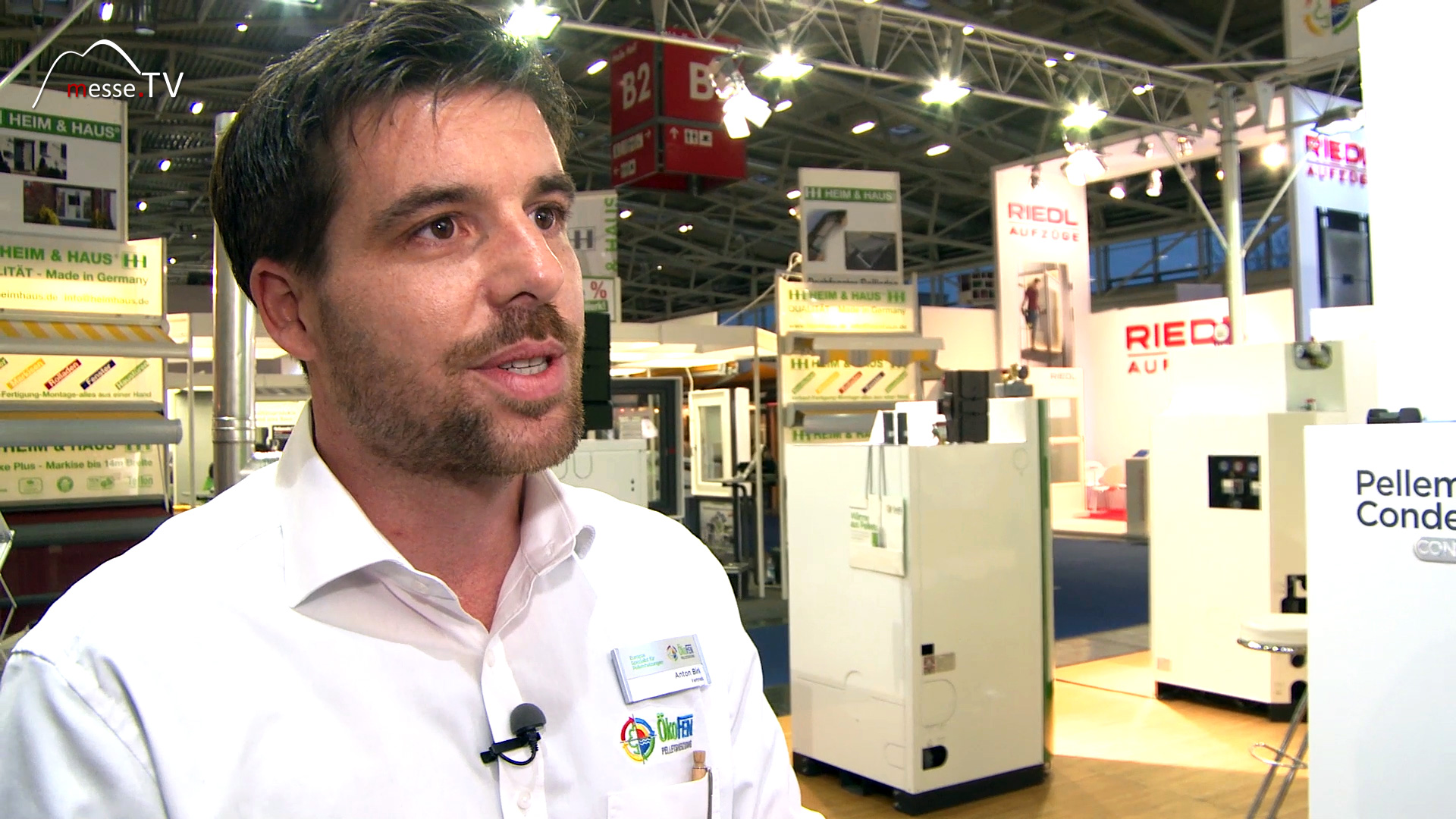
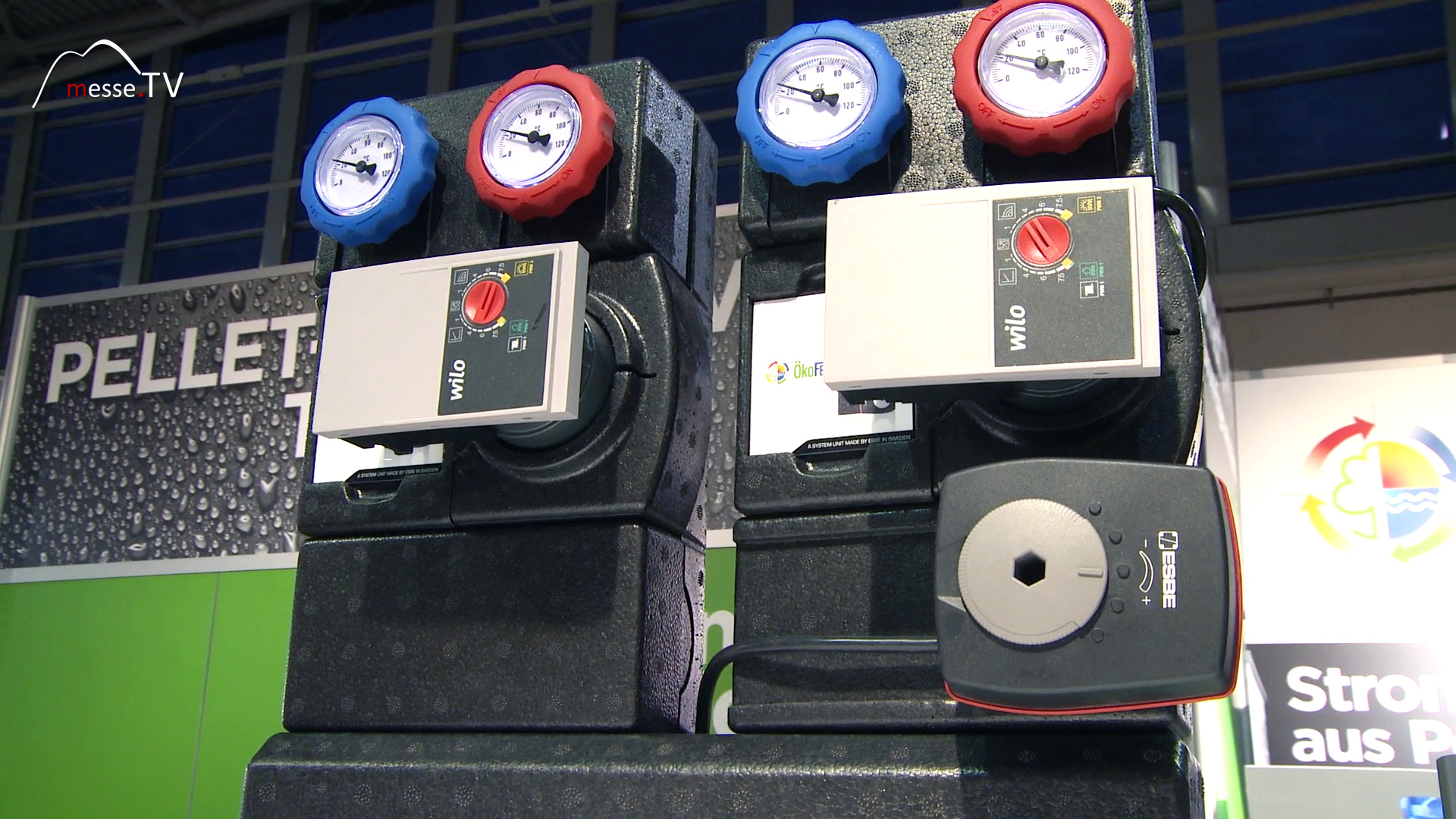
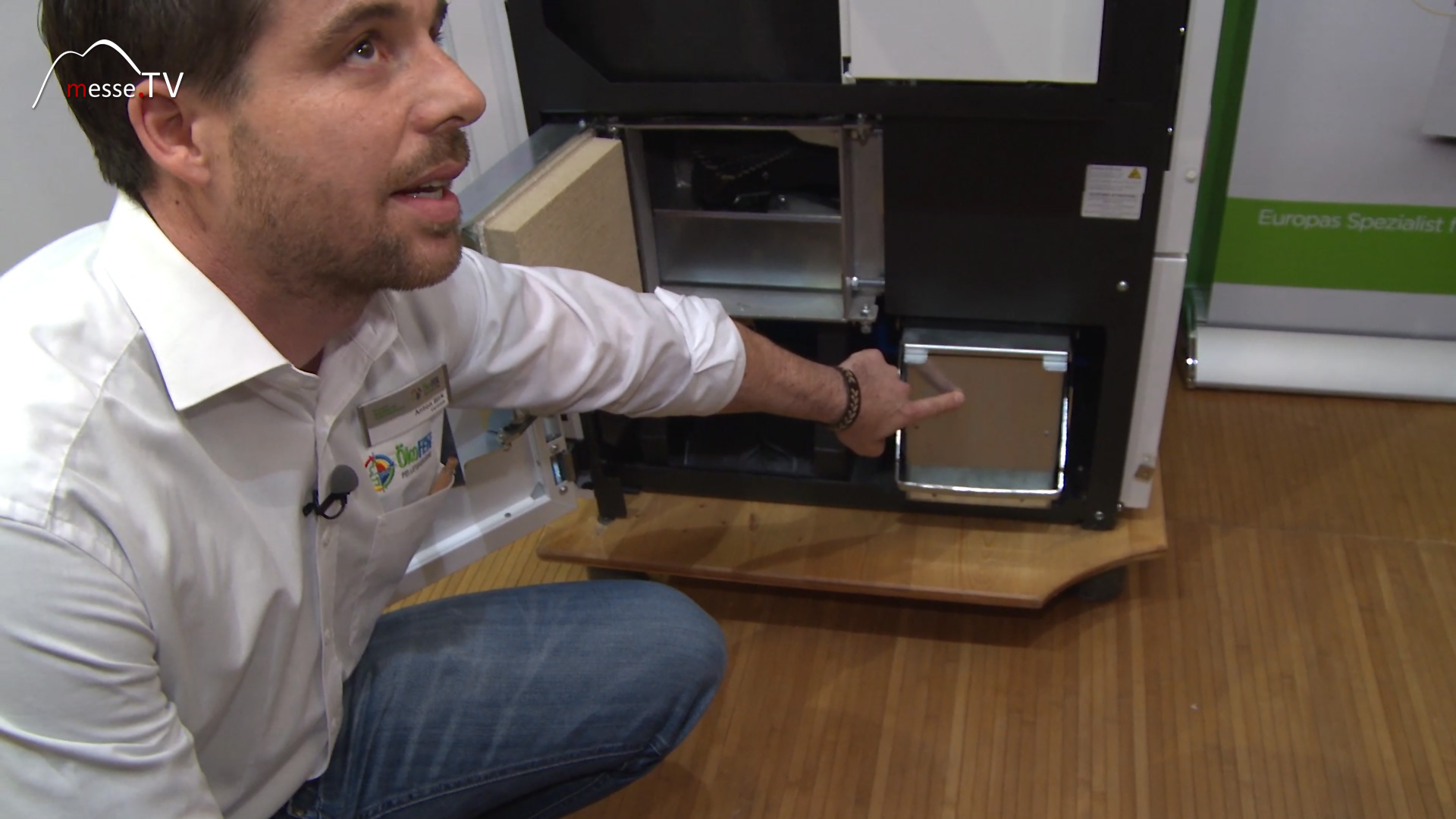
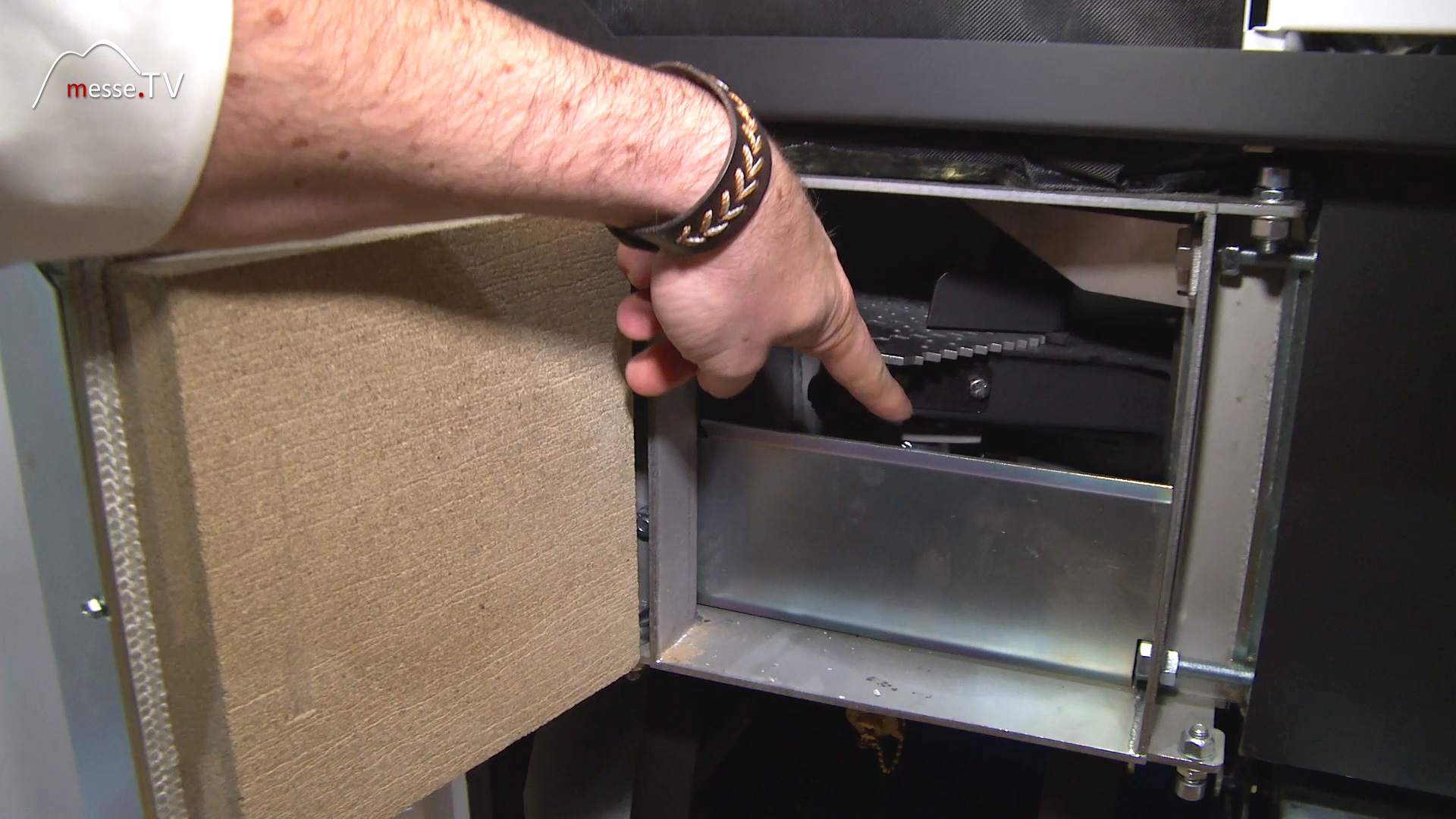
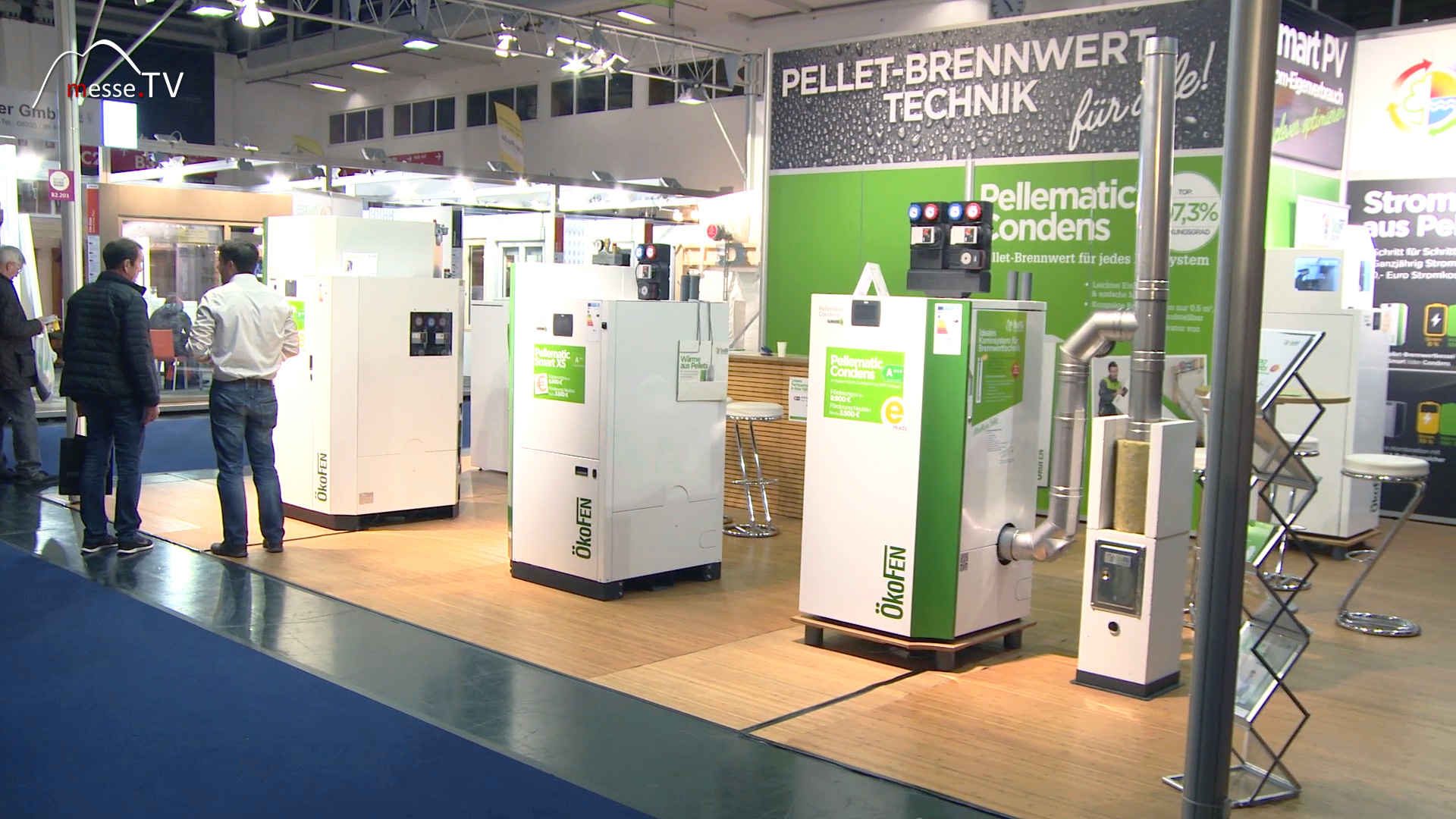
Many people are familiar with pellets as small compressed wood briquettes from the hardware store that are used in small wood-burning stoves. However, modern pellet central heating systems work quite differently. Instead of being delivered in bags, the pellets are delivered in large quantities by silo trucks and automatically blown into the heating system. This enables fully automatic heating of the entire house, similar to oil or gas heating. A major advantage of this technology is the low maintenance required. The combustion of the pellets produces only a small amount of ash, which is collected in a special container. “Three tons of pellets produce so little ash that the container only needs to be emptied once or twice a year,” explains Anton Birk from Ökofen. This makes pellet heating almost as convenient as conventional heating systems. Even large houses or apartment buildings can be heated without any problems using a suitably sized system.
Pellets – Sustainable, cost-effective, and produced locally
A common criticism of pellet heating systems is the alleged overexploitation of forests. However, according to Anton Birk, this idea is based on a myth. “Pellets consist exclusively of waste wood from sawmills – they are produced when tree trunks are cut and contain no artificial additives.” Pressing the wood chips releases lignin, a natural adhesive that gives the pellets their typical shiny surface. In addition to their environmentally friendly nature, pellets are also financially attractive. While oil and gas prices fluctuate greatly, pellets remain stable in price. They are currently 20–30% cheaper than gas, which leads to significant savings in the long term. In addition, the pellets are mainly sourced from regional production, avoiding long transport routes and CO₂-intensive supply chains.
Government subsidies facilitate the switch to pellets
One of the most common questions when deciding on a pellet heating system is the cost. While a modern gas condensing boiler costs around €12,000, a pellet heating system costs around €20,000. However, government subsidies make this investment much more attractive. The Federal Office of Economics and Export Control (BAFA) subsidizes the installation of a pellet heating system with €6,000–10,000, especially if it is combined with a solar thermal system. Thanks to this subsidy, the price of a pellet heating system is approaching that of a gas heating system. “Although it remains slightly more expensive, the lower fuel costs mean that the investment quickly pays for itself,” says Birk. So anyone who wants to save heating costs in the long term and protect the environment at the same time should take advantage of this subsidy.
Pellet heating as an electricity producer – Your own small power plant
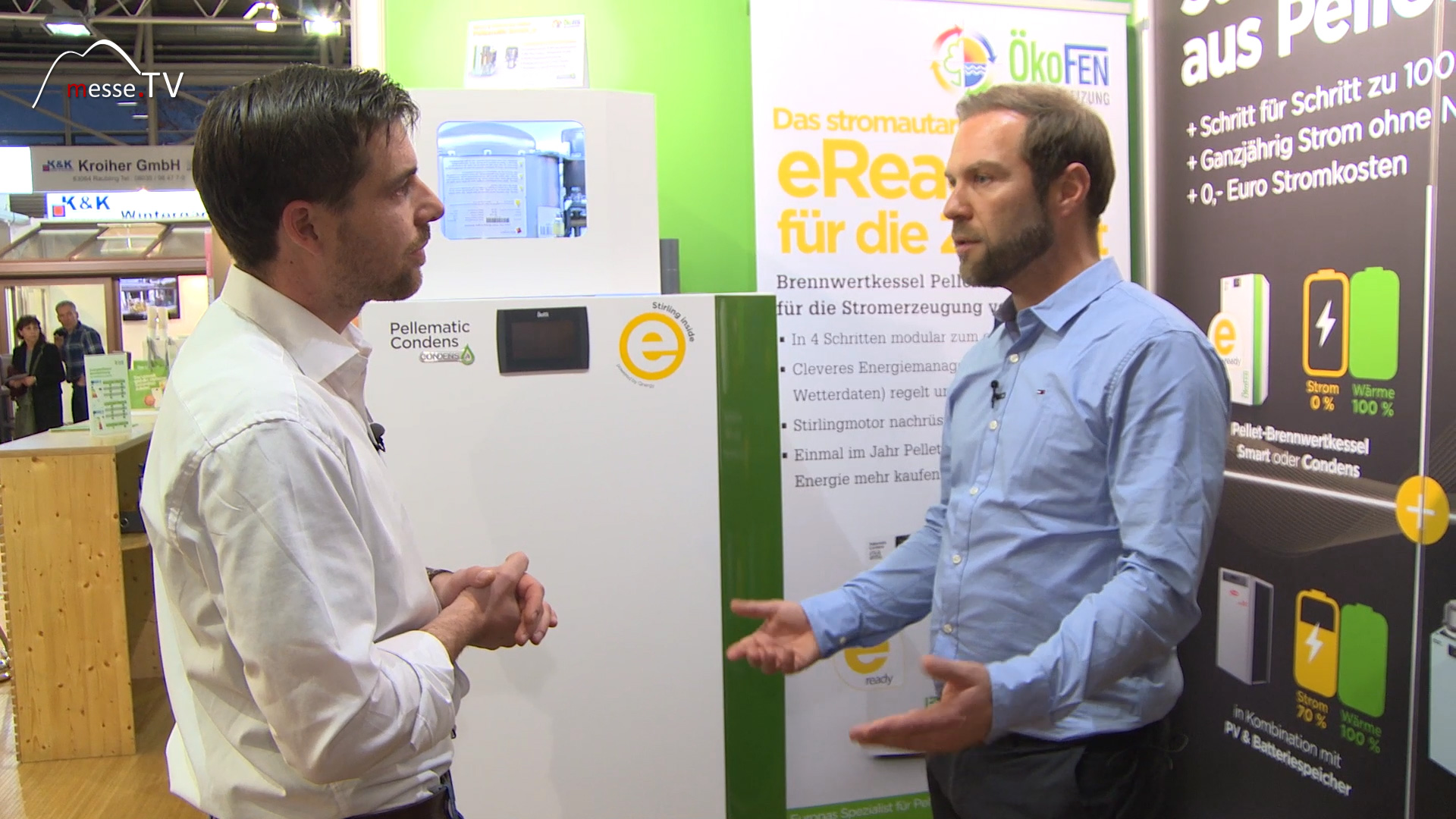
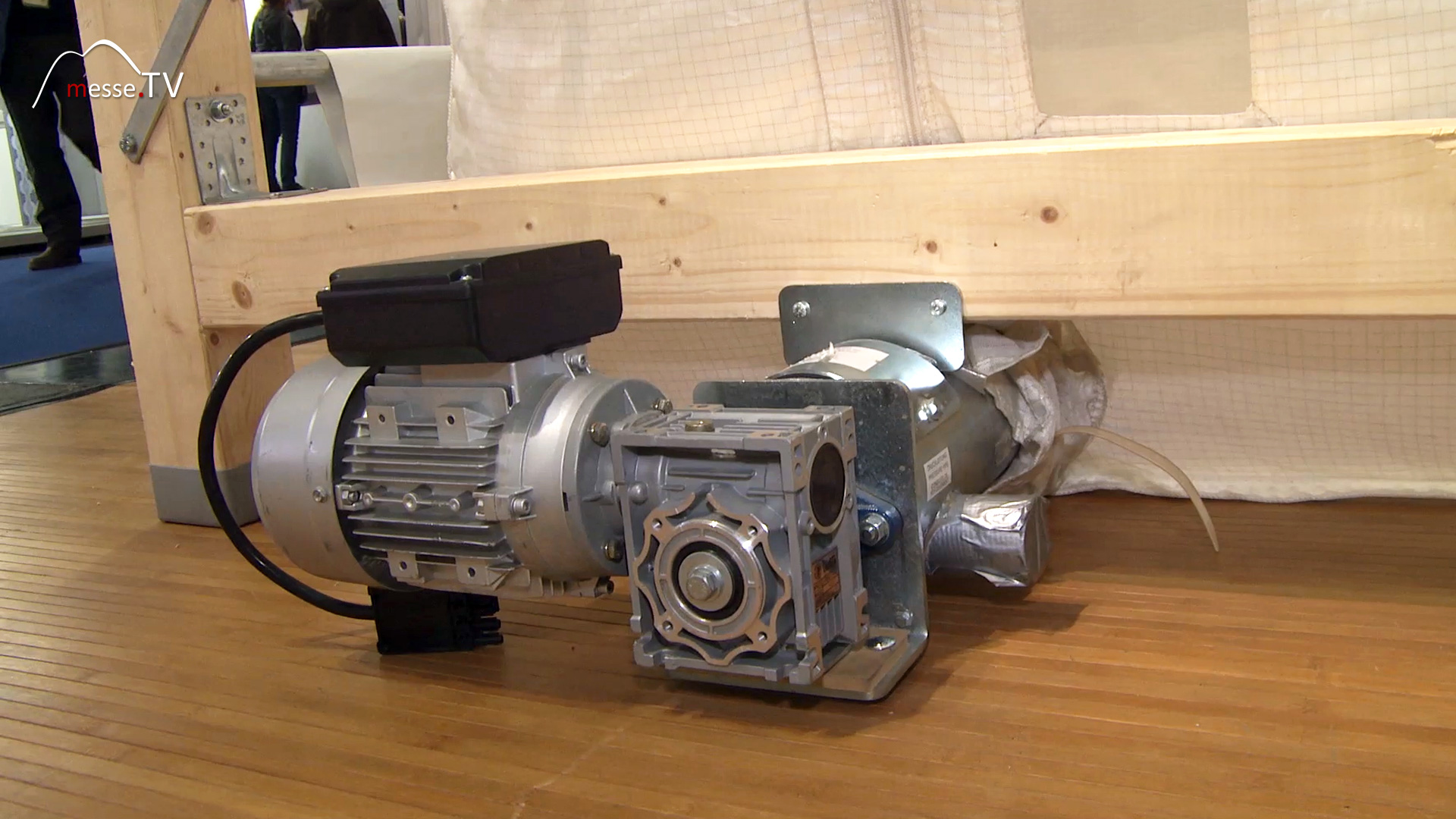
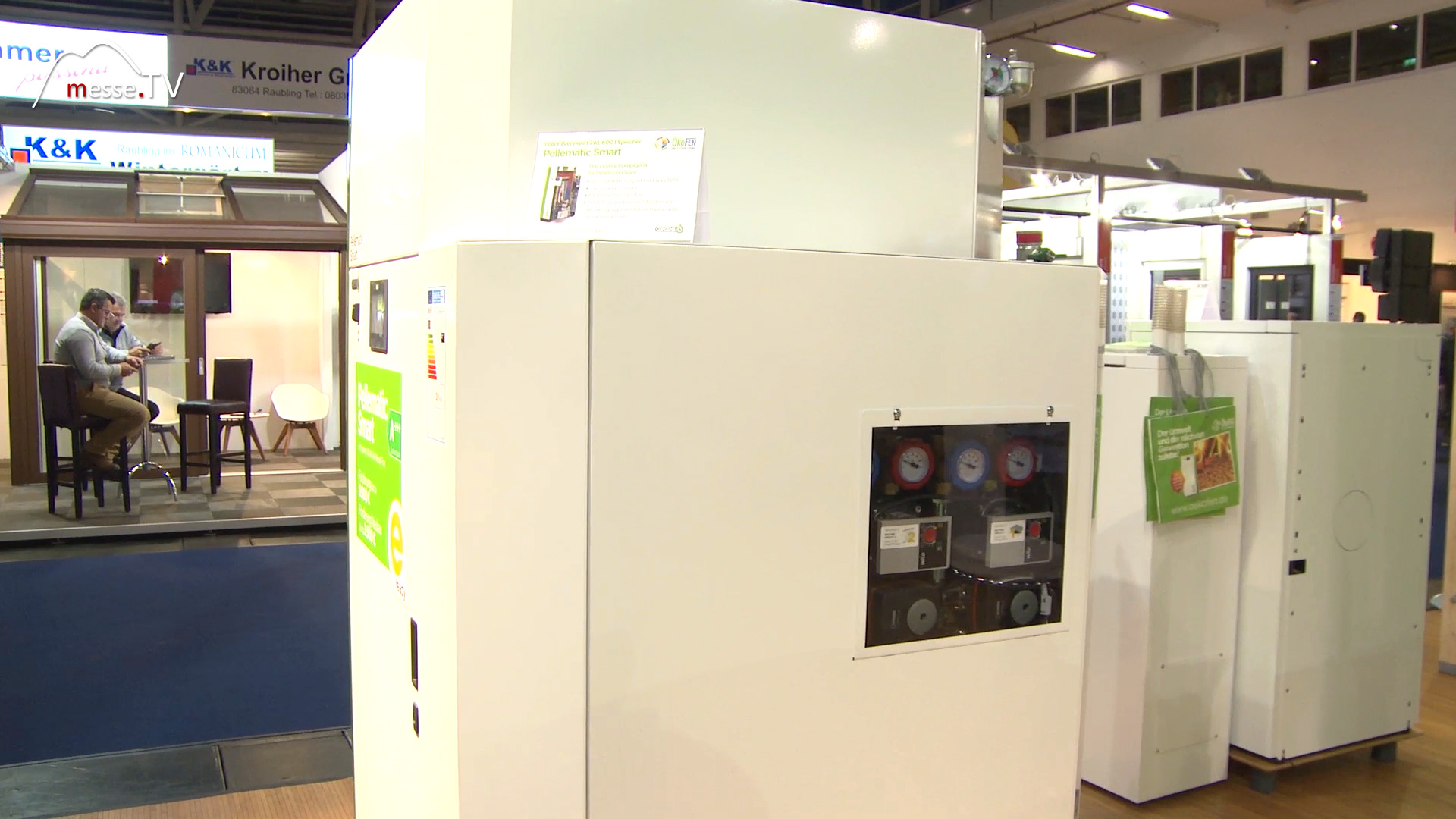
One of Ökofen's most exciting innovations is the combination of pellet heating and electricity generation. While conventional heating systems only provide heat, this smart heating system can also produce electricity. The waste heat from the boiler drives a Stirling engine that generates up to 600 watts per hour. This creates a small combined heat and power plant for personal use, which further reduces household electricity consumption. This system is particularly efficient when combined with a photovoltaic system. In summer, the sun provides the electricity, while in winter the pellet heating system takes over. This enables a year-round, independent energy supply that is not only sustainable but also economically attractive. “An intelligent solution for homeowners who want to become less dependent on rising energy prices,” summarizes Birk.
Sustainable heating technology with a future
Pellet heating systems offer an environmentally friendly and cost-effective alternative to fossil fuel heating systems. Thanks to government subsidies, high efficiency, and the possibility of generating electricity, switching is worthwhile for many households. Especially in combination with a photovoltaic system, a pellet heating system can become a decisive building block for an energy-independent and sustainable future.


Trade fair reporting Germany - Trade fair knowledge, dates & events


