DB Netze: Infrastruktur und Systemsteuerung für den Schienenverkehr
DB Netze ist ein zentraler Geschäftsbereich der Deutschen Bahn und bildet das Rückgrat der Schieneninfrastruktur in Deutschland. Das Unternehmen verantwortet Betrieb, Instandhaltung und Weiterentwicklung des Schienennetzes sowie die Bereitstellung von Bahnhöfen und Energie für den Bahnbetrieb. Damit schafft DB Netze die Grundlage für einen leistungsfähigen Personen- und Güterverkehr auf der Schiene und übernimmt eine Schlüsselrolle für die Mobilität und Logistik in Deutschland.


Entstehung und Rolle innerhalb der Deutschen Bahn
DB Netze wurde im Zuge der Bahnreform Mitte der 1990er-Jahre gegründet, mit dem Ziel, Infrastruktur und Verkehrsbetrieb organisatorisch zu trennen. Diese Struktur sollte einen diskriminierungsfreien Zugang zum Schienennetz für unterschiedliche Eisenbahnverkehrsunternehmen ermöglichen und zugleich Effizienz und Transparenz im Infrastrukturbetrieb erhöhen. Als Teil der Deutschen Bahn AG bündelt DB Netze heute mehrere Aufgabenbereiche. Dazu zählen das Streckennetz, der Betrieb und die Entwicklung von Bahnhöfen sowie die Energieversorgung des Bahnsystems. Diese organisatorische Aufstellung ermöglicht es, Infrastrukturleistungen zentral zu koordinieren und langfristig zu planen.
DB Netze im Fach- und Messekontext
DB Netze ist regelmäßig auf Fachmessen und Branchenveranstaltungen präsent, insbesondere im Umfeld von Logistik, Mobilität und Verkehrstechnologien. Dort werden neue digitale Werkzeuge, Infrastrukturprojekte und Zukunftskonzepte vorgestellt. Messeauftritte dienen dabei weniger der Produktpräsentation als vielmehr dem Austausch mit Verkehrsunternehmen, Industriepartnern und politischen Akteuren. Für eine redaktionelle Einordnung ist dieser Kontext relevant, da sich hier zeigt, wie DB Netze auf steigende Verkehrsbedarfe, neue Fahrzeugkonzepte und technologische Entwicklungen reagiert. Digitale Anwendungen zur Trassenplanung oder neue Energie- und Antriebskonzepte für den Schienenverkehr sind dabei zentrale Themen.
Beiträge zu DB Netze auf Messe.TV
Digitale Trassenbuchung bei DB Netze
Wer mit der Bahn reist, hat meist den Personenverkehr im Blick. Manche kennen auch noch den Güterverkehr unter dem Namen DB Cargo. Weit weniger präsen... Trassenplanung mit Click & Ride App
Wasserstoff im Bahnverkehr auf der Schiene
Die Diskussion um alternative Antriebe im Schienenverkehr hat in den vergangenen Jahren deutlich an Fahrt aufgenommen. Während Oberleitungen auf viele... DB Netze: Wasserstoffzug
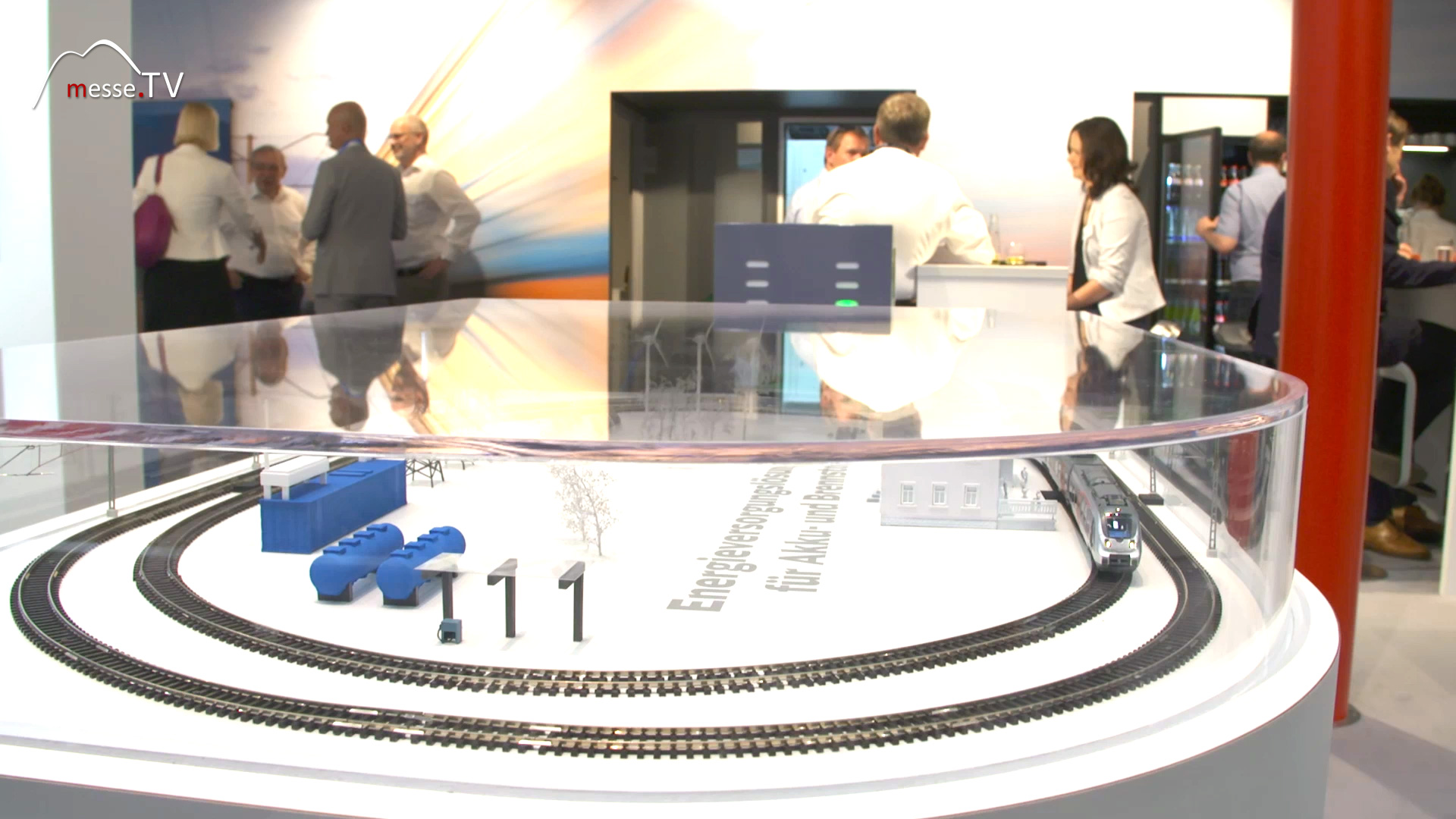
Energieversorgung für Akkuzüge auf der Schiene
Die Diskussion um die Zukunft des Schienenverkehrs dreht sich längst nicht mehr nur um neue Fahrzeuge oder schnellere Verbindungen. Im Mittelpunkt ste... Akkuzüge: Energieversorgung
Kernaufgaben und Dienstleistungen im Infrastrukturbetrieb
Die Aufgaben von DB Netze sind vielfältig und betreffen den gesamten Lebenszyklus der Schieneninfrastruktur. Dazu gehören Planung, Bau, Betrieb und Instandhaltung ebenso wie die Bereitstellung von Kapazitäten für den laufenden Verkehr. Ziel ist es, das vorhandene Netz möglichst effizient und sicher zu nutzen und gleichzeitig schrittweise auszubauen. Zentrale Leistungsbereiche sind unter anderem:
- Betrieb und Wartung des Schienennetzes
- Vergabe und Koordination von Trassen für den Personen- und Güterverkehr
- Betrieb und Weiterentwicklung von Bahnhöfen
- Energieversorgung für den elektrischen Bahnbetrieb
- Einführung digitaler Systeme zur Steuerung und Sicherung des Verkehrs
Digitalisierung und technische Weiterentwicklung
Ein zentraler Schwerpunkt der aktuellen Arbeit von DB Netze liegt auf der Digitalisierung der Schieneninfrastruktur. Systeme zur digitalen Stellwerkstechnik, automatisierten Betriebsführung und zur präziseren Verkehrssteuerung sollen die Leistungsfähigkeit des Netzes erhöhen. Dazu zählt auch die Einführung moderner Zugbeeinflussungssysteme, die Sicherheit und Kapazität gleichermaßen verbessern. Digitale Anwendungen zur Trassenplanung und -buchung erleichtern zudem die Zusammenarbeit mit Eisenbahnverkehrsunternehmen. Aus journalistischer Perspektive zeigt sich hier der Wandel von einer rein physischen Infrastruktur hin zu einem vernetzten, datengetriebenen Systembetrieb.
Nachhaltigkeit und langfristige Investitionen
DB Netze spielt eine zentrale Rolle bei der Umsetzung verkehrs- und klimapolitischer Ziele. Der Ausbau elektrifizierter Strecken, der verstärkte Einsatz von Ökostrom und die Modernisierung bestehender Anlagen tragen dazu bei, den Schienenverkehr als umweltfreundliche Alternative zu stärken. Gleichzeitig werden neue Strecken geplant und Engpässe im bestehenden Netz beseitigt, um wachsenden Verkehrsströmen gerecht zu werden. Diese Investitionen sind langfristig angelegt und erfordern eine enge Abstimmung zwischen Infrastrukturbetreiber, Politik und Wirtschaft. DB Netze agiert dabei als Schnittstelle zwischen technischer Umsetzung und verkehrlicher Zielsetzung.
Einordnung im Mobilitätssystem
Im Gesamtsystem der Mobilität nimmt DB Netze eine Schlüsselposition ein. Ohne eine leistungsfähige und verlässliche Infrastruktur sind weder Verkehrsverlagerung noch nachhaltige Logistikkonzepte umsetzbar. Aus journalistischer Sicht steht DB Netze exemplarisch für die Herausforderungen moderner Infrastrukturbetreiber: steigende Nachfrage, hoher Investitionsbedarf und der gleichzeitige Anspruch an Zuverlässigkeit und Nachhaltigkeit. Die Art und Weise, wie DB Netze diese Aufgaben angeht, hat unmittelbaren Einfluss auf die Zukunft des Schienenverkehrs in Deutschland.
Messe-Berichterstattung bundesweit - Messewissen, Termine & Veranstaltungen


