Drohnenlogistik zwischen Vision und Realität in der Paketversorgung
von Andreas Bergmeier - 2024-02-13Die Vorstellung, dass Pakete künftig massenhaft von Drohnen ausgeliefert werden, hält sich hartnäckig. Bilder autonomer Fluggeräte über Innenstädten prägen viele Zukunftserzählungen der Logistik. In der Praxis fällt die Einschätzung jedoch deutlich nüchterner aus. Auf der Messe wird klar, dass technologische Möglichkeiten und logistische Realität oft auseinanderliegen. Gerade am Beispiel der Paketversorgung zeigt sich, wo Drohnen sinnvoll sind – und wo nicht.
Wer heute ein Paket erwartet, bekommt es in den meisten Fällen weiterhin von einem Menschen überreicht. Daran wird sich auch auf absehbare Zeit wenig ändern. Das liegt weniger an fehlender Technik als an den grundlegenden Prinzipien von Logistik. Effizienz entsteht dort, wo Sendungen gebündelt, Routen optimiert und Zustellprozesse skaliert werden. Genau hier stoßen Drohnen an systemische Grenzen.
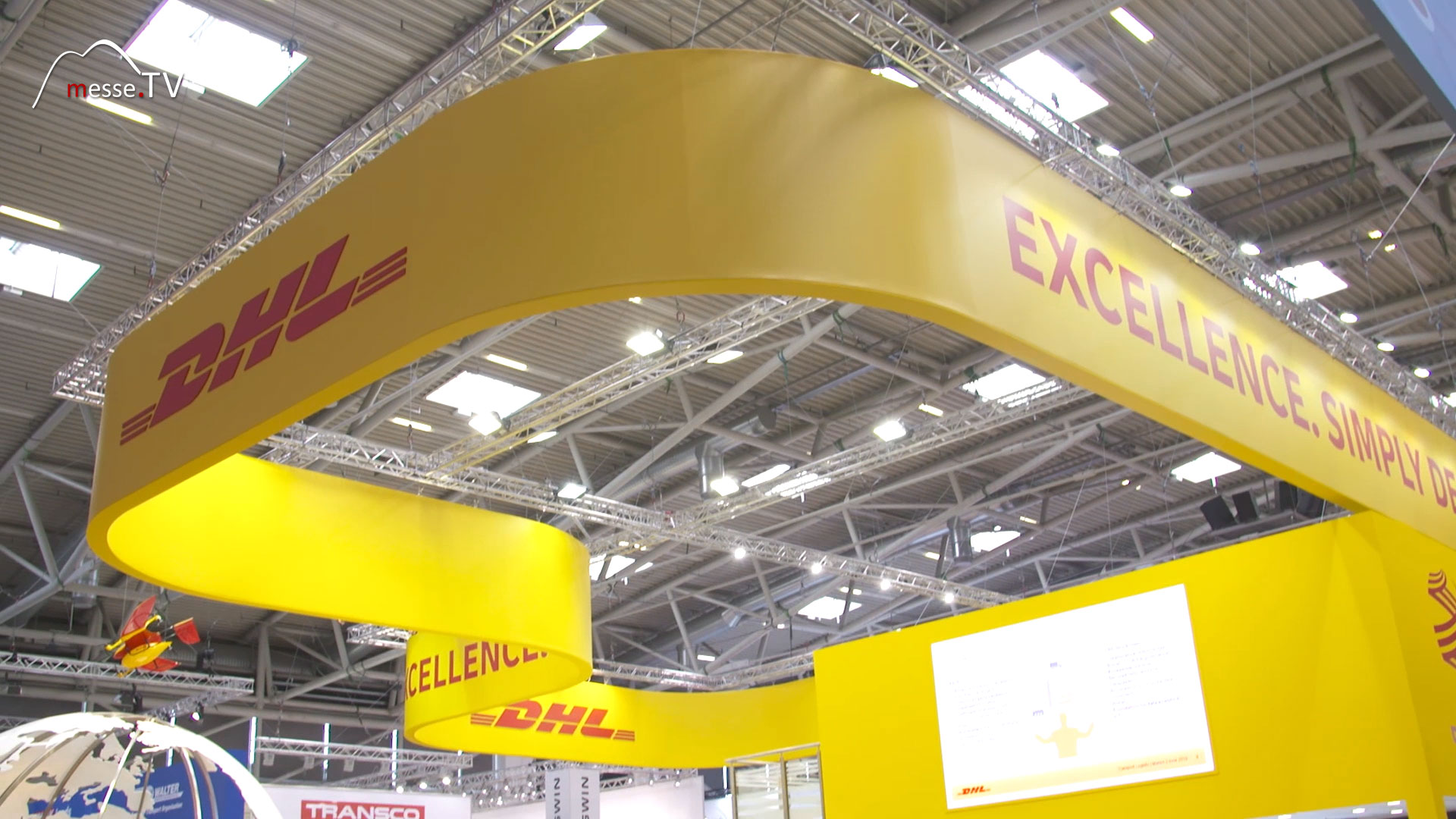

DHL und die Rolle des Menschen in der Zustellung
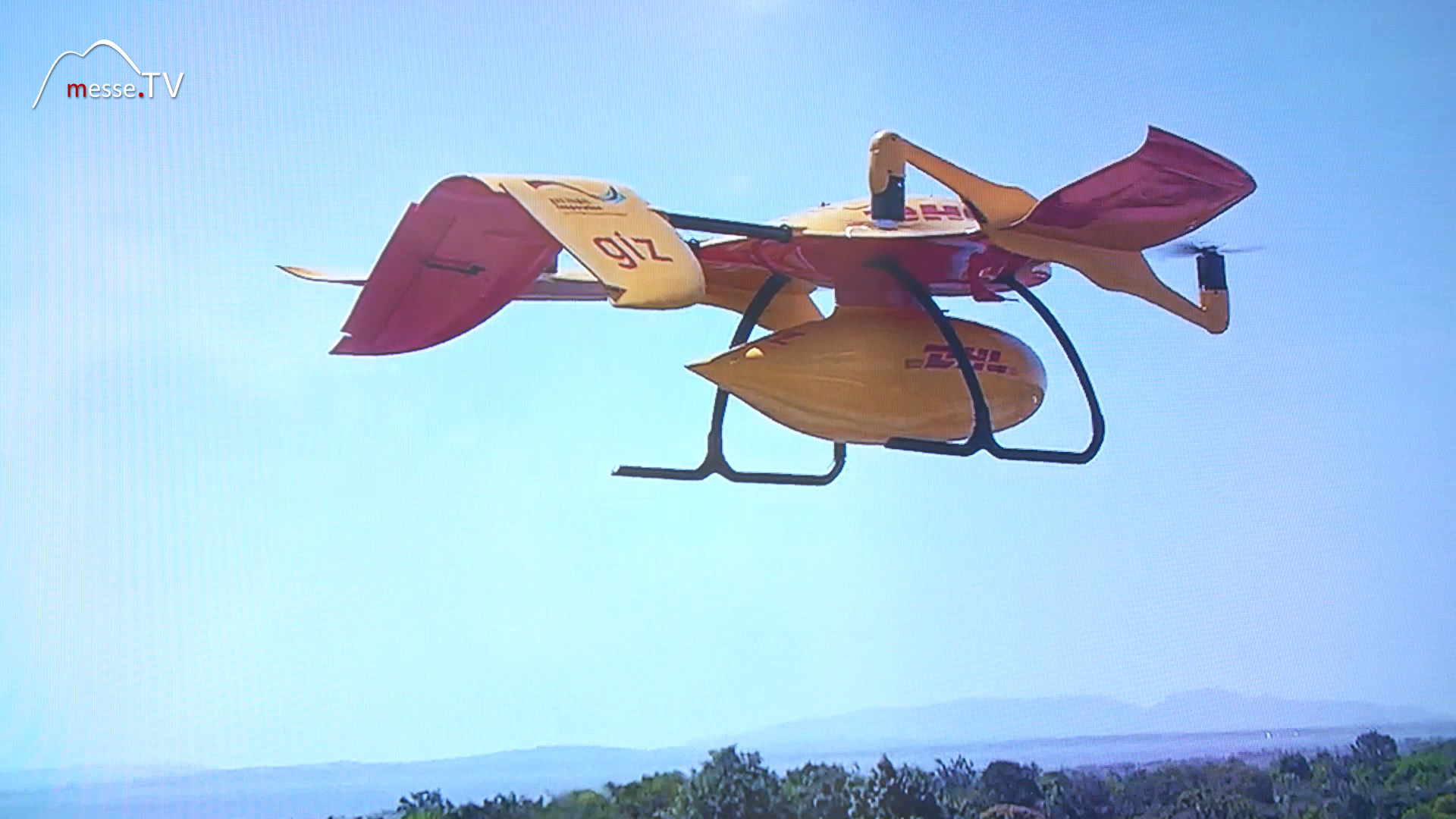
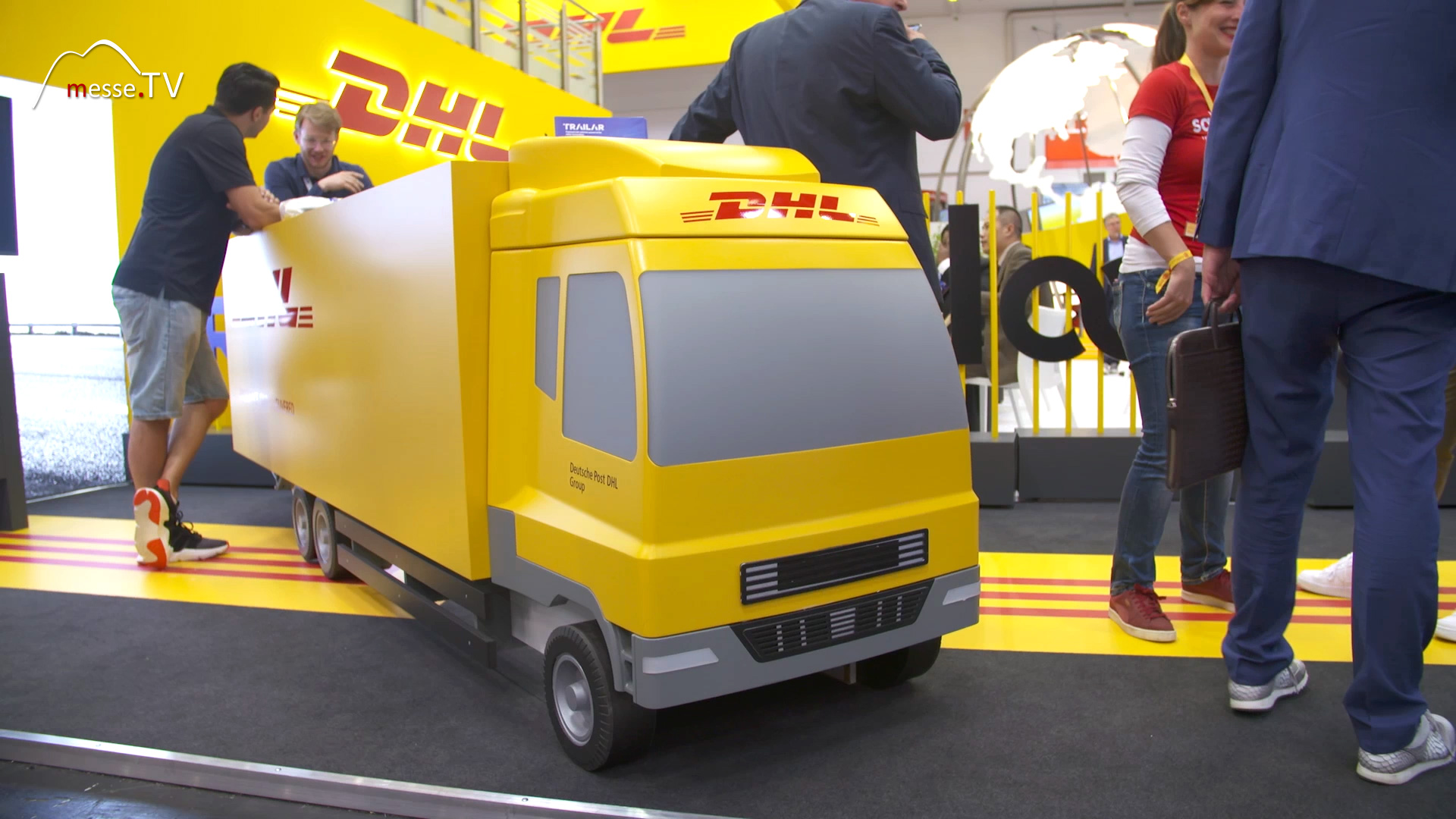
Trotz intensiver Forschung und zahlreicher Pilotprojekte bleibt der Mensch das zentrale Element der letzten Meile. Paketdienste wie DHL setzen weiterhin auf Zusteller, die mehrere Sendungen in einem Zustellfahrzeug bündeln und in einer geplanten Route ausliefern. Diese Form der Konsolidierung ist der Kern wirtschaftlicher Paketlogistik. Drohnen können dieses Prinzip nicht ersetzen. Sie fliegen immer von einem Punkt zu einem anderen. Jede Sendung erfordert einen eigenen Flug, eine eigene Route und eine eigene Energieversorgung. Was technologisch beeindruckend wirkt, ist logistisch betrachtet ineffizient – zumindest in dicht besiedelten Regionen mit funktionierender Infrastruktur.
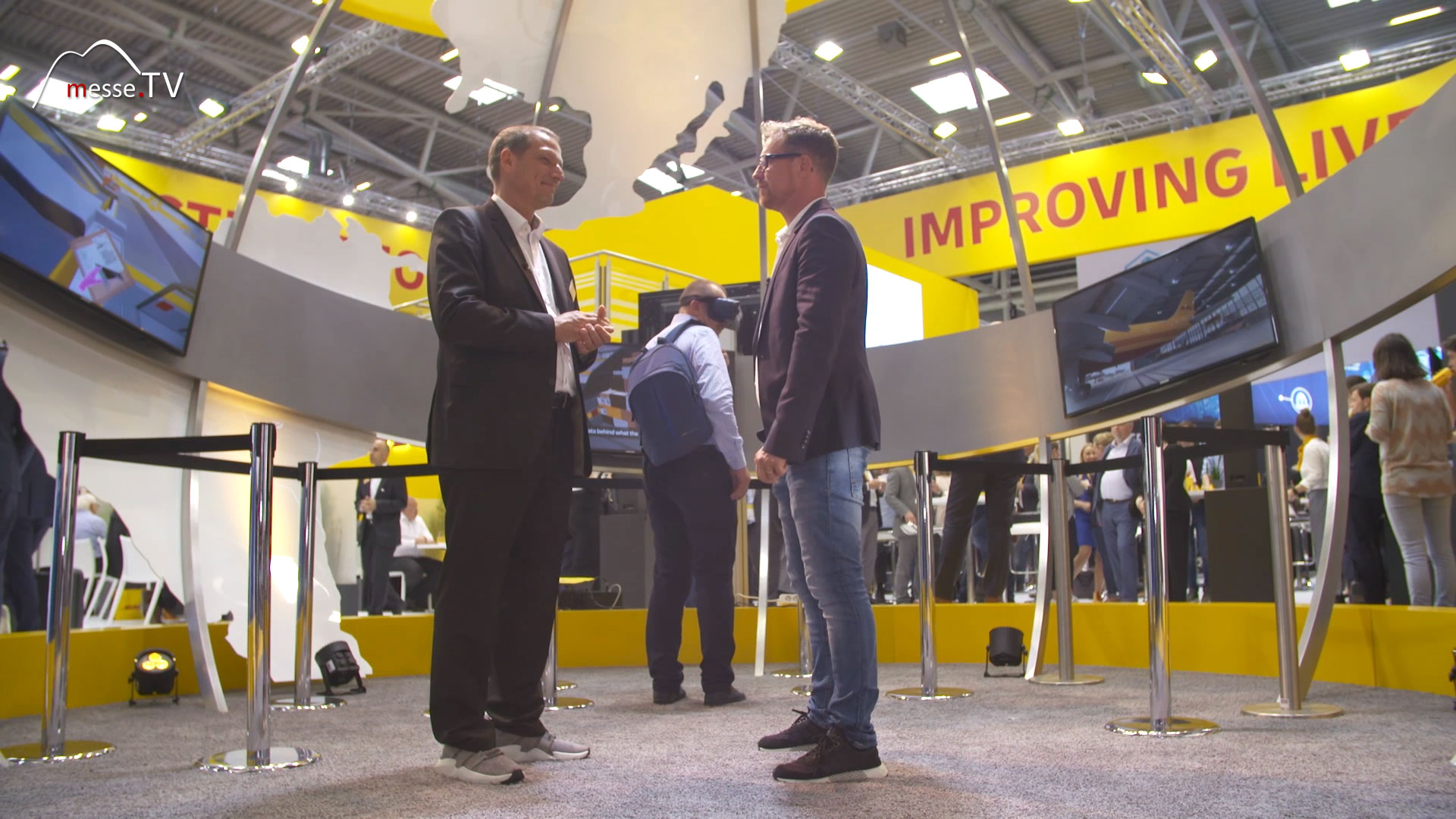
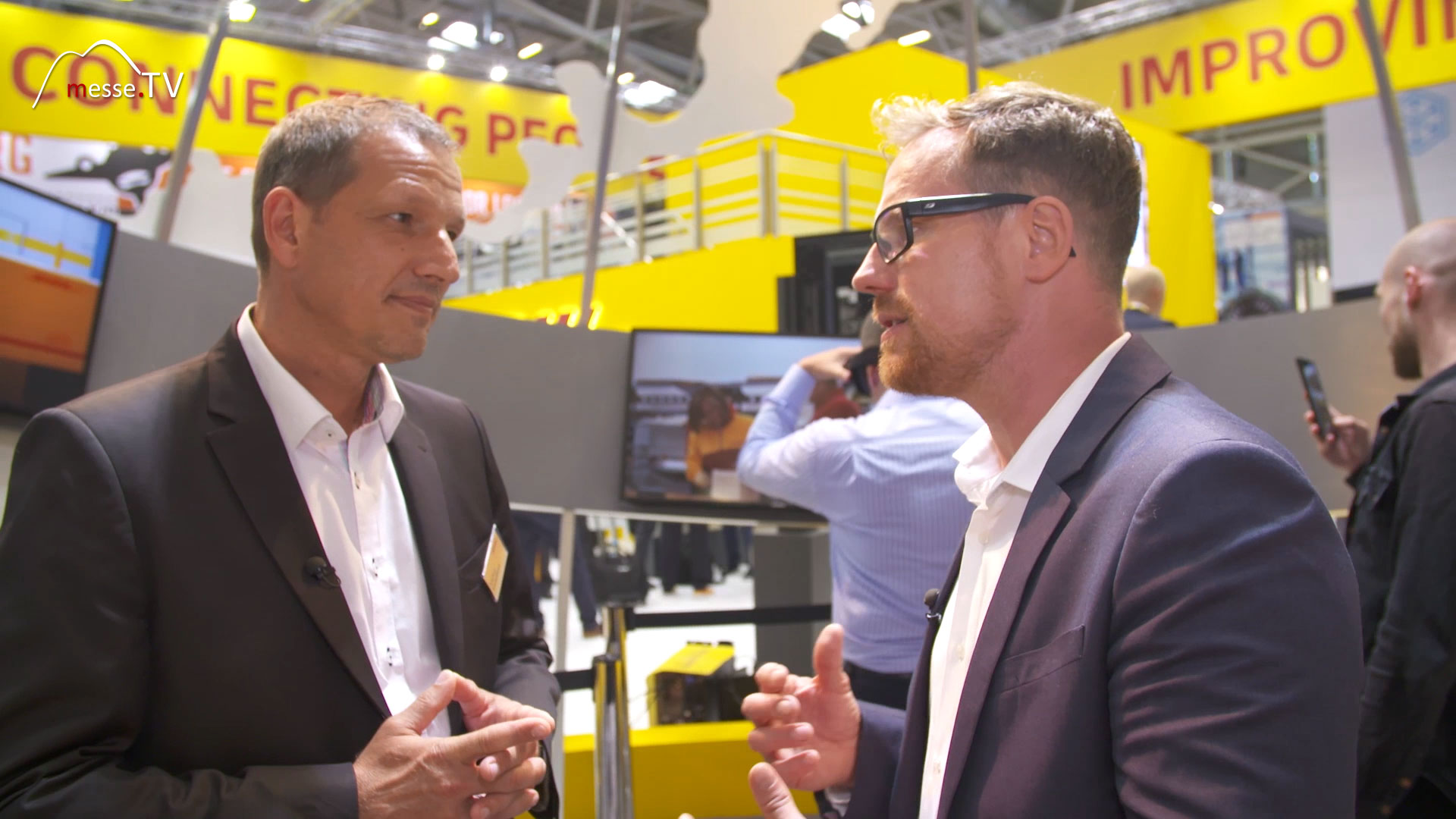
Drohnen als Speziallösung für Regionen ohne Infrastruktur
Anders sieht es dort aus, wo klassische Logistik an ihre Grenzen stößt. In Regionen mit schlechter oder fehlender Verkehrsinfrastruktur können Drohnen ihre Stärken ausspielen. Das gilt insbesondere für abgelegene Gebiete, schwer zugängliche Regionen oder Länder, in denen Straßenverbindungen unzuverlässig sind. Hier werden Drohnen bei DHL bereits eingesetzt, um zeitkritische Güter wie Medikamente oder medizinische Proben zu transportieren. Der Vorteil liegt in der direkten Verbindung zwischen zwei Punkten, ohne auf Straßen, Fahrzeuge oder lange Umwege angewiesen zu sein. In solchen Szenarien ist Point-to-Point-Delivery kein Nachteil, sondern der entscheidende Mehrwert.
Technologische Reife und regulatorische Grenzen
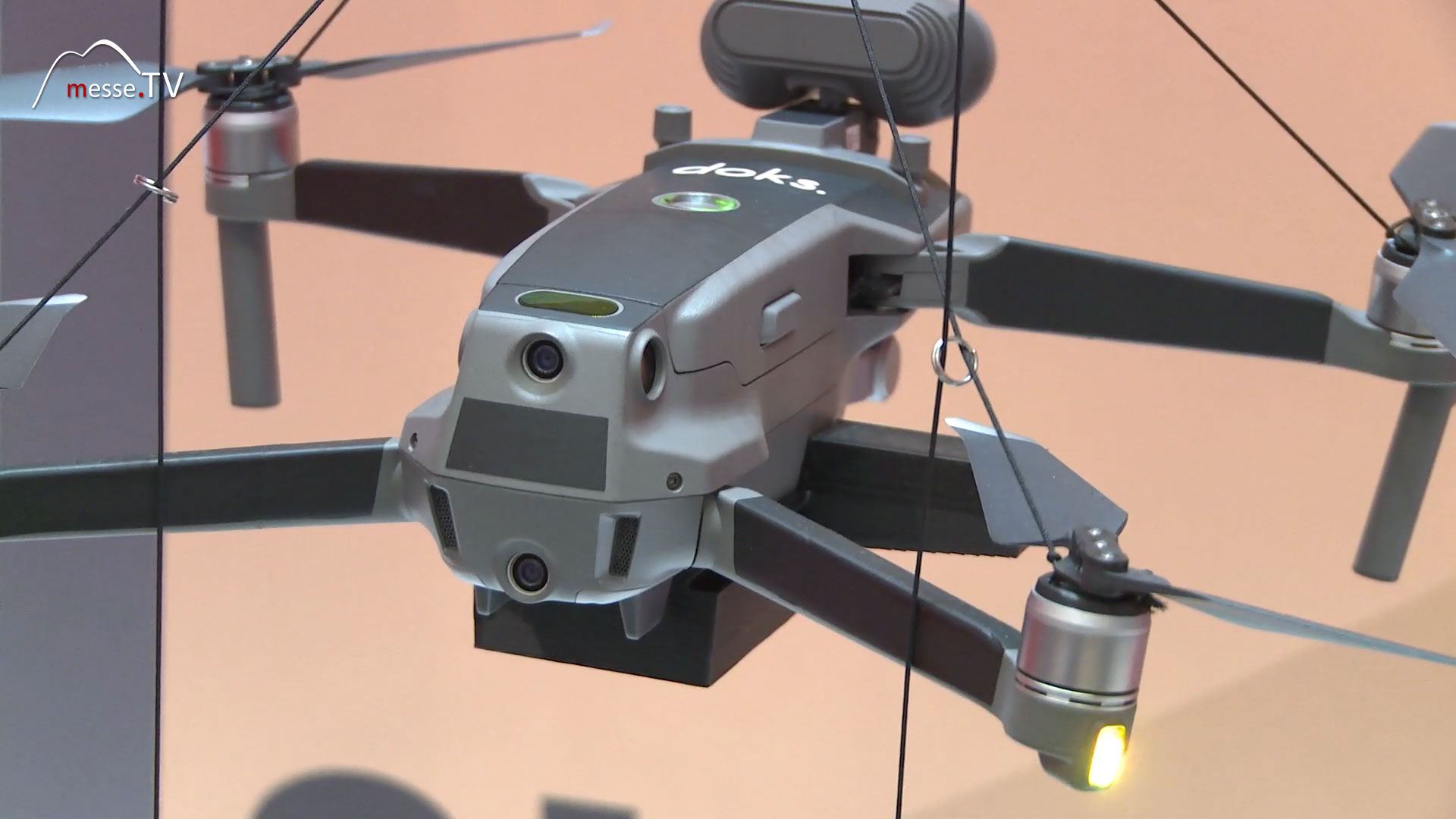
Aus technischer Sicht sind Drohnen für Lieferzwecke weit entwickelt. Navigation, Flugstabilität, Sensorik und Automatisierung haben in den vergangenen Jahren enorme Fortschritte gemacht. Viele Systeme sind zuverlässig, präzise und einsatzbereit. Die größeren Hürden liegen im regulatorischen Umfeld. Lufträume sind streng reguliert, Sicherheitsauflagen hoch und Genehmigungsverfahren komplex. In dicht besiedelten Gebieten kommen zusätzliche Fragen hinzu, etwa zum Datenschutz, zur Haftung und zur Sicherheit von Menschen am Boden. Diese Faktoren begrenzen den Einsatz von Lieferdrohnen deutlich stärker als die verfügbare Technik.


Warum City-Logistics mit Drohnen nicht funktioniert
Für die urbane Paketlogistik sind Drohnen auf absehbare Zeit keine Lösung. Städte leben von gebündelten Lieferstrukturen. Elektro-Zustellfahrzeuge, die mehrere Pakete in einer Tour ausliefern, sind effizienter als eine Vielzahl einzelner Flüge. Dieses Prinzip wird häufig als Milk-Run bezeichnet: Eine Route, viele Stopps, optimierte Auslastung. Drohnen widersprechen diesem Ansatz. Sie können keine Sendungen bündeln und keine komplexen Routen abfahren. Jede Lieferung steht für sich. Das führt zu höherem Energieeinsatz, höherem Koordinationsaufwand und geringerer Effizienz. Für die City-Logistics der kommenden Jahrzehnte bleibt daher der bodengebundene Verkehr das Rückgrat.
- Drohnen eignen sich für punktuelle Spezialanwendungen
- In Städten bleibt konsolidierte Zustellung effizienter
- Technik ist weiter als Regulierung und Logistikmodelle
- Der Mensch bleibt zentral für die letzte Meile
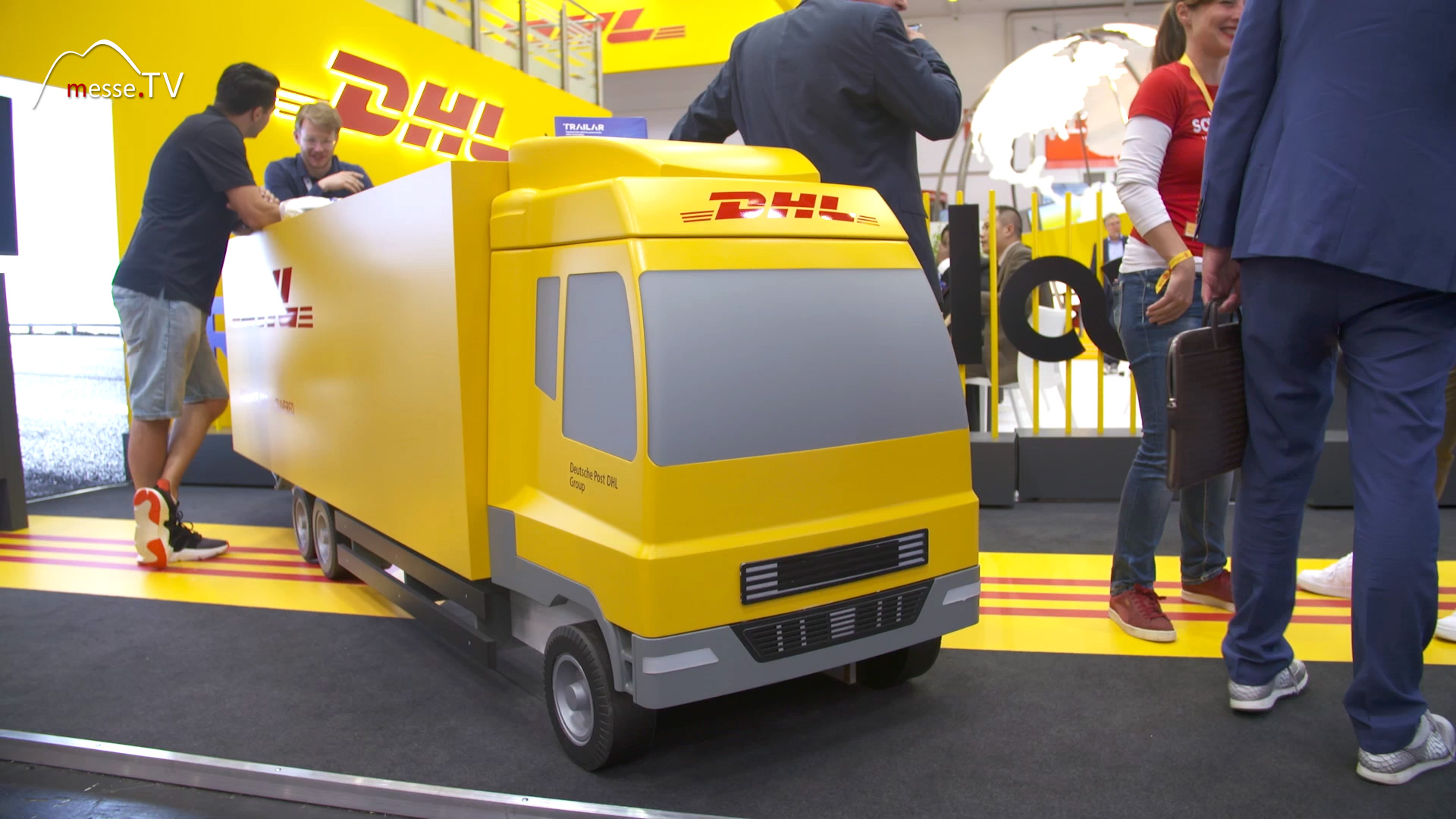
Realistische Perspektiven statt Technologie-Hype
Ein zentrales Thema der Diskussion ist der Umgang mit neuen Technologien. Drohnen faszinieren, weil sie sichtbar innovativ sind. Doch Logistik folgt anderen Gesetzmäßigkeiten als technologische Machbarkeit. Nicht alles, was fliegt, skaliert auch wirtschaftlich. Die Herausforderung besteht darin, genau hinzusehen, wo neue Lösungen echten Nutzen bringen. Drohnen sind kein Ersatz für bestehende Systeme, sondern eine Ergänzung für klar definierte Einsatzfelder. Wer sie dort einsetzt, wo sie sinnvoll sind, gewinnt Geschwindigkeit und Reichweite. Wer sie überall einsetzen will, verliert Effizienz.
Zukunft der Paketversorgung zwischen Boden und Luft
In den kommenden Jahren wird sich an der Grundstruktur der Paketversorgung wenig ändern. Menschen, Fahrzeuge und konsolidierte Routen bleiben dominant. Drohnen werden parallel dazu weiterentwickelt, jedoch gezielt eingesetzt. Sie schließen Lücken, wo klassische Logistik nicht funktioniert, statt sie zu verdrängen. Diese realistische Einordnung ist entscheidend für die Weiterentwicklung der Branche. Sie schützt vor überzogenen Erwartungen und lenkt Investitionen dorthin, wo sie Wirkung entfalten. Drohnenlogistik ist damit weder bloße Zukunftsmusik noch universelle Lösung, sondern ein spezialisiertes Werkzeug in einem komplexen System.














Messe-Berichterstattung bundesweit - Messewissen, Termine & Veranstaltungen


